
DiwataThe One Unlike Us
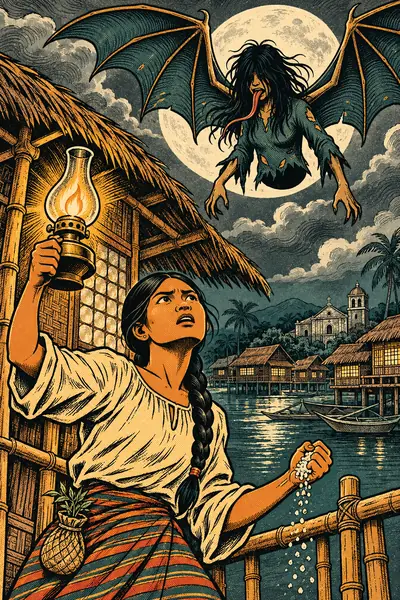
Silak, 15, can answer any bird in the forest, but no spirit has ever answered her. Then her brother marks the old balete for cutting at twilight, meets a pale woman who leaves no footprints, and is gone by morning.
Chapter 1 is coming soon. The pages are still being drawn.
Sign in to bookmark this komiks and see when a new chapter is out.
Chapters
About this retelling
Diwata is the Visayan word for nature spirits and gods; Tagalogs said anito. A forest diwata owns its place, and people ask leave before they go there. Diwata cross into our world at twilight. People avoid saying their name and call them "those unlike us". A diwata in human form is said to be pale, to feel cold, to leave no footprints, to have no groove above the upper lip and to sense the world by smell. Diwata make illusions, change shape, and lead beautiful men and women away into the spirit world. An angered diwata can make people sick (buyag). The babaylan, almost always a woman, speaks with the spirits, and a diwata can choose her as its spirit guide (abyan). Offerings hold food, wine and betel nut, never salt, on a bamboo altar (latangan). The balete was the most honored home of diwata. "Tao po" ("I am a human") proved a visitor was not a shapeshifter. Spanish writers called diwata encanto or duende.
Ilihan and every character. The tribute plot and the datu's clearing, Silak's bird calls, Banog's capture and the false Banog, the rules of the other side, the bargain and the year in the forest, Hiyas's journey, and every line of dialogue. What the diwata says and does is our telling. This is not the story of Maria Makiling, Maria Sinukuan, Maria Cacao or the lambana of Mount Banahaw.
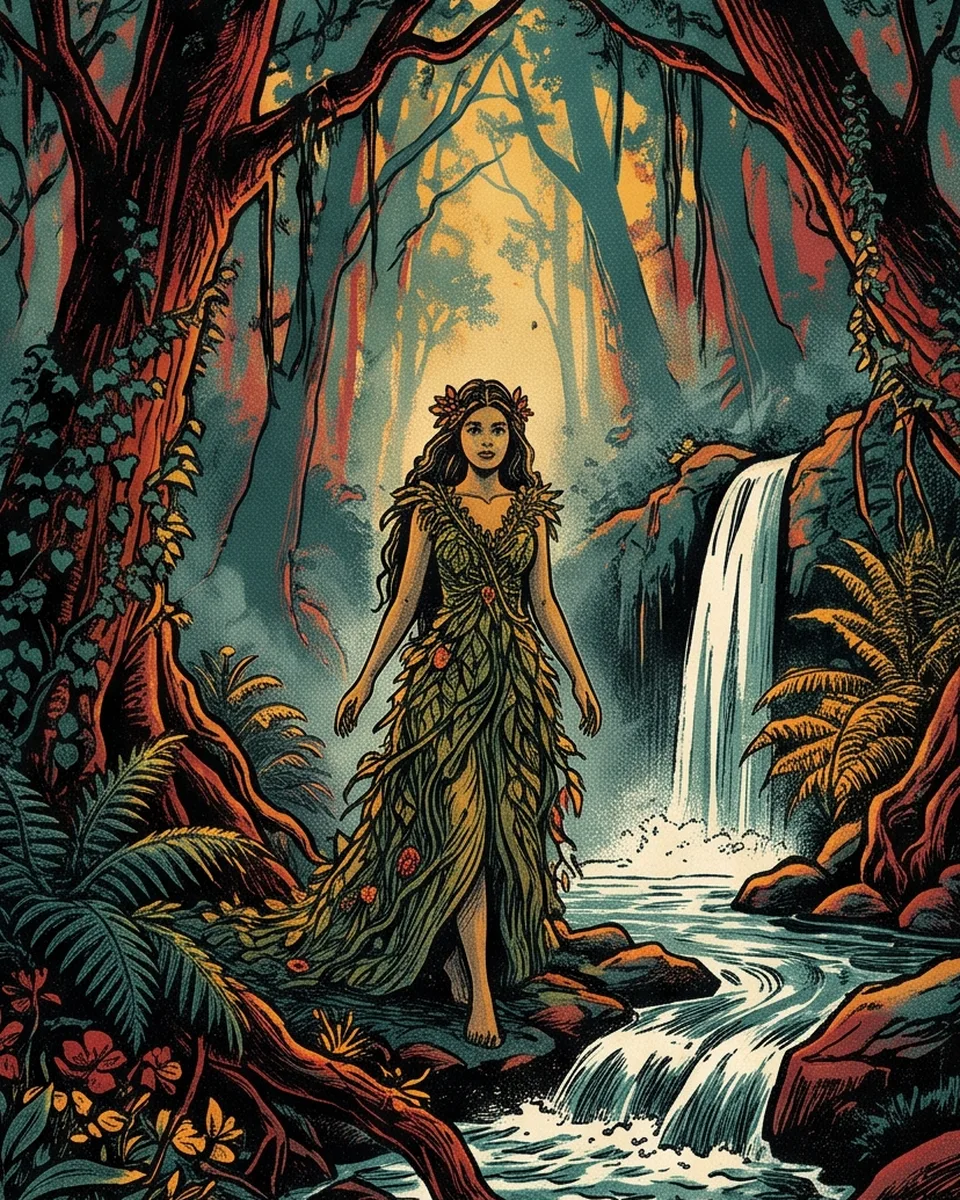 The legendDiwataGuardian of forests and mountains.Read the legend
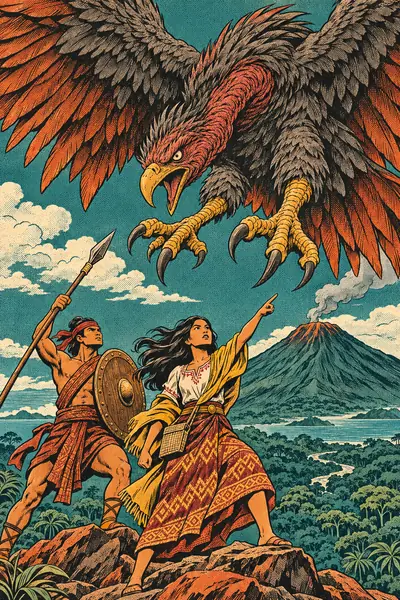 Read now
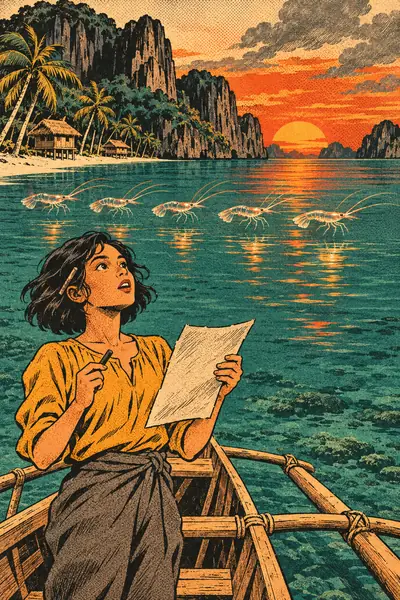 Read now
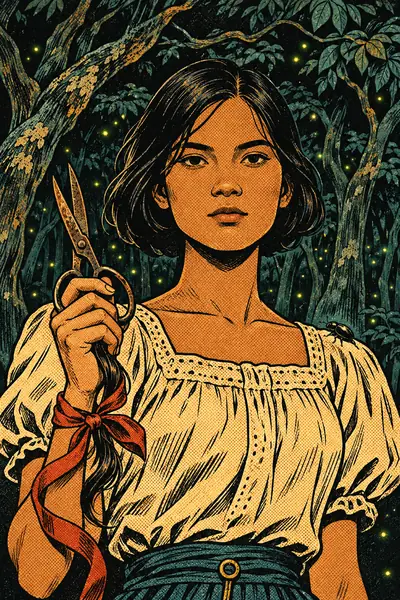 Read now
 Read now