A 3-day plan built from the See, Do and Eat listings in Wikivoyage's Sabtang guide. The stops are in an order that keeps each day close together. Check the hours …
Municipality in Batanes, Cagayan Valley, Luzon · 6 barangays
A 3-day plan built from the See, Do and Eat listings in Wikivoyage's Sabtang guide. The stops are in an order that keeps each day close together. Check the hours …
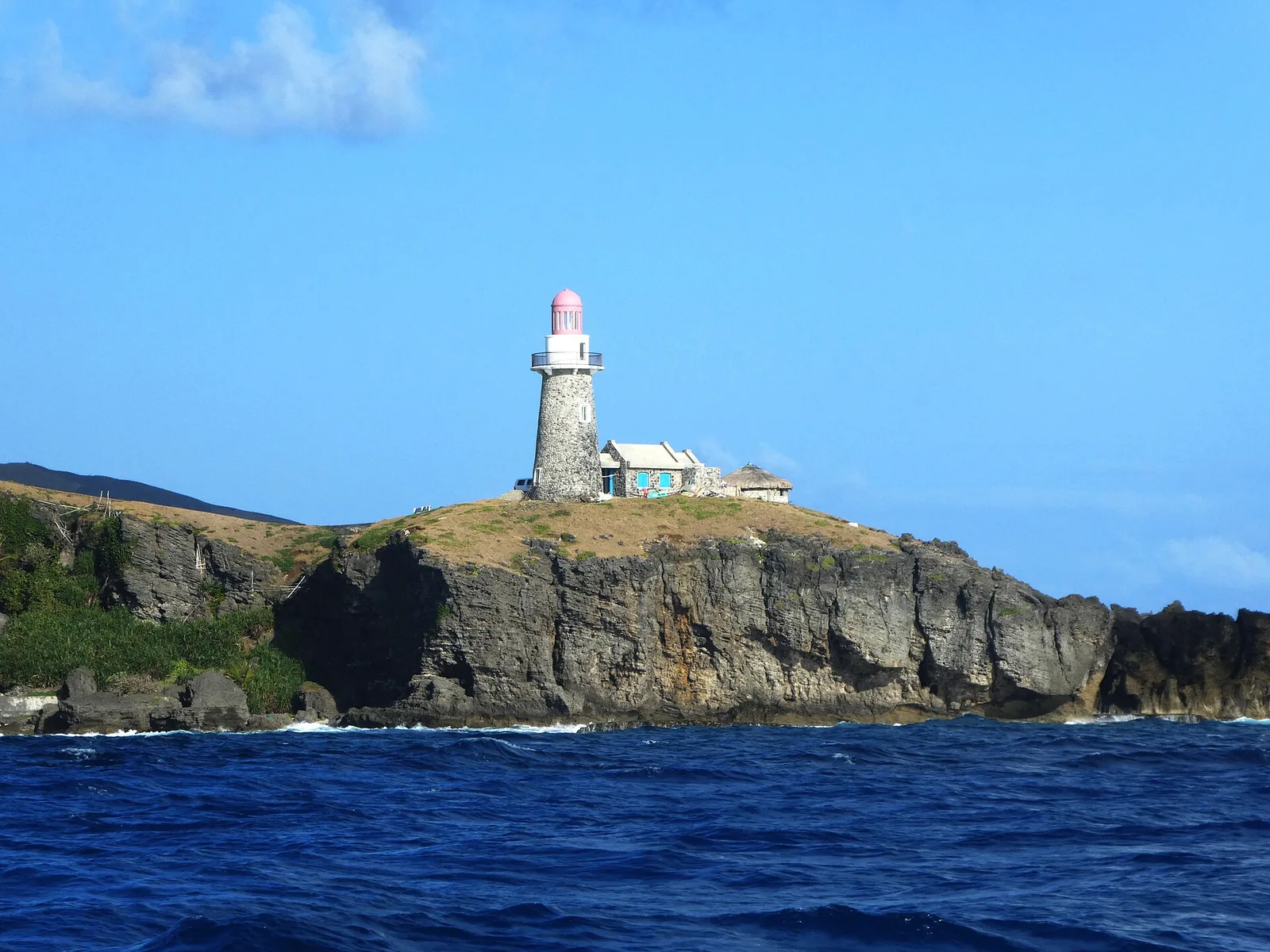
An structure overlooking the northern part of the island and watching the ferries heading to and from Batan Island.
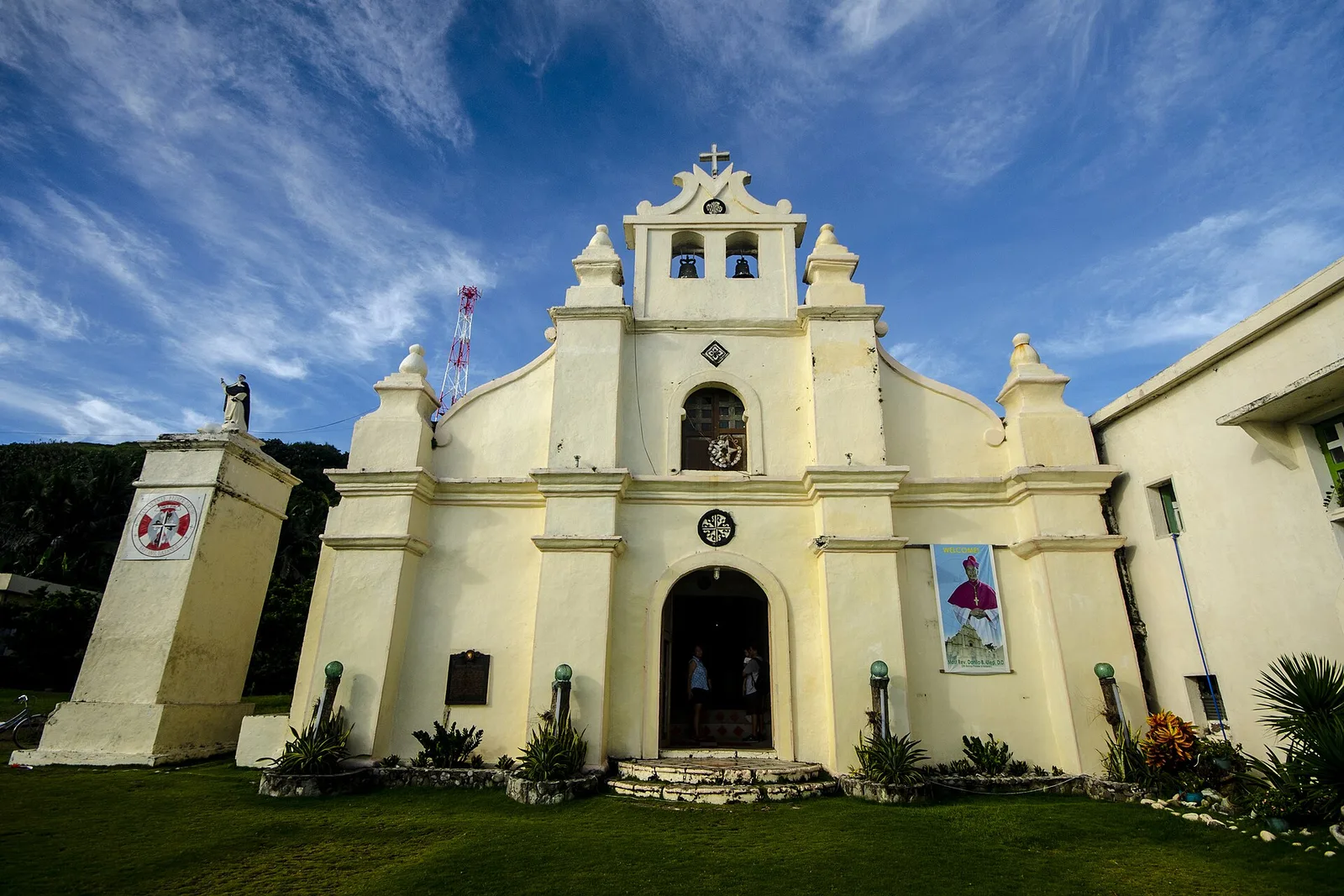
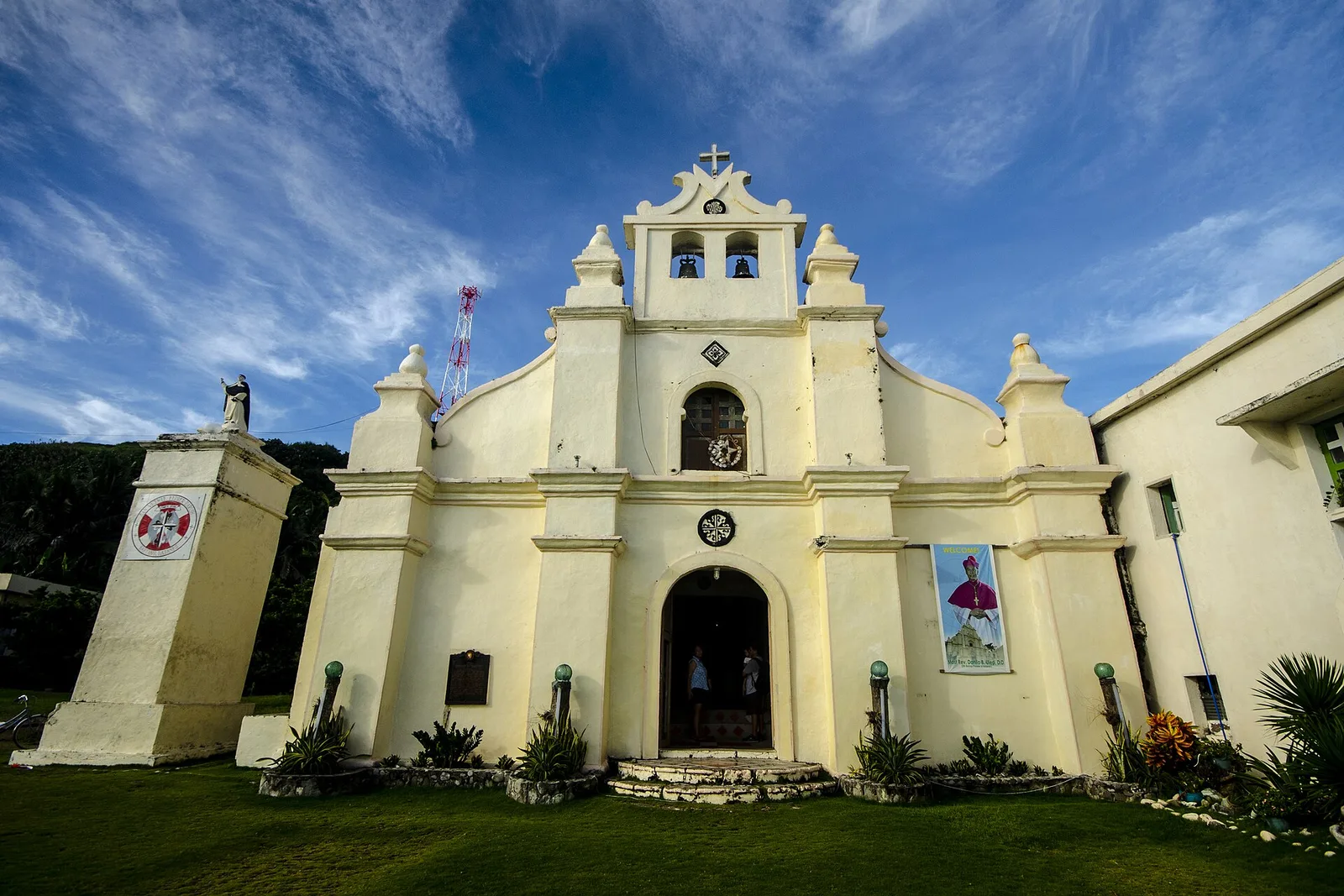
Sabtang's main Roman Catholic church, built in a Baroque style during the Spanish era in 1785.
The main draw in Sabtang, it is a community (barangay) composed of houses built in the traditional Ivatan way and composed of stone and thatch roofs in the southern part of the island. It is where most postcard images of …
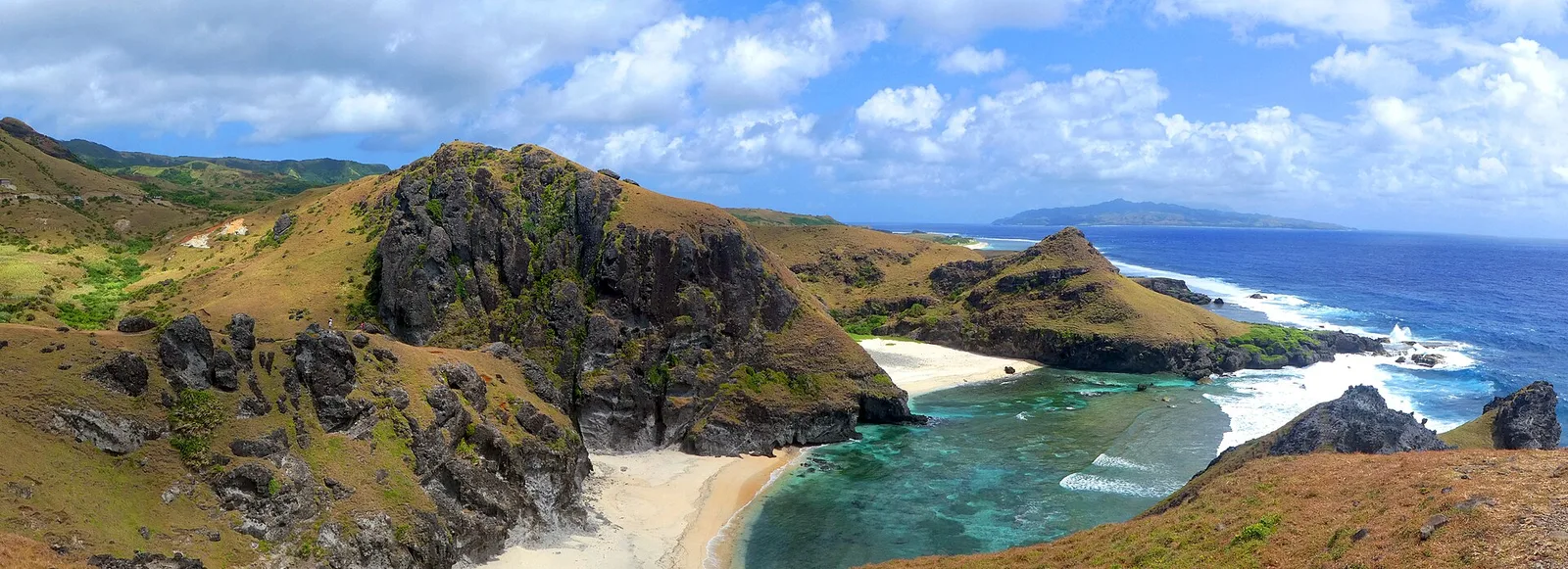
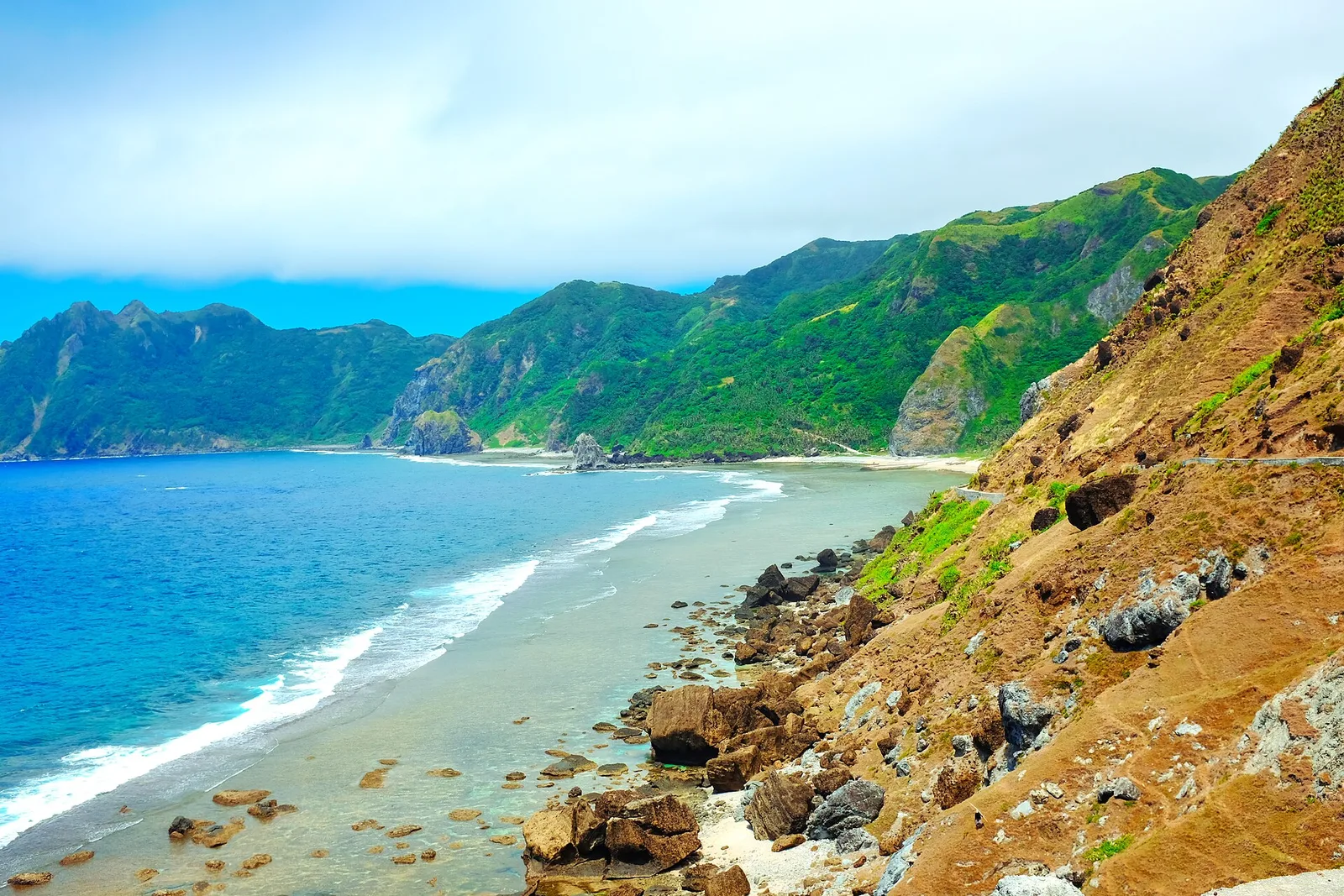
An elevated sport along the National Road with views of the surrounding cliffs, coves and roaring ocean, set amid a background of rolling hills and grasslands. Beware of droppings from grazing goats and cattle.
Chavayan's Roman Catholic chapel, built with a Baroque facade and a thatched roof during the Spanish era.
The idjang is an Ivatan word for the elevated and fortified settlements that existed in Batanes before Spanish colonization. The one in Sabtang, situated on a triangular-shaped hill, has been the one most extensively studied by archaeologists.
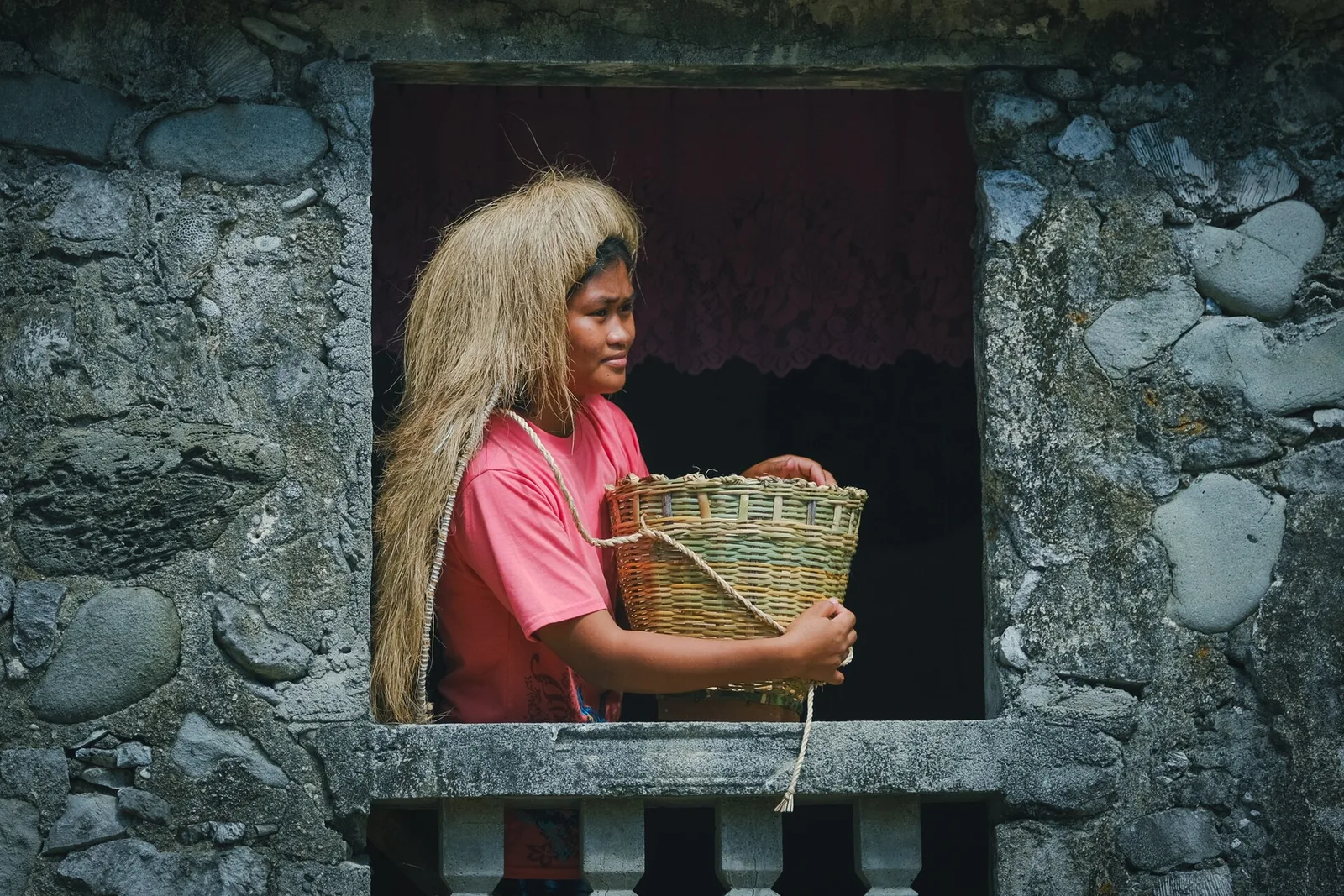
Like Chavayan, it is a barangay in the east-central section of Sabtang composed of traditional stone houses that also forms the typical postcard pictures of Batanes.
Savidug's Roman Catholic chapel, built in a Baroque style during the Spanish era.