RI
Region II (Cagayan Valley): Visit
Region in Luzon · 5 provinces and cities
Santa Maria Ecotourism Park
A small park along the Cabicungan River with mangroves and cottages.
Bantay Kalbo
The northern-most point of Claveria is a hill jutting out into the Babuyan Channel and ringed by rocky cliffs. It is named as such for its grassy appearance (bantay means watchman and kalbo means bald).
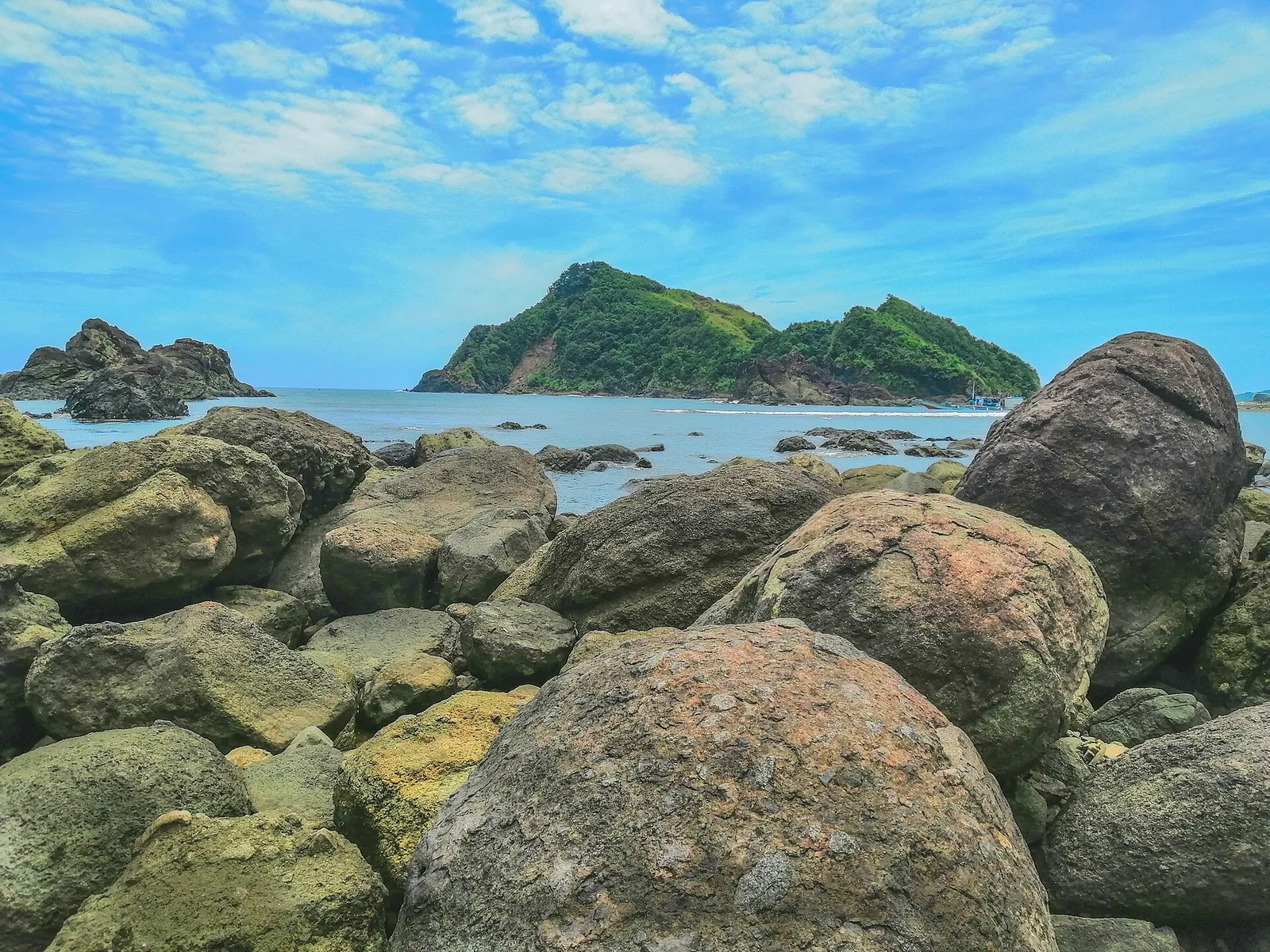
Taggat Lagoon
Claveria's seas are often very rough except for this section of beach that is protected by natural rock formations. You may have to keep clear of the fishing boats that are parked around the lagoon, testifying to the area's active …
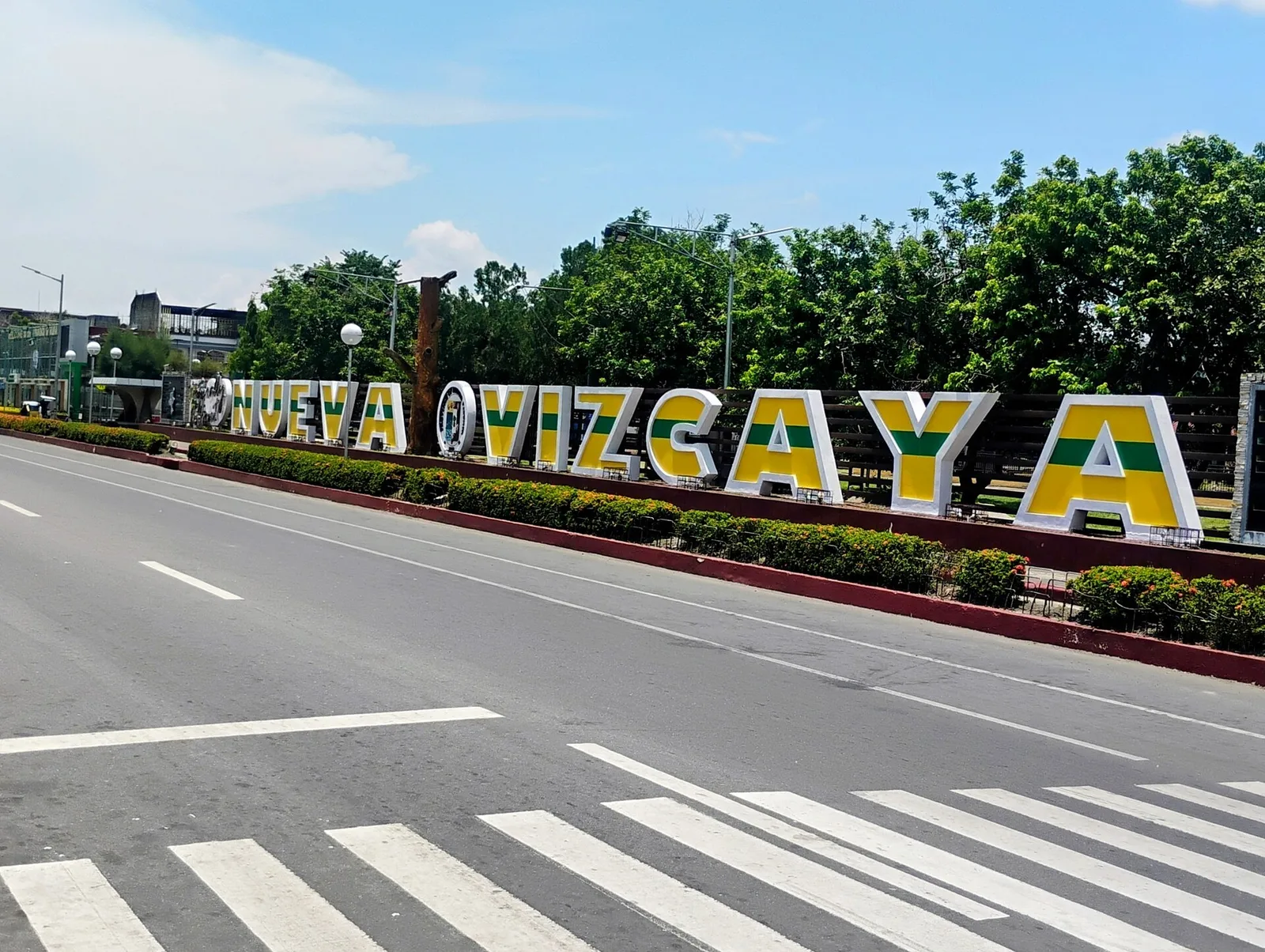
Nueva Vizcaya Provincial Capitol Complex
The current headquarters of Nueva Vizcaya’s provincial government was built during the administration of Governor Patricio G. Dumlao. The capitol building is a study of architectural ingenuity. It has a park with exotic plant species, concrete benches and sidewalks lighted …
Bangan Hill National Park
A historical landmark, it is the location of an annual "Stations of the Cross" held during the Lenten season, with live actors portraying Jesus' suffering, death, and resurrection. Aside from that, it is also visited by hikers, and the hilltop …
Tupa
A stretch of rapids at the point where the Pinacanauan River leaves the Sierra Madre that is a favorite swimming spot for locals.
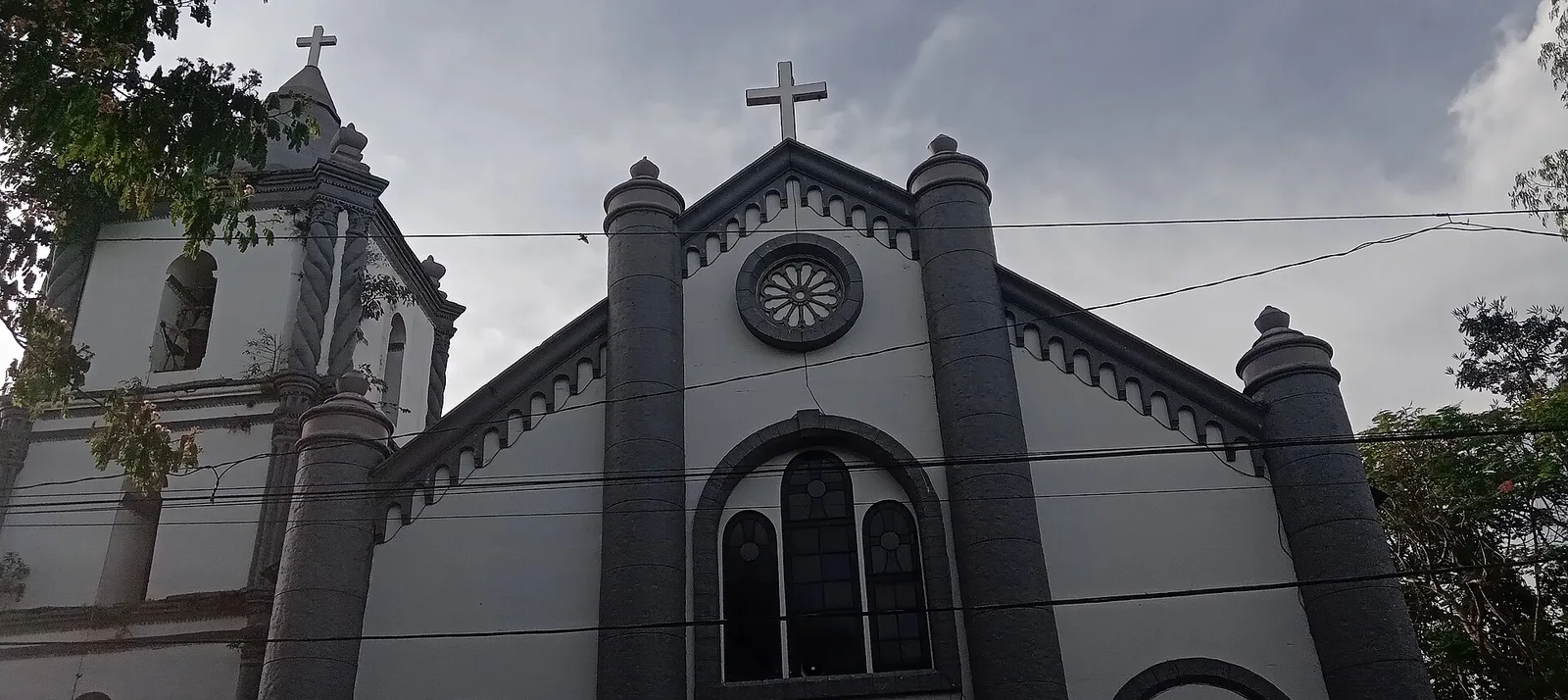
Saint Ferdinand Parish Church
This parish church in Ilagan City takes its name from Saint Ferdinand, the saint it is dedicated to.
Hacienda San Luis
An eco-tourism park built around the old Tabacalera warehouse, the Compania General de Tabacos de Filipinas of the Spanish period. Cauayan was tobacco land, and the company began supplying the Spanish government's tobacco monopoly in 1881. Museo San Luis, inside …
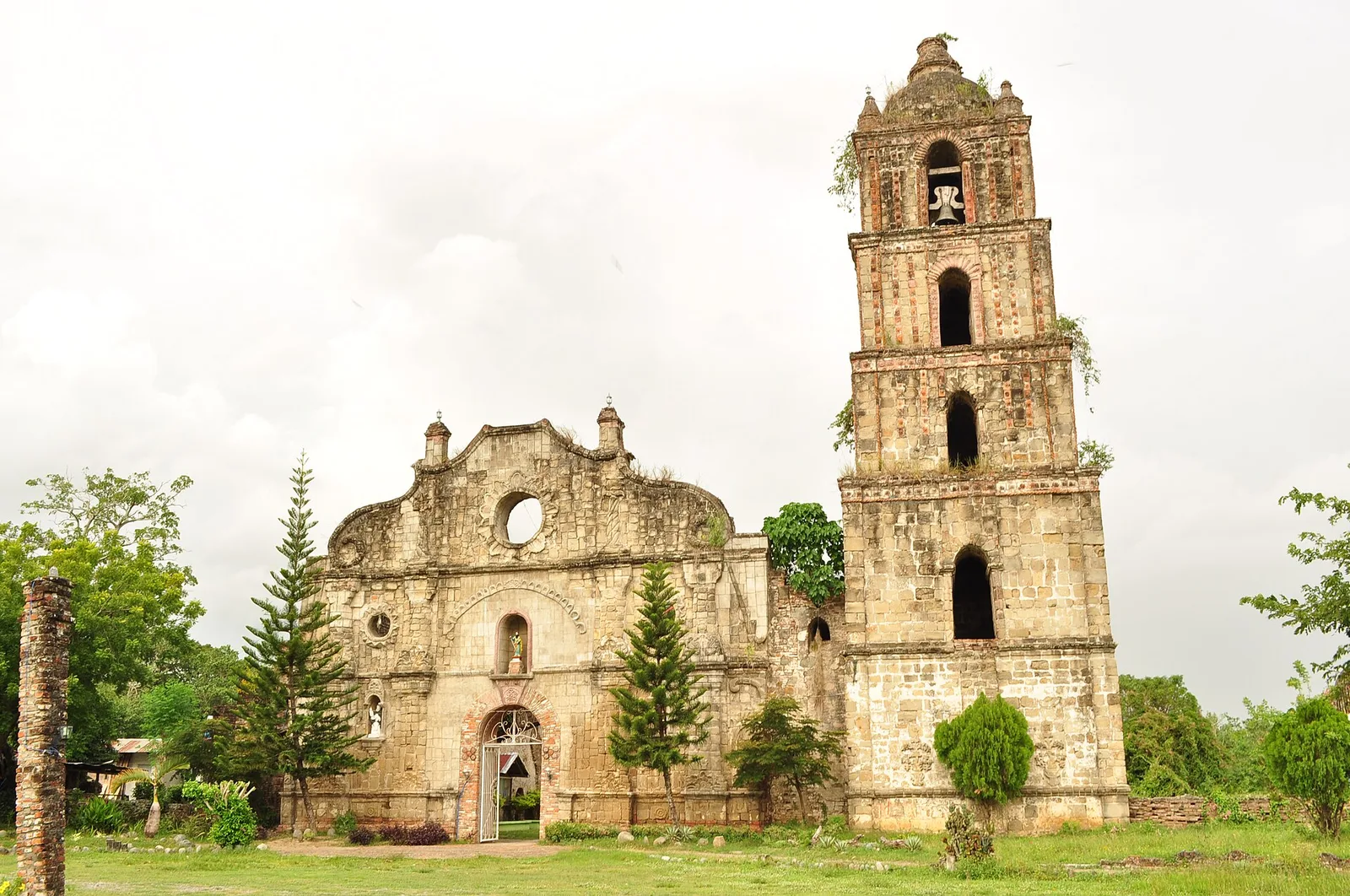
San Pablo Church Ruins
A Roman Catholic church built in 1624 and now a ruin. It is the oldest church in Isabela. The Second World War damaged it and a magnitude 7 earthquake brought it down in 1949. Fire took the roof in the …
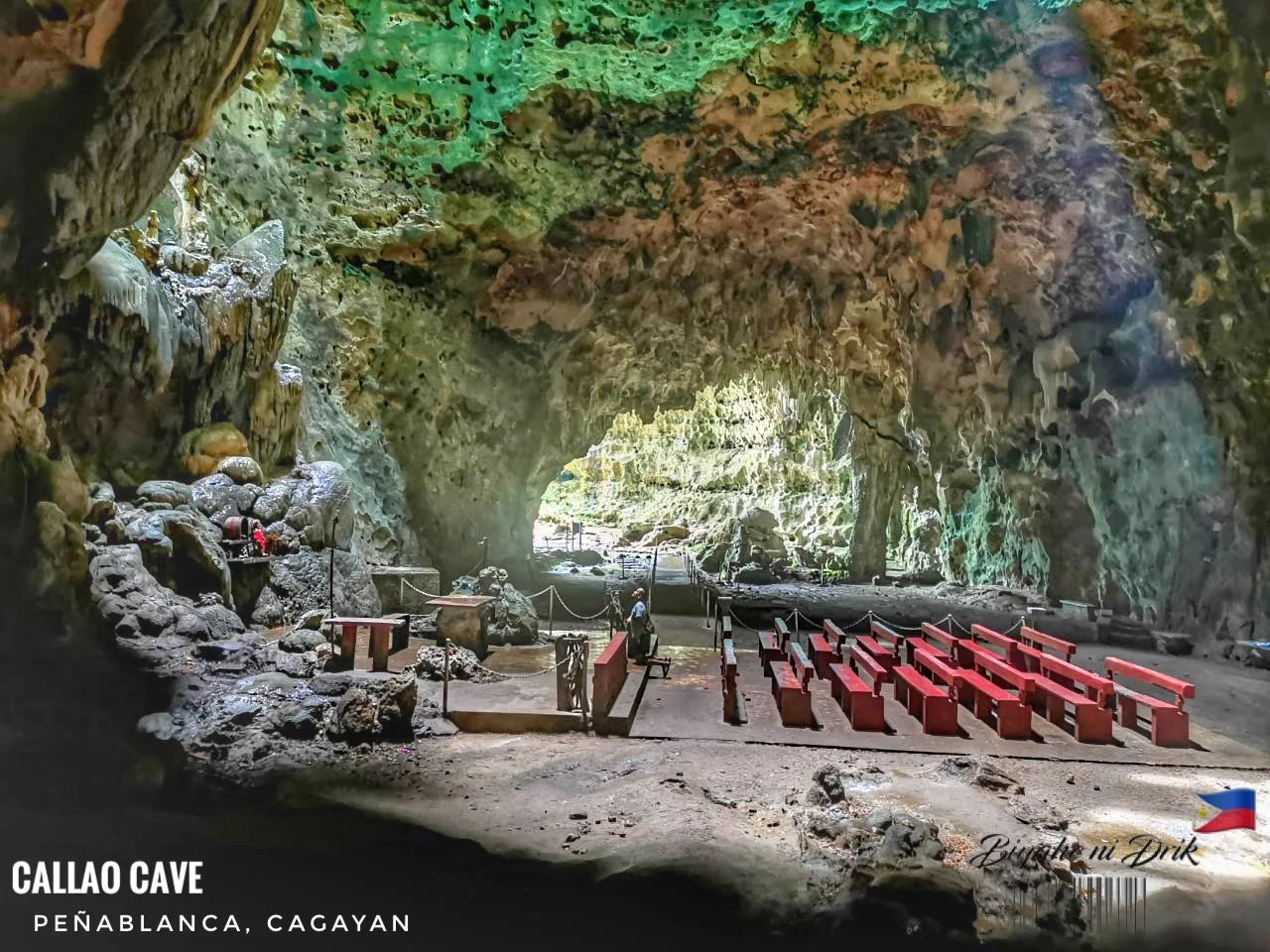
Callao Cave
A limestone show cave of seven chambers, and the best known natural attraction in Cagayan. Bones found inside belong to Homo luzonensis, or Callao Man, an extinct human species confirmed in 2019 from Late Pleistocene fossils that a team led …
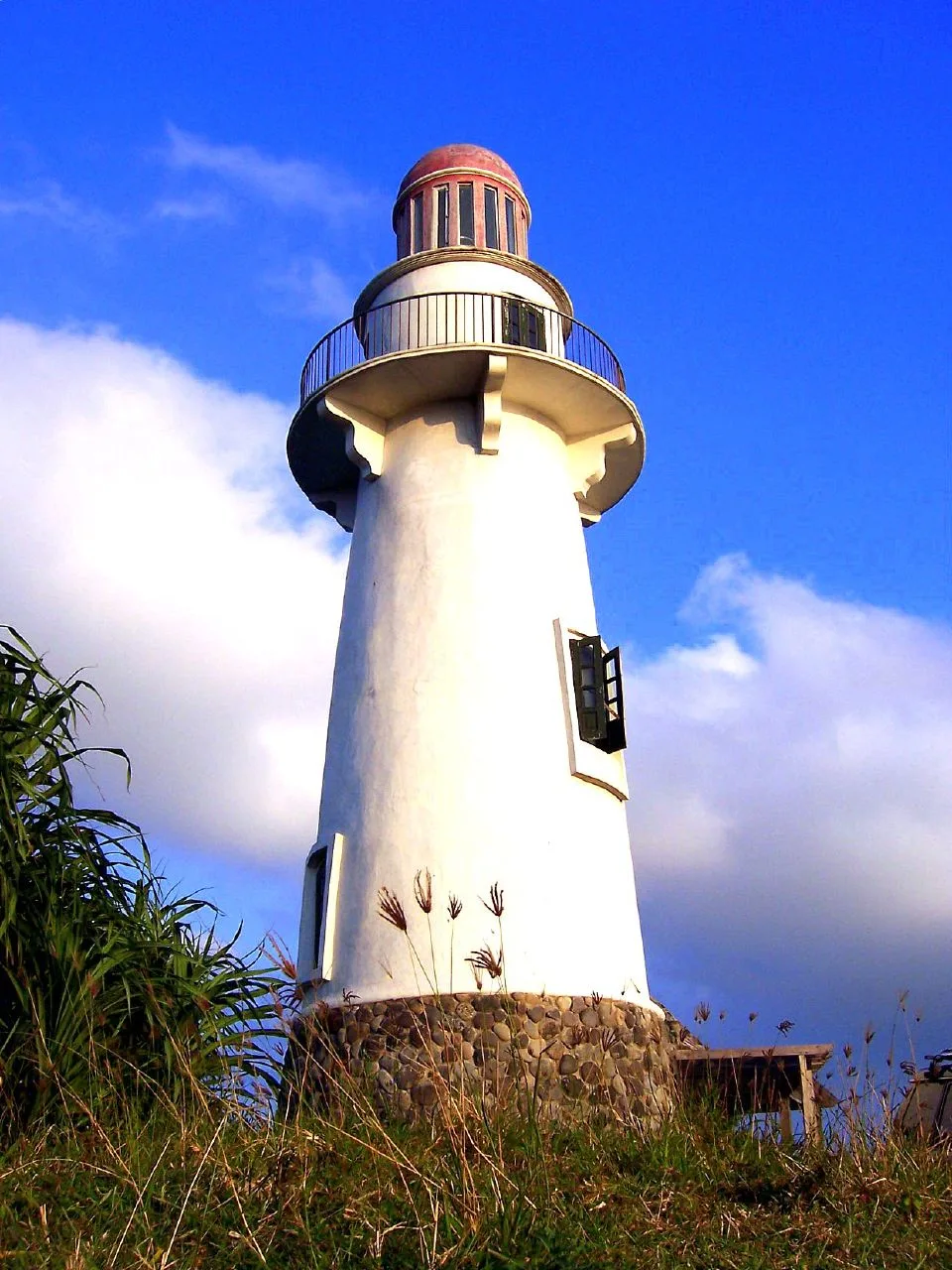
Basco Lighthouse
A six-storey lighthouse on Naidi Hill in Barangay San Antonio, with a deck over Basco and the open sea. You reach it on foot: the hike up from the Port of Basco is 1.2 kilometres. The deck is on the …
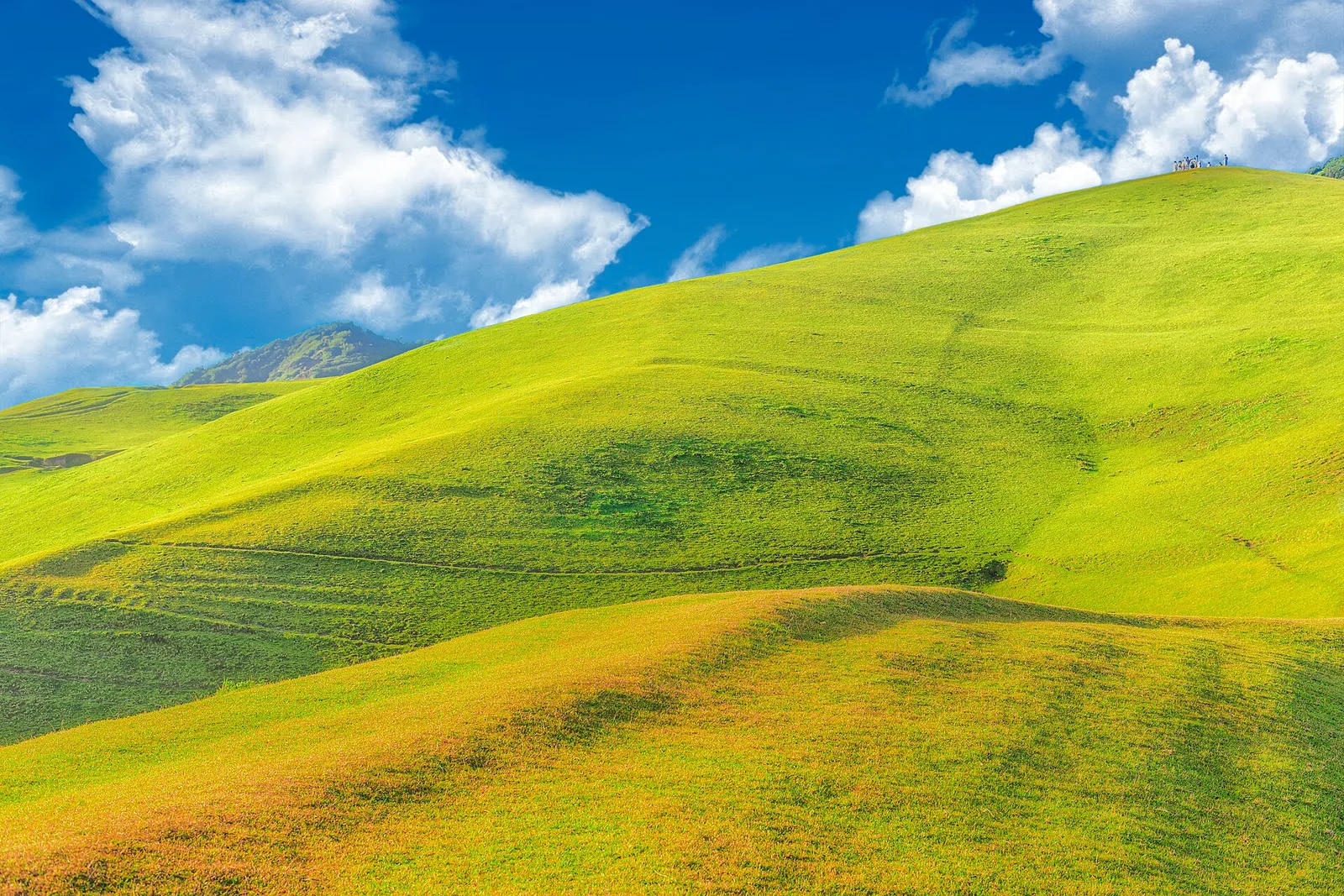
Marlboro Country
Open pasture on a headland above the sea, with cattle grazing and a view to Mount Iraya. It is also called Racuh a Payaman.
Mamba Ancestral House
The colonial-era residence of the Mamba family, one of the leading political dynasties in Cagayan. The house was also used as the headquarters of the government of Free Cagayan during World War II, and afterwards became the administrative building of …
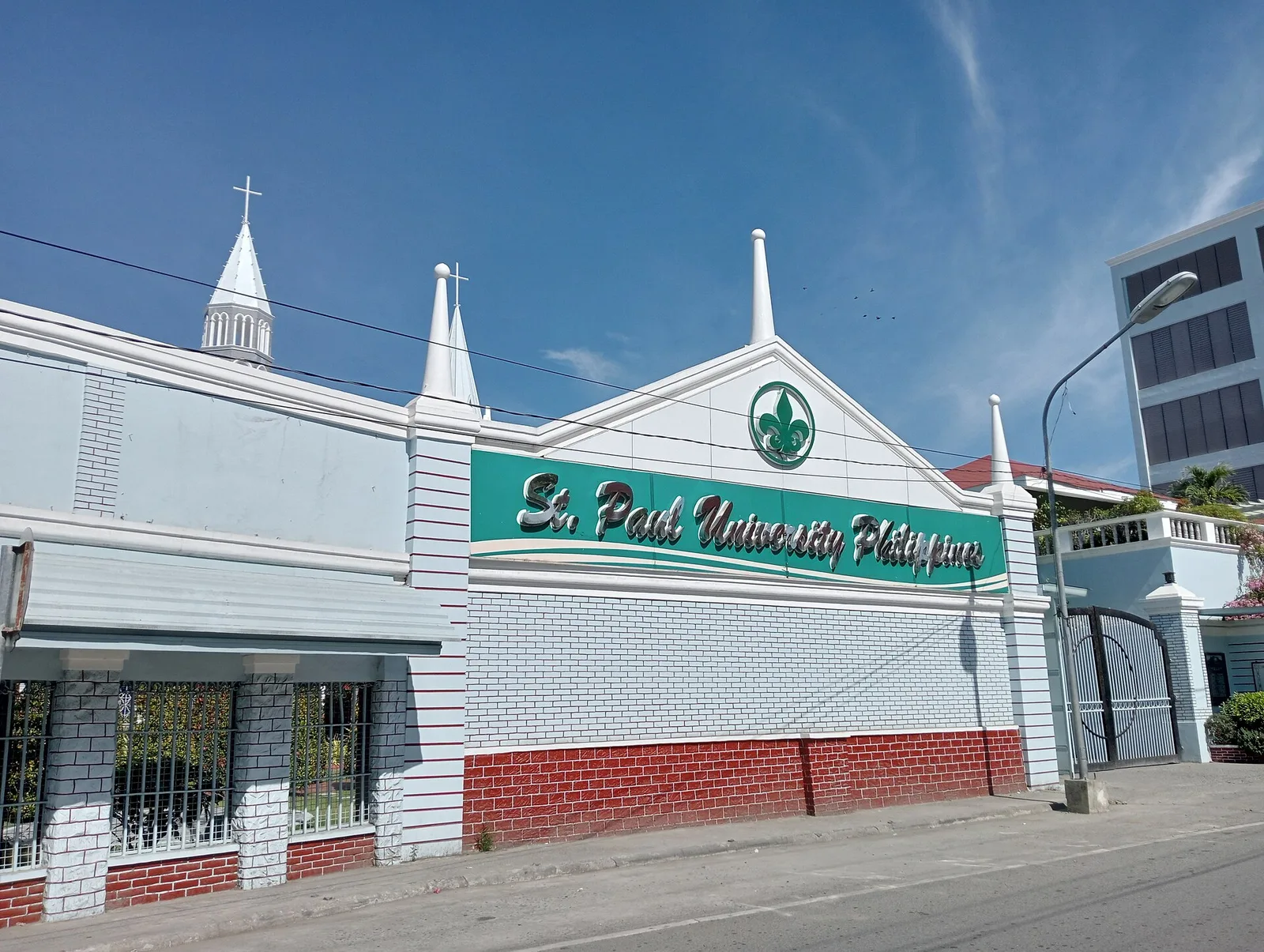
St. Paul University Philippines
It was founded by the Sisters of St. Paul of Chartres in 1907, who came to Cagayan upon the invitation of Bishop Dennis Dougherty. The school had its operation in a Spanish Convento, adjoining the Cathedral of Tuguegarao. The institution …
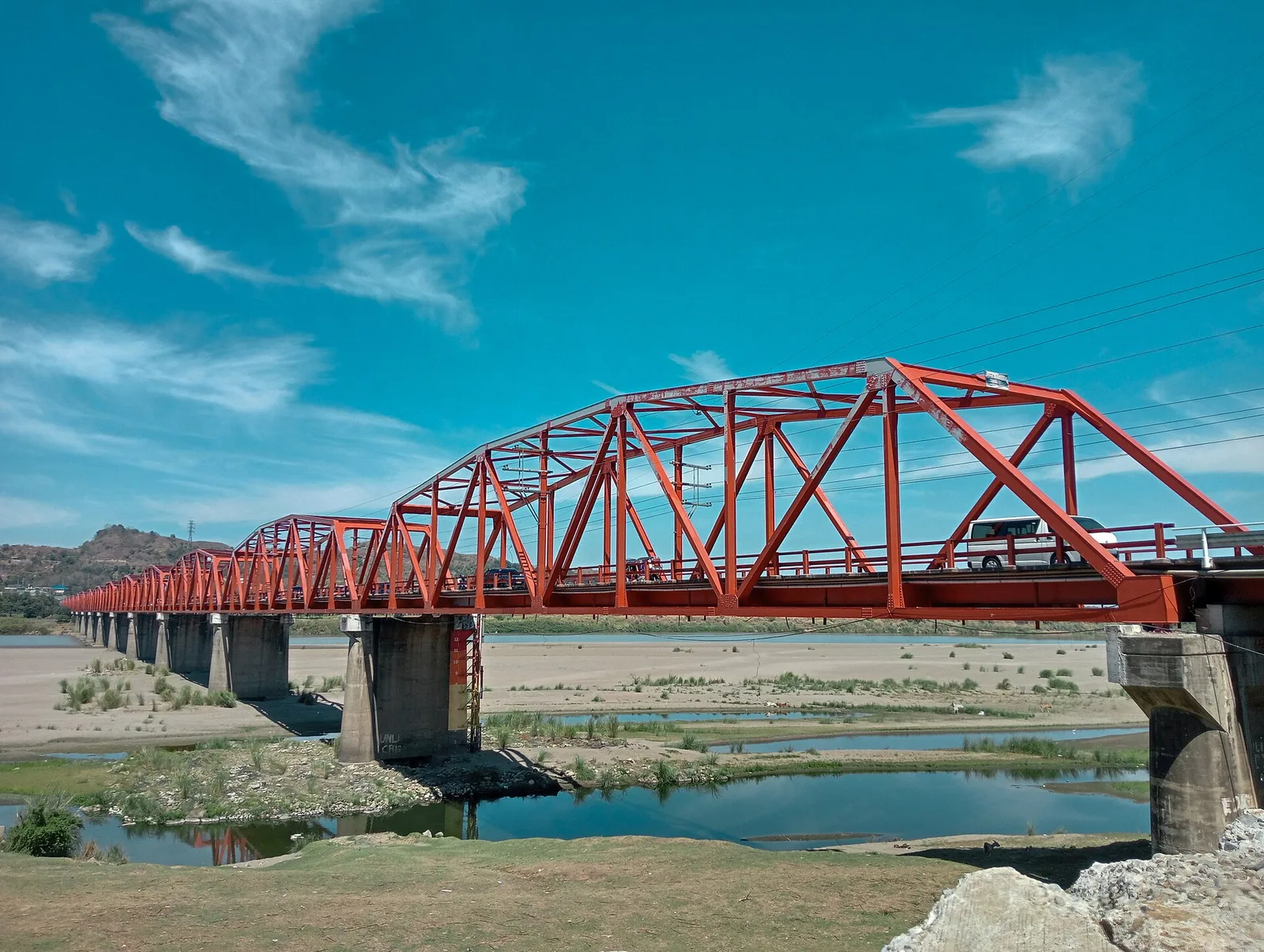
Buntun Bridge
One of the longest bridges in the country at . It is from the city proper and offers an unobstructed view of the Cagayan River. It connects Tuguegarao with western Cagayan, Kalinga, Apayao and western Isabela.
Bangaan Rolling Hills
A hidden paradise, beautiful hill formations, view of the town and full of grass. Due to an increase number of visitors the pathway was widened, making the hills less elegant.
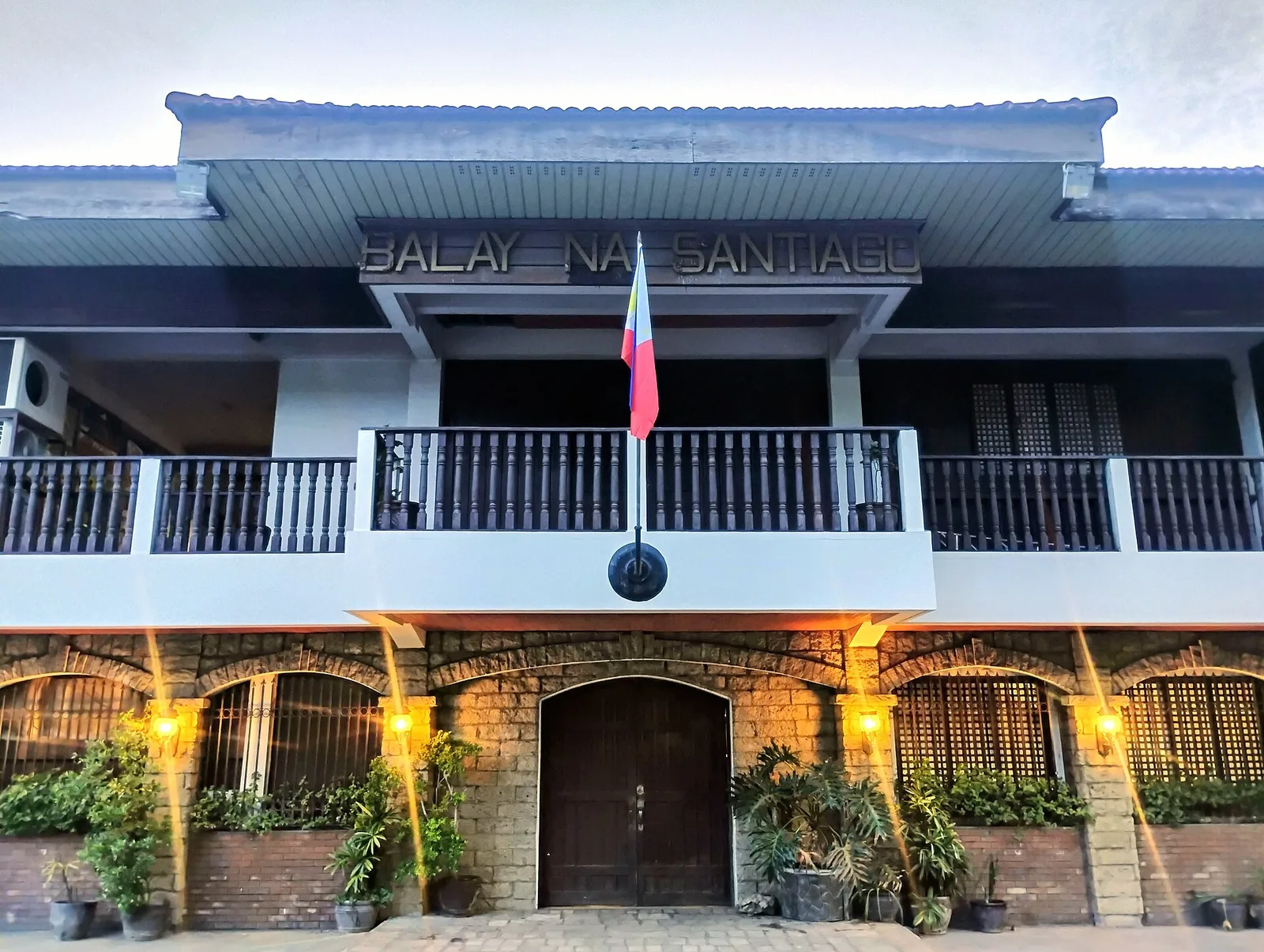
Balay Na Santiago
This used to be a barangay hall called Palacio del Barrio located at Calao West. Balay na Santiago houses the city museum and city library. This also serves as a multi-purpose function hall for art and music exhibitions and different …
Museo de Pattaradday
This museum at houses collection of artifacts, relics, dresses and antique furniture showing the culture and traditions that are typical in this region of Northeastern Luzon. Temporary closed as of September 2023.
Filters
Filters
Where
Before you go
- Check the opening hours and the fee on the page.
- Bring cash: many gates and boats do not take cards.
- Take your trash with you.