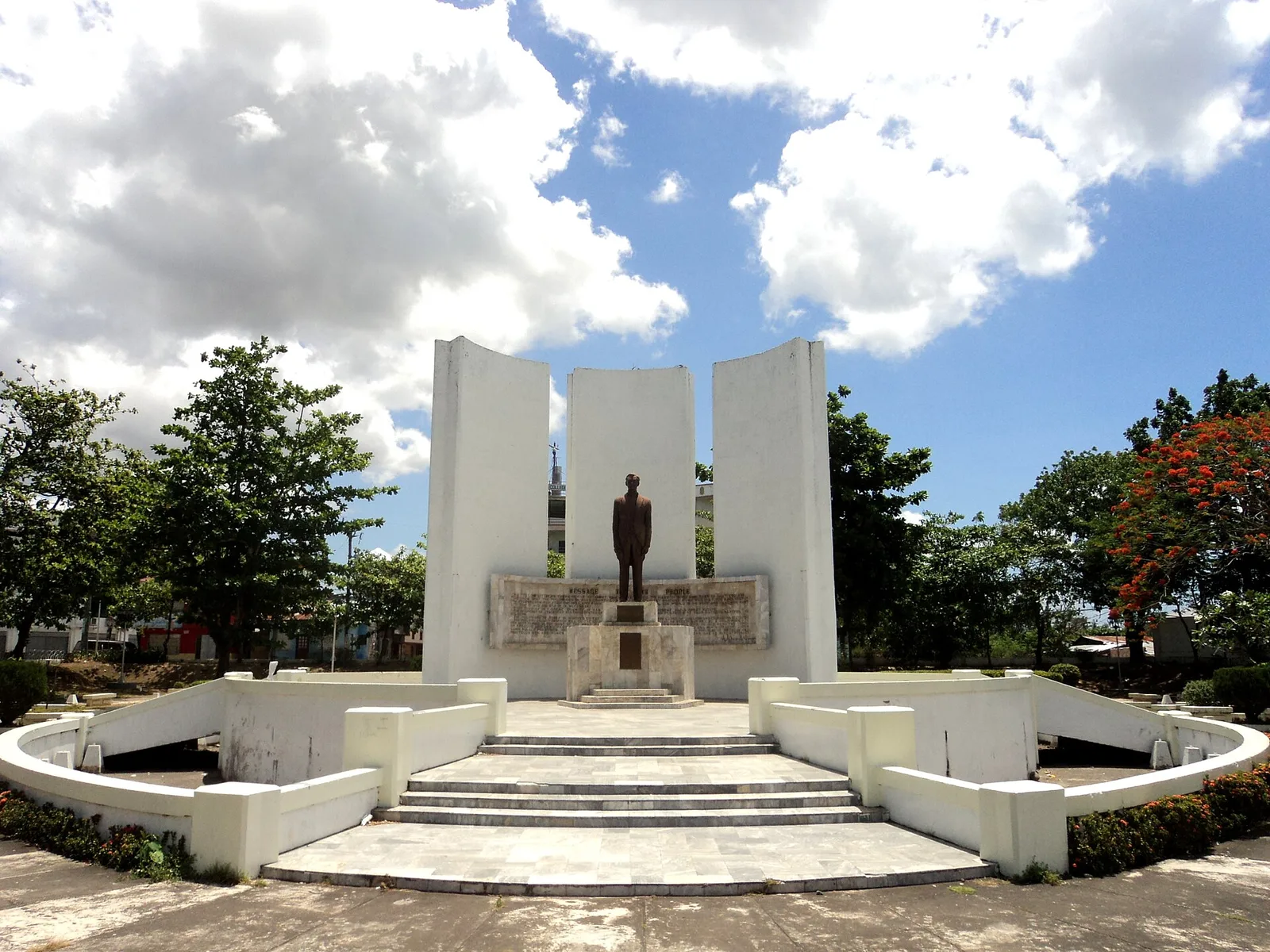
Pinagbayanan Crematorium
The remains of a precolonial burial site where many of Pila's antiquities were discovered. As the site stands on a private lot, access is erratic and on a case-by-case basis with the owners and caretakers.
Region in Luzon · 6 provinces and cities
Showing 271 to 300 of 370
The remains of a precolonial burial site where many of Pila's antiquities were discovered. As the site stands on a private lot, access is erratic and on a case-by-case basis with the owners and caretakers.
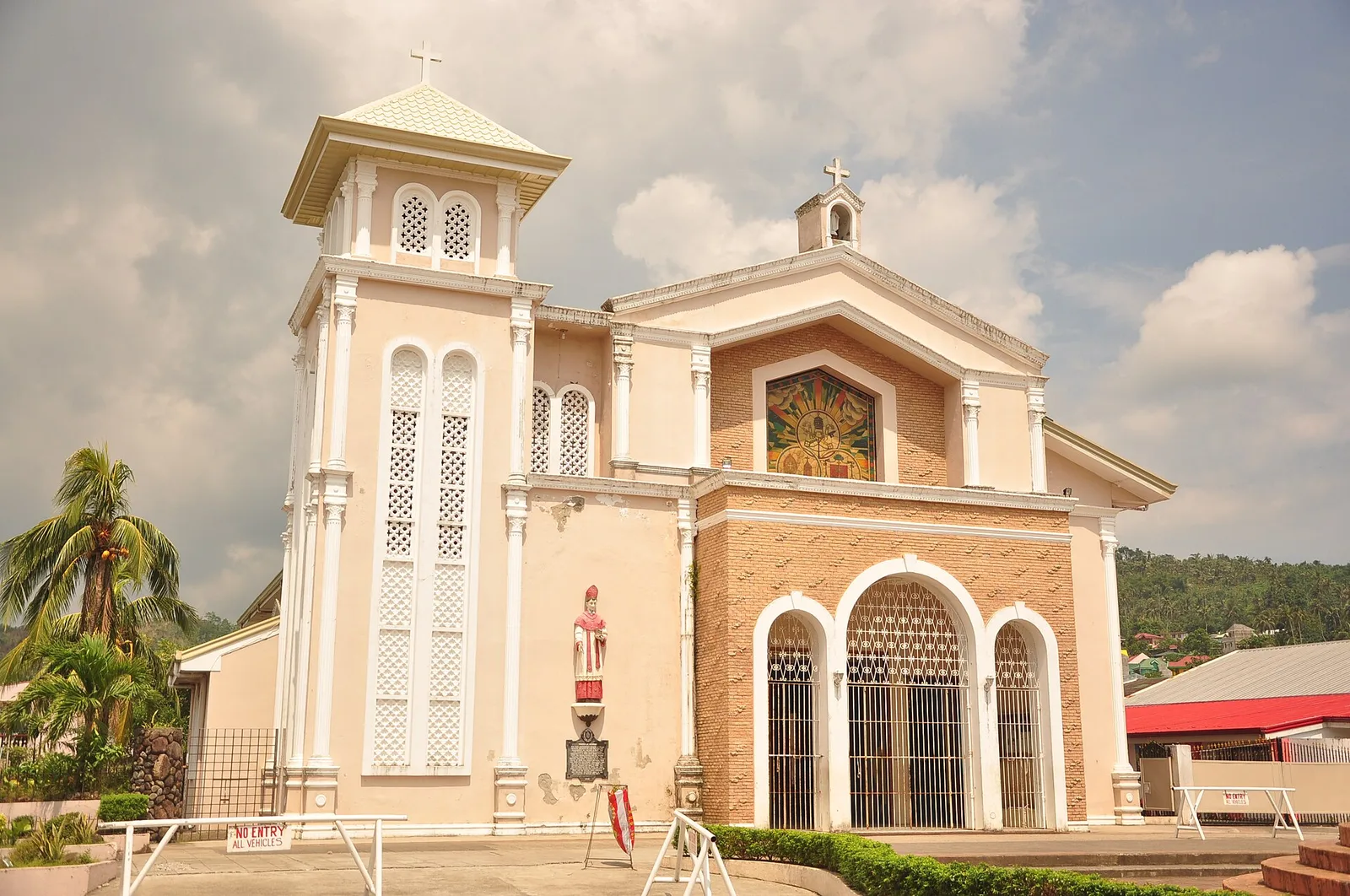
One of the oldest Aglipayan churches in the Philippines, built in 1932.
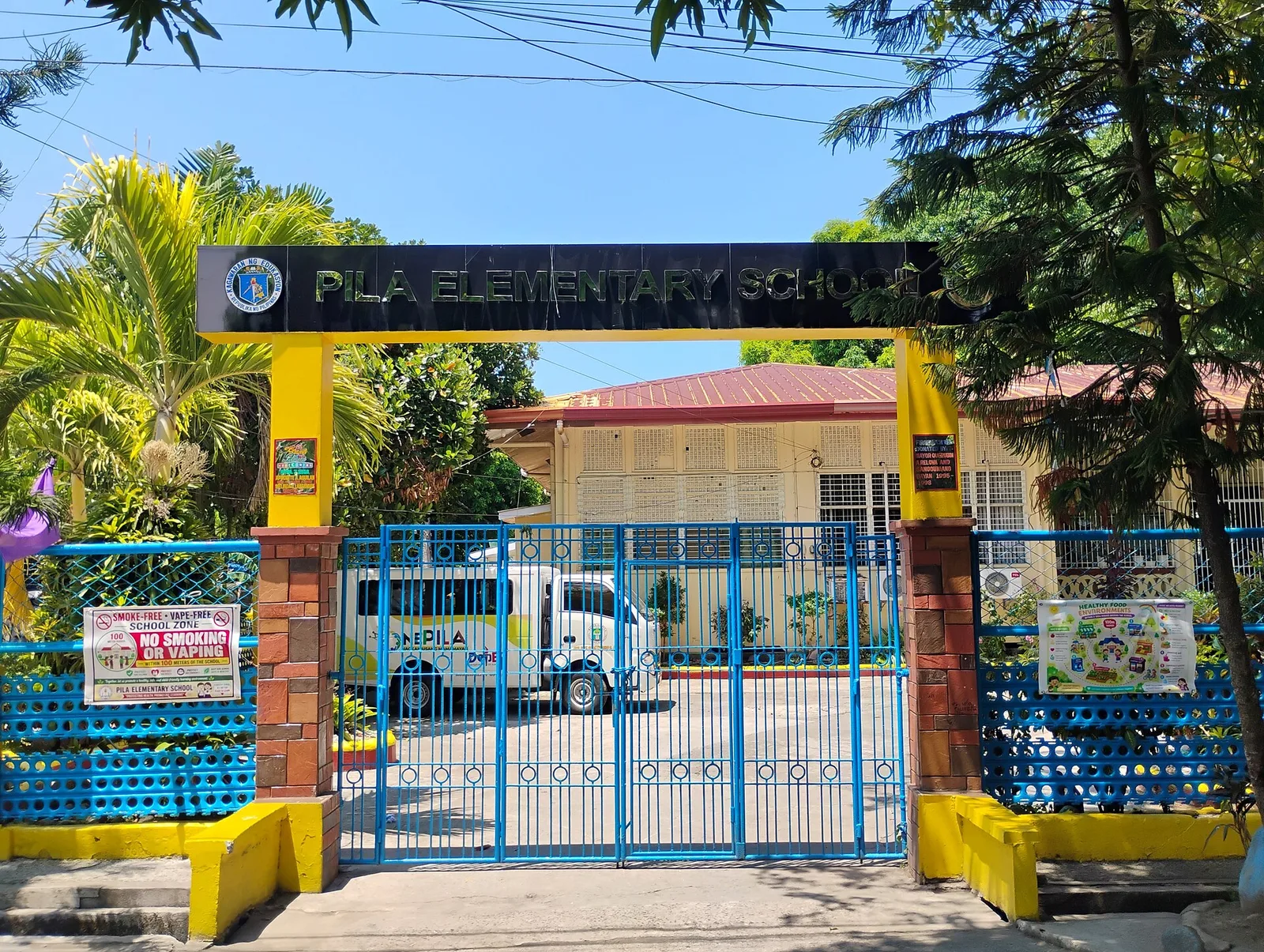
The administrative building of the town's main primary school is an American-era bungalow (commonly known as the Gabaldon) that is among the recognized national treasures in Pila.
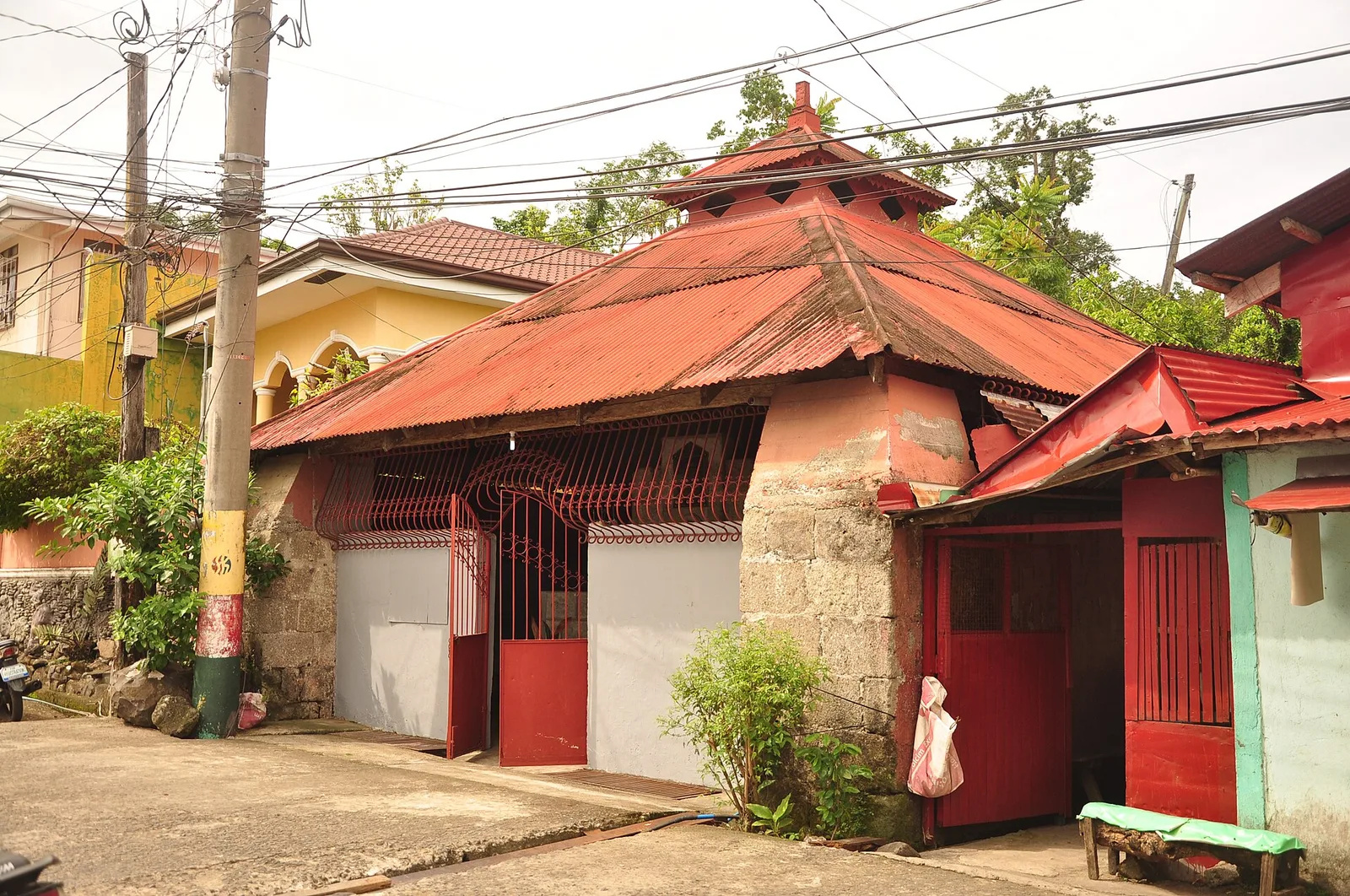
A resort and hotel complex whose main draw is a collection of miniaturized landmarks from around the world.
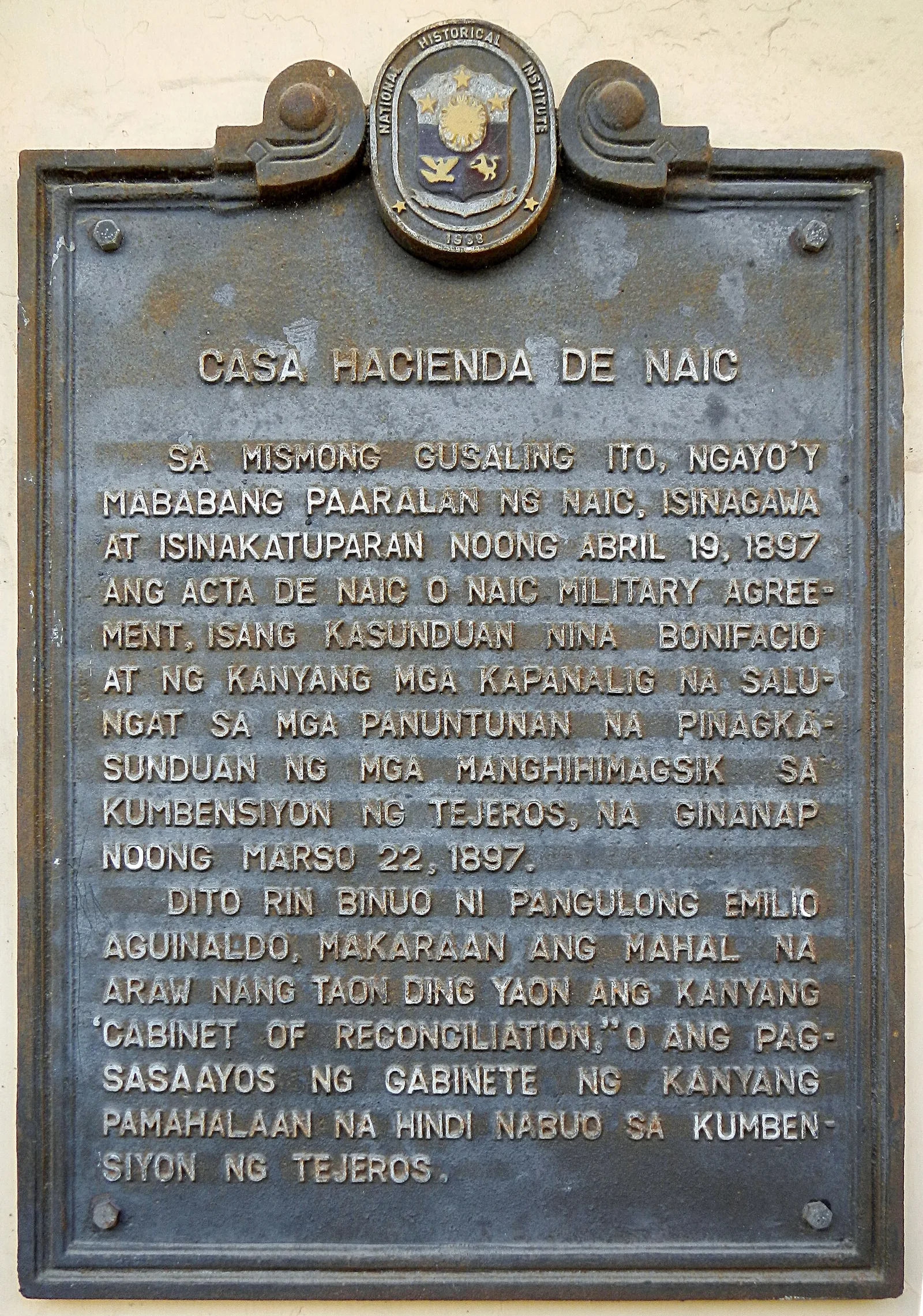
One of the few surviving friar estate manors from the Spanish era. It was also used as a headquarters for the Philippine revolutionary government led by Andres Bonifacio in 1897.
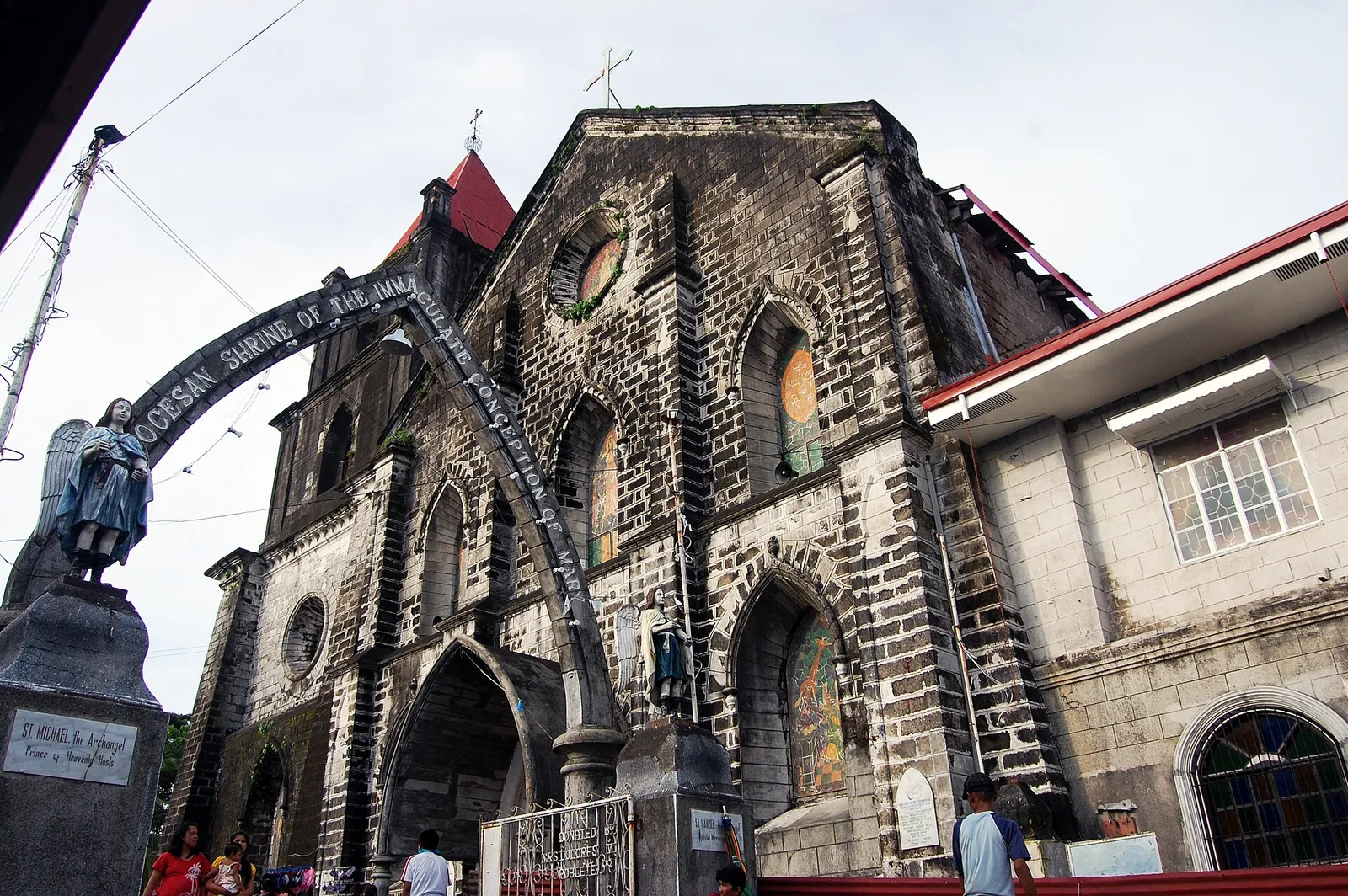
Naic's main Roman Catholic church, built in the Baroque style during the Spanish era and containing an exquisite altarpiece and interior. At the front is a pedestrian mural showing a map of Cavite.
An equestrian statue on the junction between Manila East Road and J.P. Rizal Street leading to the town propers of Baras, Tanay and Pililla.
This church was established in 1905 by General Pascual Alvarez and is as one of the old existing Aglipayan churches in the country, although its current structure was built much later. It houses an image of the Virgin Mary locally …
A sight at Nasugbu-Ternate Highway, Nasugbu. Hours: Open 24 hours. Entry: Free.
Old Church Ruins under a Balete Tree (Banyan Tree).
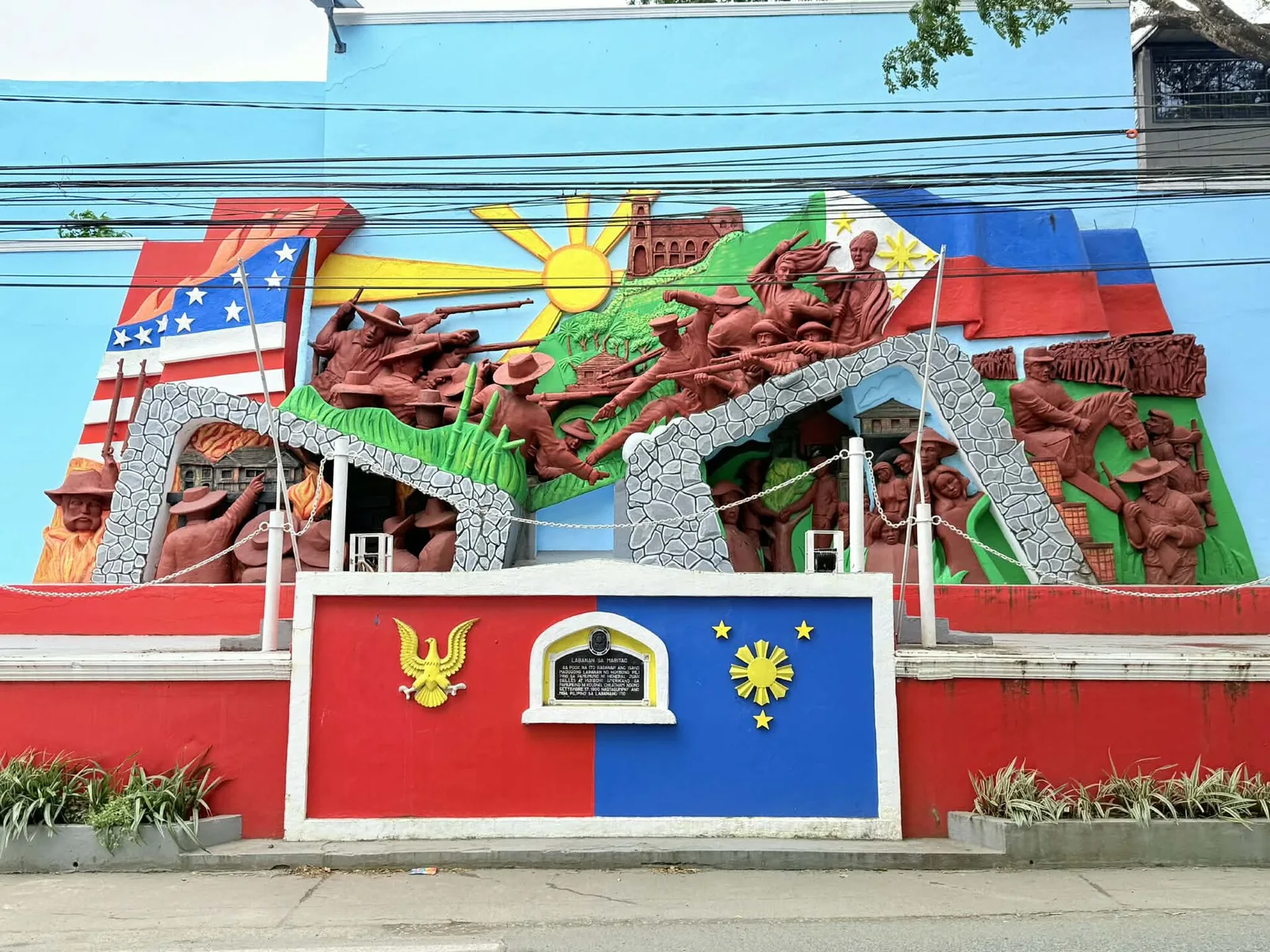
A colorful monument commemorating a rare victory by Filipino forces against the Americans during the Philippine-American War in 1900.
The town's cemetery, built in 1938, is also a common filming location due to its old design and the original arch at its entrance.
Majayjay's colonial era municipal hall burned down sometime in the 20th century and was abandoned in favor of a new site near Majayjay Church. Nevertheless, the old building's shell remains as an imposing ruin, with the stairs and parts of …
These are what remains of the old mortuary church of Lucban Public Cemetery. built in the late 1700s on top of a hill overlooking the town, this church features two belfries and a magnificent ornately designed façade which is quite …
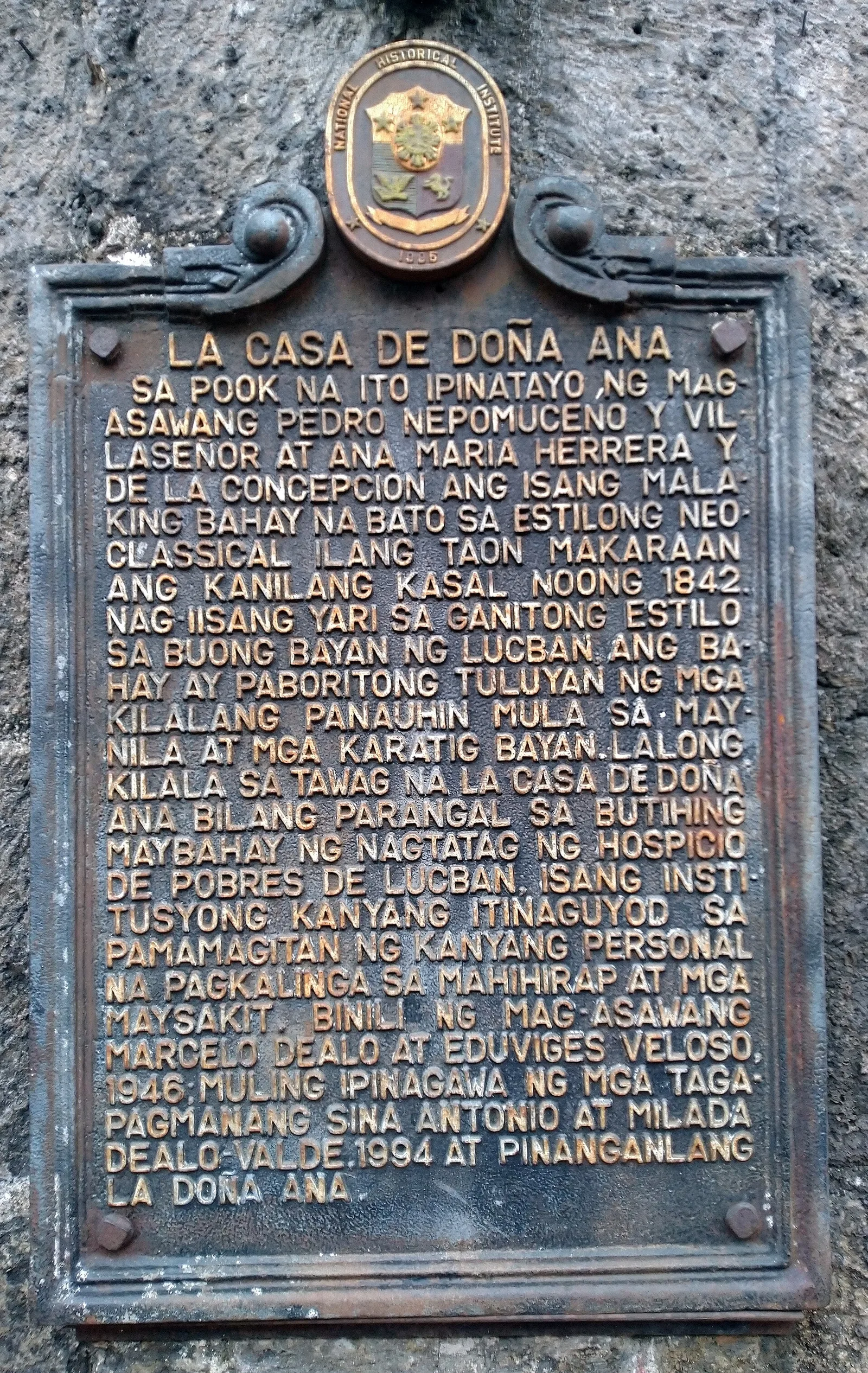
A large Bahay na Bato (stone house) built in Neoclassical style by a local couple. Among the ancestral homes in town, only the Casa is designed with that style.
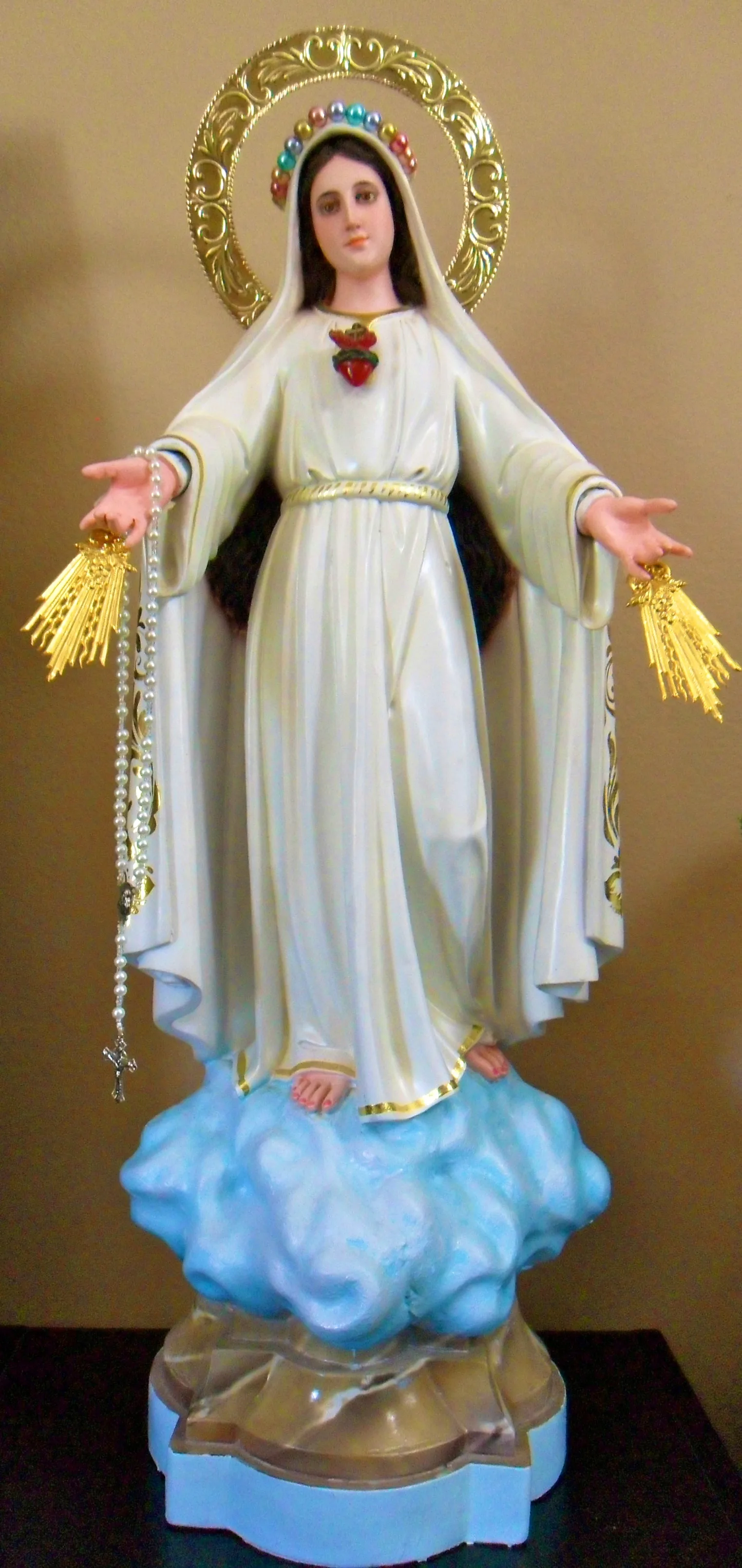
Church and monastery complex, site of the 1947 Marian apparitions that was not recognized by the Vatican, which has not discouraged a faithful following in Batangas and is supported by the Archdiocese of Lipa, which continues to gather evidence of …
Sizable park with an outdoor swimming pool, plus facilities for tennis, basketball & other sports.
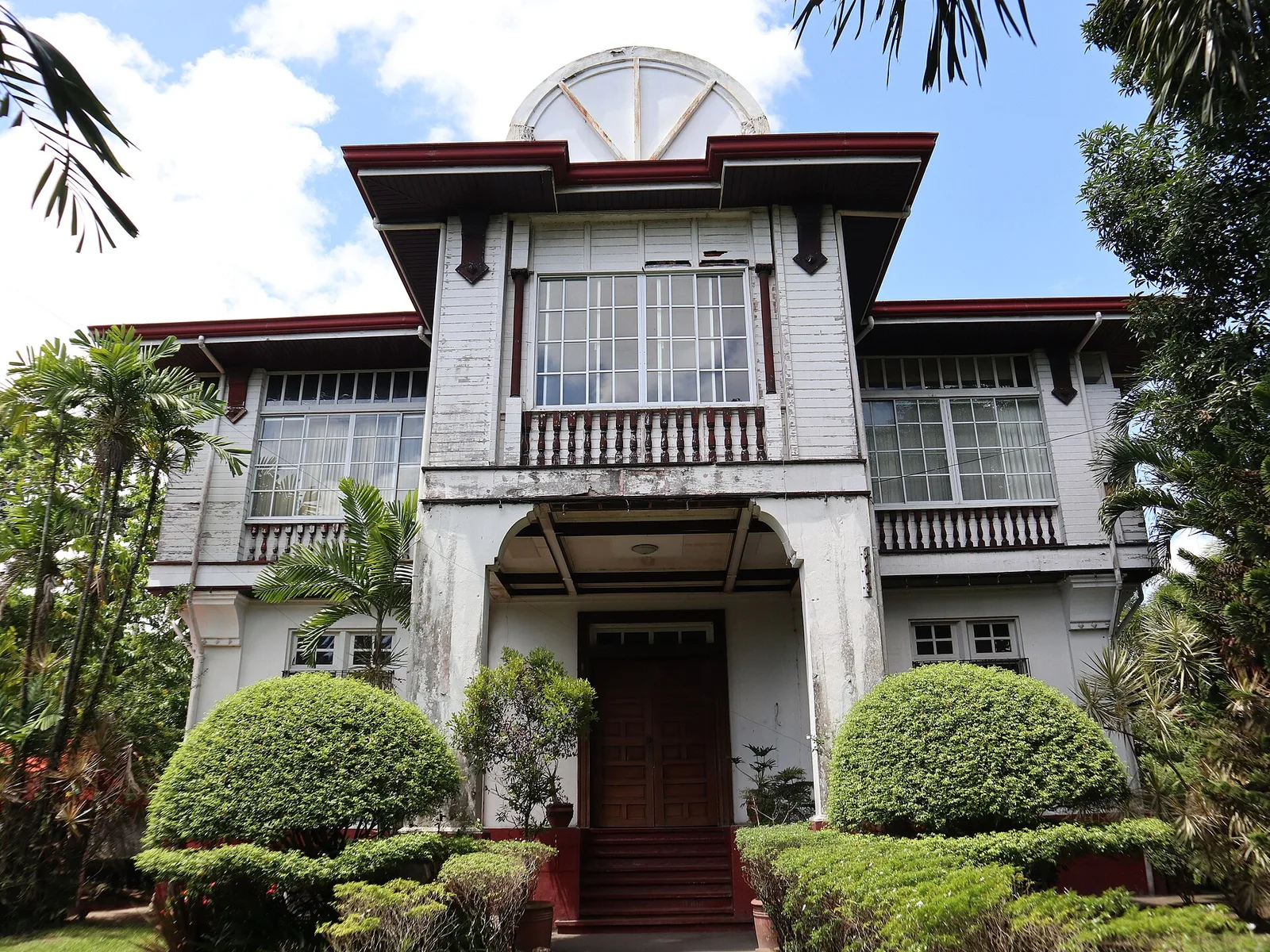
The official residence of the governor of Quezon, built during the Spanish period.