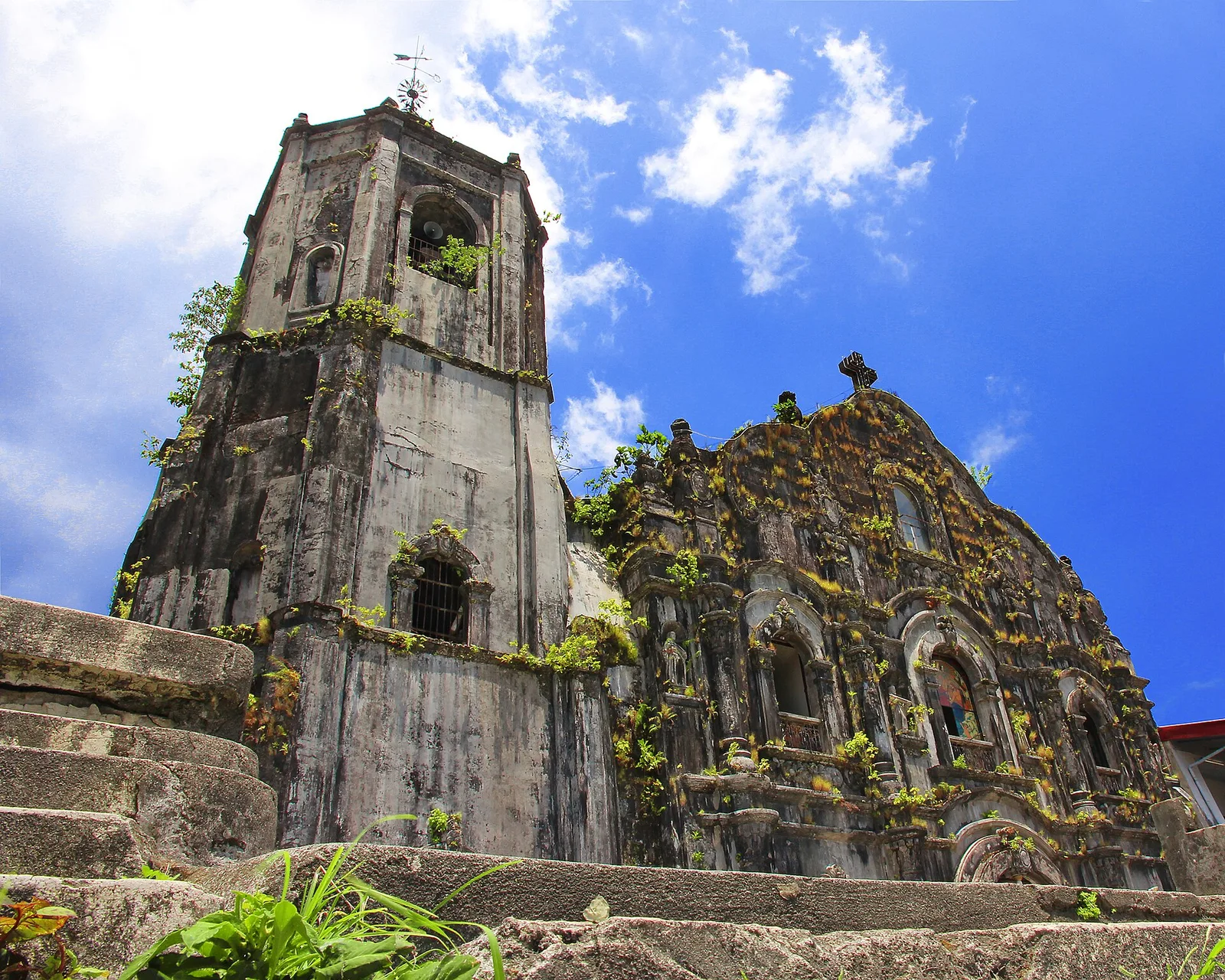
San Luis Obispo Parish Church
A Baroque 18th century church that has a bone relic of its patron saint.
Region in Luzon · 6 provinces and cities
Showing 181 to 210 of 370
A Baroque 18th century church that has a bone relic of its patron saint.
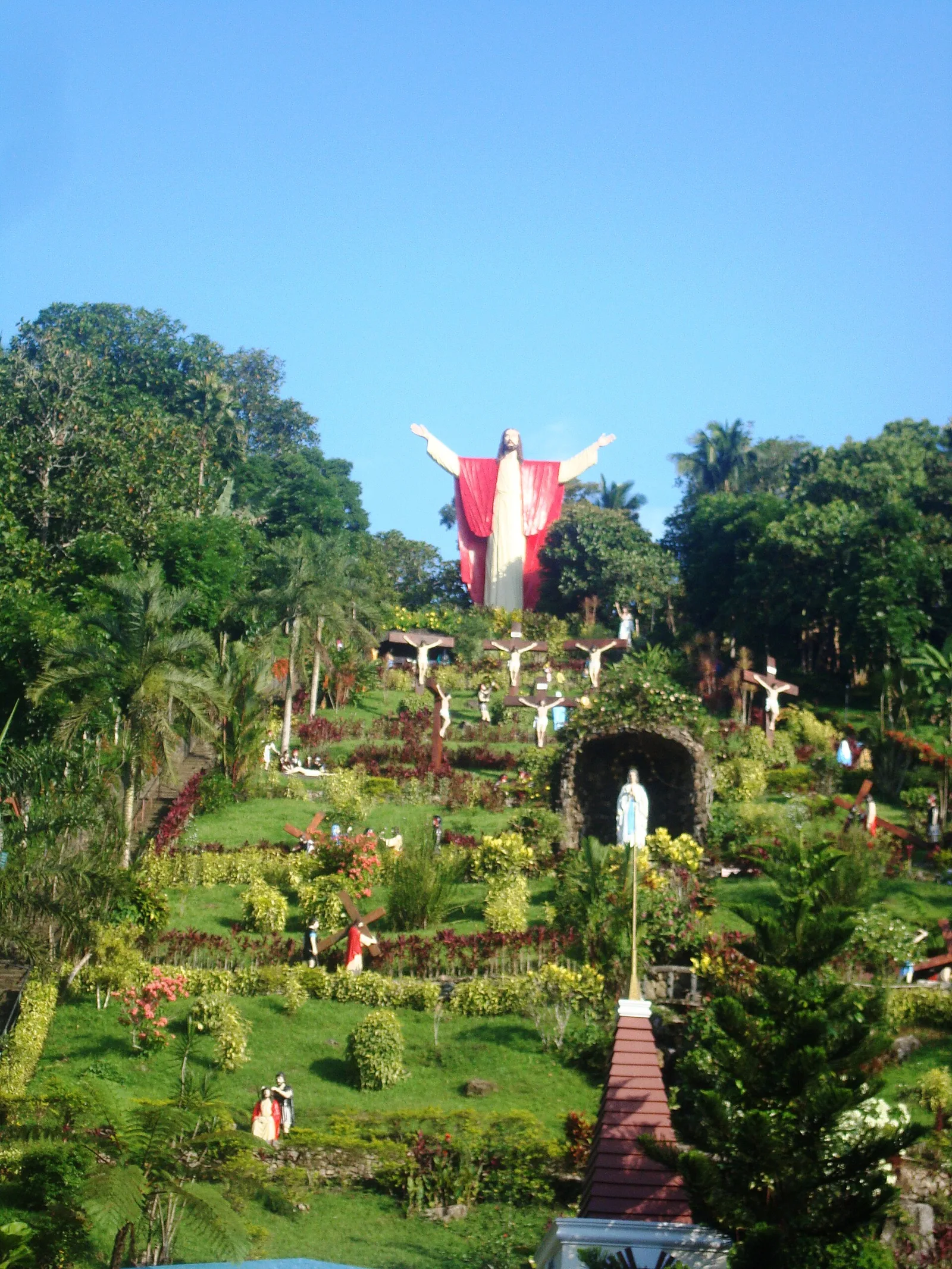
Roman Catholic pilgrimage site on the foot of Mount Banahaw, frequently visited during Holy Week. It houses a replica of Noah's Ark, a healing church, family park and pond. Group tours can be organized from Lucena.
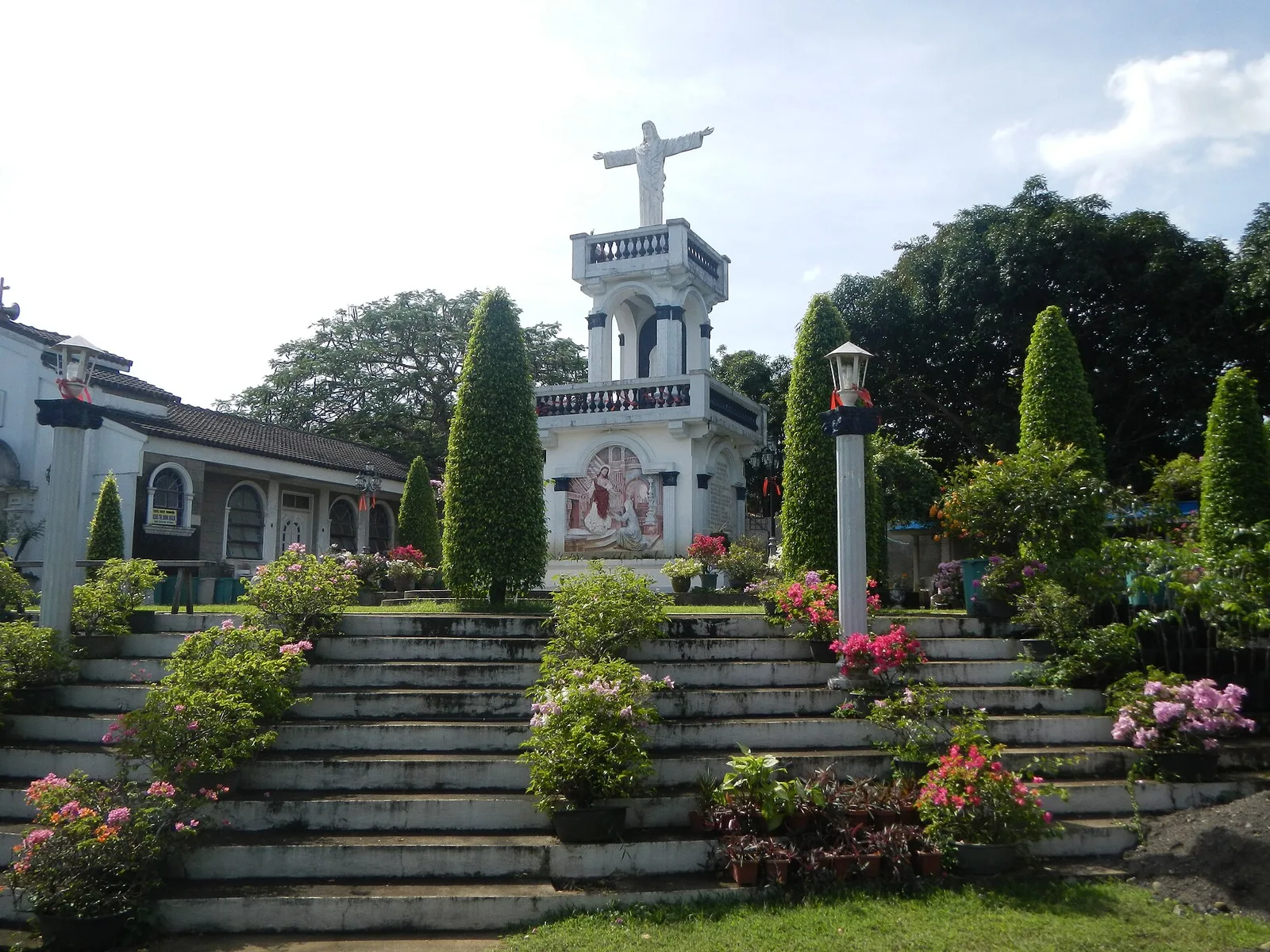
Serene Roman Catholic pilgrimage site in the middle of rainforest, most frequented every Holy Week as part of Visita Iglesia itineraries. There is a chapel, Stations of the Cross, Our Lady of Lourdes grotto, carillon bell, and rows of statues …
A waterfall at the boundary of Majayjay and Liliw that is claimed by both municipalities.
A white-painted, Gothic inspired church that is one of the oldest Protestant places of worship in the country, established in 1904.
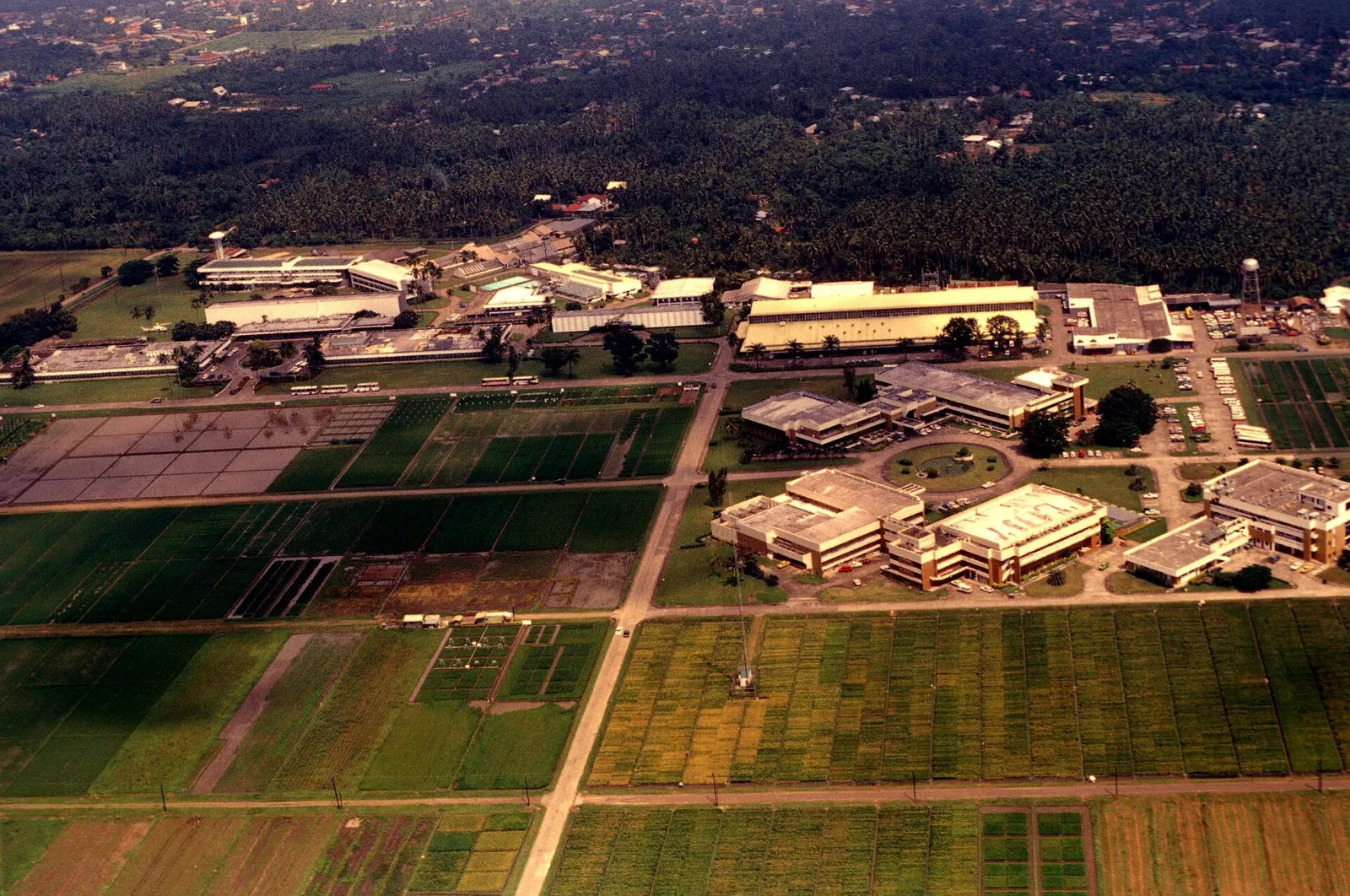
On a large (252 hectares, 620 acres) experimental farm. In the 1960s and 1970s, the facility pioneered the development of fast-growing and large-yielding "miracle rice" varieties, along with controversial genetically-modified produced.
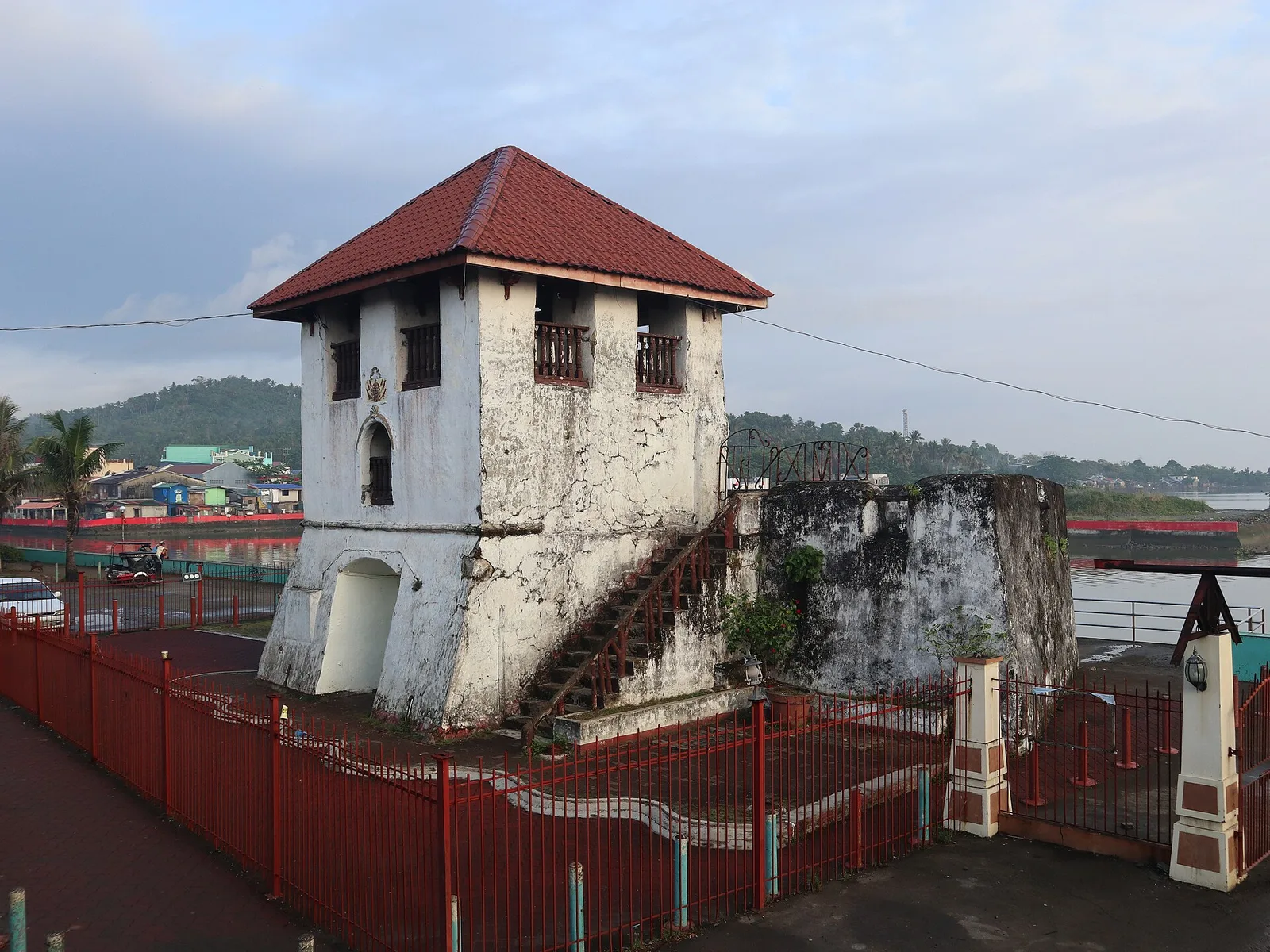
A Spanish-era coastal watchtower built in the 18th century to defend Gumaca against raids by Moro pirates and other foreign invaders such as the Dutch. The site was declared a national cultural treasure by the Philippine government in 2020.
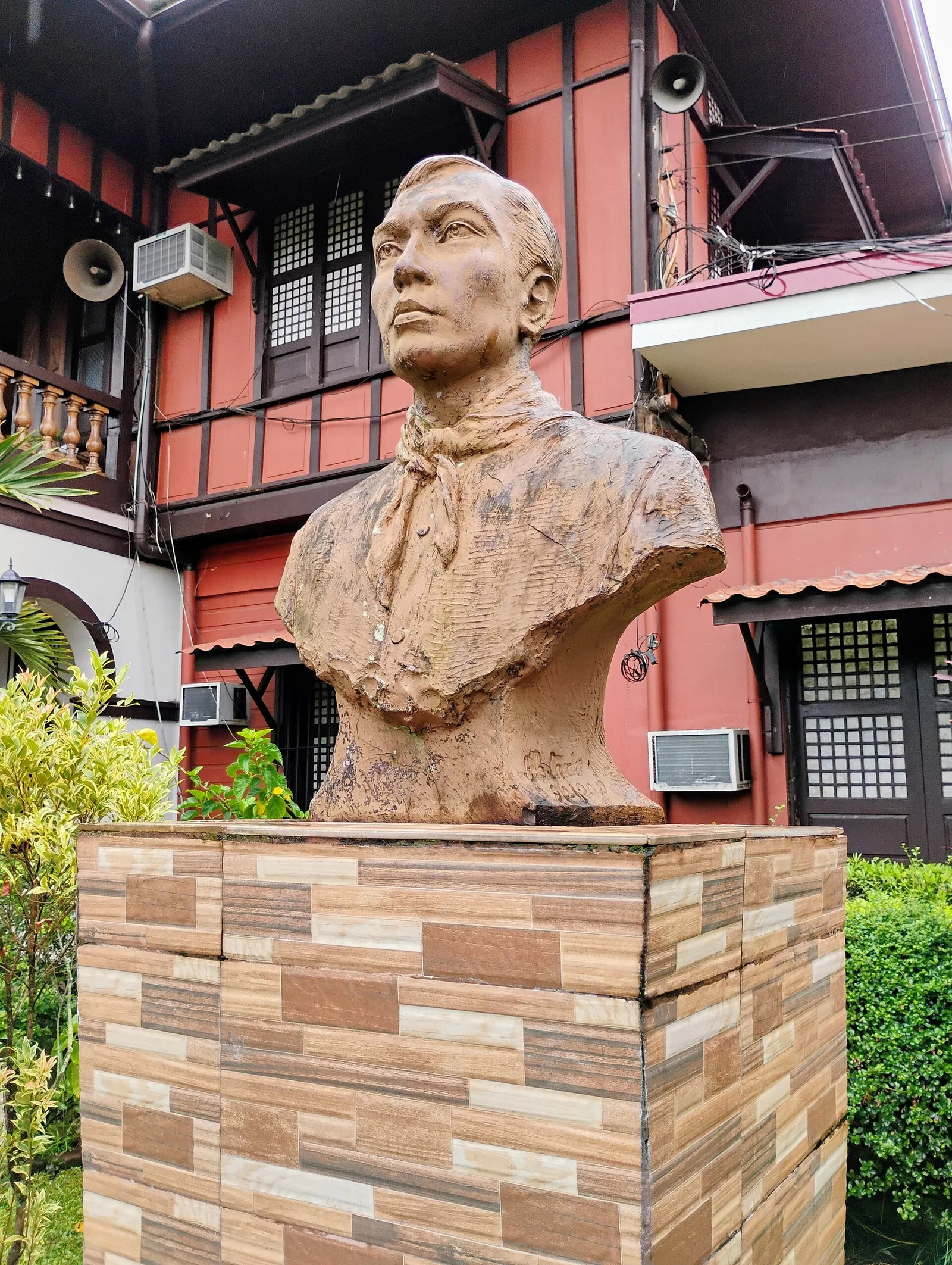
One of the few surviving municipal buildings from the 19th century, it was where Andres Bonifacio and his brother, Procopio, were detained immediately after their capture from Barrio Limbon in 1897 before being transferred to Naic. It is now a …
A secluded, forested valley between Mounts Banahaw and San Cristobal that is home to campsites, natural springs and other attractions deemed holy by Banahaw pilgrims.
A volcanic crater lake near the Tiaong-Dolores Road west of downtown Dolores. It was formed as part of the Laguna Volcanic Field and is an extension of the more famous Seven Lakes of neighboring San Pablo, but is less visited …
A war memorial built by the Japanese to commemorate their dead during World War II. It has a viewpoint providing views of Caliraya Lake following a climb of 100 steps.
A private resort providing access to a viewdeck overlooking Naculo Falls, a cascade upstream from the Cavint/Pagsanjan Falls.
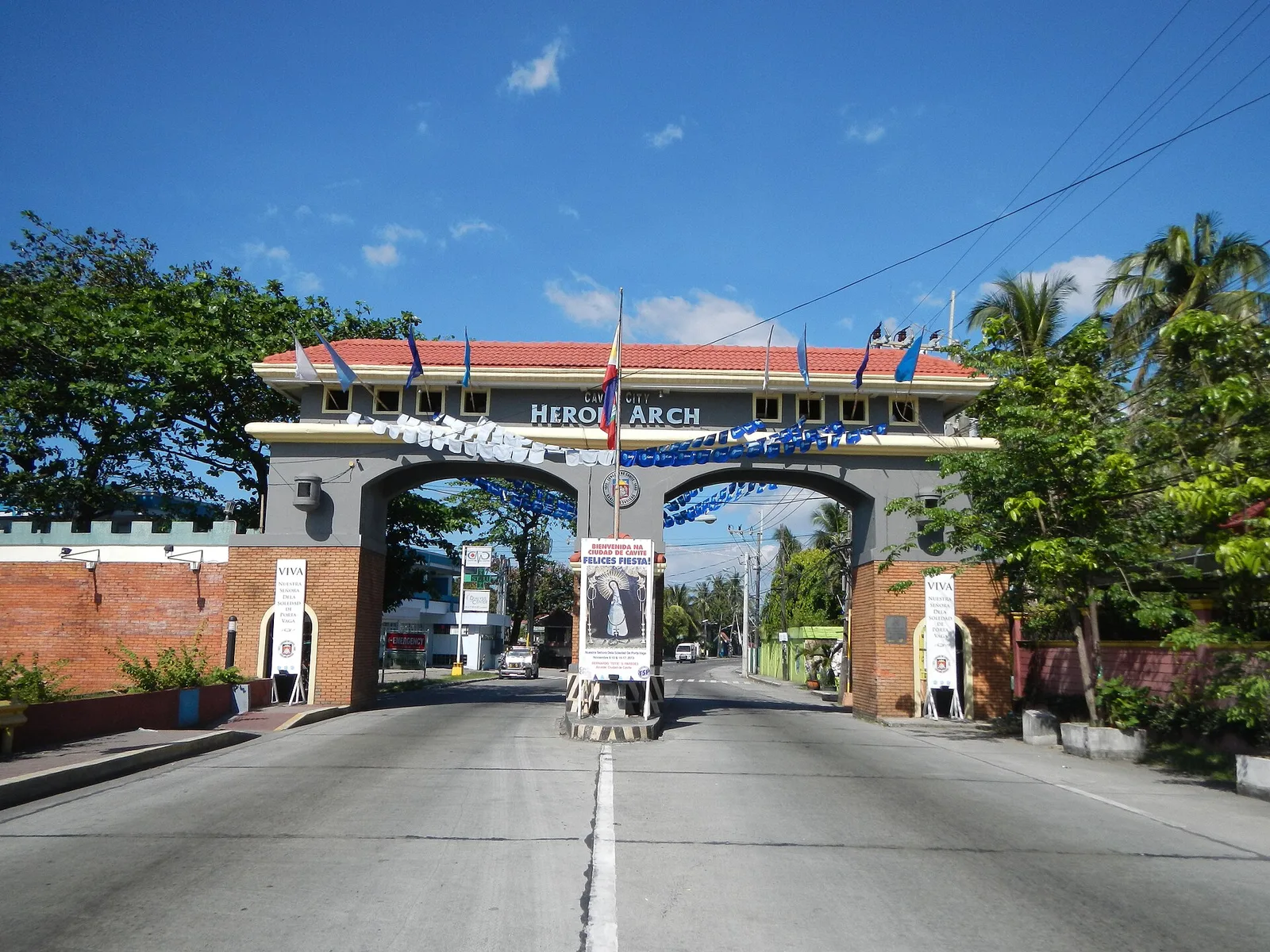
A monumental arch that served as the entrance to the Spanish-era Port of Cavite.
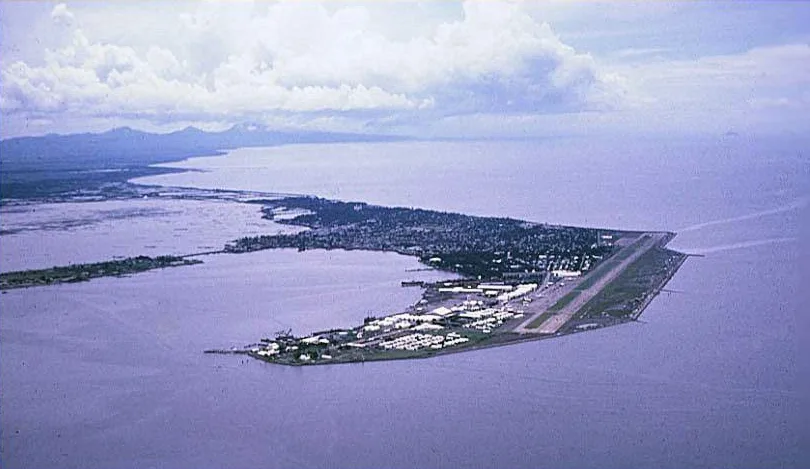
A former United States Navy station that was turned over to the Philippine Navy and Philippine Air Force. It houses the Danilo Atienza Air Base and Naval Base Cavite; visitors must register first before entering. It is also the site …
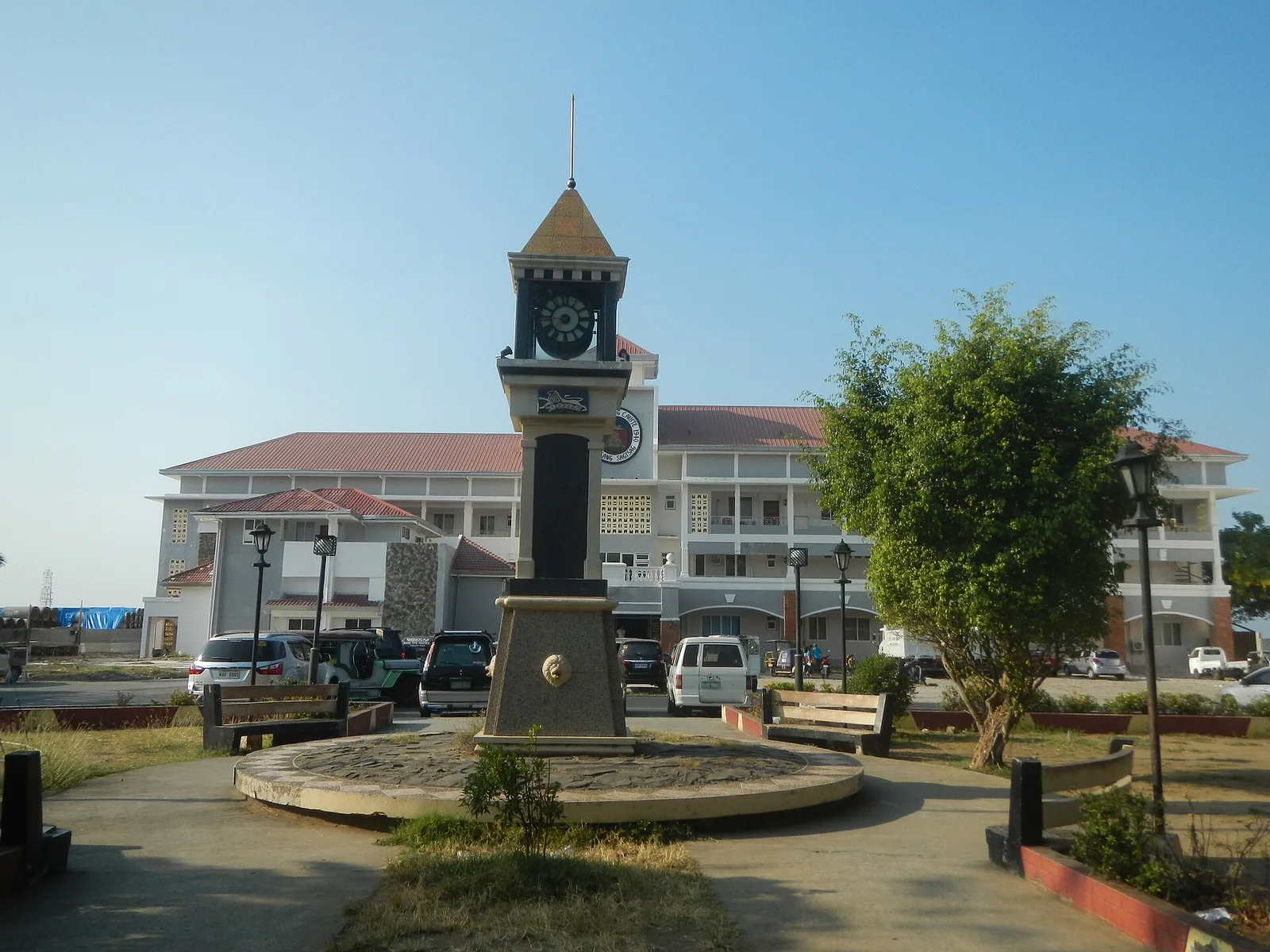
The main green space in the city, it is contiguous with Plaza Soledad and contains the clock tower, the Ermita, and a small aviary featuring exotic bird species, particularly rare chicken breeds. Cavite City Hall is at the north end …
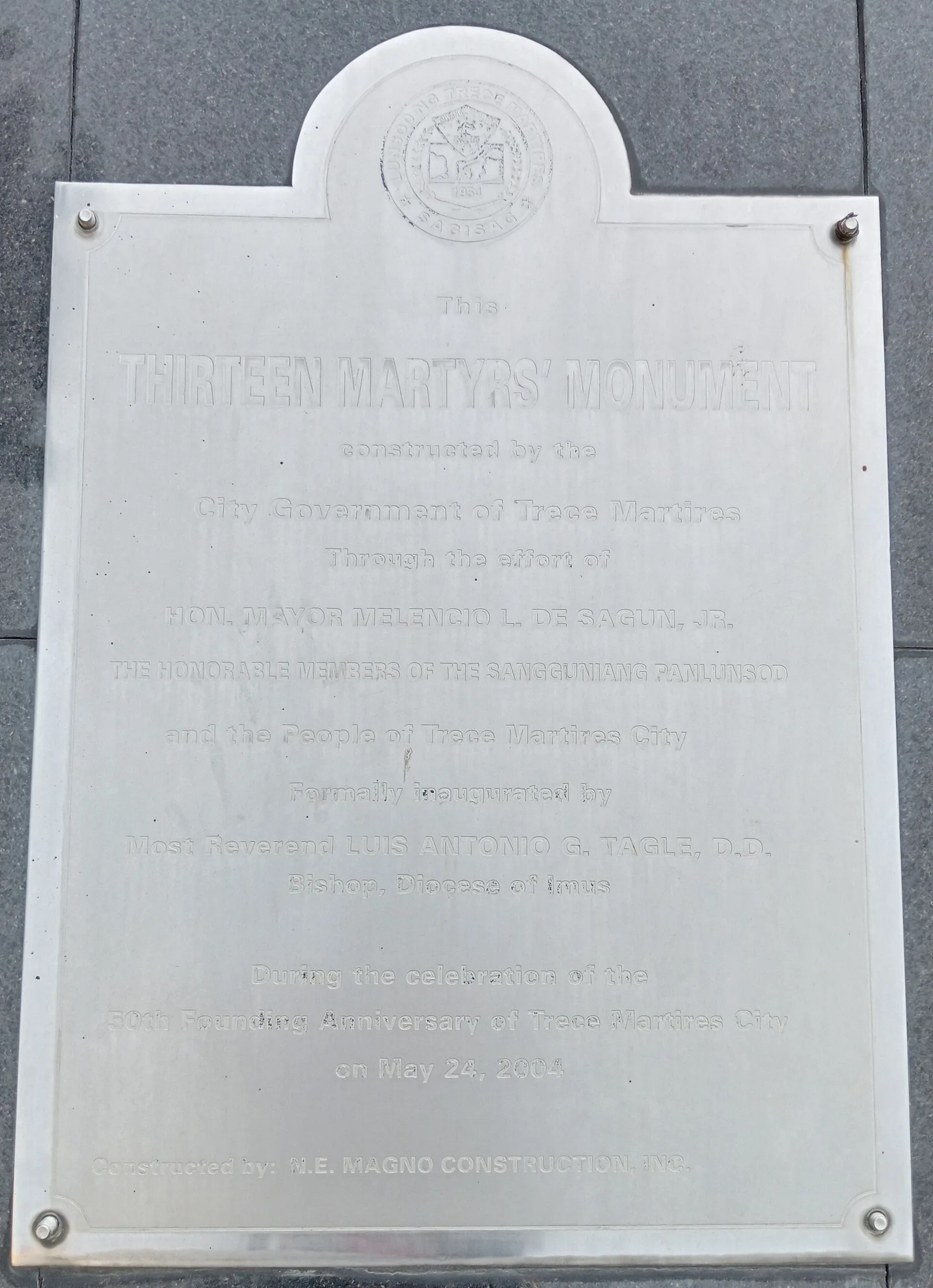
The thirteen Martyrs of Cavite were Filipino patriots executed by musketry on September 12, 1896, for cooperating with the Katipunan during the Philippine Revolution against Spain. The capital city of Trece Martires in Cavite is named after them. In 1906, …
A scenic winding street, which overlooks Dasma's remaining patch of open fields. During Christmas season, it becomes a pedestrian-only street and a flea market (tiangge)
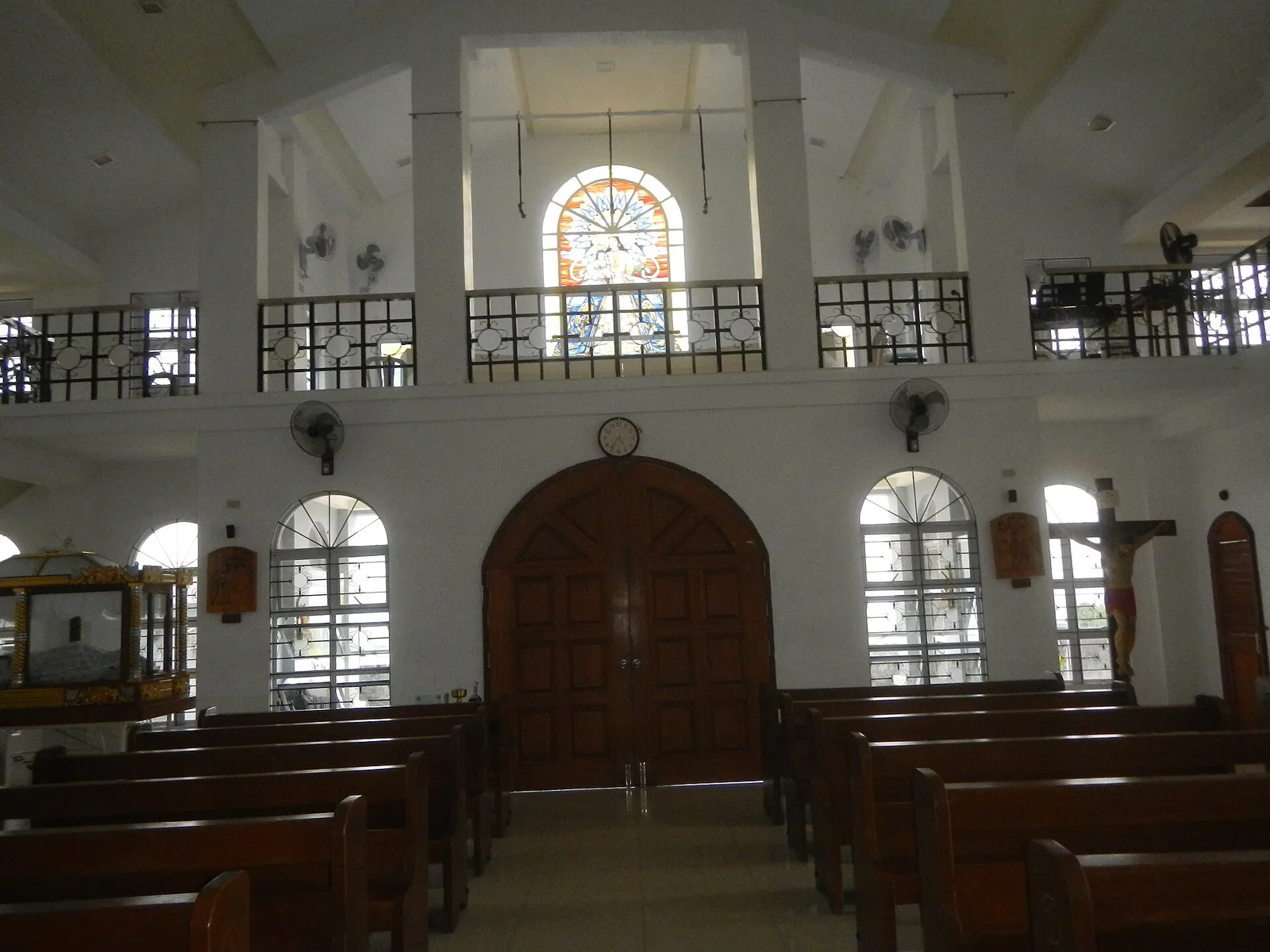
A Roman Catholic church in the rural Morong Peninsula that houses a venerated 19th-century sculpture of the Virgin Mary which, along with the statue of Saint Ursula in Binangonan Parish, are the two most important religious icons of Binangonan.
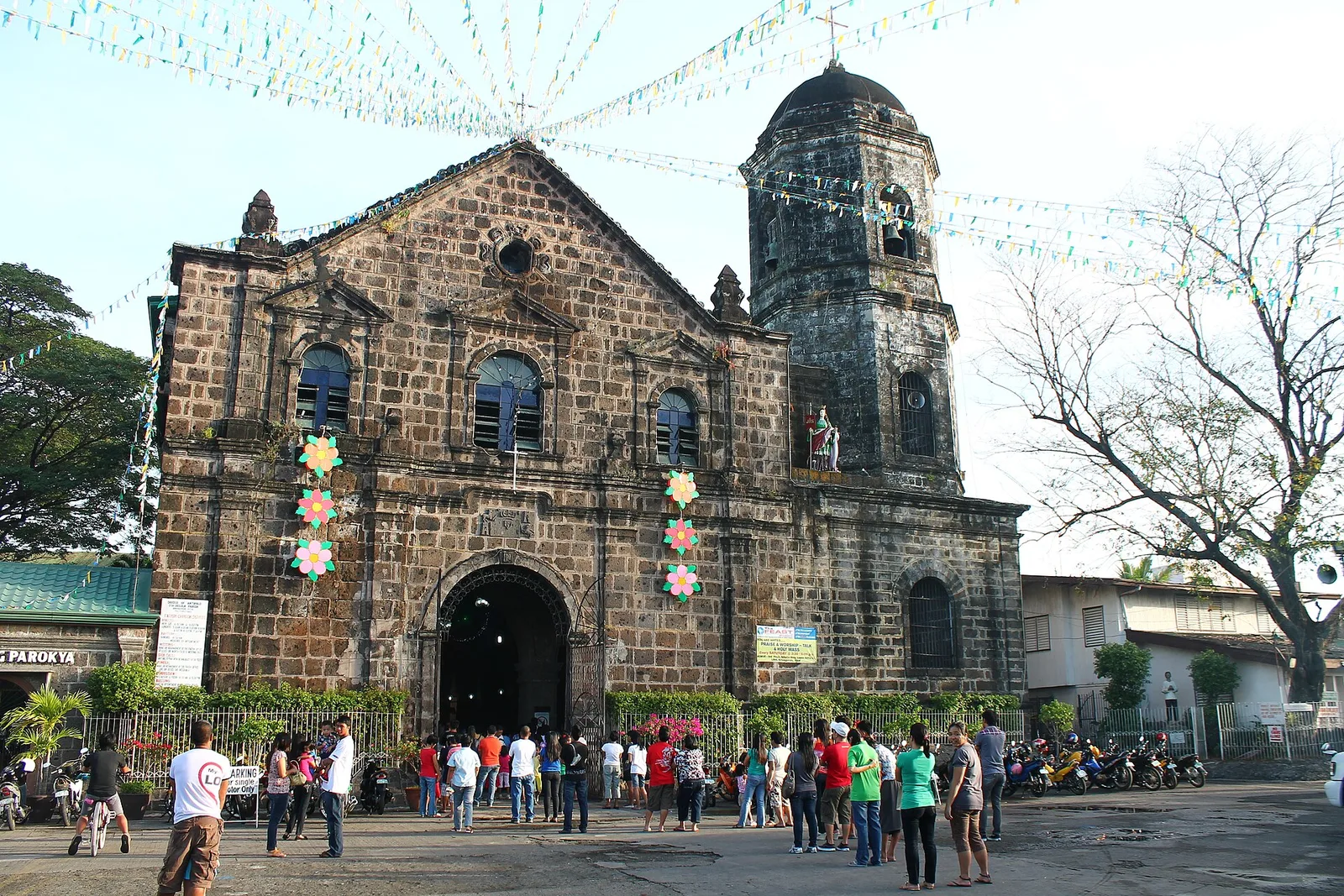
Binangonan's main Roman Catholic church, built in 1792 in the Baroque style and declared a national cultural treasure in 2025. Its highlights are the original Spanish-era altarpieces and a statue of Saint Ursula in the main altar.
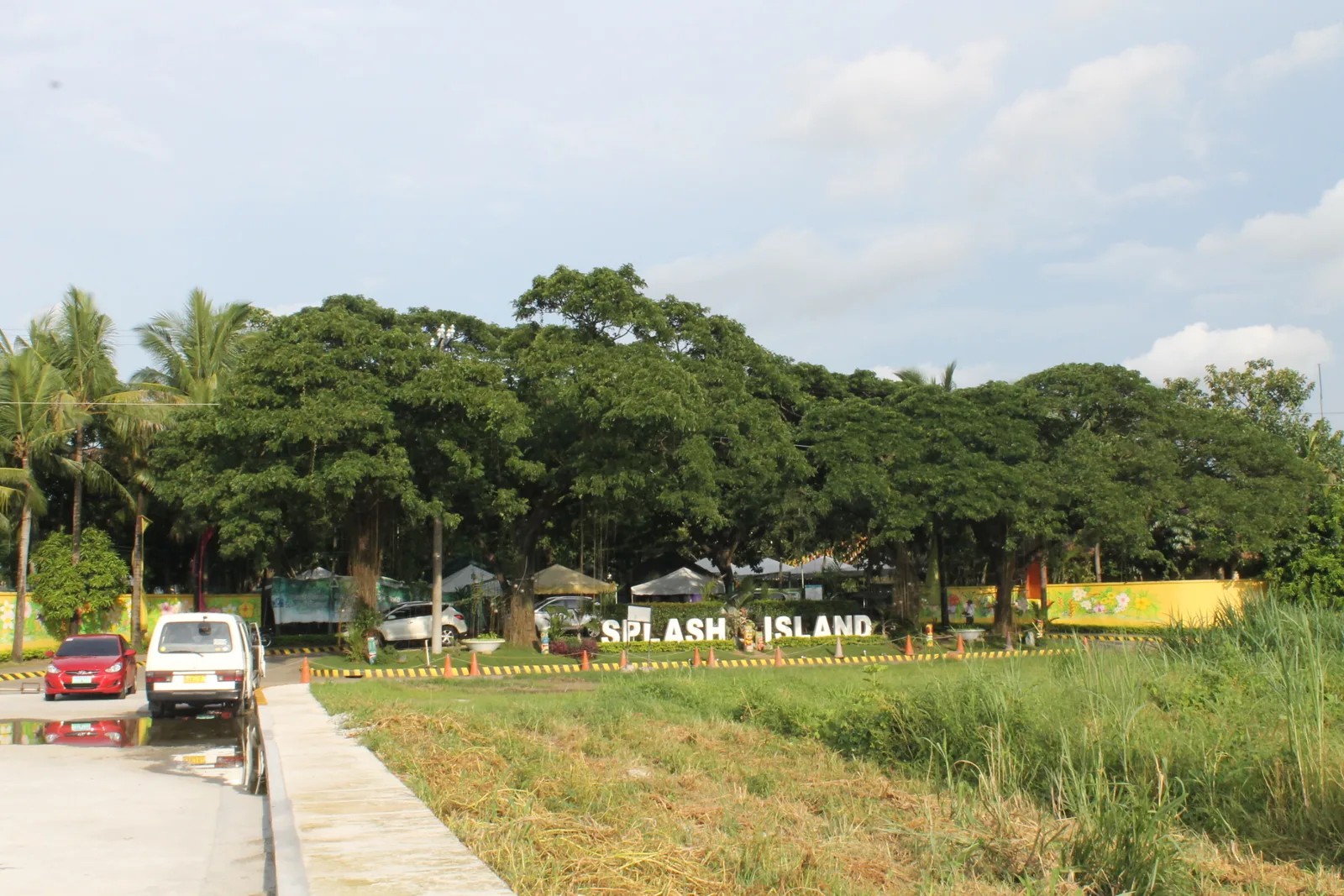
Prime water park with long, winding slides and an artificial wave pool. It is frequented by Manila locals, and was once a common filming location for some Filipino movies. Outside food and drinks are not allowed, and you are required …
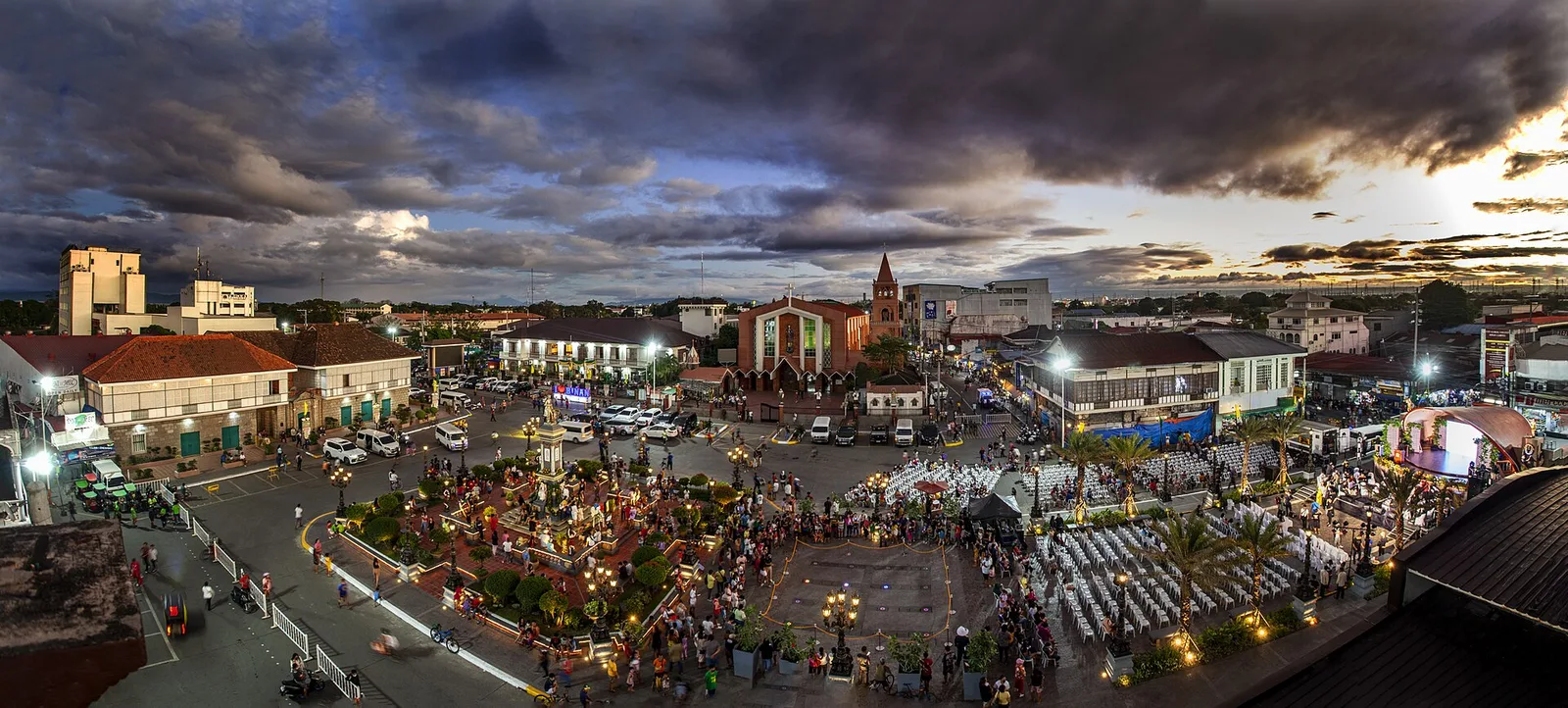
It is near the church San Isidro Labrador Parish, The Historic Alberto Mansion (maternal house of Rizal), The Sentrong Pangkultura ng Biñan and more. Rizal monument believed to be a work of the National Artist Guillermo Tolentino.
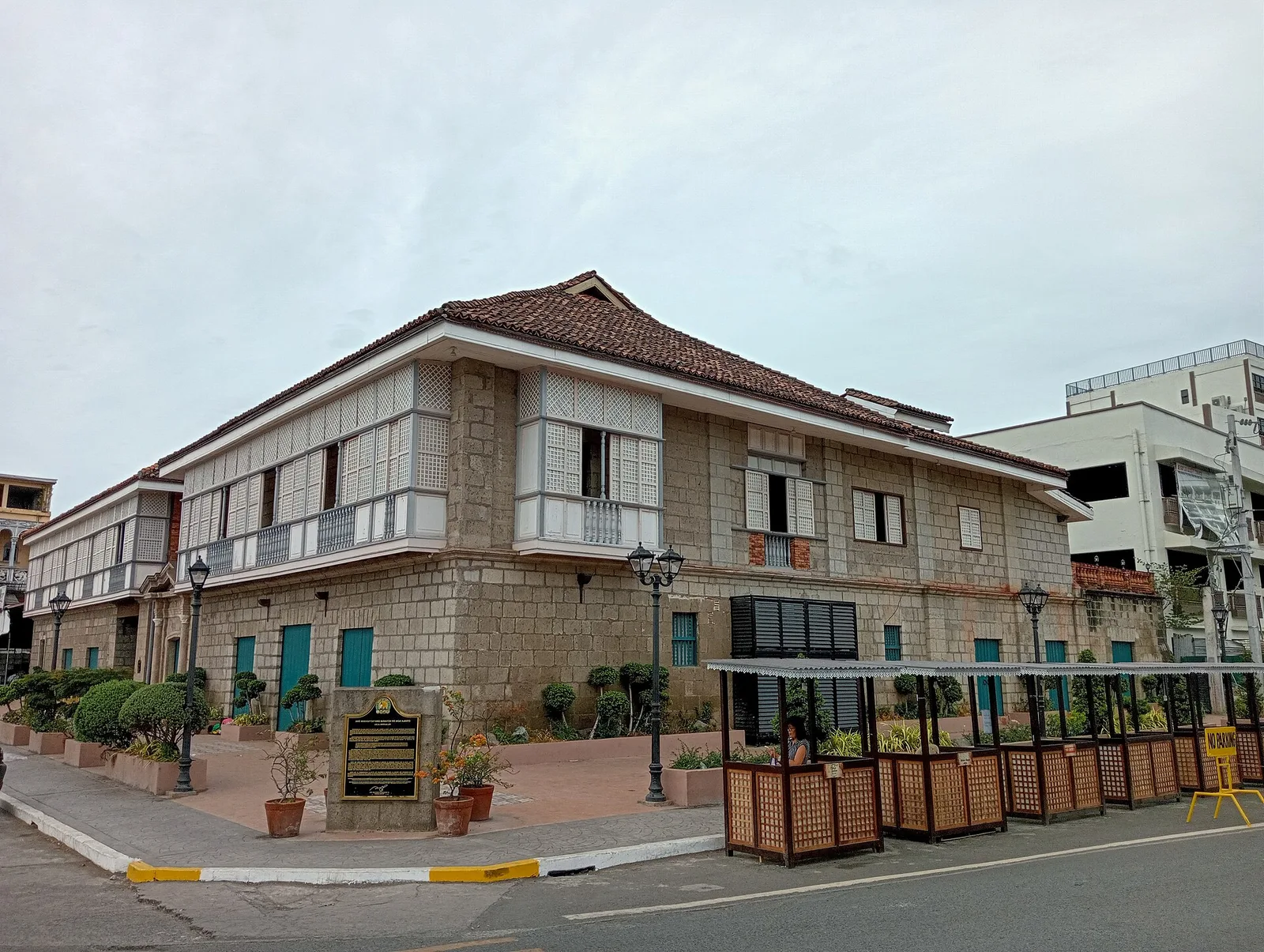
Historic location of Jose Rizal's first formal schooling previously owned by an uncle of the national hero. It collapsed in 2012, but was expropriated by the city government and restored into a museum and cultural center in 2019.
Legend says two lovers who had family issues committed suicide at the falls so no one will be able to separate them, hence the falls' name, which literally means "place of death". A few minutes of hiking will take you …
A park situated where the Baras River empties into Laguna de Bay, with views of the lake itself and surrounding wetlands.
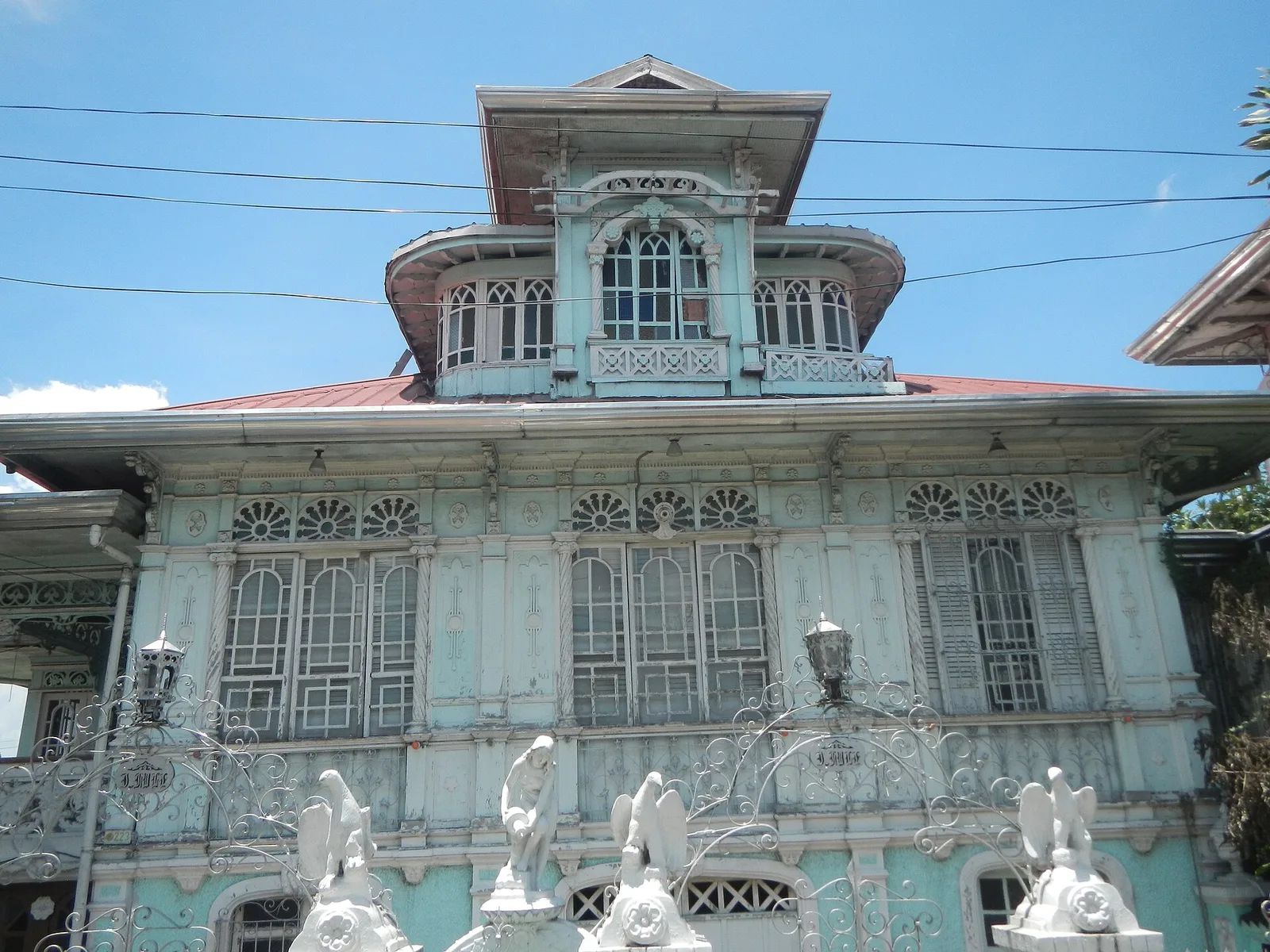
An sea-green old mansion noted for its ornate façade. Its fence is adorned by statues of lions and eagles. A small but interesting number of heritage houses can be seen in the vicinity of the residence, particularly along J.P. Rizal …
One of the few remaining municipal government buildings in the Philippines remaining from the Spanish era.