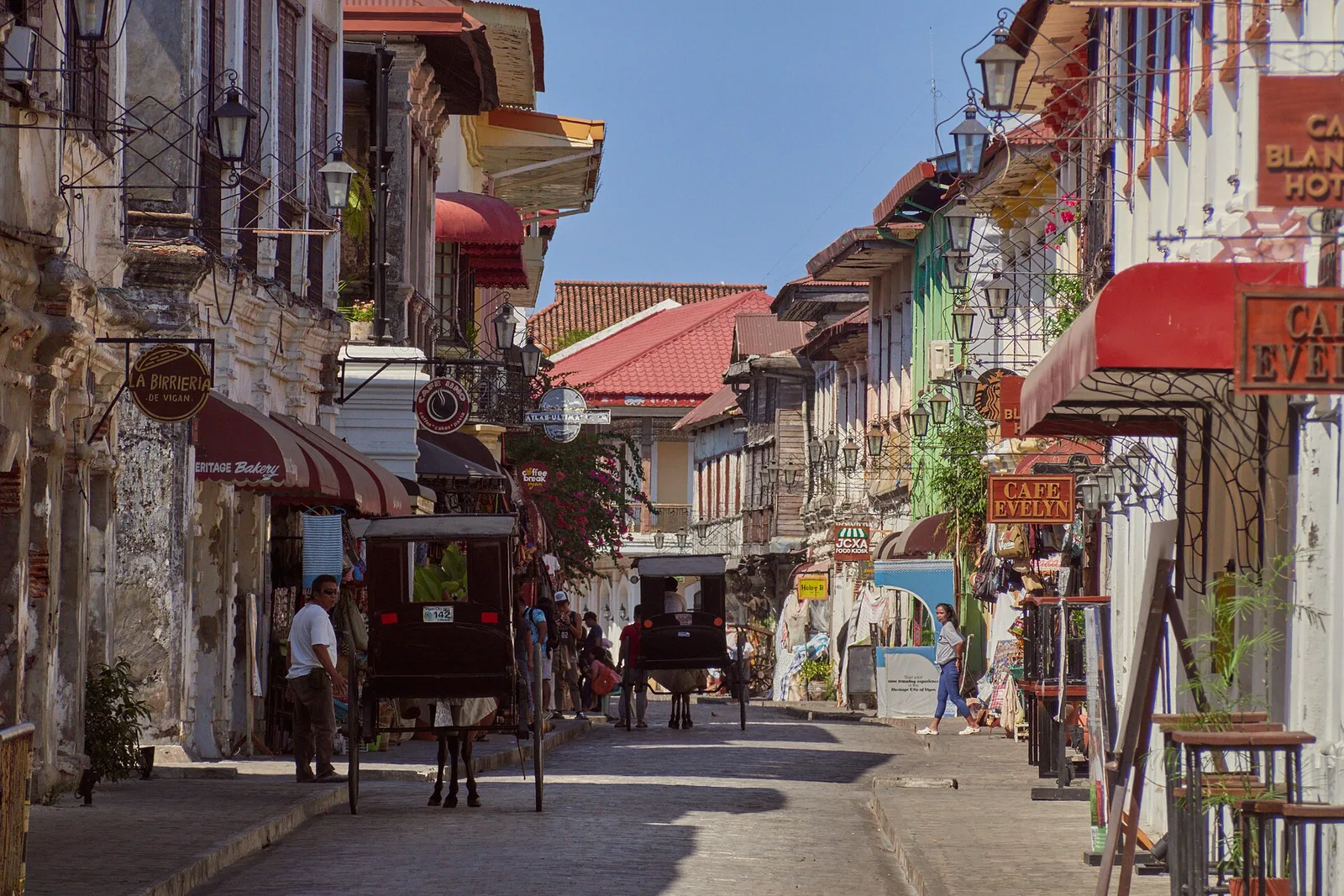
Calle Crisologo
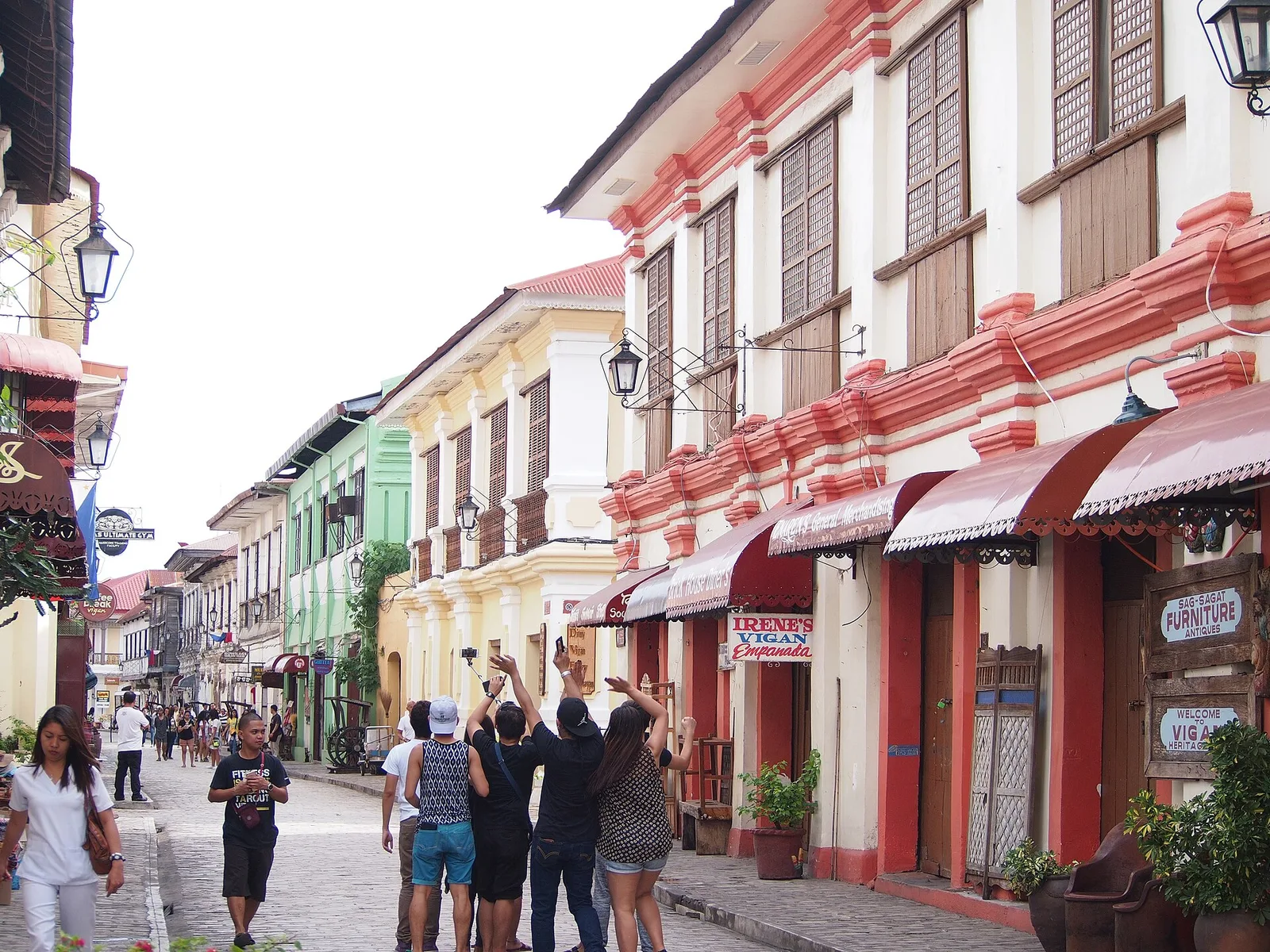
The cobbled street of ancestral houses, closed to cars, best walked early in the morning or after dark. It runs through the Mestizo District and is the best known part of the old town: sett paving, and houses with brick …
City in Ilocos Sur, Ilocos, Luzon · 39 barangays
The cobbled street of ancestral houses, closed to cars, best walked early in the morning or after dark. It runs through the Mestizo District and is the best known part of the old town: sett paving, and houses with brick …
A 3-day plan built from the See, Do and Eat listings in Wikivoyage's Vigan guide. The stops are in an order that keeps each day close together. Check the hours …
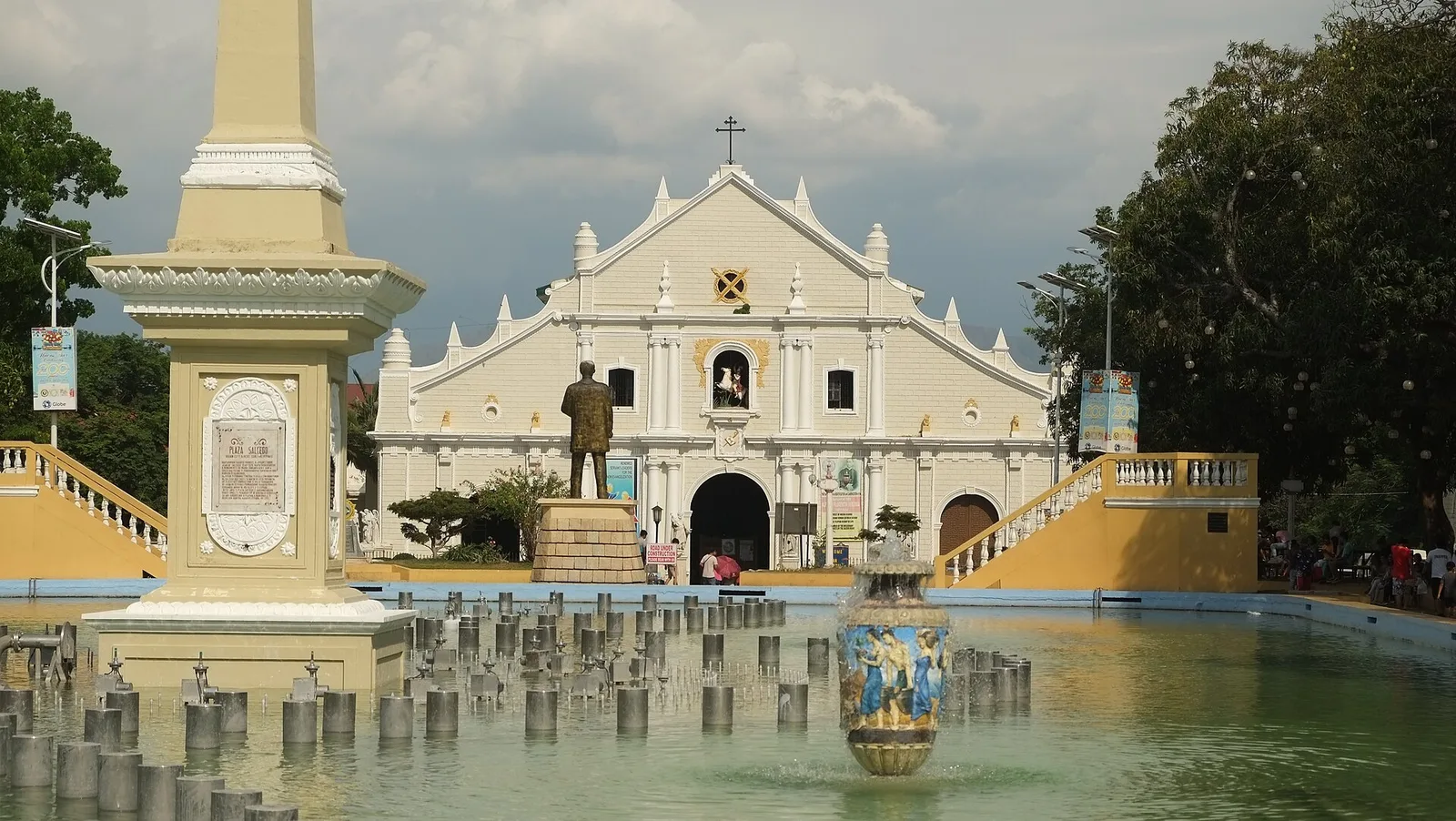
The 18th-century earthquake baroque cathedral on Plaza Salcedo, with a bell tower standing apart from the church. It holds the cathedra of the Archdiocese of Nueva Segovia, and it is part of what UNESCO listed in 1999 as the Historic …
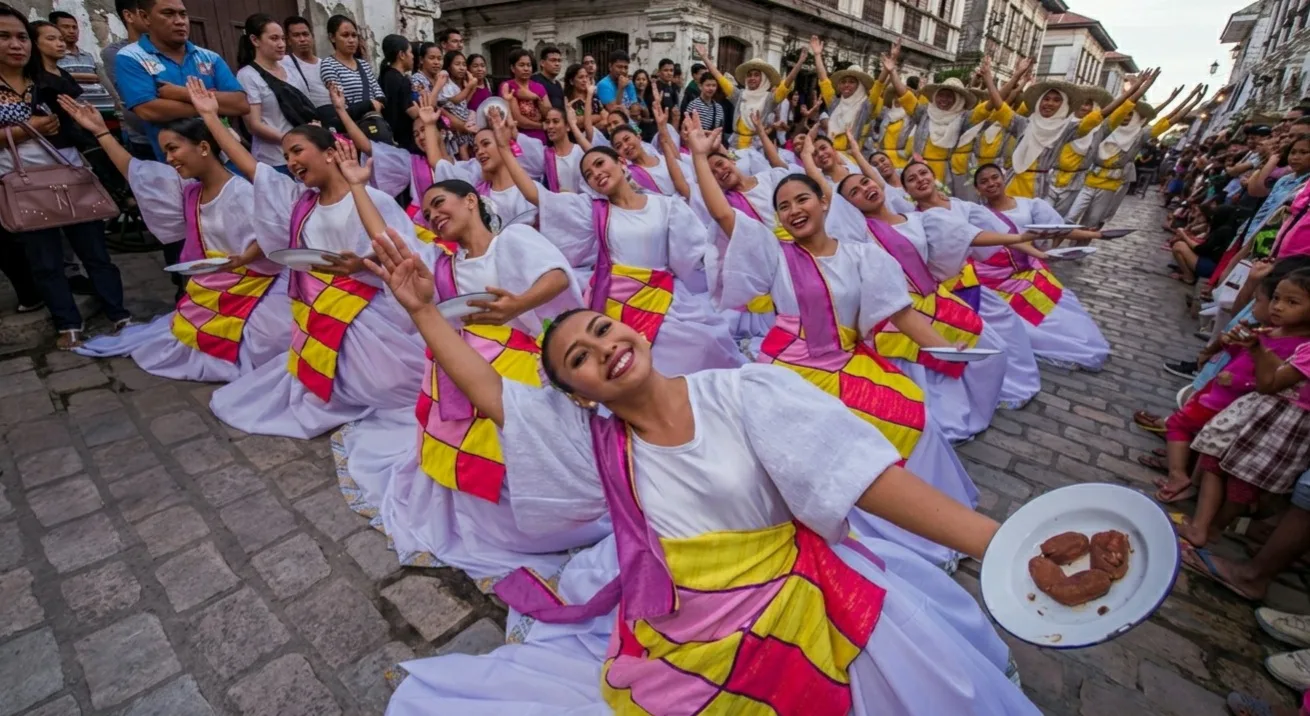
The city fiesta, with the sausage makers at the centre of it: longganisa cooked in the open on Plaza Burgos, a float parade and a street dance.
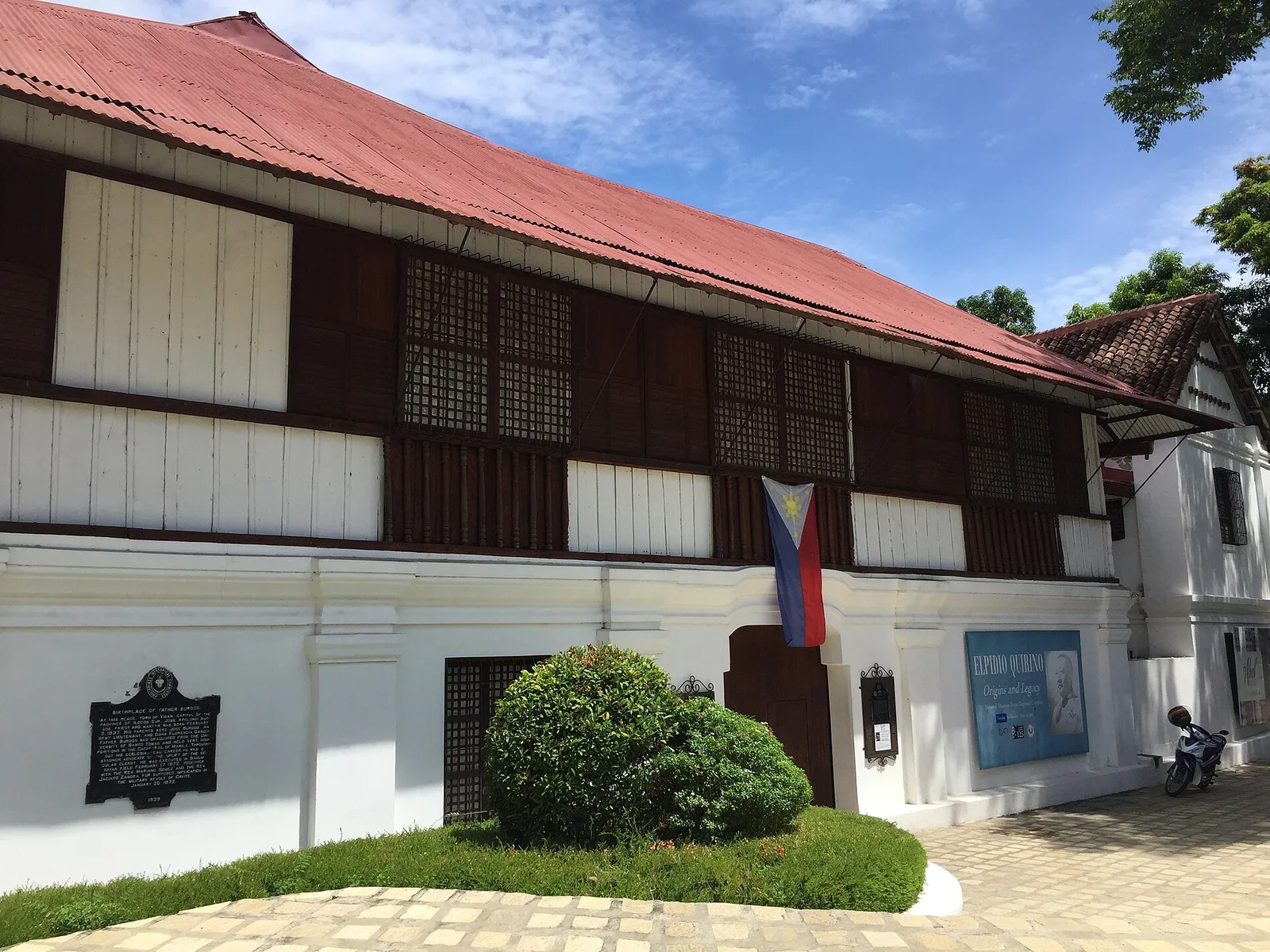
also known as the Ayala Museum, this showcases the memorabilia of martyred priest Jose Burgos. Behind the house is the national museum (formerly the Ilocos Sur Provincial Jail), housing other ethnic and Ilocano artifacts such as artifacts, weapons, kitchen utensils, …
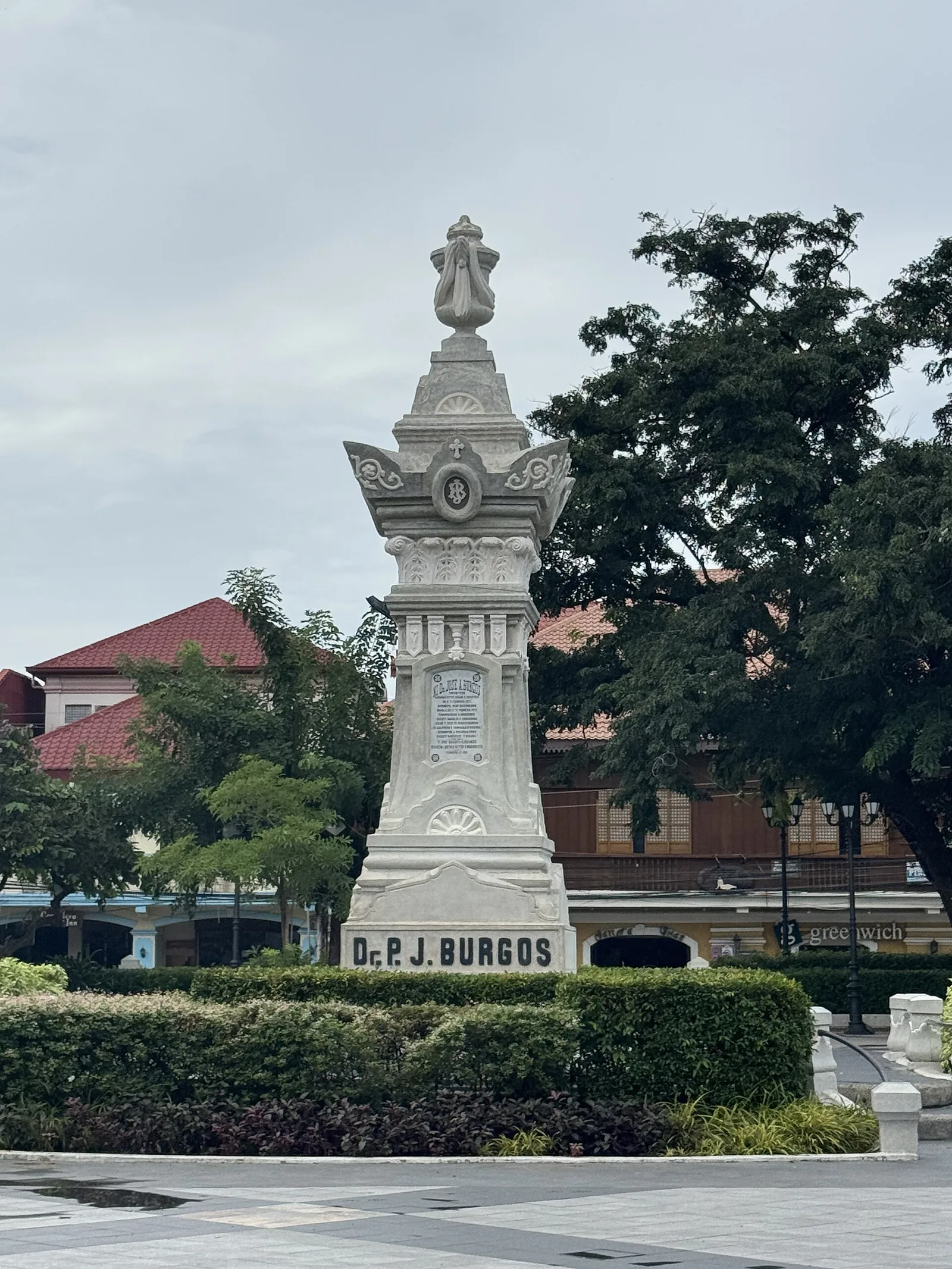
is a favorite hang out for locals and is also used for staging major public events. It has also food stalls selling local snacks, especially the empanada. It is next to Vigan Cathedral and dedicated to the memory of Father …

The Crisologo family house, kept as it was, with the car in which Congressman Floro Crisologo's family travelled.
offers a wonderful glimpse into the Philippines' colonial past. The ancestral houses were mostly built by Chinese traders using a mixture of local, Asian and Spanish architectural styles. Movie fans recognize the streets from the movie Born on the Fourth …
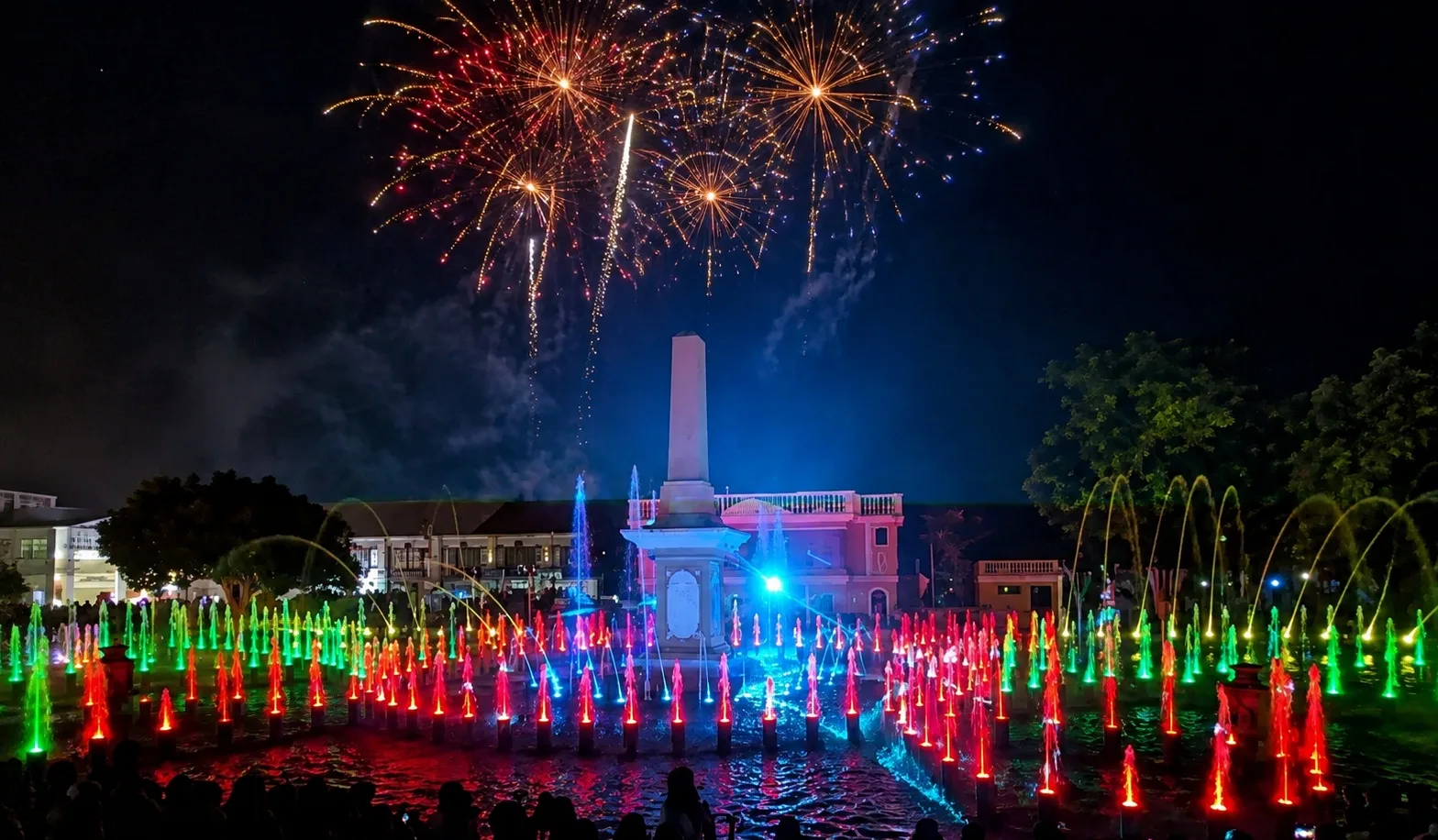
A free water and light show on the plaza in the evenings. The plaza is the longer arm of an L-shaped open space and is the town centre, named after the Spanish conquistador Juan de Salcedo. With Plaza Burgos it …
Where the great conquistador Juan de Salcedo landed when he arrived in Vigan through the Mestizo River. Also the site of the city slaughterhouse, built during the Spanish Era (for which the barangay is named).
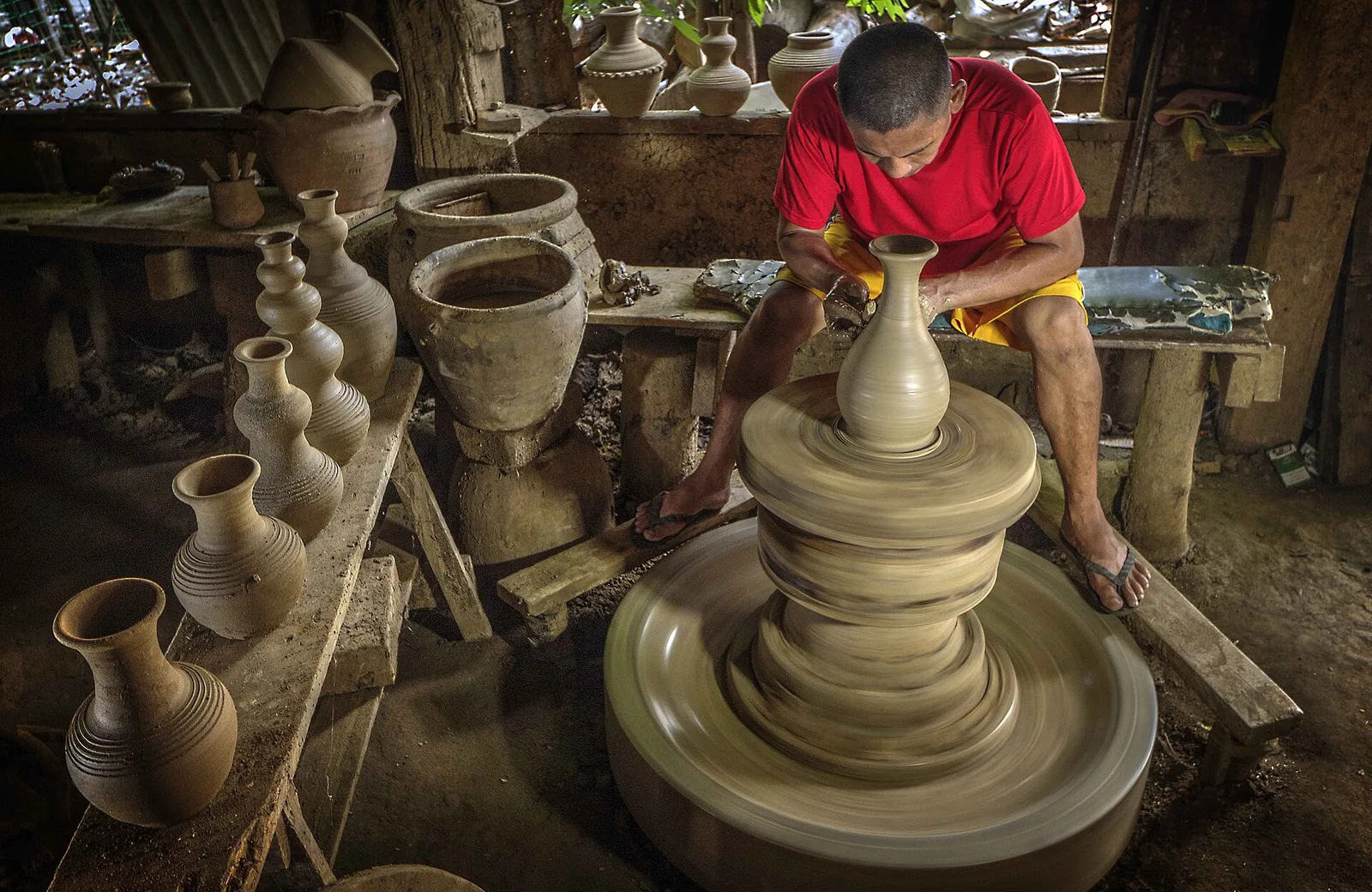
Workshops where burnay jars are still thrown on a foot-turned wheel and fired in a wood kiln.
