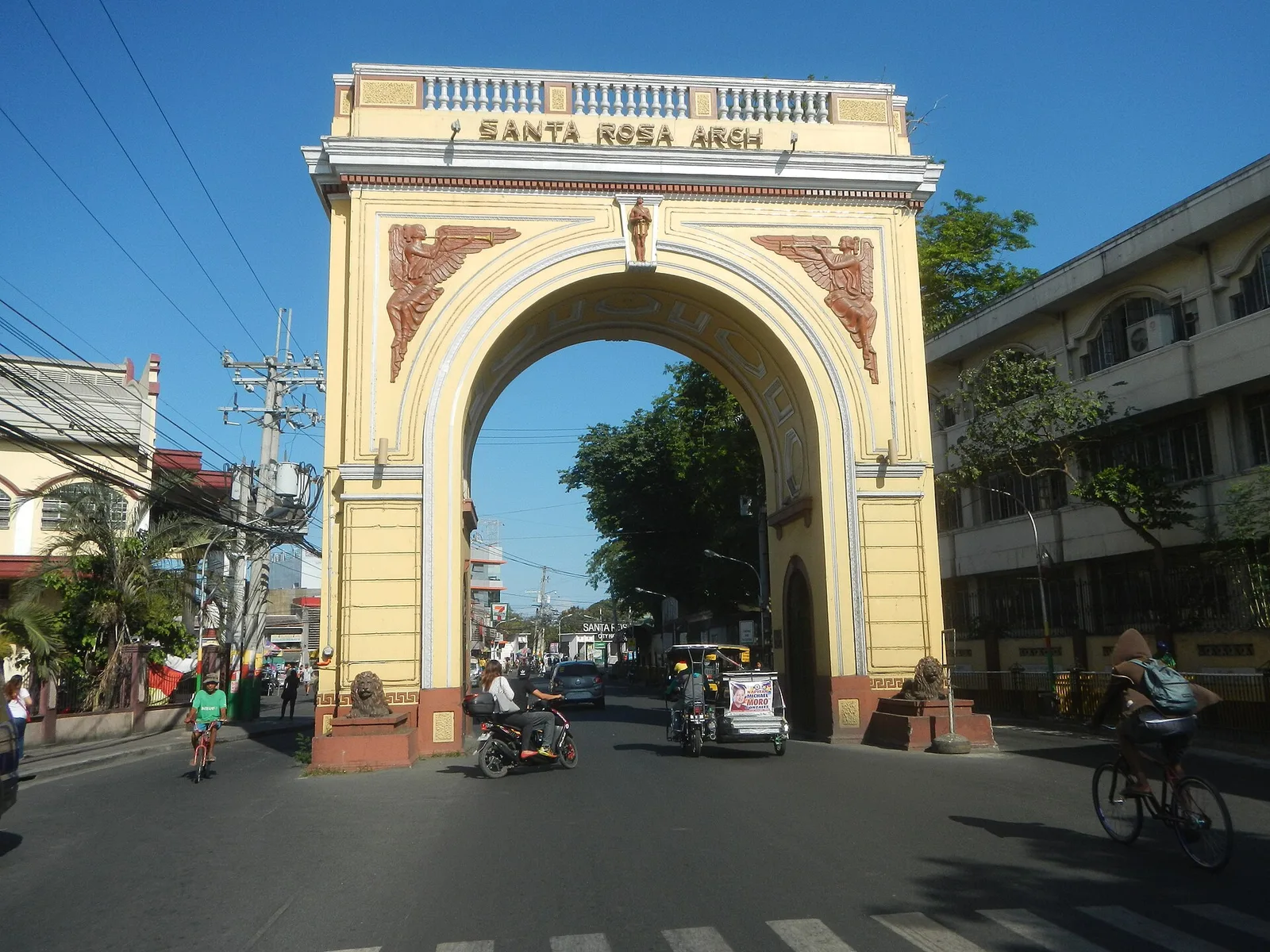
Santa Rosa Arch
19th-century welcome arch based on Paris's Arc de Triomphe, with the current arch being Art Deco, built in the 1930s. It is a local symbol, found in the city's official seal.
Island group · 8 regions
Showing 601 to 630 of 1,429
19th-century welcome arch based on Paris's Arc de Triomphe, with the current arch being Art Deco, built in the 1930s. It is a local symbol, found in the city's official seal.
A hilltop Roman Catholic shrine featuring a statue of Padre Pio accessible by climbing 150 steps.
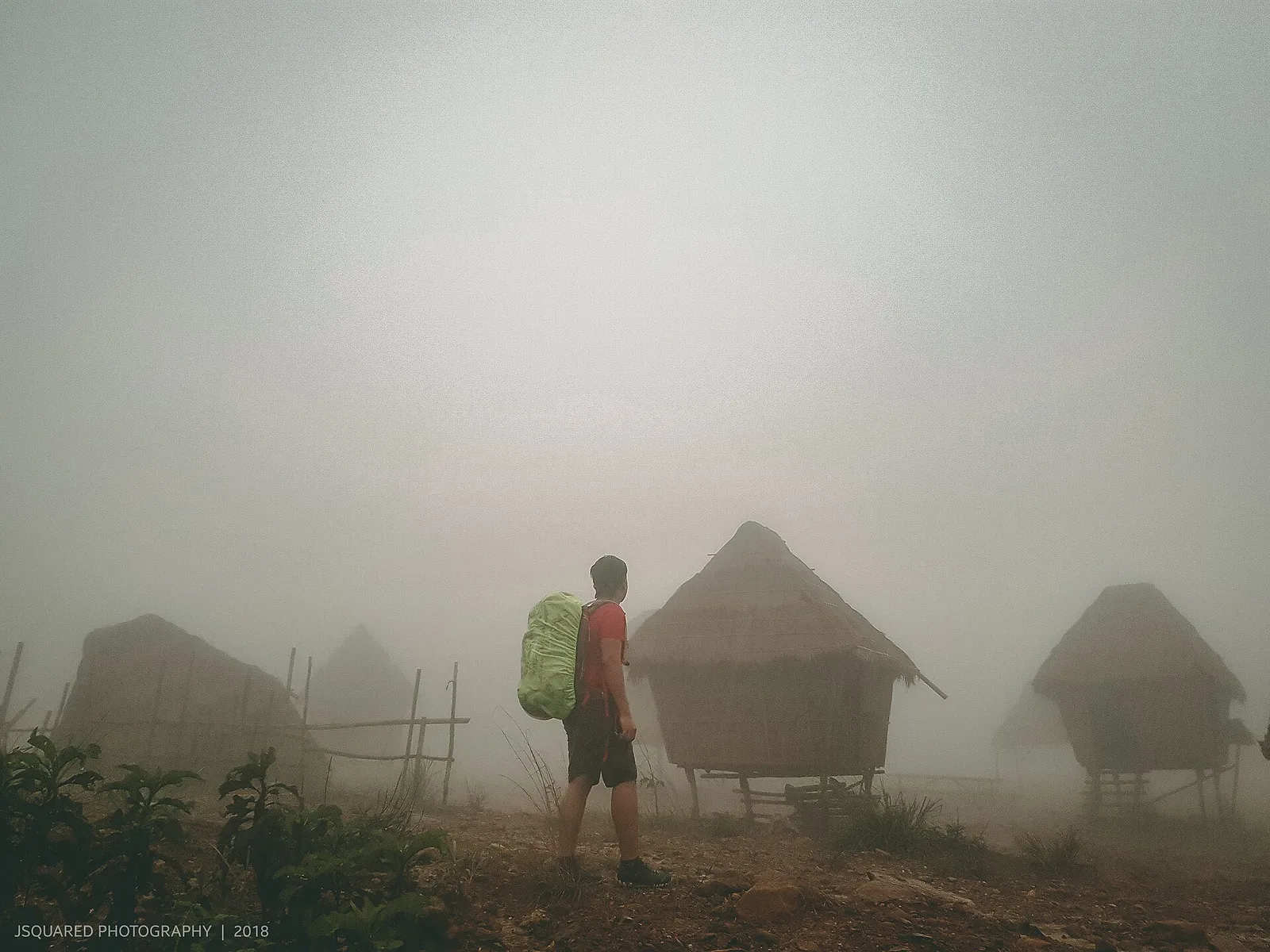
A peak at the boundary with the municipality of Rodriguez in Rizal province used as a stand-in location for films set in northern Luzon and one of the closest hiking destinations to Metro Manila.
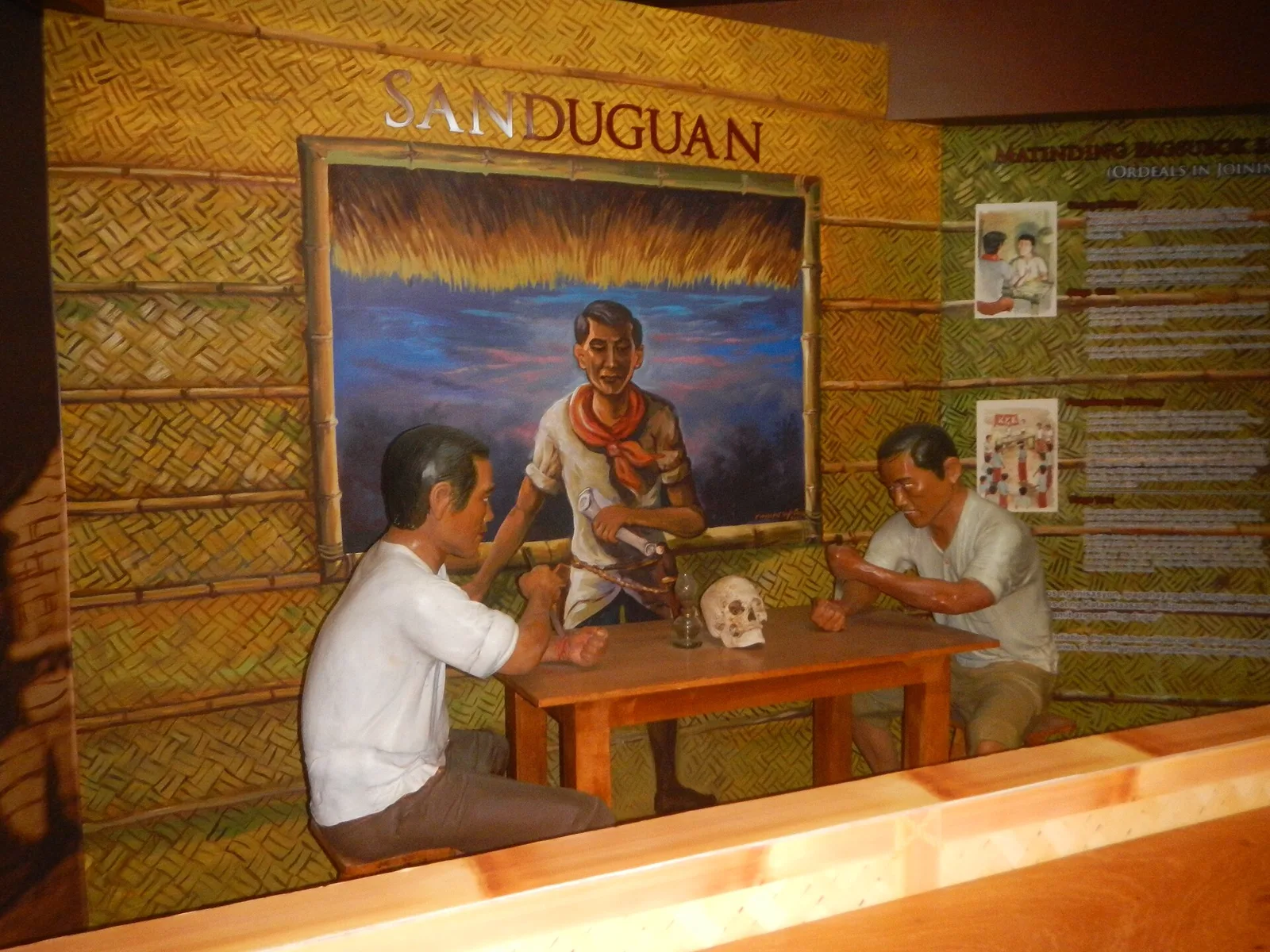
A local museum on the history of the Katipunan and the 1896 Philippine revolt against Spain, operated by the local government of San Juan, and supervised by the National Historical Commission of the Philippines.
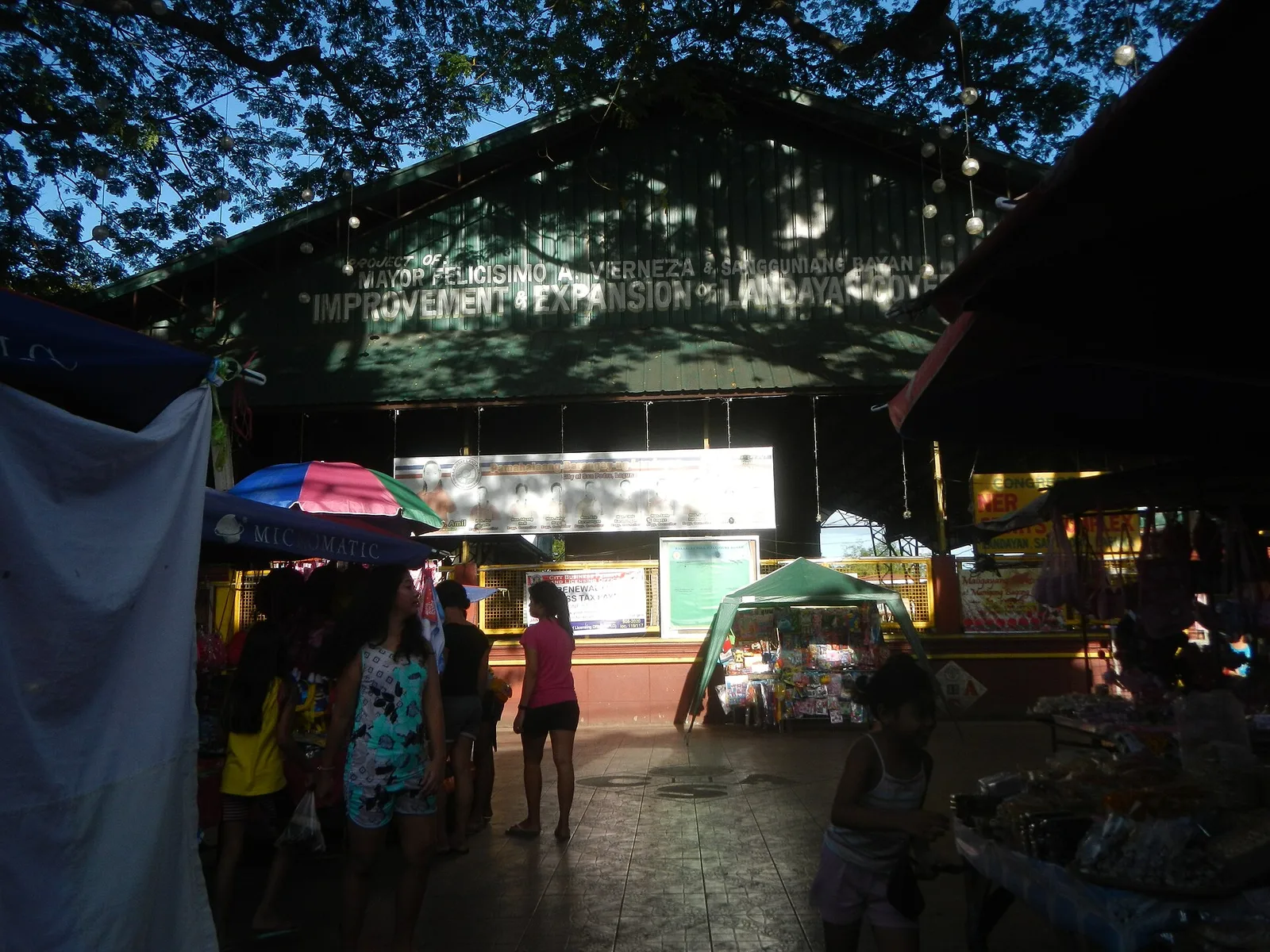
A chapel housing a venerated statue of the dead Christ known locally as Lolo Uweng.
A museum dedicated to comic strips featuring the collection of comic artist Gerry Alanguilan, whose works include domestic and international publications such as Marvel and DC Comics.
A high peak near the triboundary with Rizal, Laguna and Quezon provinces that is also claimed by the municipality of Tanay. The mountain is home to a few endemic wildlife including subspecies of orchids, rafflesias, pitcher plants and forest mice.
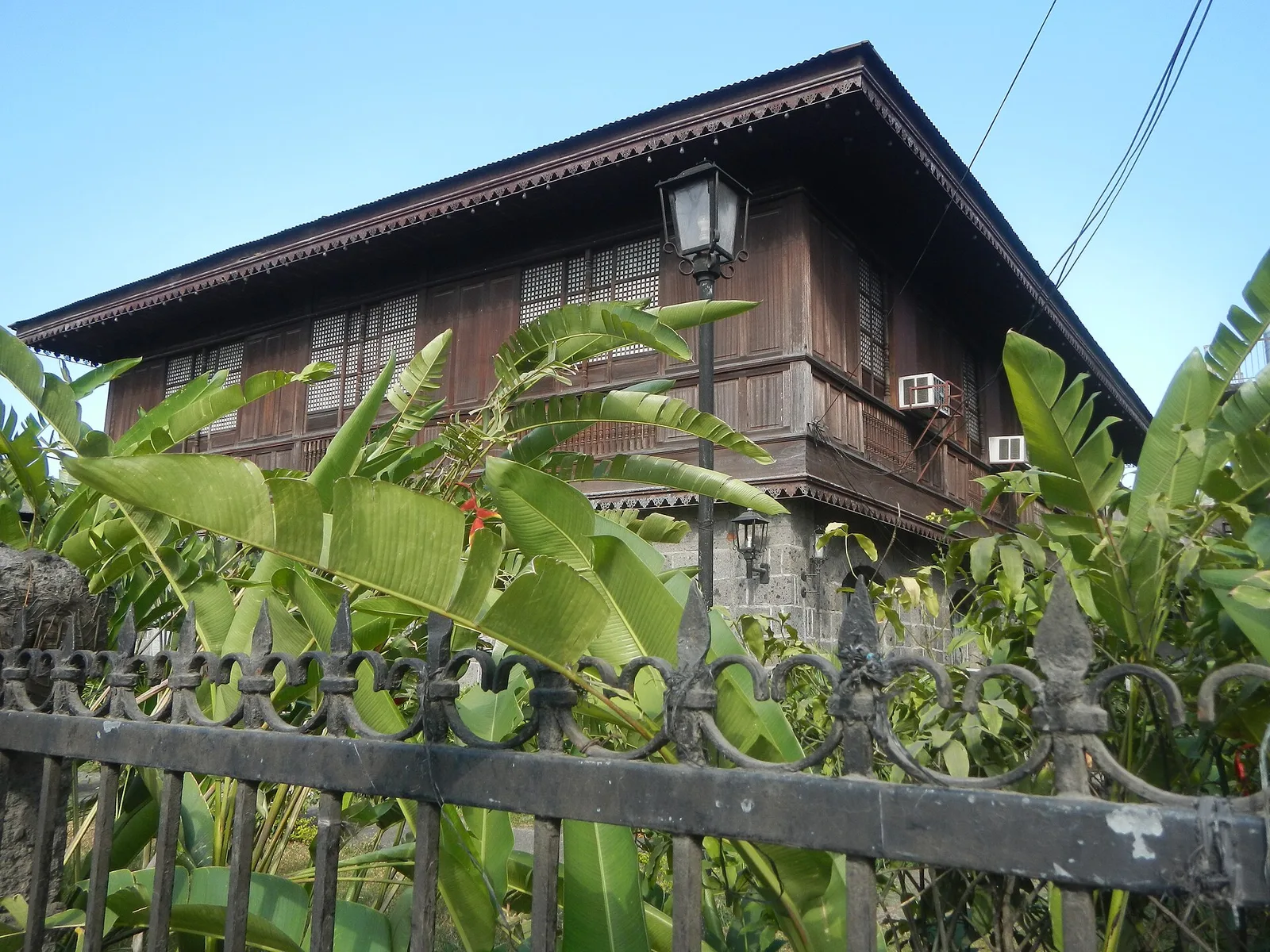
A colonial-era house that used to be the residence of the town's namesake, Senate president Eulogio Rodriguez.
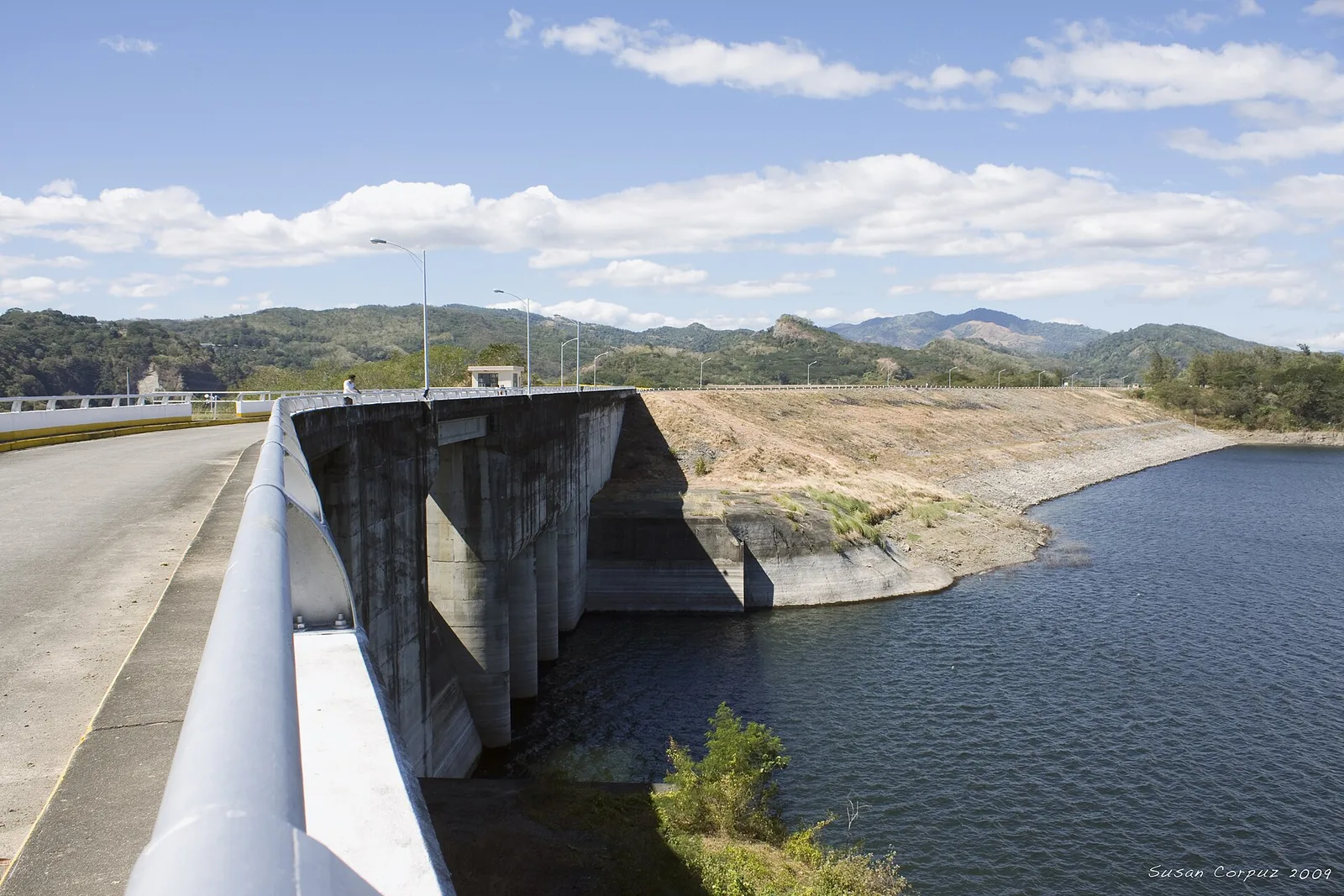
One of the largest dams in the country, it is a high structure with a length of holding back of water from the upper reaches of the Pampanga River, sustained by the Pantabangan–Carranglan Watershed Forest Reserve that covers the Caraballo …
The old site of Pantabangan was razed by bulldozers and dynamite before it was submerged by of waters from Pantabangan Lake, but since the 1980s it has reappeared as an island on five separate occasions coinciding with extremely low water …
A built on top of Black Hill. It is accessible following a climb and offers panoramic views of the town, including the Basilica.
More of a brackish pond than an actual lagoon, it forms the nucleus of the People's Integrated Agri-Tourism Center, which serves as the town's municipal park.
An extensive complex with hotel and camp-like accommodations plus agro/ecotourism-related activities and recreations.
An extensive ecotourism site covering the Pangil River watershed and much of the Pangil highlands including forests and waterfalls. It also provides overnight accommodation.
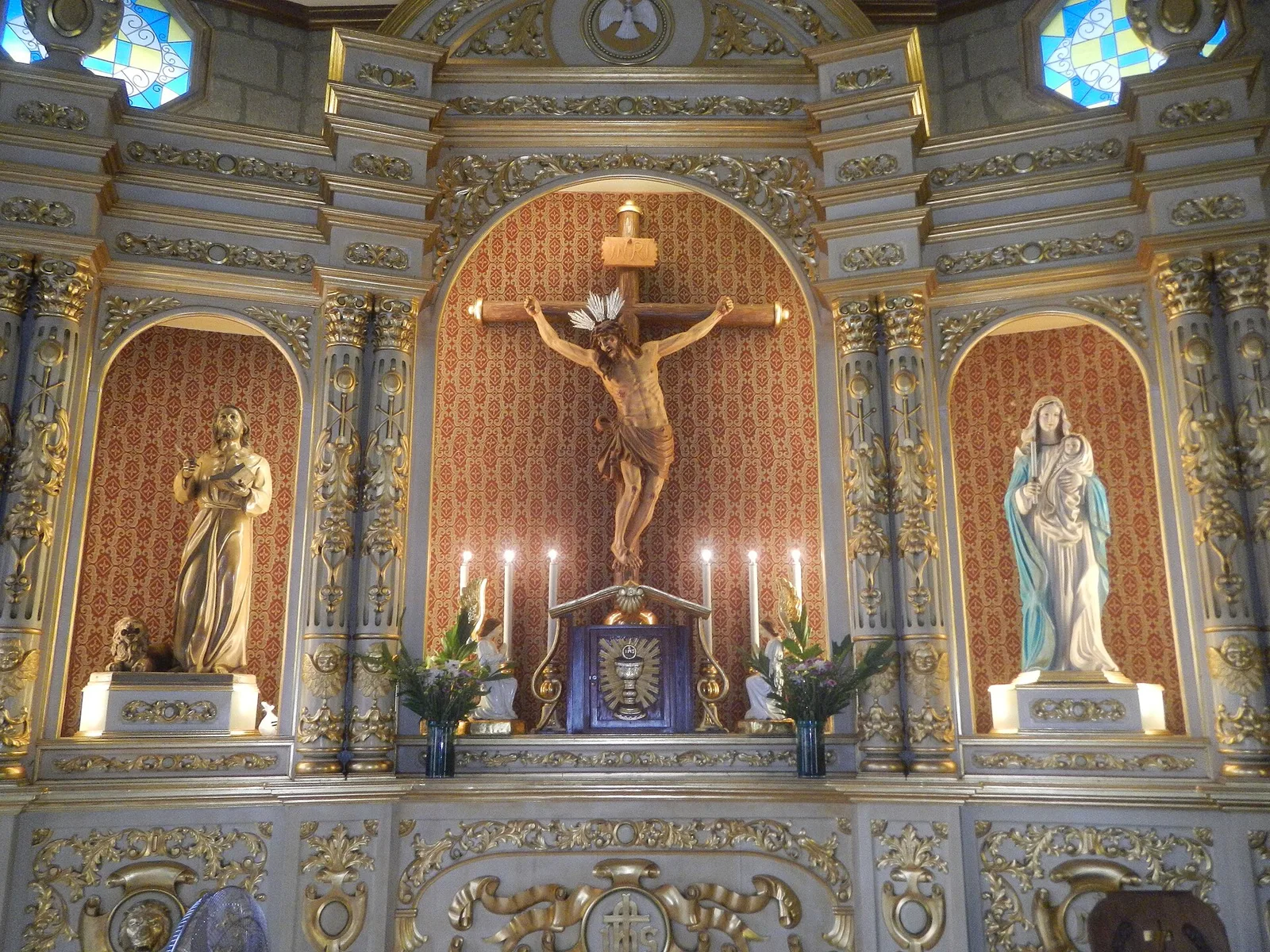
A hilltop Roman Catholic pilgrimage site featuring the Stations of the Cross and a Hollywood-like Pakil sign.
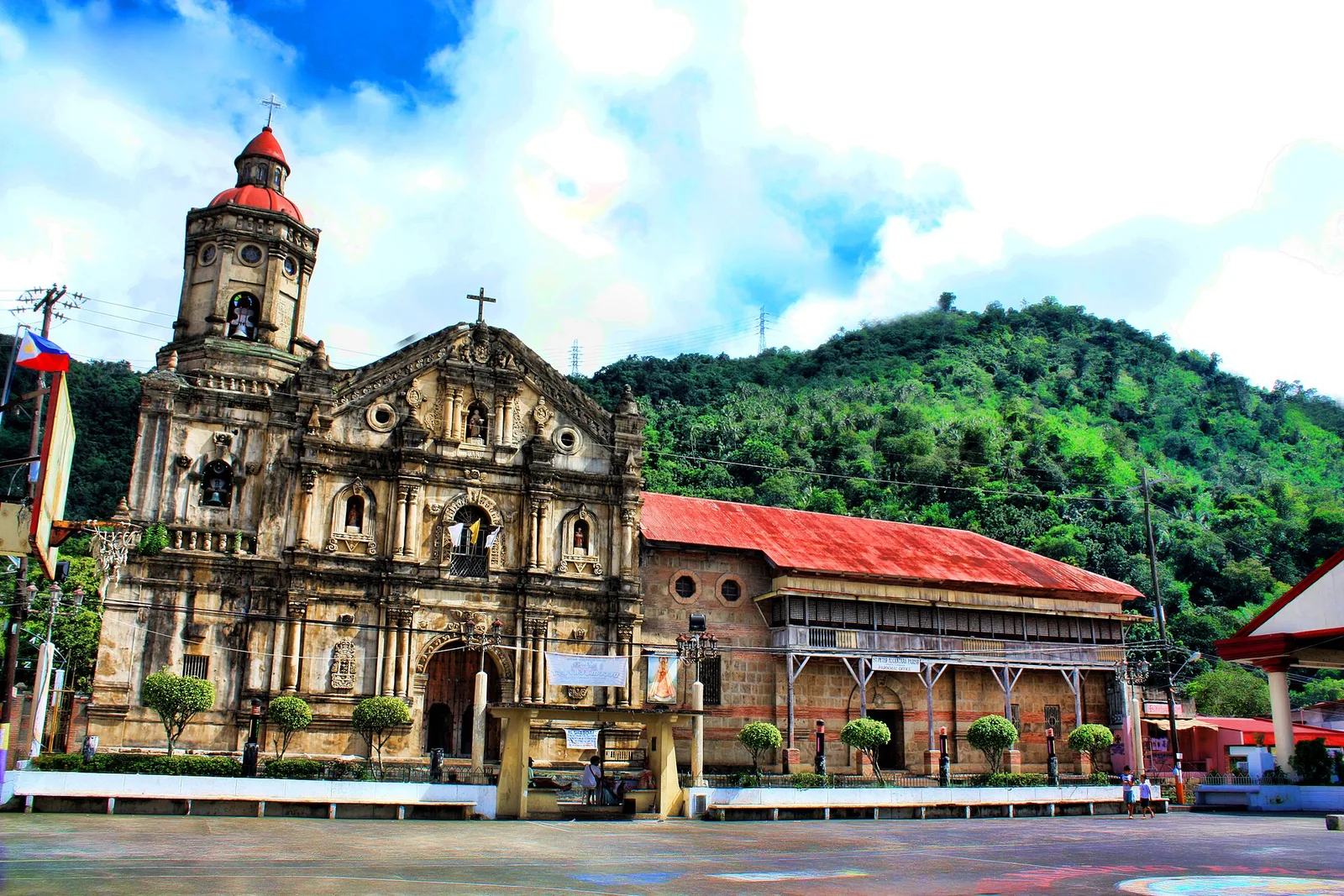
The church was built in the 18th century and features elaborate Baroque carvings in its plastered, cream-colored exterior. Its interior consists of an ornate altar, a holy water font carved with a resemblance to a gargoyle, an old painting of …
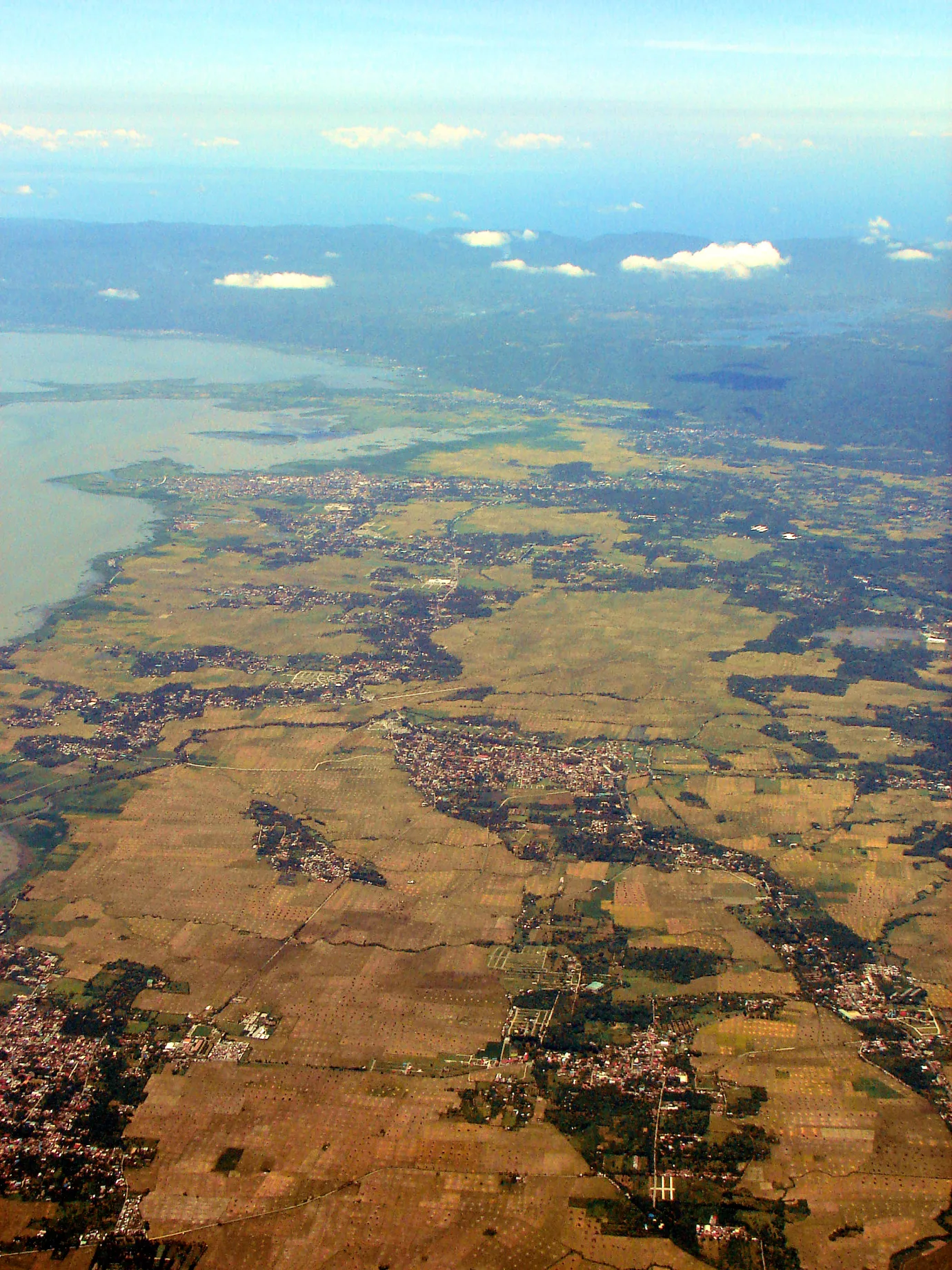
One of the few surviving colonial-era town centers in the Philippines, clustered around the town plaza and Saint Anthony parish church and declared a National Historical Landmark in 2001. Contrary to popular belief, only the church was built in the …
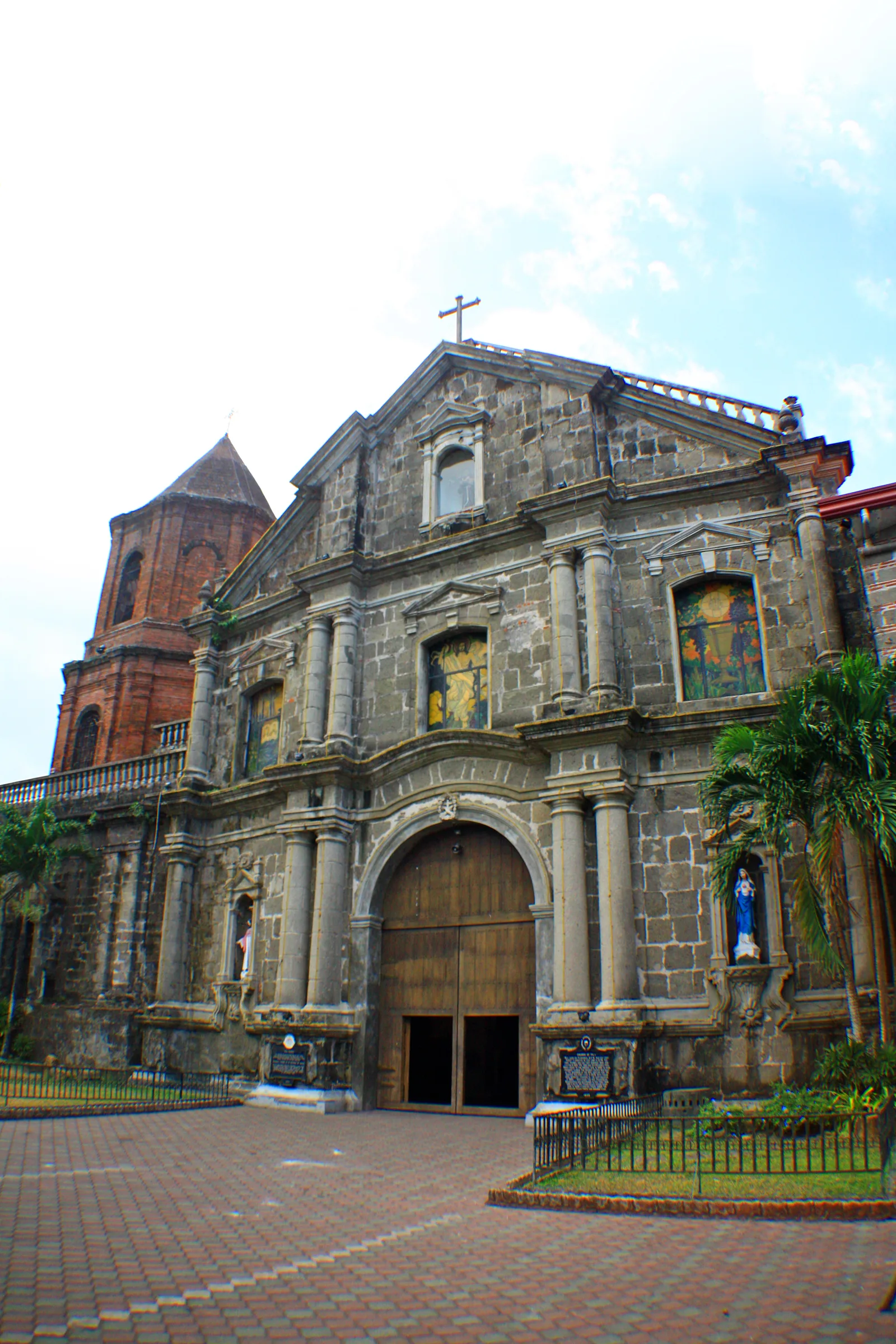
Pila's Roman Catholic church was built in 1849. Its gray brick exterior contrasts with the red brick belltower. Its interior features an ornate altar, multiple gravestones on the walls containing the remains of Pila's high society, and an exquisite statue …
Polangui's main Roman Catholic church, built in the Baroque style during the Spanish era in 1654.
A privately-run museum on local history and culture housed inside a structure that resembles a lighthouse (parola).
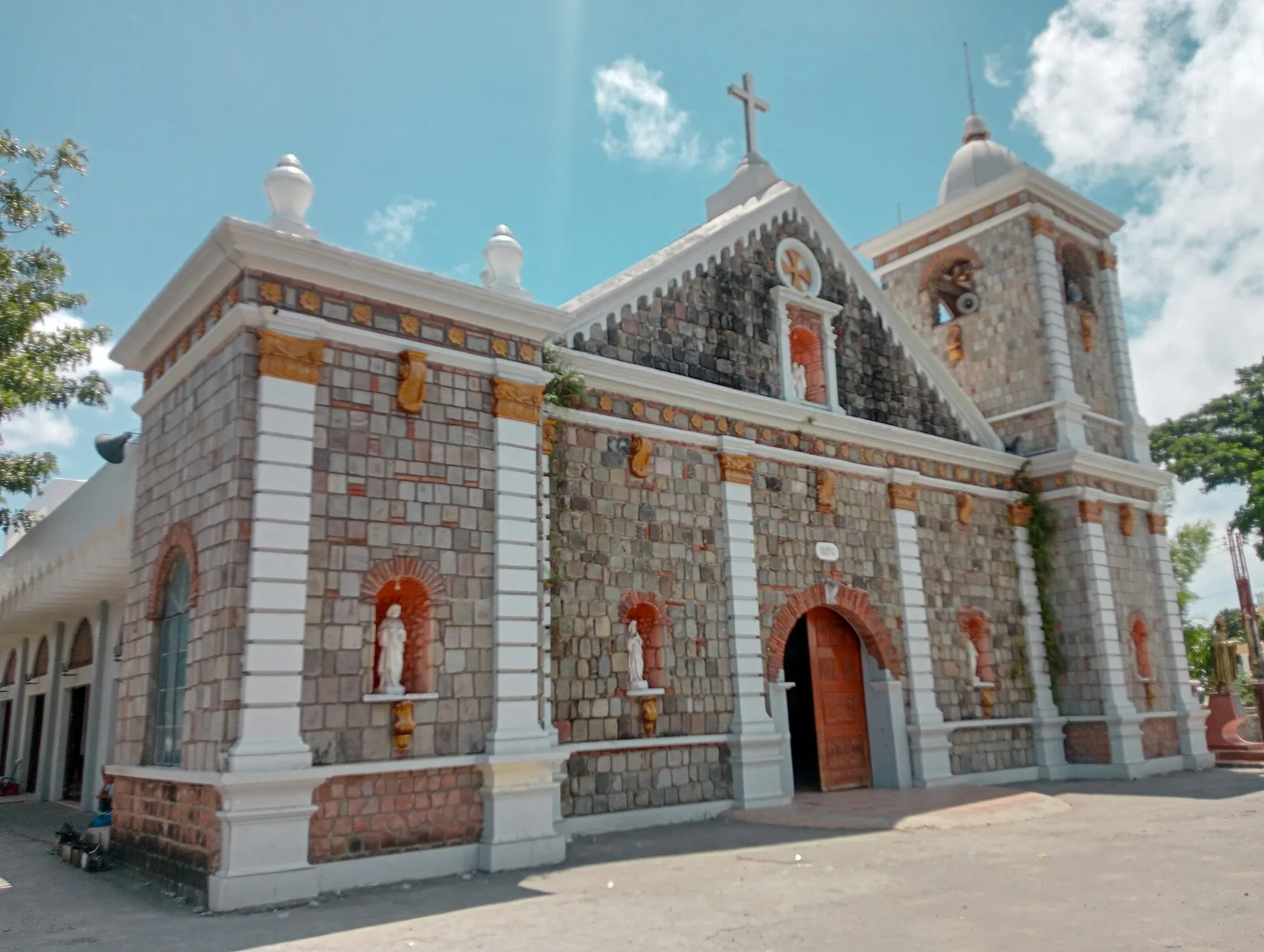
Part of the Alviera private development, it has a giant swing and an obstacle course. Being in a relatively dry area near Mount Pinatubo, it can become hot during the months of March to May, so prepare to get sunburned.
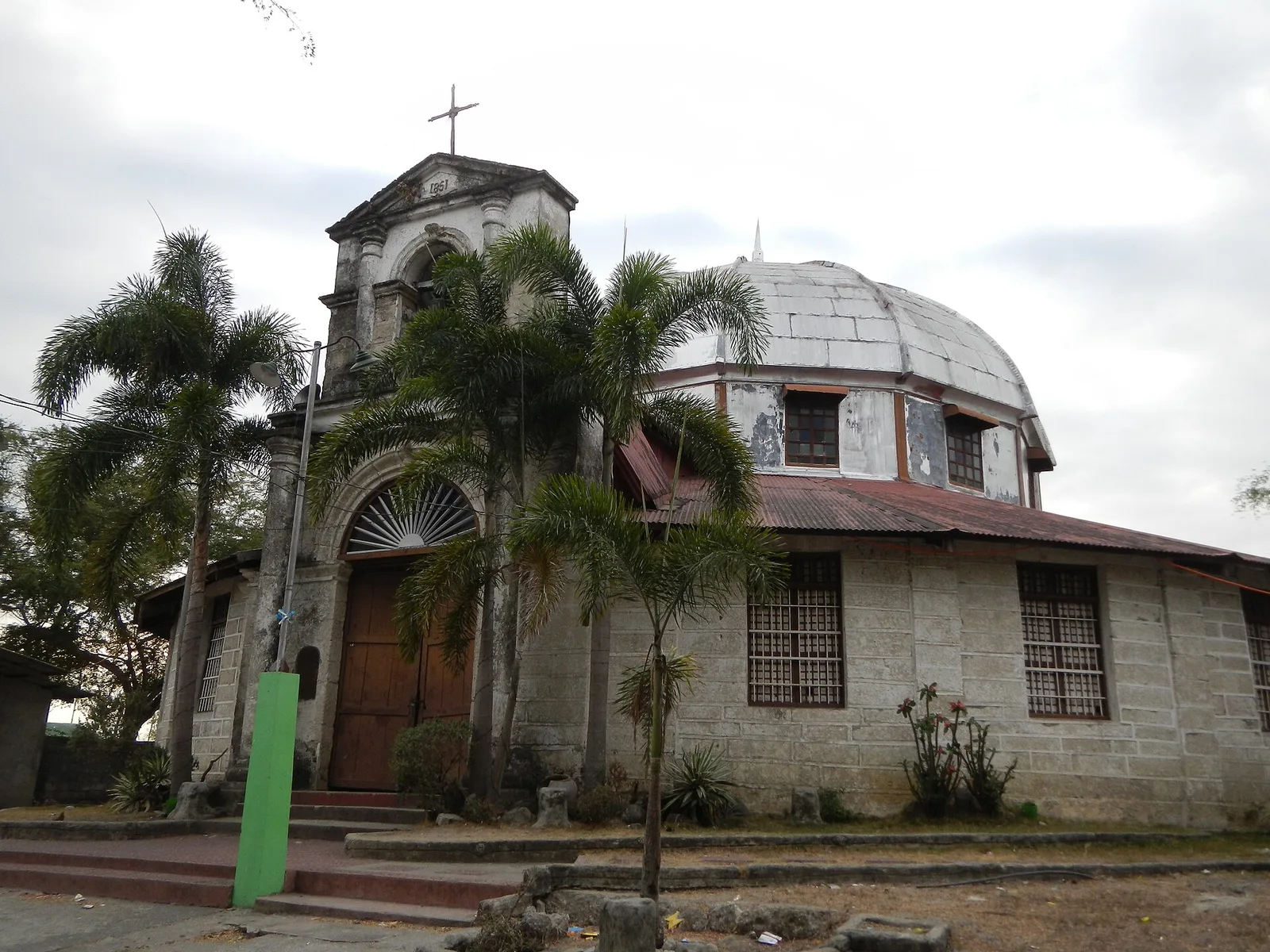
The first known circular chapel in the Philippines, built in 1861. Damaged by the 1991 Pinatubo eruption and a 2019 earthquake, it was controversially repaired in a DIY manner by locals amid limited funds and lack of advice from conservationists.