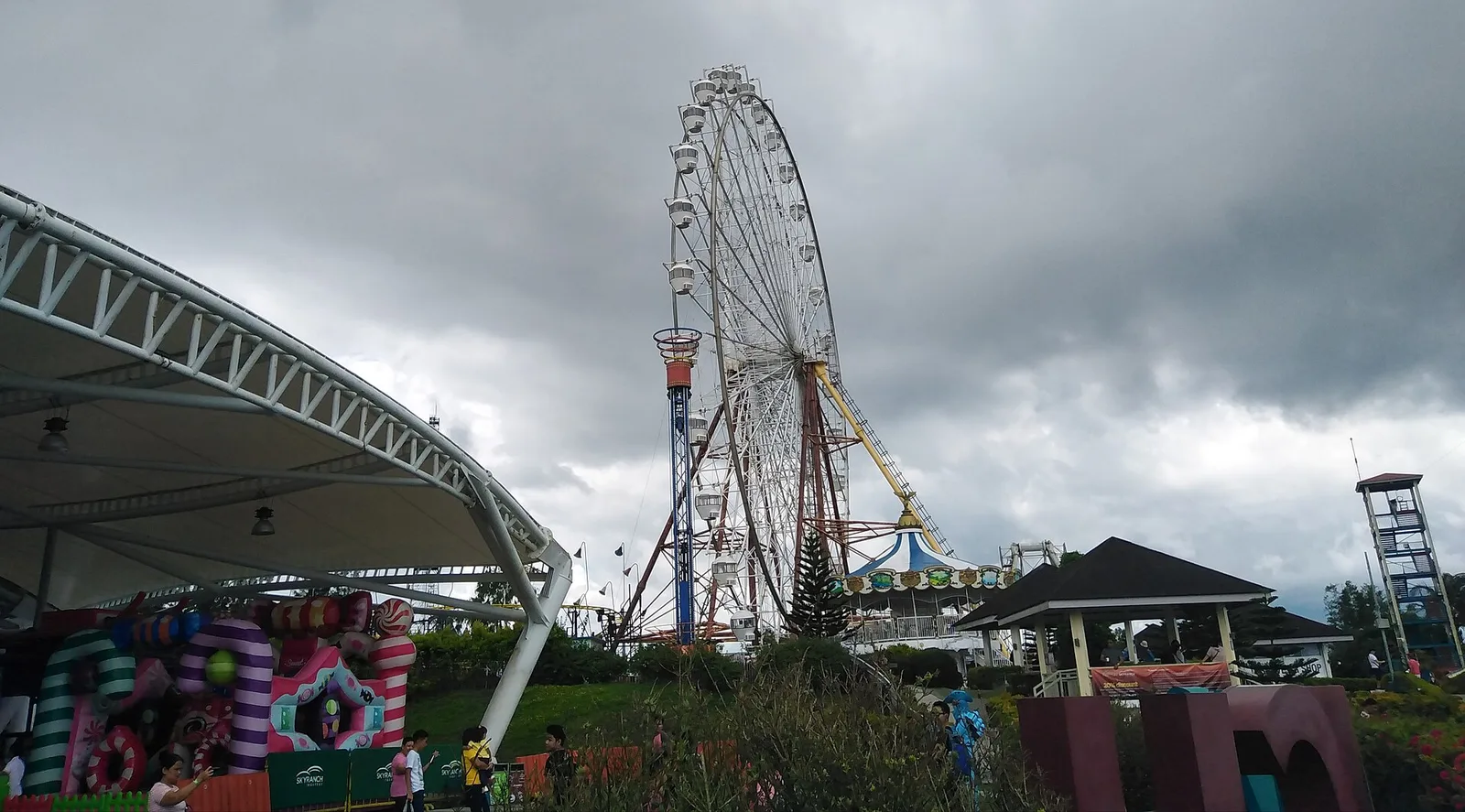
Sky Ranch Tagaytay
amusement park opened in 2013, with an assortment of rides, restaurants and souvenir shops. It houses the Ferris wheel Sky Eye.
Island group · 8 regions
Showing 1021 to 1050 of 1,429
amusement park opened in 2013, with an assortment of rides, restaurants and souvenir shops. It houses the Ferris wheel Sky Eye.
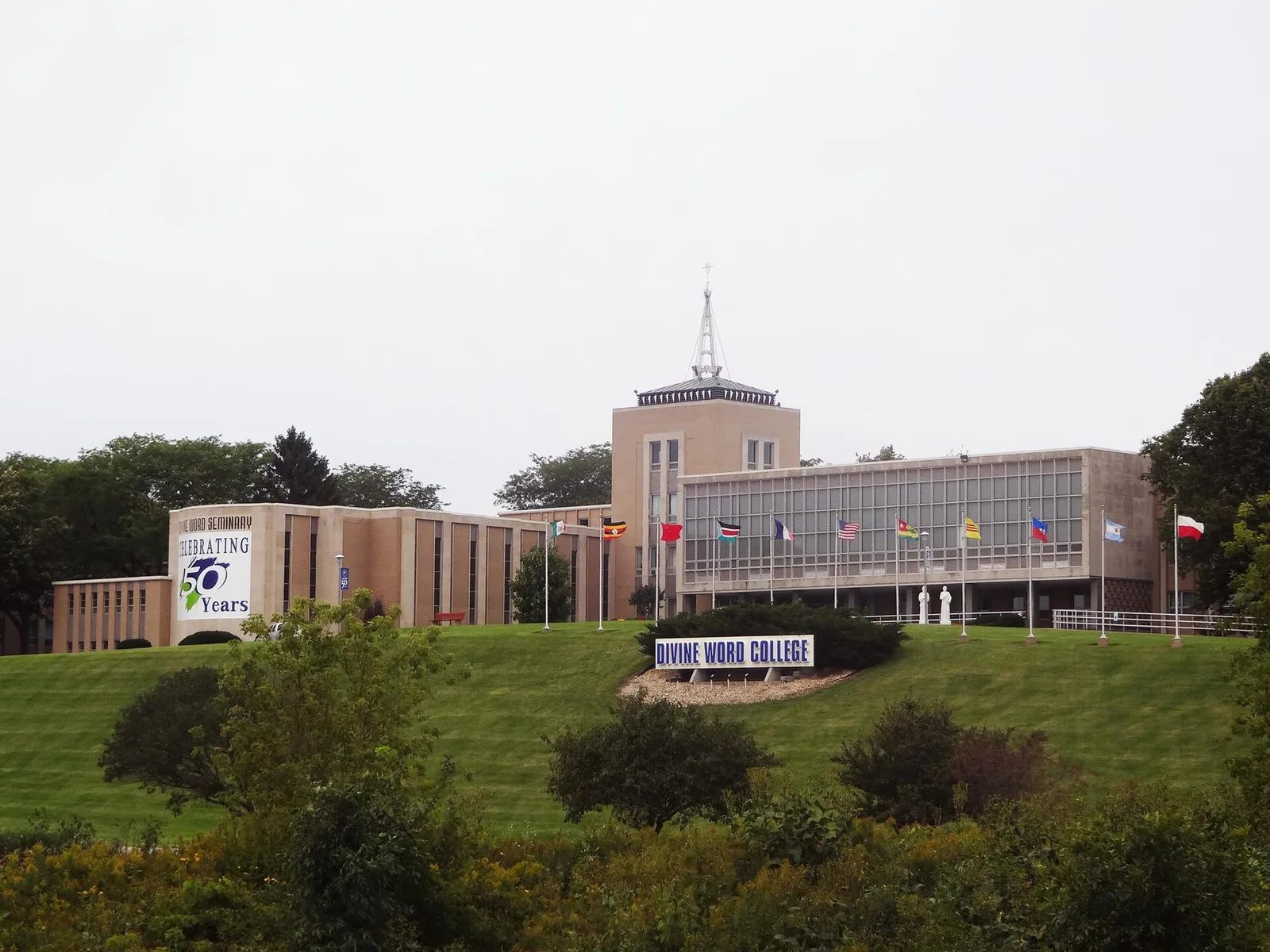
One of the biggest schools of theology in the Philippines in terms of population and land area, it is also one of the oldest religious institutions in the city. It is run by Divine Word Missionaries also known as SVD.
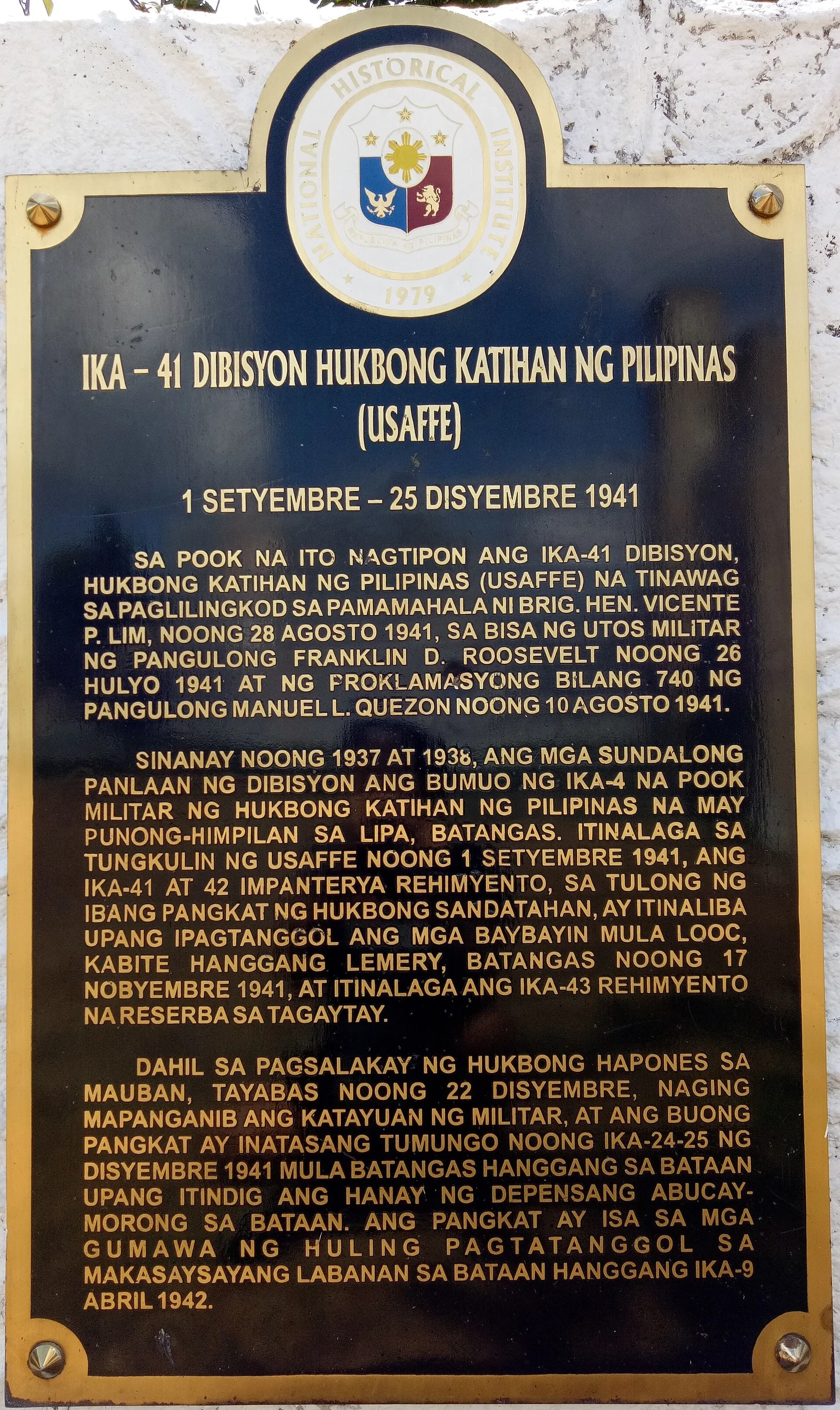
On February 3, 1945, the 11th Airborne Division of Lt. Gen. Robert L. Eichelberger’s 8th U.S. Army airdropped military supplies and personnel together with the Philippine Commonwealth troops on the Tagaytay Ridge amidst enemy groundfire. Their mission was to secure …
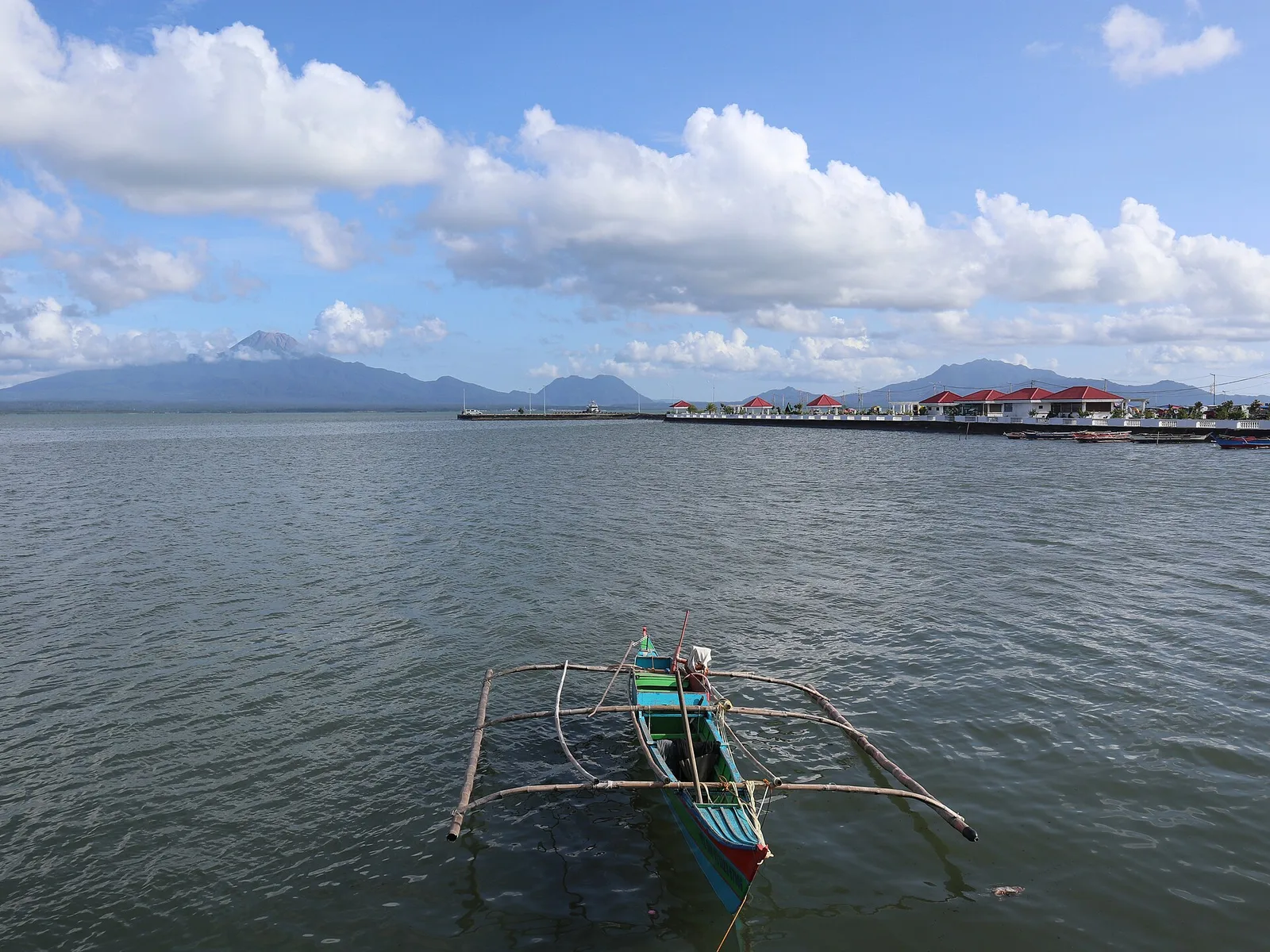
A sight at Sorsogon City Coastal Road, Sorsogon City. Hours: Open 24 hours.
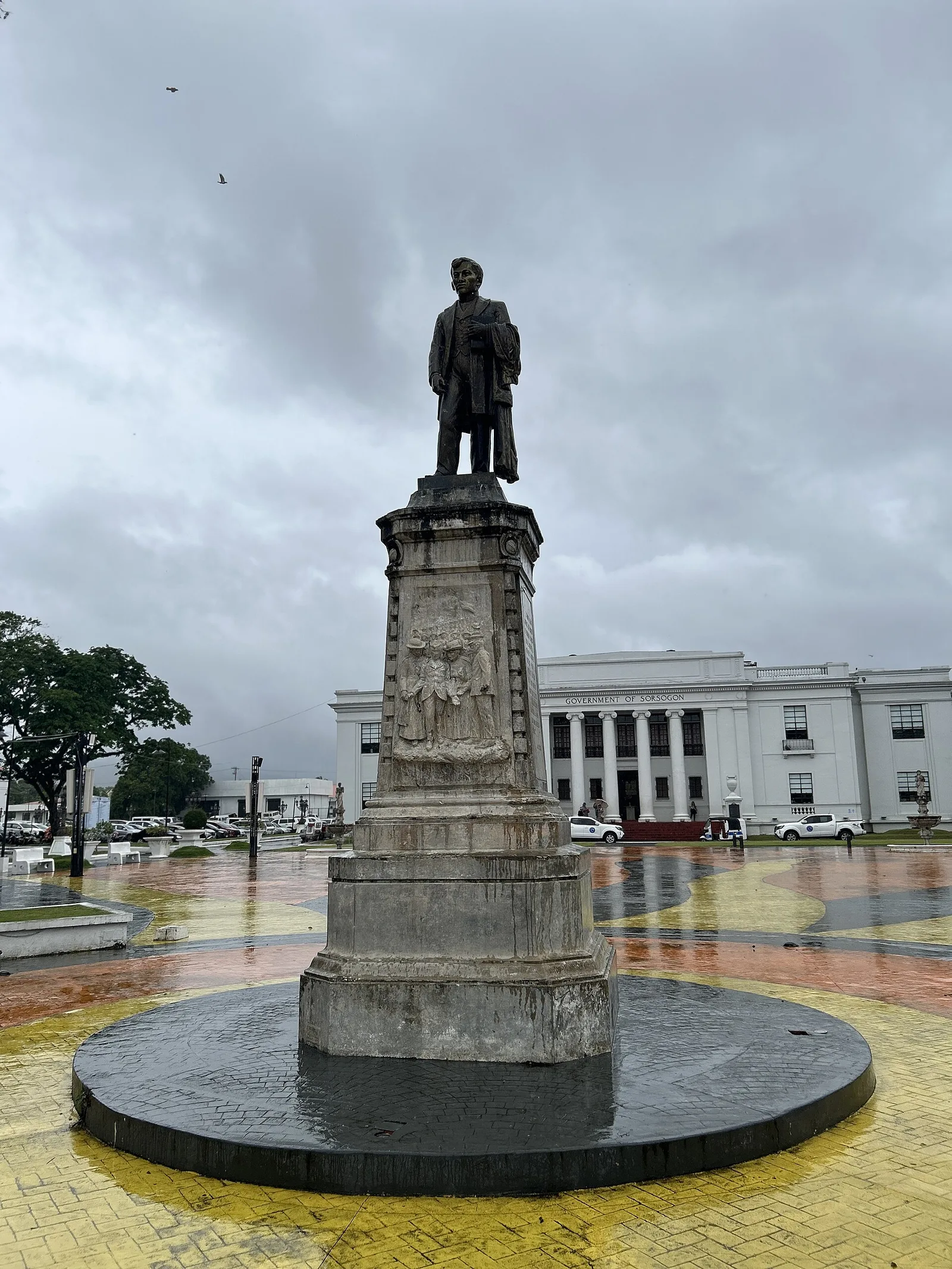
A sight at Alegre Street, Sorsogon City. Hours: Open 24 hours. Entry: Free.
Meaning "Pearl of Silang", it is a flower farm featuring an assorted number of flowering plants, manicured gardens and lawns, and sculpted horticultural images.
36 holes, has a Korean restaurant. The course's terrain is flat, but challenging due to winds, but the weather is generally clear and temperatures are cooler.
Chavayan's Roman Catholic chapel, built with a Baroque facade and a thatched roof during the Spanish era.
The idjang is an Ivatan word for the elevated and fortified settlements that existed in Batanes before Spanish colonization. The one in Sabtang, situated on a triangular-shaped hill, has been the one most extensively studied by archaeologists.
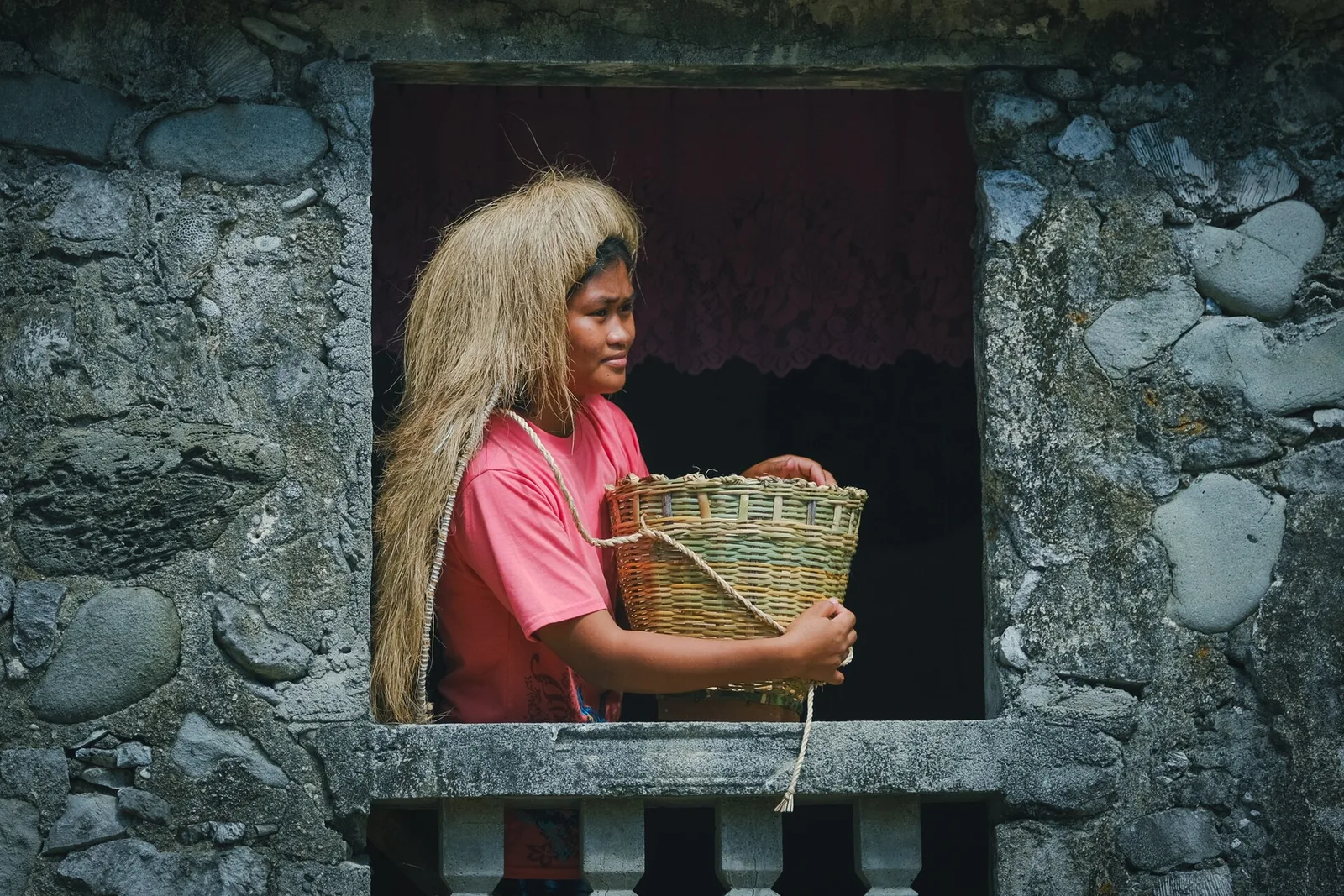
Like Chavayan, it is a barangay in the east-central section of Sabtang composed of traditional stone houses that also forms the typical postcard pictures of Batanes.
Savidug's Roman Catholic chapel, built in a Baroque style during the Spanish era.
A stout, Spanish-era watchtower meant to guard against pirates and foreign invaders from the South China Sea. The site was declared a National Cultural Treasure by the Philippine government in 2015.
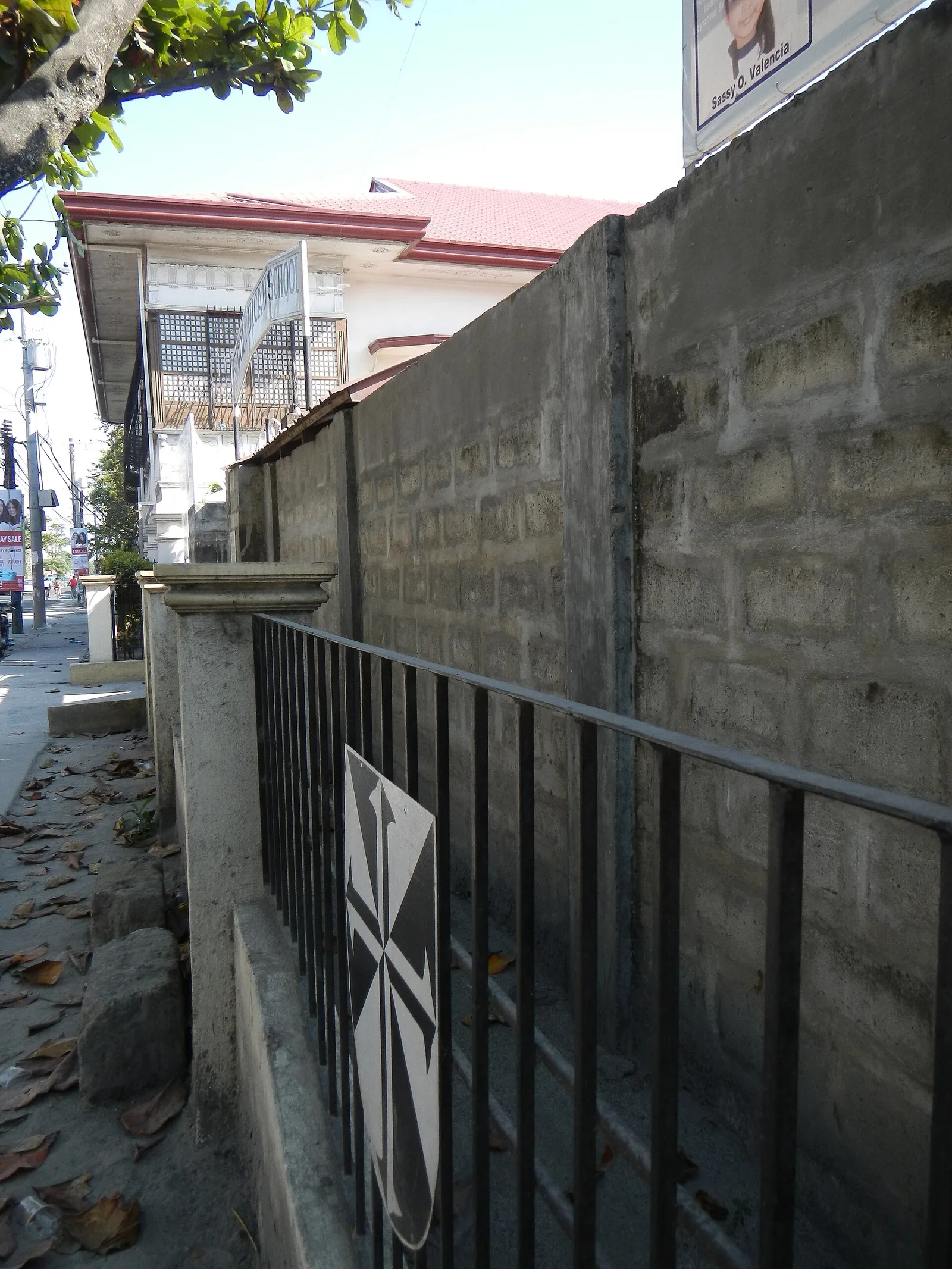
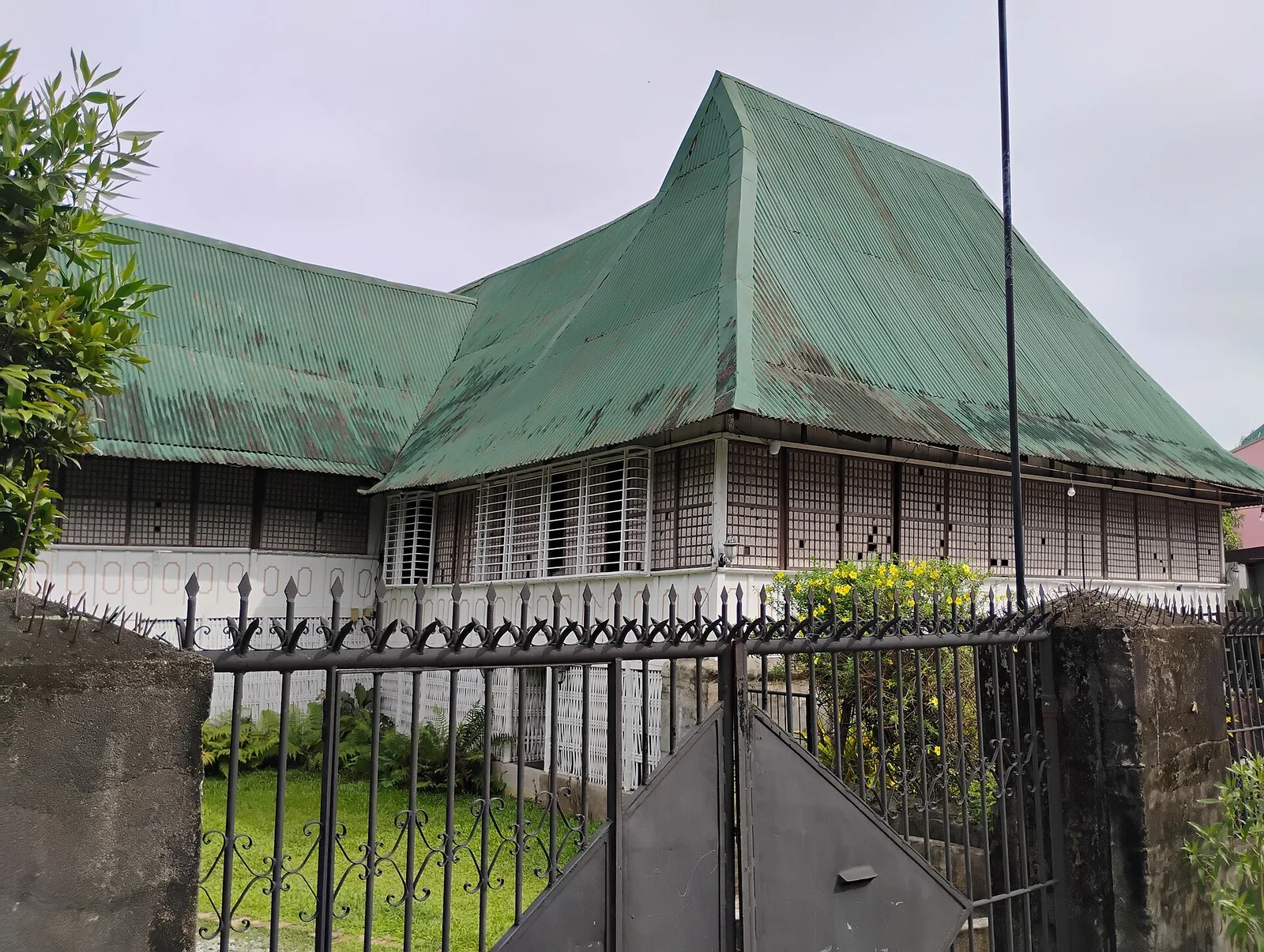
The well-preserved ancestral residence of one of Santa Rita's most prominent families, built in 1841. The owners offer pre-arranged heritage lunches/dinners and tours with a minimum of 10 people needed for a visit.
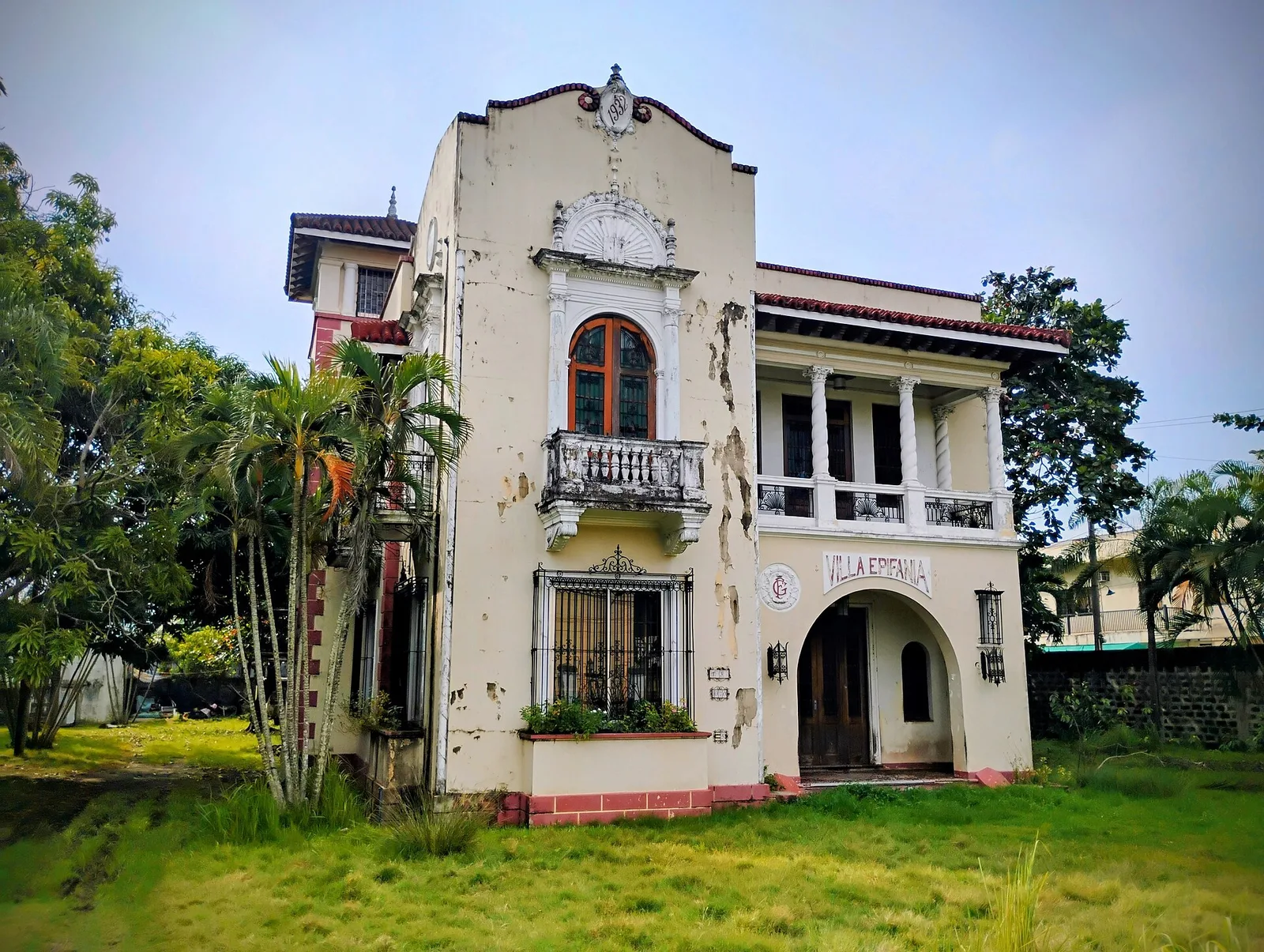
A 1930s Art Deco residence that is the first concrete structure in Santa Rita. It is a common location shoot for films, TV series and ghost-hunting expeditions.
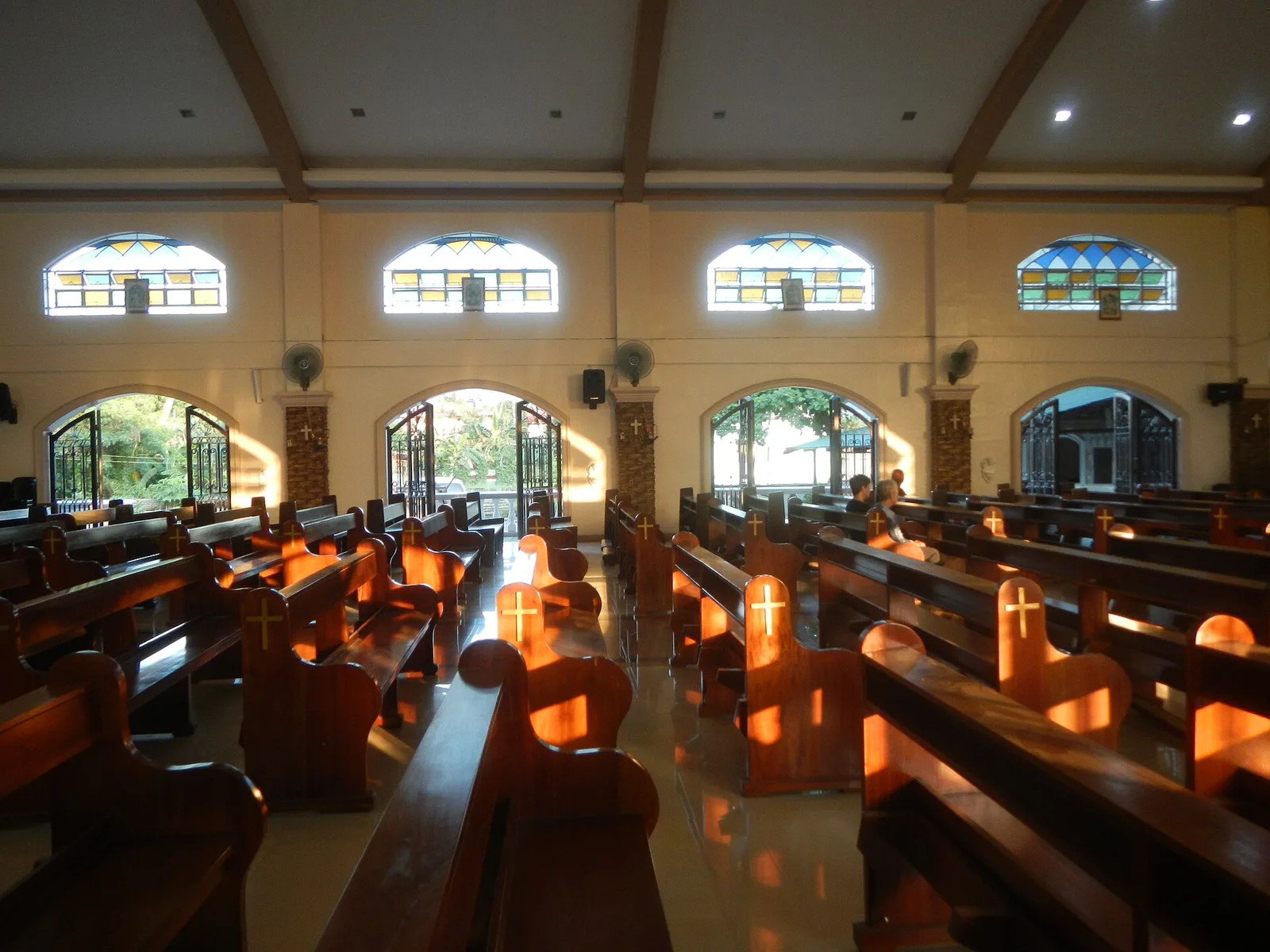
Meaning "Holy Mountain" in Filipino, it is a hillside monument/park filled with monuments to Jesus Christ and other key figures in the Bible. It is a popular pilgrimage site during the Lenten season, when visitors clamber to pray atop the …
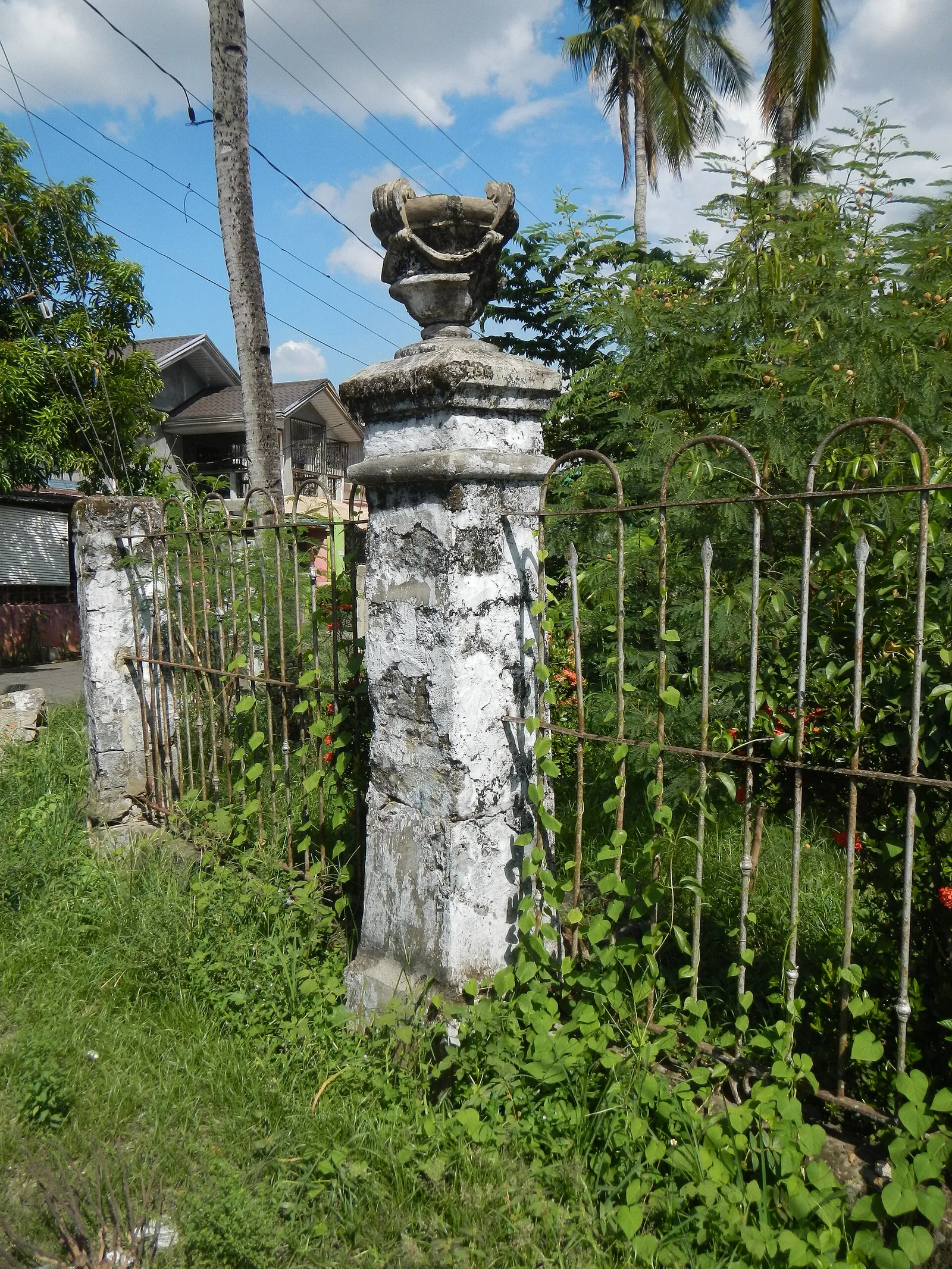
A now decrepit residence built in 1921 for a former mayor. Unlike other houses at the time, the dwelling has three storeys.
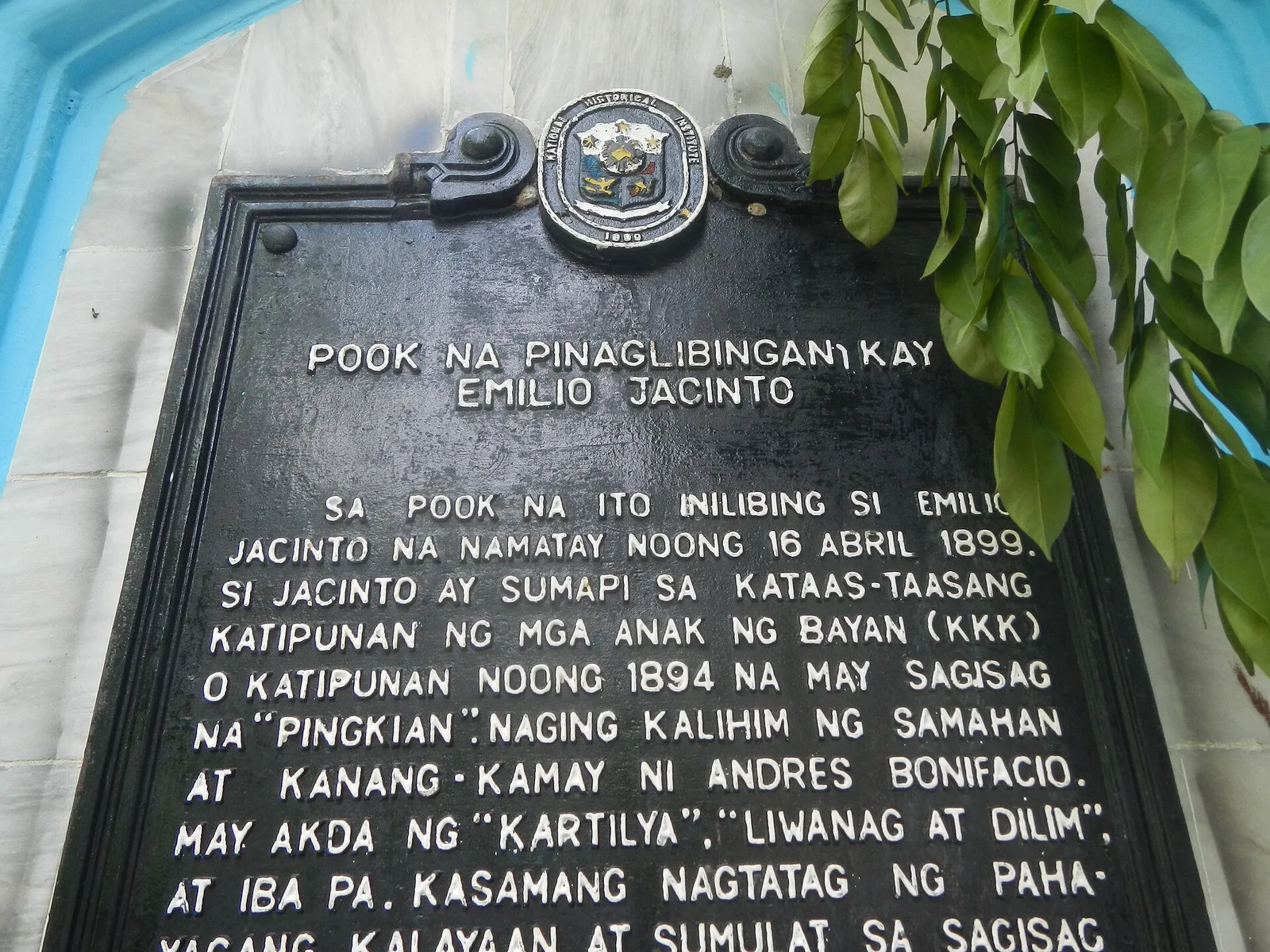
A small monument marking where Filipino revolutionary hero and Santa Cruz native Emilio Jacinto was temporarily buried following his death from malaria in 1899 before being transferred to Metro Manila.
A makeshift Catholic shrine for the Virgin Mary established by a local family and considered miraculous by residents.
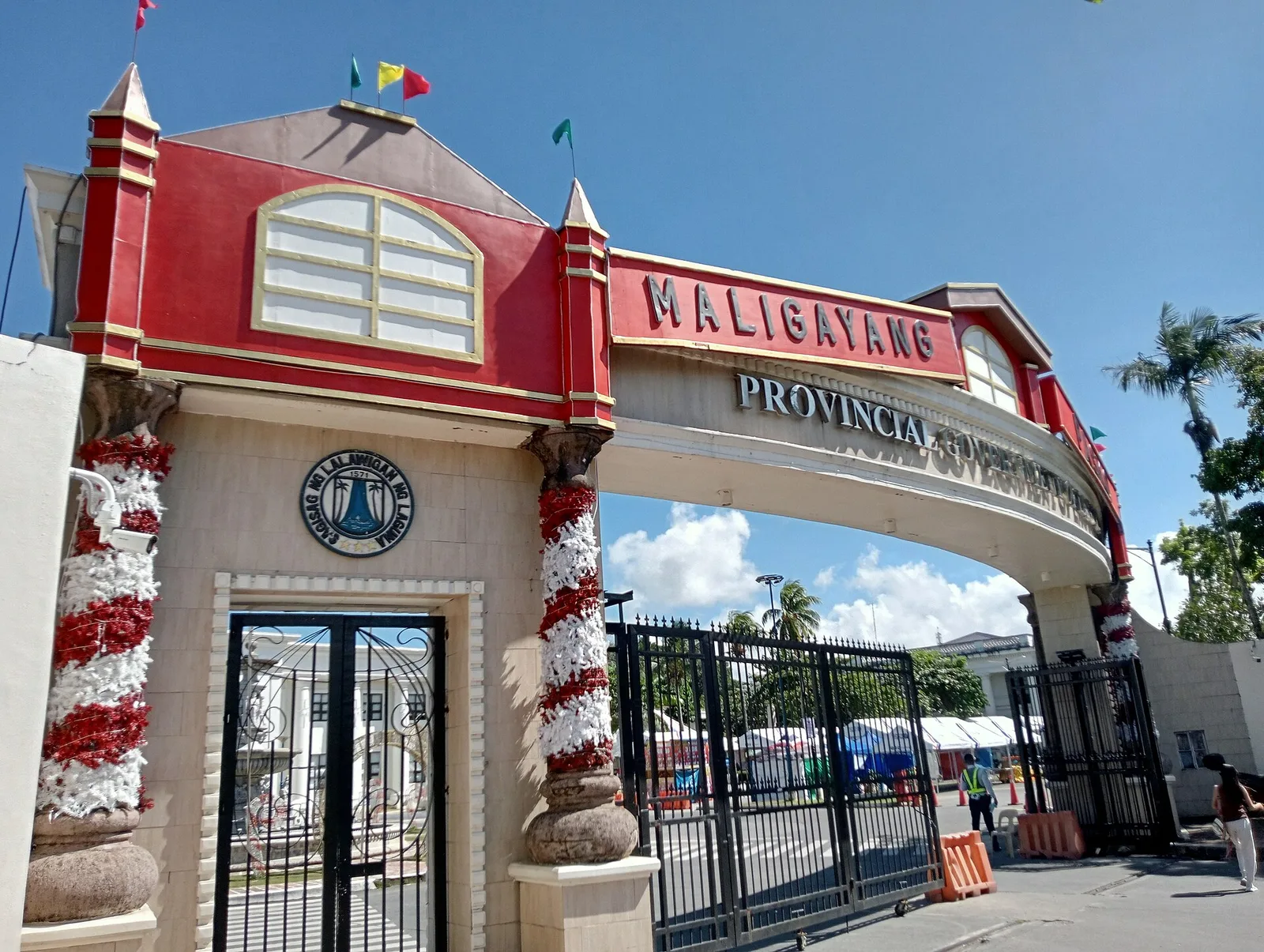
Houses the provincial government offices, some parks, and festival grounds. The neoclassical capitol building at the entrance is designed by American architect and urban planner William Edward Parsons.
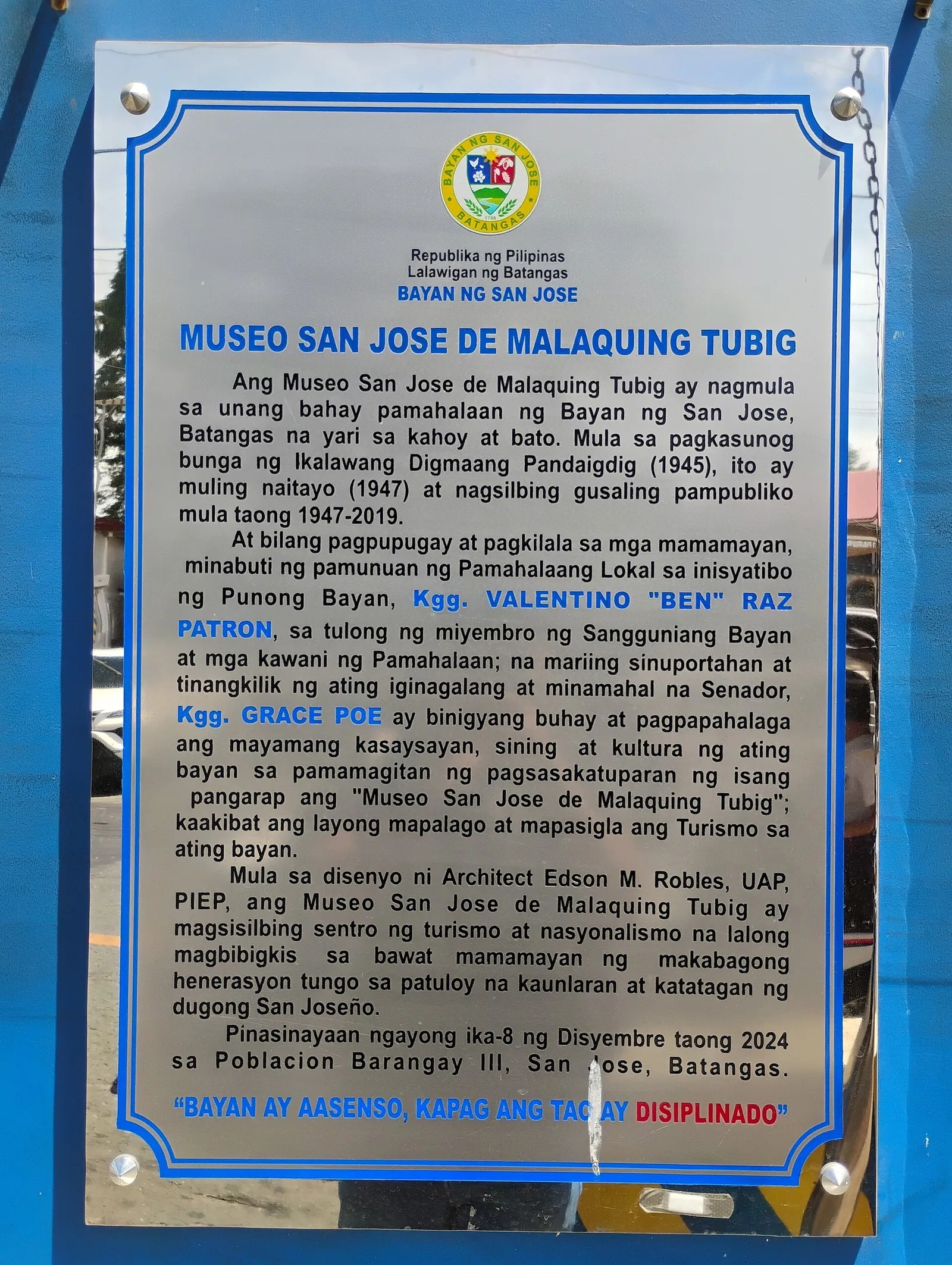
San Jose's local history museum, housed in the town's former town hall built during the Spanish era.
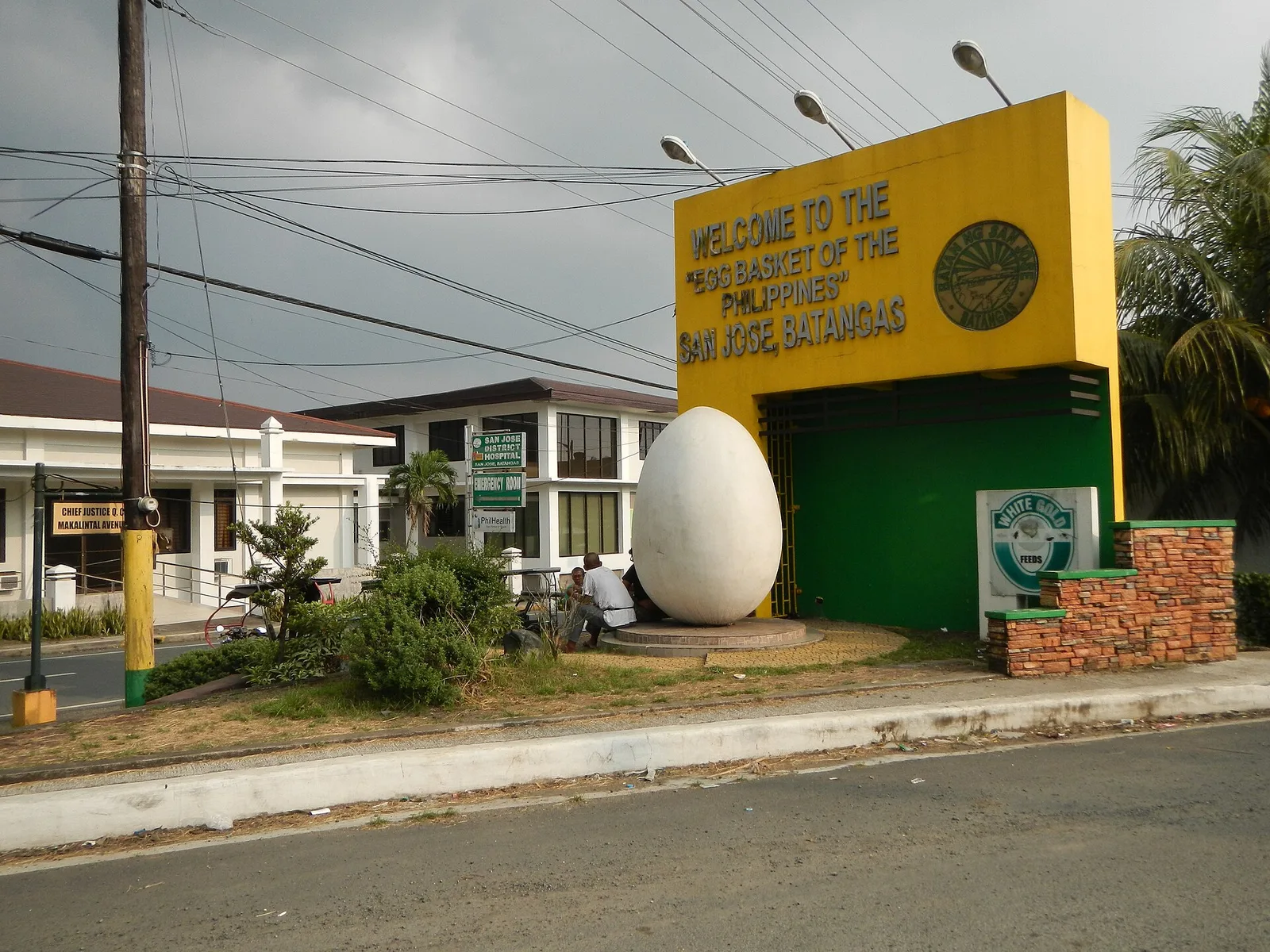
World War II Marker commemorating the second landing of Gen. Douglas MacArthur in the Philippines in December 15, 1944 which led to the Liberation of Manila and mainland Luzon from occupying Japanese forces. The granite marker is complemented by three …
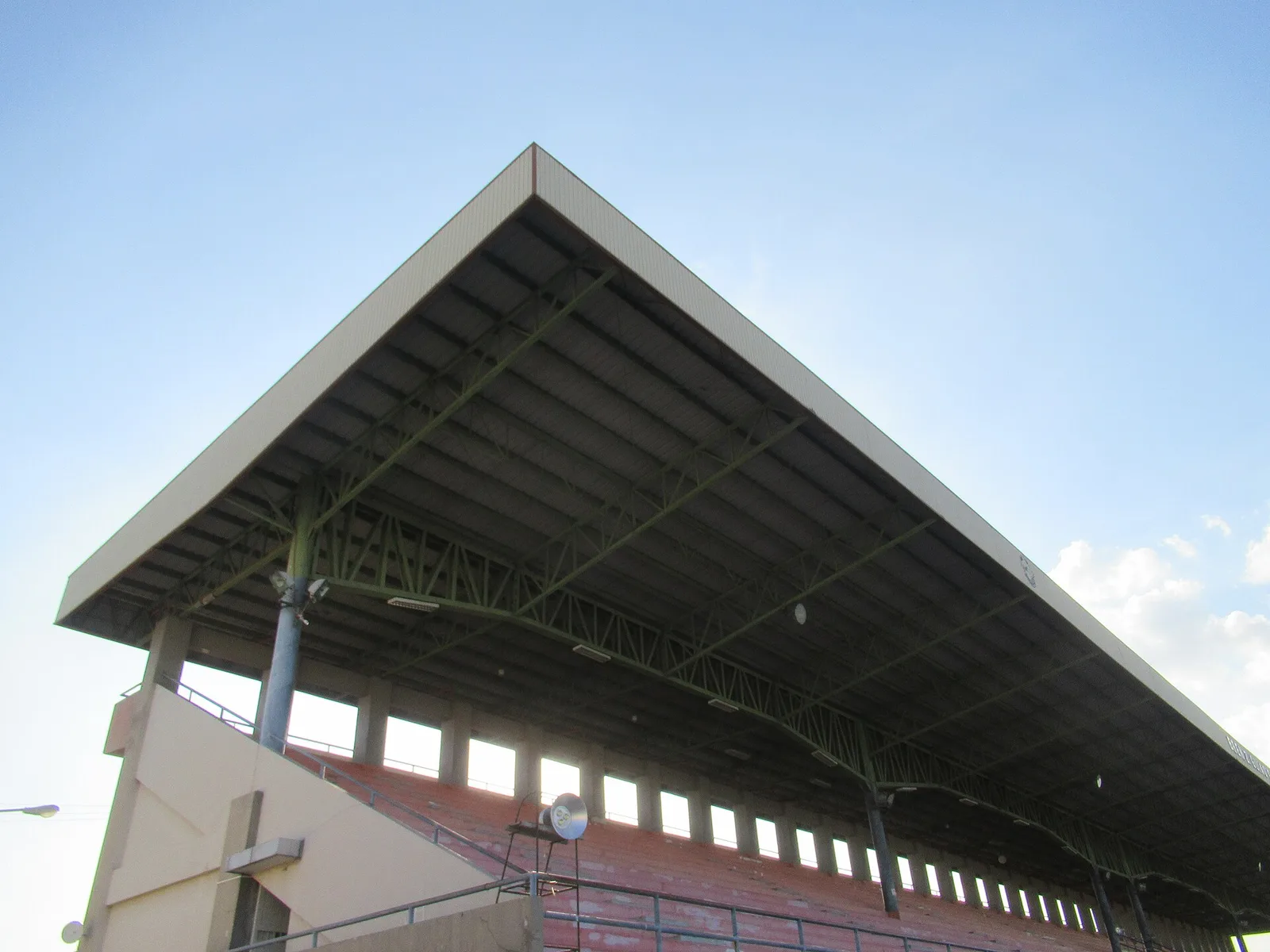
A giant arena with a seating capacity of 30,000 people, used for conventions, concerts, sports, beauty pageants