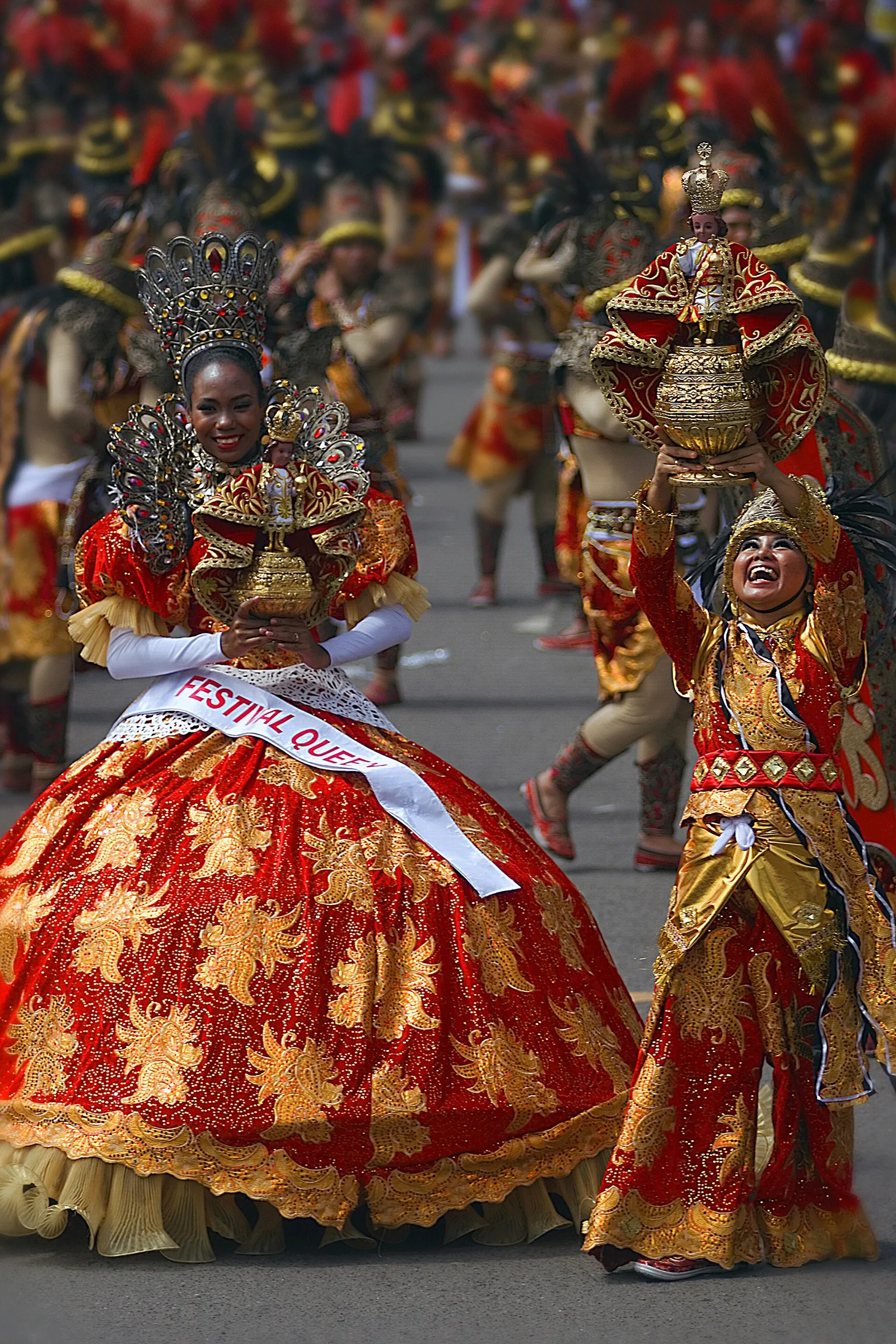
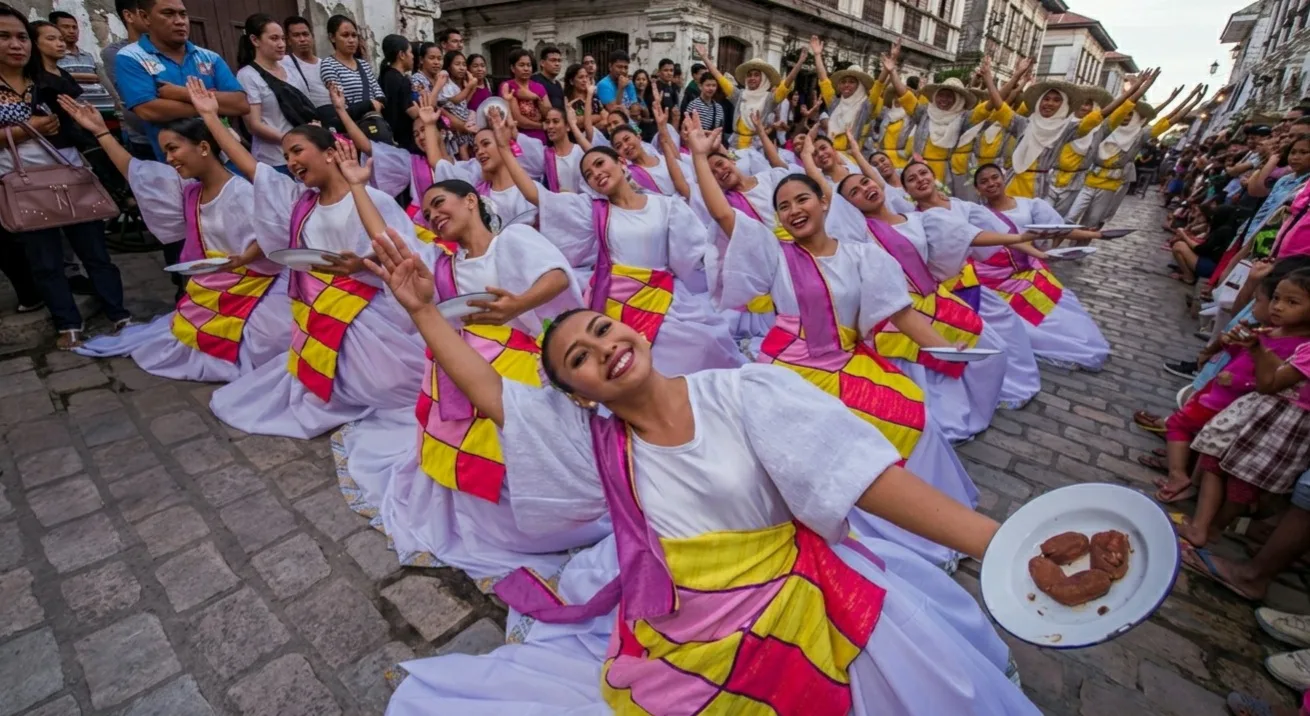
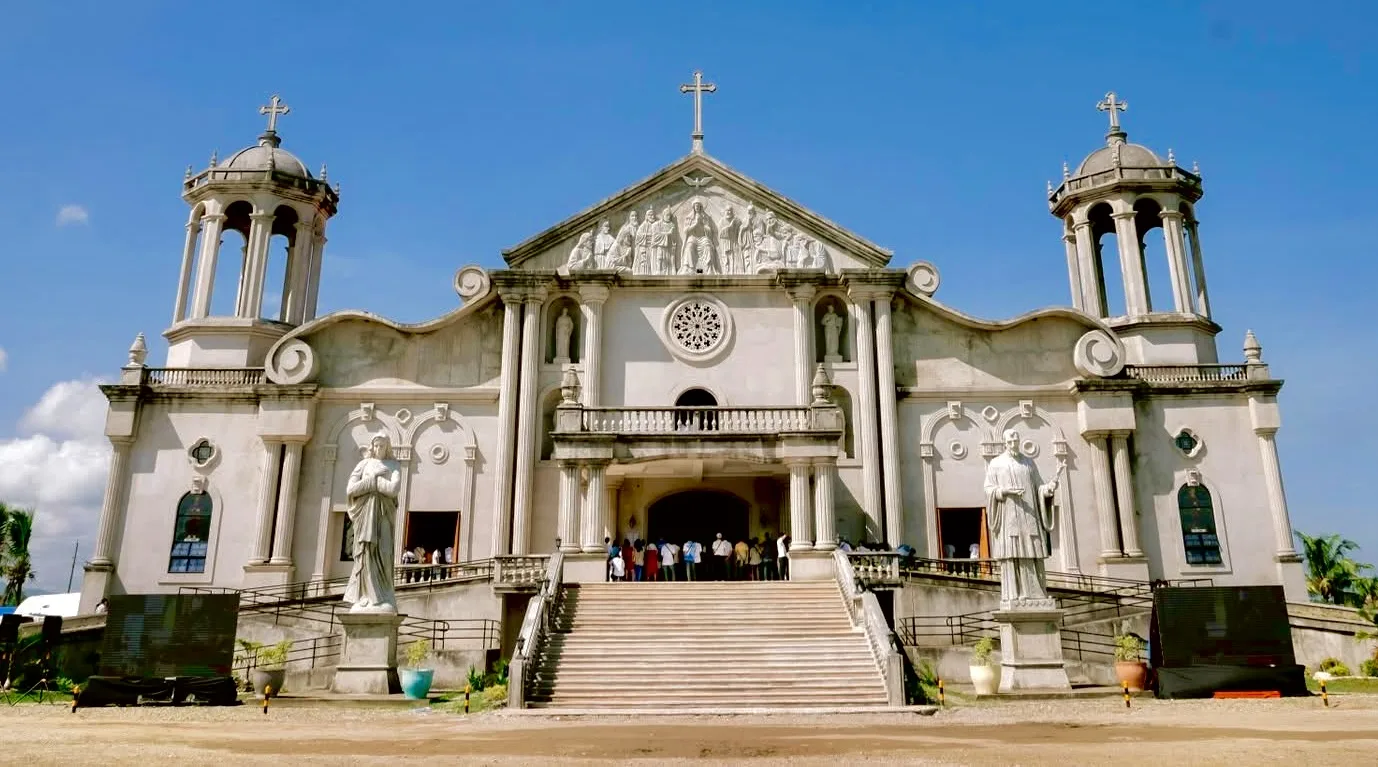
The novena to the Santo Niño opened at the basilica on 9 January. The grand parade filled the Cebu City Sports Center on Sunday 18 January, and the grand finale closed it that evening.
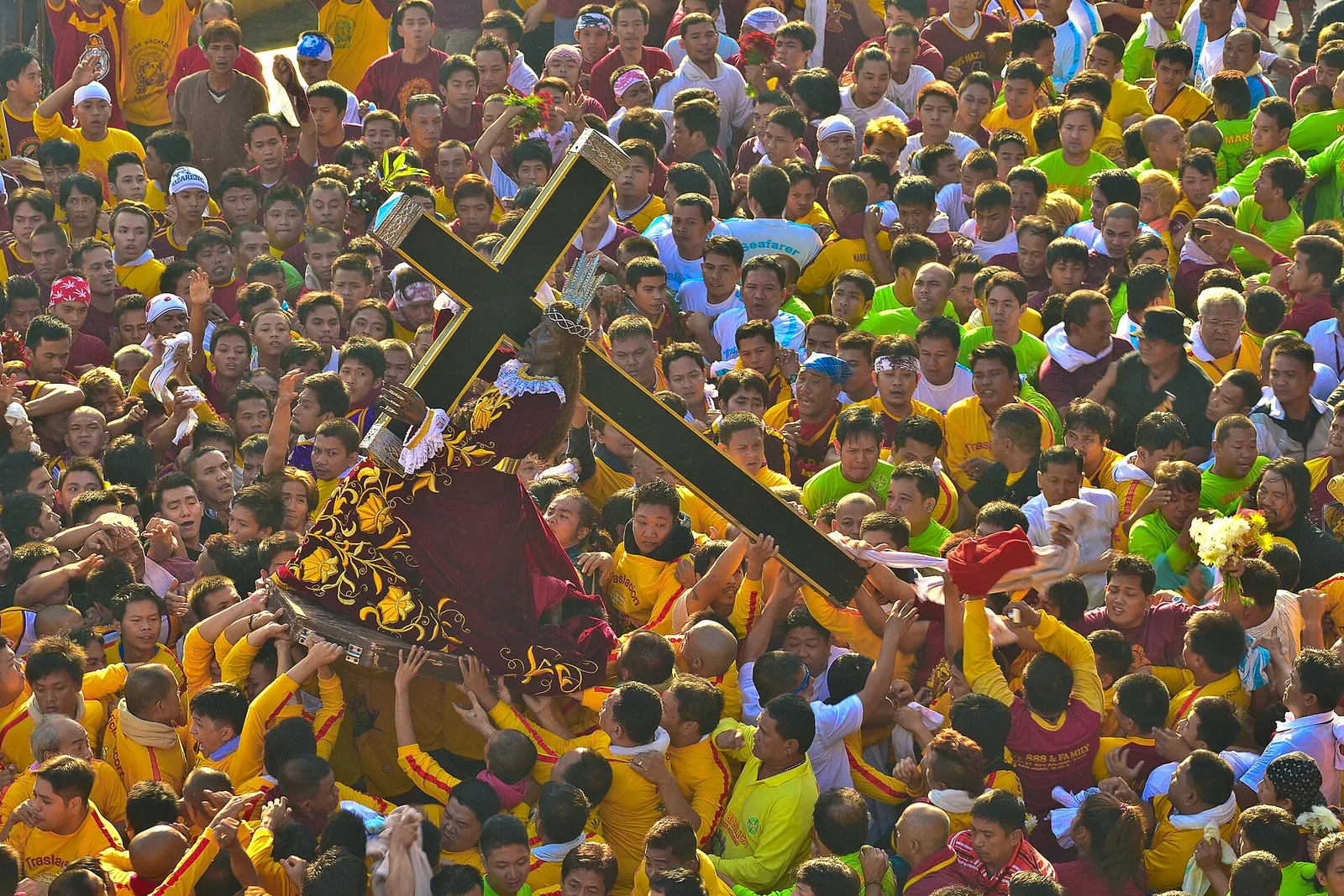
The Traslacion carried the Black Nazarene from Intramuros to Quiapo Church. 9.6 million people joined, and the procession took 30 hours and 50 minutes, the longest on record.
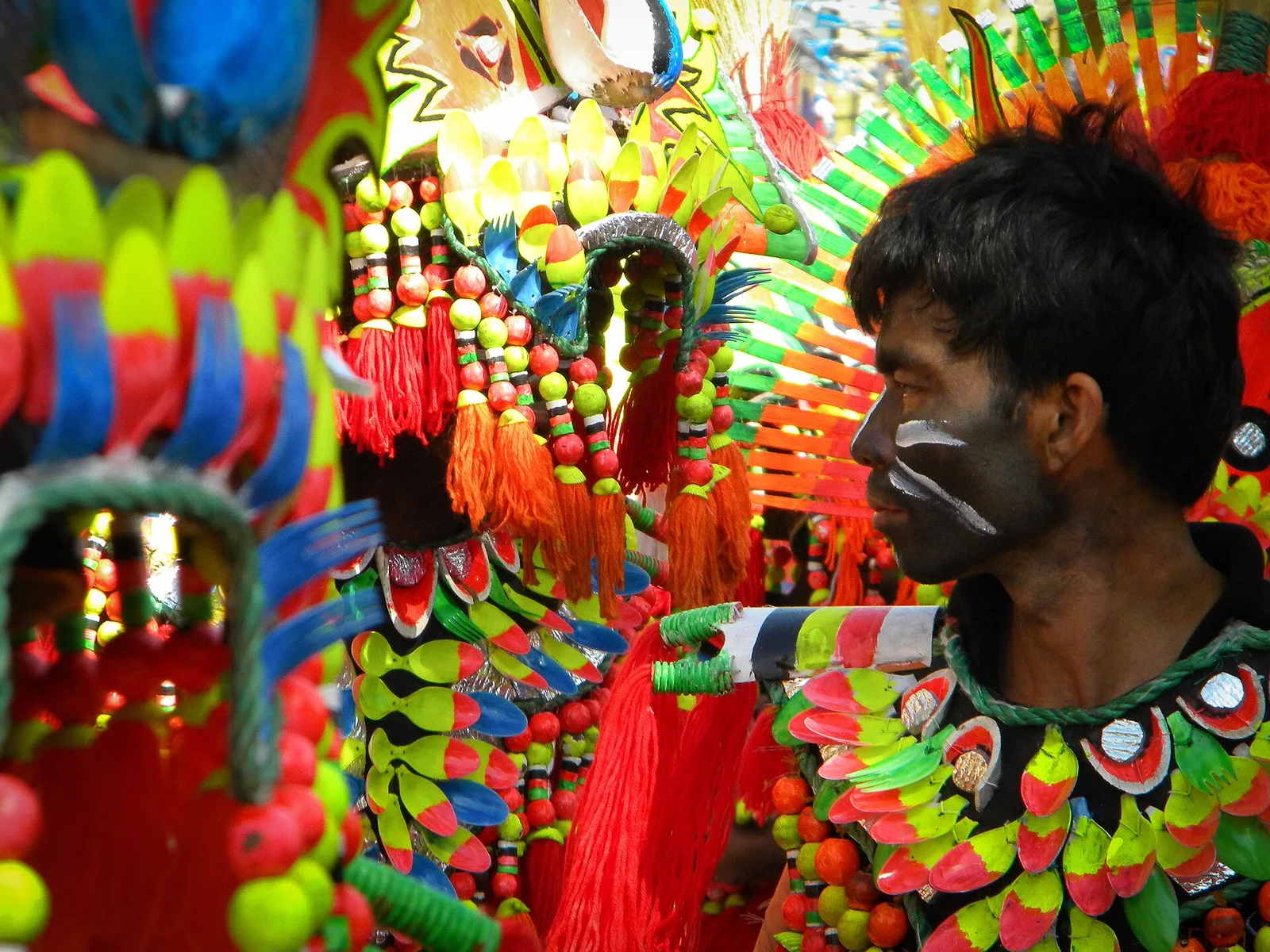
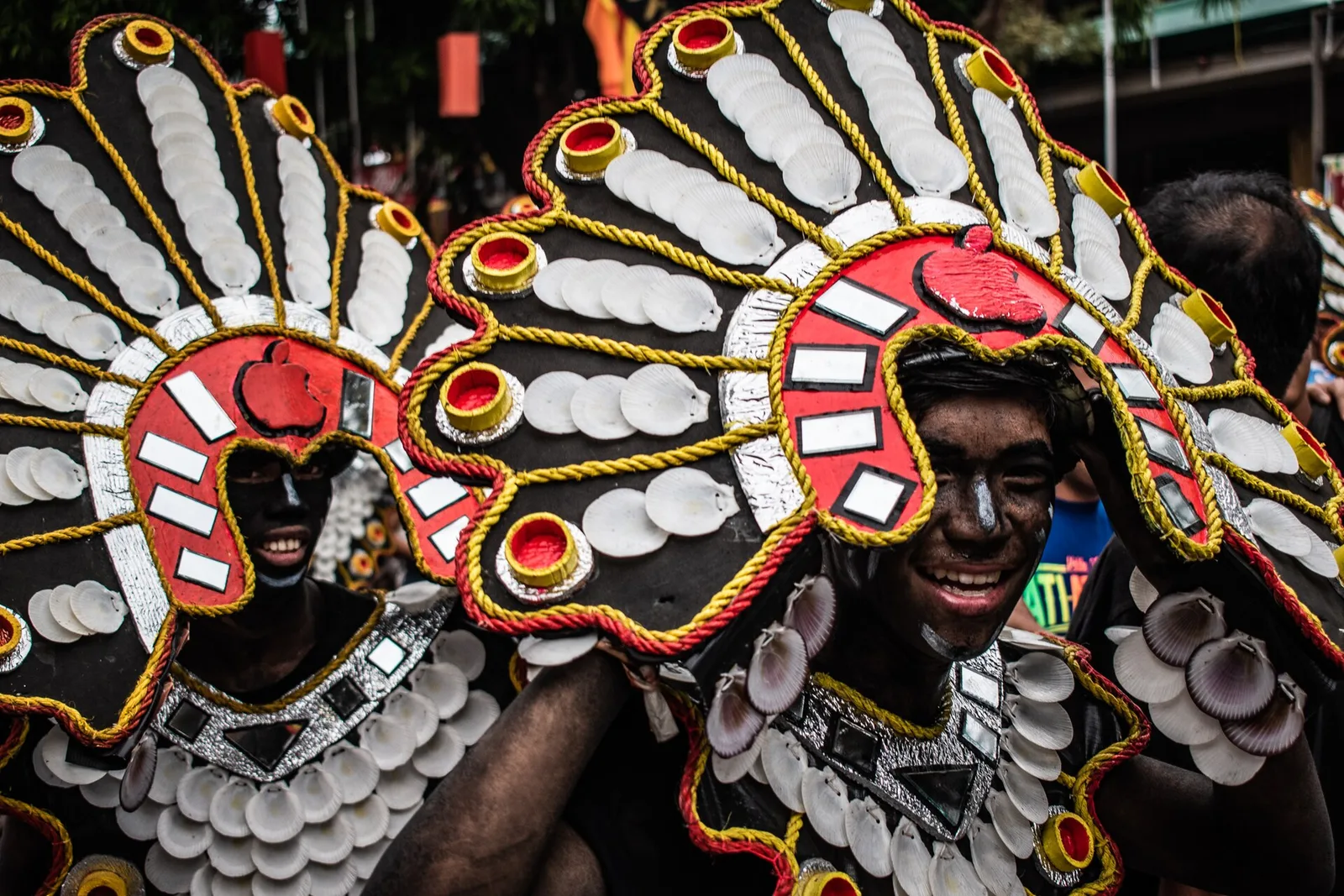
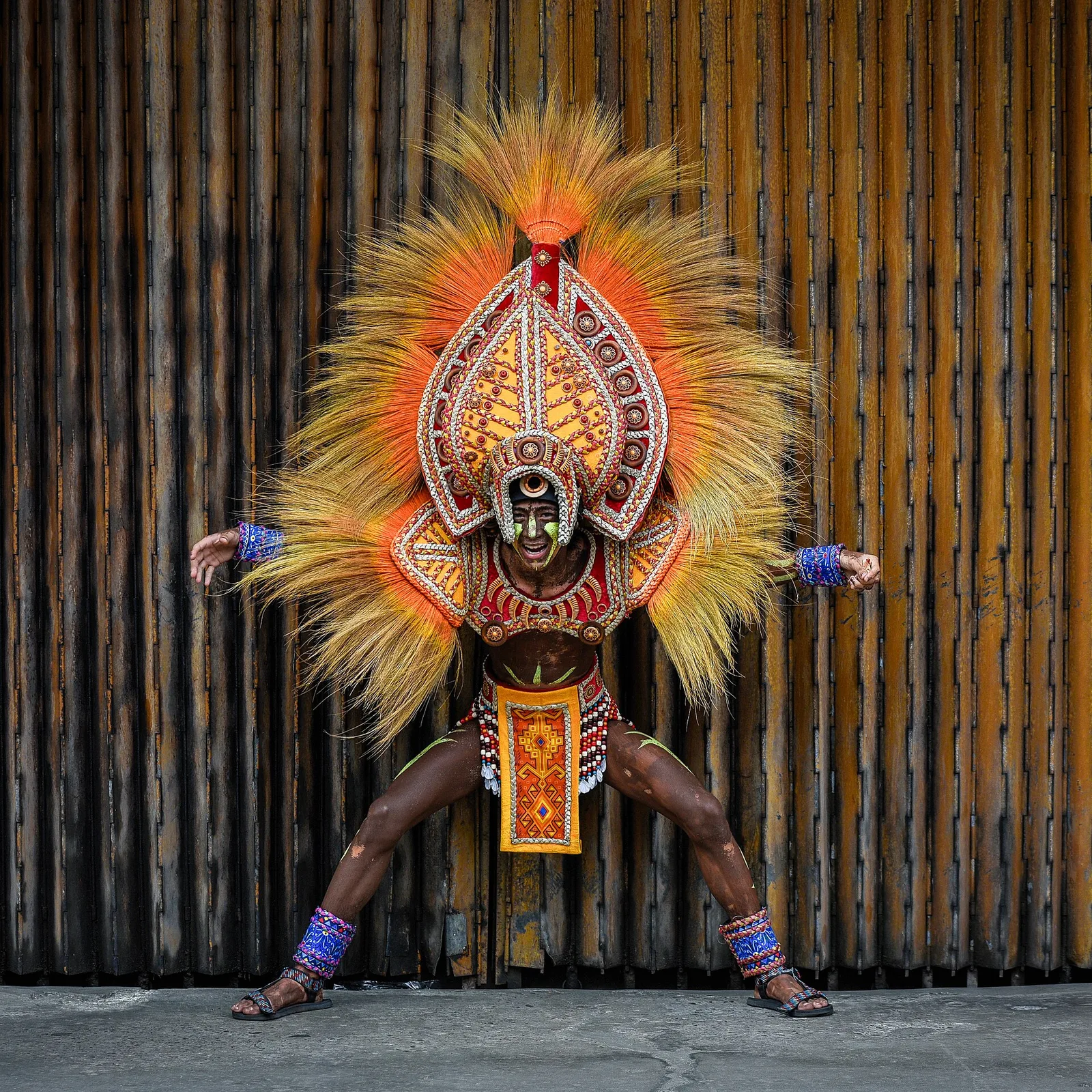
The province's best known festival: tribal dance, music and a street parade in Kalibo on the third Sunday of January, held in honour of the Santo Nino. The name means to be like Atis, after the Aeta people who first settled Panay. Dancers wear indigenous costumes and carry …
The oldest of the Santo Niño festivals, two hours from Boracay by road. It opened on 10 January, the Sadsad Ati-Atihan contest ran on 17 January, and the last day was Sunday 18 January.
Three days for the Santo Niño. The fluvial and foot processions ran on Friday 23 January, Kasadyahan and the religious sadsad on Saturday, and the Ati tribes competition on Sunday 25 January.
One of the three major festivals of the city, held on the third Sunday of January, the same day as the Sinulog in Cebu City. The other two are the Udyakan sa Kabankalan and the charter anniversary.
A local version of Cebu's Sinulog, danced in the streets for the Holy Child on the last Sunday of January. The dances show the indigenous tribes of Bayugan and the way they live.
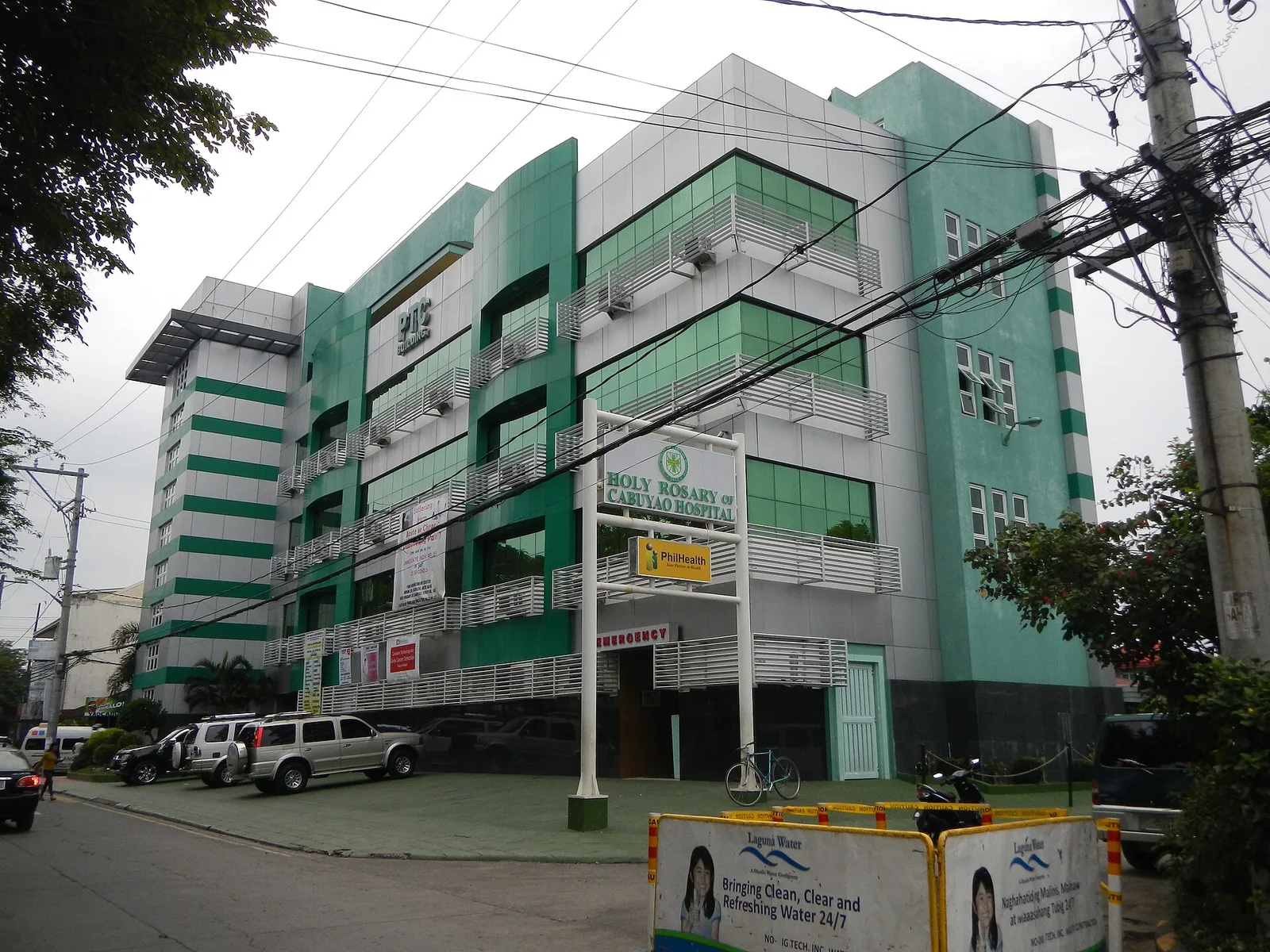
The city's feast of the Child Jesus, held on the third Sunday of January. A Mass at Cabuyao Church starts the day, then every Santo Niño image in the city goes on parade through the city proper. The Alimagno family began the celebration in 1981 to give thanks …