Laya at Diwa
Meaning "Freedom and Spirit", it is a granite monument depicting a grouping of upright nude figures at the entrance to Cavite State University and surrounded by a wide park that is the only area of the campus open to the …
Region in Luzon · 6 provinces and cities
Meaning "Freedom and Spirit", it is a granite monument depicting a grouping of upright nude figures at the entrance to Cavite State University and surrounded by a wide park that is the only area of the campus open to the …
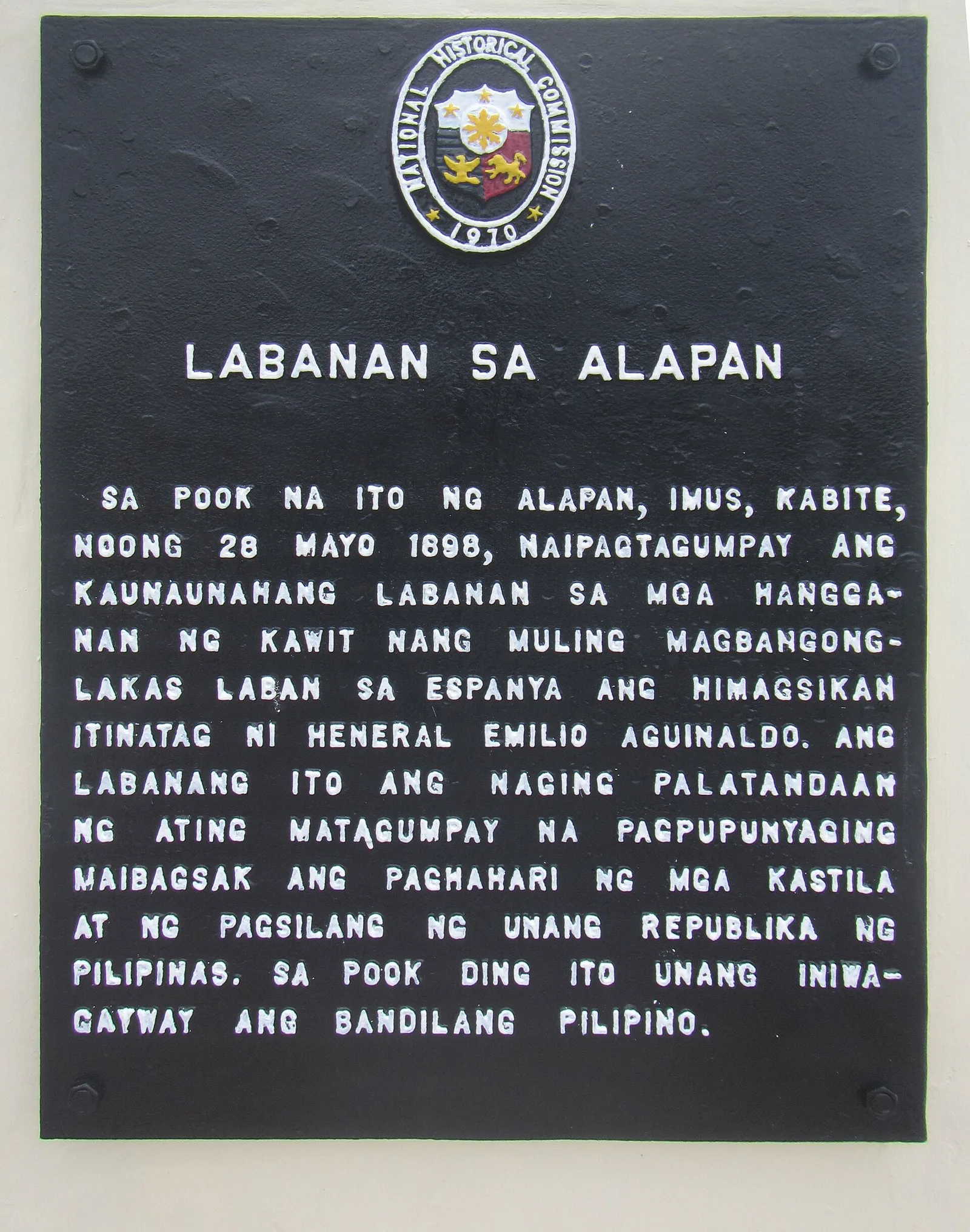
Houses a giant flagpole with the Philippines flag. This site commemorates the Battle of Alapan, where the Philippine flag was first raised during the Philippine Revolution.
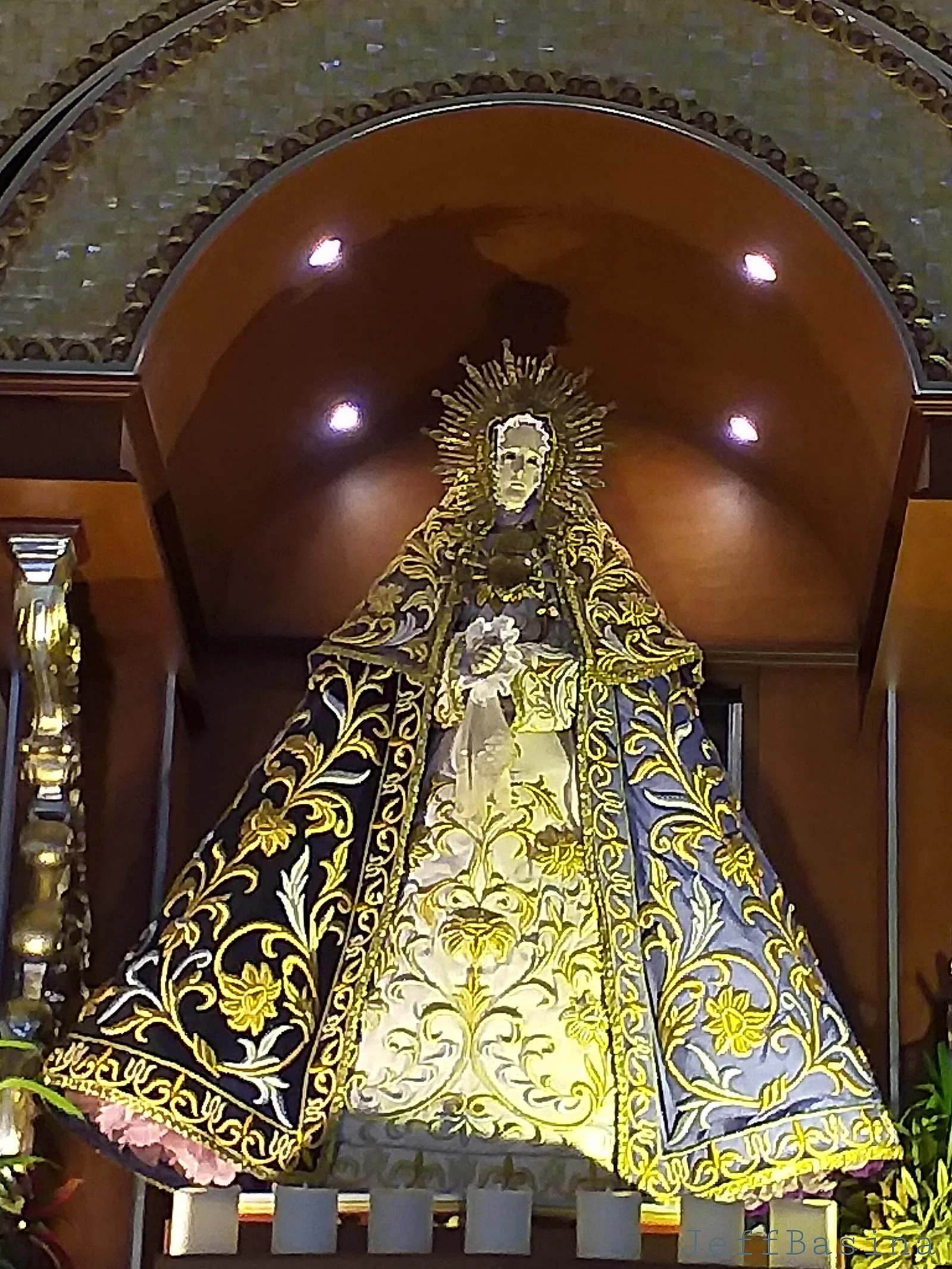
The main Roman Catholic church in Dolores.
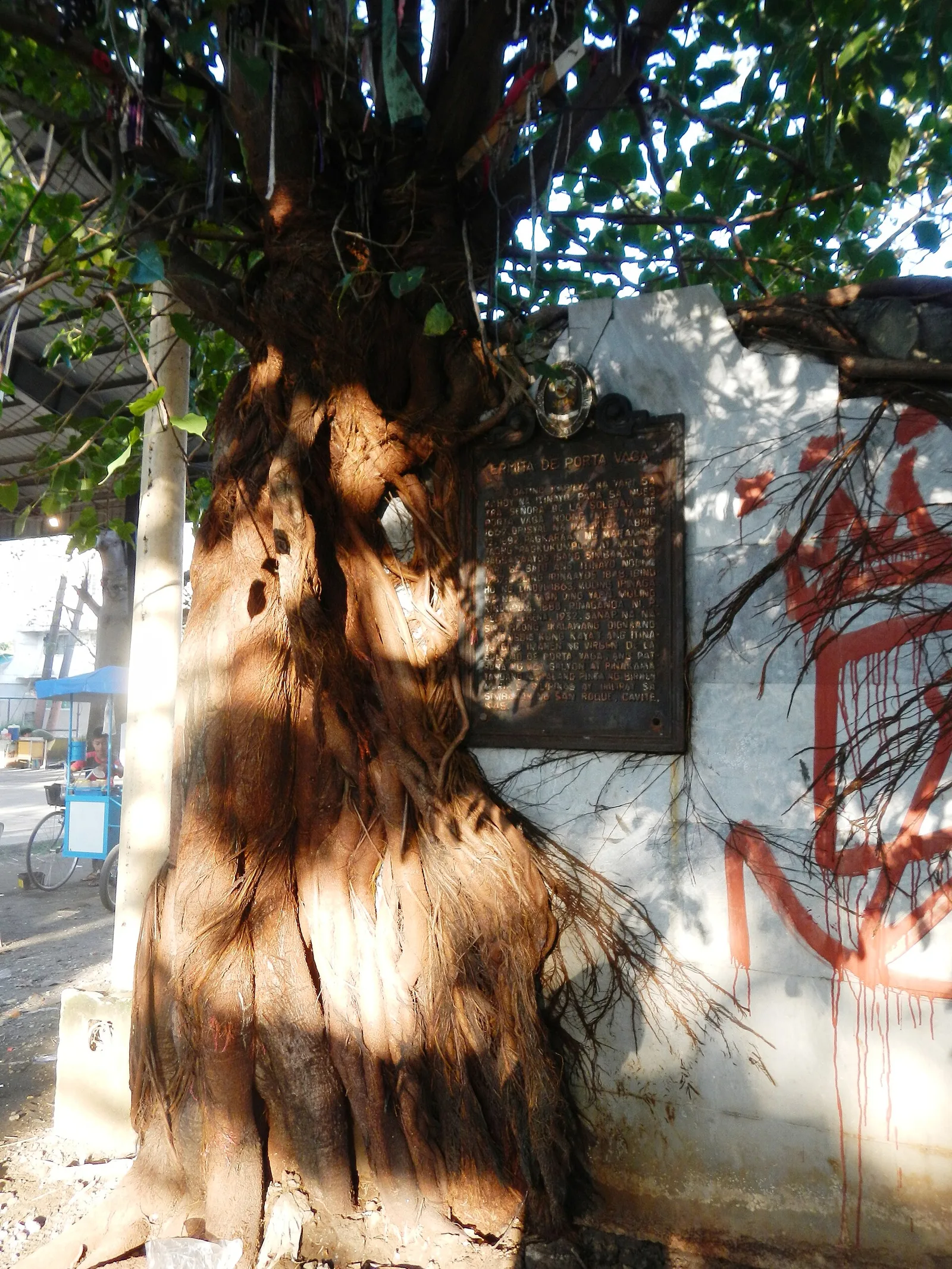
The chapel housing the Porta Vaga image stood on this site until it was destroyed by World War II bombing, although fortunately, the Porta Vaga image was safely hidden away in Manila. This is a miniature of the original chapel's …
A rocky promontory stretching into Laguna de Bay, named as such because it was said by folk legends to have been made by the Devil in a failed bid to woo a local girl.
Constructed in 2013, this Catholic pilgrimage site includes the Santo Niño Chapel (a replica of the Church of Our Lady Victorious in Prague) and the statue of the Virgin Mary, the Mary, Mother of All Asia, which will become the …
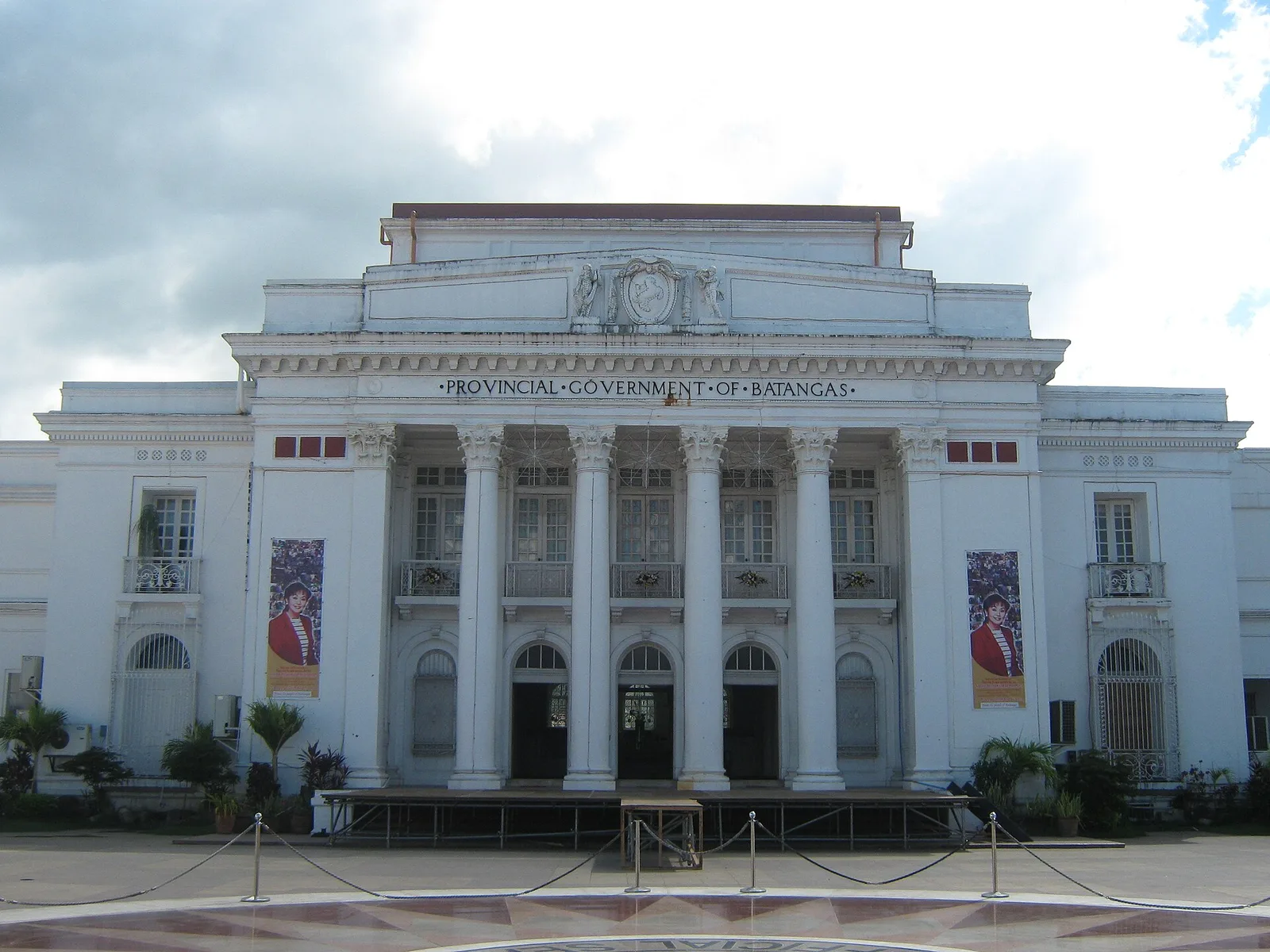
A Neoclassical capitol building housing the office of the governor of Batangas. First built in 1926, it was destroyed by bombing twice, during World War II and in 1950. Around the façade is a tall flagpole, the provincial seal of …
Opened in 2006, it presents the city's cultural heritage and history, as well as the history and culture of Batangueños.
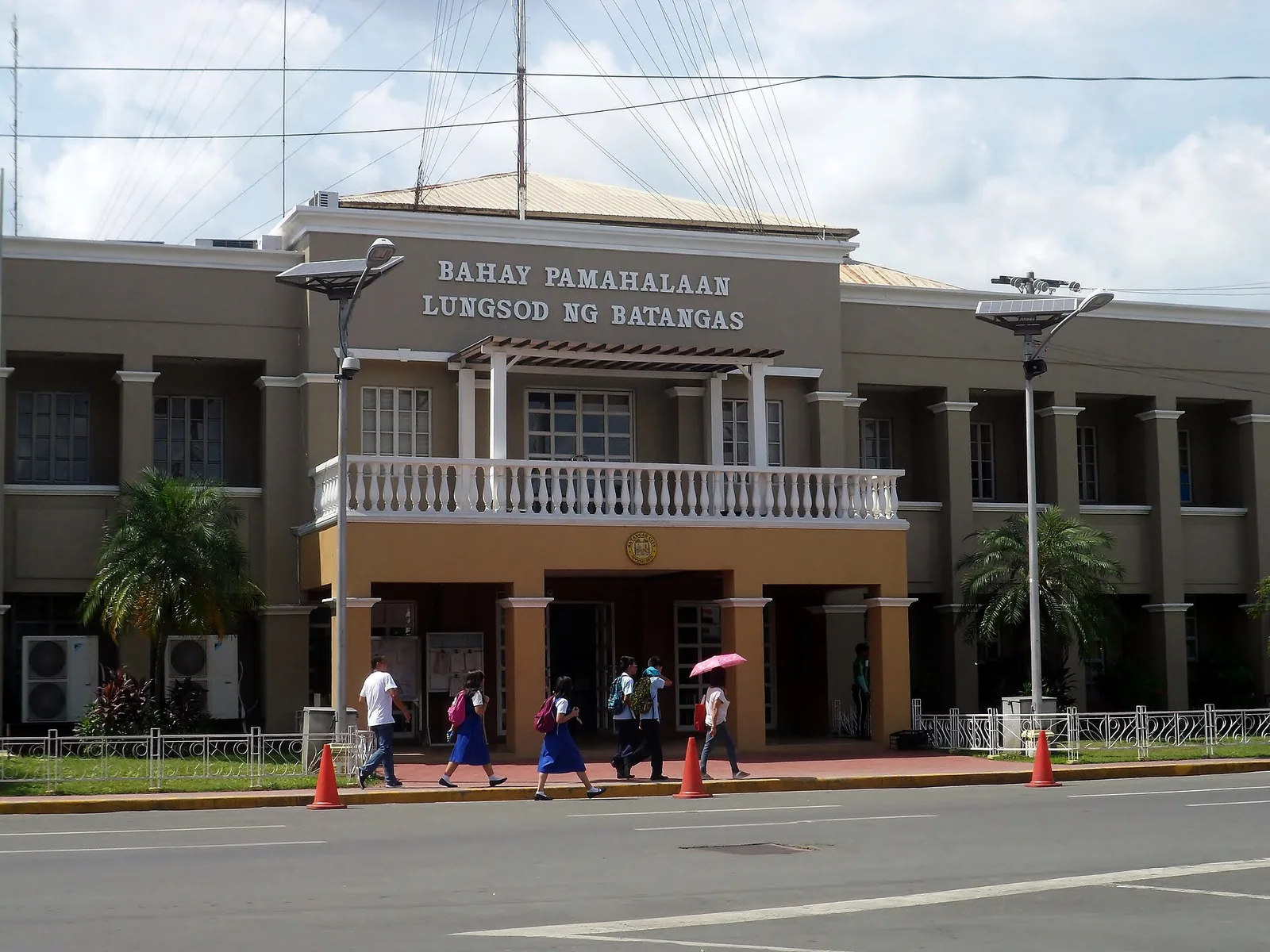
The historic city hall which has been renovated in 2009 with a newer facade.
Dating back to 1870, it was the ancestral home of the Borbon family, as well as the Rosales family, where the former archbishop of Manila, Cardinal Godofredo Rosales, is part of
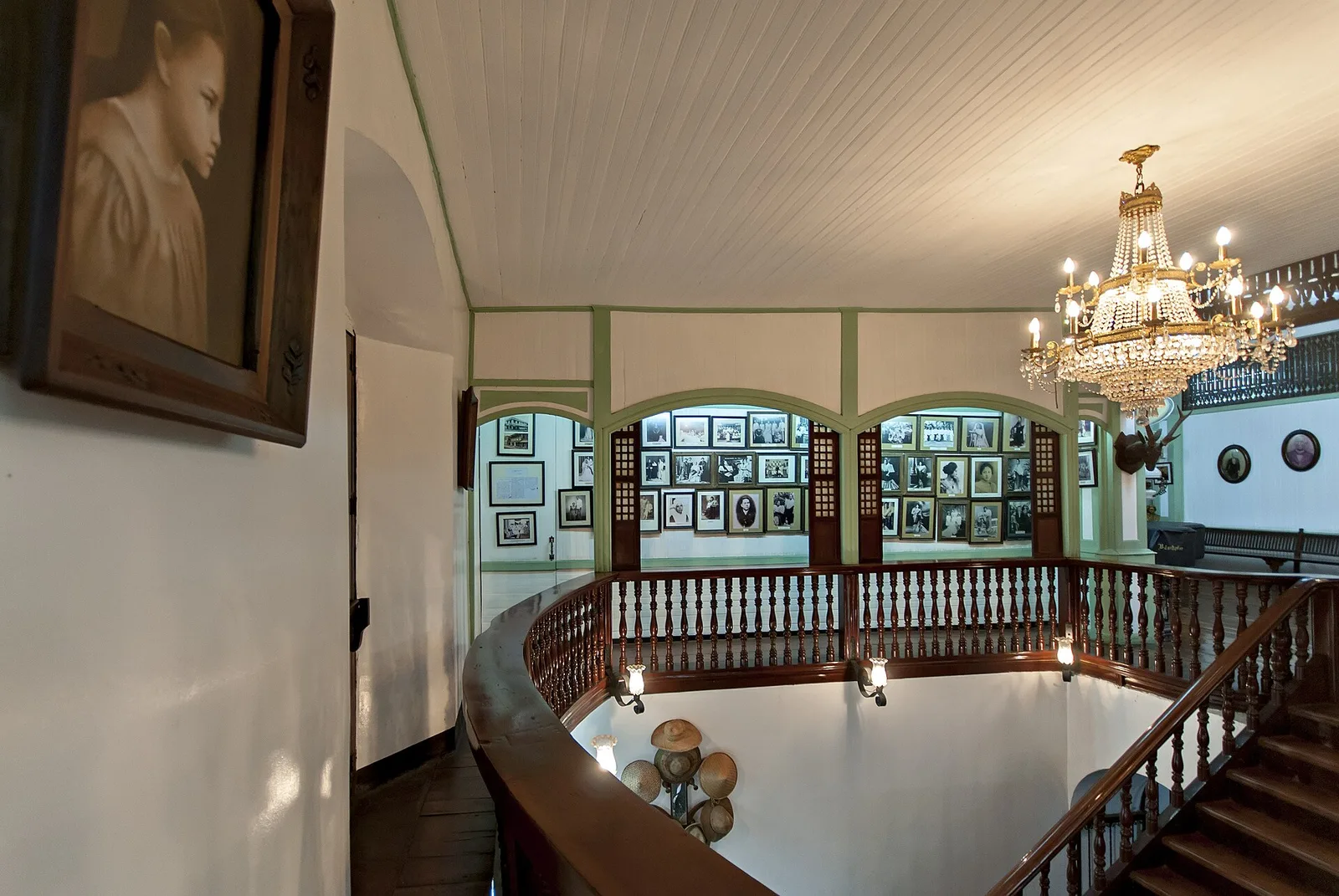
Built in 1883, it is the ancestral home of Don Alejo Acosta, who served as a capitan de barrio. It remains the property of Acosta's descendants, and has been turned into a museum
An art museum featuring abstract and geometric art inside the Acropolis South subdivision. It was established by the Museo ni Cipra Foundation as a means of platform to showcase the works of its founder Cipra Kamatoy whose works has been …
The oldest surviving house in Balayan, dating from the 1850s. The residence's namesake was a friend of national hero Jose Rizal and, along with his sister, vigorously lobbied for Philippine independence against the United States.
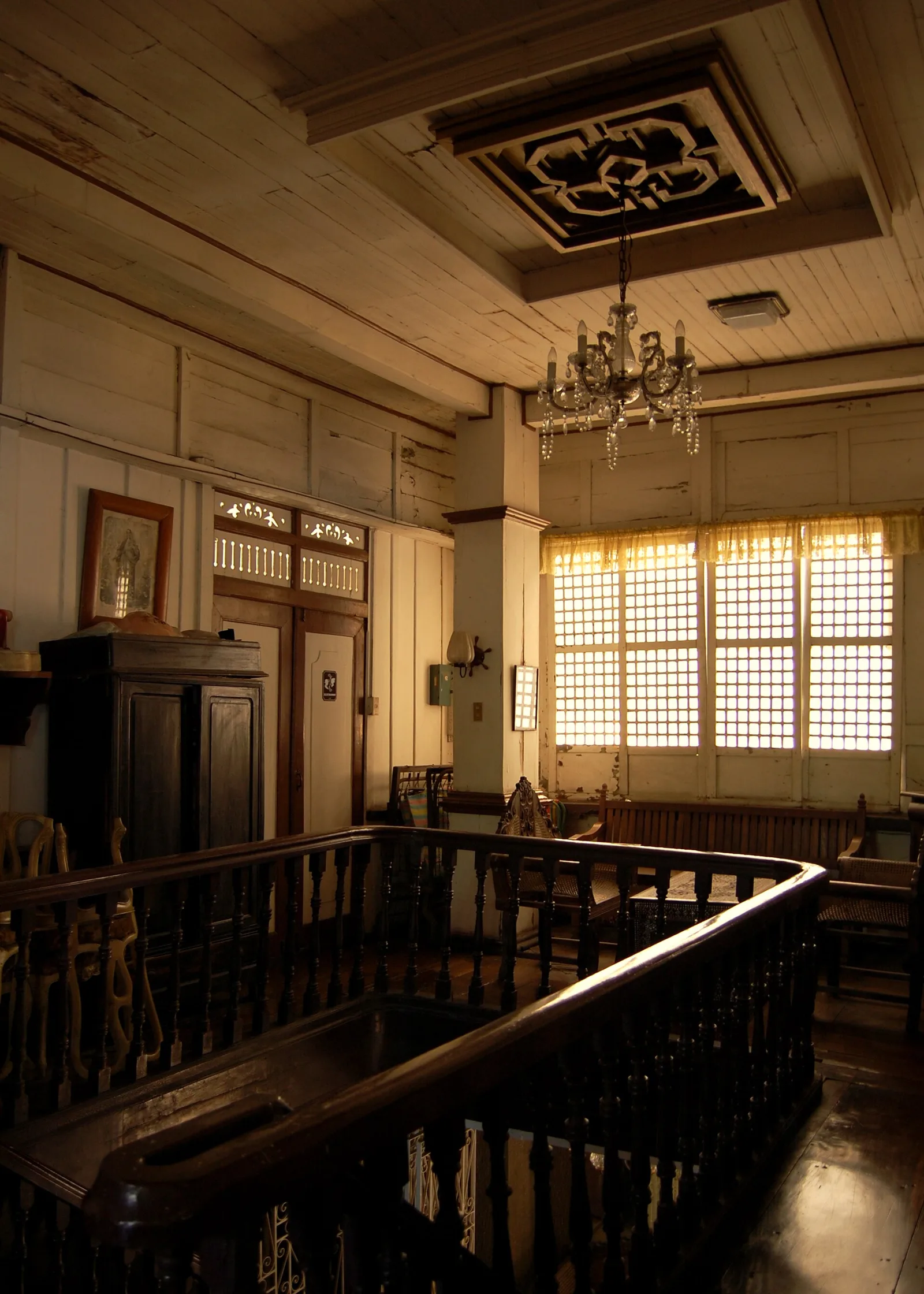
A private Spanish era bahay na bato belong to one of Balayan’s old rich families, which includes actor and comedian Leo Martinez, who introduced many common Batangas tropes in popular culture. The house is named in honor of the family’s …
Once a littered waterfront, it has been cleaned in 2019, and provides views of Balayan Bay that are similar to those in Manila's Baywalk.
The Angono Street Murals are a series of sculpted street murals that depict the paintings of national artists, predominantly the ones of muralist Carlos “Botong” Francisco and others. Look out for his house and studio along Doña Aurora Street.
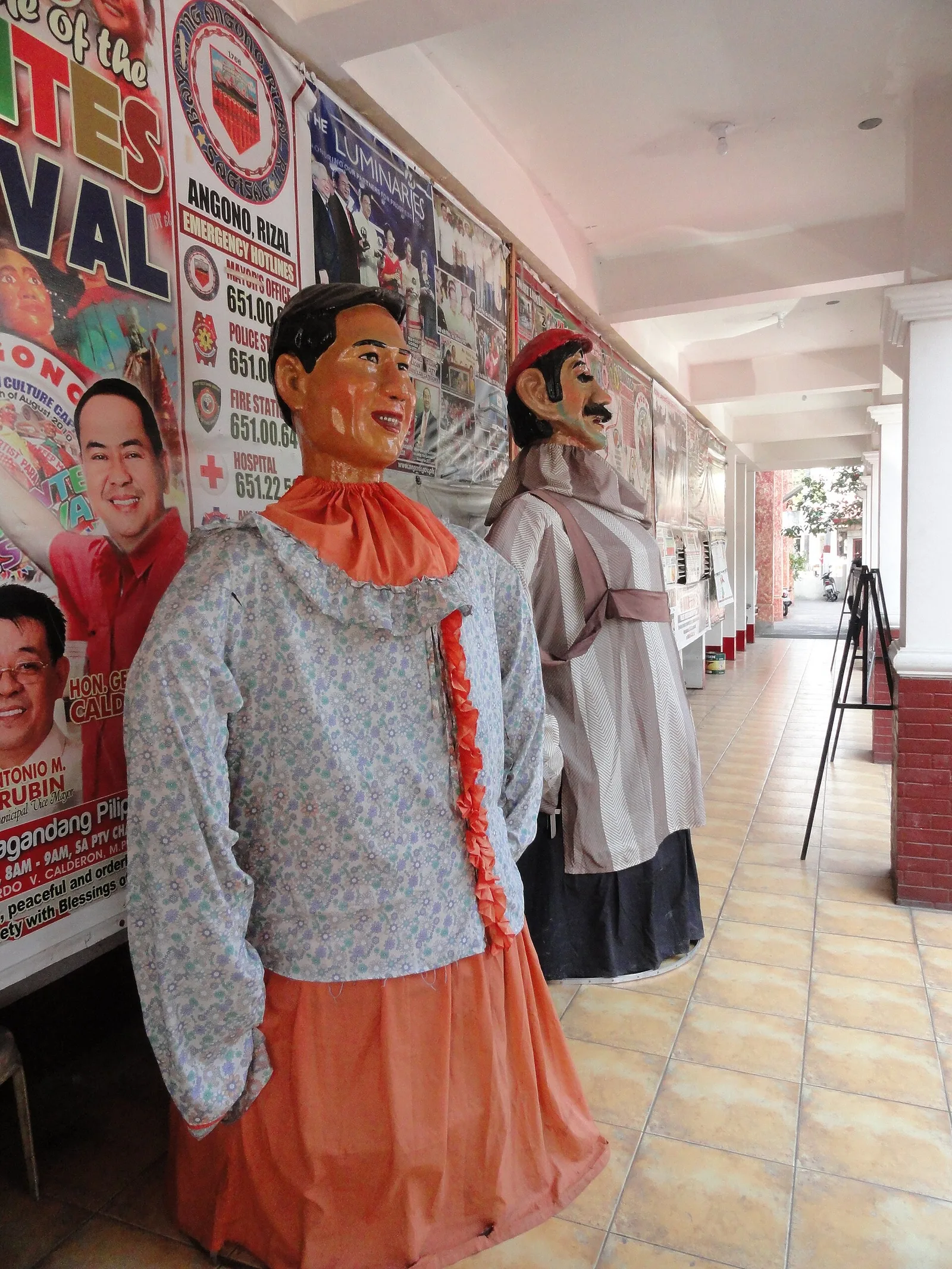
A museum that consists of paintings and sculptures of Nemesio "Nemi" Miranda.
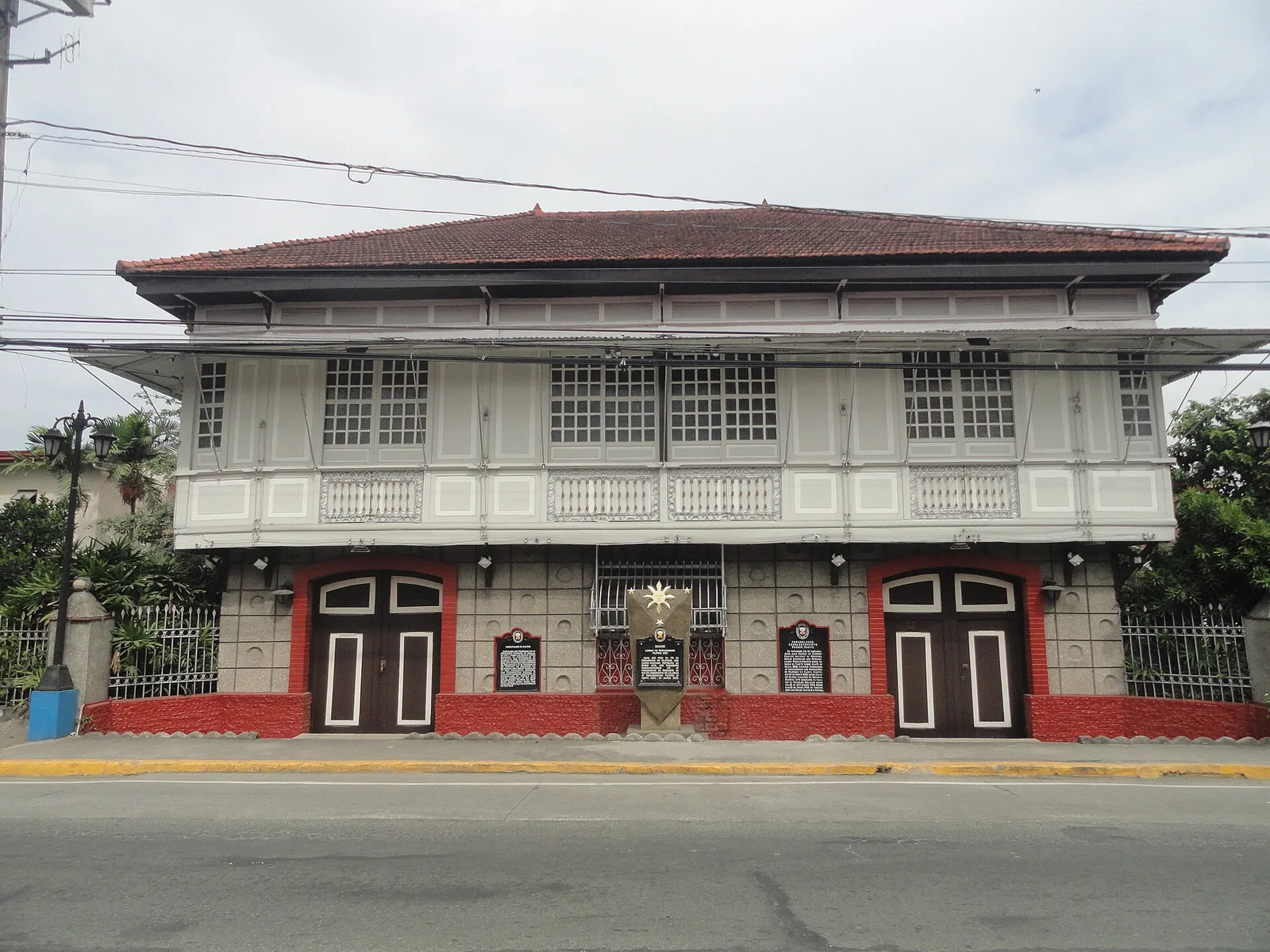
One of the few remaining bahay na bato residences from the Spanish era, the privately-owned house became the first headquarters of the Philippine revolutionary government following the declaration of independence in June 1898 until September that same year, when it …
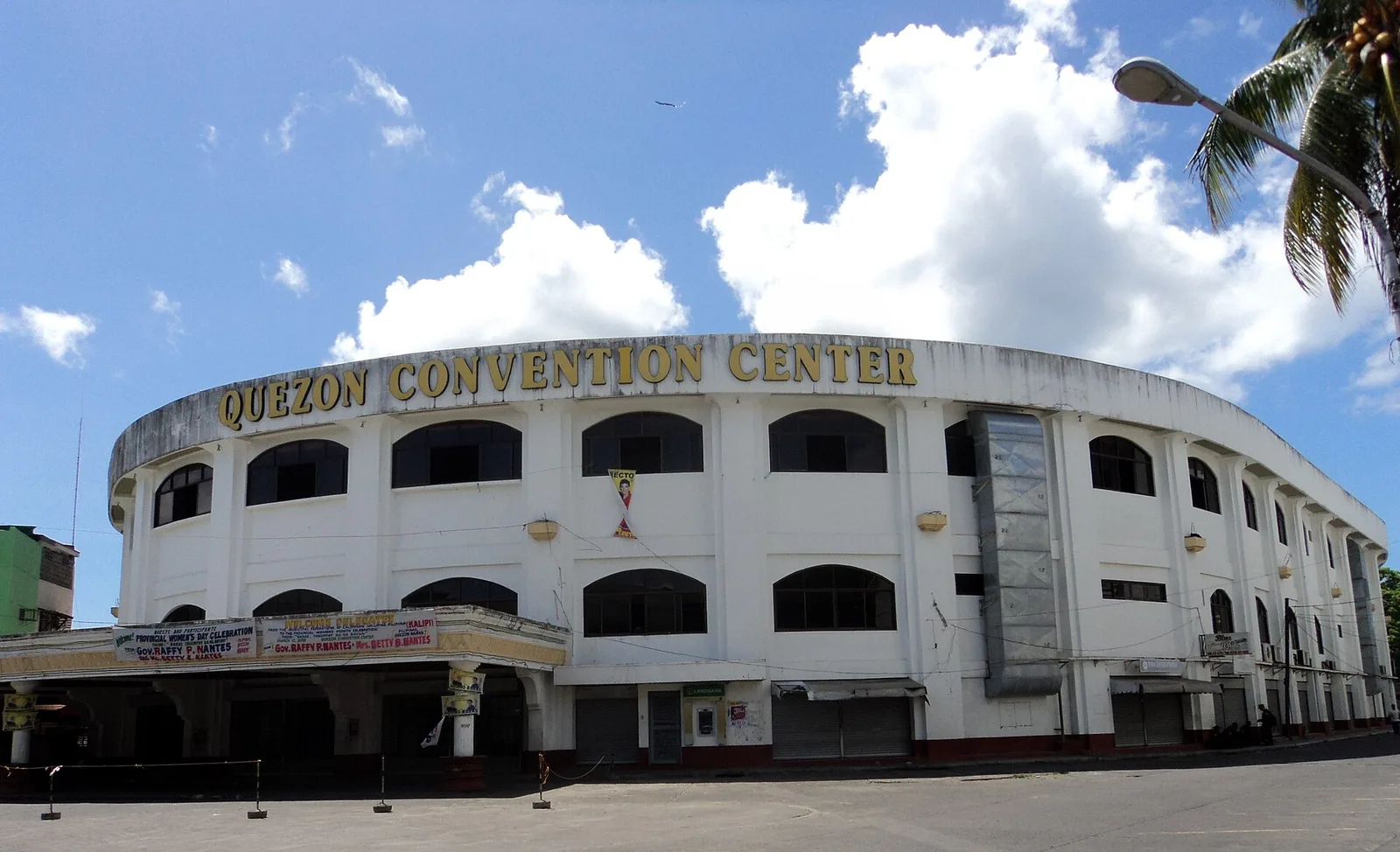
A multi-purpose arena near the Provincial Capitol, used for basketball games, concerts and conferences. The provincial government paid for it out of its savings, and President Gloria Macapagal Arroyo led the inauguration on August 19, 2002. The Philippine Basketball Association, …
A museum of objects from the Philippine ilustrado way of life, inside the campus of De La Salle University-Dasmariñas. It is the permanent museum of the De La Salle University System, and it keeps both indoor and outdoor collections.