
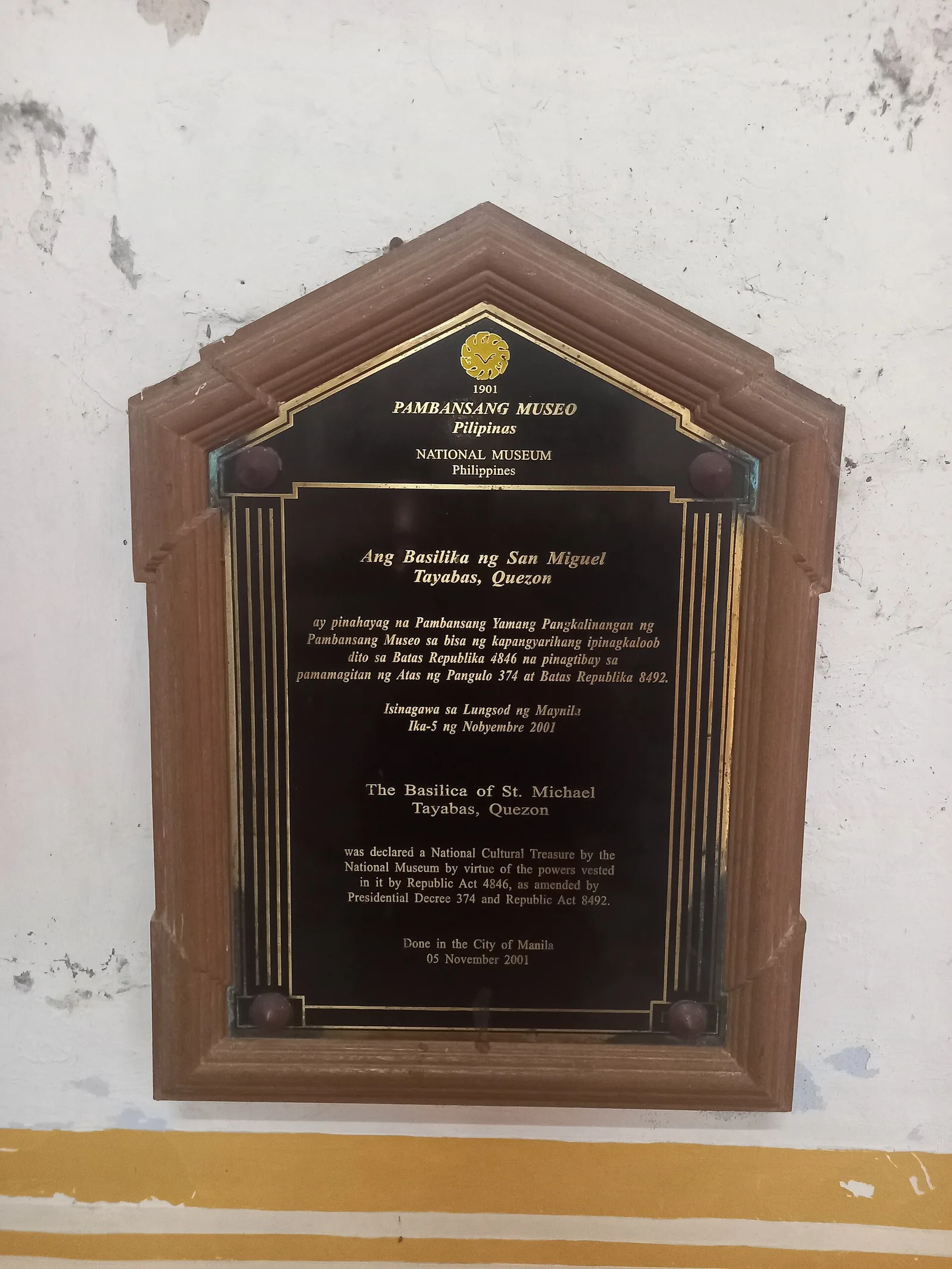
Tayabas Basilica
The largest church in Quezon, laid out in the shape of a key, which is why people call it Susi ng Tayabas, the Key of Tayabas. Its aisle runs 103 metres, one of the longest naves in any Spanish colonial …
The largest church in Quezon, laid out in the shape of a key, which is why people call it Susi ng Tayabas, the Key of Tayabas. Its aisle runs 103 metres, one of the longest naves in any Spanish colonial …
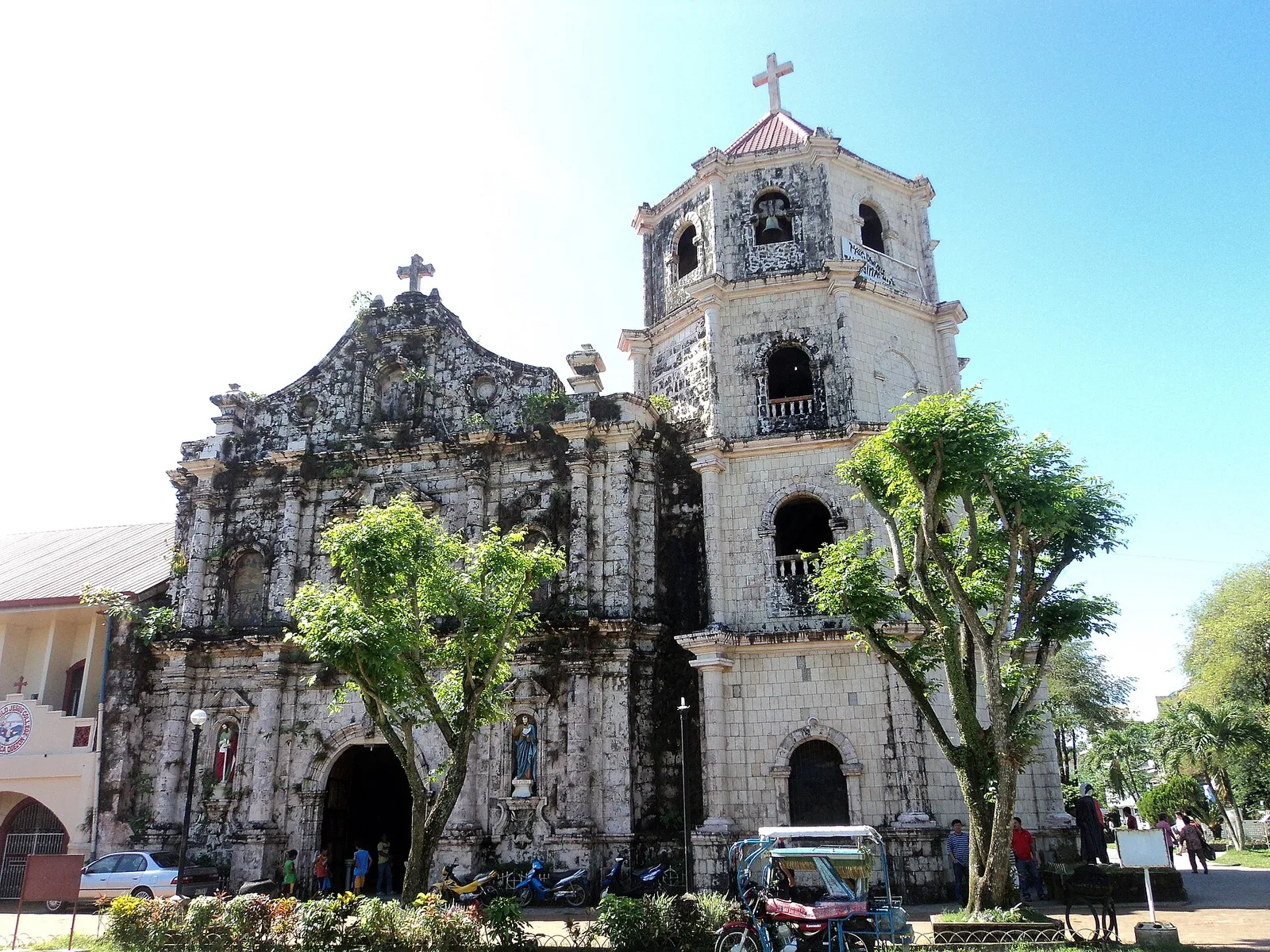
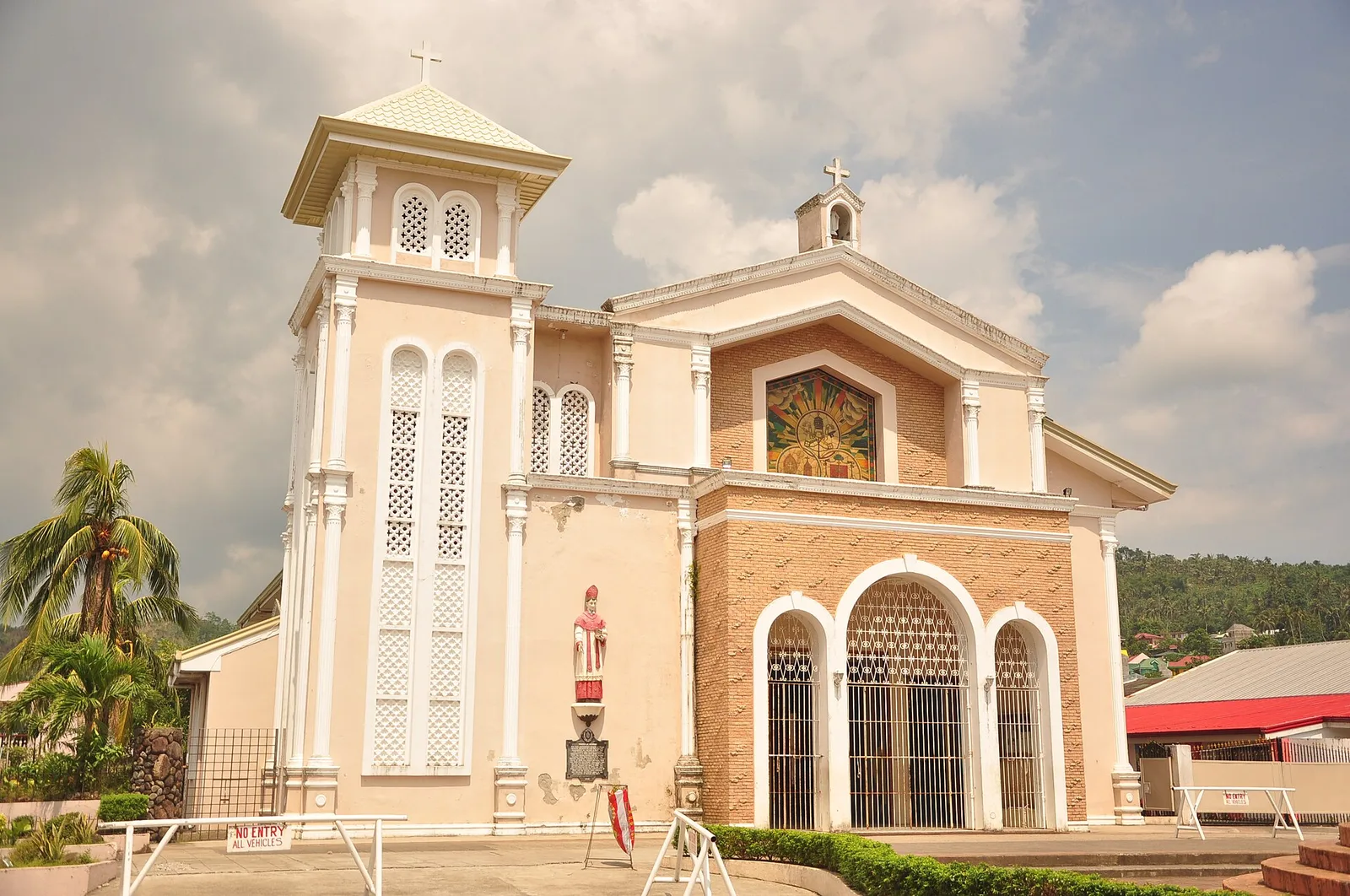
Gumaca's main Roman Catholic church, built during the Spanish era in a Baroque style in 1690. It is also the headquarters of the Diocese of Gumaca.
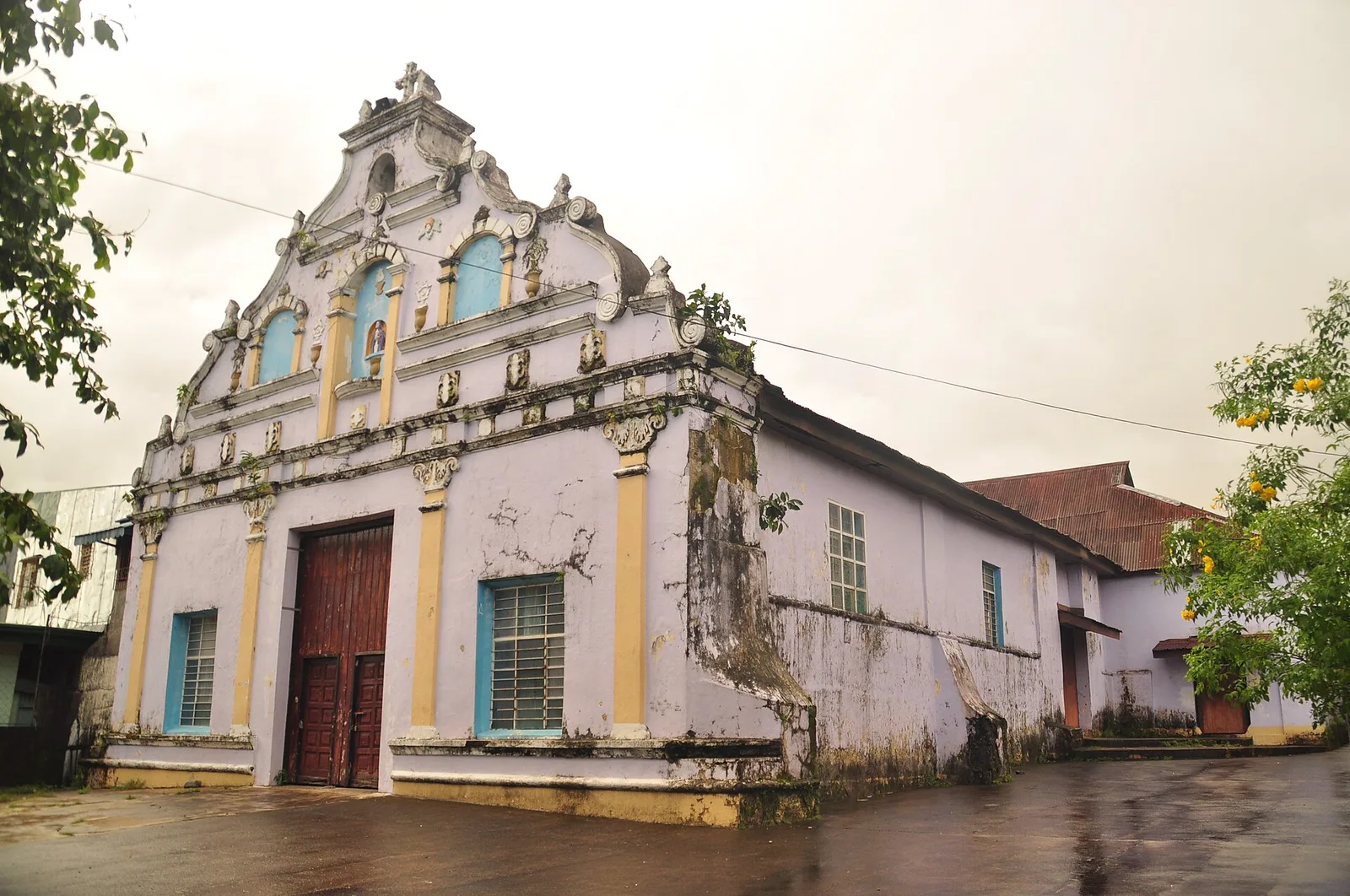
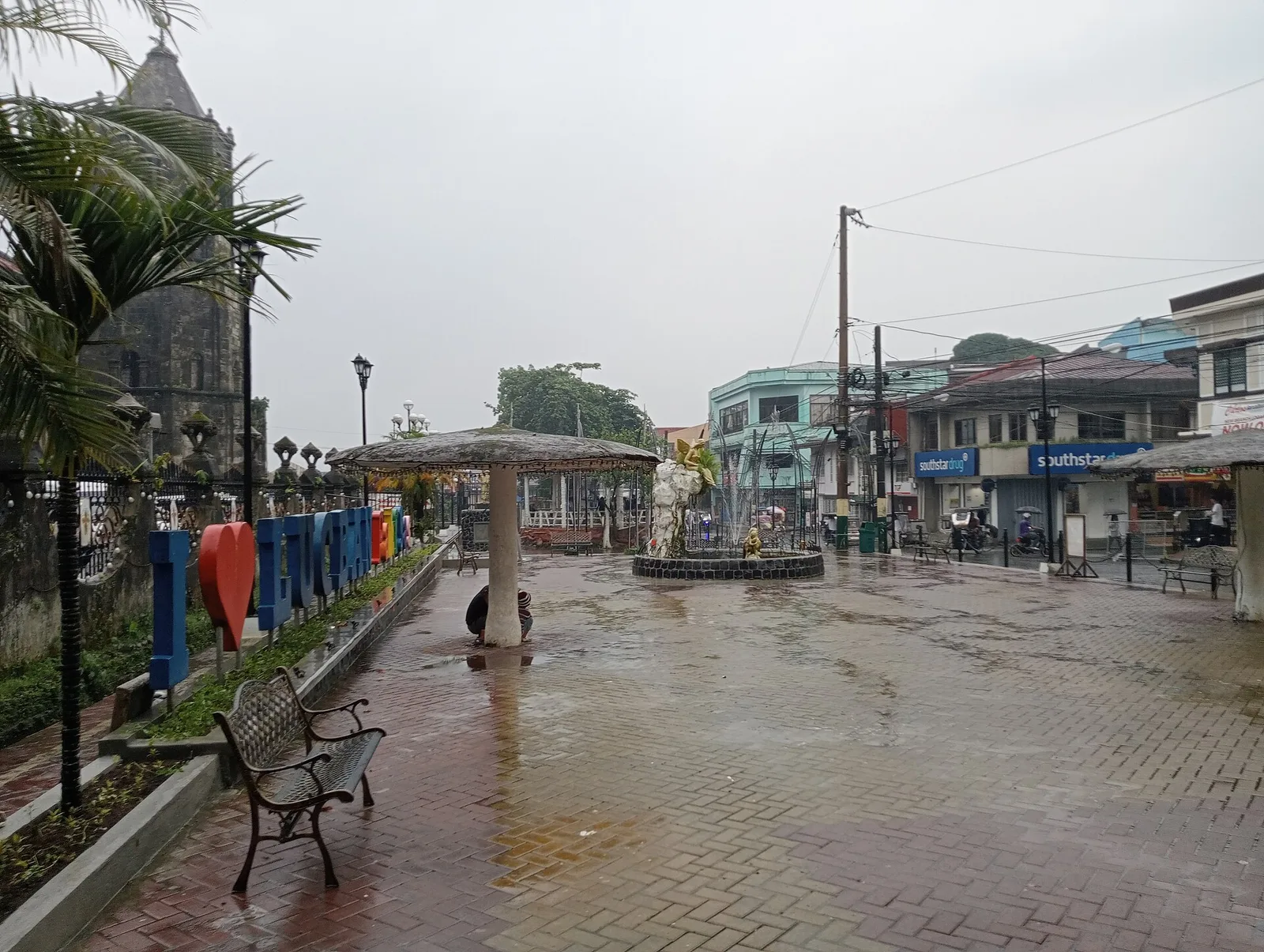
A sight at La Purisima Concepcion Street, Lucban. Hours: Open 24 hours. Entry: Free.
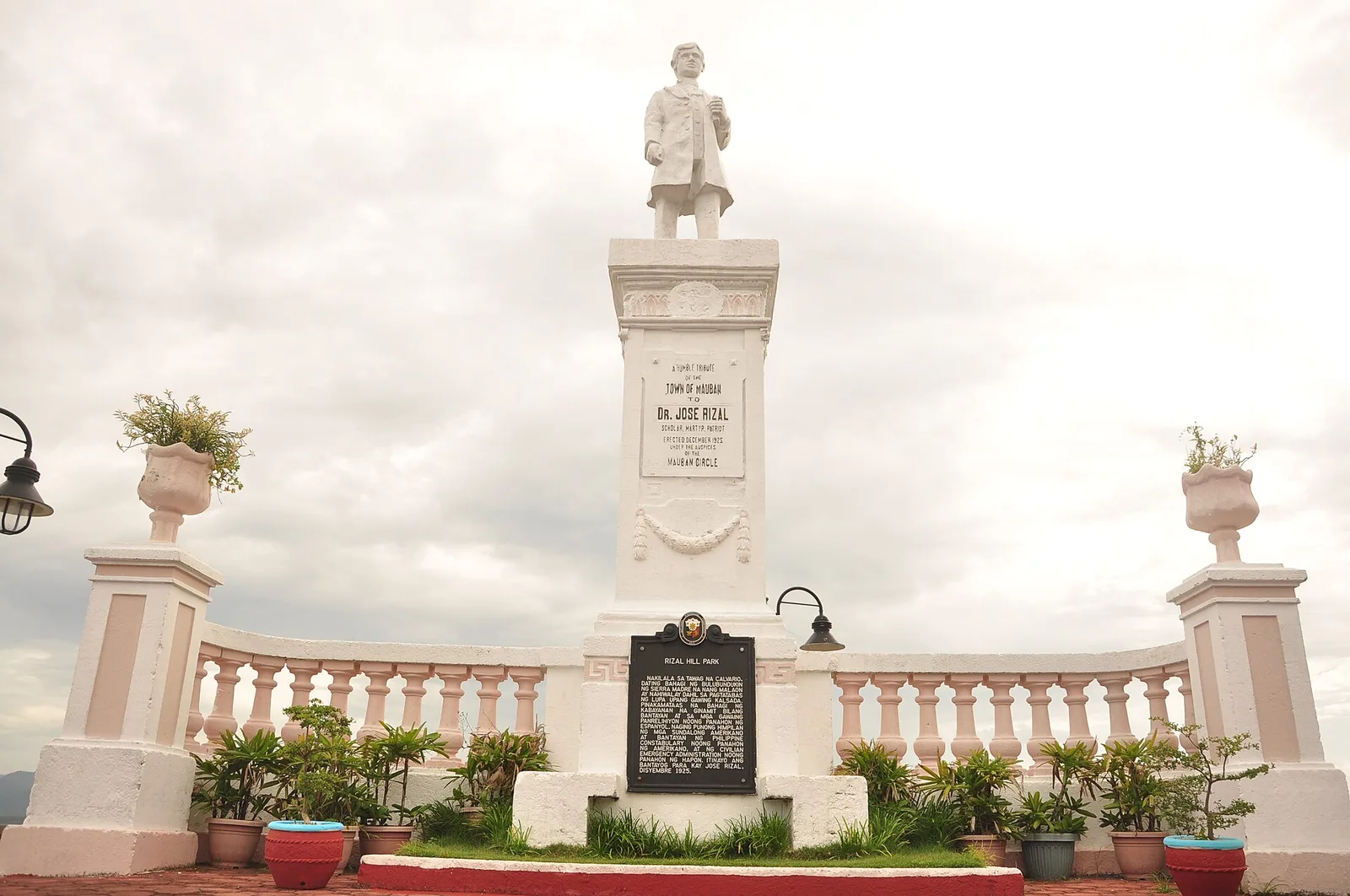
A promontory in the middle of downtown Mauban that was used as a military lookout throughout the town's history and now provides panoramic views of the surrounding area.
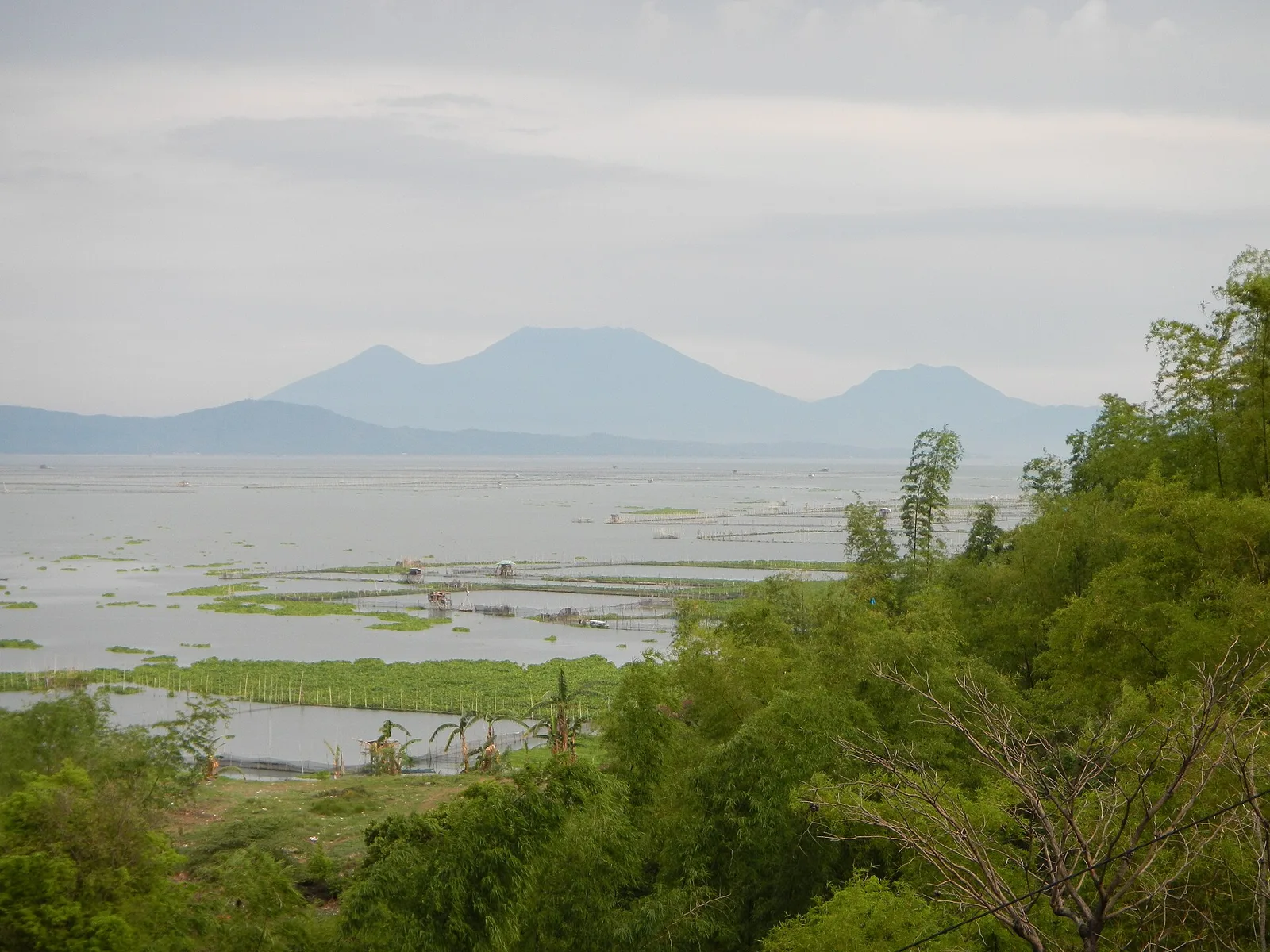
An inactive volcano straddling the provinces of Laguna and Quezon. At , it is the highest mountain in the Calabarzon region, and a sacred monument for the Tagalog people. On the slopes of the mountain covered by Lucban is Banahaw …
A sight at Barangay Mahabang Parang, Lucban. Hours: Open 24 hours. Entry: Entrance fee: ₱20; Guide: ₱300.
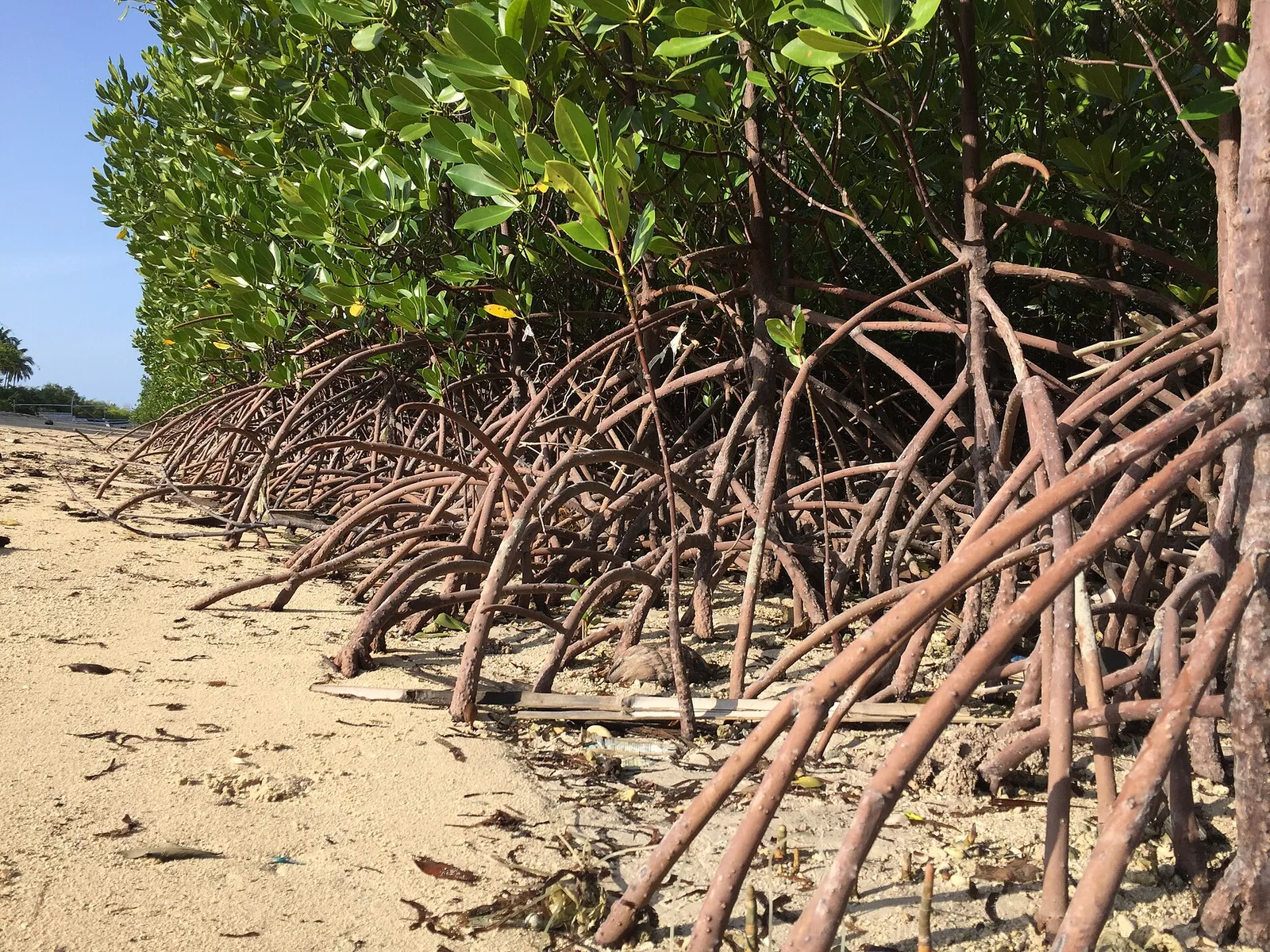
An island in Ragay Gulf, off the southeast coast of the Bondoc Peninsula, with white sand beaches, mangrove forest and coral reefs. Birdlife here is rich. The island and the water around it form the Alibijaban Protected Landscape and Seascape, …
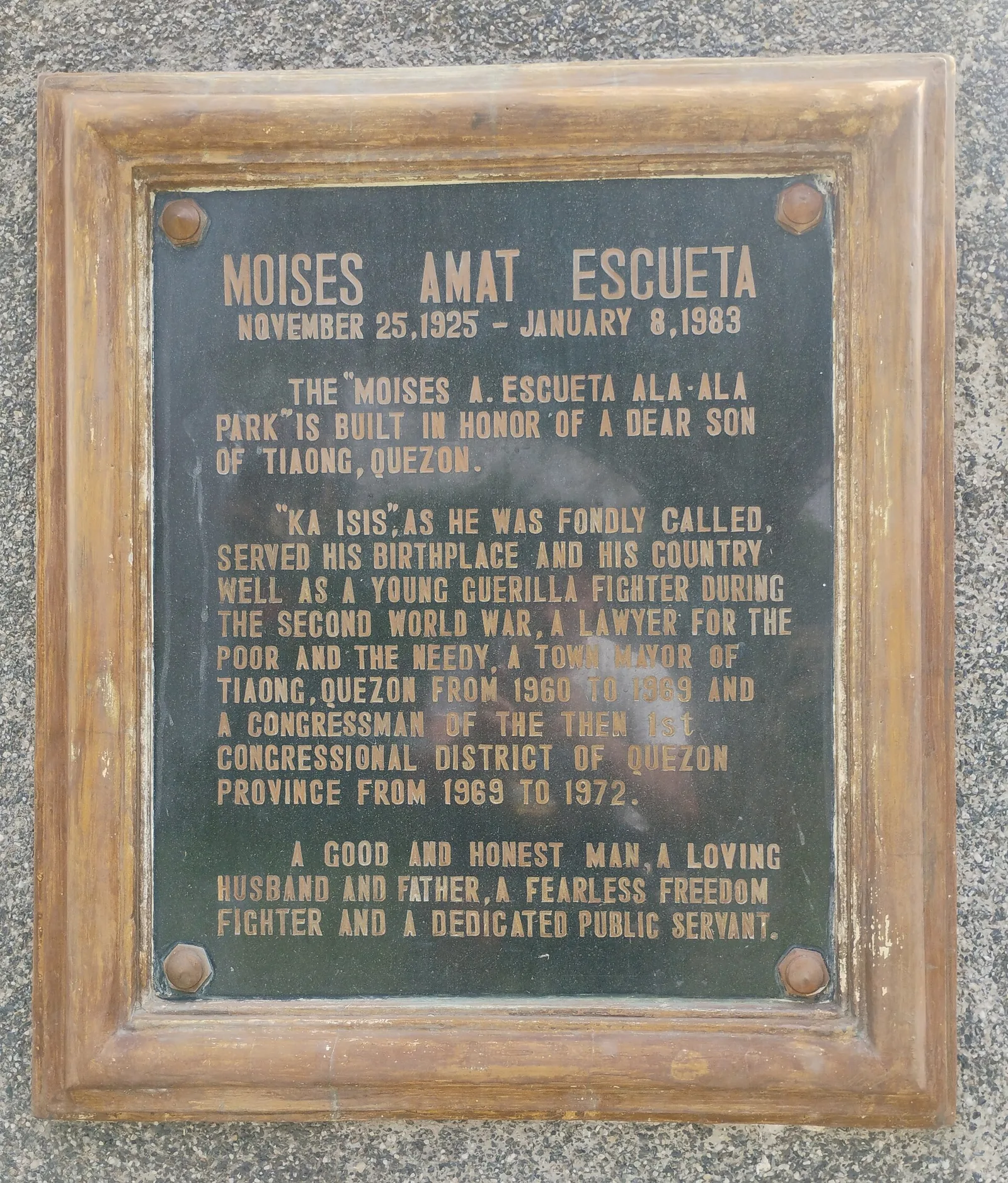
A small recreational space with civic monuments, including that of Ye Fei, a Filipino-Chinese mestizo who moved to China and rose to become a senior general and politician under the Communist regime.
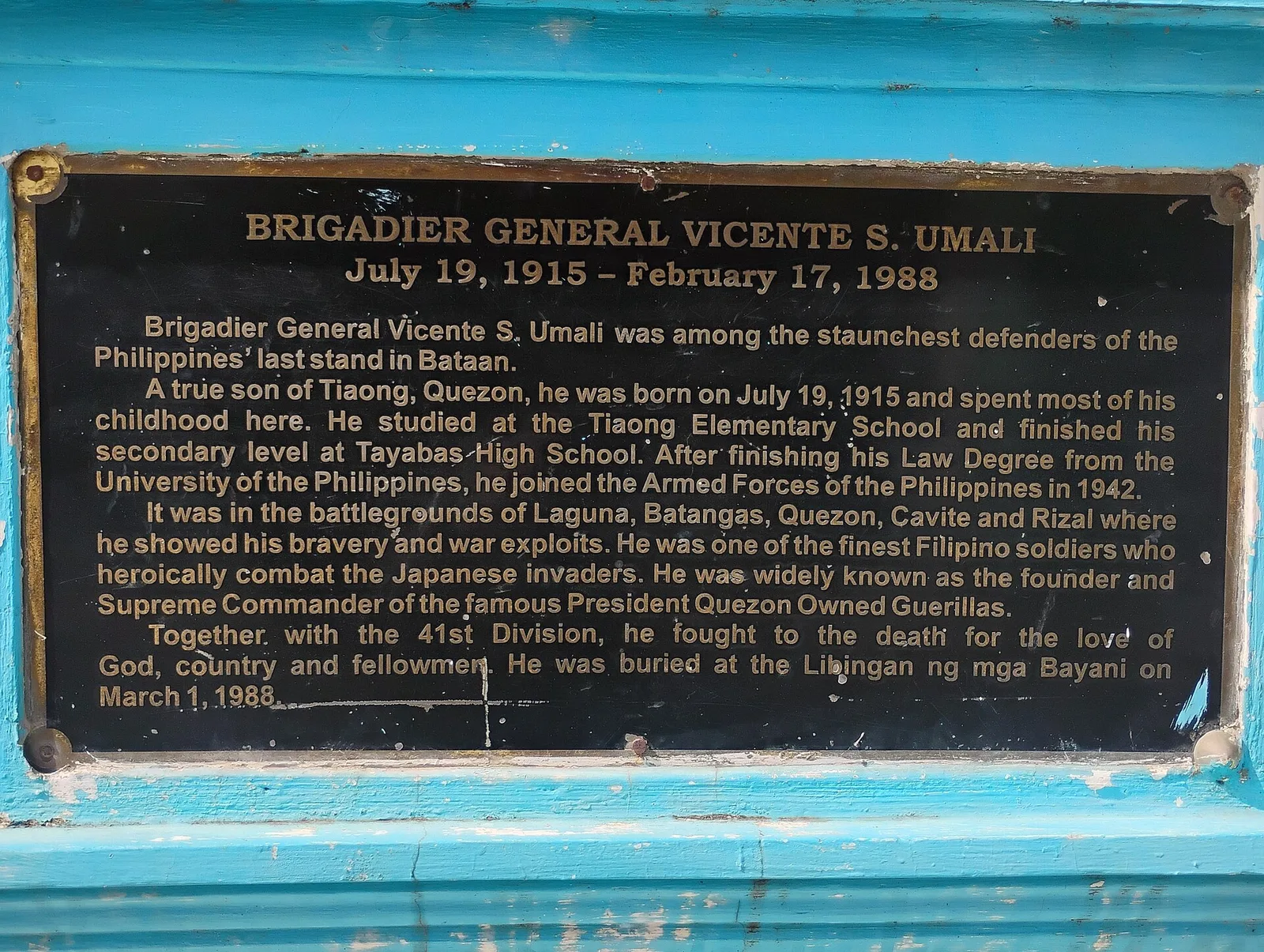
Tiaong's main Roman Catholic church, built during the Spanish era and extensively altered since then.
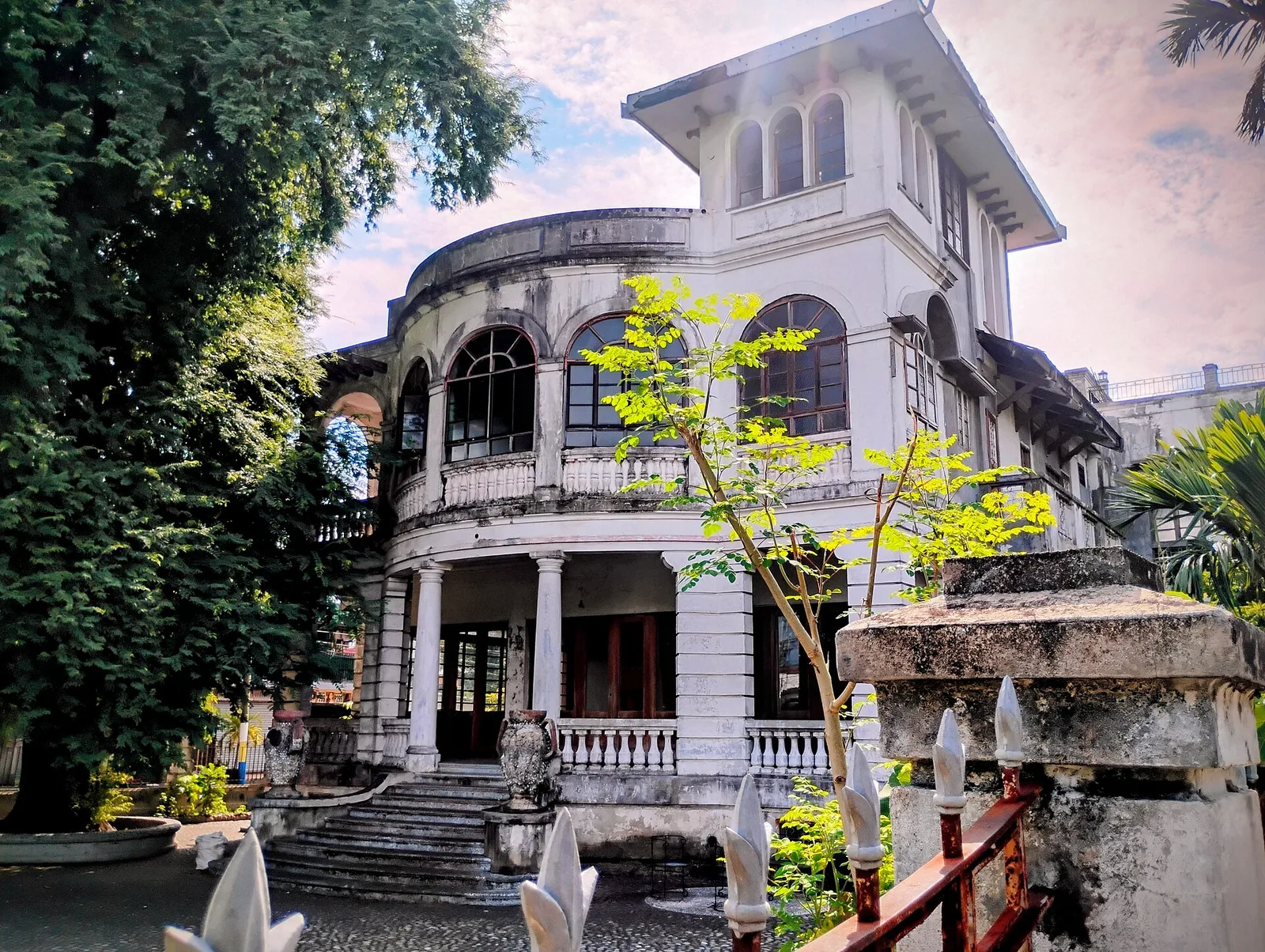
A 1920s Art Deco mansion built for one of Tiaong's leading families but later abandoned except by a few caretakers and subsequently rumored to be haunted. While prior permission is needed from the owners to enter, the low fences allow …
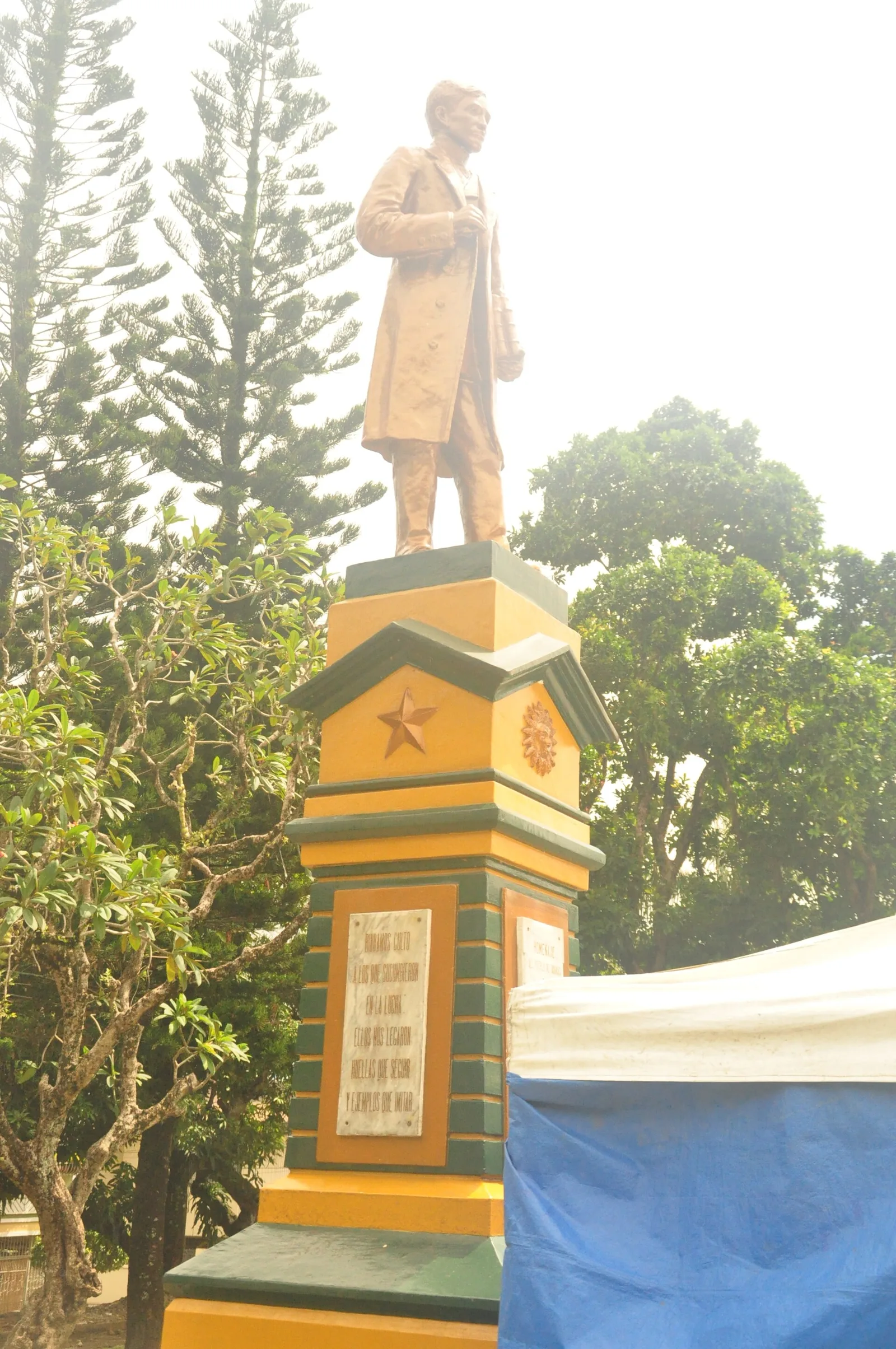
A small park featuring a monument to the town's legendary founder and a Hollywood-like sign of Mauban.
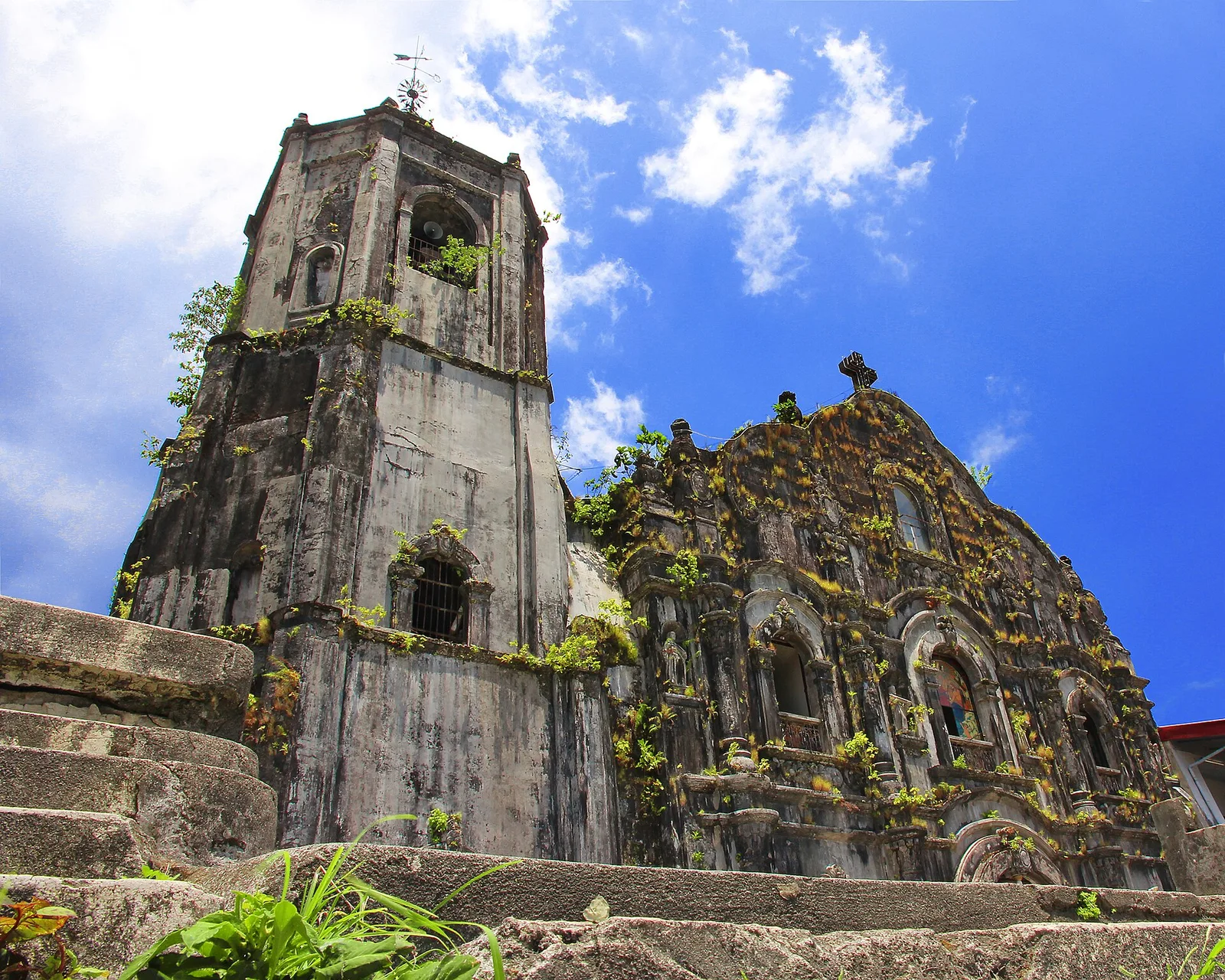
A Baroque 18th century church that has a bone relic of its patron saint.
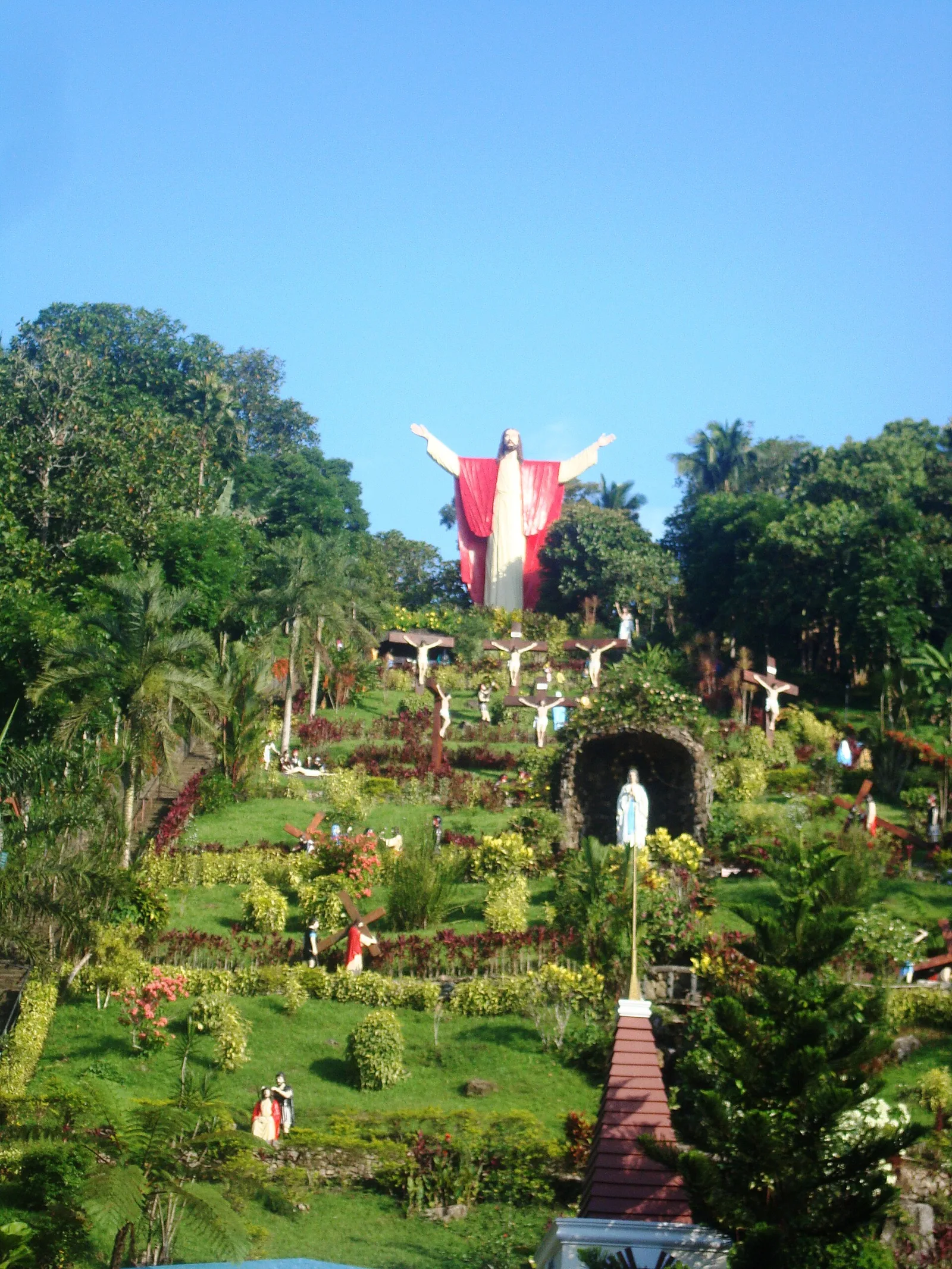
Roman Catholic pilgrimage site on the foot of Mount Banahaw, frequently visited during Holy Week. It houses a replica of Noah's Ark, a healing church, family park and pond. Group tours can be organized from Lucena.
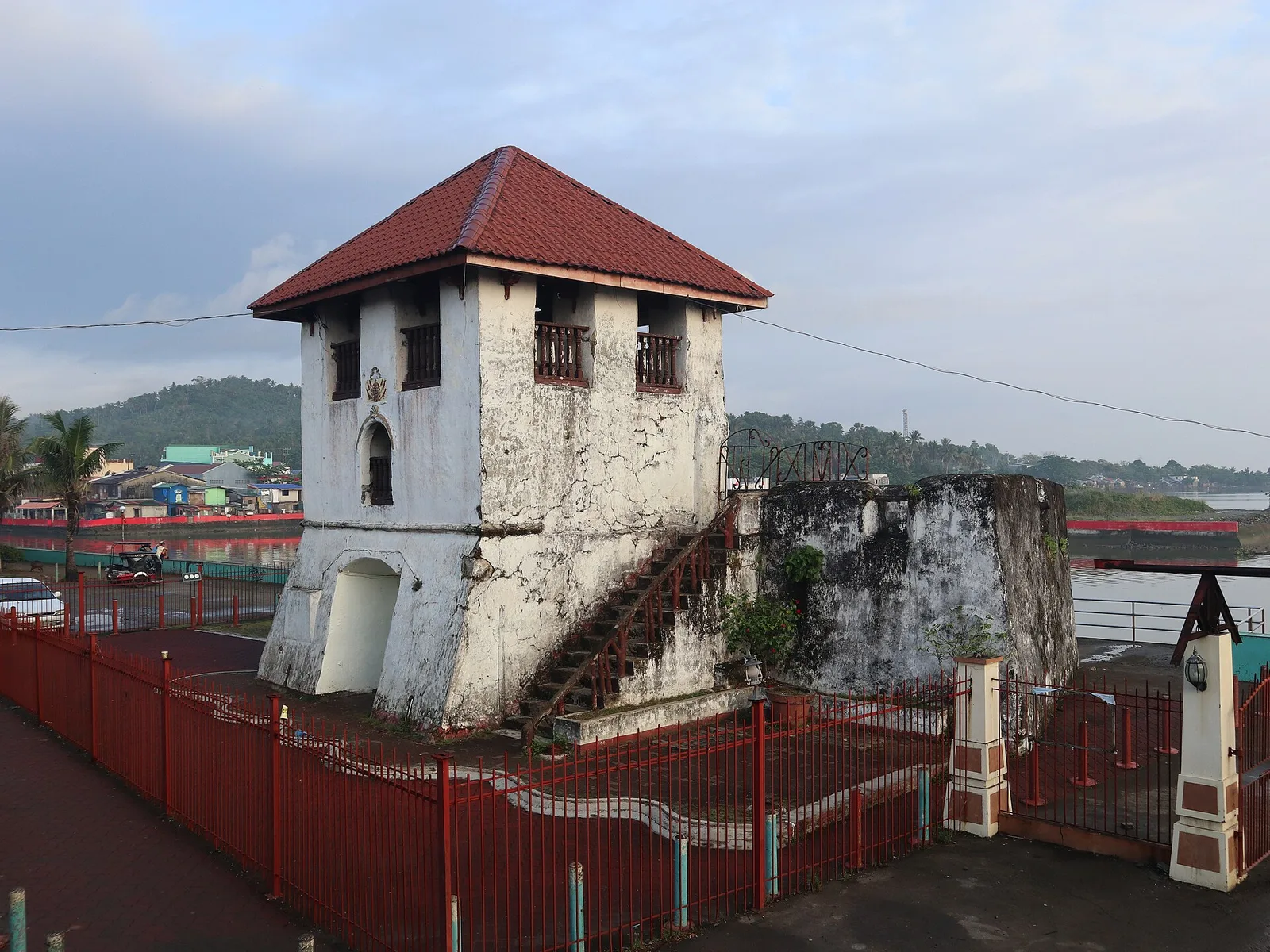
A Spanish-era coastal watchtower built in the 18th century to defend Gumaca against raids by Moro pirates and other foreign invaders such as the Dutch. The site was declared a national cultural treasure by the Philippine government in 2020.
A secluded, forested valley between Mounts Banahaw and San Cristobal that is home to campsites, natural springs and other attractions deemed holy by Banahaw pilgrims.
A volcanic crater lake near the Tiaong-Dolores Road west of downtown Dolores. It was formed as part of the Laguna Volcanic Field and is an extension of the more famous Seven Lakes of neighboring San Pablo, but is less visited …
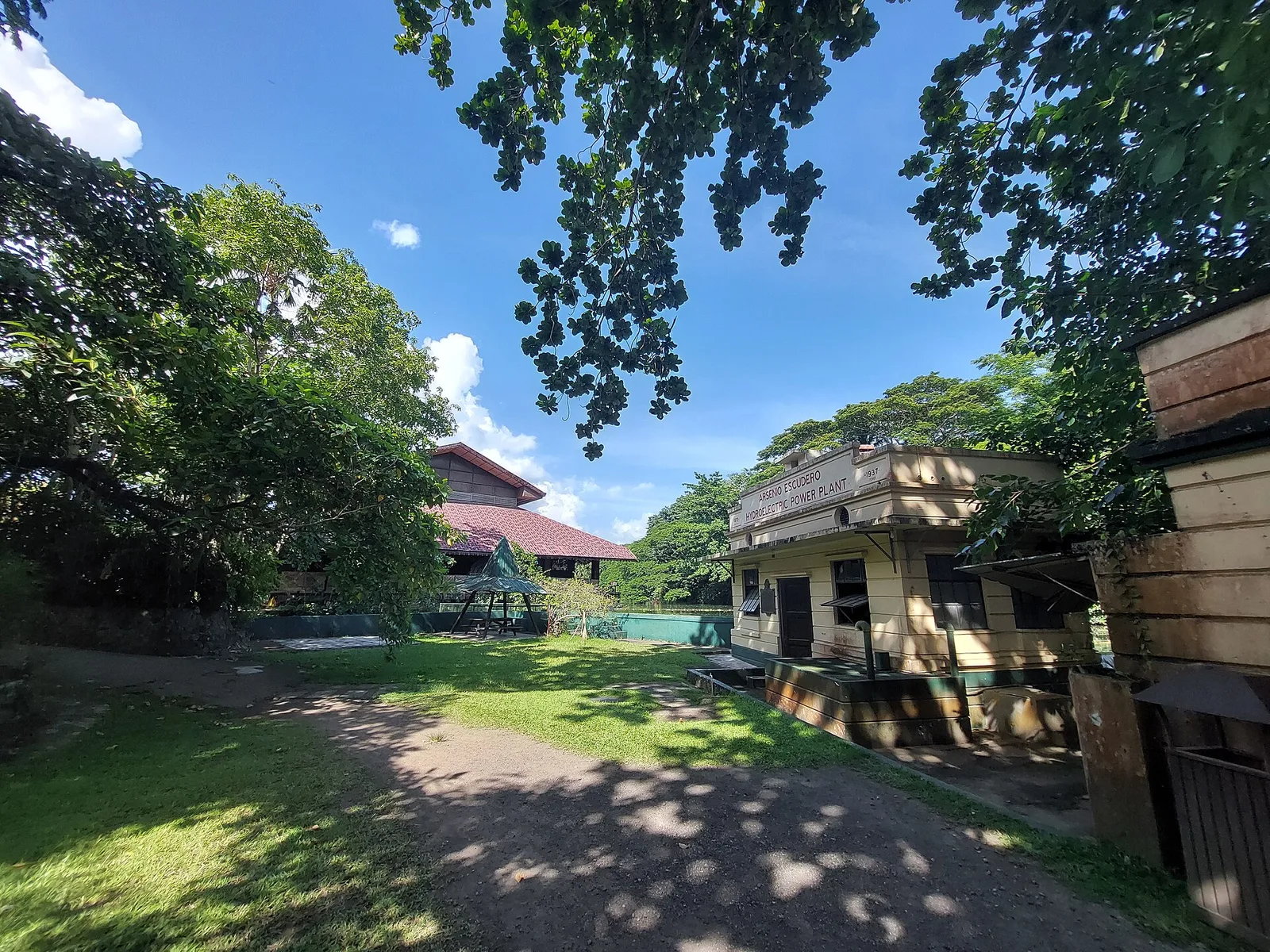
A working coconut plantation of 800 hectares that has taken guests since 1981. The estate runs village tours and a museum tour, and it serves meals and rents rooms. It lies in Tiaong, on the Quezon side of the provincial …
The residence of local pottery artist Ugu Bigyan, which was opened to the public in 2000 as an arts space and workshop.
A volcanic crater lake west of downtown Tiaong. It was formed as part of the Laguna Volcanic Field and is an extension of the more famous Seven Lakes of neighboring San Pablo, but is less visited and has few tourist …
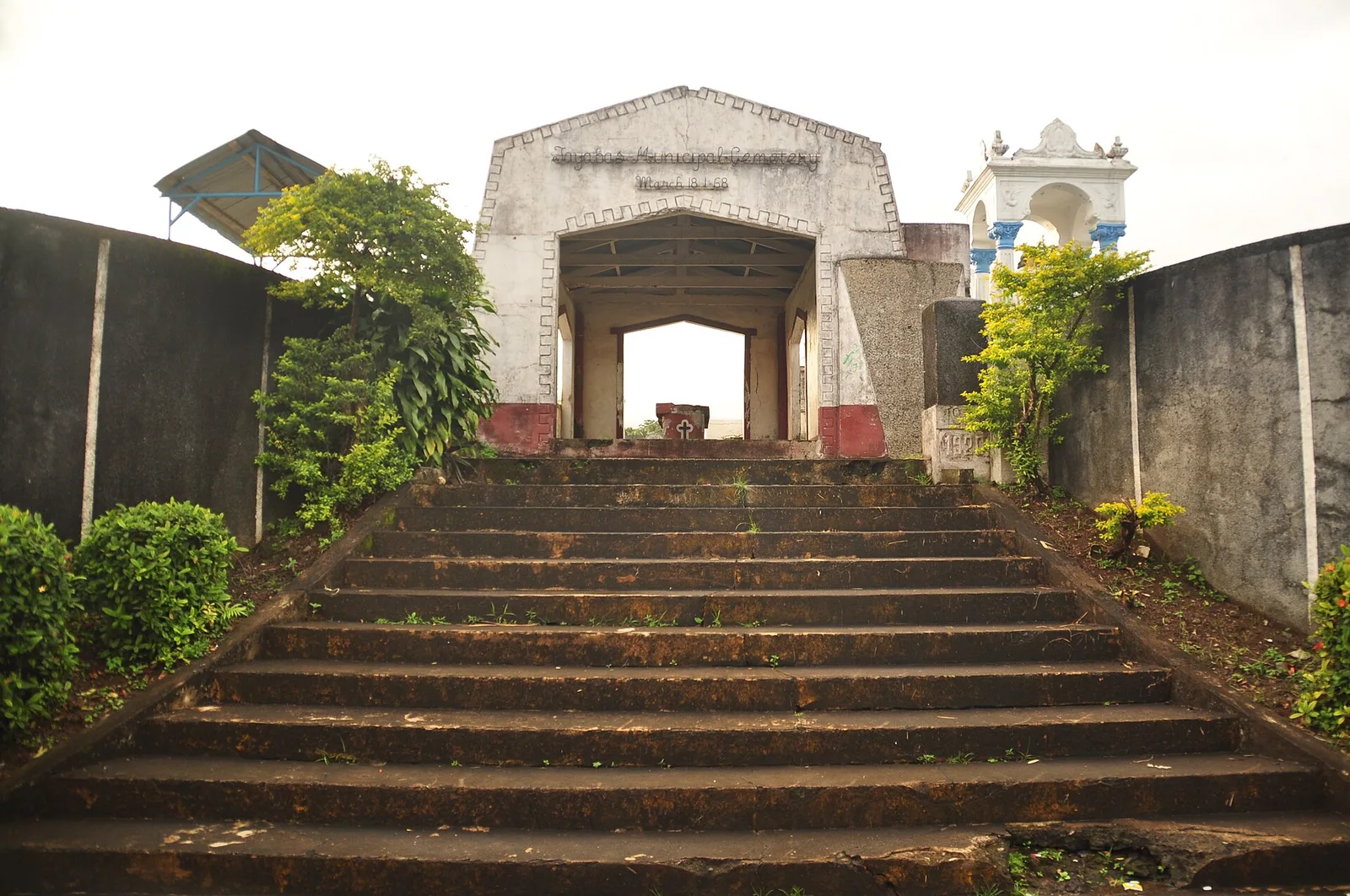
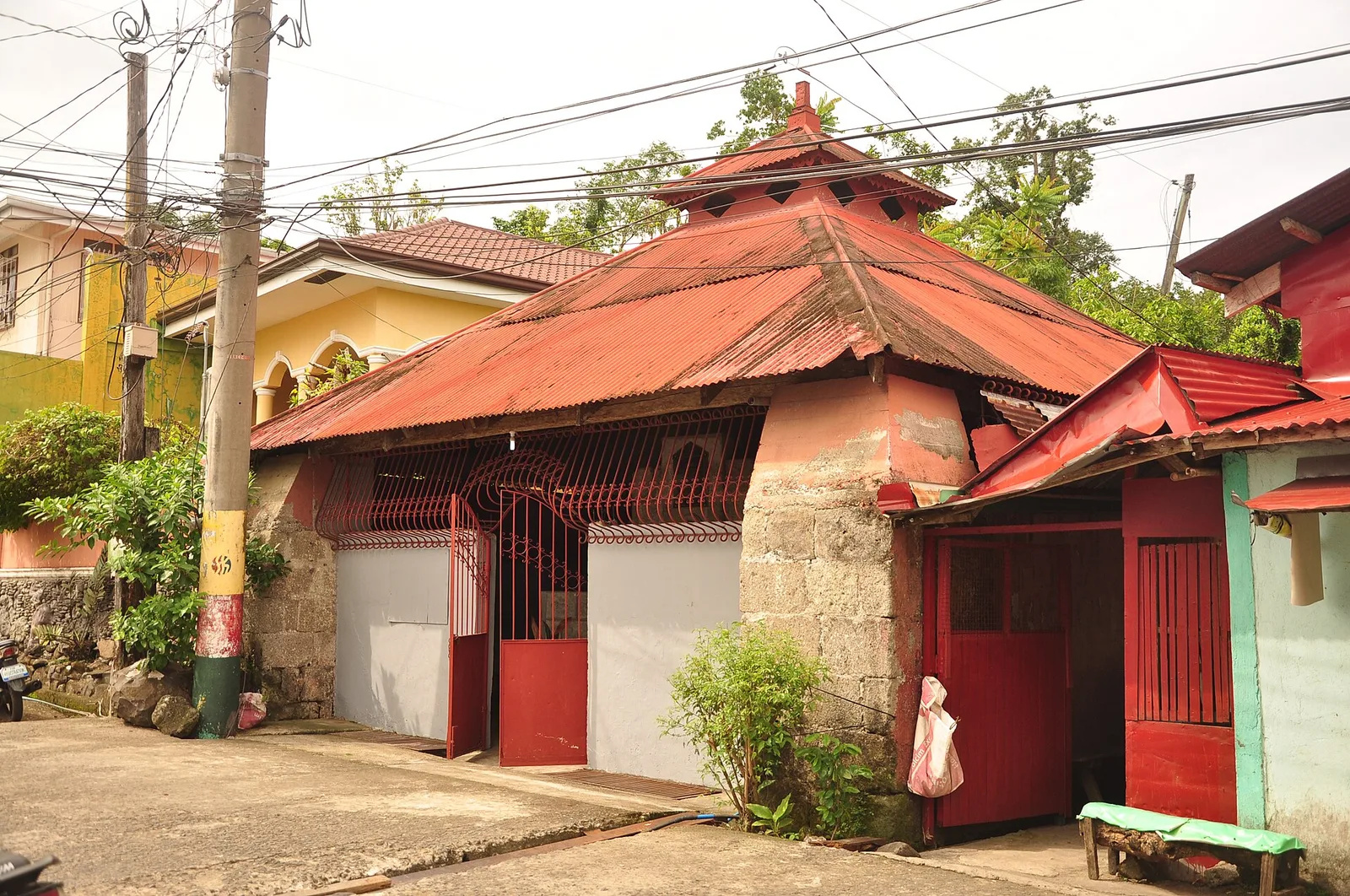
These are what remains of the old mortuary church of Lucban Public Cemetery. built in the late 1700s on top of a hill overlooking the town, this church features two belfries and a magnificent ornately designed façade which is quite …