Riviera Golf Course and Country Club
36 holes, has a Korean restaurant. The course's terrain is flat, but challenging due to winds, but the weather is generally clear and temperatures are cooler.
Region in Luzon · 6 provinces and cities
Showing 211 to 240 of 309
36 holes, has a Korean restaurant. The course's terrain is flat, but challenging due to winds, but the weather is generally clear and temperatures are cooler.
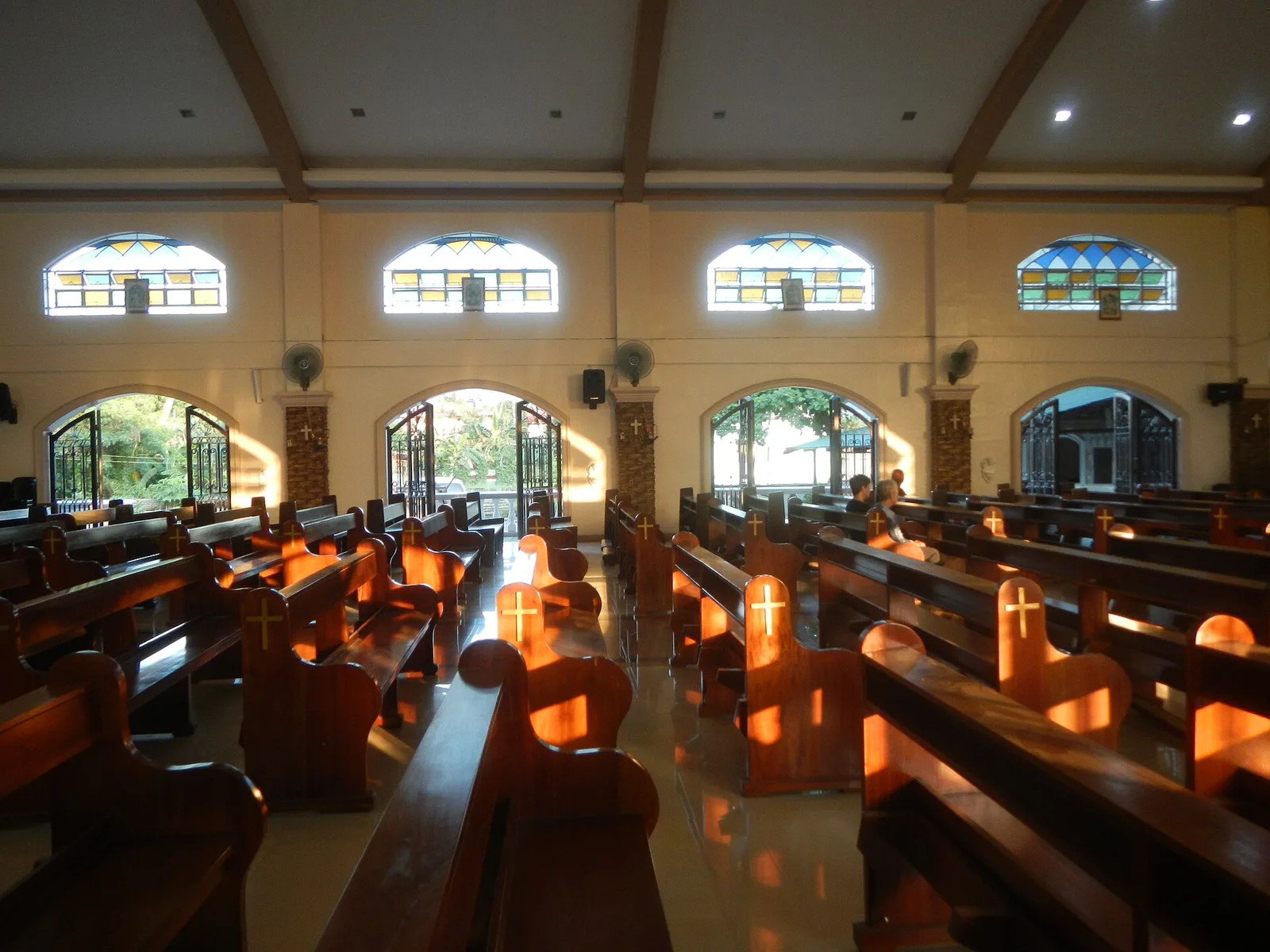
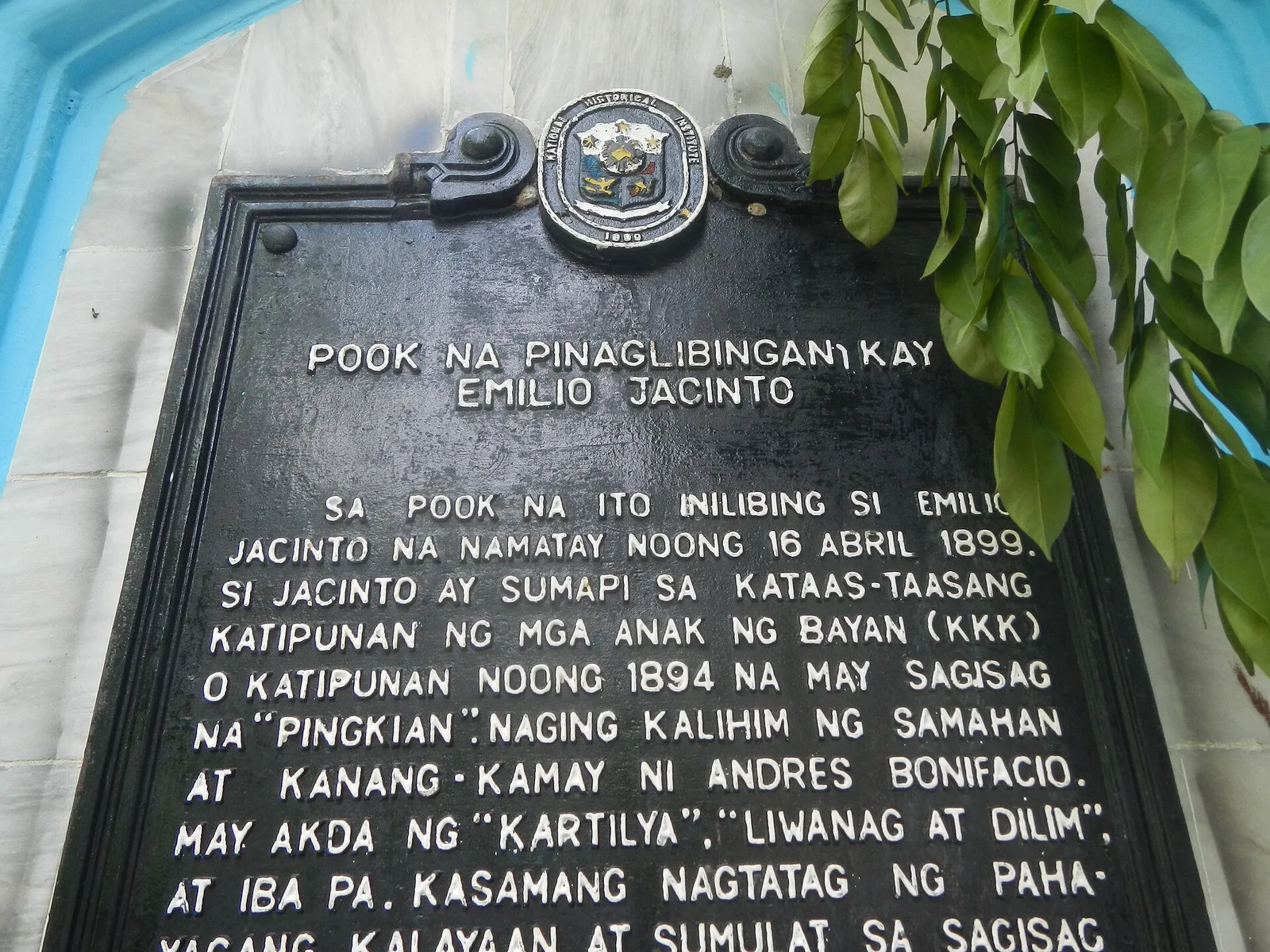
A small monument marking where Filipino revolutionary hero and Santa Cruz native Emilio Jacinto was temporarily buried following his death from malaria in 1899 before being transferred to Metro Manila.
A makeshift Catholic shrine for the Virgin Mary established by a local family and considered miraculous by residents.
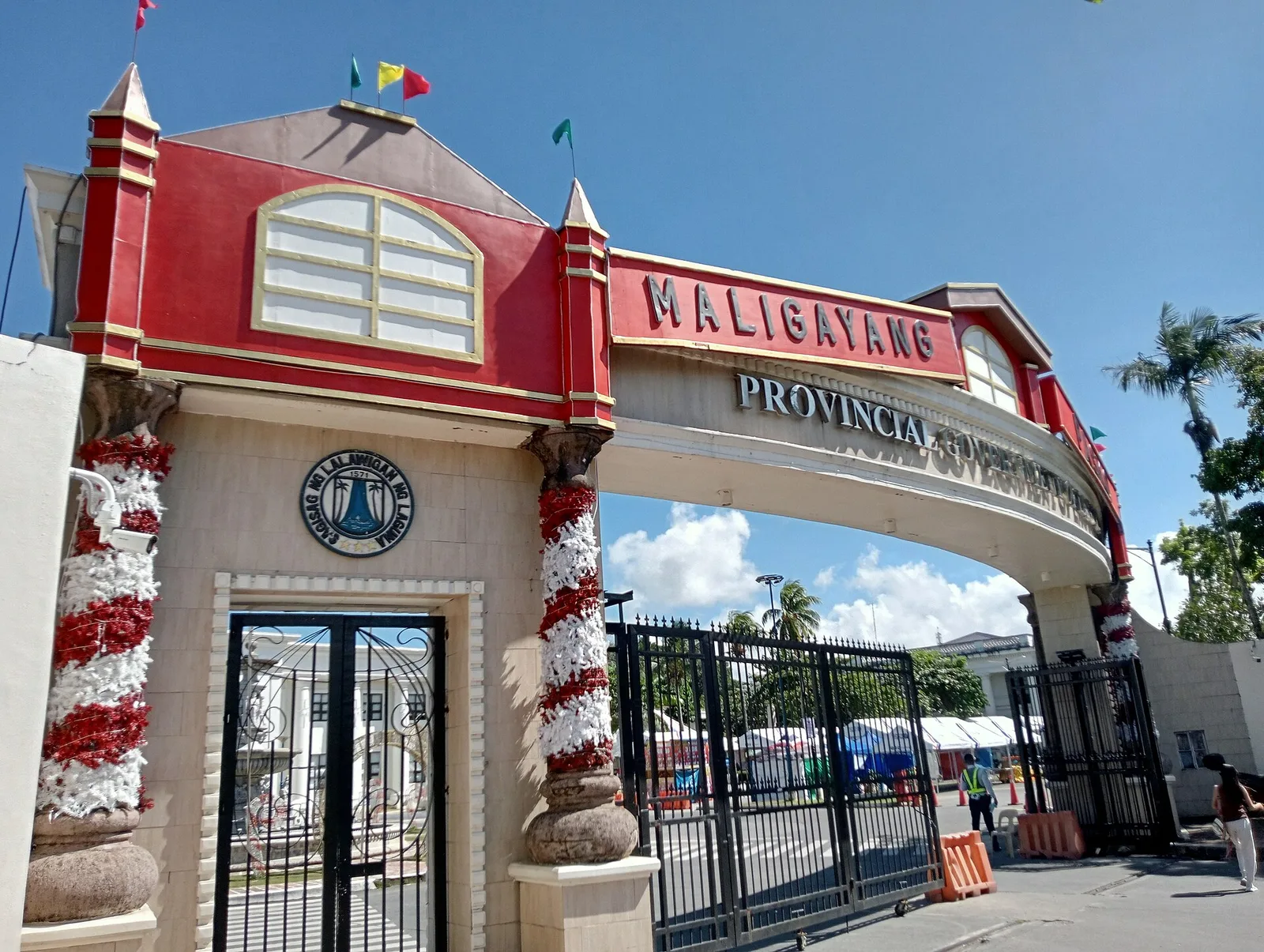
Houses the provincial government offices, some parks, and festival grounds. The neoclassical capitol building at the entrance is designed by American architect and urban planner William Edward Parsons.
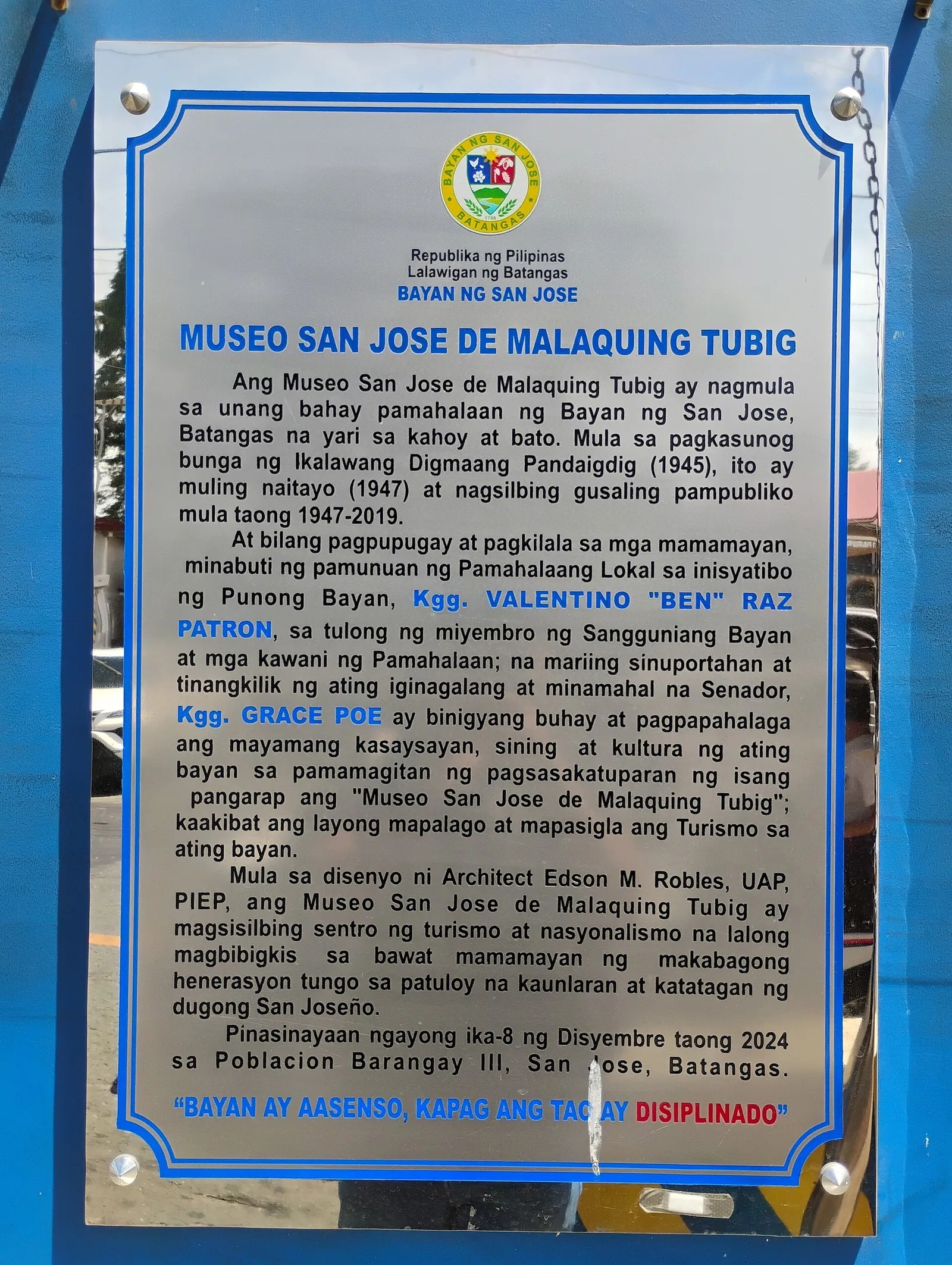
San Jose's local history museum, housed in the town's former town hall built during the Spanish era.
Golf course south of Manila, popular hangout by foreigners and locals. Hilly course with a slightly mild climate, but playing is a challenge due to terrain and occasional rain. Has a Japanese and Korean restaurant.
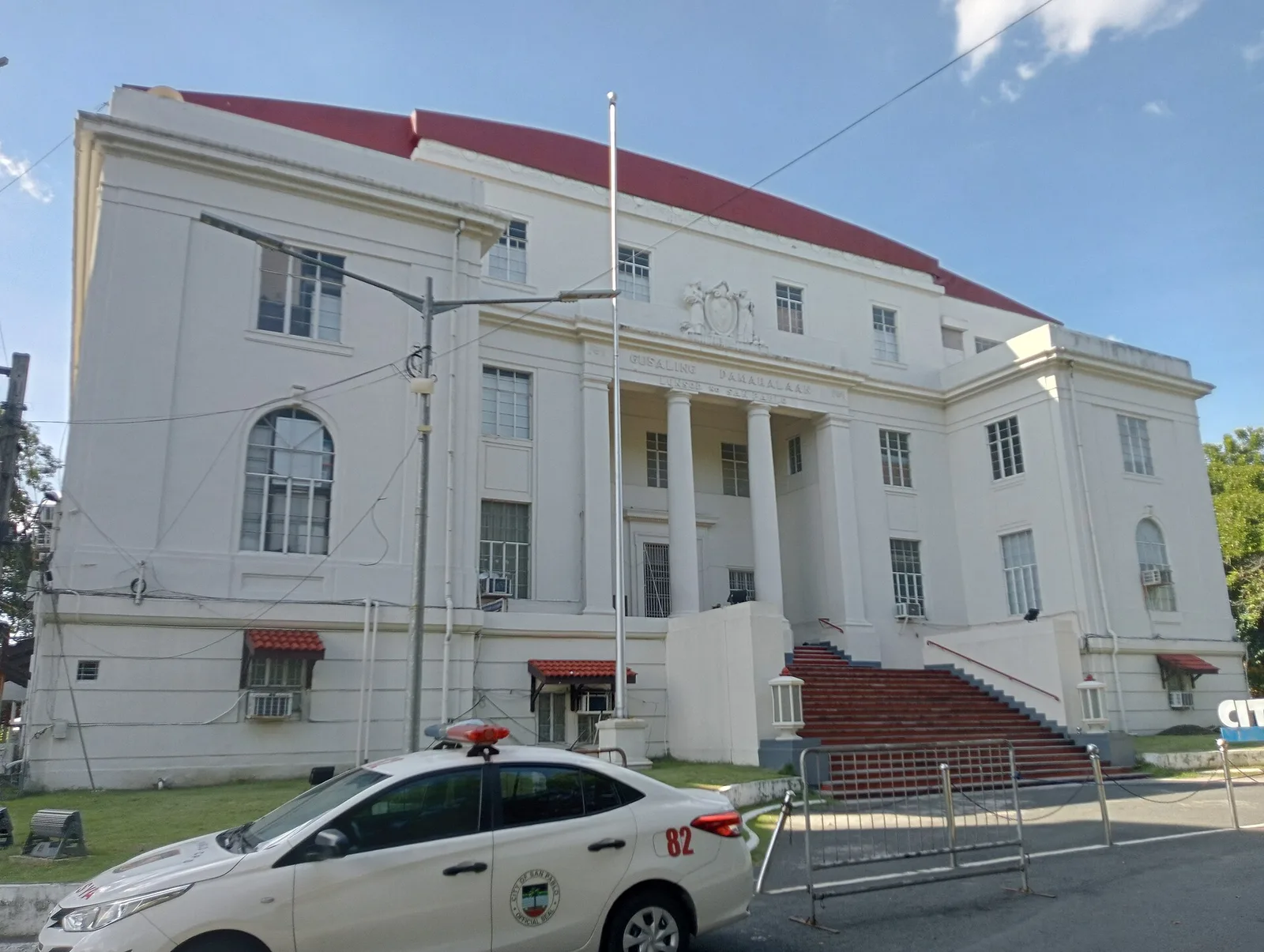
Built in a neo-classical style, this imposing structure is one of the few surviving civic buildings in the Philippines from the pre-World War II era. It contains a small museum on the history of San Pablo.
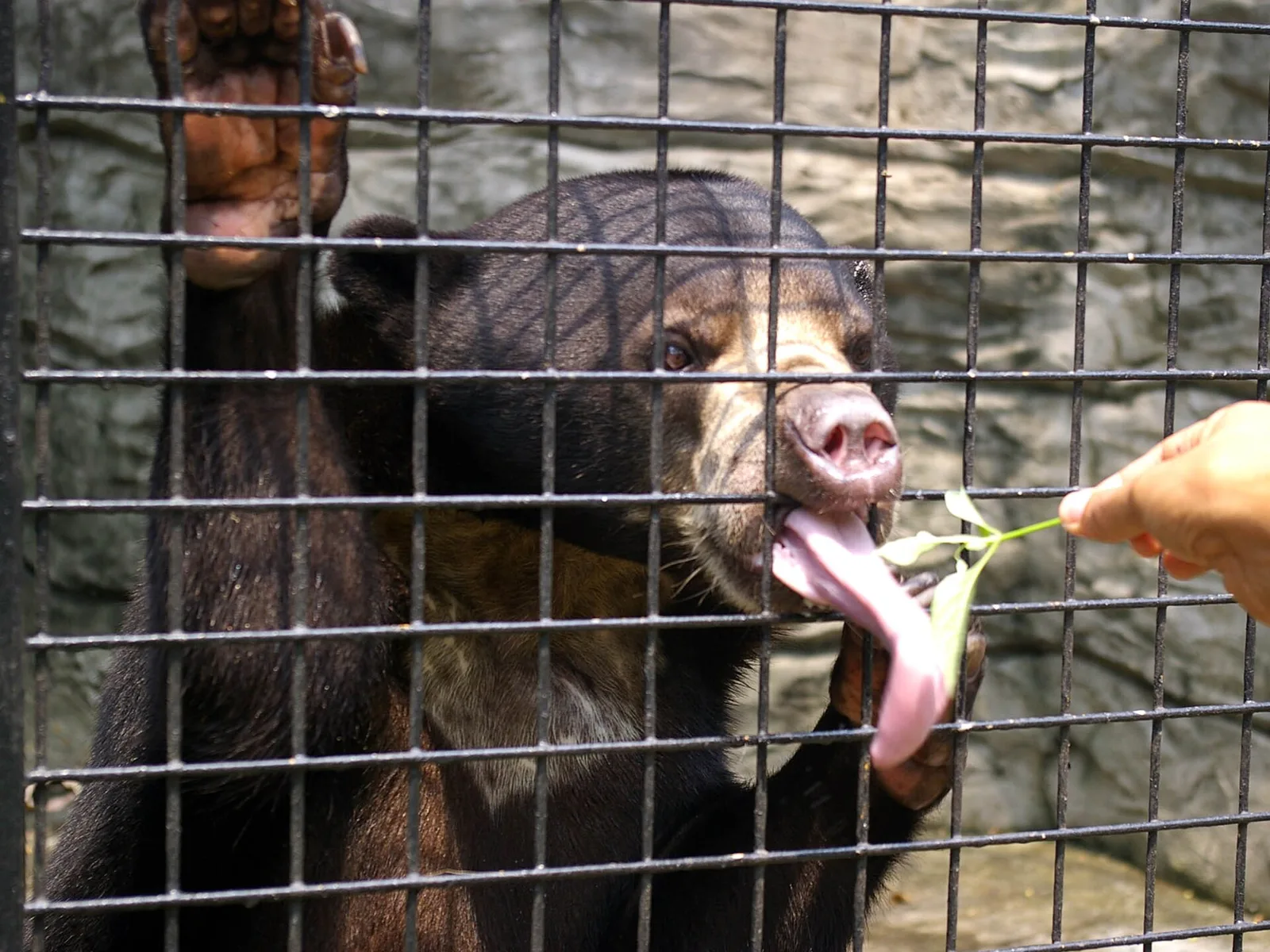
The largest zoo in the Philippines in terms of land area and collection of animals.
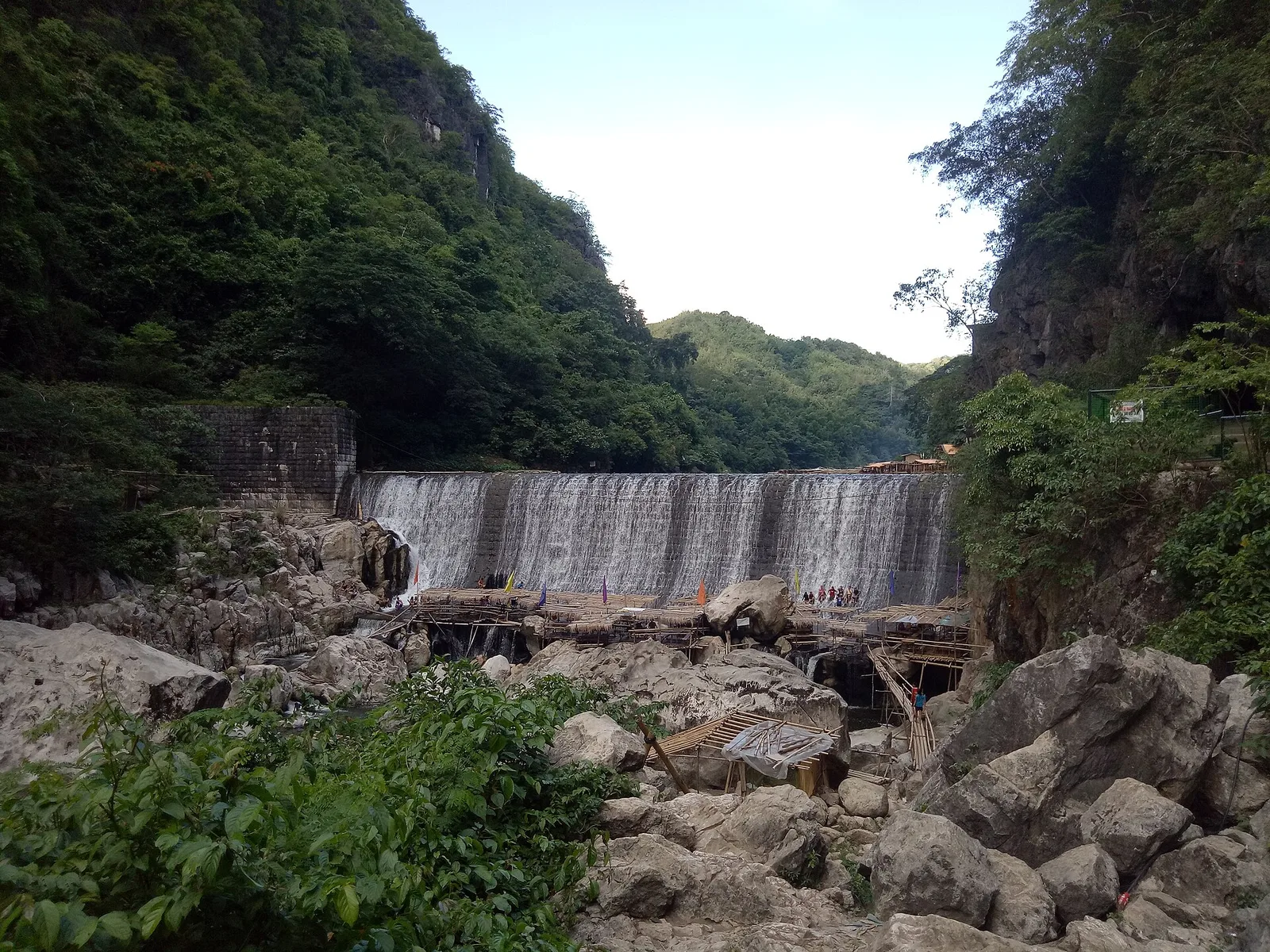
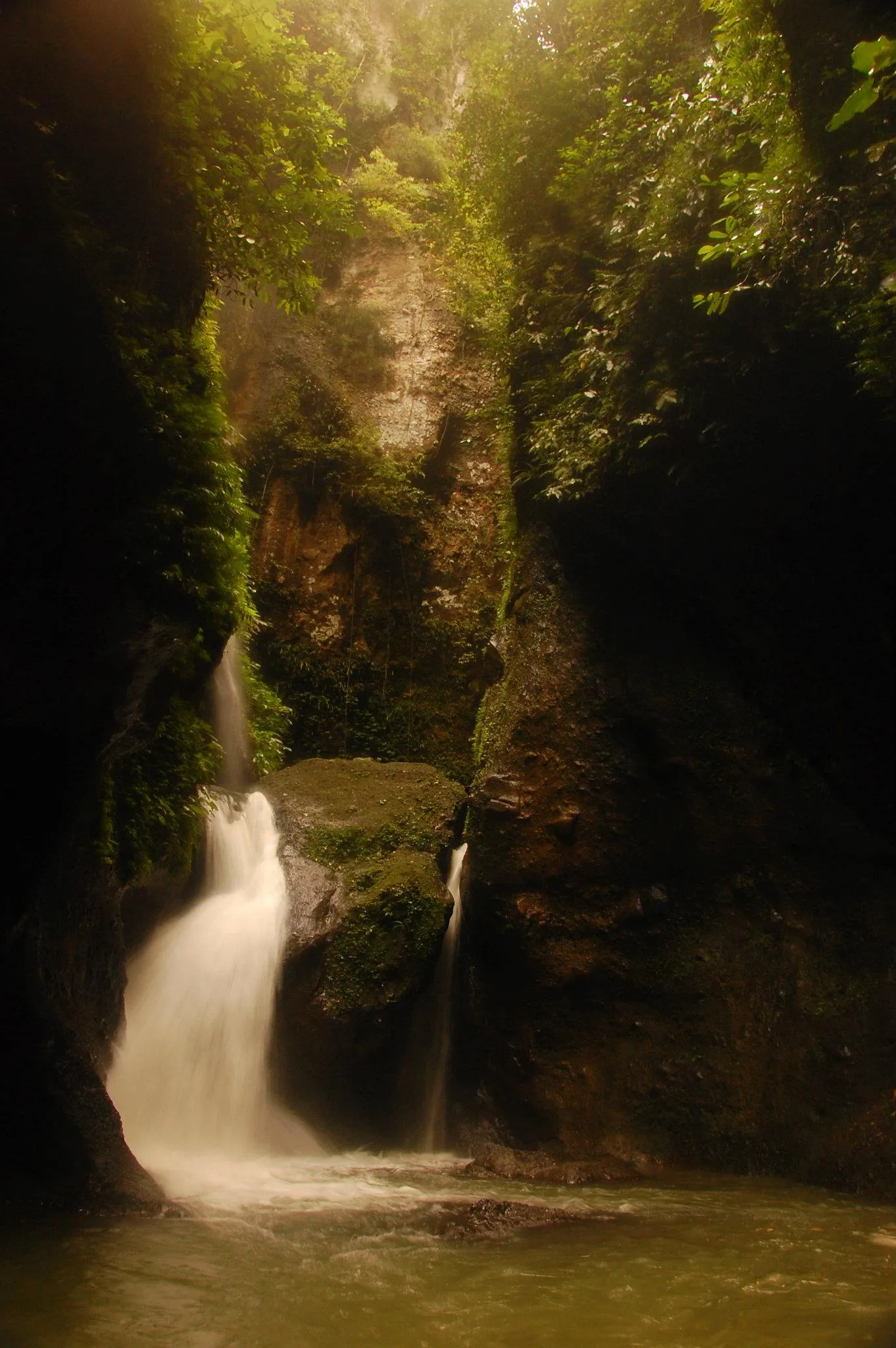
A cascade along the Pangil River that literally means "Drizzle-Drizzle" in Filipino.
A small wharf over the Pakil River with panoramic views of Laguna de Bay and Pakil town itself.
The remains of a precolonial burial site where many of Pila's antiquities were discovered. As the site stands on a private lot, access is erratic and on a case-by-case basis with the owners and caretakers.
One of the oldest Aglipayan churches in the Philippines, built in 1932.
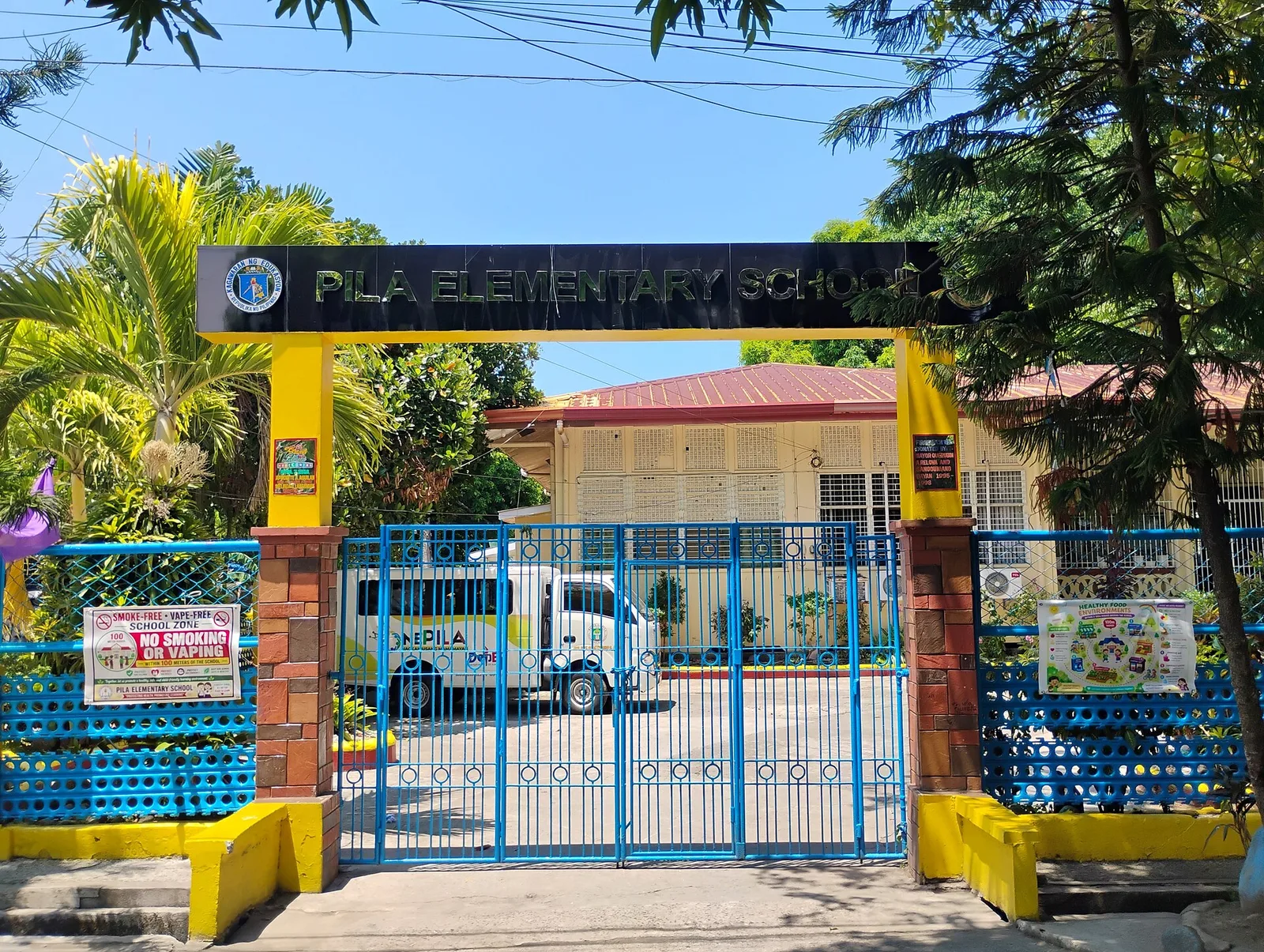
The administrative building of the town's main primary school is an American-era bungalow (commonly known as the Gabaldon) that is among the recognized national treasures in Pila.
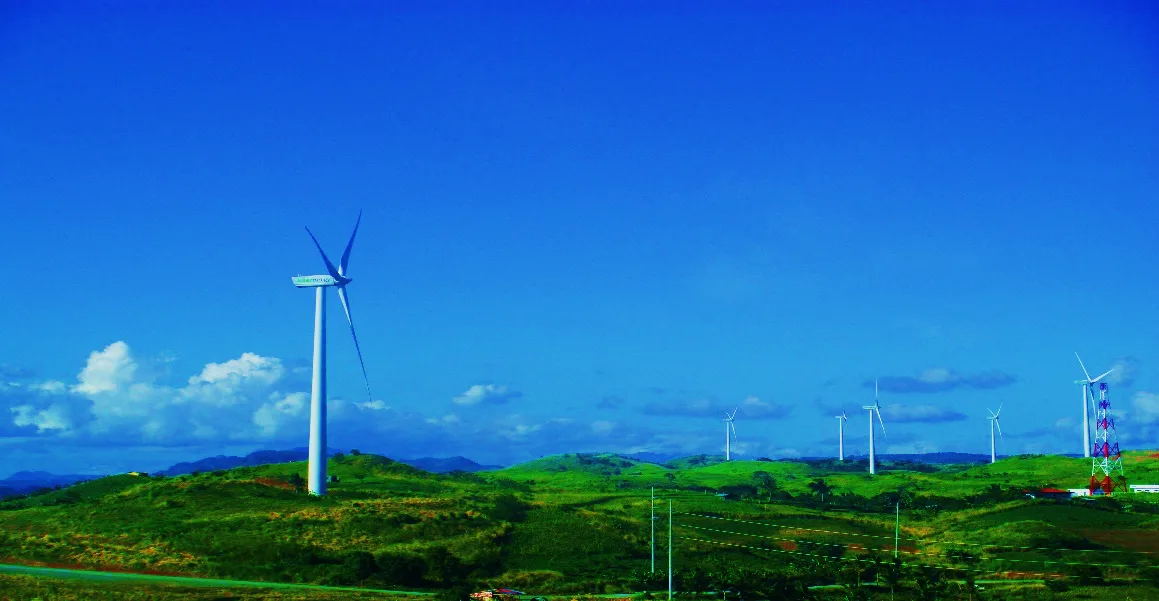
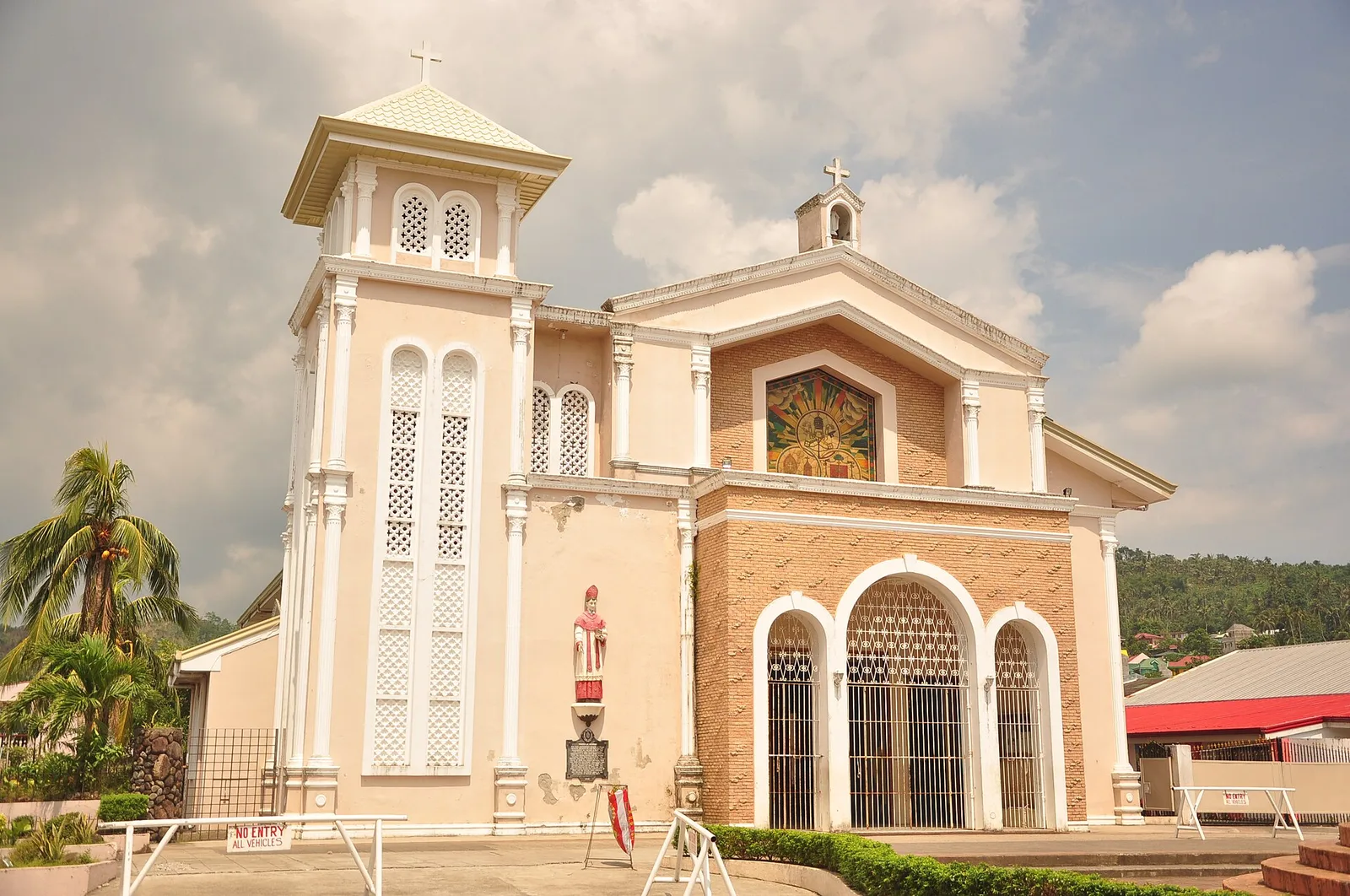
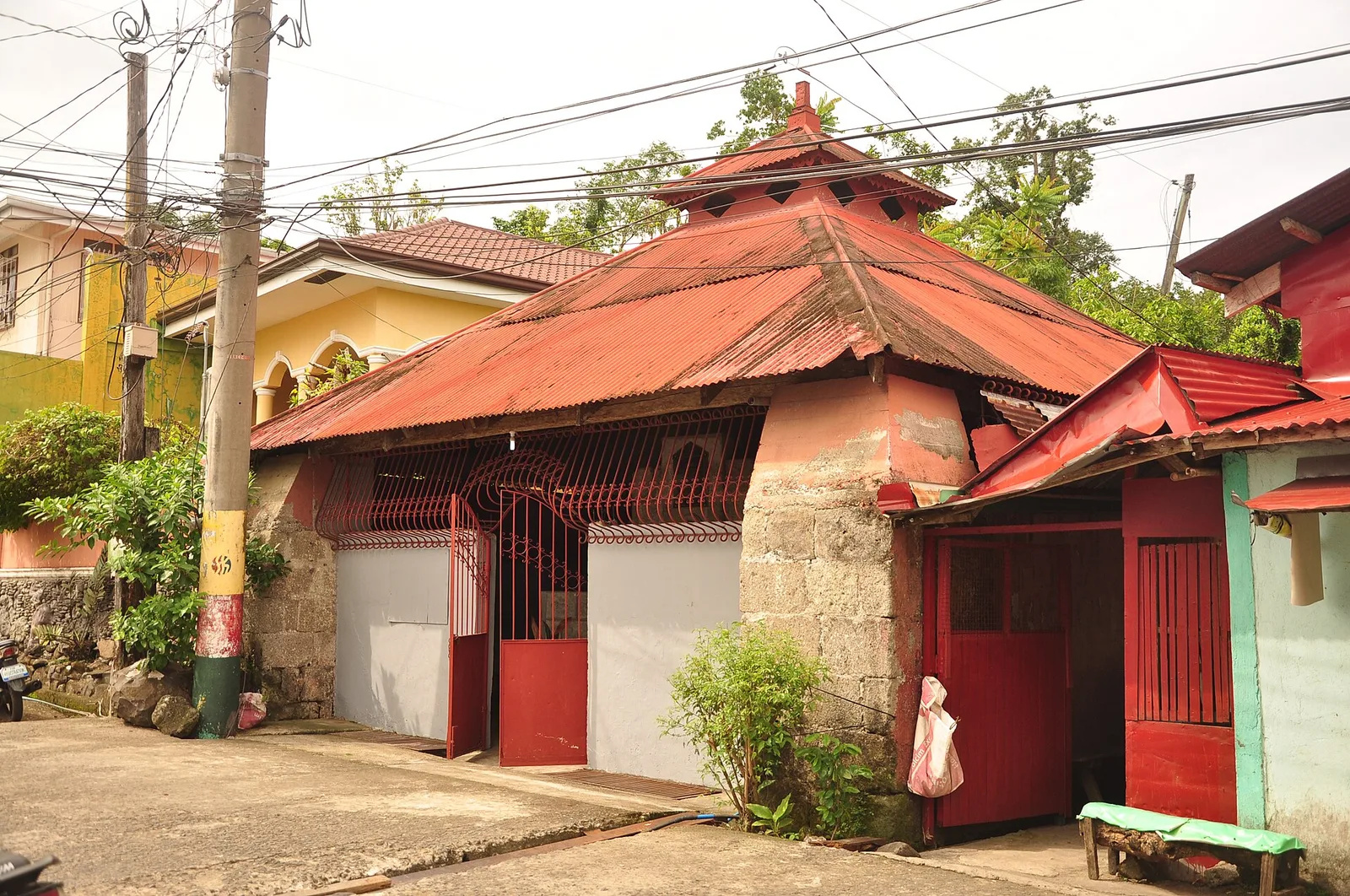
A resort and hotel complex whose main draw is a collection of miniaturized landmarks from around the world.
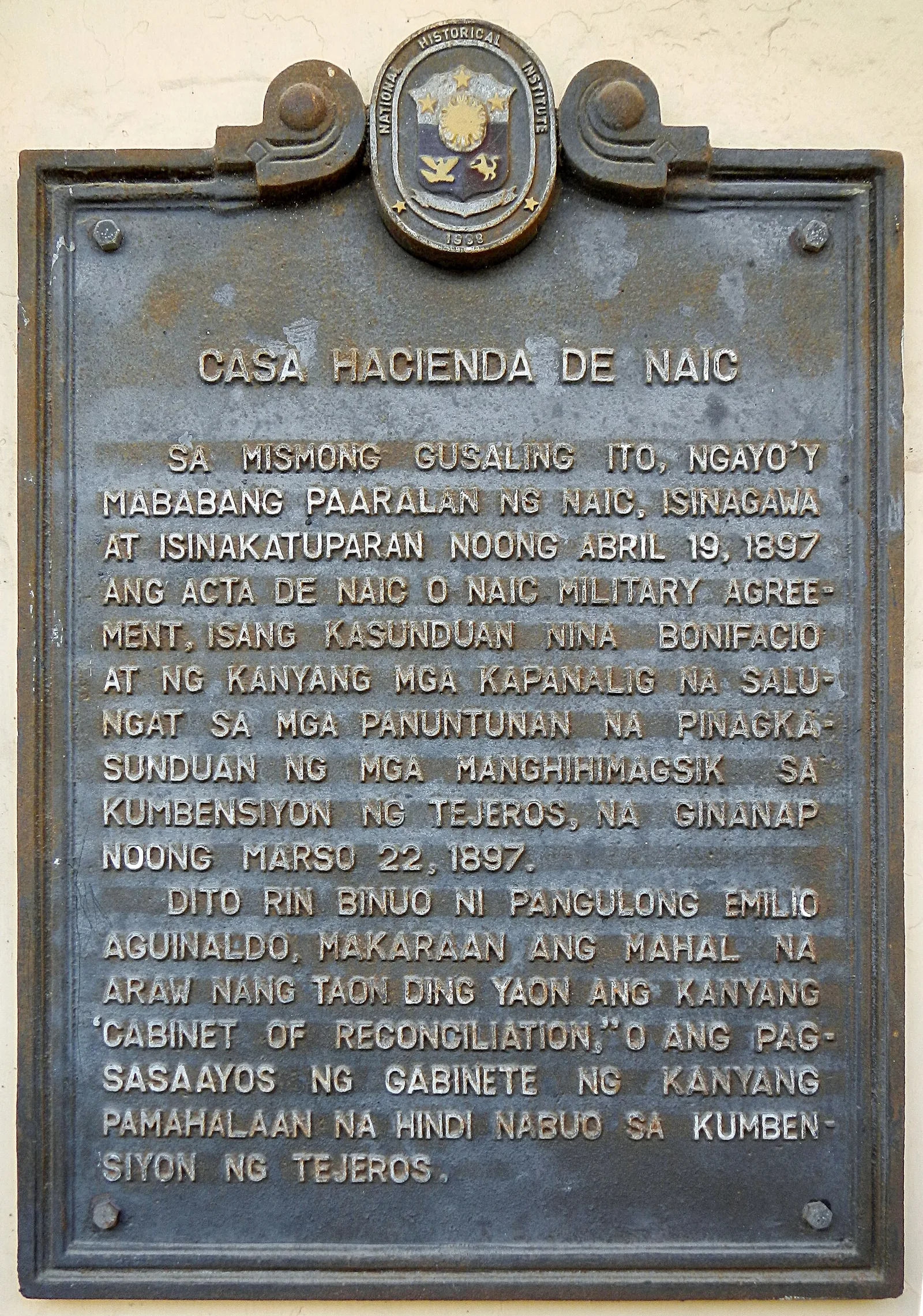
One of the few surviving friar estate manors from the Spanish era. It was also used as a headquarters for the Philippine revolutionary government led by Andres Bonifacio in 1897.
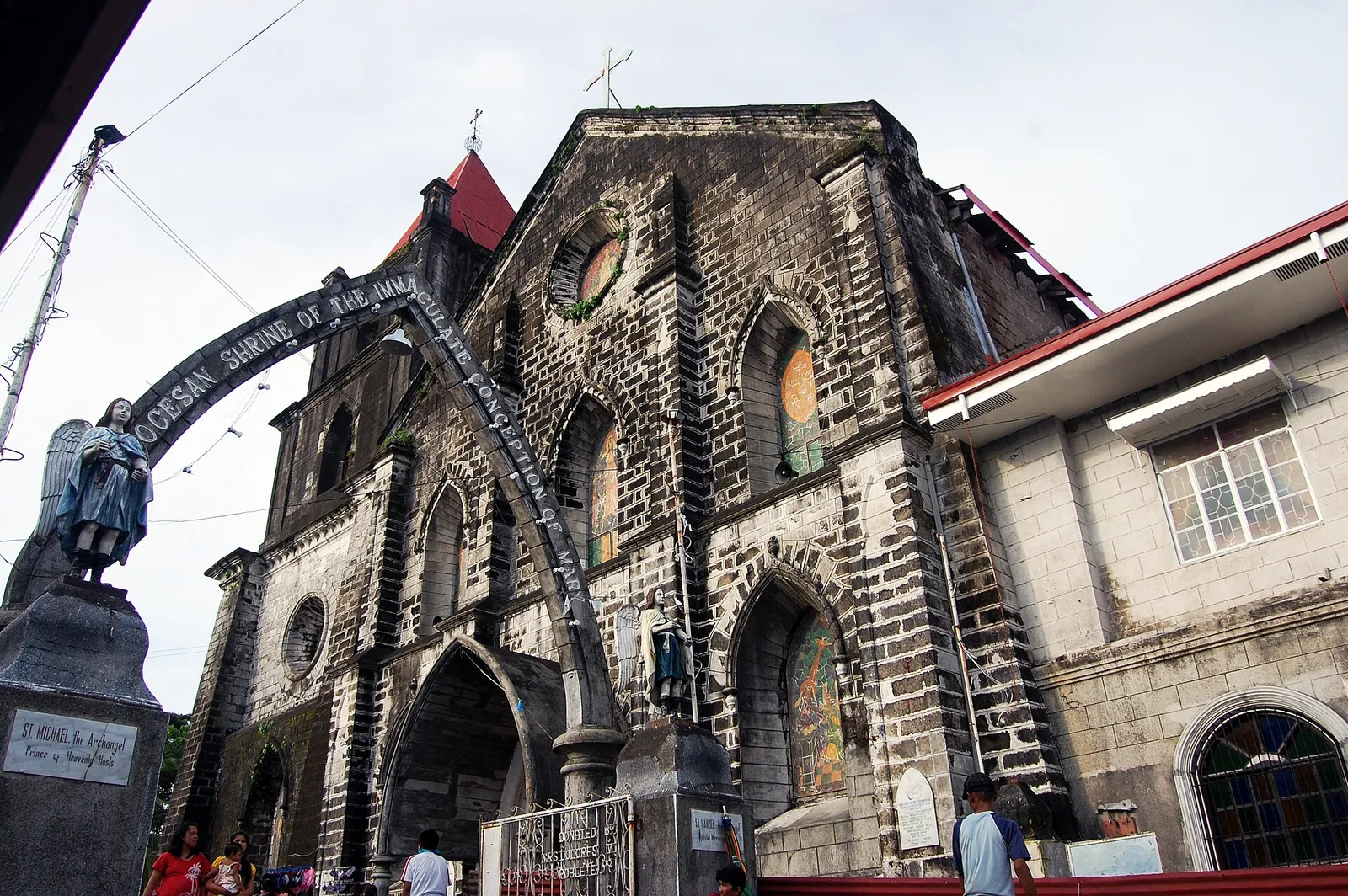
Naic's main Roman Catholic church, built in the Baroque style during the Spanish era and containing an exquisite altarpiece and interior. At the front is a pedestrian mural showing a map of Cavite.
An equestrian statue on the junction between Manila East Road and J.P. Rizal Street leading to the town propers of Baras, Tanay and Pililla.
This church was established in 1905 by General Pascual Alvarez and is as one of the old existing Aglipayan churches in the country, although its current structure was built much later. It houses an image of the Virgin Mary locally …