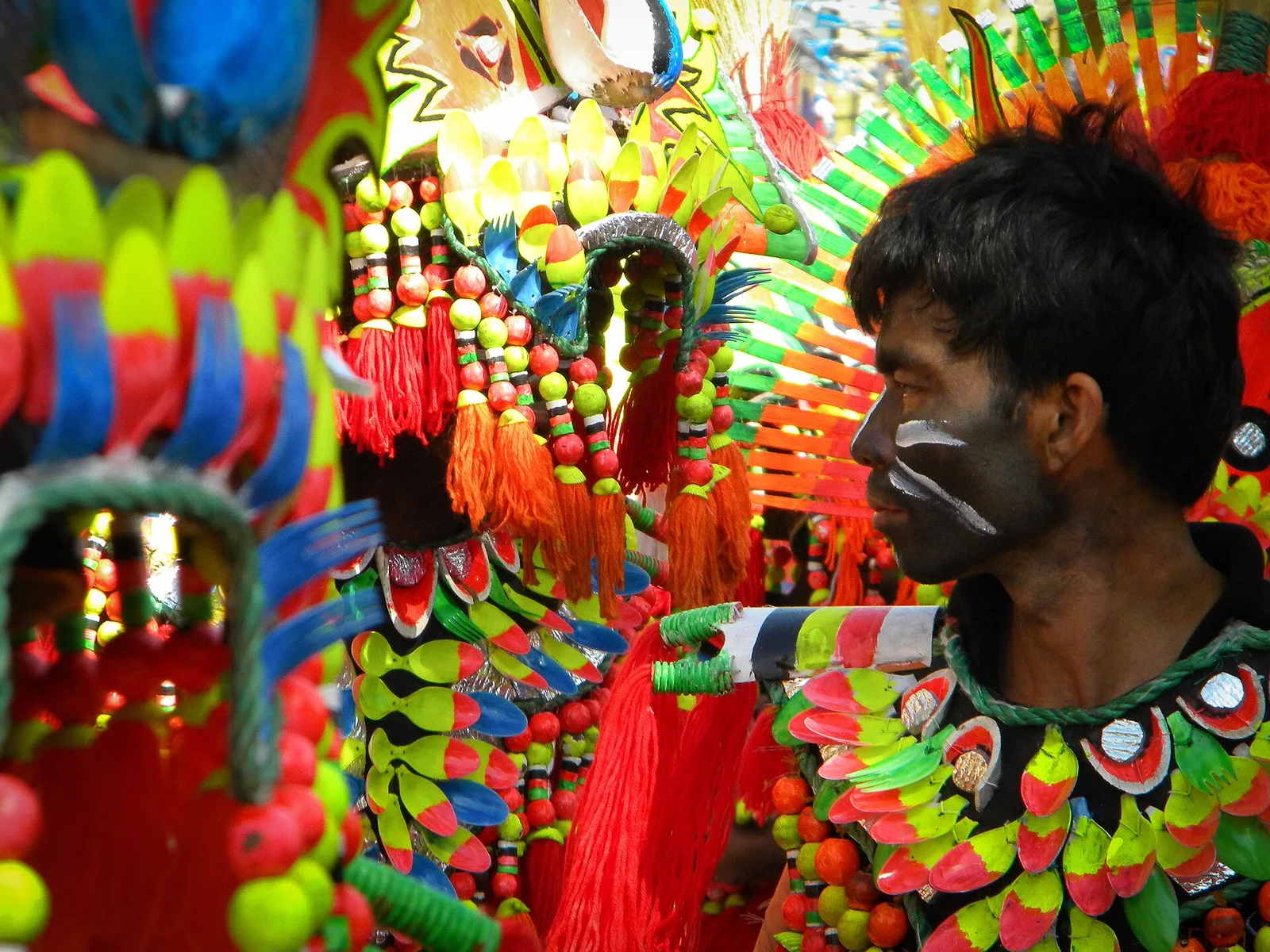
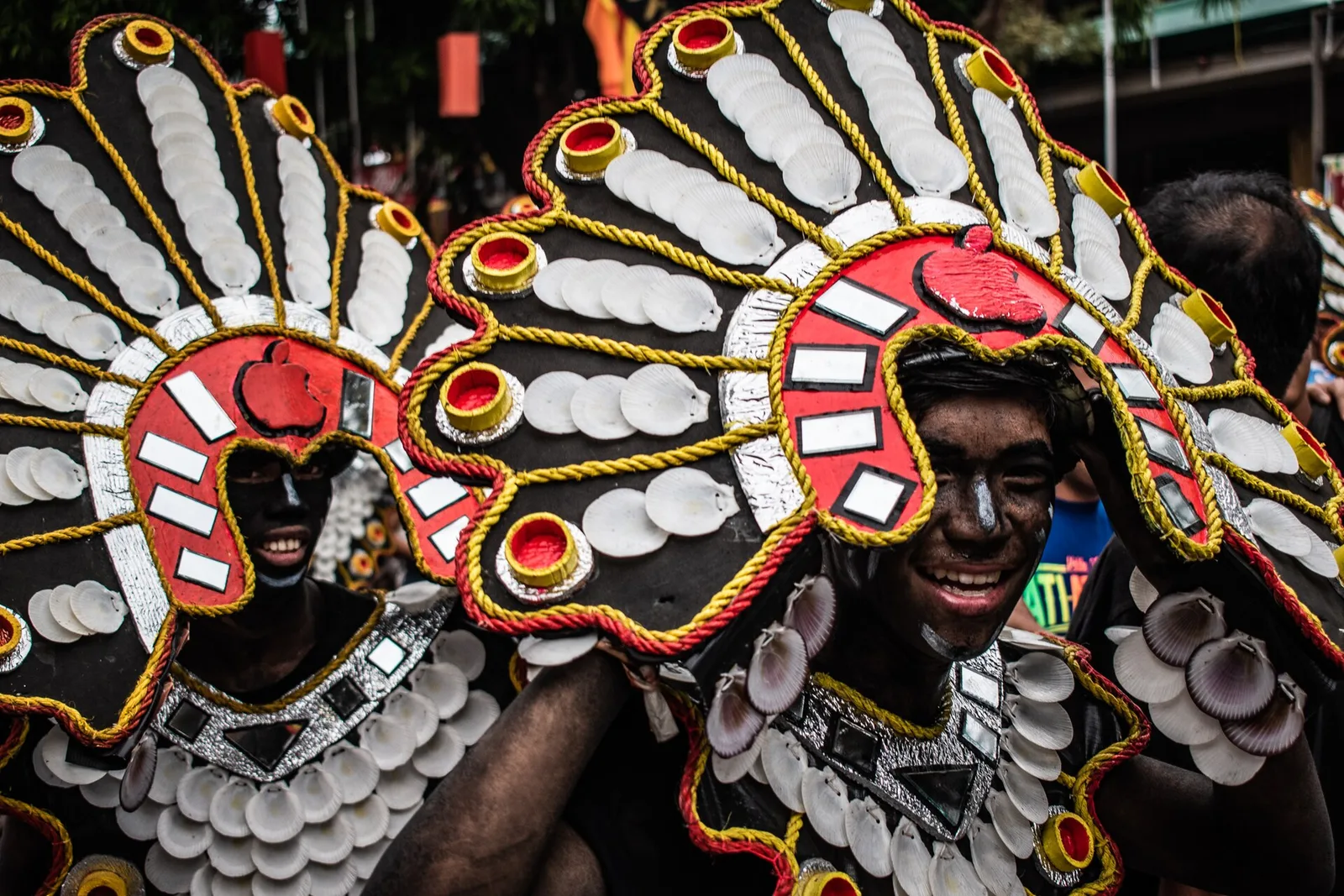
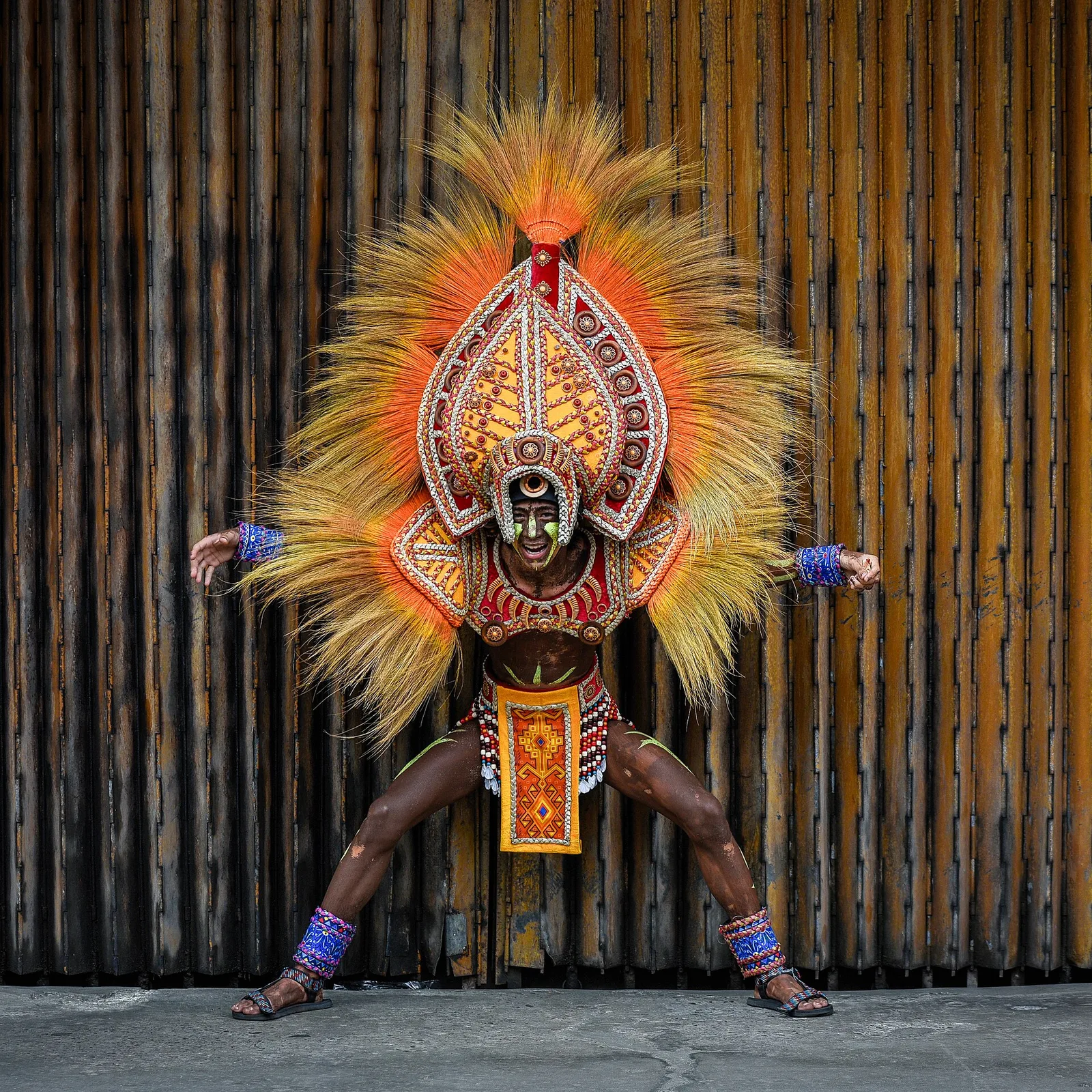
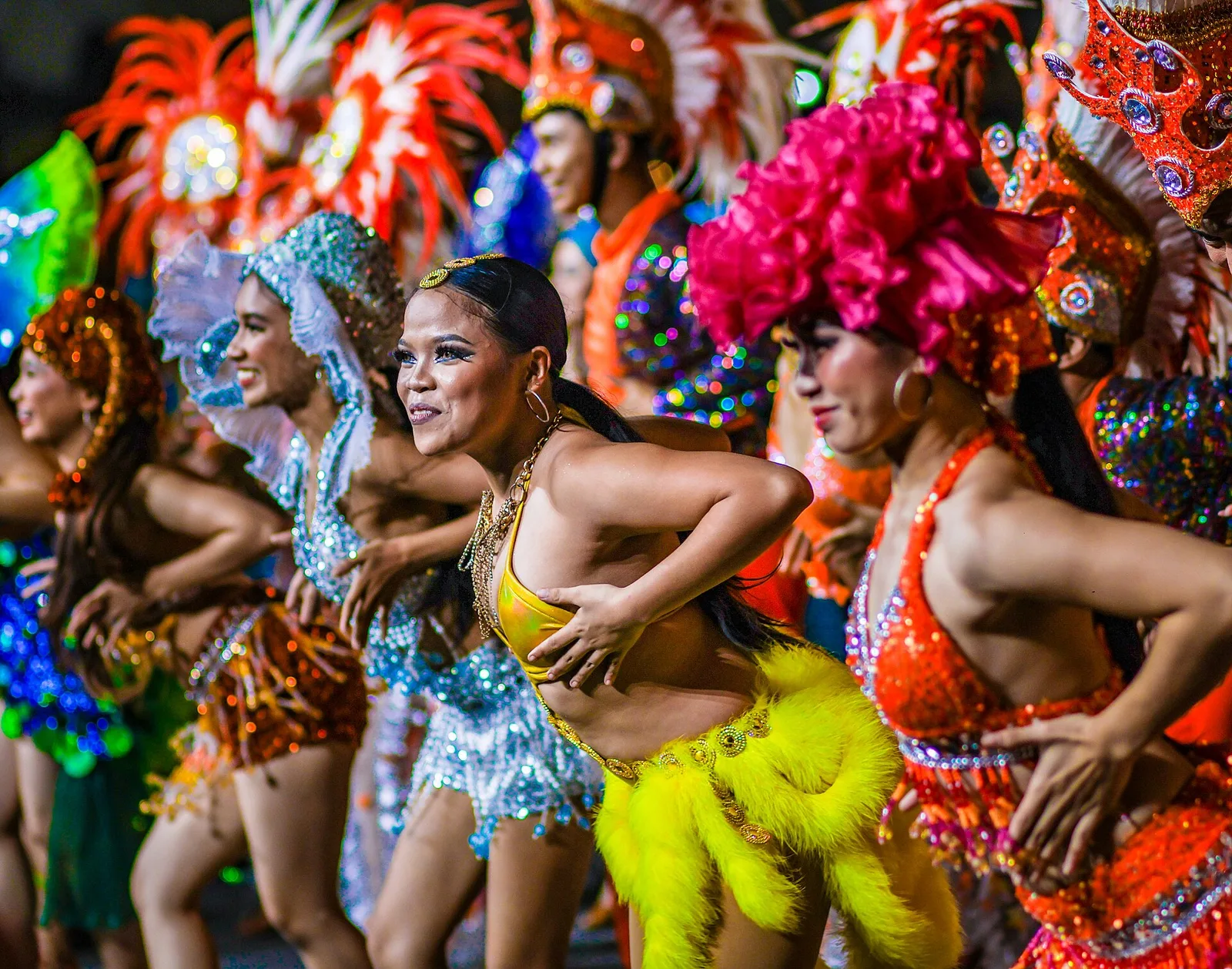
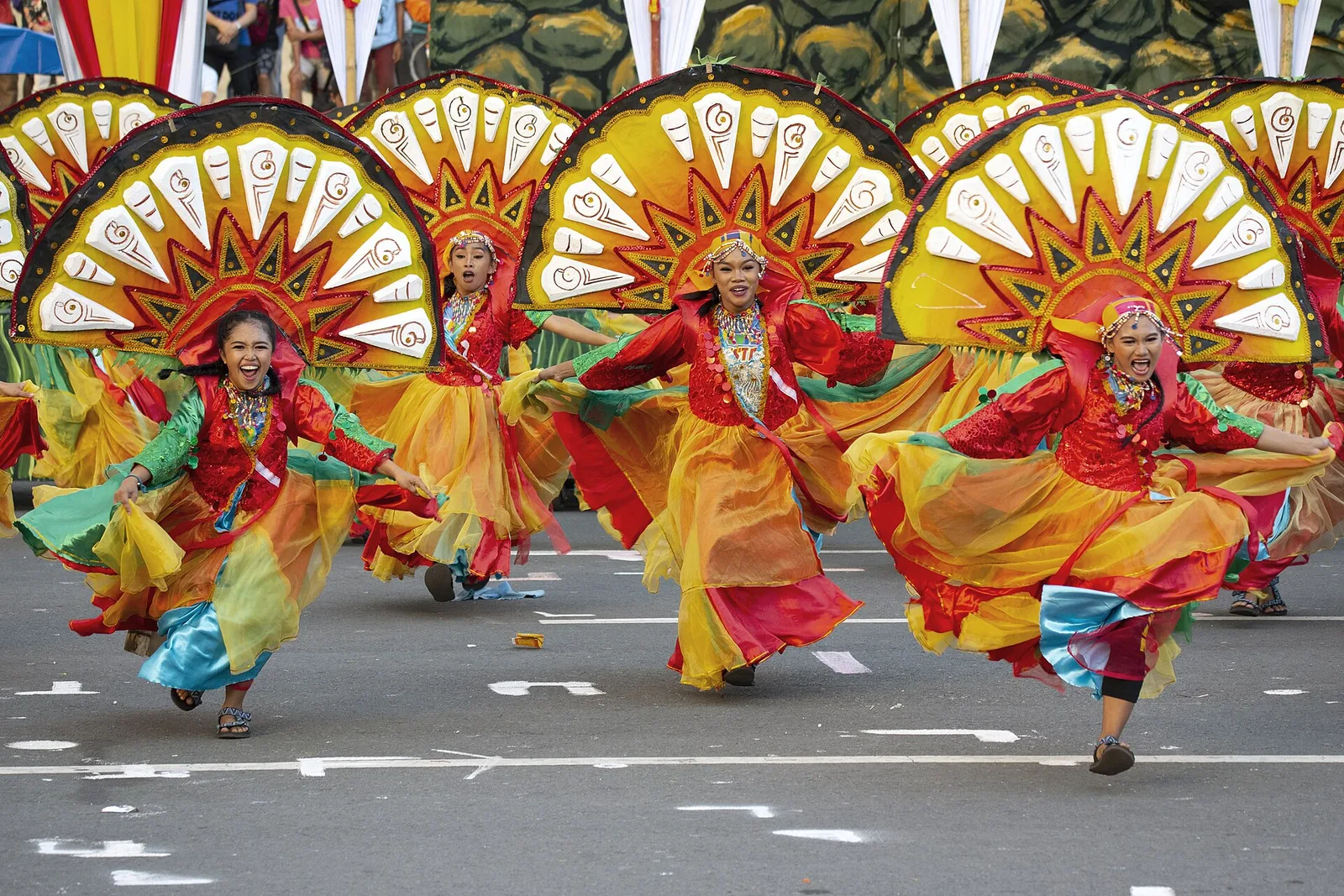
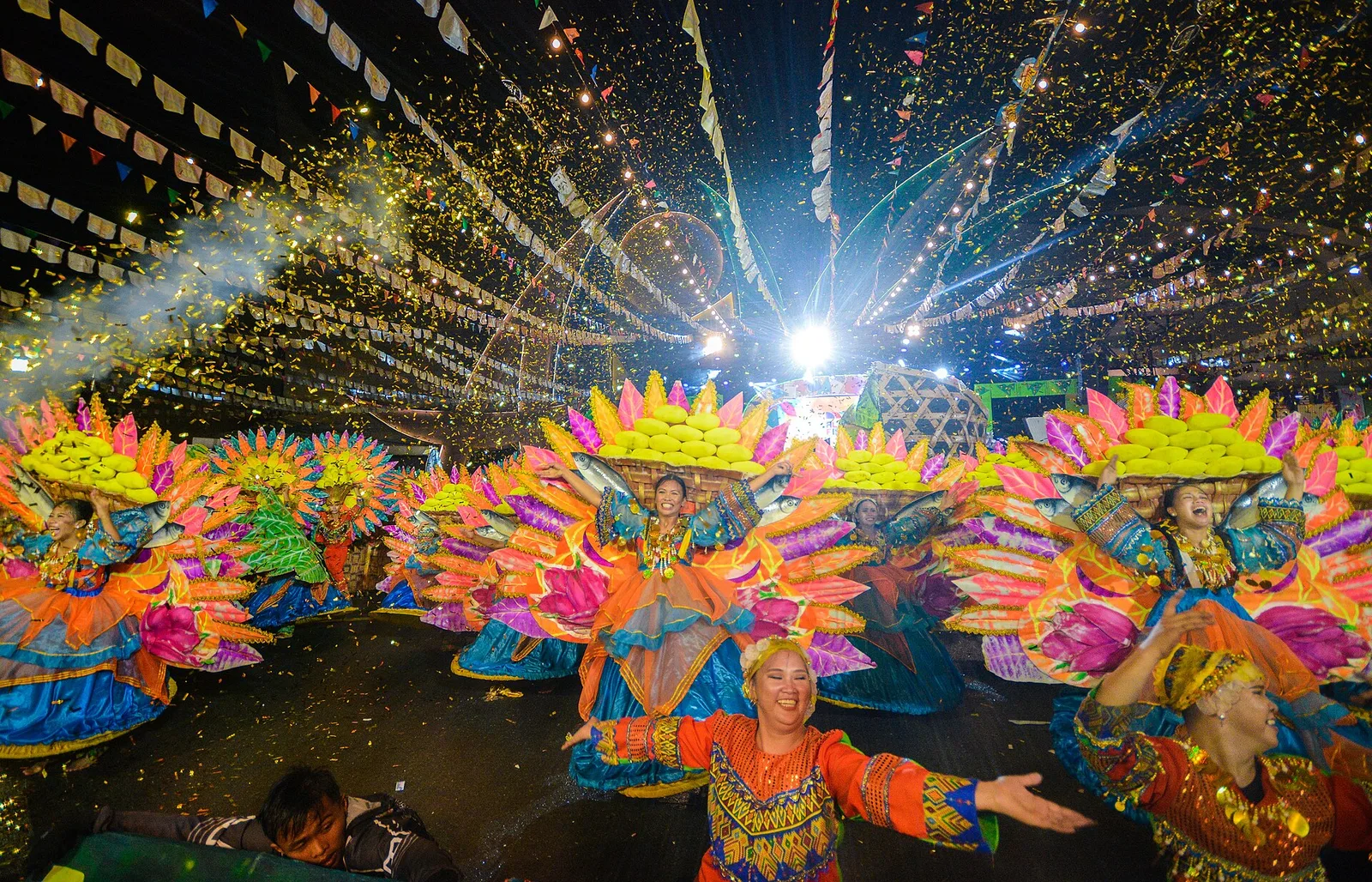
The province's best known festival: tribal dance, music and a street parade in Kalibo on the third Sunday of January, held in honour of the Santo Nino. The name means to be like Atis, after the Aeta people who first settled Panay. Dancers wear indigenous costumes and carry …
The oldest of the Santo Niño festivals, two hours from Boracay by road. It opened on 10 January, the Sadsad Ati-Atihan contest ran on 17 January, and the last day was Sunday 18 January.
Three days for the Santo Niño. The fluvial and foot processions ran on Friday 23 January, Kasadyahan and the religious sadsad on Saturday, and the Ati tribes competition on Sunday 25 January.
The island's week of beach sport and music, the successor to LaBoracay. Clean-ups and sustainability run beside the races, the beach games and the sunset sets.
A week-long festival at San Jose with street parades, beach shows, plaza concerts, a beauty contest and a trade fair. Governor Evelio Javier started it in 1974. Binirayan comes from biray, the Kinaray-a word for sailboat, and the festival recalls the legend of the ten Bornean datus who …
The island's mango festival, and the reason most visitors come in May. It runs the whole month, and it first ran on 22 May 1993, the day Guimaras marks its founding as a province. Locals wear mango-inspired costumes and build mango-themed floats for a parade that makes its …
A joint fiesta of Roxas City and the province, held for the feast of the Immaculate Conception, the patroness of the city. The name puts together the city fiesta Sinadya and the provincial thanksgiving Halaran, and it means Joy in Sharing and Thanksgiving. Fireworks, parades, fluvial processions, fairs, …