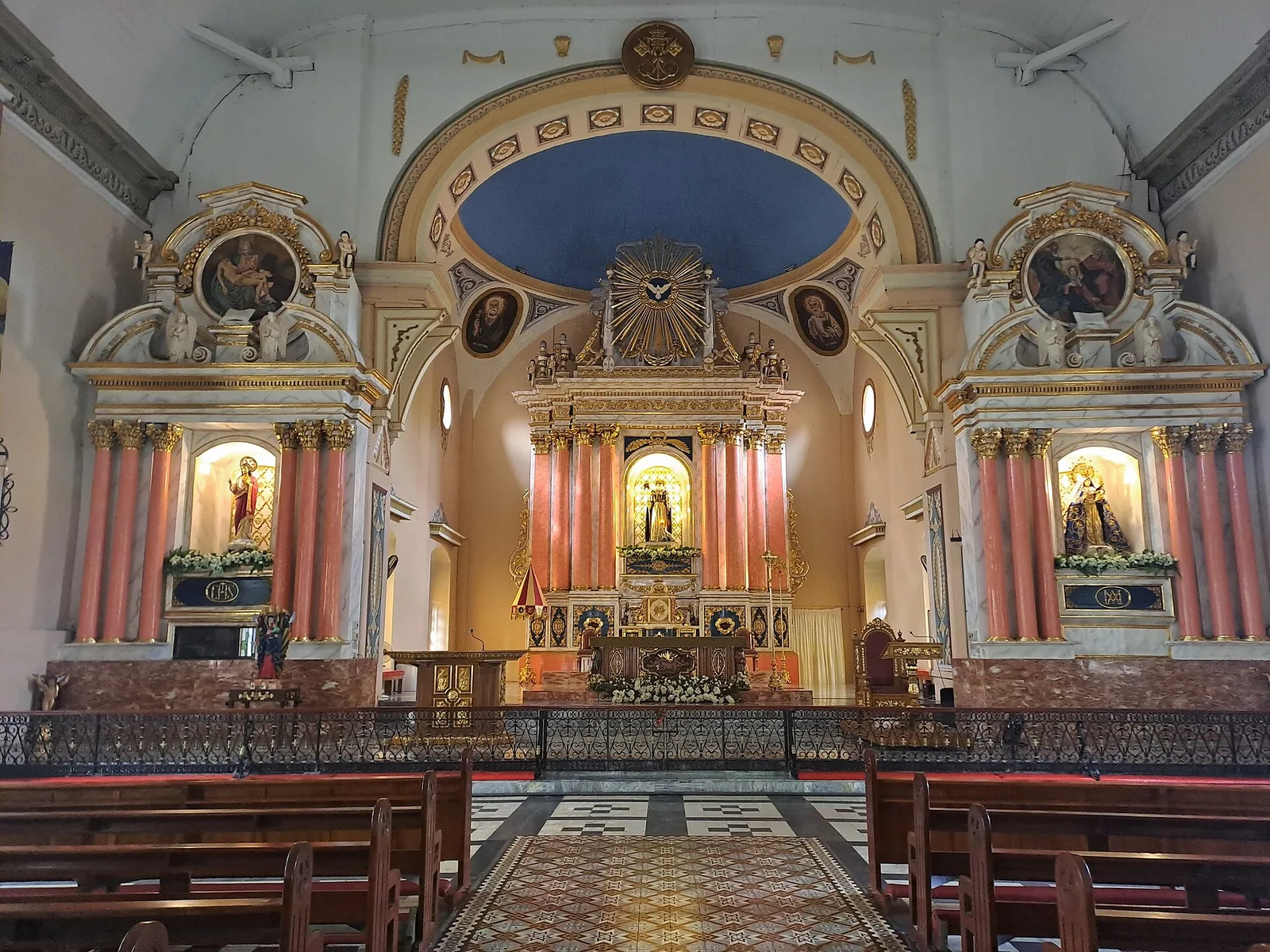
Saint Dominic de Guzman Parish Church
Largest Catholic church in the Philippines during the late 18th century, founded in 1773, but had to be rebuilt in 1890.
Showing 451 to 480 of 1,605
Largest Catholic church in the Philippines during the late 18th century, founded in 1773, but had to be rebuilt in 1890.
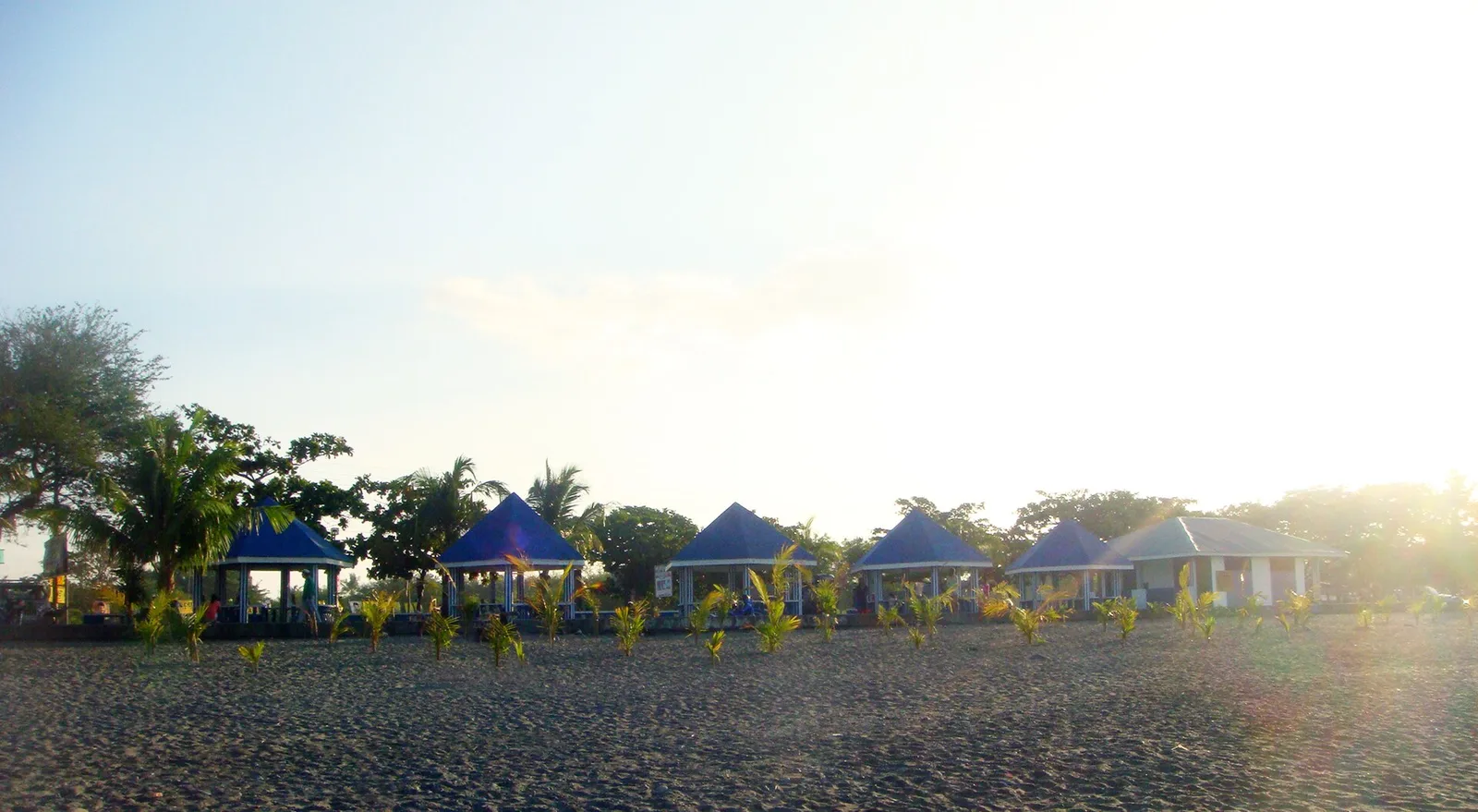
A favorite sport for local residents near San Jose Airport. The beach is named after aroma trees in the area.
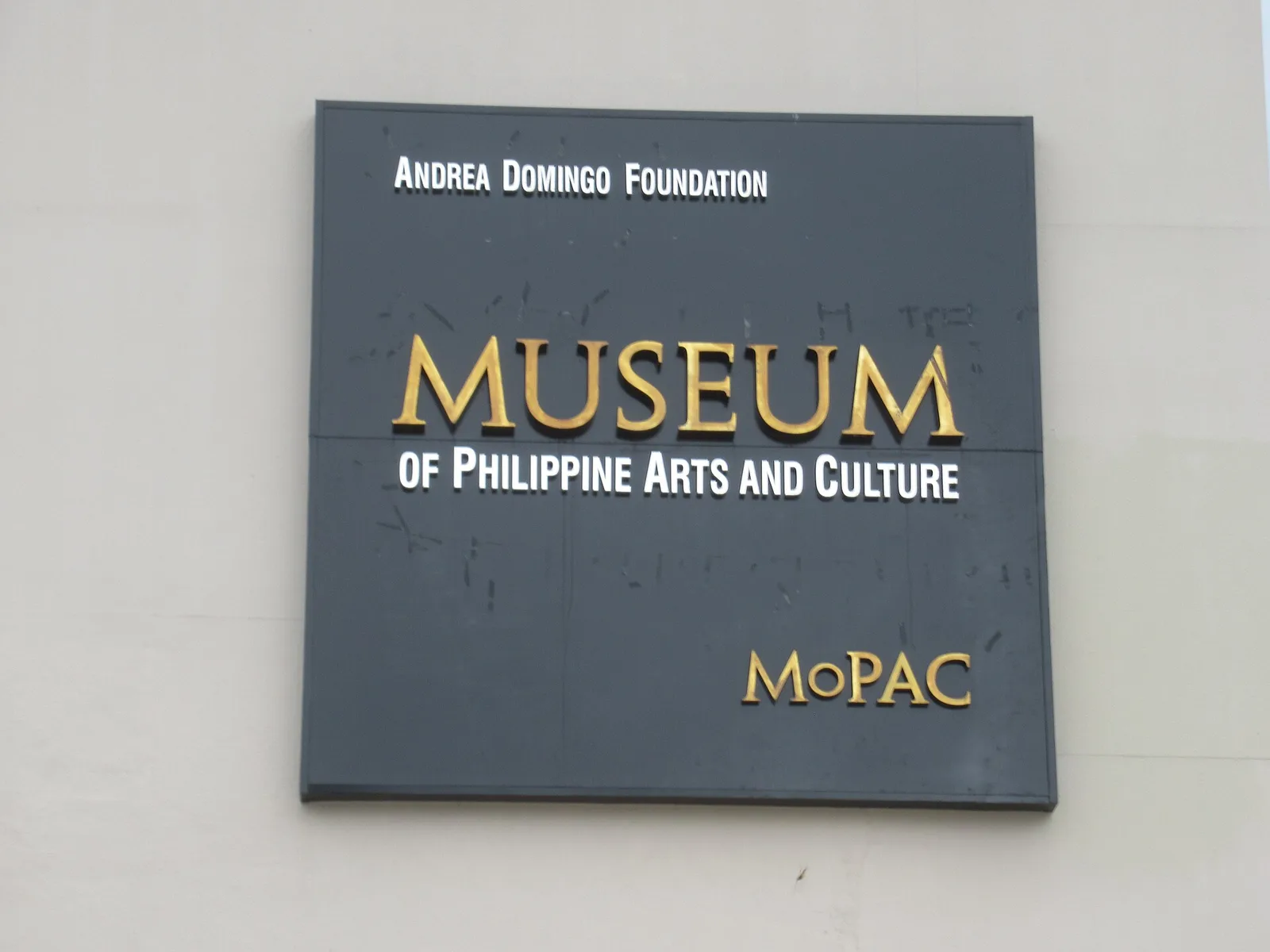
A privately-owned museum featuring Philippine art, religious artefacts and other items about Filipino culture.
Historical and good for unwinding even though the place is simple.
Take a 20-min walk to the base of the lighthouse, which has a viewing deck overlooking the sea and some islets.
The Roxas City Museum was once a circular water tank that has been creatively reused as a museum. It has exhibits about local and indigenous Panay culture, and the tourism office.
A sight at People's Park, Arnaldo Boulevard, Roxas City. Hours: Open 24 hours. Entry: Free.
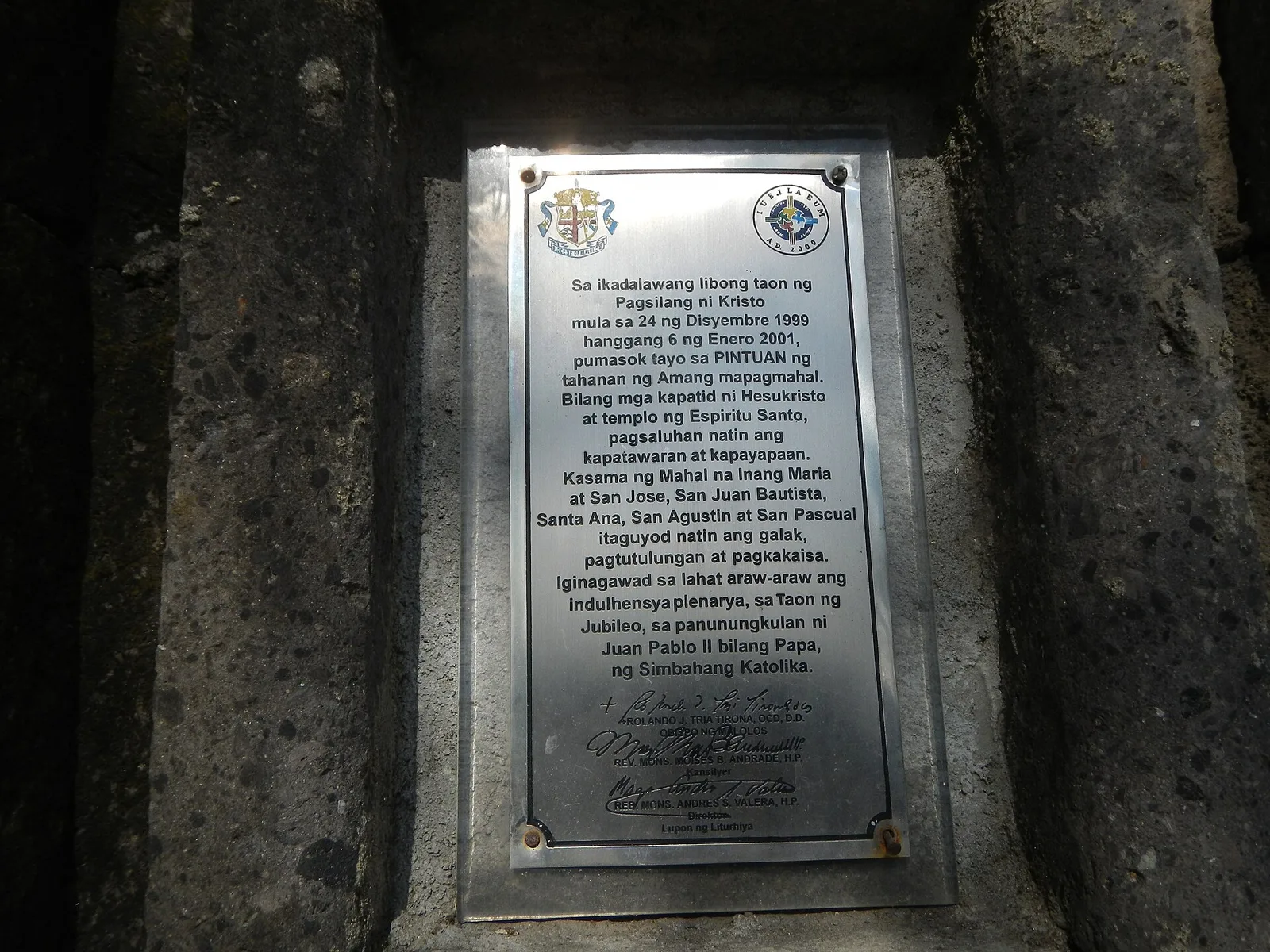
SJDM's main Roman Catholic church, built in the 19th century and repaired to its original style despite being burned thrice in the Philippine Revolution, World War II, and the Huk Rebellion in 1950.
The way to Kaytitinga Falls is not well-developed that leads to non-accessibility of the trail. There are also no public toilets or showers in the area.
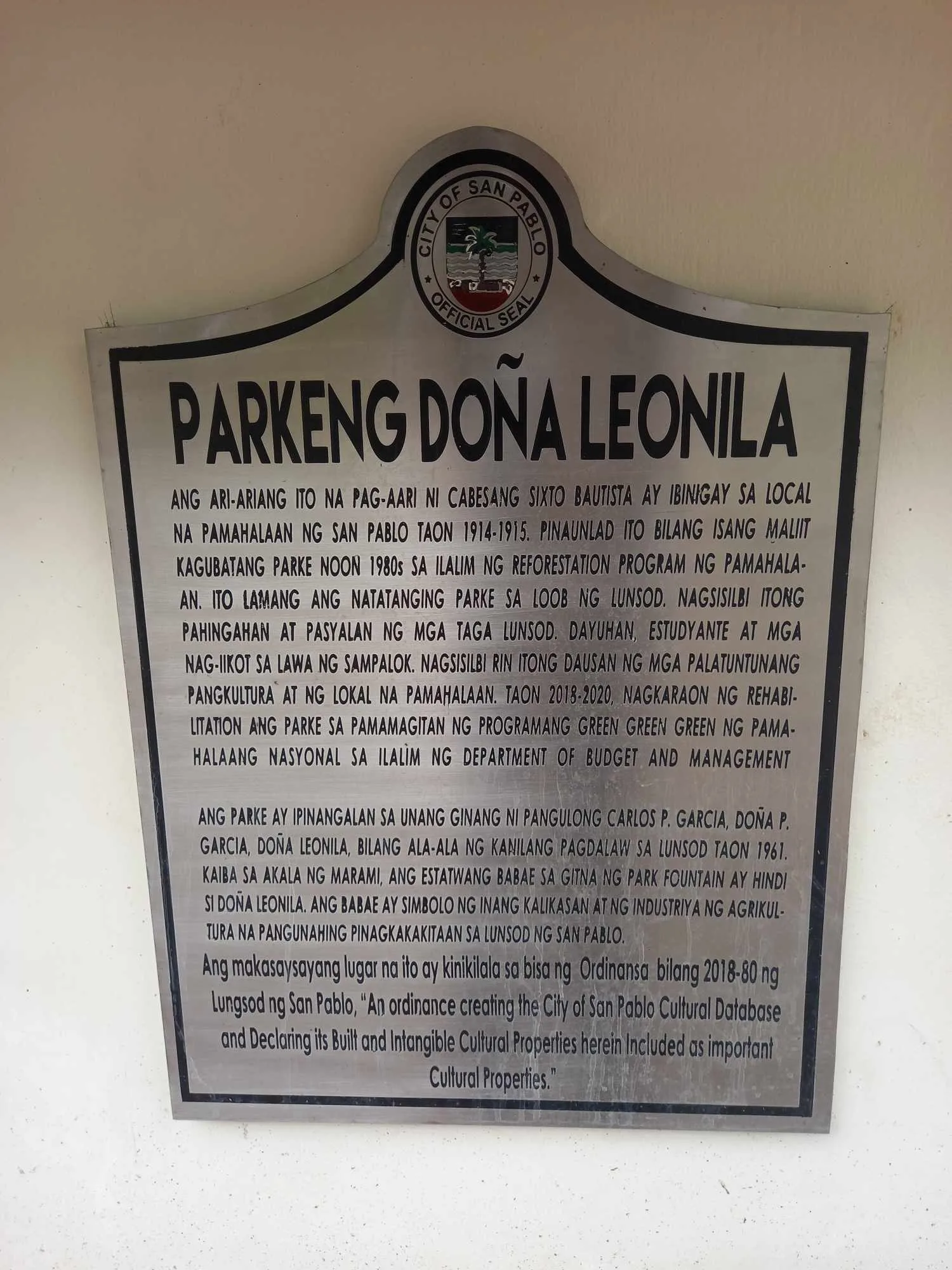
A tree-filled park filled with fountains and neoclassical and Filipino-themed statues, it is a favorite recreation hub among residents. It sits on a promontory overlooking Dagatan Boulevard and provides views of Sampaloc Lake.
Meaning "Maiden's Breast", it is the highest peak inside the Pantabangan-Carranglan Watershed Forest Reserve, with a height of .
An agritourism-themed resort with spa and overnight accommodation.
A cascade along the Pangil River that literally means "Eel's Tail" in Filipino.
Built between 1599 and 1632 as a chapel of ease. As of August 2026, the church is undergoing renovations and is expected to reopen in October 2026, with masses being held temporary in a nearby covered court.
A waterfall on the Mount Pinatubo massif. A permit from the municipal hall is needed before entering.
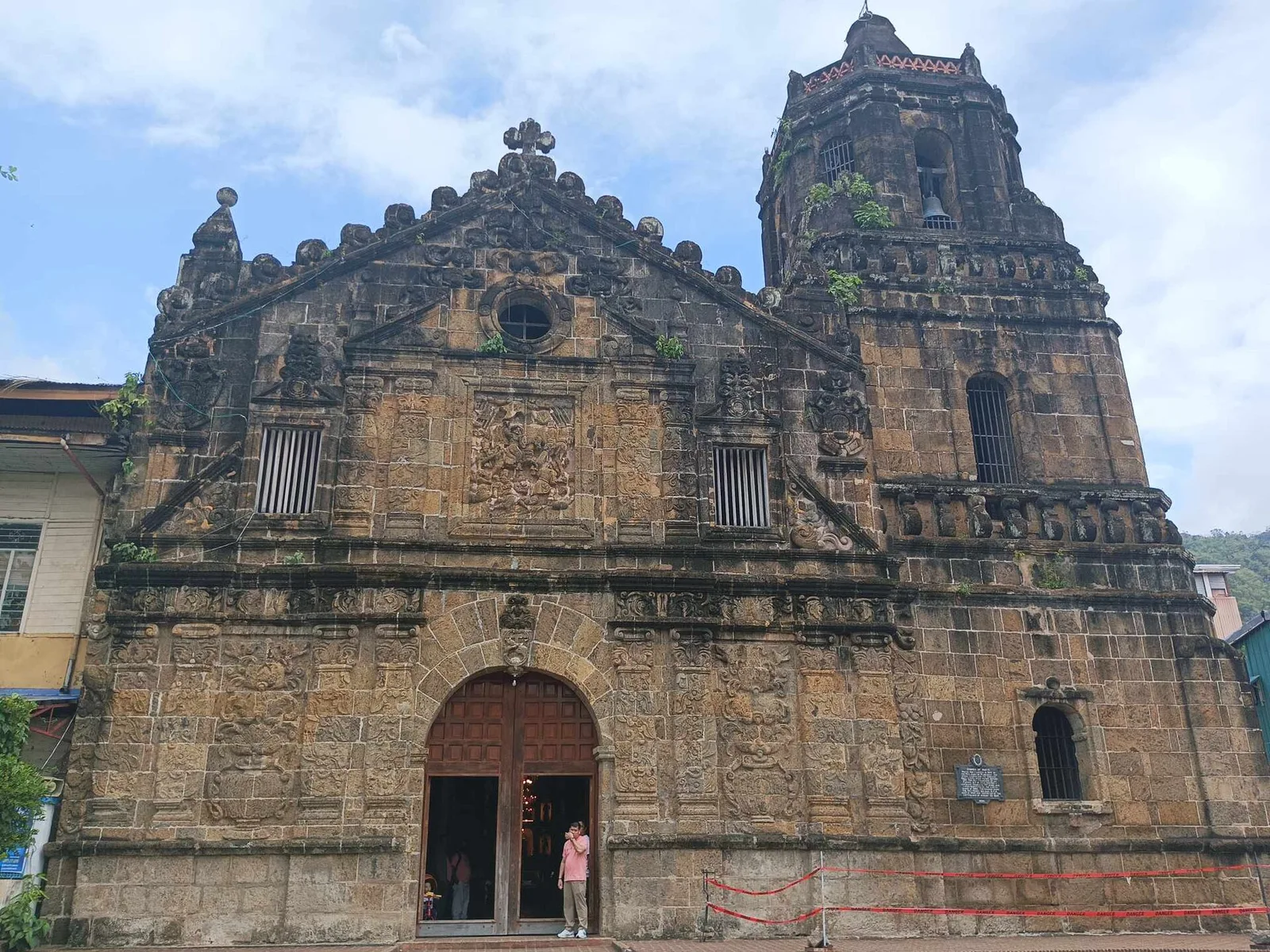
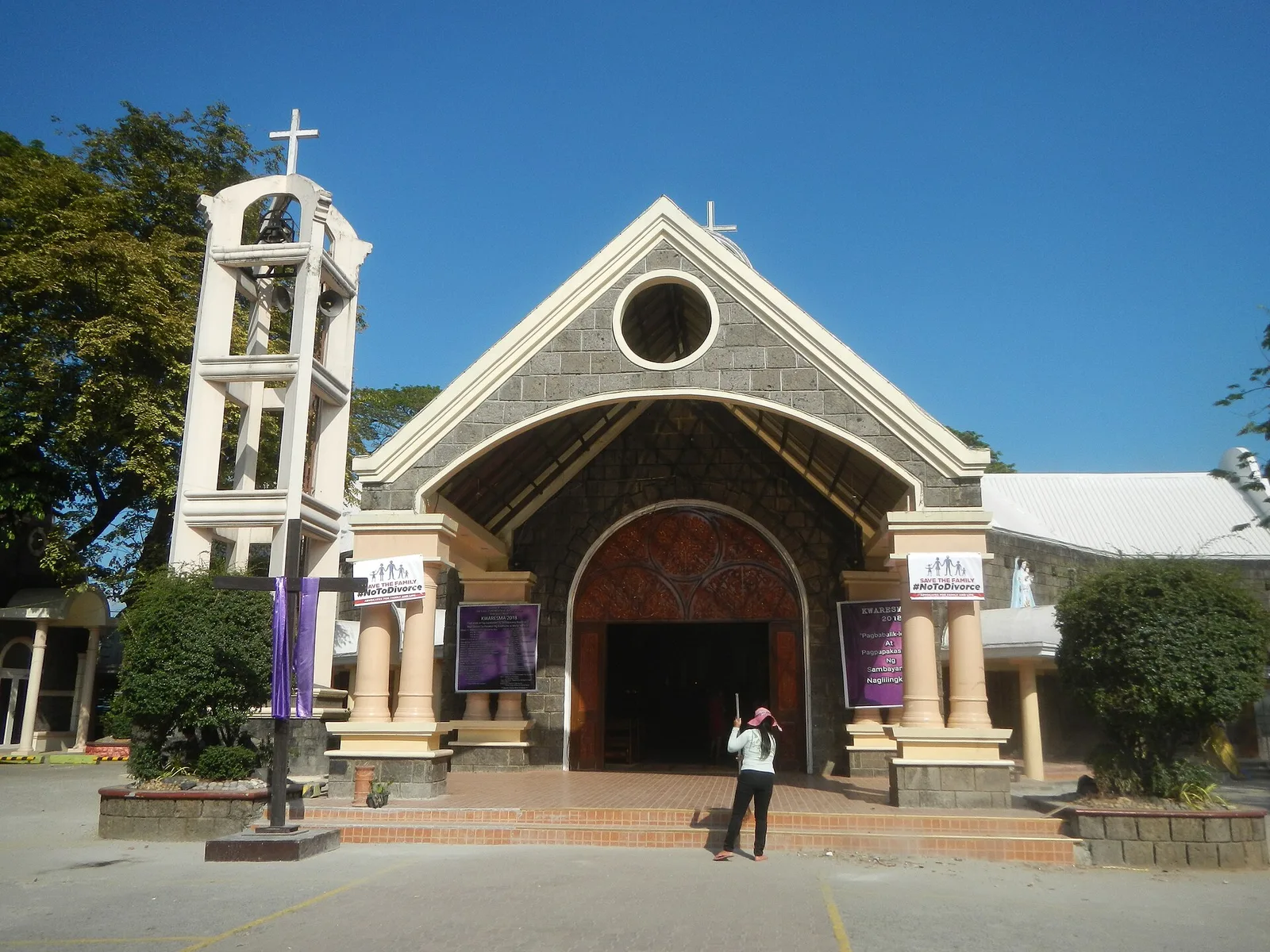
A Roman Catholic church built during the Spanish colonial era, featuring a Baroque brickwork with Asiatic-like jagged ridges on top. Inside the church are murals by local artist, Luciano Dans namely Langit, Lupa, Impiyerno (Heaven, Earth, Hell) and large murals …
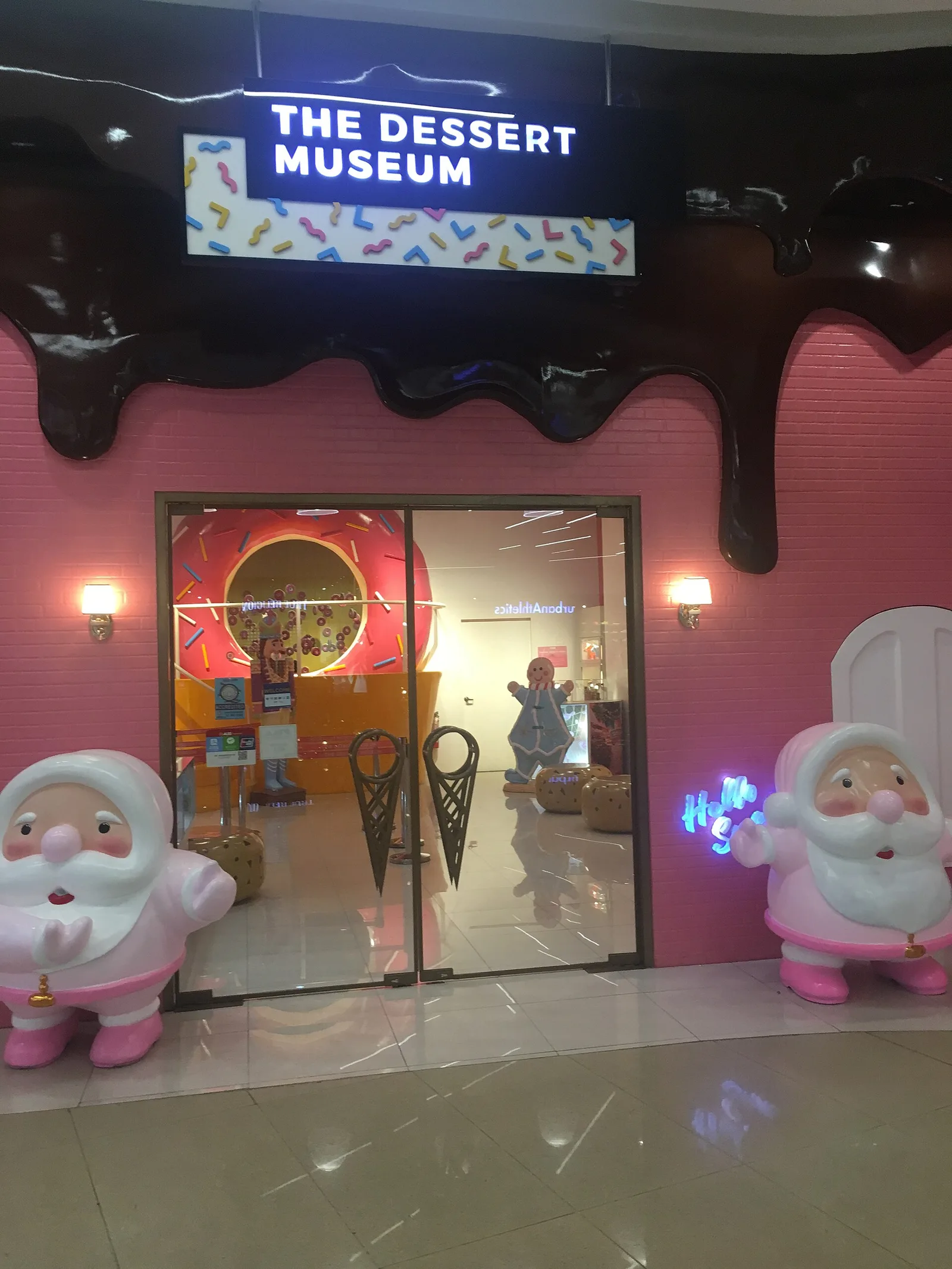
Offbeat museum showcasing large, colorful sculptures of dessert items, plus sweets to sample.
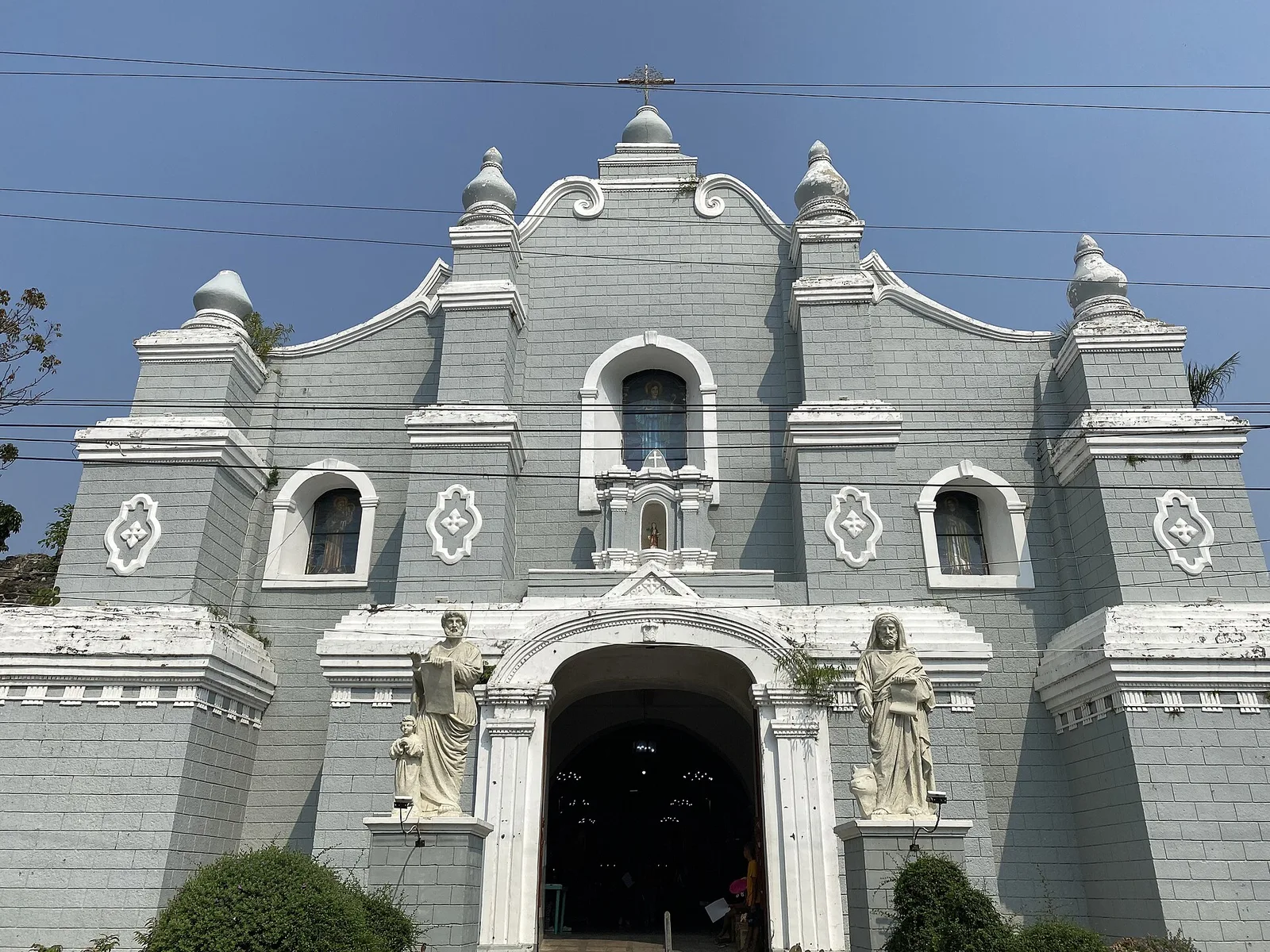
Narvacan's main Roman Catholic church, built during the Spanish era in the Baroque style.
A ridge that is popular among hikers and motorists for the dramatic coastal views along Manila North Road. While most of the park is located in Santa, its southern tip lies at Barangay Sulvec in Narvacan.
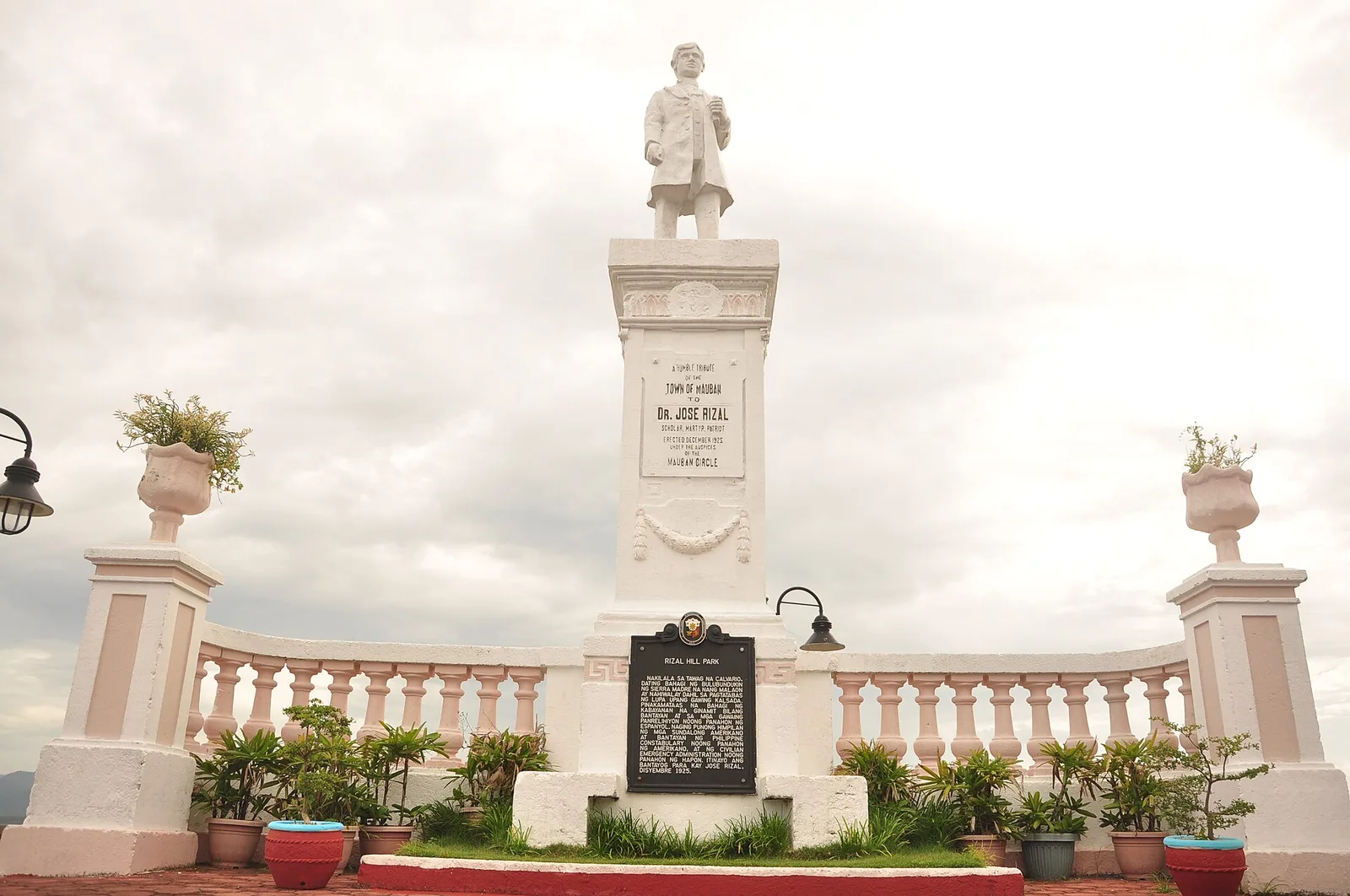
A promontory in the middle of downtown Mauban that was used as a military lookout throughout the town's history and now provides panoramic views of the surrounding area.
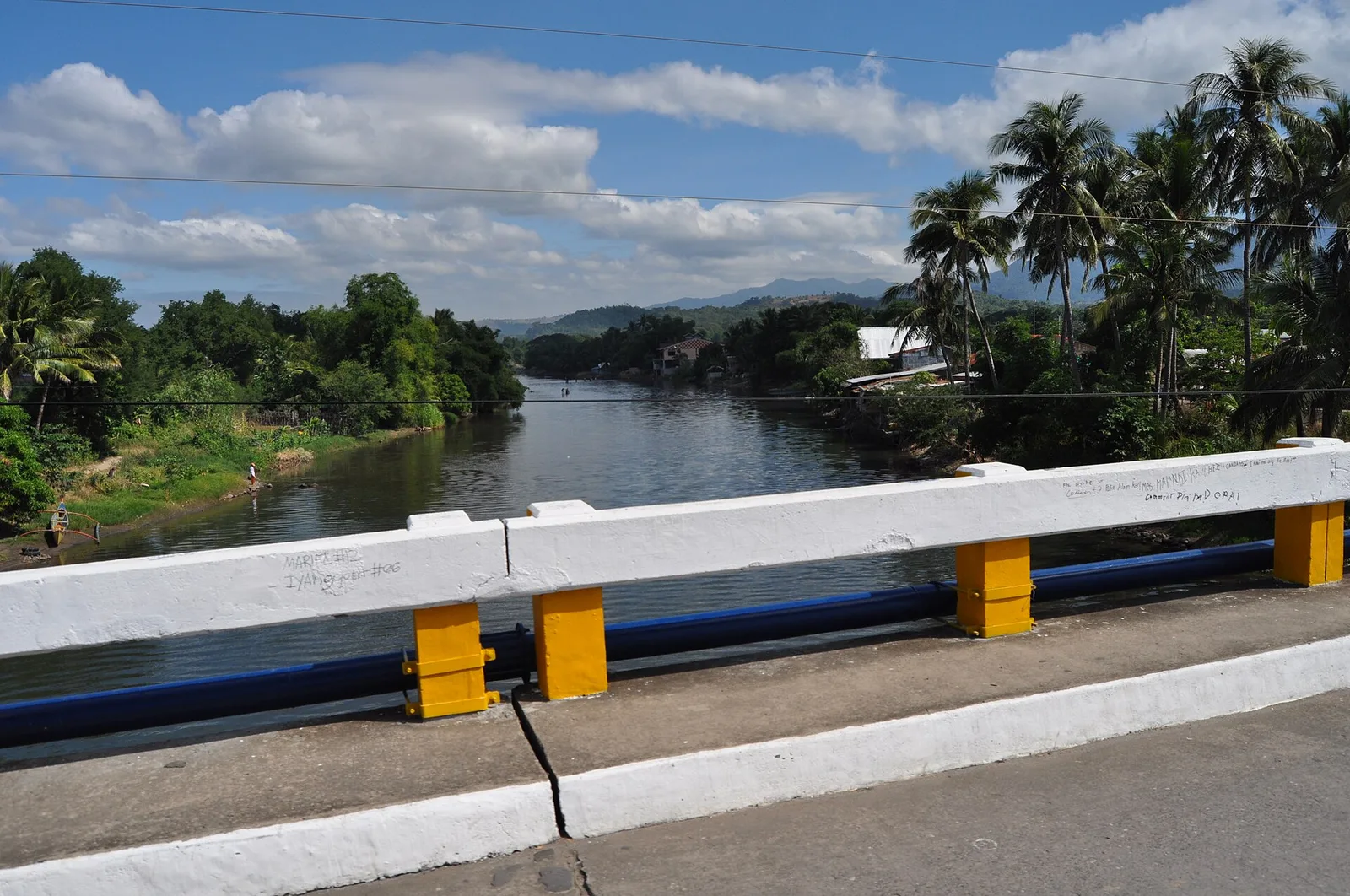
Morong's main Roman Catholic church, built during the Spanish period using coral stones to double as a fortress.
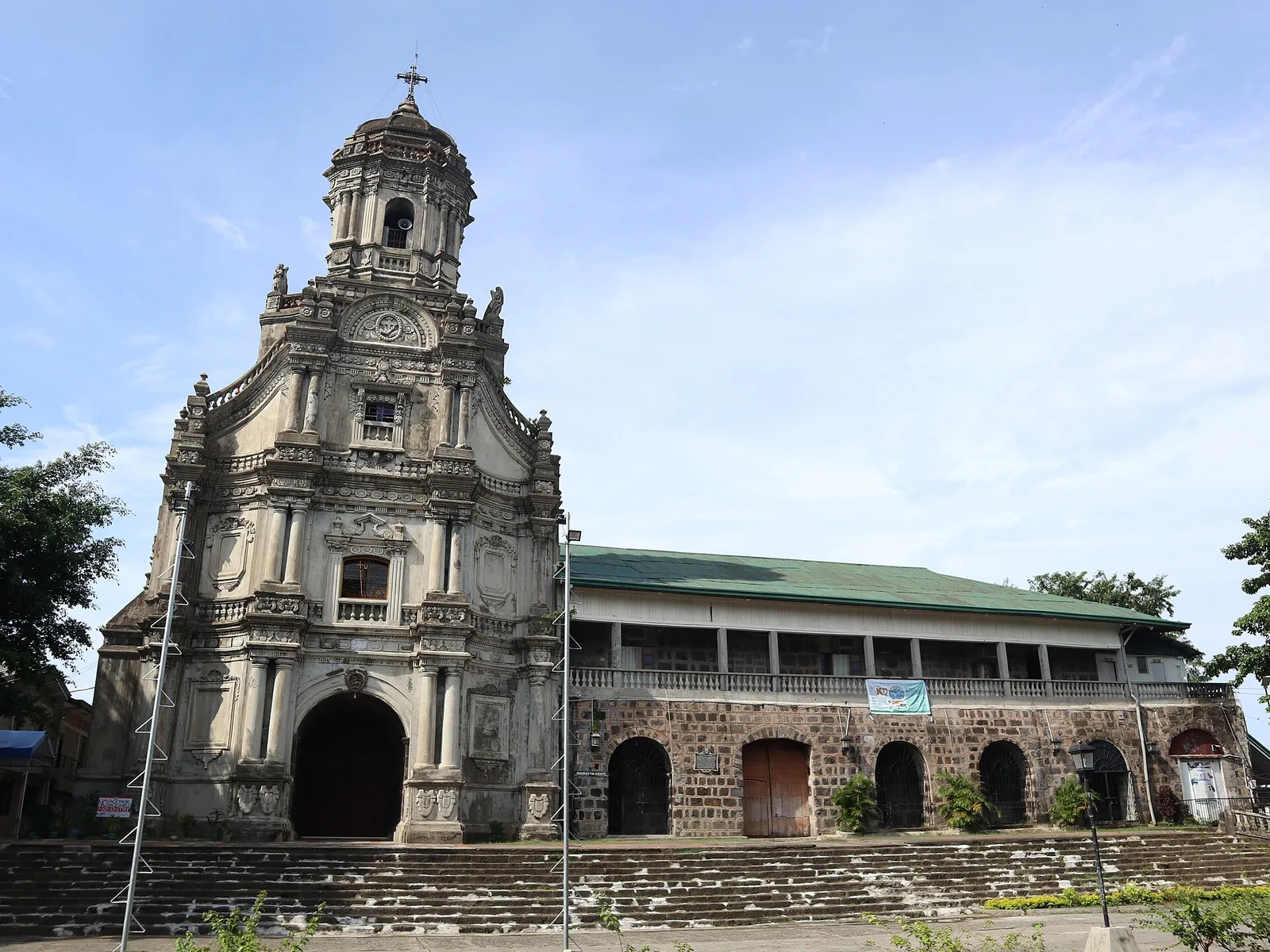
Morong's main Roman Catholic church and a designated National Cultural Treasure by the National Commission of Culture and the Arts (NCCA). It was built by Chinese craftsmen during the Spanish era in a unique and intricate neo-baroque architectural style. It …
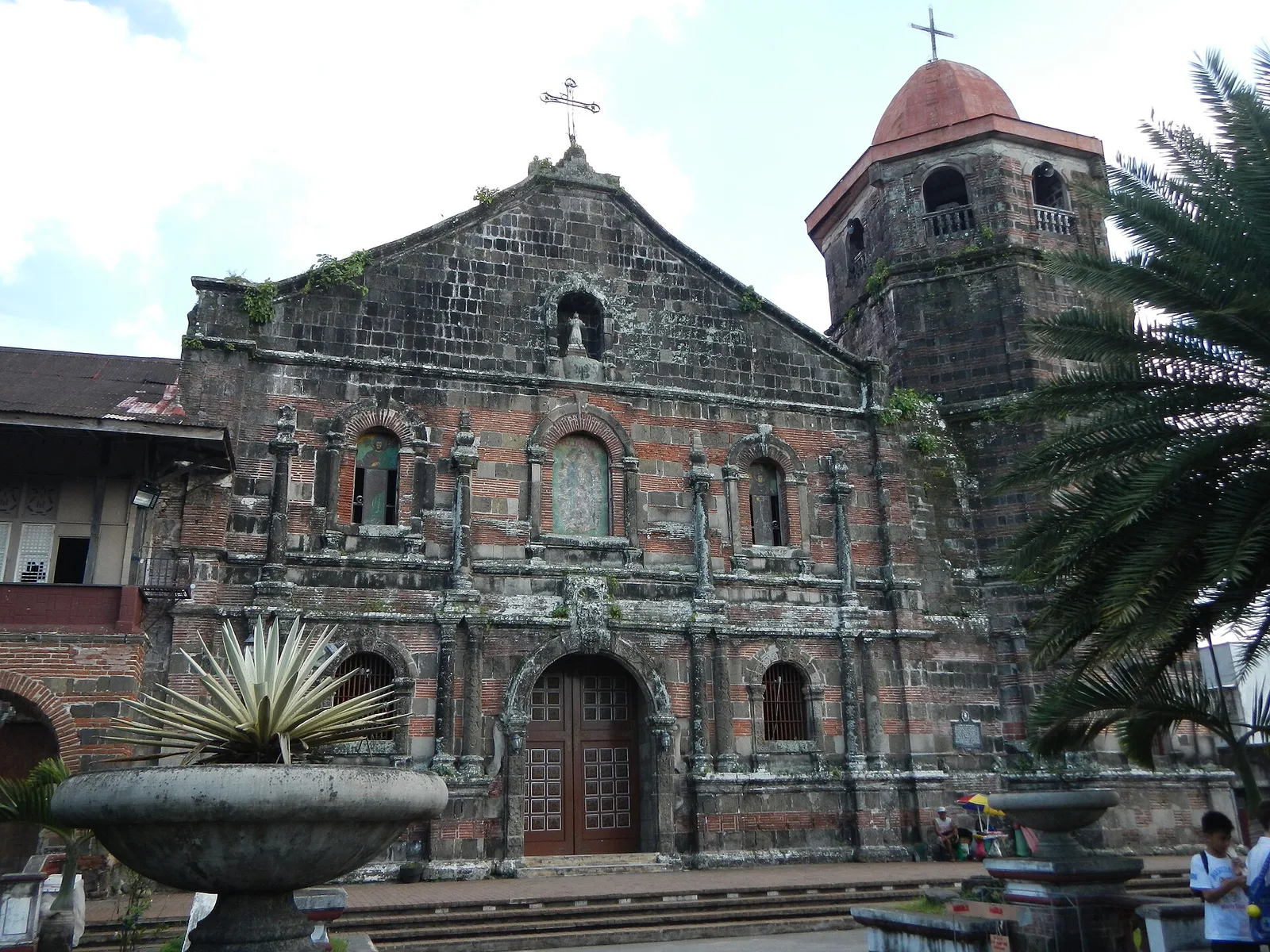
A Spanish colonial church built in a Baroque style with Moorish-inspired crenellations, and supporting exterior pillars that seemingly wrap around the structure like a cast. Look for the ornate altar and painted wooden carving of the Final Judgement made by …
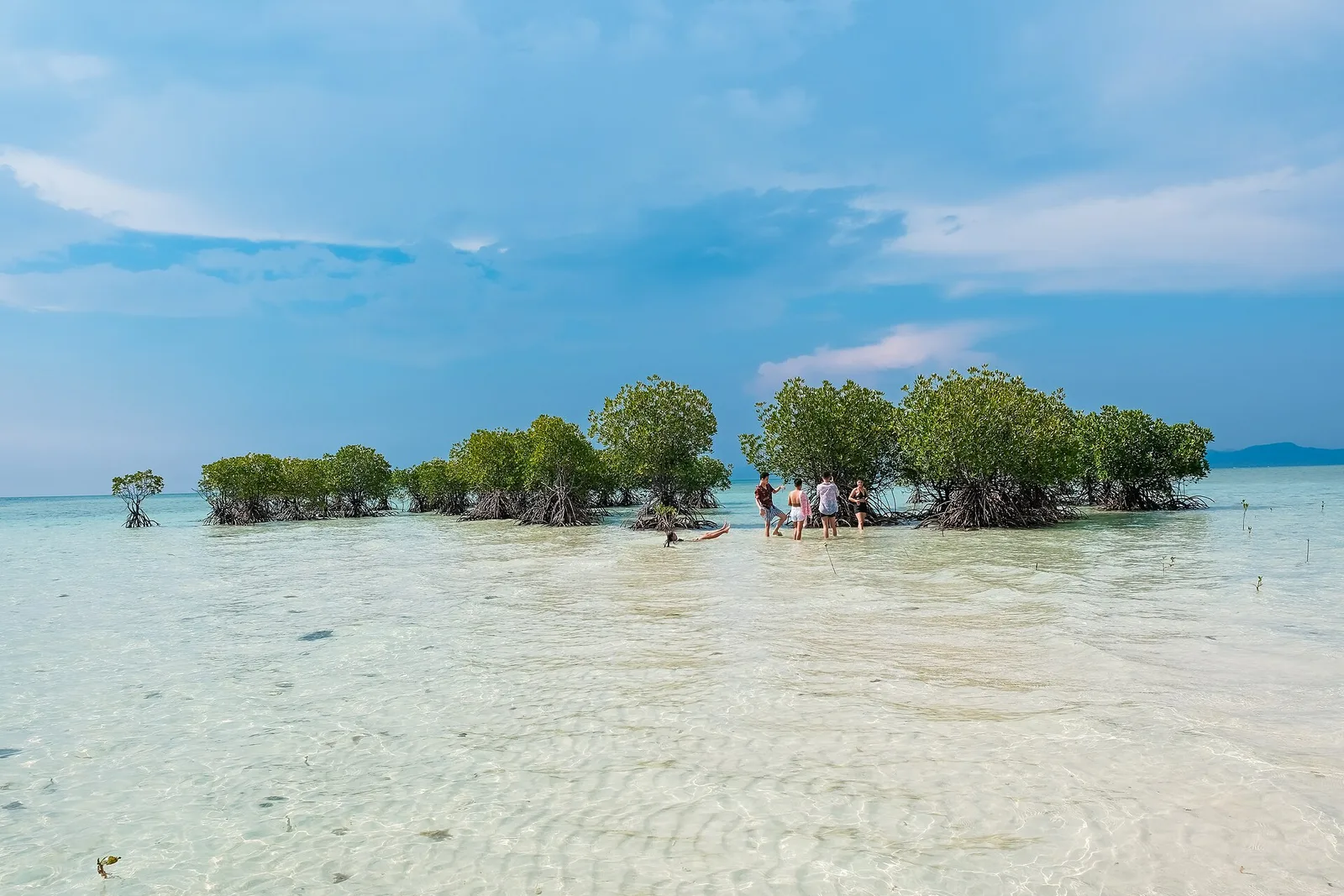
A Romanesque parish church dating back to 1852. Spanish era church. Looks amazing from the outside.
This resort offers access via steps to Pujada Bay for kayaking, swimming, and freediving. A small cafe offers simple drinks and meals. Tent camping and lodging also available