Pink Sister's Convent
Behind the bars and glass of the Adoration Convent of Divine Mercy are those who answered the call to live in silence. Located at the Holy Spirit Drive in Barangay Maitin in the city, the convent often called the Pink …
Showing 661 to 690 of 1,605
Behind the bars and glass of the Adoration Convent of Divine Mercy are those who answered the call to live in silence. Located at the Holy Spirit Drive in Barangay Maitin in the city, the convent often called the Pink …
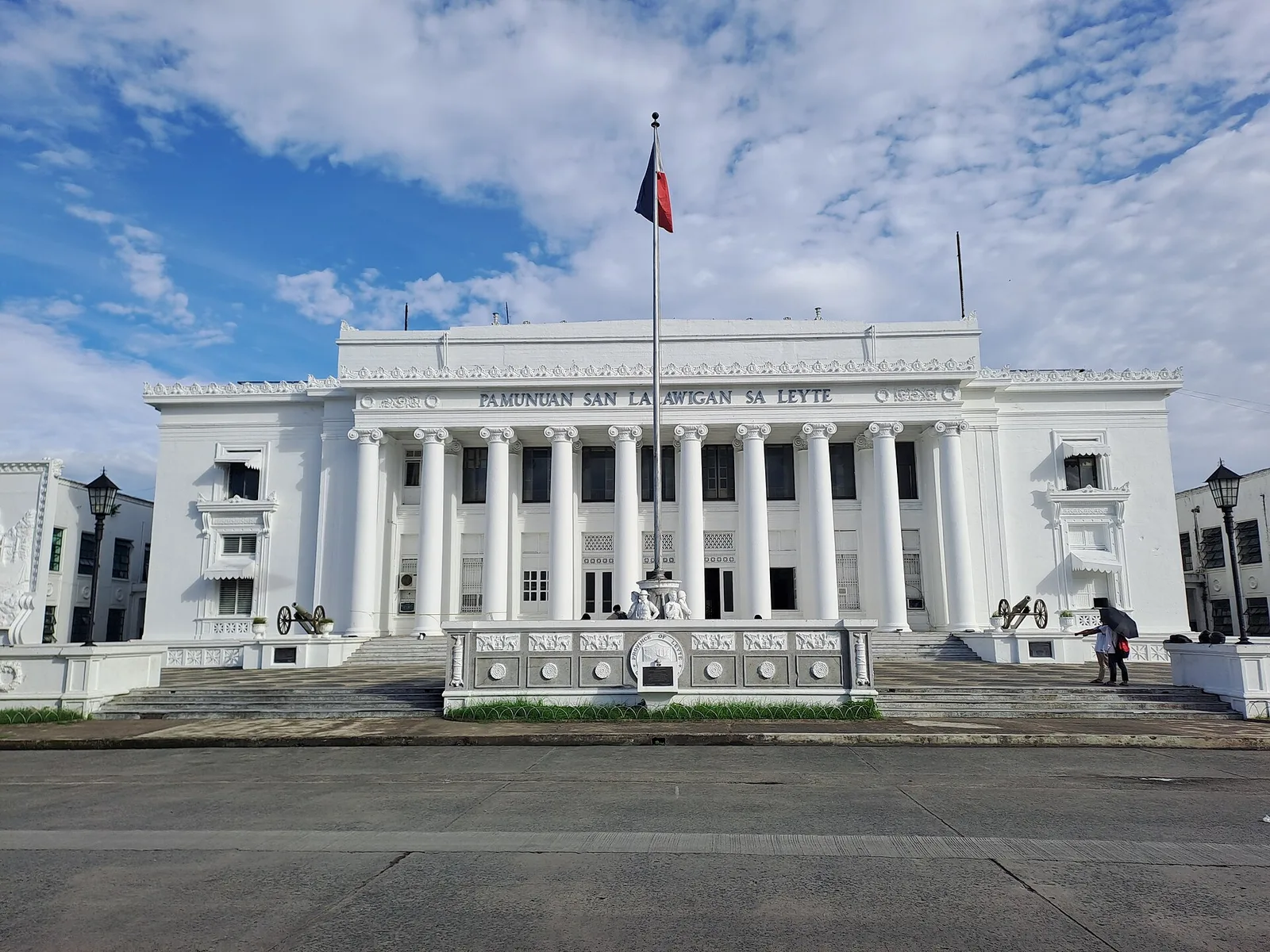
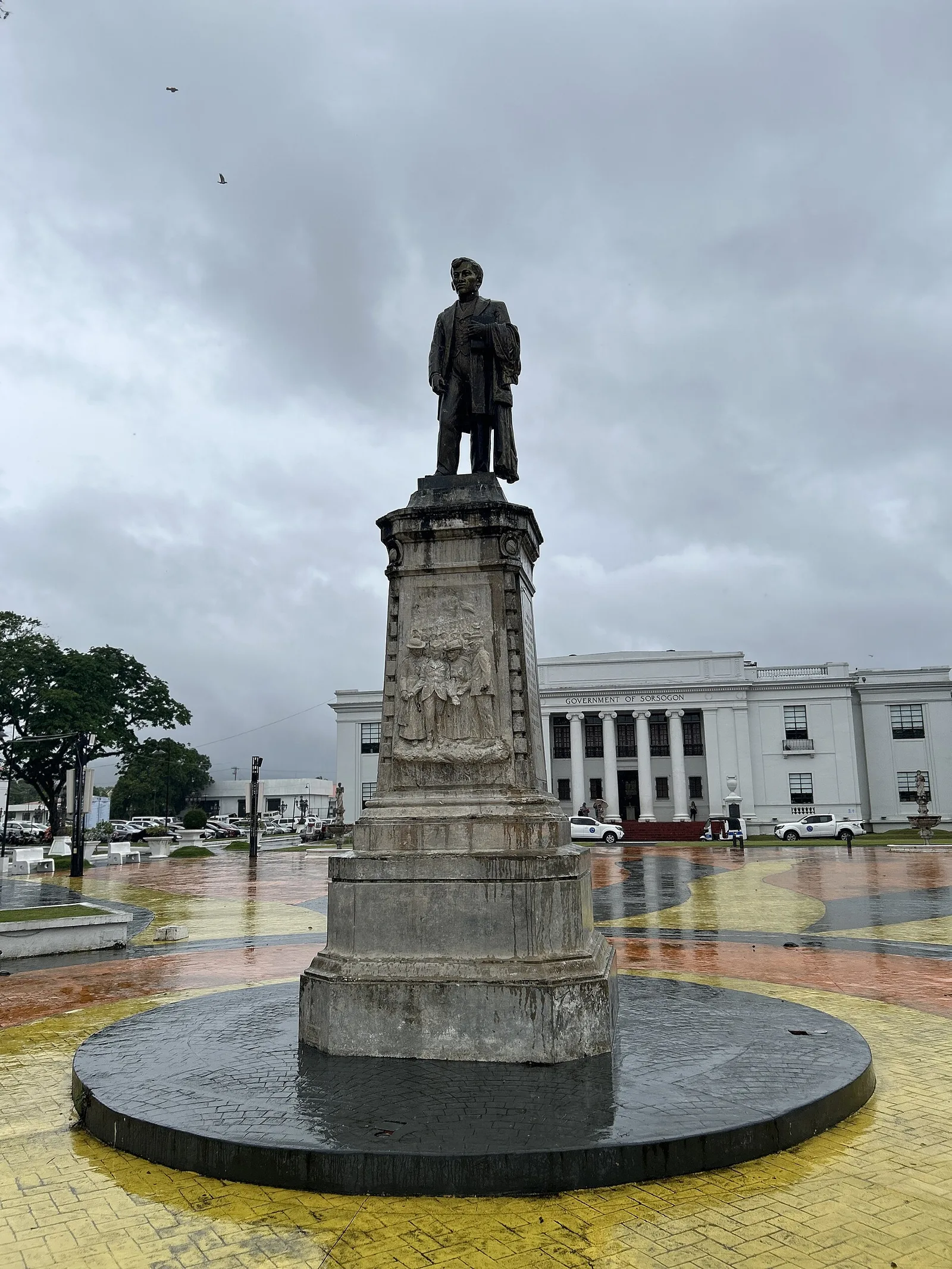
A sight at Alegre Street, Sorsogon City. Hours: Open 24 hours. Entry: Free.
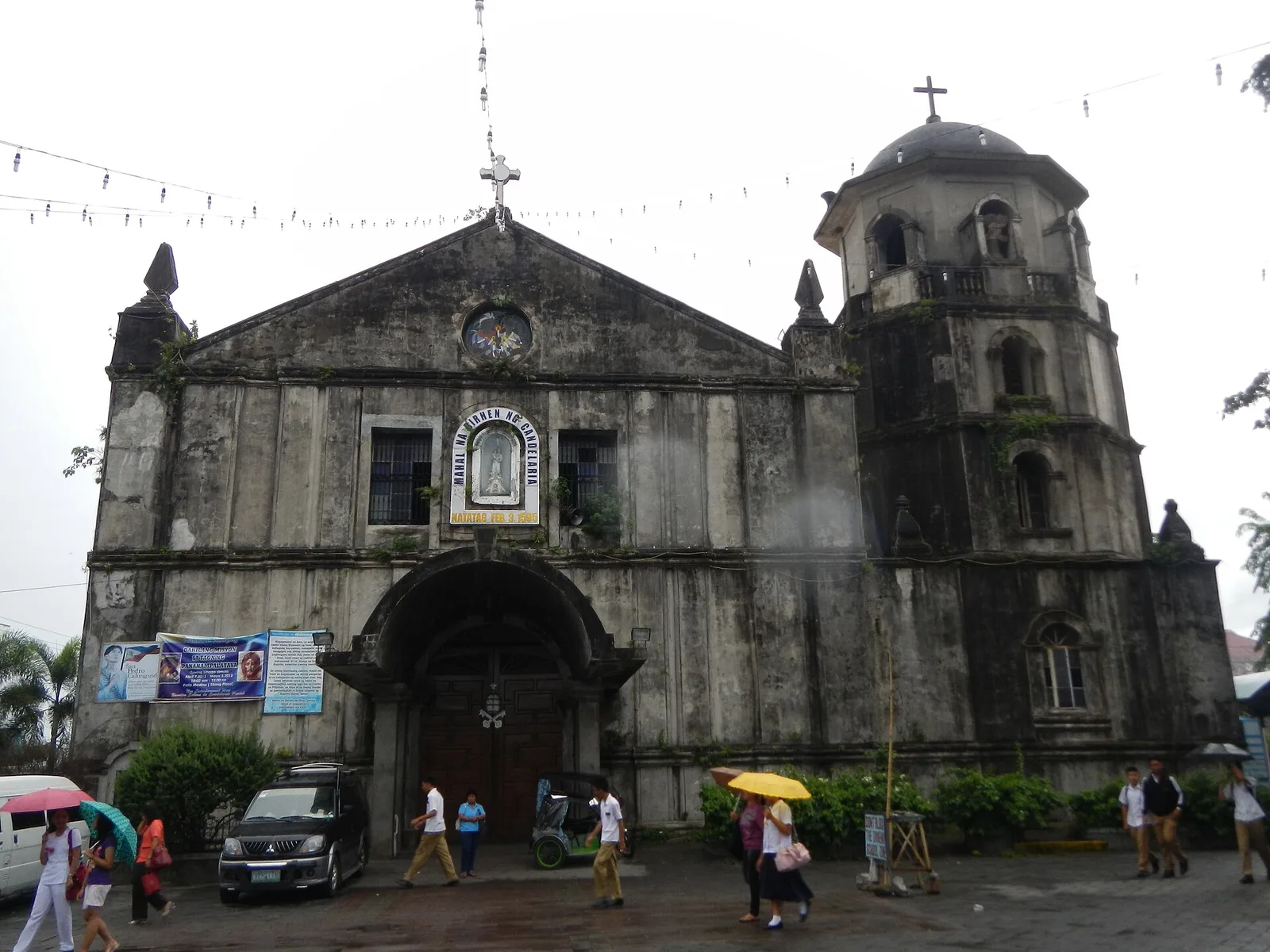
A typical Baroque church dedicated to the Virgin of Candelaria. The original parish church and its attached school was completed 1595 by the Franciscans, but were destroyed by fire in 1603. A new church was built in 1637-39, and dedicated …
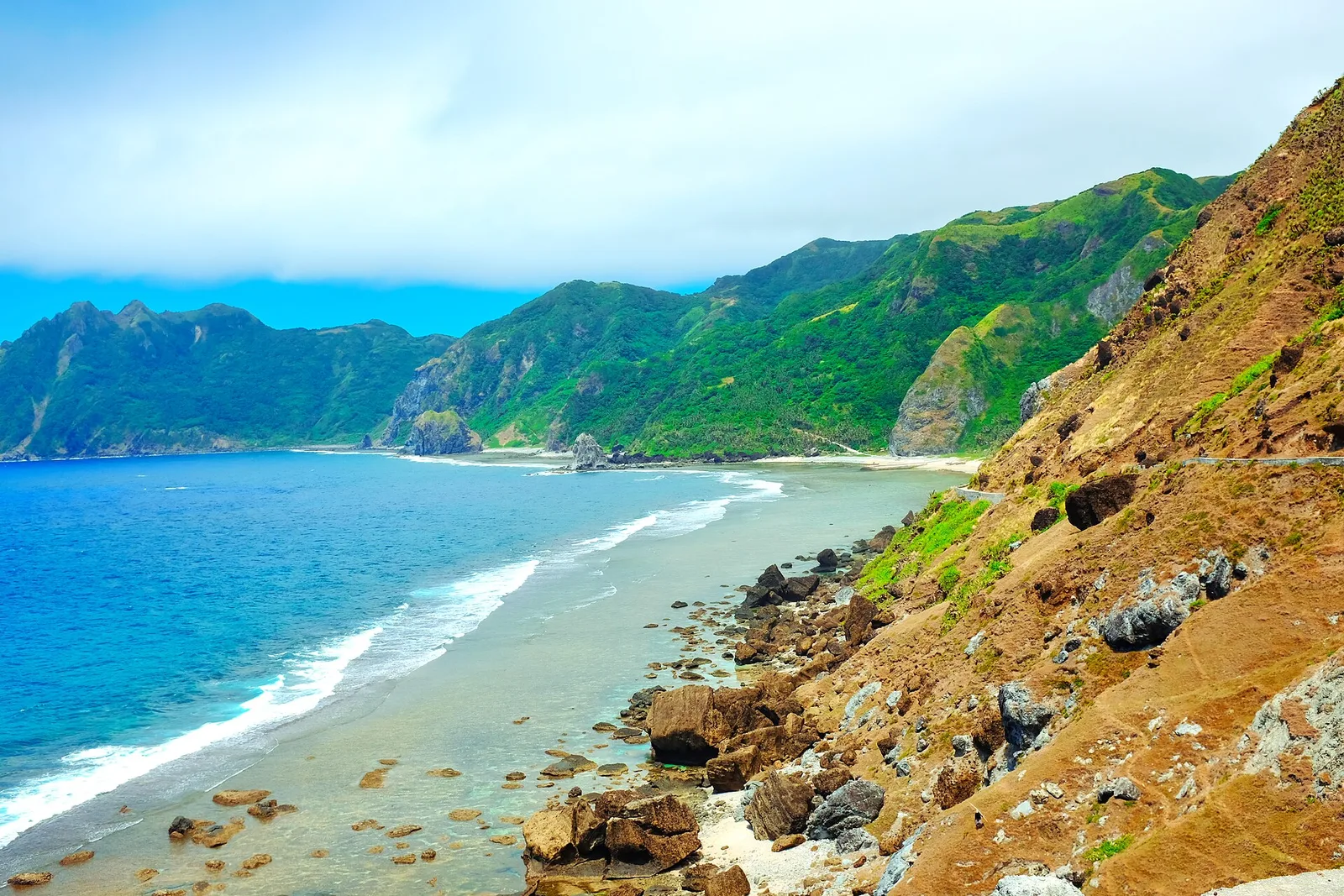
The main draw in Sabtang, it is a community (barangay) composed of houses built in the traditional Ivatan way and composed of stone and thatch roofs in the southern part of the island. It is where most postcard images of …
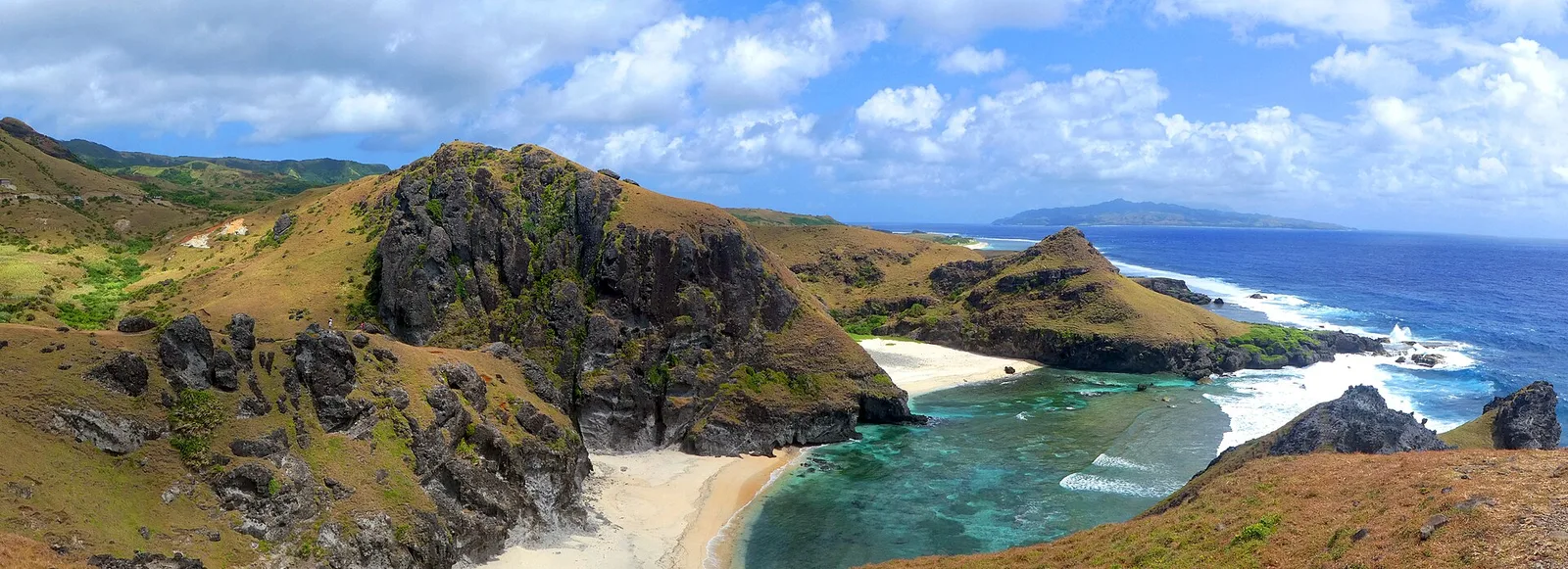
An elevated sport along the National Road with views of the surrounding cliffs, coves and roaring ocean, set amid a background of rolling hills and grasslands. Beware of droppings from grazing goats and cattle.
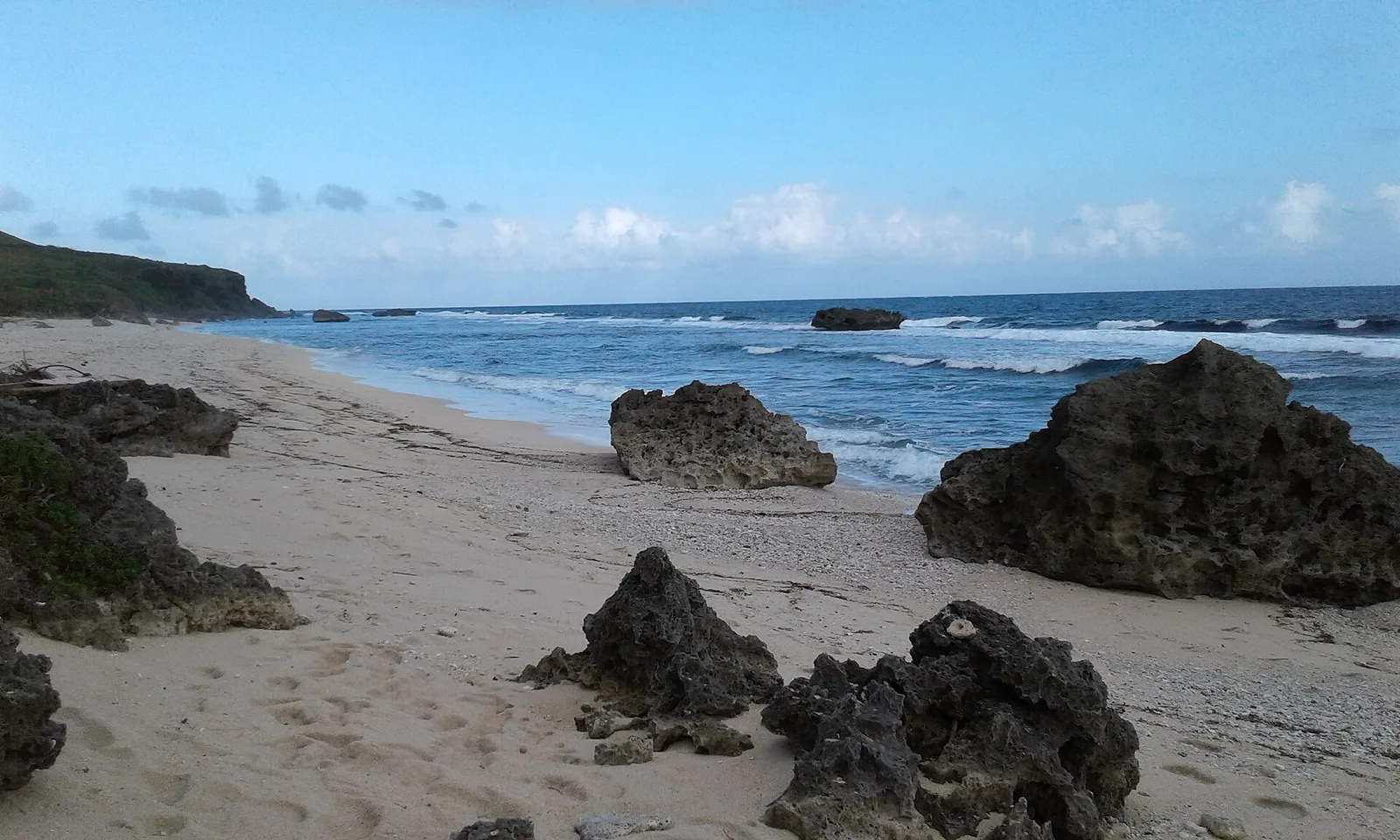
A cascade along a gorge that is also used as a hydropower source for a nearby plant.
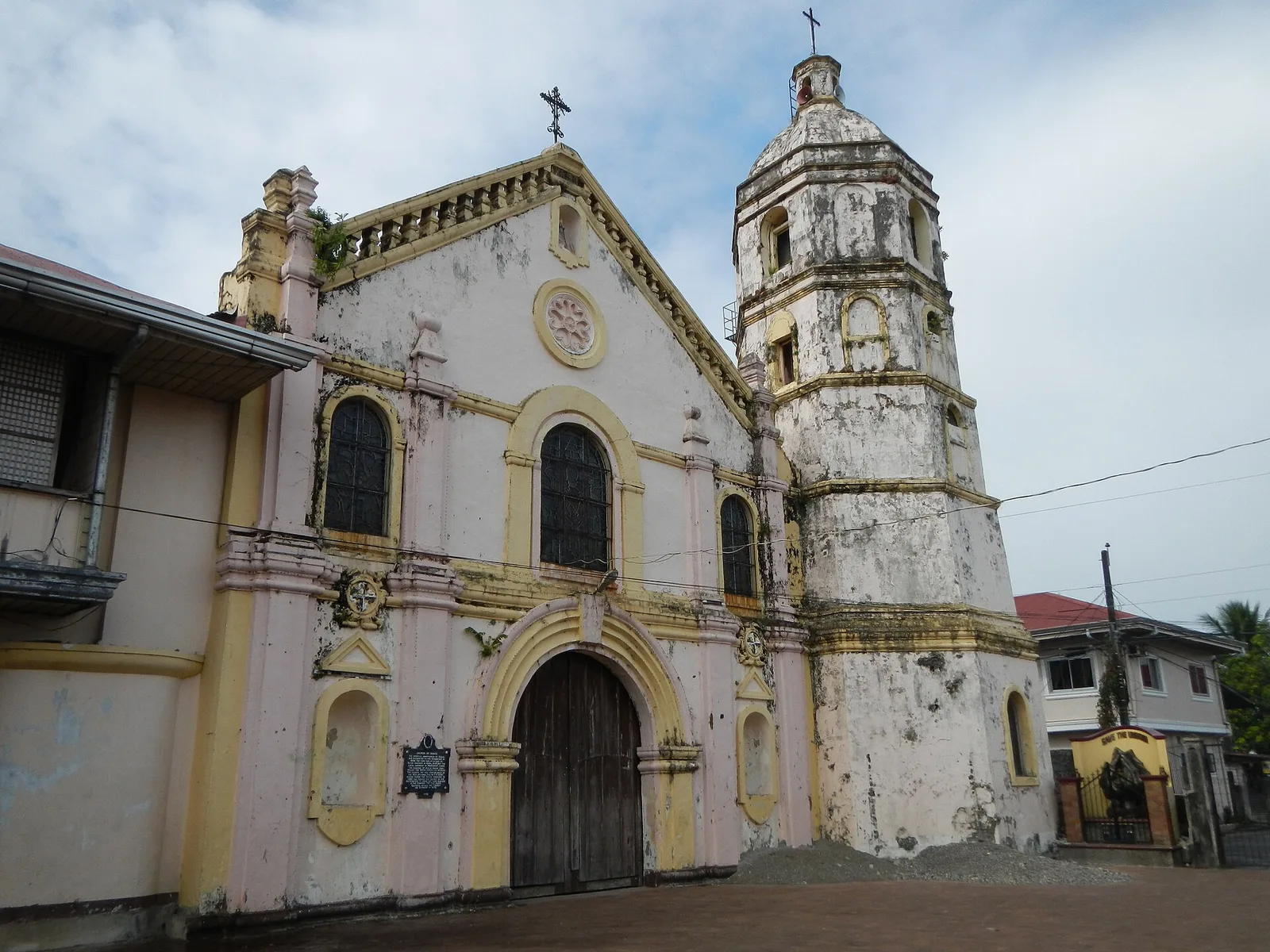
Samal's main Roman Catholic church, built in the Baroque style during the Spanish period in the 17th century.
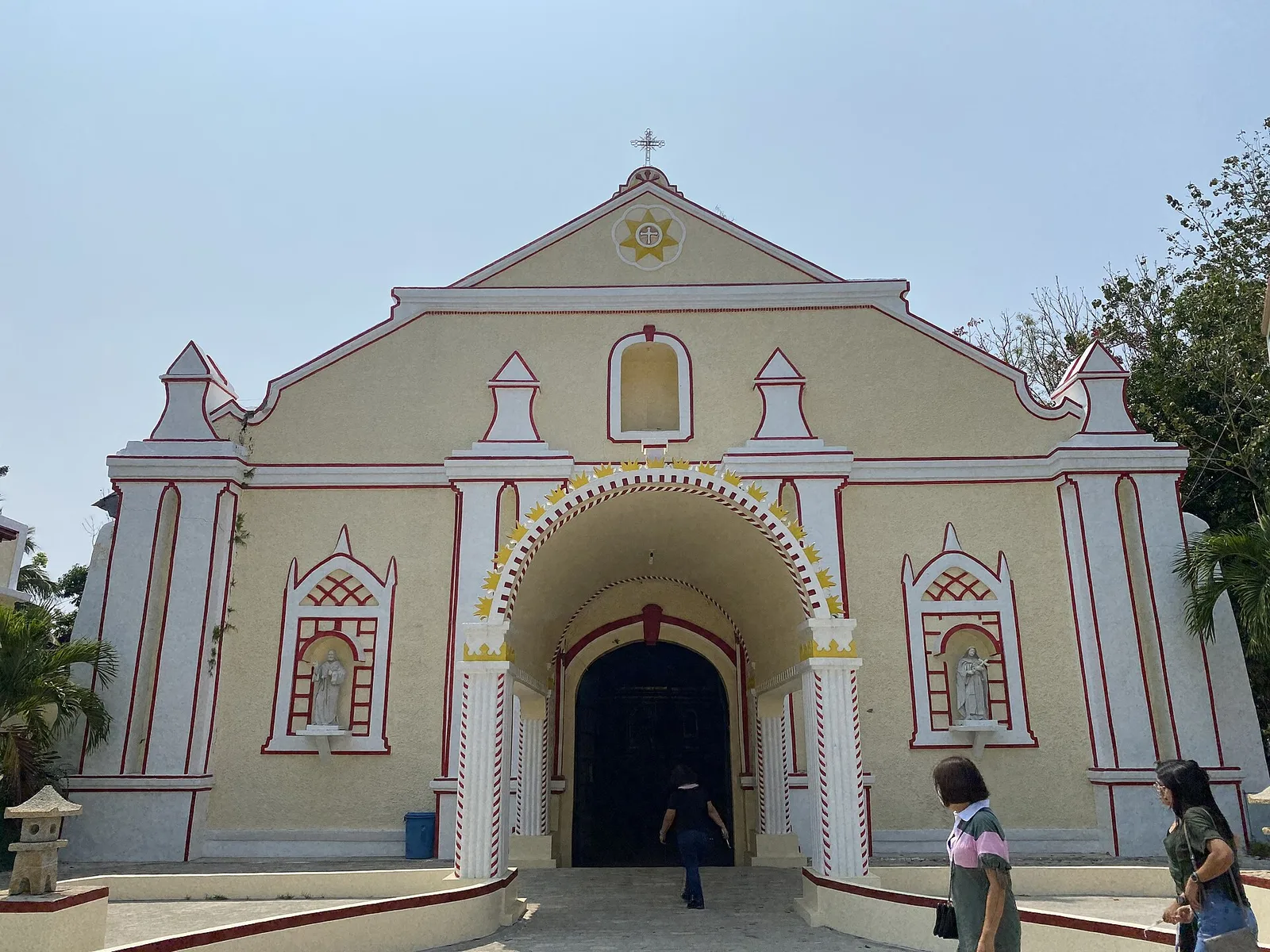
San Esteban's main Roman Catholic church, built in a Baroque style during the Spanish era.
A white sand beach with generally calm waters due to the presence of barrier reefs.
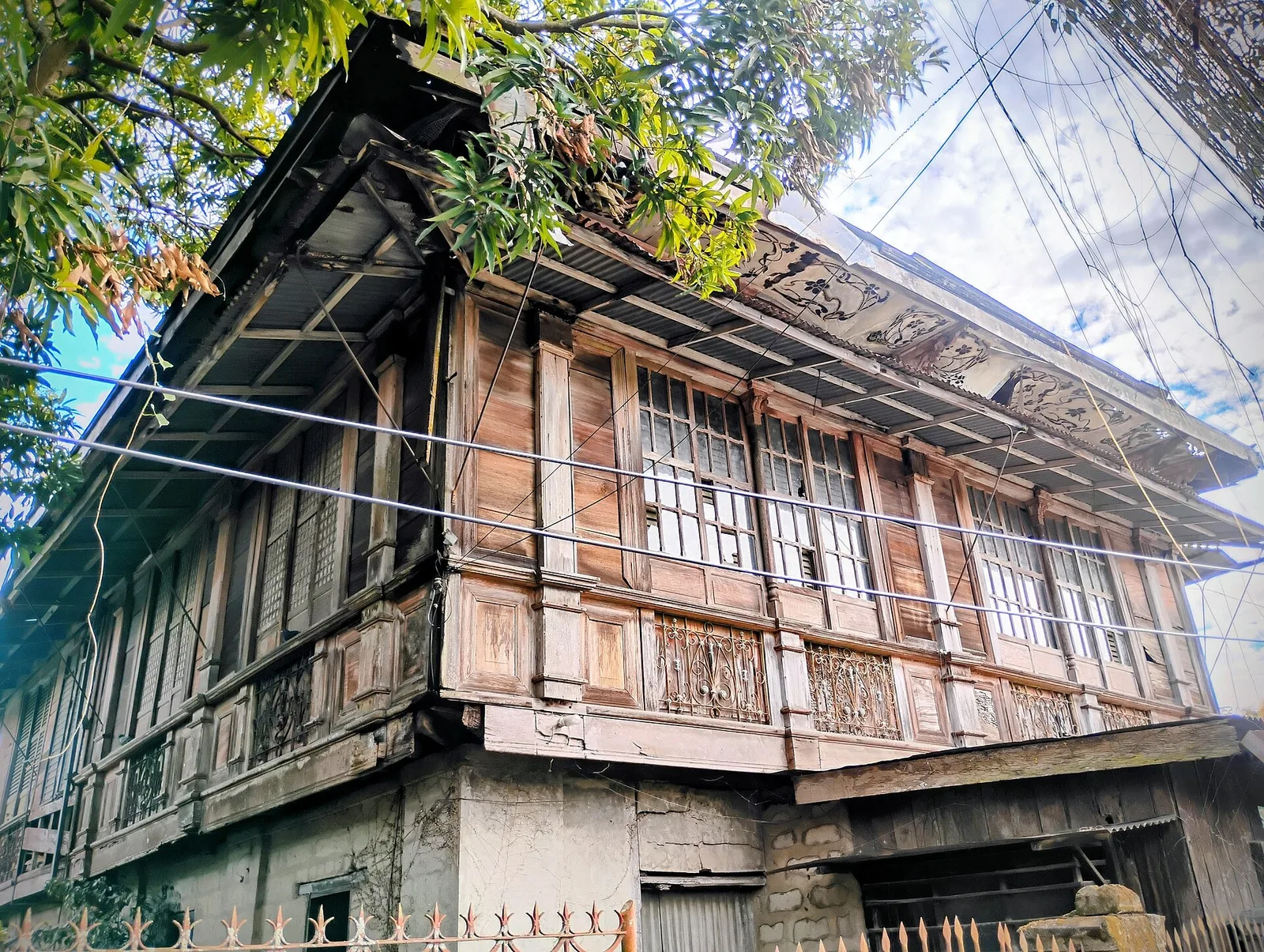
A residence built for the Tecson family, whose members included an officer in the Philippine Revolution.
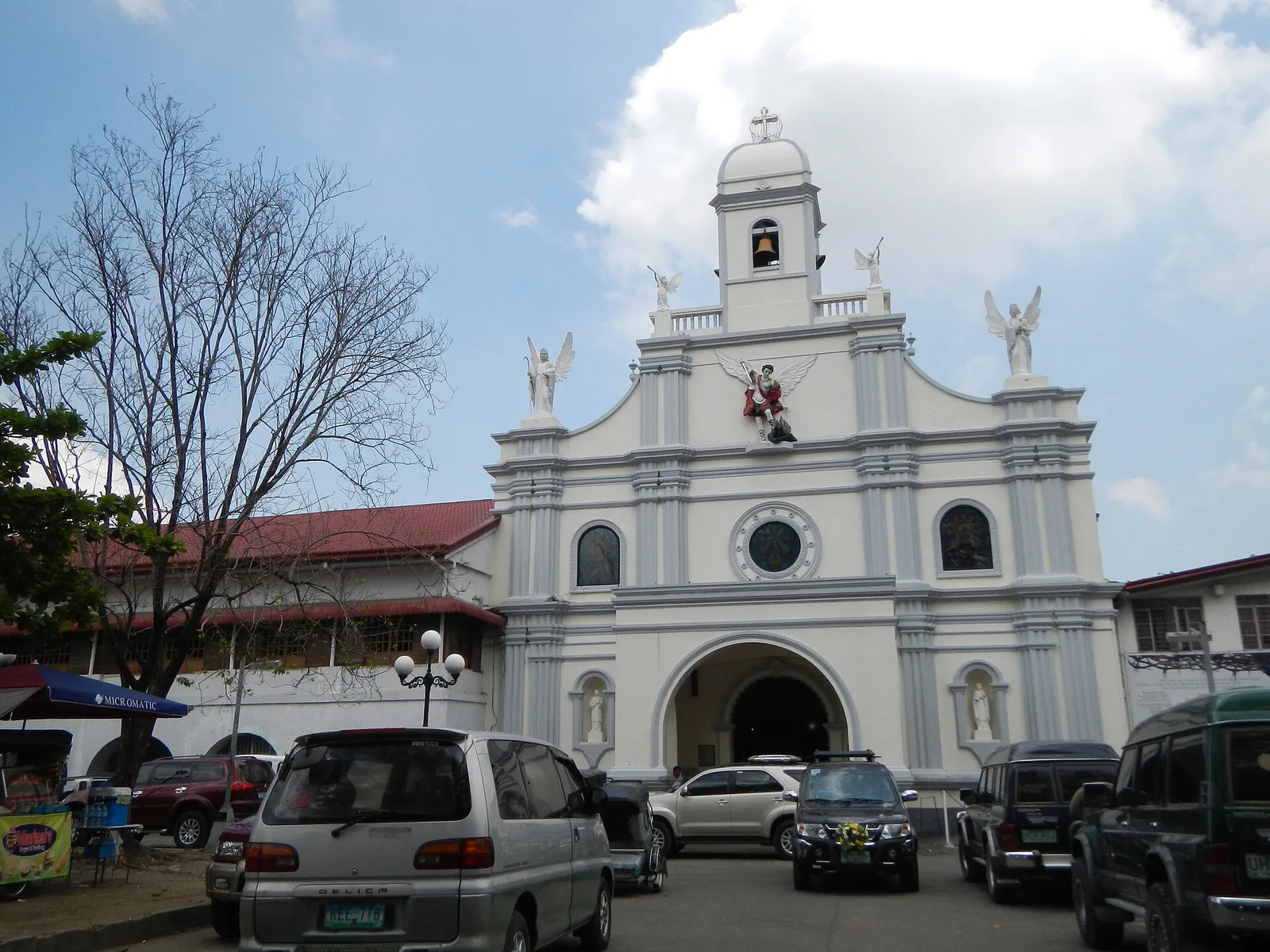
San Miguel's main Roman Catholic church, built during the 19th century and used as a garrison by opposing sides during the Philippine Revolution against Spain. It houses a statue of Saint Michael the Archangel that was found in the forests …
Church and convent dating to 1619 in the town of Bayambang, a town founded in the 16th century that was fifth capital of the Revolutionary Philippine Republic and which is known for its Malangsi Fishtival (tilapia grilling festival).
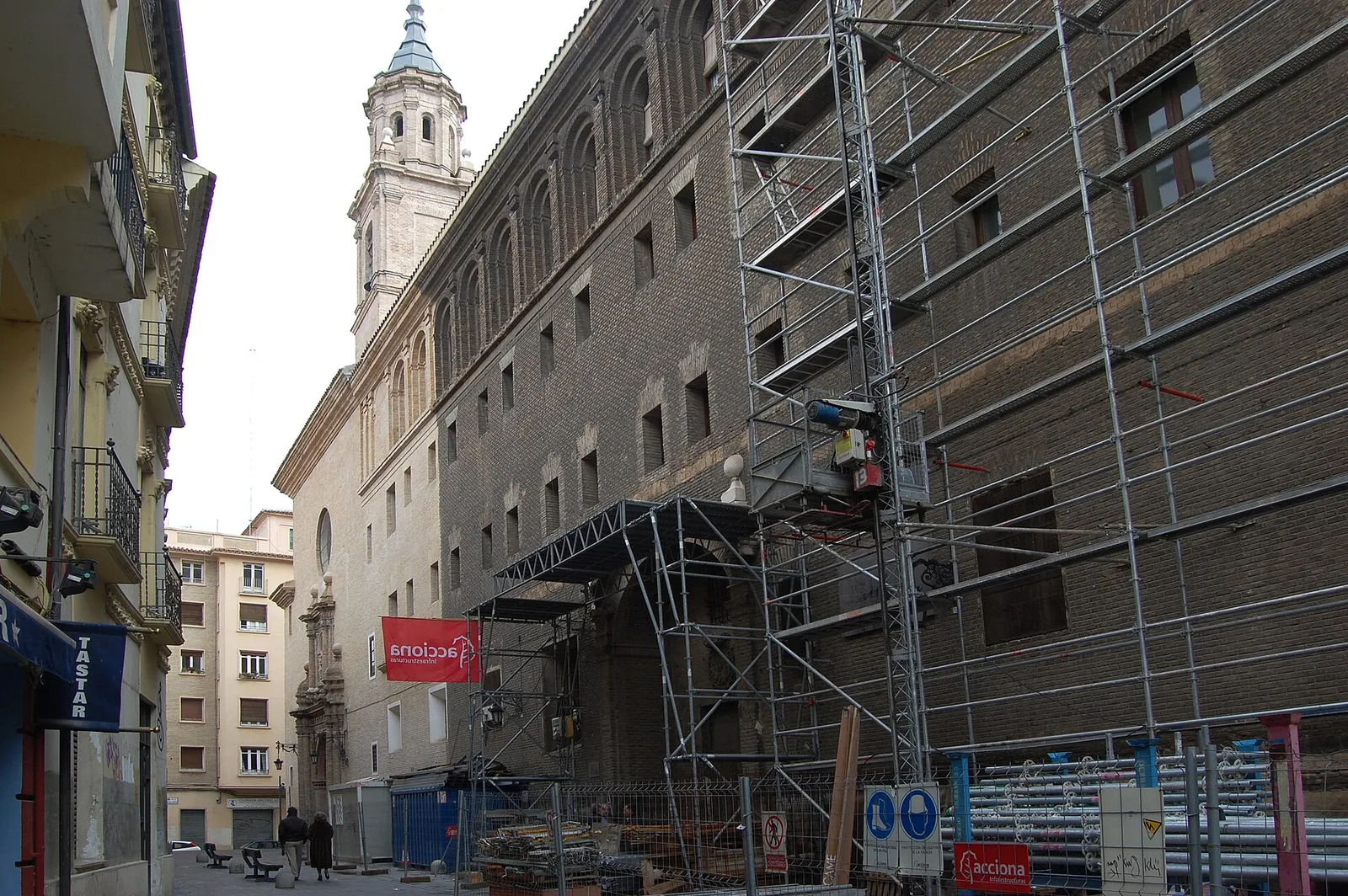
City park, Safe for visiting hour since police were there as well to help and assist.
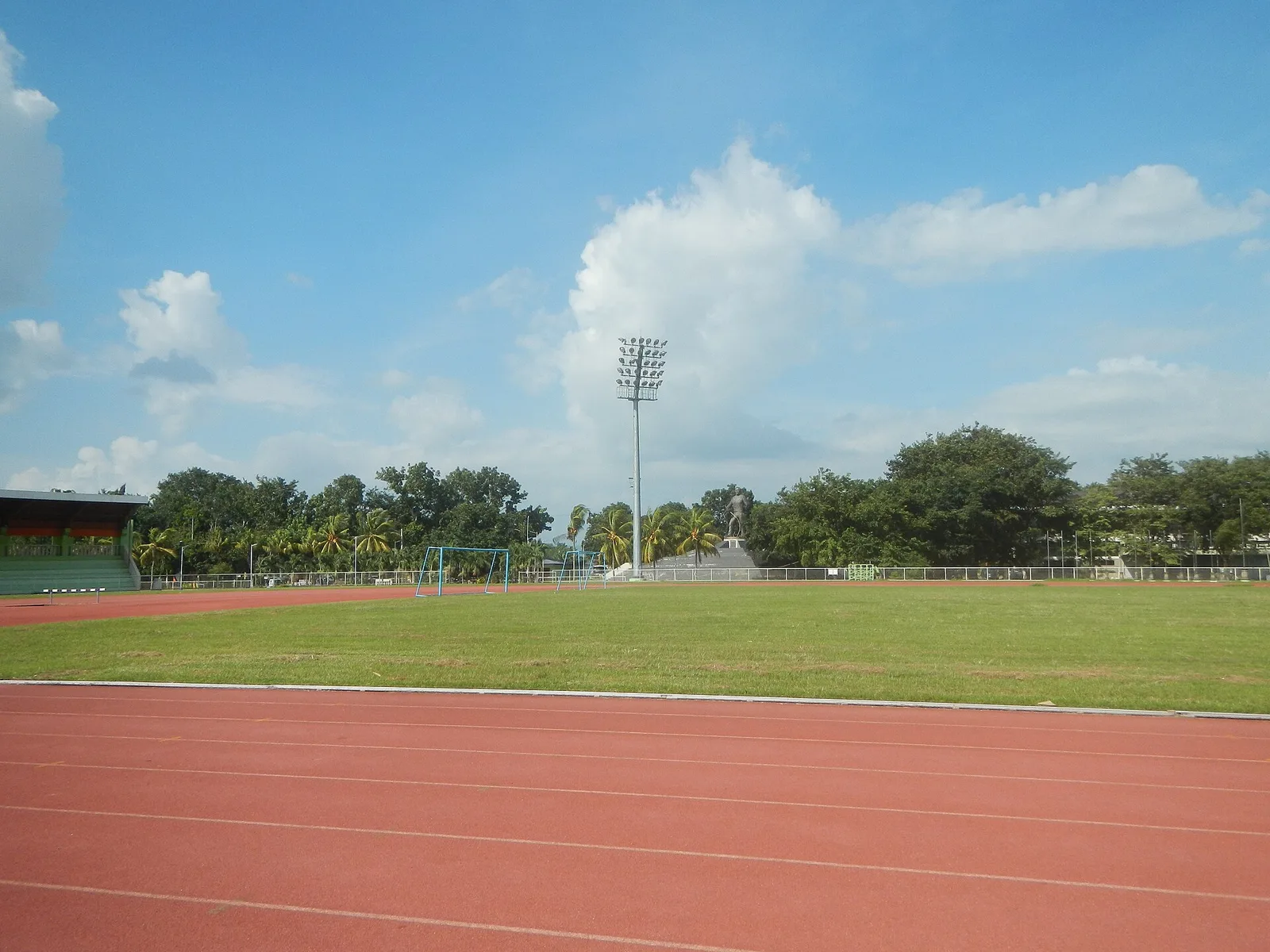
Part of the Laguna University complex, it hosts major sporting events held in Laguna.
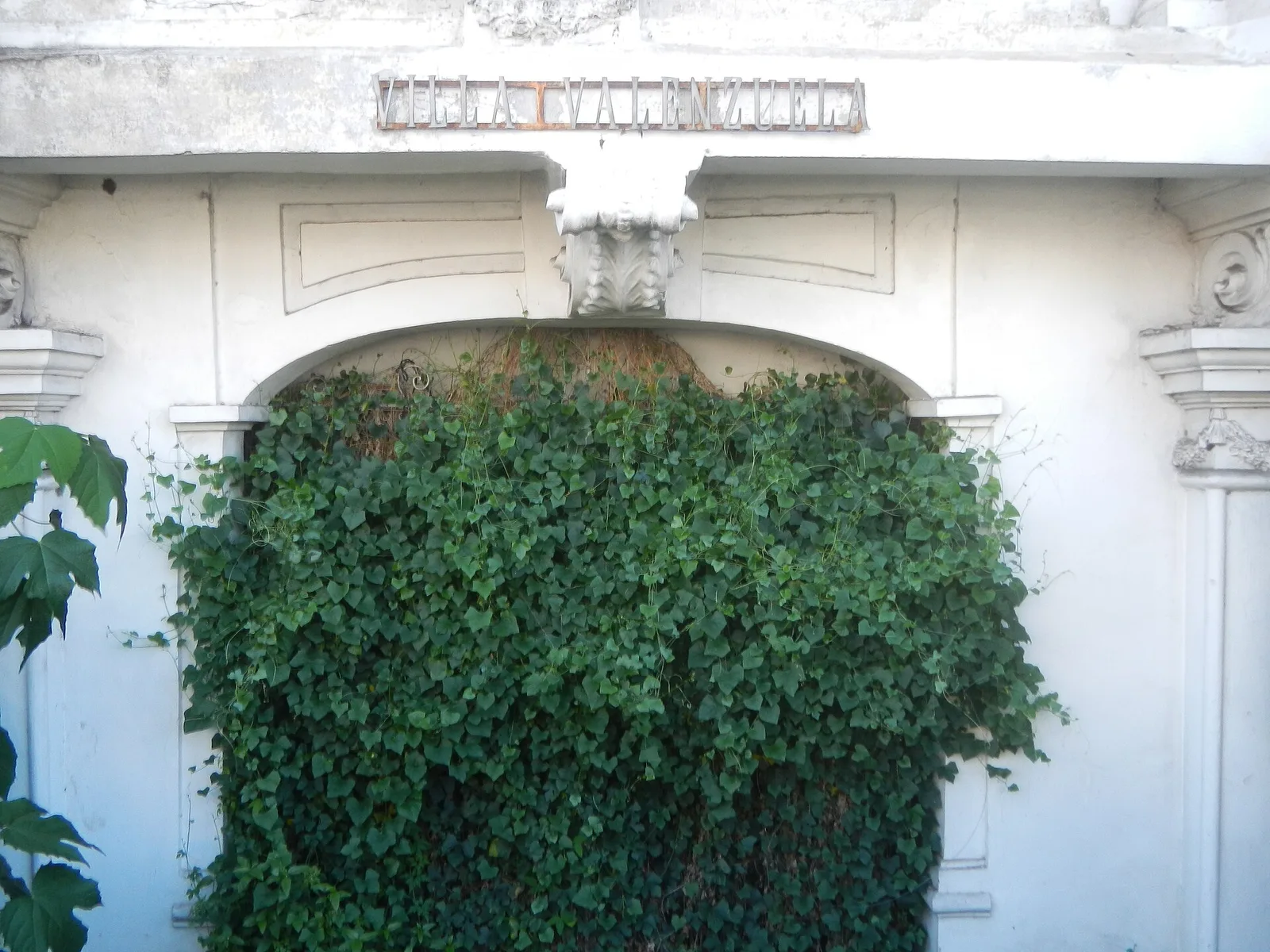
Lying on the banks of the Santa Cruz River beside Santa Cruz Bridge, the mansion was built in 1919 for one of the town's leading families and resembles a castle. It is a closed private residence that looks abandoned and …
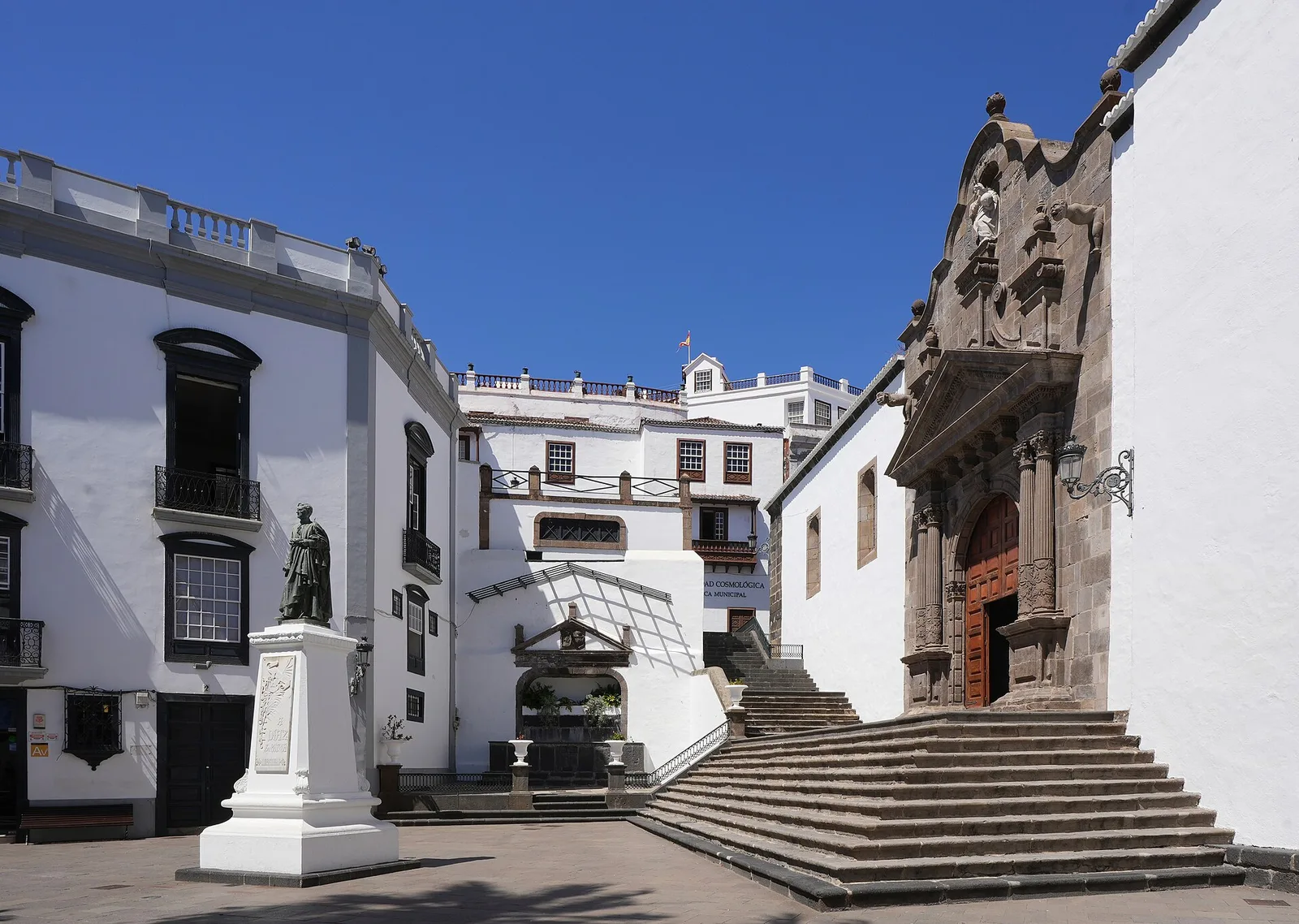
A tree-lined square filled with various monuments, including a 1920s era memorial to Jose Rizal. During major holidays, the square and the adjacent FT. San Luis Plaza are filled with various food stalls.
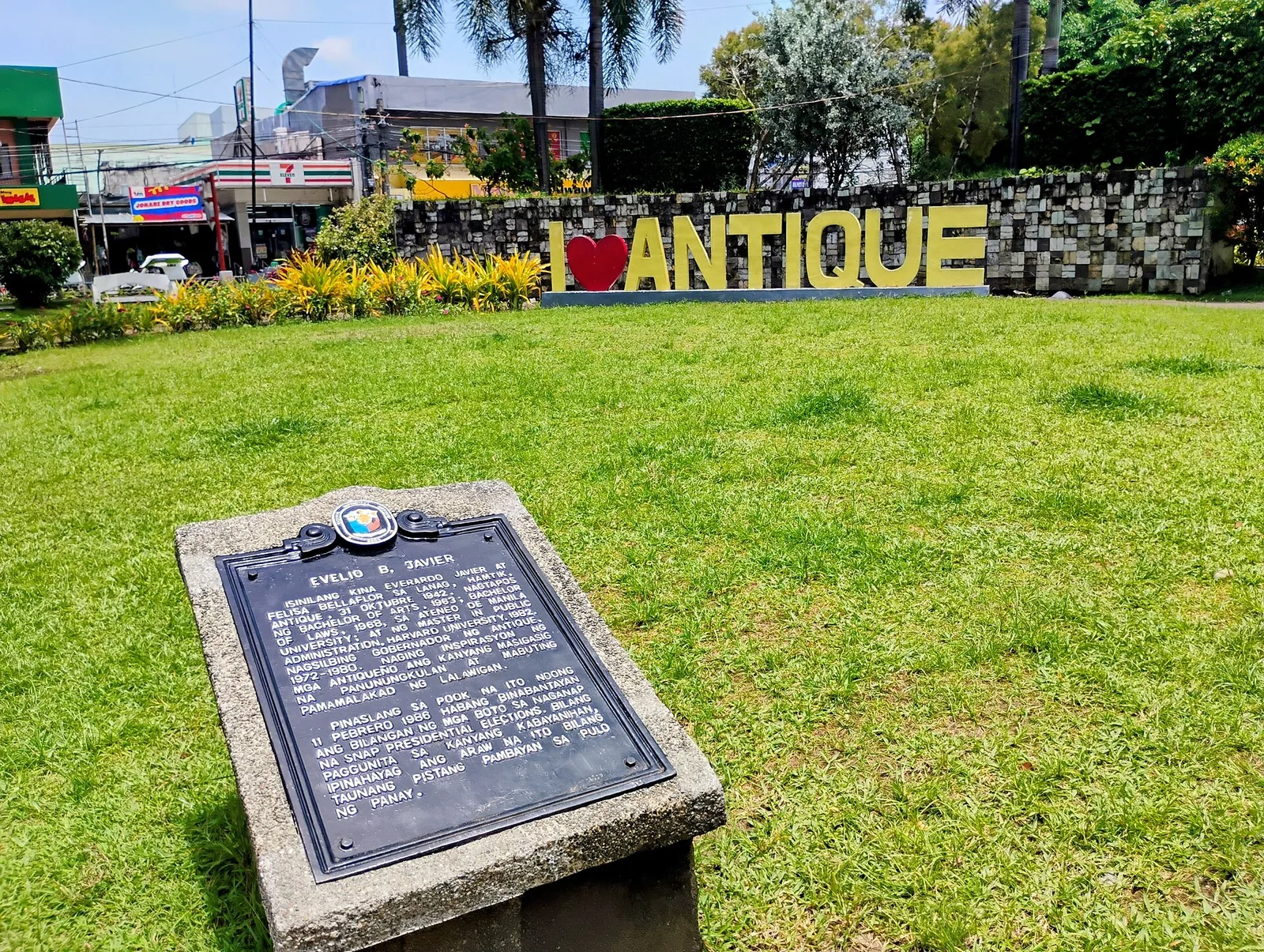
A park dedicated to Antique Governor Evelio Javier, who was assassinated in 1986. There is a marker that reads "A fitting tribute to a man who has done so much, not only for the people of Antique, but the entire …
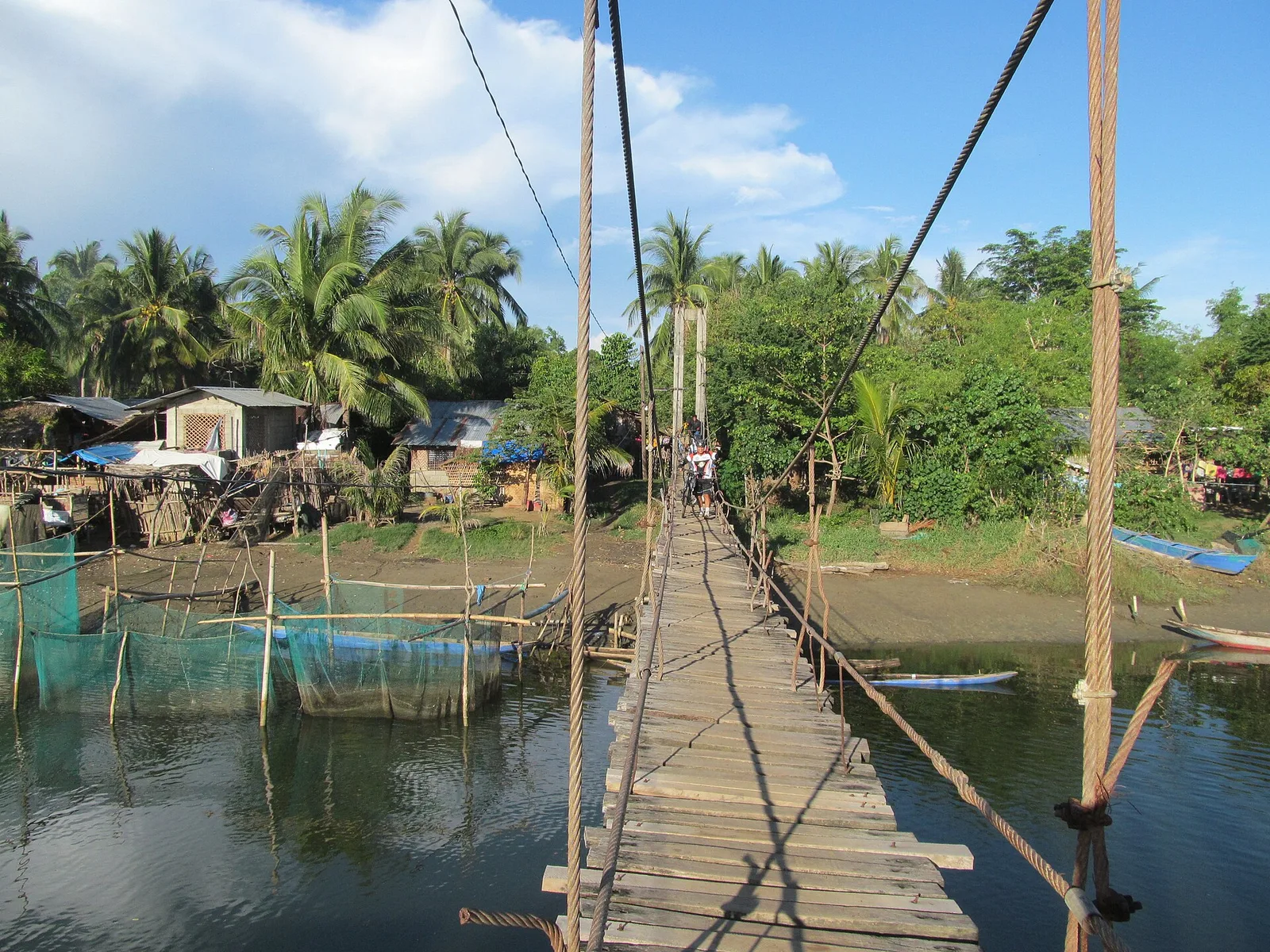
Ruins of a Spanish coastal colonial fort. It contains four cannons which was used as defence against pirates during the colonial era. The area is connected by a wooden hanging bridge.
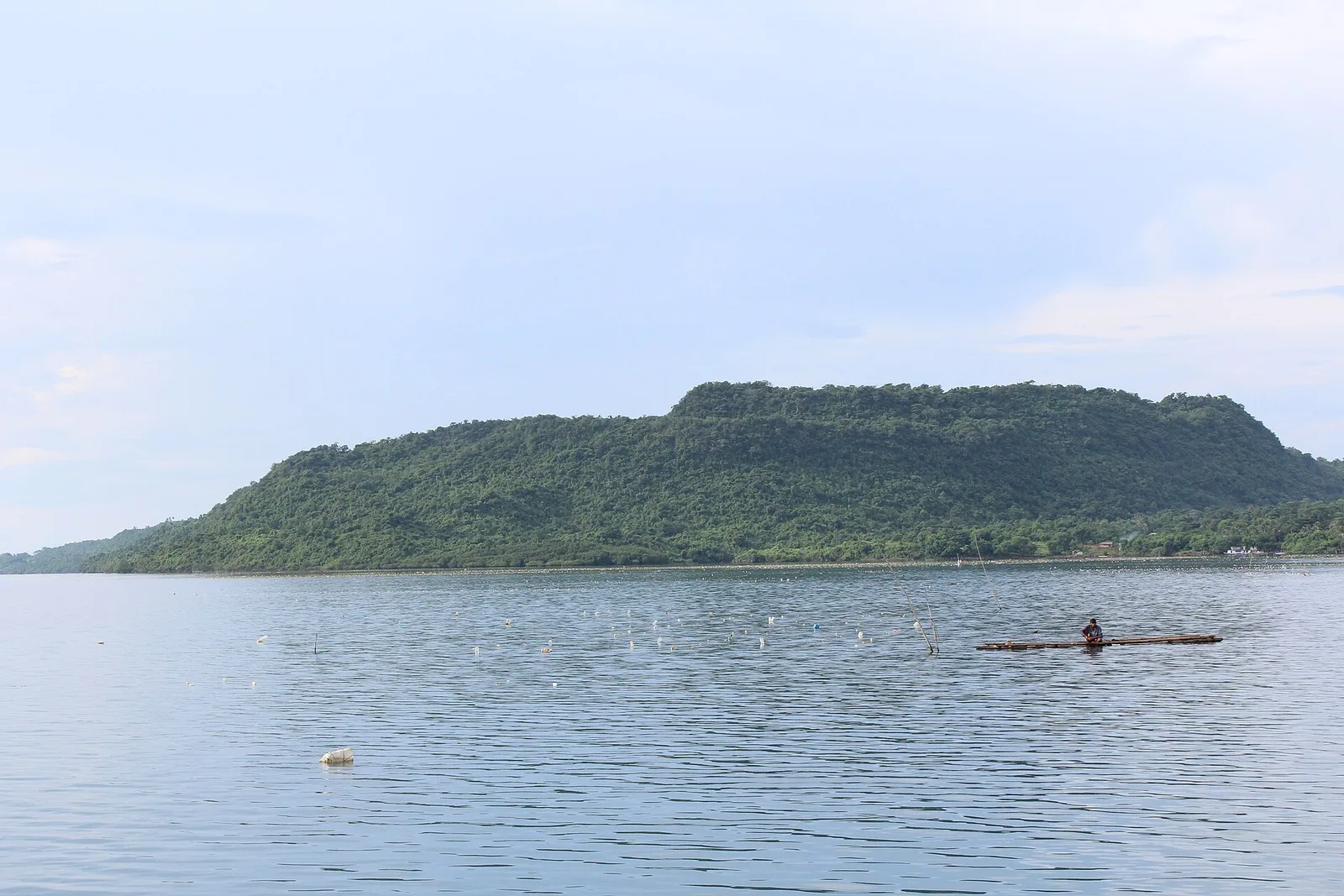
Ilin Island has a village of shell divers, being abundant in shells and coral reefs. There are ancient burial caves of early Chinese traders, ethnic fishing villages, and numerous dive sites from which to view many tropical fishes. Lush foliage …
Realistic reenactment of the crucifixion of Jesus on Good Friday, where penitents, usually men, are crucified on a hill.
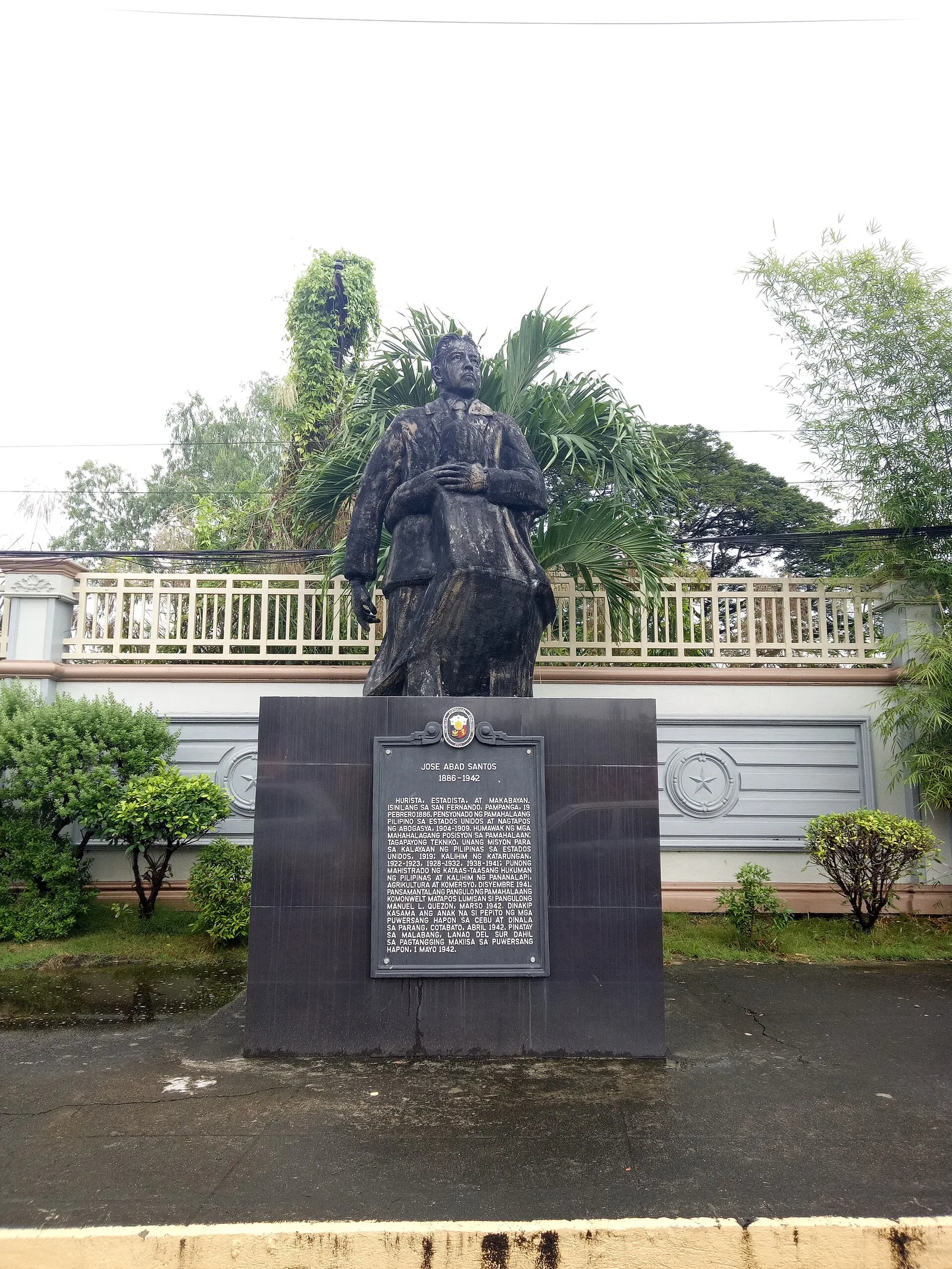
This is a must visit landmark as it is full of history and heroes. Inside the compound are statues of Filipinos national heroes, mostly those born in Pampanga
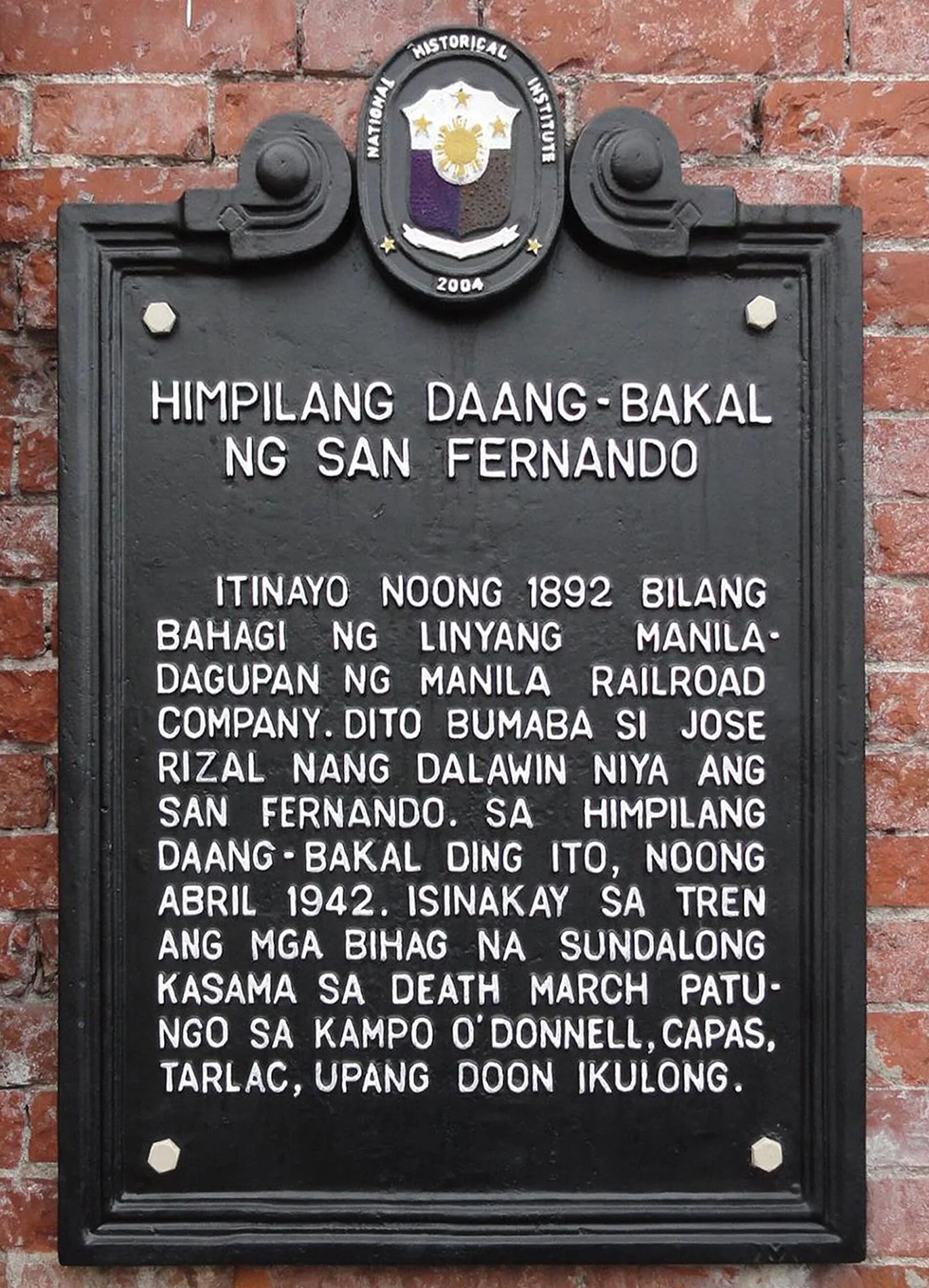
A restored train station along the abandoned Philippine National Railways northern main line. It served as the endpoint of the Bataan Death March. The restored station houses a well-preserved wooden boxcar used on the "death trains" that carried surrendered soldiers, …
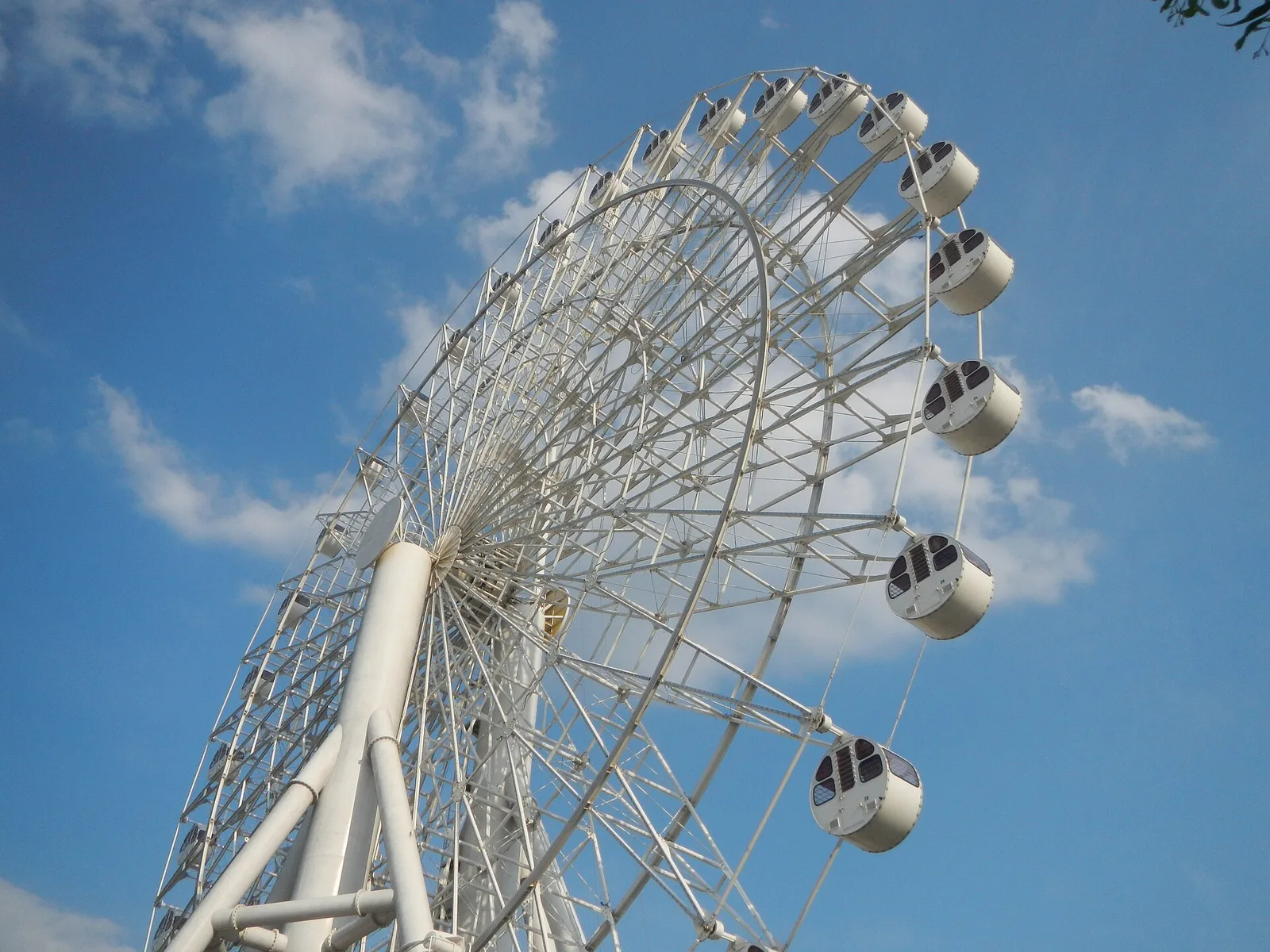
Part of SM City Pampanga, it houses Pampanga Eye, a high Ferris wheel providing a 360-degree view of Pampanga, including San Fernando itself, Mount Arayat and Mount Pinatubo
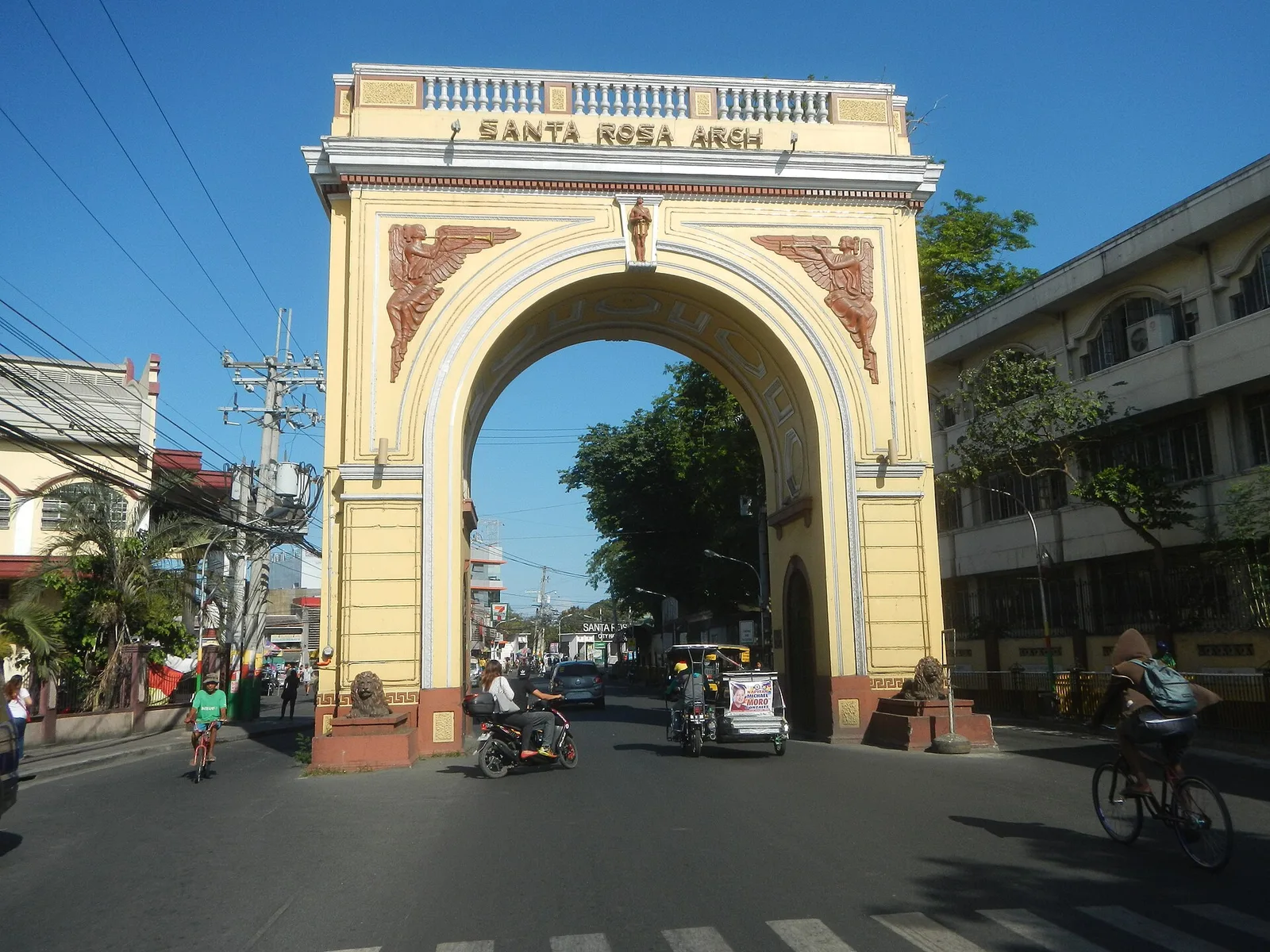
19th-century welcome arch based on Paris's Arc de Triomphe, with the current arch being Art Deco, built in the 1930s. It is a local symbol, found in the city's official seal.