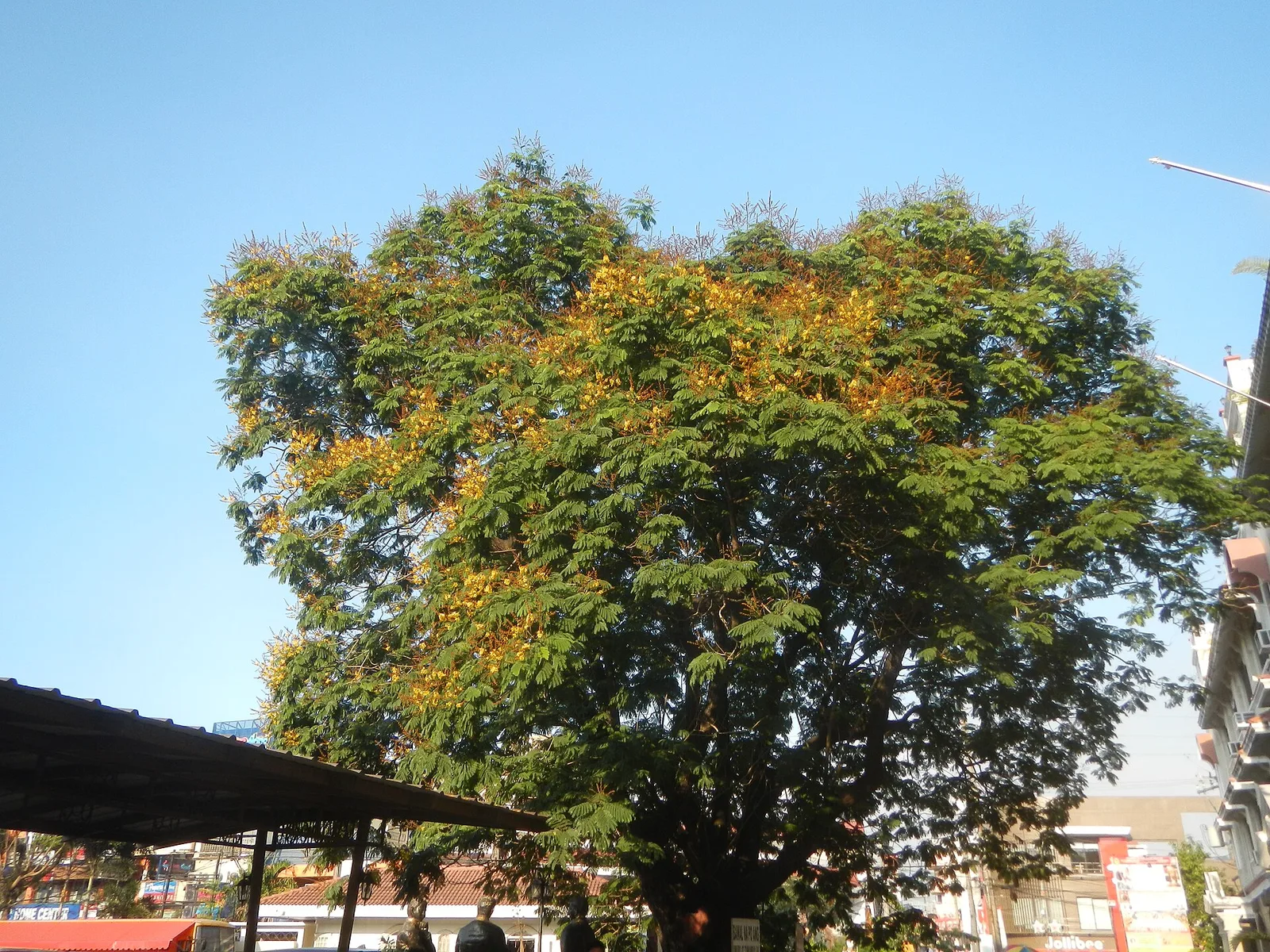
Kalayaan Tree
A more than 100-year old Siar tree named after the Filipino word for freedom for having existed during the First Philippine Republic.
Showing 961 to 990 of 1,893
A more than 100-year old Siar tree named after the Filipino word for freedom for having existed during the First Philippine Republic.
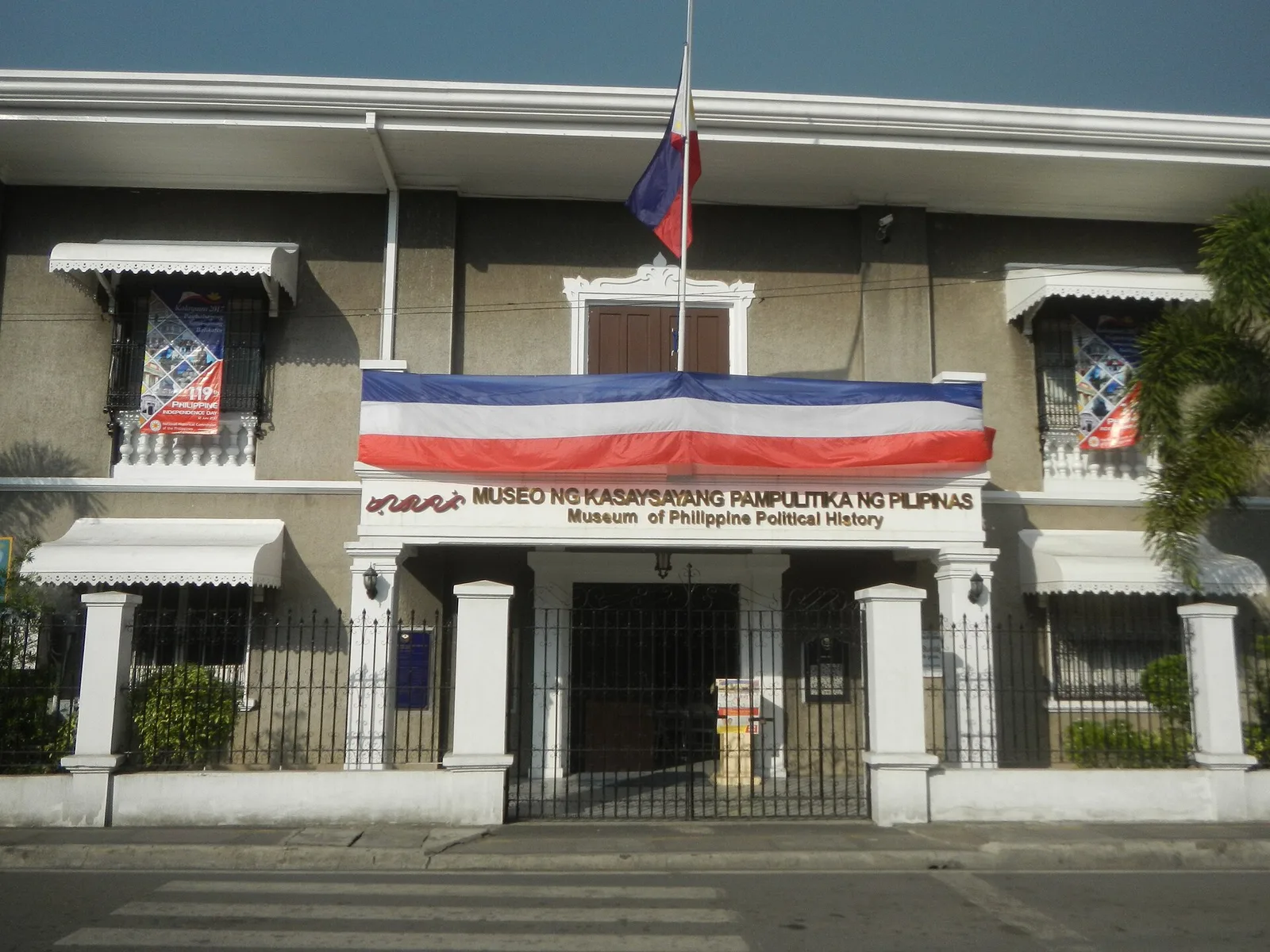
It was built in 1580 as Casa Tribunal and Casa Presidencia of the town gobernadorcillo. It became the Spanish treasury in 1673. Declared National Shrine on October 4, 1965. Now it is the Museum of Philippine Political History.
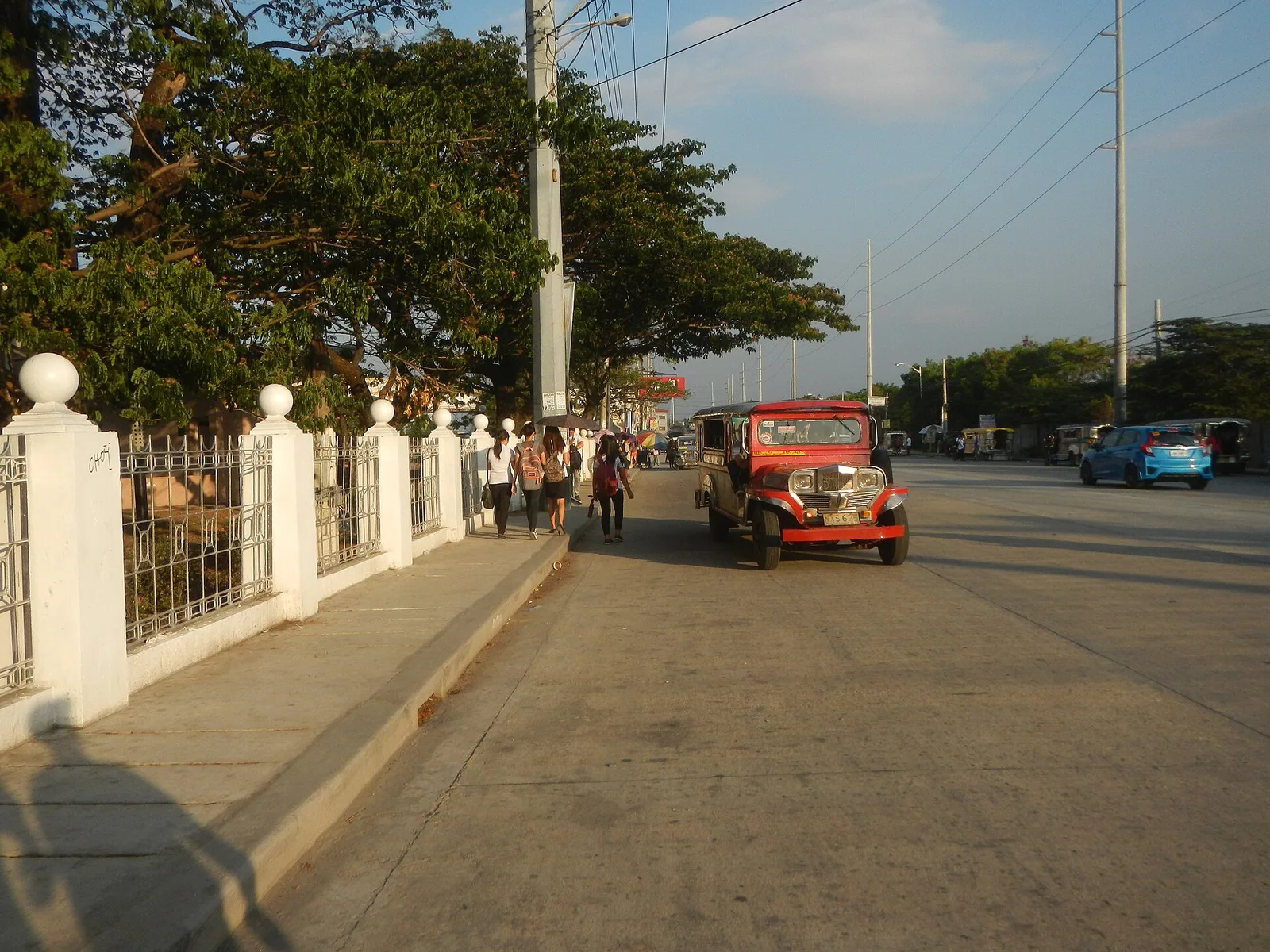
City park with many flagpoles and monuments to local heroes.
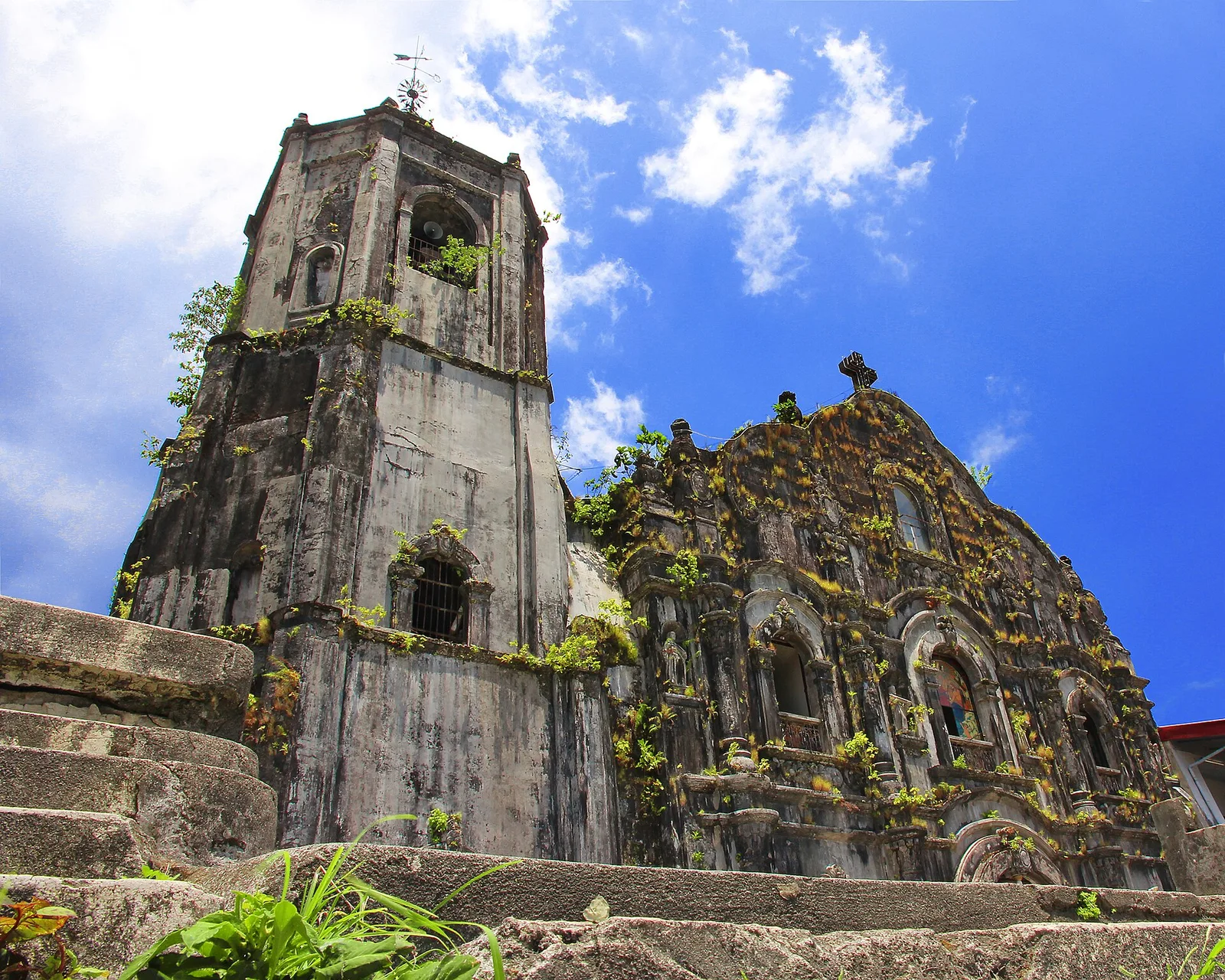
A Baroque 18th century church that has a bone relic of its patron saint.
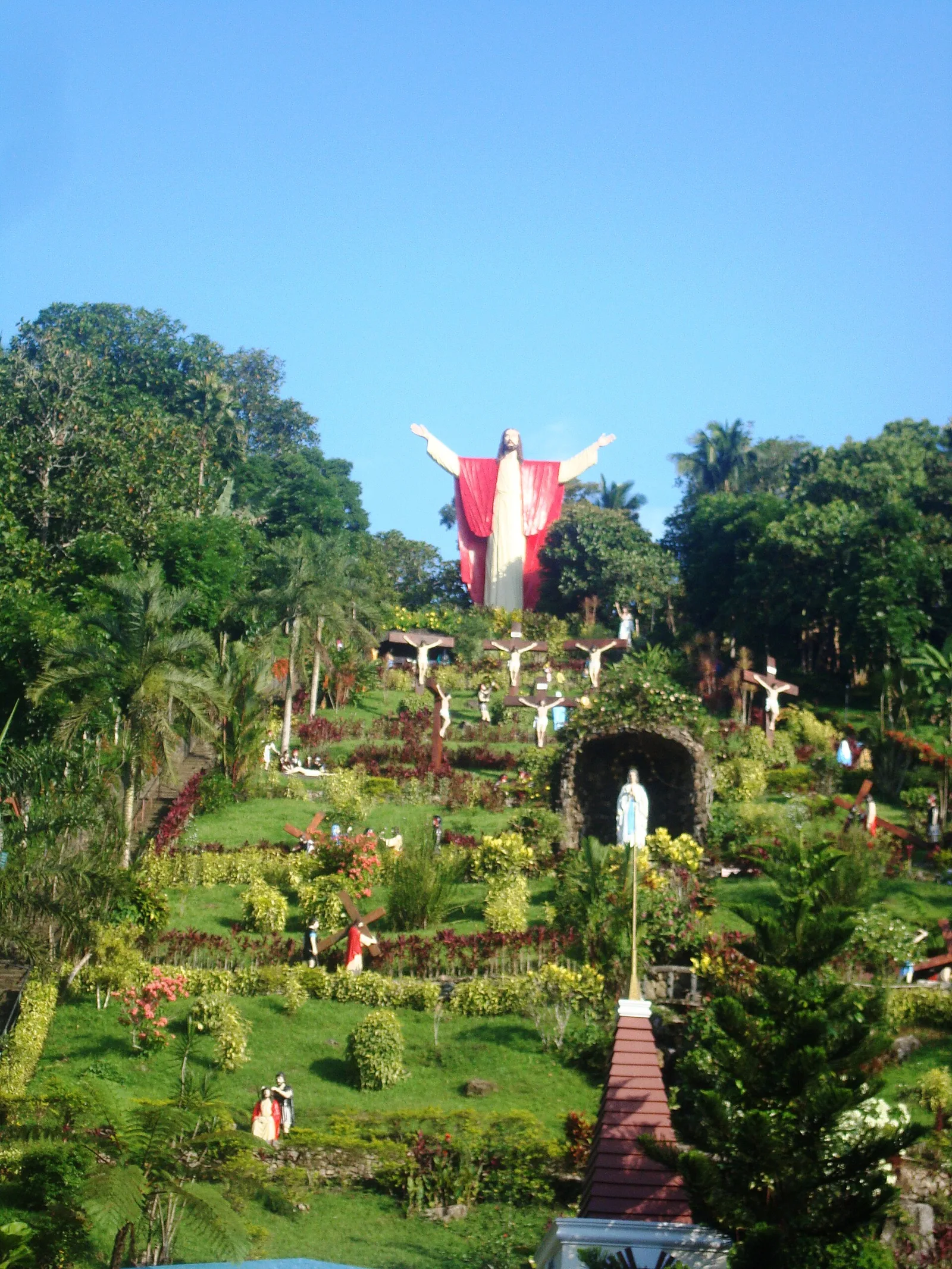
Roman Catholic pilgrimage site on the foot of Mount Banahaw, frequently visited during Holy Week. It houses a replica of Noah's Ark, a healing church, family park and pond. Group tours can be organized from Lucena.
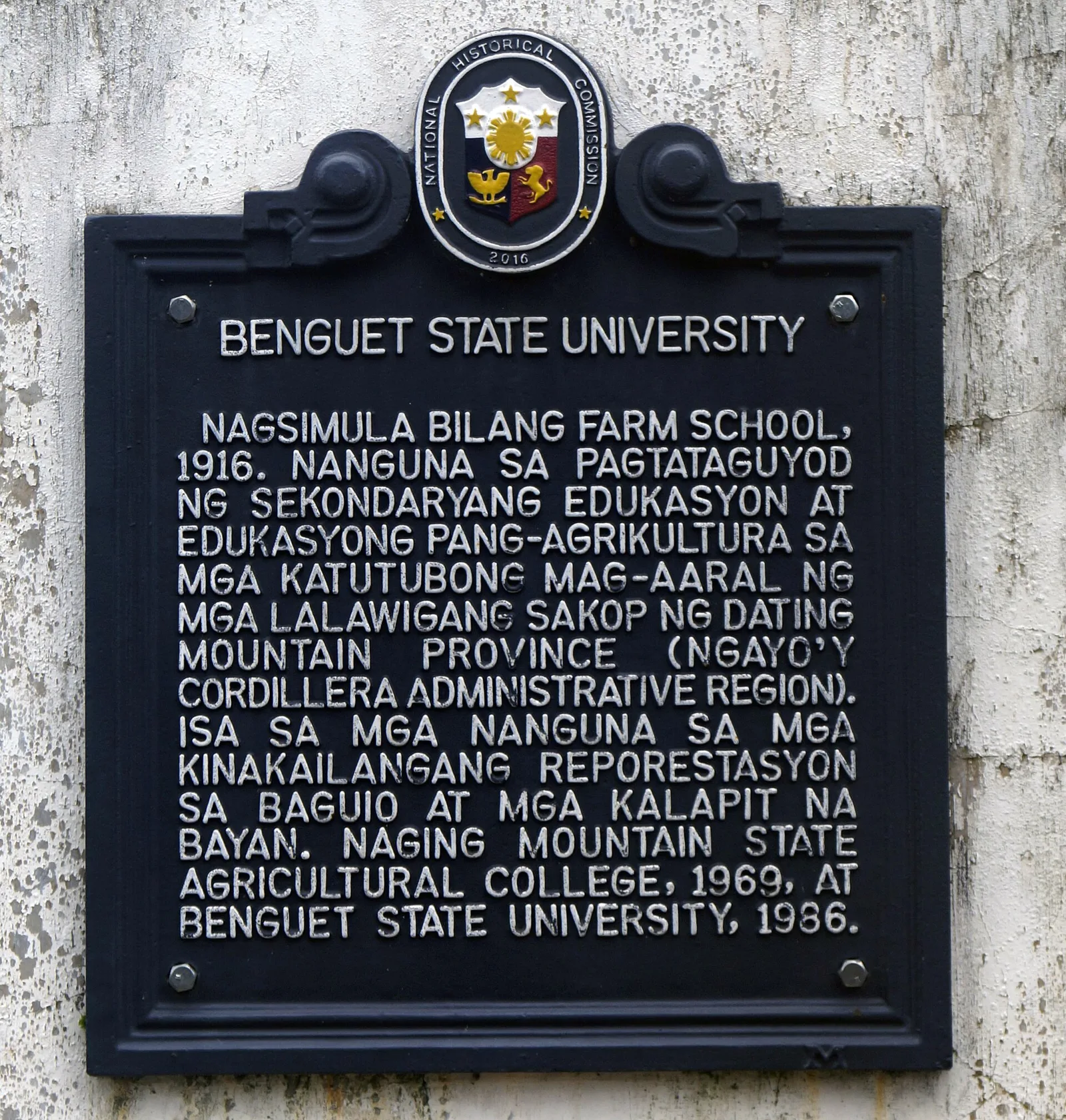
Educational tours are available for tourists at the regional agricultural university. Tourists can learn about organic farming through tours in the university's demonstration farms and gardens as well as shop for souvenirs
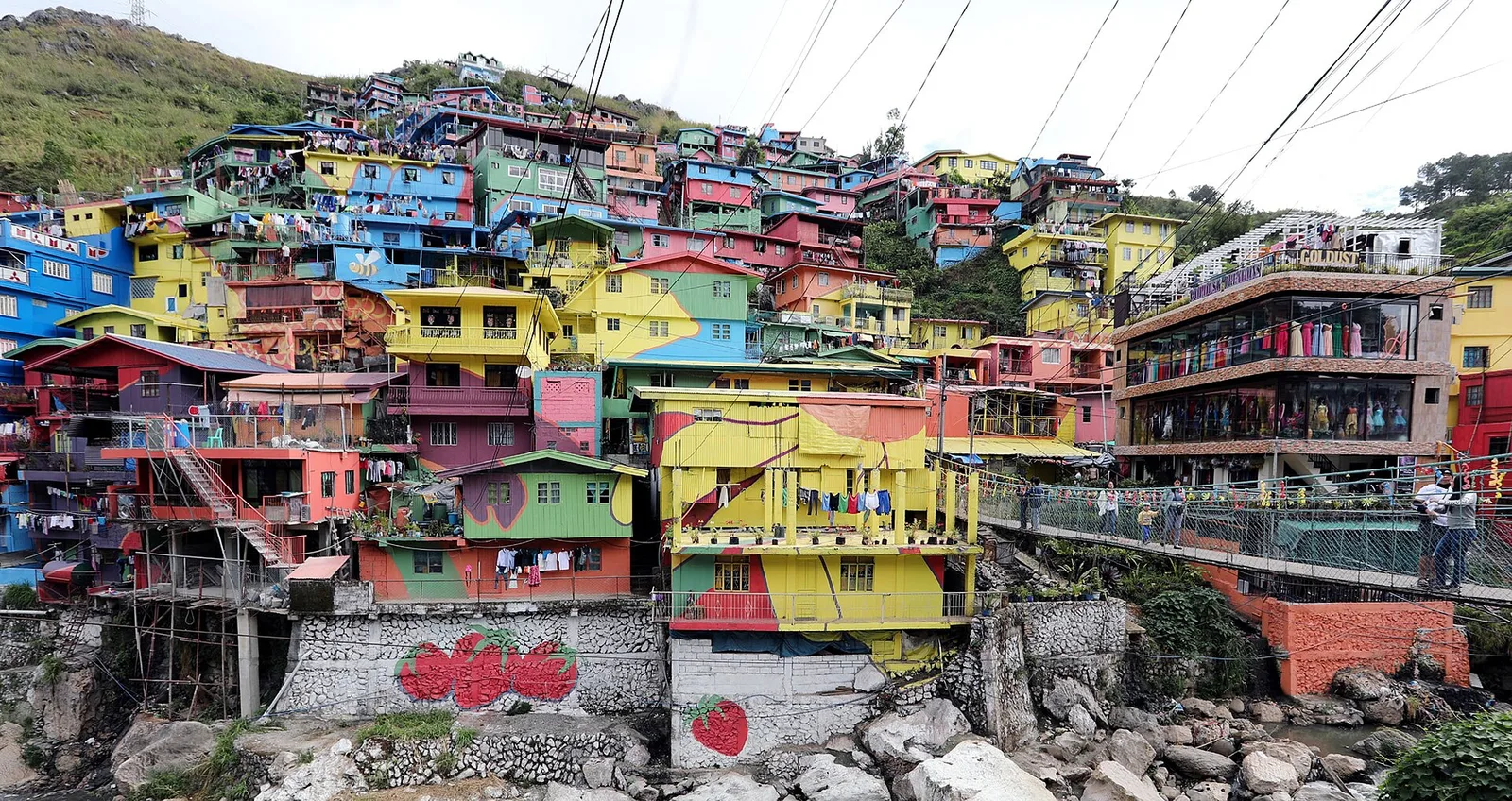
Inspired by the favela paintings in Rio de Janeiro, Brazil, it is a community artwork formed by paintwork of about two hundred houses in the sitios of Stonehill, Botiwtiw, and Sadjap. It was conceptualized by local artist troupe, Tam-awan Artist …
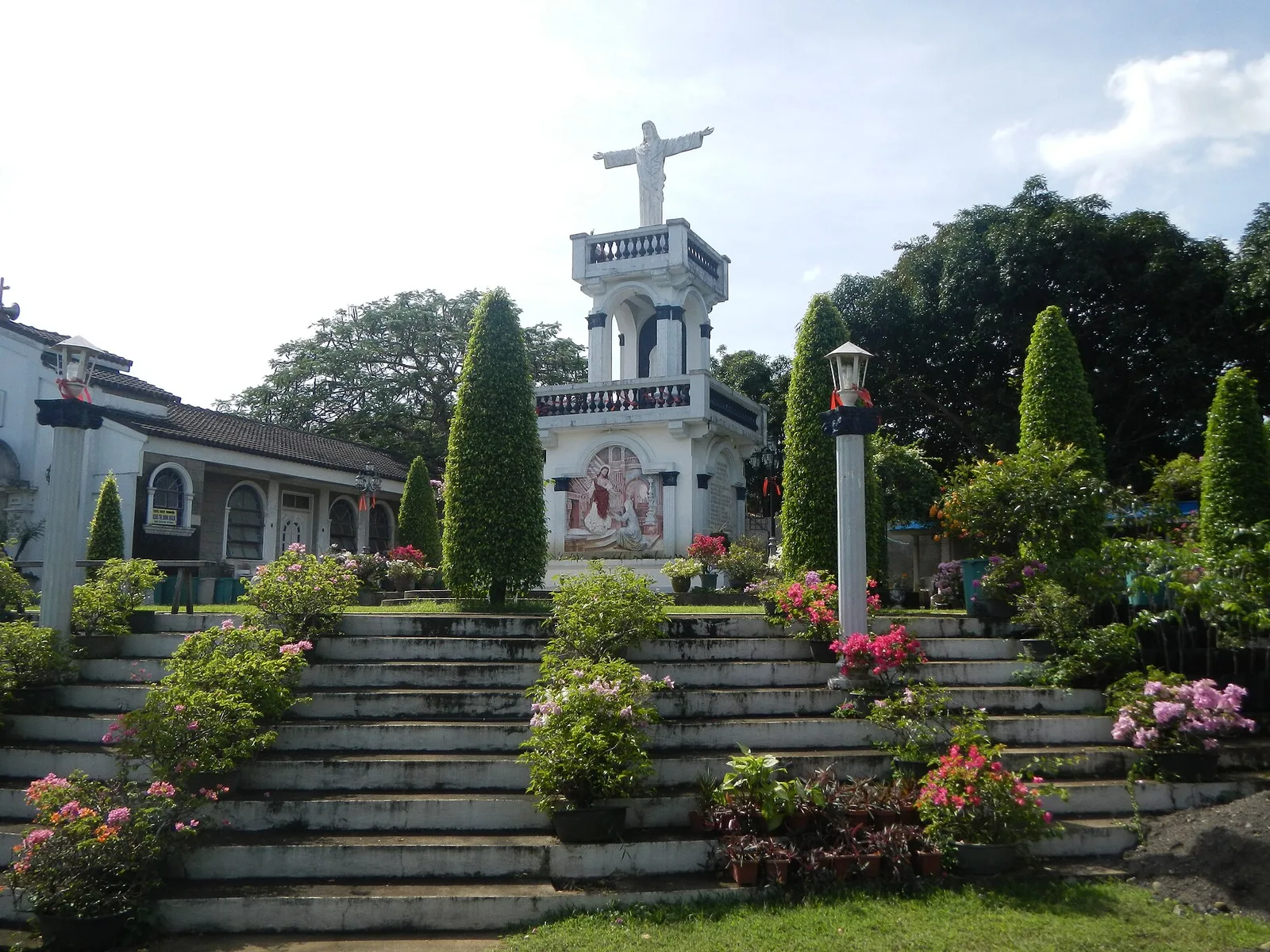
Serene Roman Catholic pilgrimage site in the middle of rainforest, most frequented every Holy Week as part of Visita Iglesia itineraries. There is a chapel, Stations of the Cross, Our Lady of Lourdes grotto, carillon bell, and rows of statues …
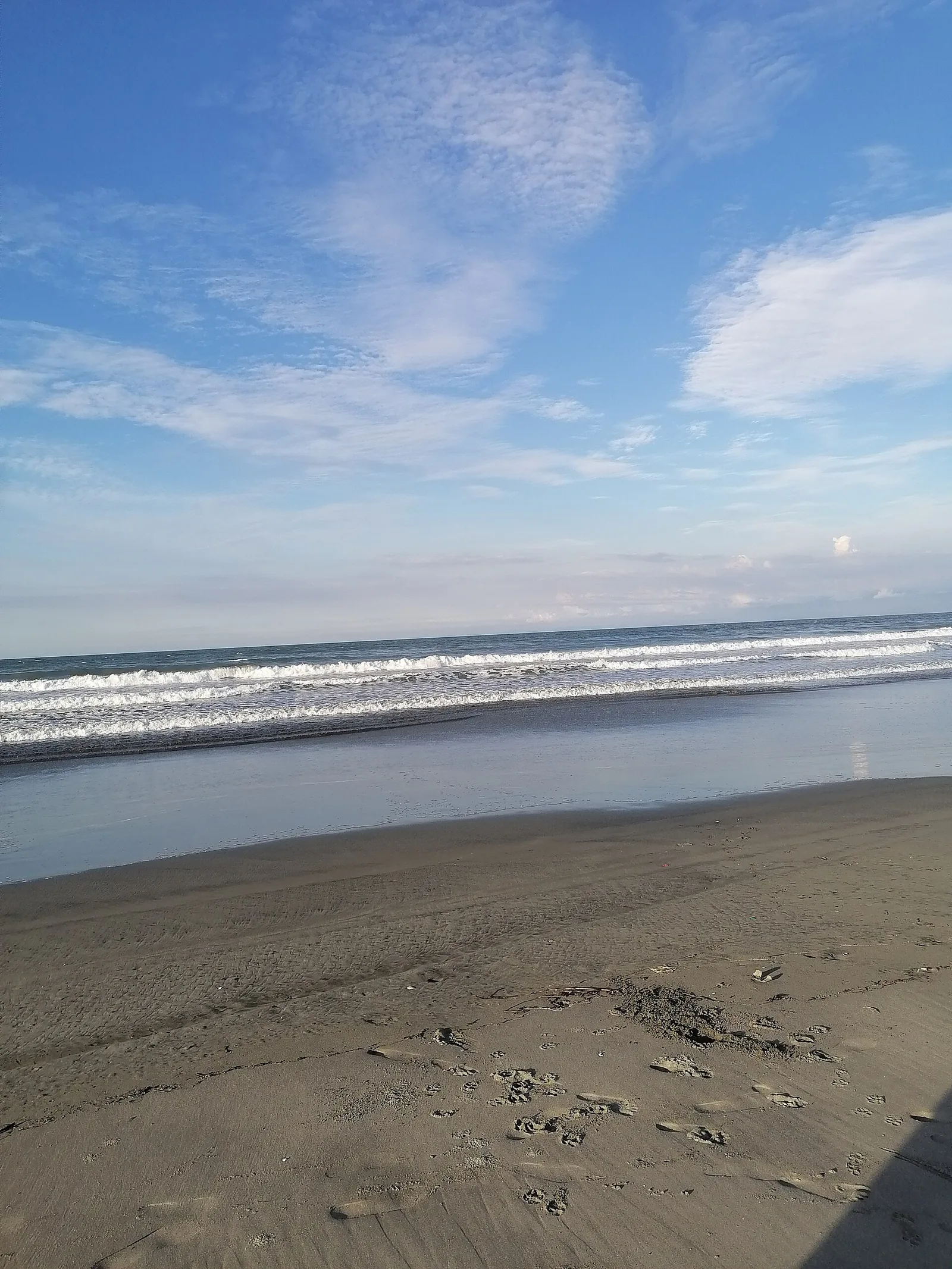
A links golf course inside an affluent subdivision. Locker rooms are available, but there is no WiFi access. Golfing is rather difficult due to the surrounding area.
Historical school building, constructed as one of the "Gabaldon Schools" during the American occupation in 1907. It is now part of Las Piñas Central Department of Education's Las Piñas school division office.
A waterfall at the boundary of Majayjay and Liliw that is claimed by both municipalities.
A white-painted, Gothic inspired church that is one of the oldest Protestant places of worship in the country, established in 1904.
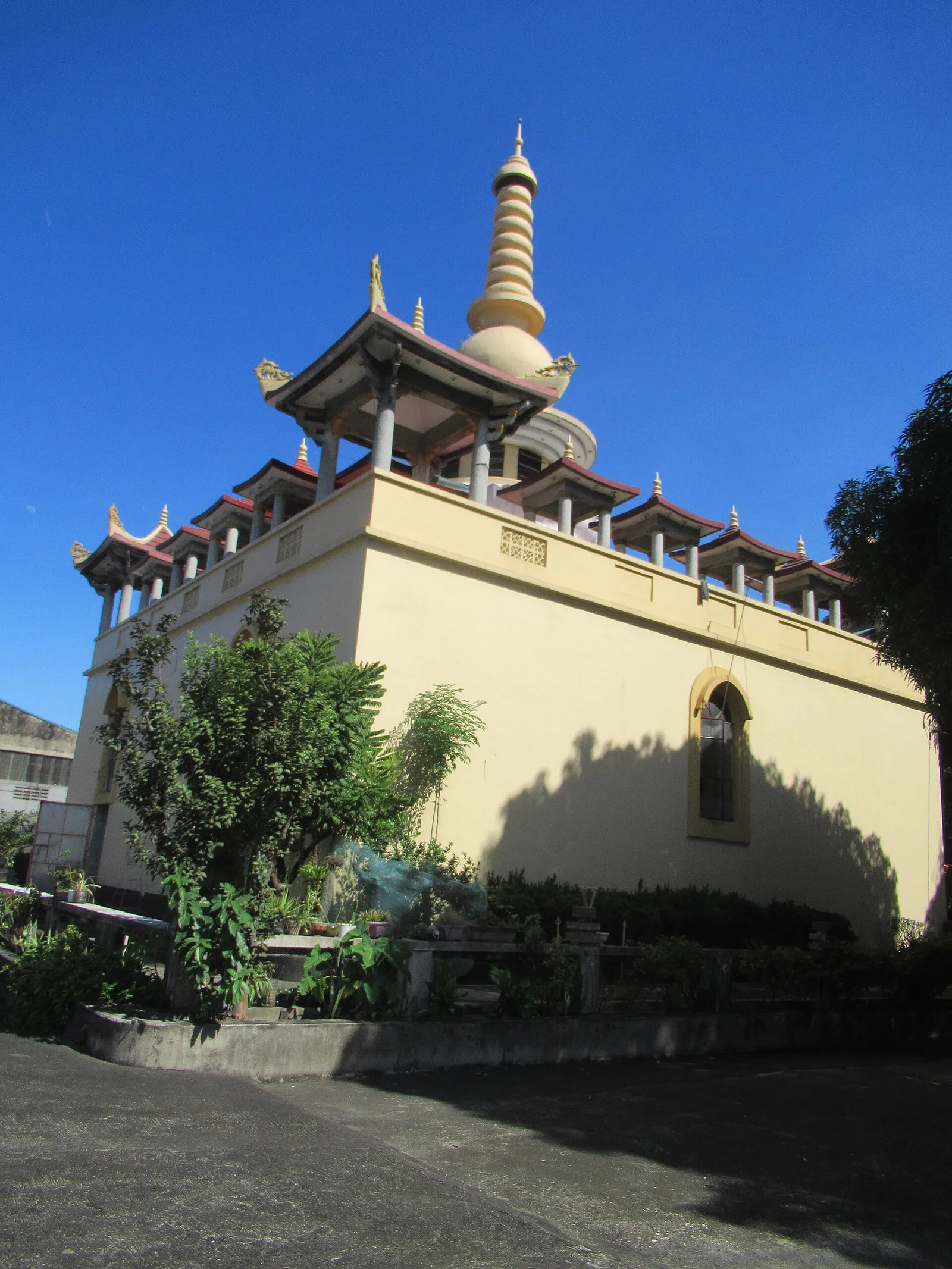
Erected in honor of the late Filipino senator, Benigno "Ninoy" Aquino, who was the husband of late Philippines president. Corazon Aquino.
Has an astounding collection of books that date back to the Spanish period. Serious scholars of the time period will love it, but anyone with even a remote interest in old books and history should give it a visit.
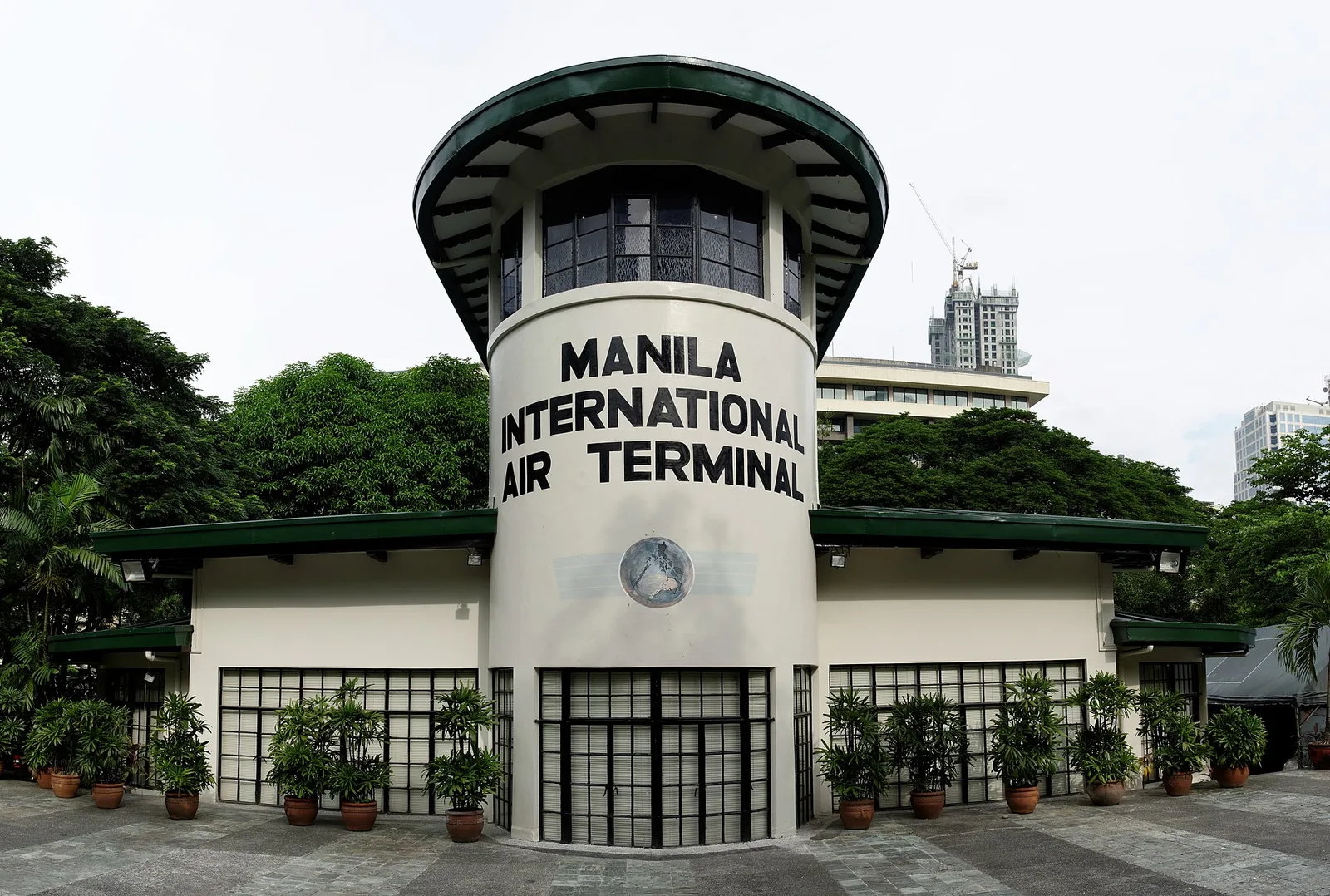
The Nielson Airport was built by Laurie Reuben Nielson, a businessman born in New Zealand. It was built in 1937 and served as the control tower and passenger depot of the city's airport. Until 1948. The Nielson Airport was built …
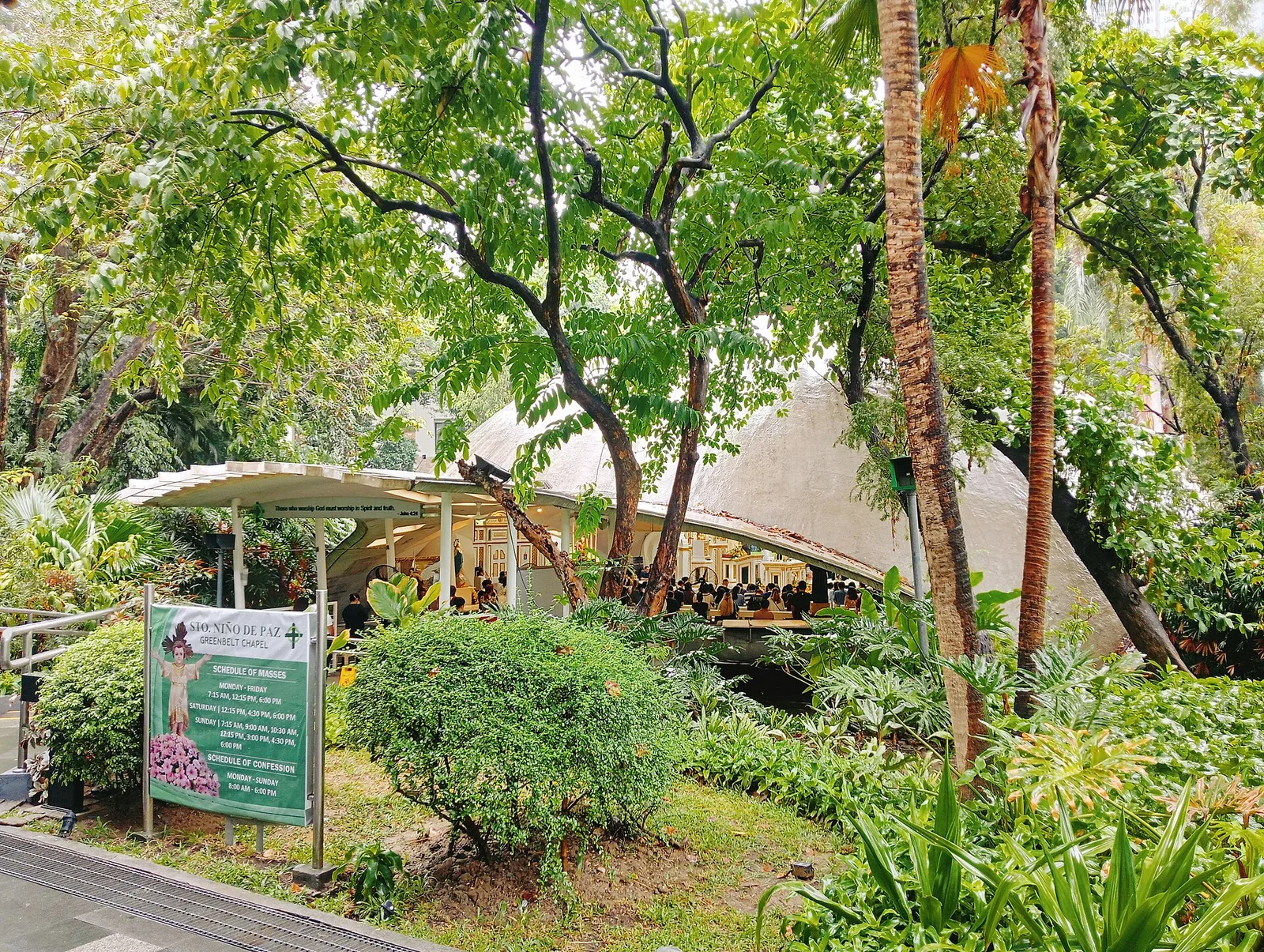
The church is popular for church-goers, most people find it relaxing though because of the park around it. The church is surrounded by trees and a fish and lily pond is on the side of the chapel. The Greenbelt Chapel …
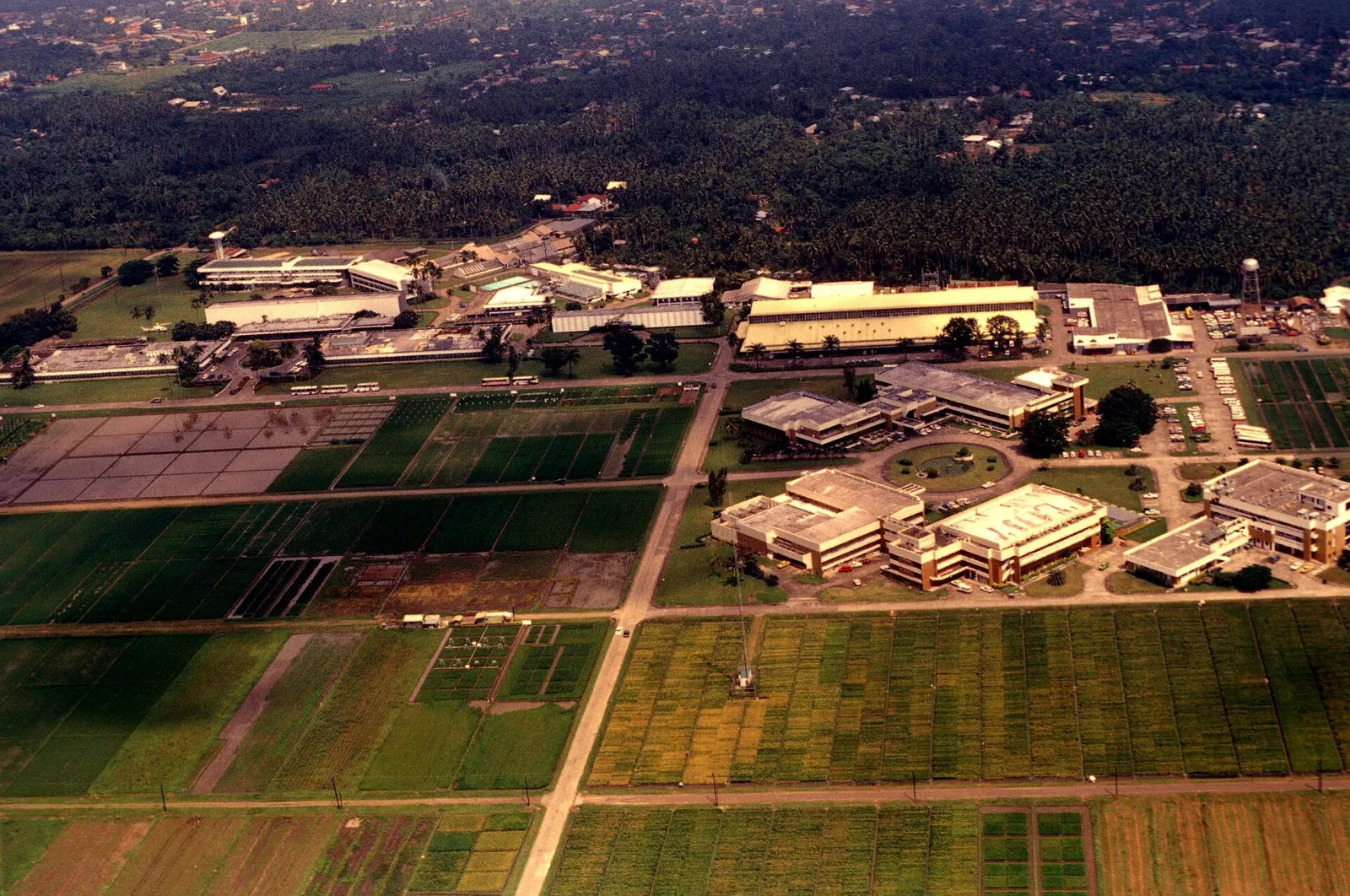
On a large (252 hectares, 620 acres) experimental farm. In the 1960s and 1970s, the facility pioneered the development of fast-growing and large-yielding "miracle rice" varieties, along with controversial genetically-modified produced.
A Lord of the Rings-themed viewpoint with rolling hills, walking spots and panoramic views of Mount Mayon and Mount Masaraga.
Kawa-Kawa (or formerly Lunad) is a hill with a crater, that looks like a giant cauldron, or kawa in the local language of Albay Bikol, and serves as both an ecotourism site and a pilgrimage site. People who climbed this …
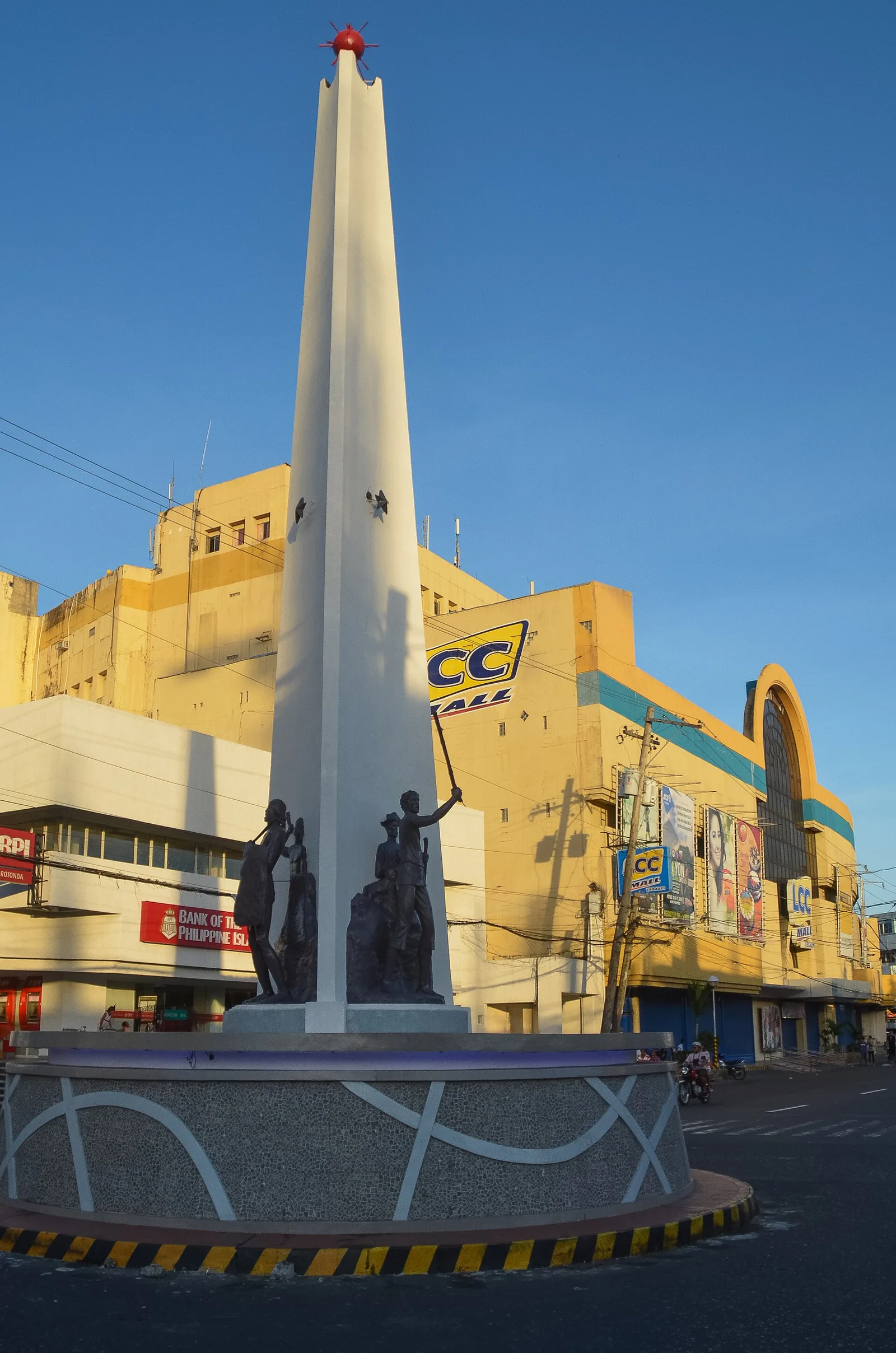
A high monument built to commemorate the defeat of Filipino fighters by American forces in 1900. The pylon marks the site of a bloody battle during the Philippine-American War and World War II.
Has a statue of General Simeon Ola. Site at the Camp Simeon Ola headquarters featuring monuments, including one of General Ola.
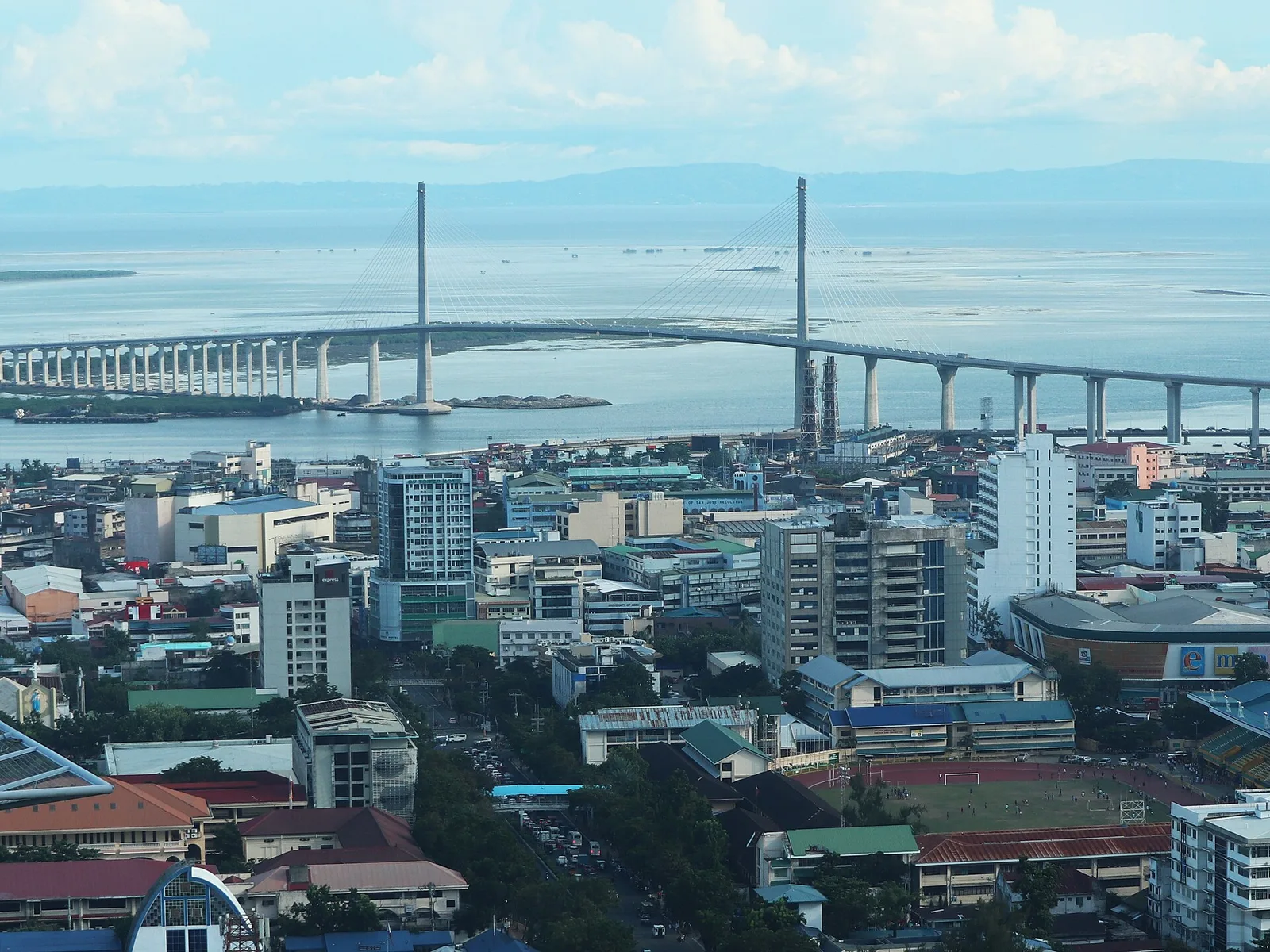
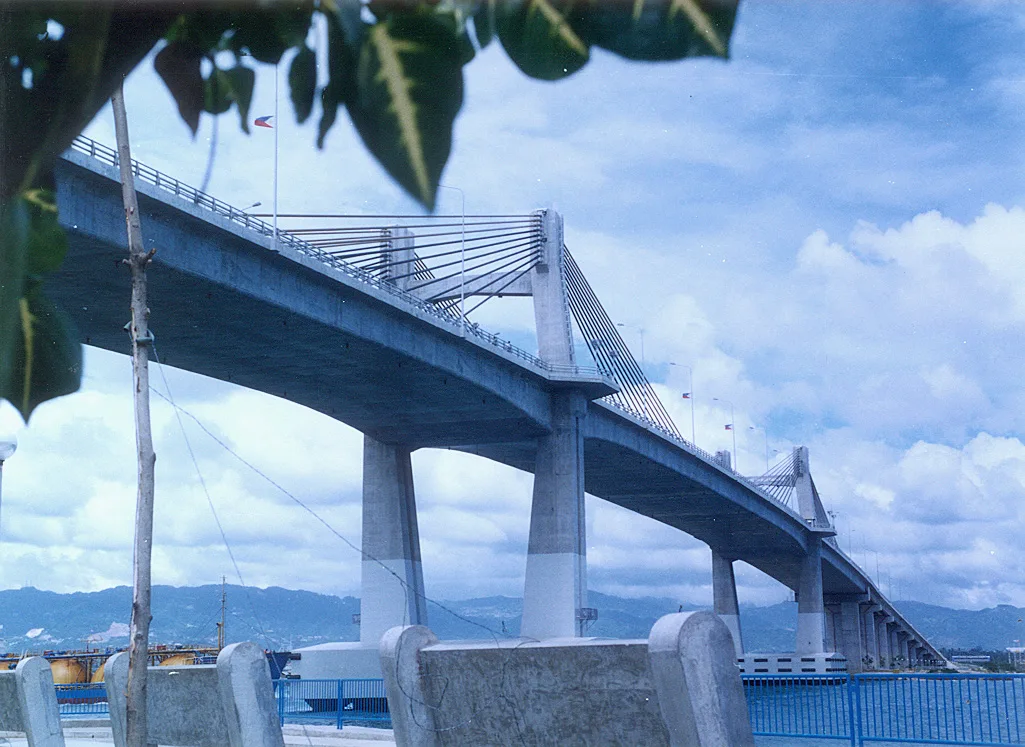
The longest bridge in Philippines, with toll, running from Cebu City to Córdova (the southern part of Mactan).