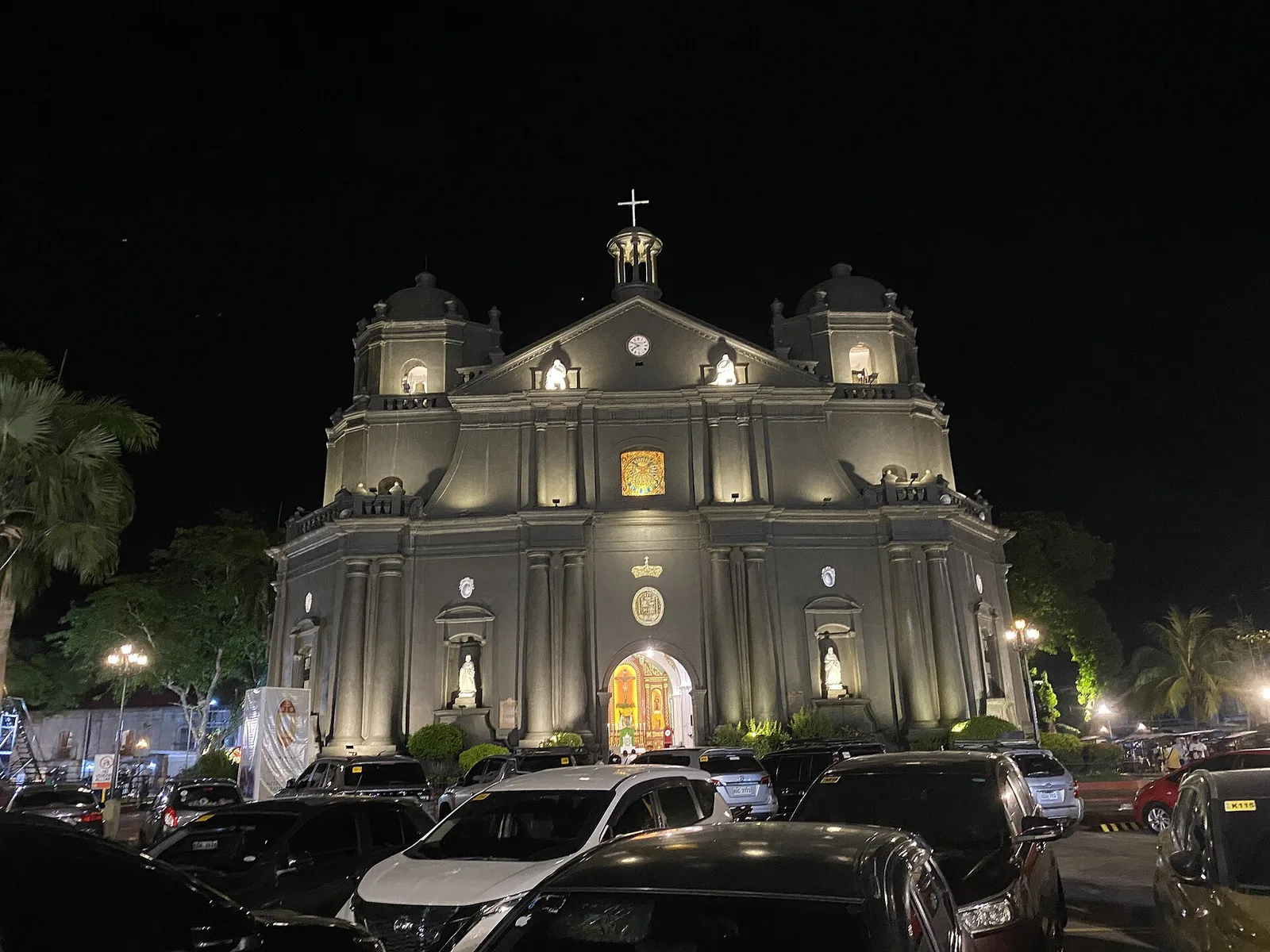
Naga Cathedral
The seat of the Archdiocese of Caceres, dedicated to Saint John the Evangelist. The first church here followed the creation of the diocese of Nueva Caceres in 1595, and fire destroyed it in 1768. Work on the present building started …
Province in Bicol, Luzon · 37 towns and cities
The seat of the Archdiocese of Caceres, dedicated to Saint John the Evangelist. The first church here followed the creation of the diocese of Nueva Caceres in 1595, and fire destroyed it in 1768. Work on the present building started …
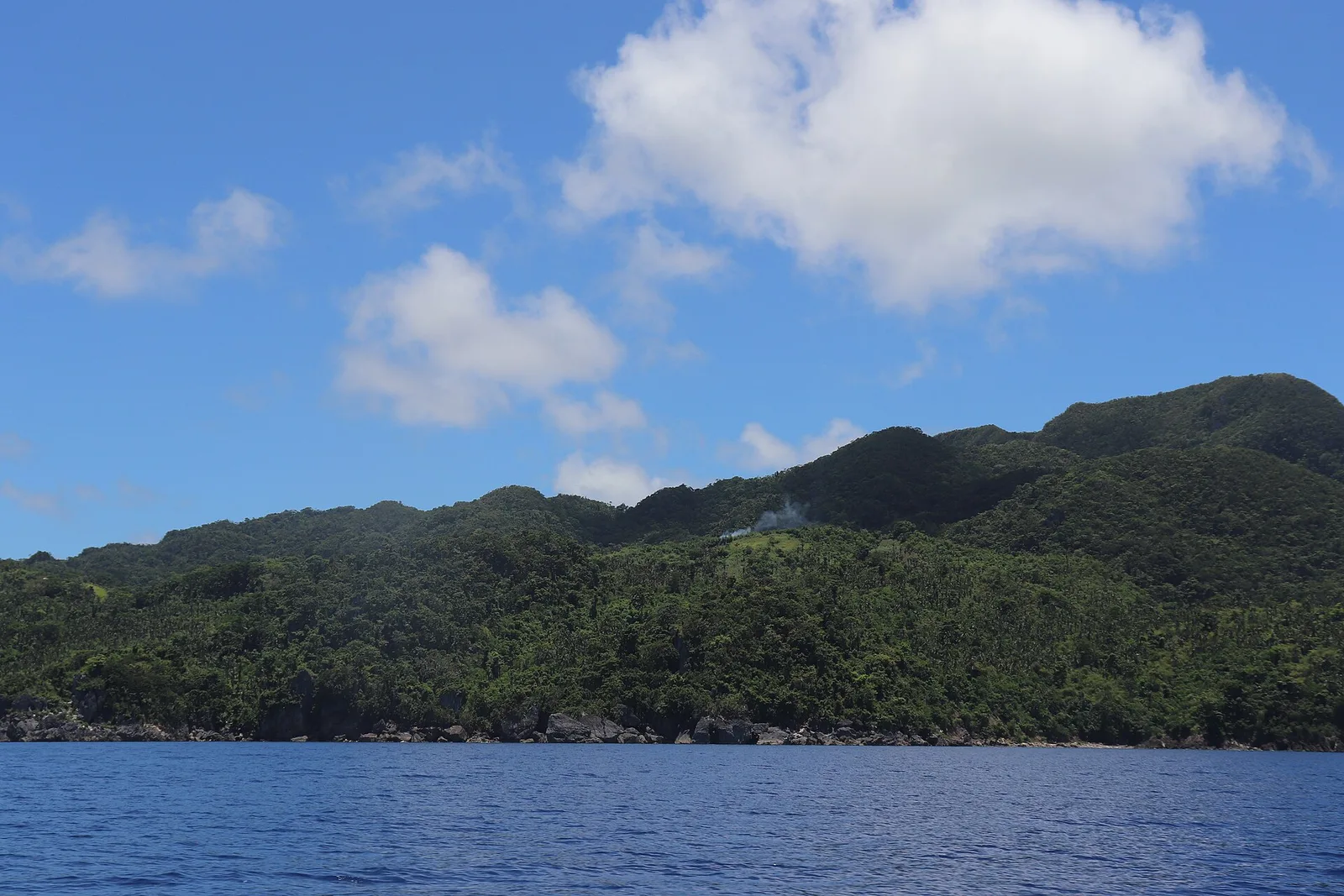
A national park of 347 hectares with white sand beaches, limestone formations, caves and a subterranean river. There is also a lake on an islet inside it. The park sits on the Caramoan Peninsula, a hilly headland of deep gorges …
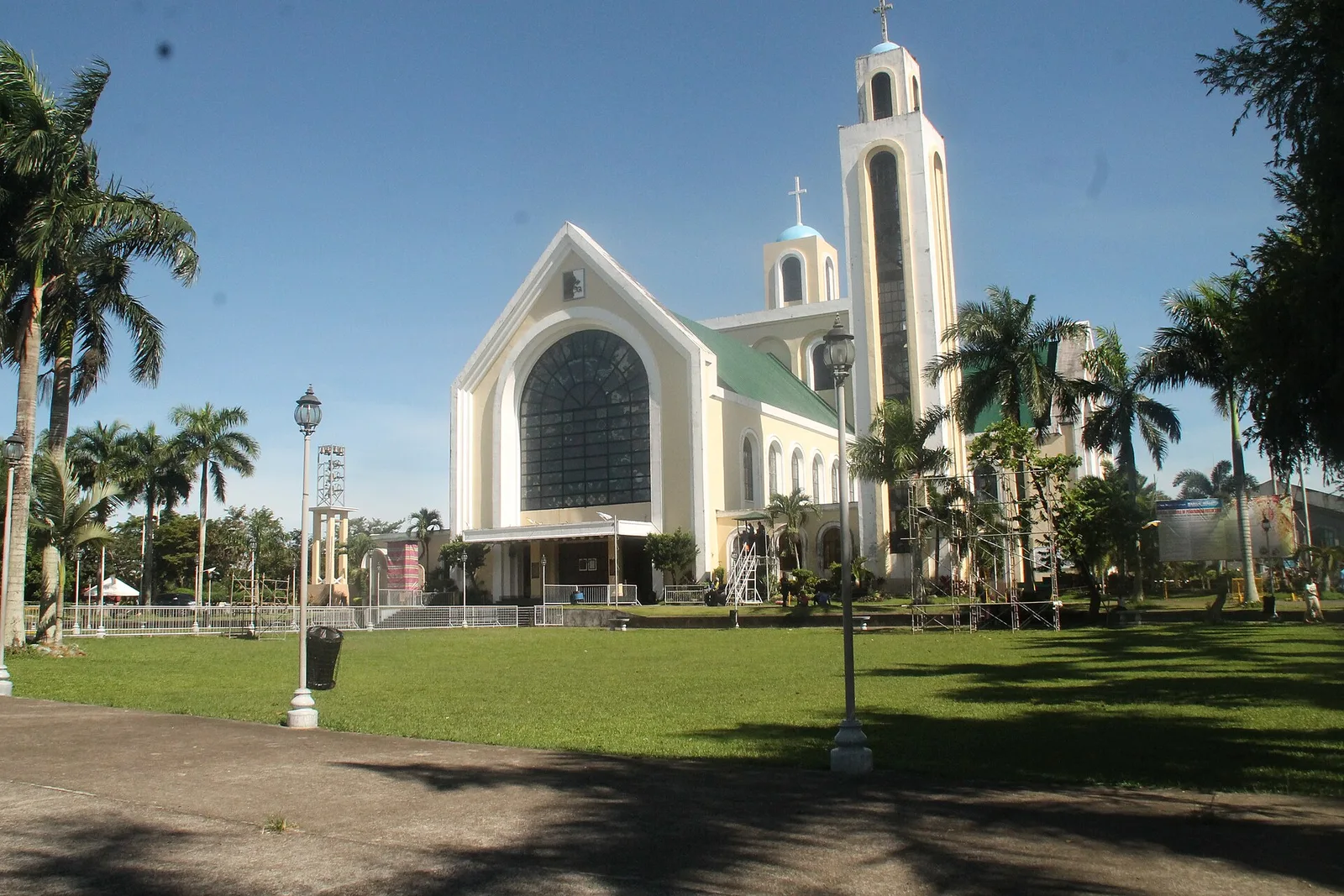
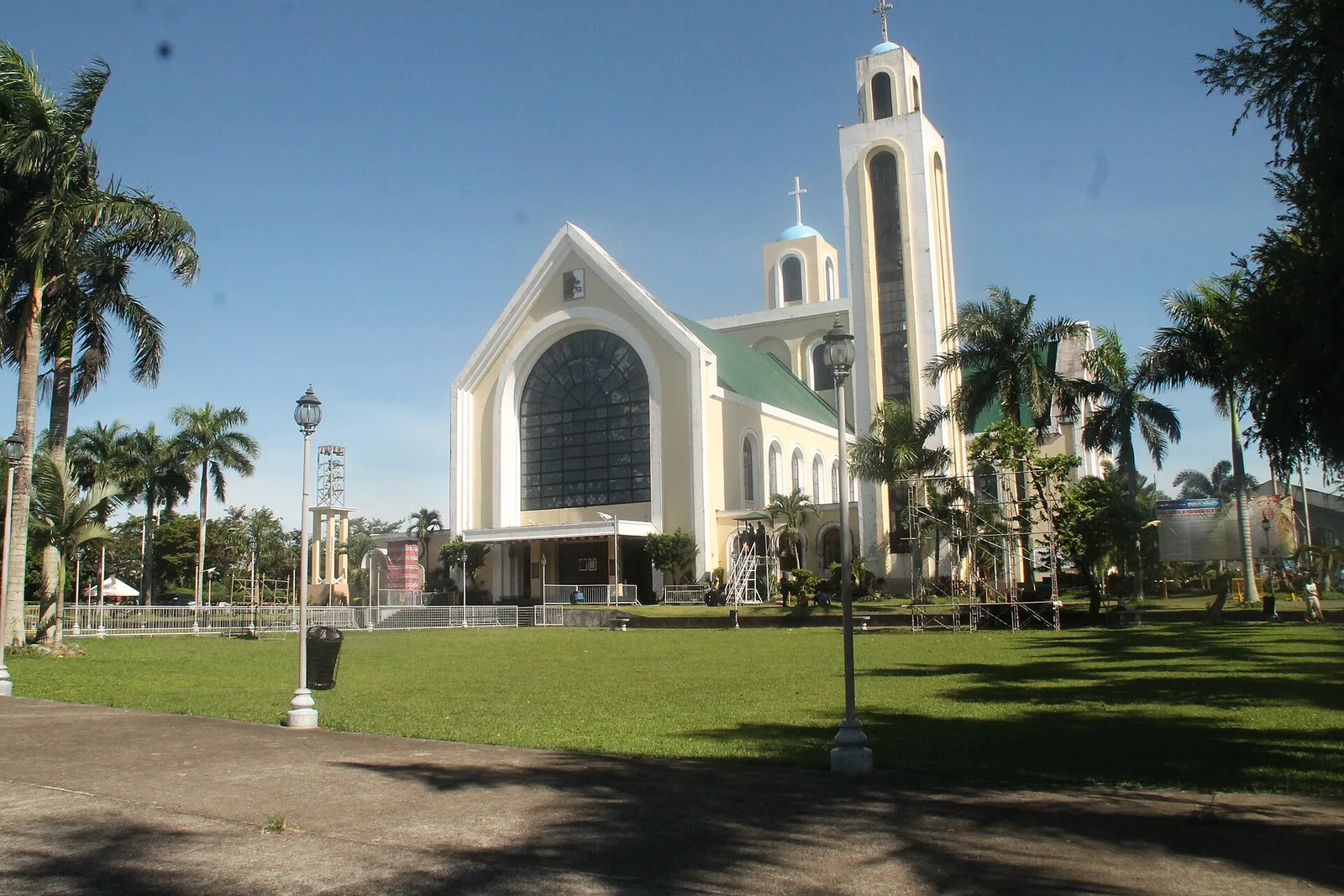
The church that holds the image of Our Lady of Peñafrancia, patroness of the Bicol Region. It is one of the largest Marian pilgrimage sites in Asia, and the only basilica in Bicol and in the Archdiocese of Caceres. It …
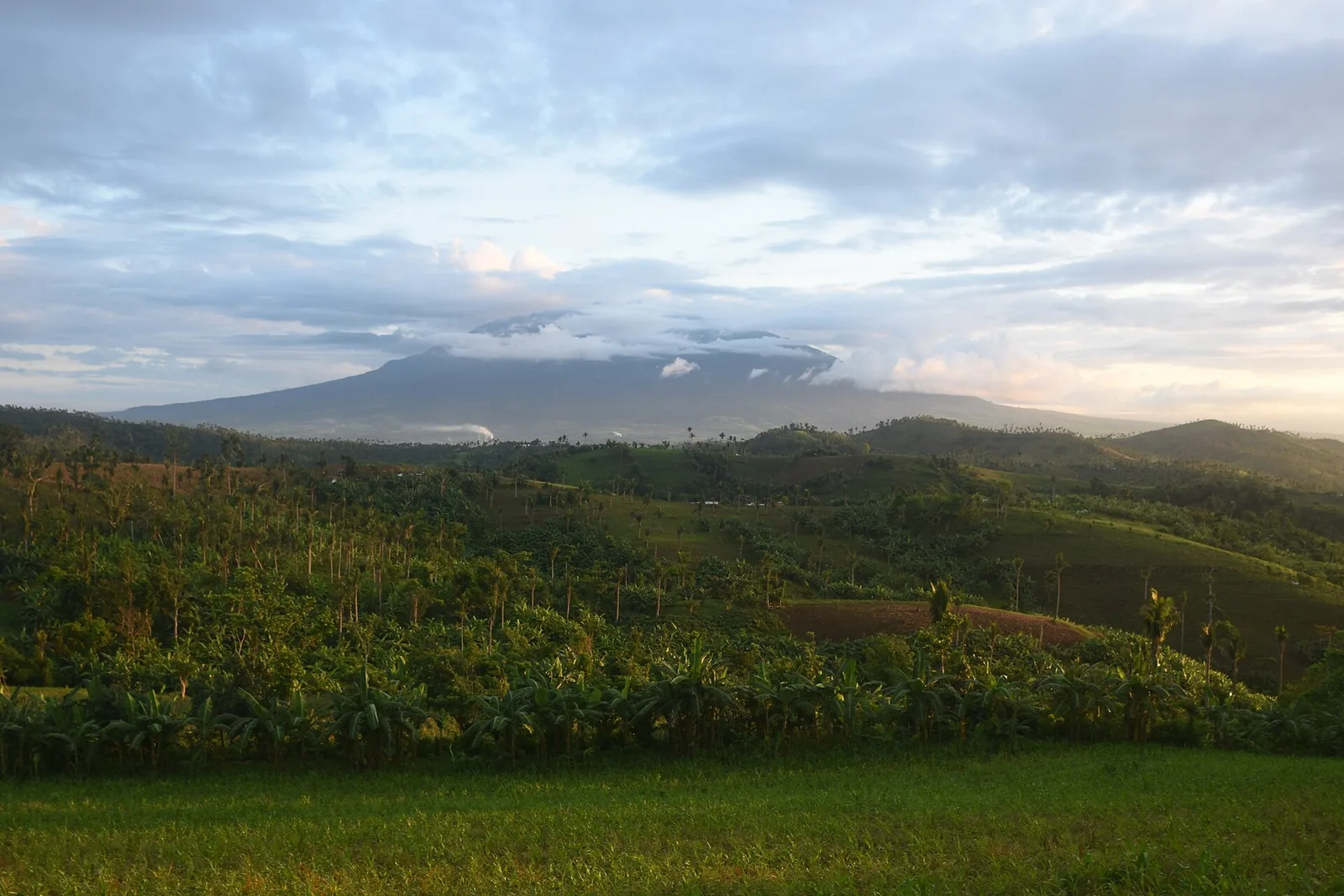
An active volcano of 2,000 metres above sea level, standing alone on the isthmus between Lagonoy Gulf and San Miguel Bay. It still has fumaroles and hot springs, and hiking trails lead up it. The crater at the top is …
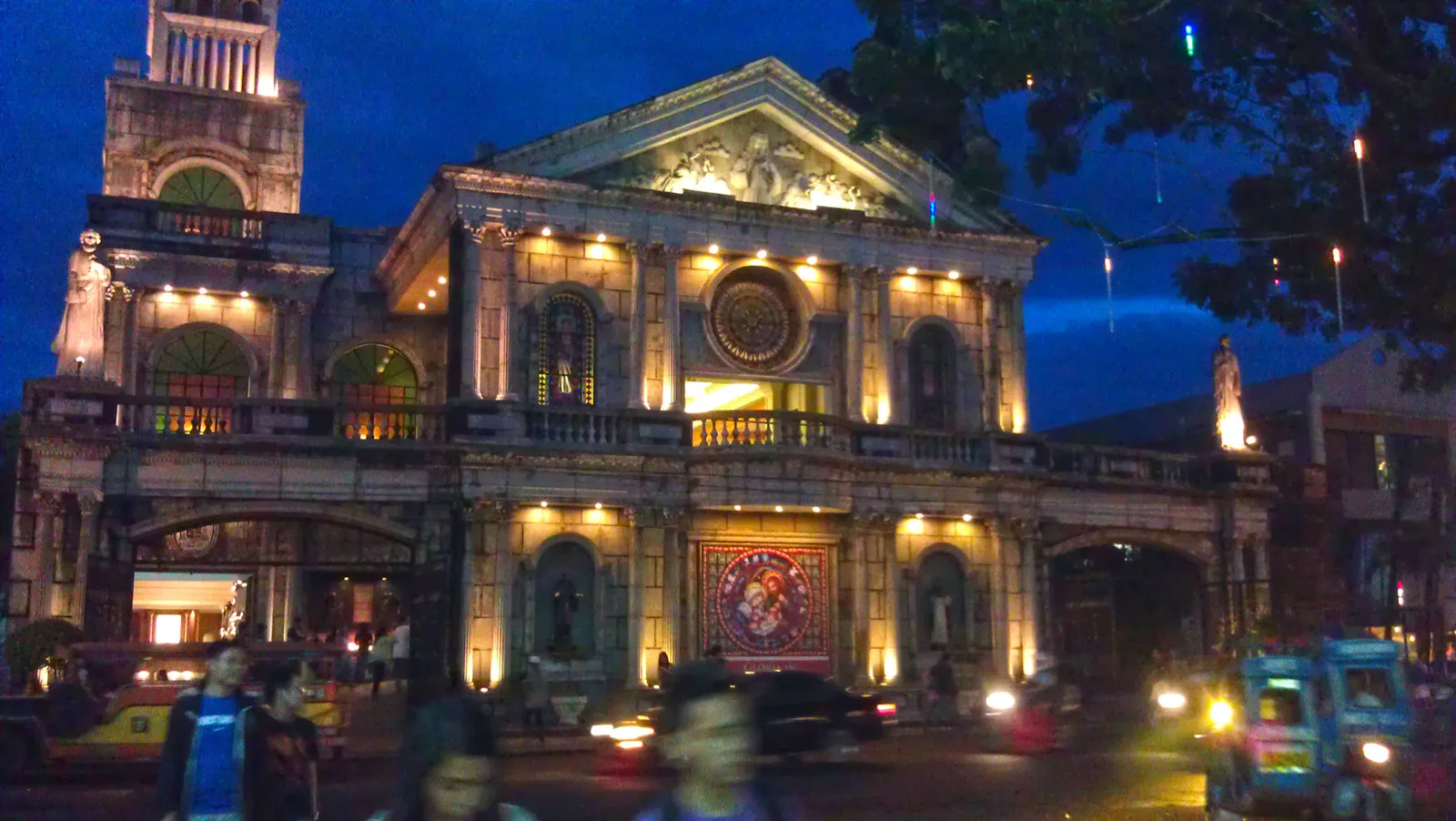
Established in 1578, it is the first church in the region built by the Franciscan Friars. The surrender of the Spanish forces to the Bikol revolutionaries Elias Angeles and Felix Plazo took place here on September 18, 1896. The church …
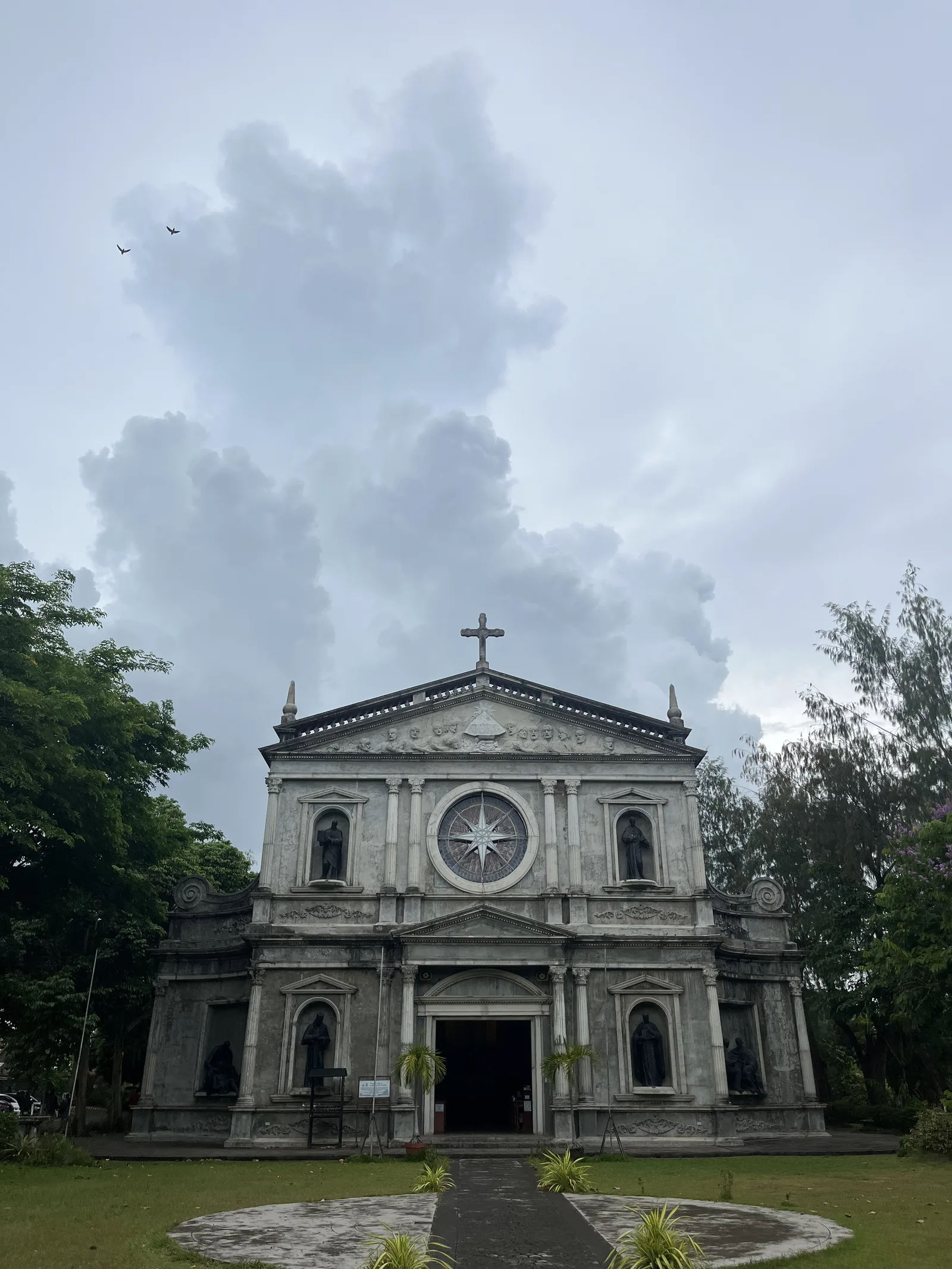
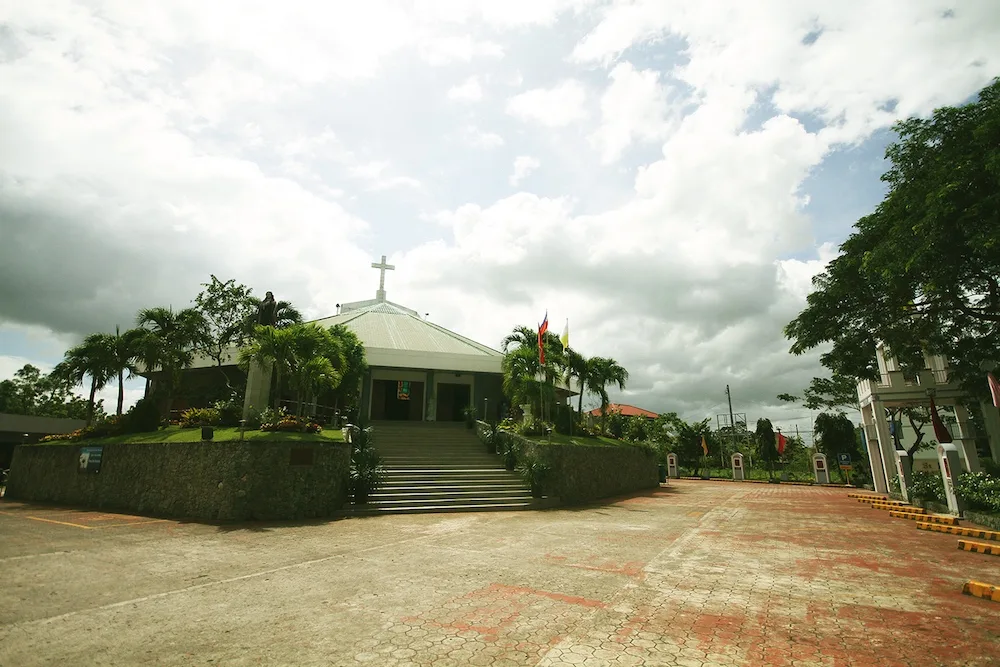
Solemn chapel inside the campus just a short distance from the city's main cathedral. The interior is light and airy but for me, the most interesting is the portrayal of Jesus' image stylized as Filipino/Bicolano in the stained glass windows.
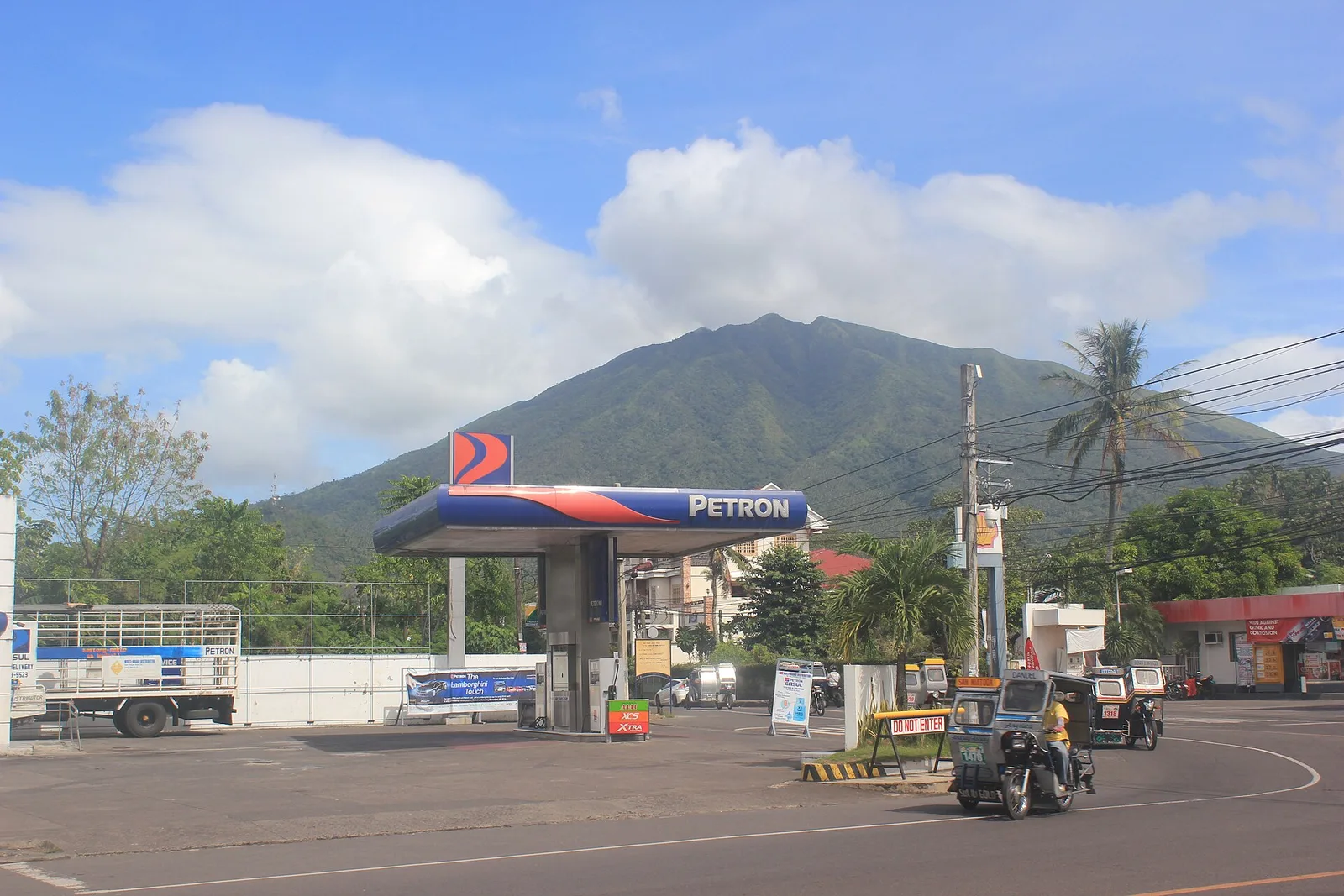
A dormant volcano that stands over the city, known also as Mount Asog after a Negrito chieftain, and in older records as Sumagang, the mountain of the rising sun. It erupted on 4 January 1641 and opened a deep gully …
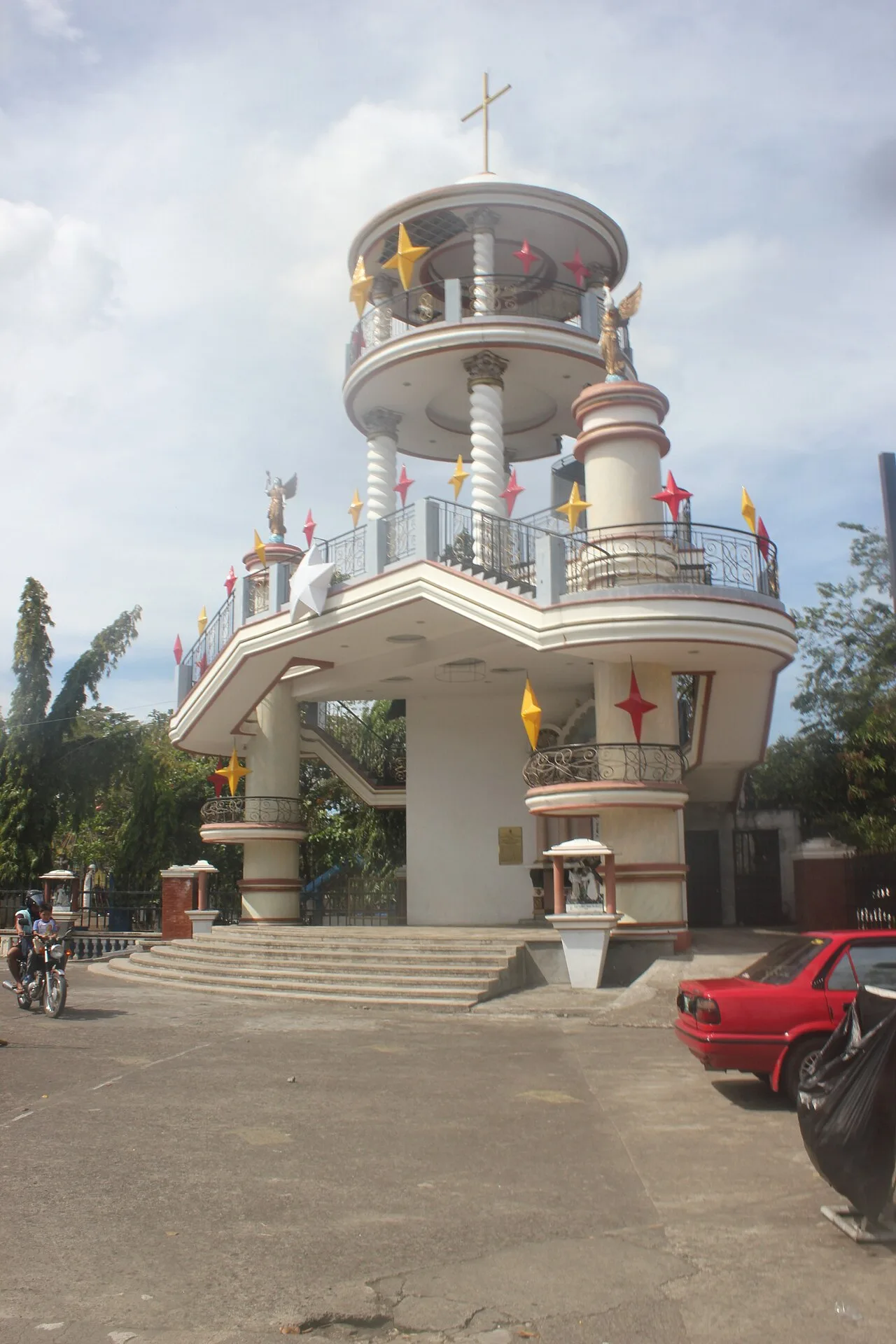
The parish church of Saint Anthony of Padua, built with two belfries and named a national landmark by the National Historical Commission of the Philippines in 1939. It is an archdiocesan shrine under the Archdiocese of Caceres. Three churches came …
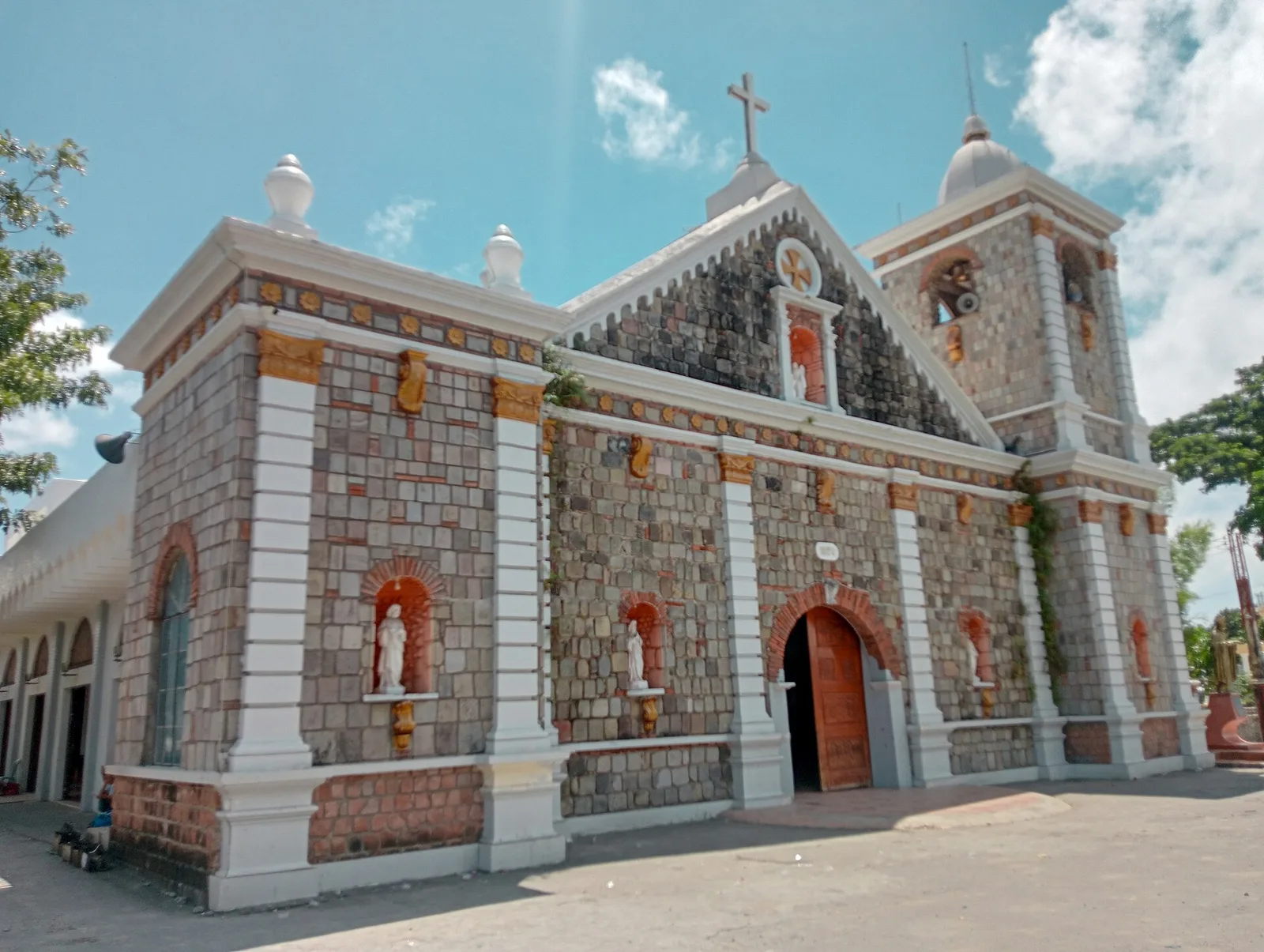
A Spanish-era Roman Catholic church in downtown Calabanga.
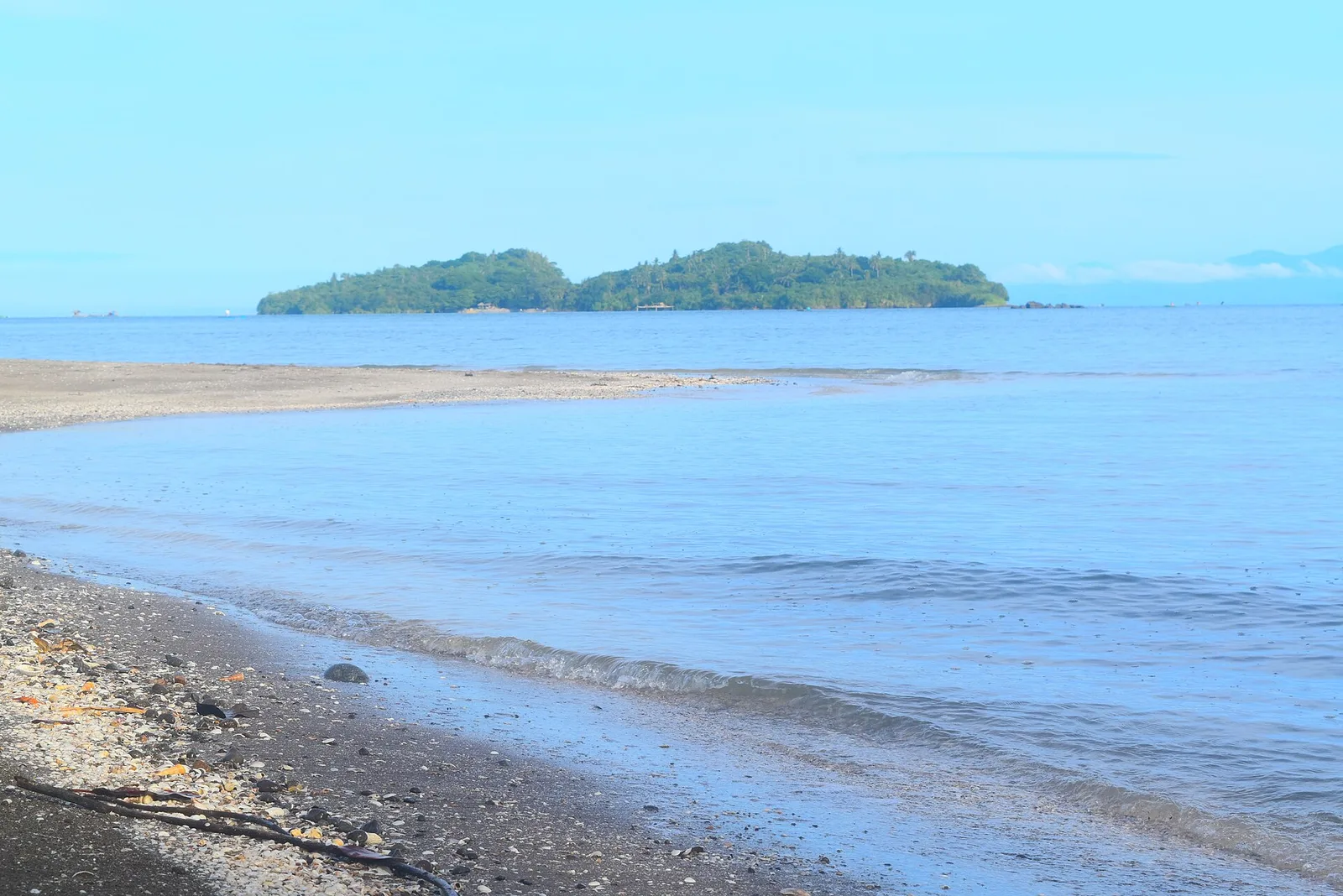
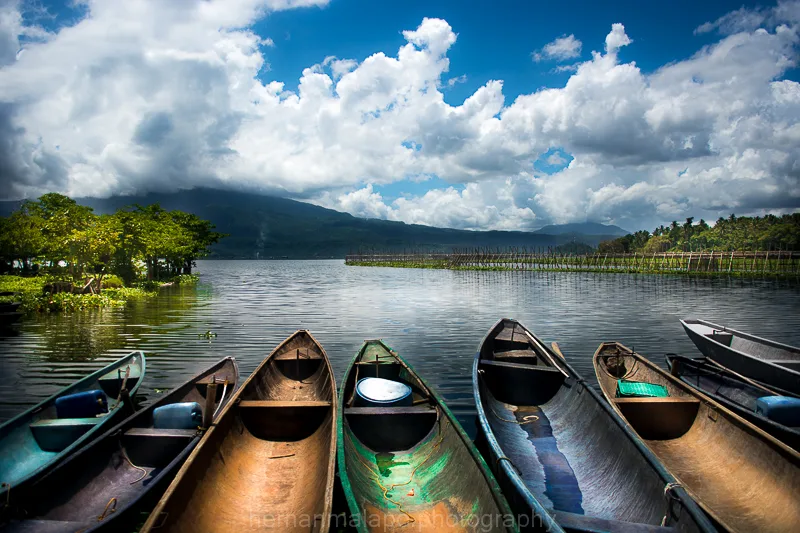
A lake of 18 square kilometres that holds the sinarapan, the world's smallest commercially harvested fish. It sits in the valley between two old volcanoes, Mount Asog and Mount Malinao, and averages 8 metres deep. An earthquake in 1641 dropped …
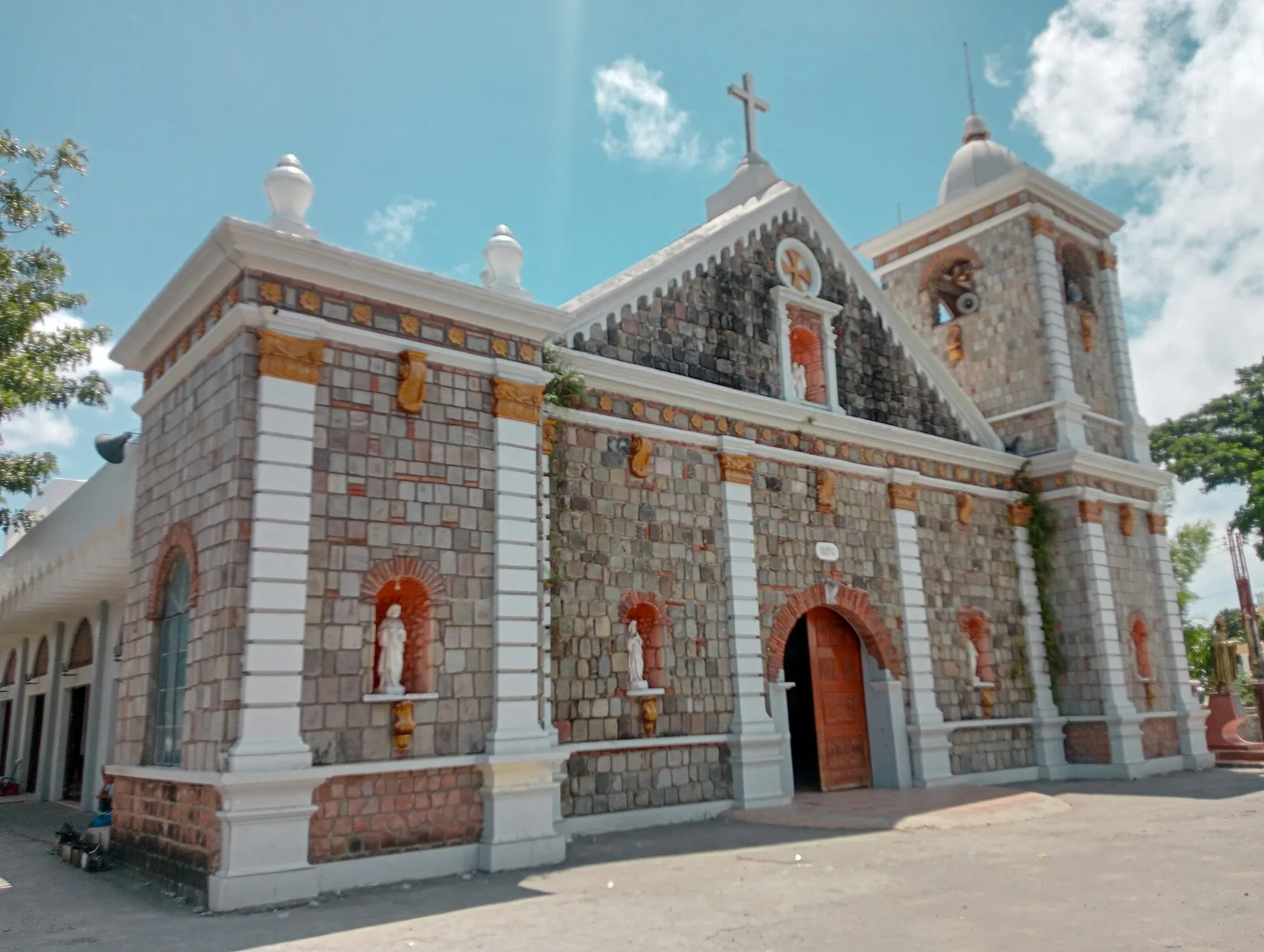
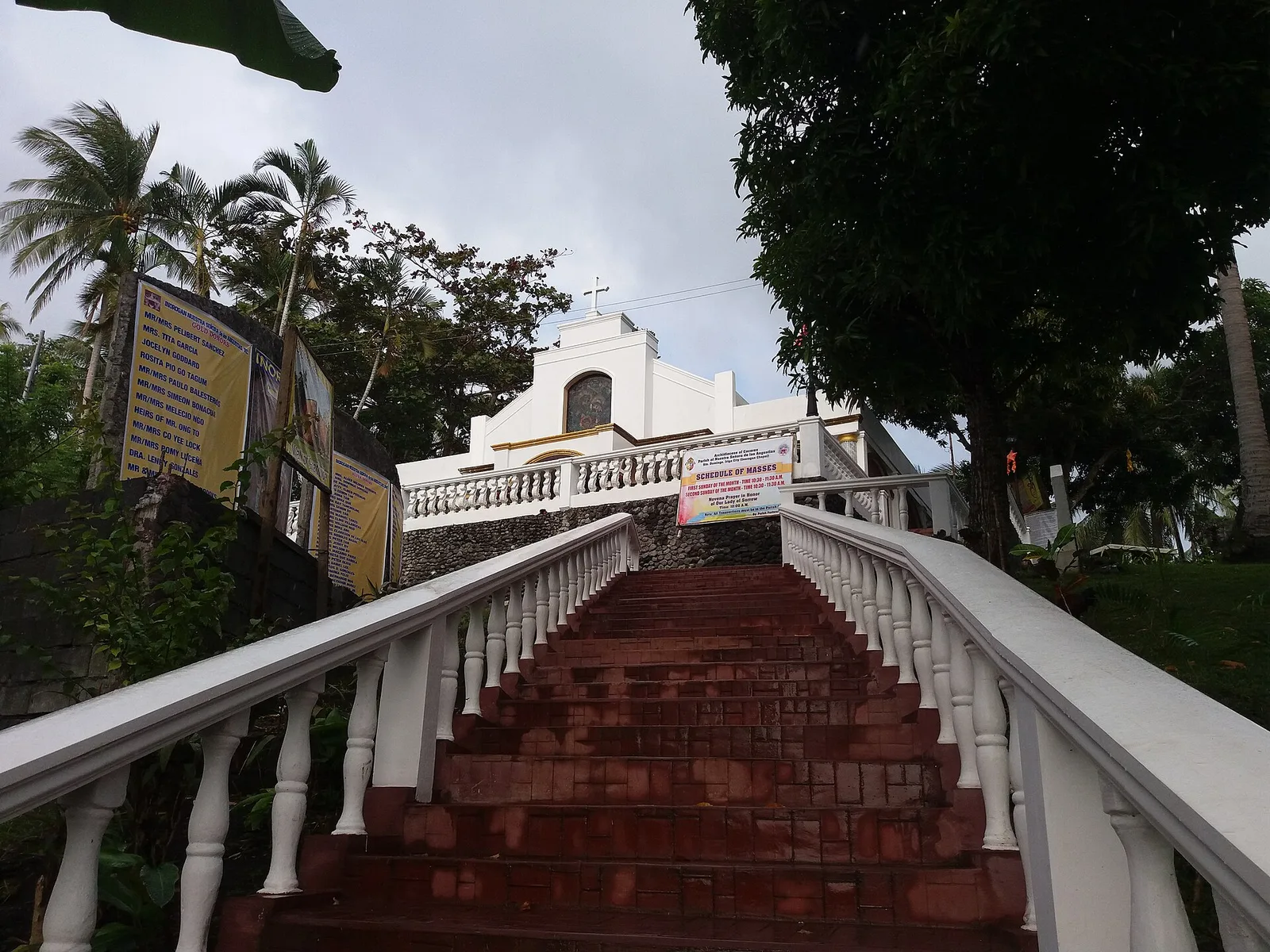
The chapel was built by a local philanthropist to commemorate the miraculous escape from the death and destruction by inhabitants during Mount Sumagang's eruption in 1614. The miracle is attributed to the intercession of the Blessed Virgin Mary whose image …
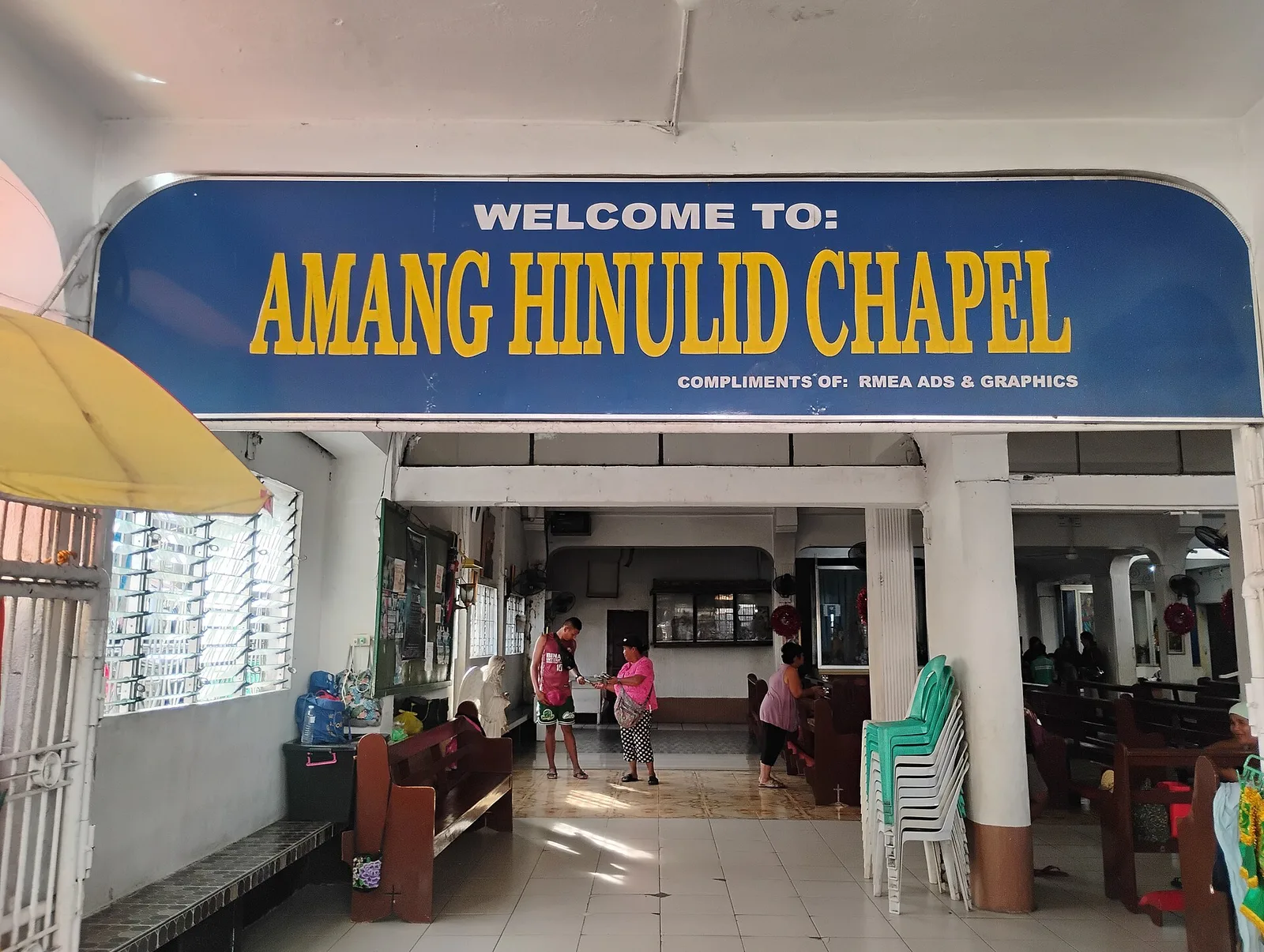
A small religious shrine hosting an image of the dead Christ (Santo Entierro). It is a popular pilgrimage spot in Bicol, particularly during Maundy Thursday and Good Friday.
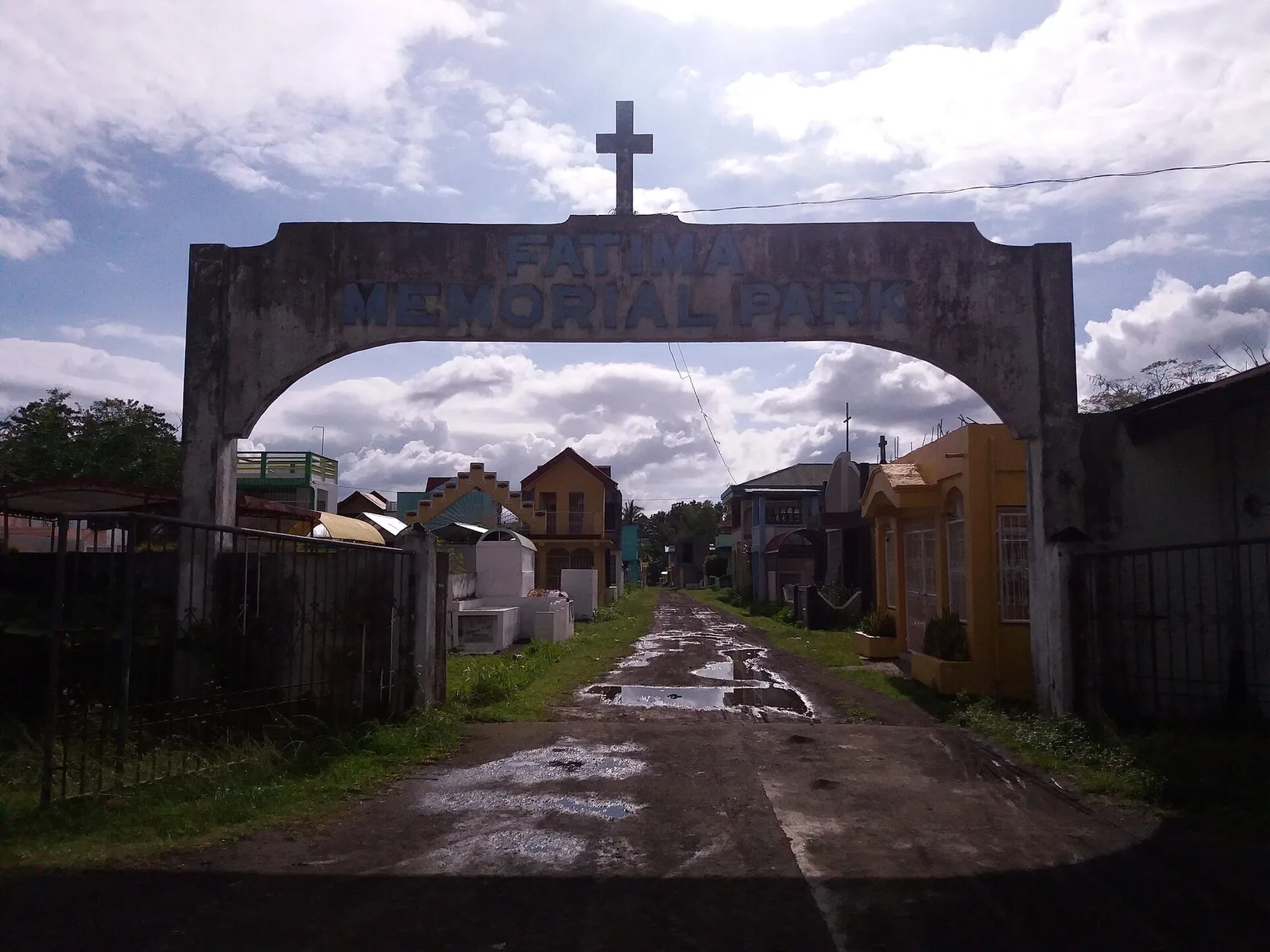
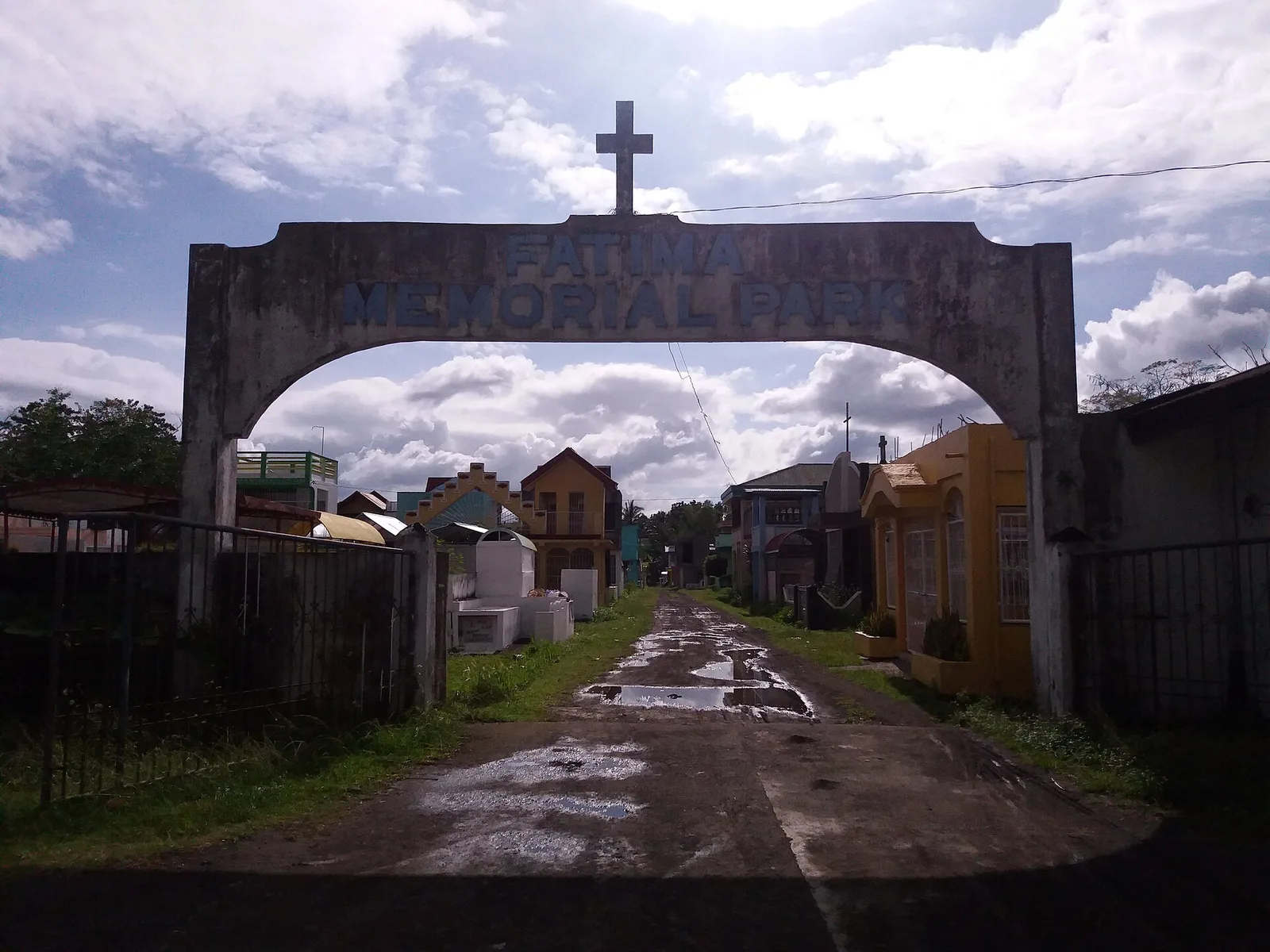
The park in the middle of downtown, laid out in a Japanese theme with acacia trees and a large spurting fountain at the center. The fountain was later replaced by a skating rink. At Christmas the acacia trees are lit …
A 3-day plan built from the See, Do and Eat listings in Wikivoyage's Naga guide. The stops are in an order that keeps each day close together. Check the hours …
A 1-day plan built from the See, Do and Eat listings in Wikivoyage's Iriga guide. The stops are in an order that keeps each day close together. Check the hours …
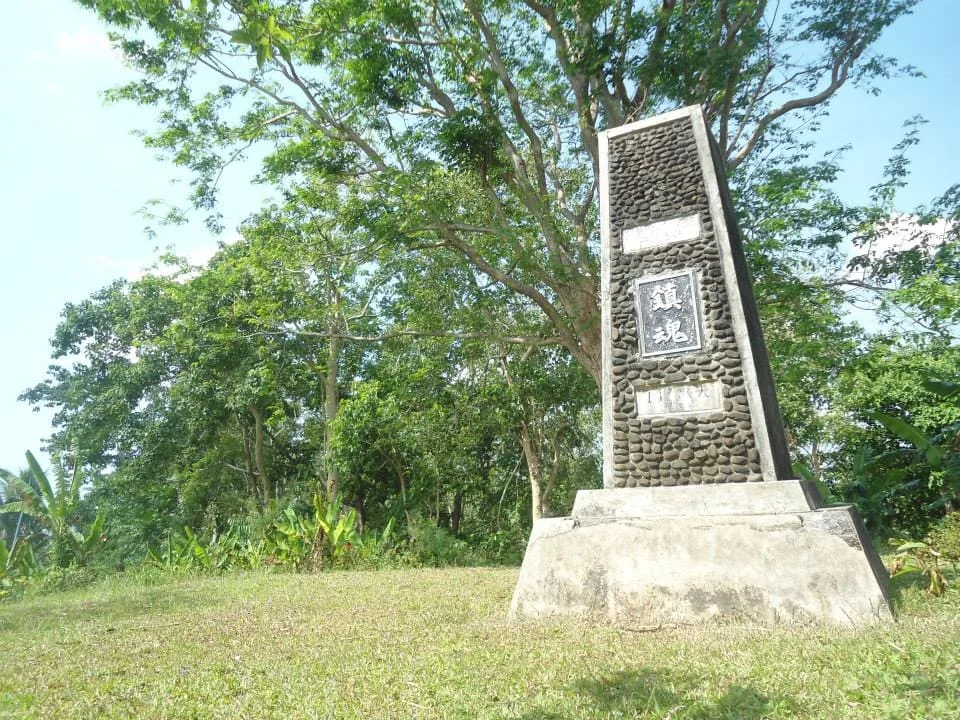
A marker erected in 1985 to commemorate the end of Japanese occupation of Bicol and the start of stronger Filipino-Japanese relations.
A 1-day plan built from the See, Do and Eat listings in Wikivoyage's Pili guide. The stops are in an order that keeps each day close together. Check the hours …
A 2-day plan built from the See, Do and Eat listings in Wikivoyage's Calabanga guide. The stops are in an order that keeps each day close together. Check the hours …