A 3-day plan built from the See, Do and Eat listings in Wikivoyage's Basco guide. The stops are in an order that keeps each day close together. Check the hours …
Region in Luzon · 5 provinces and cities
A 3-day plan built from the See, Do and Eat listings in Wikivoyage's Basco guide. The stops are in an order that keeps each day close together. Check the hours …
A 3-day plan built from the See, Do and Eat listings in Wikivoyage's Sabtang guide. The stops are in an order that keeps each day close together. Check the hours …
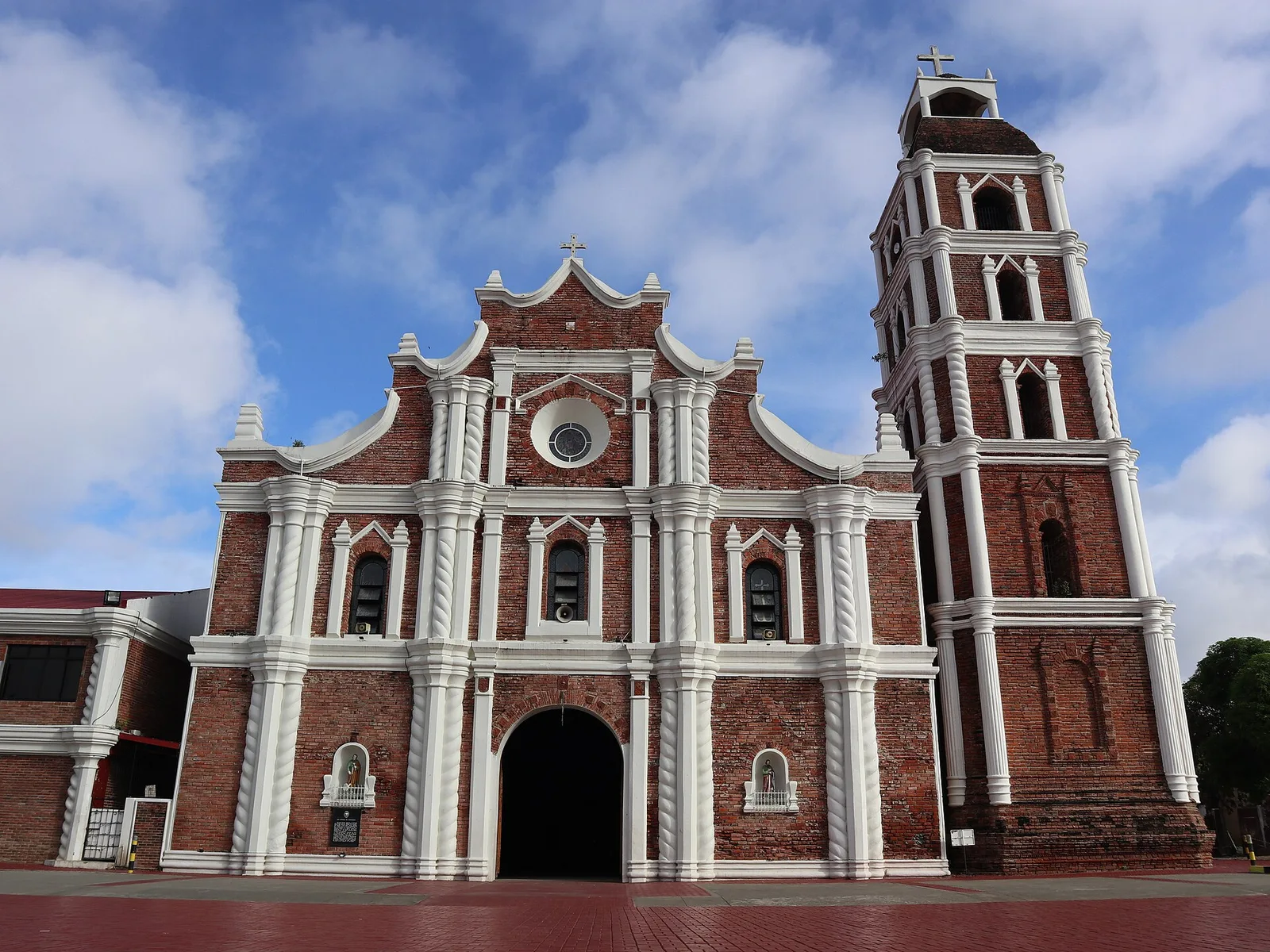
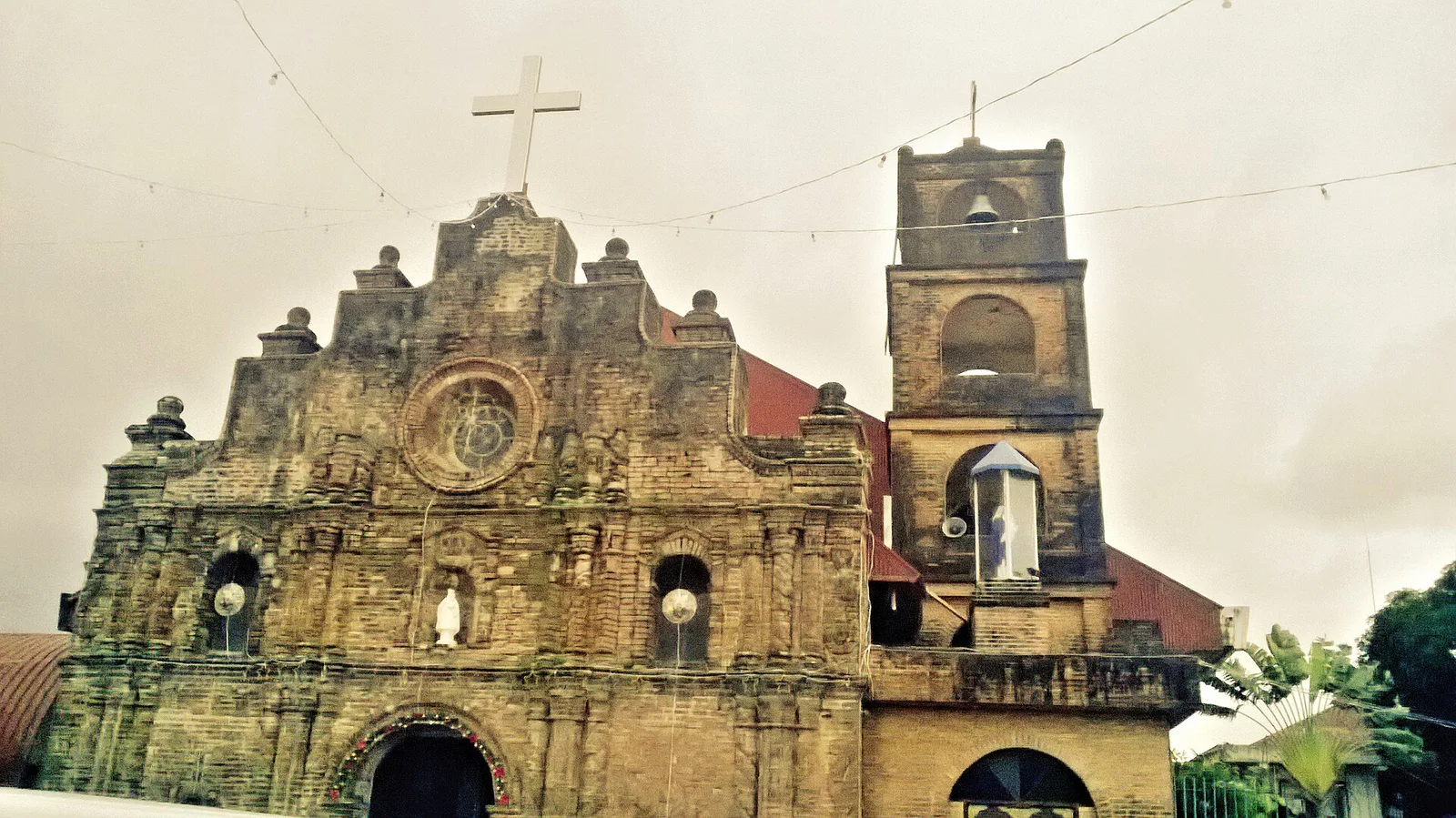
The seat of the Archdiocese of Tuguegarao. The church with the belfry is the biggest Spanish colonial church in Cagayan Valley built by the Dominicans. It was constructed from 1761 to 1767 under the supervision of Fr. Antonio Lobato, OP. …
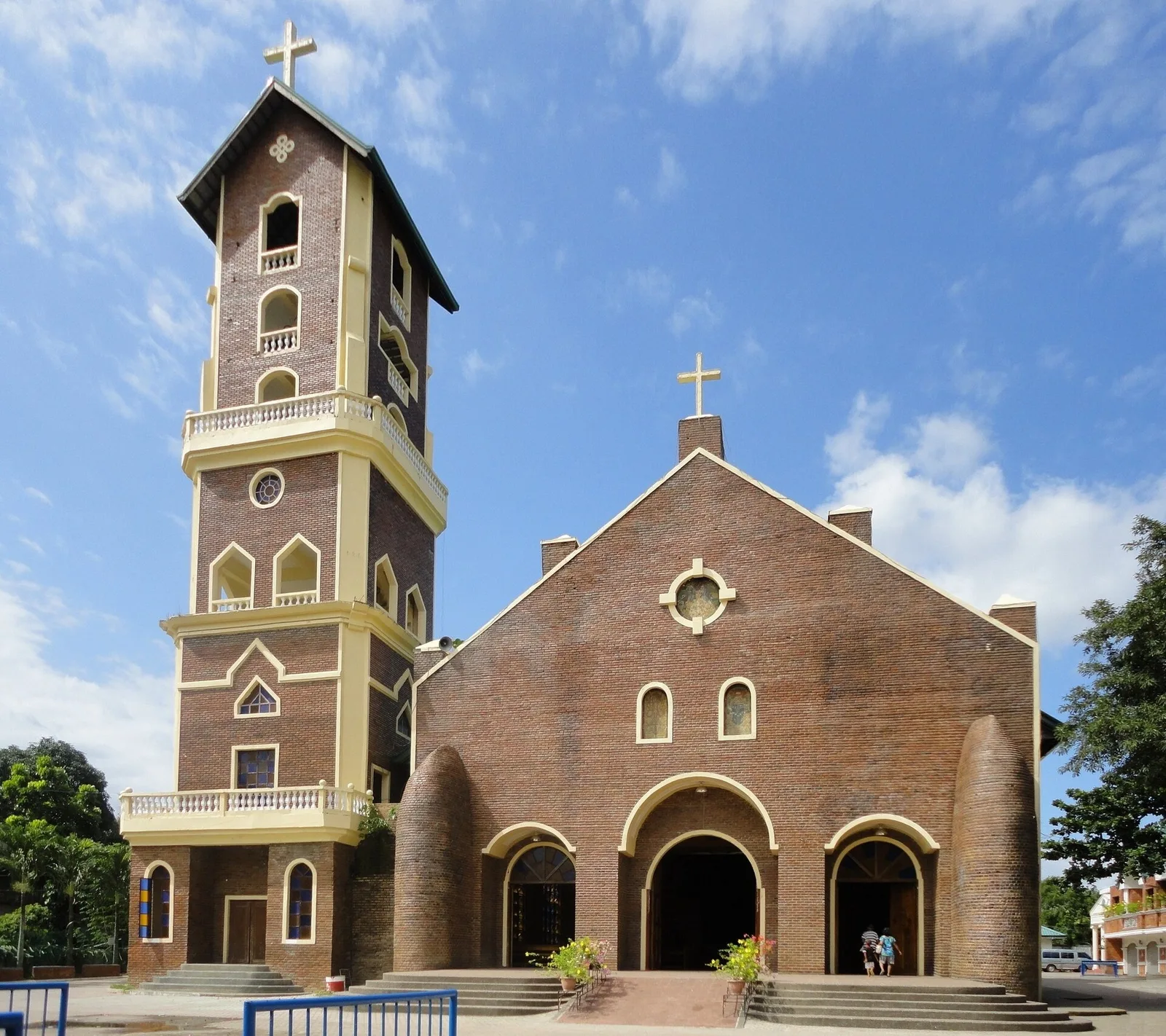
A pilgrimage church built around the centuries-old brown image of Our Lady of Piat, whom people in the province call the Mother of Cagayan. Pope John Paul II raised it to the rank of minor basilica in 1997. The image …
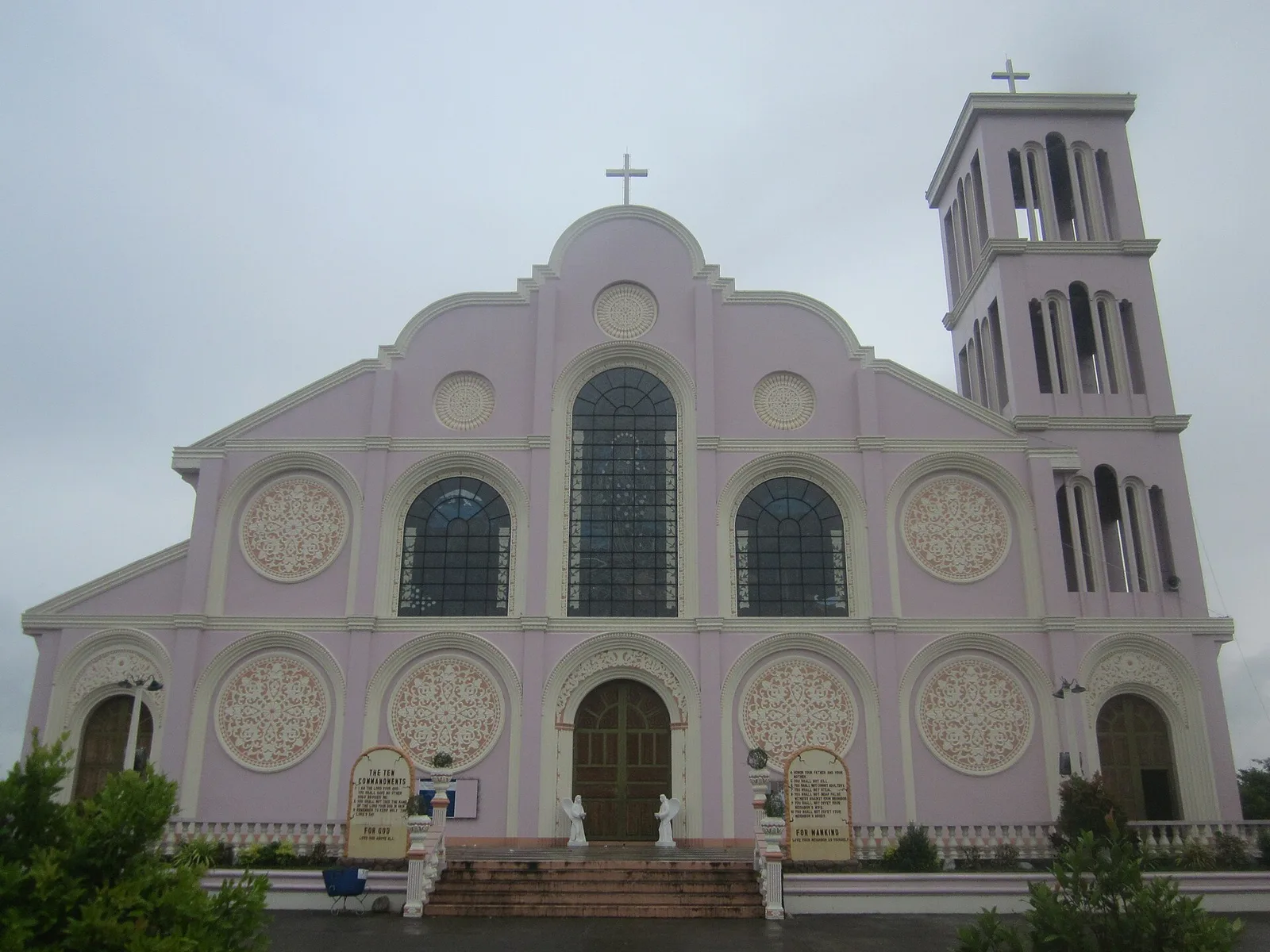
The seat of the Roman Catholic Diocese of Ilagan, built in 2000. It formally replaced a Spanish-era building in neighboring Ilagan that reverted to being Ilagan's parish church in 2003. Formerly dedicated to Saint Ferdinand, its patron saint was changed …
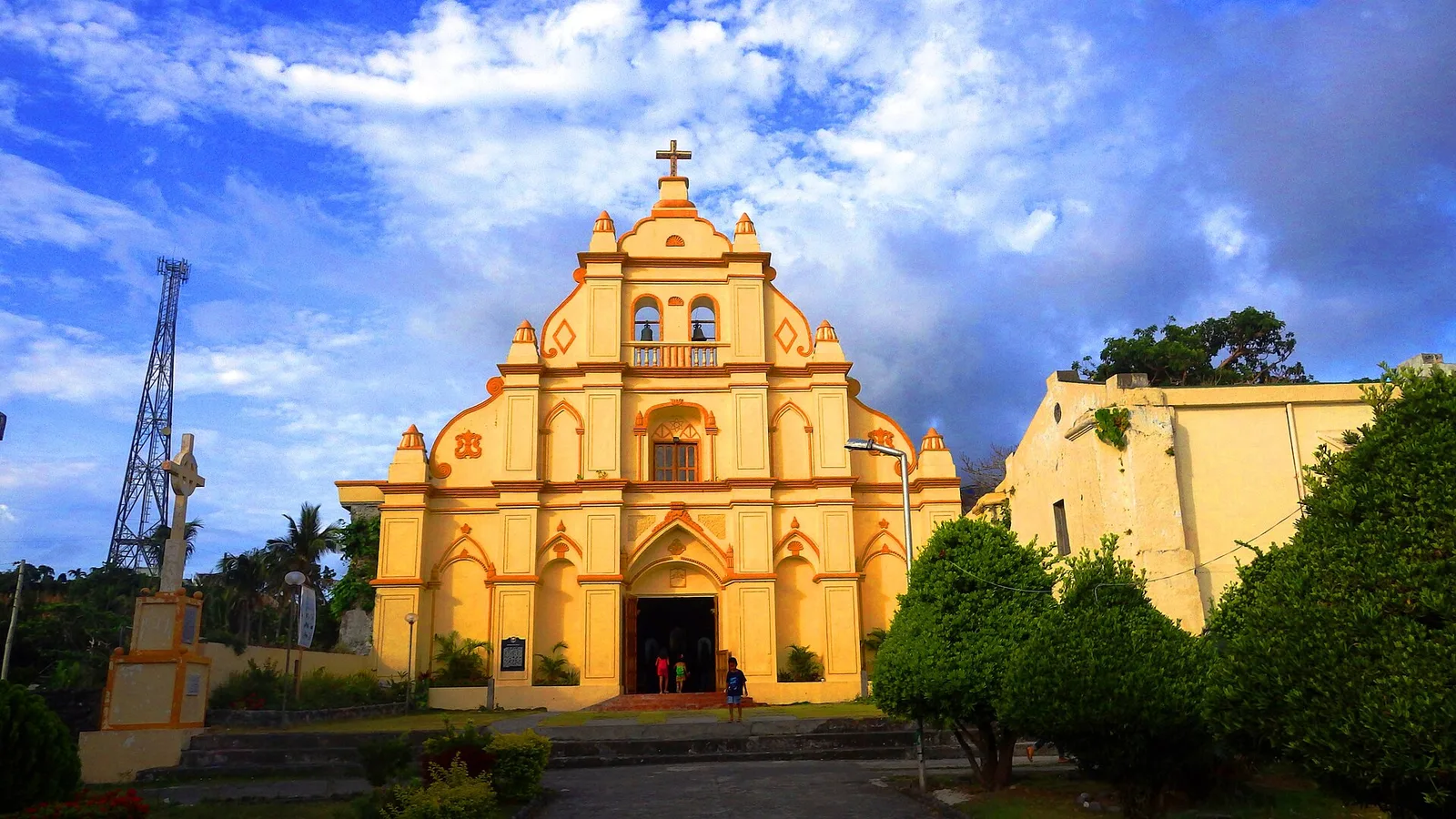
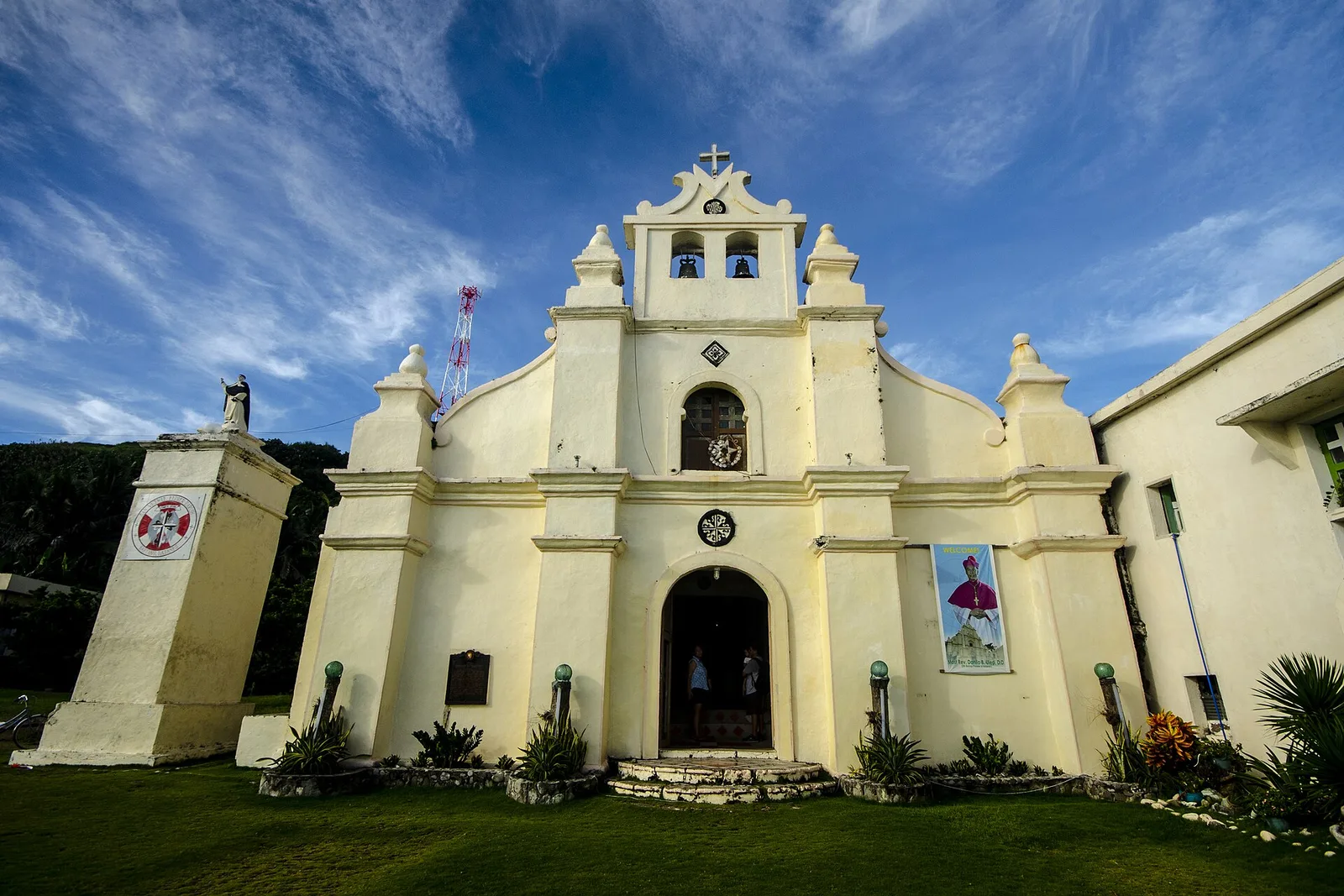
The seat of the Roman Catholic Church in Batanes, built during the Spanish era in 1812.
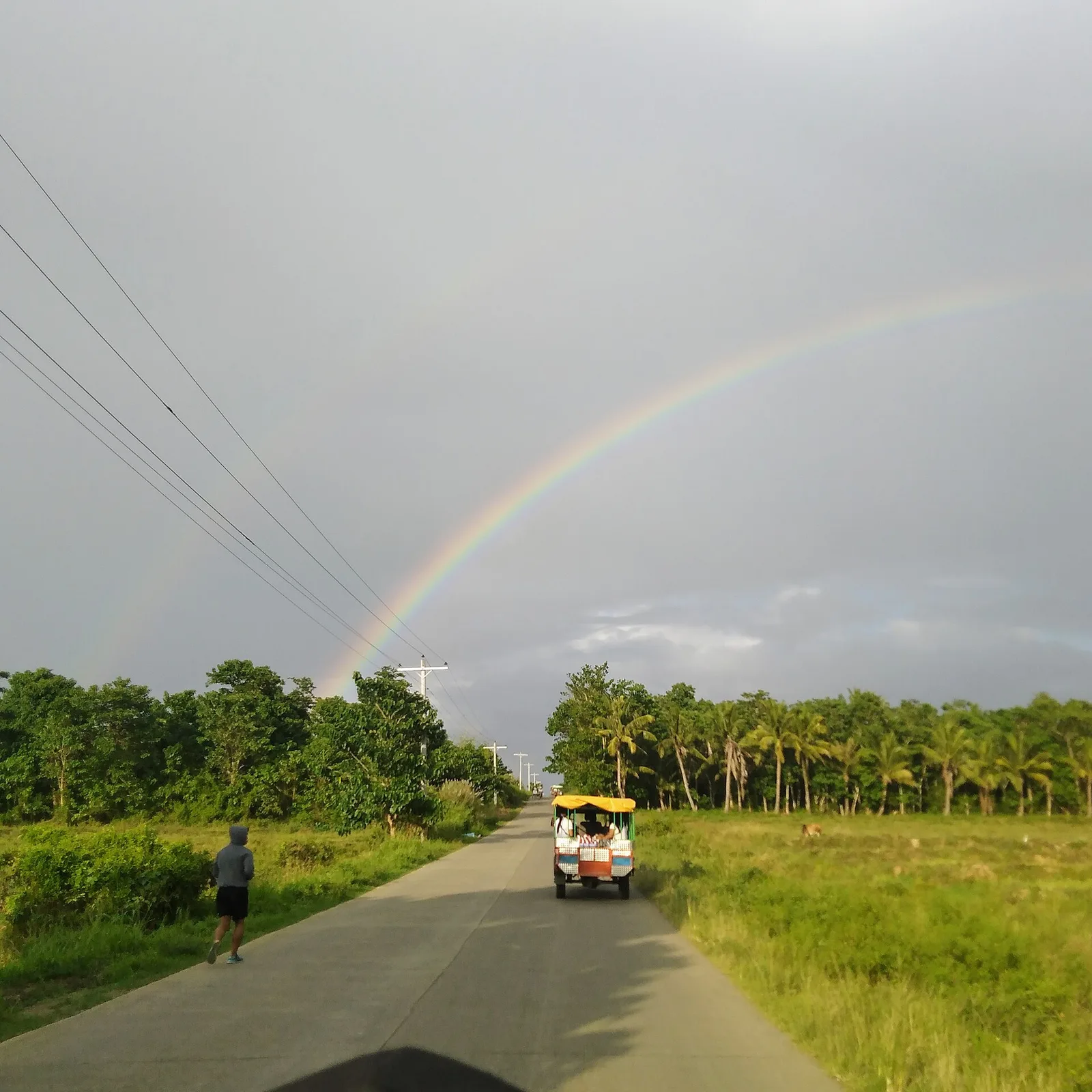
Site of the 1977 National Jamboree of the Boy Scouts of the Philippines. This camp, whose name is formed by combining the surnames of a local couple, provides views of the Cagayan River, the town proper, and nearby Delfin Albano.
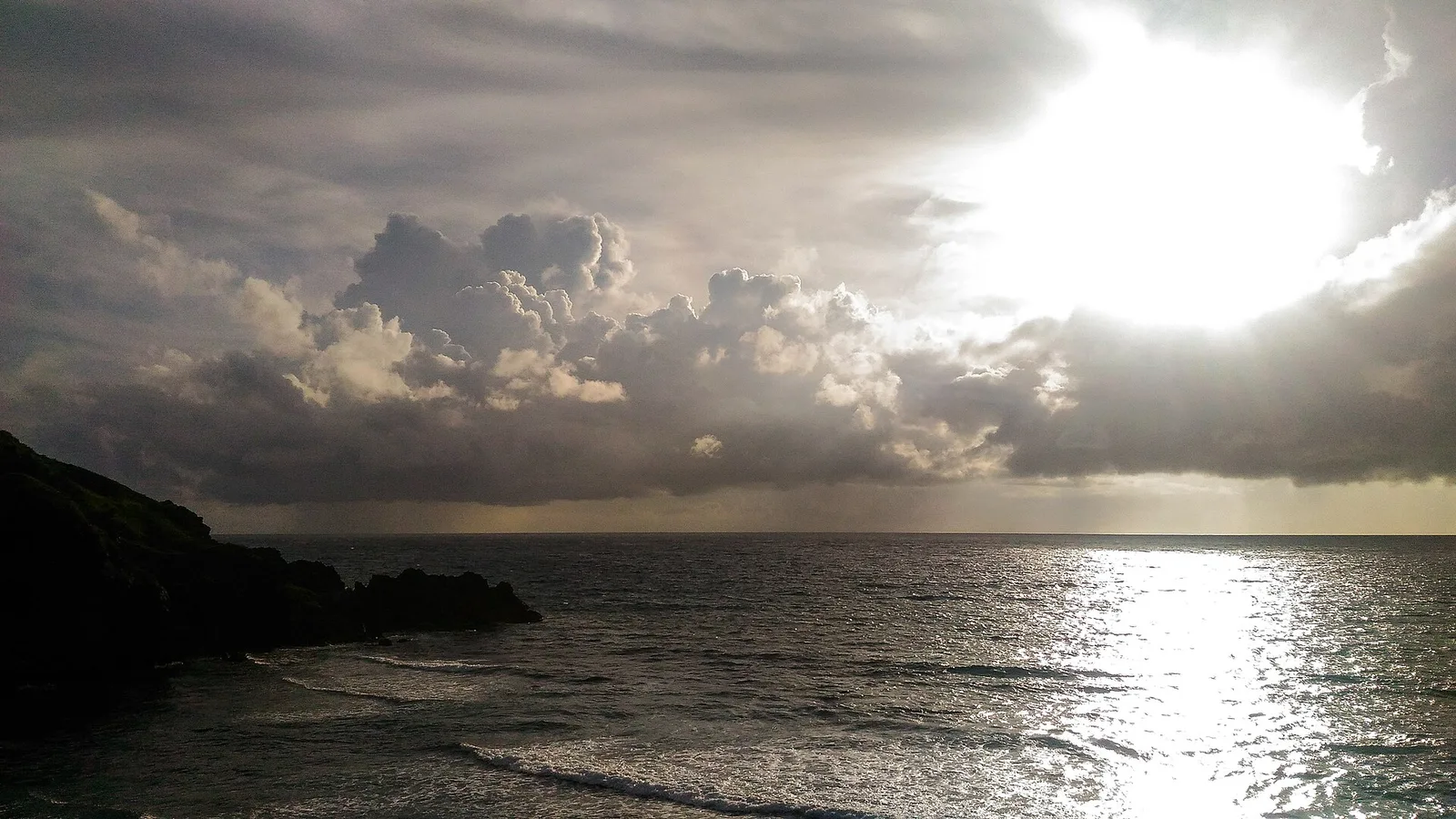
Basco's town fiesta. Palu-palo is a stick dance that re-enacts the Ivatan fight against Spanish rule, and the two days carry it with a parade and a market.
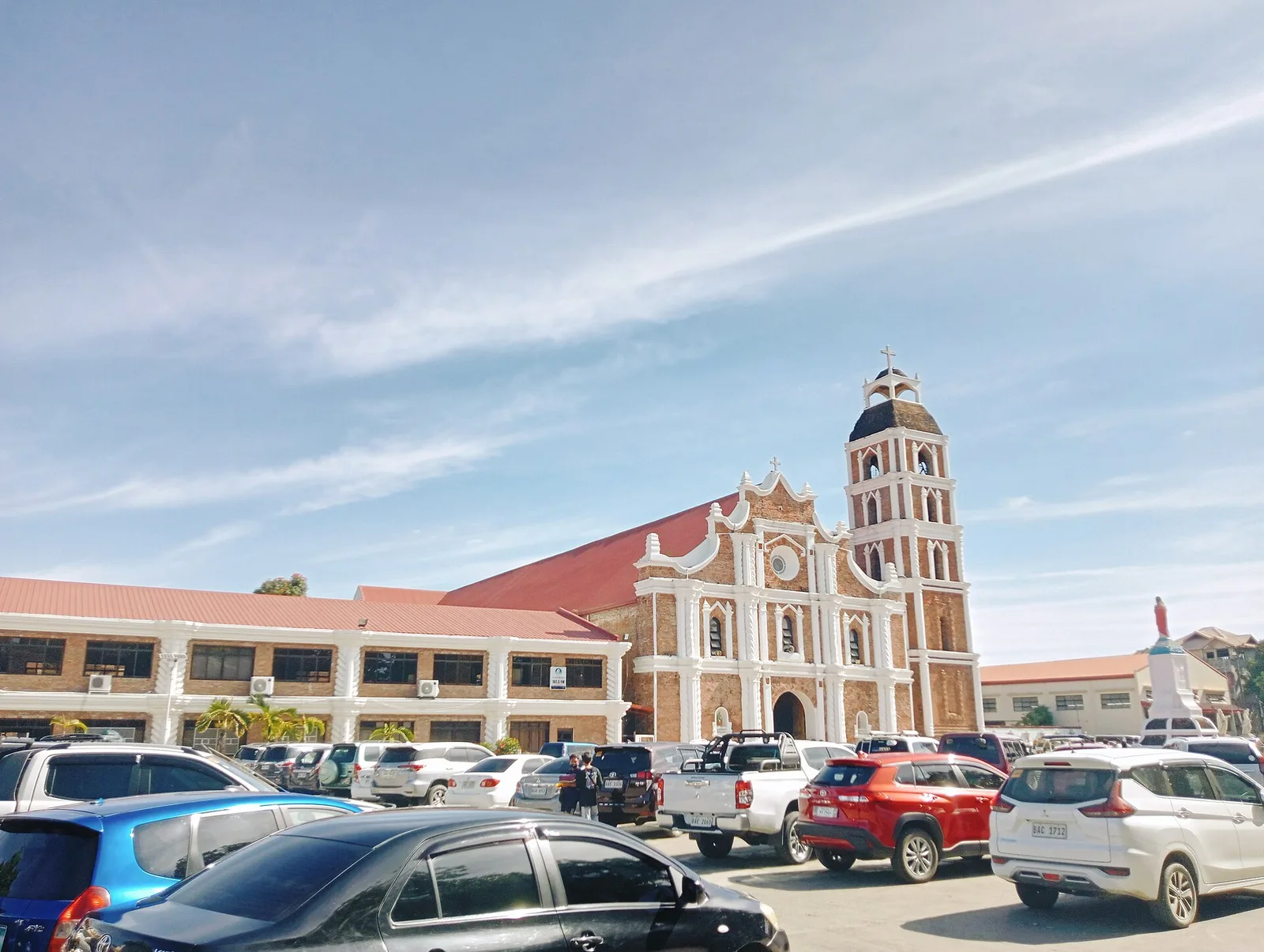
The biggest Spanish colonial church in the Cagayan Valley, and the seat of the Archdiocese of Tuguegarao. Dominican friars built it between 1761 and 1767 in Baroque style, on Rizal Street in the city centre, under Father Antonio Lobato. Its …
Houses a statue of Andres Bonifacio. It is also a common site for demonstrations.
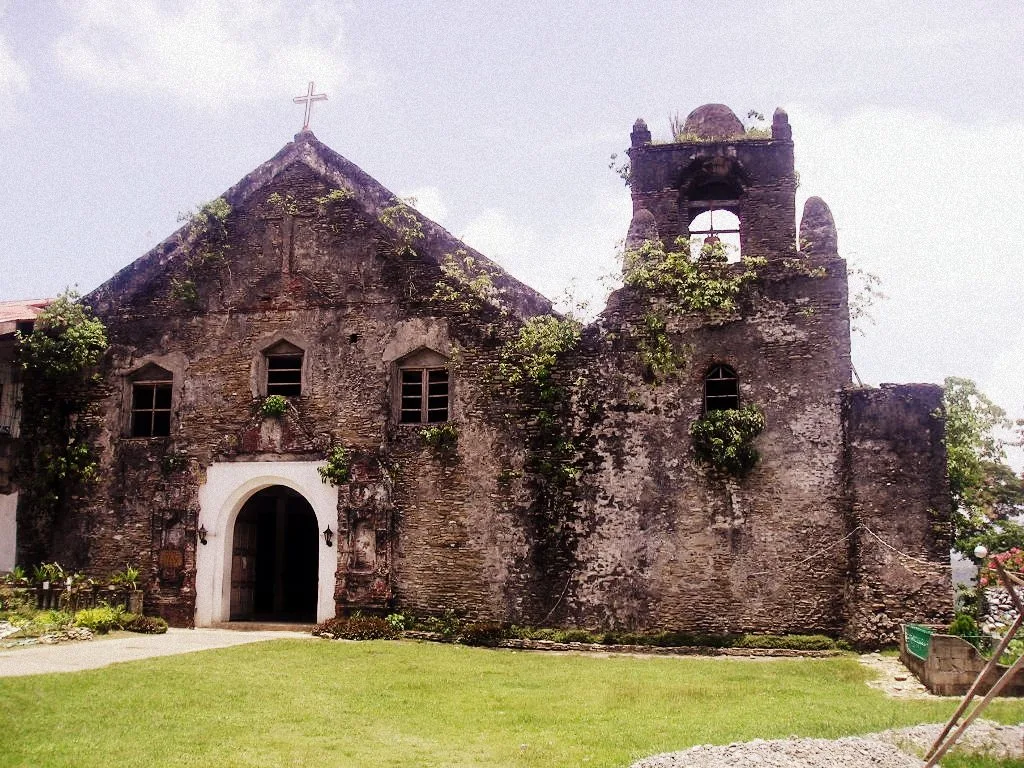
Rizal's main Roman Catholic church, built during the Spanish era in 1617 in a baroque style using stones quarried from the Matalag River. It was declared a national cultural treasure by the Philippine government in 2001 on account of its …
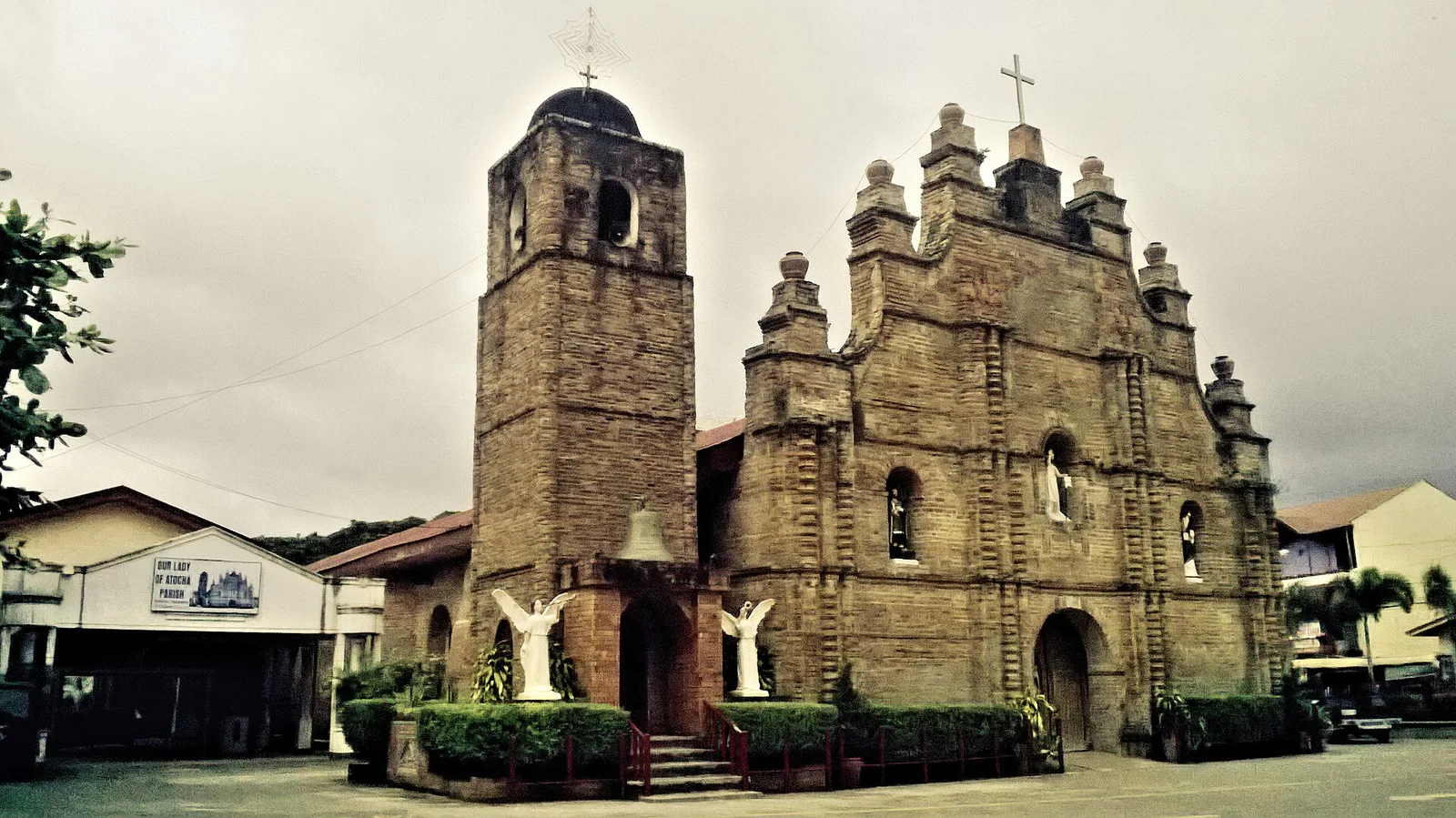
A 2-day plan built from the See, Do and Eat listings in Wikivoyage's Isabela (province) guide. The stops are in an order that keeps each day close together. Check the …
A pair of mountains separated by the Matalag River and named after two opposing giants in local folklore. Derisively known as Ambush Point as it was a favorite site by NPA rebels to stage attacks on military convoys in the …
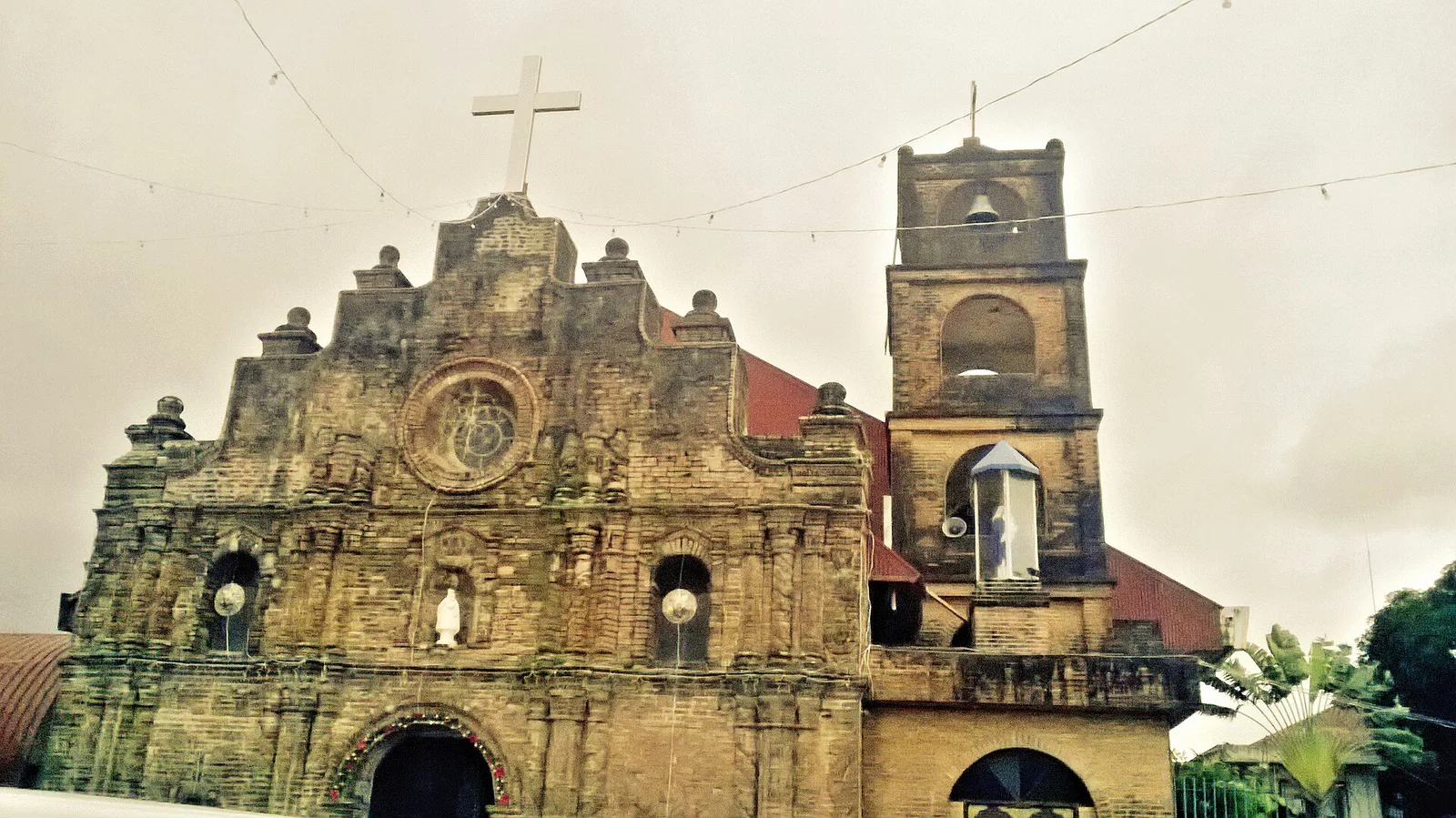
A Baroque Roman Catholic church, established in 1740. The original church included a belfry that was destroyed during a devastating earthquake, while the rest of the building except the façade was destroyed by American bombing raids in World War II. …
The main tourist attraction in Baggao, it is a sprawling natural complex composed of dense forests, pristine springs, a 13-tier waterfall and rapids along the foothills of the Sierra Madre. Its highlights are the Blue Lagoon, whose turquoise waters are …
The provincial museum: artifacts and antiques from across Cagayan, animal fossils found in the valley, and the record of the National Museum's discovery of Callao Man. It moved out of the Provincial Capitol complex into the Tribunal de Tuguegarao, the …
A 2-day plan built from the See, Do and Eat listings in Wikivoyage's Gamu guide. The stops are in an order that keeps each day close together. Check the hours …
An elevated historic chapel established in 1604, 100 years older than the Sts. Peter and Paul Cathedral. American soldiers during the Philippine-American War used it as headquarters in 1899. St Hyacinth is the patron saint of the city whose feast …
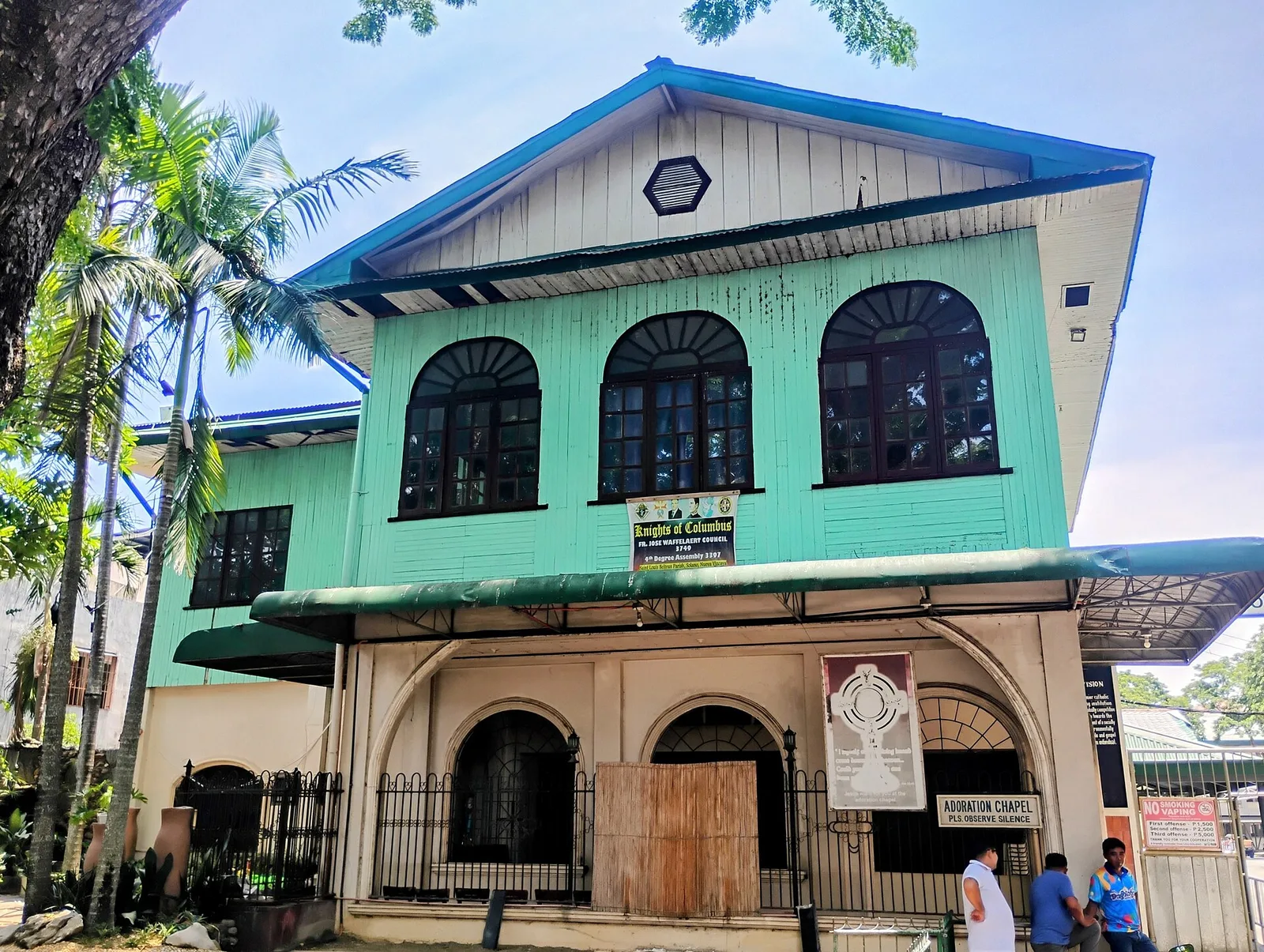
Solano's central Roman Catholic parish church is not very special architecturally, but it houses a replica of the Black Nazarene.
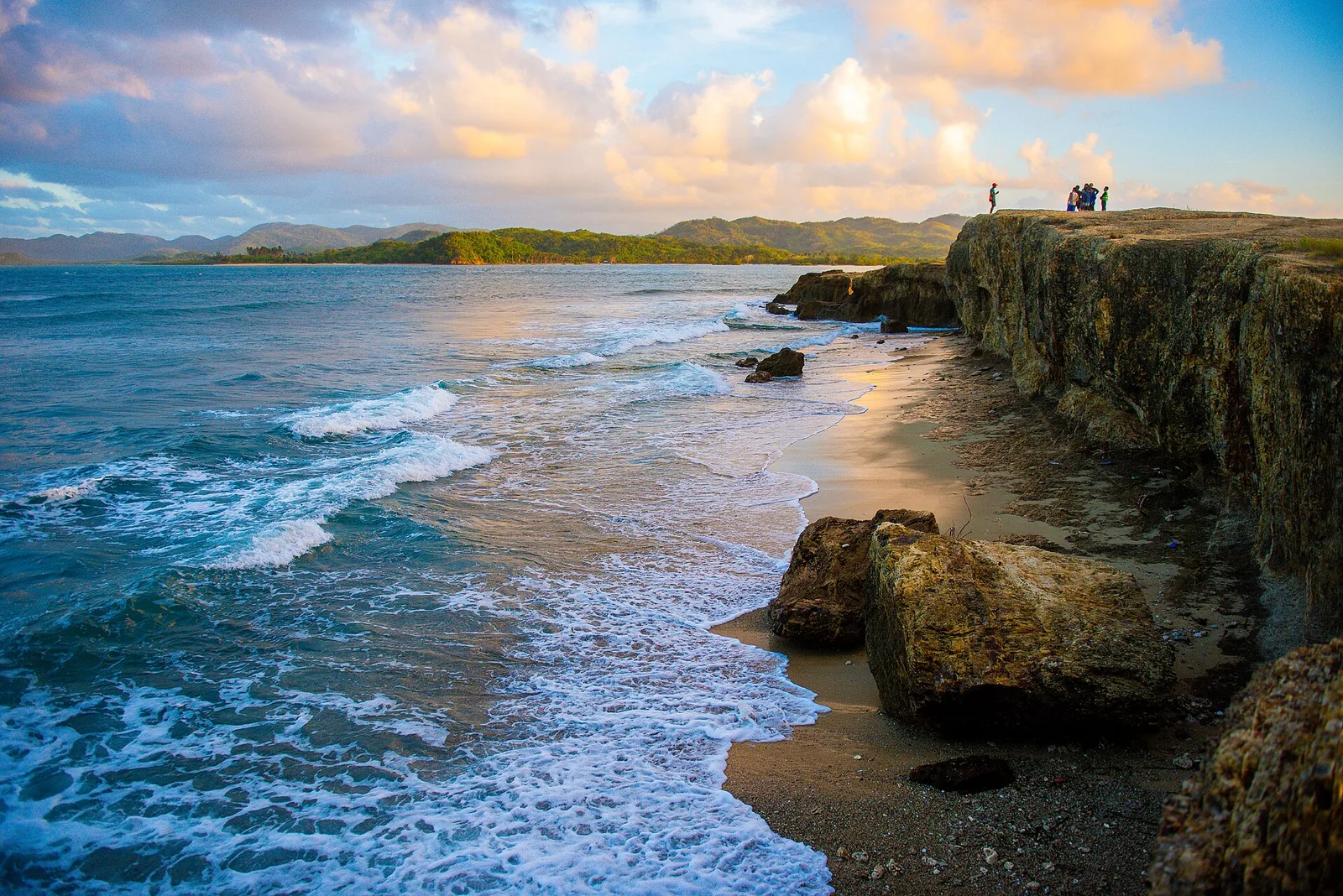
An islet in the middle of the strait separating Palaui Island and Luzon. It is named as such because the silhouette formed by the rock formations resembles the head of a crocodile. It has white sand beaches chock-full of coral …
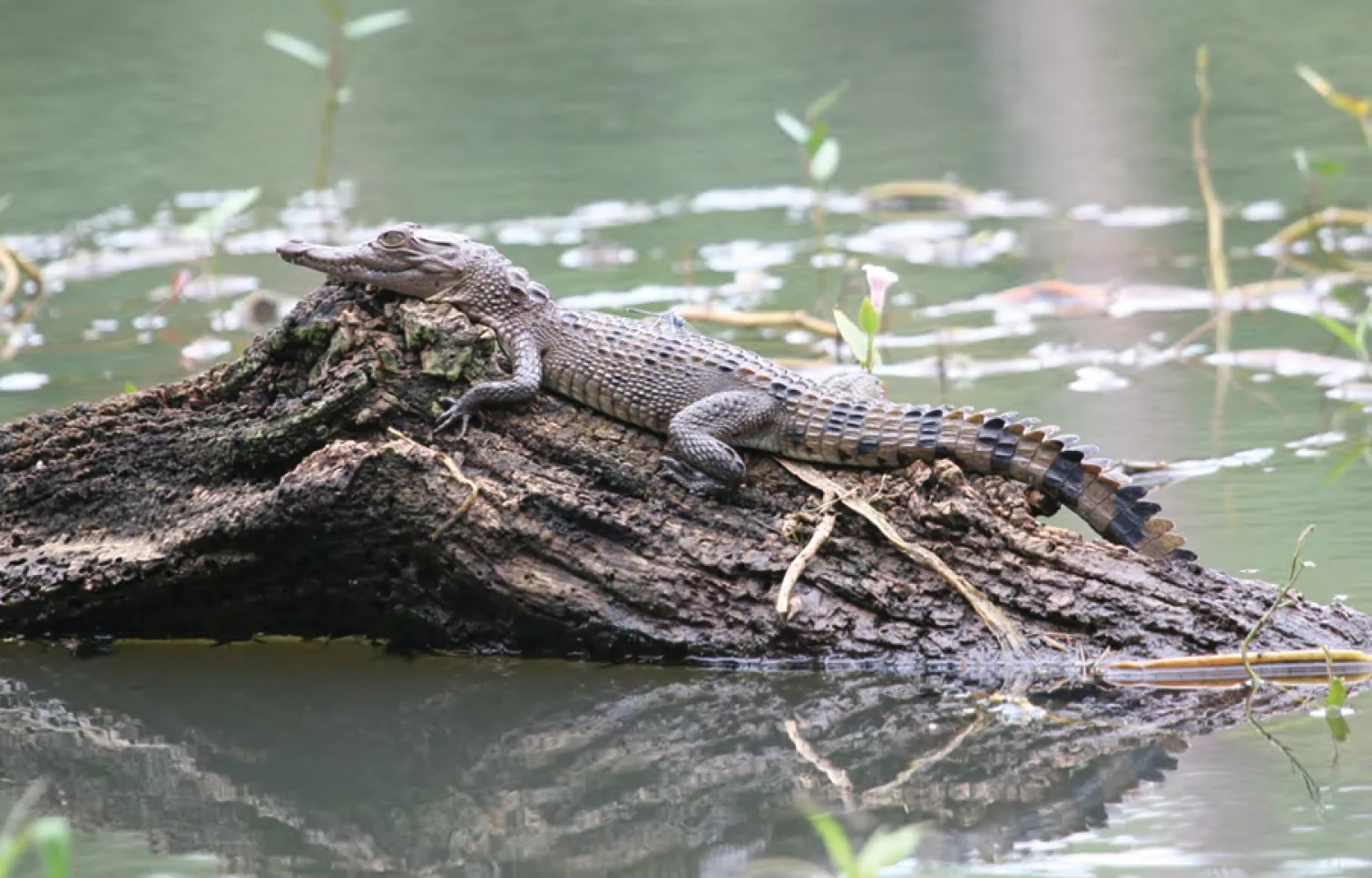
An isolated lake reachable only by a four-hour hike or by motorcycling on a single-lane trail, it is home to the endemic Philippine crocodile, which was rediscovered in the area in 1999. An observation tower provides sightseeing opportunities for the …
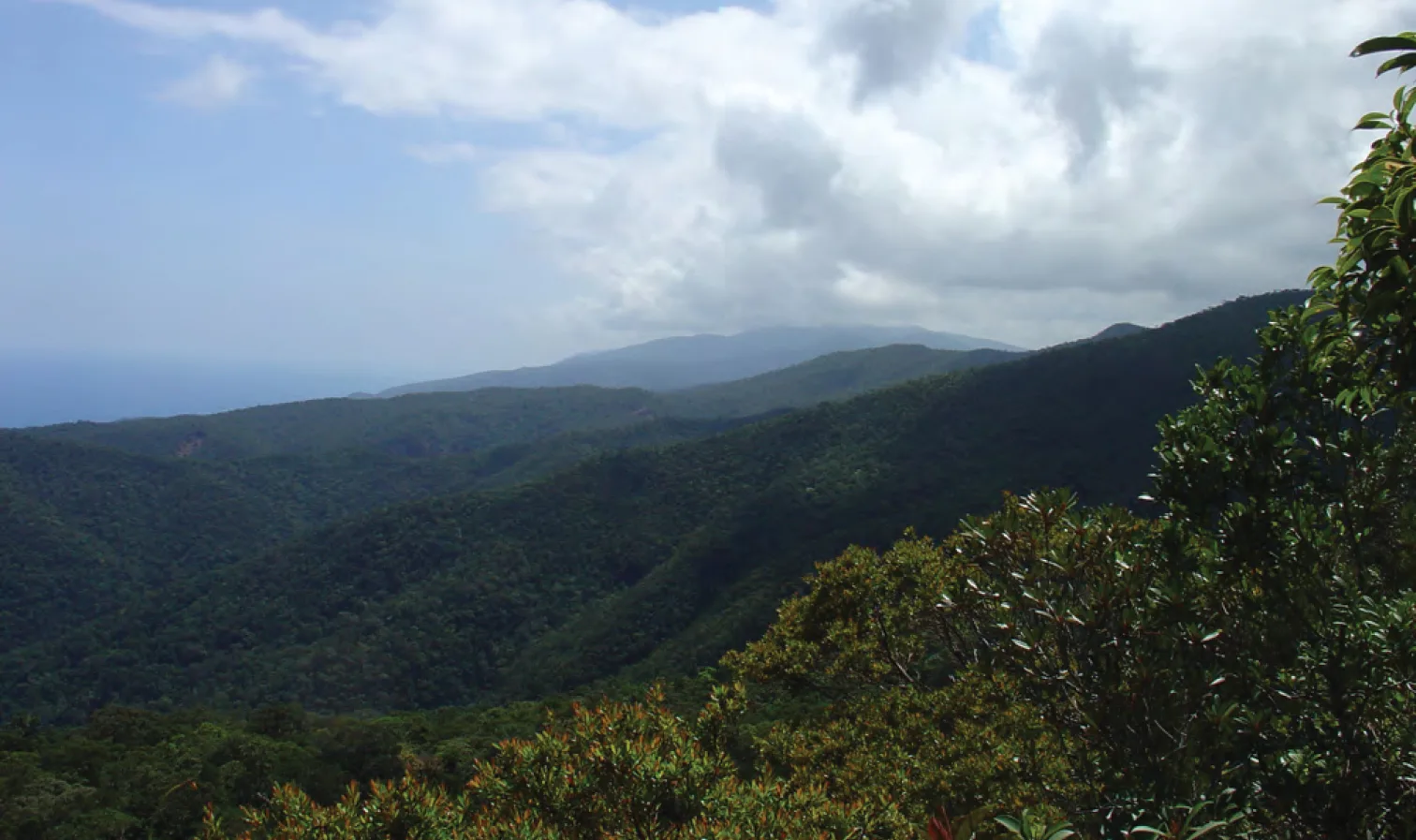
An extensive protected area covering a large swathe of the Sierra Madre Mountains from the boundary with Cagayan to San Mariano town. Home to the indigenous Agta/Dumagat tribes, endemic species such as the Philippine crocodile, the Philippine eagle, the Isabela …

In front of the Provincial Capitol, it hosts concerts and various booths during the Bambanti Festival and has a pond, an amphitheater, and a monument to Queen Isabella II of Spain, after which the province was named.
An extensive stretch of gray sand running the length of Cabicungan Bay from Claveria Port to the mouth of the Cabicungan River. Most of the town's resorts are concentrated around this area, while Claveria Boulevard, also known as Belado Avenue, …
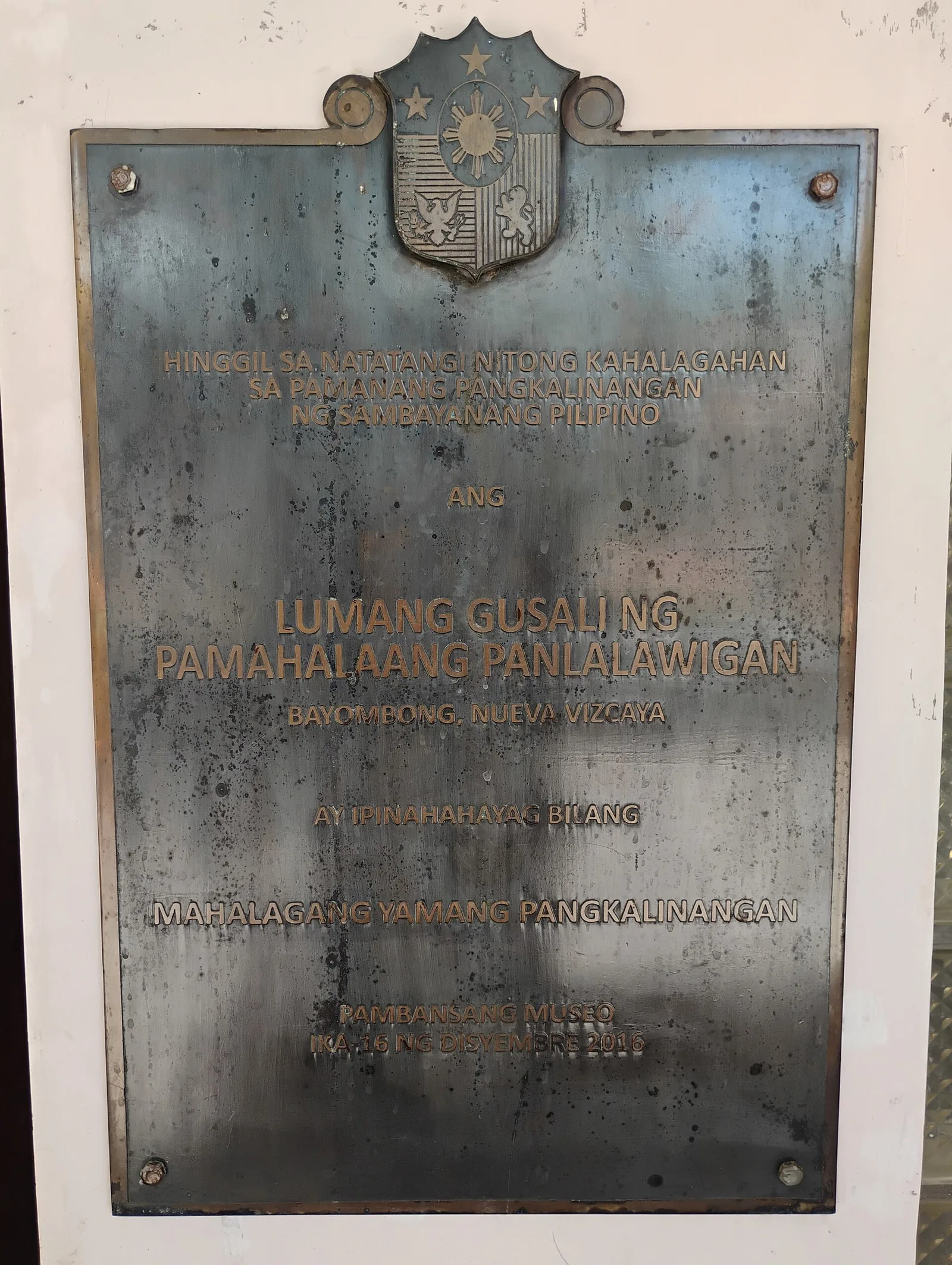
A museum on the history, culture and ethnography of Nueva Vizcaya, housed in a two story building that used to be the headquarters of the provincial government during the Spanish era. The permanent exhibition is at the second floor, with …
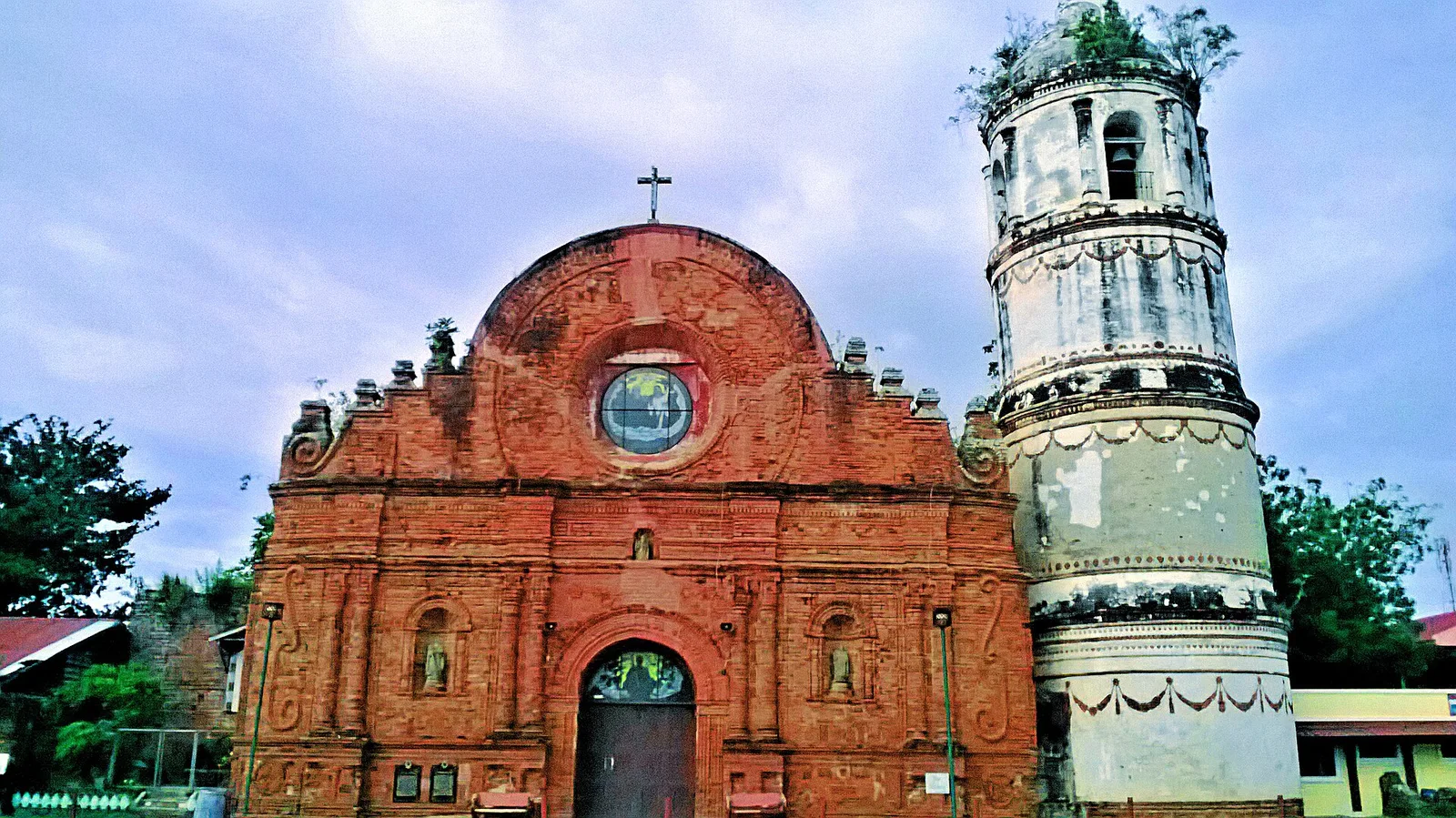
A Baroque church of red brick, inside and out, and a National Cultural Treasure. It became a parish of its own, separate from Cabagan, in 1751, under the patronage of Saint Matthias. The Dominican Domingo Forto started the present building …
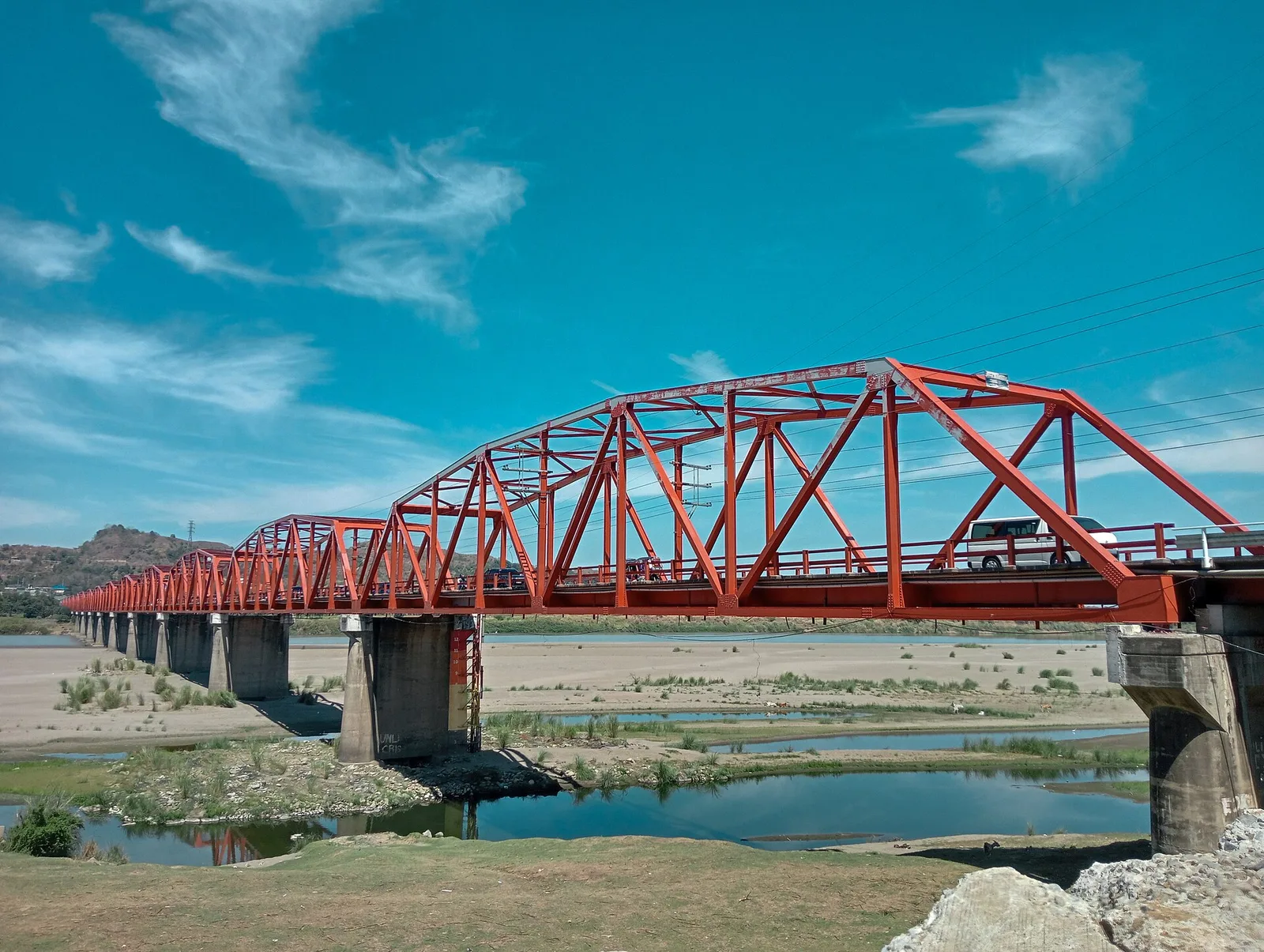
A 3-day plan built from the See, Do and Eat listings in Wikivoyage's Tuguegarao guide. The stops are in an order that keeps each day close together. Check the hours …
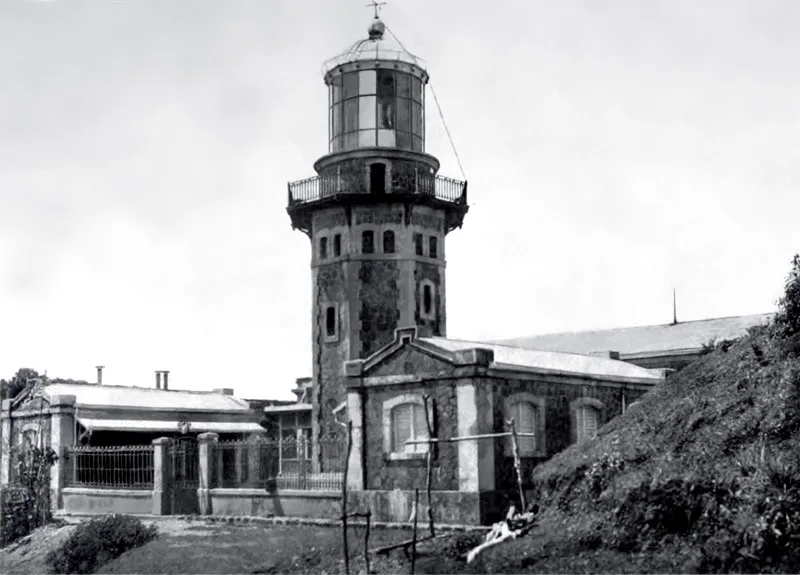
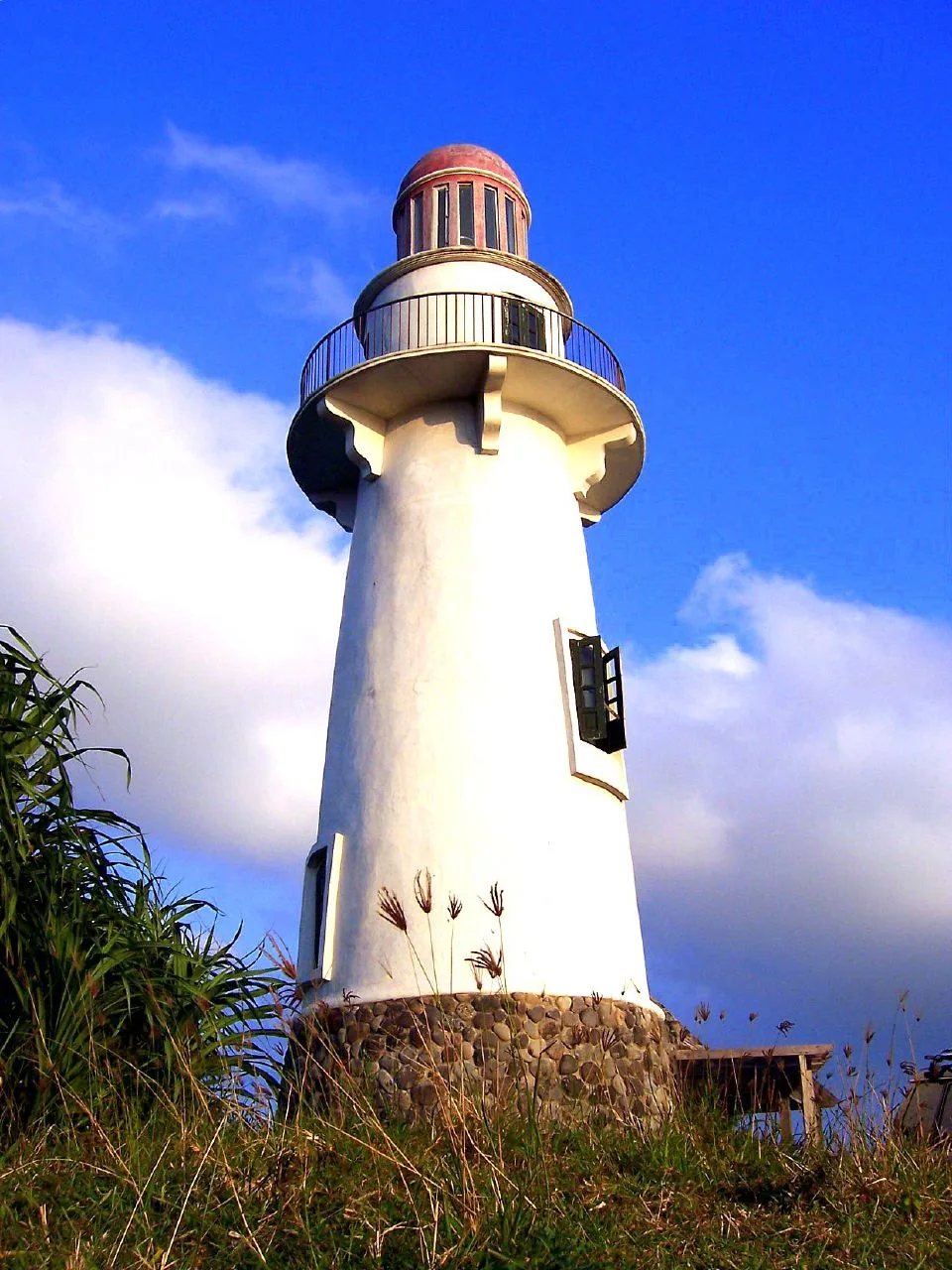
A hilltop lighthouse on Palaui Island, at the northern end of Luzon. It stands 92 metres above the sea and the view runs all the way around: Babuyan Island, the Dos Hermanas (Two Sisters) islands and Engaño cove. The Philippine …
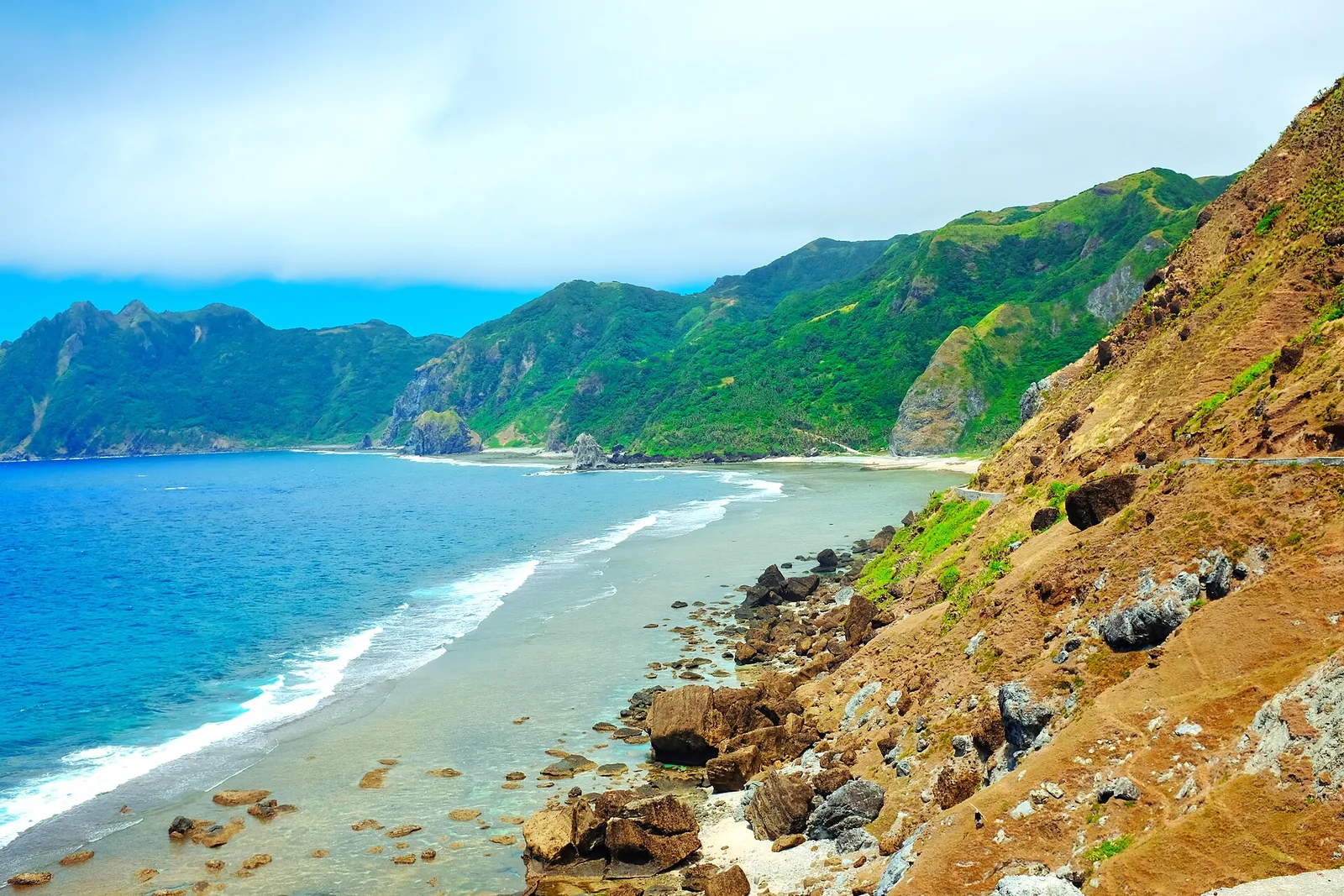
The southernmost island municipality of Batanes, known for the stone-house villages of Savidug and Chavayan and for the Morong arch on its shore. Steep mountains and deep canyons drop to short white sand beaches, and the island also has a …
