
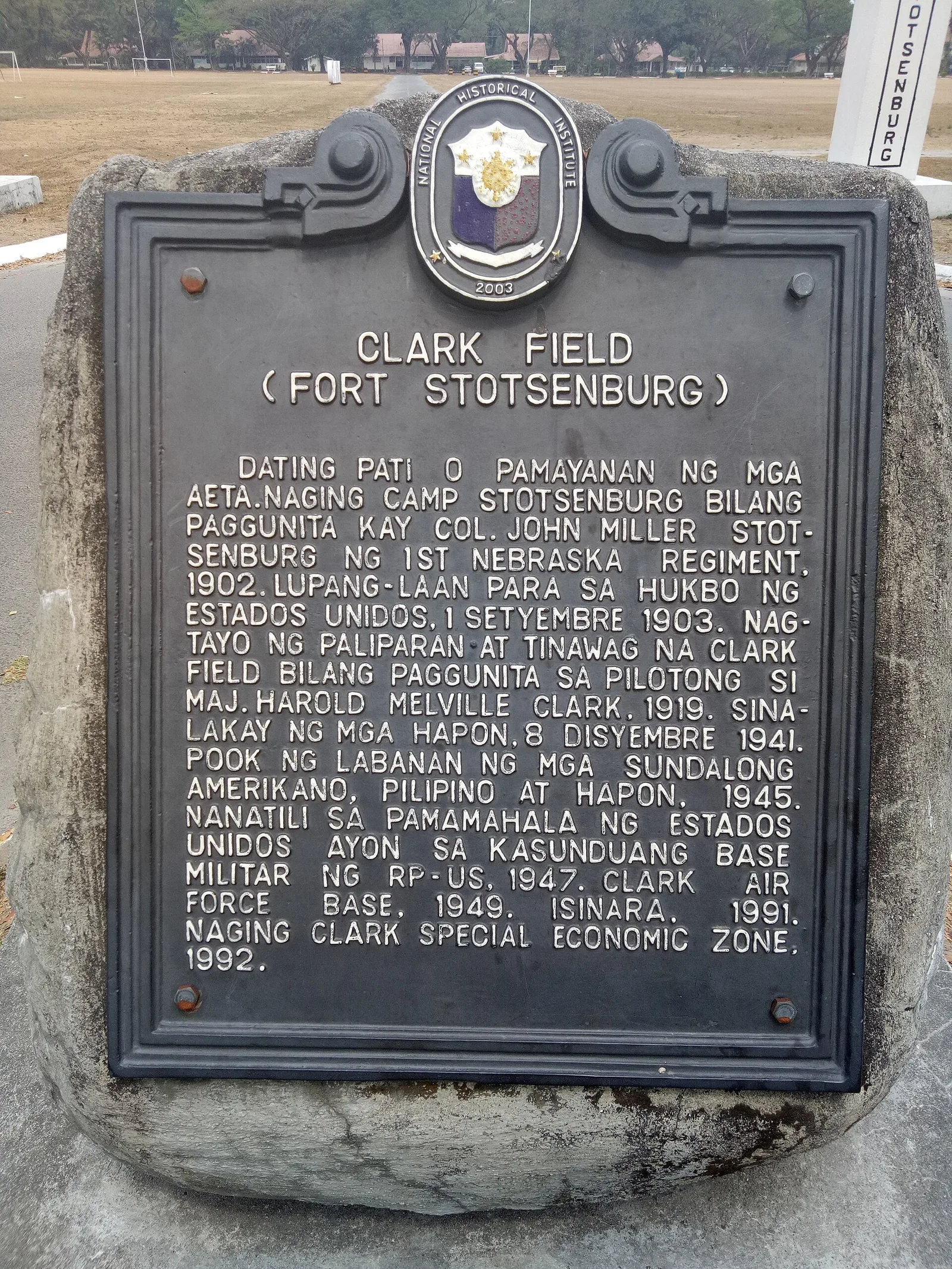
A 3-day plan built from the See, Do and Eat listings in Wikivoyage's Angeles guide. The stops are in an order that keeps each day close together. Check the hours …
A 3-day plan built from the See, Do and Eat listings in Wikivoyage's Angeles guide. The stops are in an order that keeps each day close together. Check the hours …
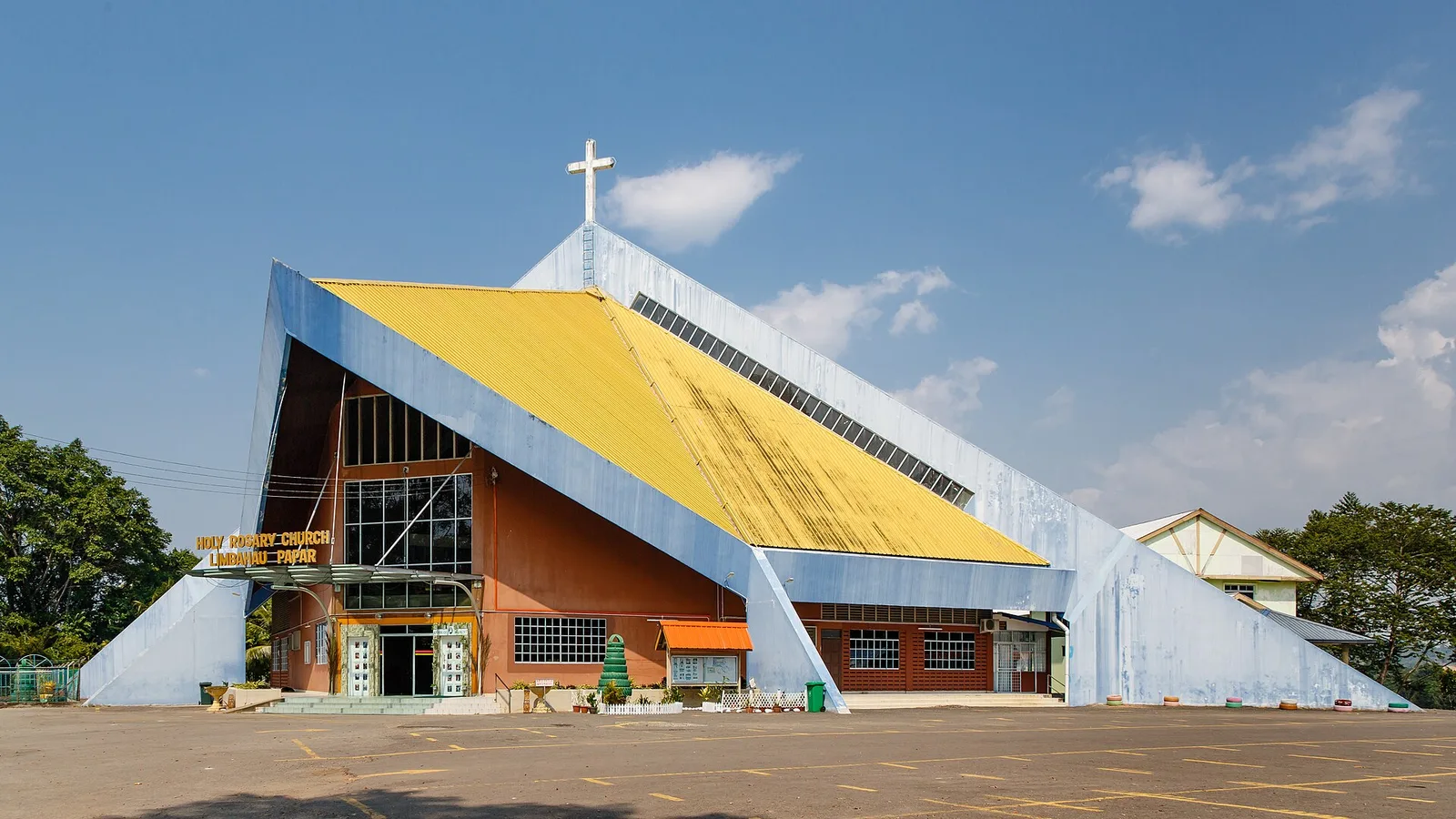
A Catholic church known in Kapampangan as Pisamban Maragul, the big church. Men built it with unpaid labour under the polo y servicio system from 1877 to 1896, the dome went up in 1891, and the work was finished in …
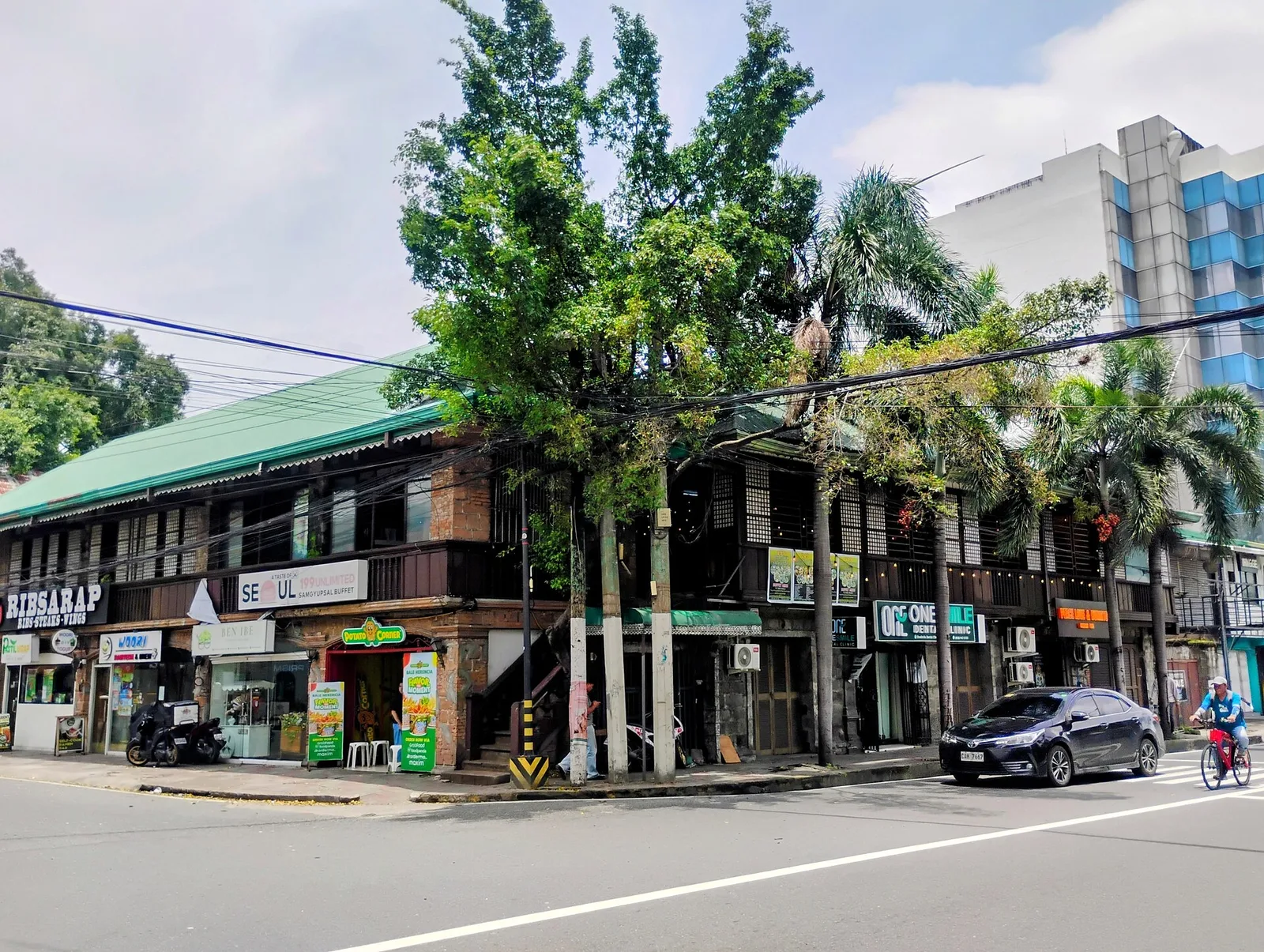
Built in 1860, it is a picturesque house with the unsavory reputation of having been built for the mistress of a parish priest. The current owners have leased the place to various restaurants, food stalls, and other businesses like salons …
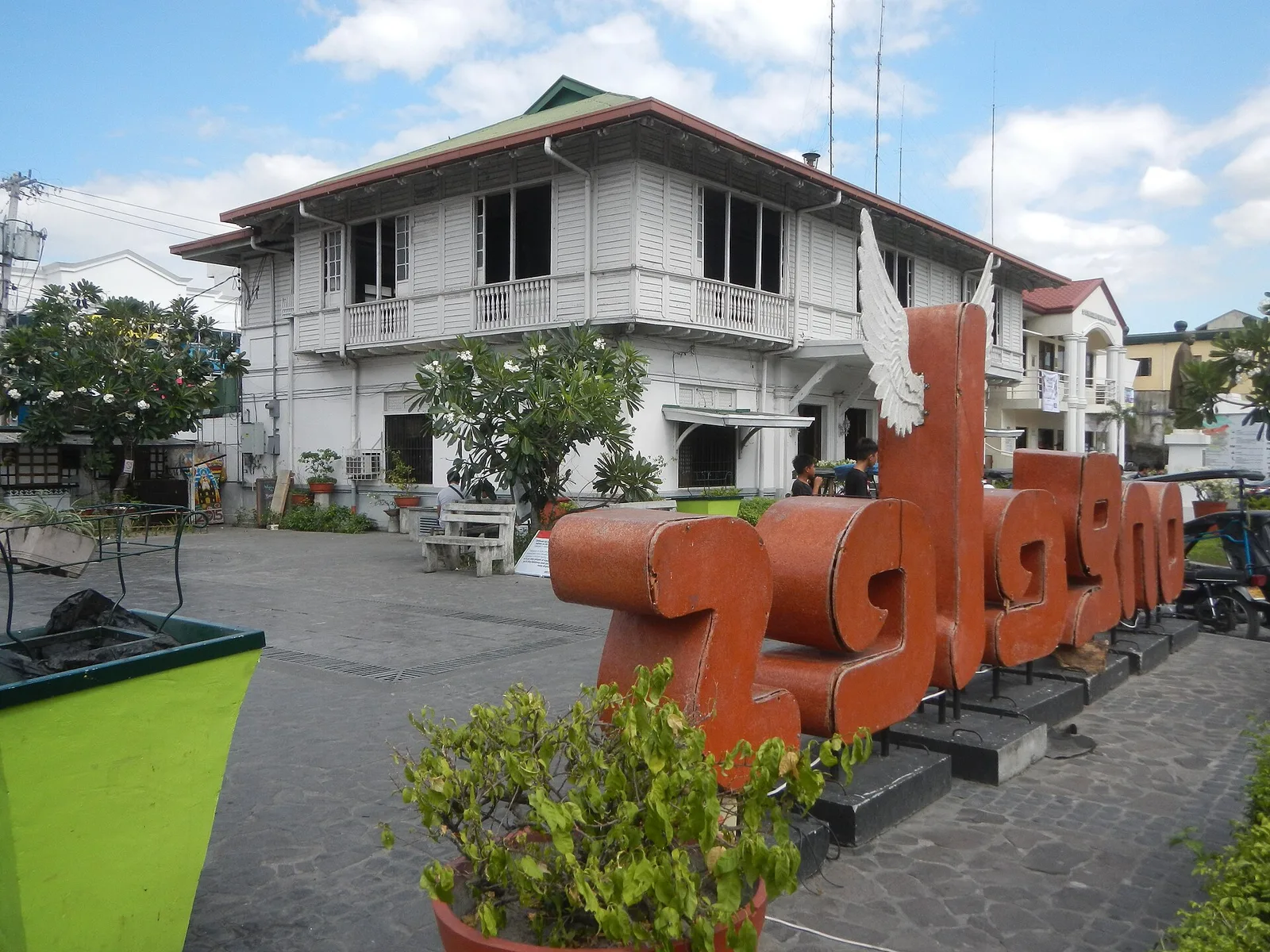
Housed in a vintage building located at the "Santo Rosario Historic District", this edifice was constructed in 1922 and served as the Town Hall until 1998. The museum has become the venue of the city's cultural activities be it from …
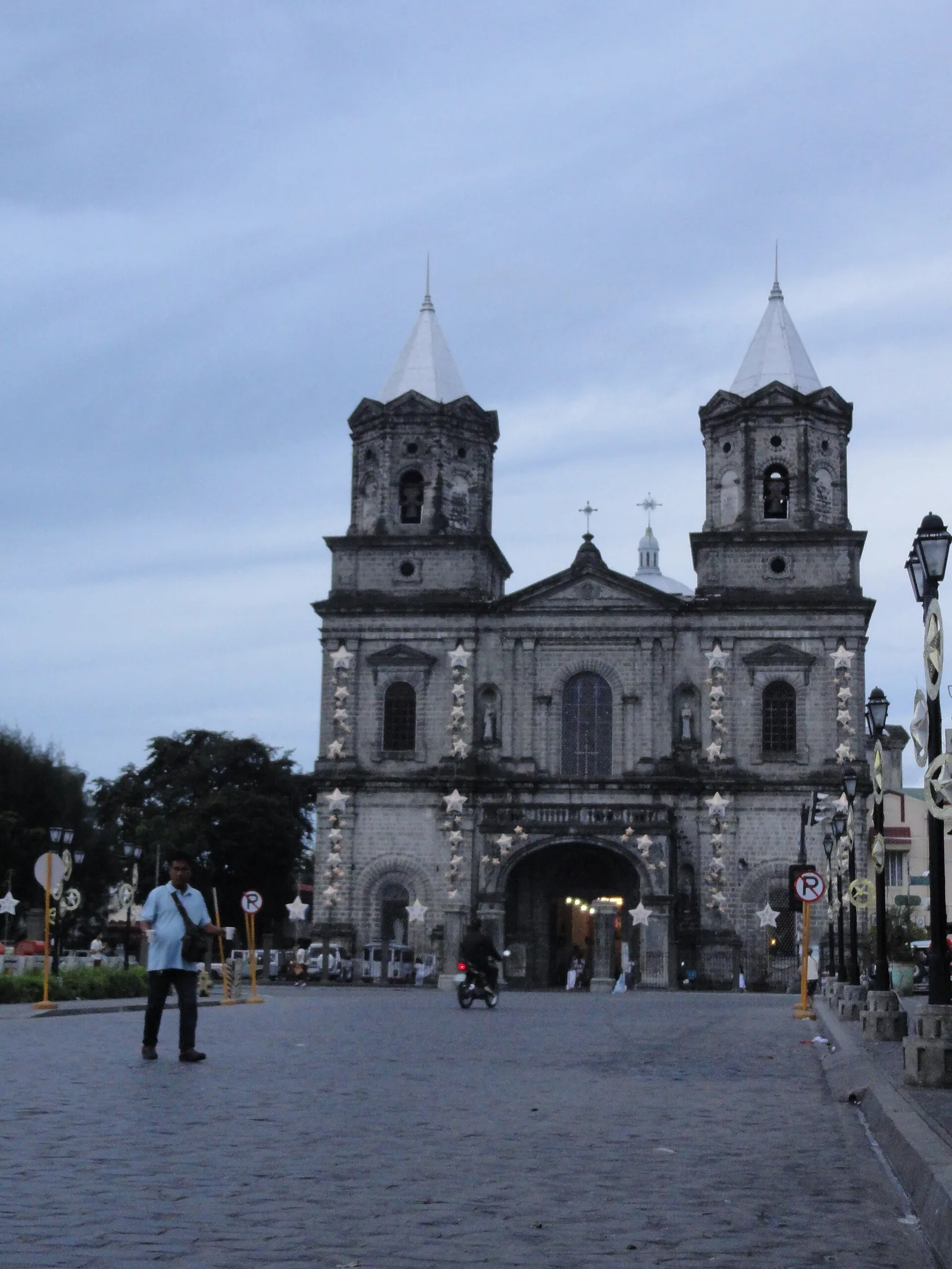
Colloquially called the "Big Church" in Kapampangan, it was constructed from 1877 to 1896 by the "Polo y Servicio" labor system, a kind of forced labor imposed on Filipino peasants by the Spanish colonial government. It was used as a …
Located at the heart of Santo Rosario, it is the oldest building in the city. It was built in 1824 by the city founder, Don Ángel Pantaleón de Miranda, and his wife, Doña Rosalia de Jesus, and was inherited by …
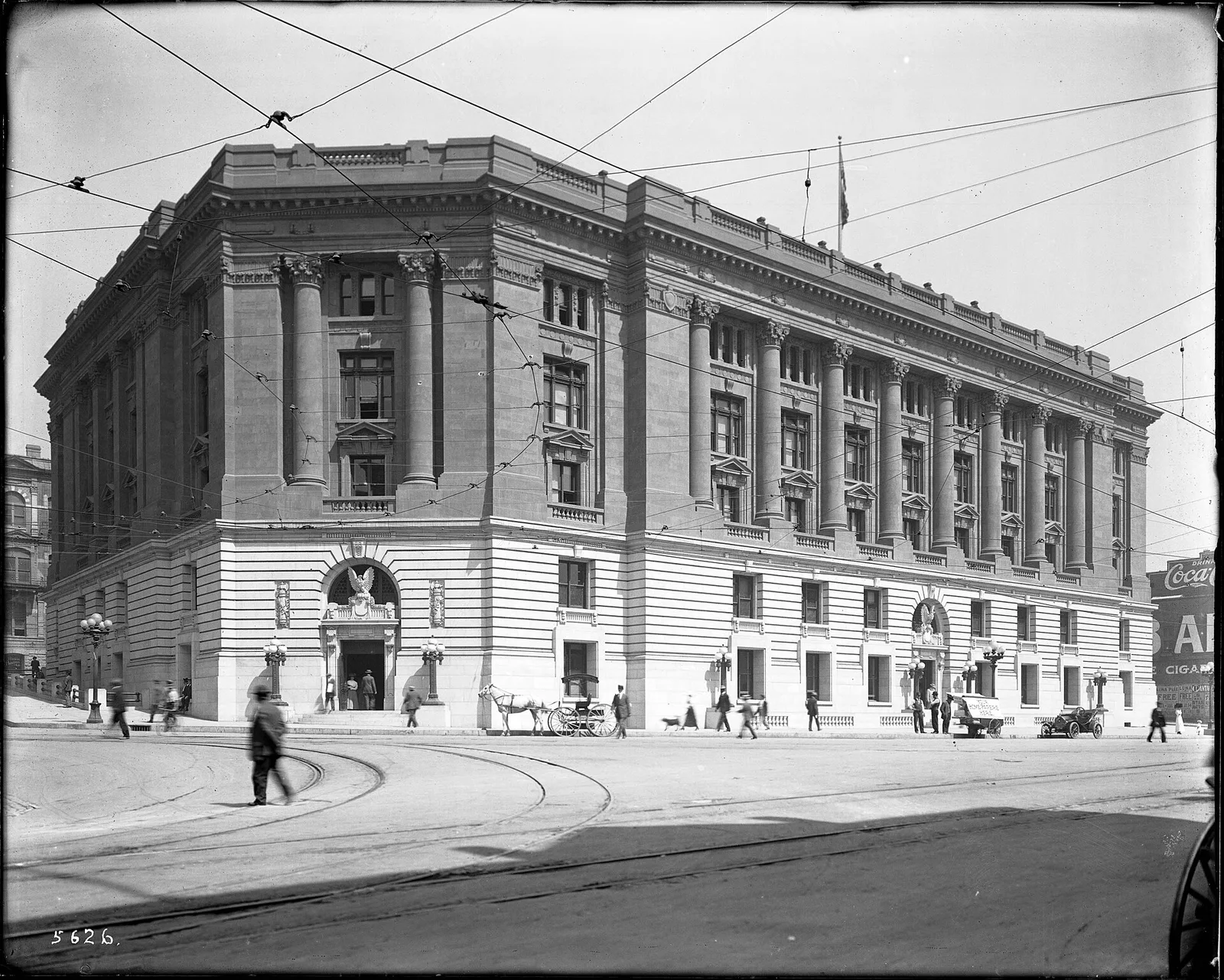
It is a building that was constructed in 1899 for the purpose of depositing religious statues and carriages of the Catholic Church, hence the name Deposito. It was also used as the headquarters of the 11th Film Exchange U.S. Army …
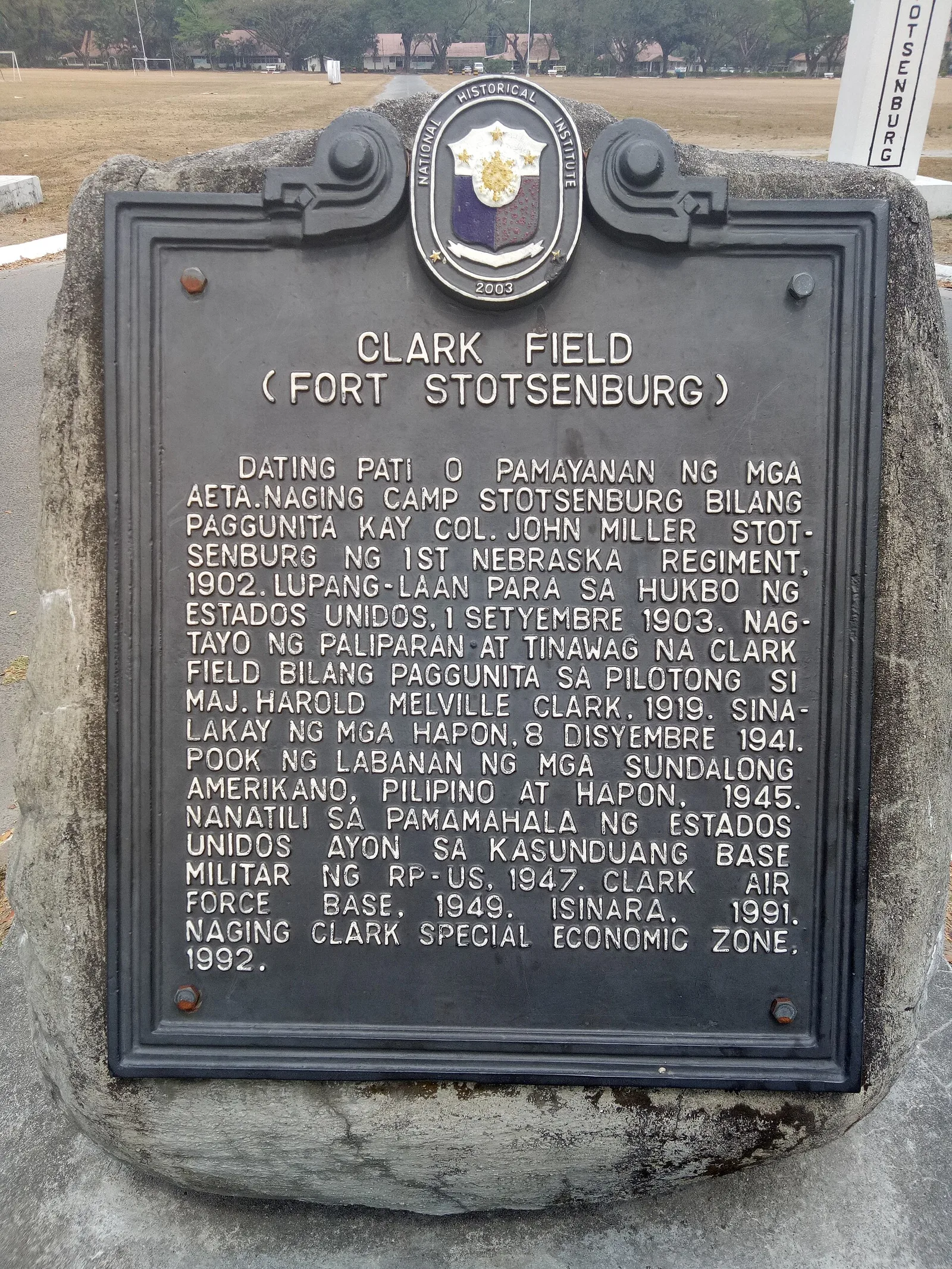
The former headquarters of American cavalry divisions sent to the Philippines during the Philippine-American War. Destroyed in World War II, only its gateposts remains.
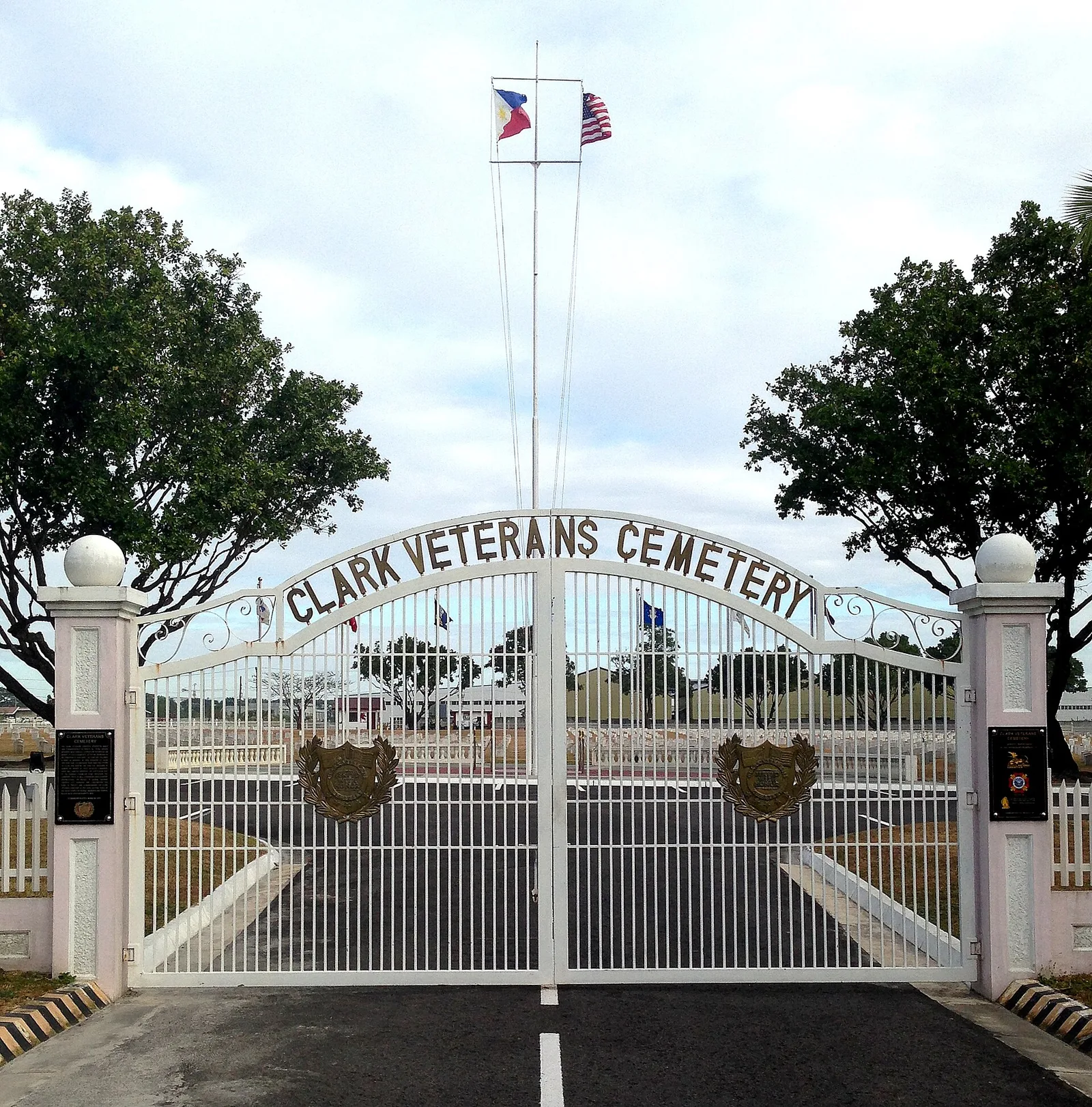
A military cemetery inside the Clark Freeport Zone, with the graves of thousands of American veterans and Filipino Scouts of the United States Army. The men buried here died on military bases in the Philippines or in conflicts other than …
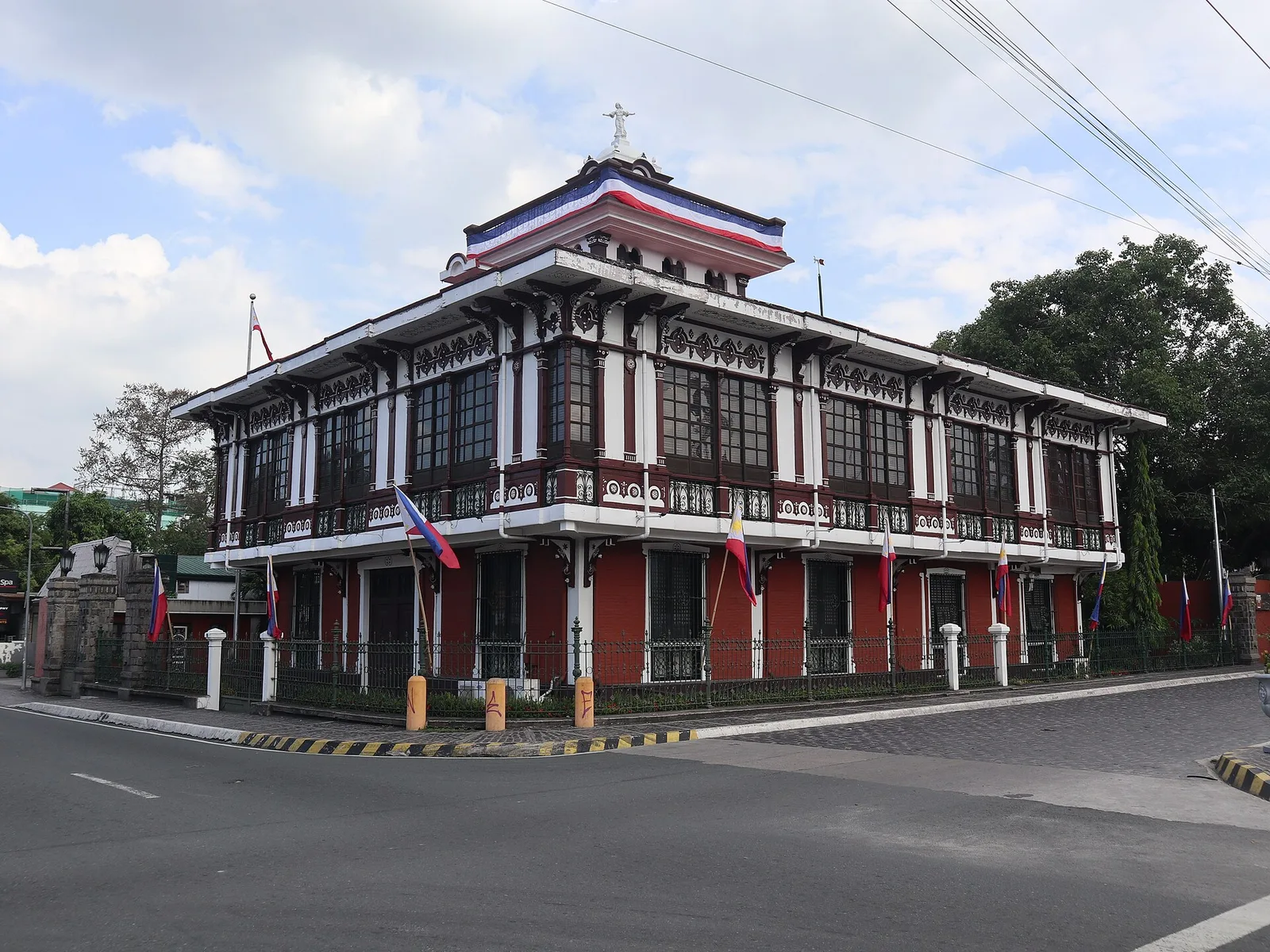
A heritage house from the 1880s, built by the Pamintuan family and kept as a museum of history and social studies. Aguinaldo waved the Philippine flag from the second-floor balcony here on 12 June 1899, the first anniversary of the …
Holy Family Academy Building was once a convent and was served as a military hospital of the U.S. Army in 1900. It was later used as troop barracks, officers' quarters and arsenal by the Japanese Imperial Military Forces in 1942.
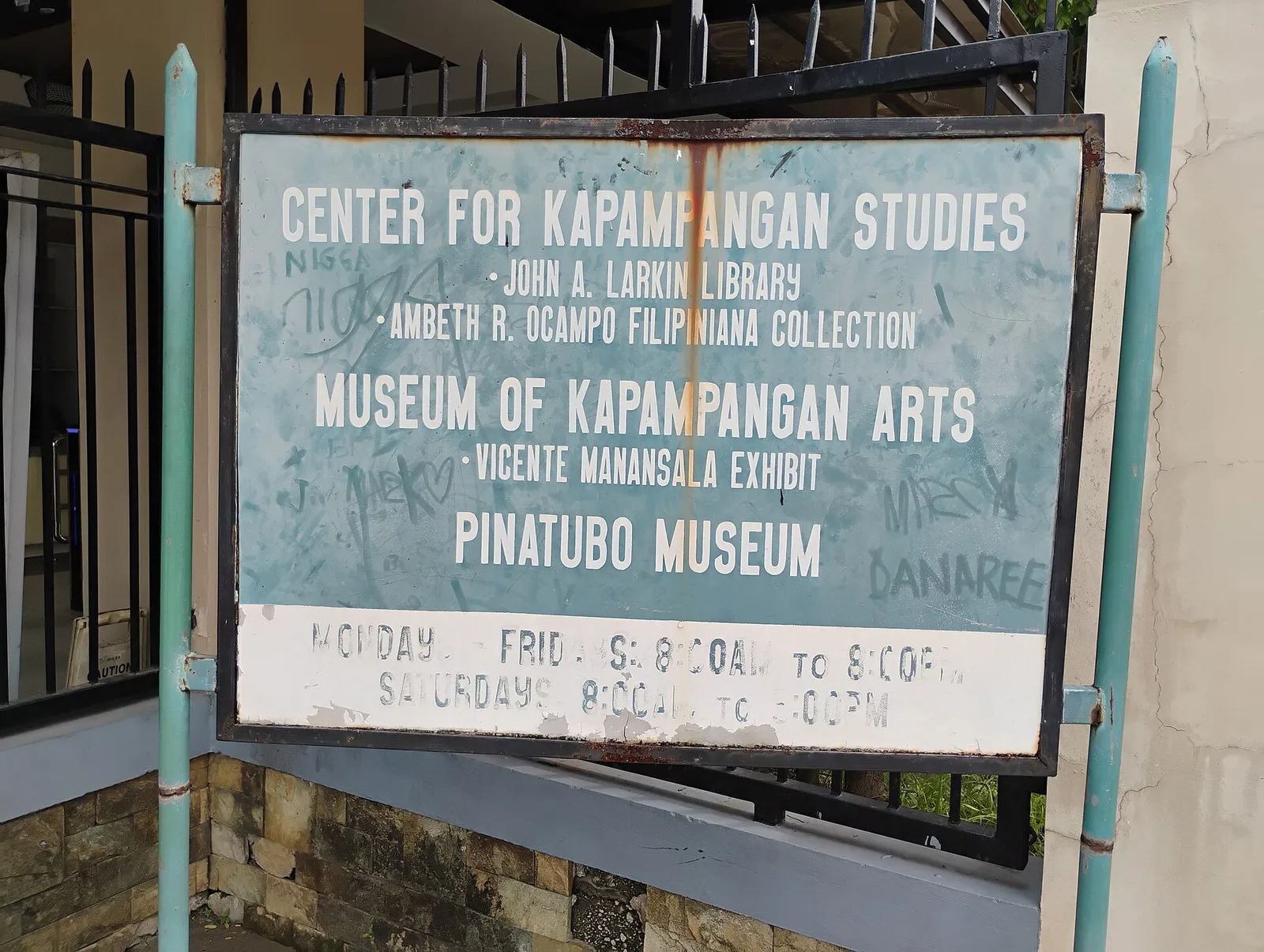
A museum inside the Holy Angel University showcasing the history and culture of the Kapampangans, the main ethnic group in Pampanga.