Lopez Mansion
Built in 1929 as the residence of a sugar magnate, Don Alejandro Lopez, it is the first concrete house in Pampanga. The house later fell into a long period of neglect caused in part by family squabbles and lahar flows …
Province in Central Luzon, Luzon · 21 towns and cities
Showing 31 to 58 of 58
Built in 1929 as the residence of a sugar magnate, Don Alejandro Lopez, it is the first concrete house in Pampanga. The house later fell into a long period of neglect caused in part by family squabbles and lahar flows …
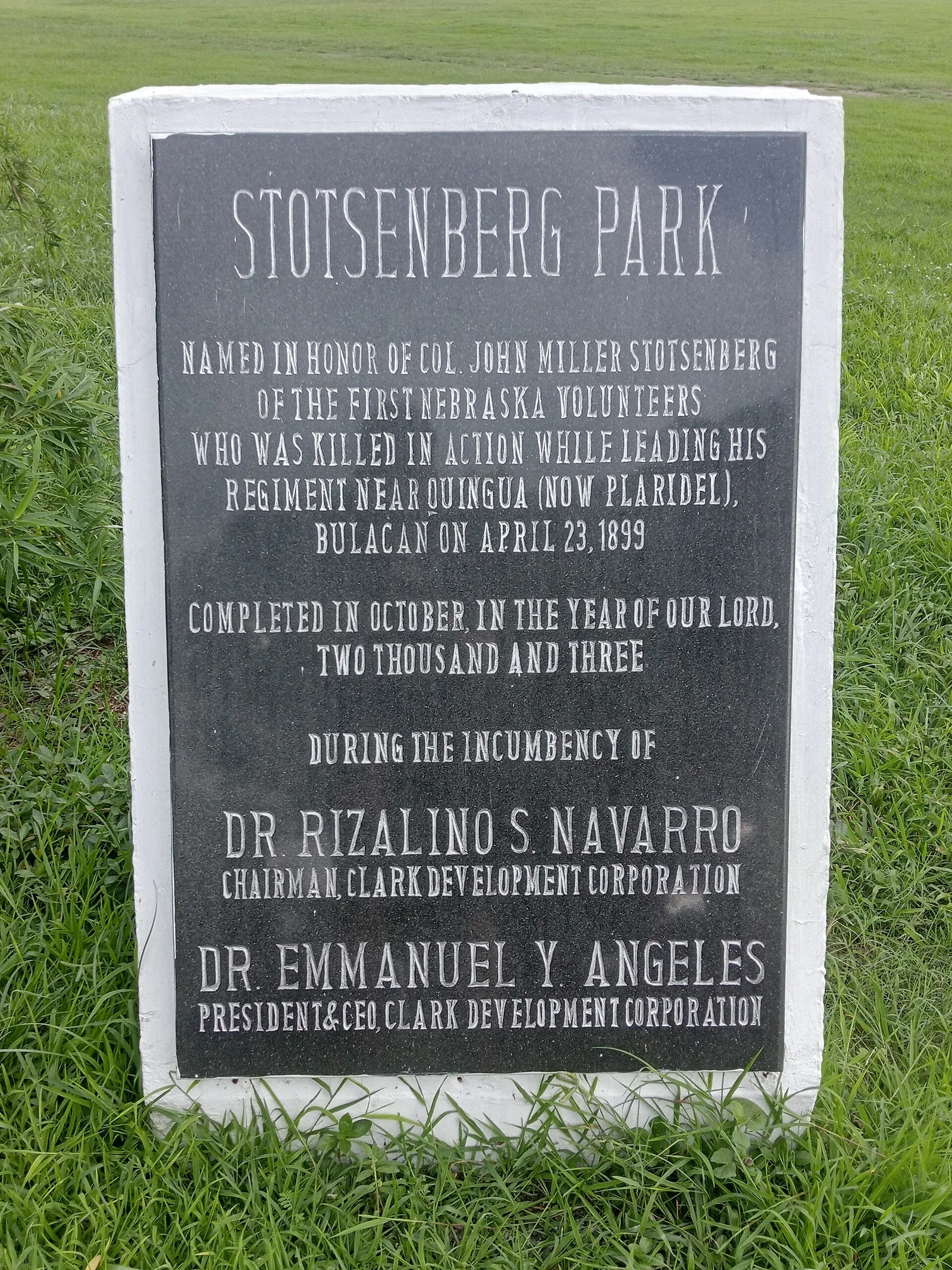
This urban park in Mabalacat City takes its name from the former Fort Stotsenburg. The fort's own barangay joined the city in 1948, adding to a place whose Kapampangan name comes from the balakat tree that once grew here in …
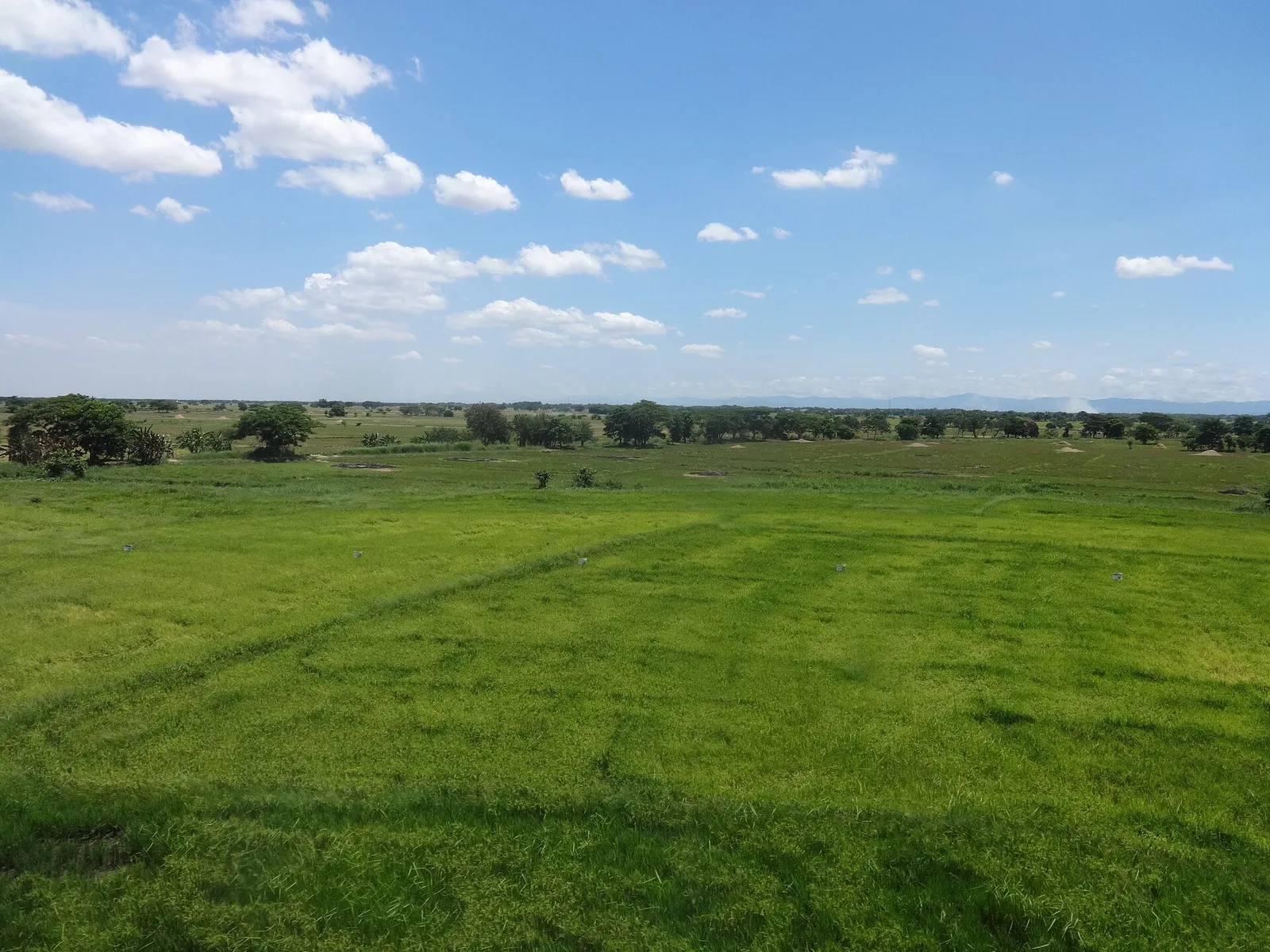
A wetland of about 32,000 hectares of freshwater ponds, marshes and seasonally flooded grassland, 60 kilometres northeast of Manila. The whole area goes under water in the wet season, and it works as a flood basin for five smaller rivers …
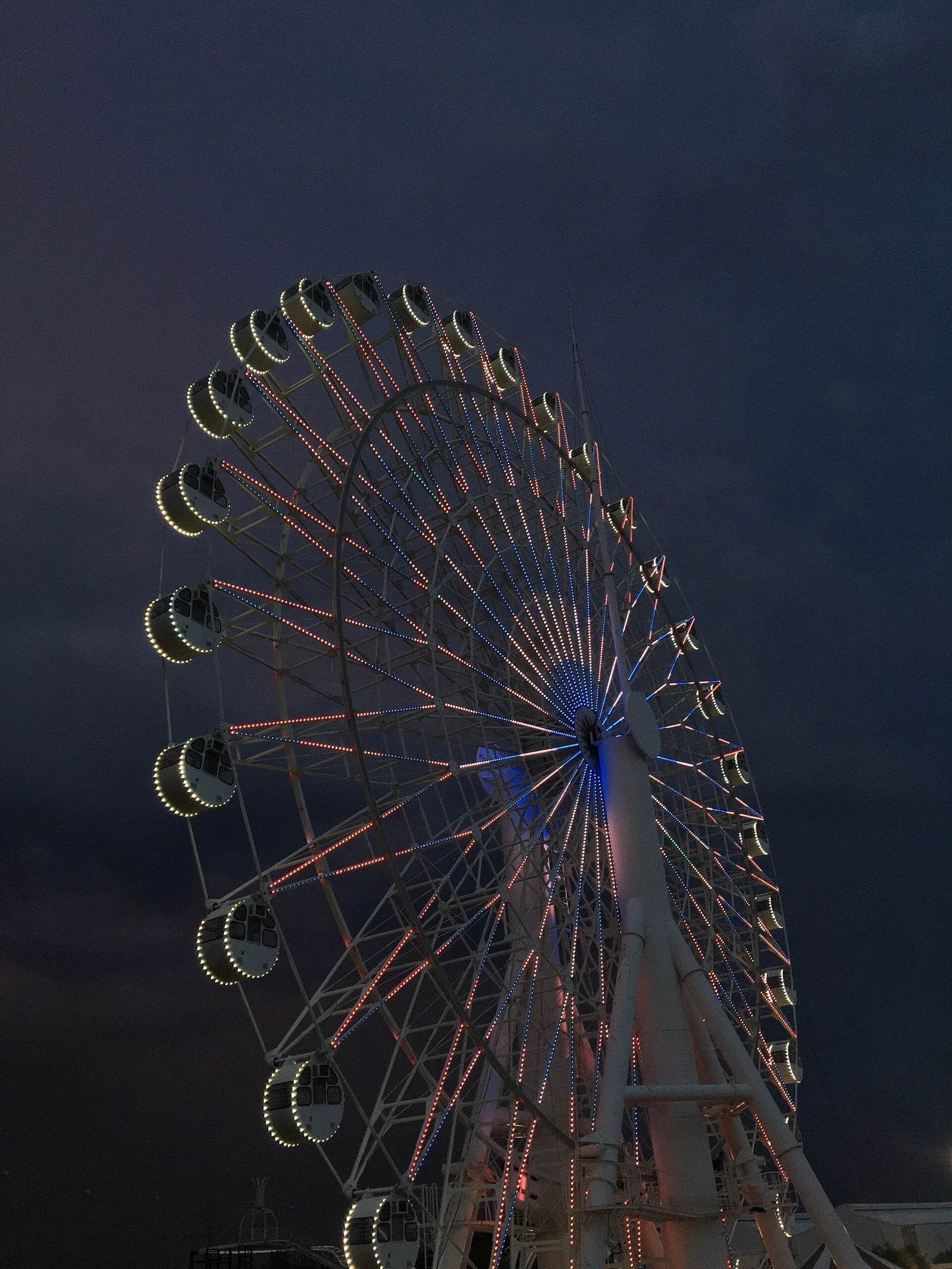
A Ferris wheel 65 metres high, the tallest in the country, and 50 metres across. It stands at Sky Ranch Pampanga, beside SM City Pampanga.

One of the oldest restaurants in Pampanga, on MacArthur Highway in Barangay Del Pilar. The Jorolan family built it in 1946. It serves the Kapampangan dishes that made its name: betute (stuffed frogs), kamaru (crickets) and pindang damulag (carabao meat). …
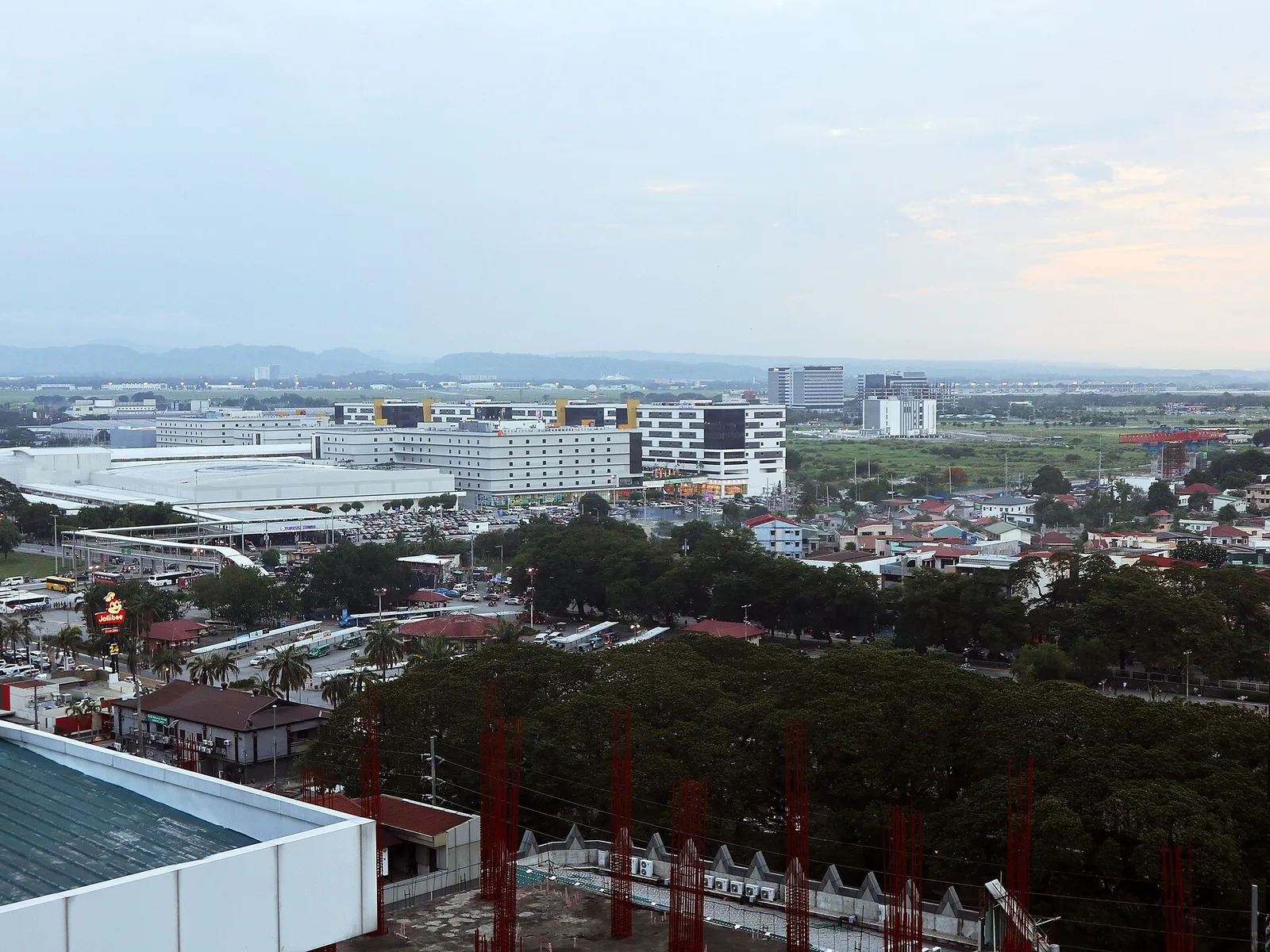
A large freeport of hotels, casinos, golf courses and resorts, most of it inside Mabalacat and the rest in neighbouring Angeles, where the main gate is. It was Clark Air Base until 1991, when the United States Air Force left. …
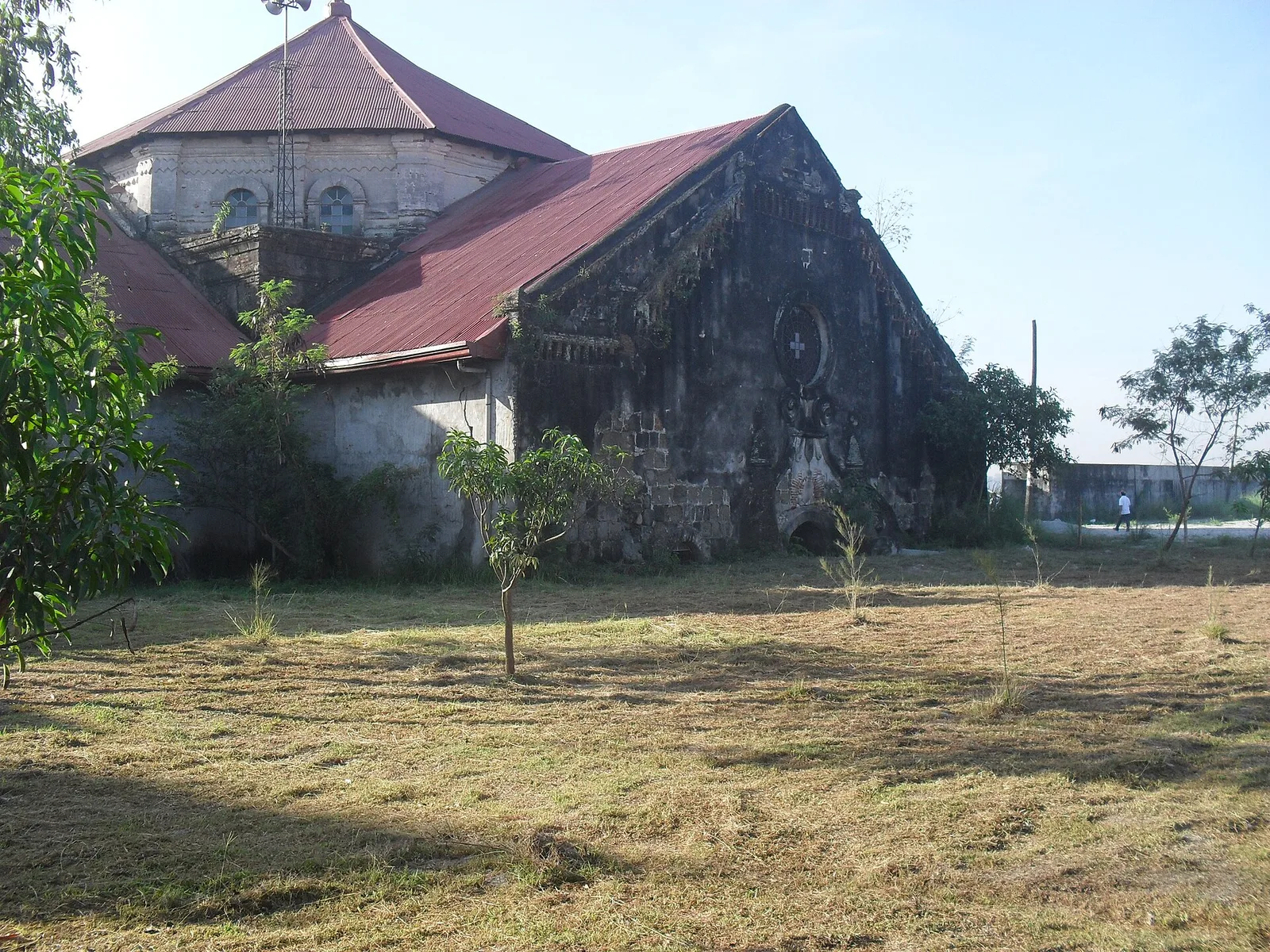
A church that stands half buried in volcanic mud. On September 3, 1995 lahar from the 1991 eruption of Mount Pinatubo filled the building to half of its 12 metres of height, and more than 50,000 people of the town …
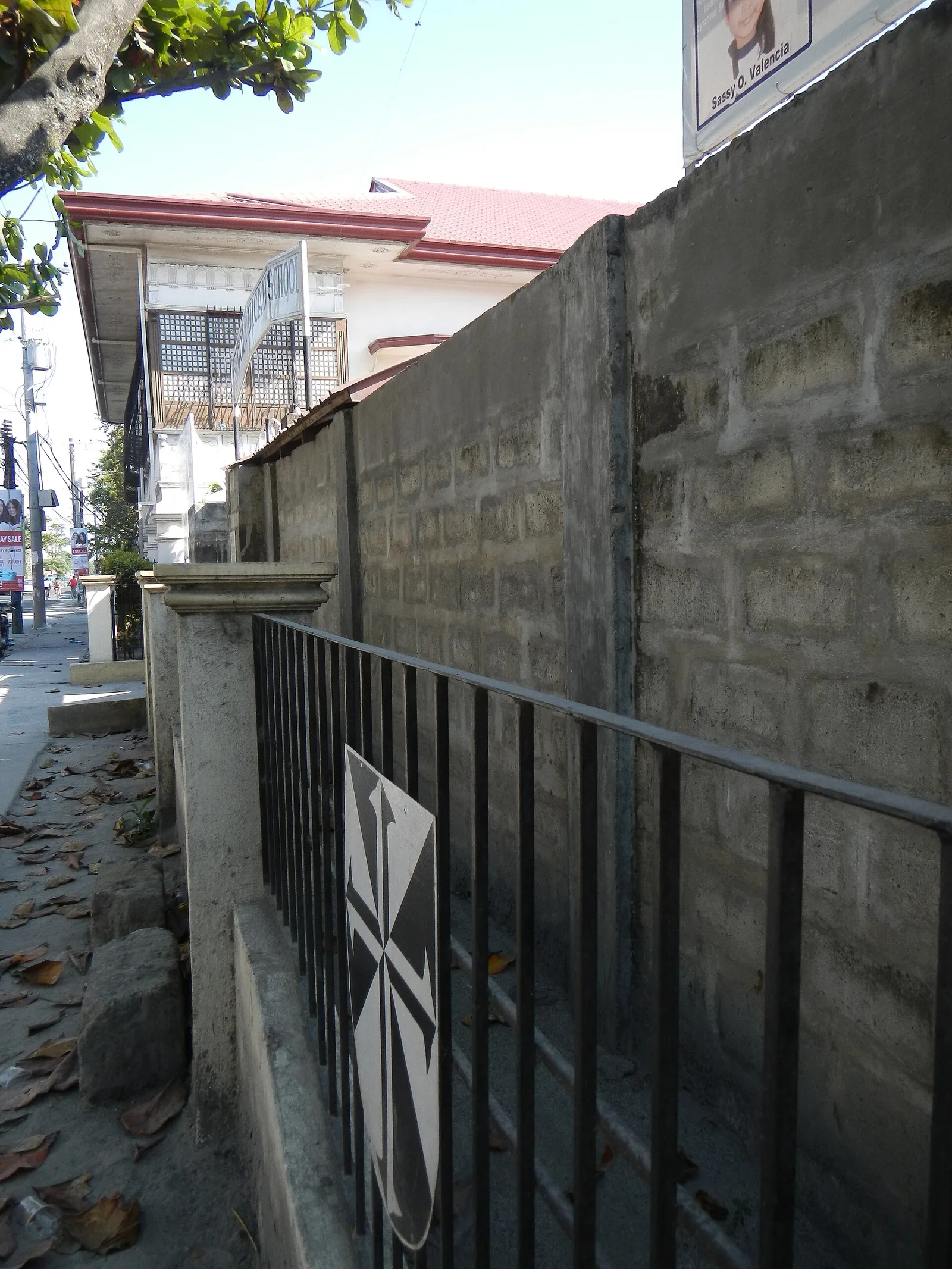
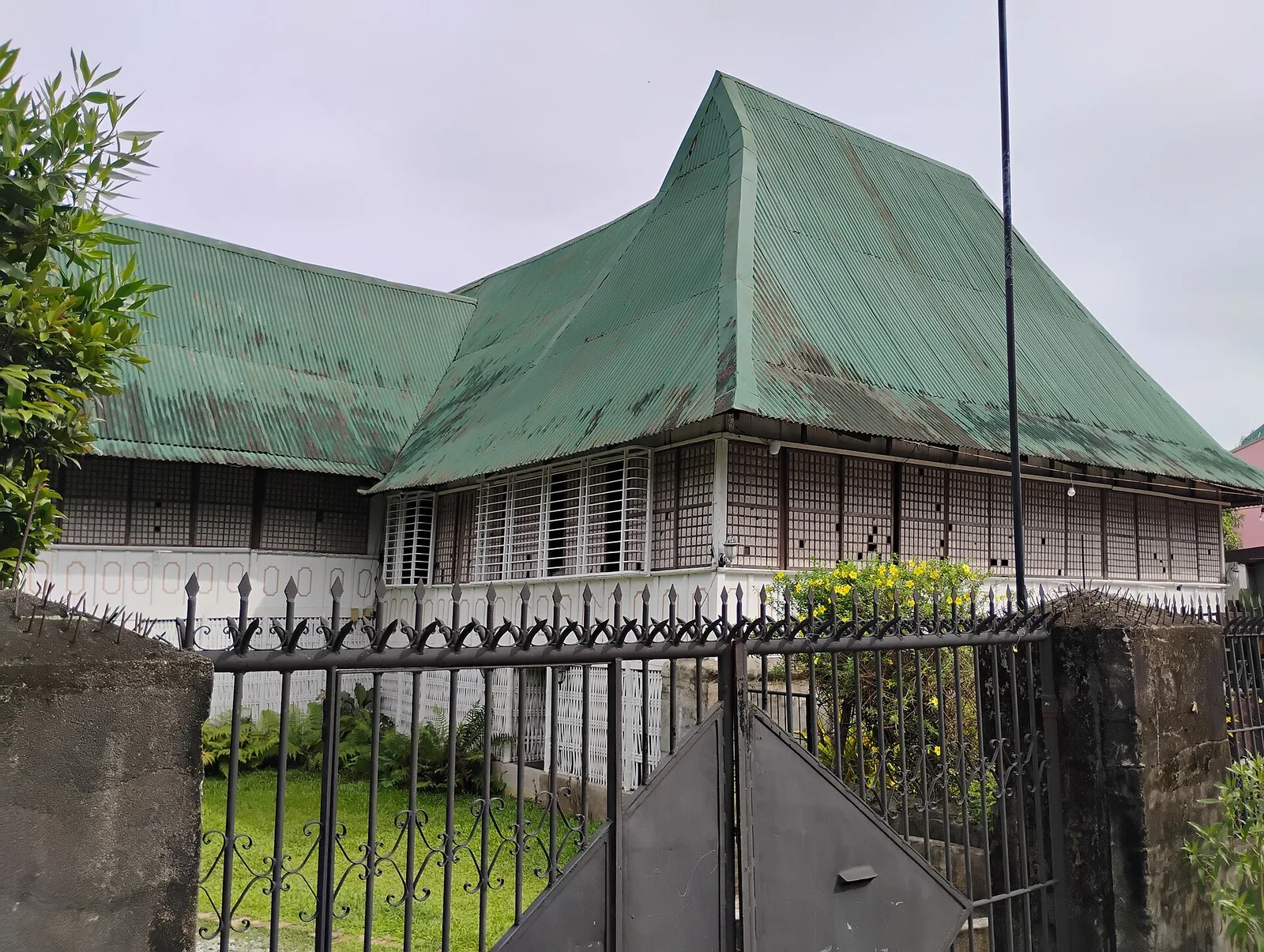
The well-preserved ancestral residence of one of Santa Rita's most prominent families, built in 1841. The owners offer pre-arranged heritage lunches/dinners and tours with a minimum of 10 people needed for a visit.
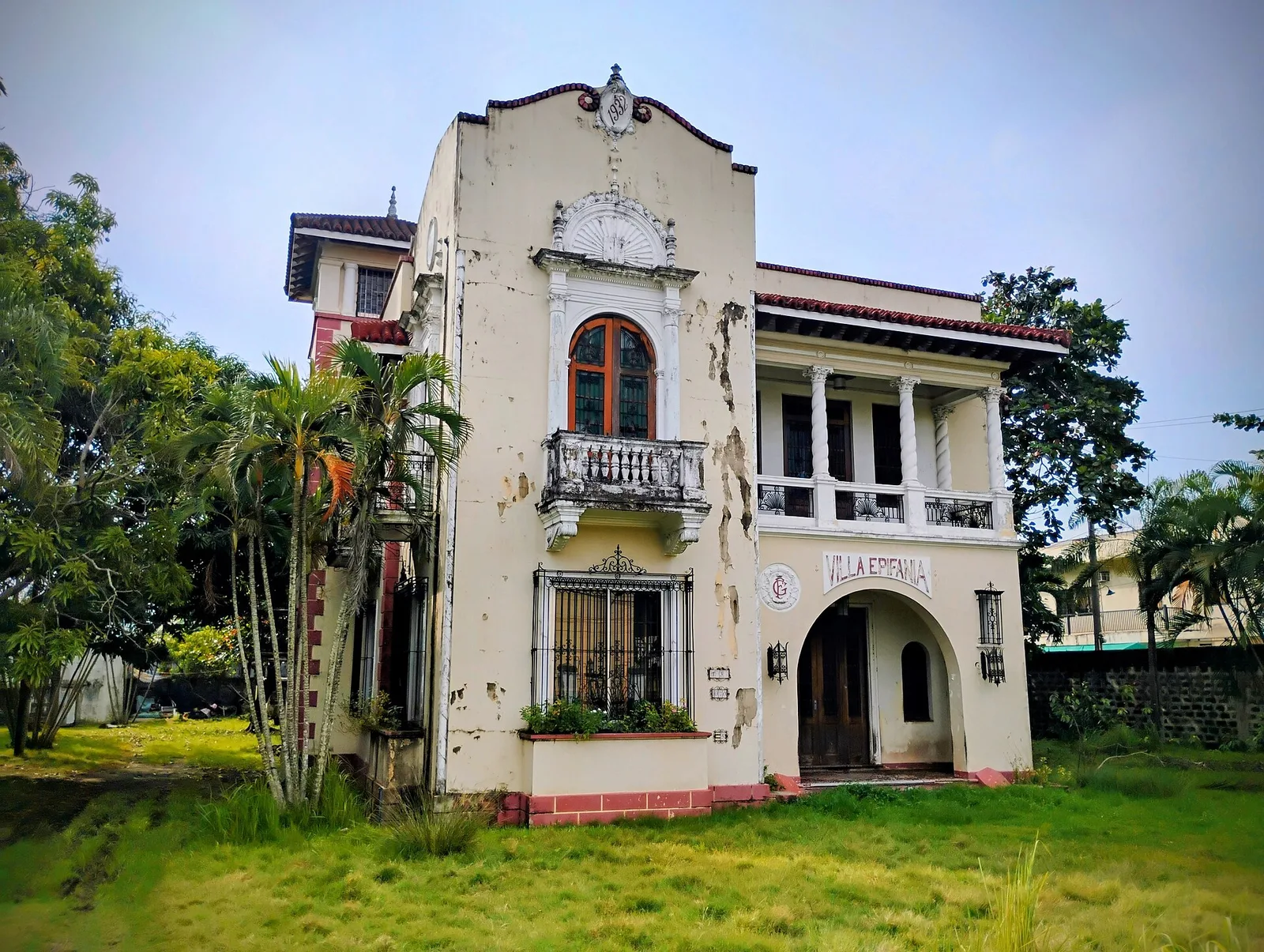
A 1930s Art Deco residence that is the first concrete structure in Santa Rita. It is a common location shoot for films, TV series and ghost-hunting expeditions.
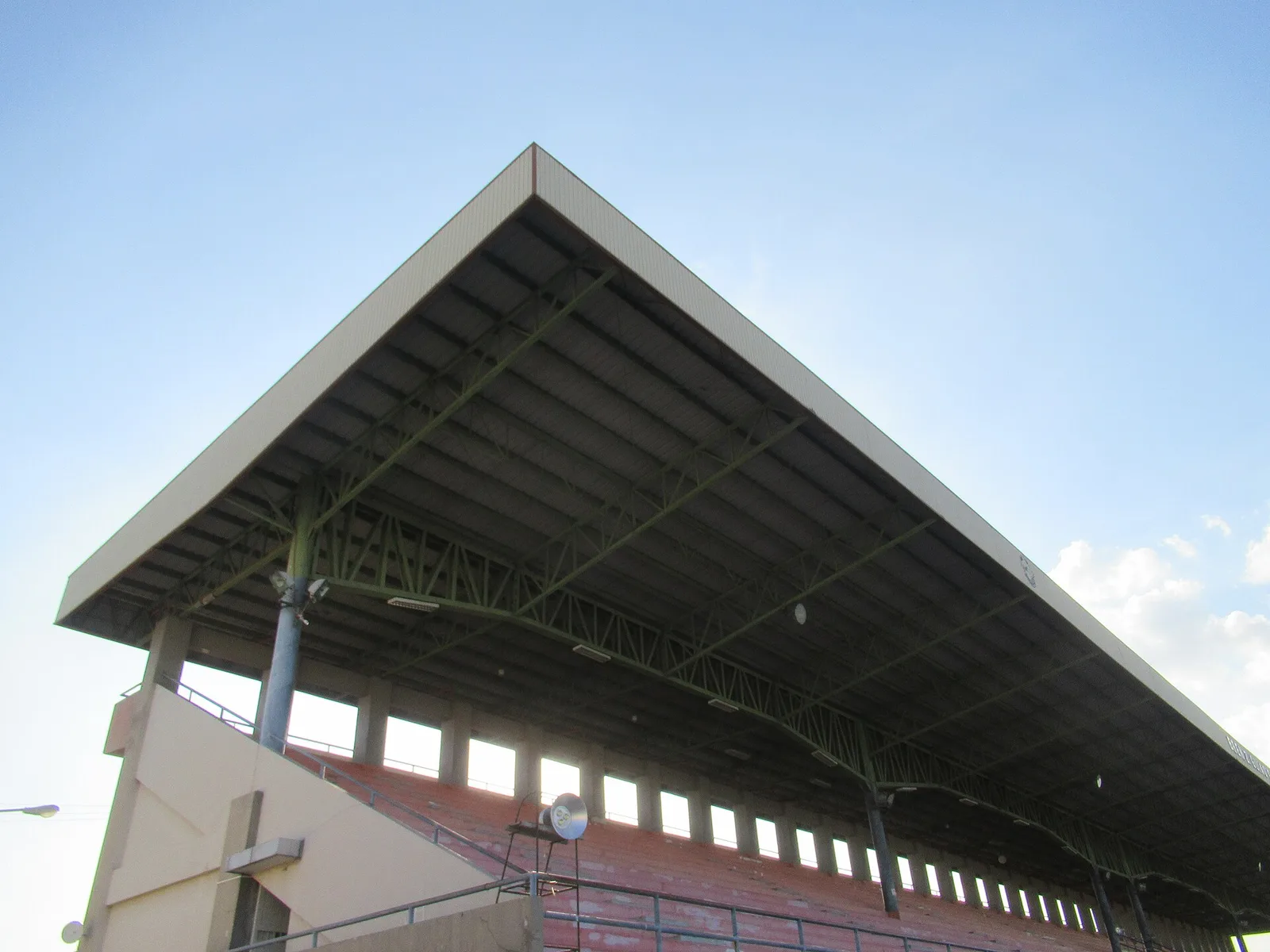
A giant arena with a seating capacity of 30,000 people, used for conventions, concerts, sports, beauty pageants
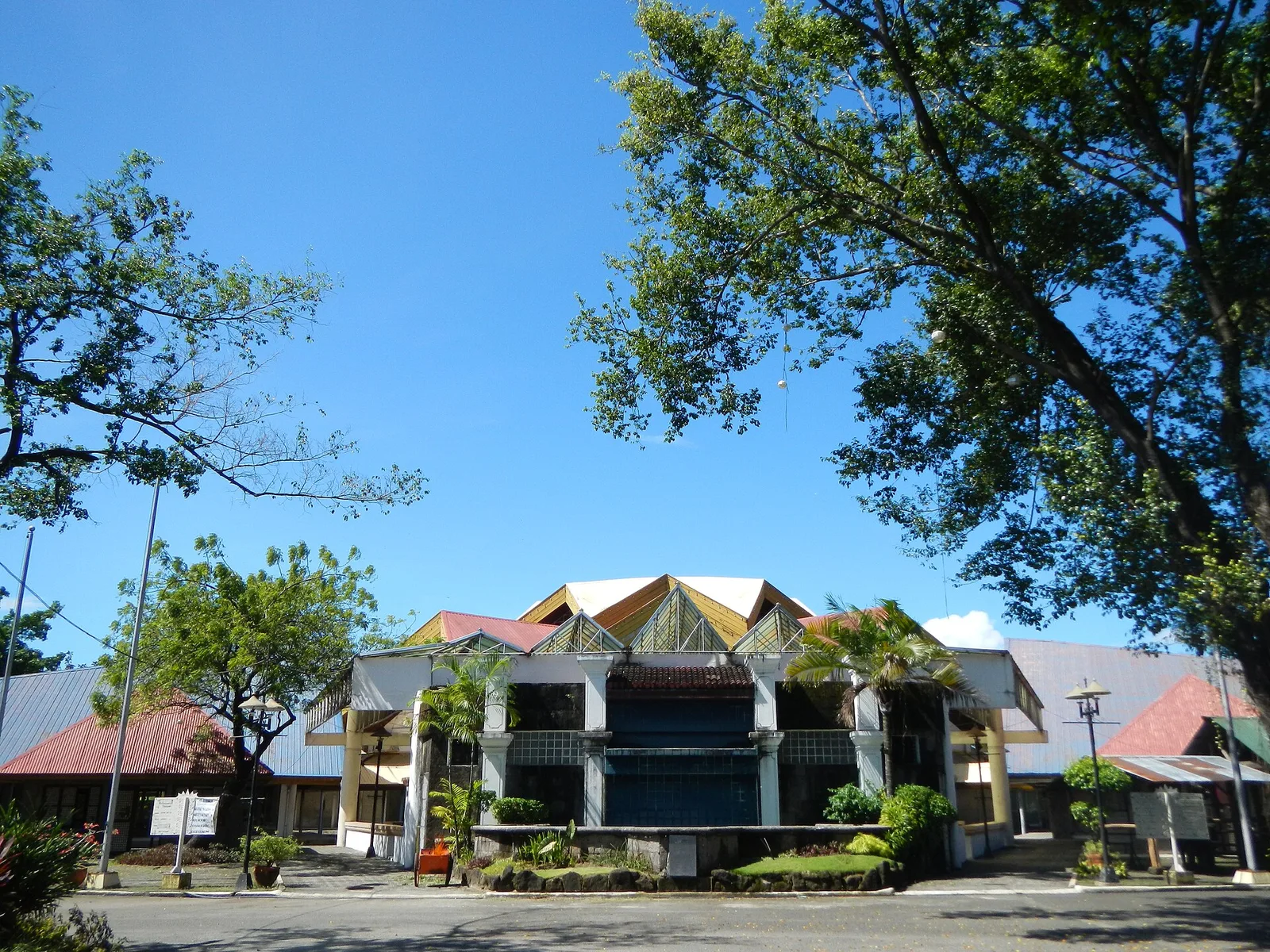
A gorge named in part because it resembles the setting from the film Avatar (the one with blue aliens).
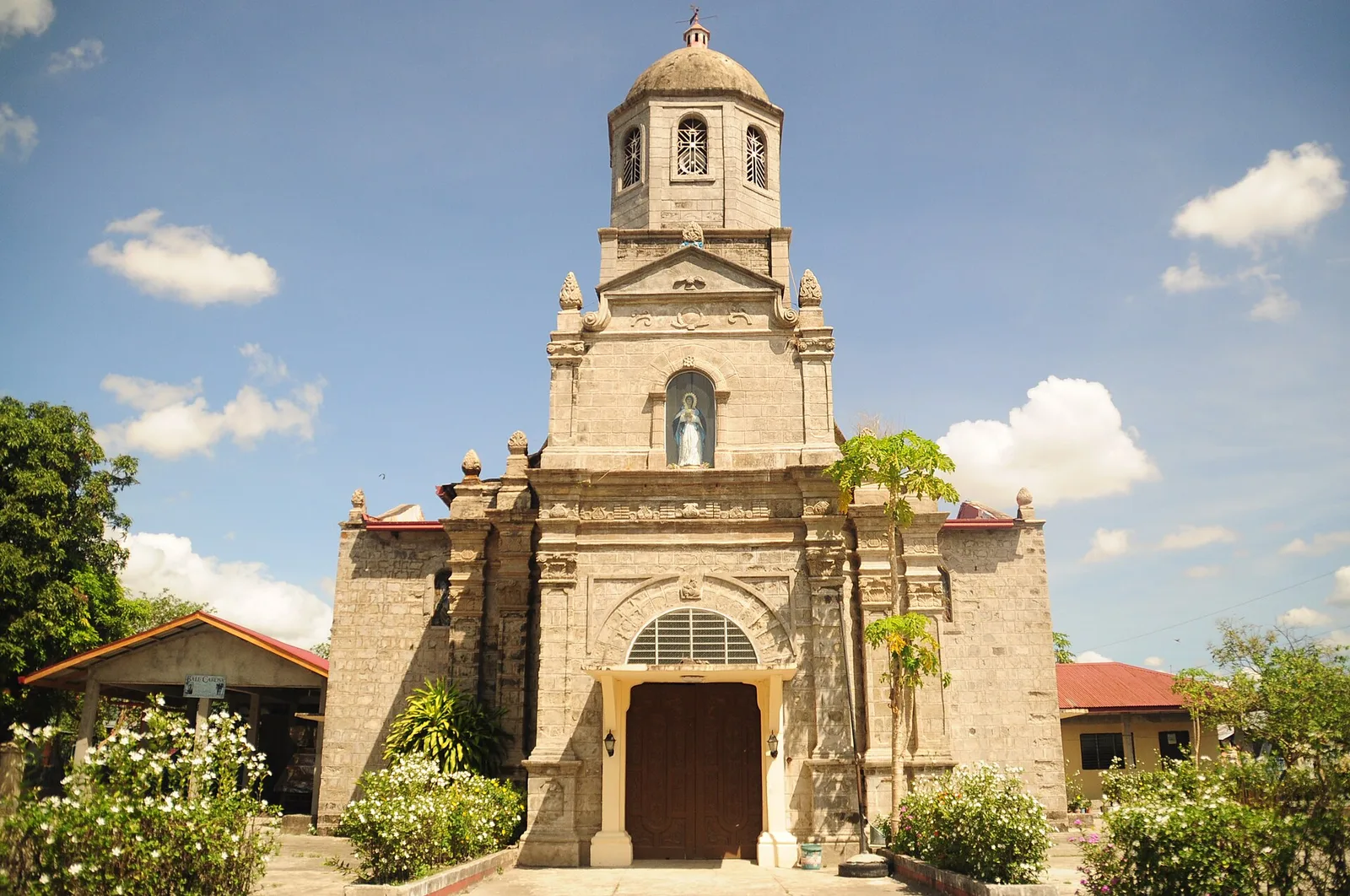
A Spanish-era Roman Catholic barangay chapel, built in 1838 and repaired following damage caused by the 2019 earthquake.
A golf course set in an eponymous tourism and luxury residential estate. The complex also has its own airfield, and hosts the annual Lubao International Balloon and Music Festival.
Meaning "Holy Mountain, Way of the Cross" in Kapampangan, it is a religious complex at the foot of Mount Arayat that attracts pilgrims during the Lenten season for its 14 Stations of the Cross laid out across a trail that …
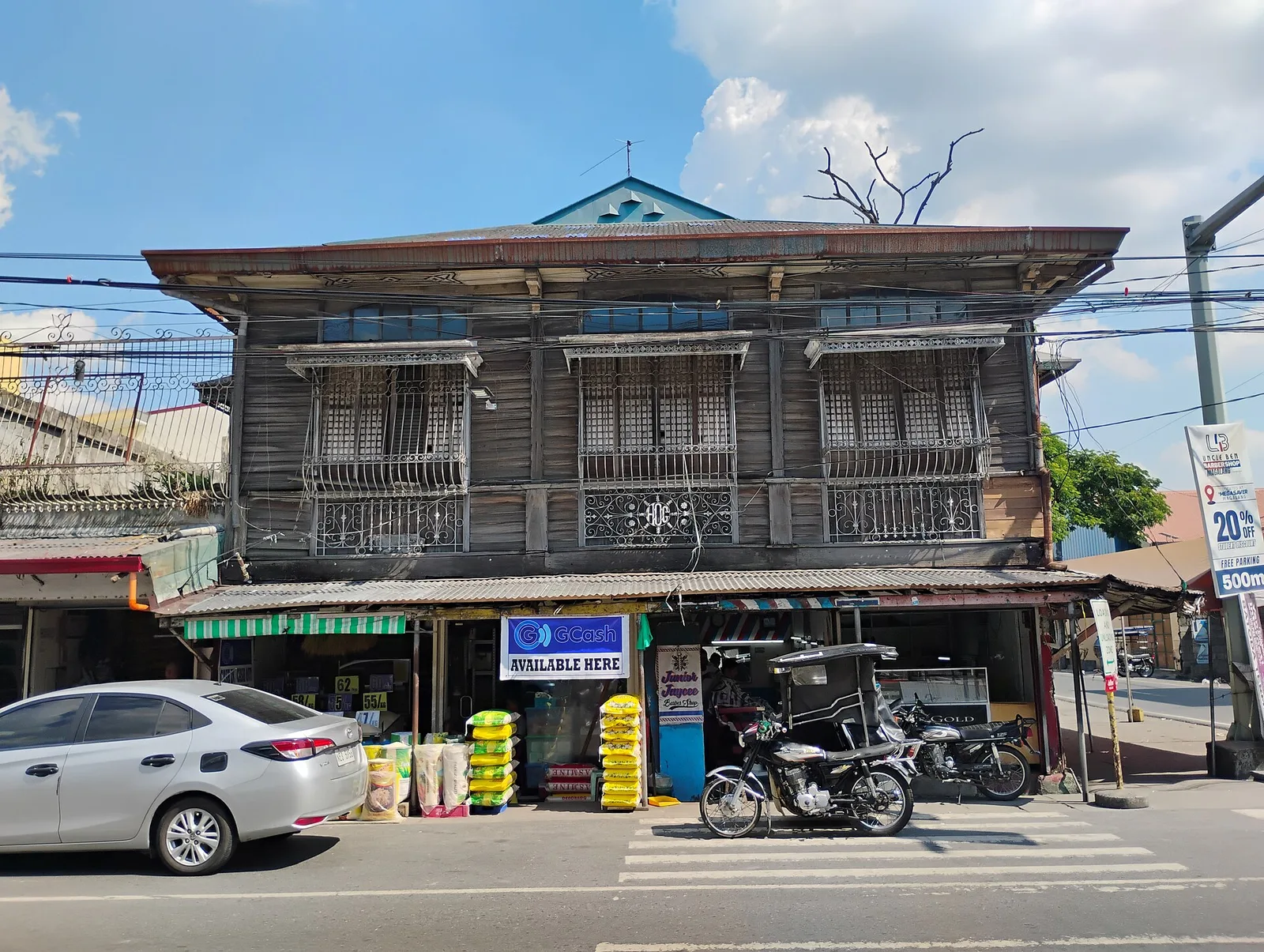
A colonial-era residence whose ground floor has been leased out to commercial establishments.
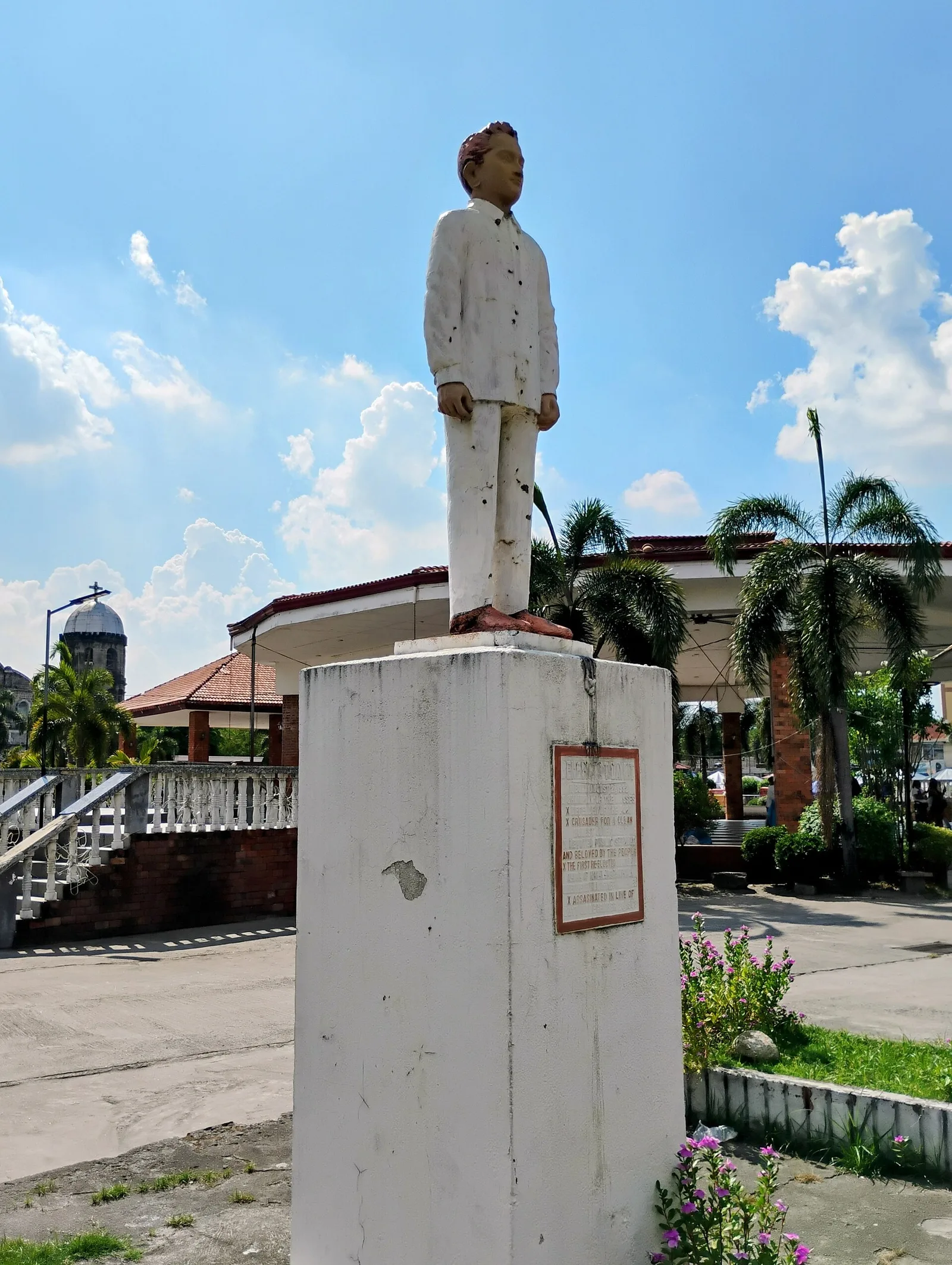
One of the better-designed and maintained town squares in the Philippines, featuring a large gazebo, civic monuments to local heroes and other noteworthy achievements, and a statue of a carabao.
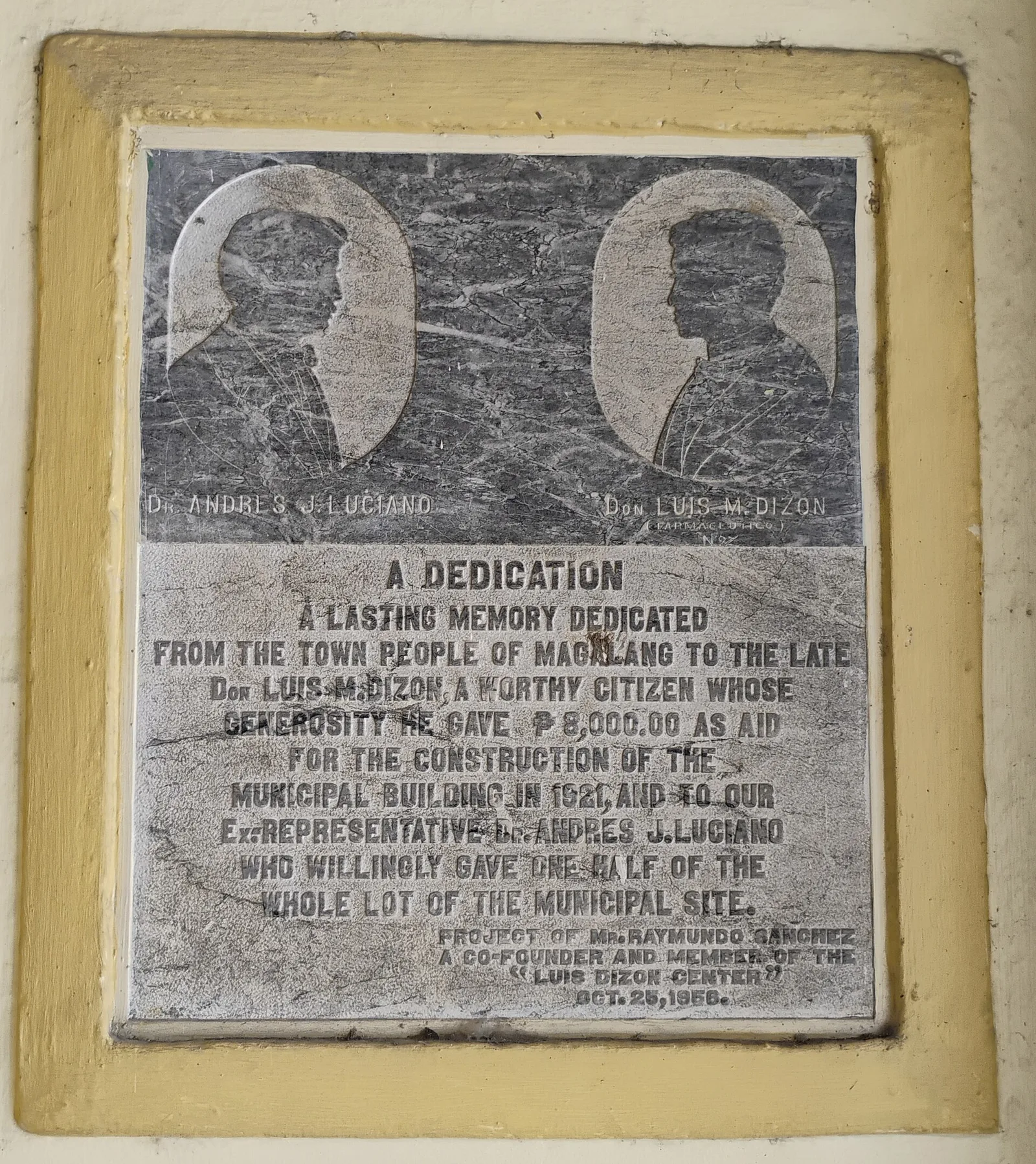
A colonial-era residence inside a secluded compound that was also used as a filming location for some domestic period films.
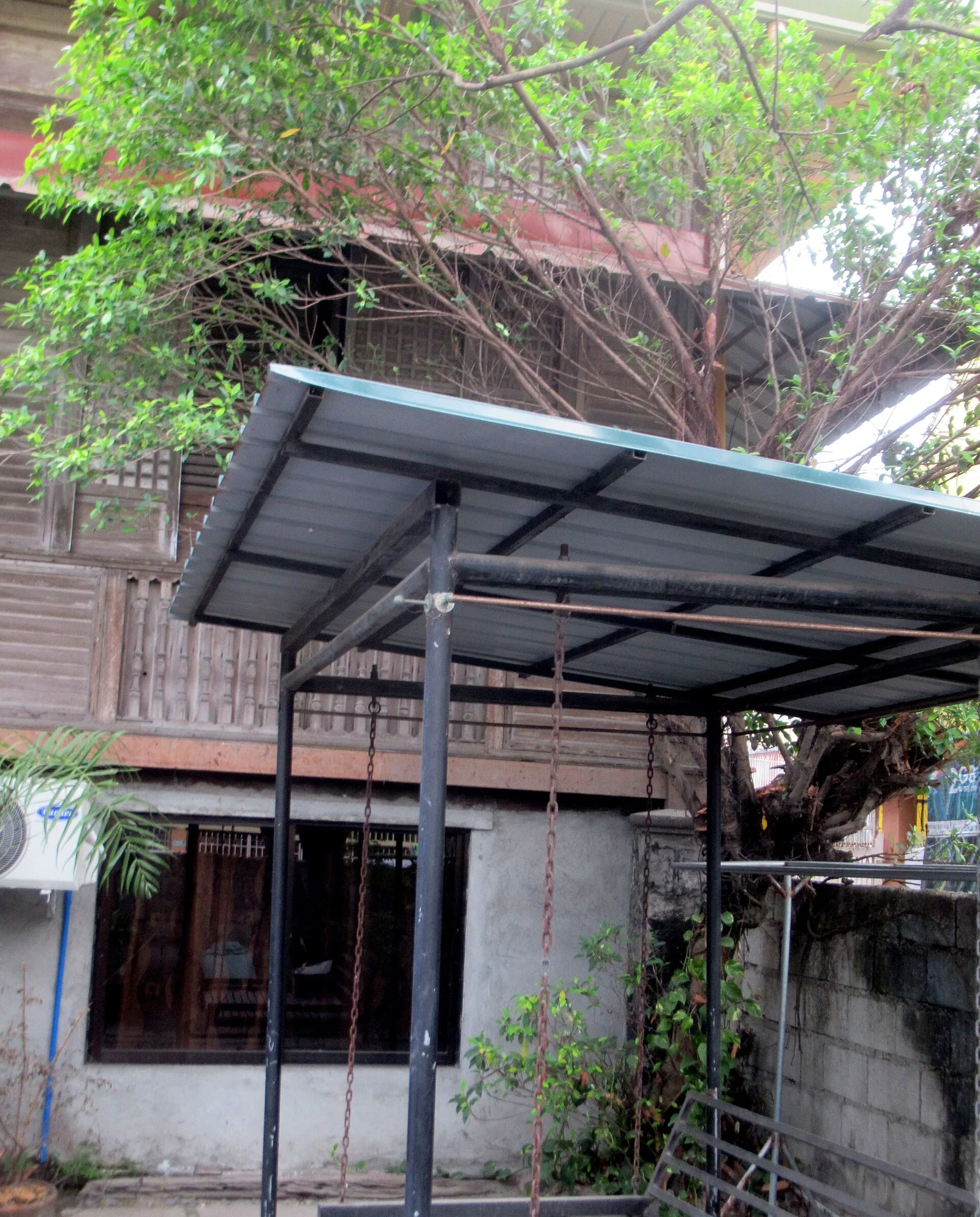
A Spanish-era residence belonging to a minor branch of the Aquino political dynasty in neighboring Concepcion, Tarlac. The view is partially obscured by mango trees.
An obelisk-like structure built by the Spanish to serve as a "sun telegraph" that transmitted Morse code messages using the sun's rays. It is one of a few remains of an extensive Spanish military communications and watchtower system in Central …
A shallow point along the Gumain (Telesiko) River set in the backdrop of the high SCTEX Gumain viaduct that is a favorite swimming place for residents. Cottages can be rented from the owners, who are mostly from the local indigenous …
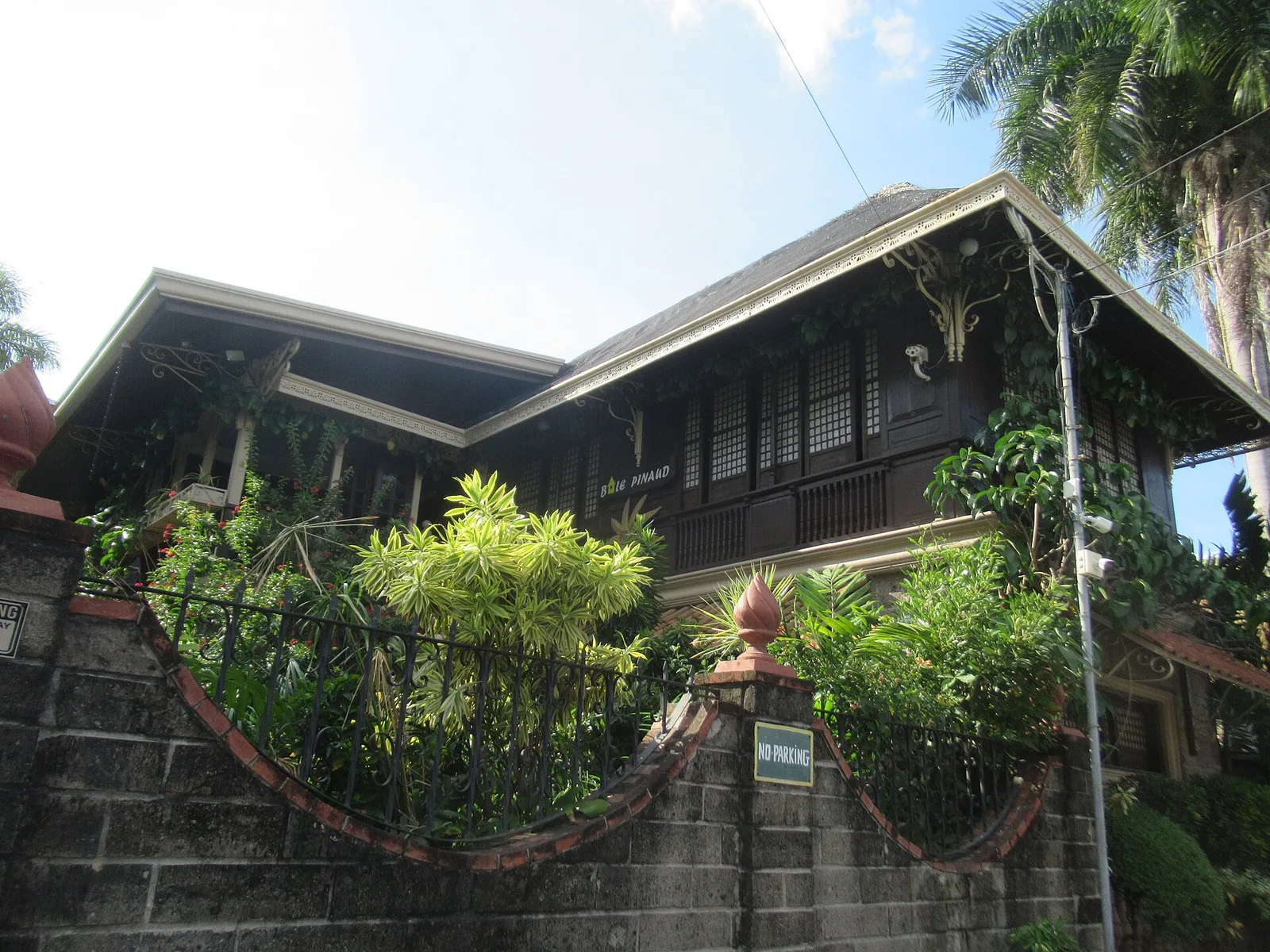
A nipa (pawid)-roofed residence built in the early 1900s for the David-Siongco family, whose members have produced senior clergy members, journalists and other intellectuals who have influenced cultural discourse in the Philippines.
Meaning "Stone House" in Kapampangan, it is a residence designed and built by local artist Jesus Padilla using cement and pulverized rocks from nearby Mount Arayat and modeled after Angkor Wat in Cambodia.
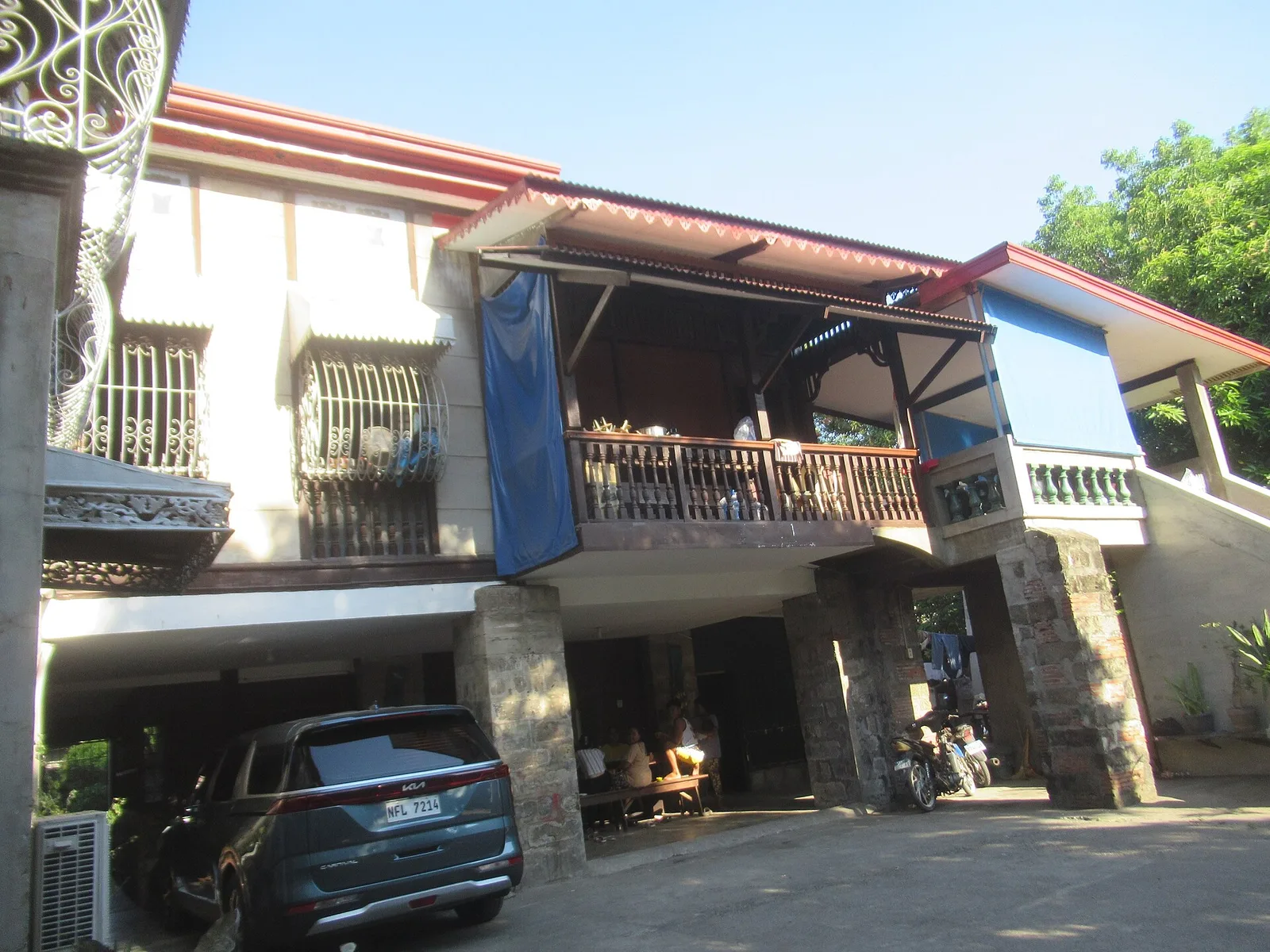
An 18th century residence that somehow managed to survive the Pinatubo eruption intact and unburied by lahar.