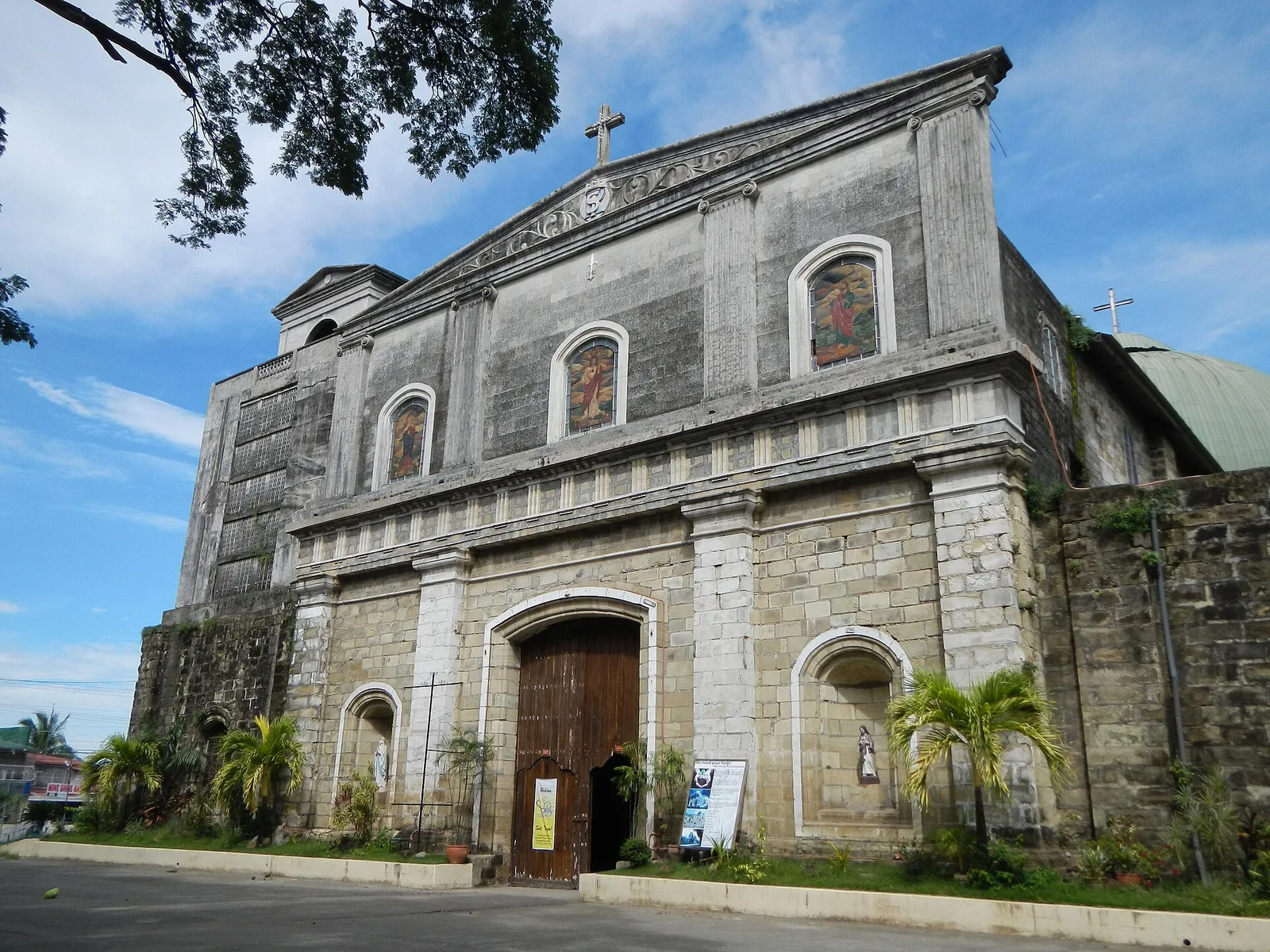
A 2-day plan built from the See, Do and Eat listings in Wikivoyage's Mangatarem guide. The stops are in an order that keeps each day close together. Check the hours …
Island group · 8 regions
A 2-day plan built from the See, Do and Eat listings in Wikivoyage's Mangatarem guide. The stops are in an order that keeps each day close together. Check the hours …
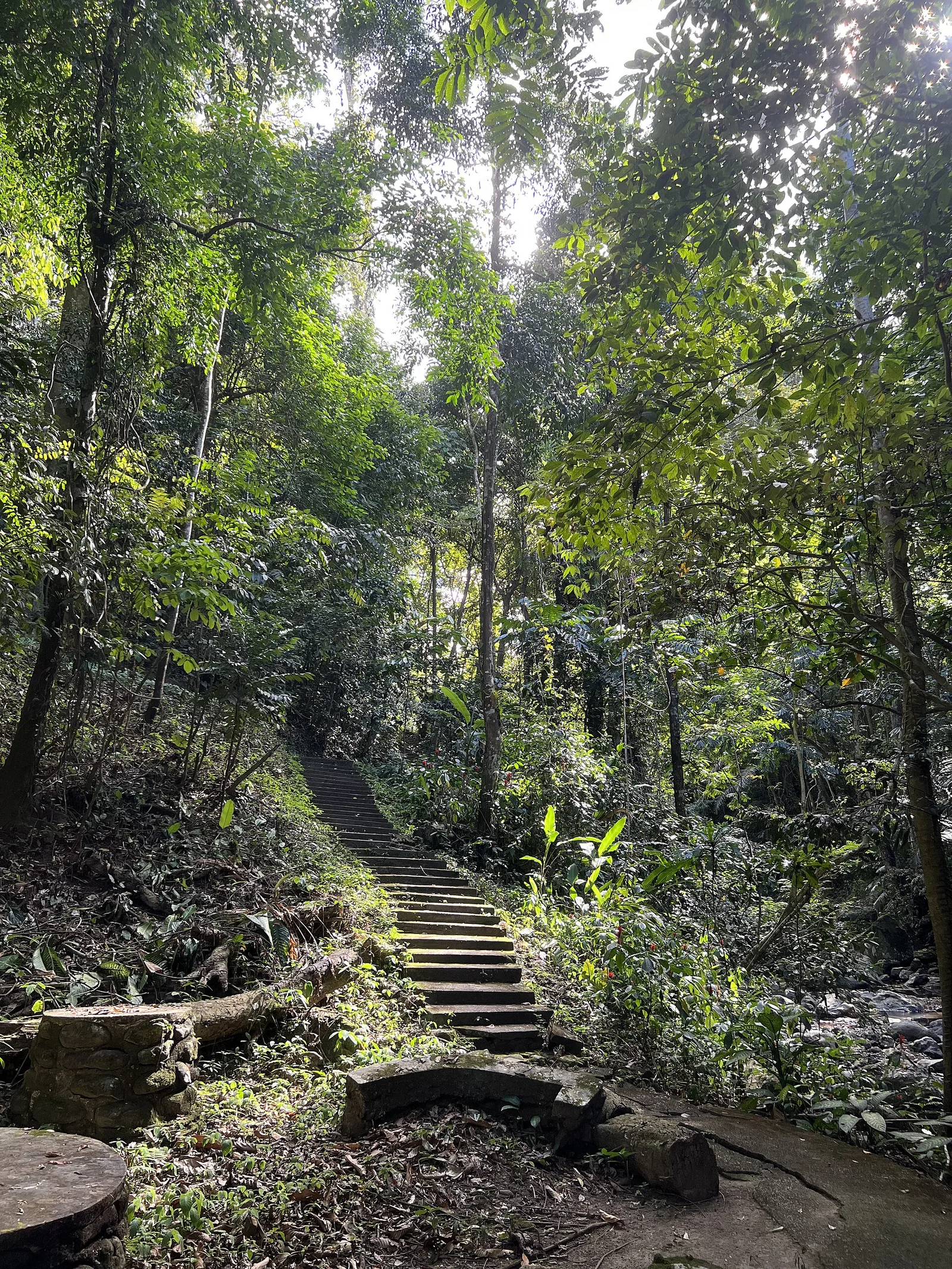
A 3-day plan built from the See, Do and Eat listings in Wikivoyage's Los Baños guide. The stops are in an order that keeps each day close together. Check the …
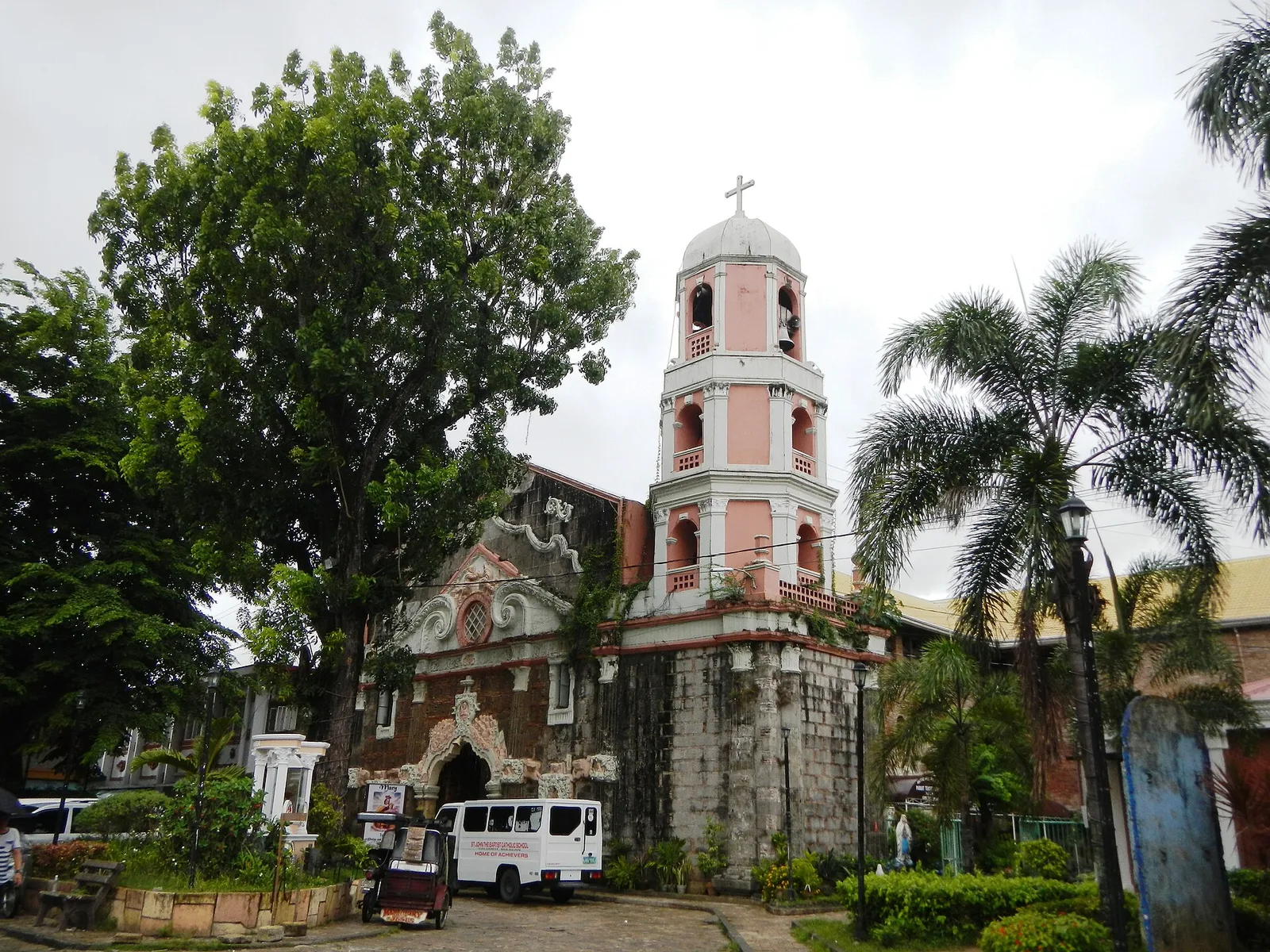
A 2-day plan built from the See, Do and Eat listings in Wikivoyage's Calumpit guide. The stops are in an order that keeps each day close together. Check the hours …
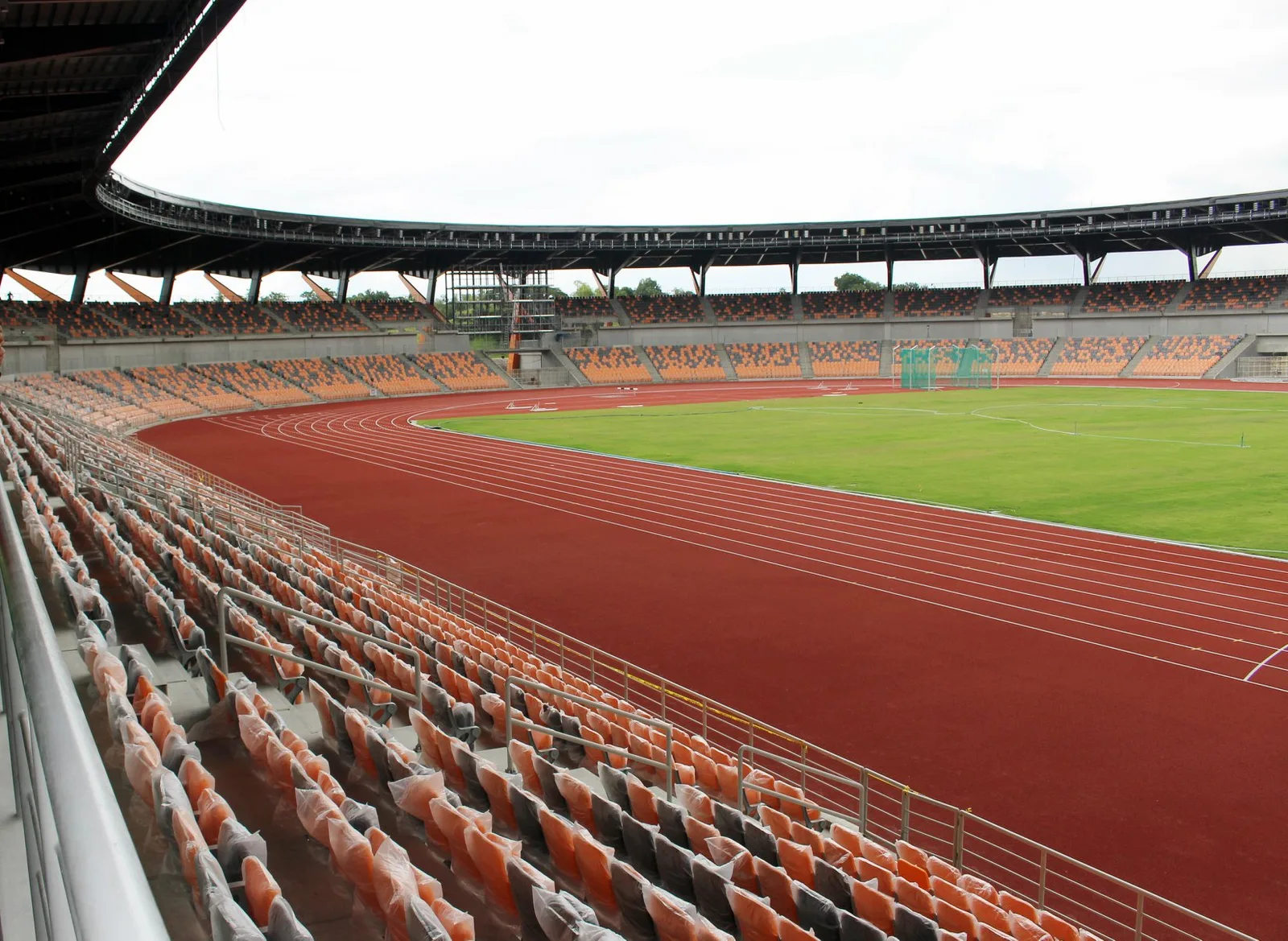
A 3-day plan built from the See, Do and Eat listings in Wikivoyage's Capas guide. The stops are in an order that keeps each day close together. Check the hours …
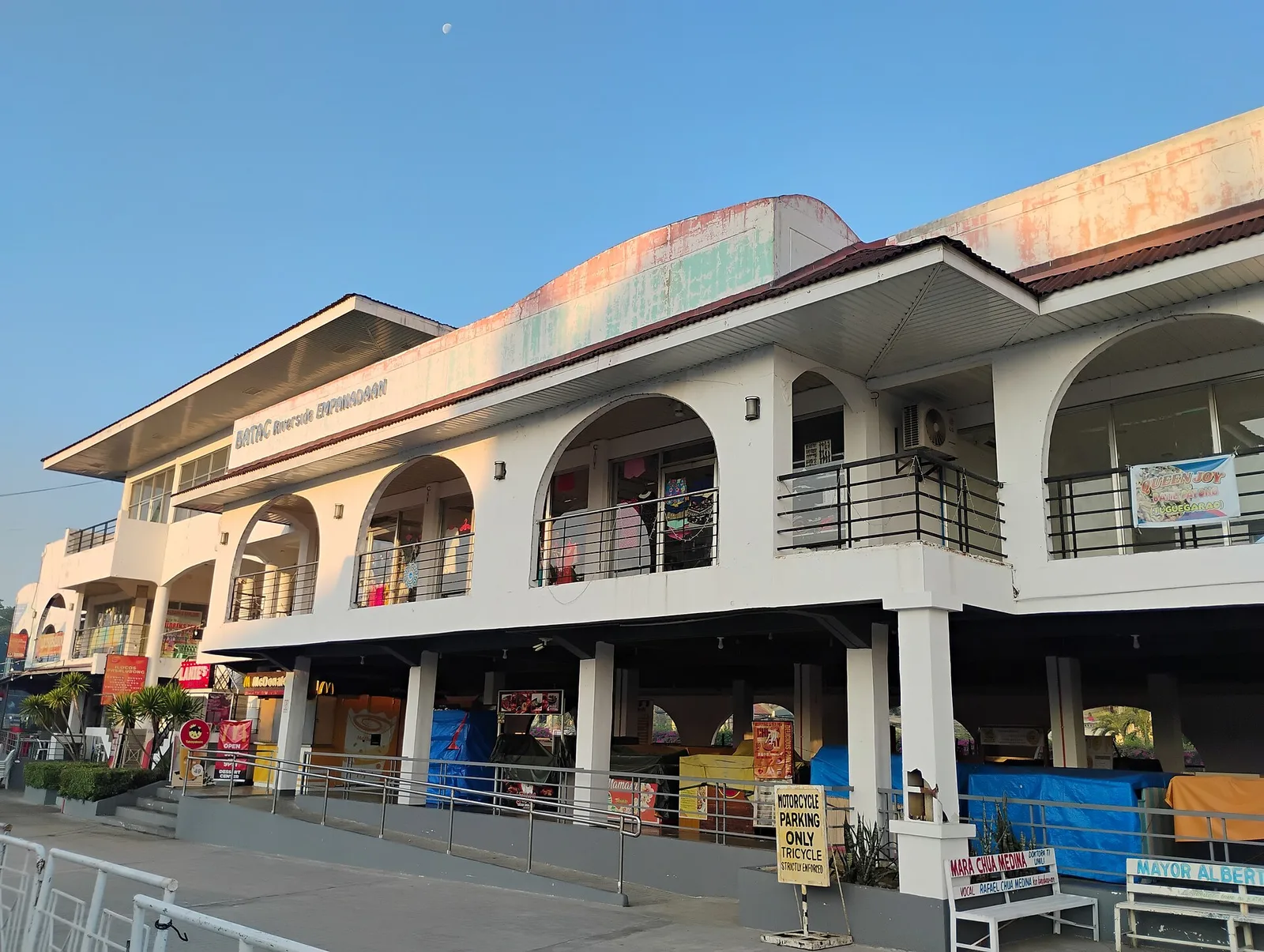
A 2-day plan built from the See, Do and Eat listings in Wikivoyage's Batac guide. The stops are in an order that keeps each day close together. Check the hours …
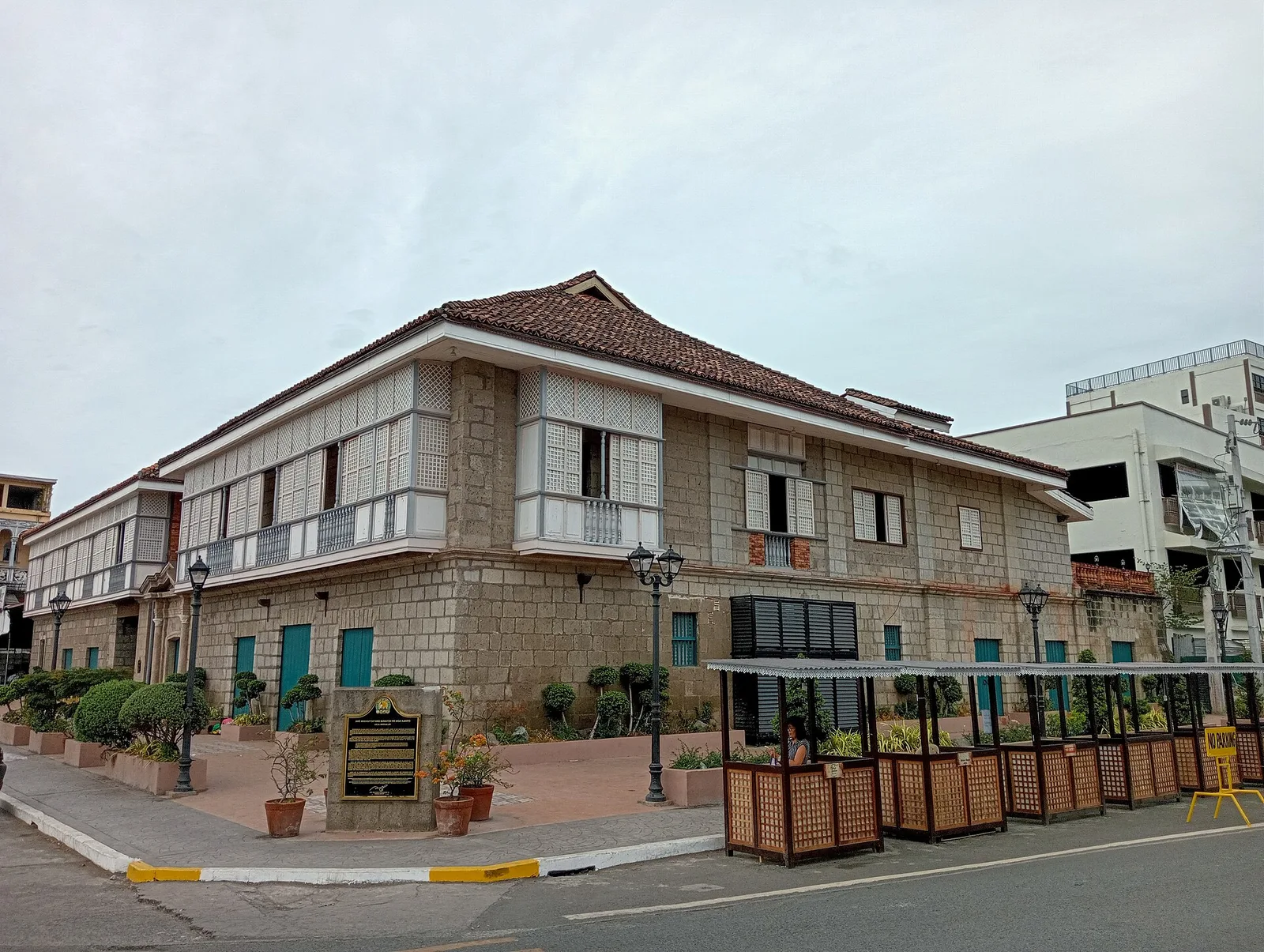
A 3-day plan built from the See, Do and Eat listings in Wikivoyage's Biñan guide. The stops are in an order that keeps each day close together. Check the hours …
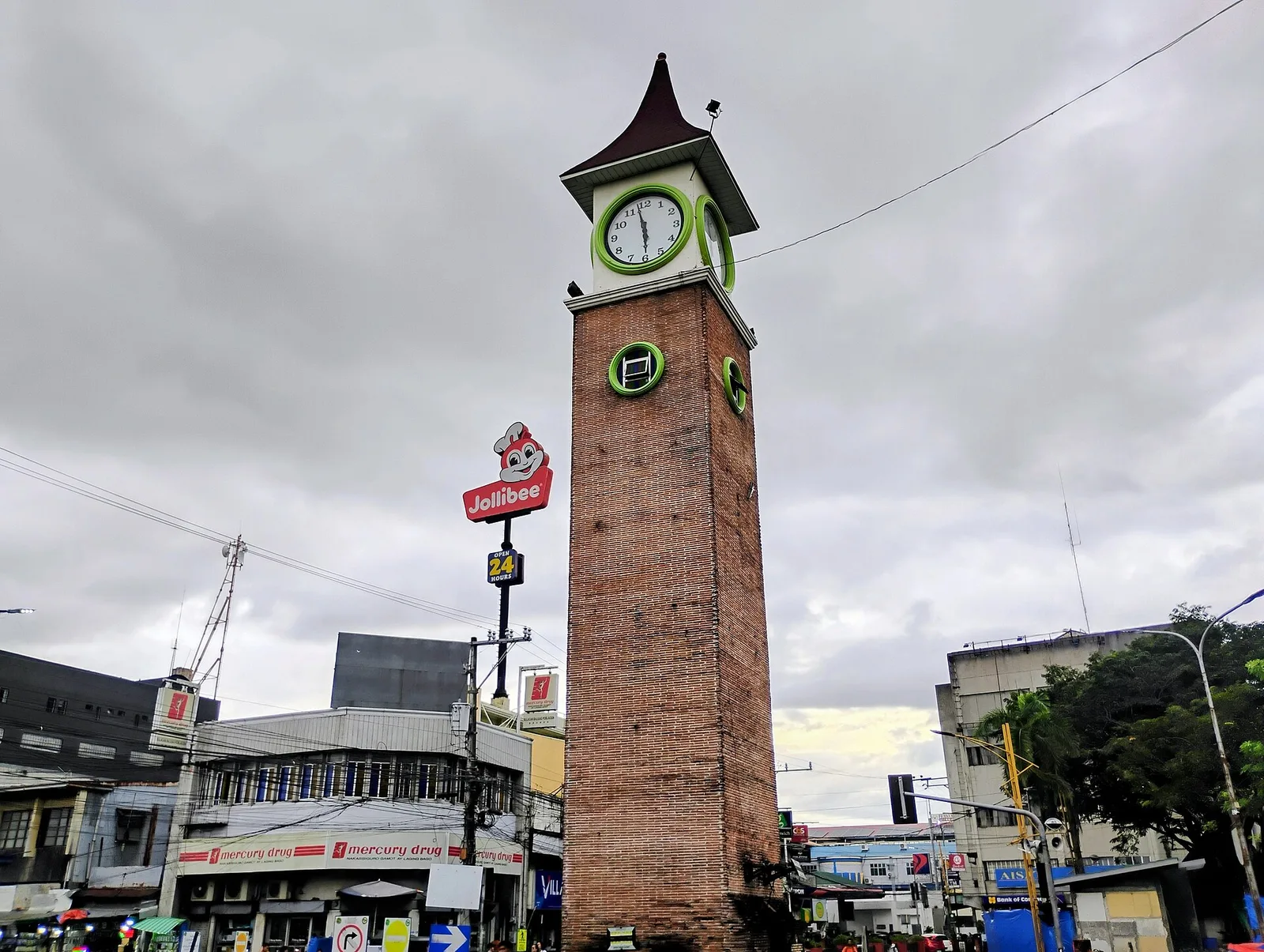
A 2-day plan built from the See, Do and Eat listings in Wikivoyage's Baliwag guide. The stops are in an order that keeps each day close together. Check the hours …
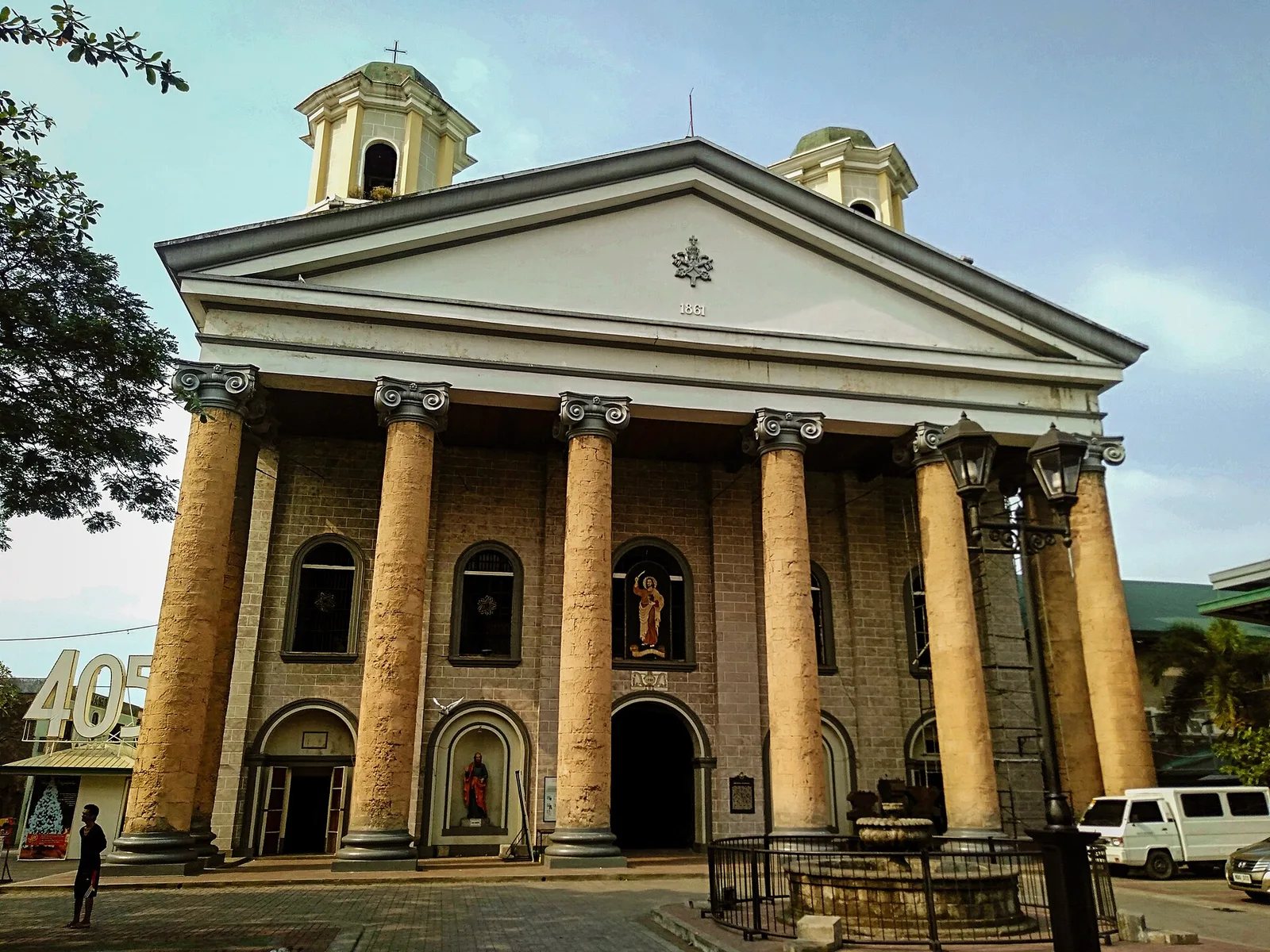
A 400-year-old church in Barangay San Agustin, lately renovated and one of eight heritage stops on the city tricycle tour. Its patron is Saint Bartholomew the Apostle, who is also the patron saint of Malabon, with a feast day on …
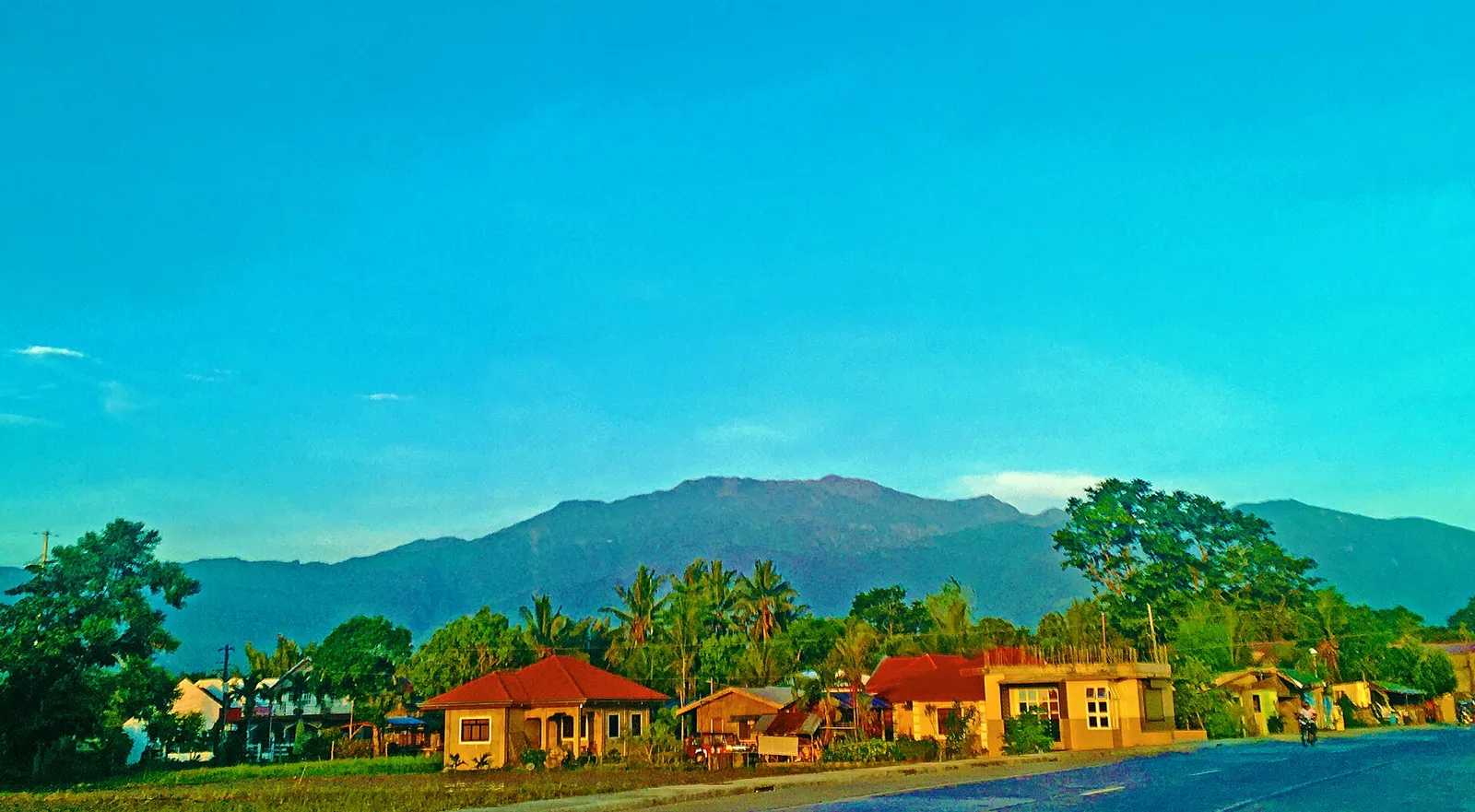
The highest mountain on Mindoro, and one of the hardest climbs in the country because of its steep slopes. A 2022 measurement puts it at 2,616 metres, above the earlier figure of 2,586 metres, and no official survey has settled …
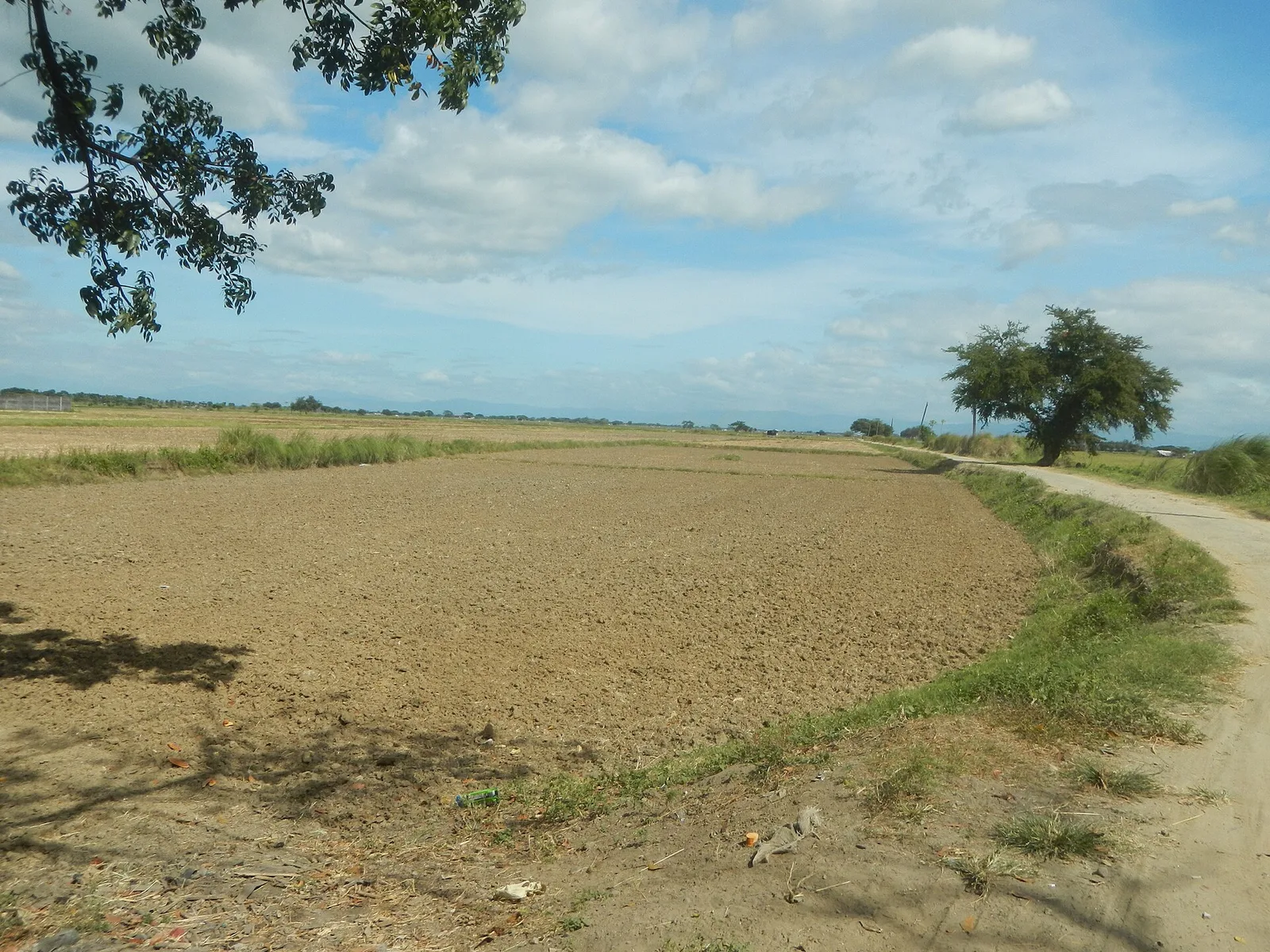
A single mountain that rises 1,026 metres out of the flat farmland of Pampanga, with no range around it. The southern half belongs to the town of Arayat, and the northern half and the summit belong to Magalang. Angeles City …
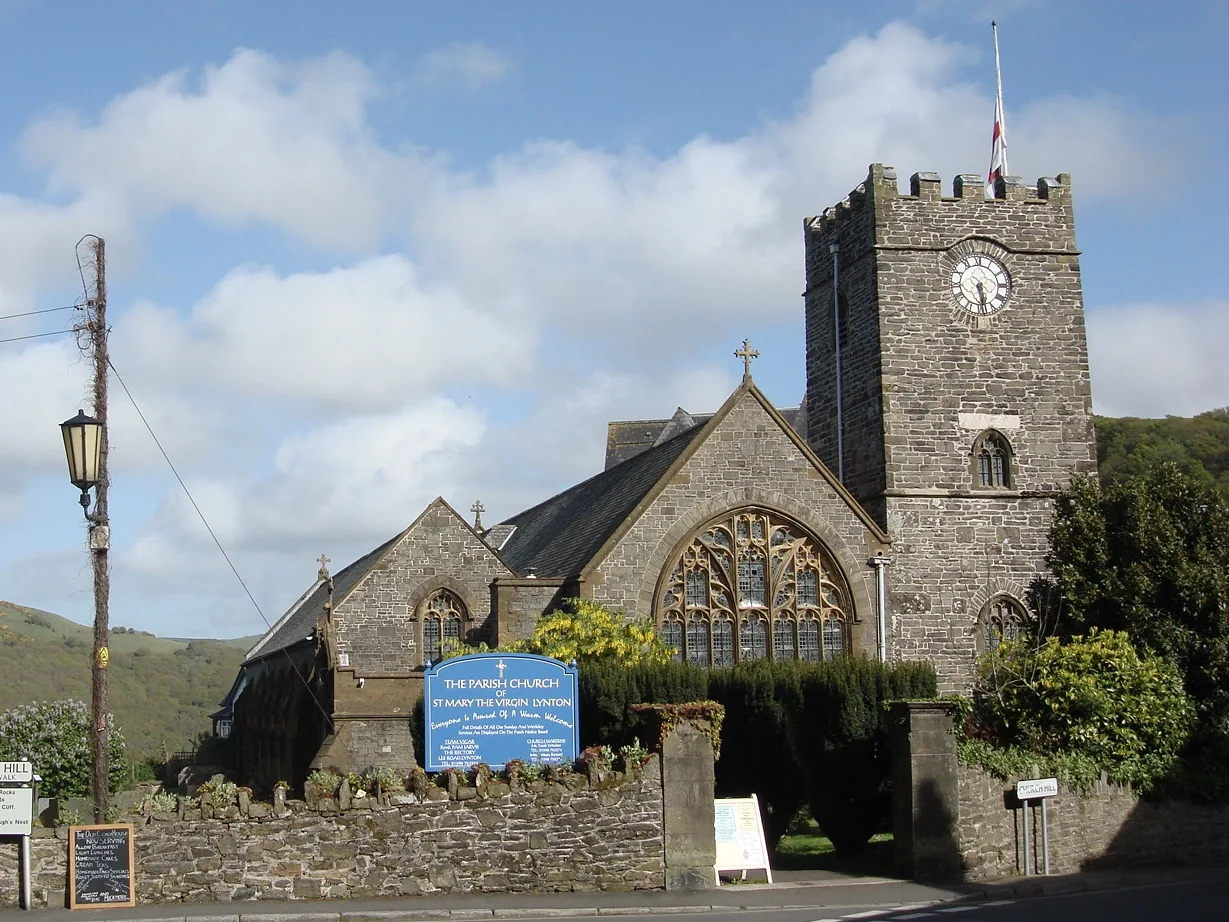
The main Episcopal church in Sagada, built in 1904 by American missionaries. The mission came after Spain ceded the Philippines to the United States in 1898 and the country opened to American Protestant missions. Its first priest, John Staunton, kept …
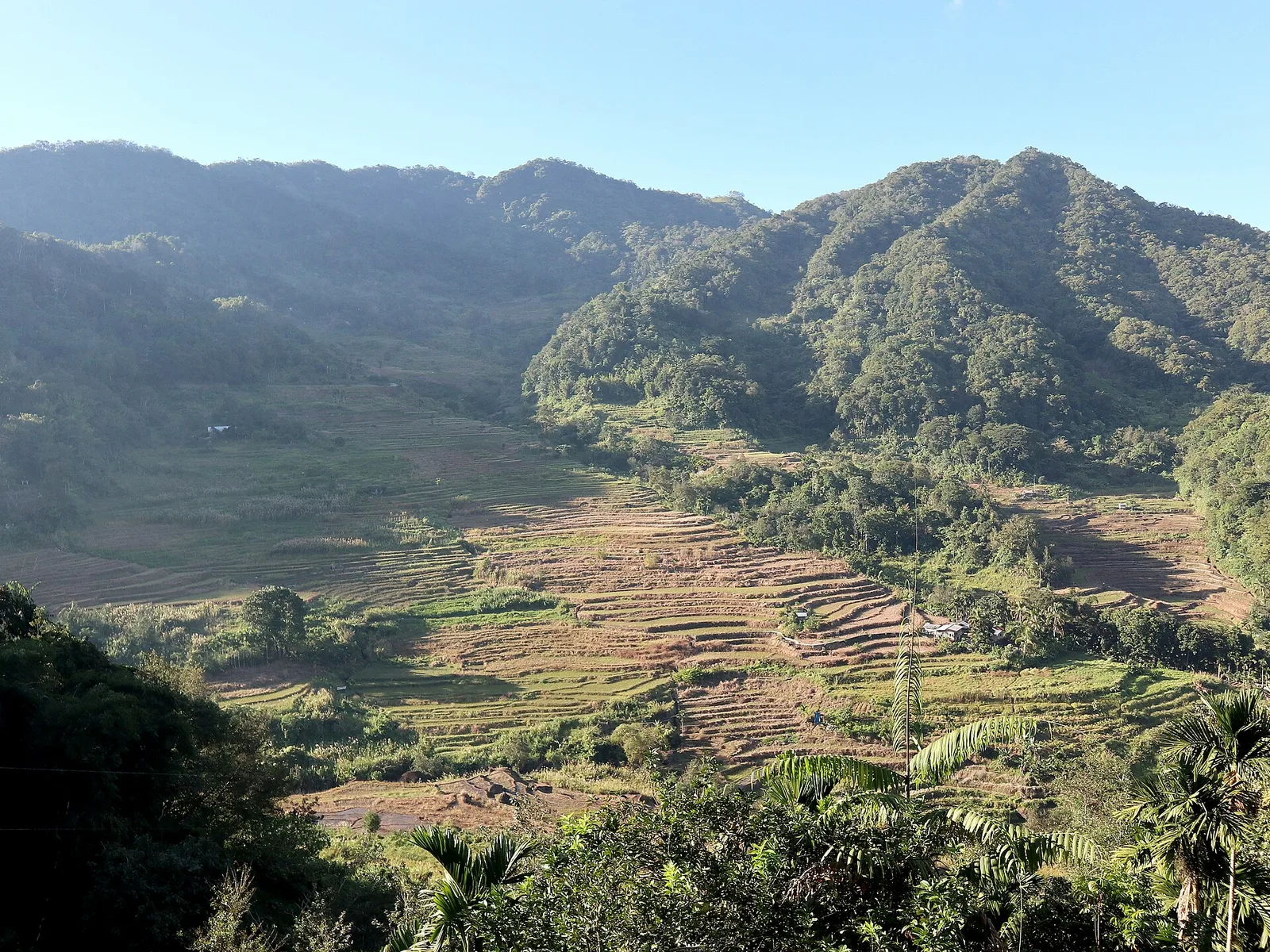
A cluster of rice terraces at Kiangan, on the UNESCO World Heritage list. The fields climb in rows up a valley that a river cuts in two, which sets this cluster apart from the others in the province. Rice is …
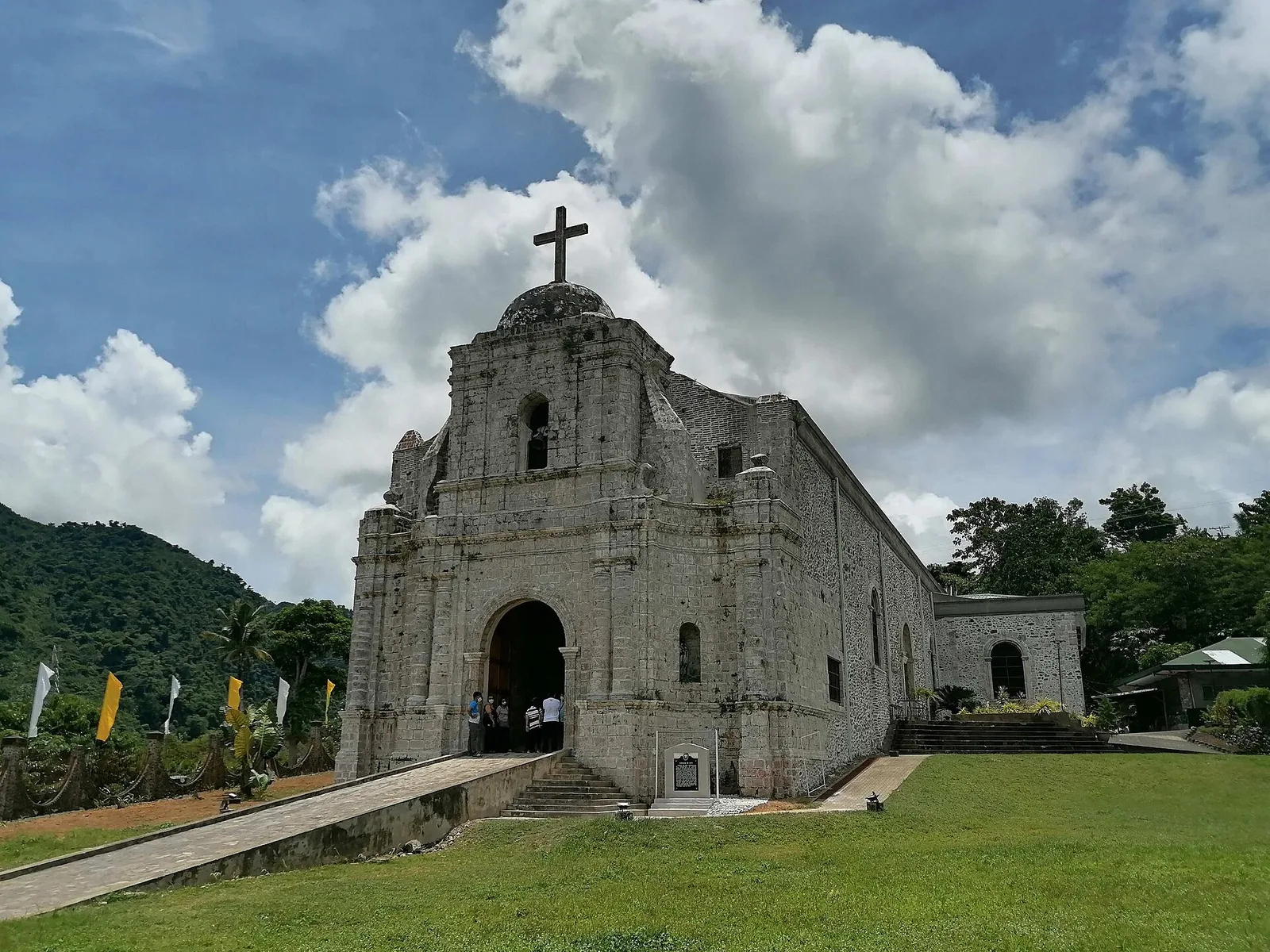
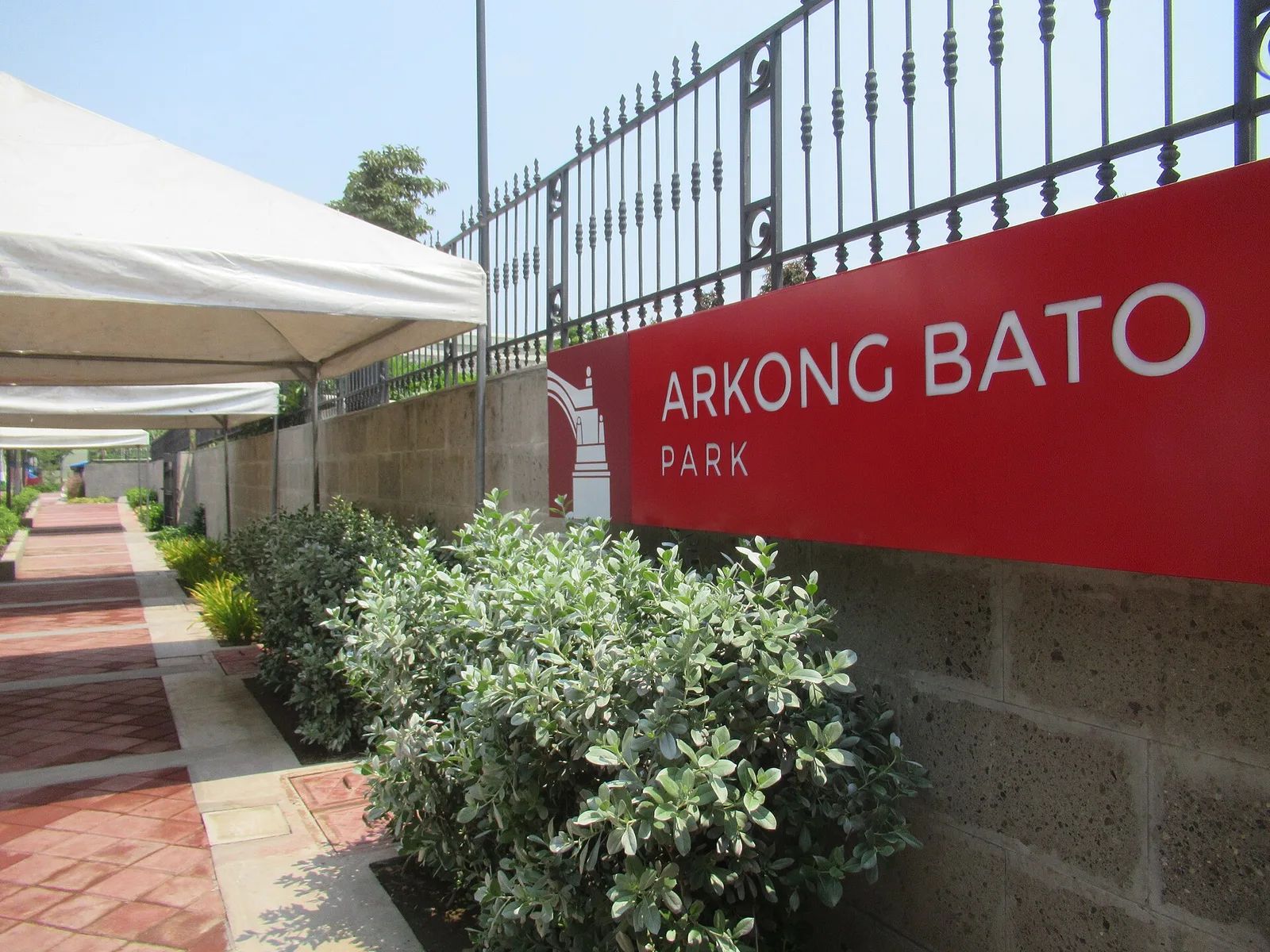
The only Spanish-era church of its kind left on the island, in Poblacion, Bato, next to the Bato River. Its architecture is Filipino-Spanish of the middle colonial period, and it is a historical landmark. Building it took 53 years, from …
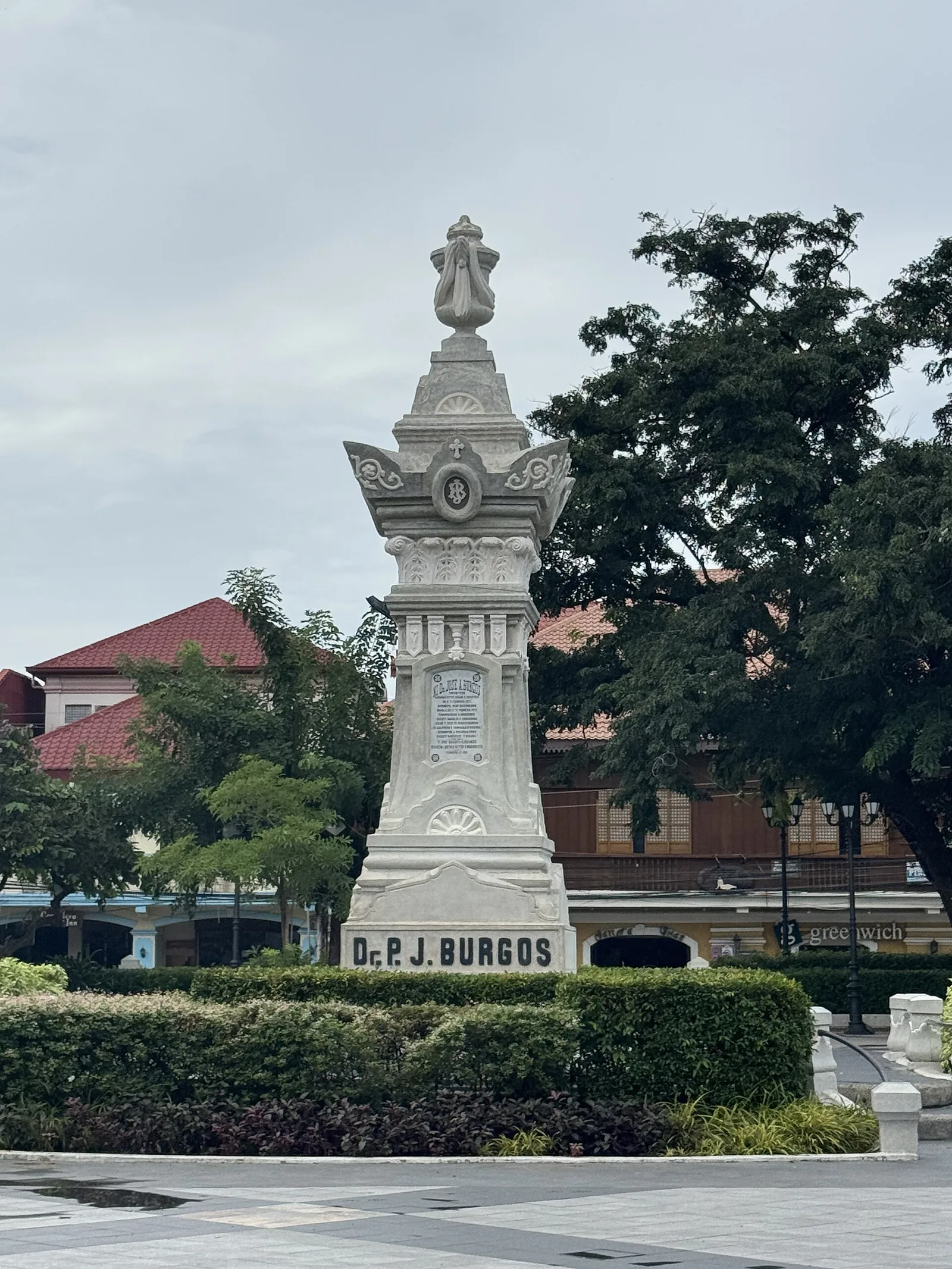
is a favorite hang out for locals and is also used for staging major public events. It has also food stalls selling local snacks, especially the empanada. It is next to Vigan Cathedral and dedicated to the memory of Father …
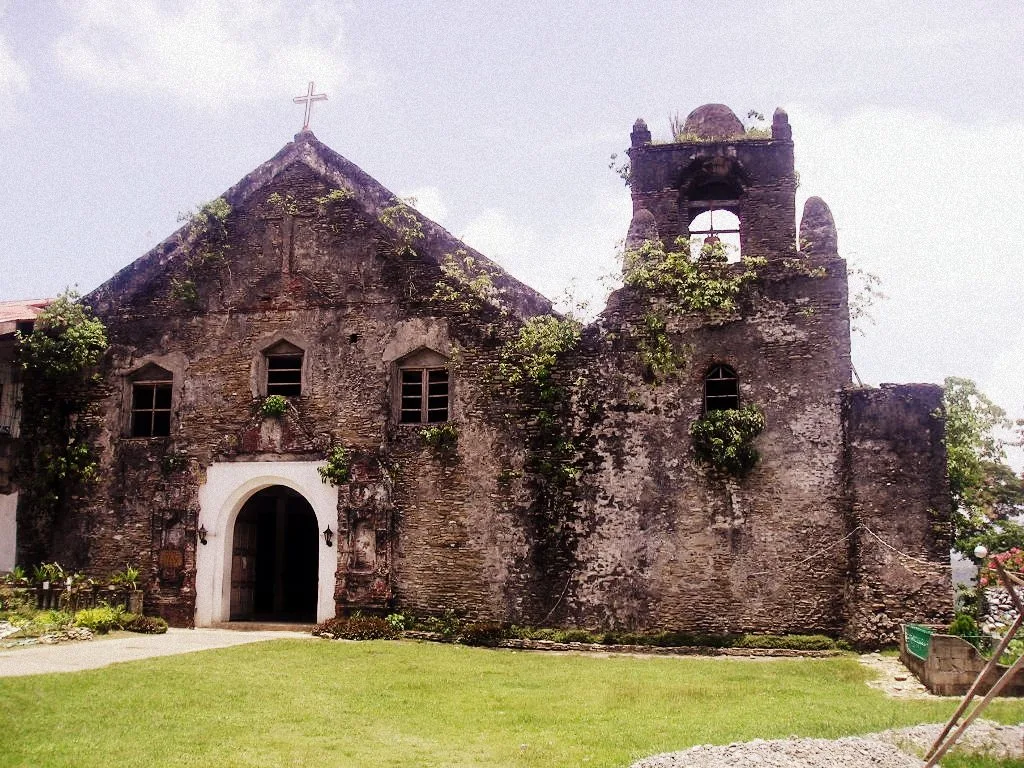
Rizal's main Roman Catholic church, built during the Spanish era in 1617 in a baroque style using stones quarried from the Matalag River. It was declared a national cultural treasure by the Philippine government in 2001 on account of its …
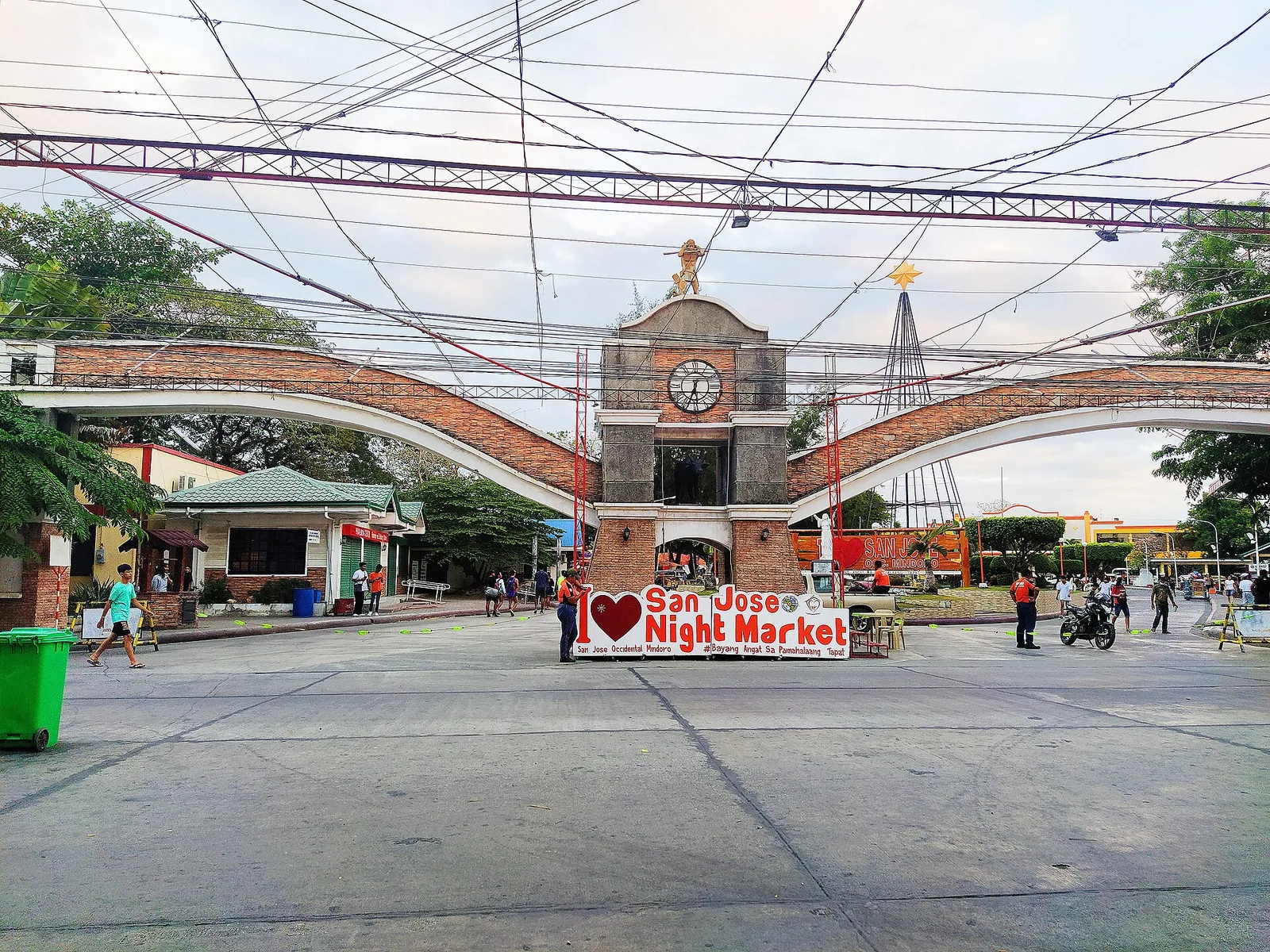
The town center and the destination, locals and tourist alike. Also has a park. Town festivities and events are also held in this area especially in the grandstand area. A handful of souvenirs and merchandise can be bought here especially …
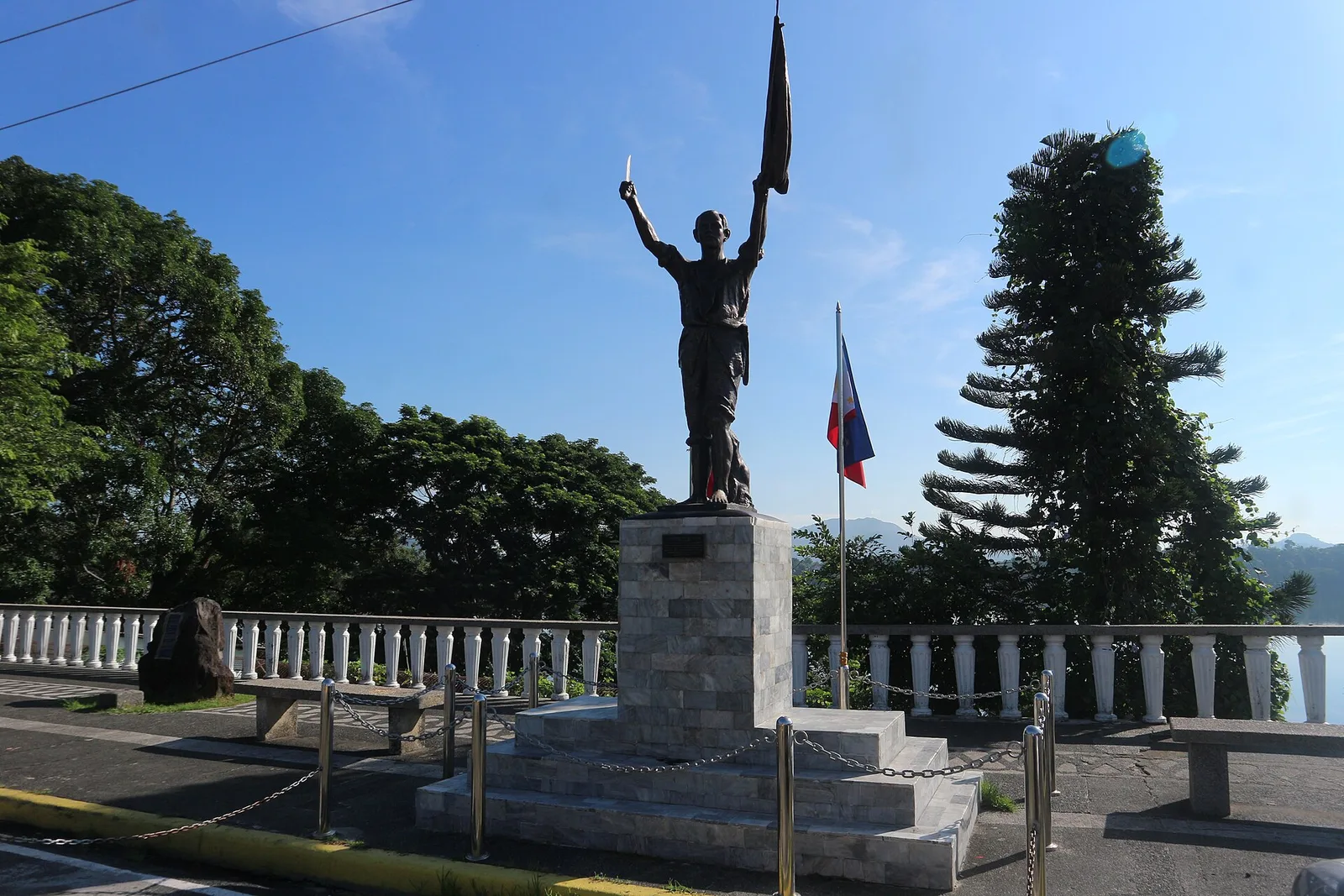
A large and extensive cave system with jagged rocks, boulders, stalactities and stalagmites.
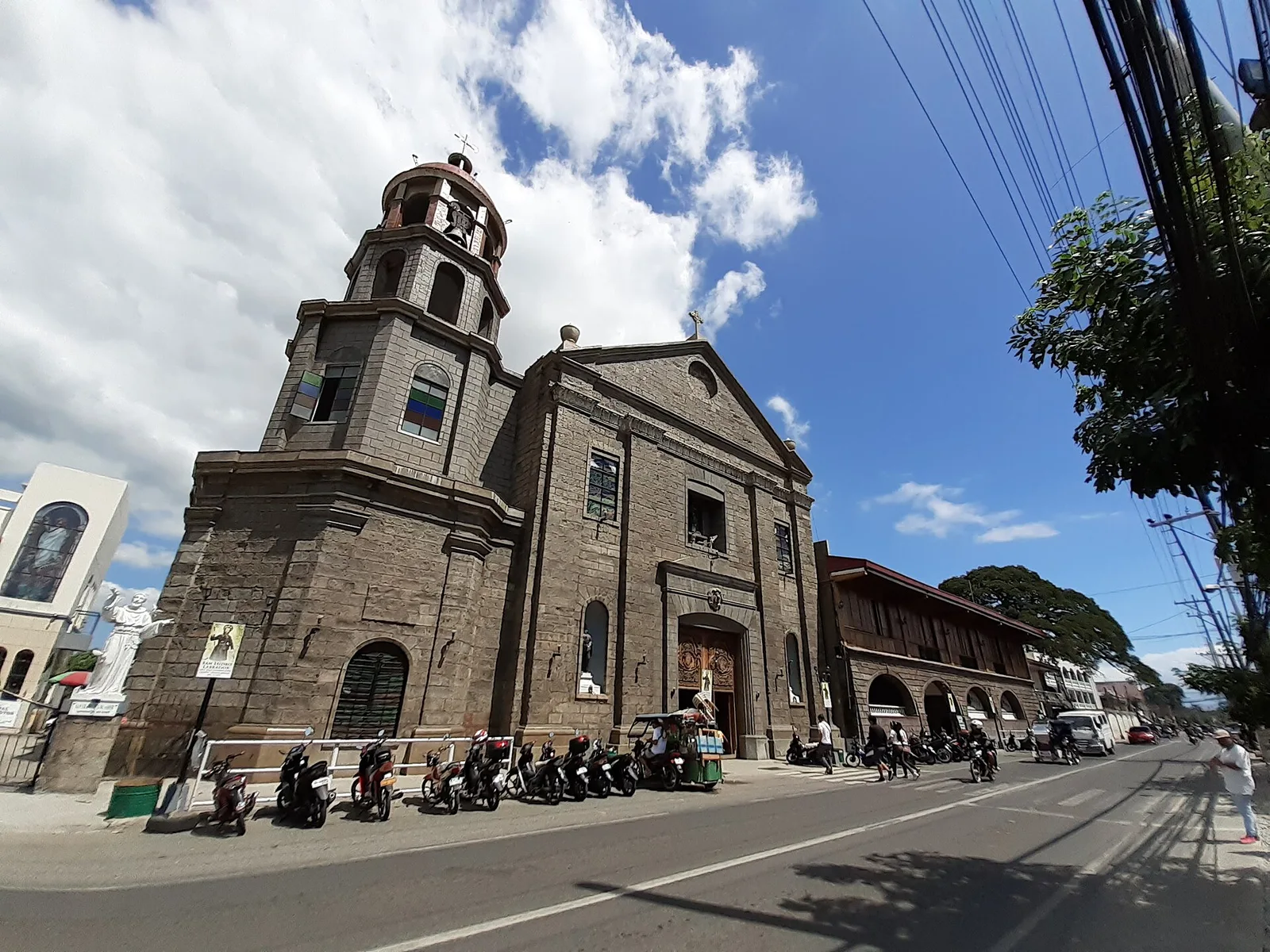
This is where the carabaos during the feast are made to kneel as tribute to their patron saint, St. Isidore the Laborer. This is a 19th-century baroque church located at the Kabayanan or the downtown area (Poblacion). It is also …
The Only Rodeo arena in Asia with complete fixed structure including stockyard, bleachers, rodeo corral, clinic, VIP stage and rodeo office and activity center.
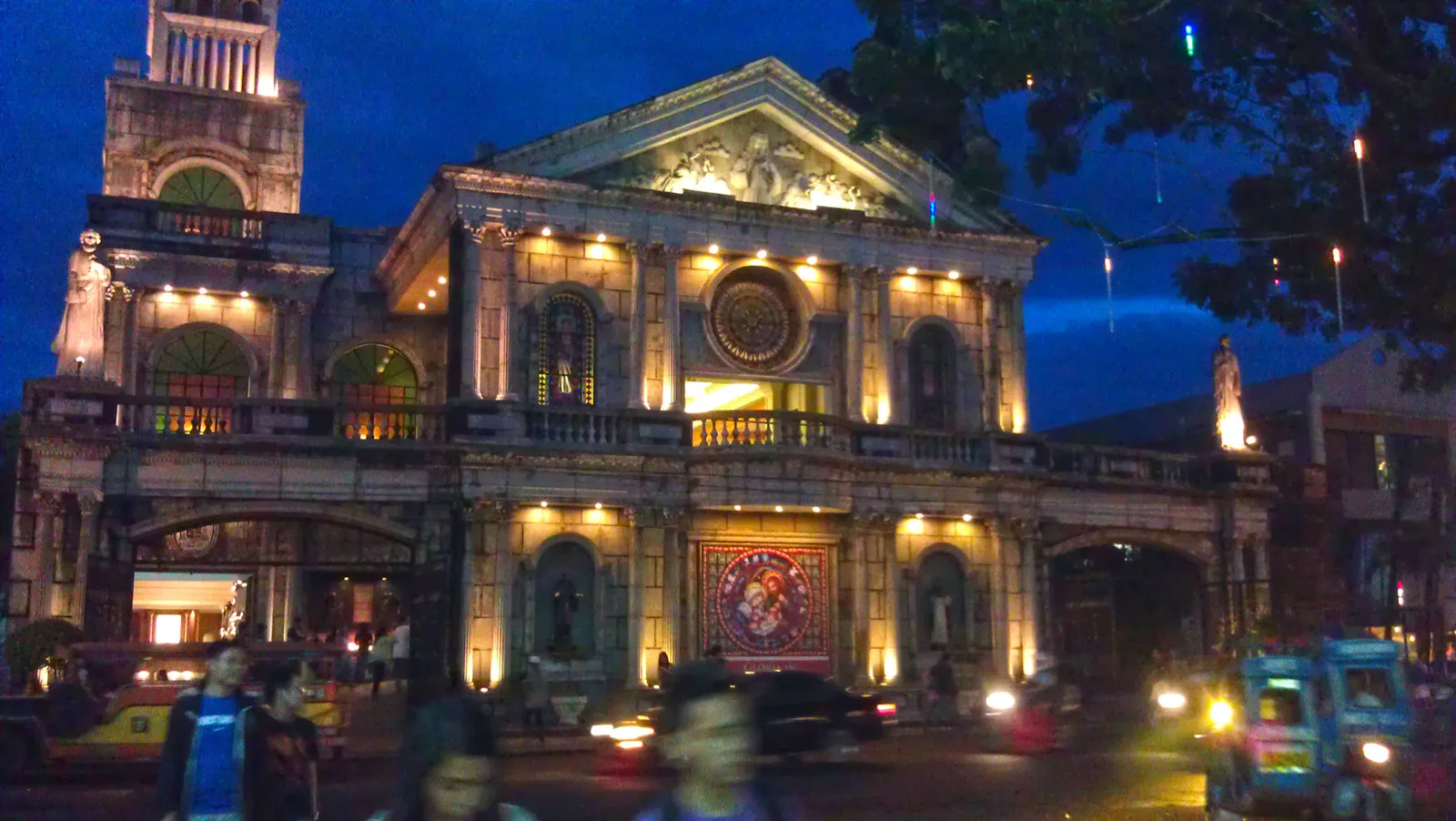
Established in 1578, it is the first church in the region built by the Franciscan Friars. The surrender of the Spanish forces to the Bikol revolutionaries Elias Angeles and Felix Plazo took place here on September 18, 1896. The church …
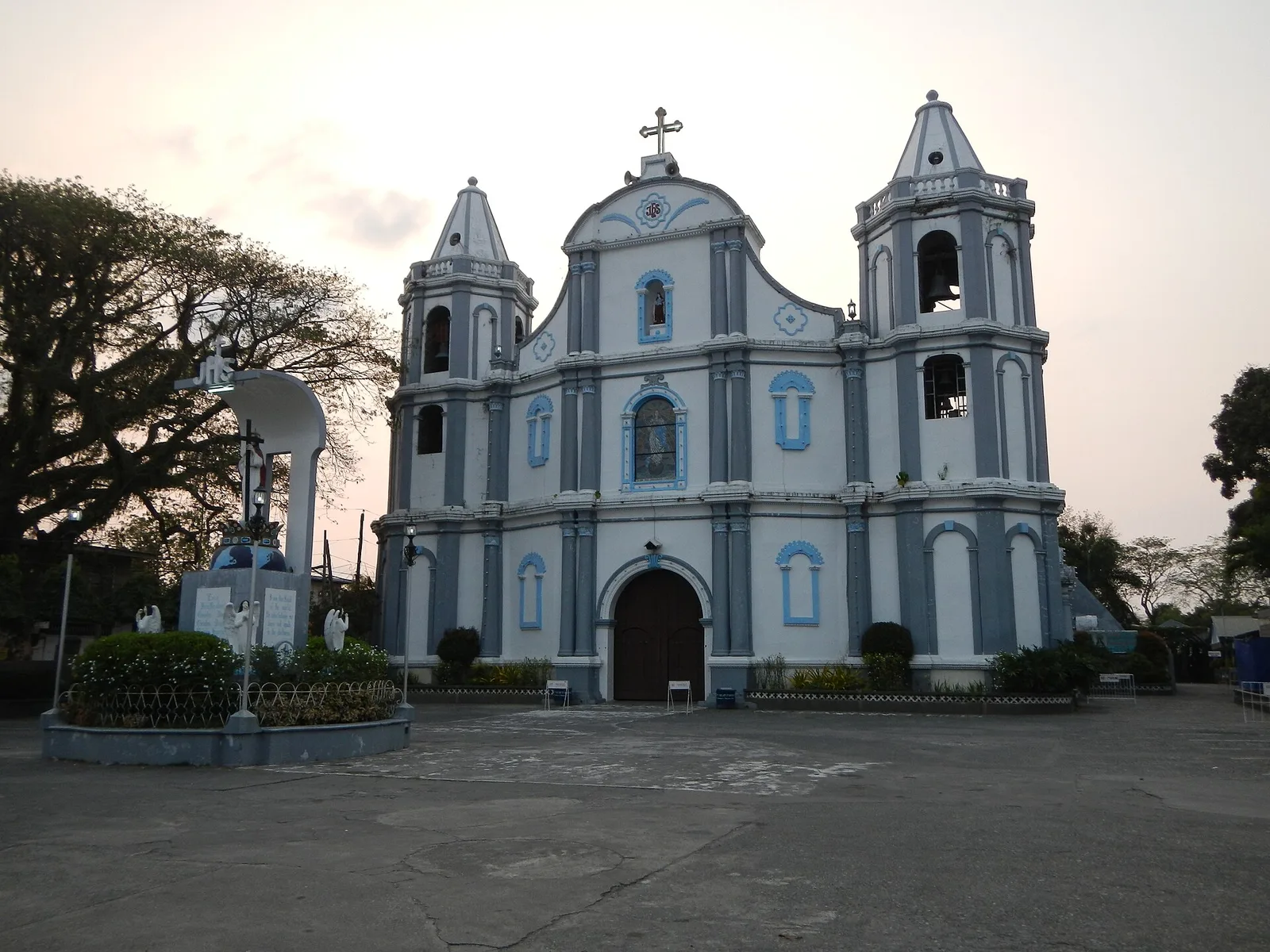
Luna's main Roman Catholic church, built in the Baroque style in 1690. It houses the venerated image of Our Lady of Namacpacan, a statue of the Virgin Mary that arrived in town when the ship transporting the image to its …
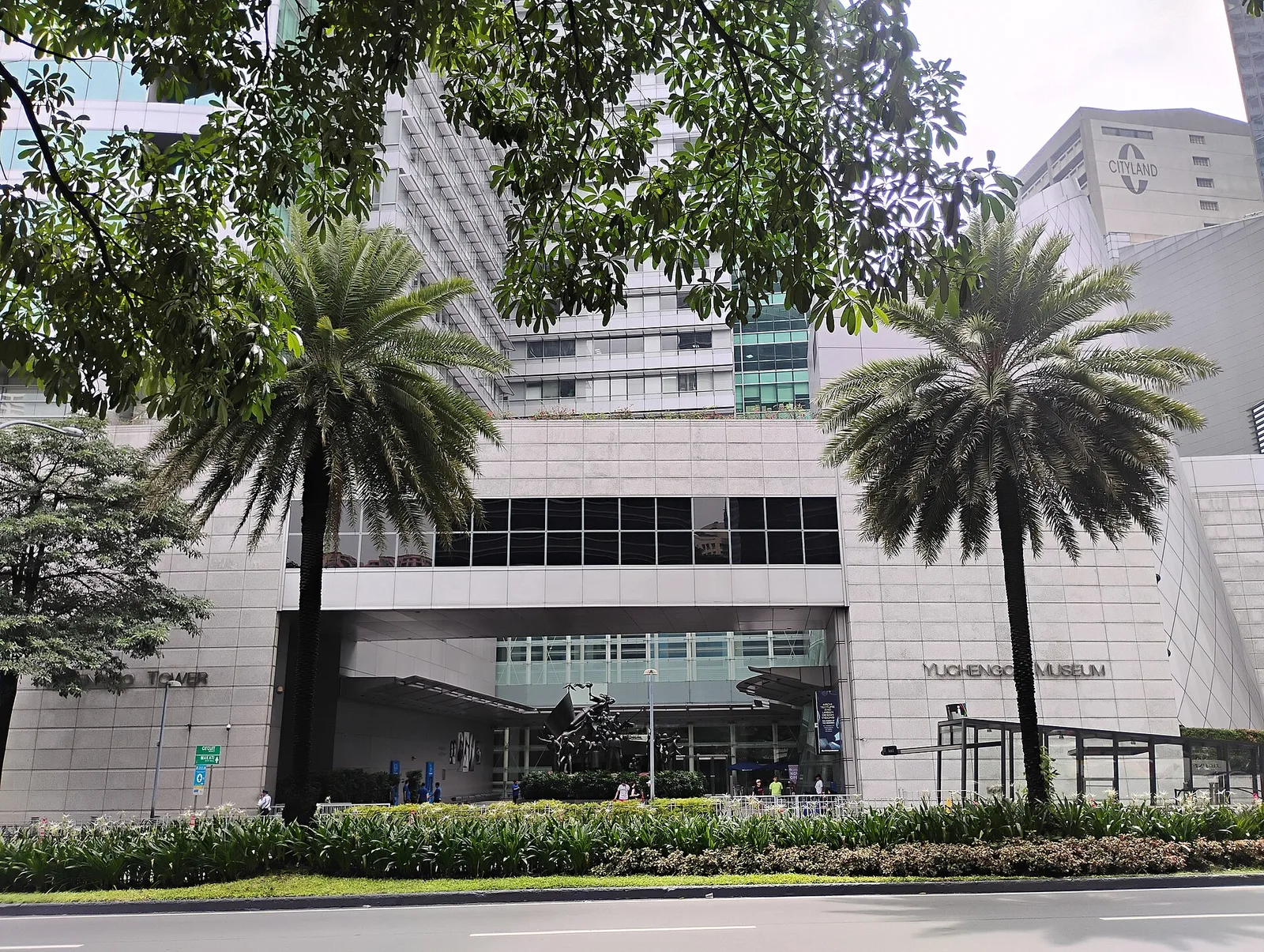
The museum was created to house the art collection of Secretary Alfonso T. Yuchengco, and highlight his distinguished career as a businessman, diplomat, collector, philanthropist, patron of the arts, and advocate for education in the Philippines. The museum’s primary goal …
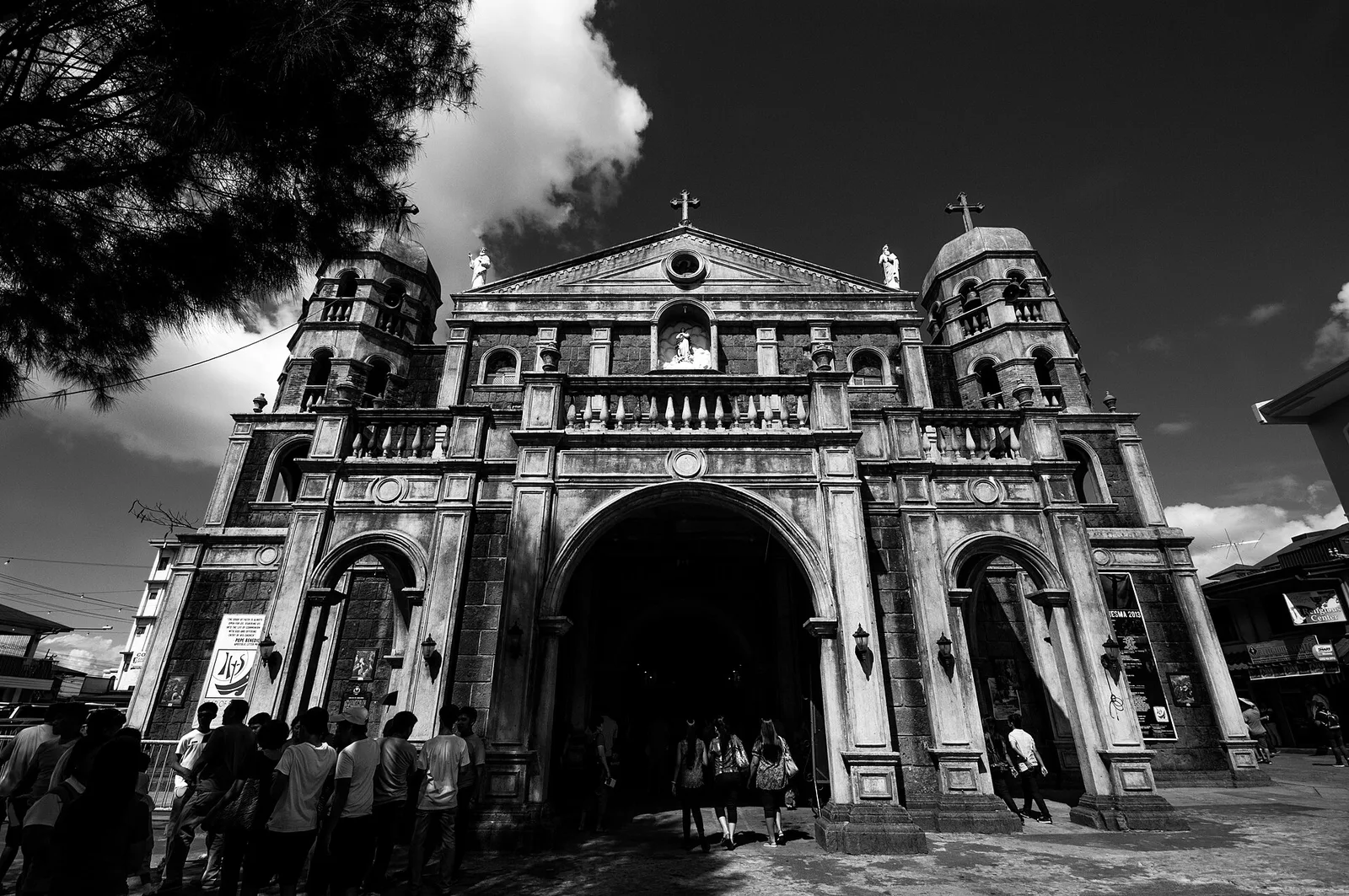
The first Roman Catholic church in the city, designated a National Historical Landmark by the Philippine government. Originally a chapel for the barrio of Tampus, it served as a Spanish outpost during the Philippine Revolution, and also a concentration camp …
A 3-day plan built from the See, Do and Eat listings in Wikivoyage's Valenzuela guide. The stops are in an order that keeps each day close together. Check the hours …
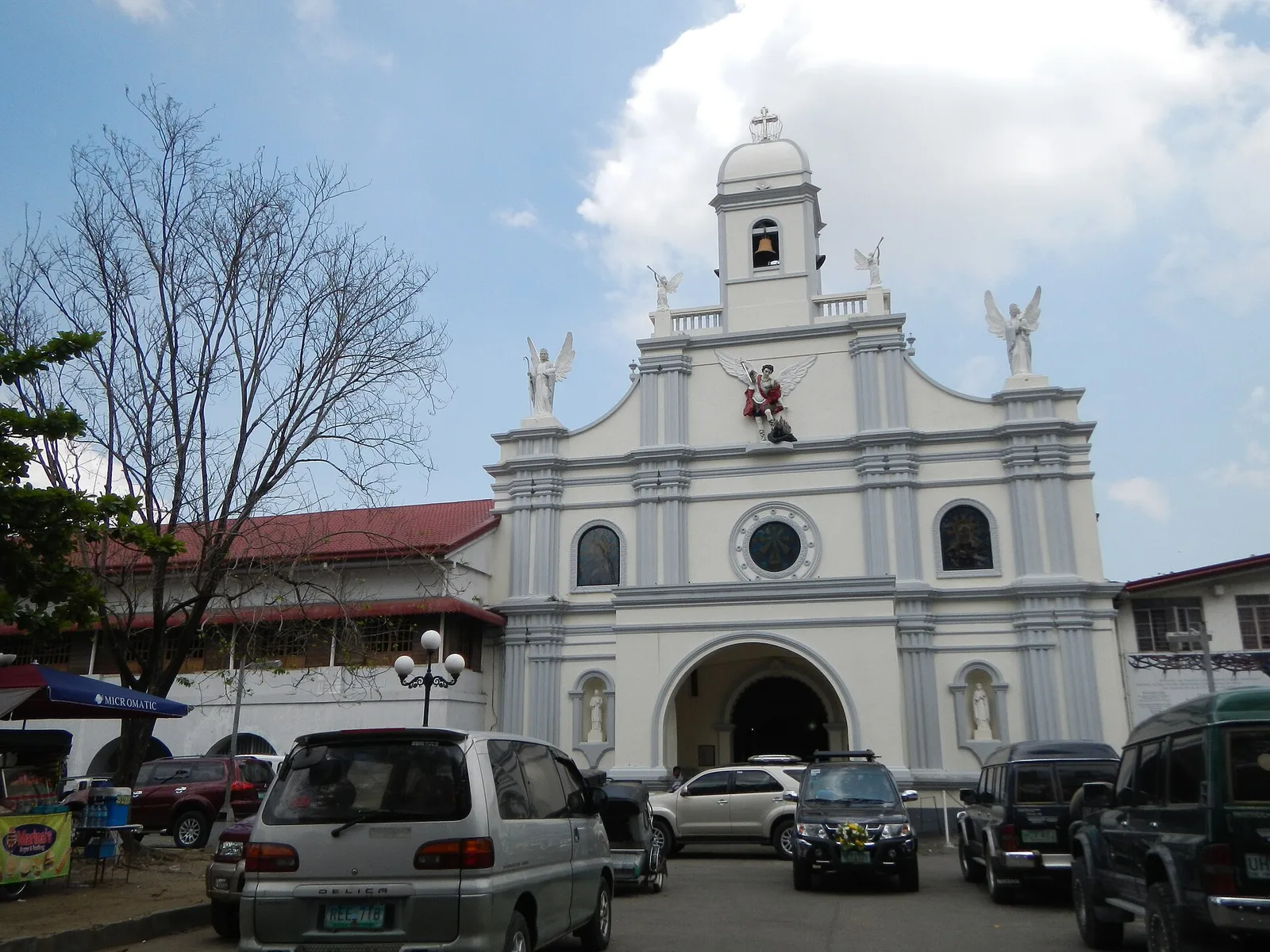
A 2-day plan built from the See, Do and Eat listings in Wikivoyage's San Miguel (Bulacan) guide. The stops are in an order that keeps each day close together. Check …
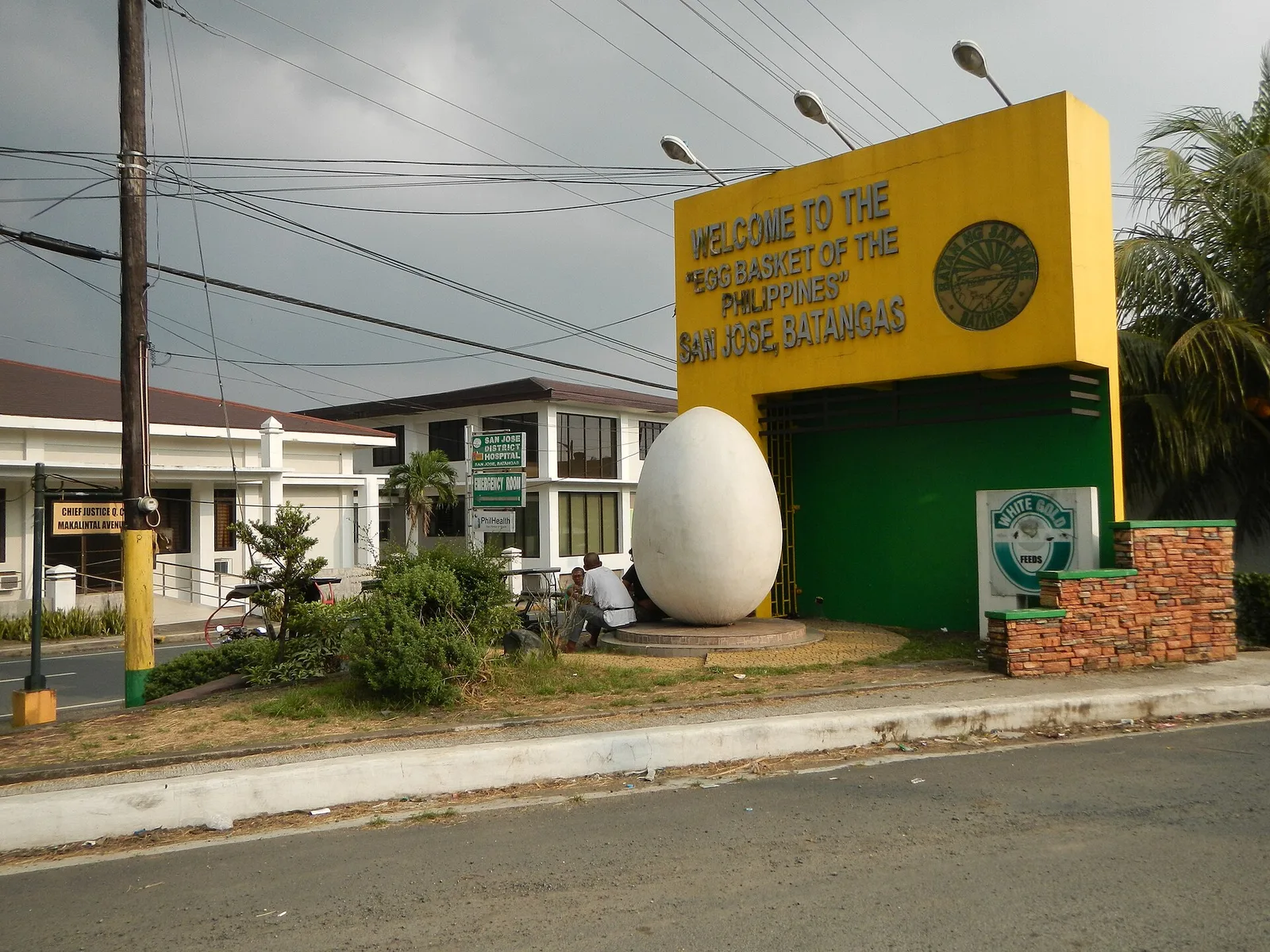
A 1-day plan built from the See, Do and Eat listings in Wikivoyage's San Jose (Batangas) guide. The stops are in an order that keeps each day close together. Check …
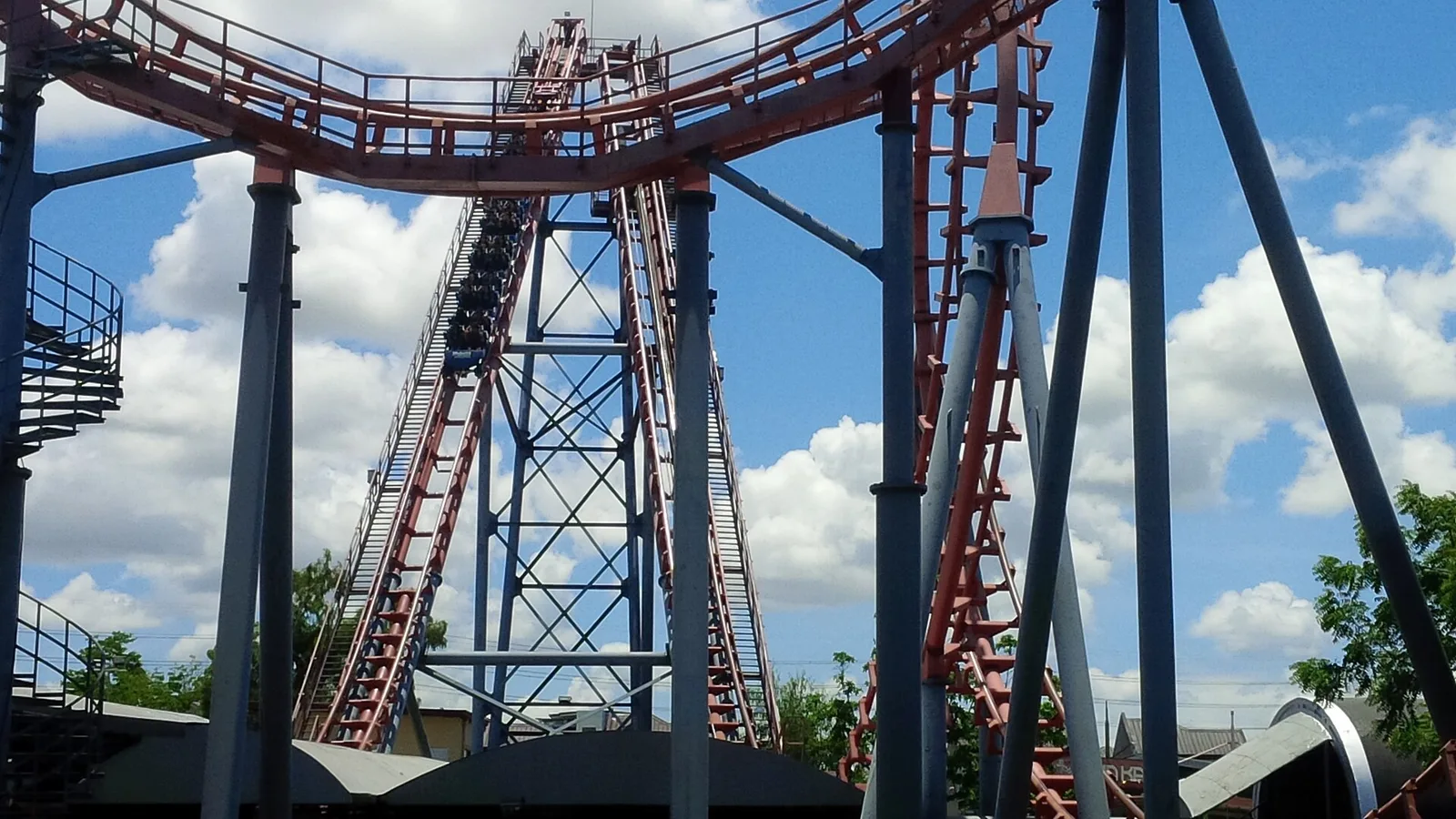
A 1-day plan built from the See, Do and Eat listings in Wikivoyage's Santa Rosa (Laguna) guide. The stops are in an order that keeps each day close together. Check …