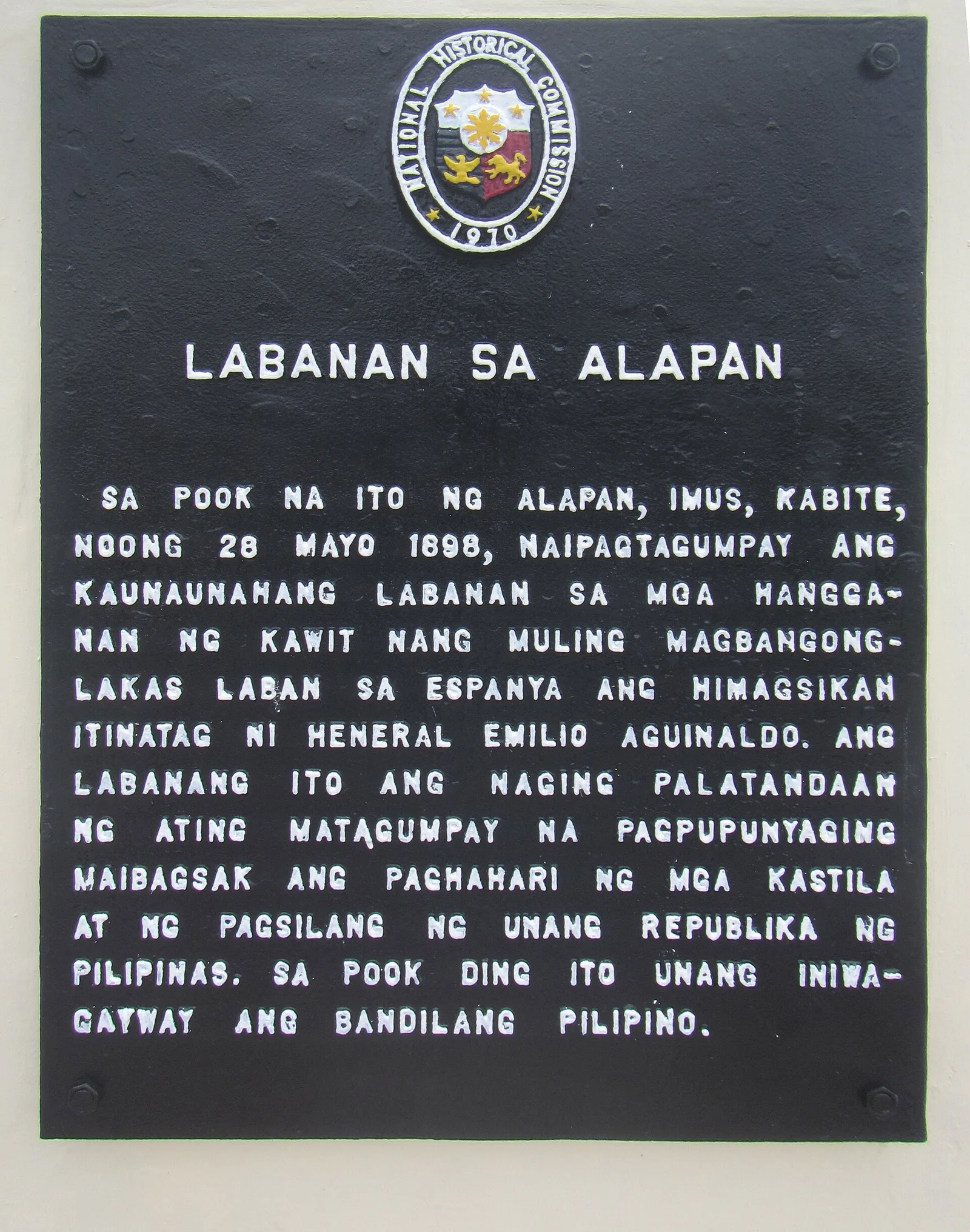
A 1-day plan built from the See, Do and Eat listings in Wikivoyage's Imus guide. The stops are in an order that keeps each day close together. Check the hours …
Region in Luzon · 6 provinces and cities
A 1-day plan built from the See, Do and Eat listings in Wikivoyage's Imus guide. The stops are in an order that keeps each day close together. Check the hours …
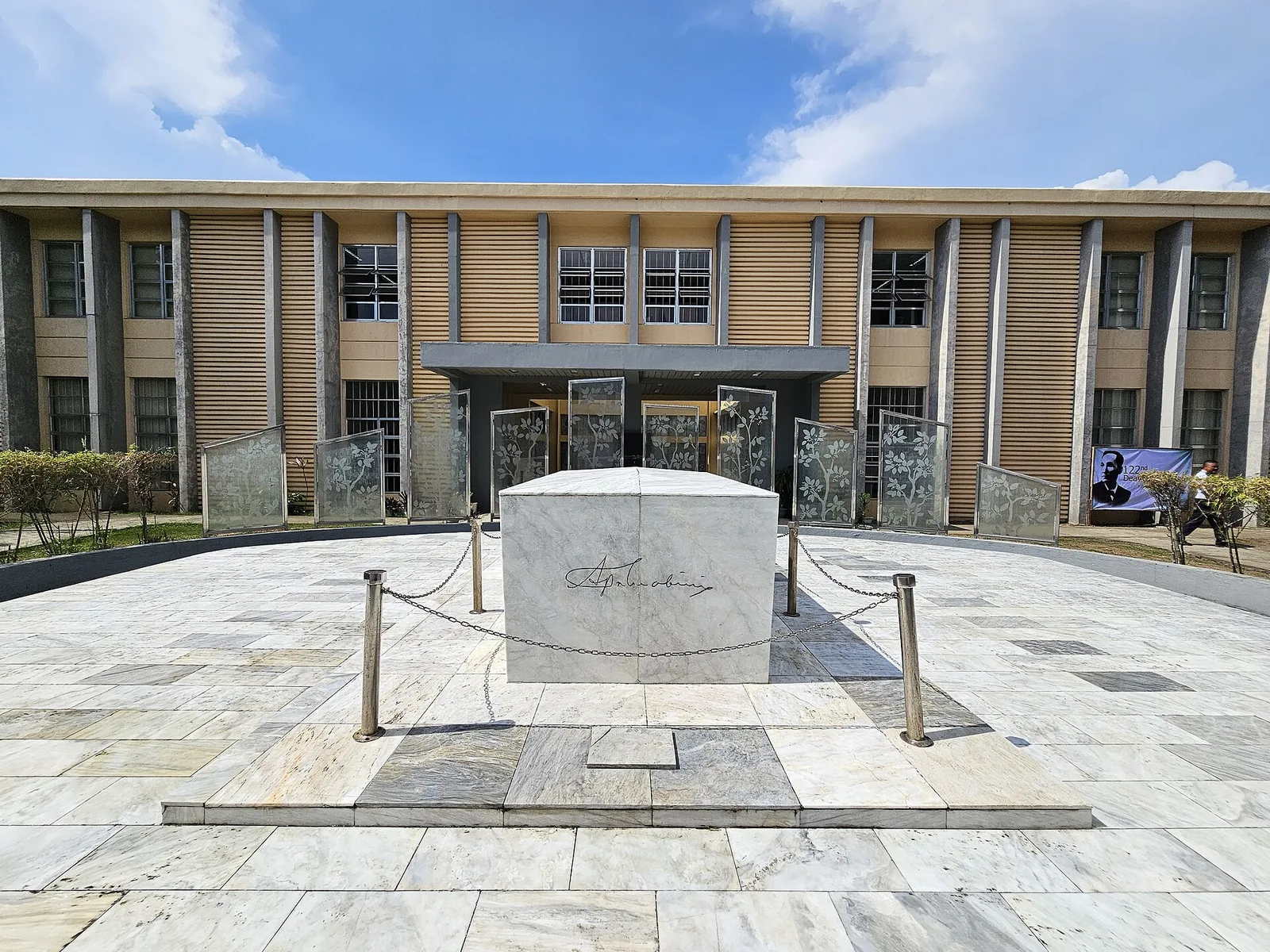
The place where Apolinario Mabini was born, kept as a memorial shrine. Mabini lived from 1864 to 1903. He was a revolutionary leader and statesman, and he served as foreign minister and adviser to Emilio Aguinaldo, the first Philippine president.
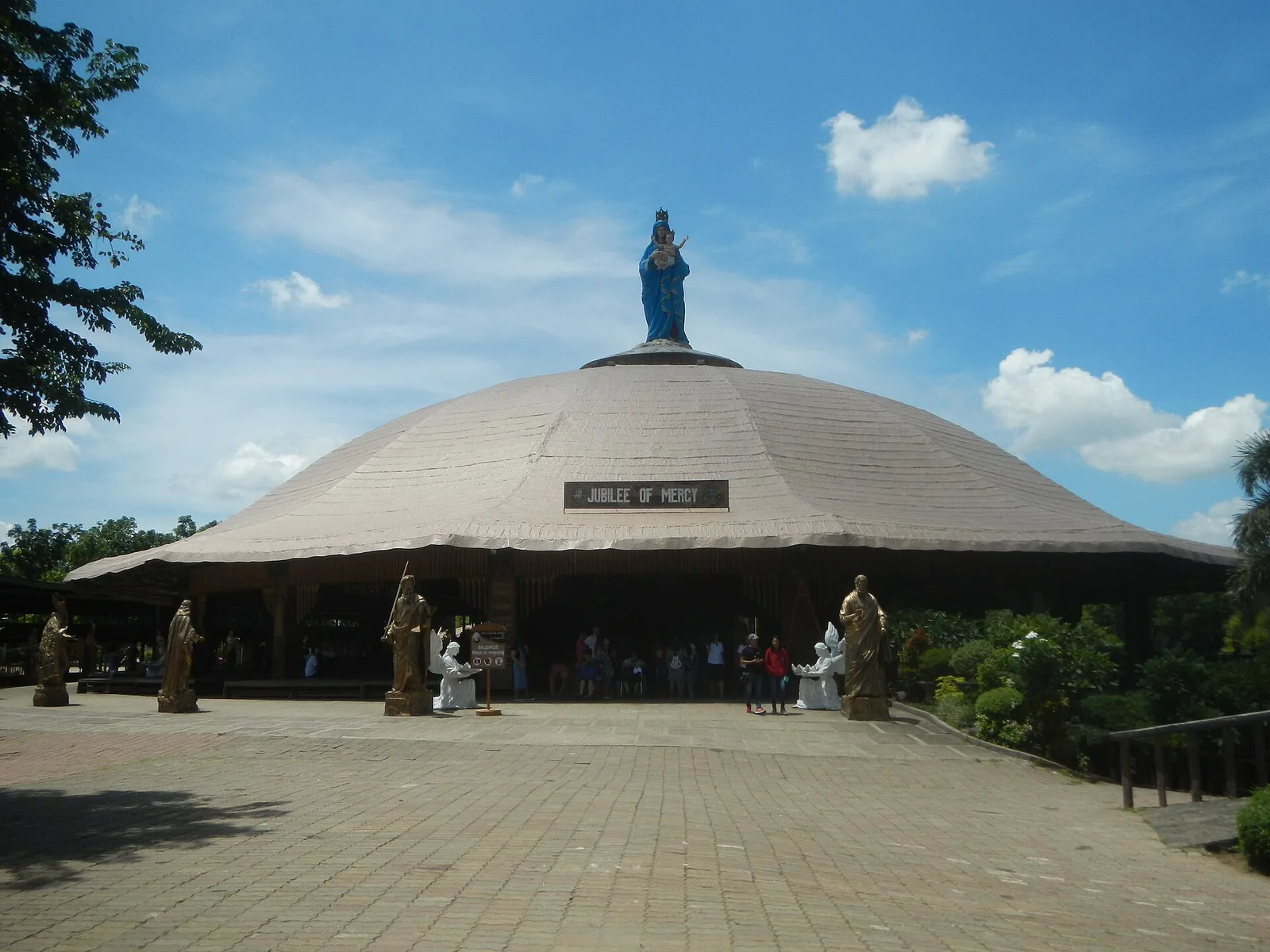
A pilgrimage church along Governor Antonio Carpio Avenue, consecrated to the Italian saint Pio of Pietrelcina. The Catholic Bishops' Conference of the Philippines named it a national shrine, the first in Batangas, and it was one of the venues of …
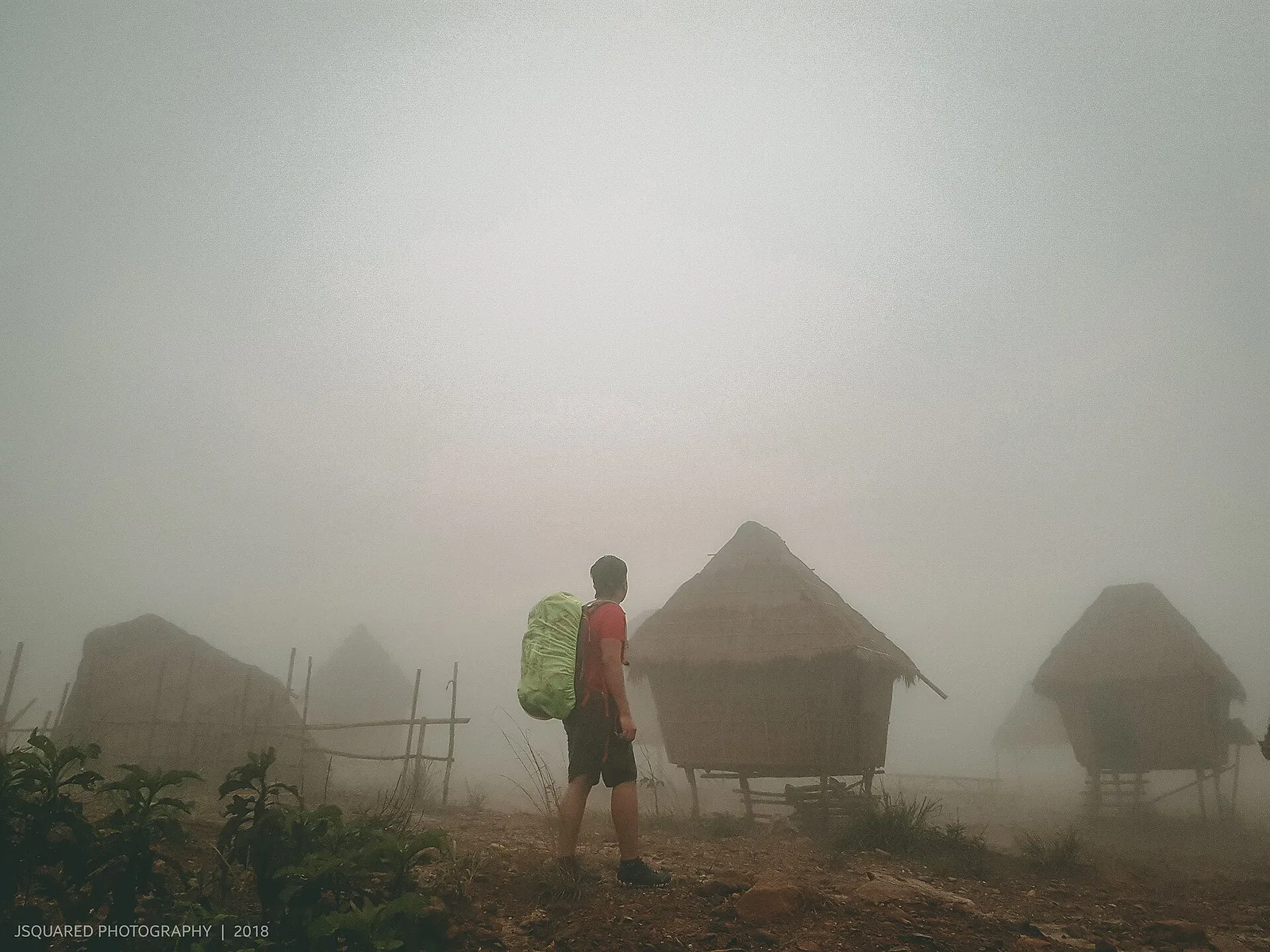
A peak at the boundary with the city of San Jose del Monte in Bulacan province used as a stand-in location for films set in northern Luzon and one of the closest hiking destinations to Metro Manila.
Waterfall complex, with two large falls and two small ones. One of the large falls drops into a clear water pool. The two smaller falls creates a shower while other forms small cascades.
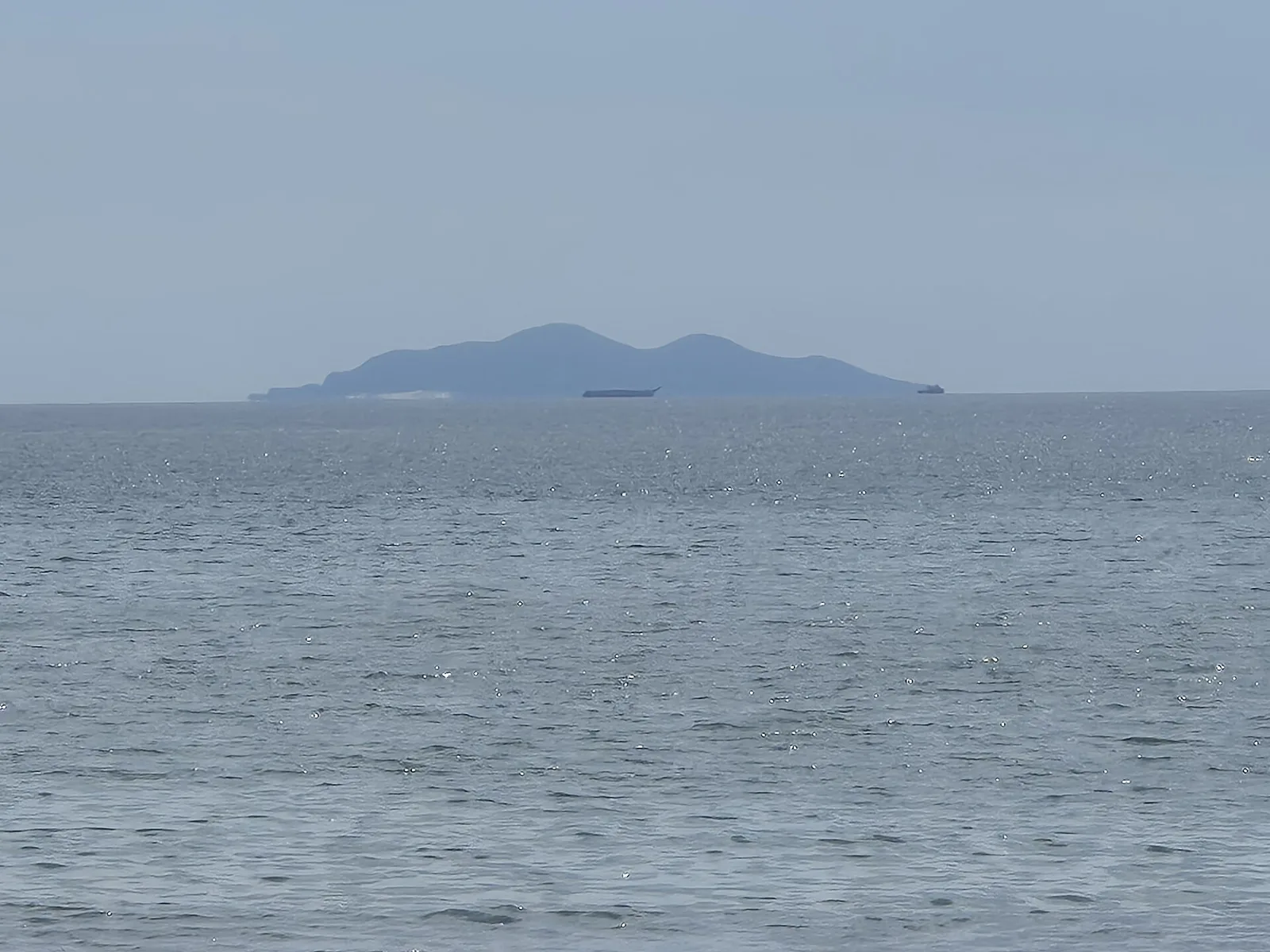
The island is owned by José Antonio Leviste, a former governor of Batangas. Leviste opened the Resort Club on the island in 1995. It was a bad investment (also due to lack of fresh water on the island). In the …
An extensive public square with a small garden, a monument to national hero Jose Rizal, and a busts gallery of former mayors in front of the municipal hall. Flanked by the Spanish-era parish church and the American-era municipal hall, the …
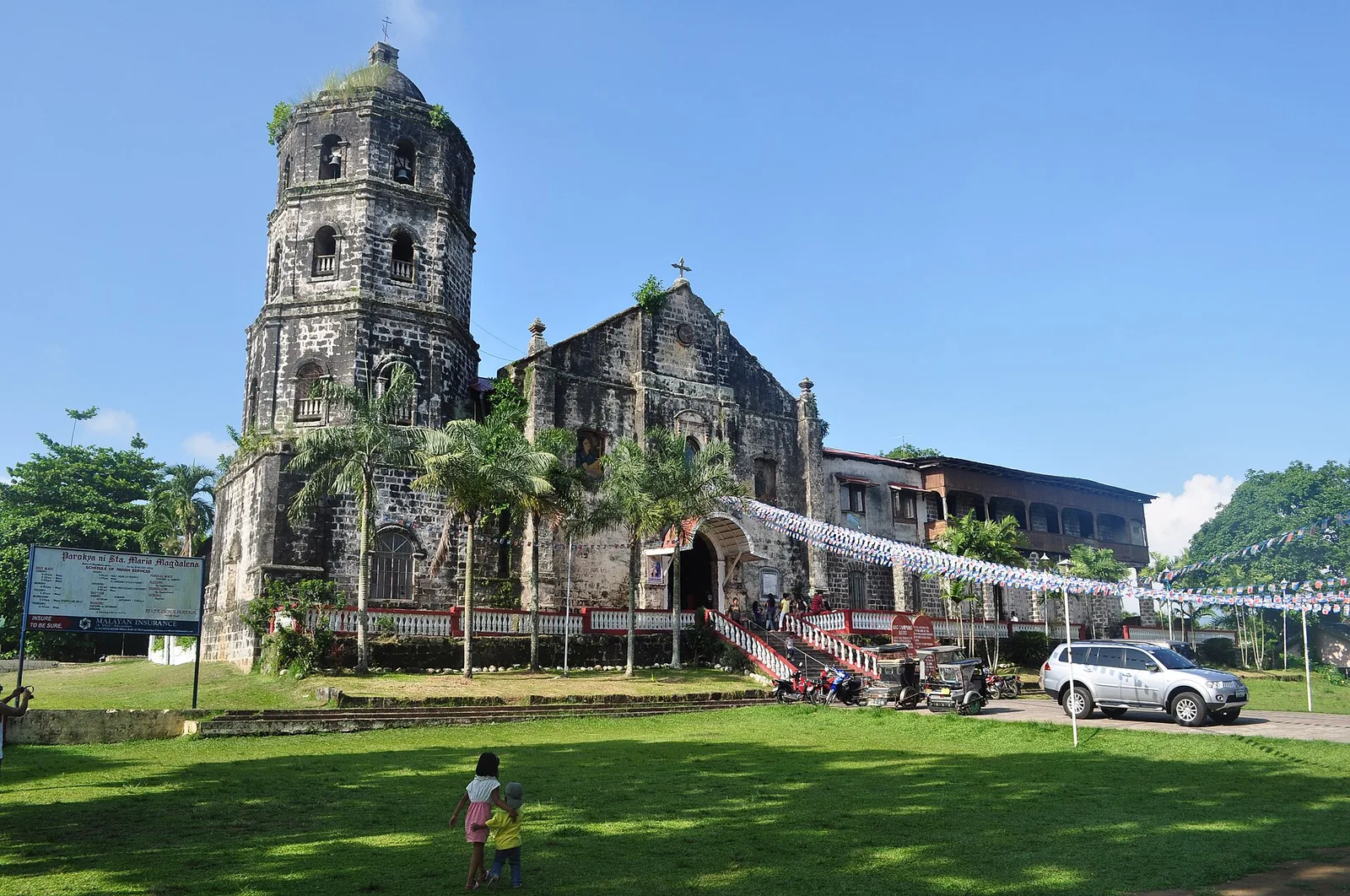
Magdalena's Roman Catholic church was built in the Baroque style and features an austere and unplastered facade and interior, along with a statue of Saint Mary Magdalene seemingly bleeding through her eyes while she holds a skull. Its main claim …
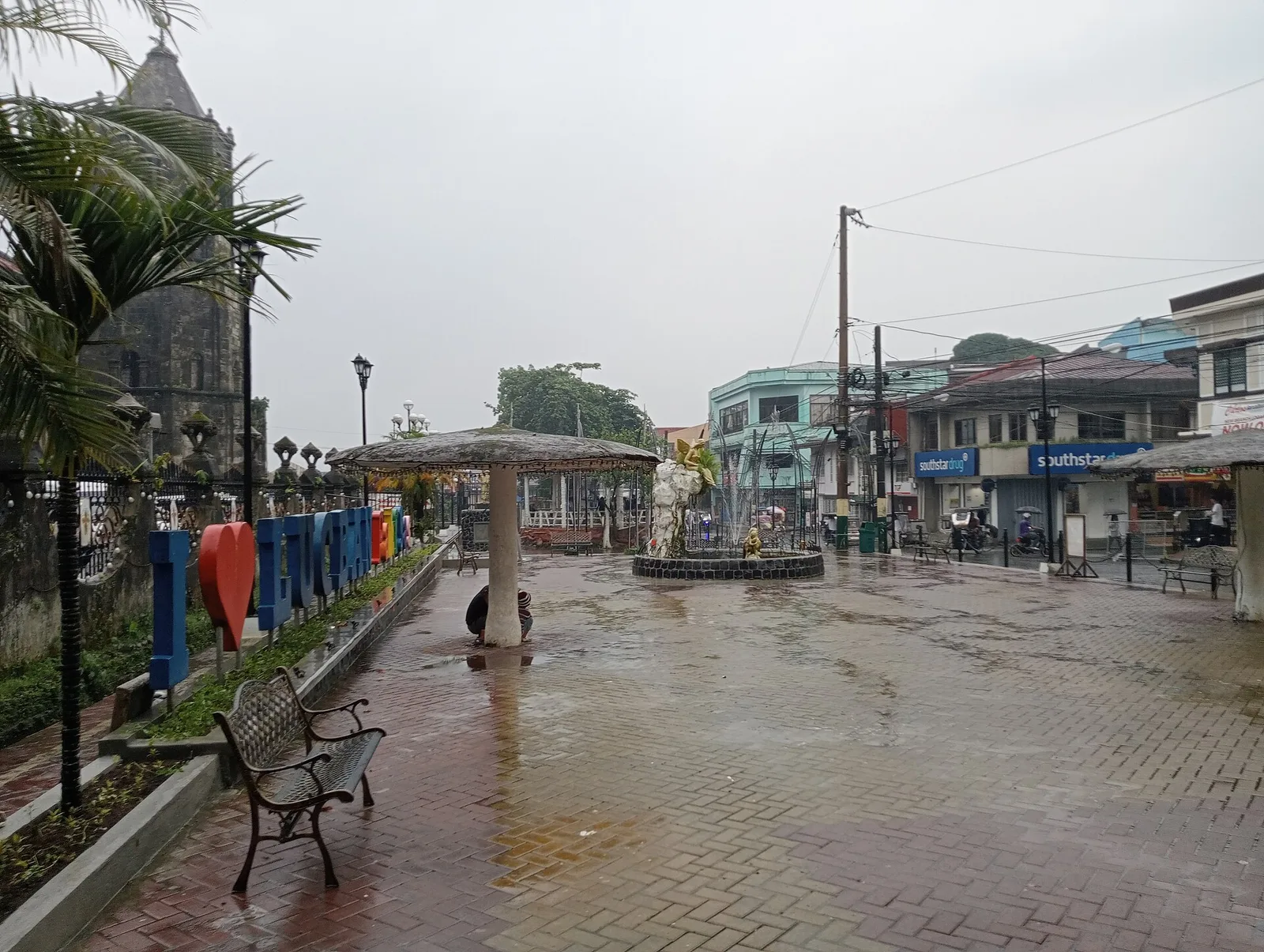
A sight at La Purisima Concepcion Street, Lucban. Hours: Open 24 hours. Entry: Free.
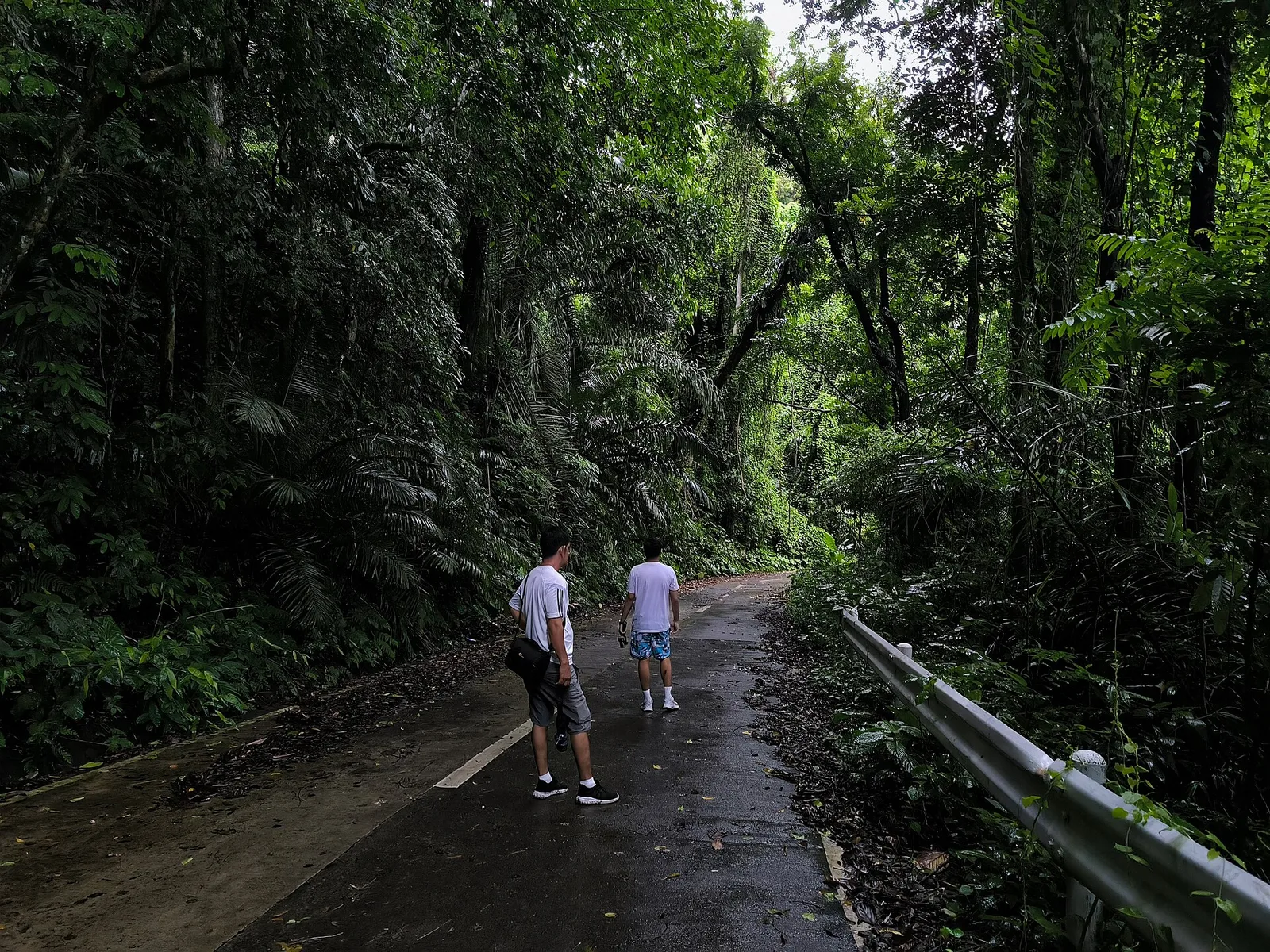
Formerly a national park, now a reserve administered by the university's forestry department. It is adjacent to the campus and, like the campus, includes some sites of interest.
The park was the result of a botched attempt to build a dam over the Bumbungan River, when an engineering error led to the water continuously overtopping the spillway and creating a mini-waterfall before municipal authorities decided to build a …
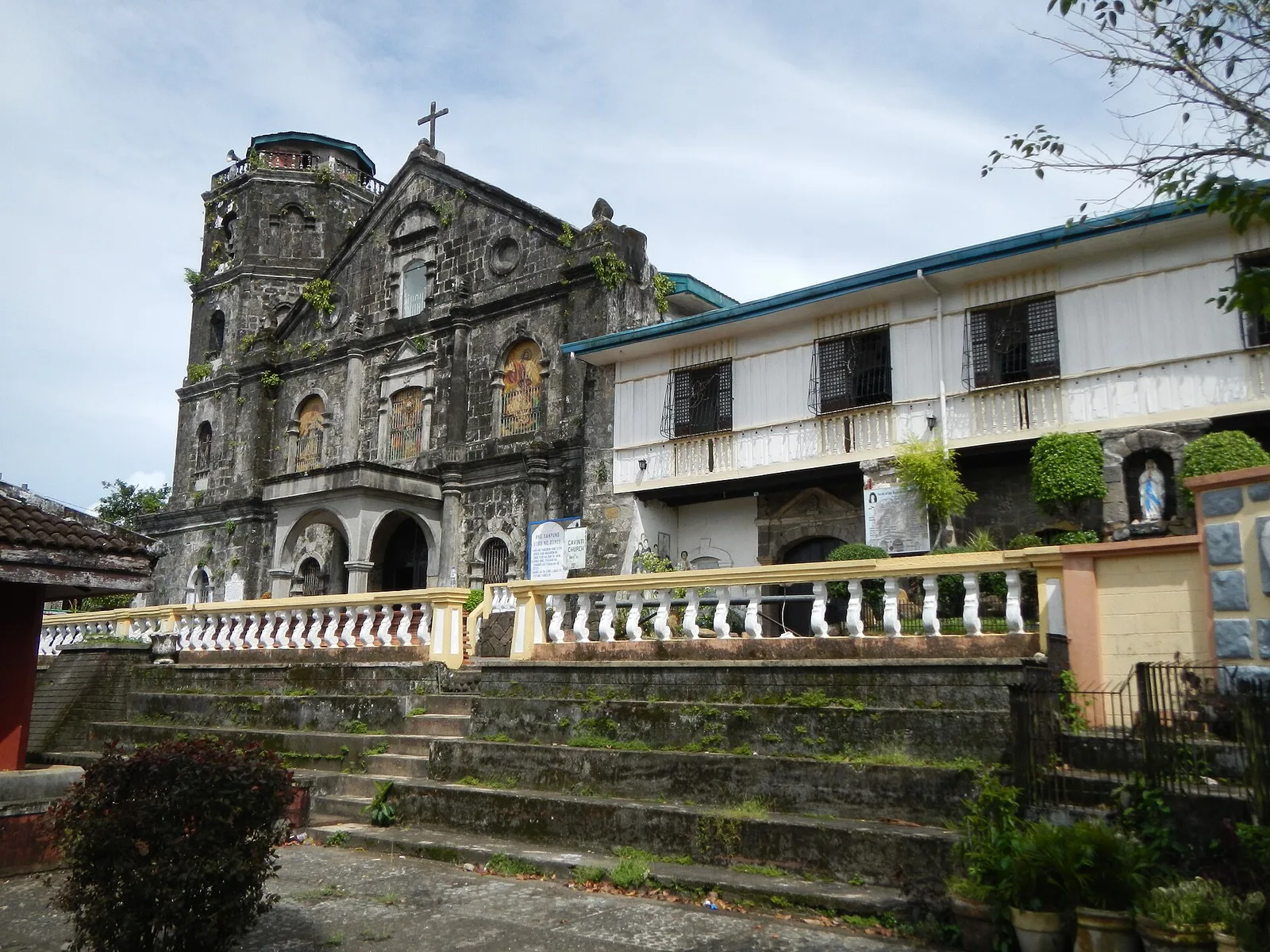
Cavinti's Roman Catholic church was built on the site where the town's venerated image of Jesus Christ was said to have been discovered during the Spanish period. Its baroque facade is made of exposed brick, while its interior has been …
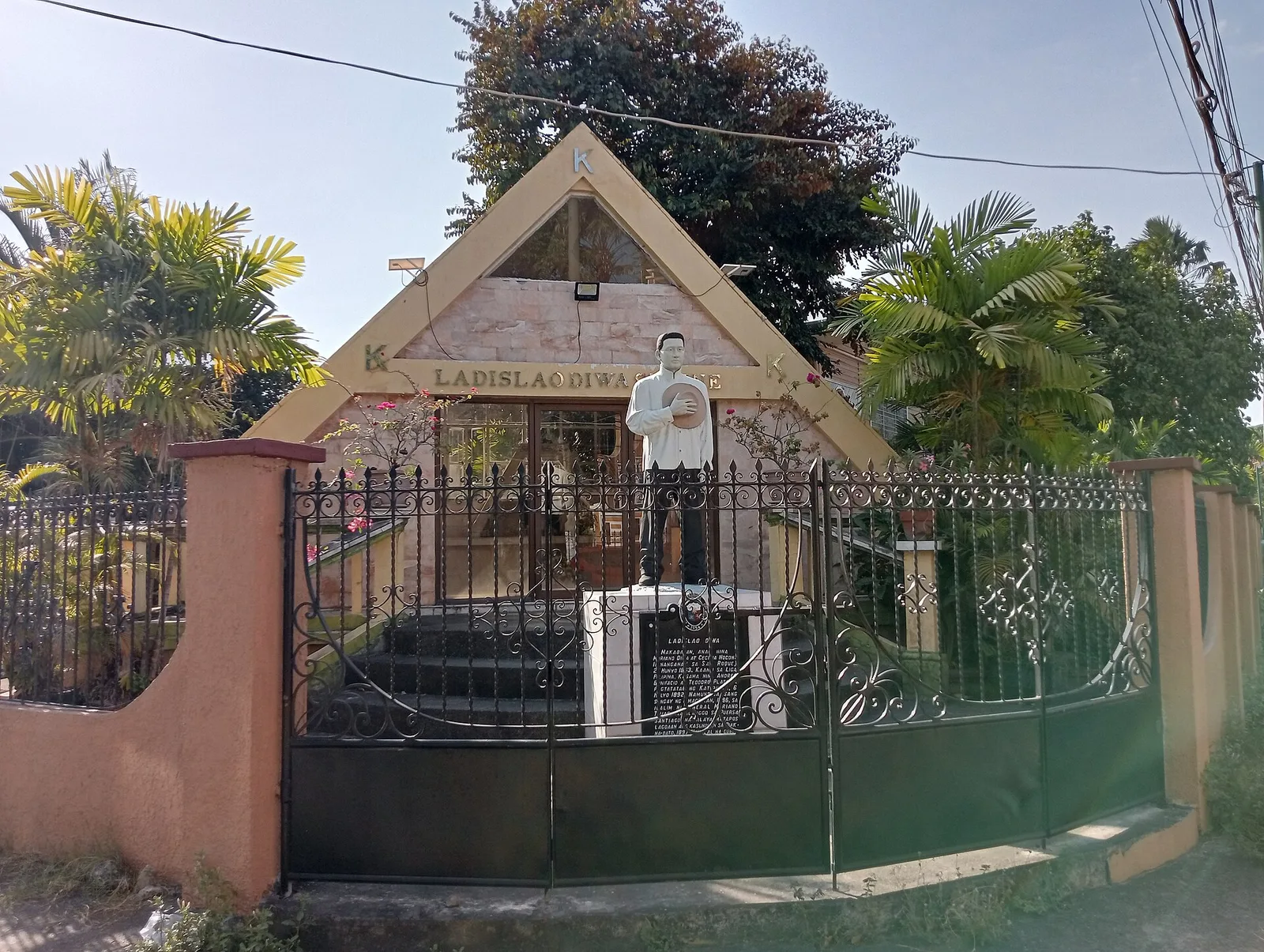
This shrine is a historical landmark dedicated to Ladislao Diwa, a pride of Cavite City. This is locked most of the time but you can still visit and look from outside of the gate. The landmark is Cafe Antix, just …
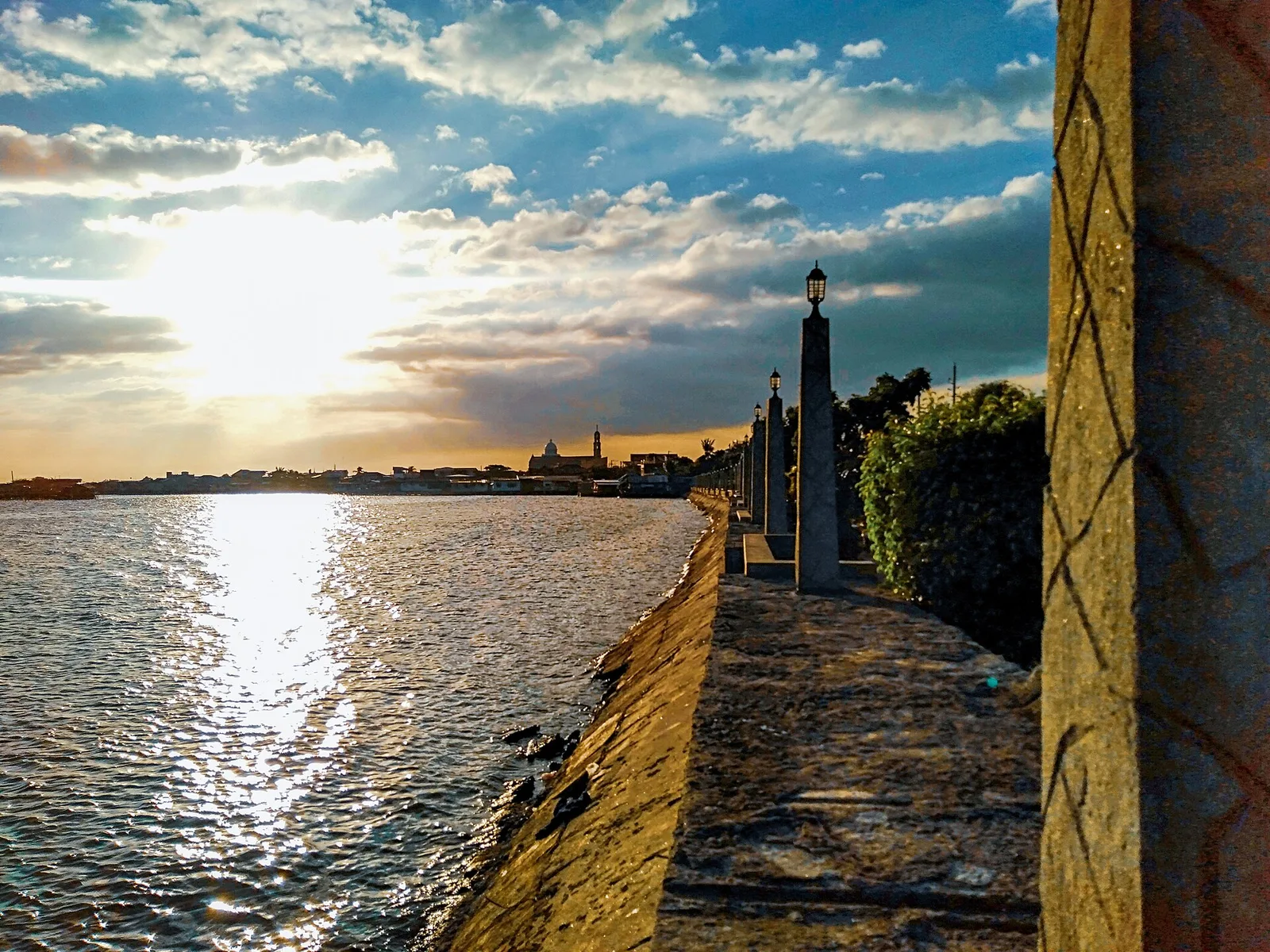
The park is located along the coast of Bacoor Bay and offers a stunning view of the sunset. The sea wall is decorated with colorful murals and sculptures that reflect the culture and history of the Filipino people. The park …
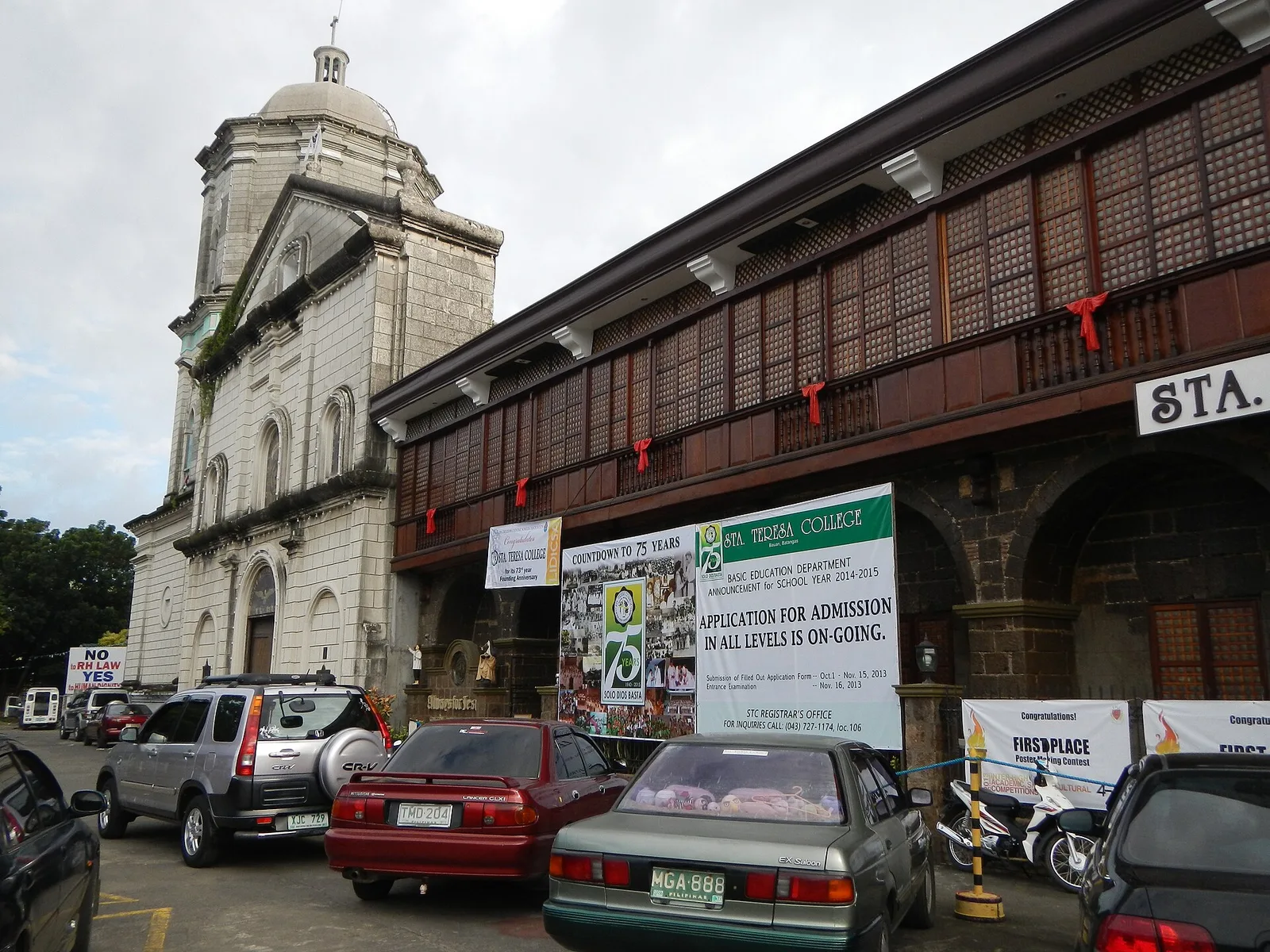
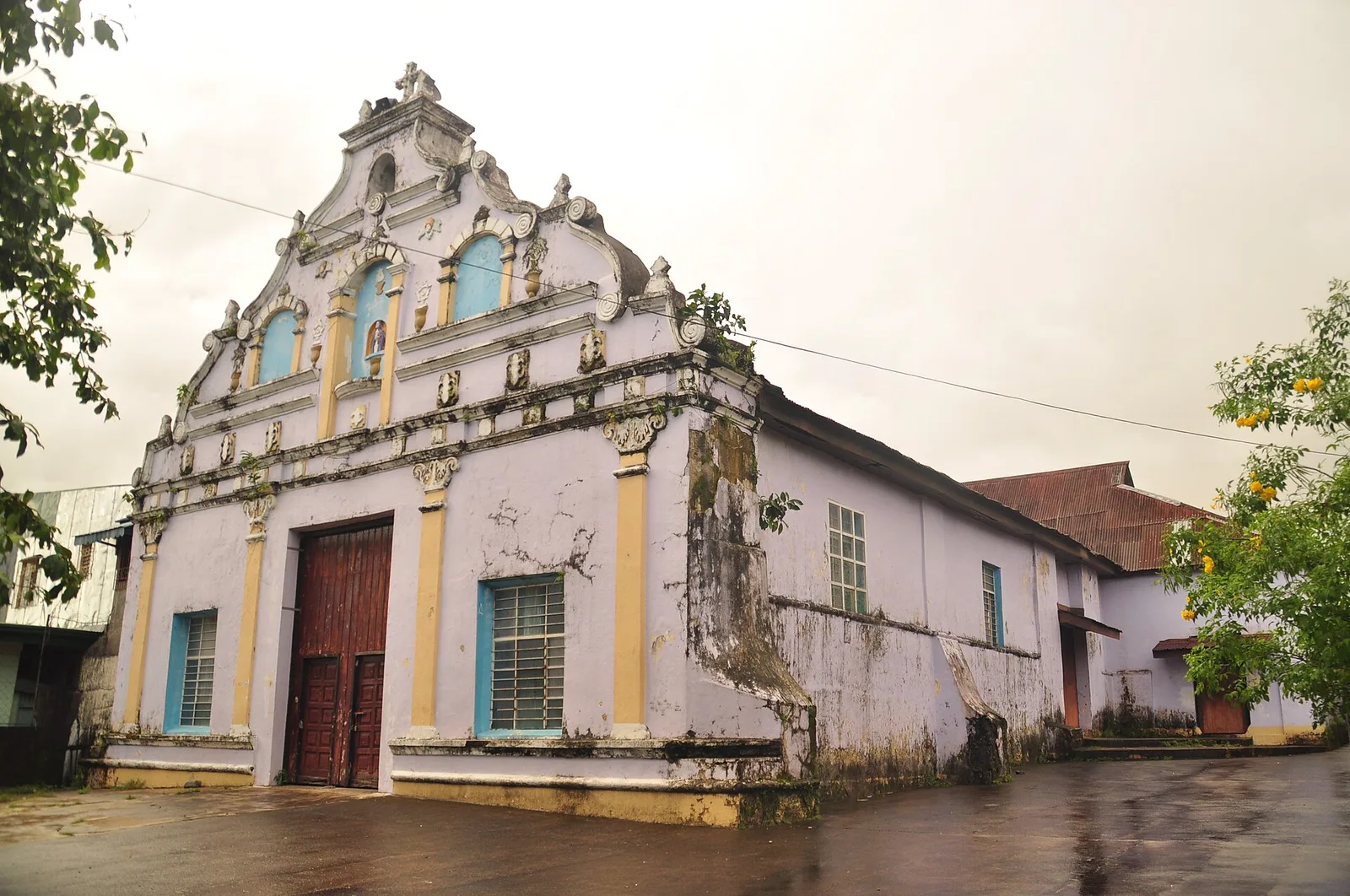
Founded as a chapel in what is now the town center of Alitagtag municipality, it is a Neoclassical church dating back to 1894, although a botched restoration by parish officials in 2021 stripped the facade bare to the frustration of …
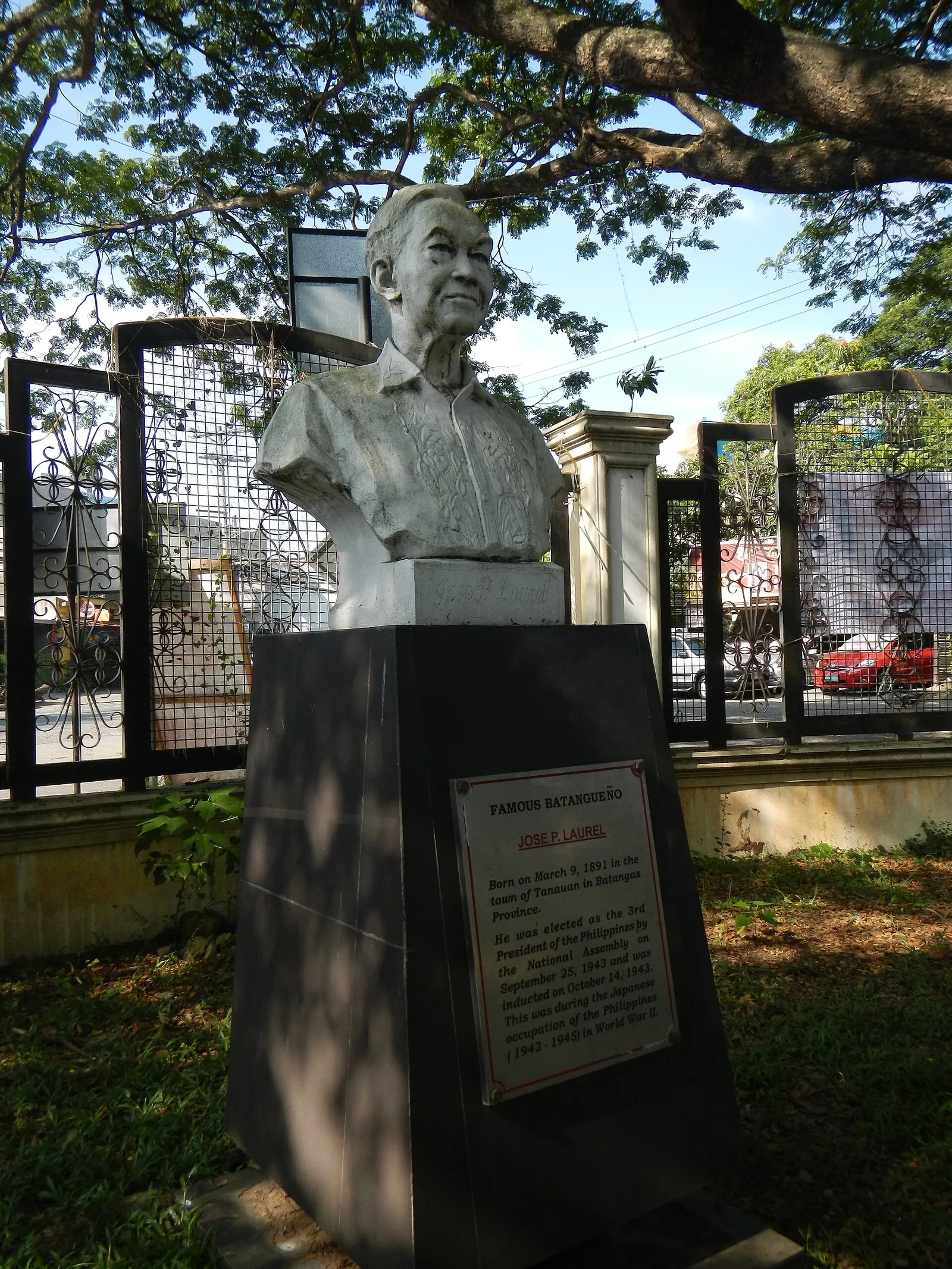
A fenced circular park dedicated to the historical contributions of the Batangueños (people of Batangas). Inside the park is sculptures representing the five Batangueño virtues of nobility, bravery, industriousness, wisdom, and beauty, as well as
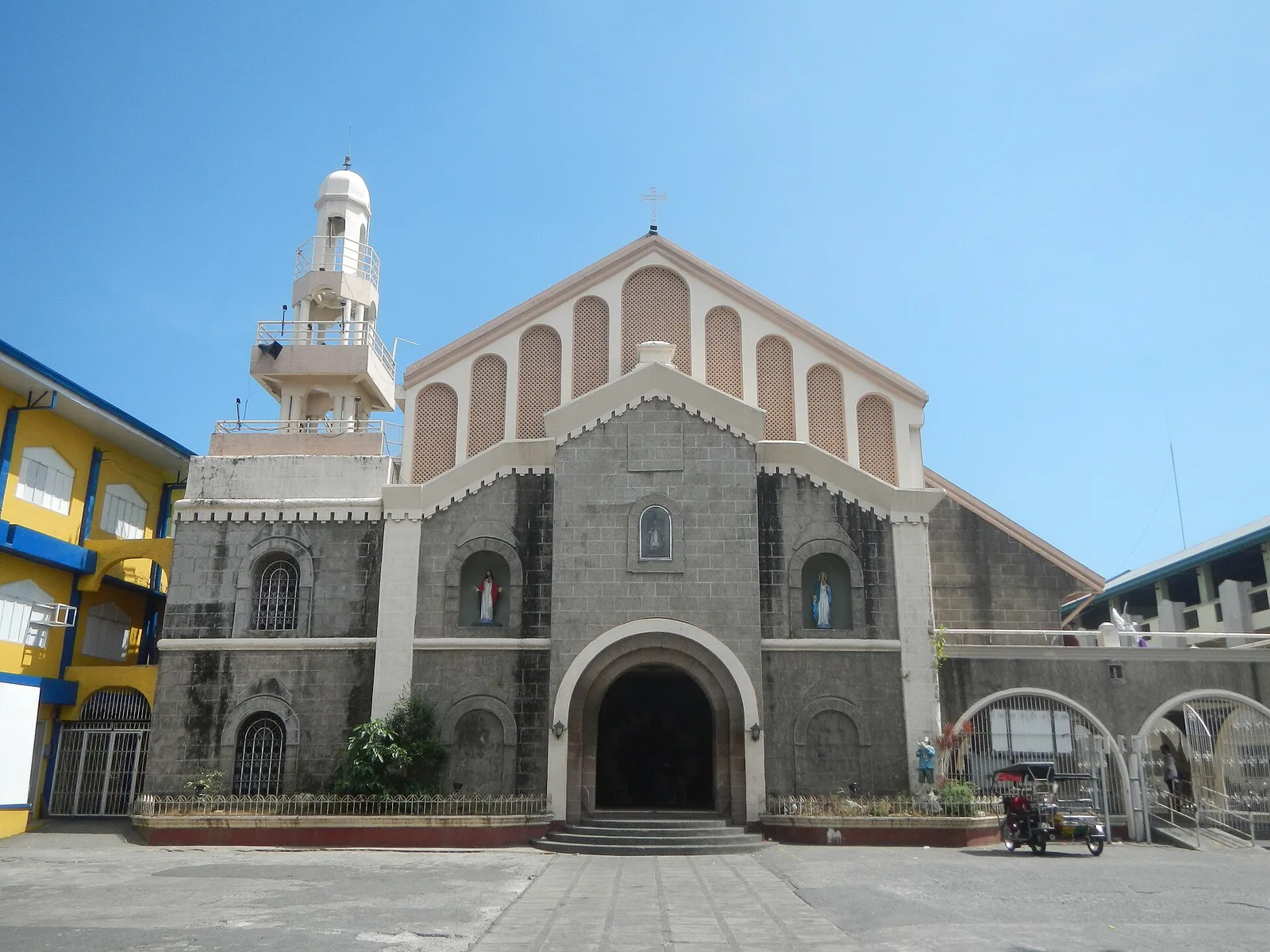
Angono's main Roman Catholic church, a modernist edifice with a light, airy and cheery interior whose main draw is a 1923 miniature painting of the Baptism of Christ by local artist Juan Senson that was declared a national treasure and …
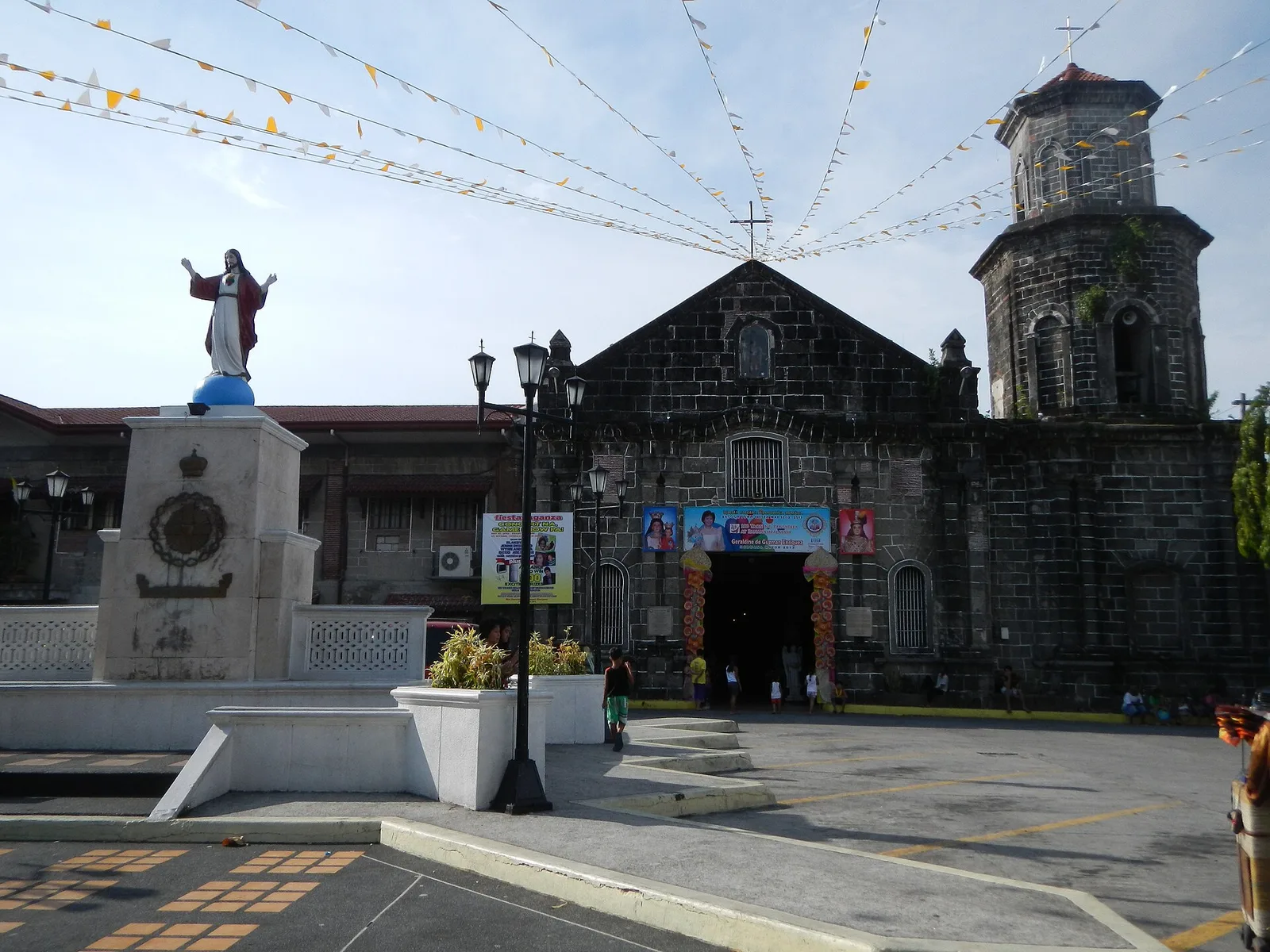
The Spanish-era church was first built in the 18th century, but had to be rebuilt several times due to wars and earthquakes. One of the Gomburza, Mariano Gomez, became one of its parish priests until he was arrested in 1872 …
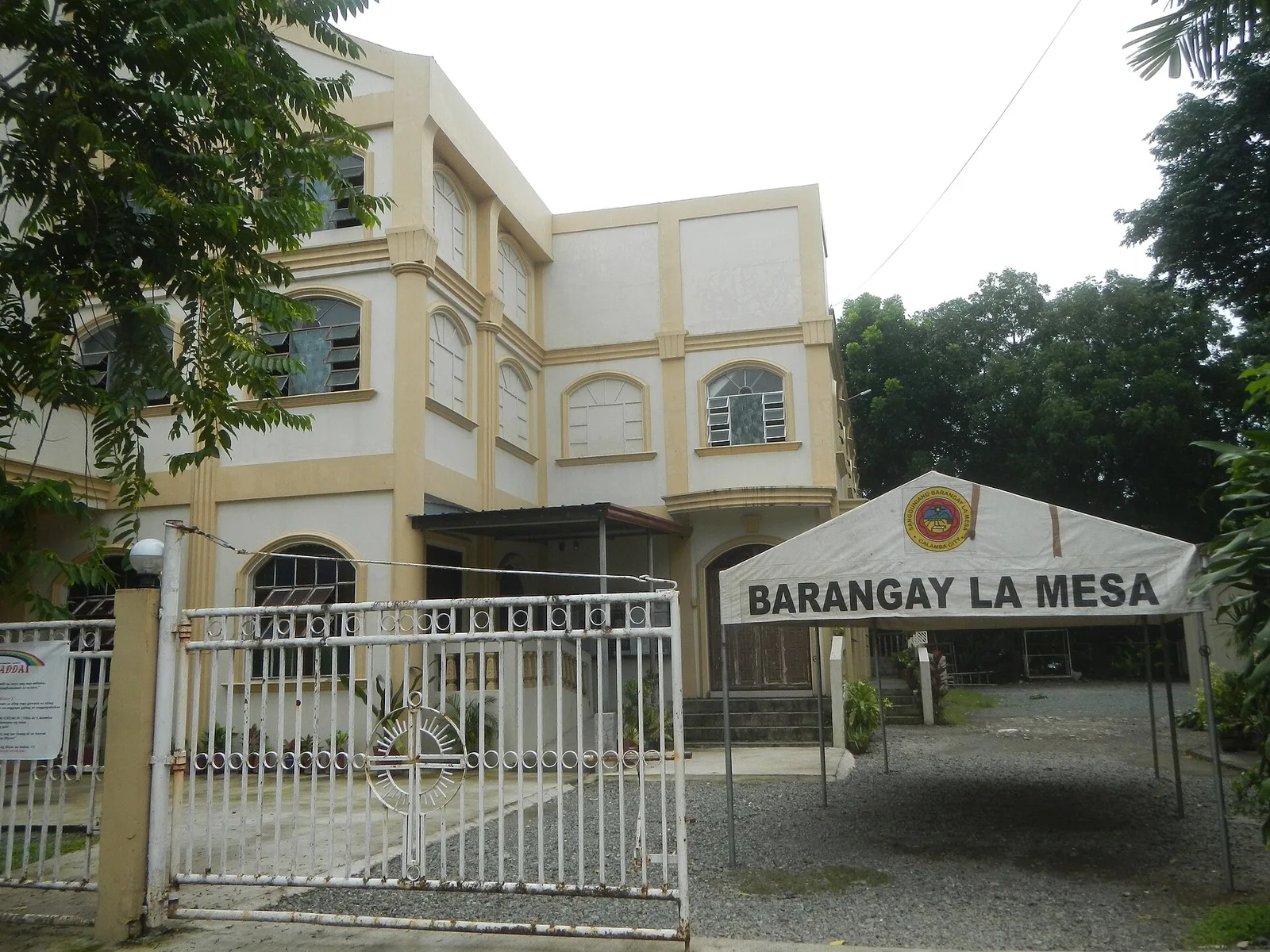
The oldest Catholic church in the city, and the place where Jose Rizal was baptised. It stands next door to the house where he was born. The church of Saint John the Baptist dates from 1859. Japanese troops burned it …
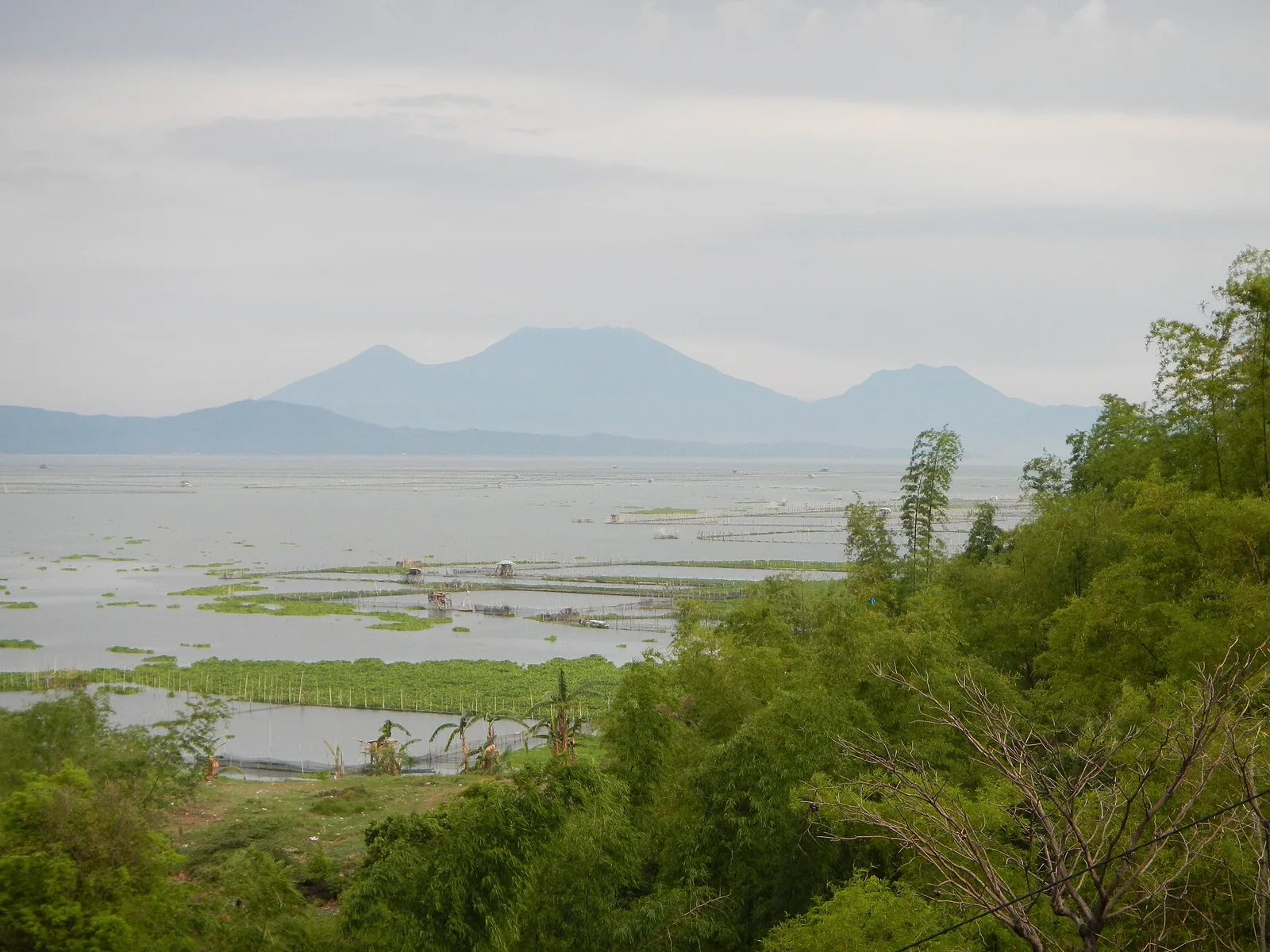
The highest mountain in Laguna, in Quezon and in the whole Calabarzon region: an active volcano with three peaks that dominates the landscape for miles around. The summit reaches 2,170 metres and holds a caldera 210 metres deep, broken open …
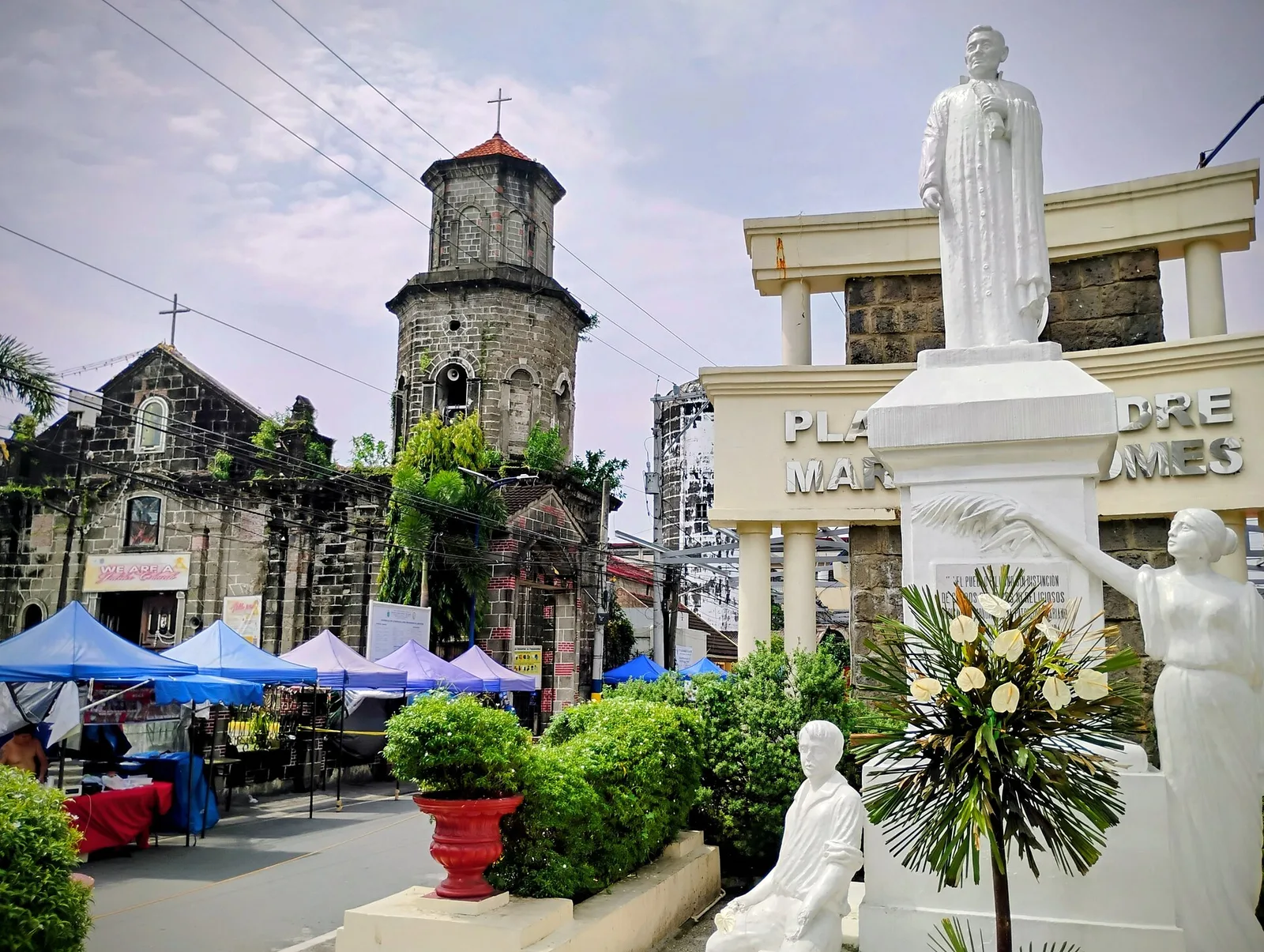
The public square beside Bacoor Church carries the name of Mariano Gomez, the parish priest of the town. Spanish authorities tied him to the Cavite Mutiny of 1872 and executed him at Bagumbayan with the two other priests known as …
A parish church of 1881, with a facade in Romanesque and Renaissance styles and bell towers under Baroque domes. Fourteen life-sized Stations of the Cross stand in the church compound. The church was repaired in 1948 after damage in the …
A museum and memorial to Miguel Malvar, a hero of the Philippine Revolution and the Philippine-American War. He was the last Filipino general to surrender to the Americans, and Santo Tomas is his hometown.
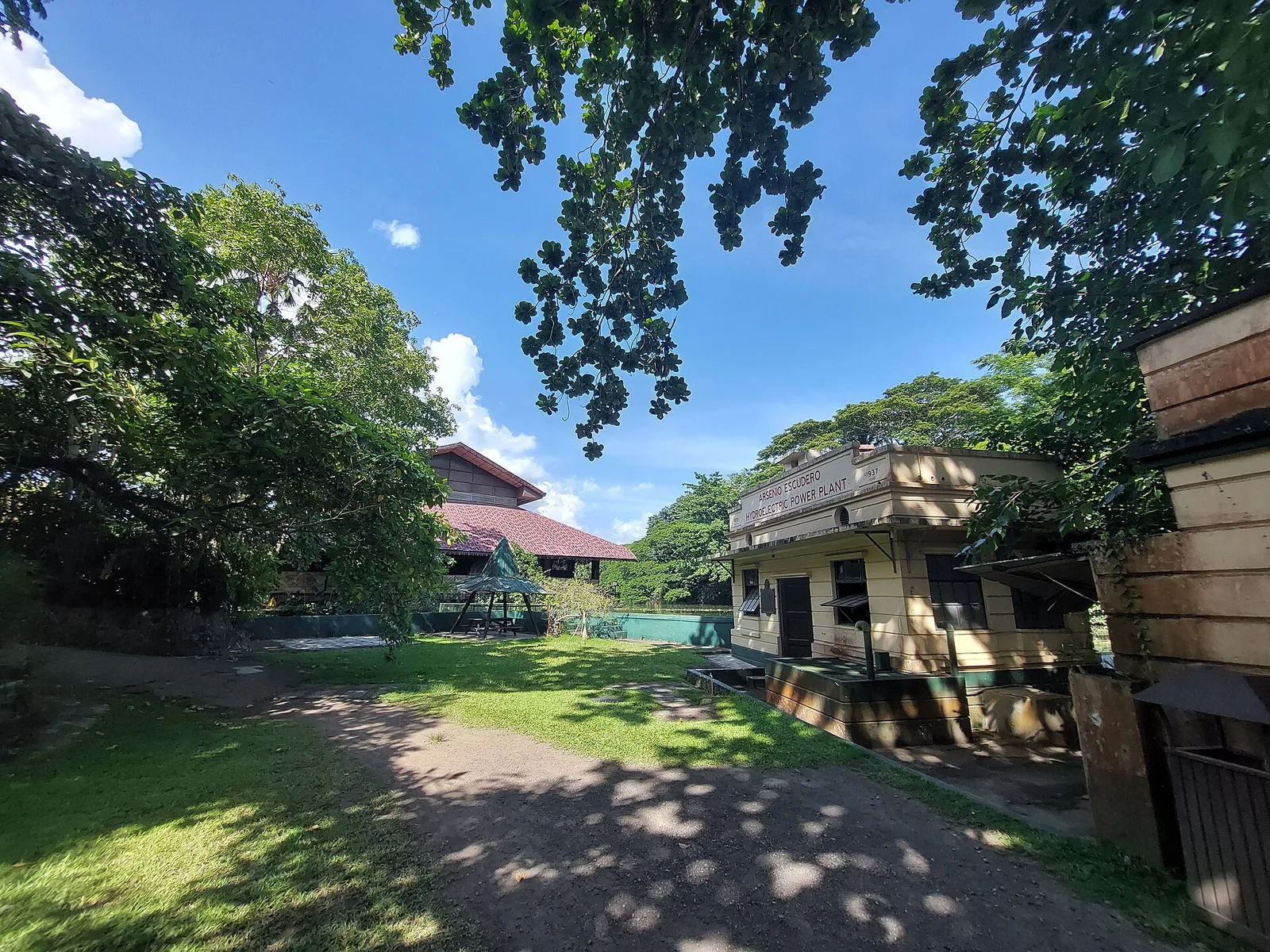
A 2-day plan built from the See, Do and Eat listings in Wikivoyage's Tiaong guide. The stops are in an order that keeps each day close together. Check the hours …
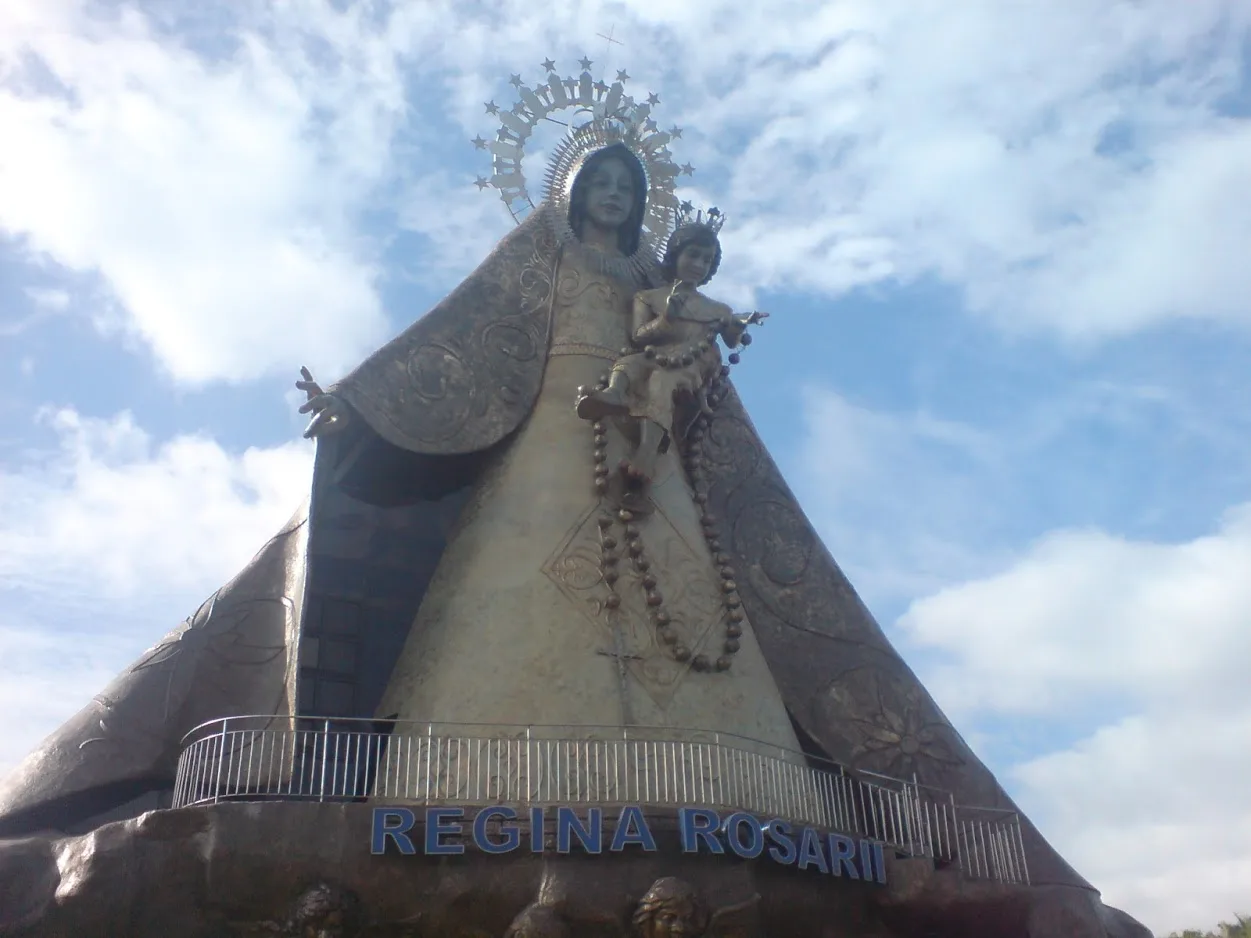
A 3-day plan built from the See, Do and Eat listings in Wikivoyage's Tanay guide. The stops are in an order that keeps each day close together. Check the hours …
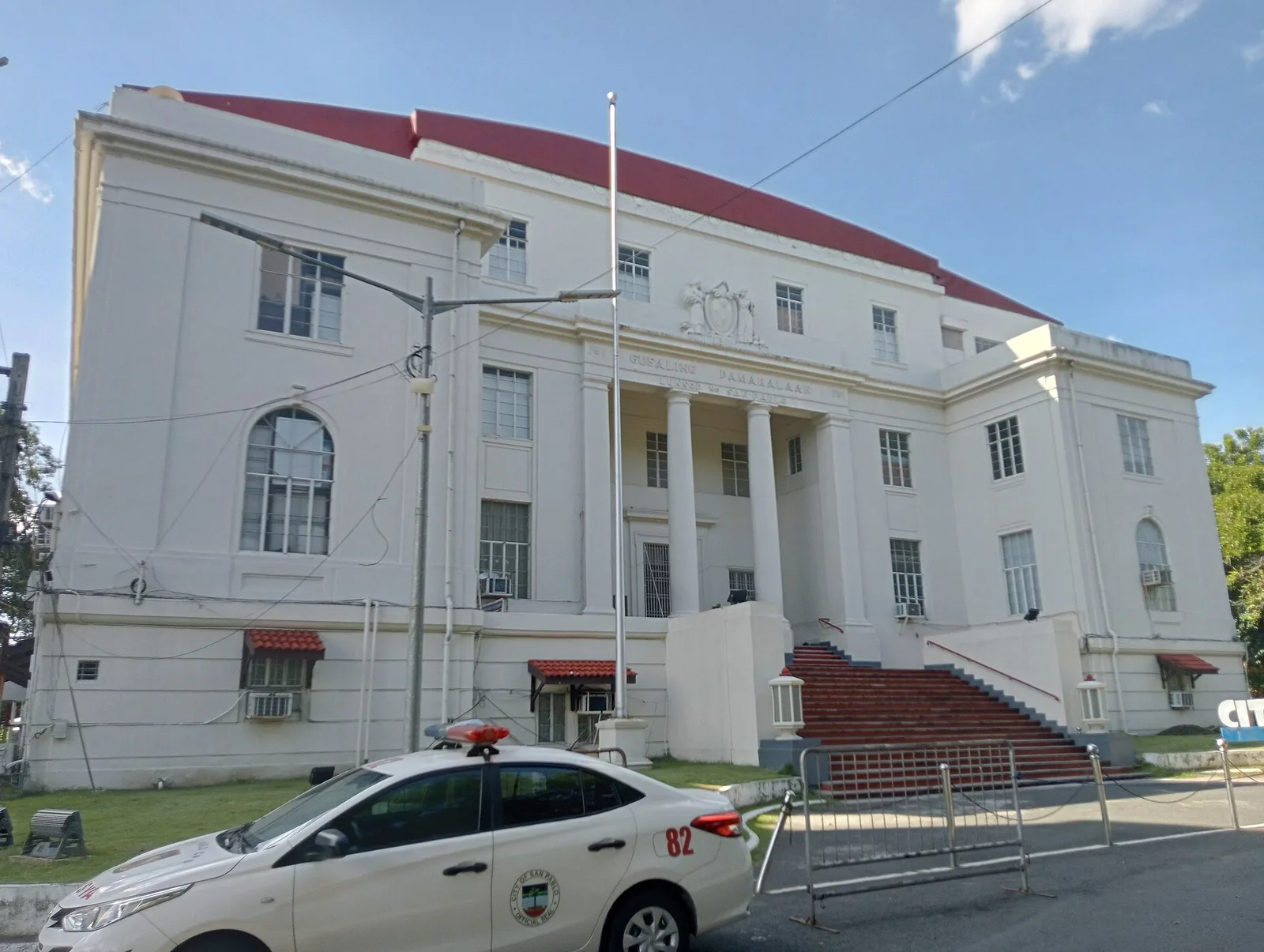
A 3-day plan built from the See, Do and Eat listings in Wikivoyage's San Pablo (Laguna) guide. The stops are in an order that keeps each day close together. Check …
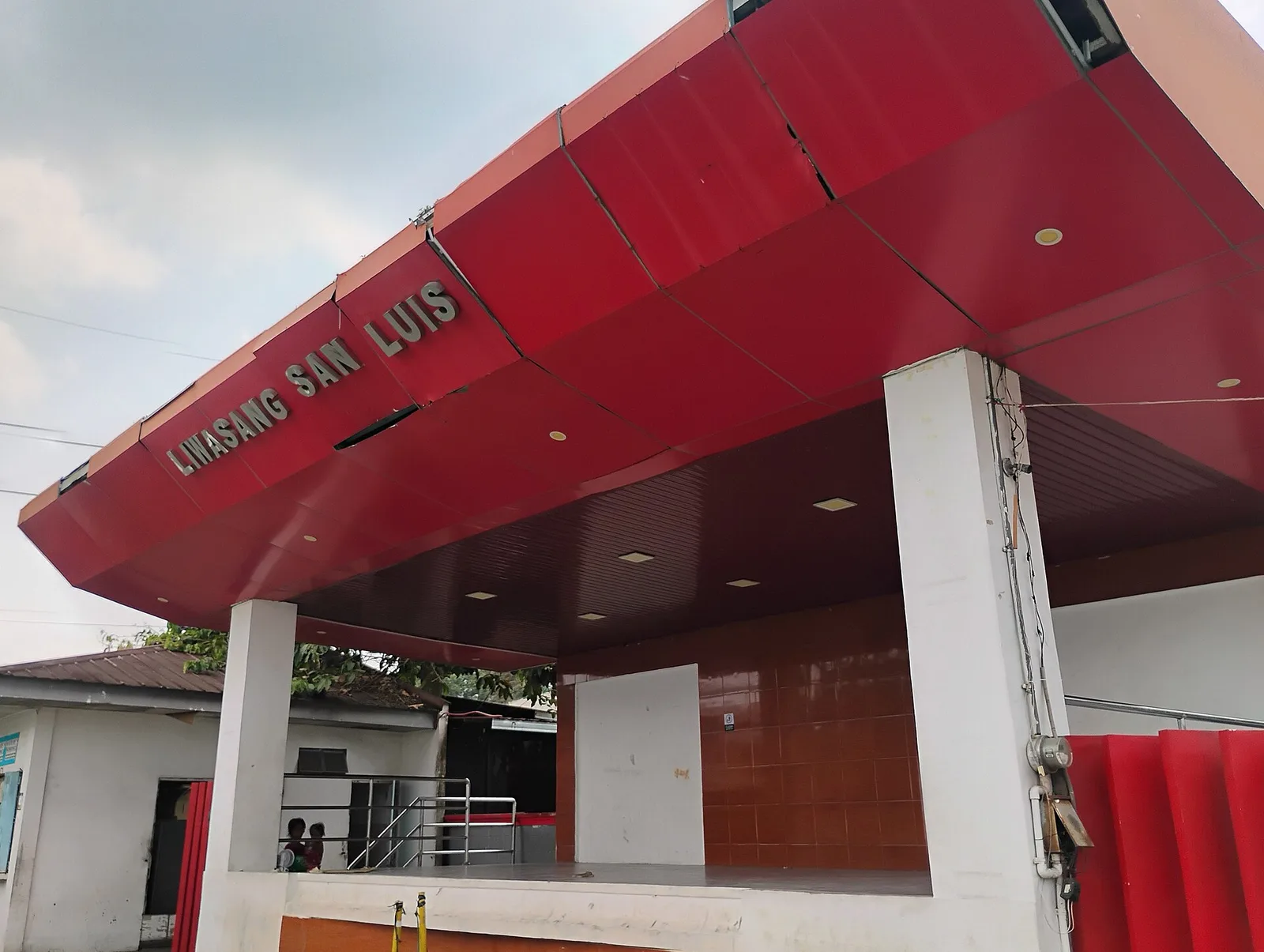
A 2-day plan built from the See, Do and Eat listings in Wikivoyage's Pangil guide. The stops are in an order that keeps each day close together. Check the hours …
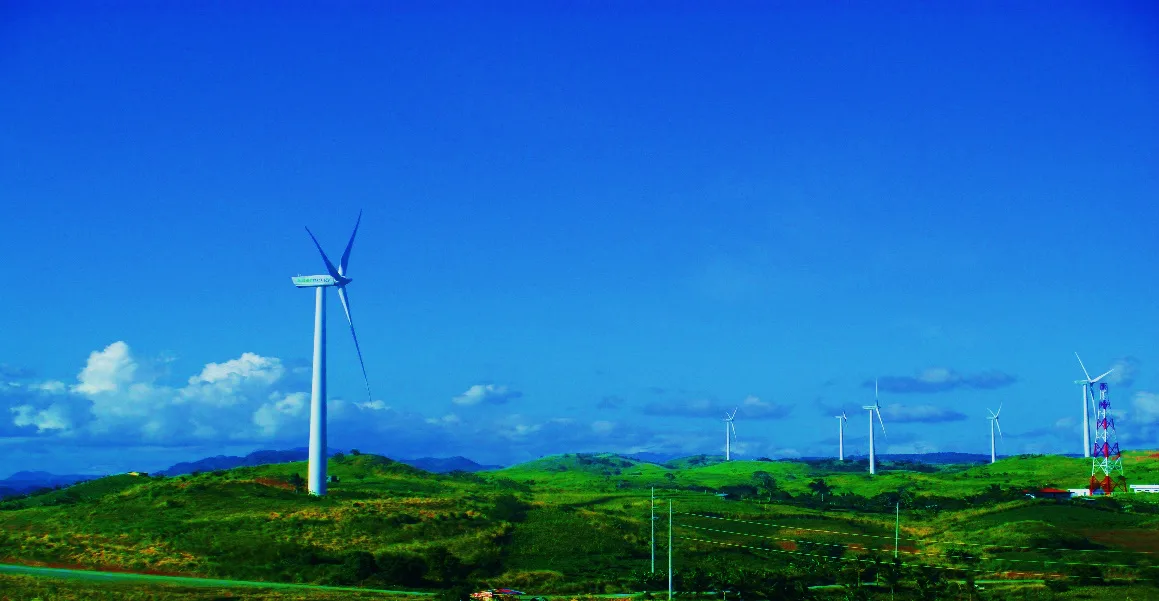
A 2-day plan built from the See, Do and Eat listings in Wikivoyage's Pililla guide. The stops are in an order that keeps each day close together. Check the hours …
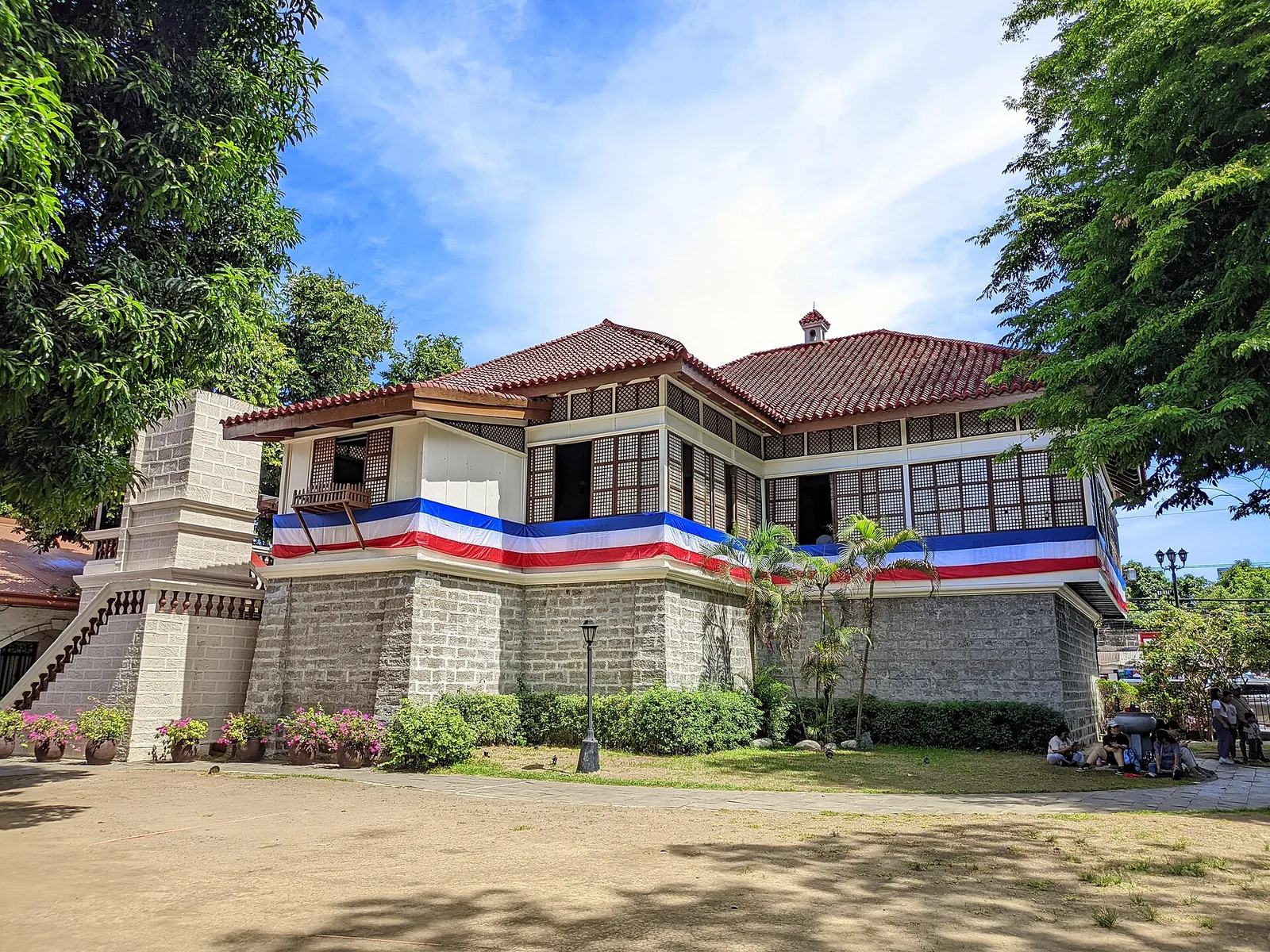
The house where Jose Rizal was born on June 19, 1861, rebuilt as a two-storey bahay na bato. What stands today is a reproduction of the original. Filipino schoolchildren paid for most of the work, Juan F. Nakpil supervised it, …