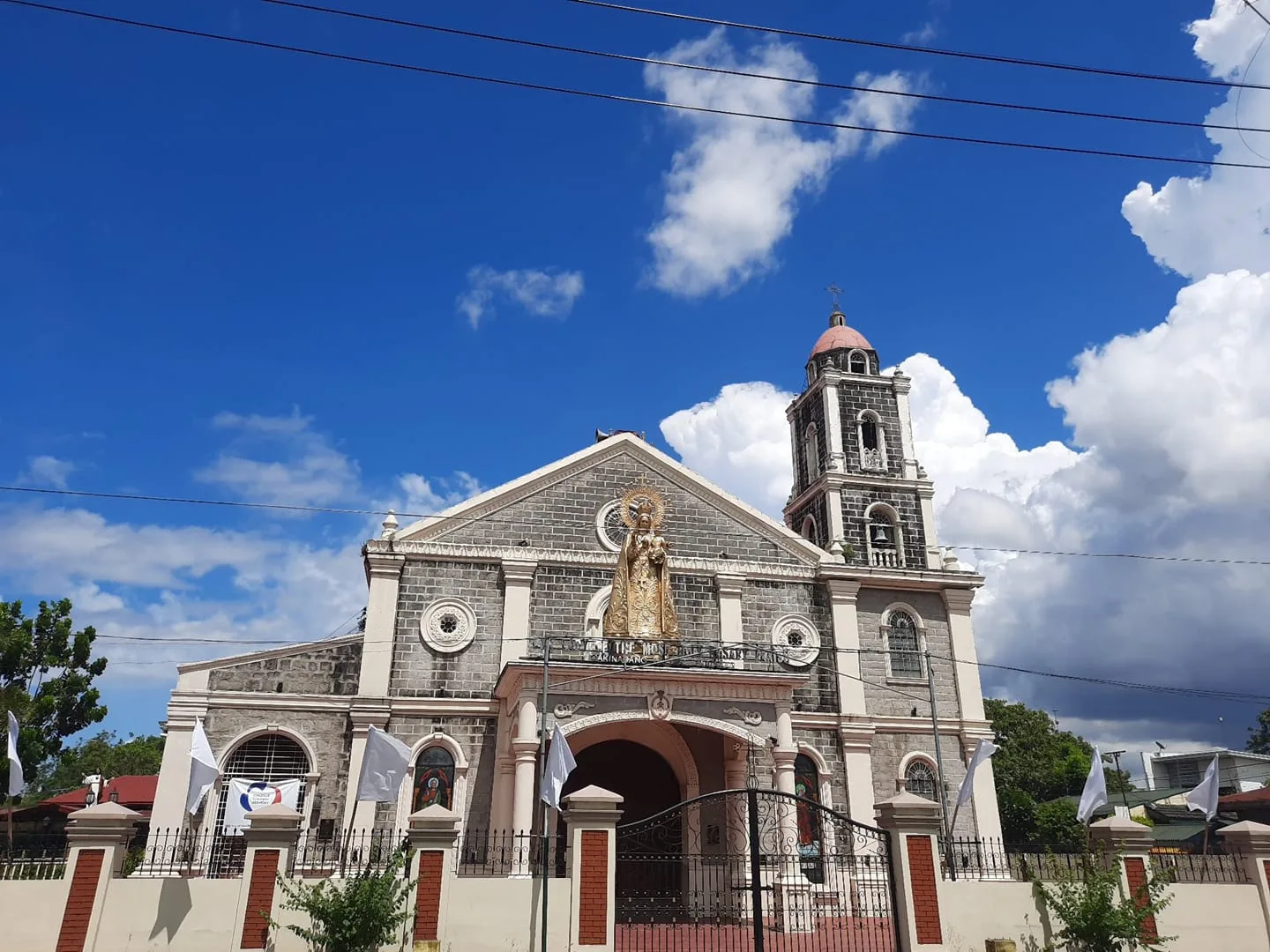
Makinabang Church
A Marian parish church in Barangay Makinabang, known locally as Bisitang Pula. Its feast day is 7 October, and the procession that goes with it is one of the largest in the city.
Region in Luzon · 9 provinces and cities
A Marian parish church in Barangay Makinabang, known locally as Bisitang Pula. Its feast day is 7 October, and the procession that goes with it is one of the largest in the city.
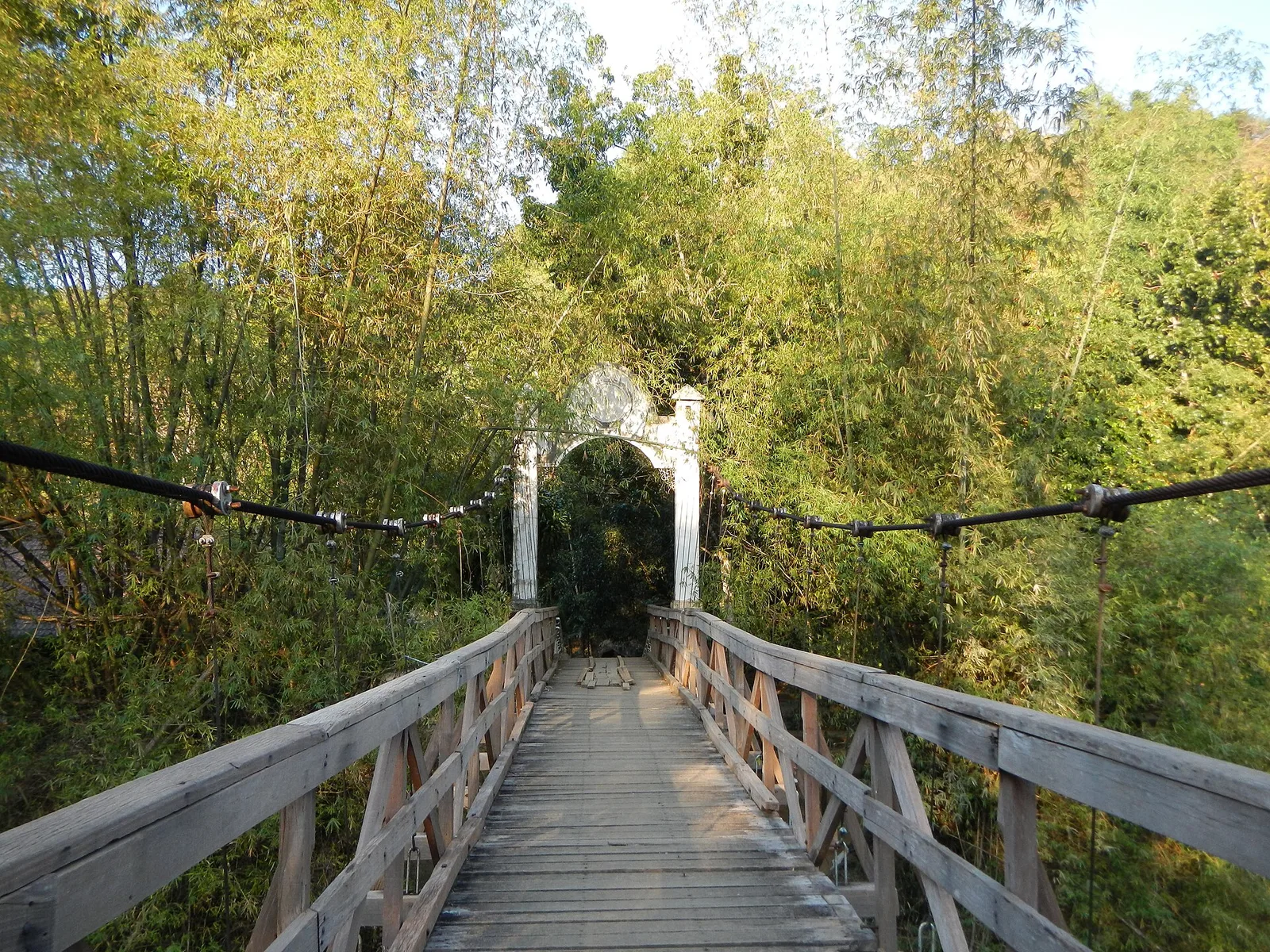
A park of caves, rivers and trails in the hills of San Miguel, 80 kilometres northeast of Manila. The park is the site of the Republic of Biak-na-Bato, and President Manuel L. Quezon made it a national park in 1937 …
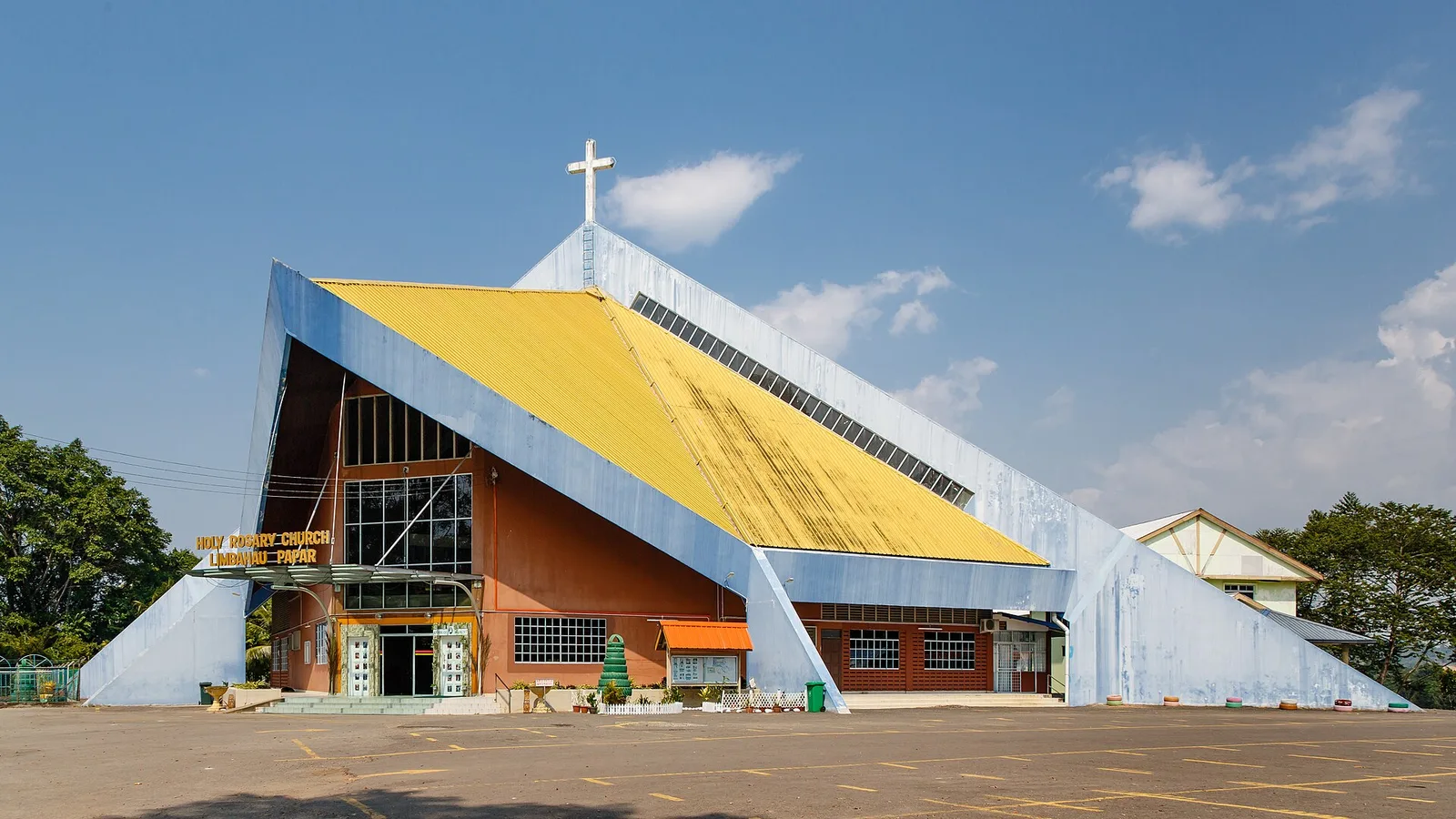
A Catholic church known in Kapampangan as Pisamban Maragul, the big church. Men built it with unpaid labour under the polo y servicio system from 1877 to 1896, the dome went up in 1891, and the work was finished in …
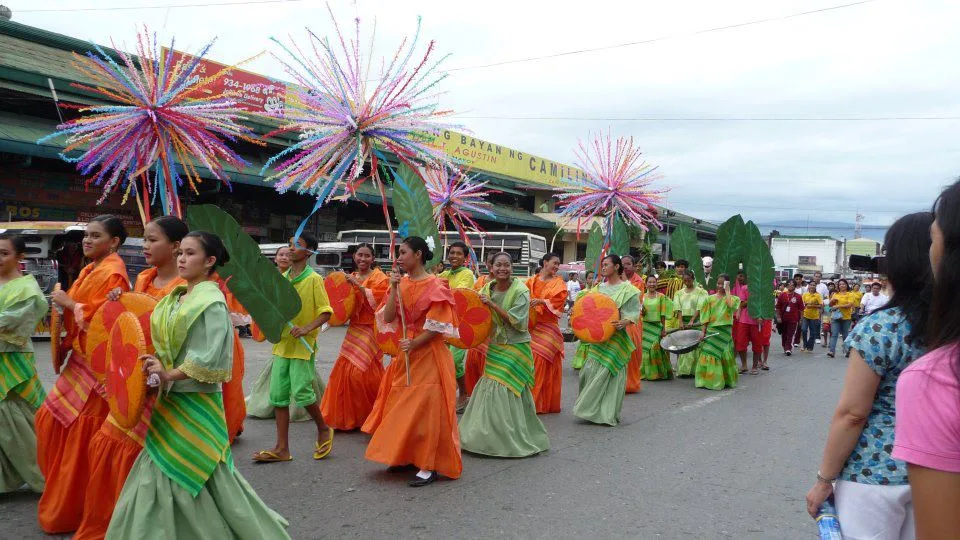
A harvest and pork festival in the town of Camiling, held in the last week of October, just before All Saints' Day. It gives thanks for the crop and for the year's meat, above all the chicharon that Ilocanos call bagnet. The other food of the week is …
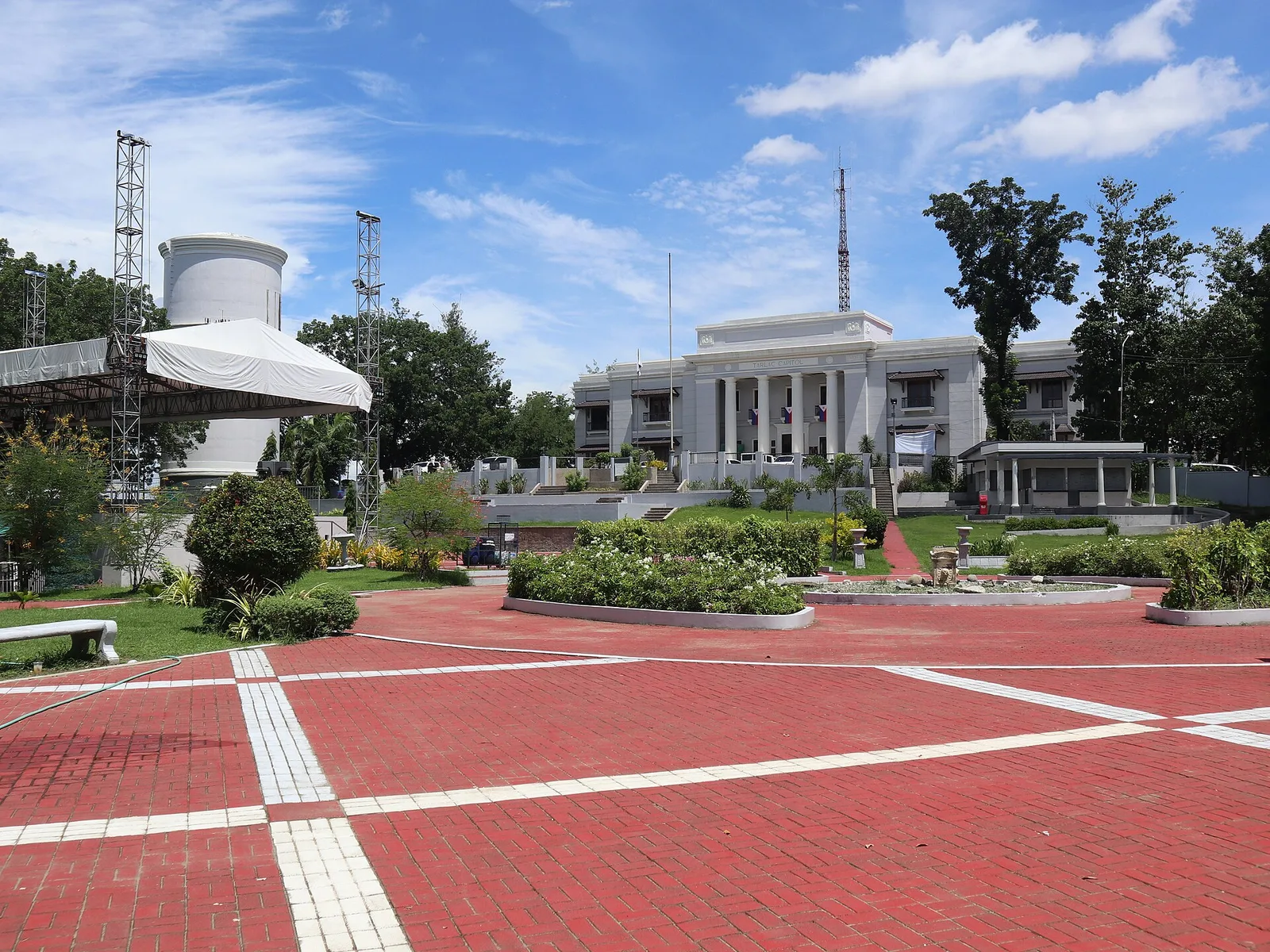
A sight at Romulo Boulevard, Tarlac City. Hours: Open 24 hours. Entry: Free.
Designed by renowned architect Robert Trent Jones Sr., this 18-hole championship course has been renovated so you can enjoy it in any weather, all year round. There are water areas all around coupled with great landscaping which is breathtaking. It's …
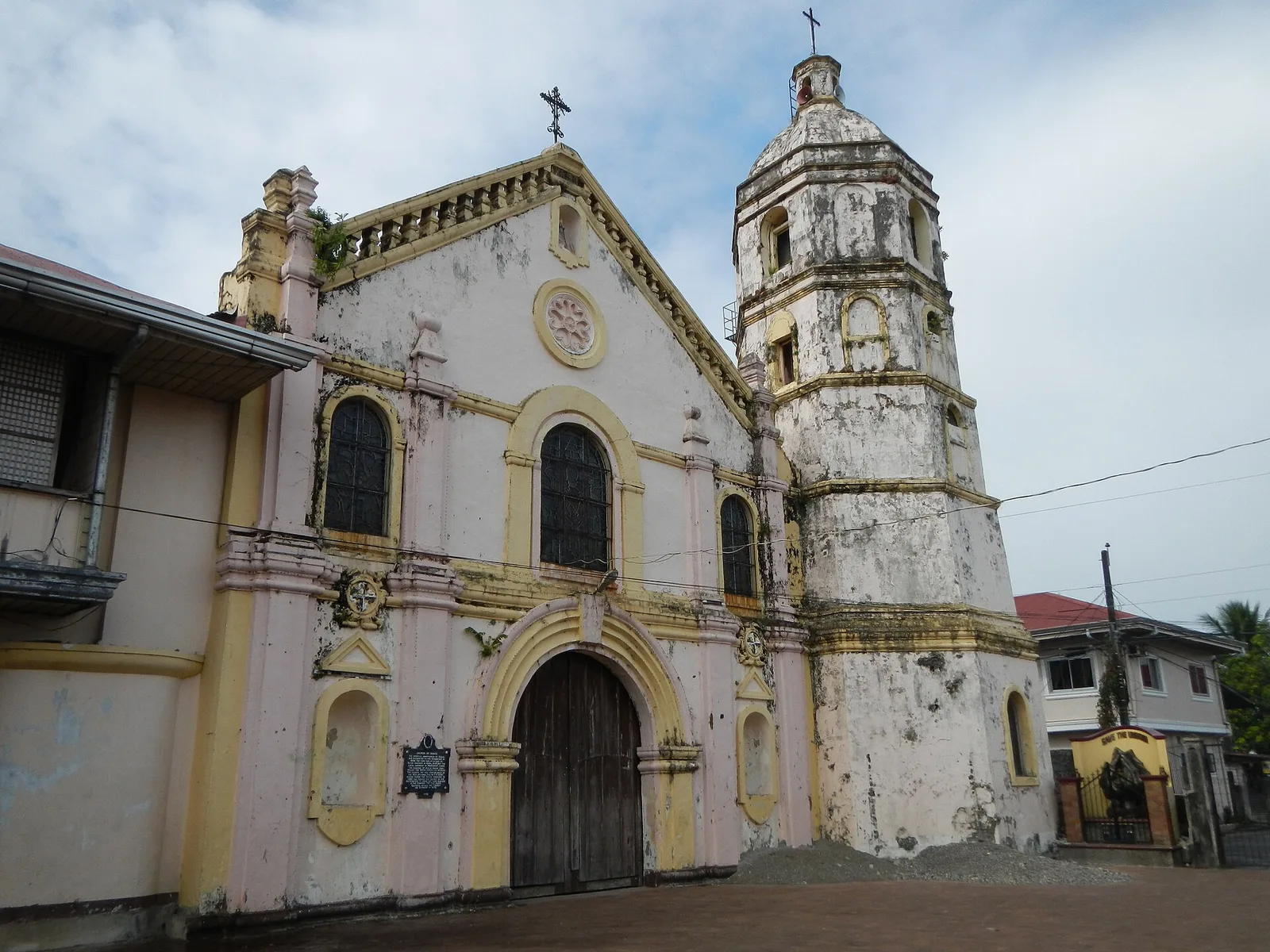
Samal's main Roman Catholic church, built in the Baroque style during the Spanish period in the 17th century.
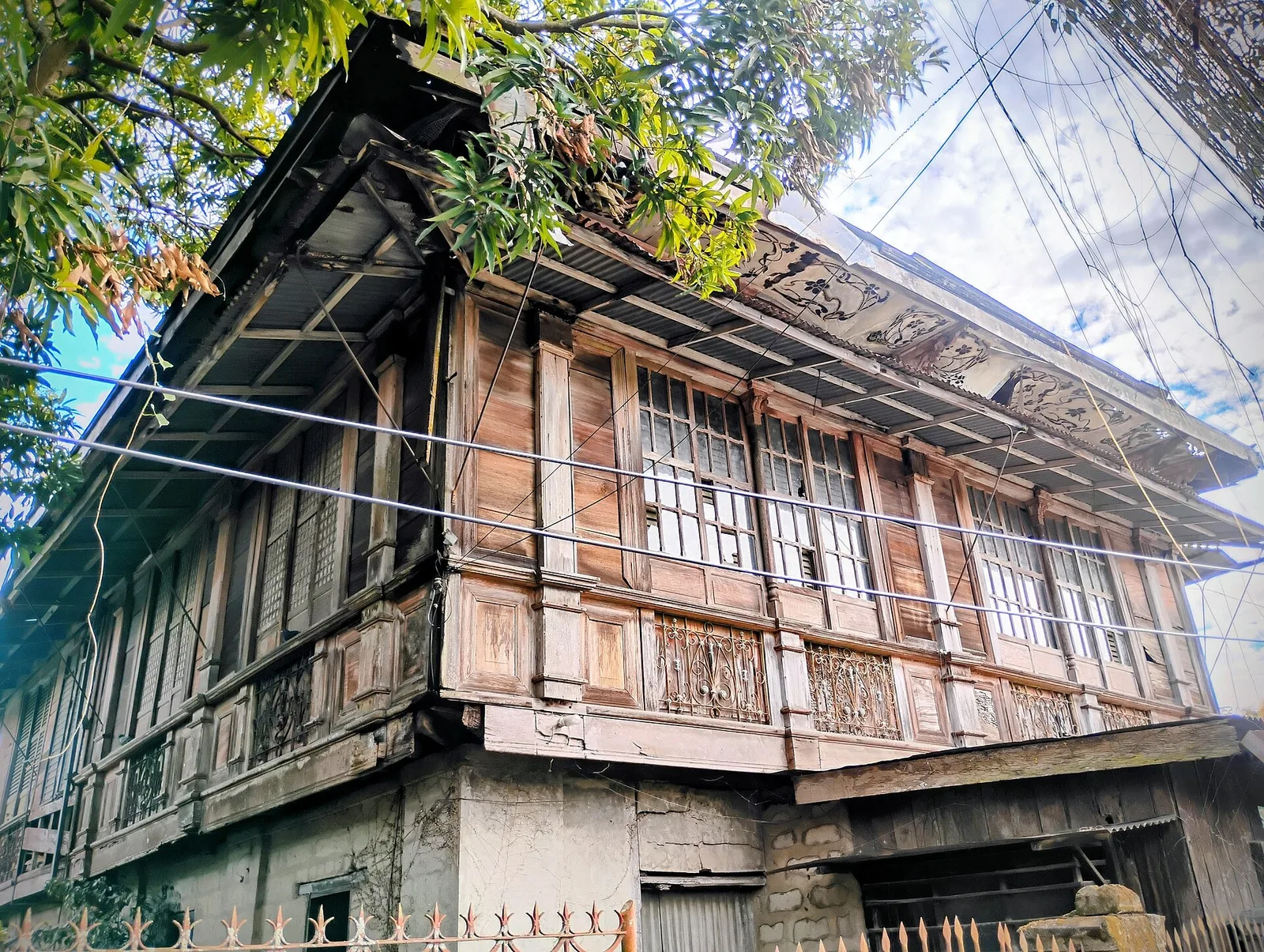
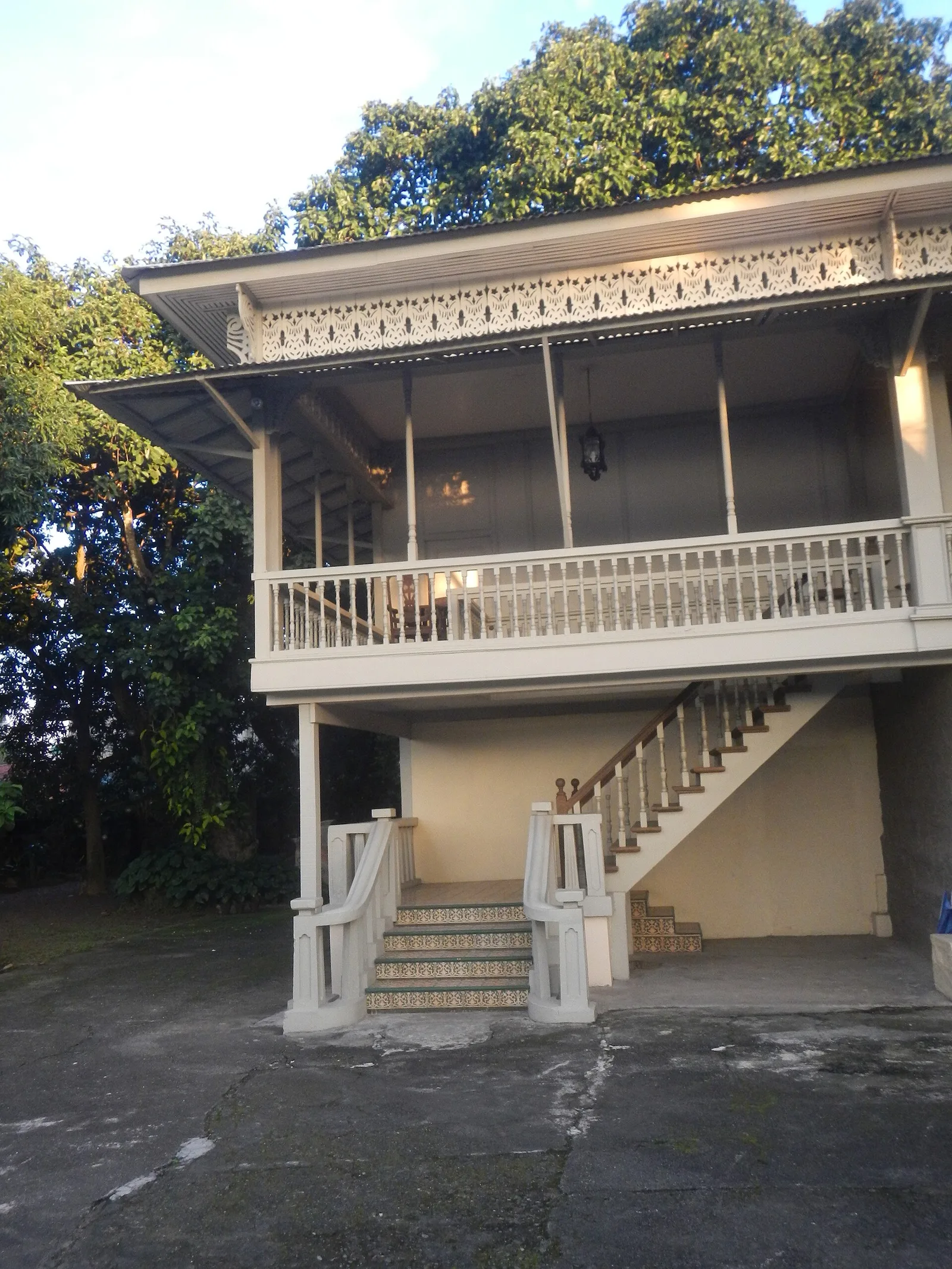
A residence built for the Tecson family, whose members included an officer in the Philippine Revolution.
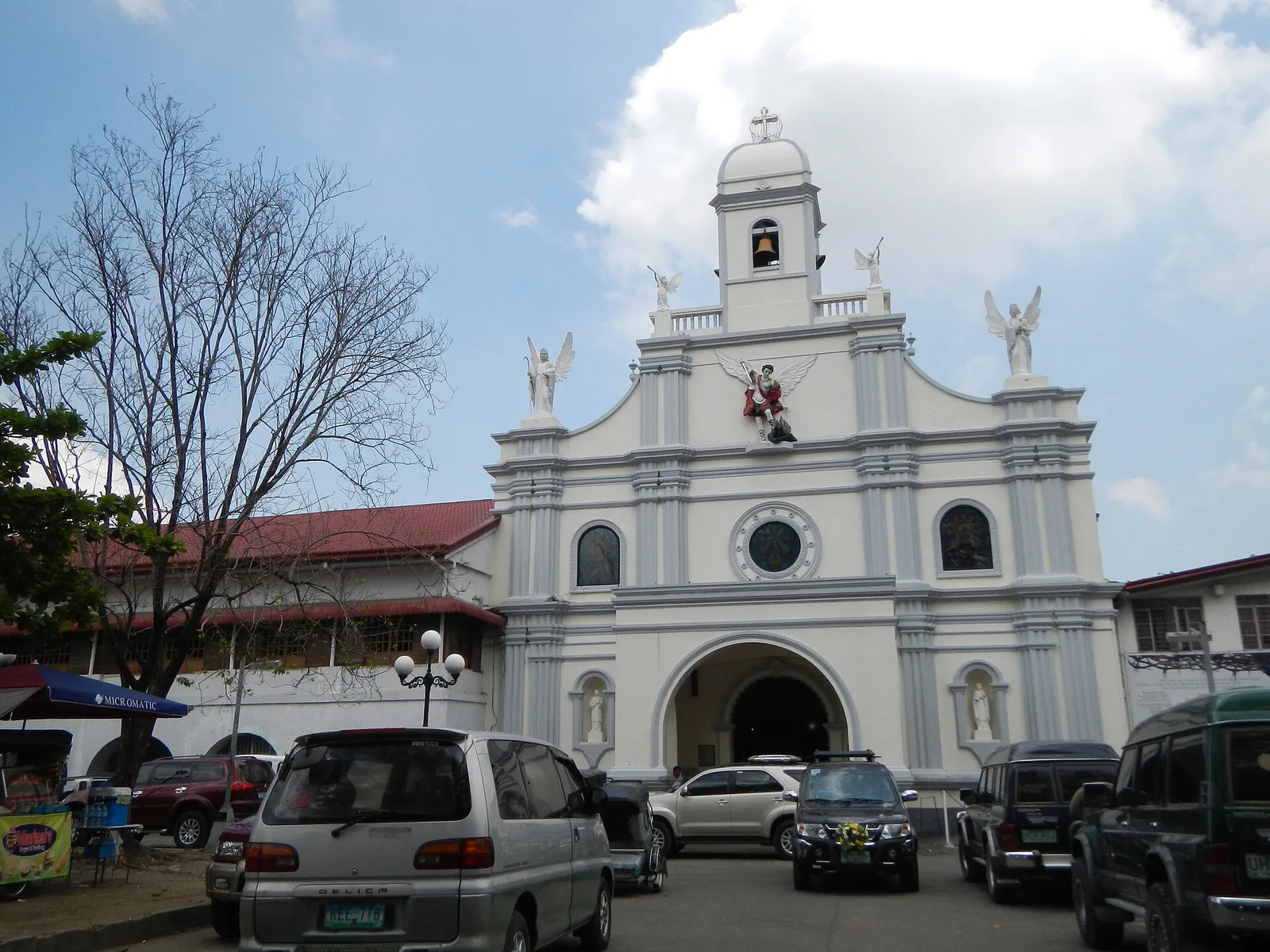
San Miguel's main Roman Catholic church, built during the 19th century and used as a garrison by opposing sides during the Philippine Revolution against Spain. It houses a statue of Saint Michael the Archangel that was found in the forests …
Realistic reenactment of the crucifixion of Jesus on Good Friday, where penitents, usually men, are crucified on a hill.
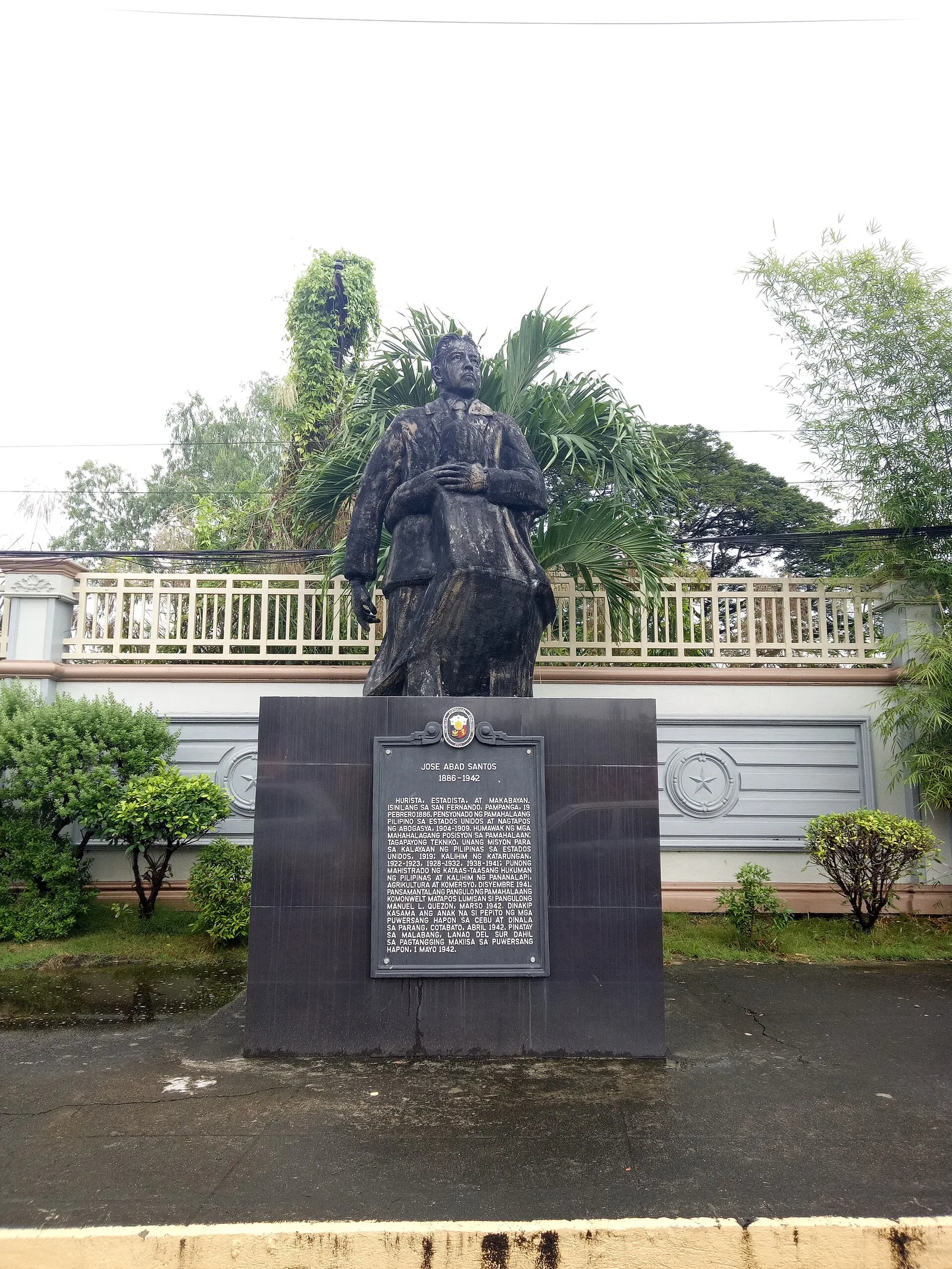
This is a must visit landmark as it is full of history and heroes. Inside the compound are statues of Filipinos national heroes, mostly those born in Pampanga
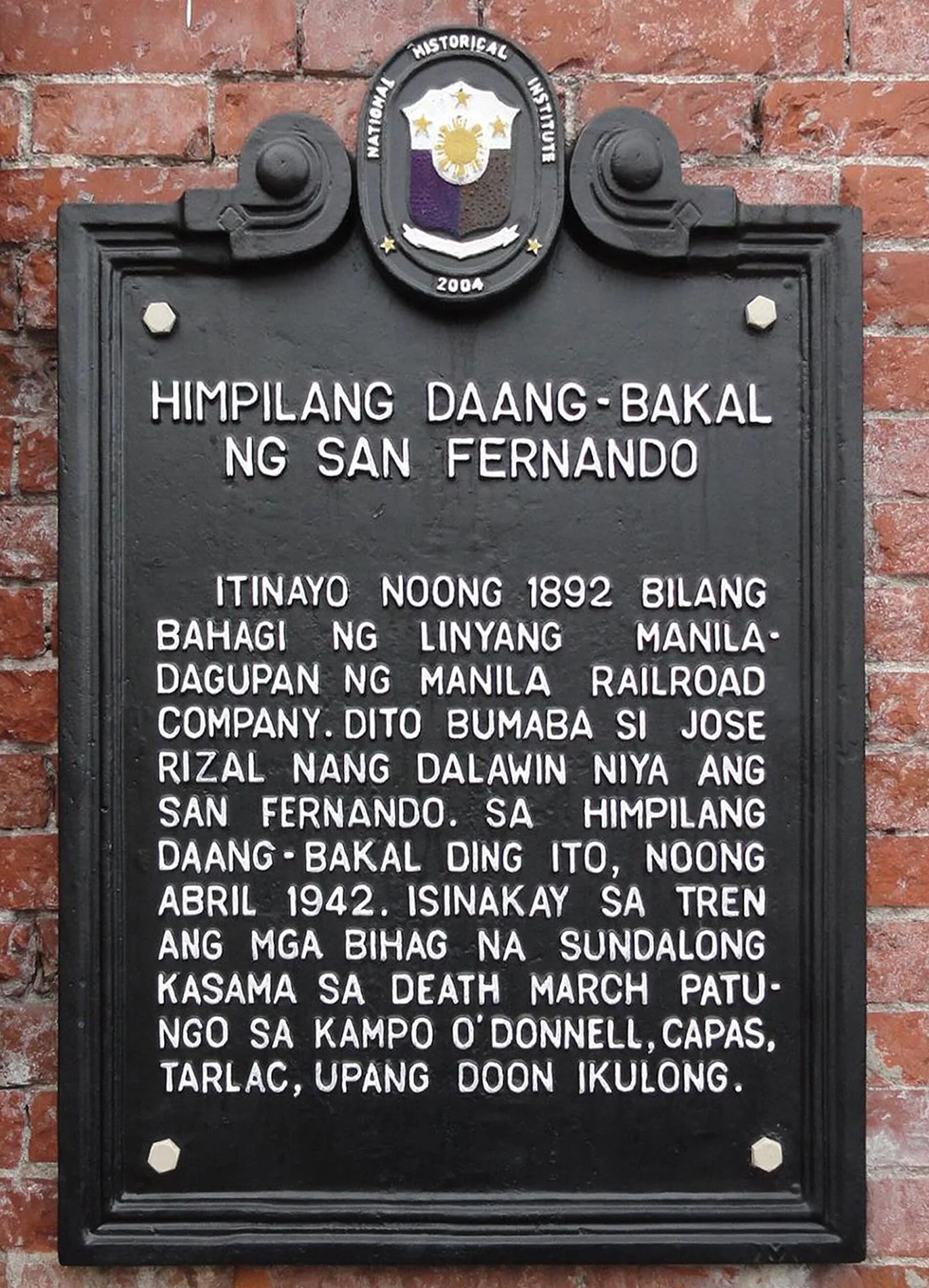
A restored train station along the abandoned Philippine National Railways northern main line. It served as the endpoint of the Bataan Death March. The restored station houses a well-preserved wooden boxcar used on the "death trains" that carried surrendered soldiers, …
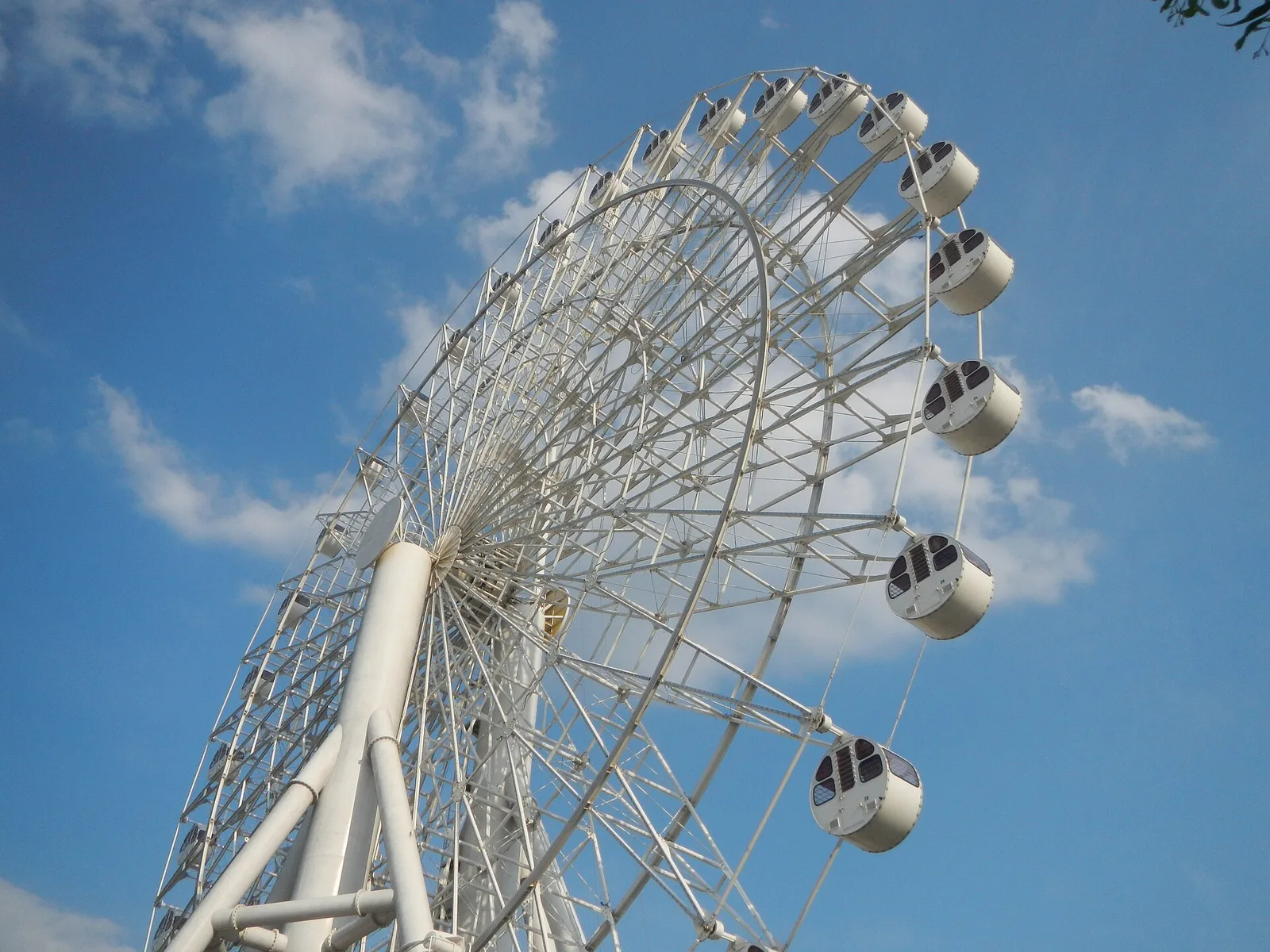
Part of SM City Pampanga, it houses Pampanga Eye, a high Ferris wheel providing a 360-degree view of Pampanga, including San Fernando itself, Mount Arayat and Mount Pinatubo
A hilltop Roman Catholic shrine featuring a statue of Padre Pio accessible by climbing 150 steps.
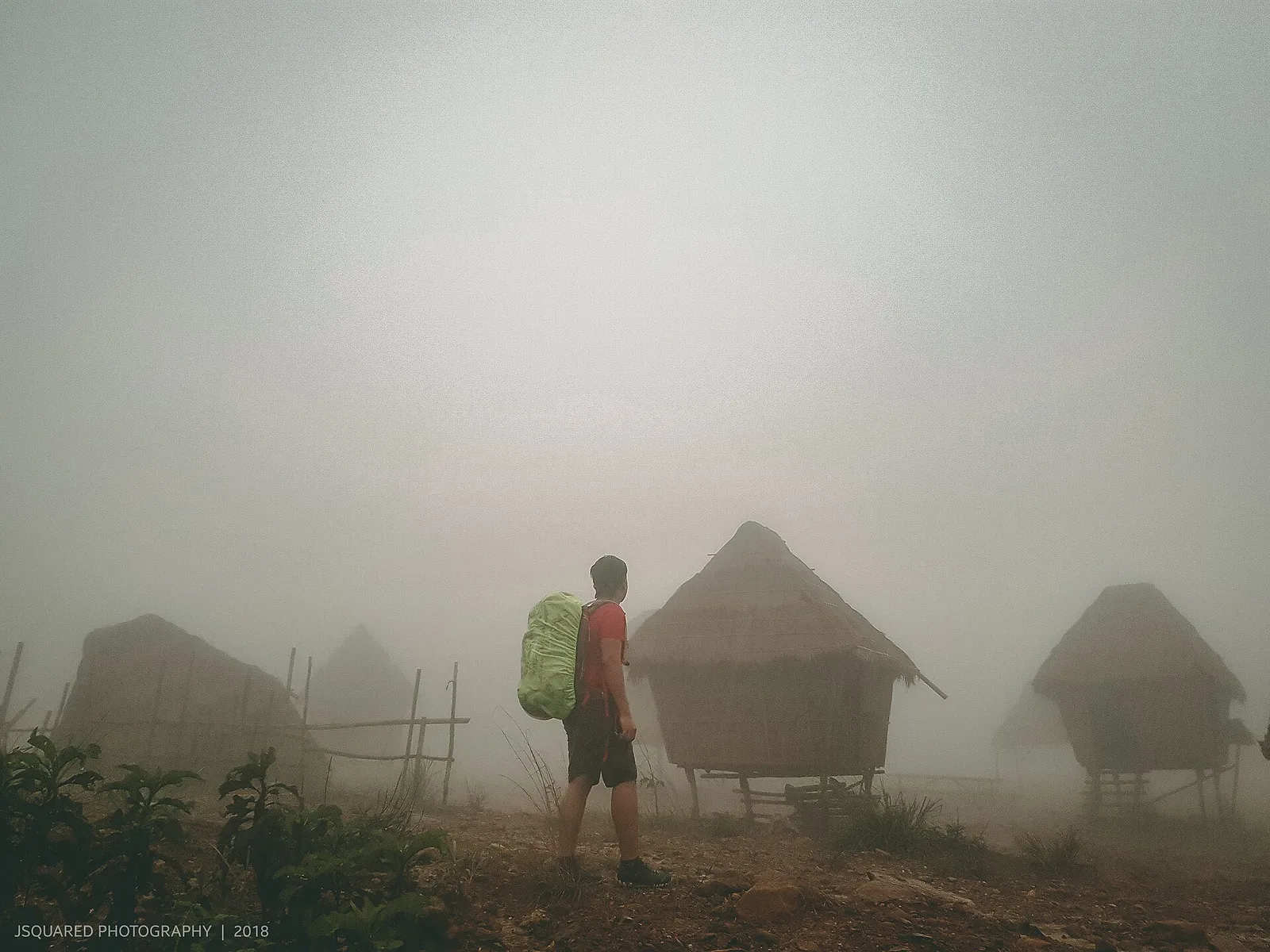
A peak at the boundary with the municipality of Rodriguez in Rizal province used as a stand-in location for films set in northern Luzon and one of the closest hiking destinations to Metro Manila.
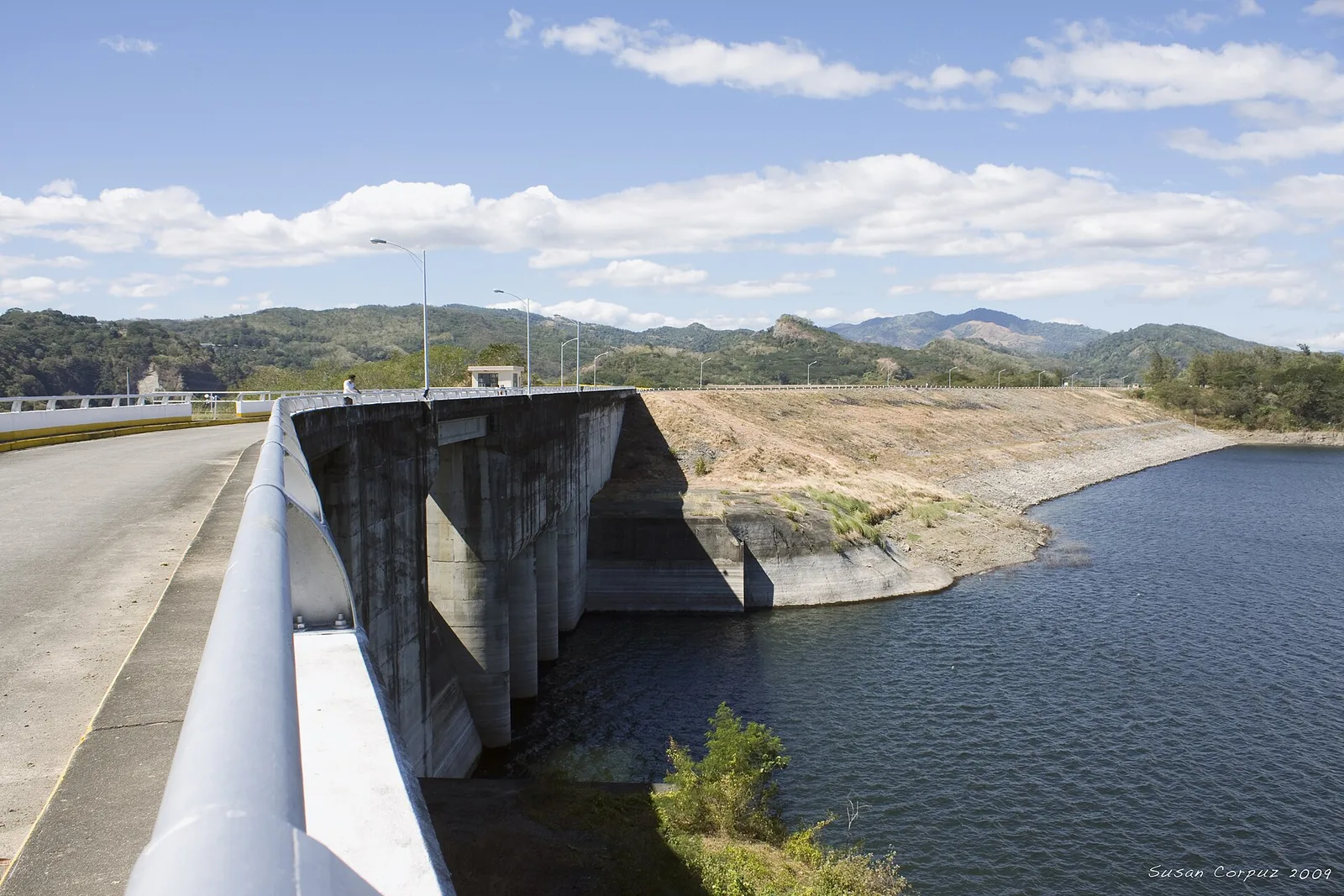
One of the largest dams in the country, it is a high structure with a length of holding back of water from the upper reaches of the Pampanga River, sustained by the Pantabangan–Carranglan Watershed Forest Reserve that covers the Caraballo …
The old site of Pantabangan was razed by bulldozers and dynamite before it was submerged by of waters from Pantabangan Lake, but since the 1980s it has reappeared as an island on five separate occasions coinciding with extremely low water …
An extensive complex with hotel and camp-like accommodations plus agro/ecotourism-related activities and recreations.
A privately-run museum on local history and culture housed inside a structure that resembles a lighthouse (parola).
Part of the Alviera private development, it has a giant swing and an obstacle course. Being in a relatively dry area near Mount Pinatubo, it can become hot during the months of March to May, so prepare to get sunburned.
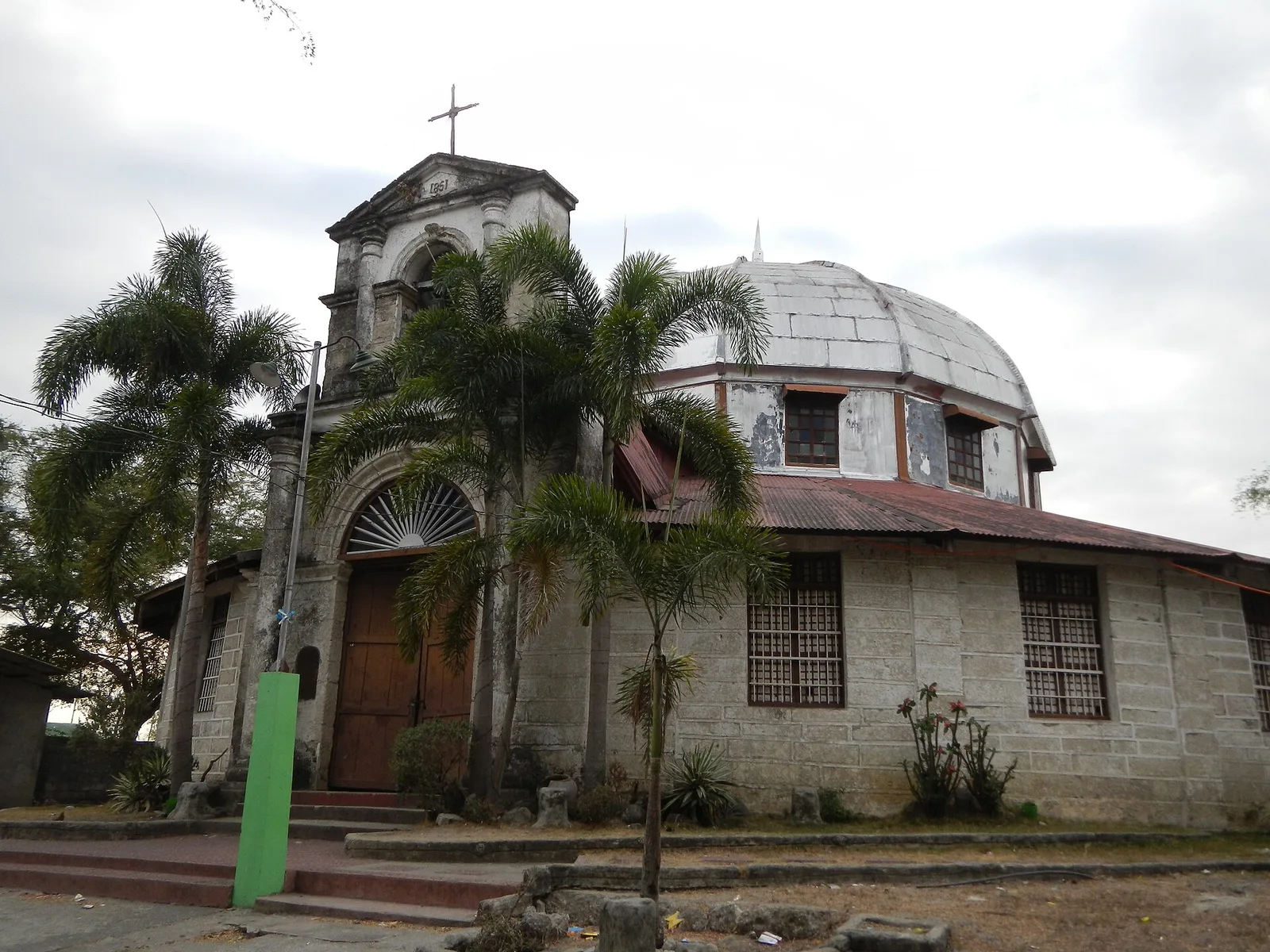
The first known circular chapel in the Philippines, built in 1861. Damaged by the 1991 Pinatubo eruption and a 2019 earthquake, it was controversially repaired in a DIY manner by locals amid limited funds and lack of advice from conservationists.
A set of four cascades. Its name was shortened because its last syllables are also the Filipino word for pubic hair.
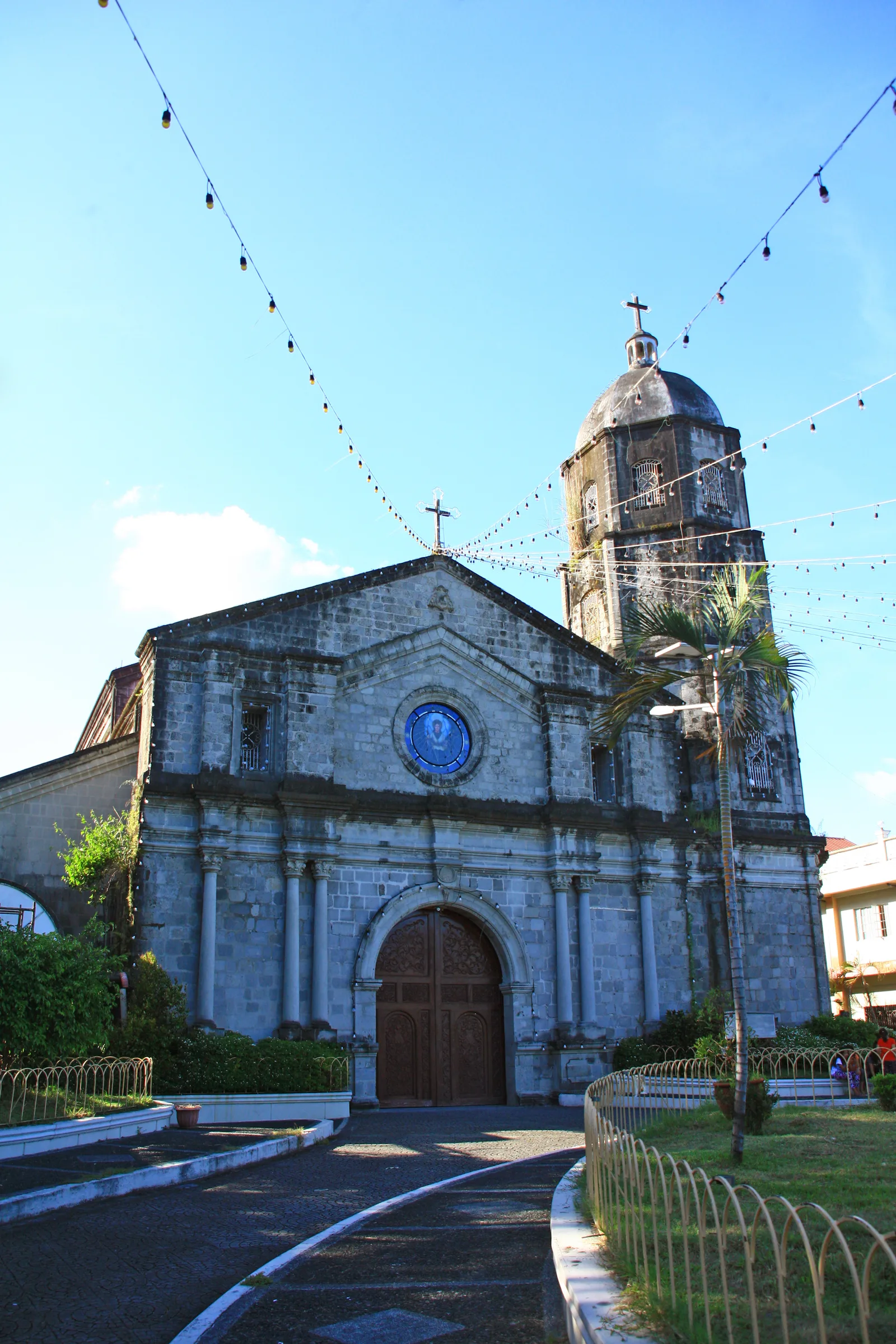
A Baroque church dating to 1872. It was damaged during World War II, but was restored in the 1980s. Its four-storey belfry was reduced to three storeys by an earthquake in 2019.
This is a waterfall located at the foot of Mount Samat, northeast of the National Shrine.
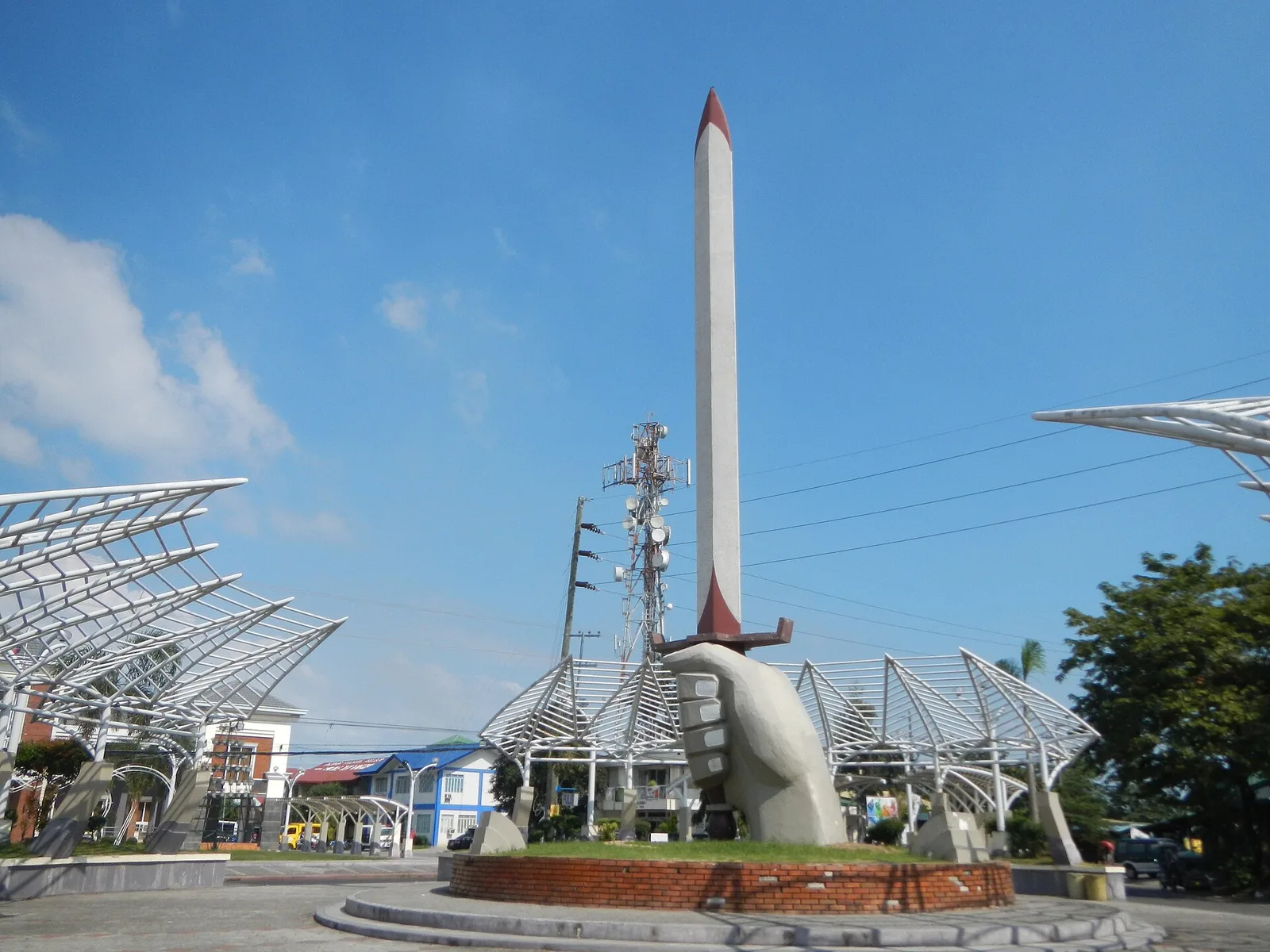
This is a landmark depicting a hand holding a flaming sword up in the air, which symbolized the Filipino patriots' courage and gallantry as they face the adversary and threats to their democracy and freedom. The ESPADA was inaugurated on …