A 2-day plan built from the See, Do and Eat listings in Wikivoyage's Tagbilaran guide. The stops are in an order that keeps each day close together. Check the hours …
City in Bohol, Central Visayas, Visayas · 15 barangays
A 2-day plan built from the See, Do and Eat listings in Wikivoyage's Tagbilaran guide. The stops are in an order that keeps each day close together. Check the hours …
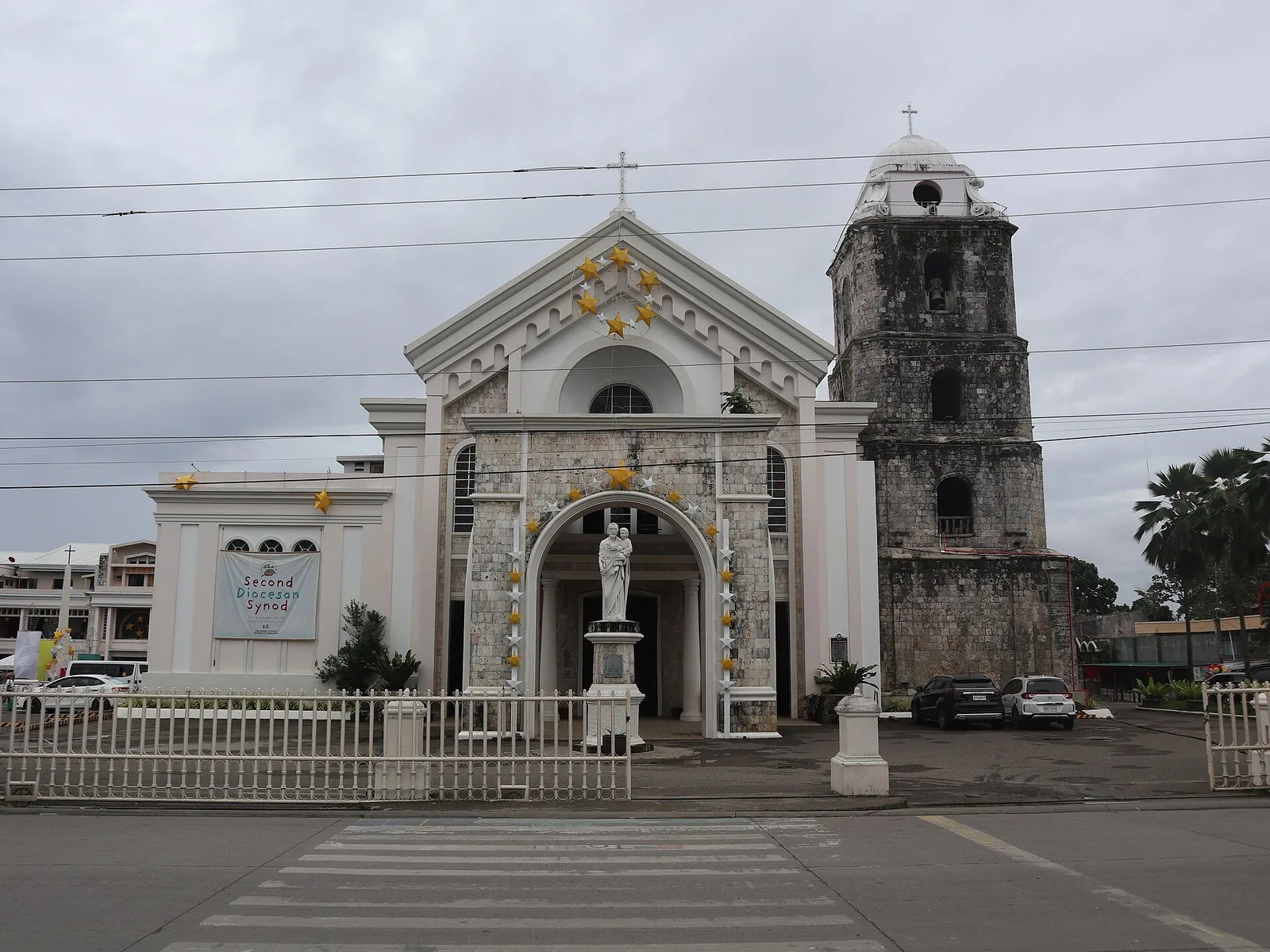
The seat of the Diocese of Tagbilaran, which covers the western half of Bohol. Jesuit missionaries founded the parish in 1595, one of six in Bohol, and the Augustinian Recollects took it over in 1768. Fire destroyed the first church …
The seat of the Diocese of Tagbilaran, it is one of the six original churches of Bohol established by the Jesuits in 1595. The current church structure however dates back to the mid-1800s, after the original church burned down.
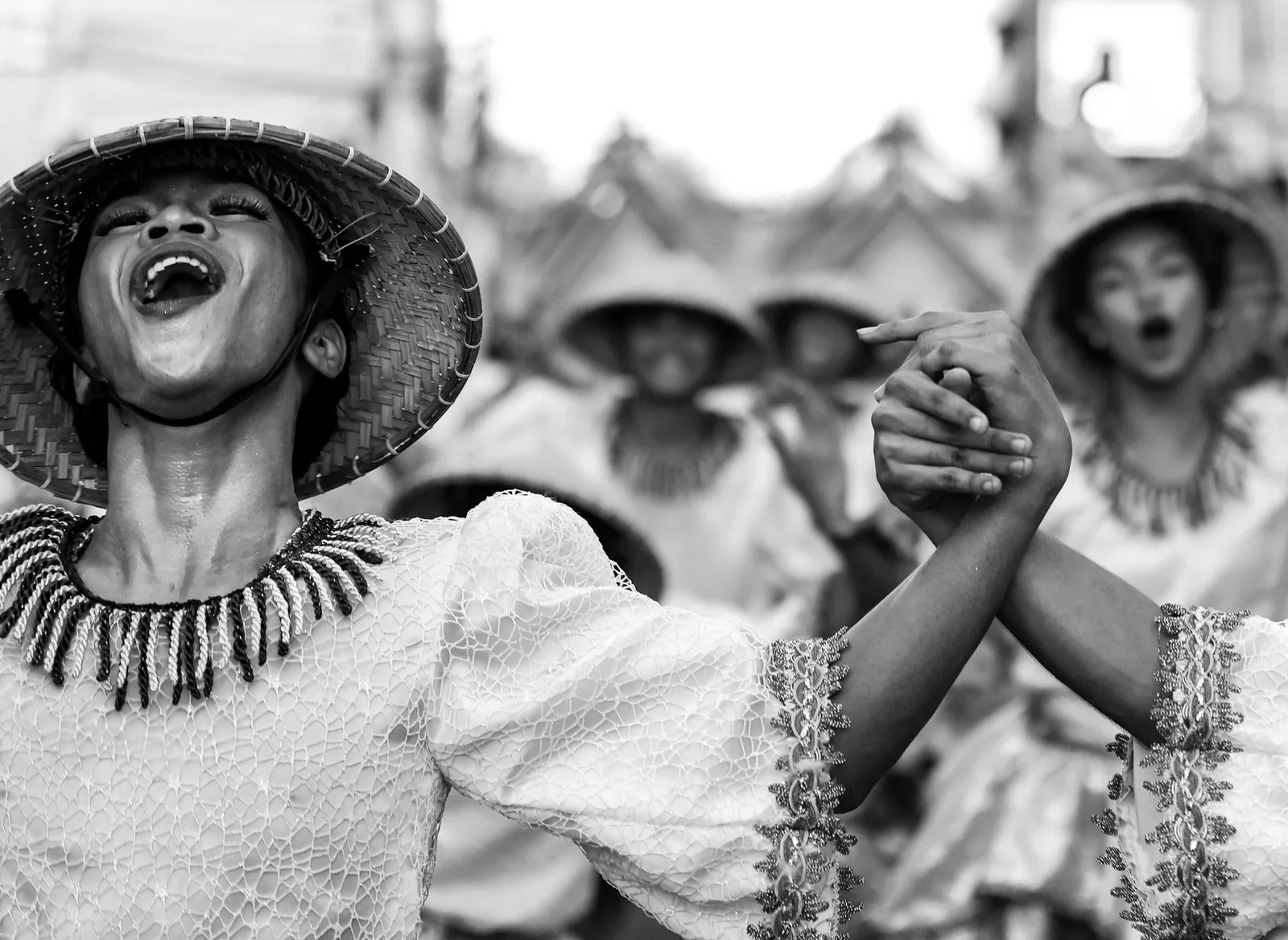
A July celebration of the blood compact between Datu Sikatuna and Miguel López de Legazpi in 1565. The two leaders cut their chests, mixed the blood with wine and drank it, and that sealed the friendship between the Spaniards and the Boholanos. Juan Luna painted the scene. The …
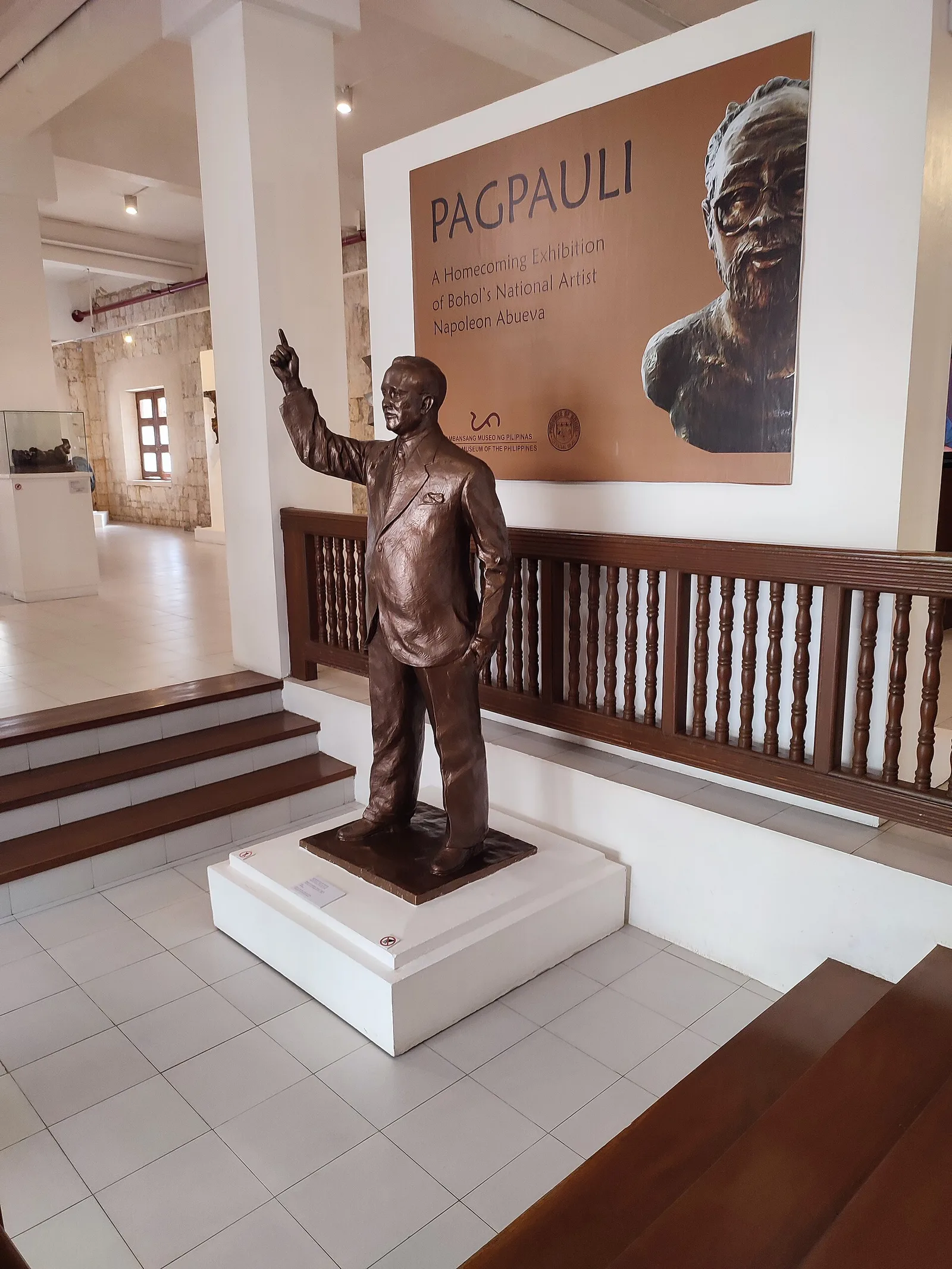
It was the Escuela La Niña, and then becsme the Provincial Library of Bohol. The museum was opened in July 2008 after moving from the Carlos P. Garcia House. The museum has exhibits on the wildlife, traditions and culture of …
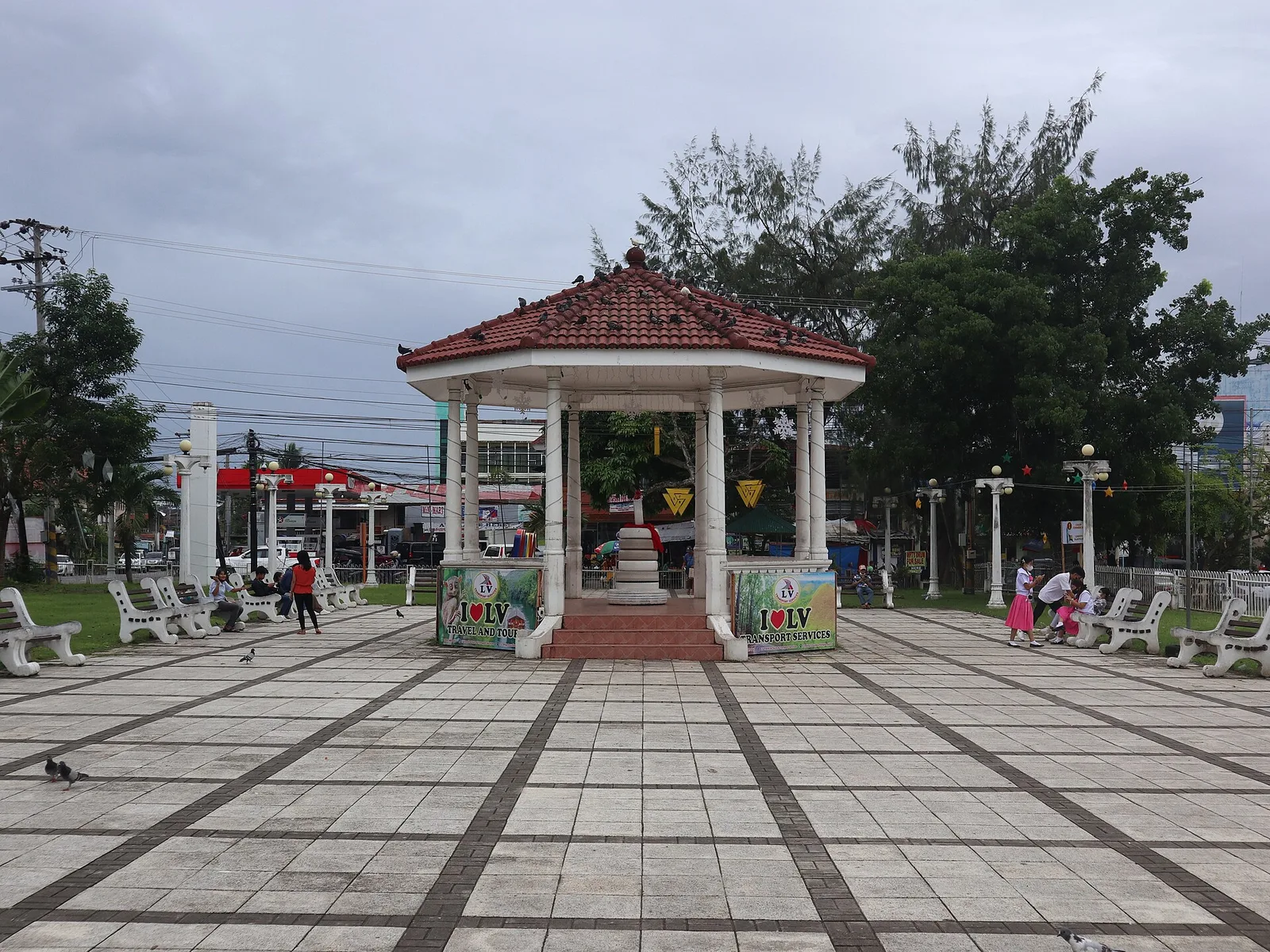
Formerly the Plaza del Principe, it is the traditional center of the city. A monument to José Rizal stands in the center, while a monument to Carlos P. Garcia stands to the east. A replica of the Chocolate Hills is …
Built sometime between 1800 and 1830, it is one of the oldest standing structures in Tagbilaran, and one of the few remaining trading villas in Bohol. Owned by the Rocha-Suarez family, it was converted into a museum in 2005, with …
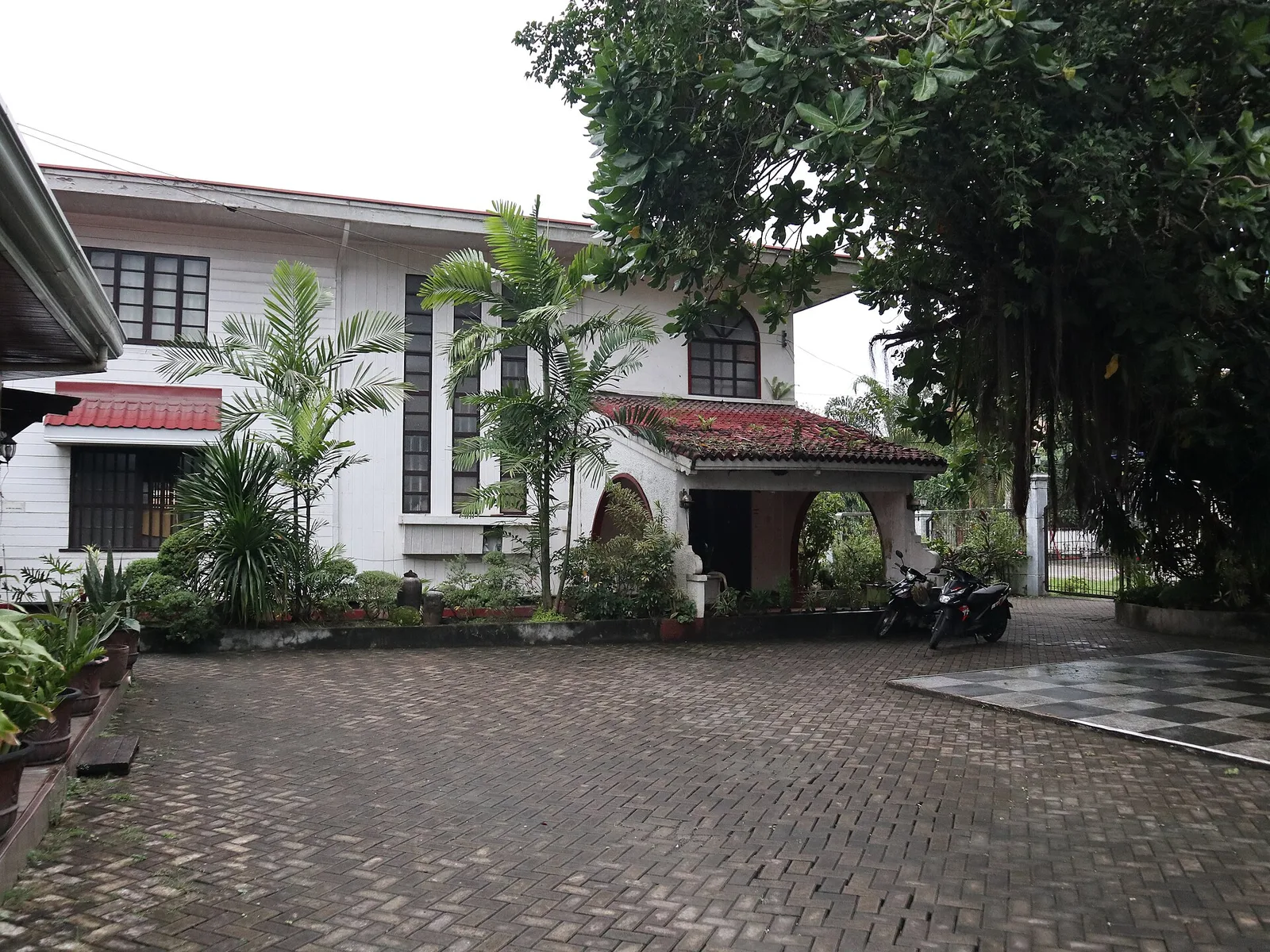
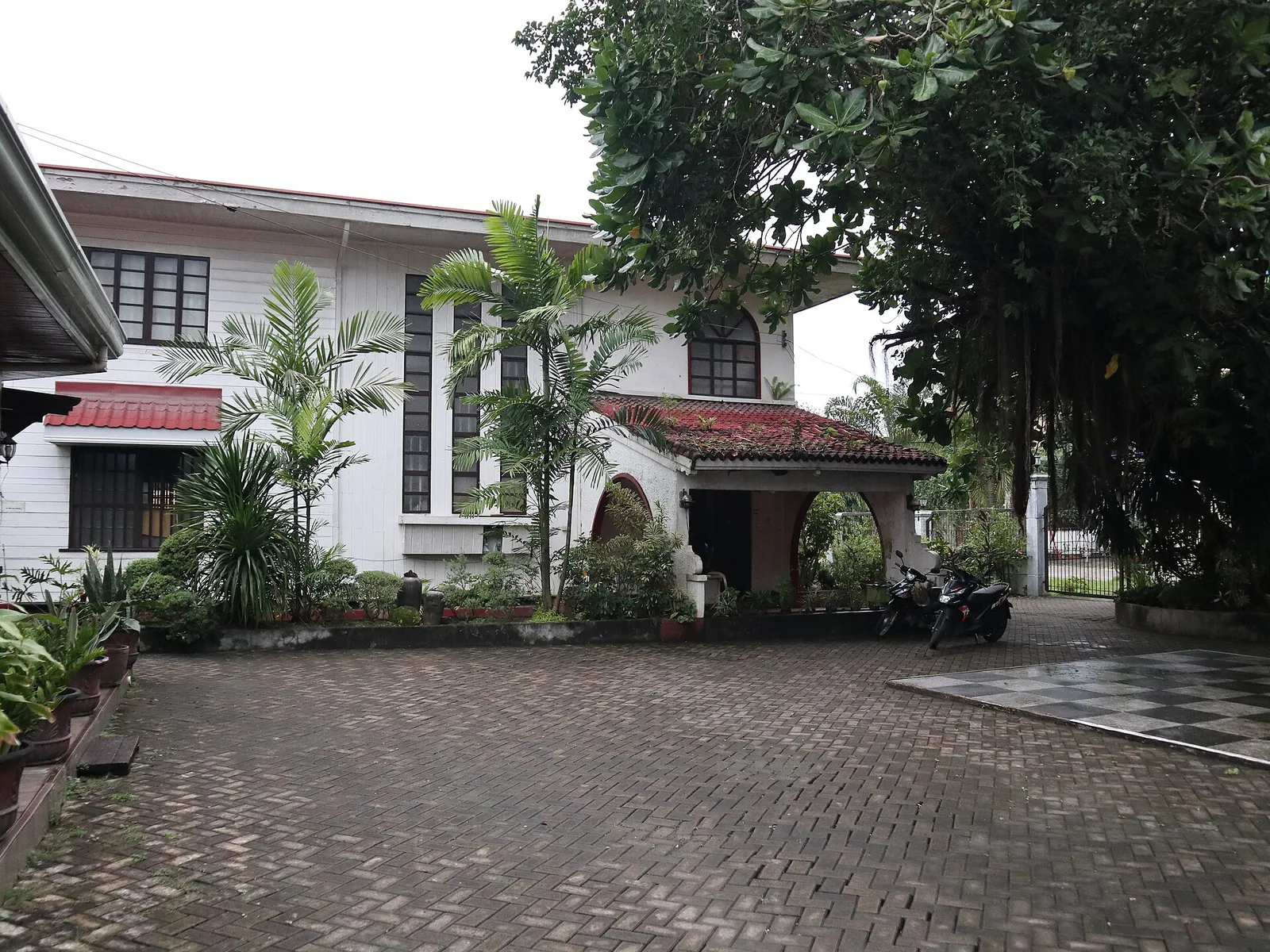
A president of the Philippines lived here: Carlos P. Garcia built the house in 1953 and 1954, on the lot of the older Jorolan house, and kept it as his provincial home. He came from Talibon, on the far side …
