
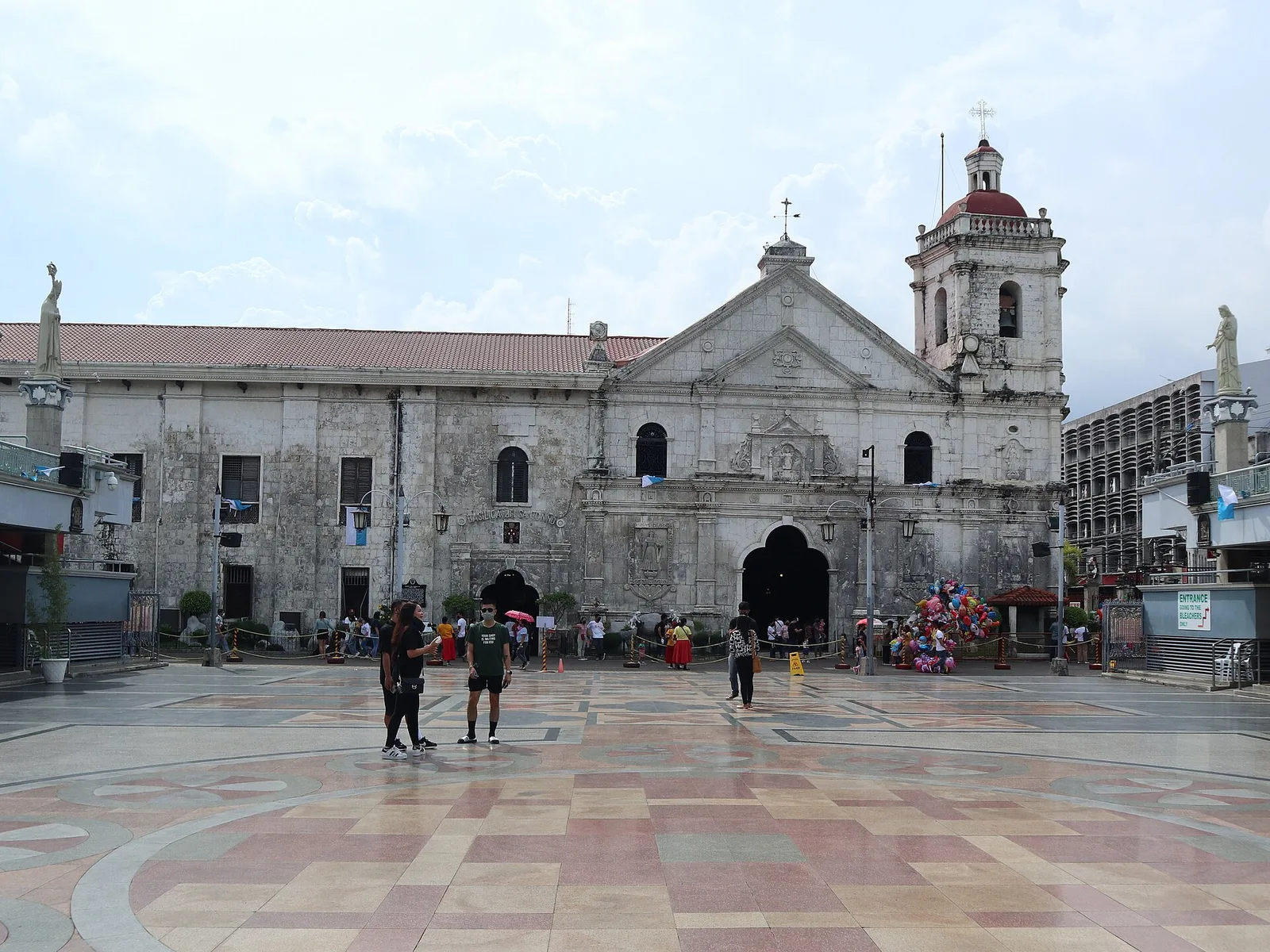
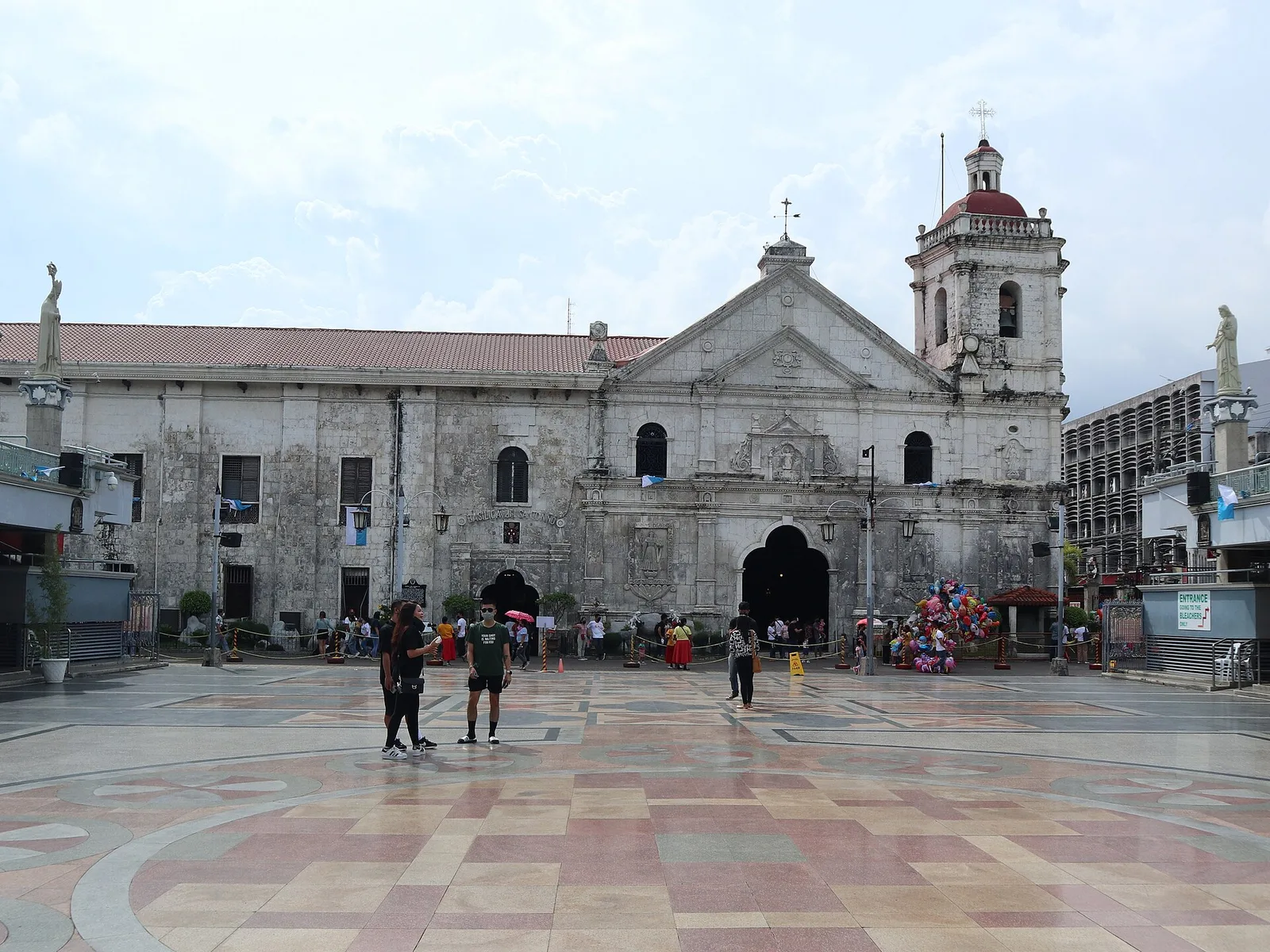
Basilica Minore del Santo Niño
Home of the Santo Niño image that Magellan gave to the chief consort of Rajah Humabon at their baptism in 1521, and the focus of the Sinulog every January. Augustinian friars founded the church in 1565 and it is the …
Home of the Santo Niño image that Magellan gave to the chief consort of Rajah Humabon at their baptism in 1521, and the focus of the Sinulog every January. Augustinian friars founded the church in 1565 and it is the …
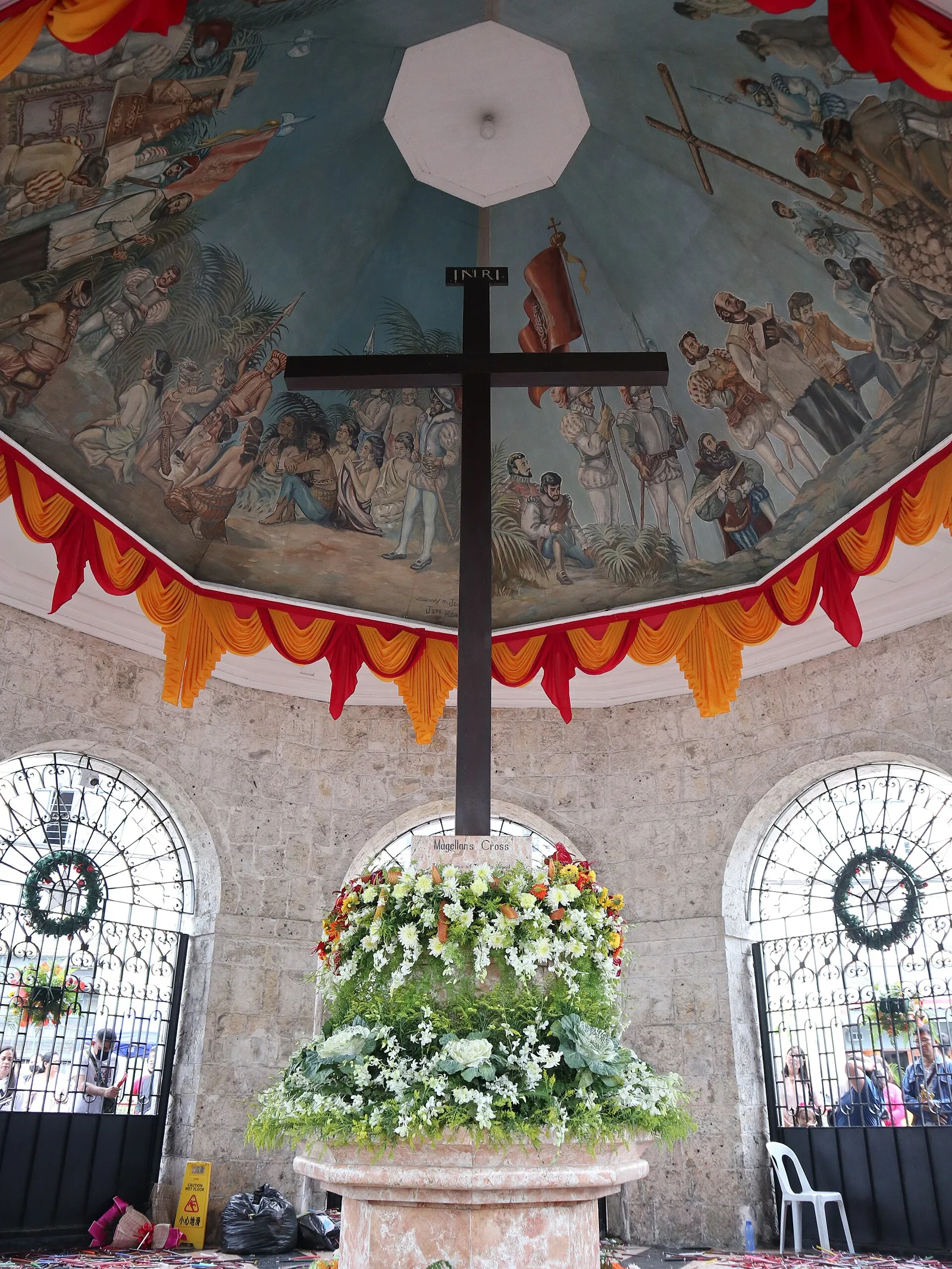
A wooden cross in a stone kiosk, marking where the first Cebuanos were baptised in 1521. Magellan's men planted it when the first voyage around the world reached Cebu on 21 April 1521. In 1835 Bishop Santos Gómez Marañon had …
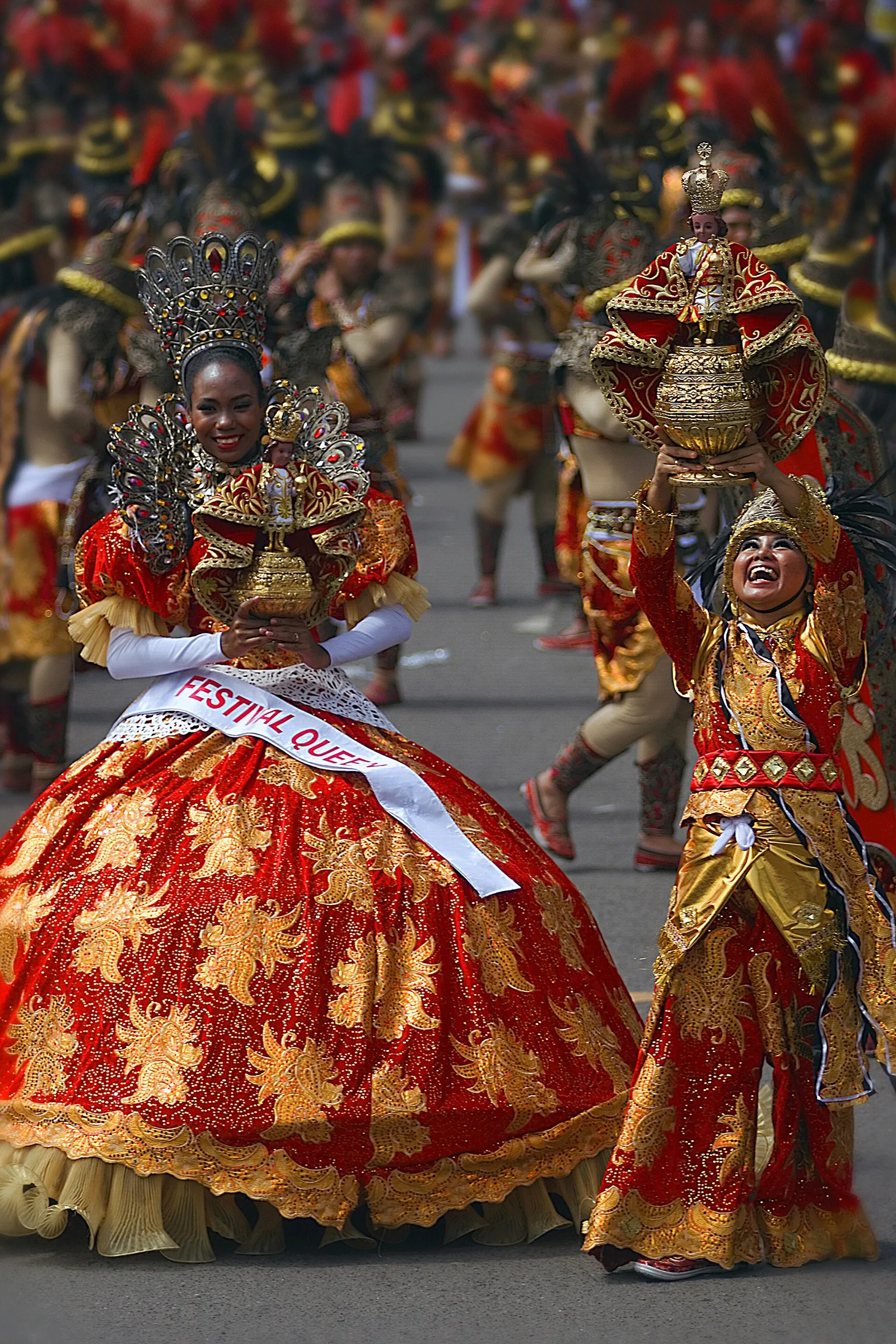
The novena to the Santo Niño opened at the basilica on 9 January. The grand parade filled the Cebu City Sports Center on Sunday 18 January, and the grand finale closed it that evening.
Photo: Ranieljosecastaneda · Wikimedia Commons, CC BY-SA 4.0
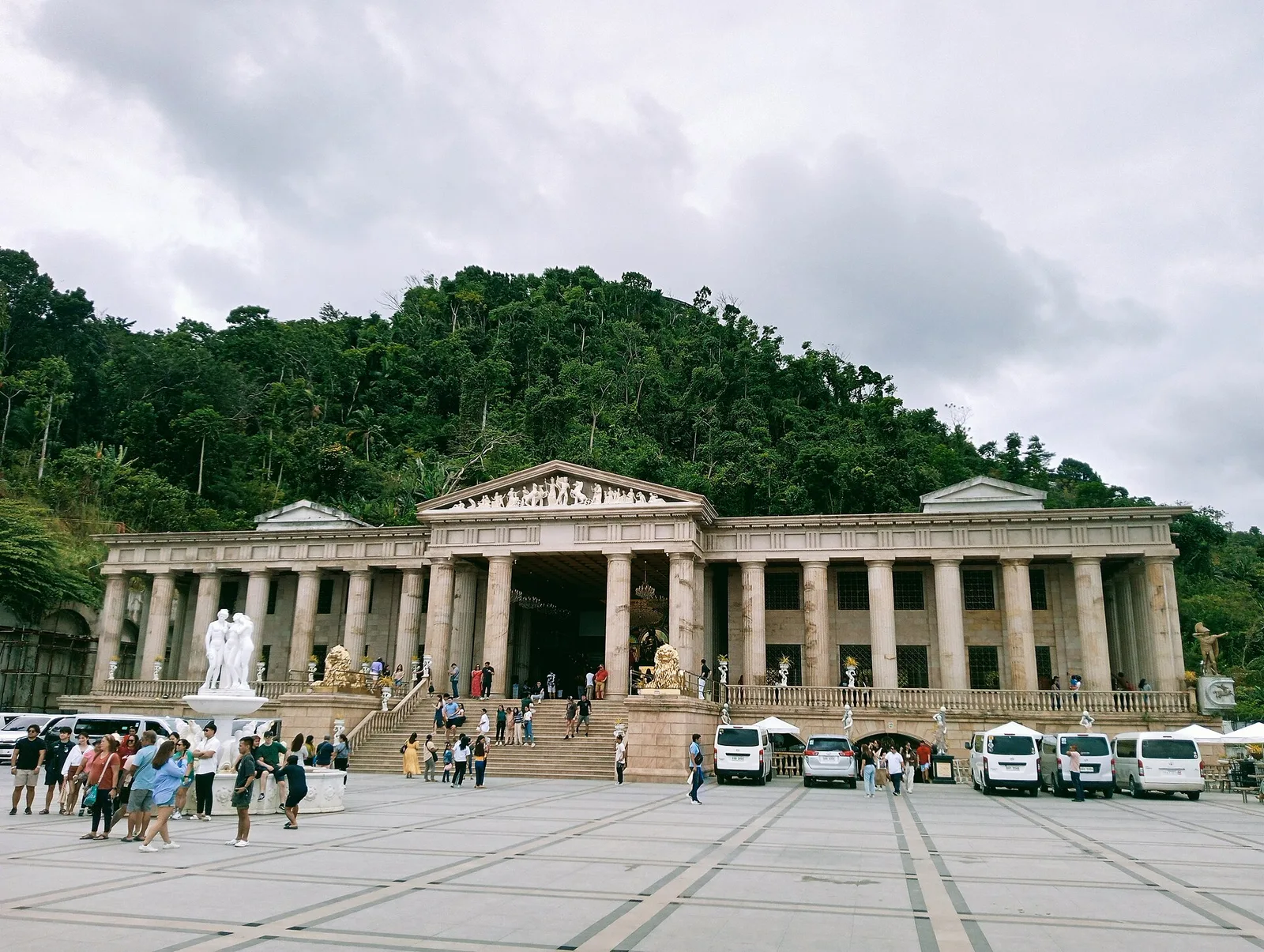
A hilltop Roman-style temple built as a memorial, with a long view over the city.
A 3-day plan built from the See, Do and Eat listings in Wikivoyage's Cebu City guide. The stops are in an order that keeps each day close together. Check the …
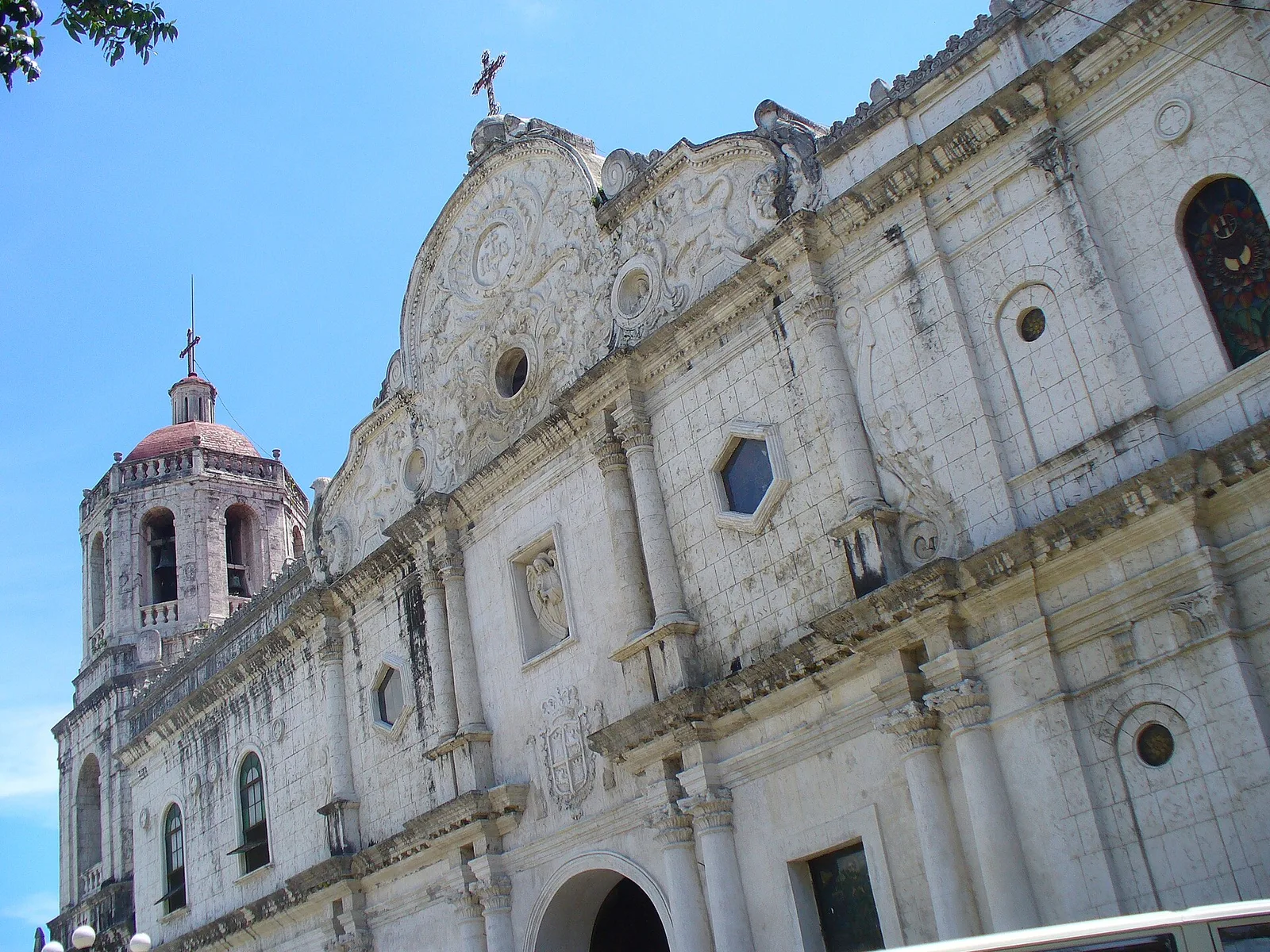
A church built in 1565 by the first Spanish missionaries in Cebu, seat of an Archbishop who has subordinate Bishops in many cities of the Visayas. It was mostly destroyed during World War II and had been rebuilt a bit …
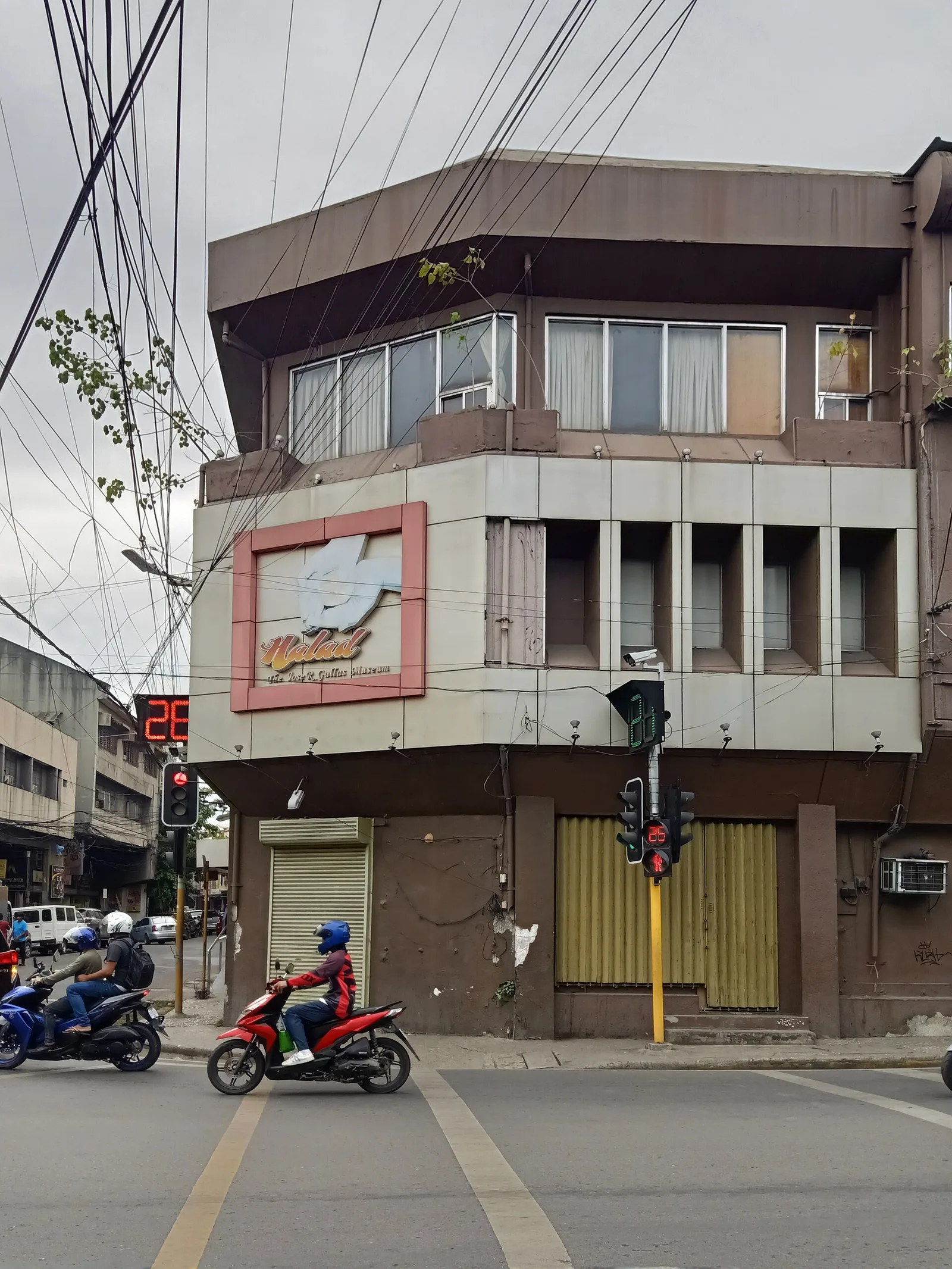
A museum that pays homage to the musical heritage of Cebu. This museum is operated under the Tipiganan sa mga Handumanan sa Kanta ug Kinaiyang Sugbuanon (Treasury of Memories) Foundation. In the old building of The Freeman Newspaper.
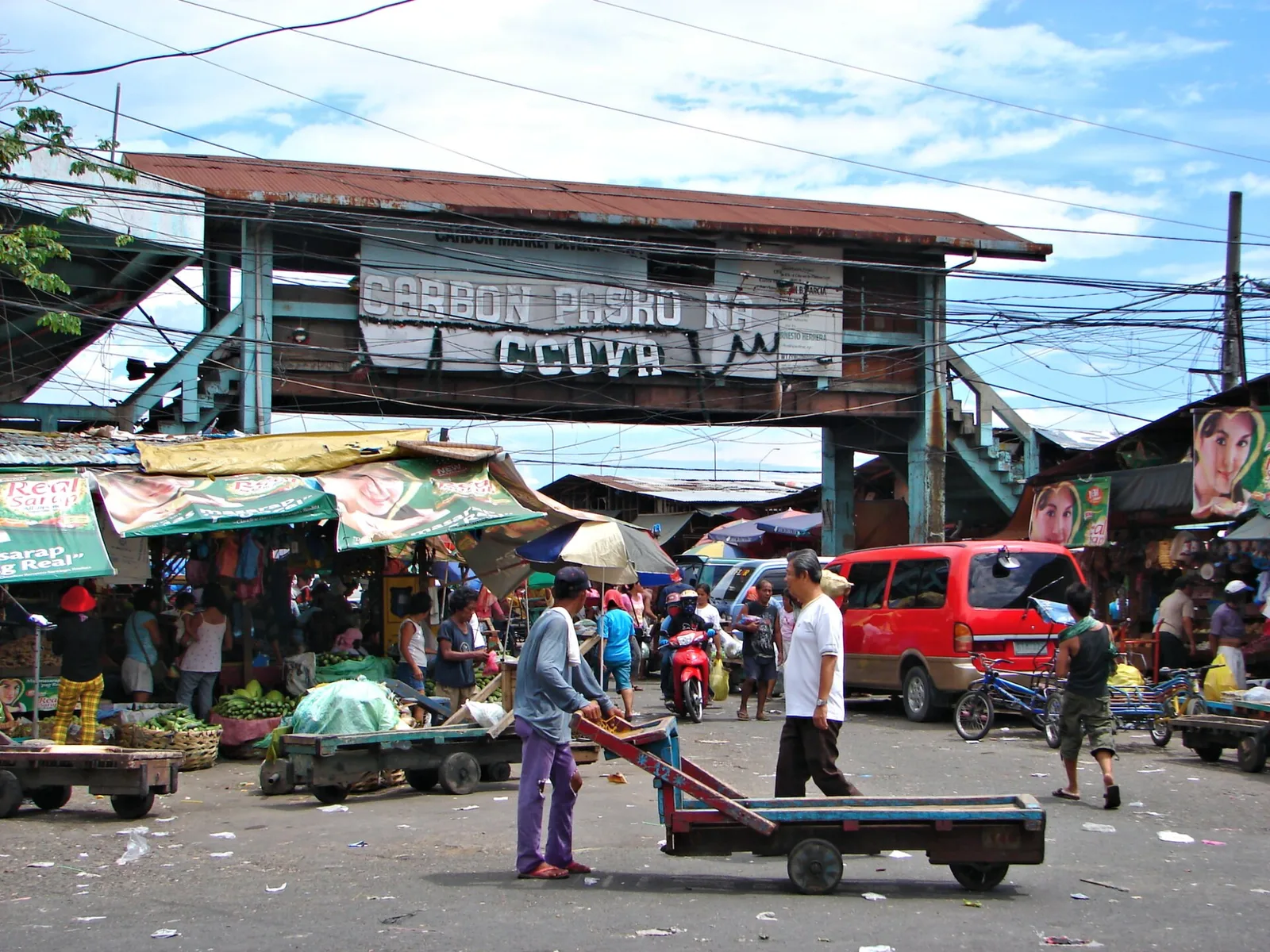
The city's oldest and largest public market, busiest before dawn. About 6,000 vendors work in it. The dry stalls sell clothing, kitchenware and handicrafts, and the wet stalls sell fruit, vegetables and meat. Roving vendors and cooked-food stalls fill the …
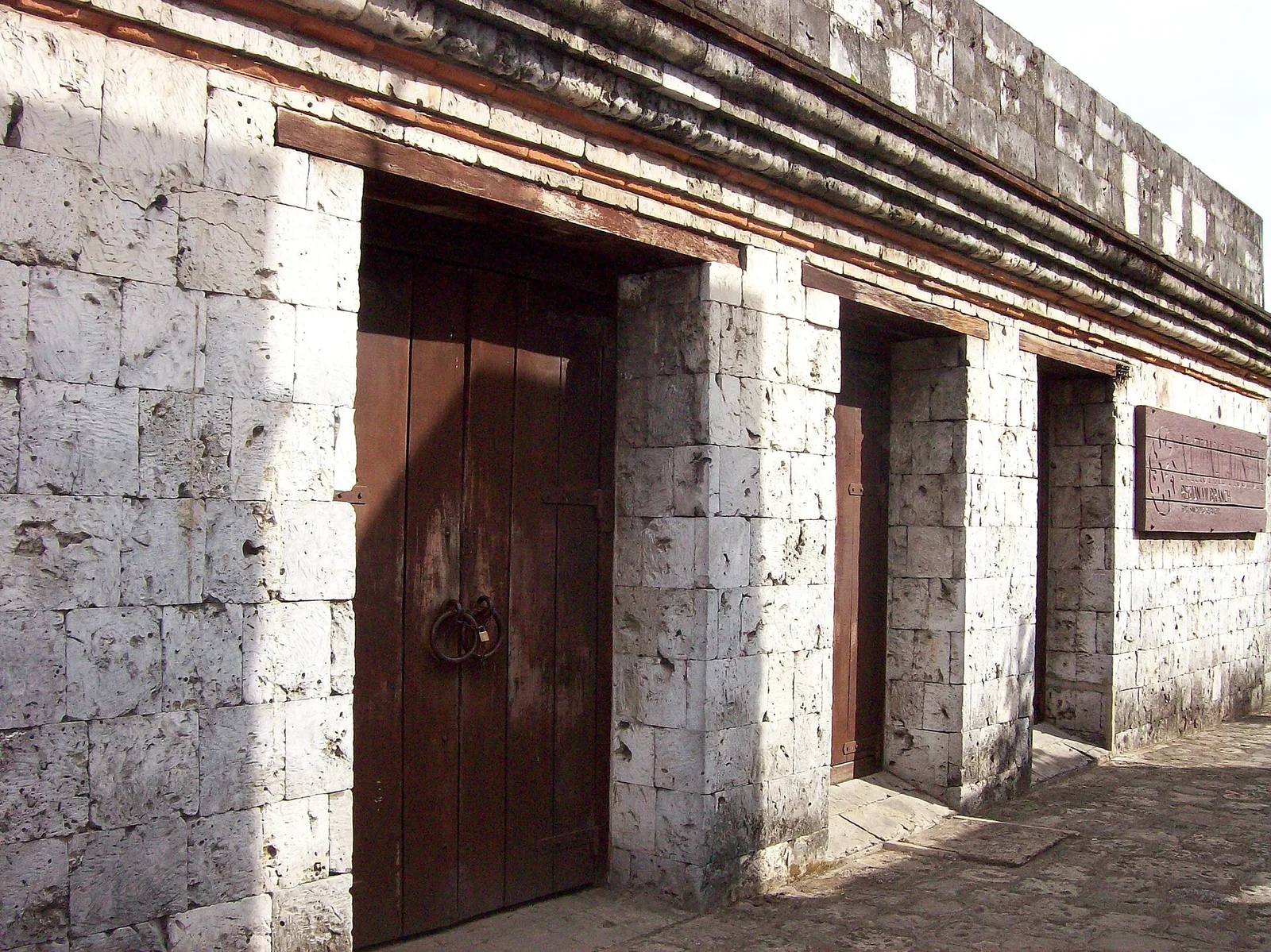
The oldest and smallest Spanish fort in the country, now a walled garden by the pier. Legazpi's men built the first fort here of wood soon after they landed, and it became the core of the first Spanish settlement in …
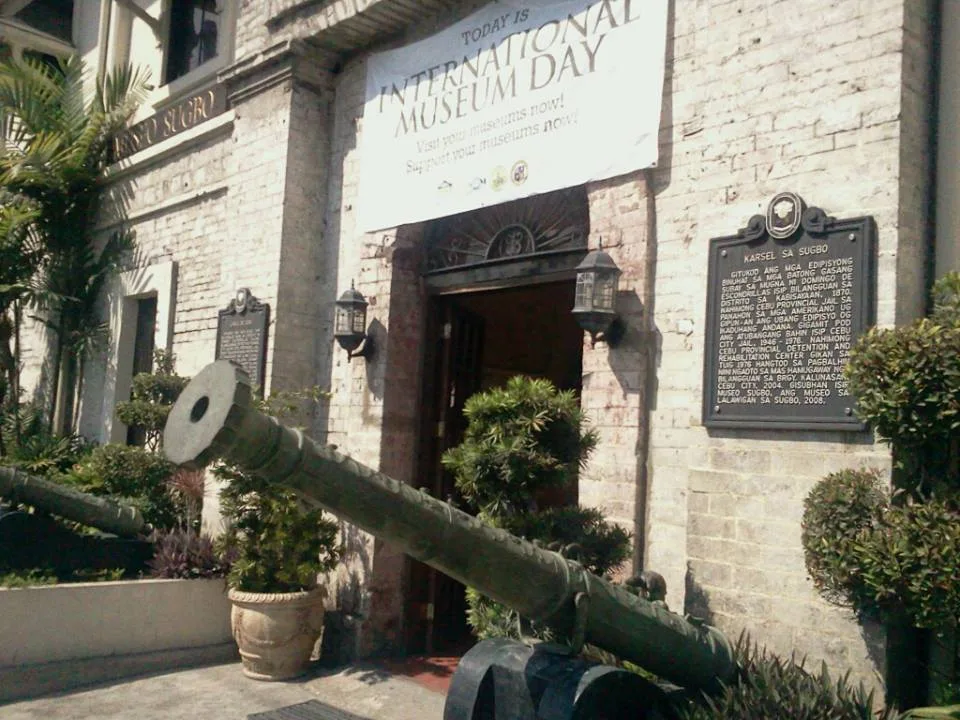
The museum is housed in the former Cebu Provincial Detention and Rehabilitation Center, which was once the Carcel de Cebu. Its four Spanish-era buildings made of coral stone contain artifacts relating to the history of Cebu.
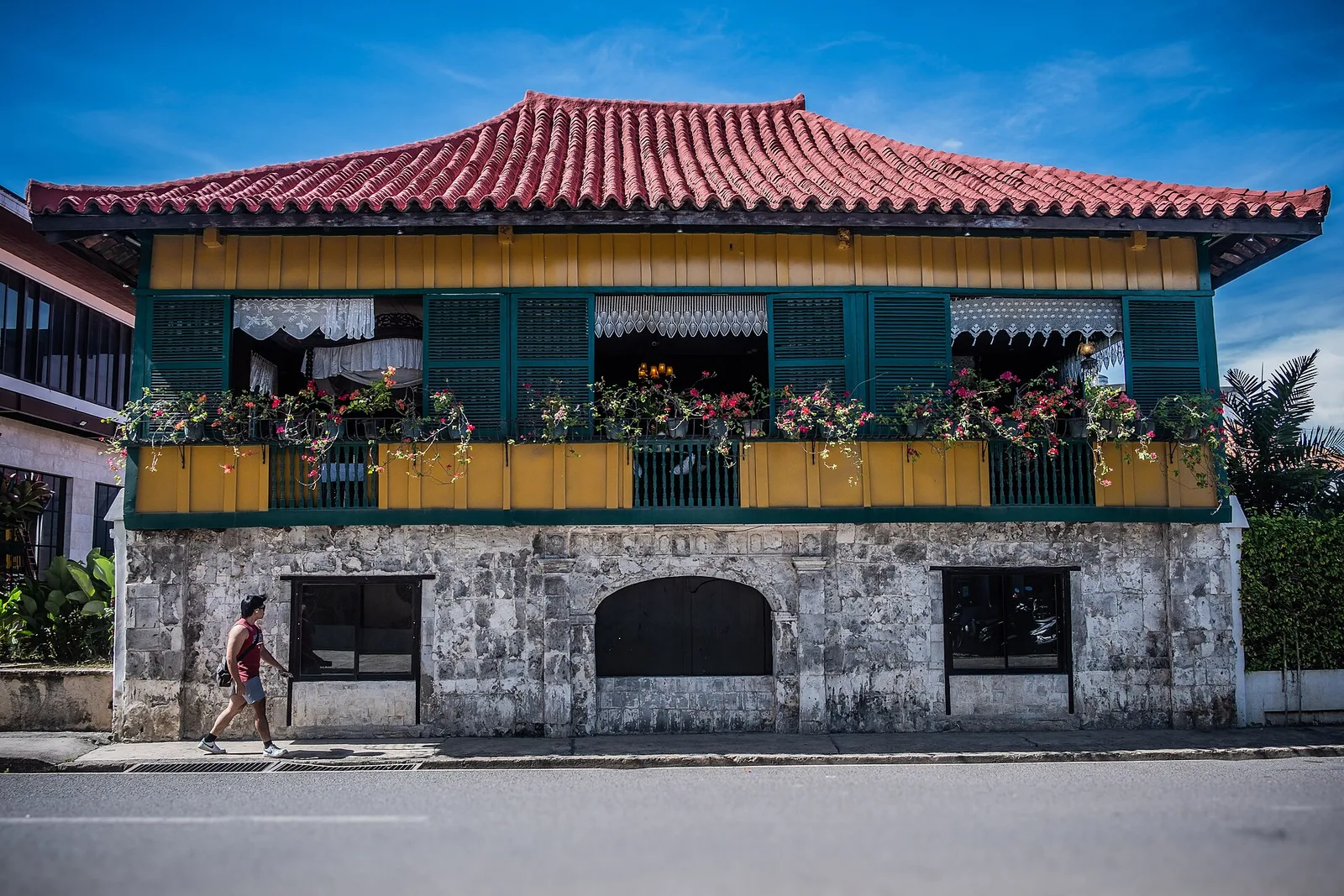
A well-preserved Spanish colonial mansion constructed largely of wood, set in a pleasant, manicured garden. The lower floor has a collection of old tools, and an A/C room that has changing displays such as art exhibitions. The more interesting upstairs …
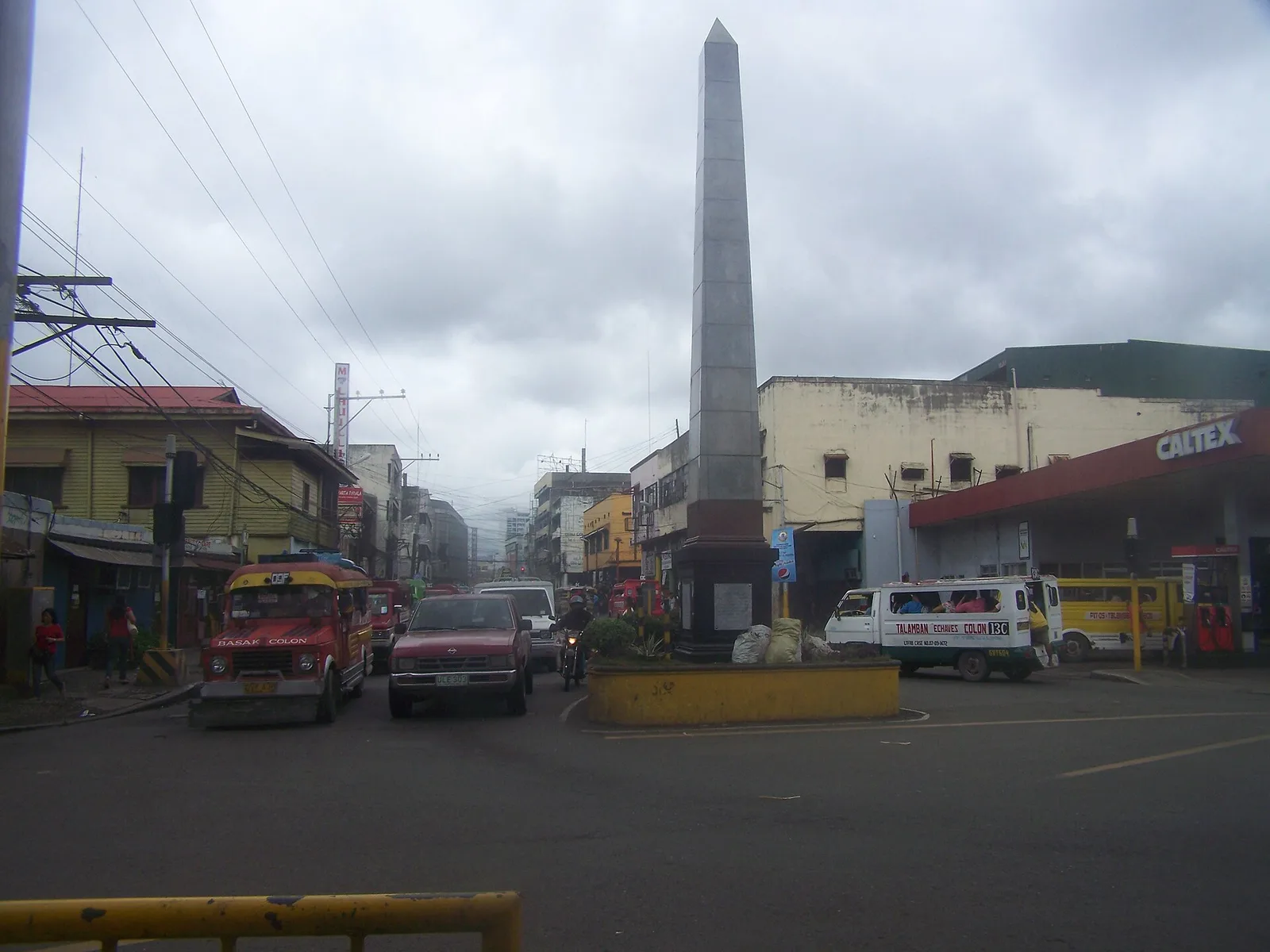
Brave the cacophonous traffic to see the oldest street in the Philippines with some nice worn-out classical buildings dating back to the American Era. At night, this street transforms into a market with good buys everywhere. Be wary of pickpockets …
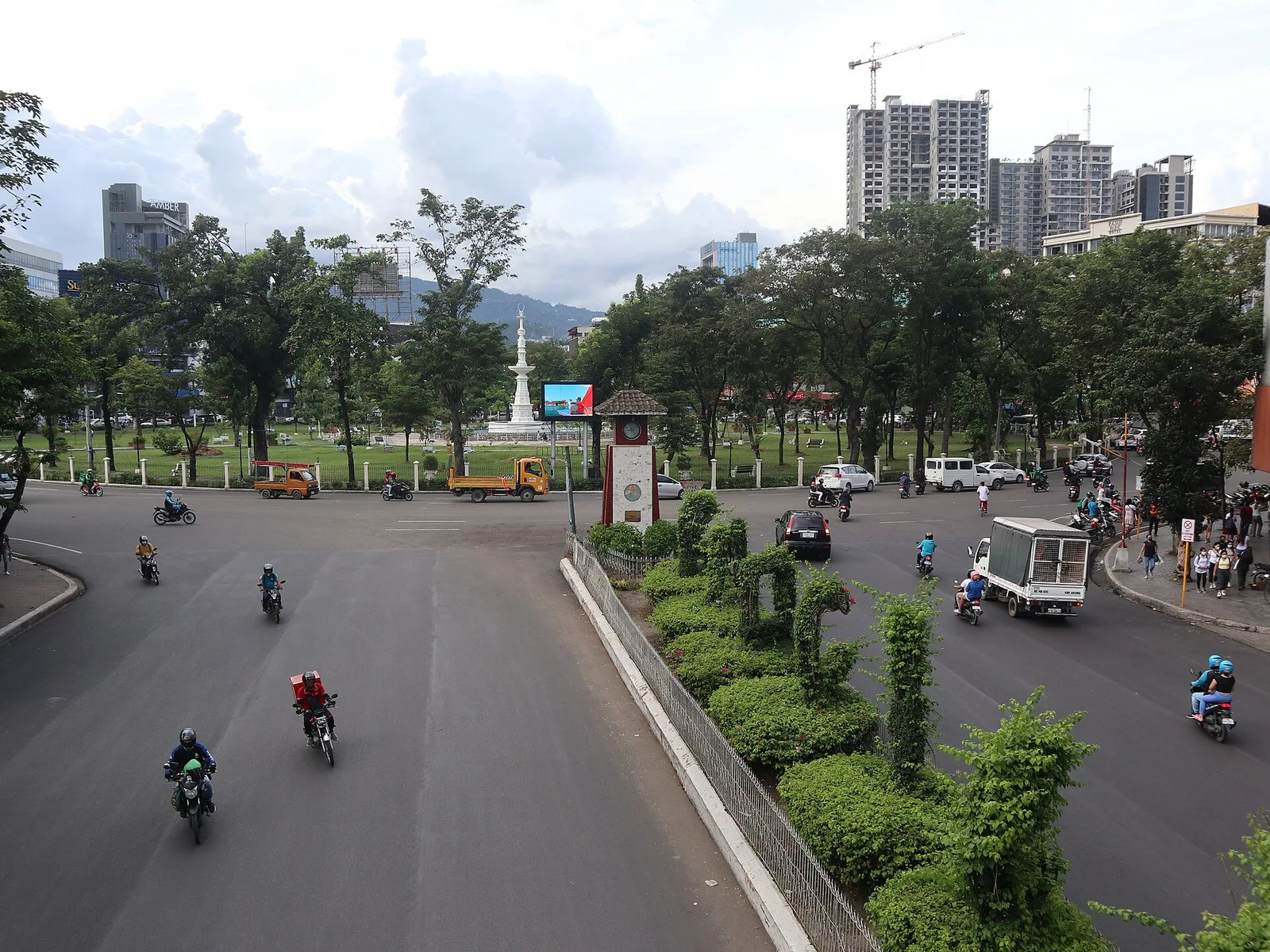
Cebu City's Christmas season. The lighting of the tree at Fuente Osmeña opens it, and the lanterns stay up into the new year.
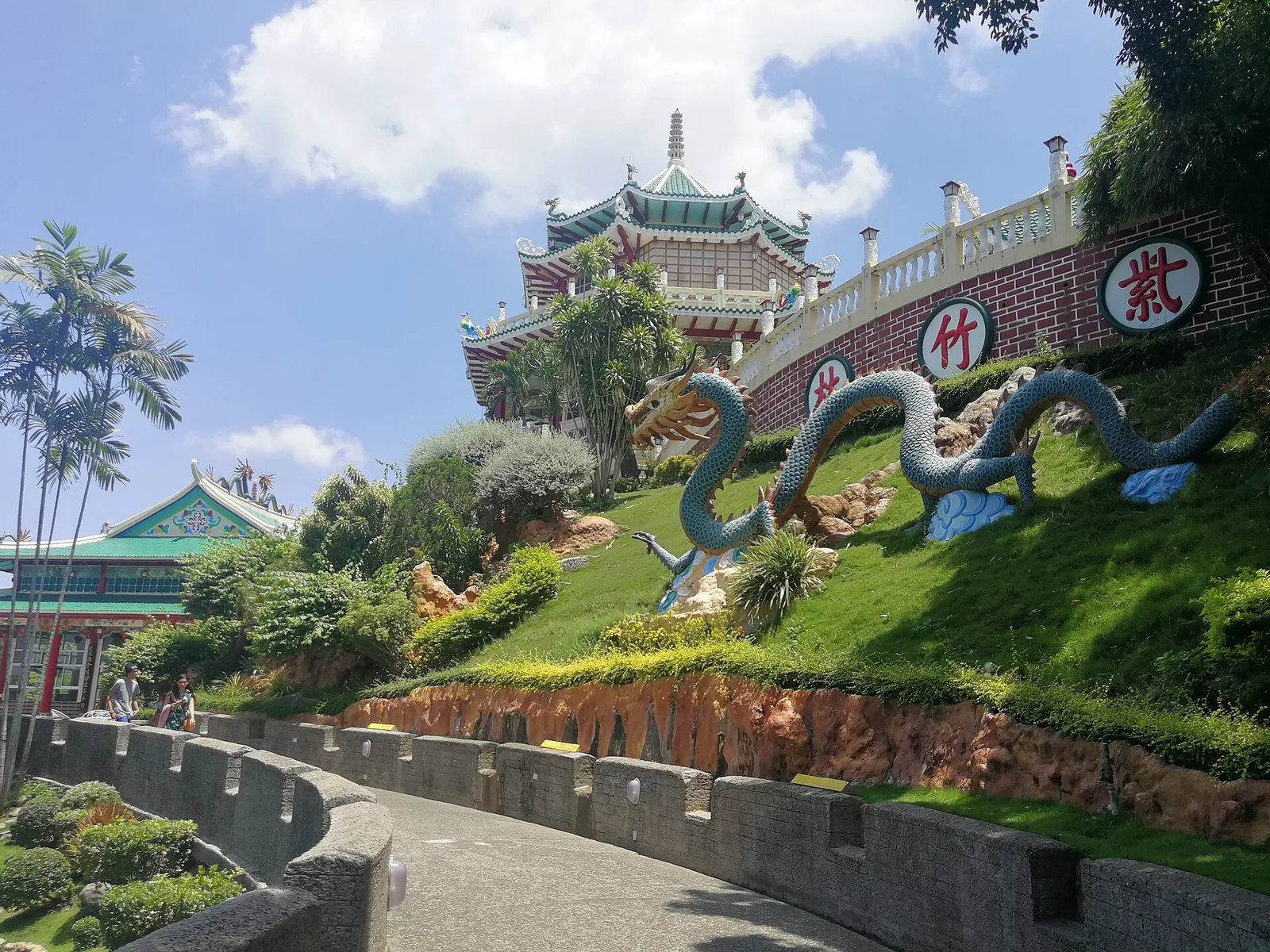
There are many people of Chinese ancestry in Cebu, and several Chinese temples; one is the Taoist Temple. From there you can see a nice view of the city because it is on a hill.

