
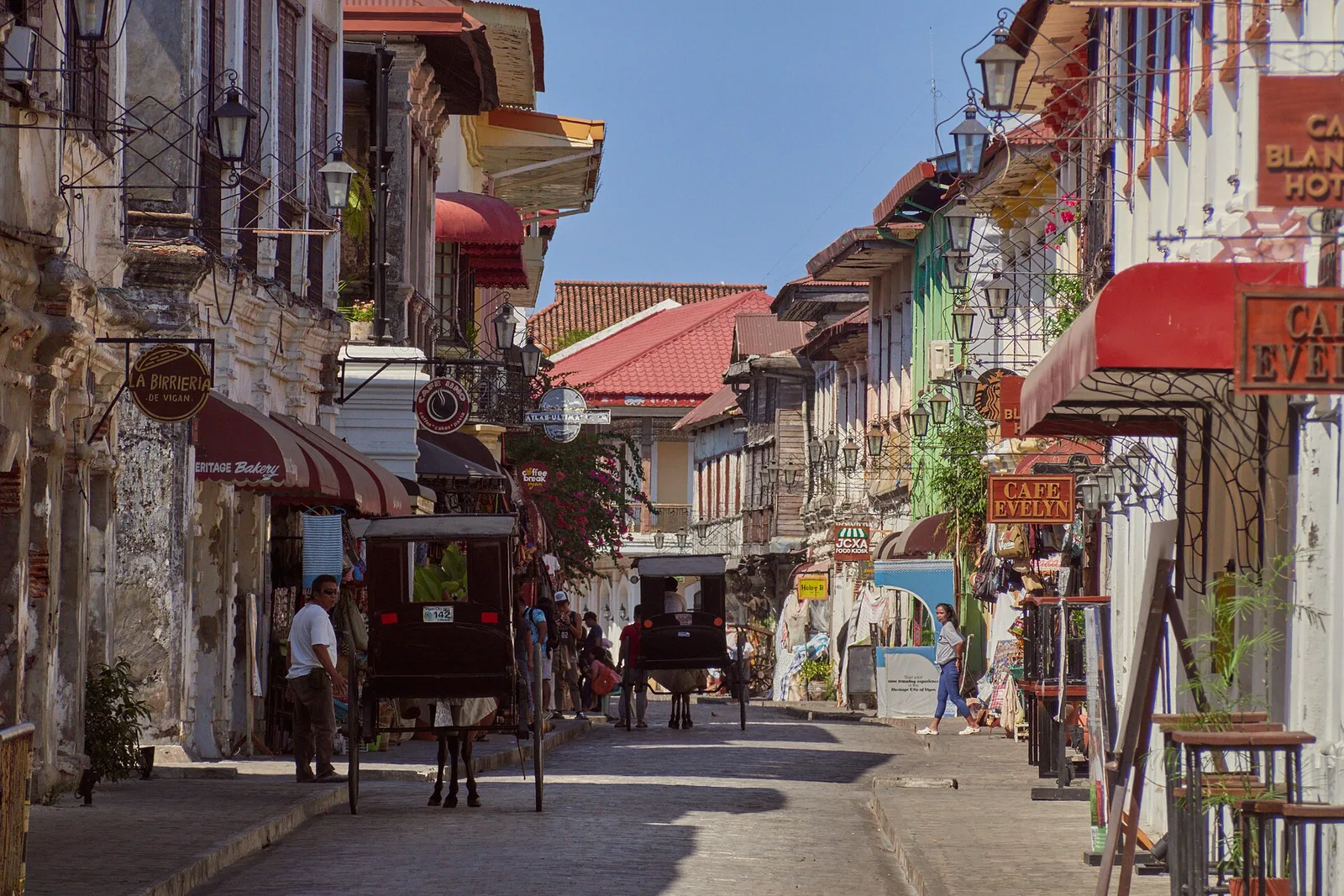
Calle Crisologo
The cobbled street of ancestral houses, closed to cars, best walked early in the morning or after dark. It runs through the Mestizo District and is the best known part of the old town: sett paving, and houses with brick …
The cobbled street of ancestral houses, closed to cars, best walked early in the morning or after dark. It runs through the Mestizo District and is the best known part of the old town: sett paving, and houses with brick …
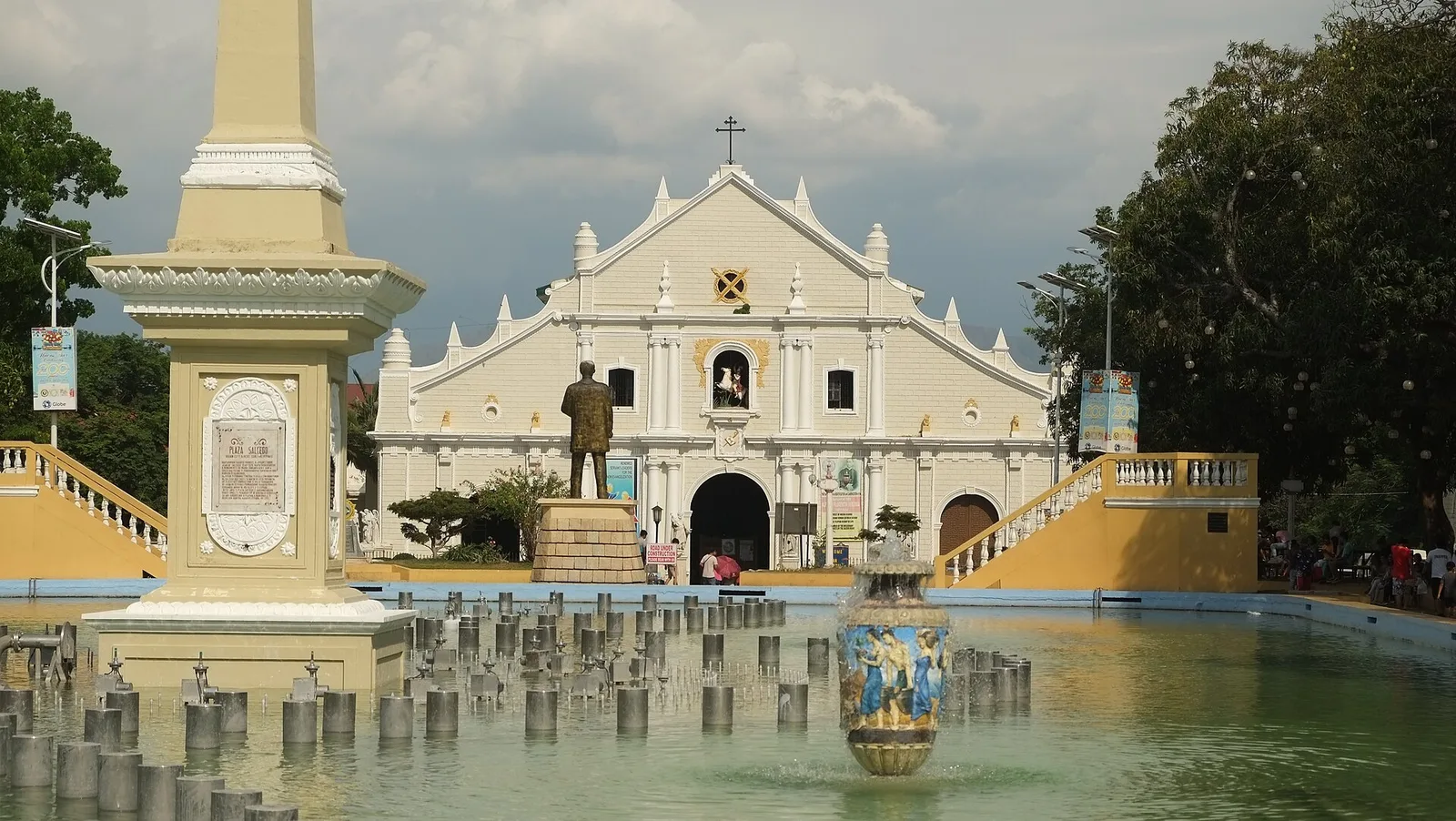
The 18th-century earthquake baroque cathedral on Plaza Salcedo, with a bell tower standing apart from the church. It holds the cathedra of the Archdiocese of Nueva Segovia, and it is part of what UNESCO listed in 1999 as the Historic …
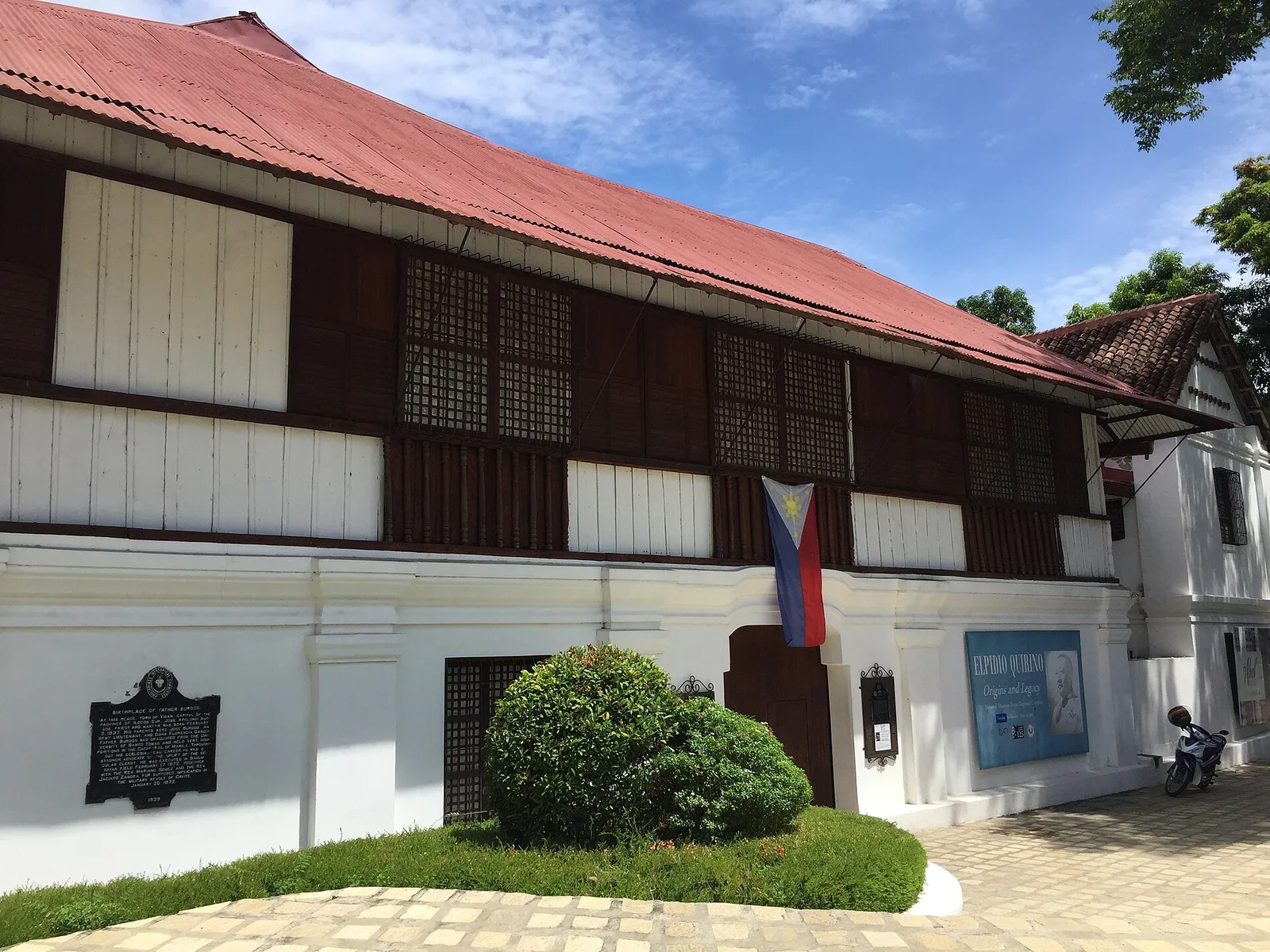
also known as the Ayala Museum, this showcases the memorabilia of martyred priest Jose Burgos. Behind the house is the national museum (formerly the Ilocos Sur Provincial Jail), housing other ethnic and Ilocano artifacts such as artifacts, weapons, kitchen utensils, …
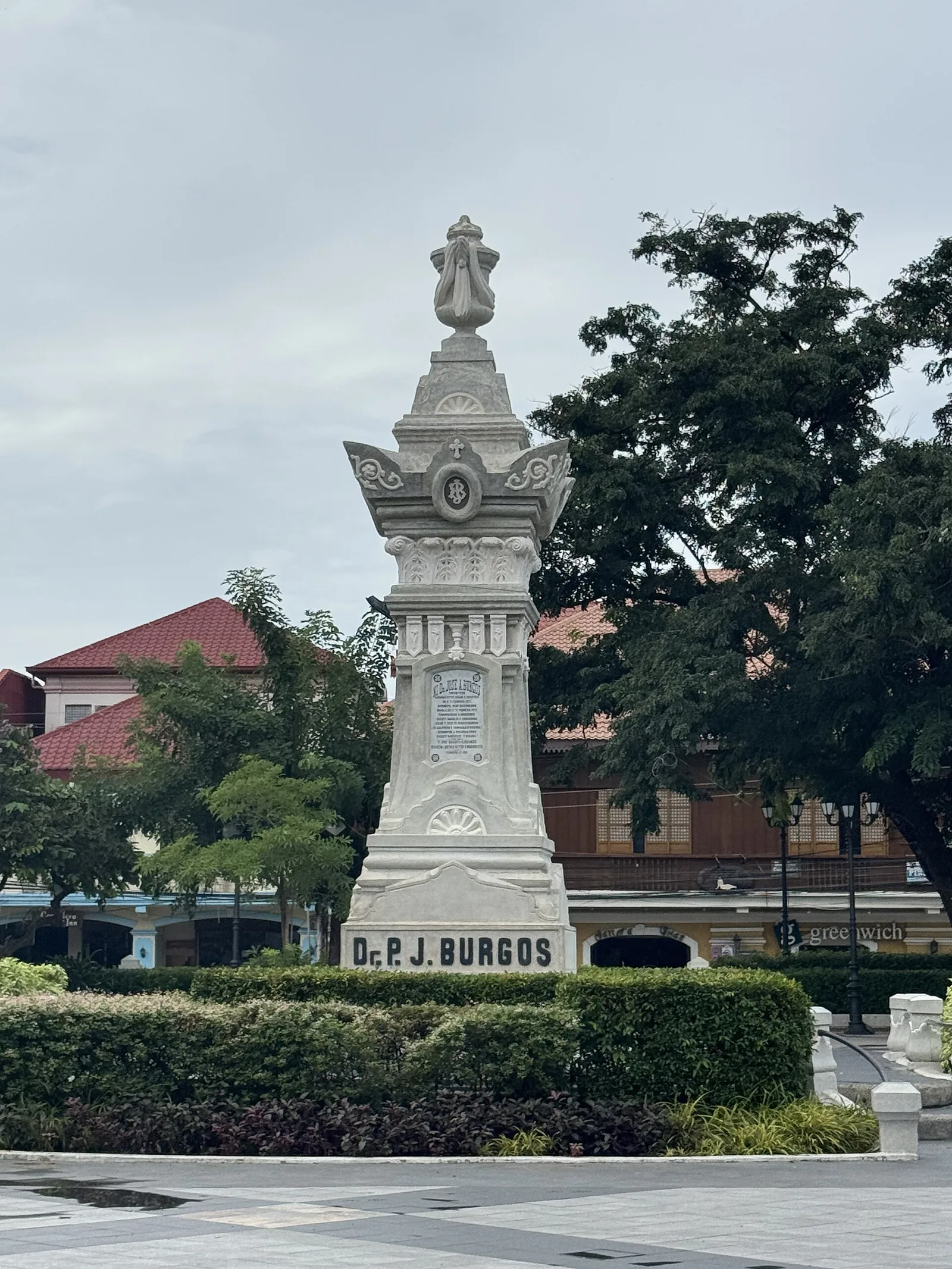
is a favorite hang out for locals and is also used for staging major public events. It has also food stalls selling local snacks, especially the empanada. It is next to Vigan Cathedral and dedicated to the memory of Father …

The Crisologo family house, kept as it was, with the car in which Congressman Floro Crisologo's family travelled.
An extensive stretch of cream-colored sand running to Biak na Bato (Mapisi Rock), a rock formation marking the boundary with the town of Santiago. There is a marker commemorating a clandestine US submarine shipment of weapons to anti-Japanese guerrillas in …
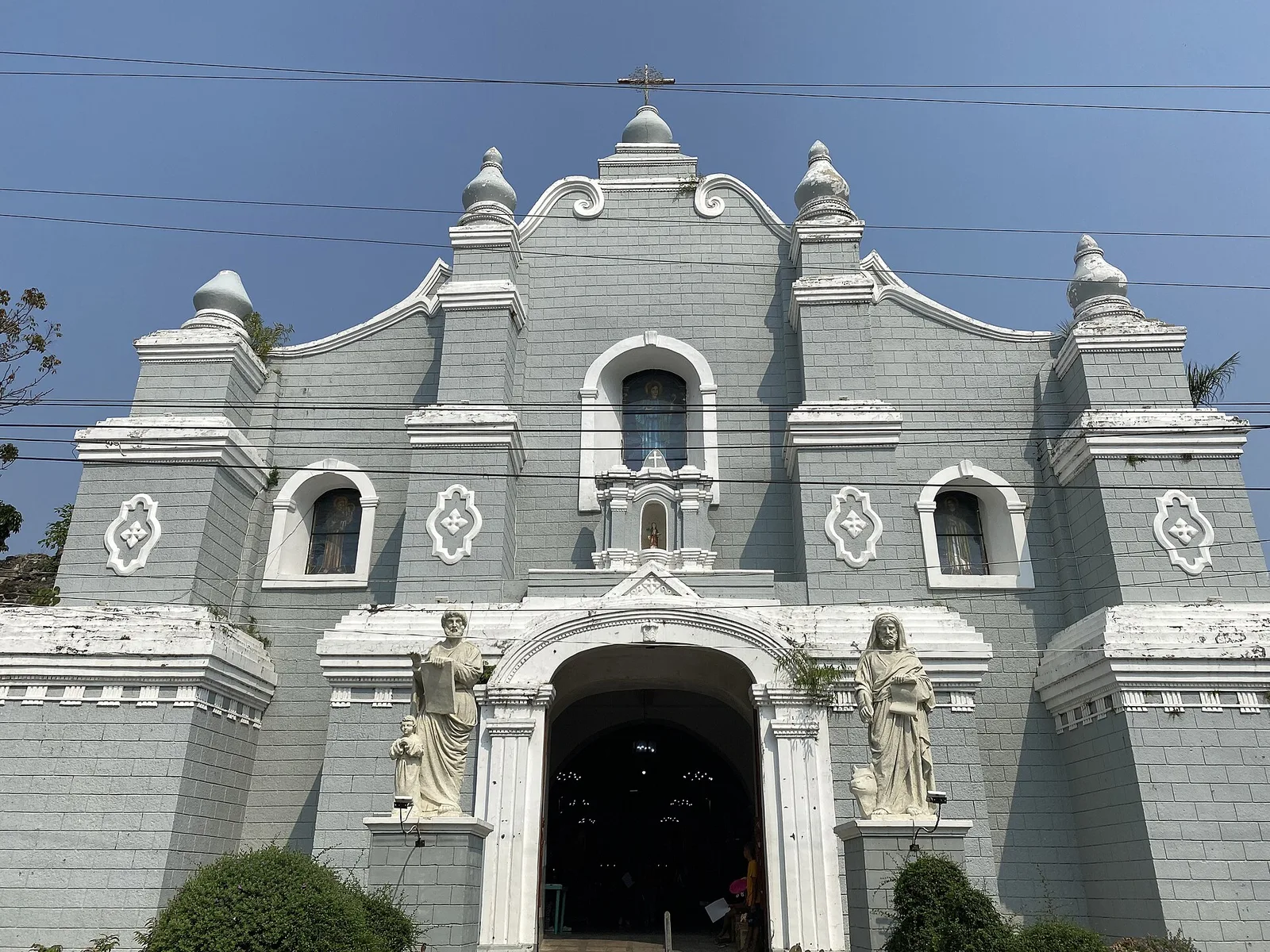
Narvacan's main Roman Catholic church, built during the Spanish era in the Baroque style.
A ridge that is popular among hikers and motorists for the dramatic coastal views along Manila North Road. While most of the park is located in Santa, its southern tip lies at Barangay Sulvec in Narvacan.
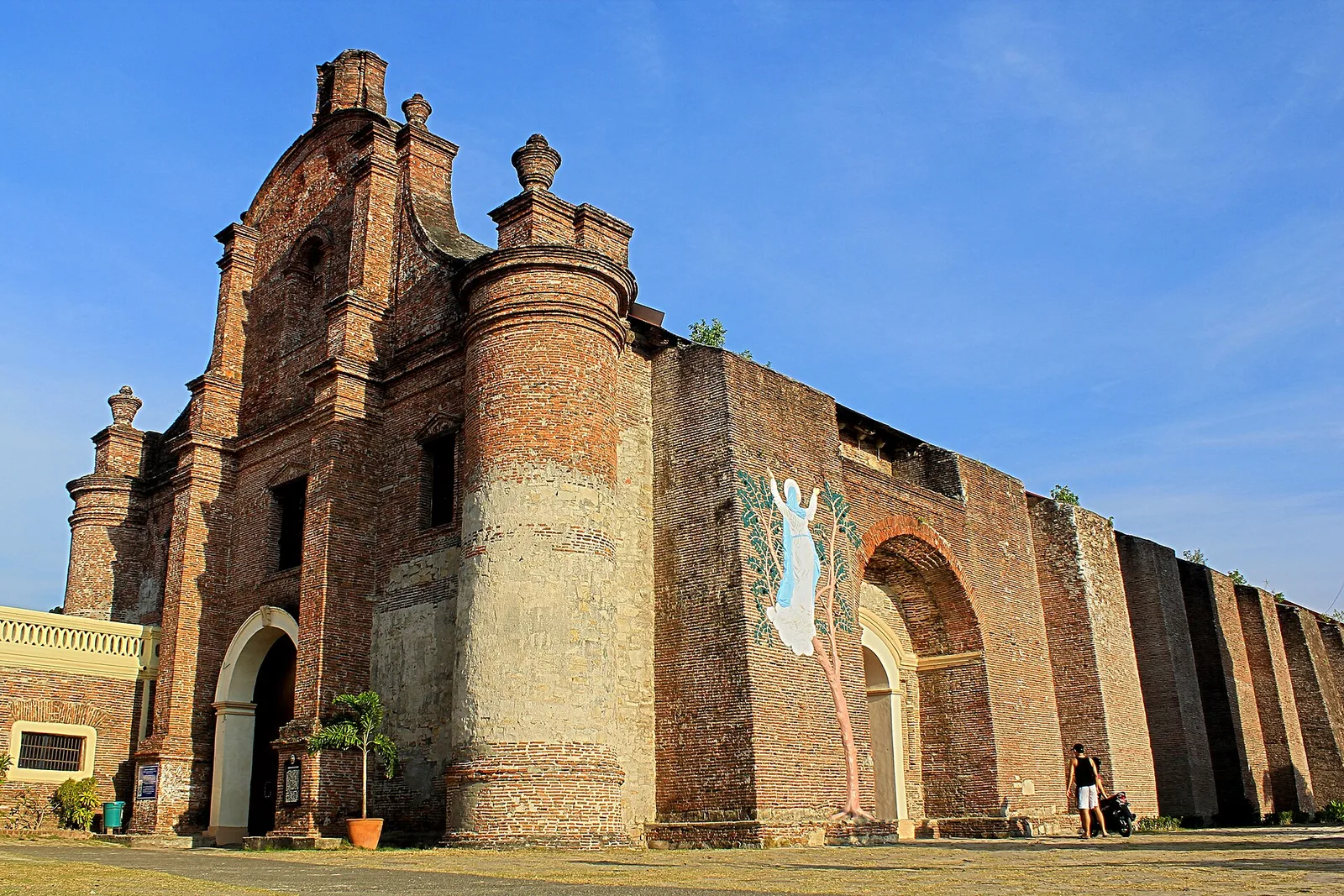
A brick church on a hill above the town, listed by UNESCO on December 11, 1993 as one of the four Baroque Churches of the Philippines. It was built to work as a fort as well as a church, and …
offers a wonderful glimpse into the Philippines' colonial past. The ancestral houses were mostly built by Chinese traders using a mixture of local, Asian and Spanish architectural styles. Movie fans recognize the streets from the movie Born on the Fourth …
A series of rolling foothills of the Cordillera Mountains that have become a popular hiking destination.
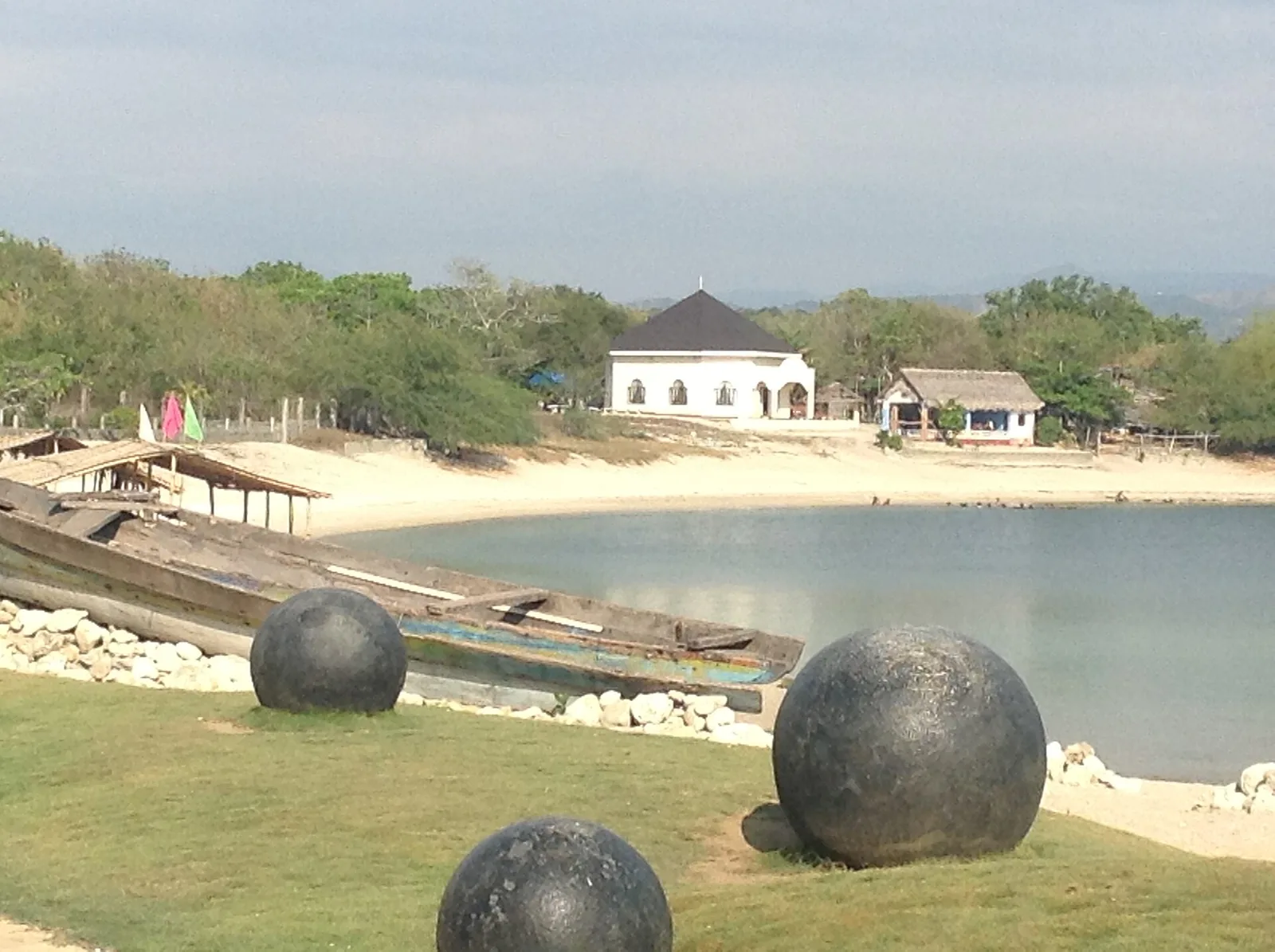
A chapel built by the cove where the Santo Cristo Milagroso was said to have washed up in 1620 from Japan, where it had been hidden away by Christians being persecuted by the Tokugawa Shogunate. At the same time, a …
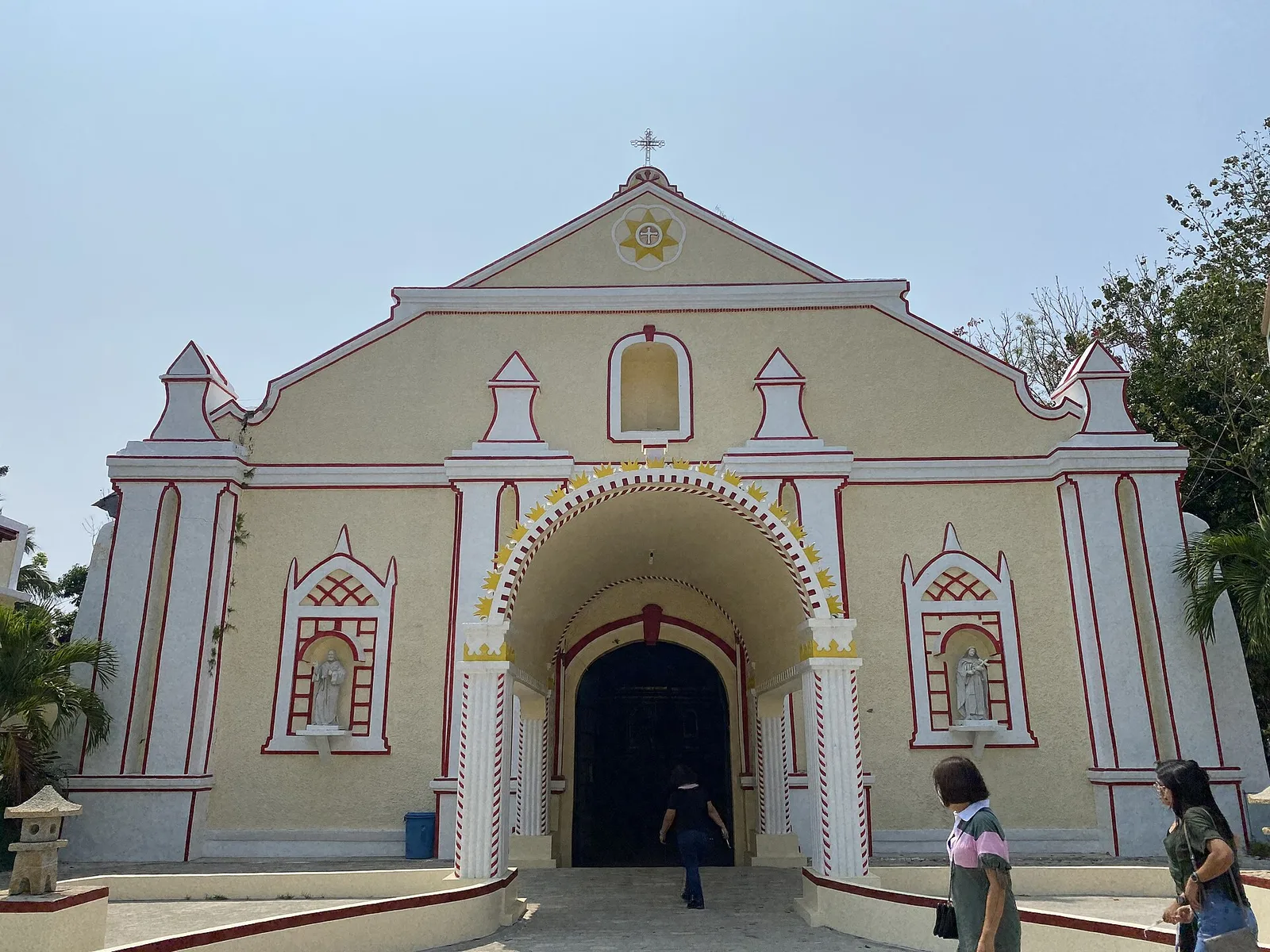
San Esteban's main Roman Catholic church, built in a Baroque style during the Spanish era.
A sprawling mixed-use commercial and tourism complex featuring a farmers' market, civic monuments, a dancing fountain, and a replica of the shipwrecked vessel carrying the Spanish conquerors of Narvacan.
A towering hill with views over Sulvec Cove, the Cordillera Mountains and downtown Narvacan.
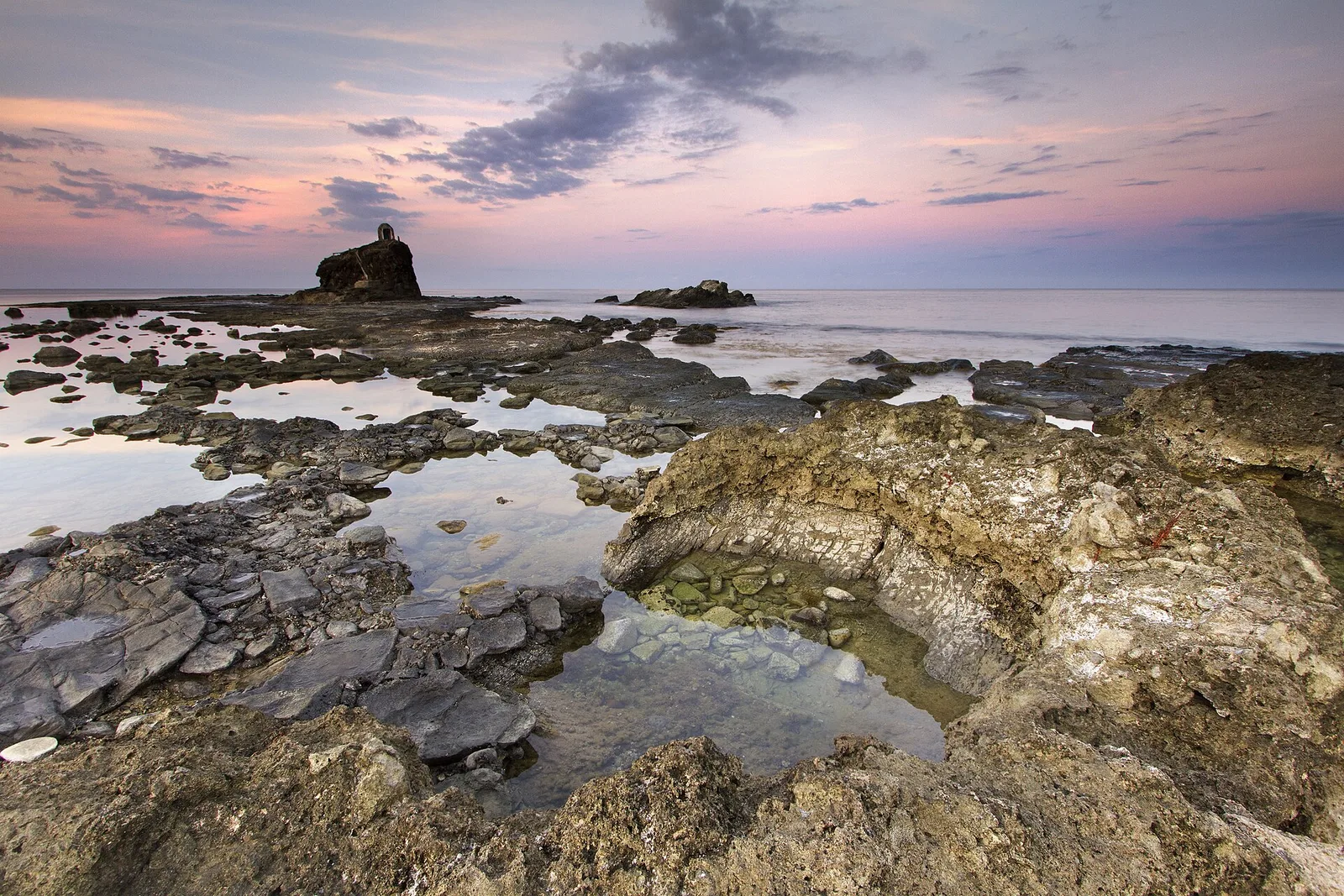
Meaning "Juan's Paradise", it is a grotto built on top of a protruding rock off Sulvec Beach, itself a popular swimming spot, marking the spot where the Spanish conquistadores who first arrived in Narvacan were shipwrecked. It is a picturesque …
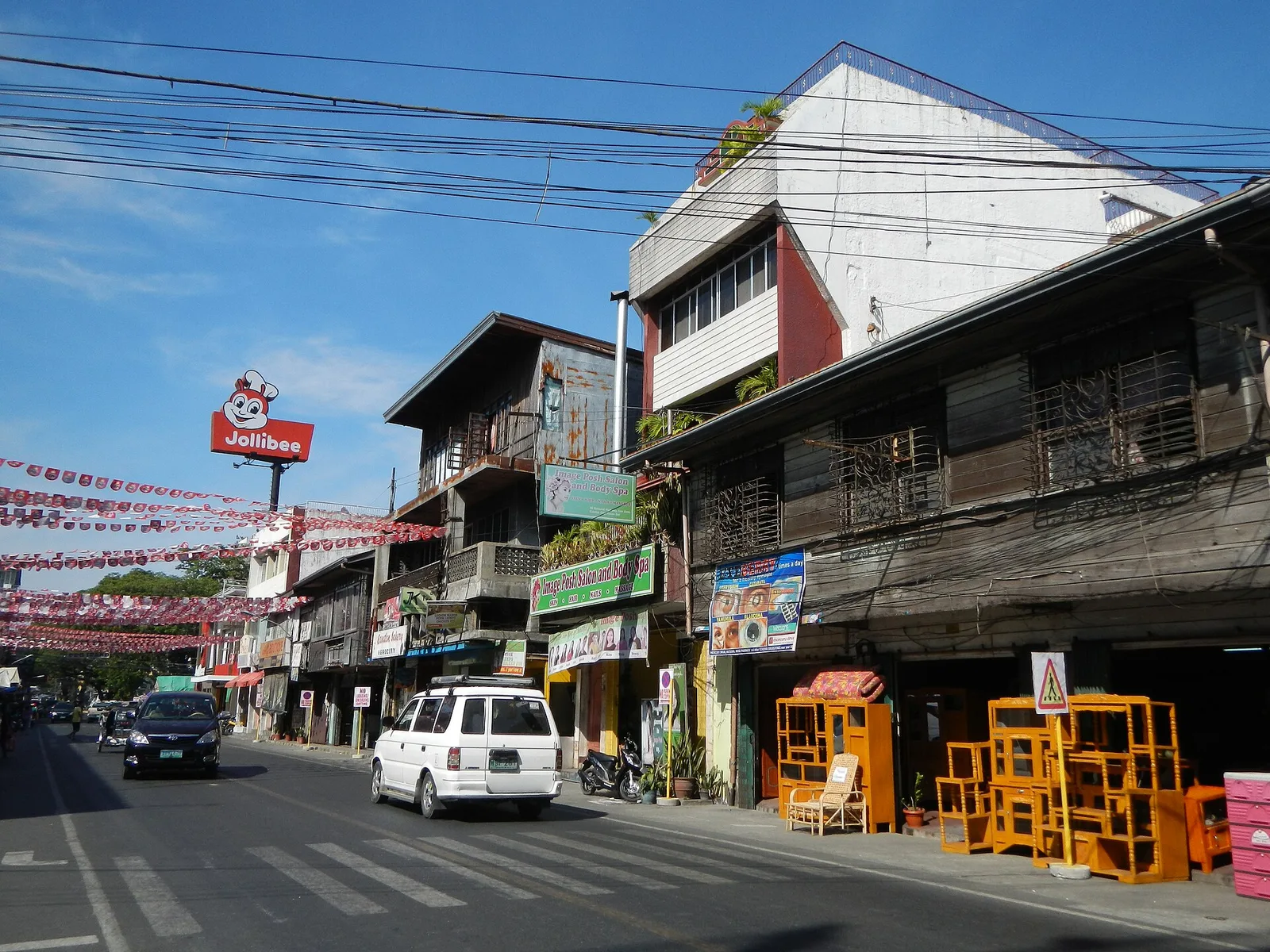
An aquarium and park that opened in 2025, the first of its kind in Ilocos Sur. It shows a wide range of marine life, including stingrays and coral reefs.
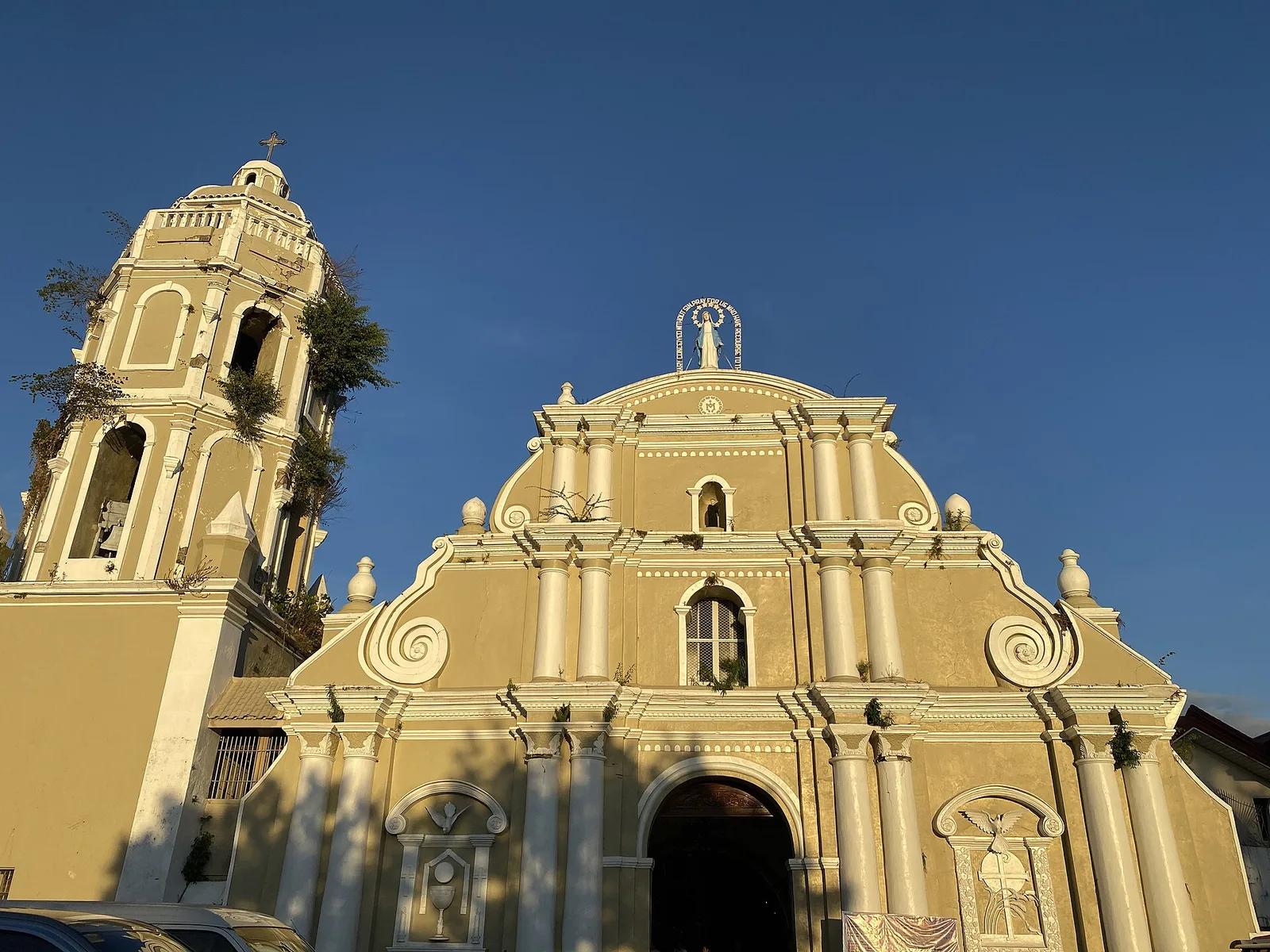
The city's parish church, built in the Earthquake Baroque style, with a four-storey octagonal bell tower. The tower alternates open and blind openings, carries a balustrade and is topped by a campanile. An Augustinian mission put the first church in …
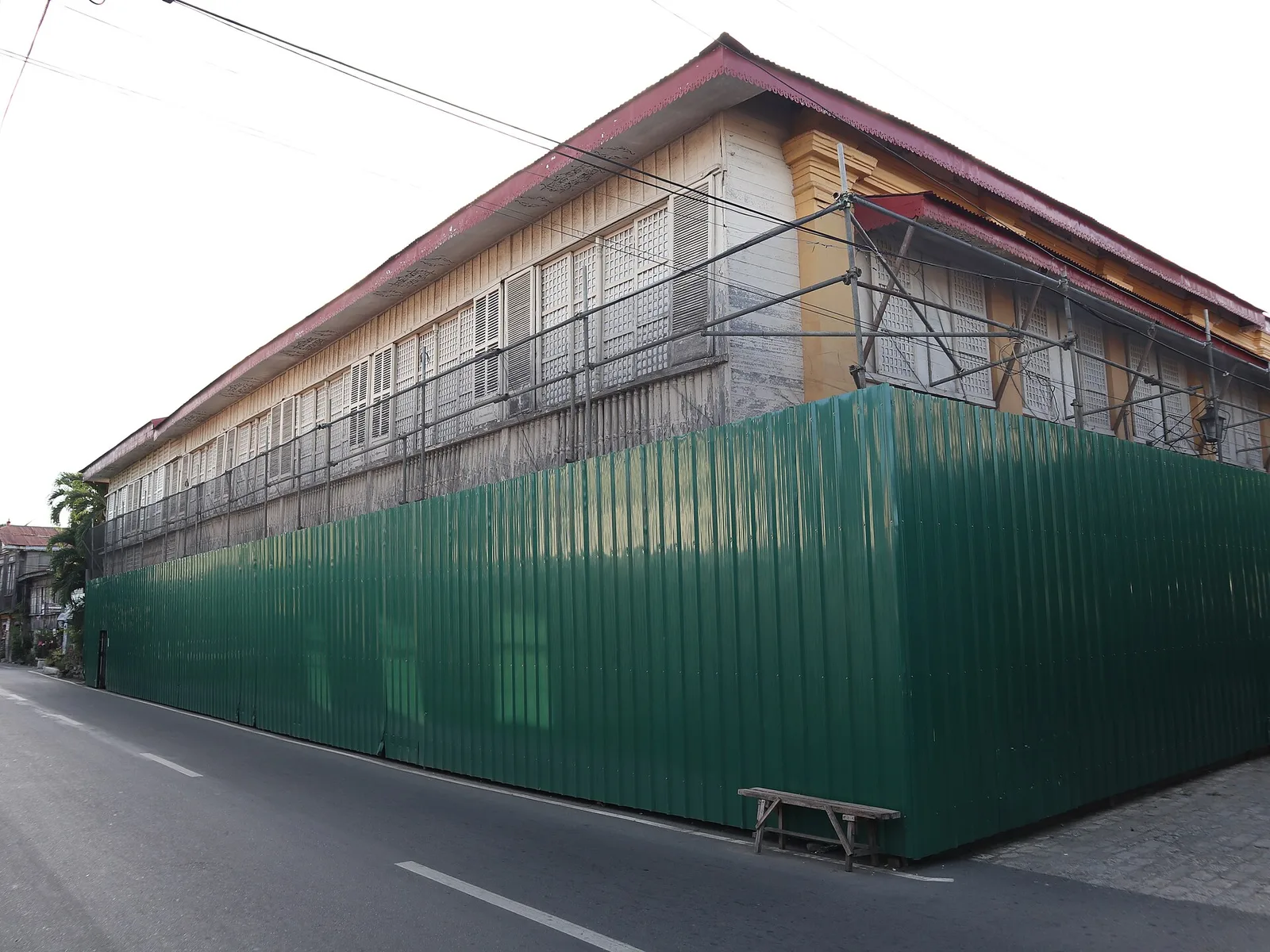
One of the oldest stone houses, or bahay na bato, in Vigan, now open as a museum. Justo Angco built it in 1830 and gave it as a dowry when his daughter married Gregorio Syquia in 1875. The ground floor …
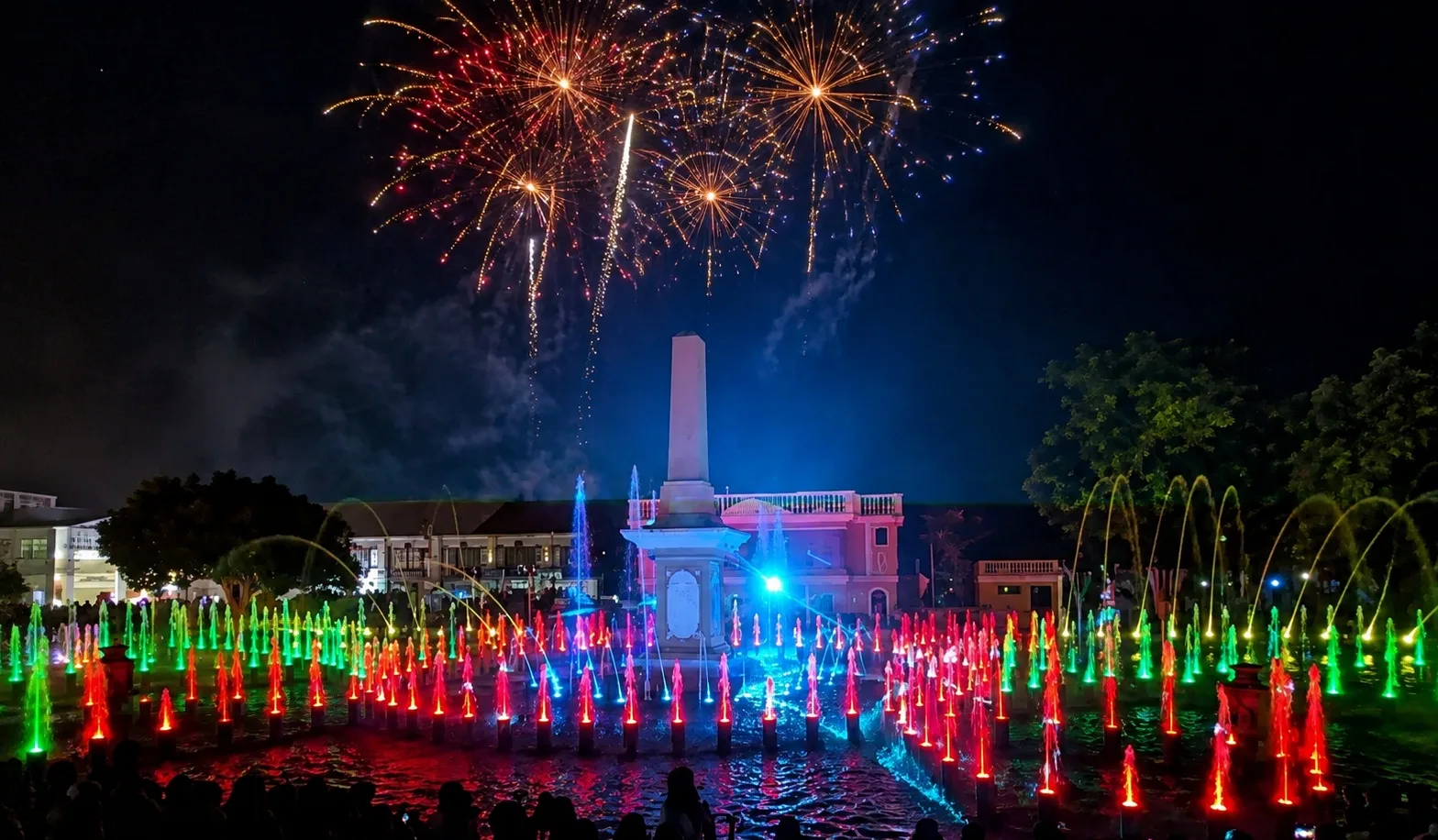
A free water and light show on the plaza in the evenings. The plaza is the longer arm of an L-shaped open space and is the town centre, named after the Spanish conquistador Juan de Salcedo. With Plaza Burgos it …
Where the great conquistador Juan de Salcedo landed when he arrived in Vigan through the Mestizo River. Also the site of the city slaughterhouse, built during the Spanish Era (for which the barangay is named).
A stout, Spanish-era watchtower meant to guard against pirates and foreign invaders from the South China Sea. The site was declared a National Cultural Treasure by the Philippine government in 2015.
A series of symmetrically shaped rolling hills at the boundary with Abra province
A road tunnel cut through a stretch of the Cordillera Mountains to bypass the narrow treacherous stretch of the Abra River Gorge. The tunnel marks the approximate boundary between Ilocos Sur and Abra provinces and has rest stops on the …
The remains of a Spanish-era watchtower and fortifications meant to guard against pirates and foreign invaders from the South China Sea. The site was declared a National Cultural Treasure by the Philippine government in 2015.
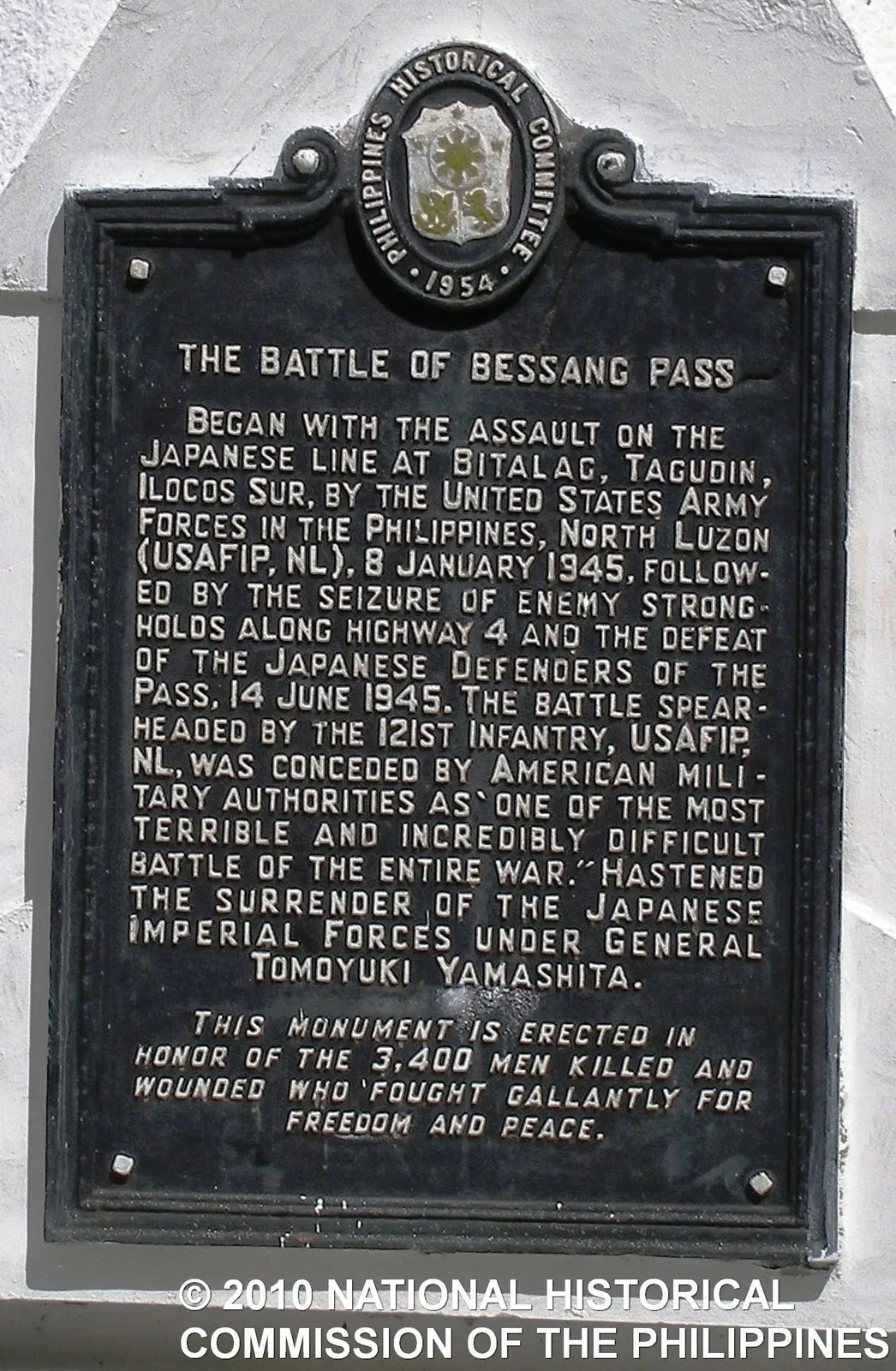
The mountain pass where Filipino soldiers beat the Imperial Japanese Army, kept now as a protected area and a war memorial. Troops of the United States Army Forces in the Philippines Northern Luzon won the Battle of Bessang Pass on …
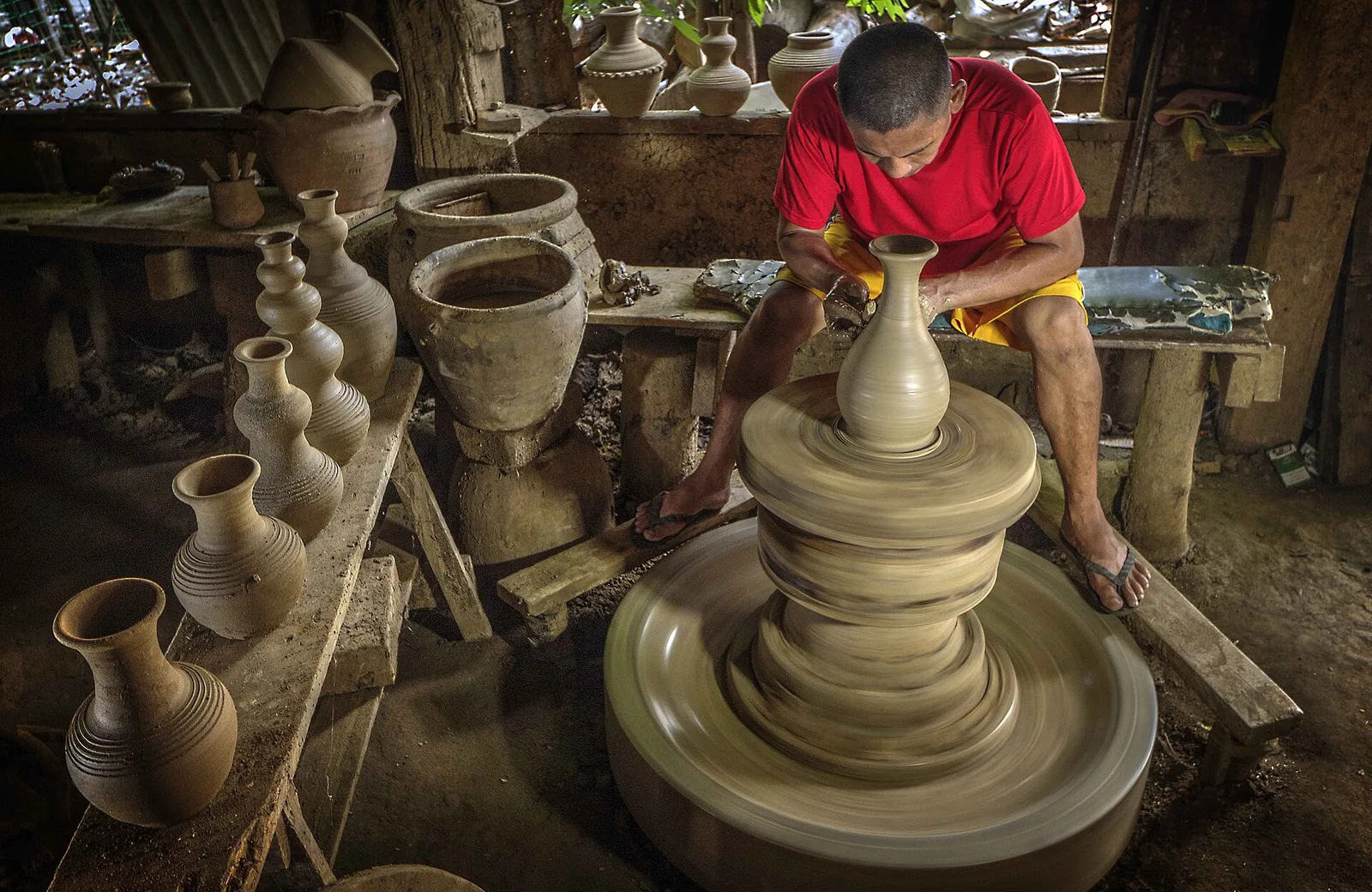
Workshops where burnay jars are still thrown on a foot-turned wheel and fired in a wood kiln.