Coconut road viewpoint
The palm-lined road across the island, and the deck looking over a million coconut trees.
Island group · 6 regions
The palm-lined road across the island, and the deck looking over a million coconut trees.
A 2-day plan built from the See, Do and Eat listings in Wikivoyage's Polomolok guide. The stops are in an order that keeps each day close together. Check the hours …
A 2-day plan built from the See, Do and Eat listings in Wikivoyage's Isabela (city) guide. The stops are in an order that keeps each day close together. Check the …
A 3-day plan built from the See, Do and Eat listings in Wikivoyage's General Santos guide. The stops are in an order that keeps each day close together. Check the …
A 1-day plan built from the See, Do and Eat listings in Wikivoyage's Bislig guide. The stops are in an order that keeps each day close together. Check the hours …
A 3-day plan built from the See, Do and Eat listings in Wikivoyage's Butuan guide. The stops are in an order that keeps each day close together. Check the hours …
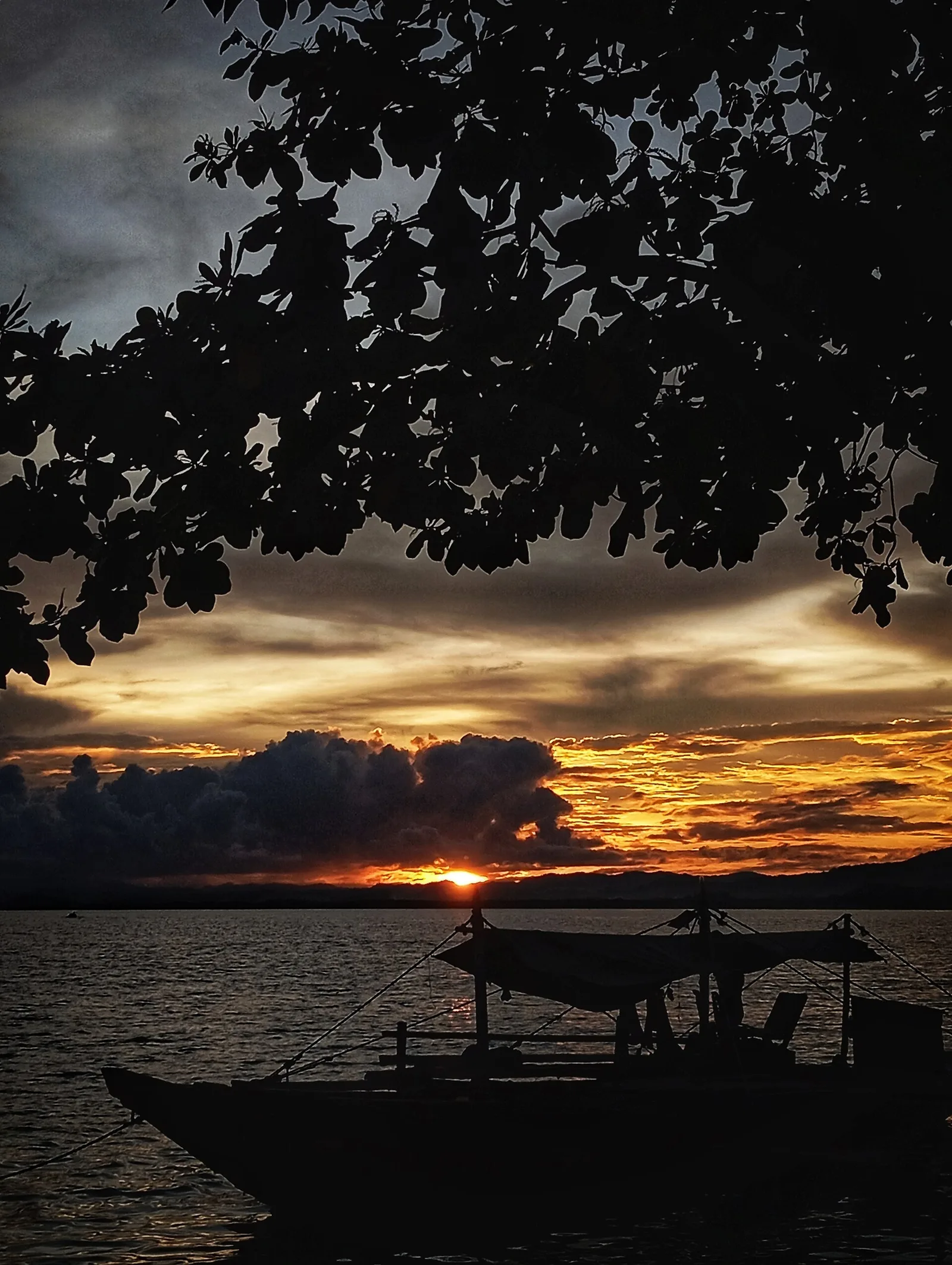
An island with white sand beaches off Ipil, the capital and largest town of the province.
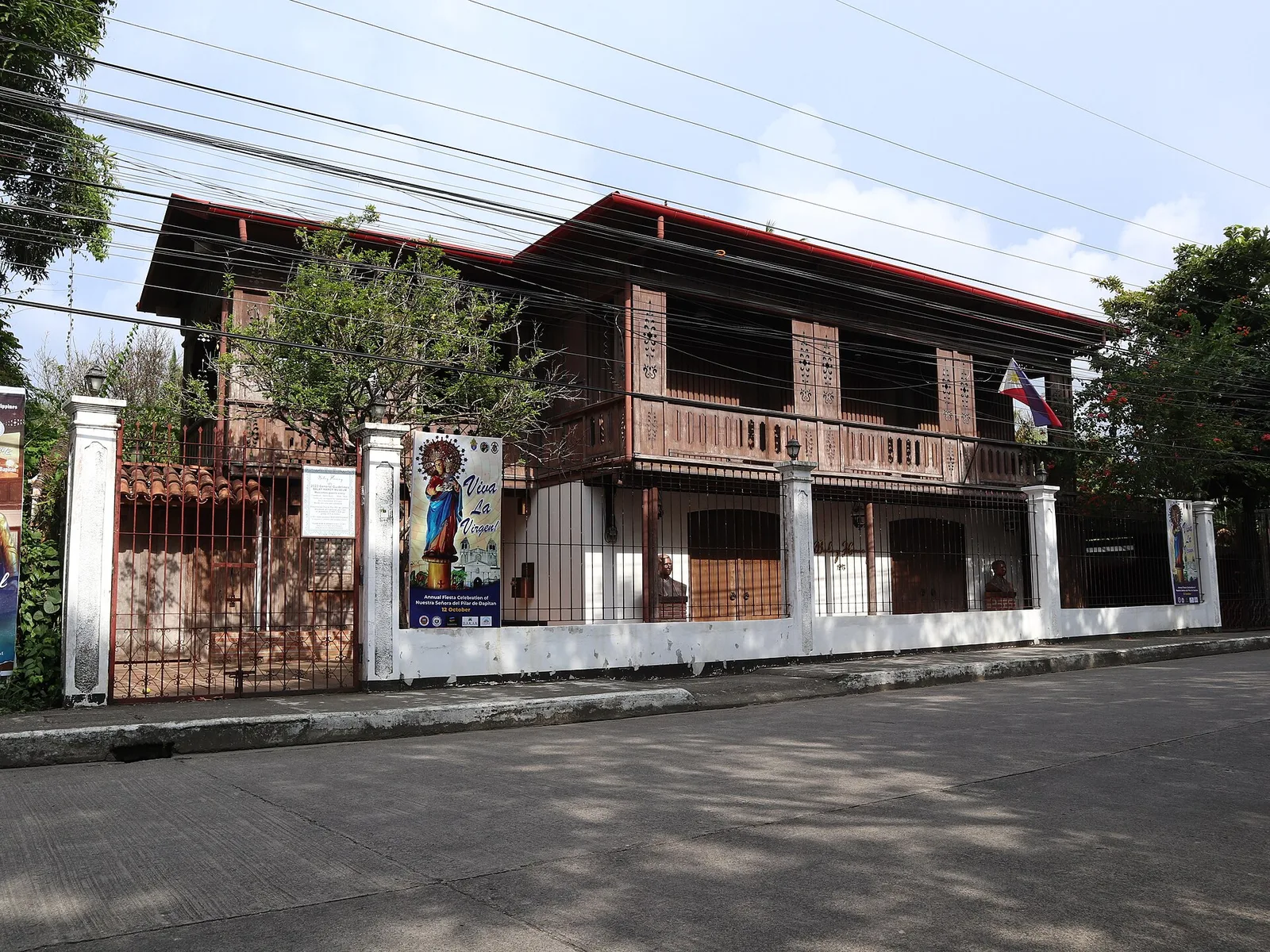
An ancestral house in Dapitan that now works as a heritage museum, known as the Balay Hamoy Museum. The display covers the exile of Jose Rizal in the town, from 1892 to 1896. Mariano Hamoy built the house in 1893. …
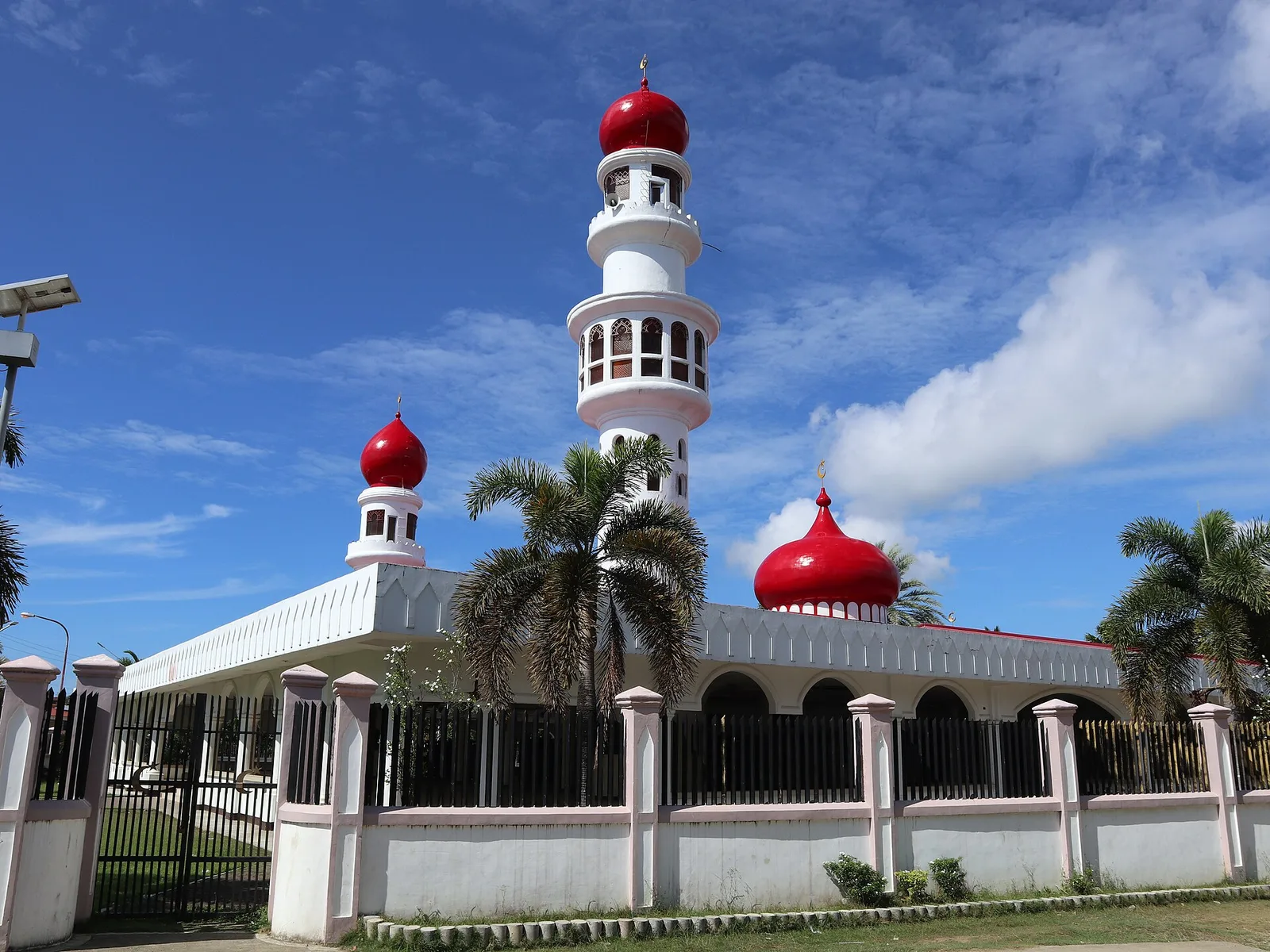
The oldest mosque in the Zamboanga Peninsula, built by Hadji Abdullah Maas Nuno in 1885. In Tausug it is the Masjid sin Taluksangay. The village of Taluksangay around it was the first centre of Islamic teaching in the peninsula, and …
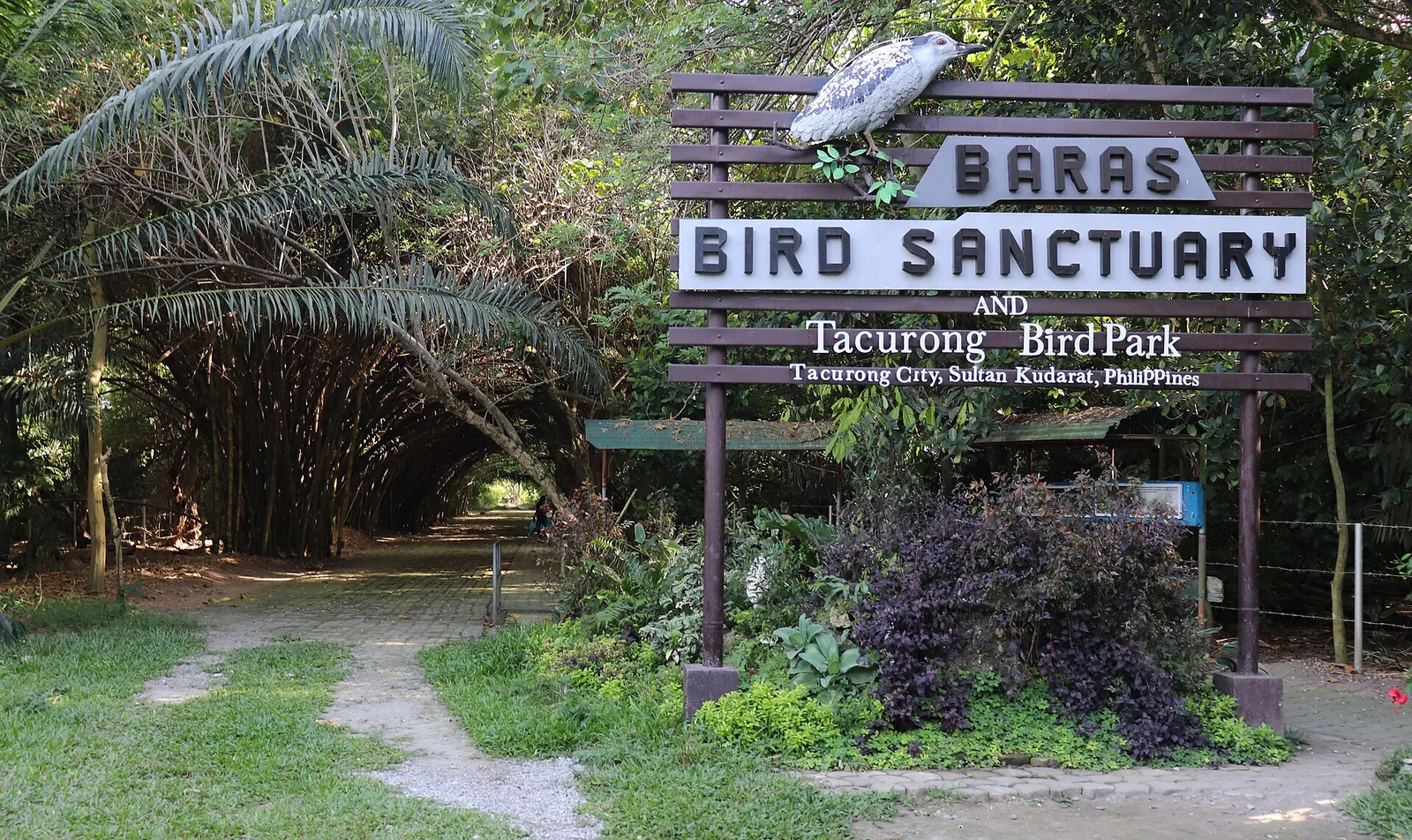
A 2.5 hectare sanctuary where egrets and herons nest. The city holds the Sultan Kudarat Bird Festival there, and the eighth one ran on 10 and 11 May 2024.
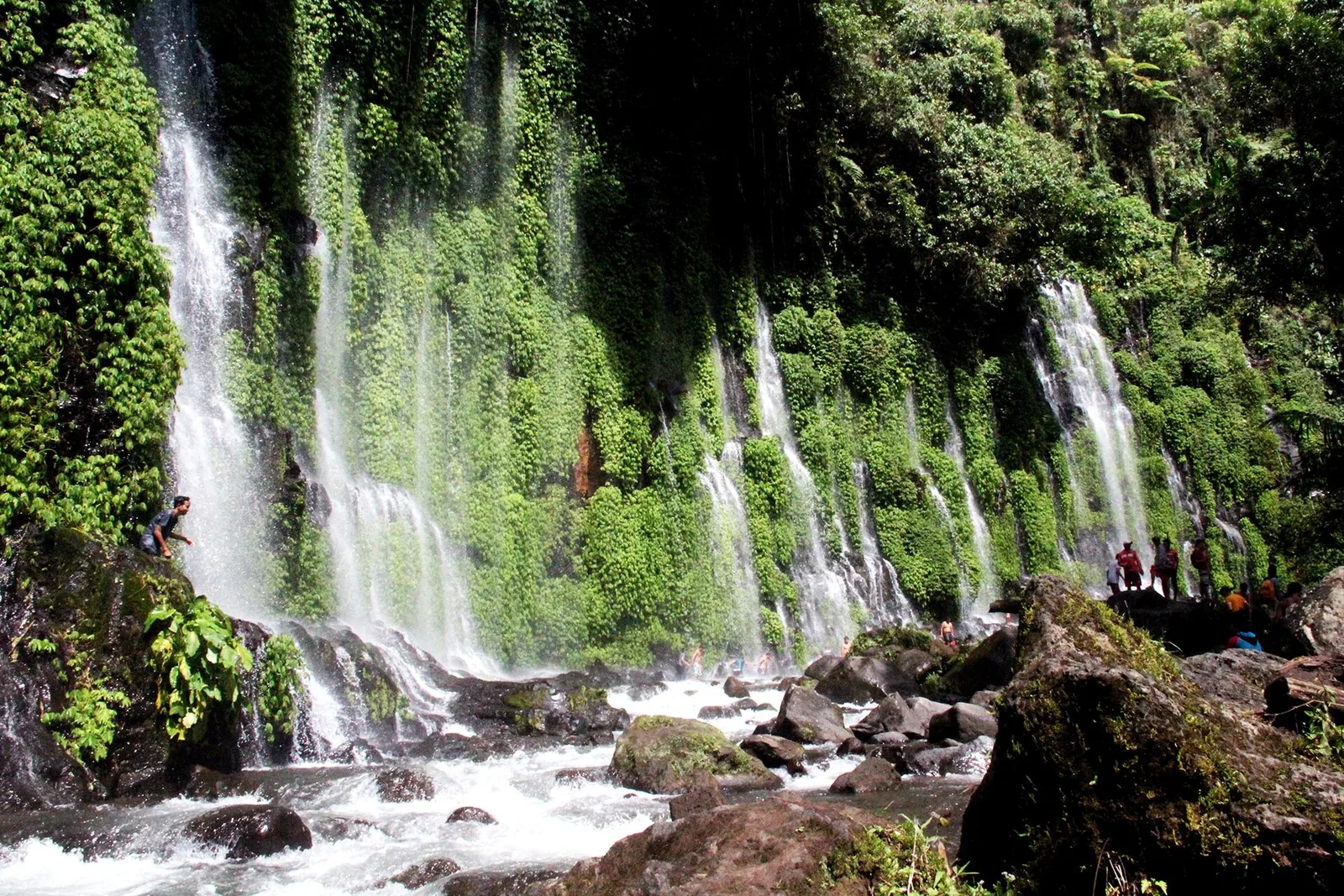
A waterfall with no river above it: the water comes out of crevices in a cliff 60 metres high, and the source is thought to be an underground river. Ferns and moss cover most of the rock. The pool at …
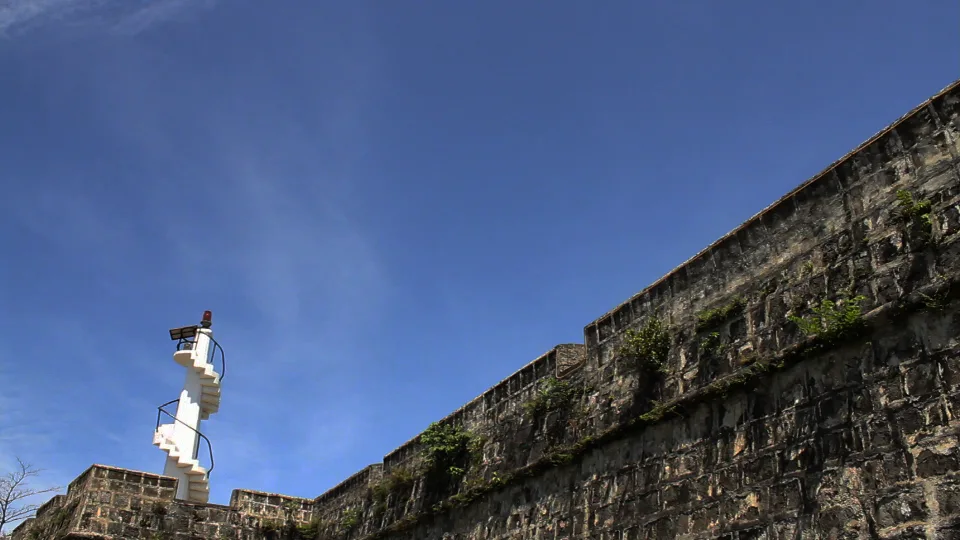
A stone fort from 1756, built by Father José Ducos to hold the coast against pirates who carried people off as slaves, and known locally as the Cotta. It is square, with four bastions and one side facing Panguil Bay, …
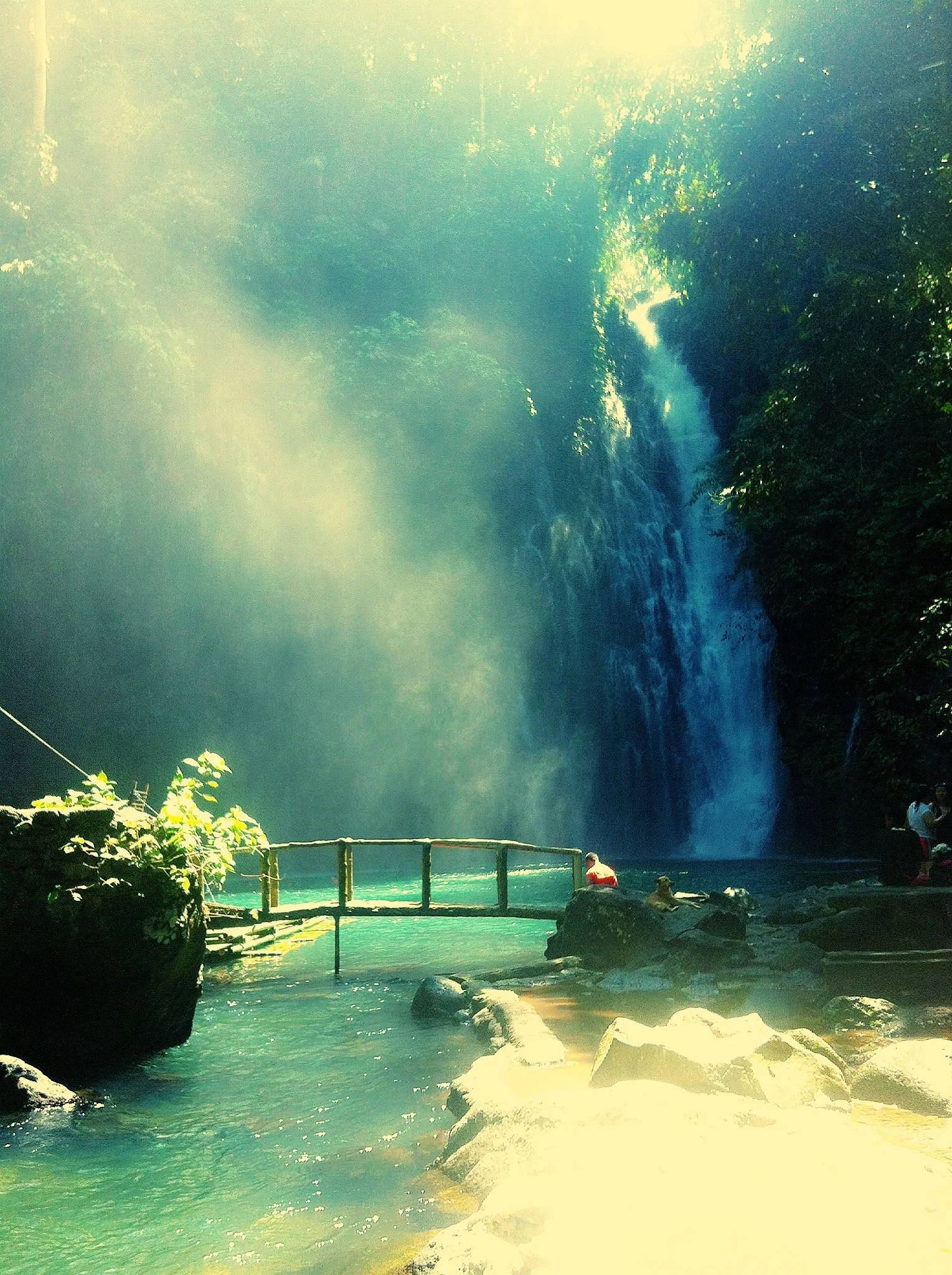
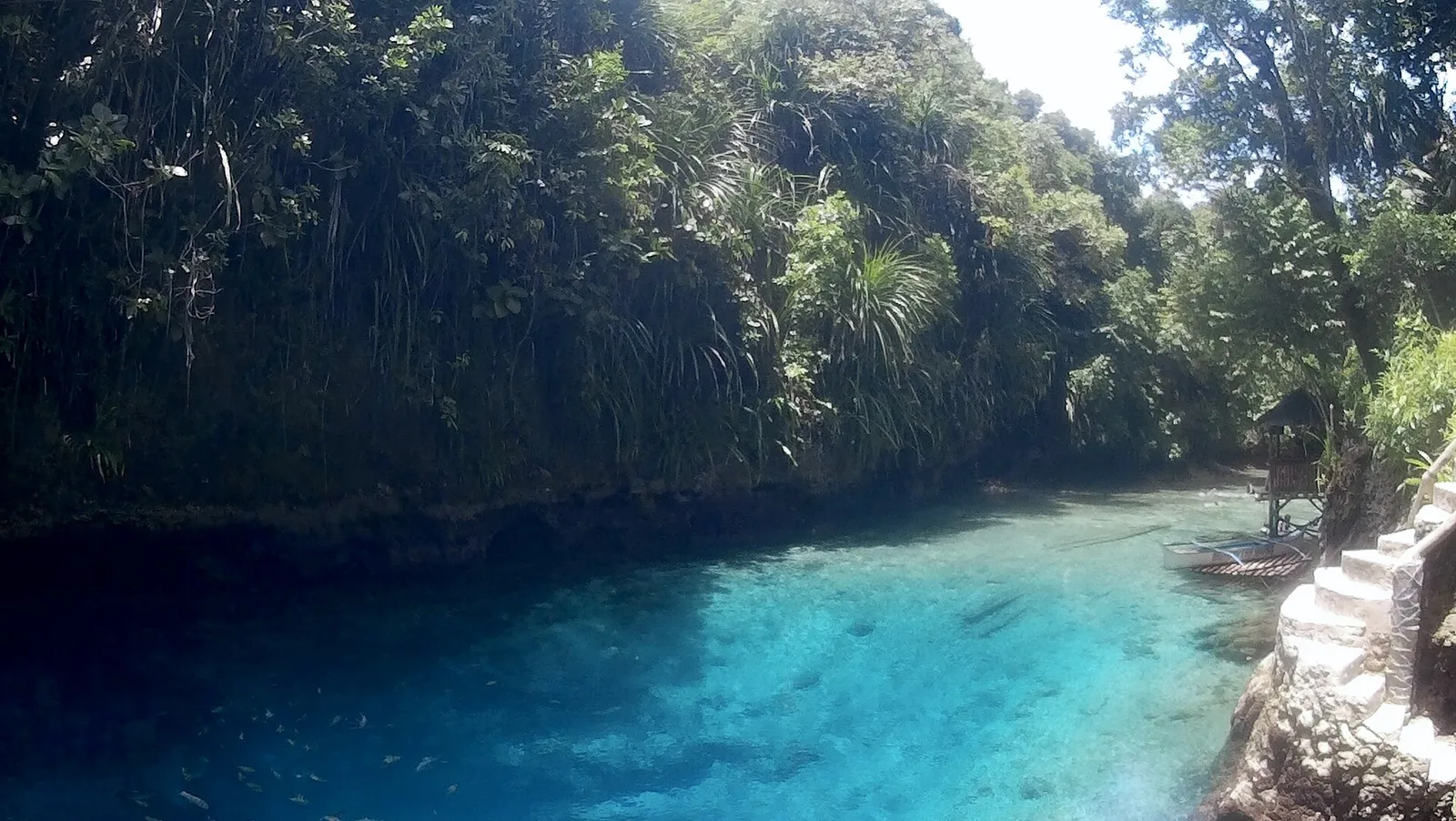
The main tourist attraction of the province: a waterfall on the Agus River at the village of Robocon, and one of the two outlets of Lake Lanao. Tinago means hidden, and the falls stand hidden in a deep ravine. The …
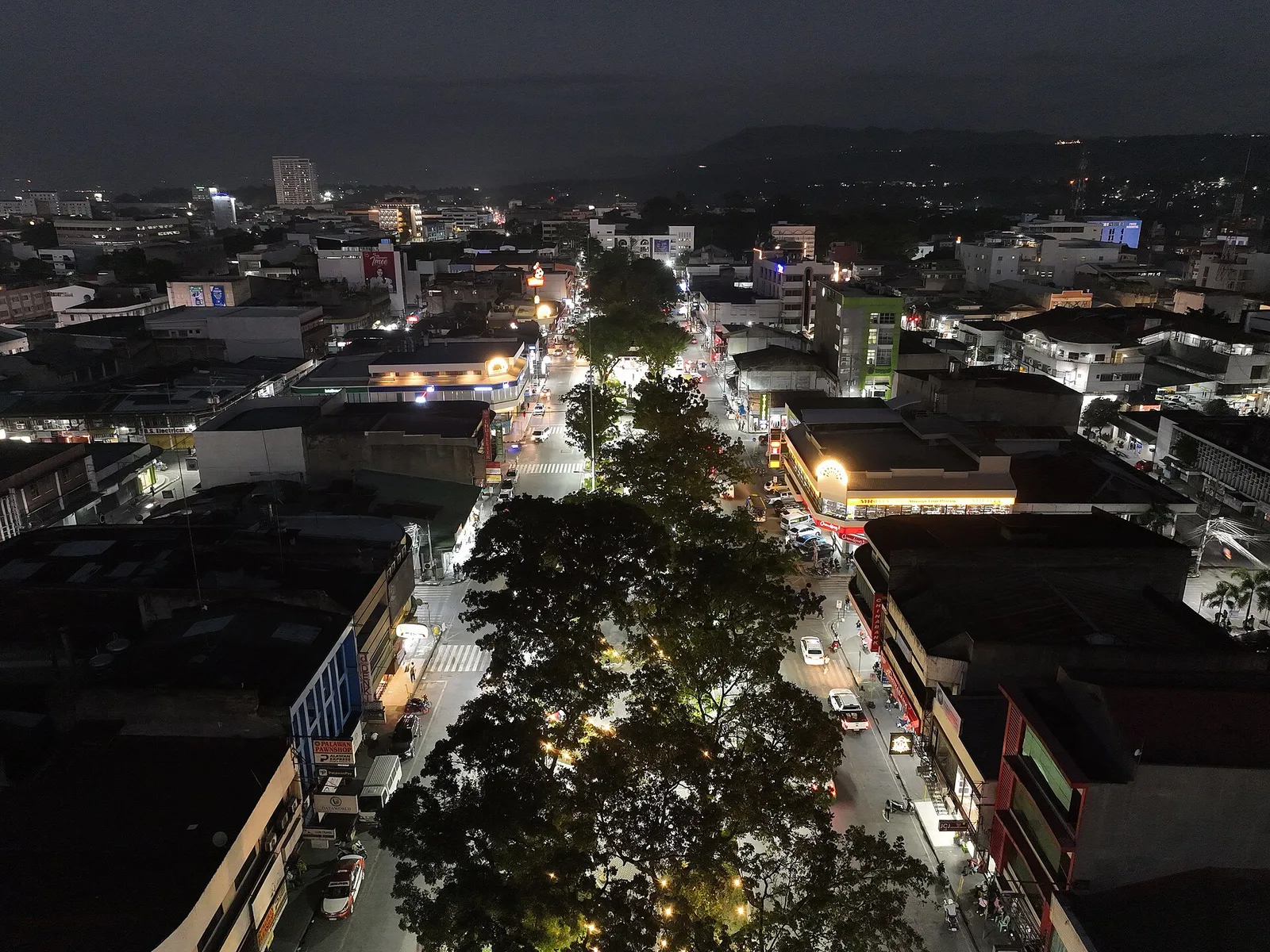
The city's central park, also called the Golden Friendship Park: six island sections of trees and benches between two tree-lined streets, by the Cagayan River. It began in the town centre in the early 20th century as a fire break …
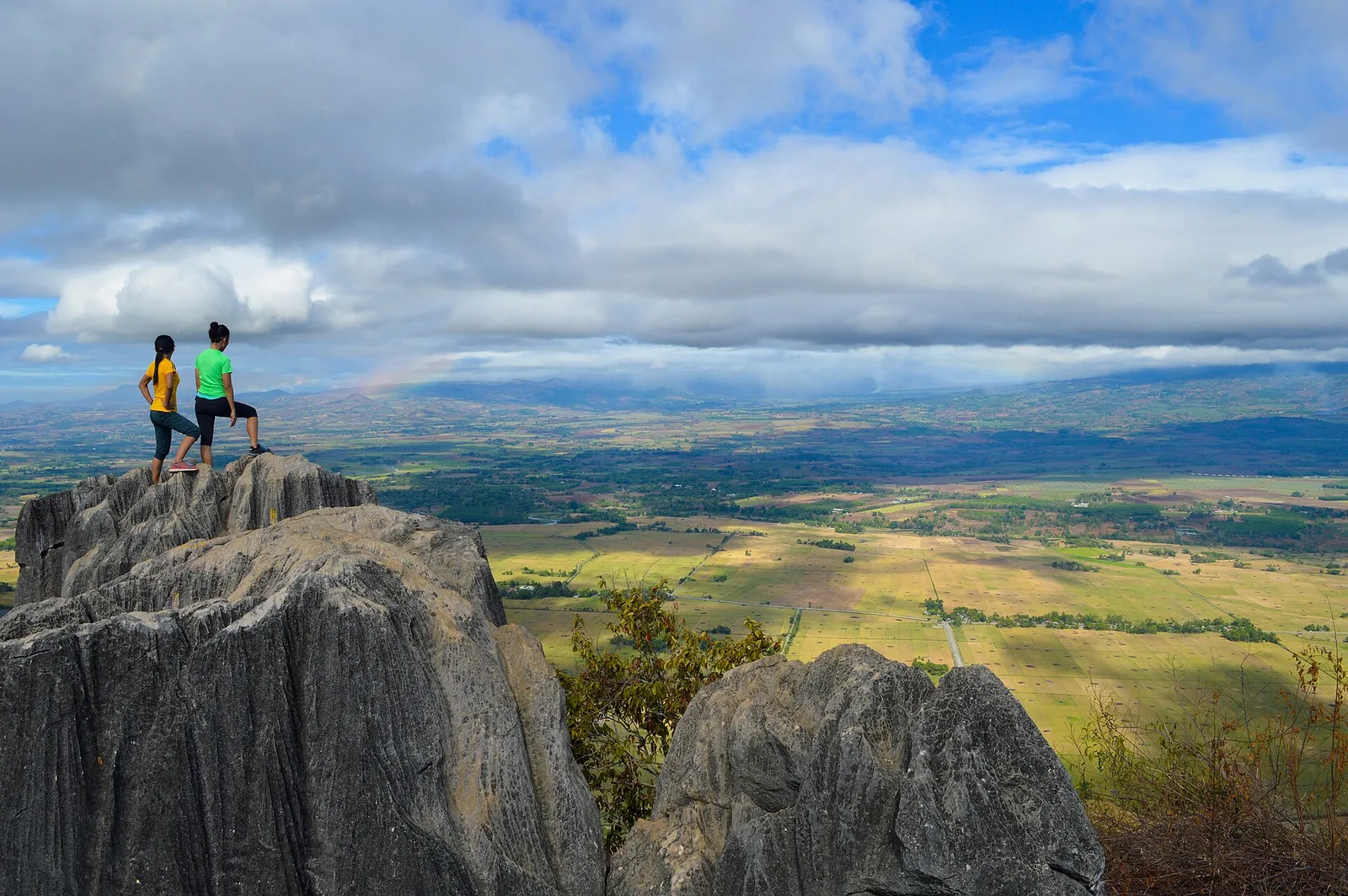
A mountain of rock formations and caves, 18 kilometres south of the city proper in Barangay Managok. It is known as an evacuation area in the Second World War. Trekkers and climbers go up for the view from the top, …
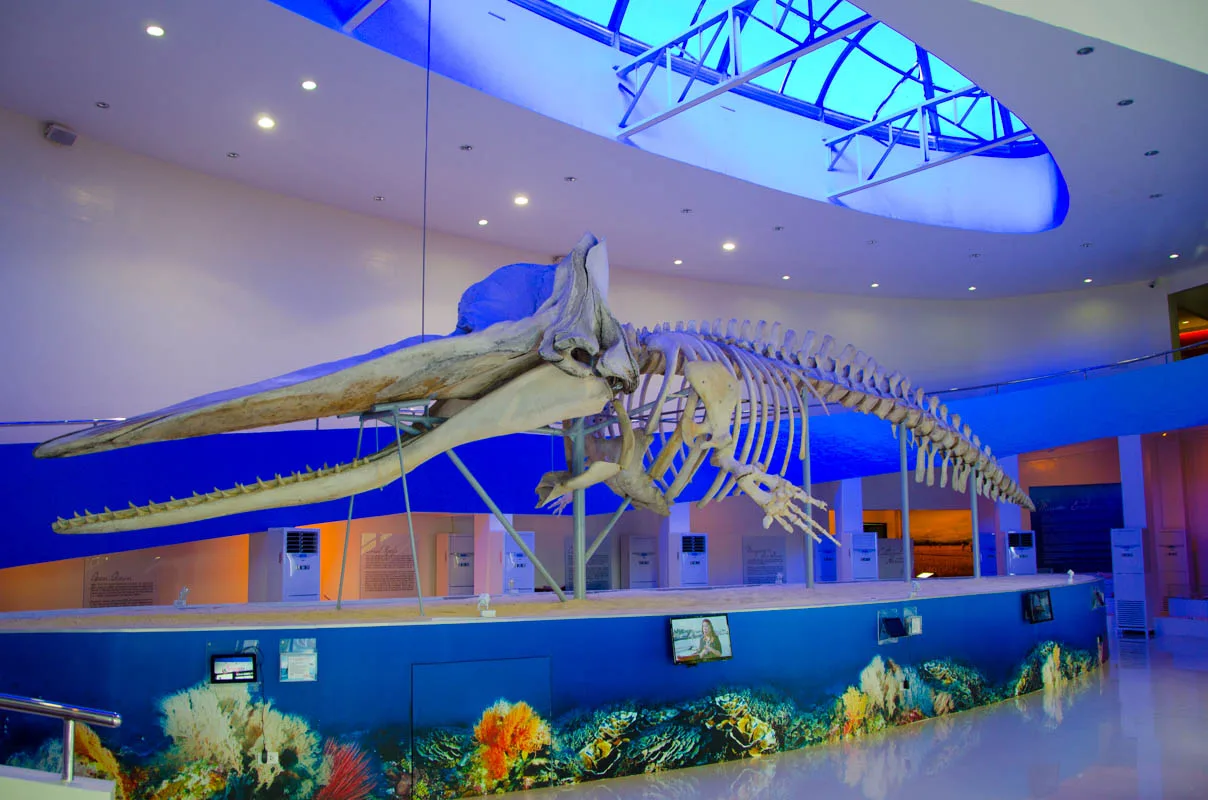
The provincial museum of Davao Oriental, with exhibits about the province. Its full name is the Subangan Davao Oriental Provincial Museum. The centrepiece is Davor, the skeleton of a sperm whale 16.15 metres long that beached in Governor Generoso. It …
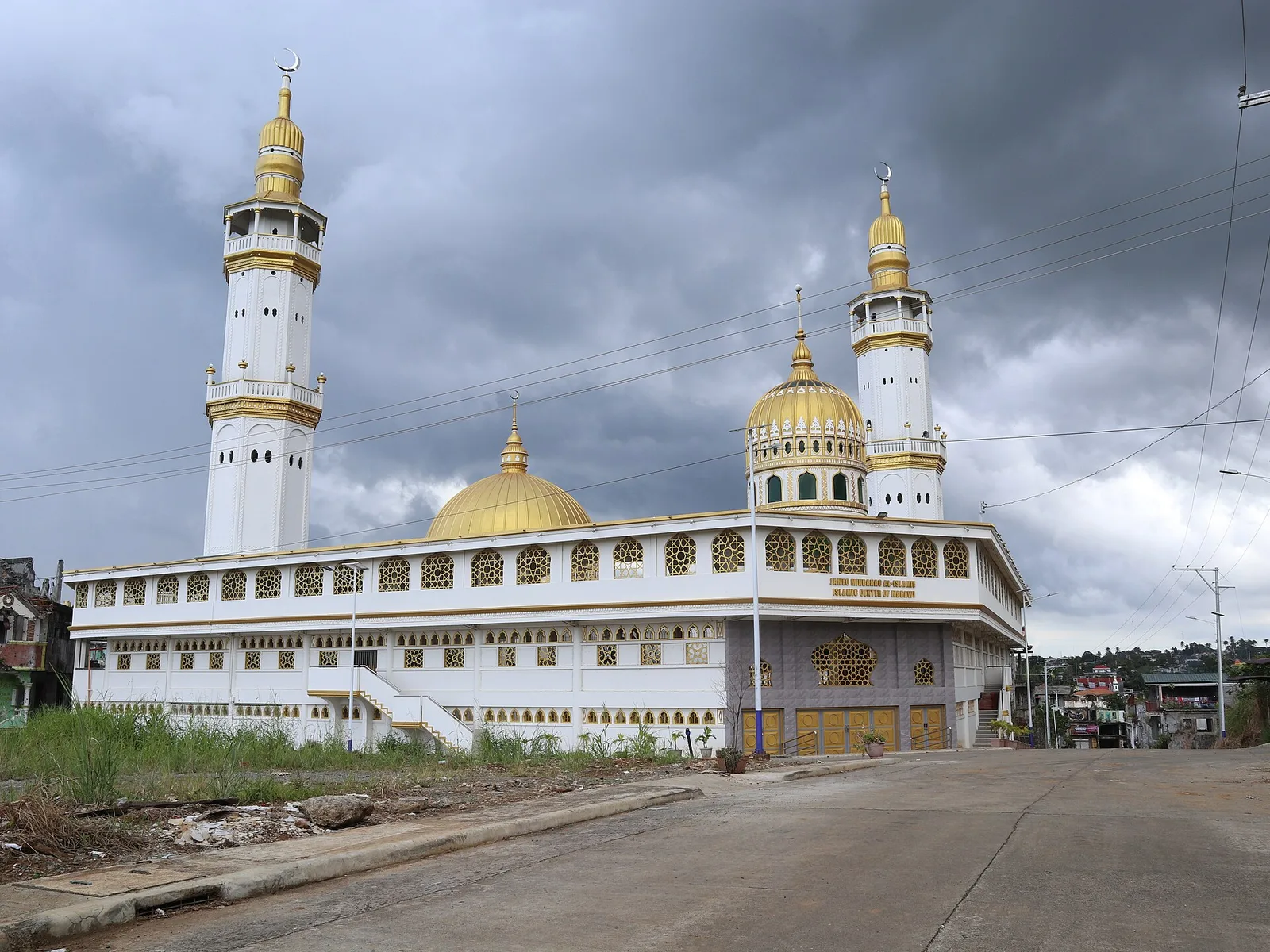
The city's grand mosque, also called the Islamic Center of Marawi, and the biggest Islamic place of worship in the country: it holds 20,000 worshippers. It stands in Pangarungan Village. The site's landowner, Datu Pangarungan Disalongan, led the first phase …
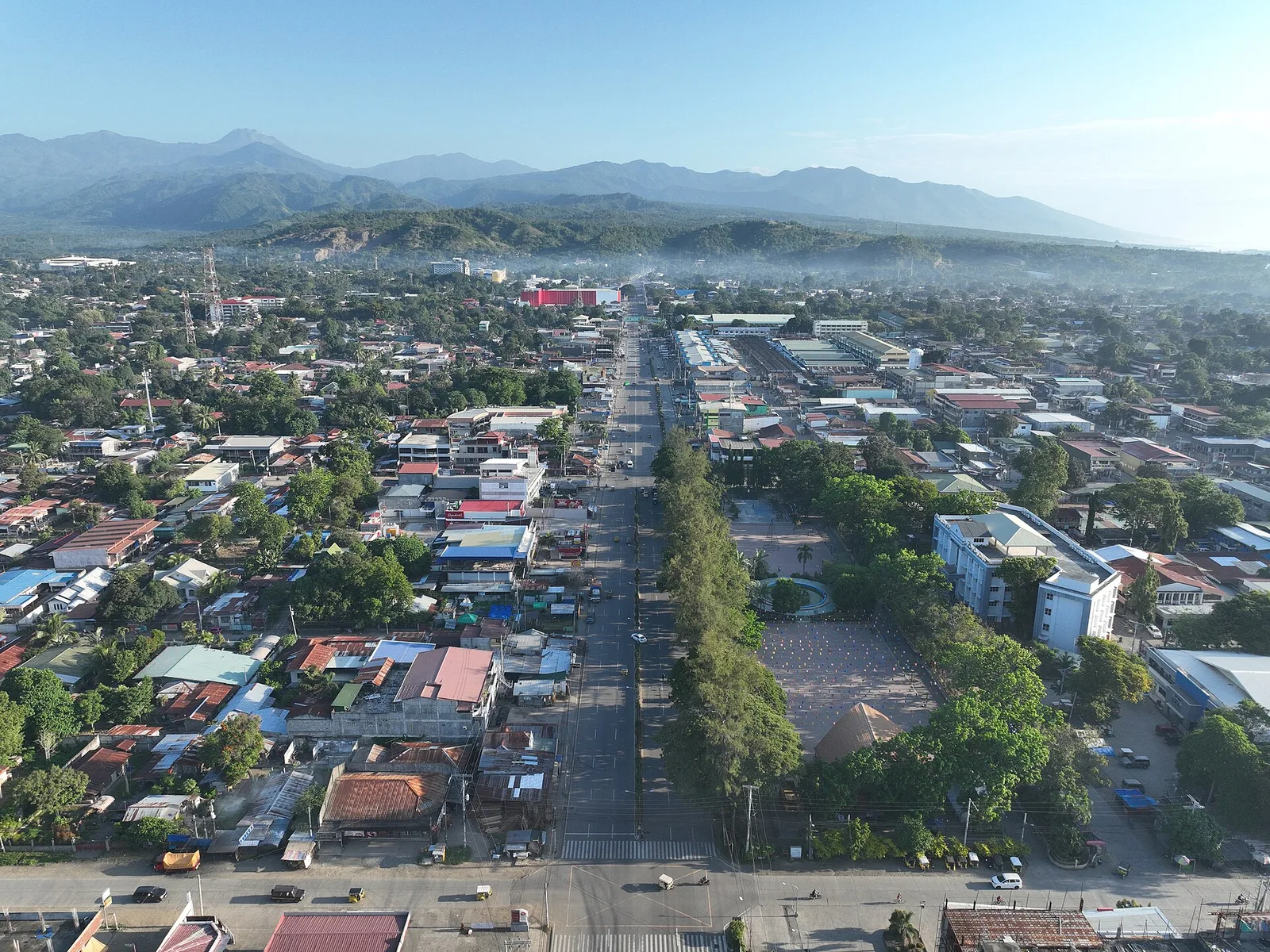
The city day, kept every 8 September, the date Digos became a city in 2000. The other fiestas in the city year are Sinulog sa Digos on 15 January, San Isidro Labrador on 15 May, the Padigosan Festival on 19 July and Mary Mediatrix on 22 August.
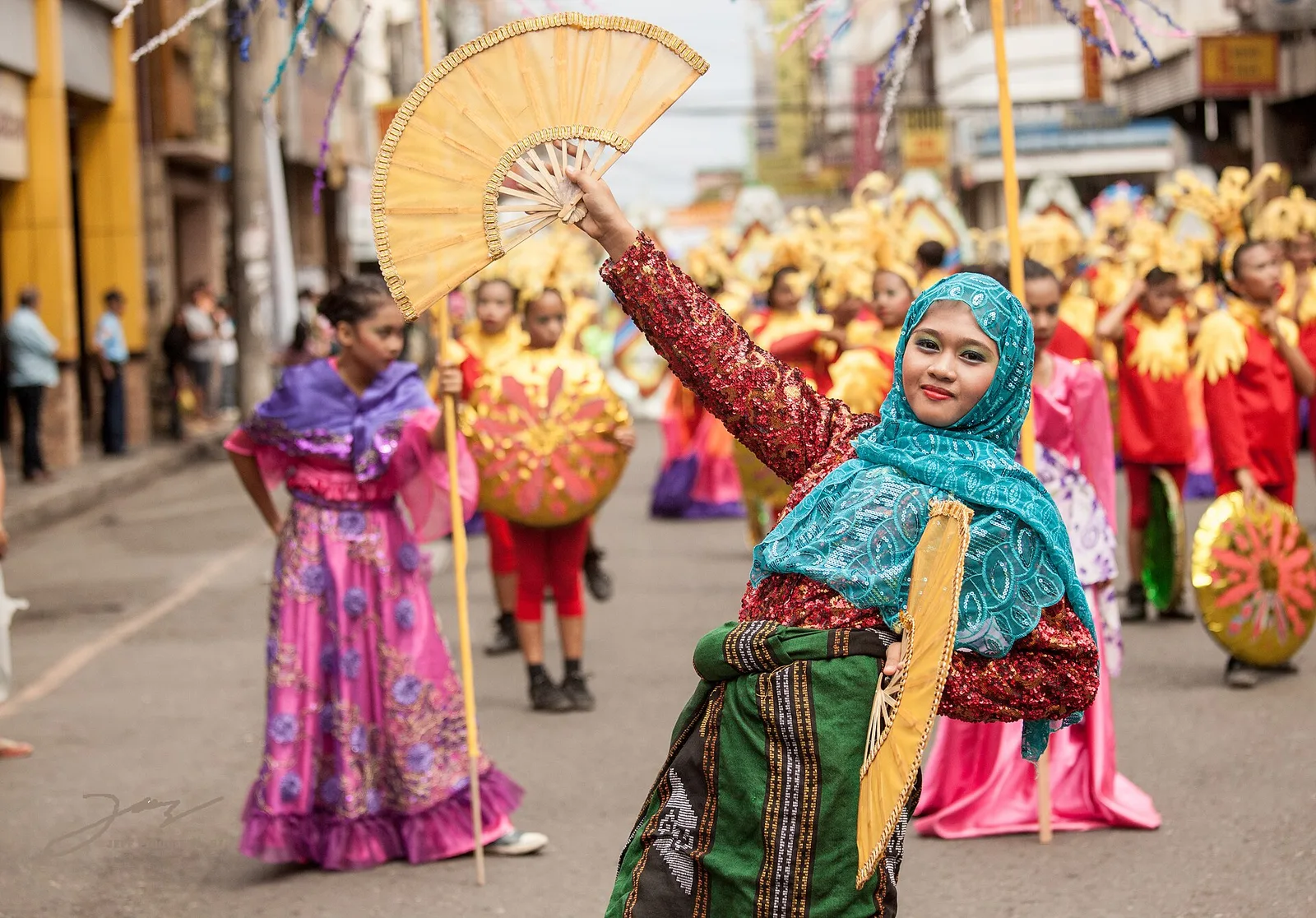
The 89th Araw ng Dabaw. Davao was founded on 16 March 1937, and the day is a local holiday. The month held district celebrations, and Parada Dabawenyo ran on 28 March.
Photo: Bro. Jeffrey Pioquinto, SJ · Wikimedia Commons, CC BY 2.0
Also known as the Western Mindanao State University (WMSU) Social Hall, the building was built during the American Era and was the center of education for most of Mindanao. It houses the College of Education of WMSU and is also …
A sight at Cannery Rd., Brgy. Cannery Site, Polomolok.
Locally known as the Cotta Shrine. A shrine dedicated to Our Lady of the Immaculate Conception and of the Triumph of the Cross of Panguil Bay, locally known as the Birhen sa Cotta. The shrine is located at the south …
The biggest mosque in the city. It is noted for following a color scheme of green, the traditional color in Islam and is associated by the Quran to the state of living of those in Paradise and its architectural details …
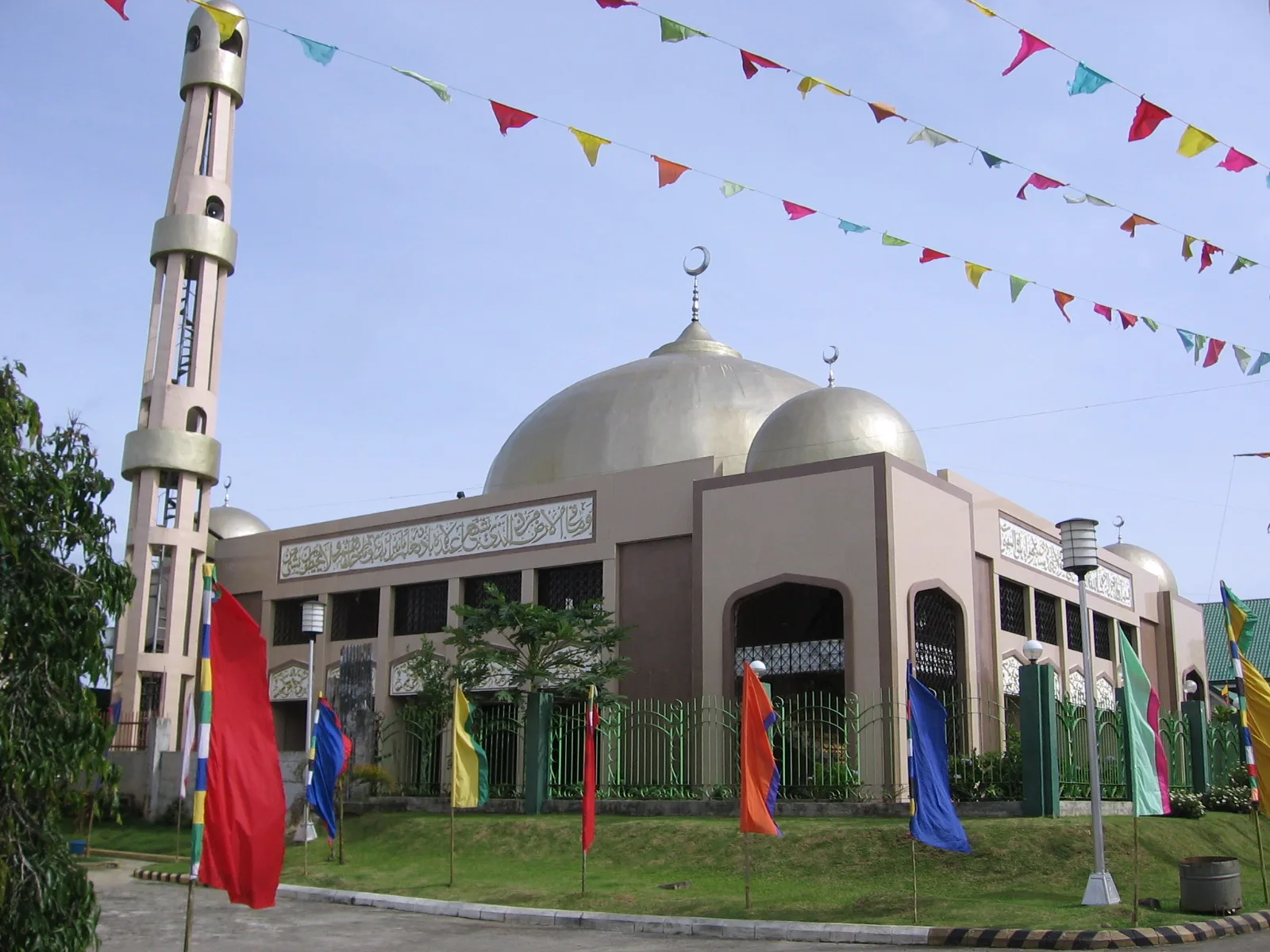
One of the city's noted mosques. The beige place of worship is located within the Lanao del Sur Provincial Capitol Complex.
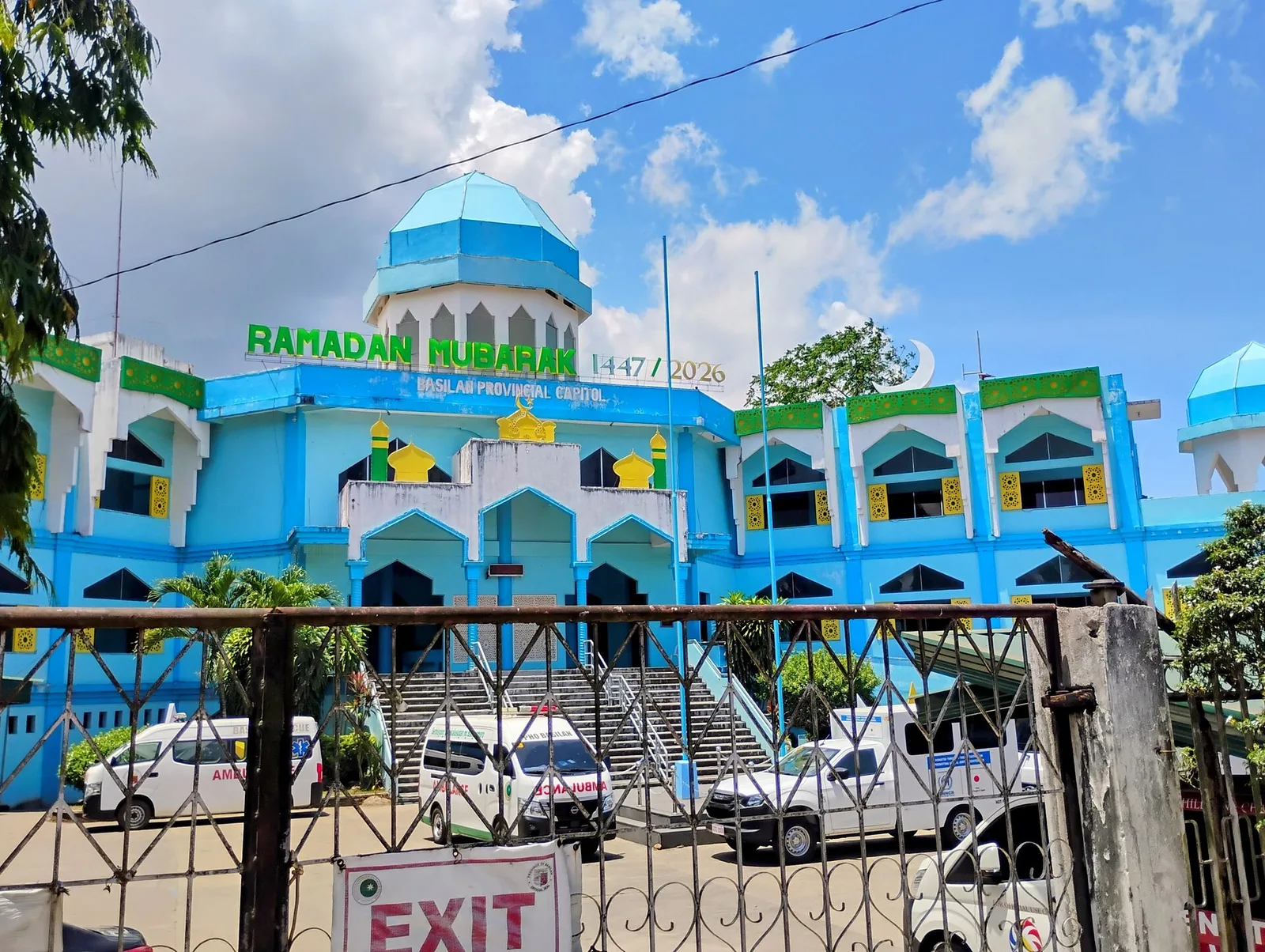
Historic seat of Islamic faith and teaching in Basilan, can be seen as you enter the Isabela Channel.
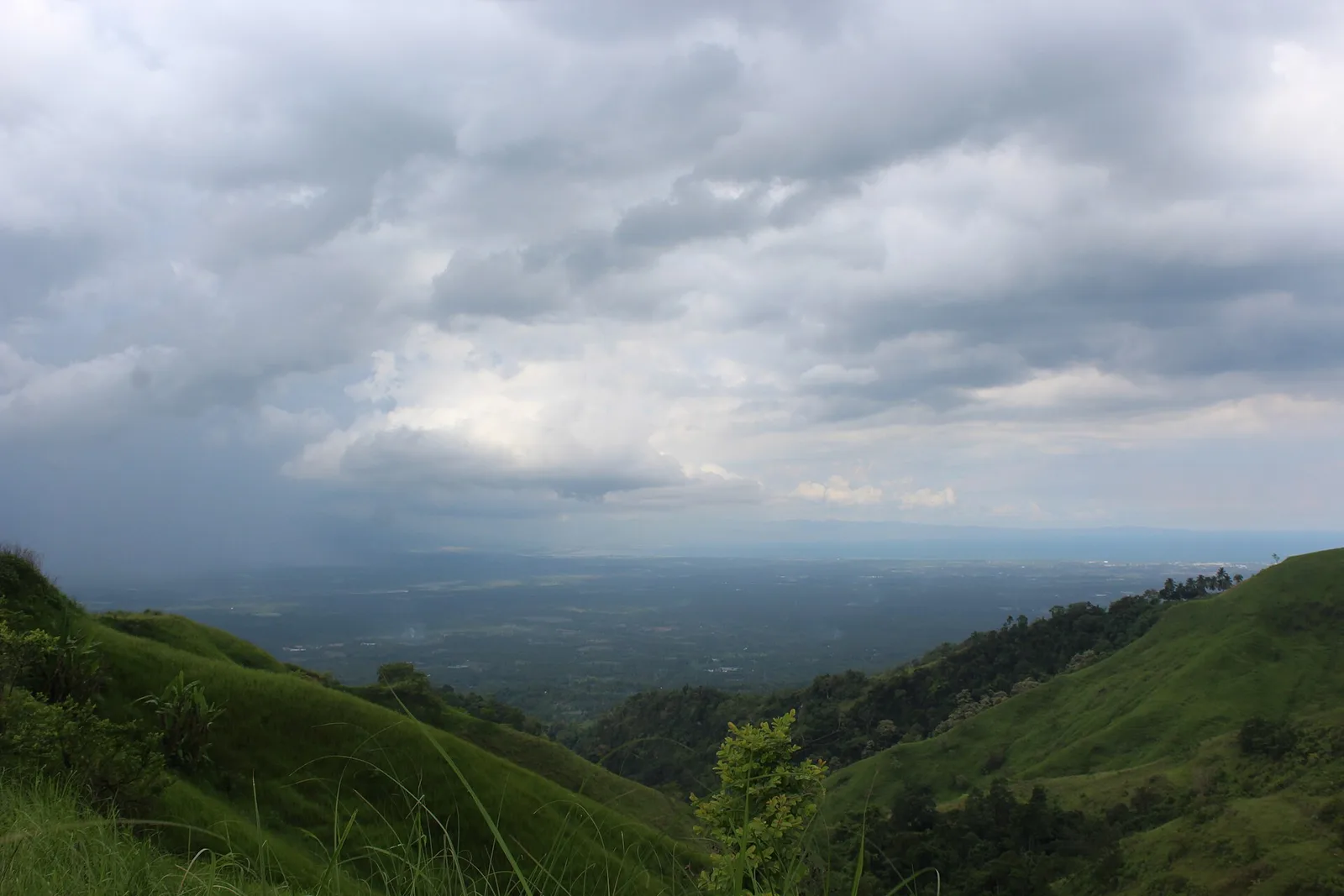
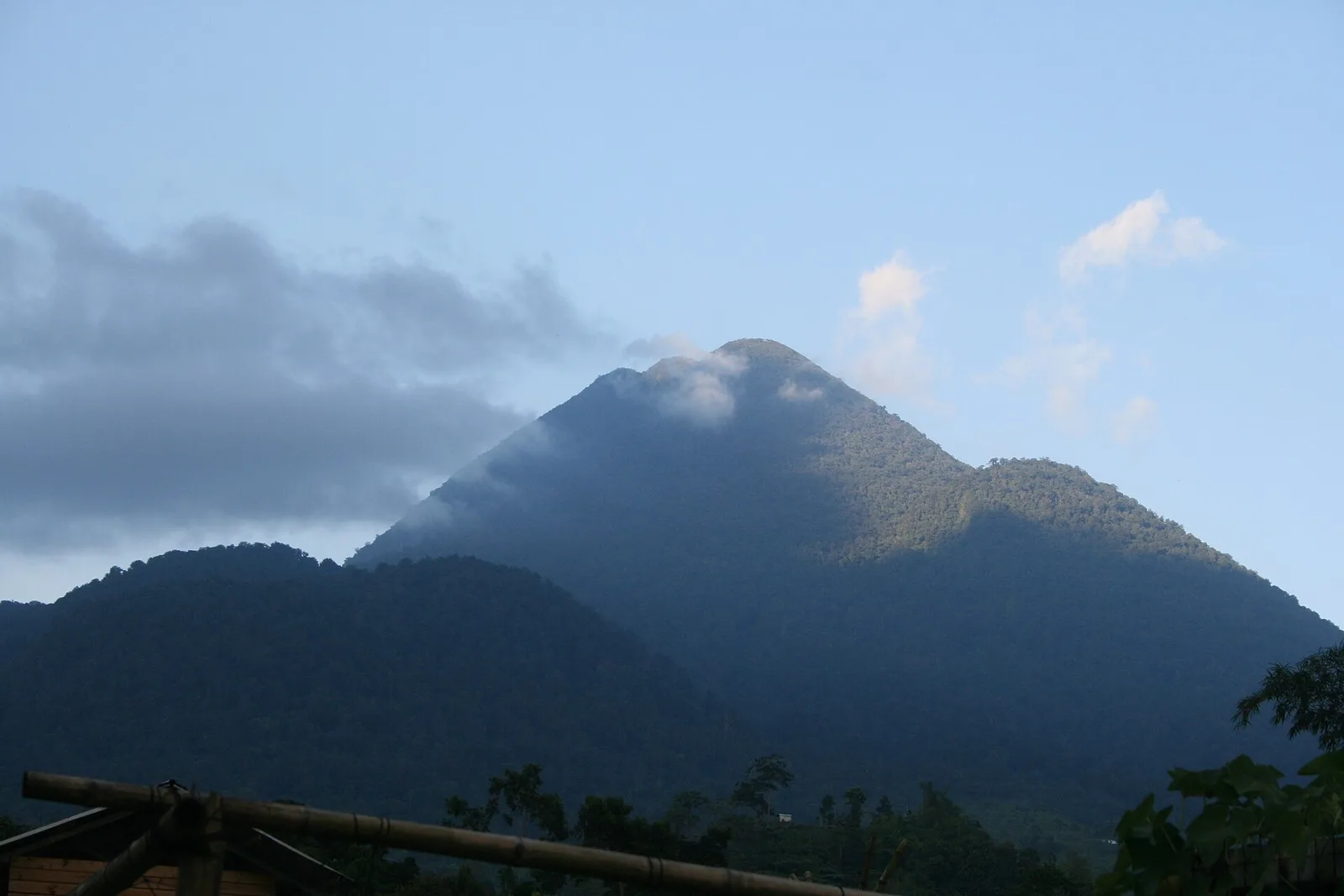
800-foot high mountain peak accessed by trails with panoramas of General Santos City.

