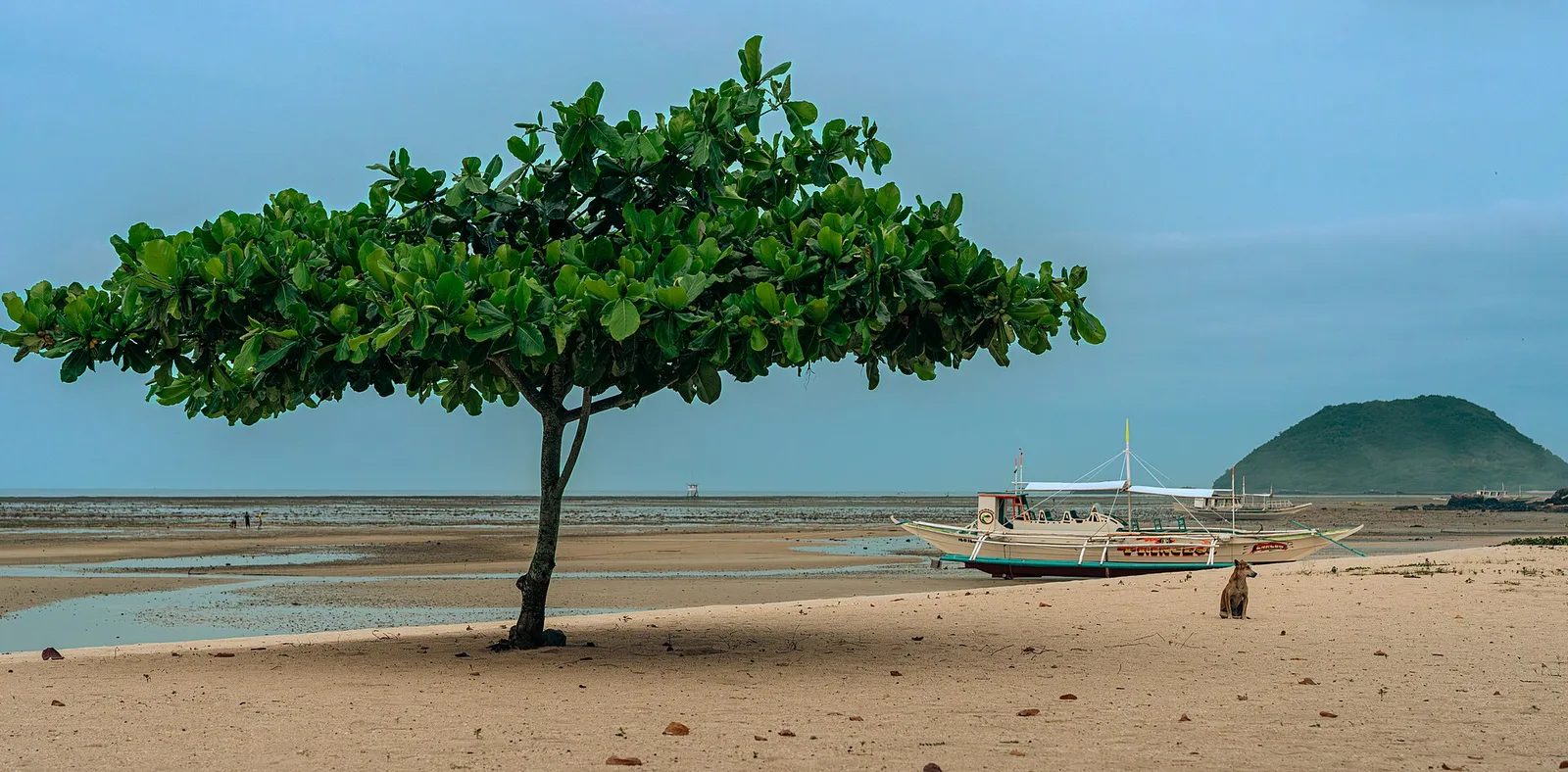
Sicogon Island
A resort island 9.95 kilometres off the northeast coast of Panay, under the town of Carles. It covers 11.6 square kilometres and holds three barangays, and 4,275 people lived there at the 2020 census. A joint company of Ayala Land …
Island group · 4 regions
A resort island 9.95 kilometres off the northeast coast of Panay, under the town of Carles. It covers 11.6 square kilometres and holds three barangays, and 4,275 people lived there at the 2020 census. A joint company of Ayala Land …
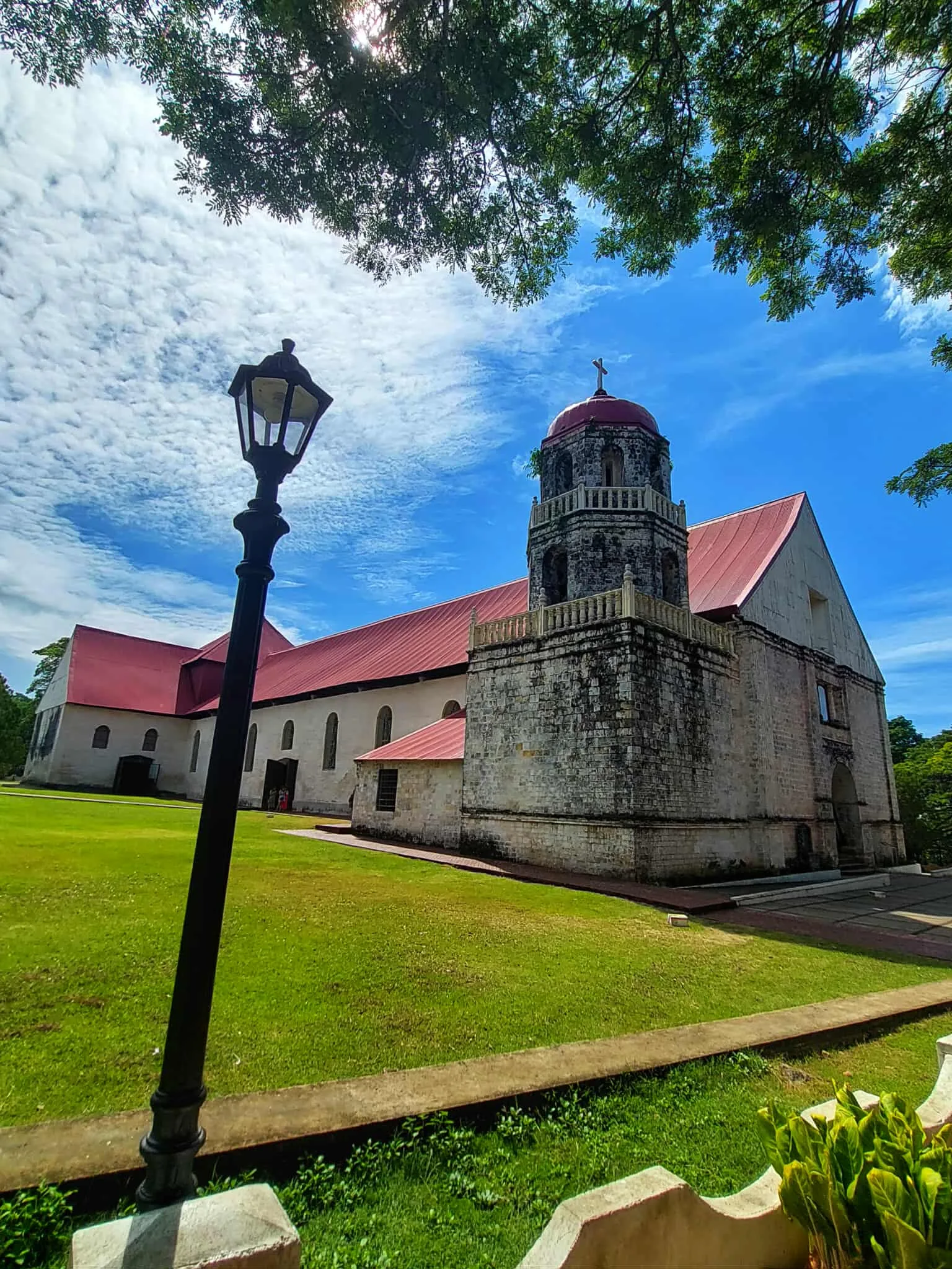
A parish church known for the very large convent beside it. It became an independent parish in 1857 under Saint Isidore the Laborer, and still carries his Spanish name, San Isidro Labrador. The National Museum of the Philippines has declared …
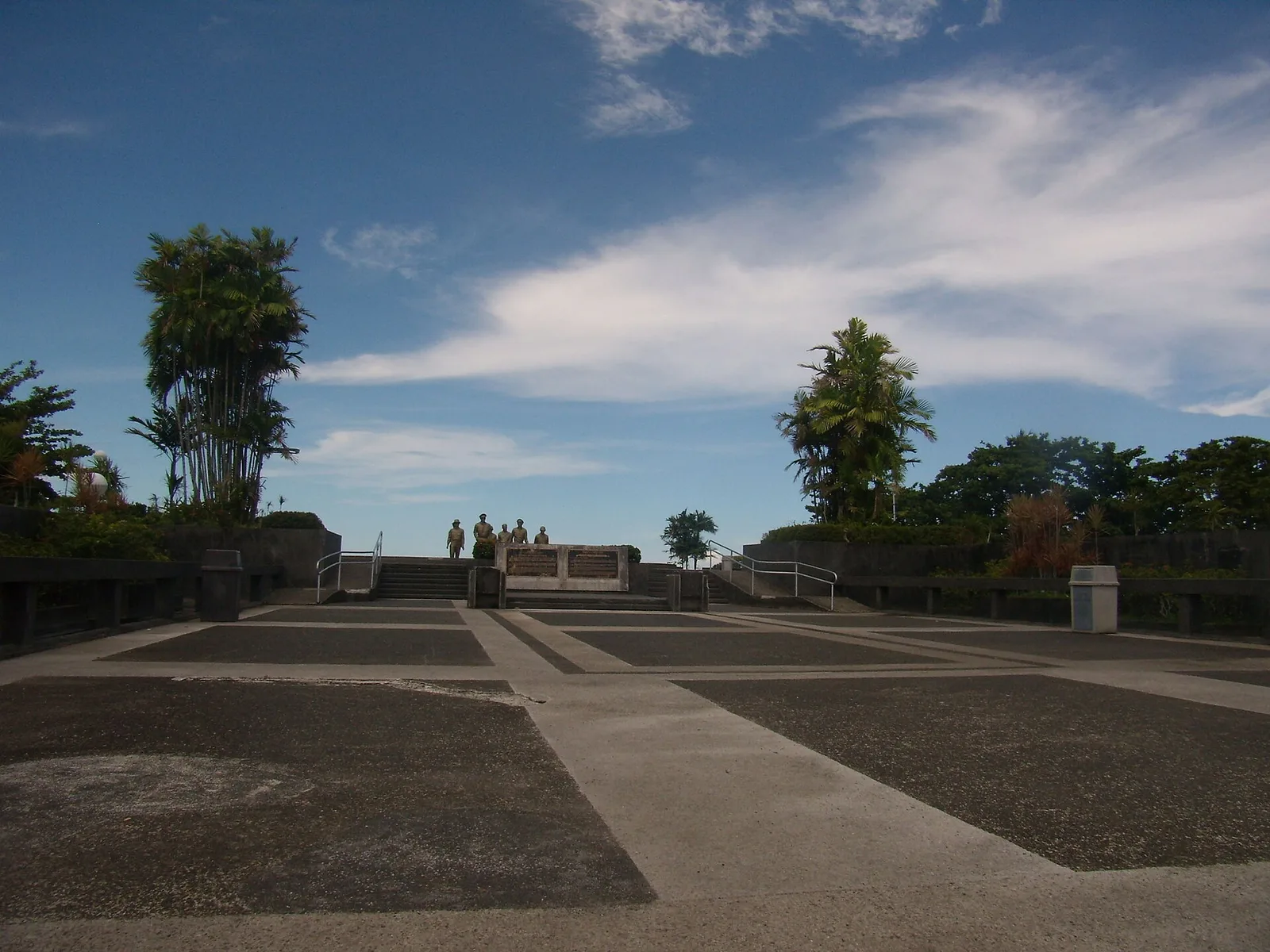
The war memorial at Palo that marks where General Douglas MacArthur came ashore in Leyte Gulf on 20 October 1944, at the start of the campaign to take the Philippines back from Japan. The landing led to the largest naval …
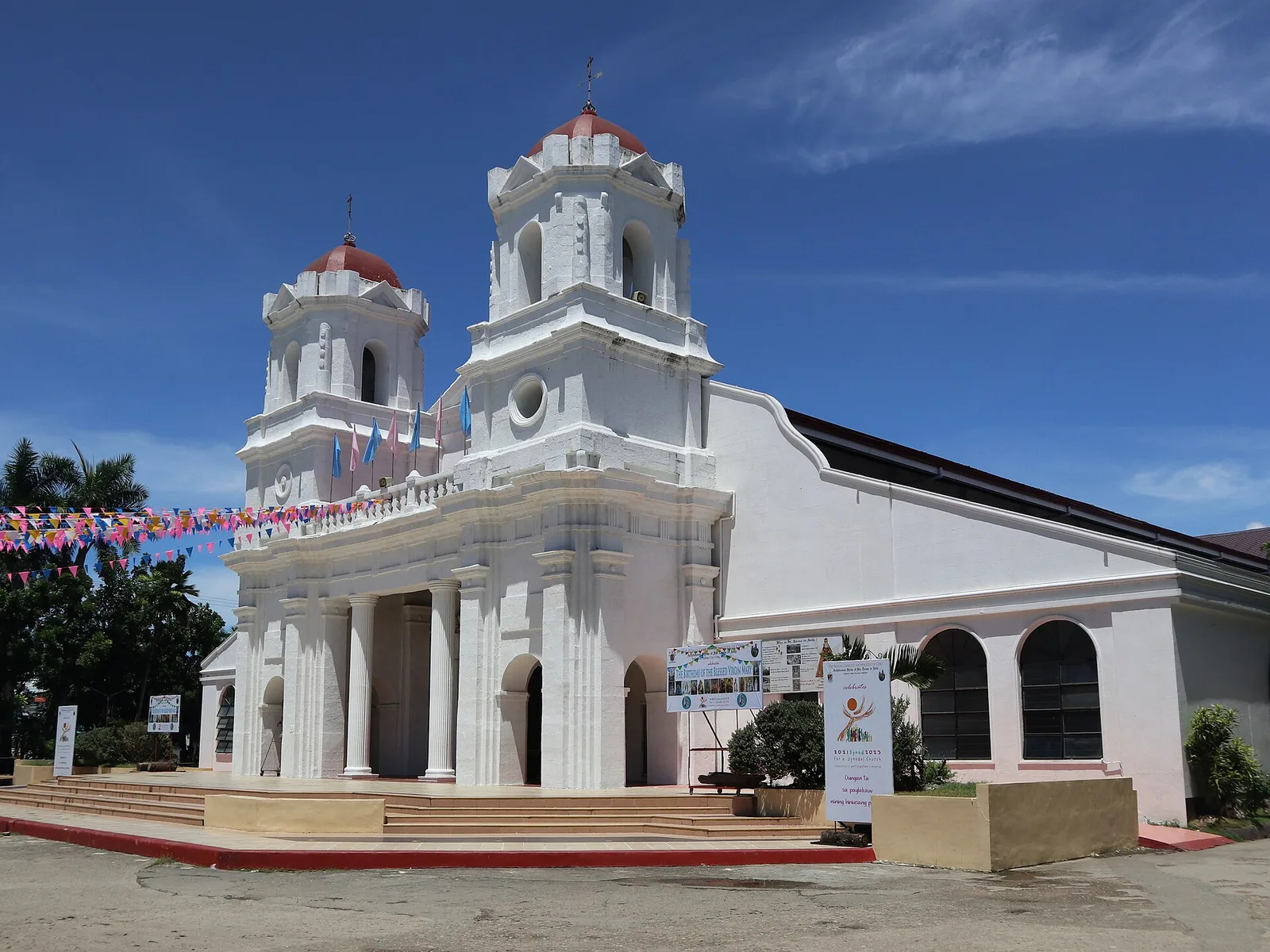
The town church, built from 1836 to 1848 in a classical Graeco-Roman style. Two bell towers stand on its facade, joined by a porch on two columns. The walls are coral stone. Inside are five gilded altars and a large …
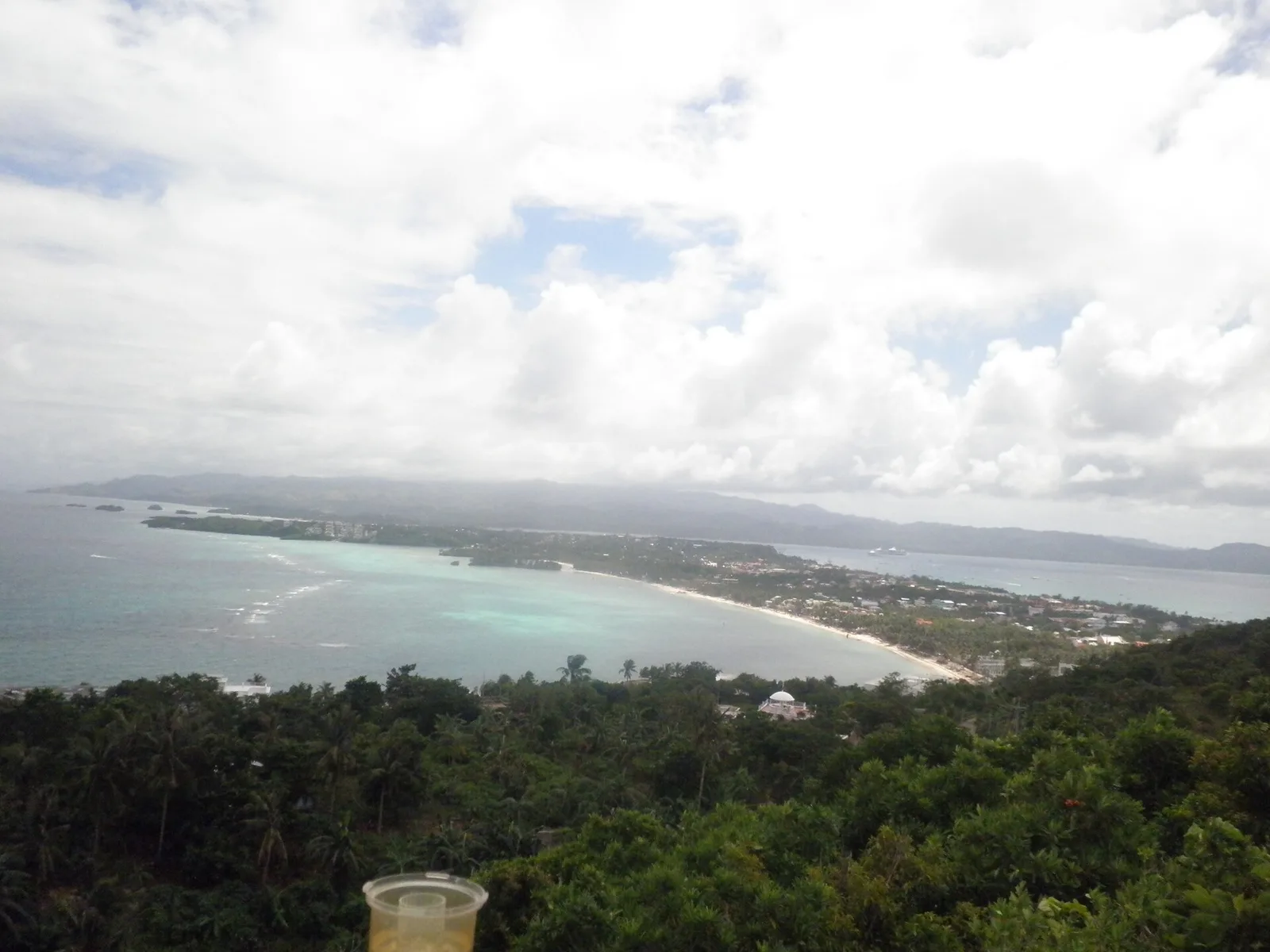
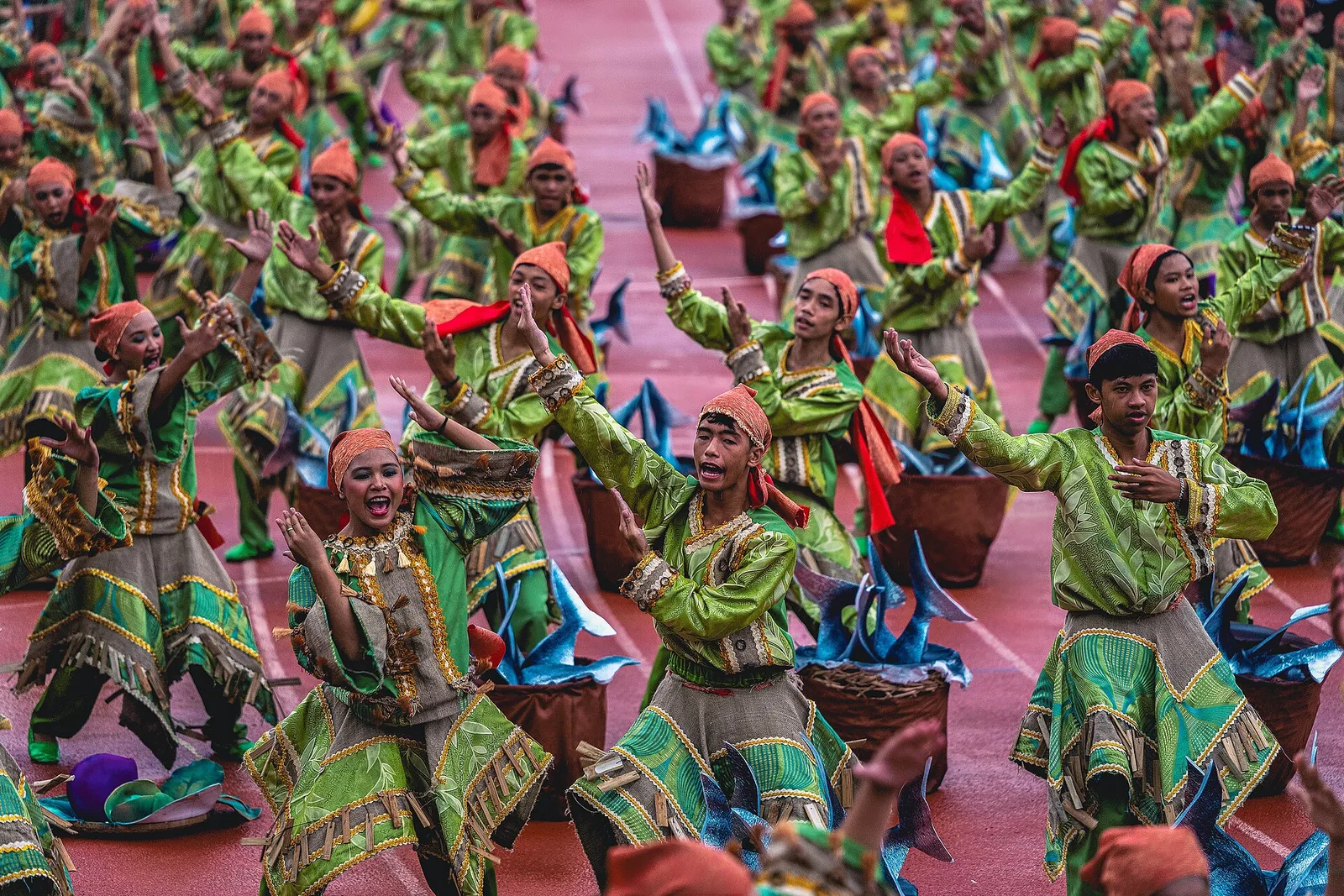
The festival of festivals: every town and city of Negros Oriental brings its own festival to Dumaguete for ten days, with booths, street dancing and a food fair.
Built sometime between 1800 and 1830, it is one of the oldest standing structures in Tagbilaran, and one of the few remaining trading villas in Bohol. Owned by the Rocha-Suarez family, it was converted into a museum in 2005, with …
Take a 20-min walk to the base of the lighthouse, which has a viewing deck overlooking the sea and some islets.
The Roxas City Museum was once a circular water tank that has been creatively reused as a museum. It has exhibits about local and indigenous Panay culture, and the tourism office.
A sight at People's Park, Arnaldo Boulevard, Roxas City. Hours: Open 24 hours. Entry: Free.
This picturesque barrio is famous for its Shrine of St. Anthony of Padua whose miraculous attributes devotees and visitors from afar and wide.
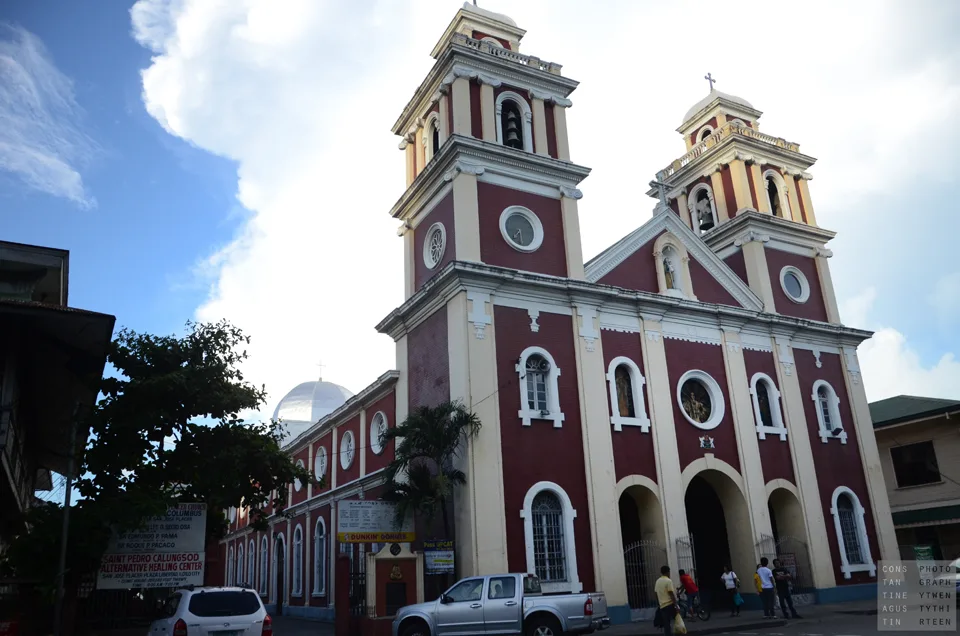
Founded in 1607 by the Jesuits and later turned over to the Augustinians, it is considered the first church in Iloilo City. The church houses the replica of Santo Niño de Cebú, the patron saint of the Dinagyang Festival.
Hot springs where cottages and pools have been developed. Life-size statues of saints. Caves
The most majestic of Calbayog's waterfalls. As you ascend the stream, you will see a circular pond about in diameter, wide enough for swimming and deep enough for dinging. The cascading water comes from streams flowing endlessly, resulting from pressure …
These falls are the primary source of water for Calbayog's residents. At places where the cataract is so high, the water falling into the pool below becomes a mere mist.
A beautiful and scenic waterfall, and a favorite picnic site for Calbayog residents
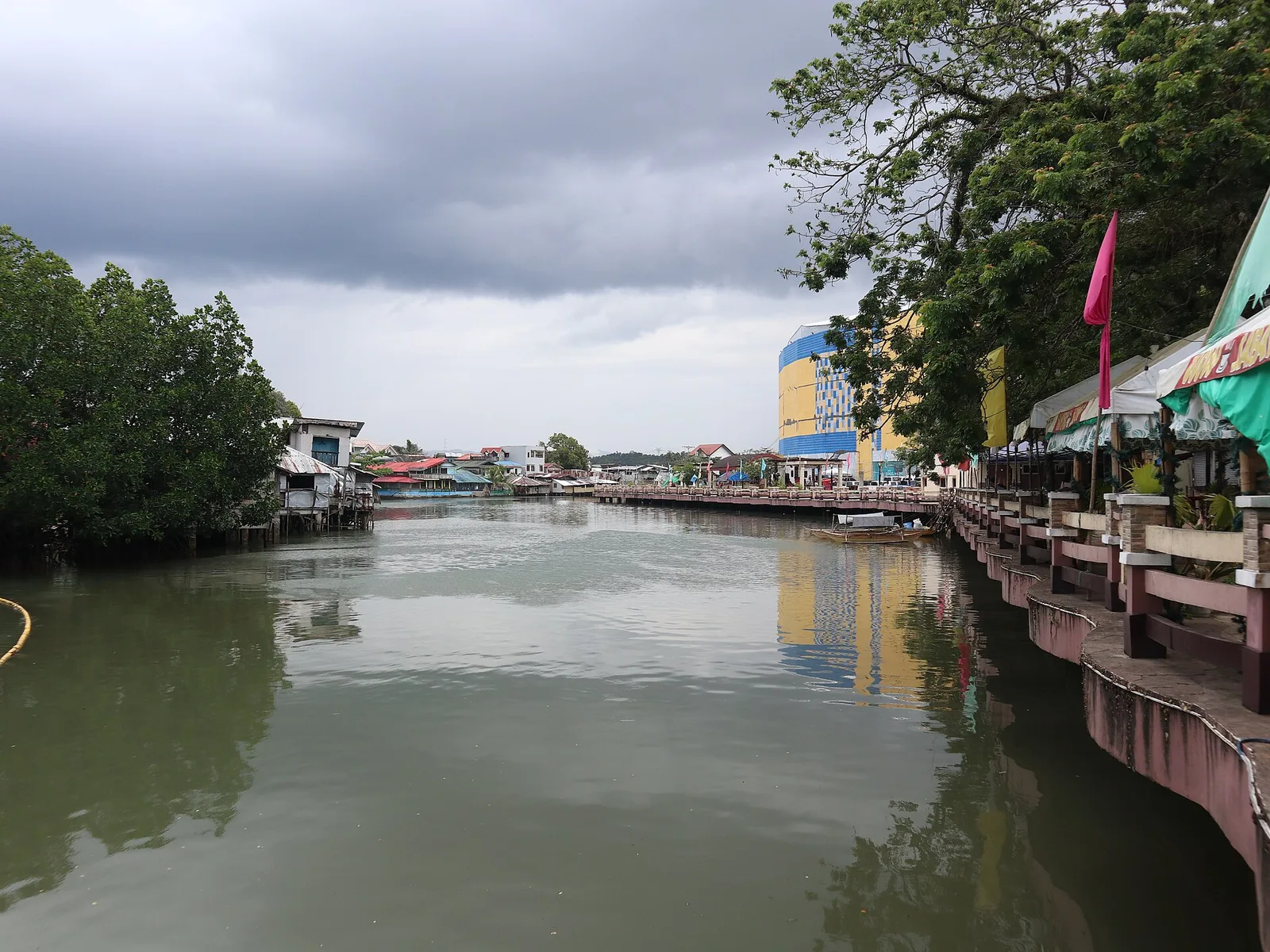
The large central plaza named after the revolutionary Benedicto Nijaga. The park also has an artificial replica of Bangon-Bugtong Falls.
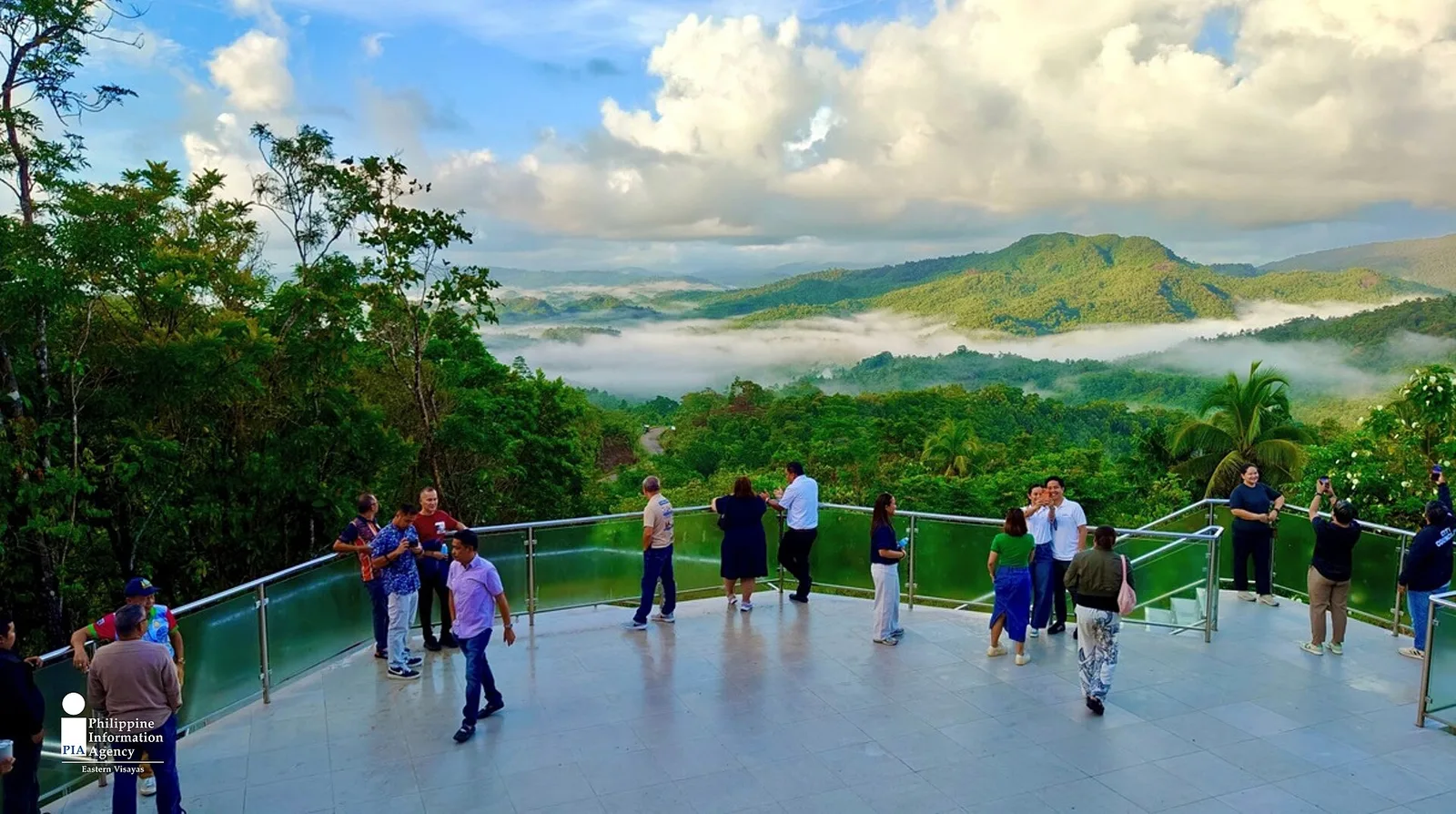
Enjoy the white sand and natural pool in the secluded nook beach facing the Pacific Ocean.
Located beside I Love Borongan Landmark. Scrimmages available from 3PM till evening.
This chapel, designed by Archbishop Norman Campus, is notable for its extensive shellwork. It features Leticia Sia Ledesma’s Barangay Sang Birhen ("Village of the Virgin"), a mosaic made from 95,000 shells, as well as other shell-made images of saints, Stations …
This relatively new church is dedicated to St. Jude Thaddeus, patron saint of lost causes. It is notable for its richly decorated, gold-toned Baroque-style altar, ceiling mural, and Divine Mercy shrine.
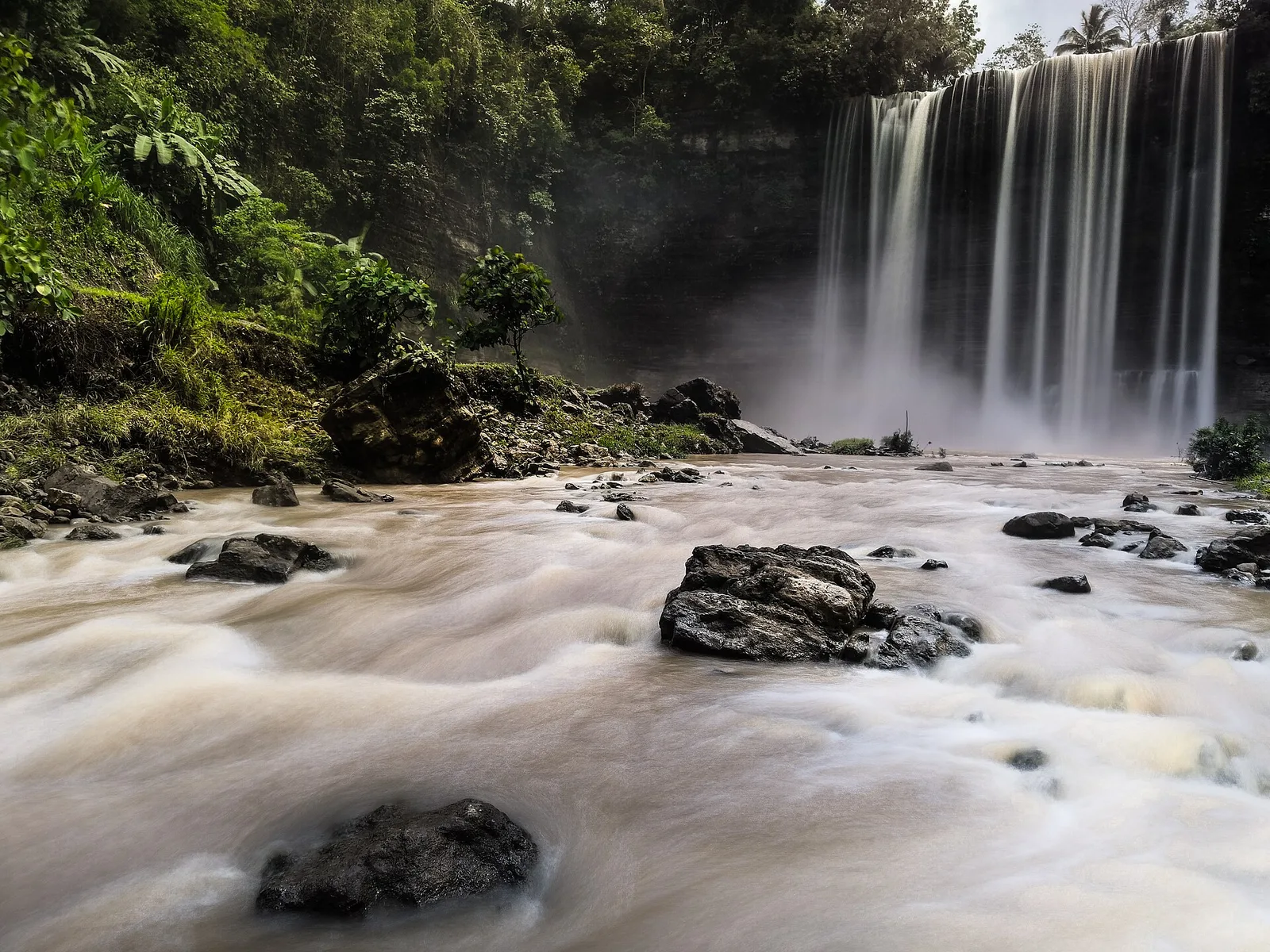
One of Bayawan City's waterfalls, Niludhan Falls, lies in Negros Oriental. Local tourism listings group it with two other named waterfalls, Banay-Banay Falls and Lourdes Falls, as some of the city's outdoor sights.
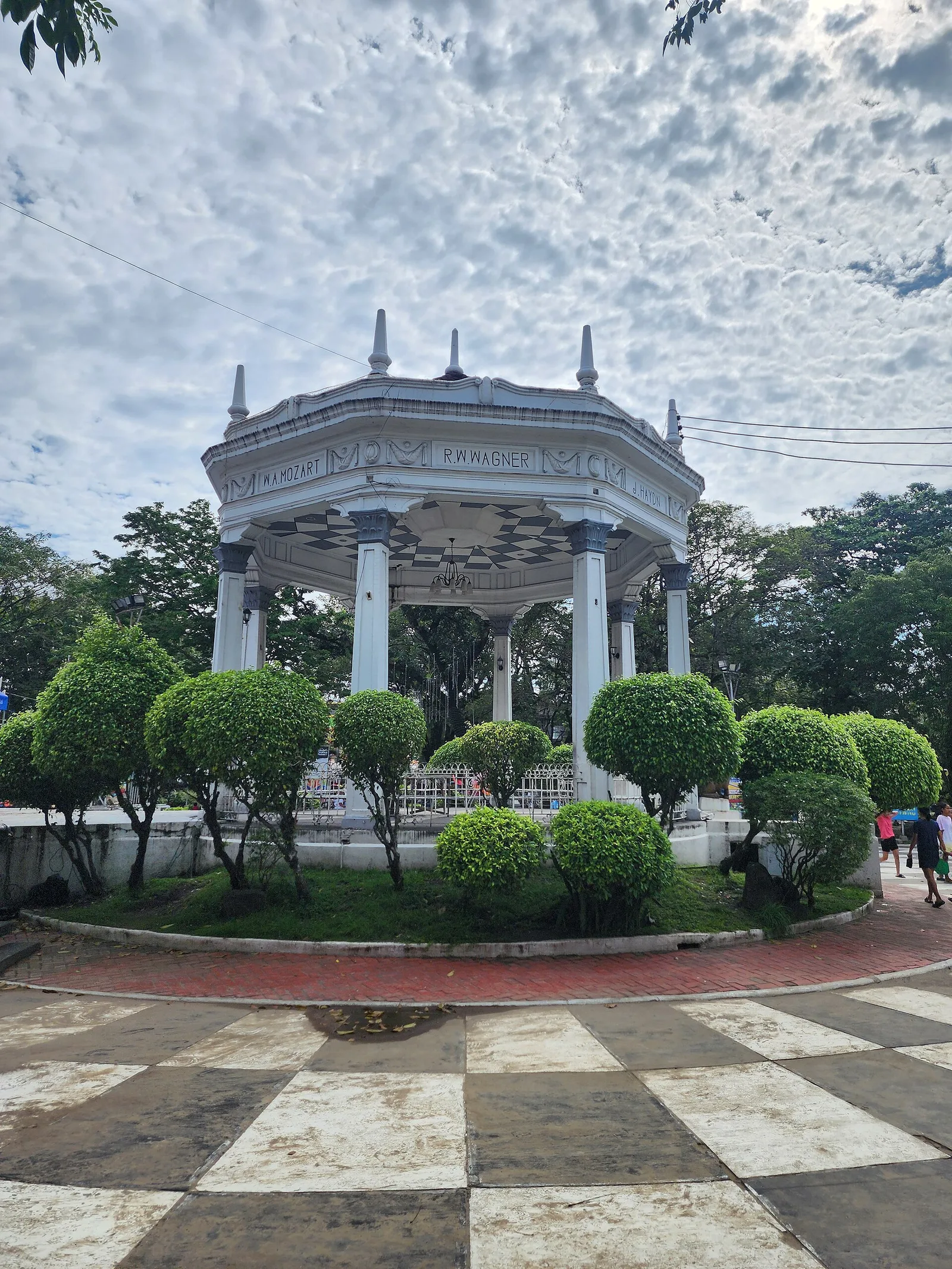
The downtown plaza, officially Plaza del 6 de Noviembre, named for the day the Spanish handed Negros Island over to the Negros revolutionaries. It is trapezoidal, with a belt of trees around the edge, four circular fountains among the trees …
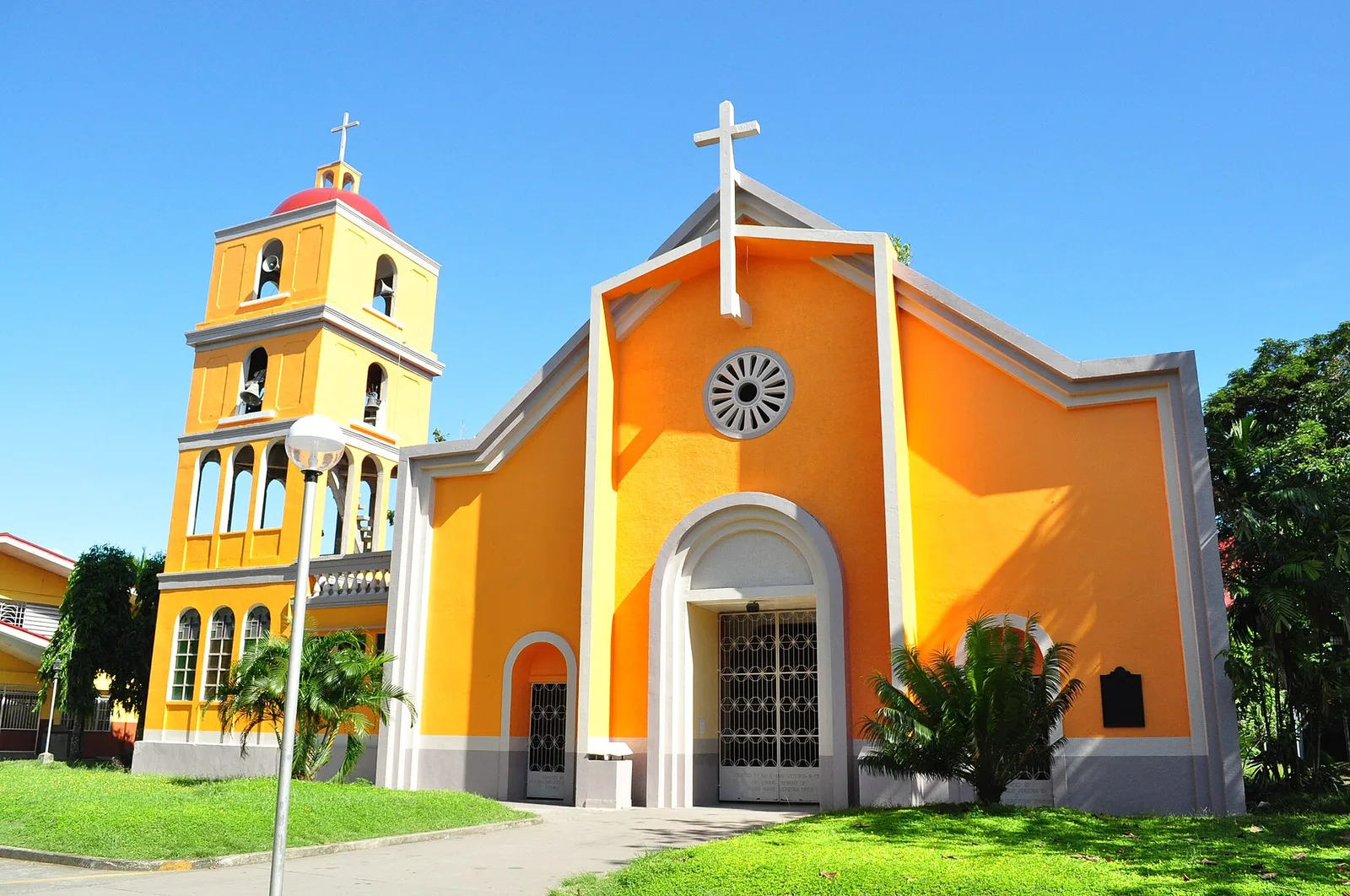
A parish church first built in 1704 and named for the Assumption of Our Lady. In 1860 it was enlarged with a transept and ringed with a wall and watchtowers, as a defence against pirates. It came through the tidal …
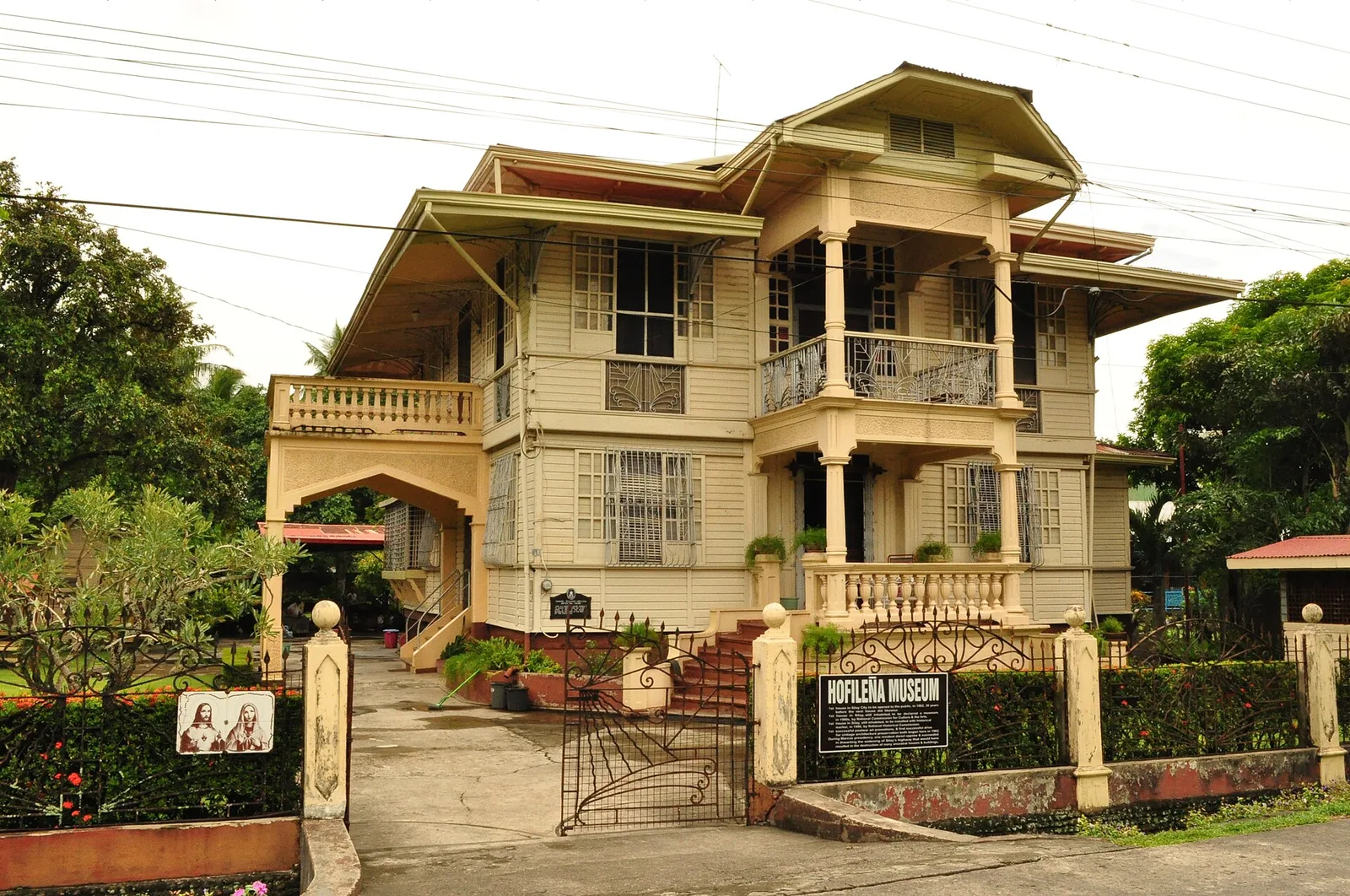
A family home on Cinco de Noviembre Street, built by Manuel Severino Hofileña for his wife Gilda Ledesma Hojilla, a former Miss Silay, and for their nine children. Ramon Hofileña, one of the children, lived here until recently and took …
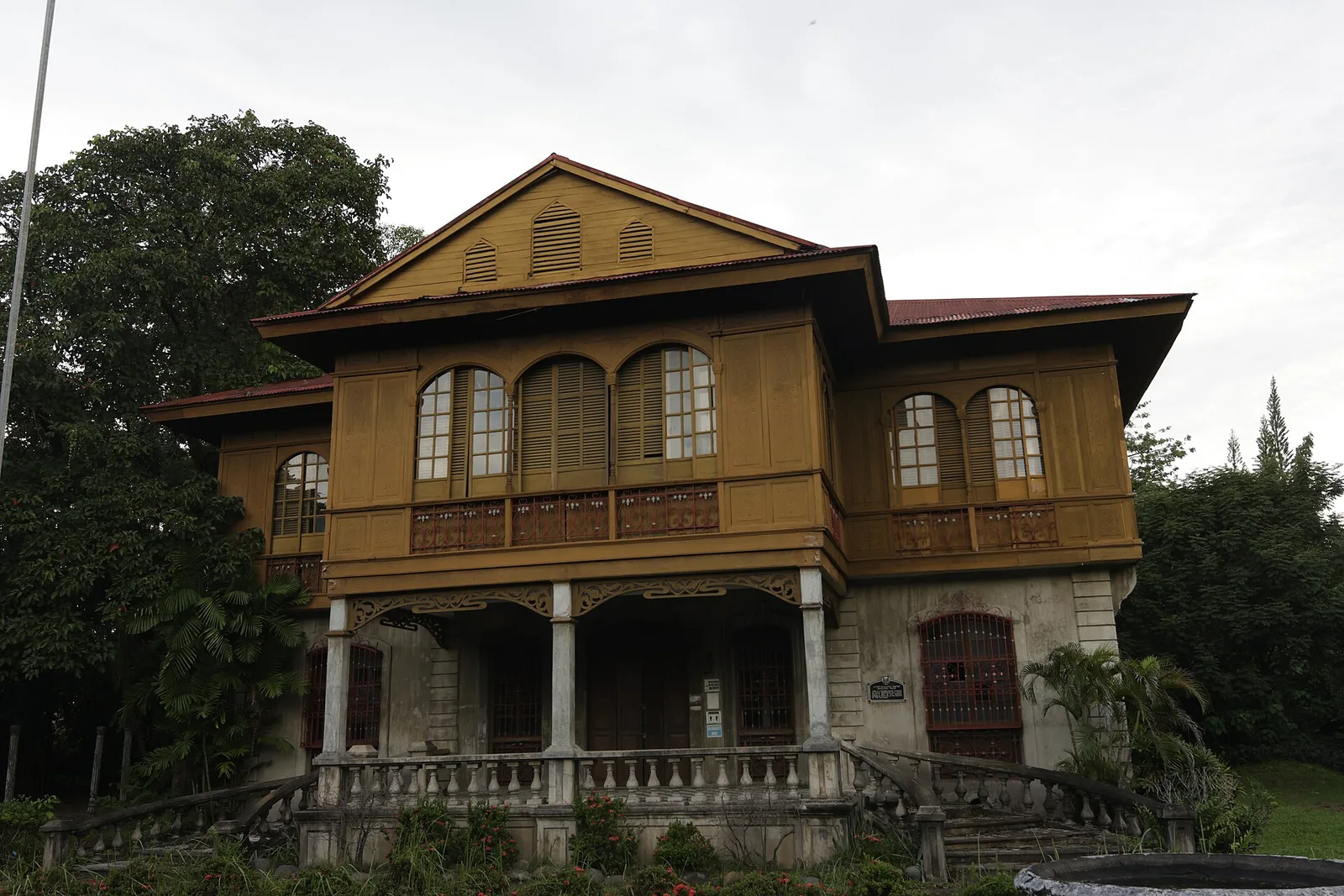
A museum in the mansion of Victor Fernandez Gaston, son of the first Negrense sugar baron, Yves Leopold Germain Gaston. It shows how a sugar baron lived in the late 19th century. It was the first museum in the province …
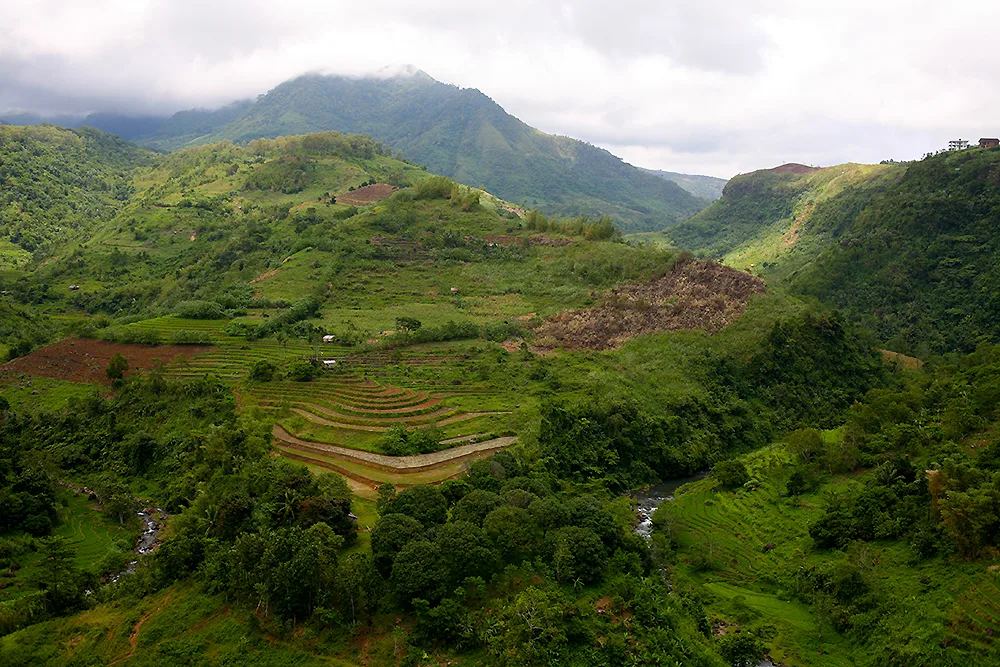
An active volcano and the highest mountain on Negros at 2,465 metres. It is also the highest peak in the Visayas, and it ranks as the 42nd-highest peak of an island in the world. The cone is an andesitic stratovolcano …
