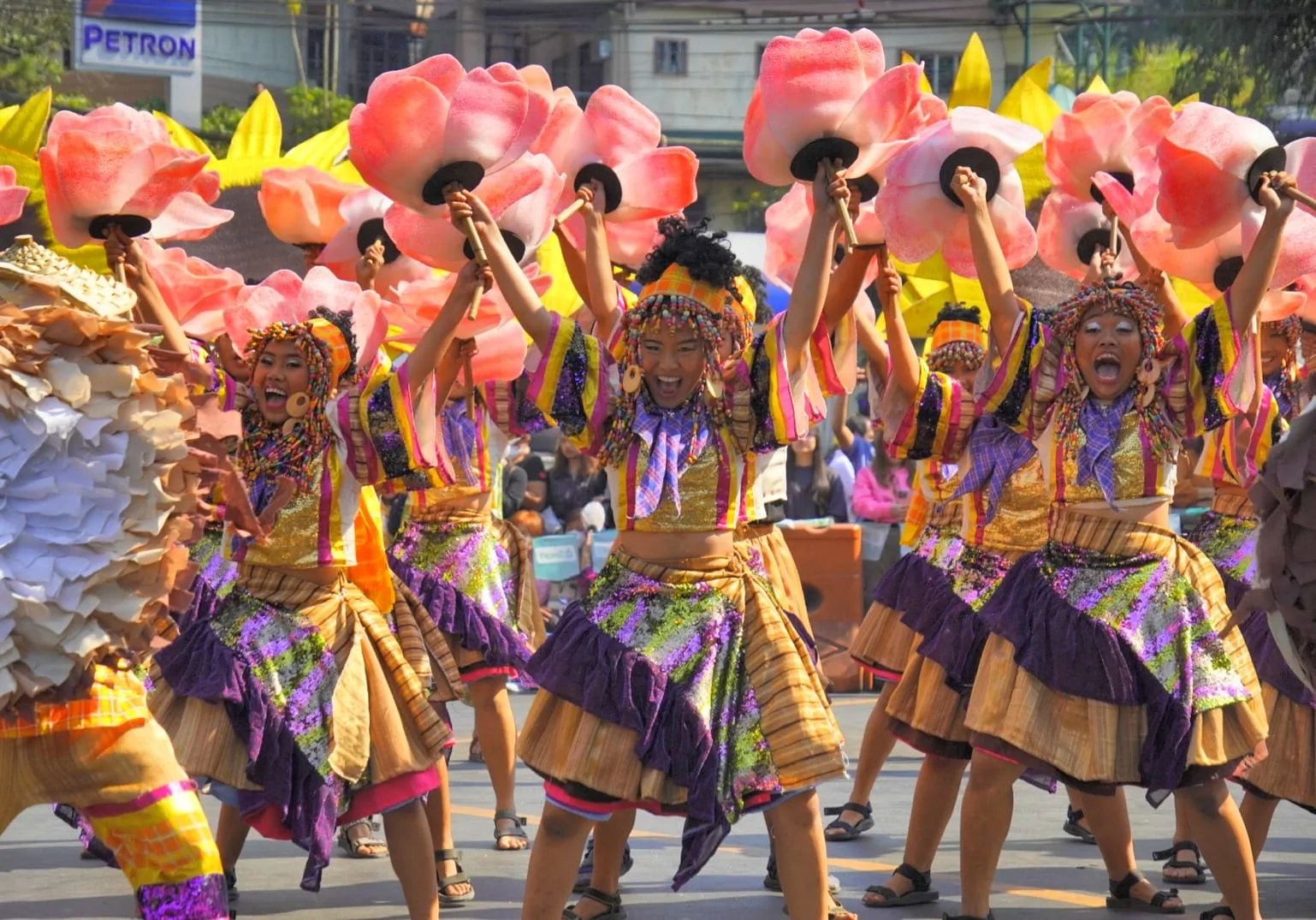
Panagbenga Festival
The 30th Panagbenga, under the theme Blooming Without End. The grand street dance parade ran on 28 February and the grand float parade down Session Road on 1 March. Fireworks closed the festival on 8 March.
The 30th Panagbenga, under the theme Blooming Without End. The grand street dance parade ran on 28 February and the grand float parade down Session Road on 1 March. Fireworks closed the festival on 8 March.
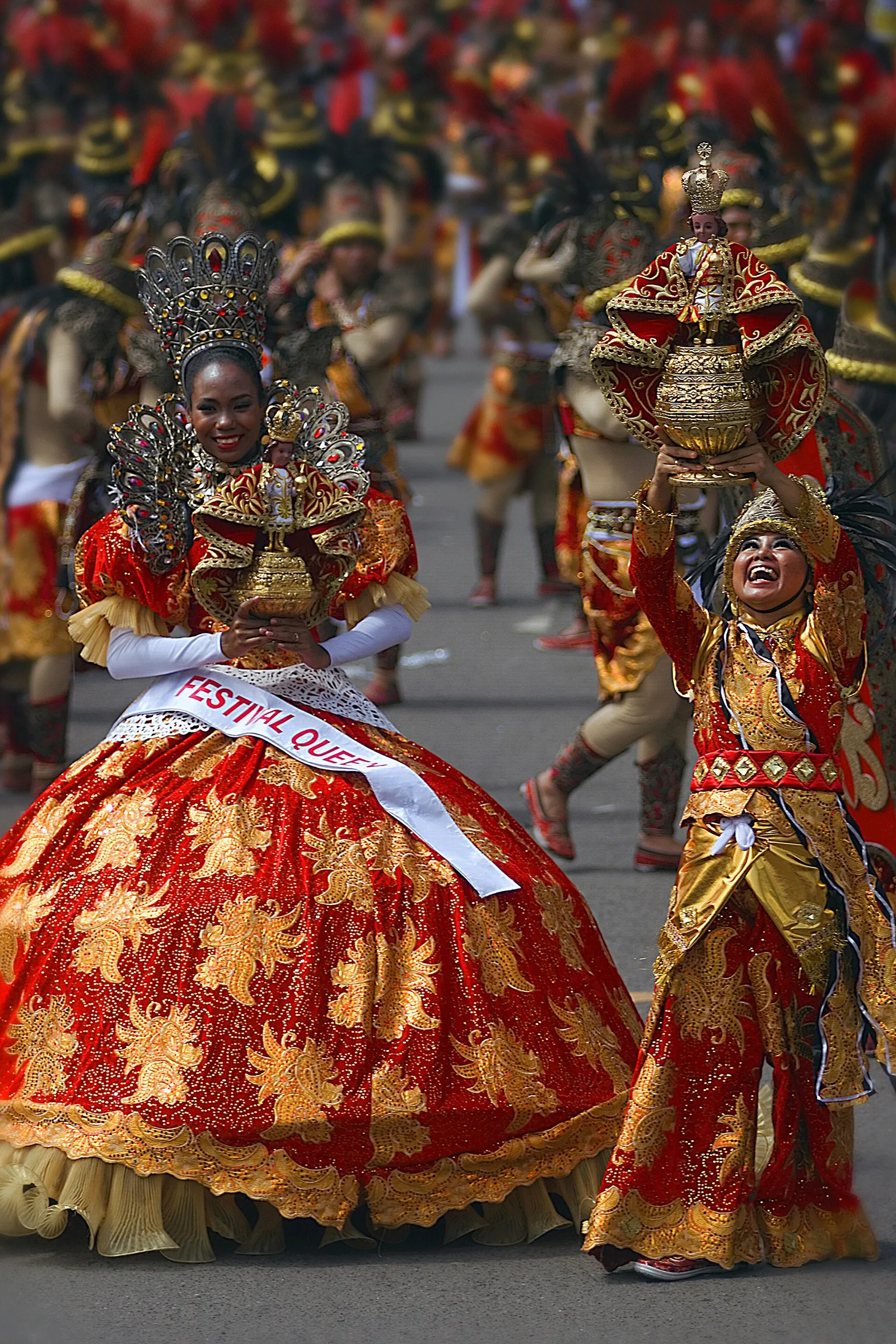
The novena to the Santo Niño opened at the basilica on 9 January. The grand parade filled the Cebu City Sports Center on Sunday 18 January, and the grand finale closed it that evening.
Photo: Ranieljosecastaneda · Wikimedia Commons, CC BY-SA 4.0
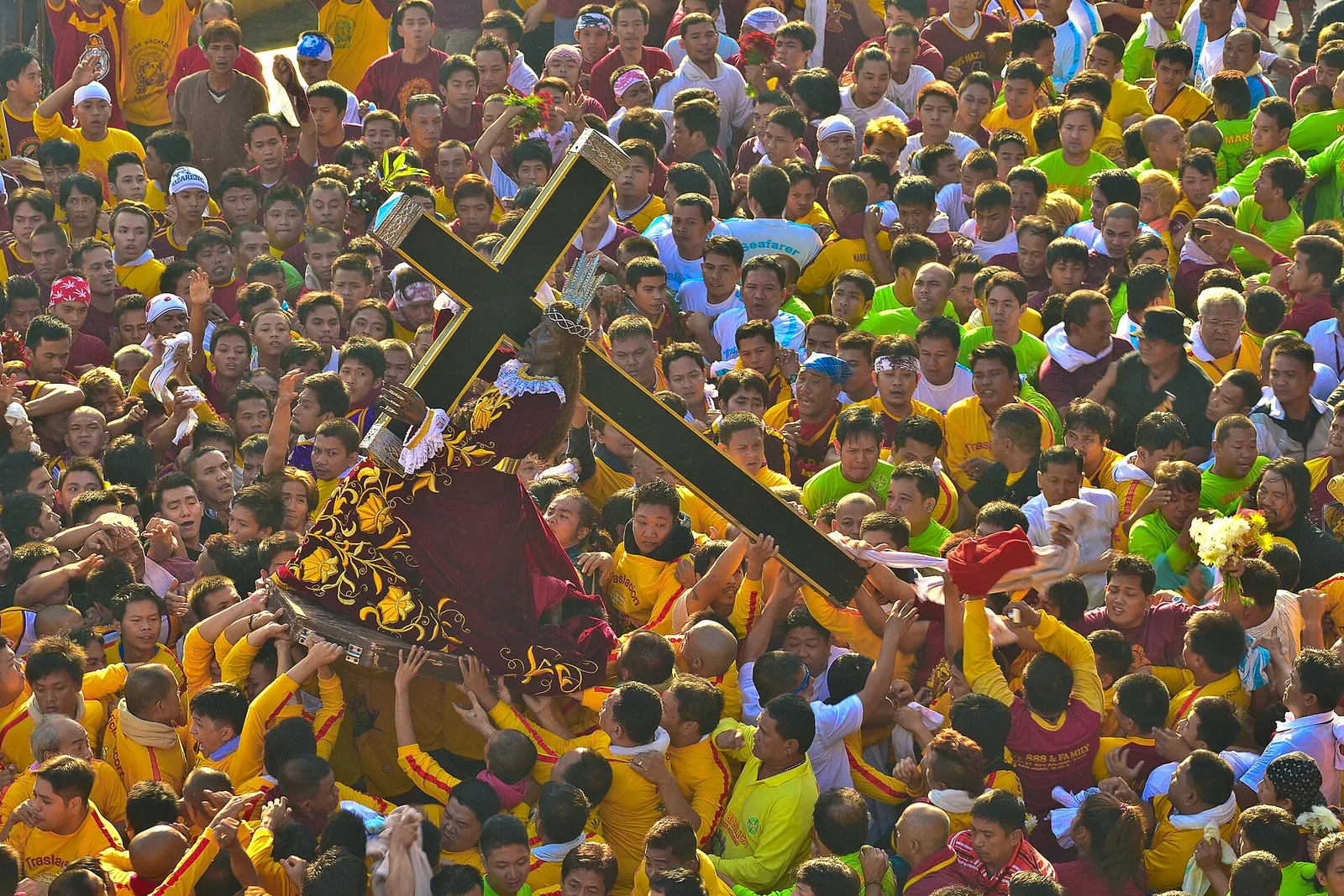
The Traslacion carried the Black Nazarene from Intramuros to Quiapo Church. 9.6 million people joined, and the procession took 30 hours and 50 minutes, the longest on record.
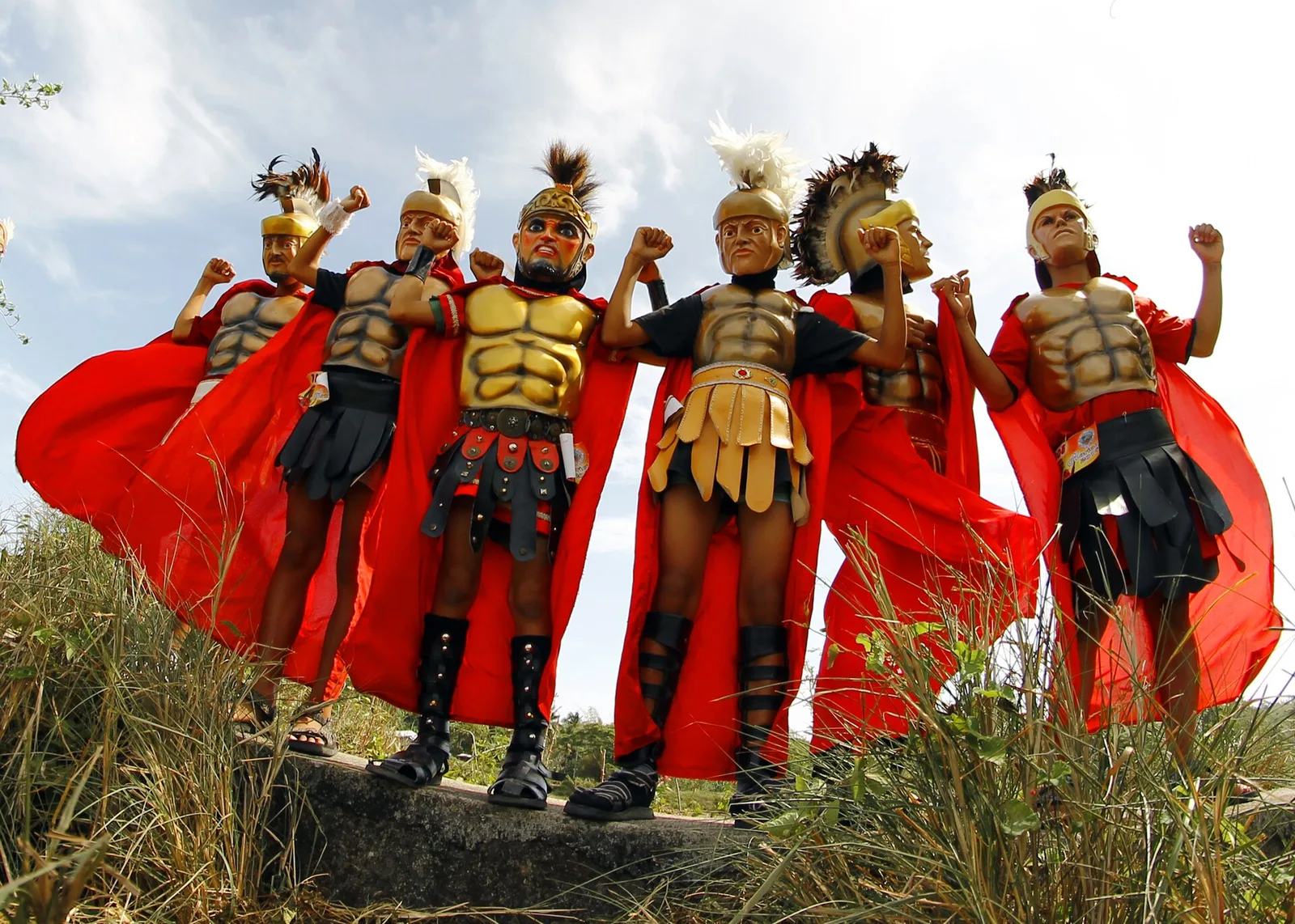
A Holy Week parade of people dressed as Moryons, known locally as the Moryonan, held from March to April. They walk the main road that links Santa Cruz, Gasan, Boac and Mogpog, the four towns that keep it. In the evening Boac and Santa Cruz act out the …
Photo: Ranieljosecastaneda · Wikimedia Commons, CC BY-SA 4.0
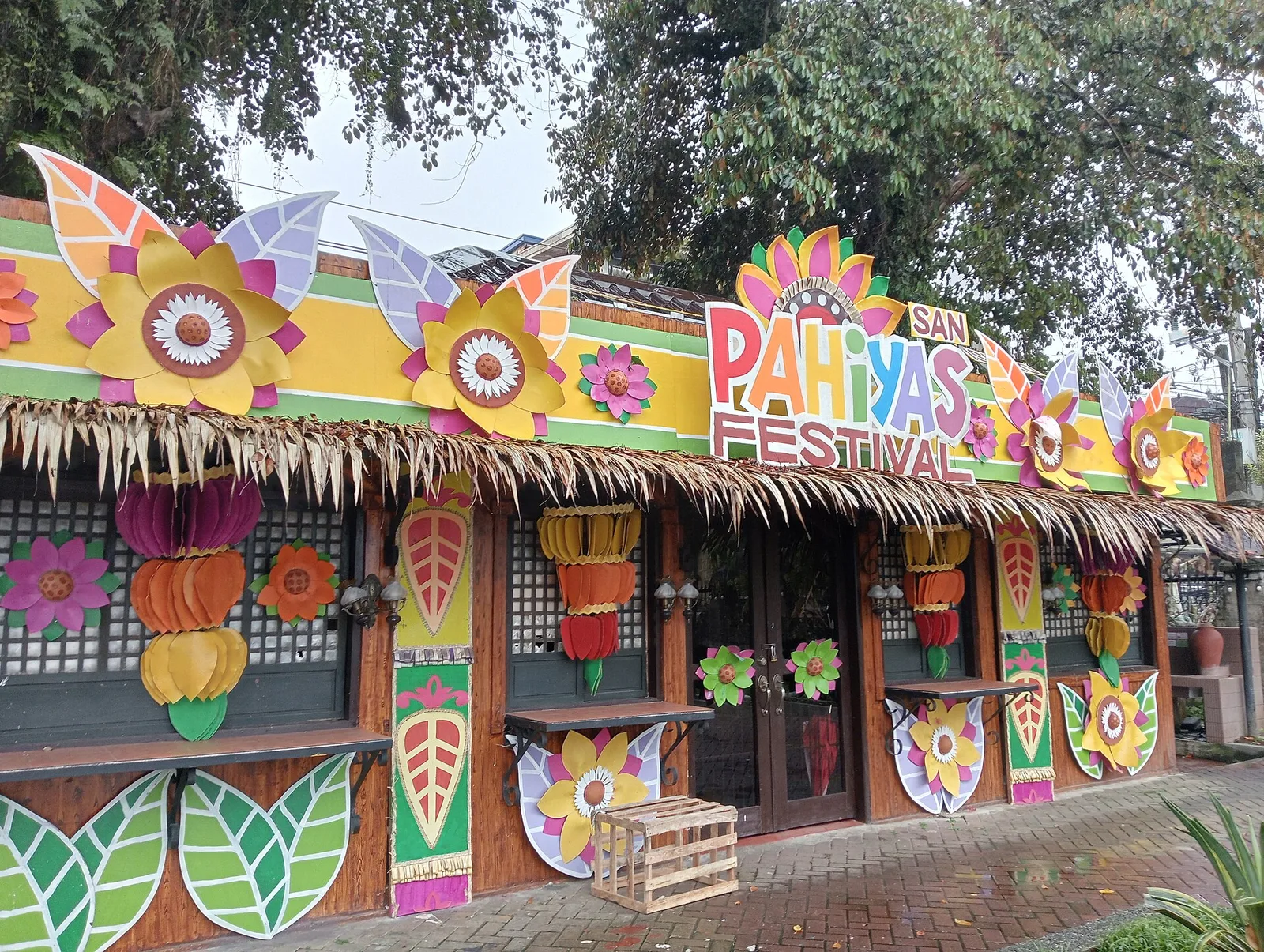
The harvest thanksgiving of Lucban: households cover the fronts of their houses with what they grew, from rice and squash to chayotes, radishes, tomatoes and sweet potatoes. The bright leaf shapes among them are kiping, ornaments made from ground rice flour and dyed in different colours. The town …
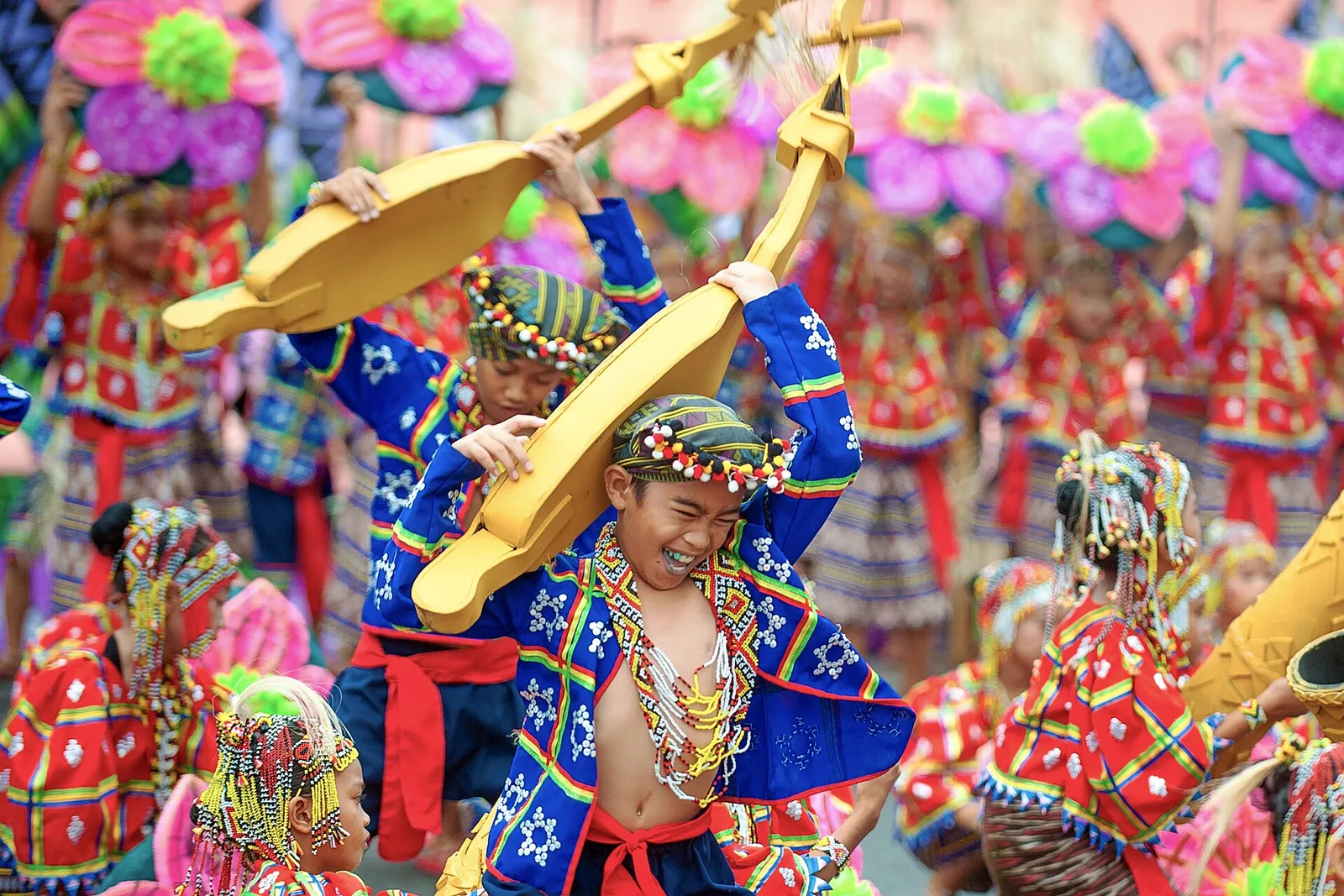
The harvest thanksgiving of the eleven tribes of Davao, under the theme We are one, KadayaONE. A boat parade opened it on 7 August, and Pamulak and Indak-Indak sa Kadayawan filled 16 August.
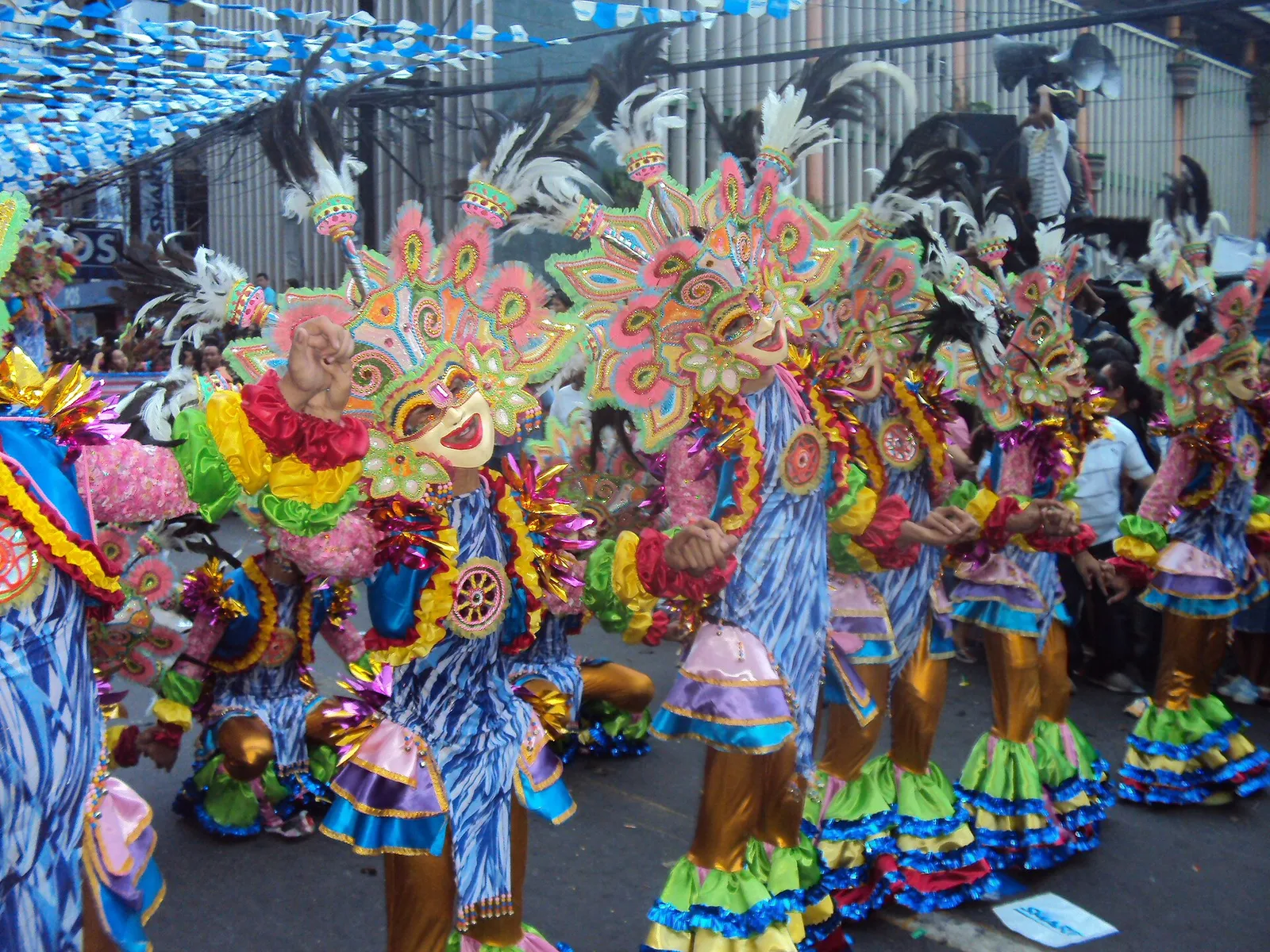
A street festival of masked dancers, held every year on the fourth Sunday of October. The masks give the festival its name: Pista sang Maskara in Hiligaynon. The smiling faces on them are why Bacolod is called the City of Smiles. The city started the festival in 1980, …
Photo: John Albert Pagunsan · Wikimedia Commons, CC BY-SA 3.0
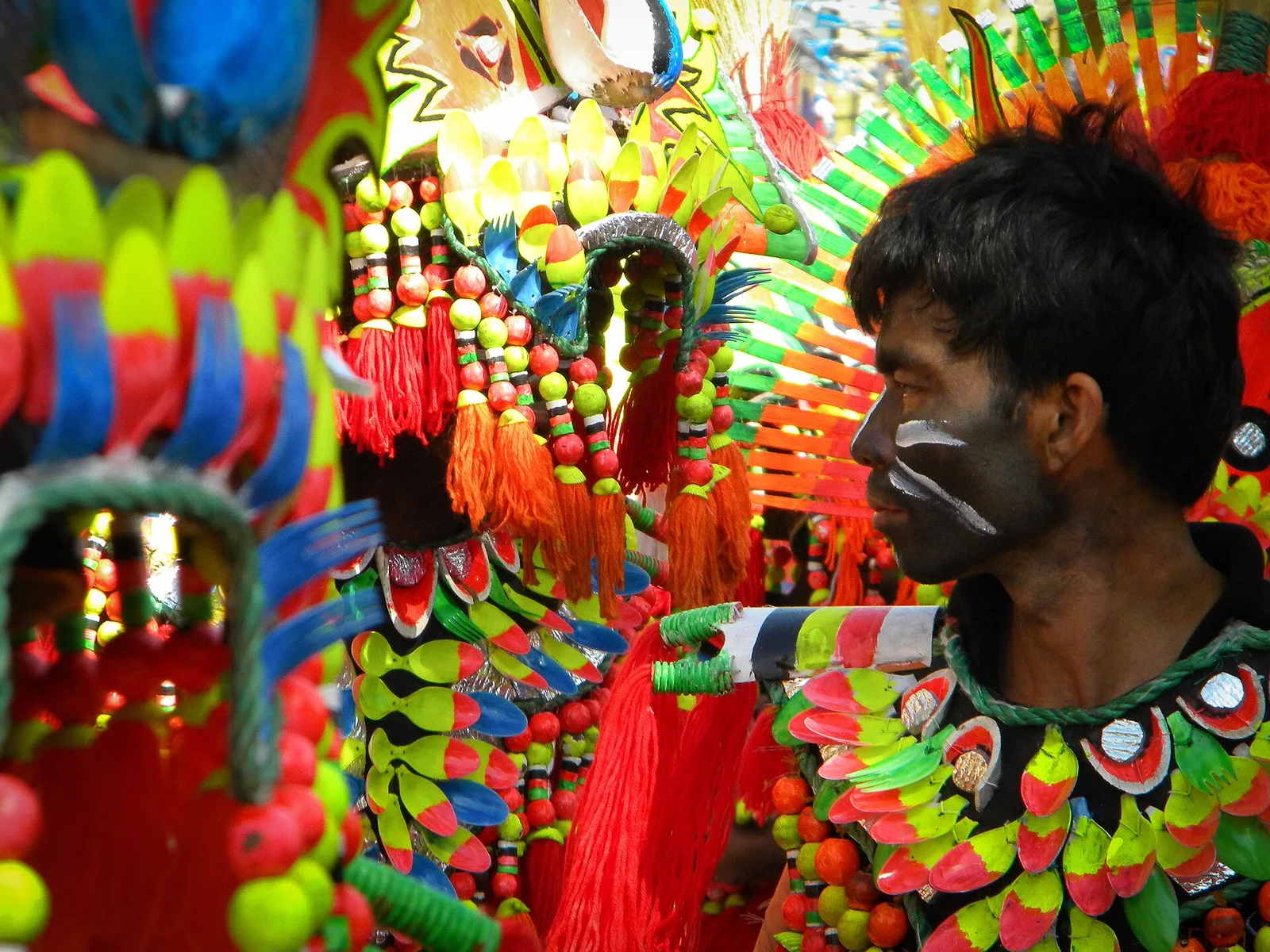
The province's best known festival: tribal dance, music and a street parade in Kalibo on the third Sunday of January, held in honour of the Santo Nino. The name means to be like Atis, after the Aeta people who first settled Panay. Dancers wear indigenous costumes and carry …
Photo: Bernardo "Berniemack" Arellano III · Wikimedia Commons, CC BY-SA 4.0
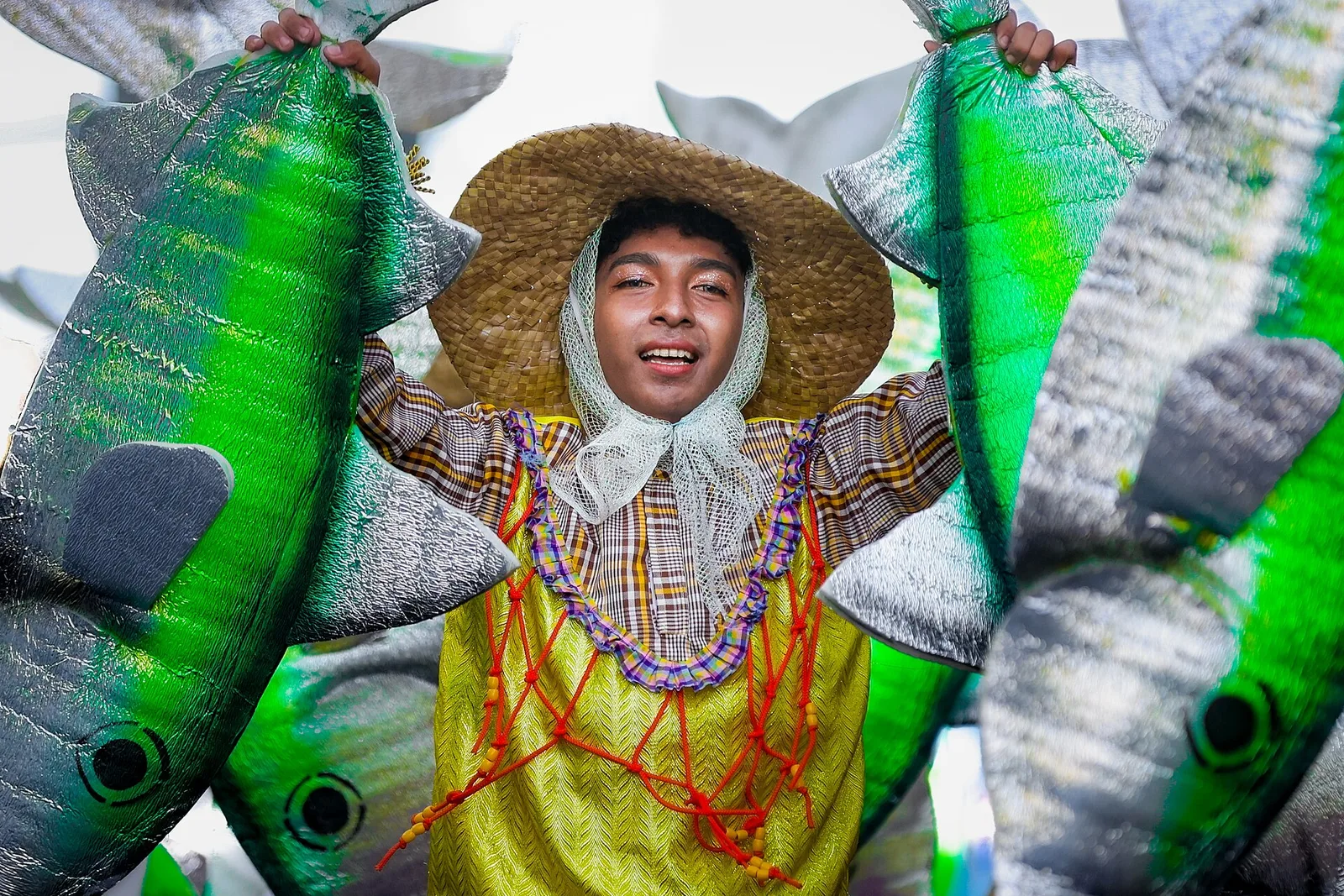
The blood compact of Datu Sikatuna and Miguel López de Legazpi, sworn in 1565, is re-enacted on the shore at Tagbilaran. The 2026 run opened in Talibon on 4 July and carried through the month with the street dance and the agri fair.
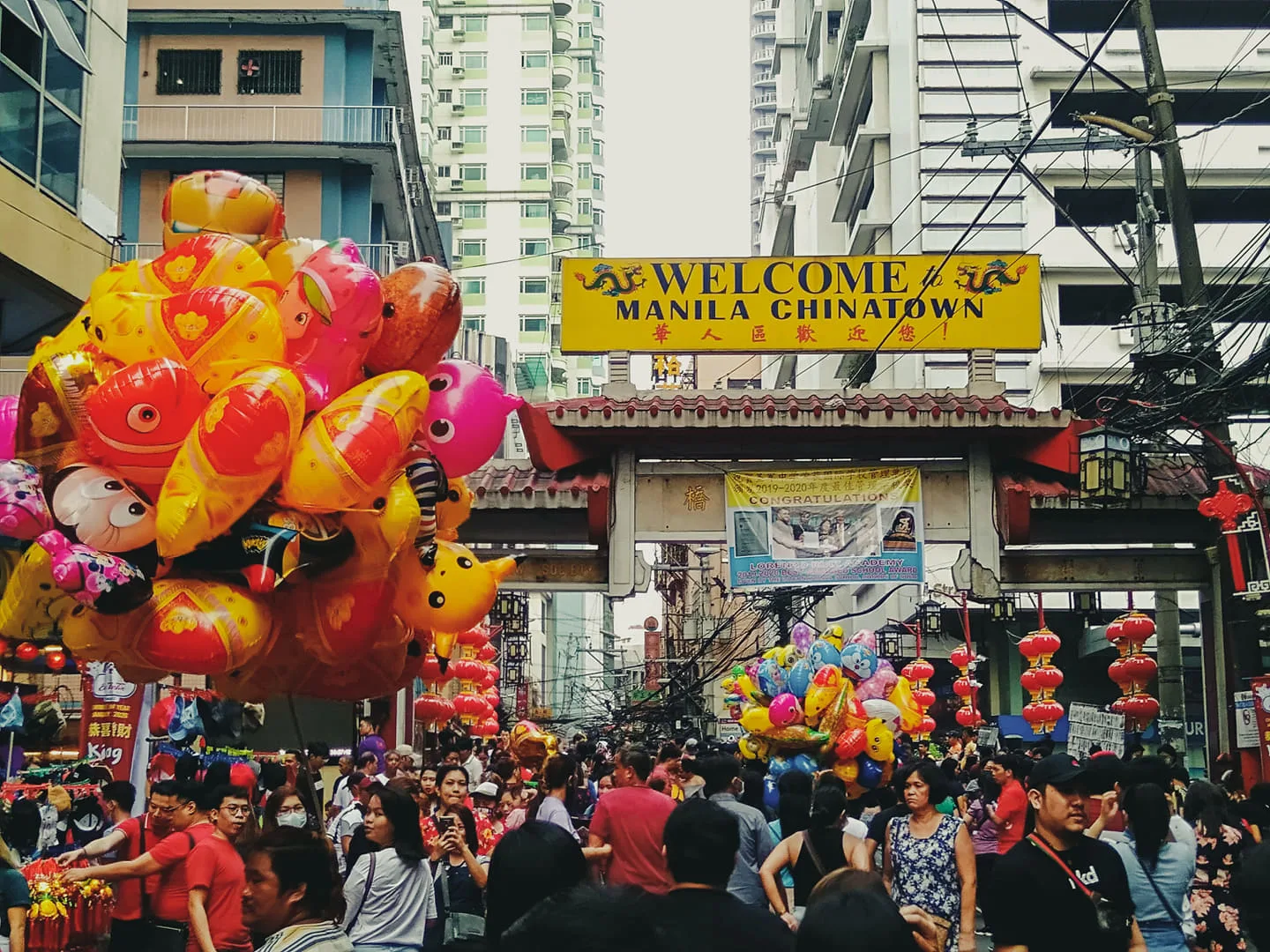
The year of the horse opened on 17 February. Binondo, the oldest Chinatown anywhere, fills with dragon and lion dances, firecrackers and tikoy.
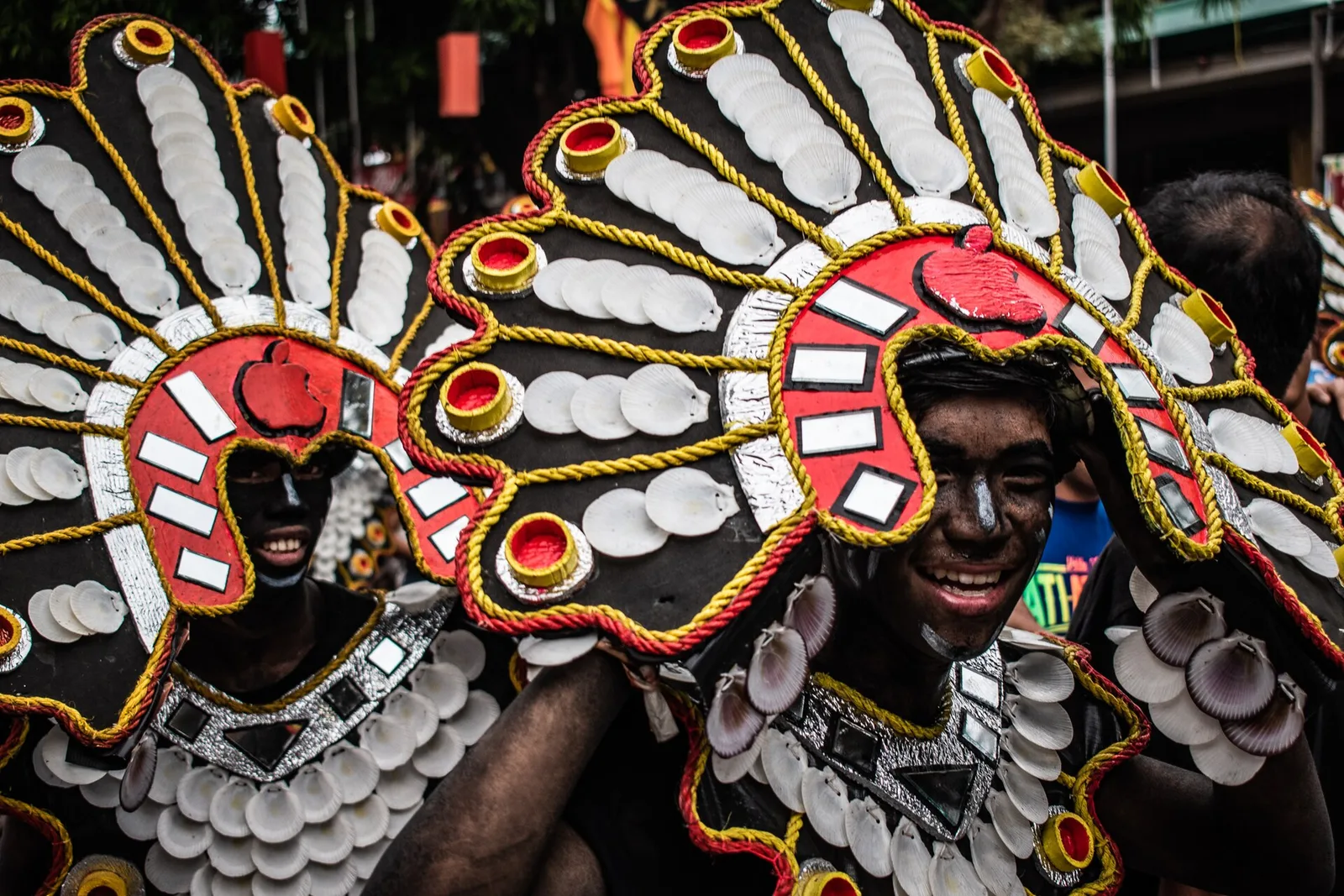
The oldest of the Santo Niño festivals, two hours from Boracay by road. It opened on 10 January, the Sadsad Ati-Atihan contest ran on 17 January, and the last day was Sunday 18 January.
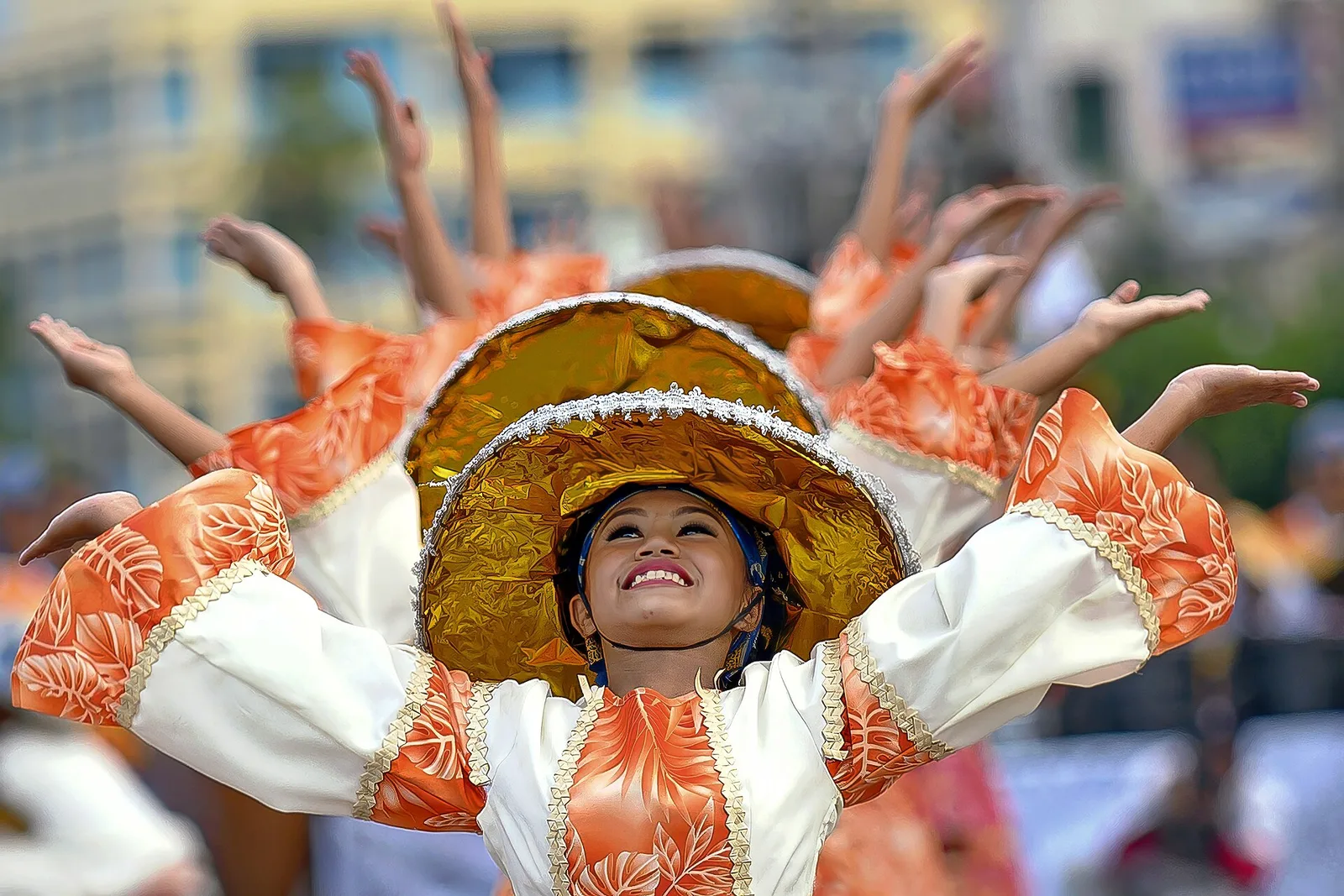
Dumaguete's own festival. Sandurot means welcome, and the re-enactment on the boulevard tells how the city took in the peoples who landed here.
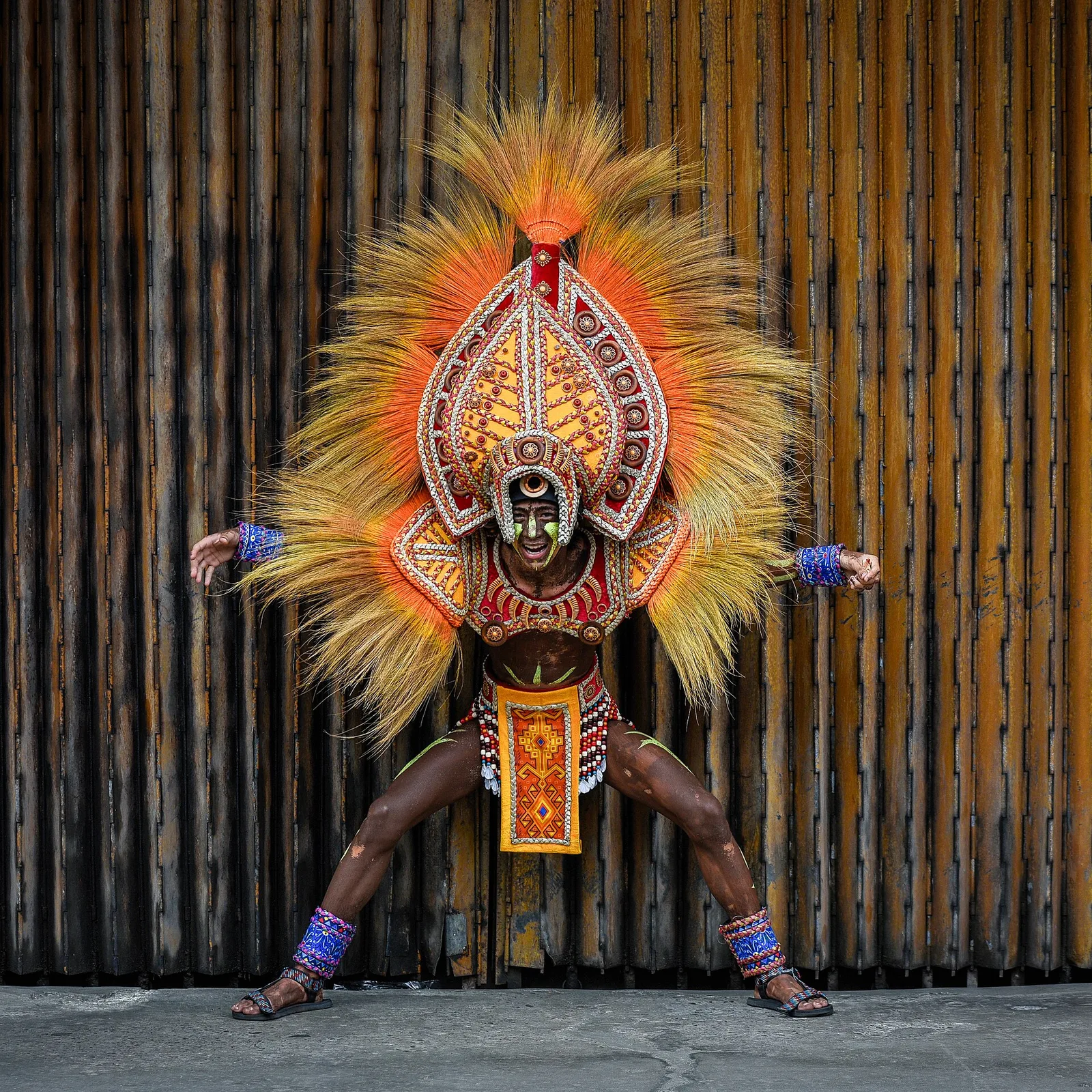
Three days for the Santo Niño. The fluvial and foot processions ran on Friday 23 January, Kasadyahan and the religious sadsad on Saturday, and the Ati tribes competition on Sunday 25 January.
Photo: Original: EMMAN A. FORONDA Derivative work: Aristeas · Wikimedia Commons, CC BY-SA 4.0
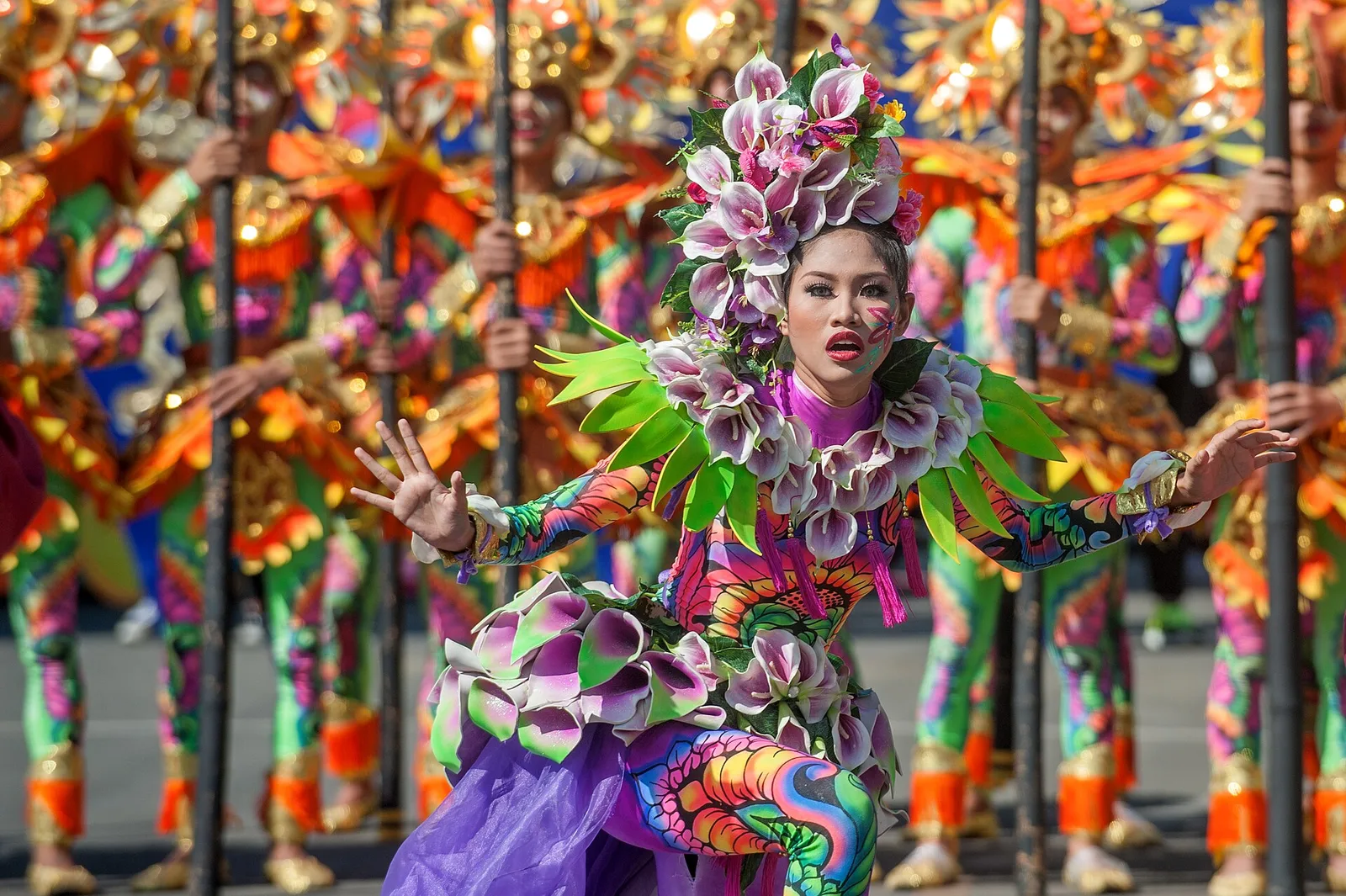
A street dancing festival held every 3 to 5 November, and one of the most popular in the region. The dancers paint flowers on their faces, arms, bodies and legs, in the pintados tradition, to show gratitude to people and to their surroundings. The name joins two Spanish …
Photo: Francisco Pajares, Jr. · Wikimedia Commons, CC BY-SA 4.0
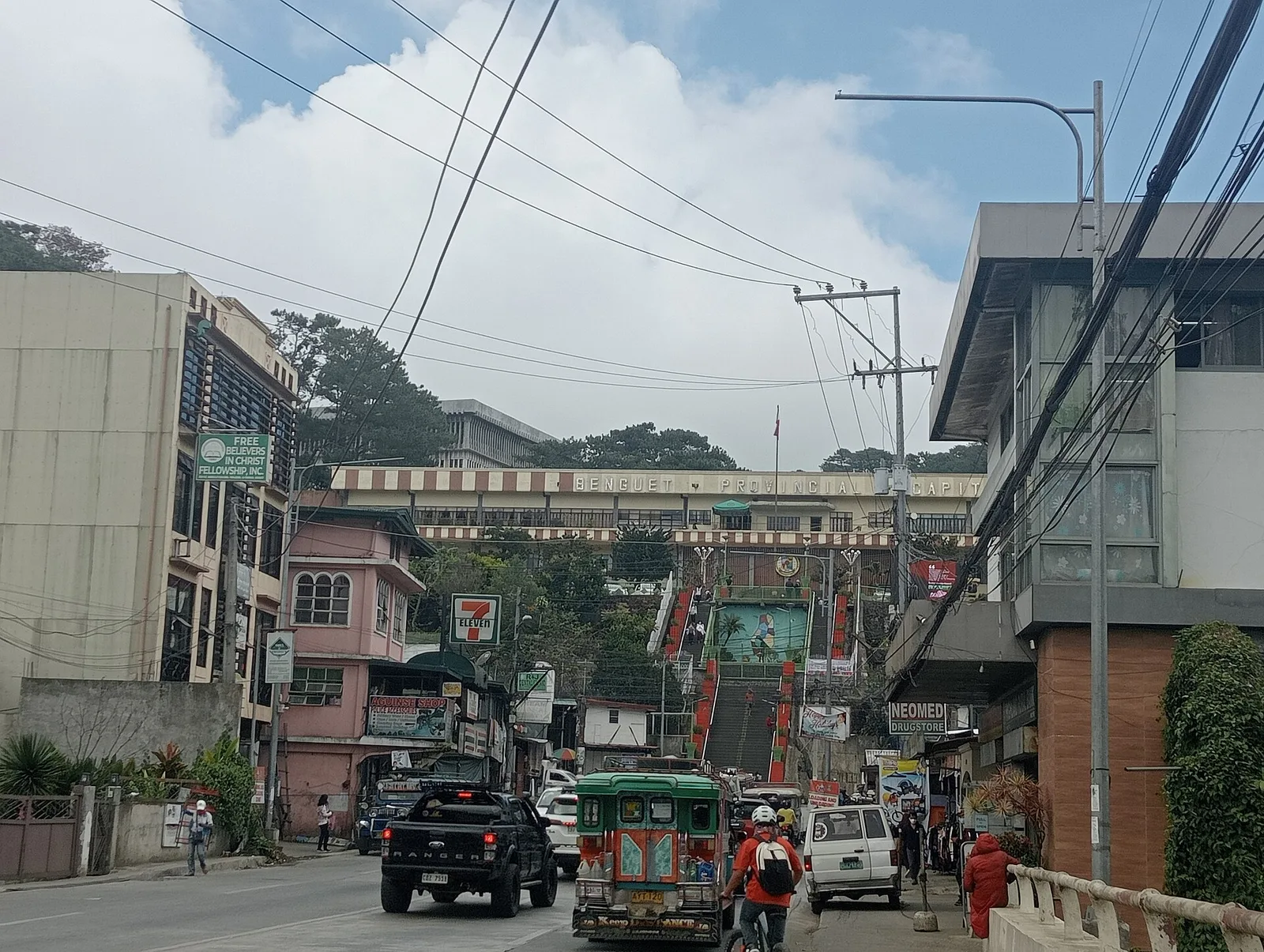
The province's founding anniversary, kept for the whole month: a trade fair of Benguet produce, rituals, and the grand cañao on 23 November, the day Benguet was founded in 1900.
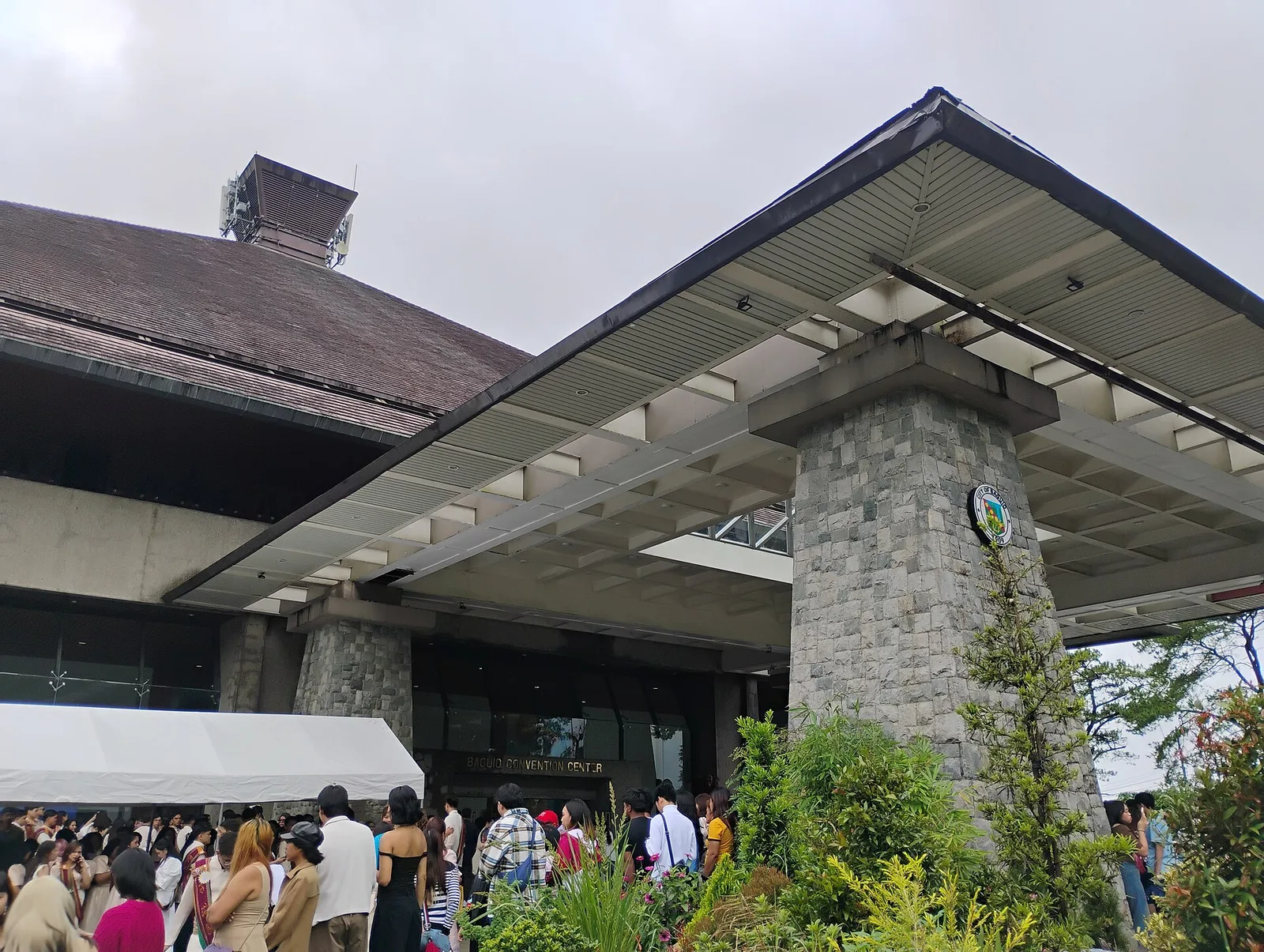
Baguio is a UNESCO Creative City for crafts and folk art. Ibagiw fills November with craft markets, workshops and shows from the city's weavers, carvers and painters.
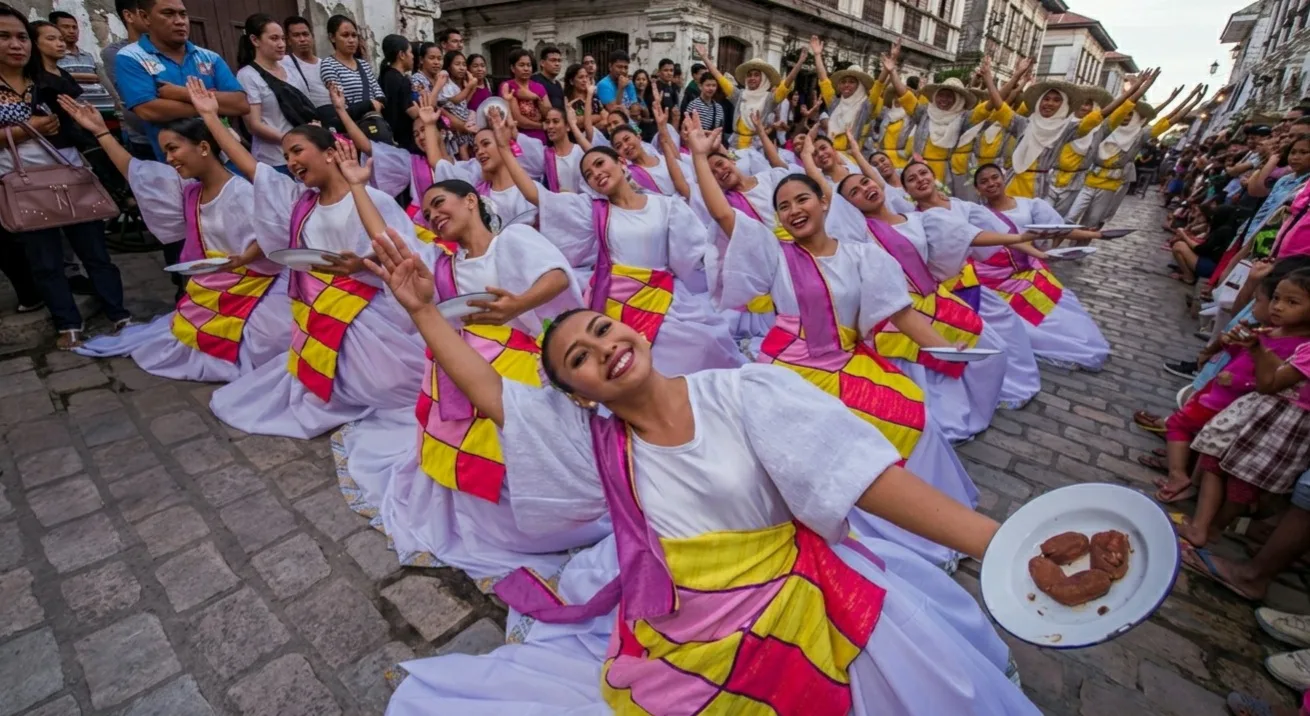
The city fiesta, with the sausage makers at the centre of it: longganisa cooked in the open on Plaza Burgos, a float parade and a street dance.
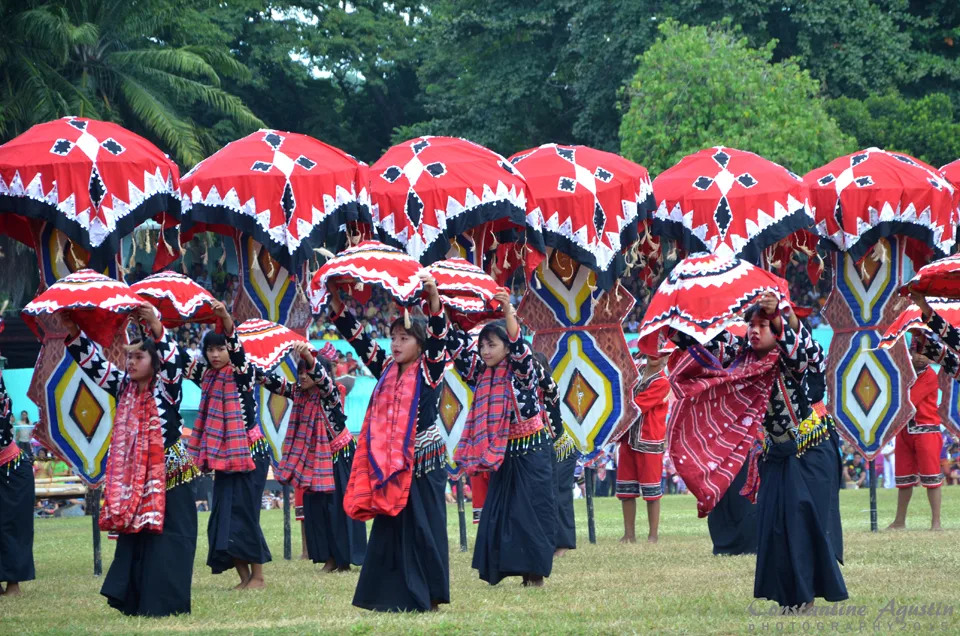
The festival of the whole province, named after t'nalak, a cloth the T'boli weave from abaca fibre. T'boli women called dreamweavers make it, and they say the patterns come to them in dreams sent by Fu Dalu, the goddess of abaca. The festival marks what the B'laan, the …
Photo: Constantine Agustin · Wikimedia Commons, CC BY-SA 2.0
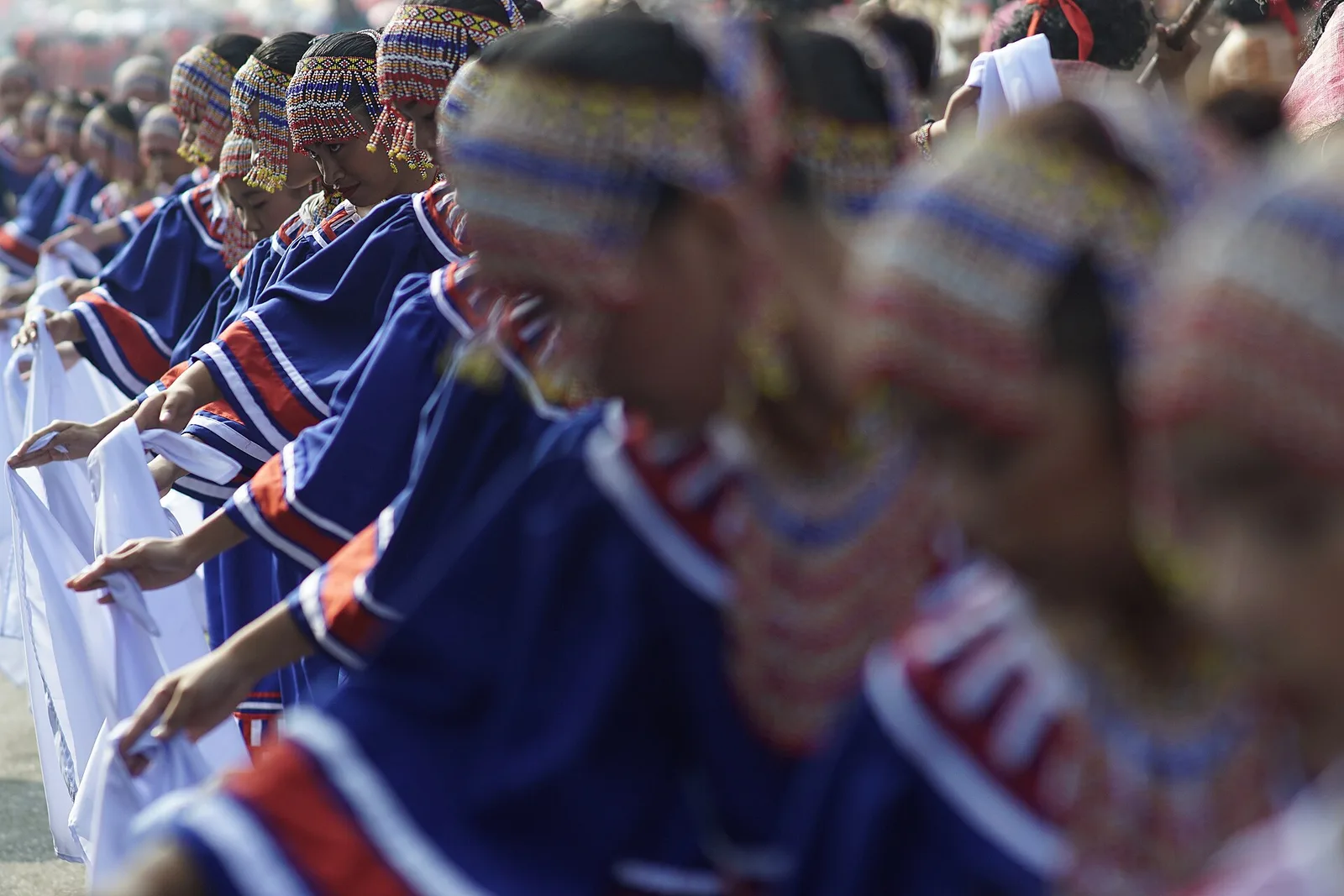
The ethnic festival of the seven tribal groups of Bukidnon: the Bukidnon, Higaonon, Talaandig, Manobo, Matigsalug, Tigwahanon and Umayamnon. The name comes from the Binukid word amul, to gather. It runs each year from the second half of February to March 10, the date Bukidnon was founded as …
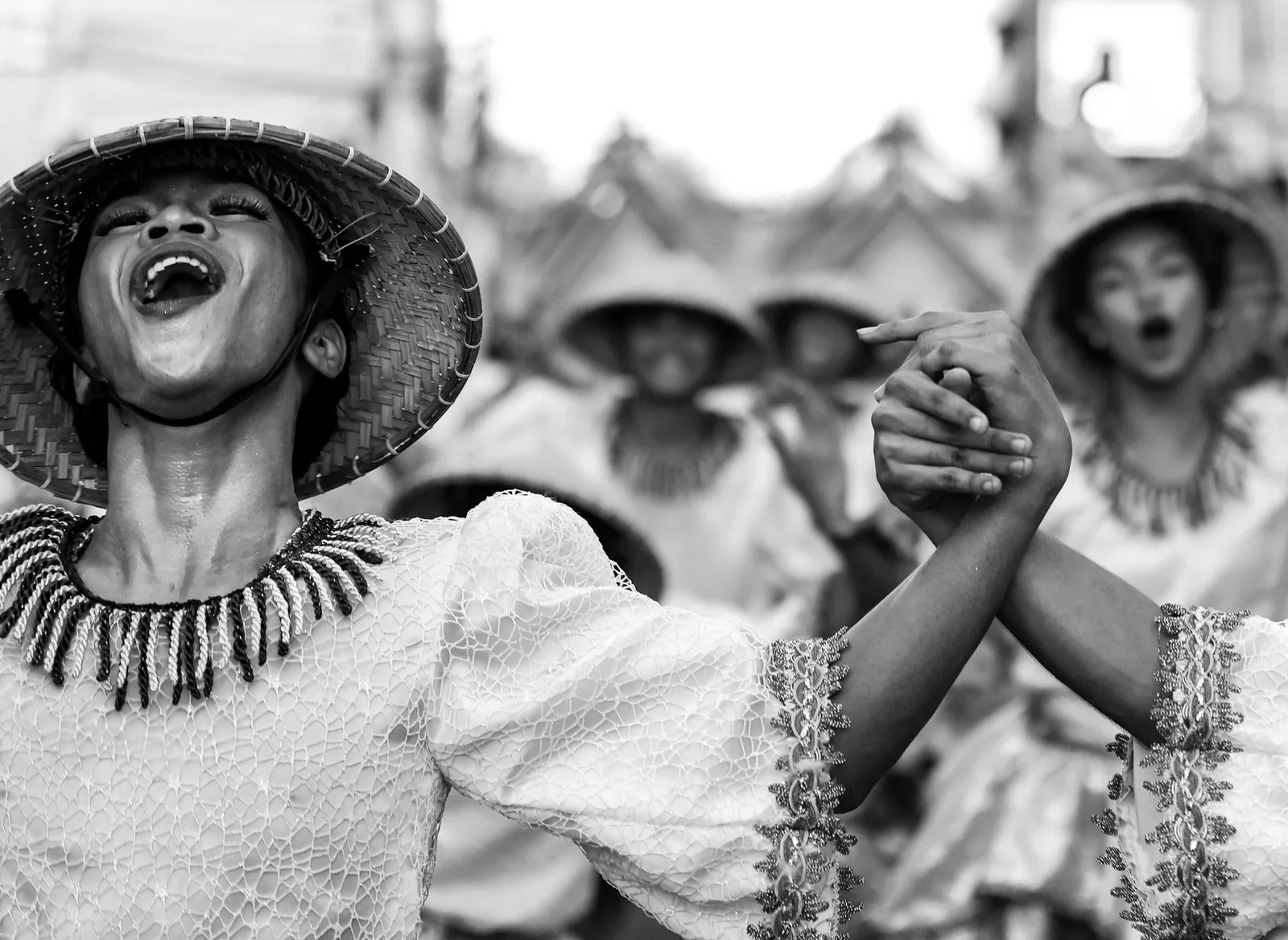
A July celebration of the blood compact between Datu Sikatuna and Miguel López de Legazpi in 1565. The two leaders cut their chests, mixed the blood with wine and drank it, and that sealed the friendship between the Spaniards and the Boholanos. Juan Luna painted the scene. The …
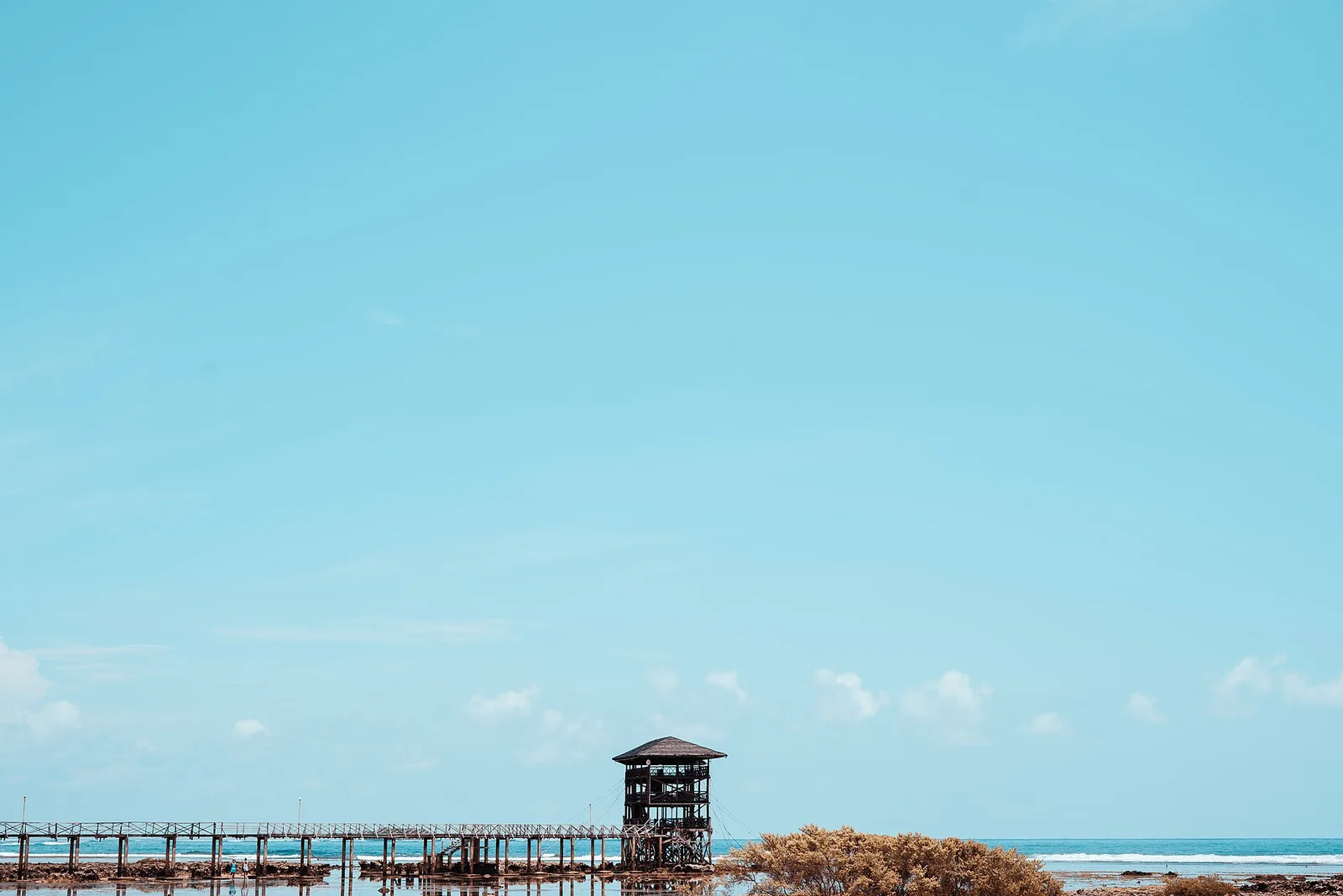
A World Surf League Qualifying Series 6000 event at Cloud 9, and the biggest surfing week of the year on the island.
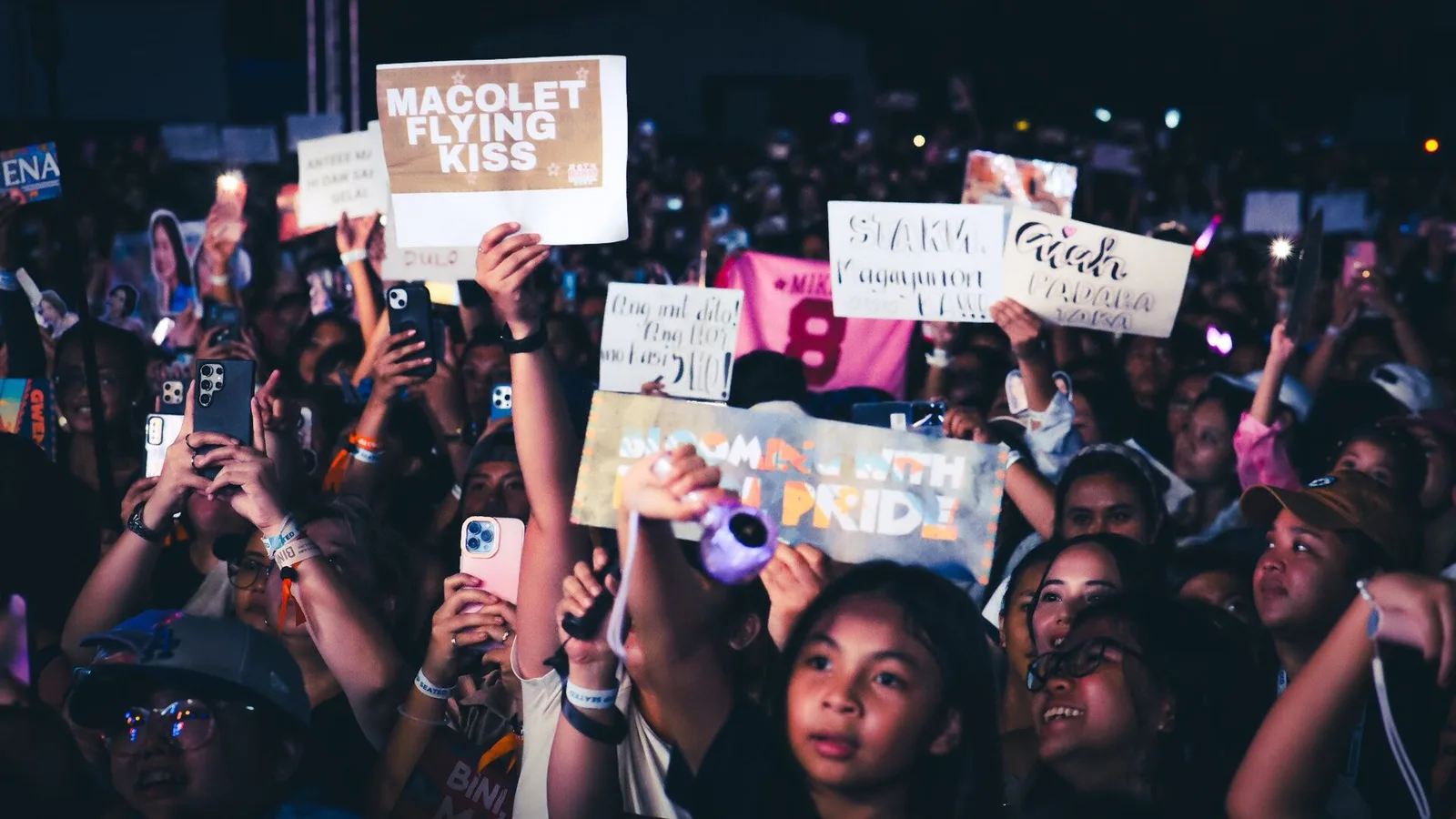
The city's own festival, out of the Ibalong epic: street dancers wear the masks of the heroes Baltog, Handyong and Bantong. It went ahead in August, with Mayon still at Alert Level 3.
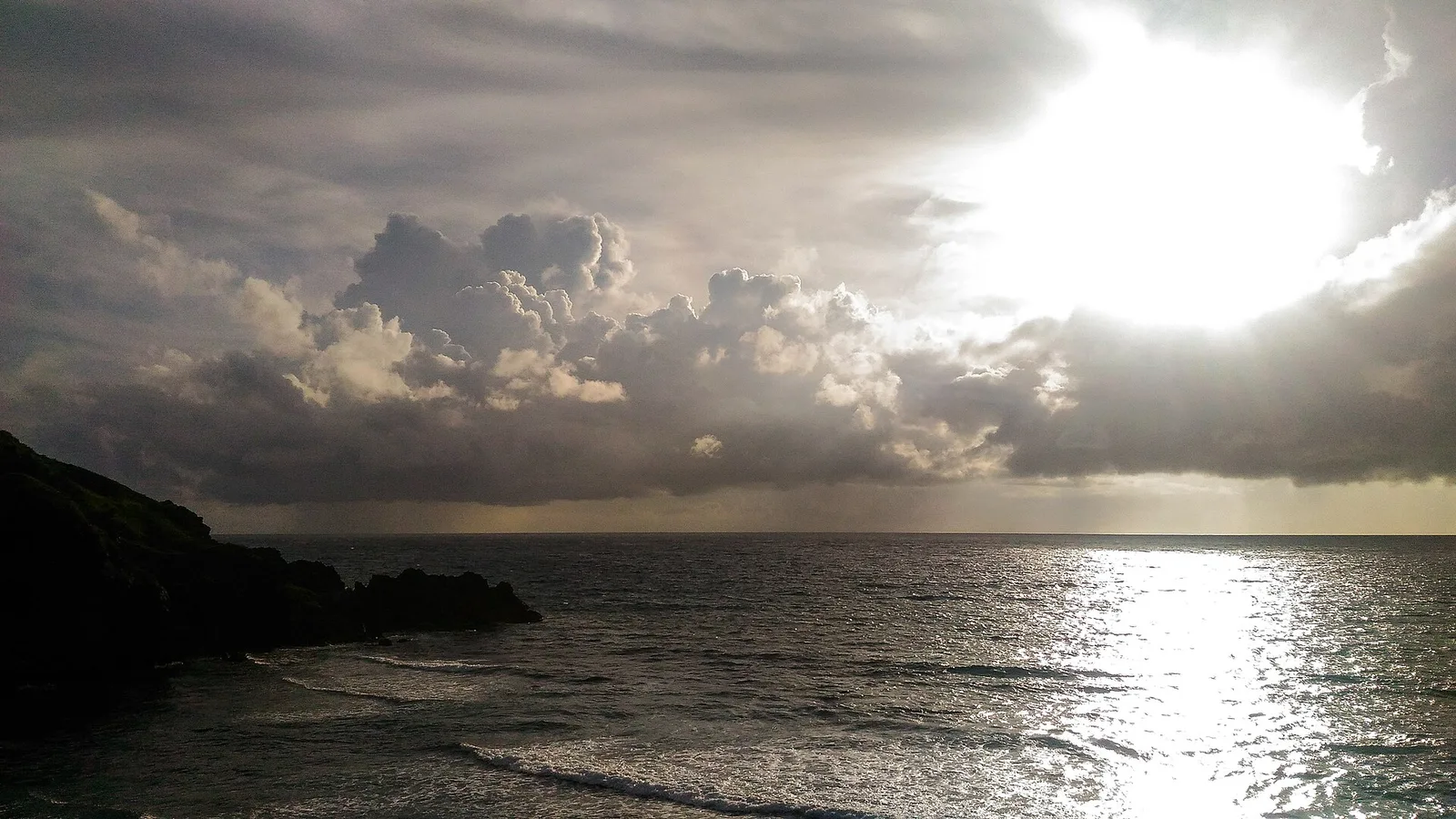
Basco's town fiesta. Palu-palo is a stick dance that re-enacts the Ivatan fight against Spanish rule, and the two days carry it with a parade and a market.
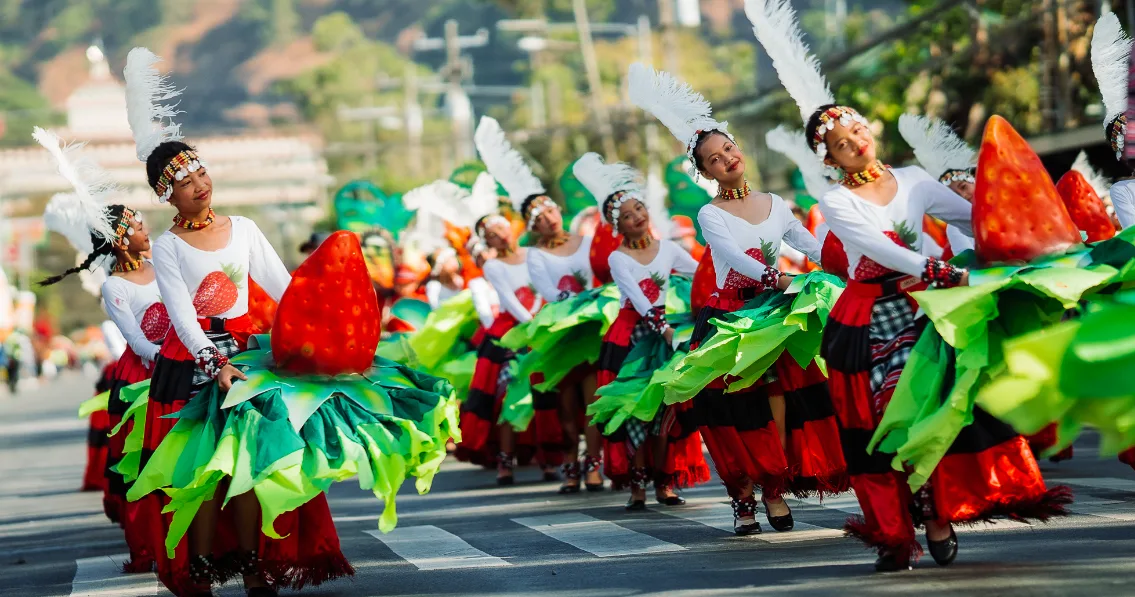
The 2026 festival, Limitless La Trinidad, opened at the municipal grounds on 4 March. The Strawberry Cake Fest served a giant shortcake on 29 March, and the awards closed the month on 1 April.
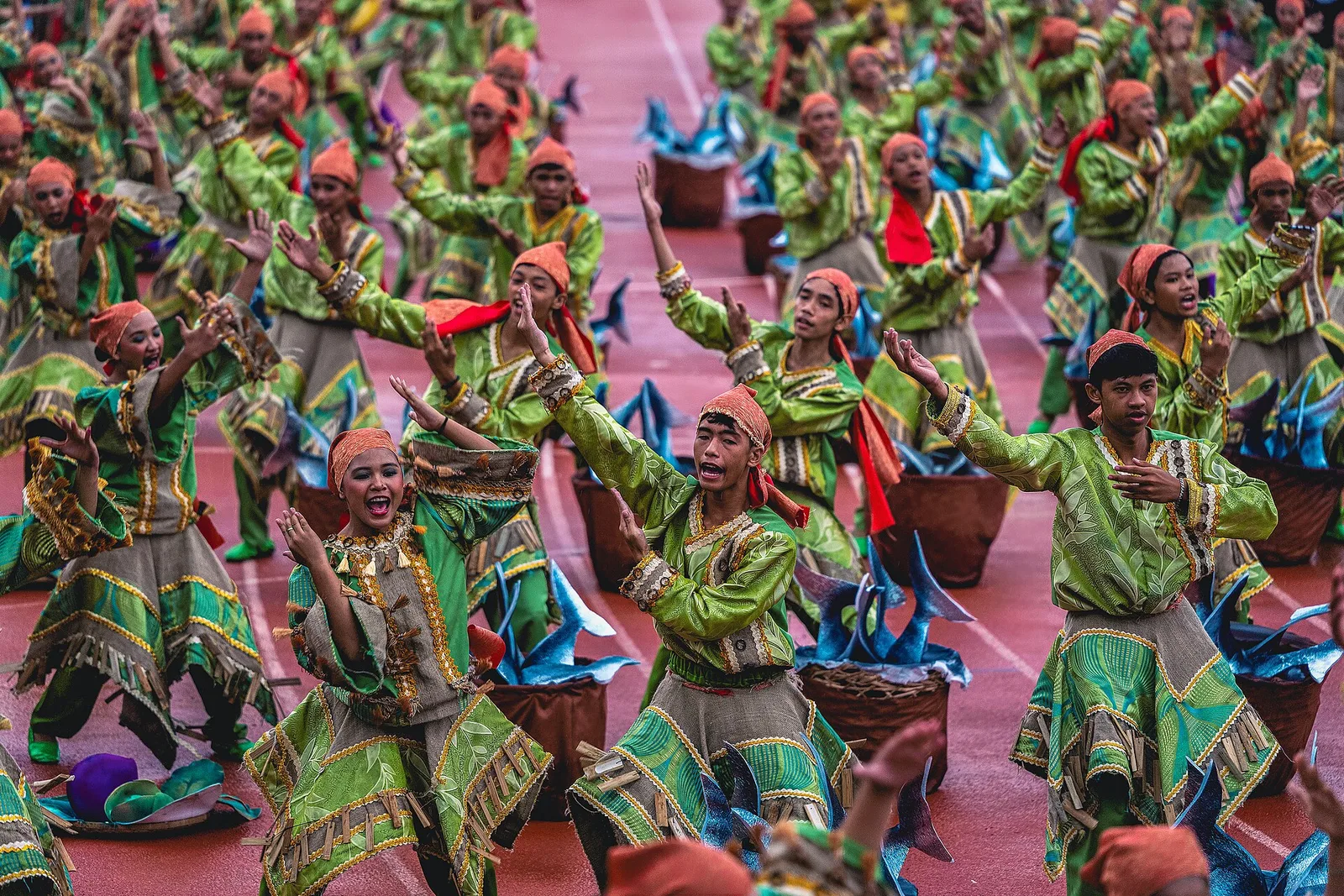
A week of parades and town booths, held in Dumaguete every October. Each town and city in Negros Oriental keeps a booth with its own products and its own sights, and the province calls the week its festival of festivals. A float parade and a street dancing competition …
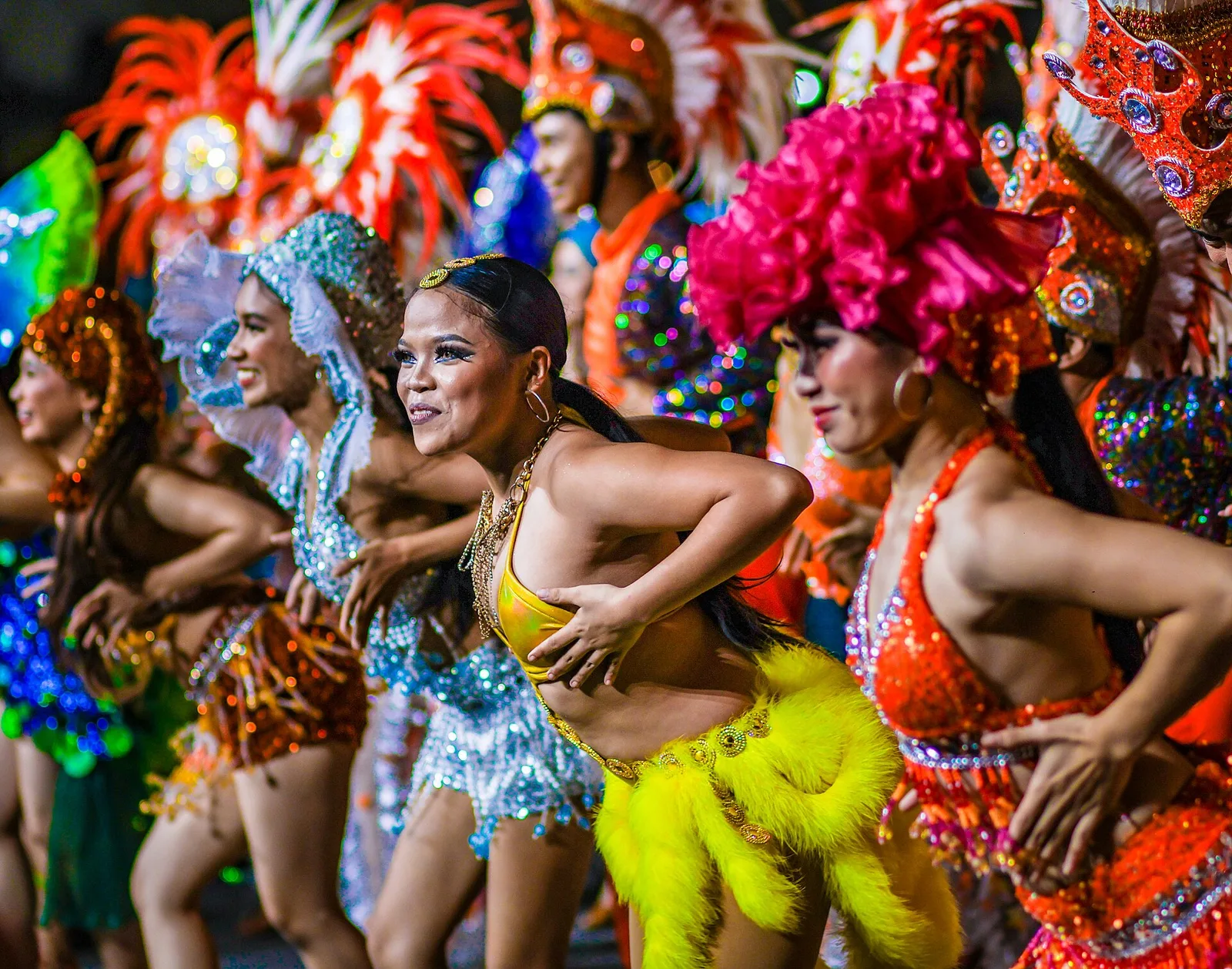
The 53rd regatta. Paraws, the outrigger sailboats of the Visayas, race off Villa Beach: the slalom on 26 February and the main sail on 1 March.
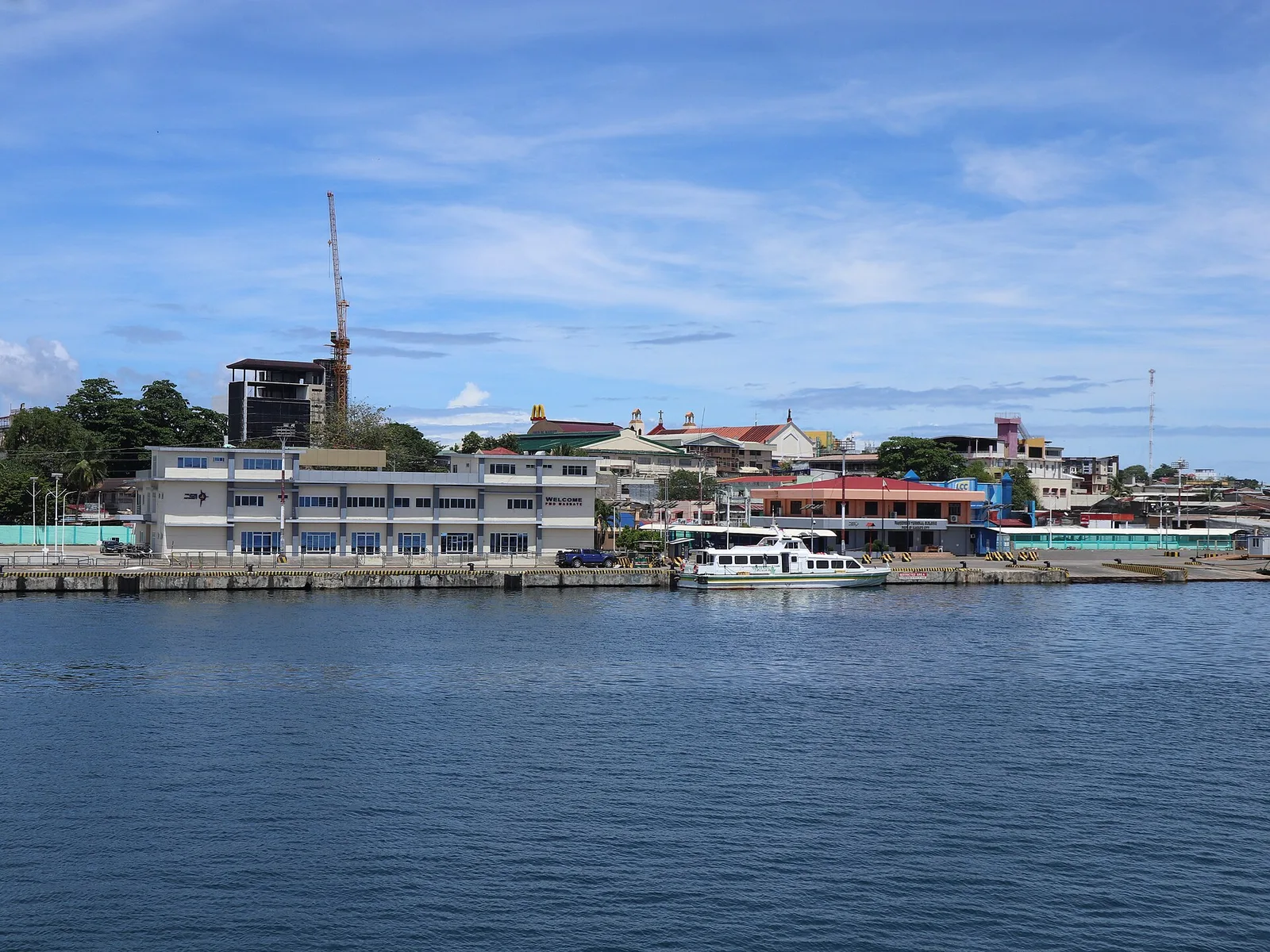
The only rodeo show in Asia, held every April with ten competitive events. The one it is known for is the figure of eight, where the cowboy crisscrosses around a group of barrels. Women compete as well, in calf wrestling, calf lassoing and carambola.
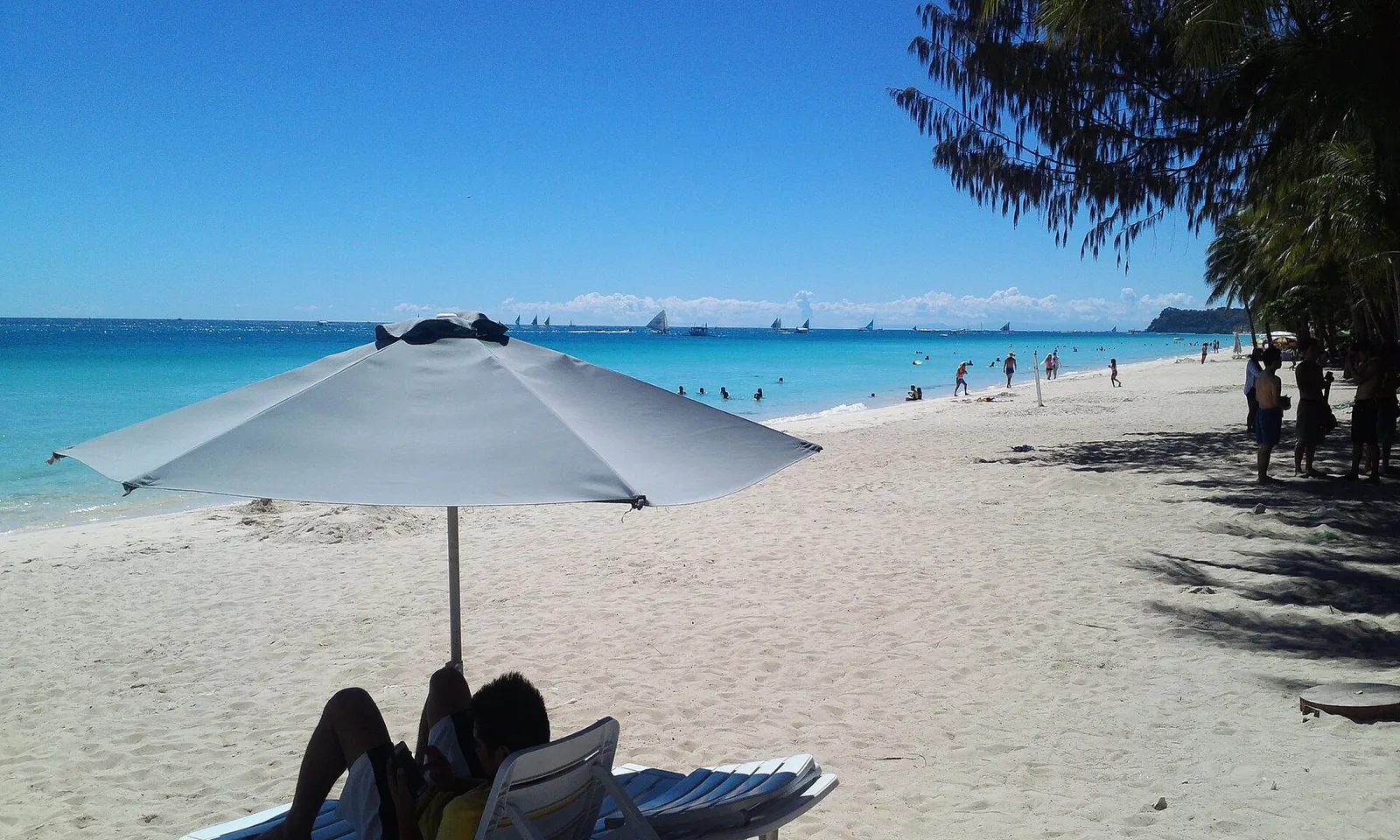
The island's week of beach sport and music, the successor to LaBoracay. Clean-ups and sustainability run beside the races, the beach games and the sunset sets.
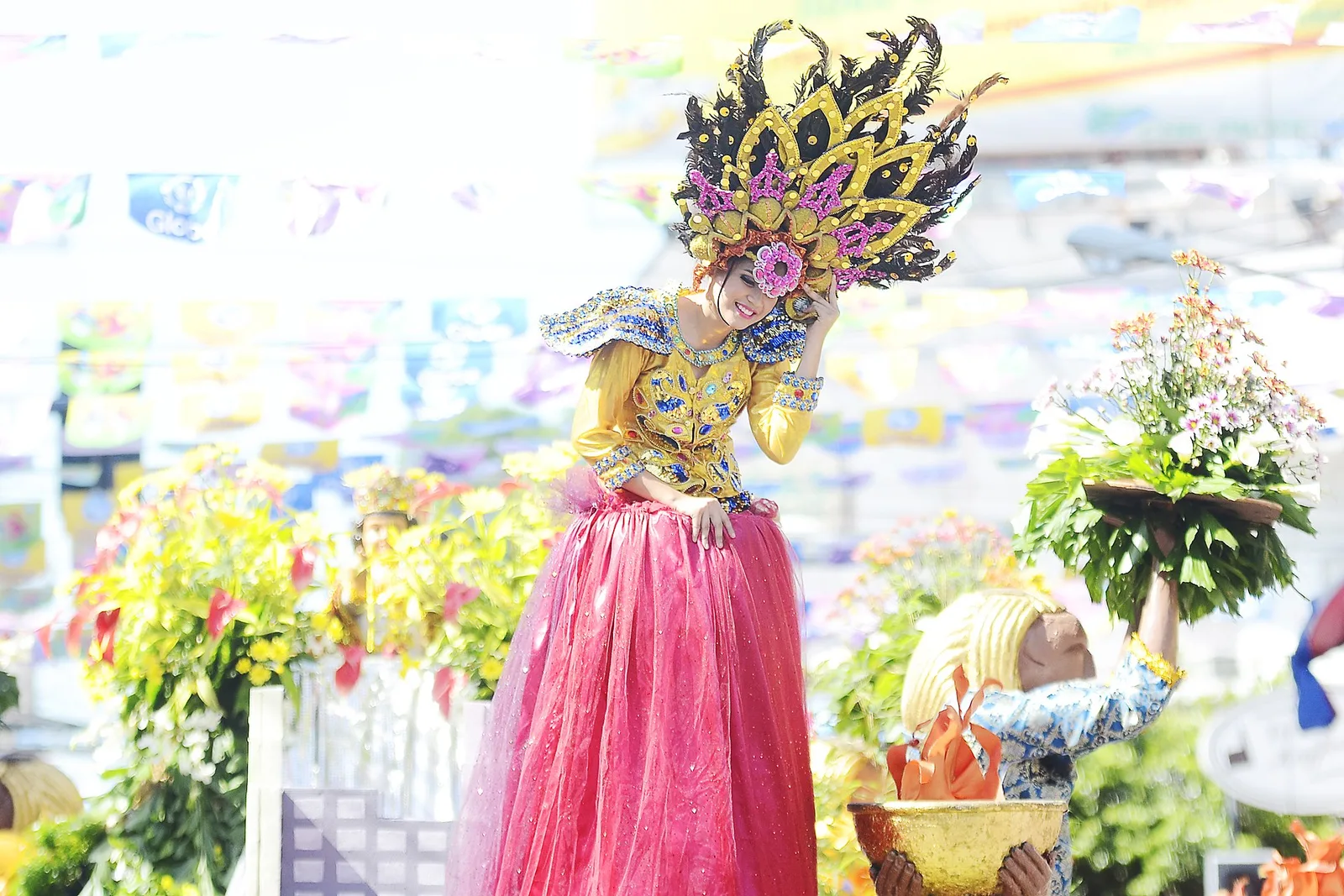
A week of city-wide celebration each August for the patron saint, Saint Augustine. It was formerly called the Kagay-an Festival. Its parts include the Kahimunan Trade Fair of farm produce and other native products from the city and province, the Higalas Parade of floats, and Kumbira, a culinary …
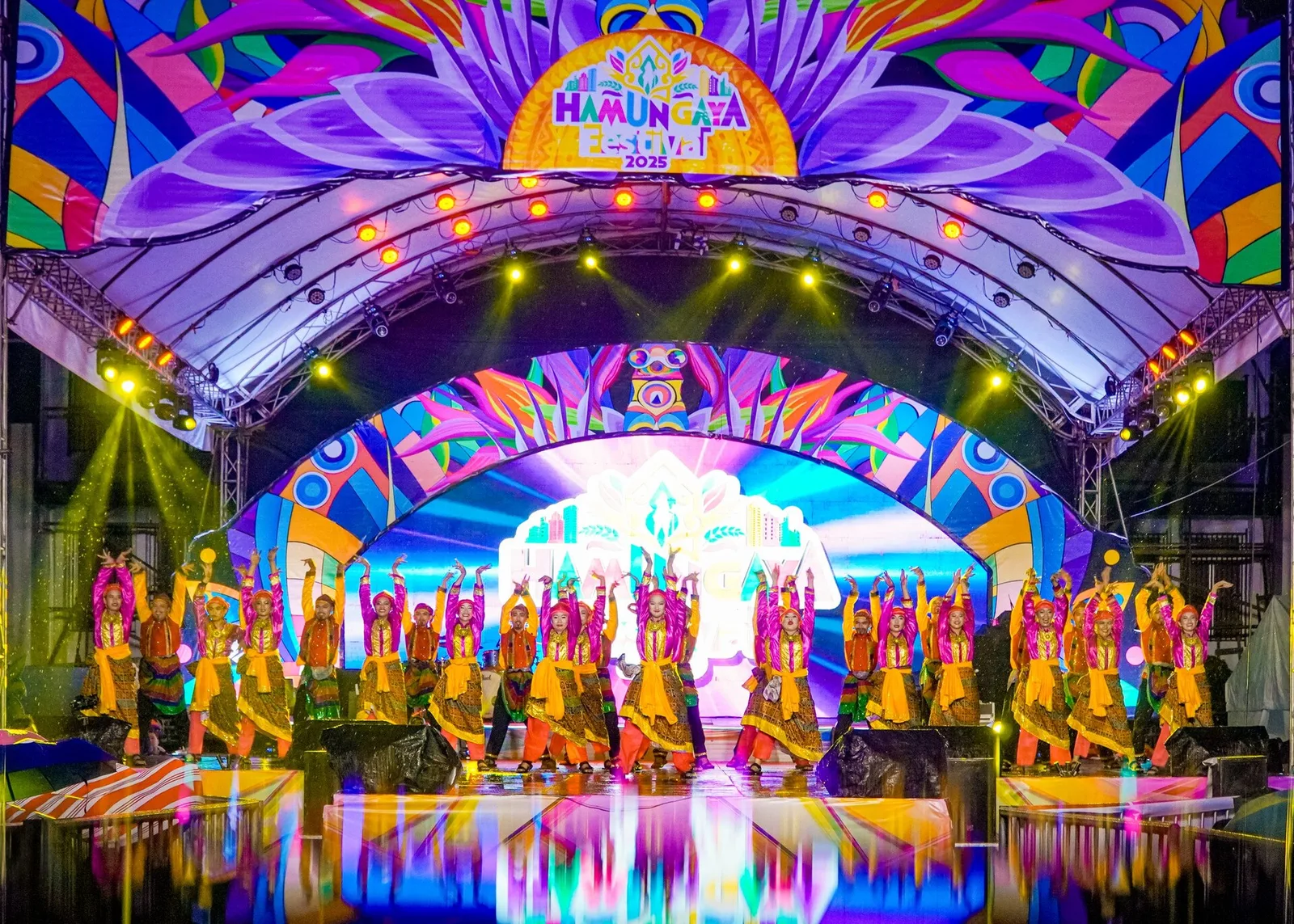
The town festival of Isulan, held on 30 August for the day the town was founded. It doubles as a harvest thanksgiving: most people here farm rice, corn and vegetables, and the African palm, whose woven kalakat board is known across Mindanao. The dancing comes in two parts. …
Photo: Municipality of Isulan -Bagong Isulan · Wikimedia Commons, CC0


