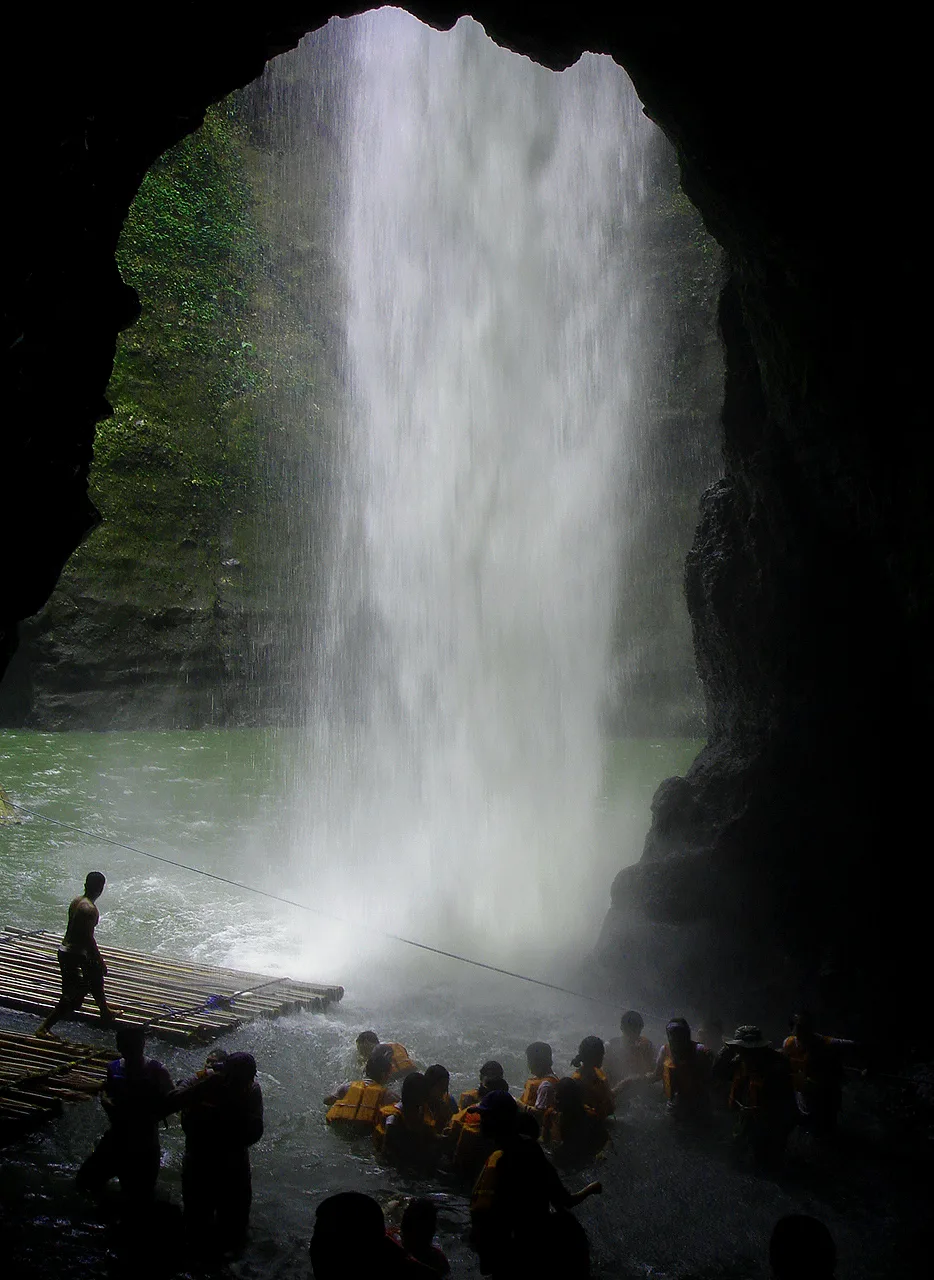
Pagsanjan Falls
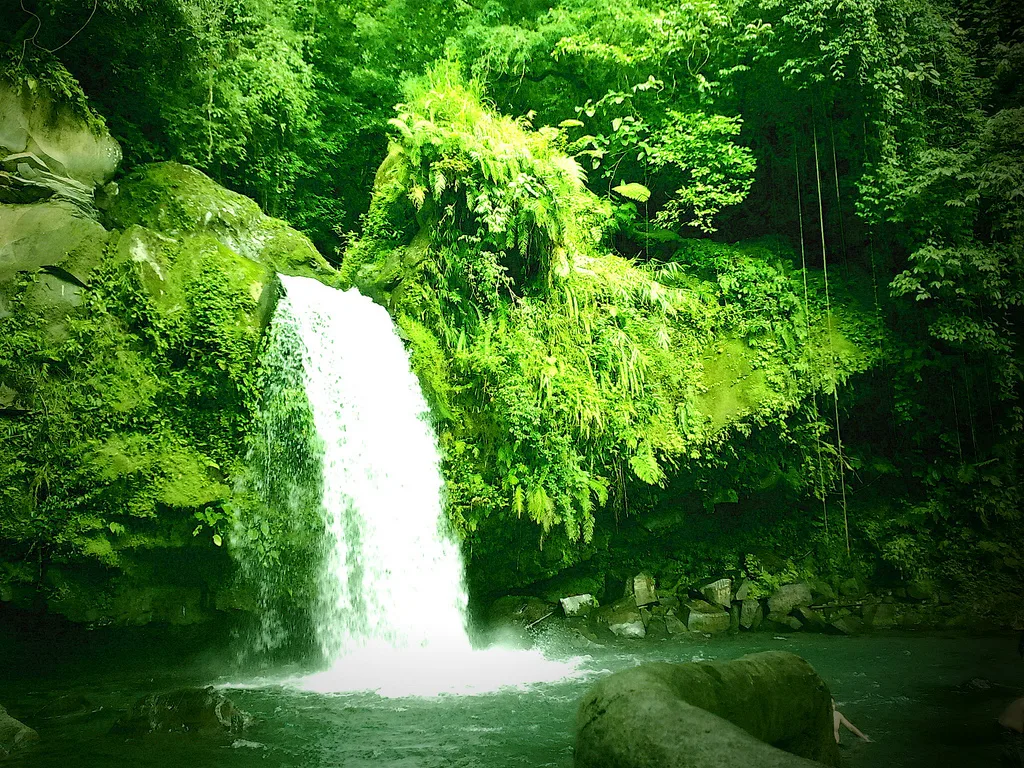
A three-drop waterfall, reached by a river trip on a dugout canoe that is known locally as "Shooting the Rapids". The trip starts at Pagsanjan, the town where the Balanac River and the Bumbungan River meet. That boat ride has …
Province in Calabarzon, Luzon · 30 towns and cities
Showing 1 to 30 of 97
A three-drop waterfall, reached by a river trip on a dugout canoe that is known locally as "Shooting the Rapids". The trip starts at Pagsanjan, the town where the Balanac River and the Bumbungan River meet. That boat ride has …
The only Catholic basilica in Laguna and a national cultural treasure, Majayjay's church burned several times during the Spanish era, with the last being in 1711. Instead of razing the structure, its priest instead ordered the ruins to be encased …
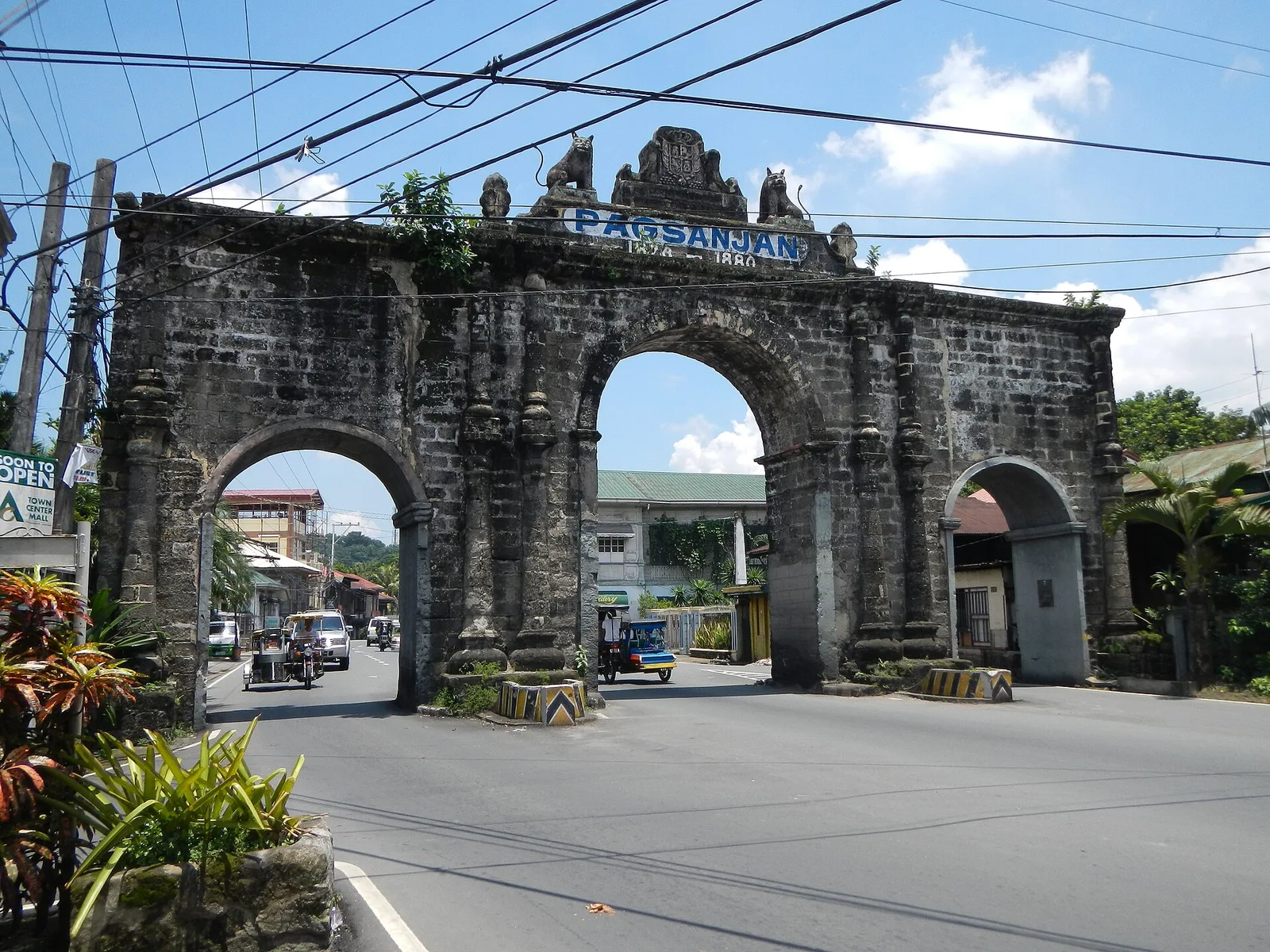
One of the few-surviving town gates in the Philippines from the Spanish era, the three-portal structure is a designated National Cultural Treasure that sits directly on the highway from Santa Cruz.
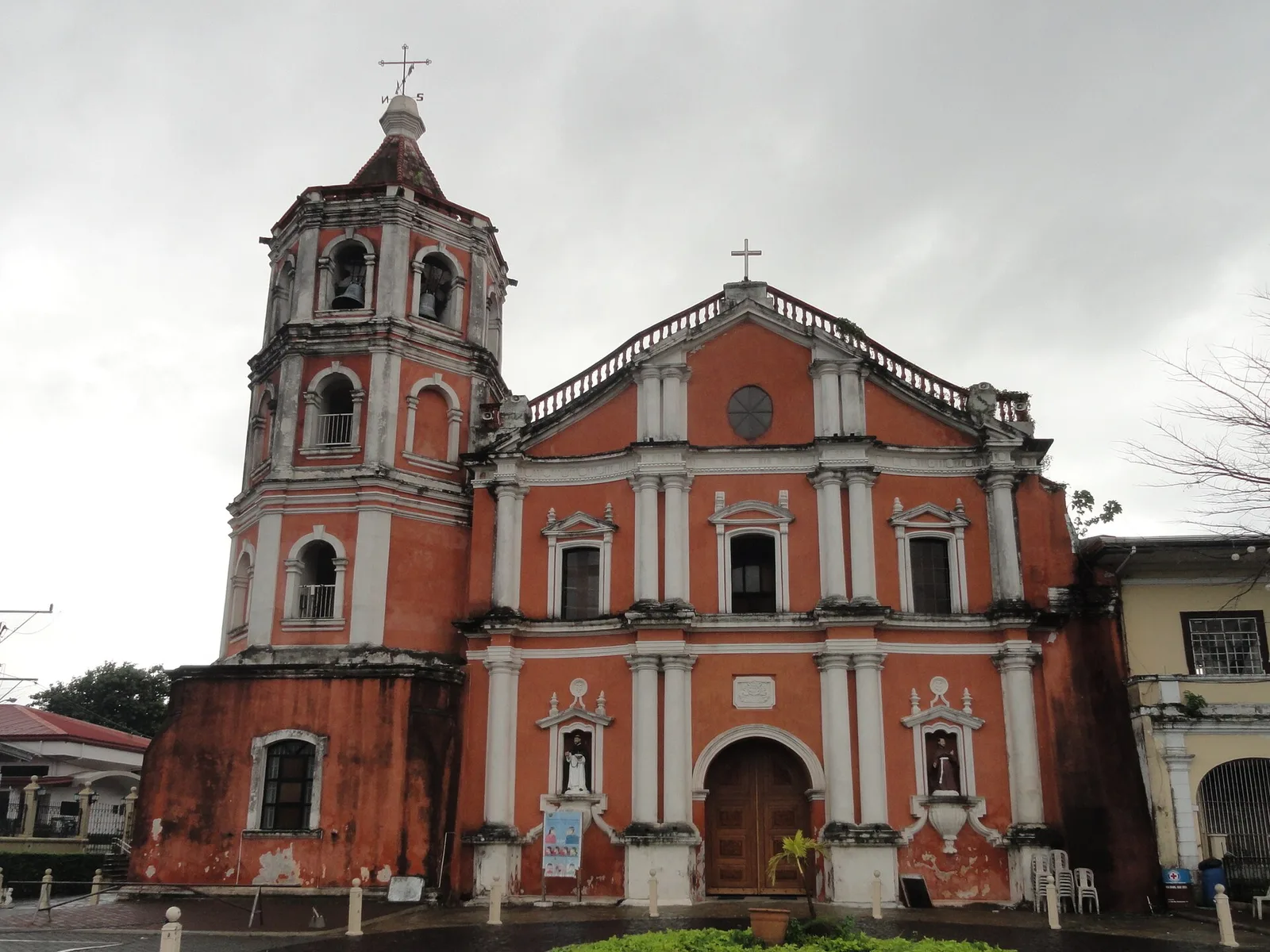
An adobe Romanesque Roman Catholic cathedral that forms the center of San Pablo and serves as the seat of the namesake Roman Catholic Diocese of San Pablo which oversees the entirety of Laguna. Built in 1714, it was damaged during …
An extensive cave complex in the Sierra Madre mountains
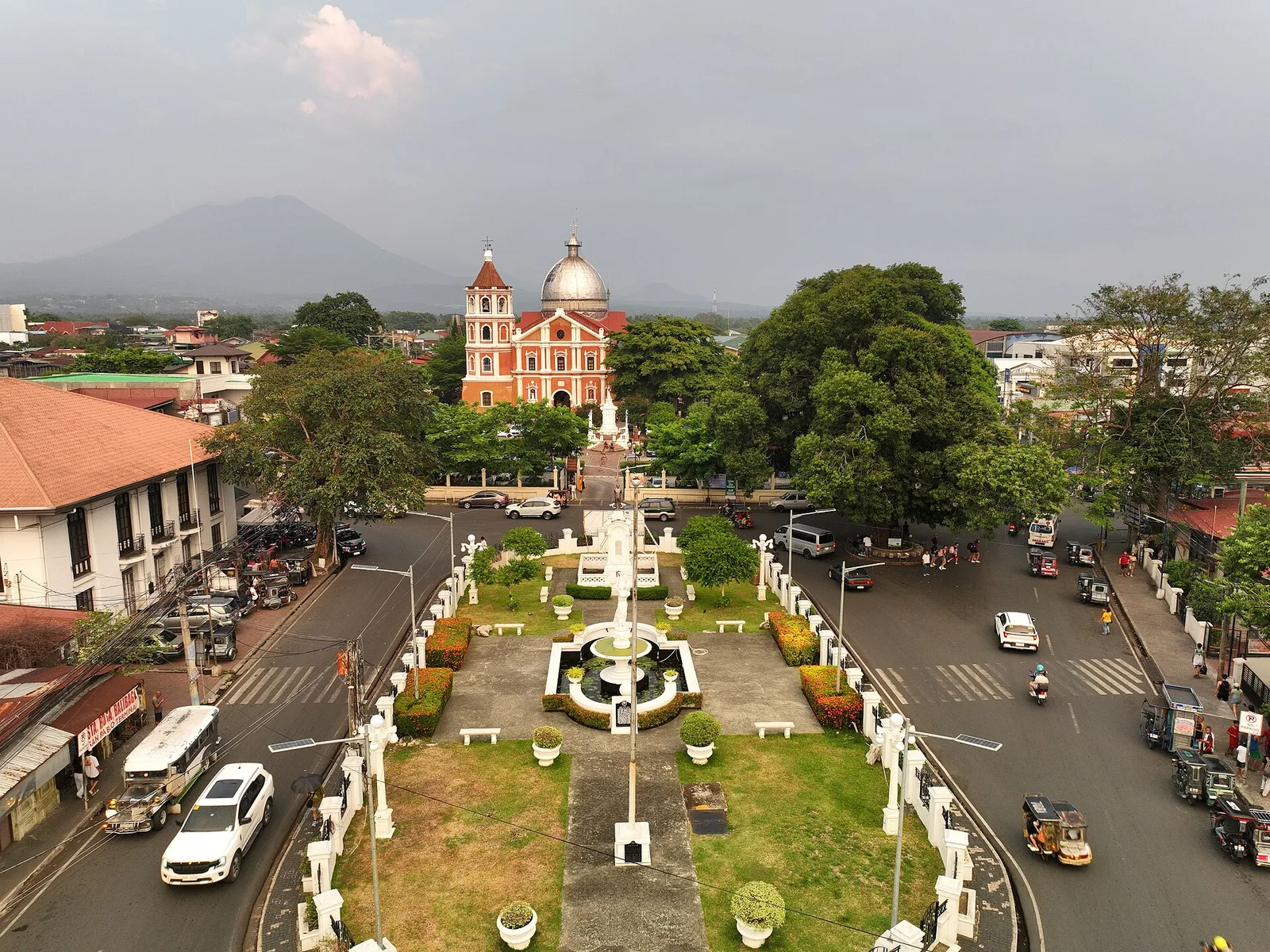
The bishop's church for the Roman Catholic Diocese of San Pablo. Its patron is Saint Paul the First Hermit, and his feast falls on January 15. The present building was started in 1714 and finished in 1721, on foundations laid …
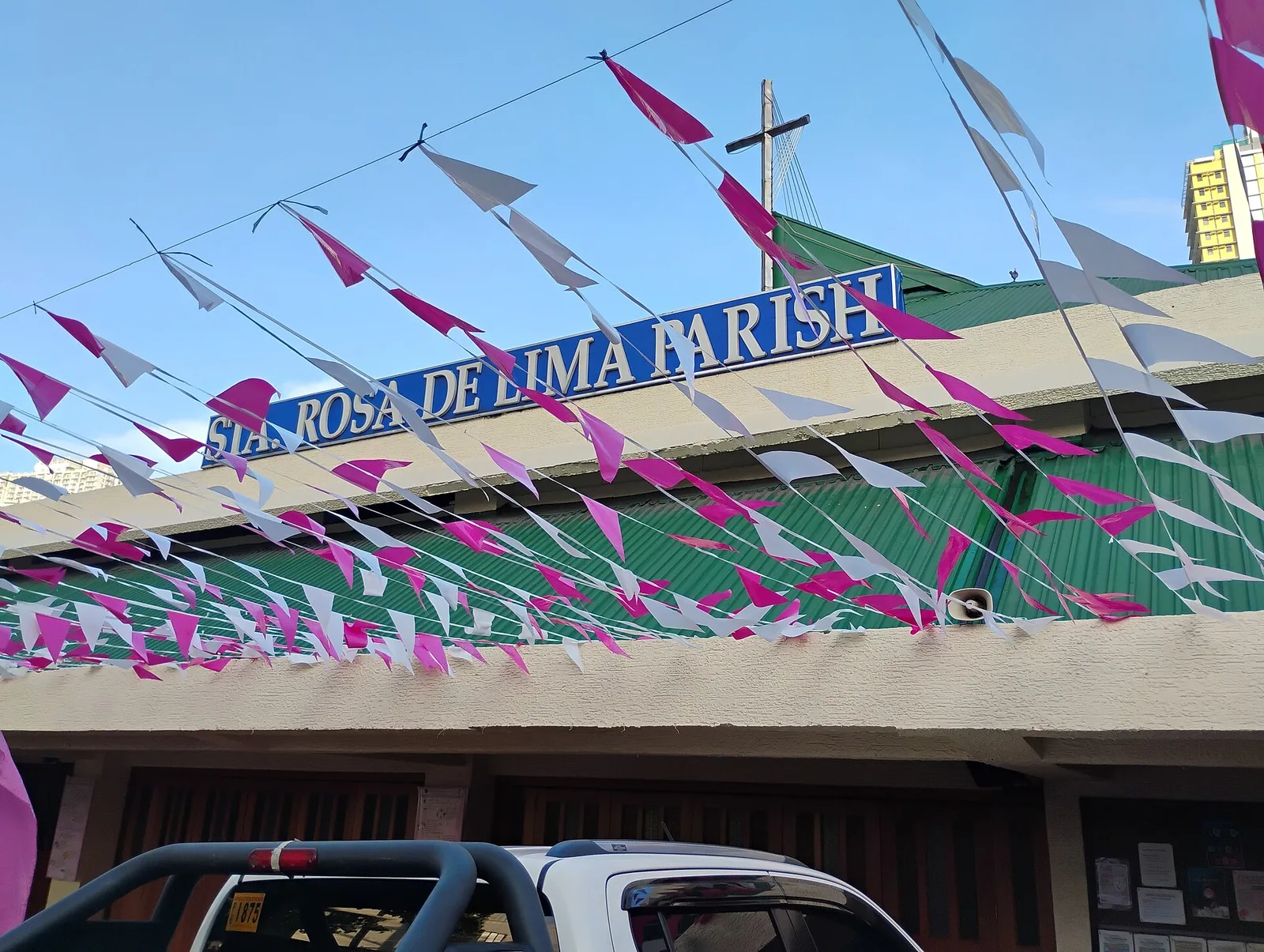
The city's parish church, established in 1792, the same year Santa Rosa became a town in its own right. It is the second oldest parish in the country named for Saint Rose of Lima, who is also the patron of …
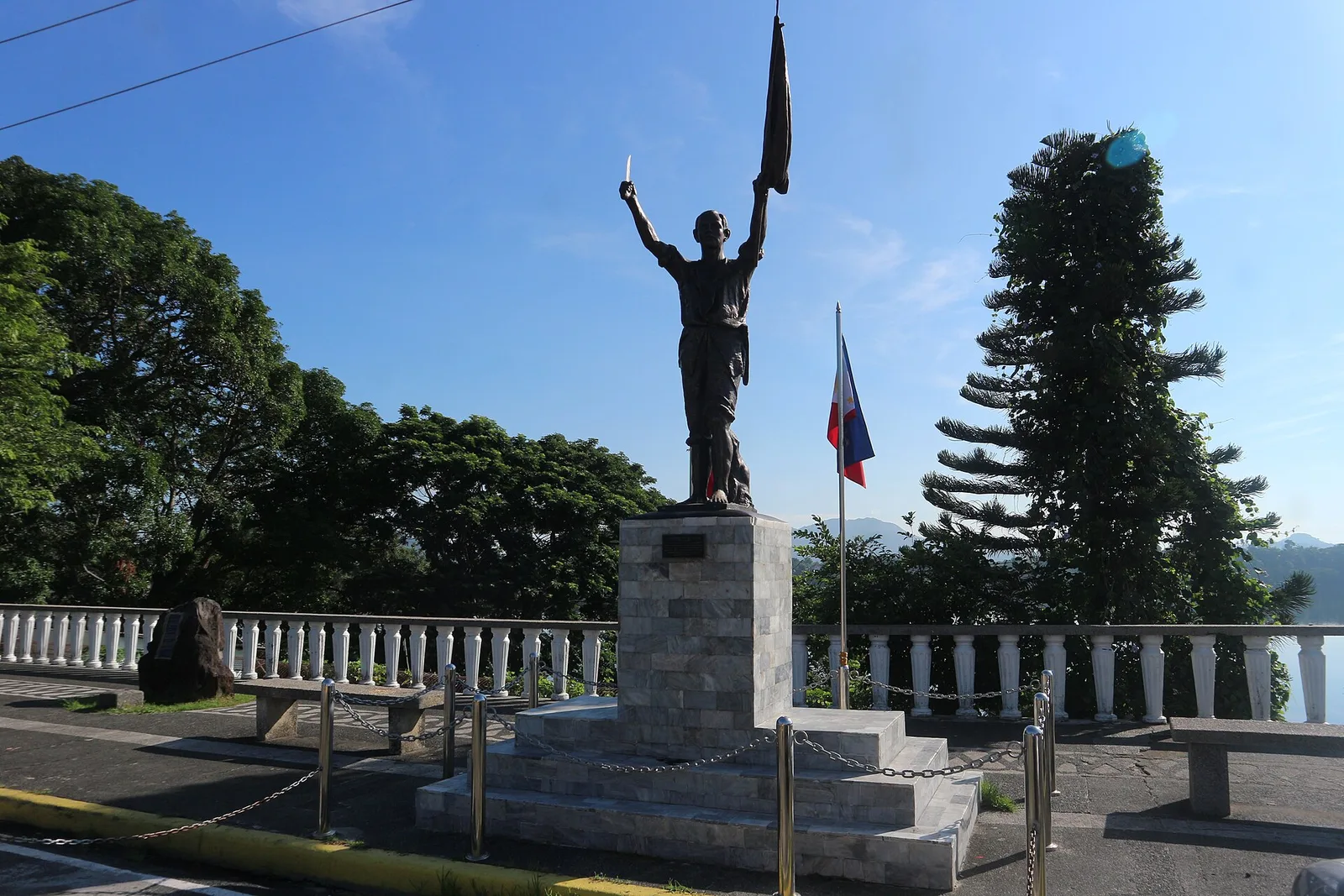
Pakil prides itself on its pristine spring waters coming from the Sierra Madre, such that even local floods sometimes produce a blue-green rather than mud-brown color. The resort, which is supplied by natural spring water, is also said to have …
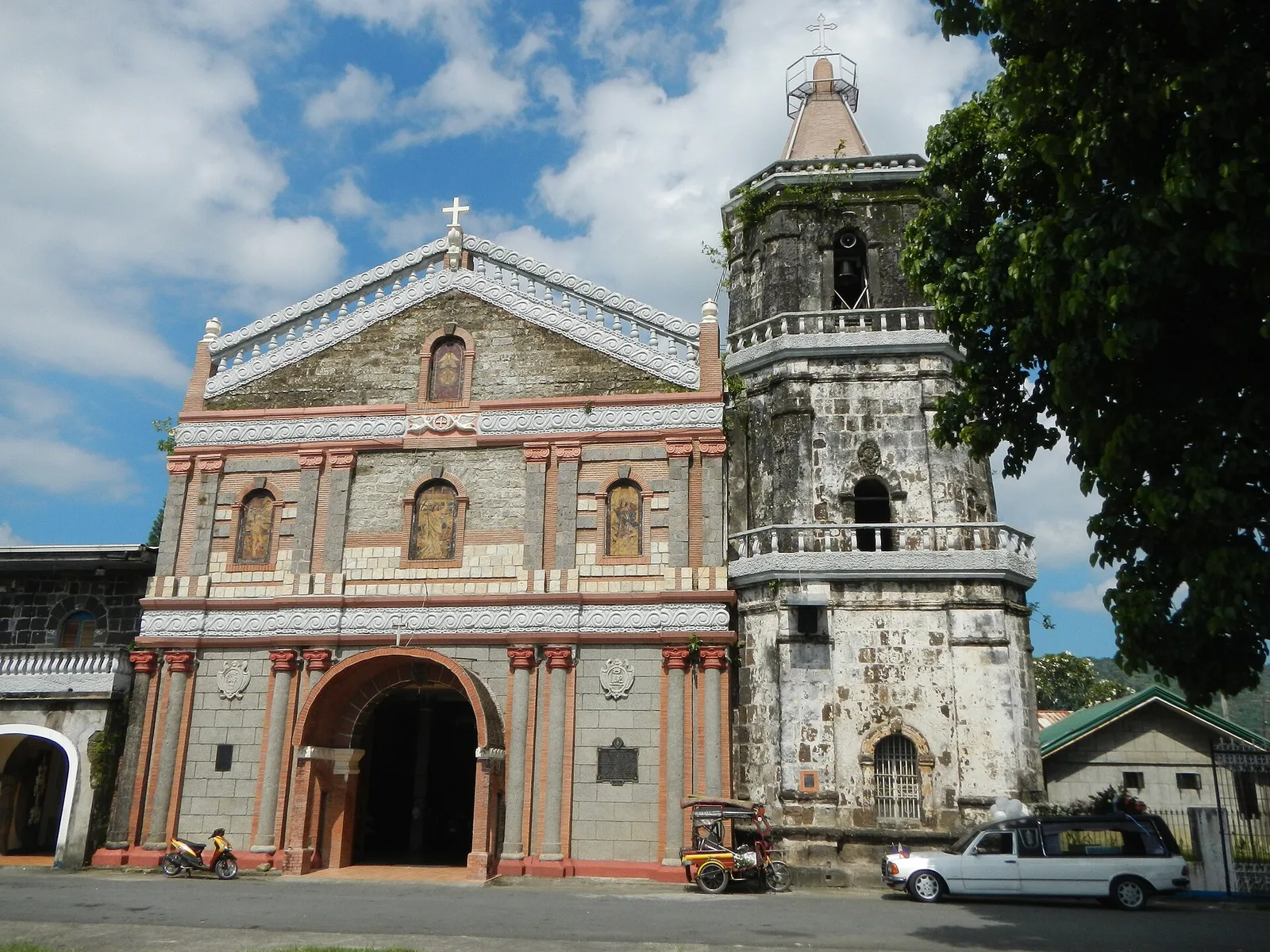
Lumban's Roman Catholic church was built in the late 16th century but was finished in its present form during the early 20th century. It features a partially plastered facade colored in orange. Its interior is largely plastered, without much ornamentation.
The church was built in the 18th century but was neglected through much of the 20th century when it was downgraded into a chapel due to the government's decision to move the town center of Kalayaan from Longos to San …
An extensive public square with a small garden, a monument to national hero Jose Rizal, and a busts gallery of former mayors in front of the municipal hall. Flanked by the Spanish-era parish church and the American-era municipal hall, the …
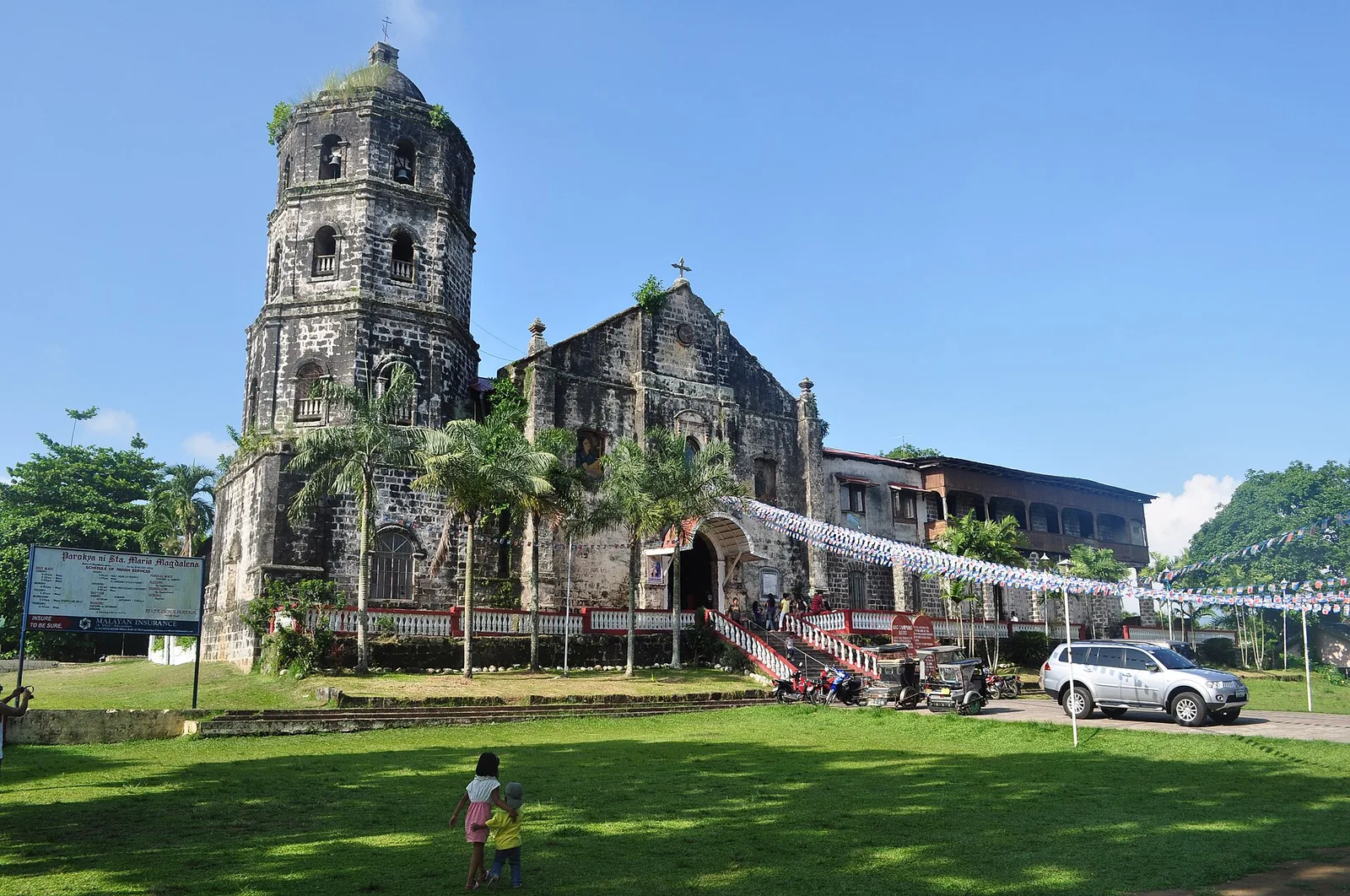
Magdalena's Roman Catholic church was built in the Baroque style and features an austere and unplastered facade and interior, along with a statue of Saint Mary Magdalene seemingly bleeding through her eyes while she holds a skull. Its main claim …
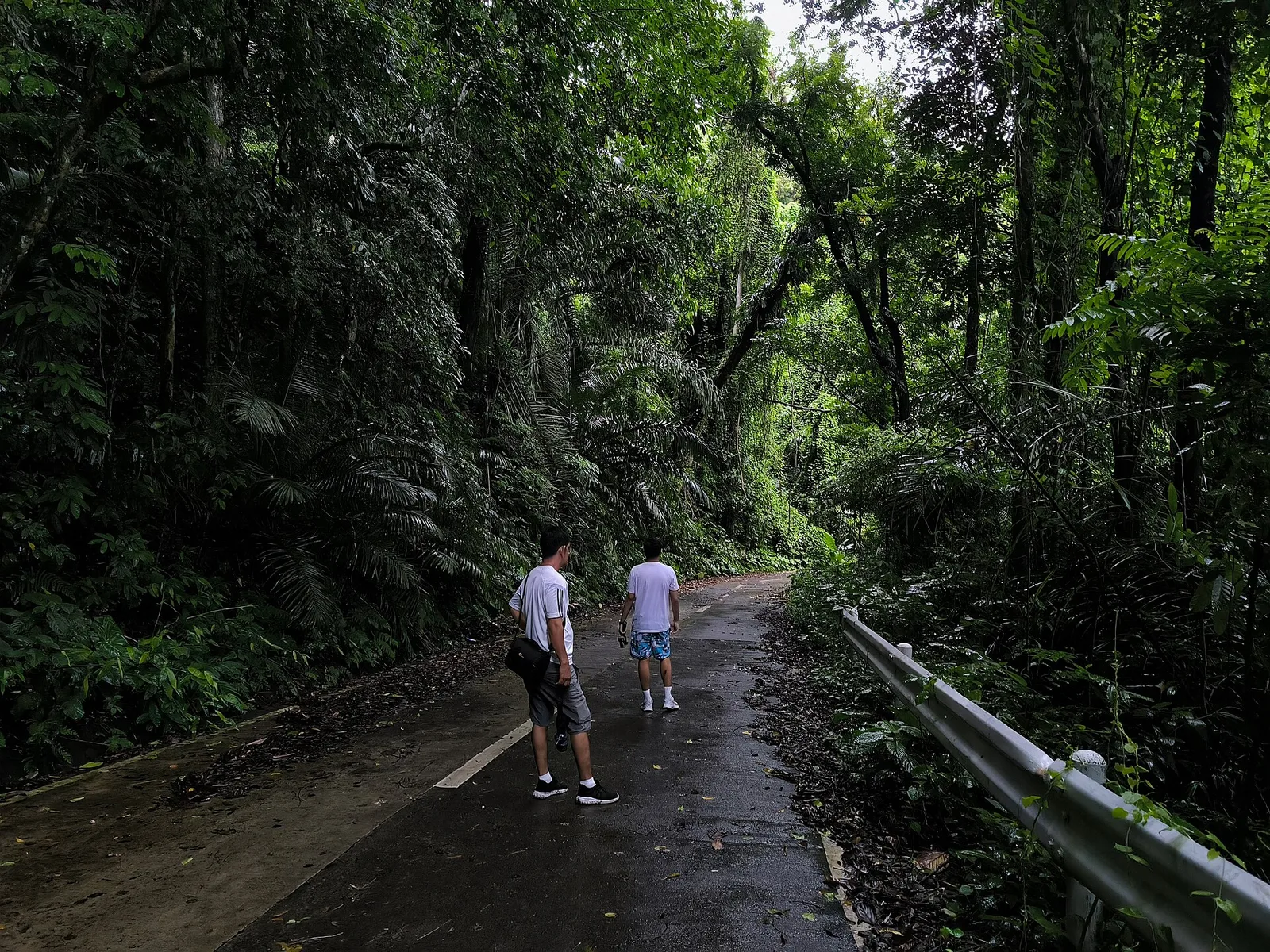
Formerly a national park, now a reserve administered by the university's forestry department. It is adjacent to the campus and, like the campus, includes some sites of interest.
The park was the result of a botched attempt to build a dam over the Bumbungan River, when an engineering error led to the water continuously overtopping the spillway and creating a mini-waterfall before municipal authorities decided to build a …
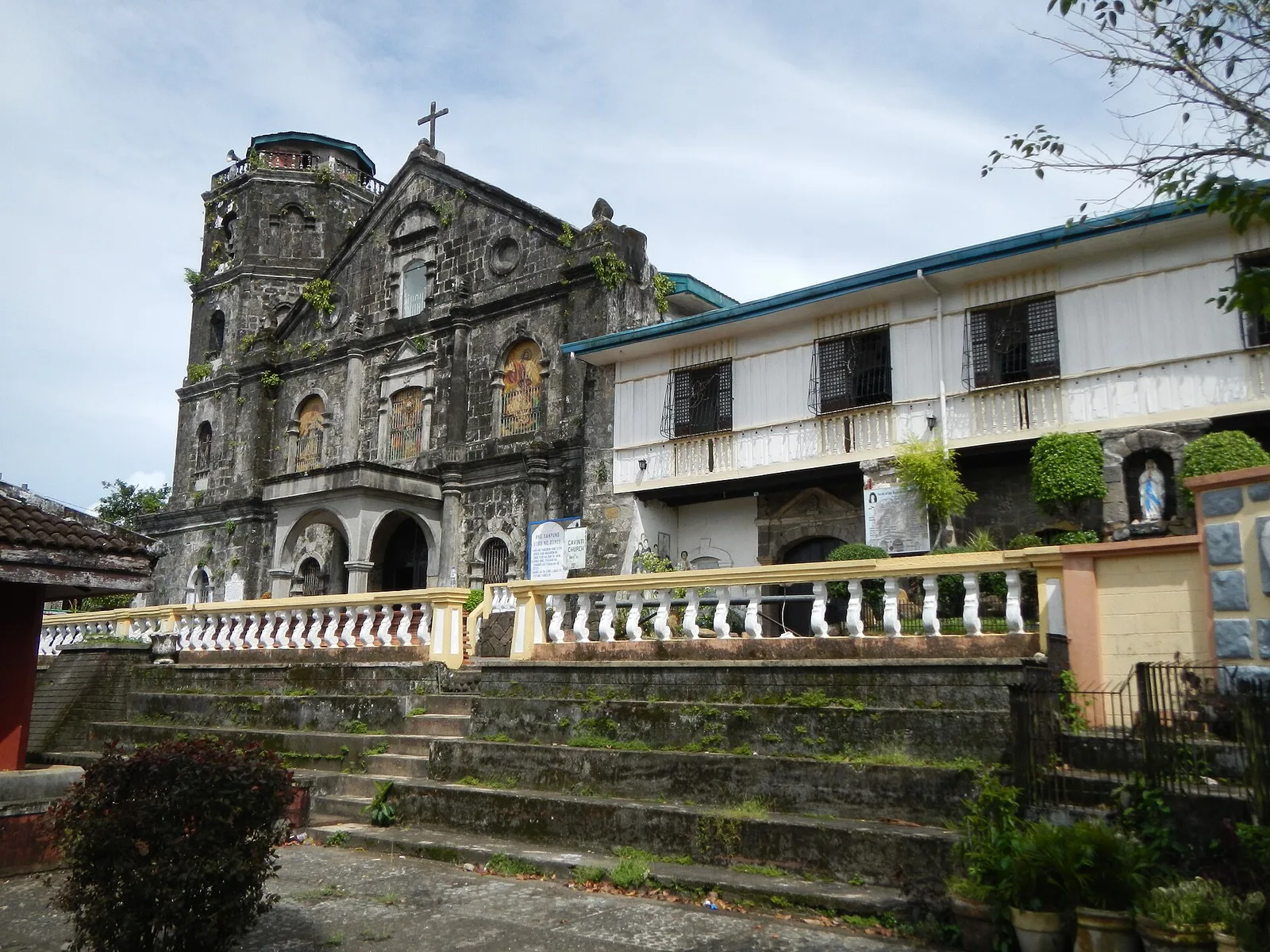
Cavinti's Roman Catholic church was built on the site where the town's venerated image of Jesus Christ was said to have been discovered during the Spanish period. Its baroque facade is made of exposed brick, while its interior has been …
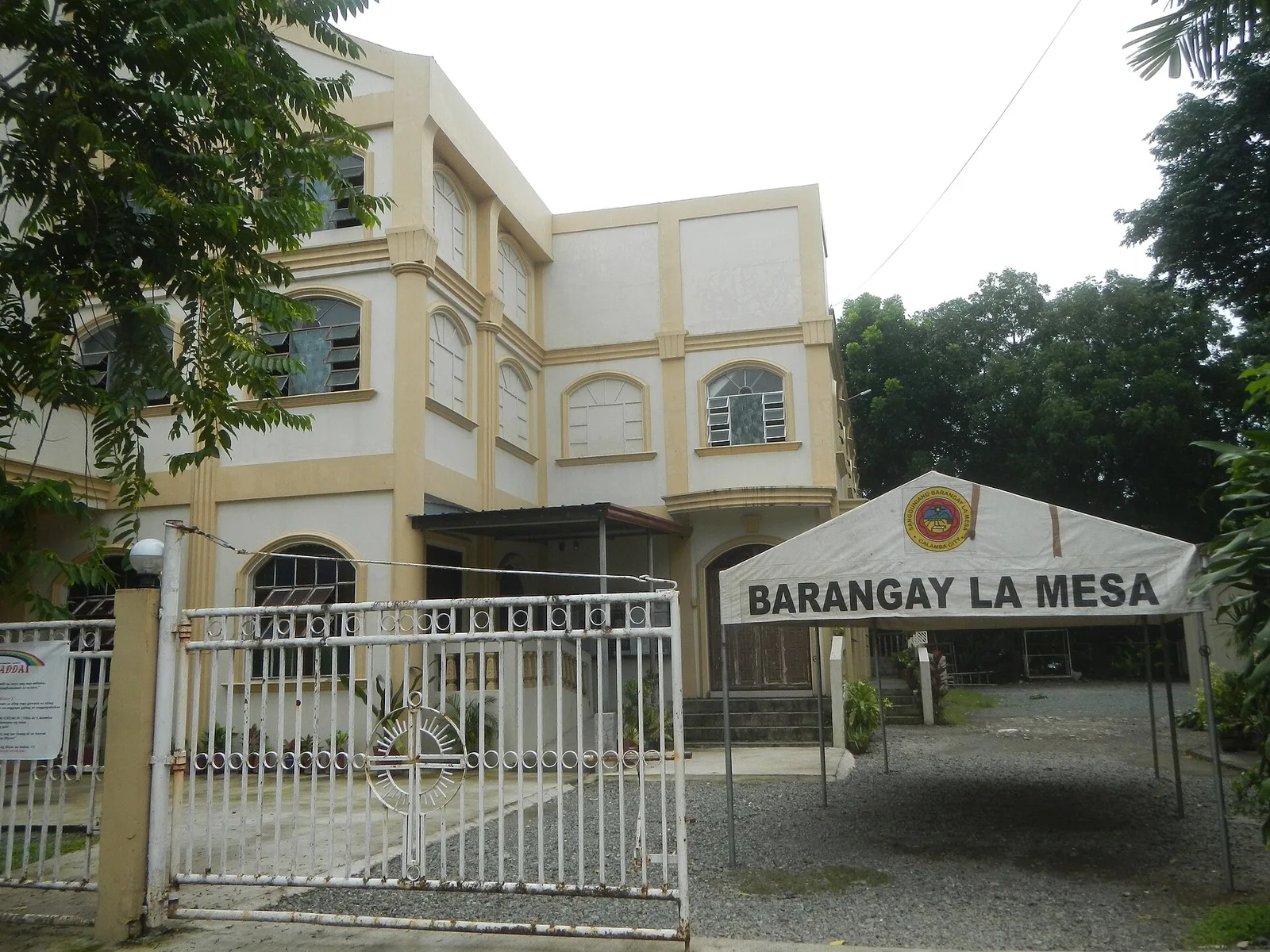
The oldest Catholic church in the city, and the place where Jose Rizal was baptised. It stands next door to the house where he was born. The church of Saint John the Baptist dates from 1859. Japanese troops burned it …
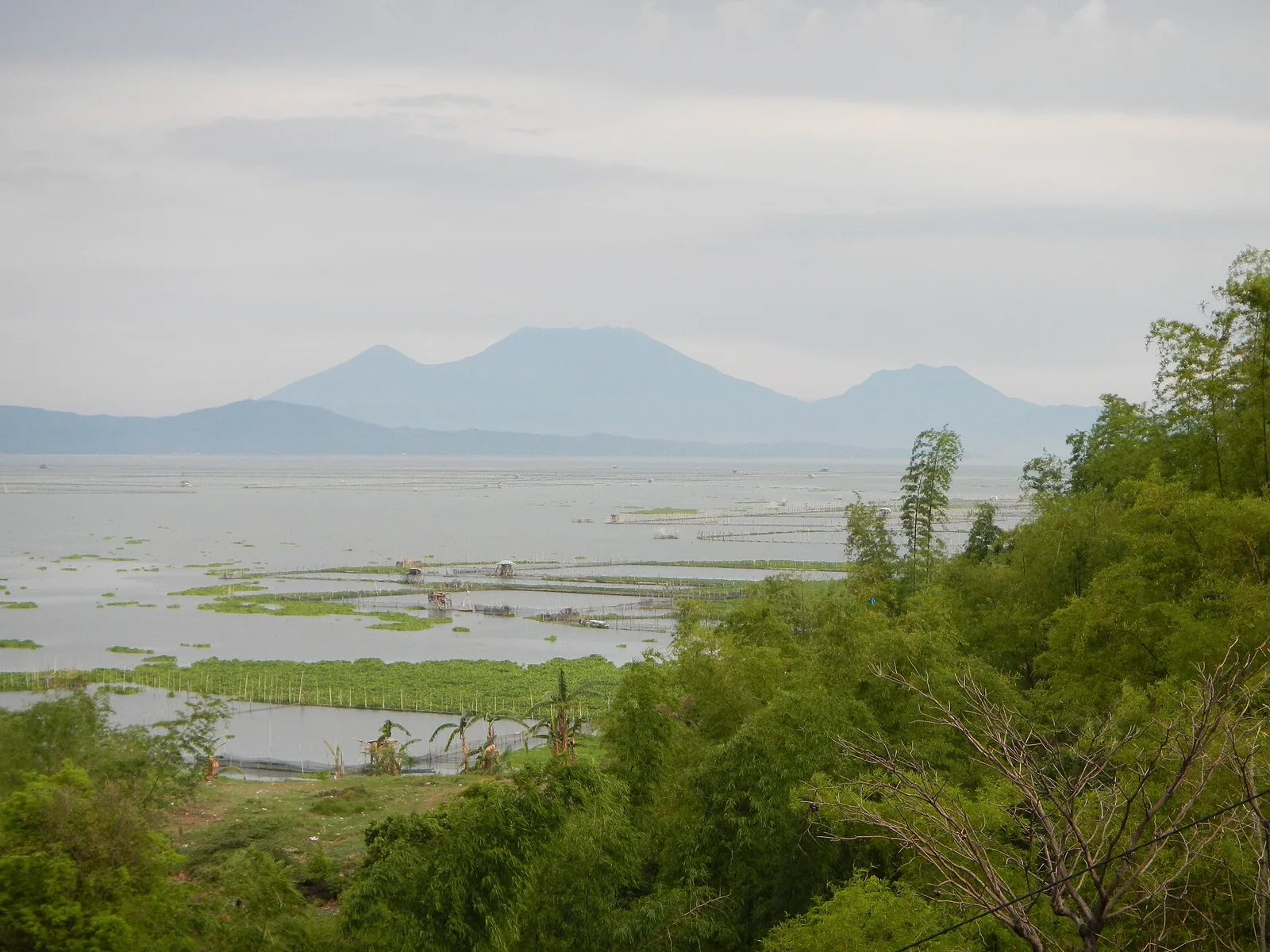
The highest mountain in Laguna, in Quezon and in the whole Calabarzon region: an active volcano with three peaks that dominates the landscape for miles around. The summit reaches 2,170 metres and holds a caldera 210 metres deep, broken open …
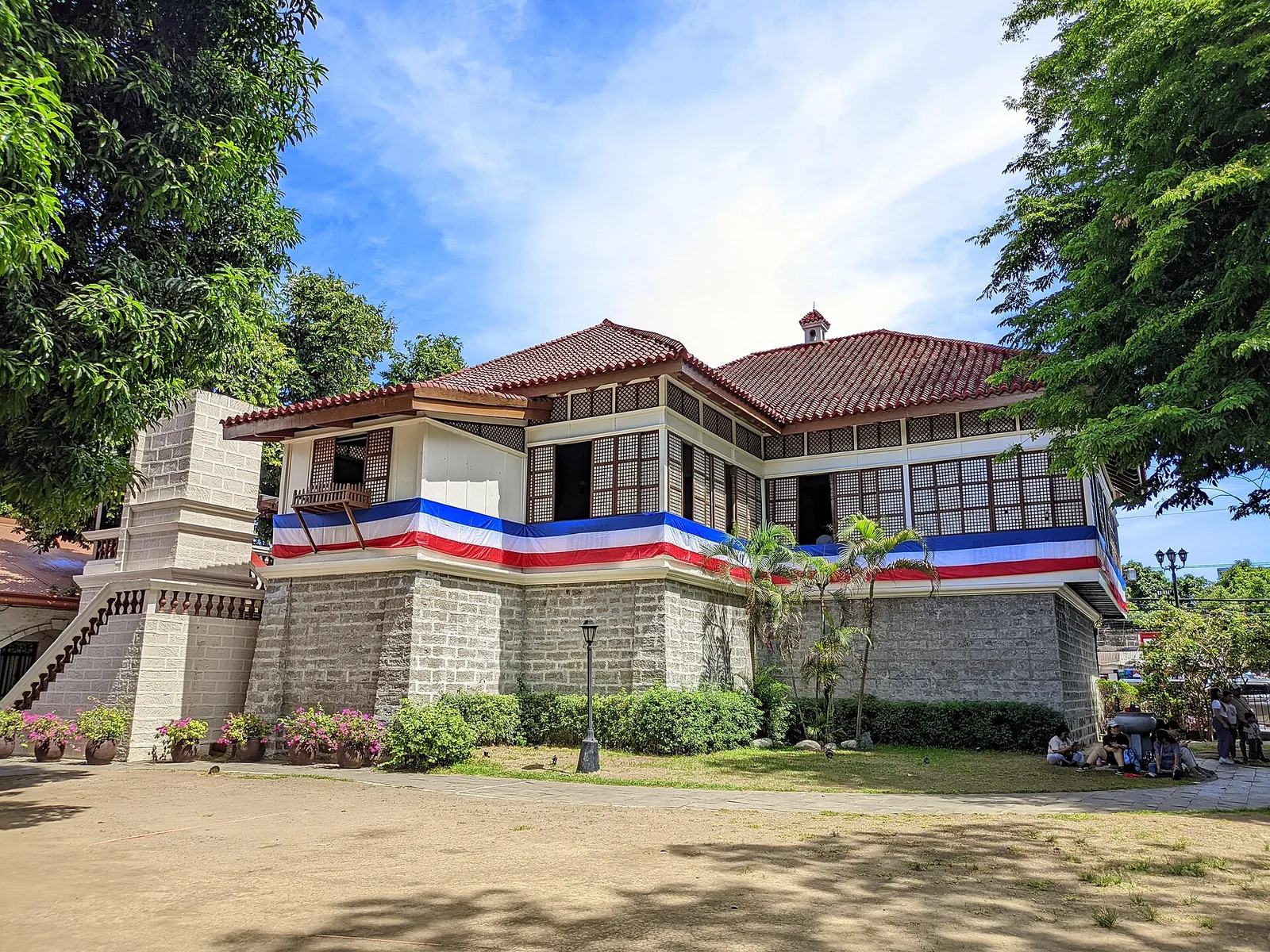
The house where Jose Rizal was born on June 19, 1861, rebuilt as a two-storey bahay na bato. What stands today is a reproduction of the original. Filipino schoolchildren paid for most of the work, Juan F. Nakpil supervised it, …
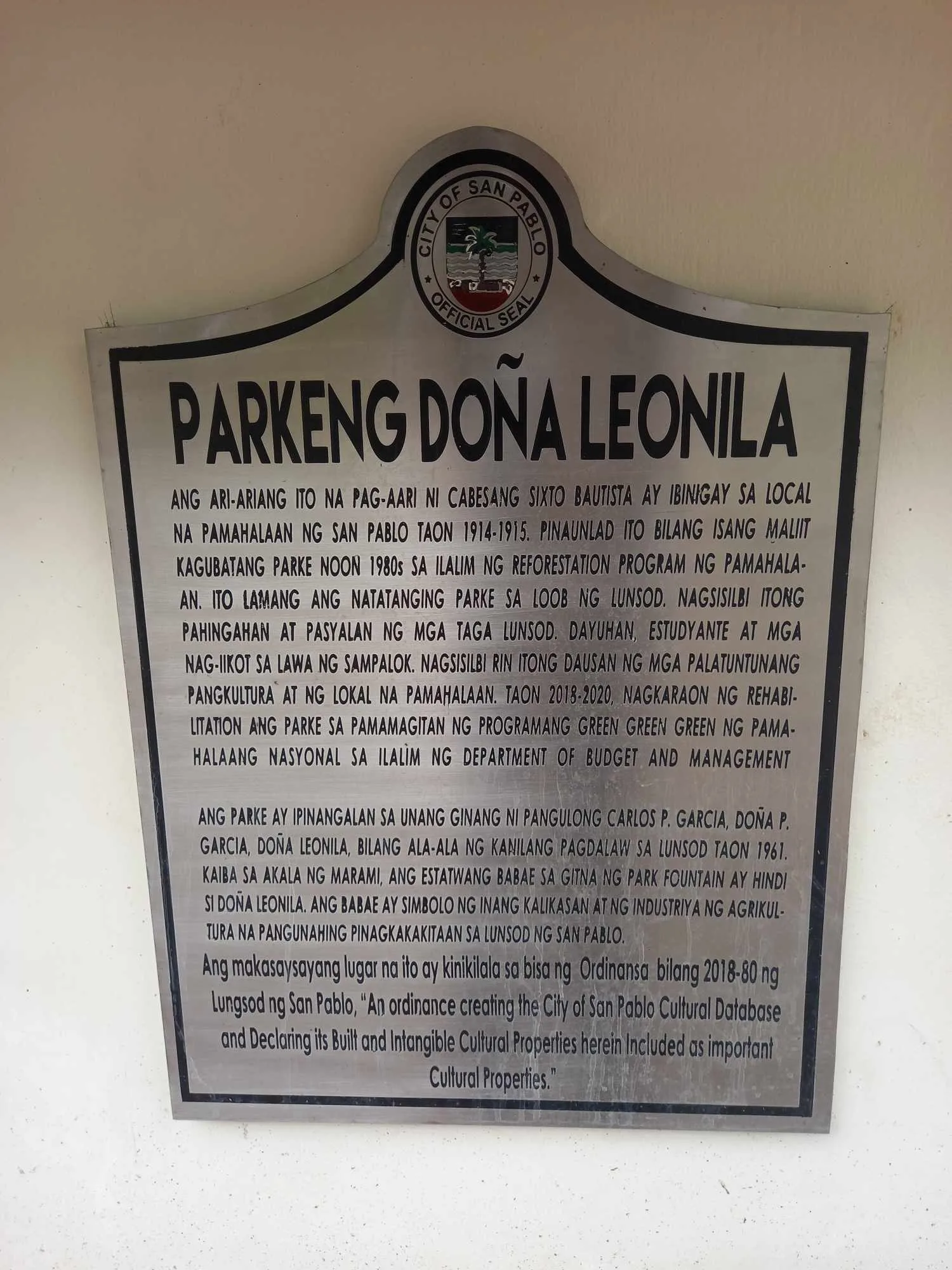
A tree-filled park filled with fountains and neoclassical and Filipino-themed statues, it is a favorite recreation hub among residents. It sits on a promontory overlooking Dagatan Boulevard and provides views of Sampaloc Lake.
A cascade along the Pangil River that literally means "Eel's Tail" in Filipino.
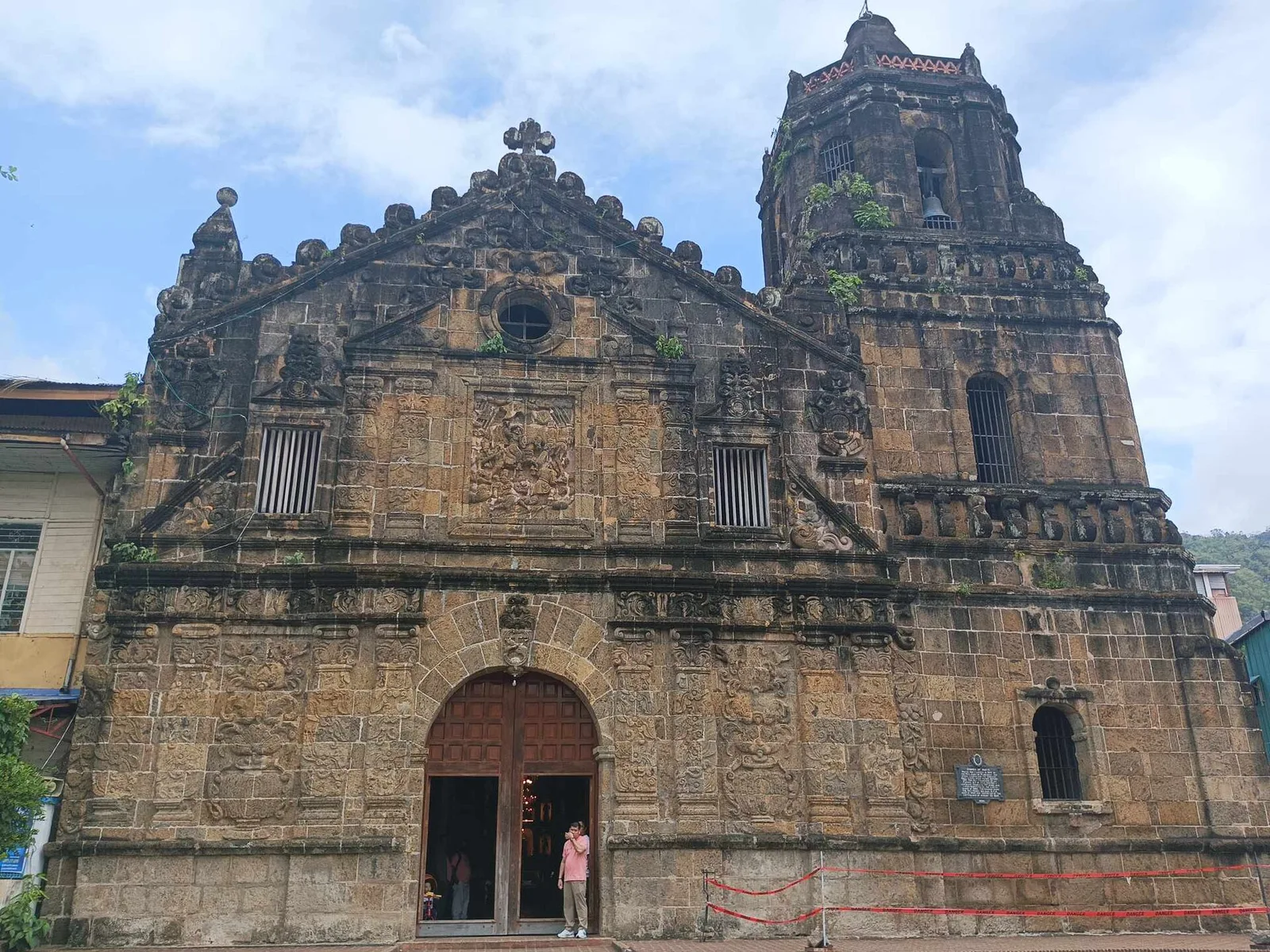
A Roman Catholic church built during the Spanish colonial era, featuring a Baroque brickwork with Asiatic-like jagged ridges on top. Inside the church are murals by local artist, Luciano Dans namely Langit, Lupa, Impiyerno (Heaven, Earth, Hell) and large murals …
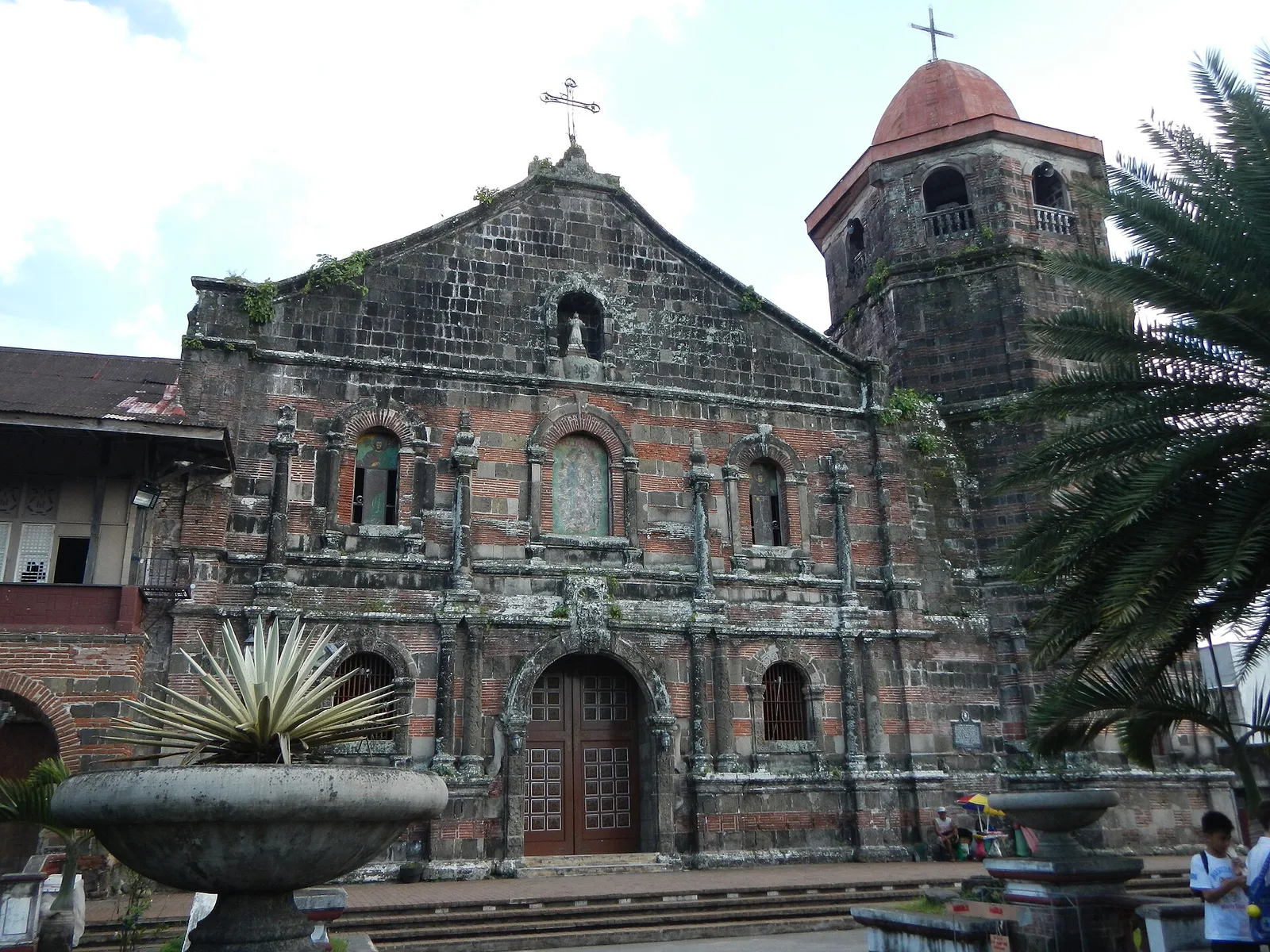
A Spanish colonial church built in a Baroque style with Moorish-inspired crenellations, and supporting exterior pillars that seemingly wrap around the structure like a cast. Look for the ornate altar and painted wooden carving of the Final Judgement made by …
A small park with a Hollywood-like sign of Magdalena, statues of superheroes and animals, including Monstro the Sperm Whale from Pinocchio.
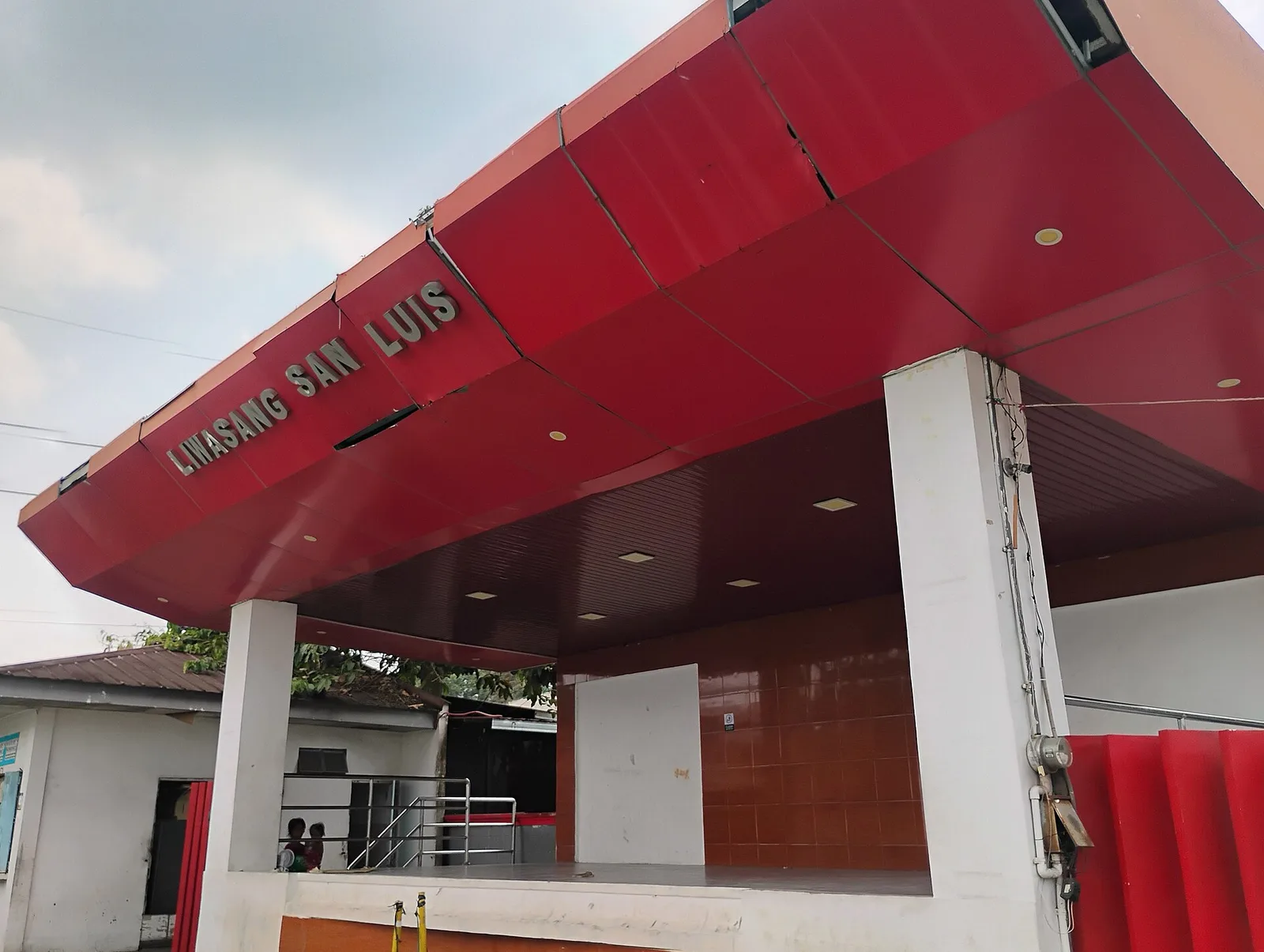
A small square and recreational space with civic monuments and a Hollywood-like Kalayaan sign.
Alaminos' main Roman Catholic church, dating back to the Spanish colonial era near the municipal hall. Its patron is the Nuestra Señora del Pilar, after an image of it was retrieved from a town well.
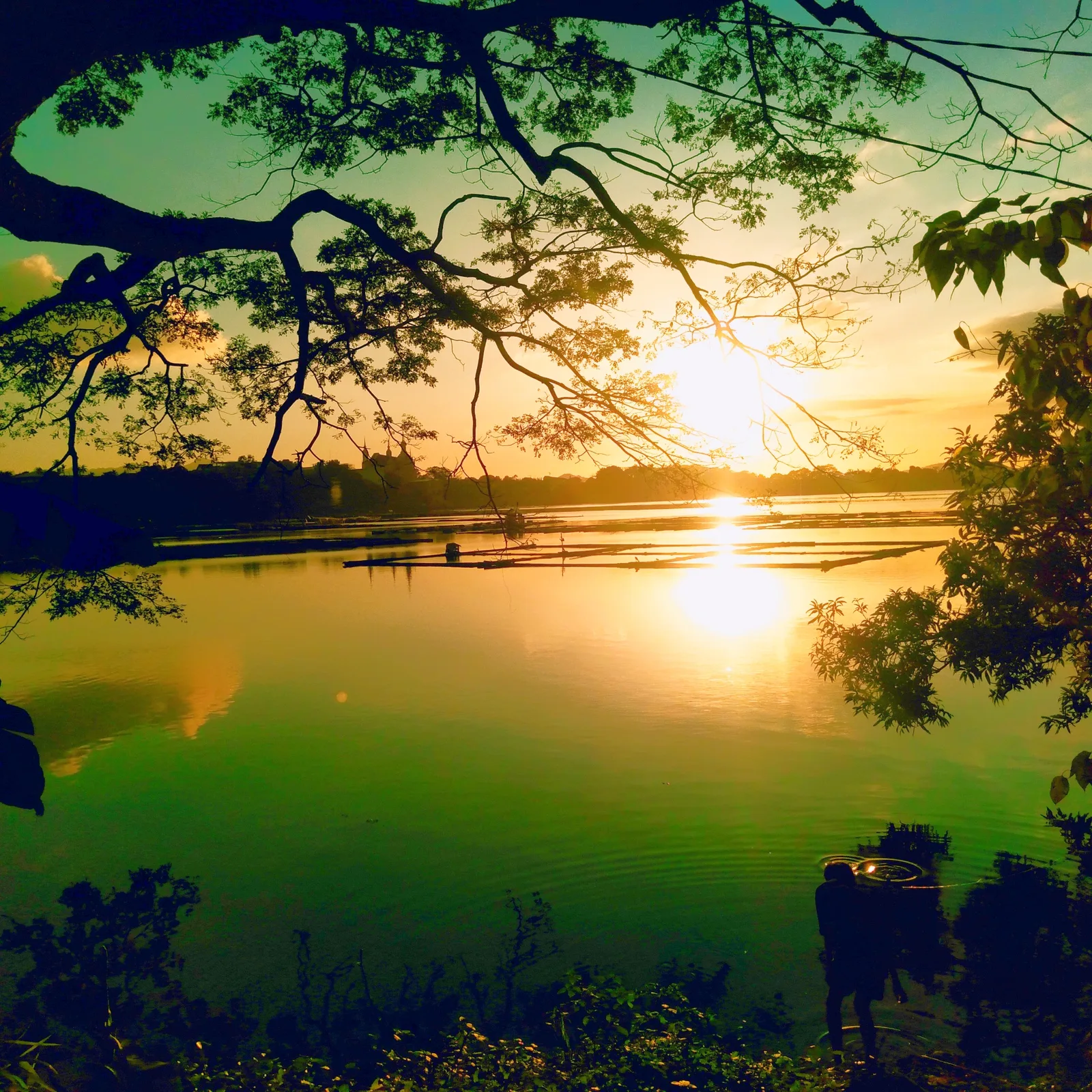
The largest of the seven crater lakes scattered around the city, and the easiest one to reach: it sits directly behind the city hall. Fishpens and small cottages on stilts stand in the water. A public playground was built on …
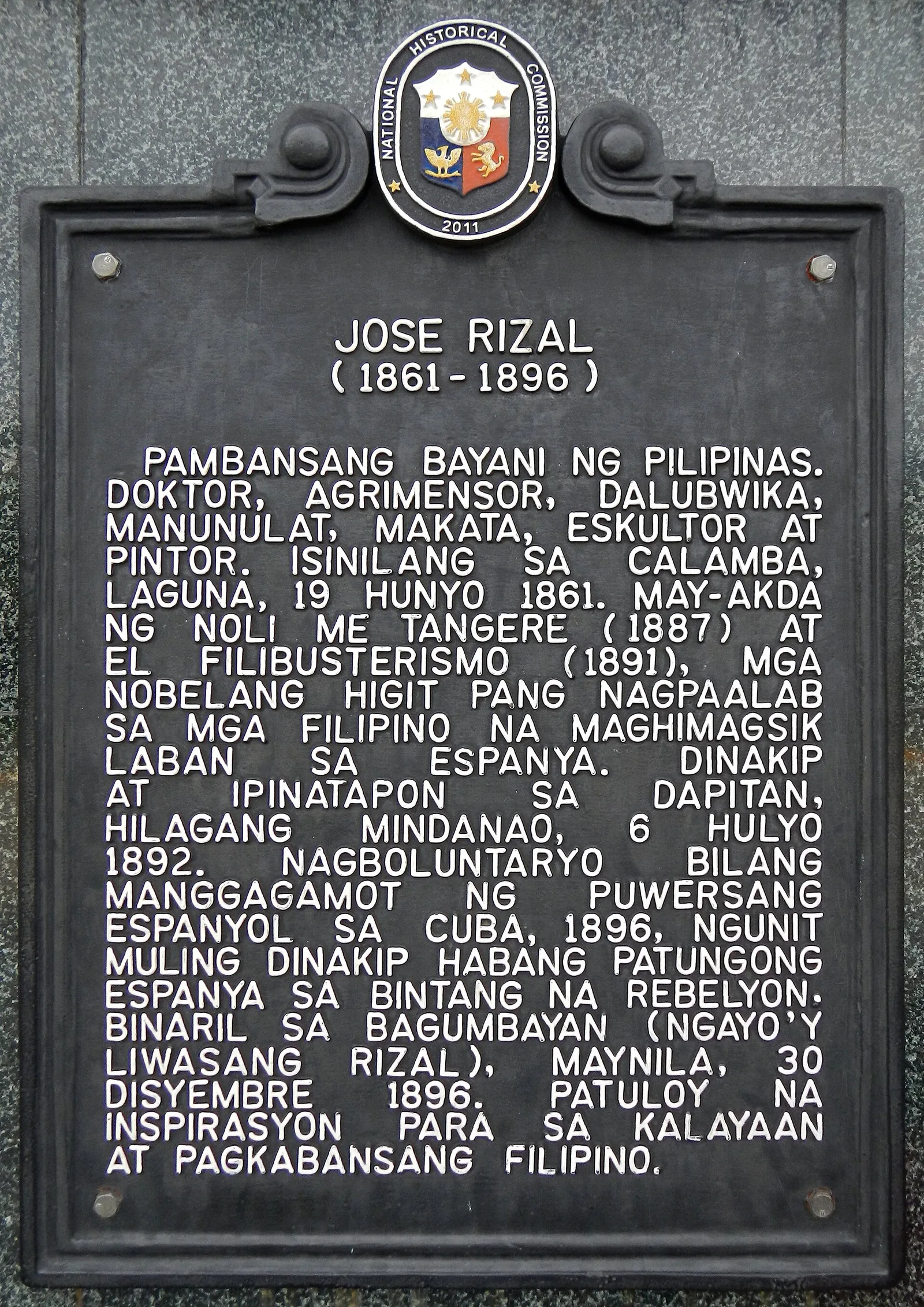
A statue of Jose Rizal 6.7 metres tall, at the centre of The Plaza, a park of 6.7 hectares across from the Calamba City Hall complex on Bacnotan Road. Jonas Roces sculpted it, and President Benigno Aquino III unveiled it …