Angono Forest Park
Angono Forest Park is a quiet, forested park to stretch your legs, feed ducks, and see wildlife.
Region in Luzon · 6 provinces and cities
Showing 211 to 240 of 370
Angono Forest Park is a quiet, forested park to stretch your legs, feed ducks, and see wildlife.
The Blanco Family Museum is a collection of art by prominent painter Jose Blanco, his wife, and their seven children.
Something to do at Aguinaldo corner Tirona Highways, Bacoor City. Hours: Open 24 hours.
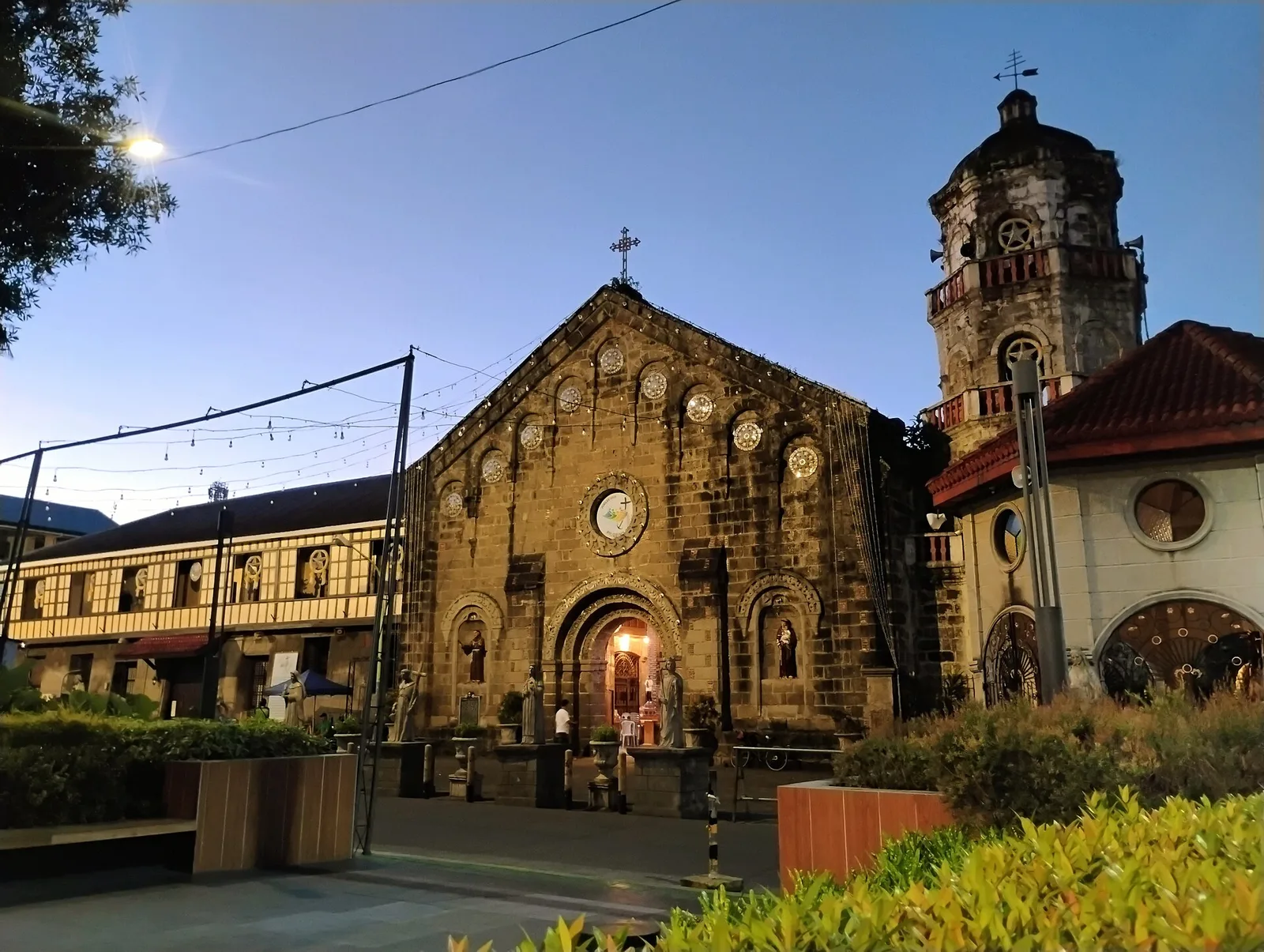
The city's first parish church, standing on the town plaza. Its patron is Saint Francis of Assisi, and the town carried his name too, as San Francisco de Malabon, until it was renamed. The church is under the Diocese of …
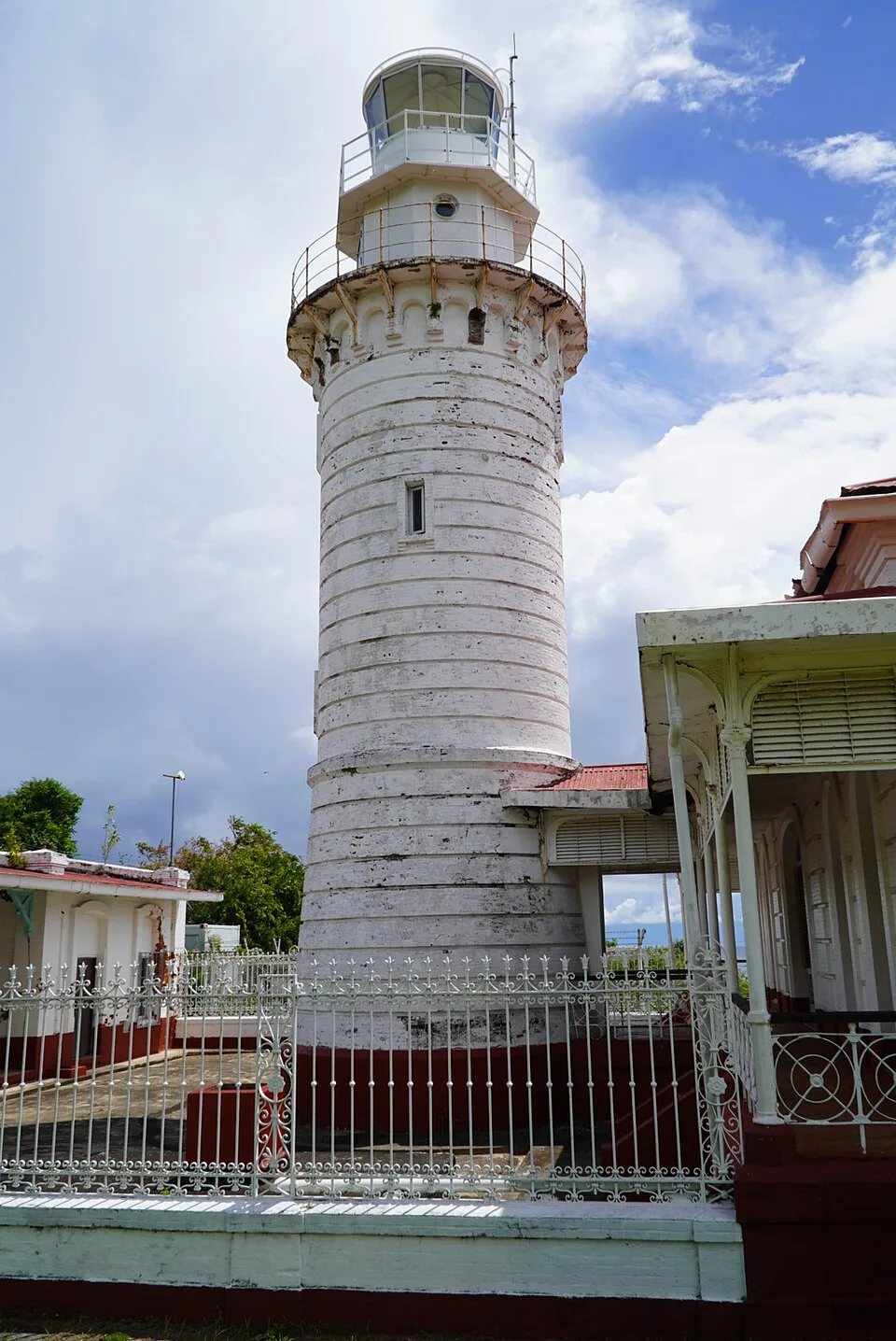
A working lighthouse on the coast at Lobo, completed and lit in 1896. It is one of the oldest working lighthouses in the Philippines and the best preserved in the country. The light still guides ships through the Verde Island …
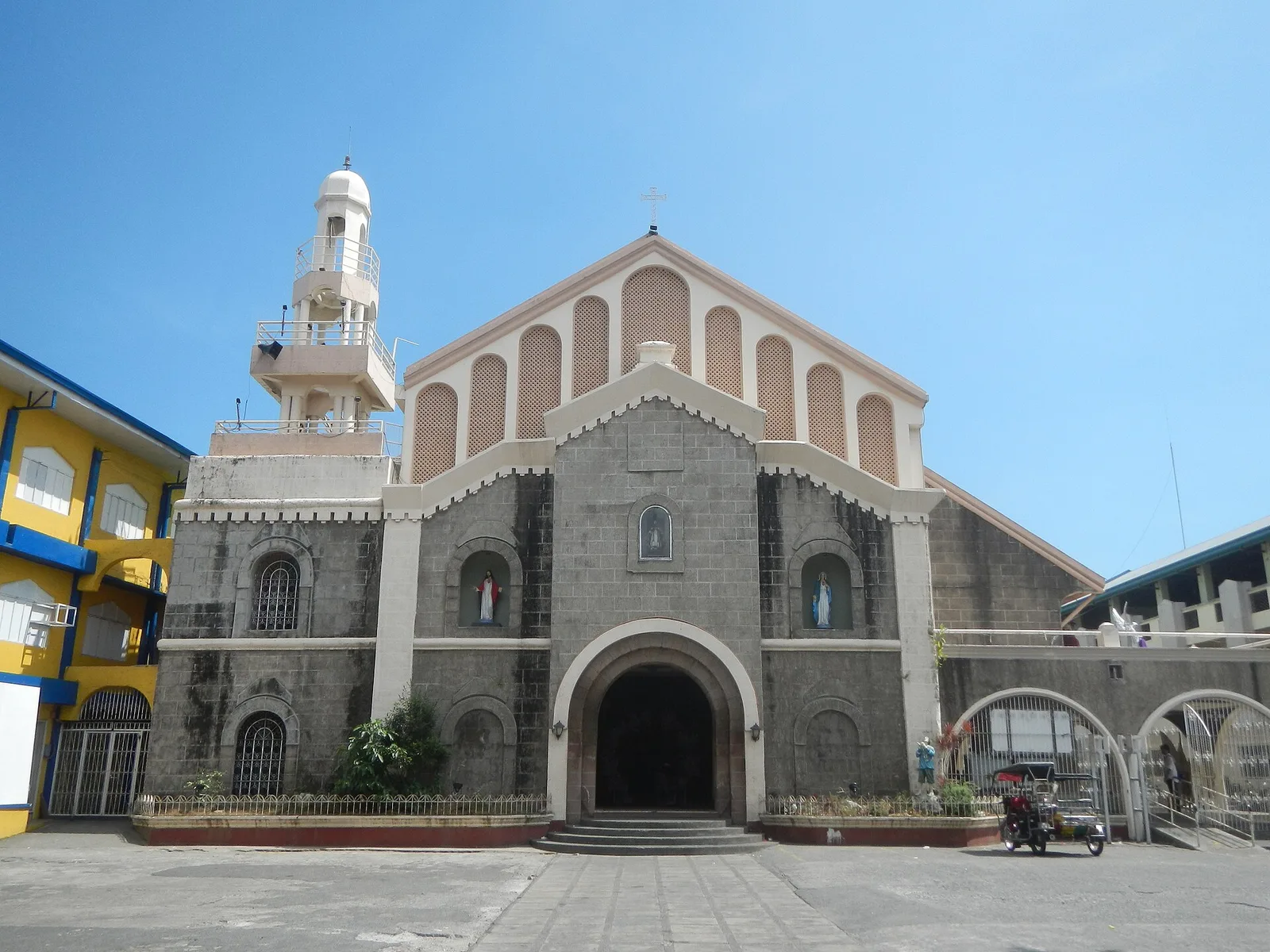
A 1-day plan built from the See, Do and Eat listings in Wikivoyage's San Mateo (Rizal) guide. The stops are in an order that keeps each day close together. Check …
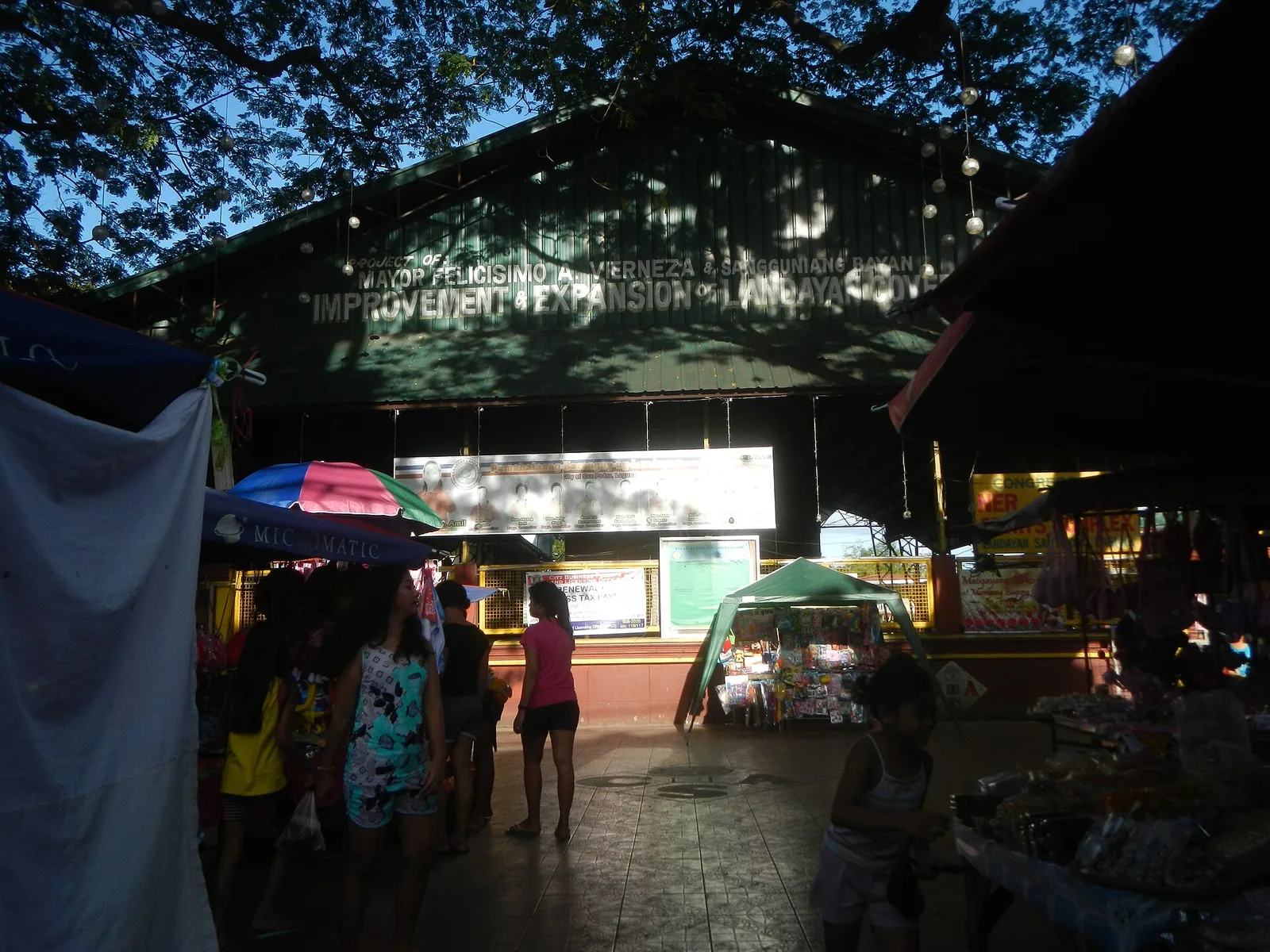
A 1-day plan built from the See, Do and Eat listings in Wikivoyage's San Pedro (Laguna) guide. The stops are in an order that keeps each day close together. Check …
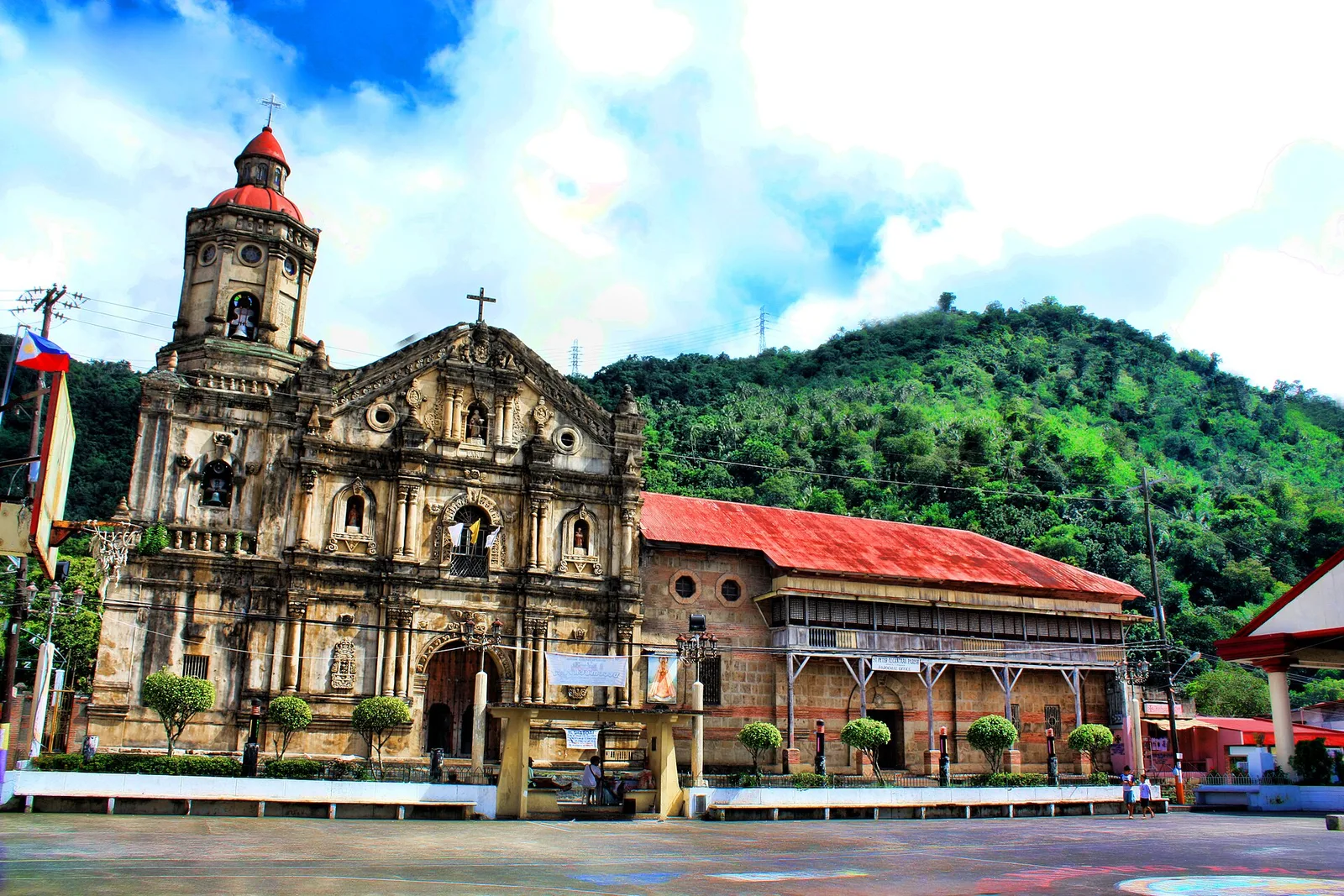
A 2-day plan built from the See, Do and Eat listings in Wikivoyage's Pakil guide. The stops are in an order that keeps each day close together. Check the hours …
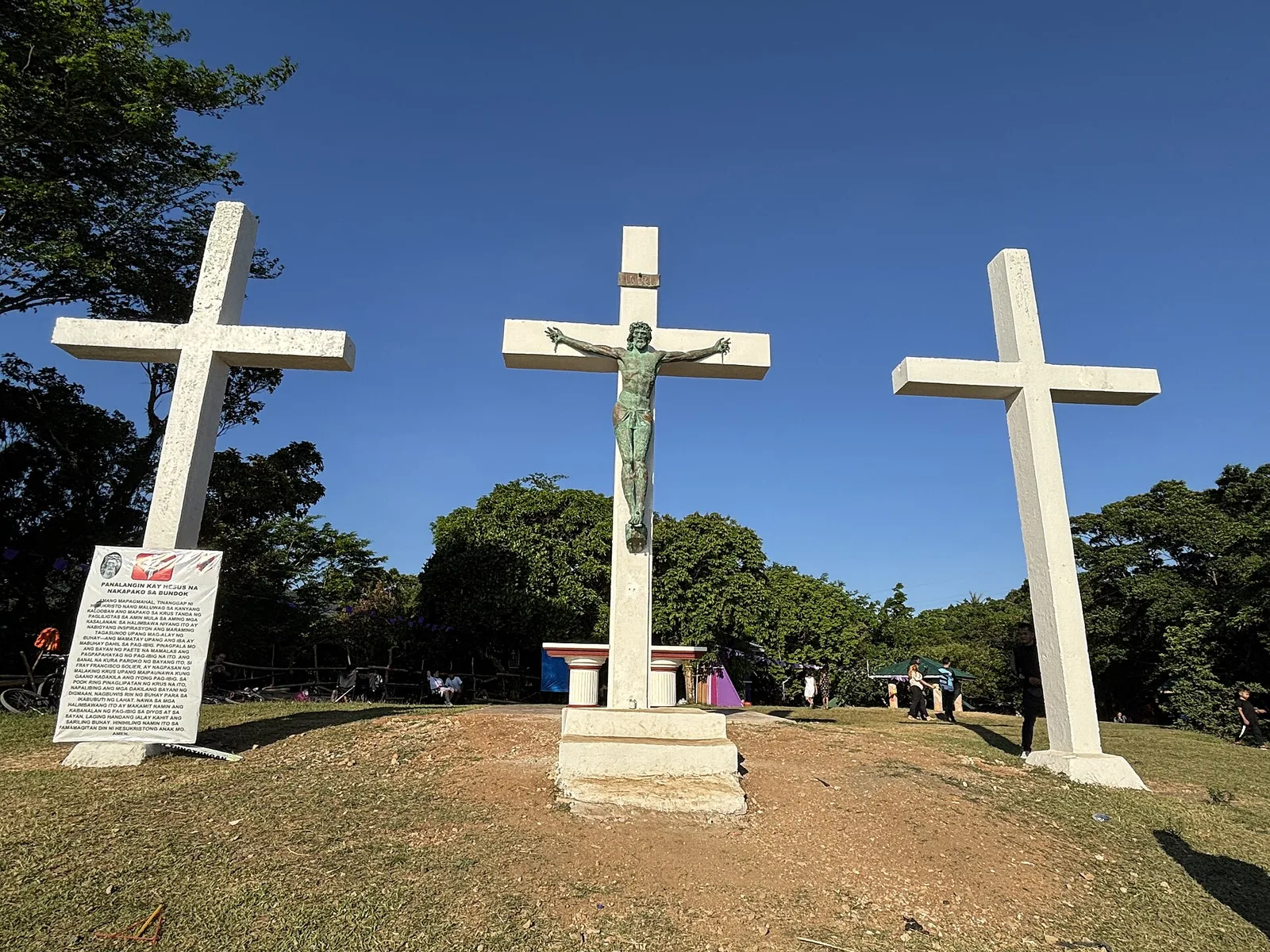
A 2-day plan built from the See, Do and Eat listings in Wikivoyage's Paete guide. The stops are in an order that keeps each day close together. Check the hours …
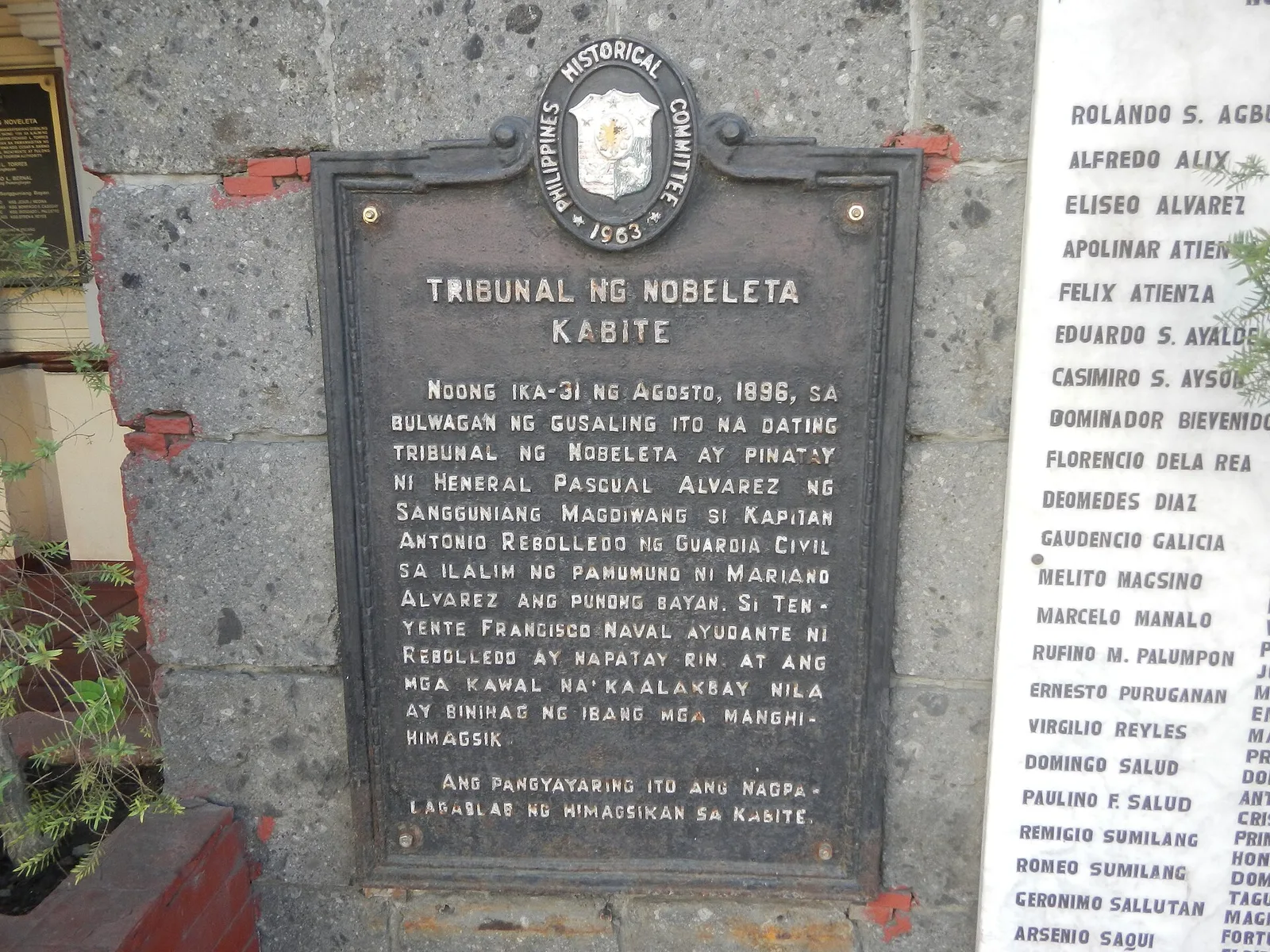
A 2-day plan built from the See, Do and Eat listings in Wikivoyage's Noveleta guide. The stops are in an order that keeps each day close together. Check the hours …
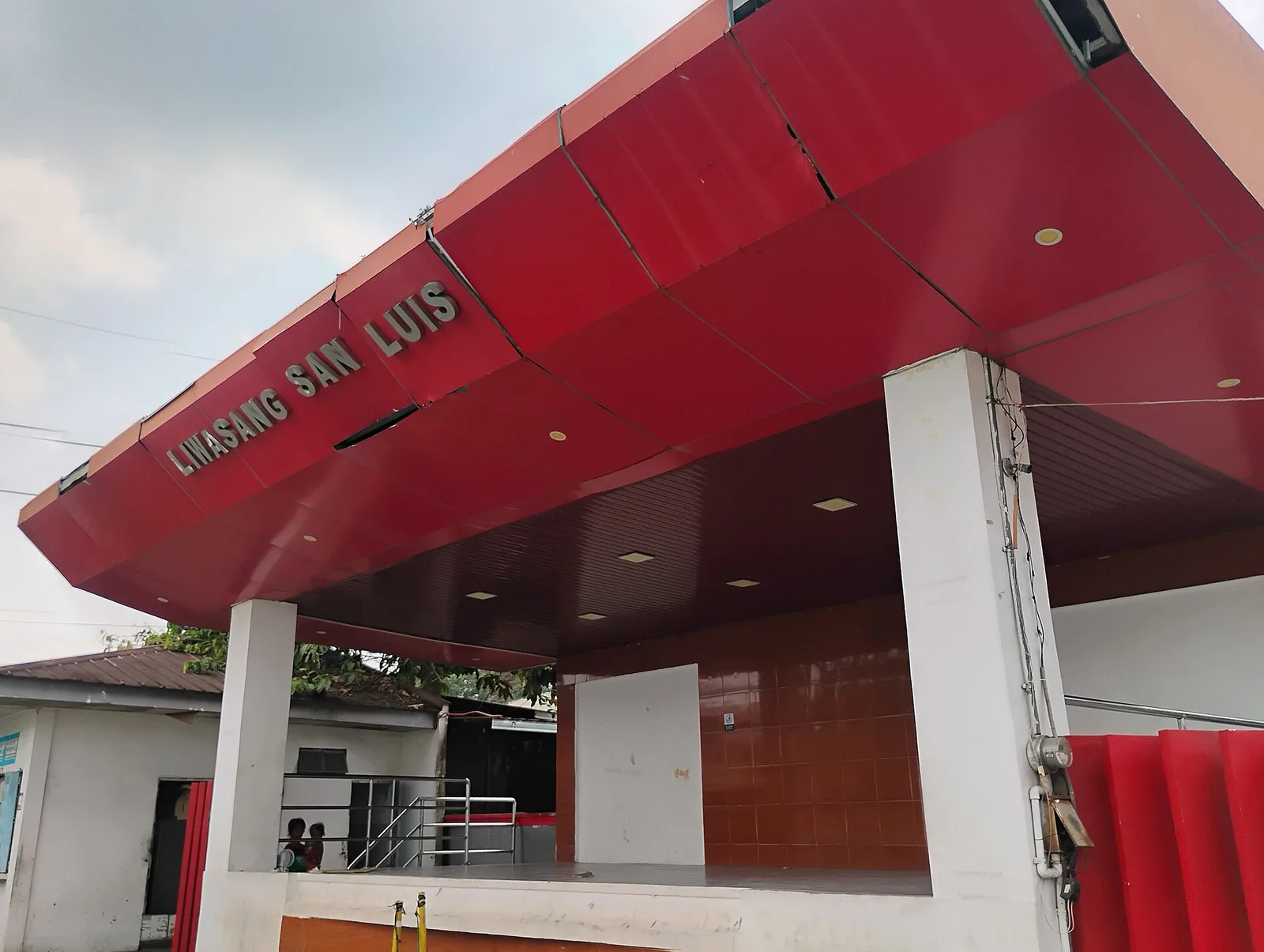
A 1-day plan built from the See, Do and Eat listings in Wikivoyage's Mabitac guide. The stops are in an order that keeps each day close together. Check the hours …
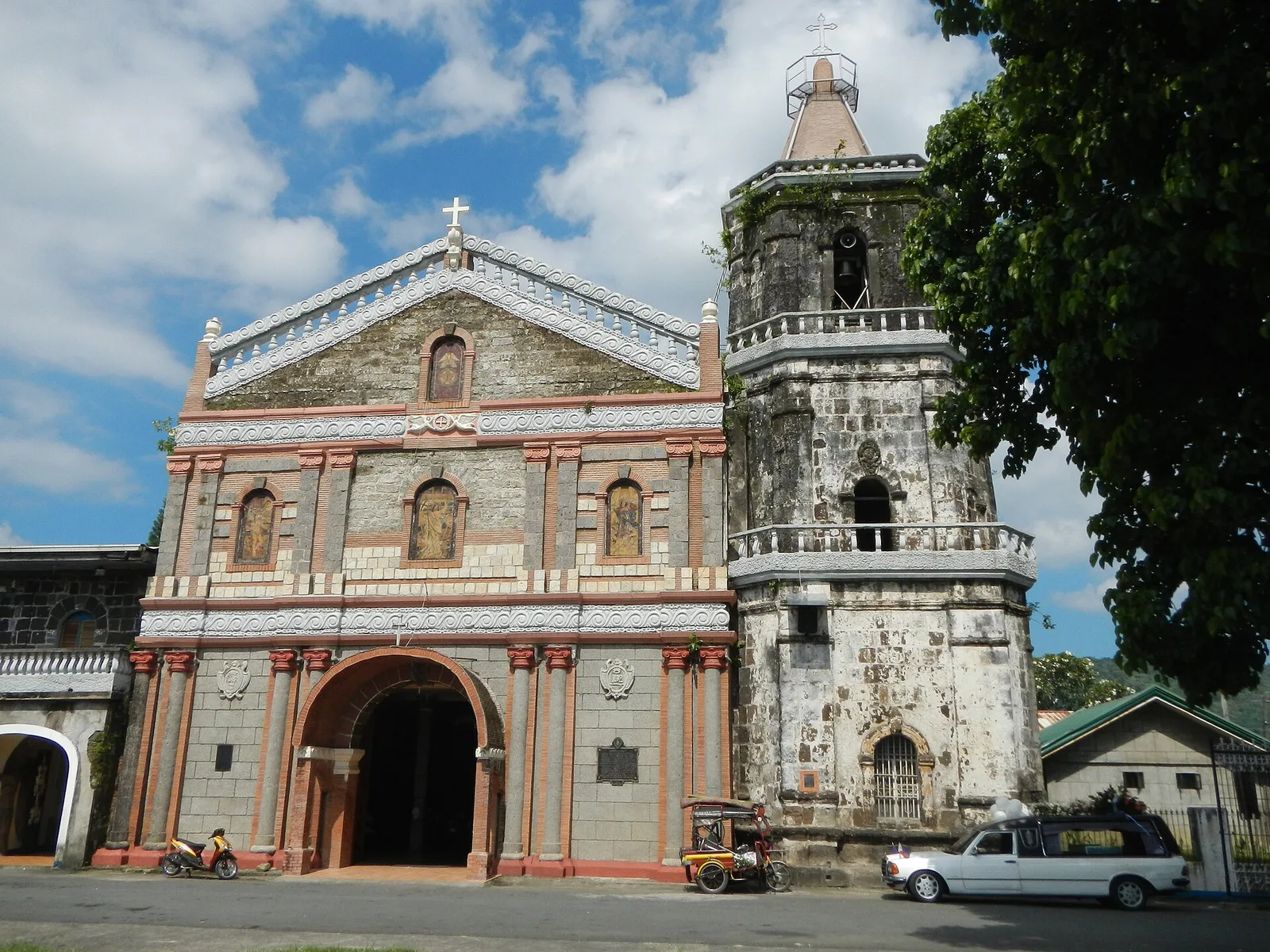
A 1-day plan built from the See, Do and Eat listings in Wikivoyage's Lumban guide. The stops are in an order that keeps each day close together. Check the hours …
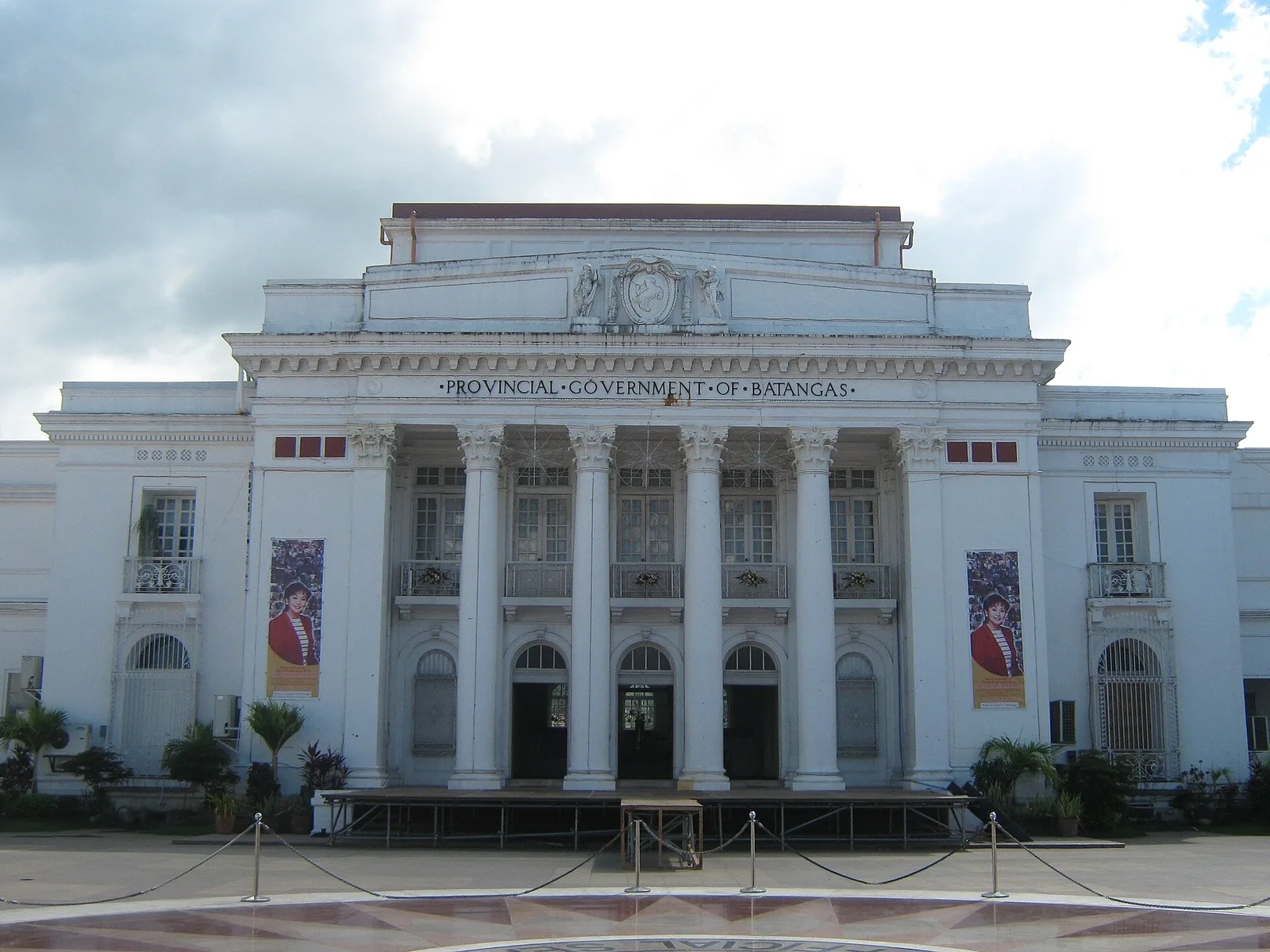
A 2-day plan built from the See, Do and Eat listings in Wikivoyage's Lucena guide. The stops are in an order that keeps each day close together. Check the hours …
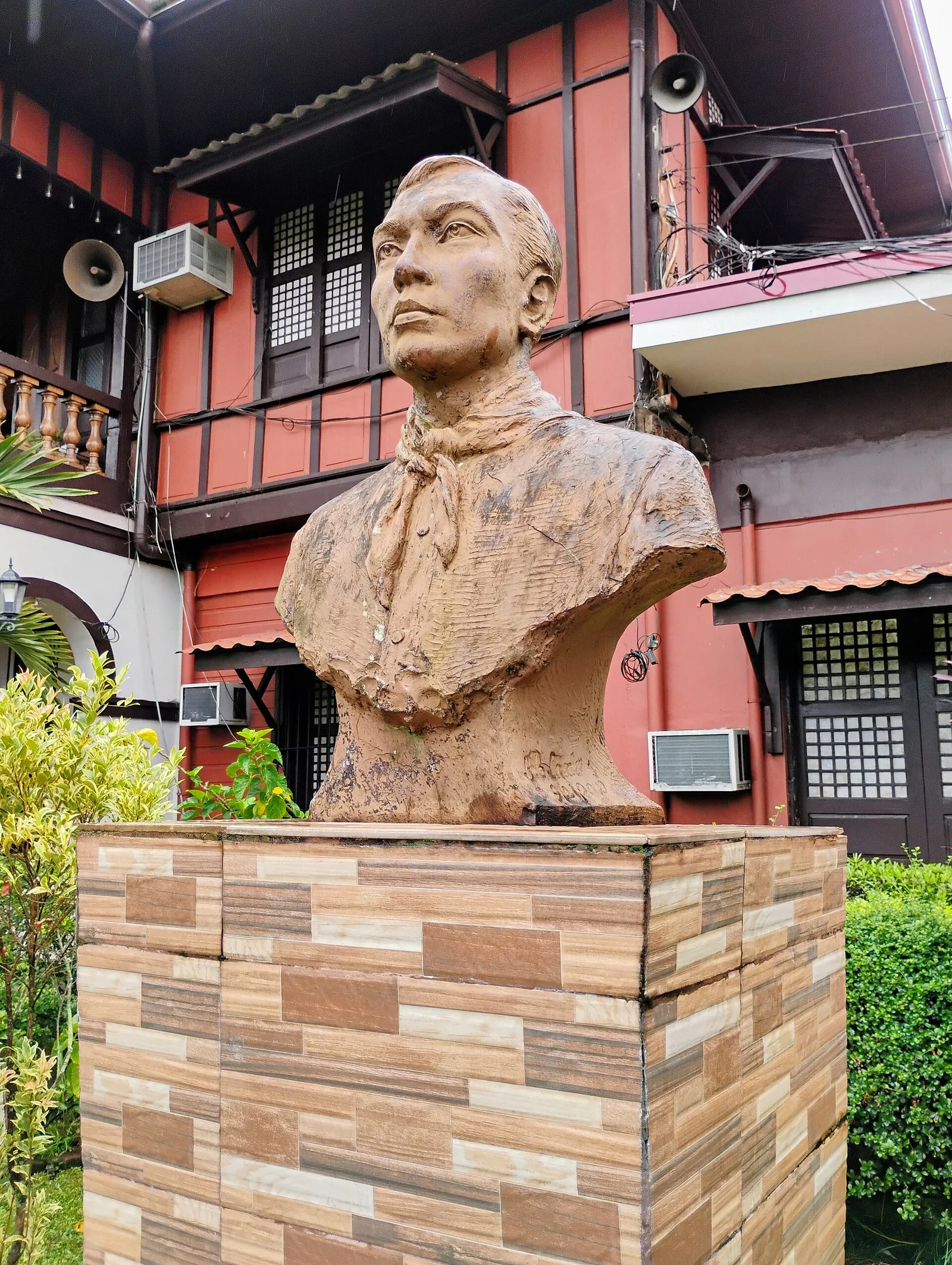
A 2-day plan built from the See, Do and Eat listings in Wikivoyage's Indang guide. The stops are in an order that keeps each day close together. Check the hours …
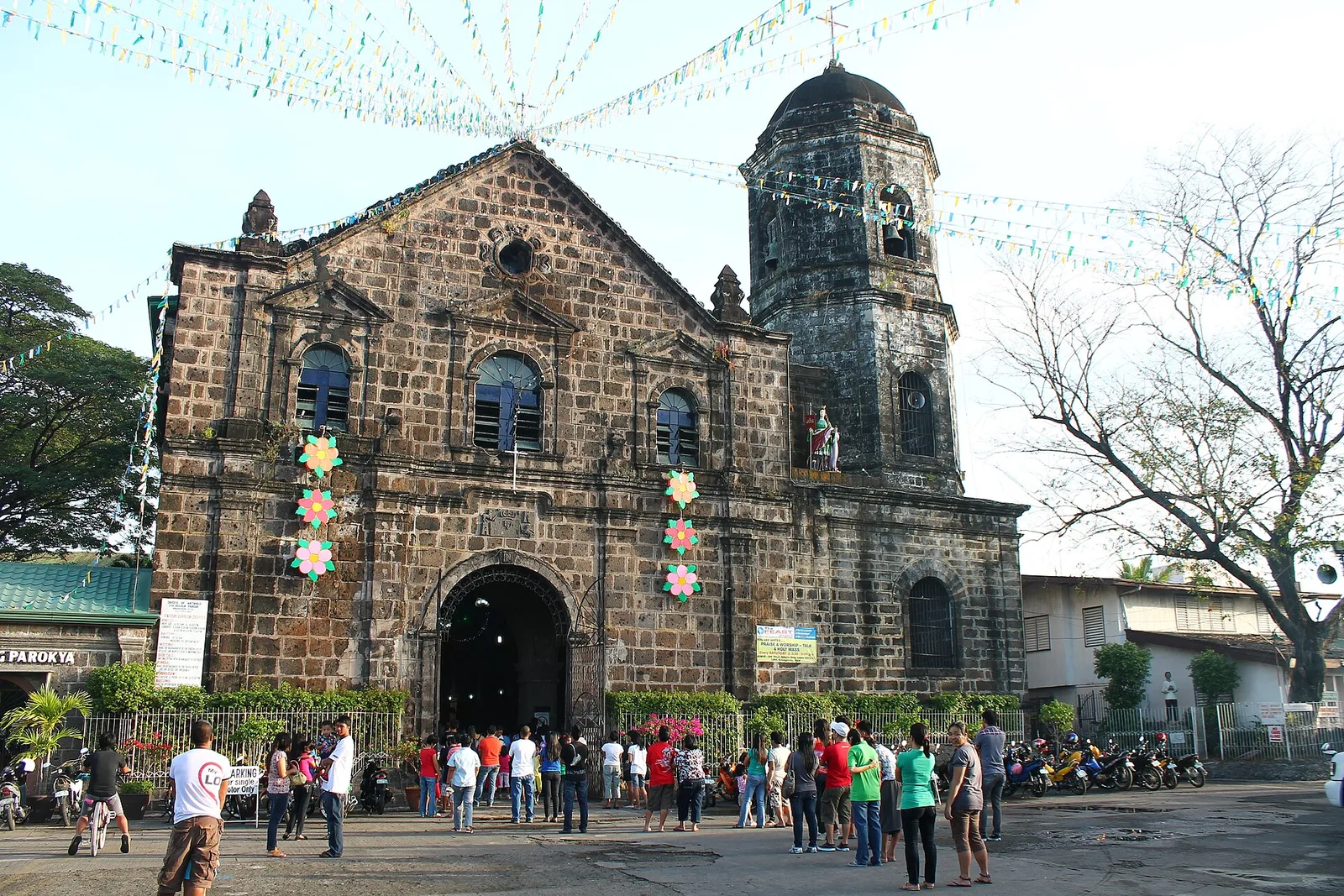
A 2-day plan built from the See, Do and Eat listings in Wikivoyage's Binangonan guide. The stops are in an order that keeps each day close together. Check the hours …
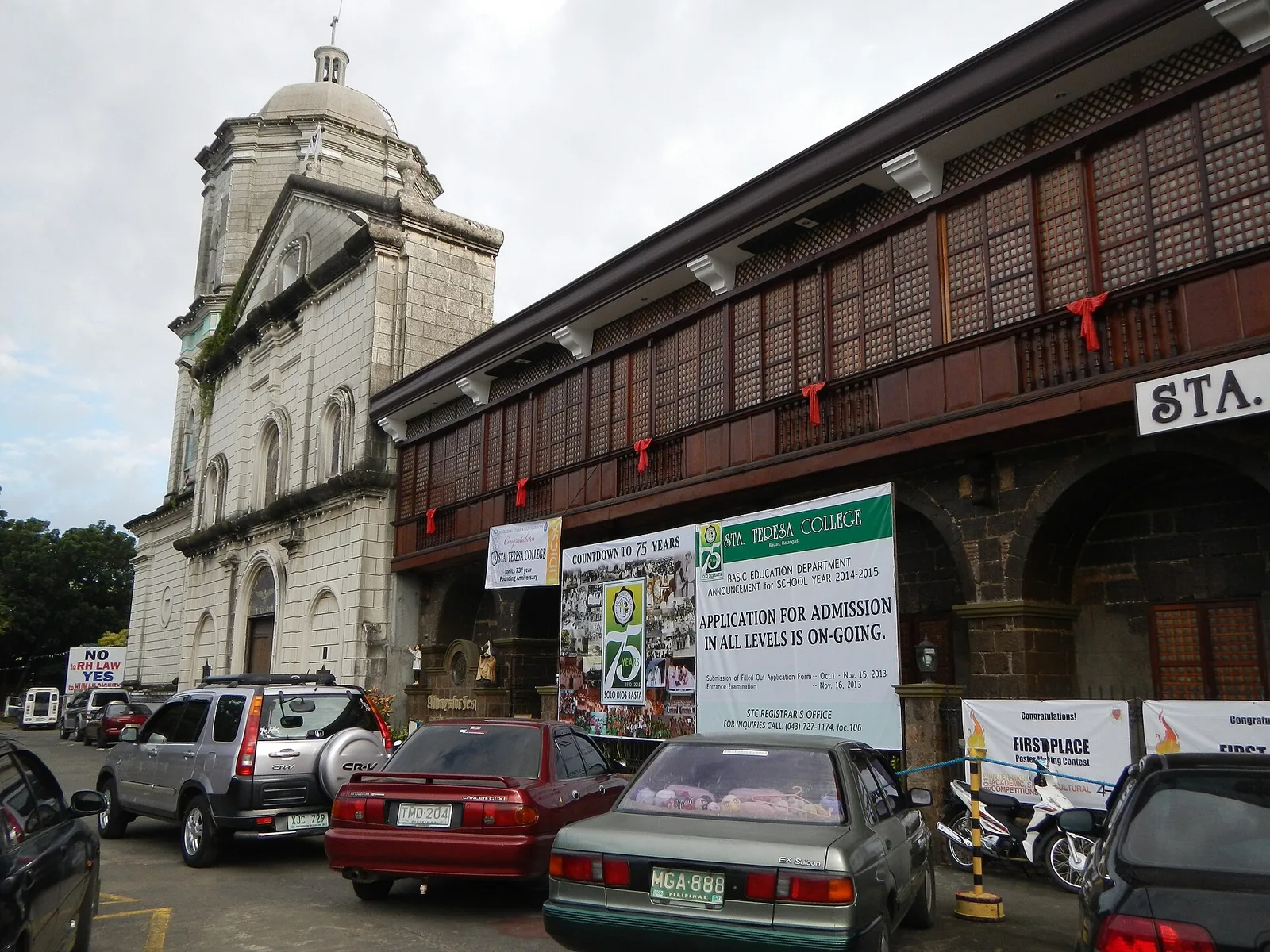
A 2-day plan built from the See, Do and Eat listings in Wikivoyage's Bauan guide. The stops are in an order that keeps each day close together. Check the hours …
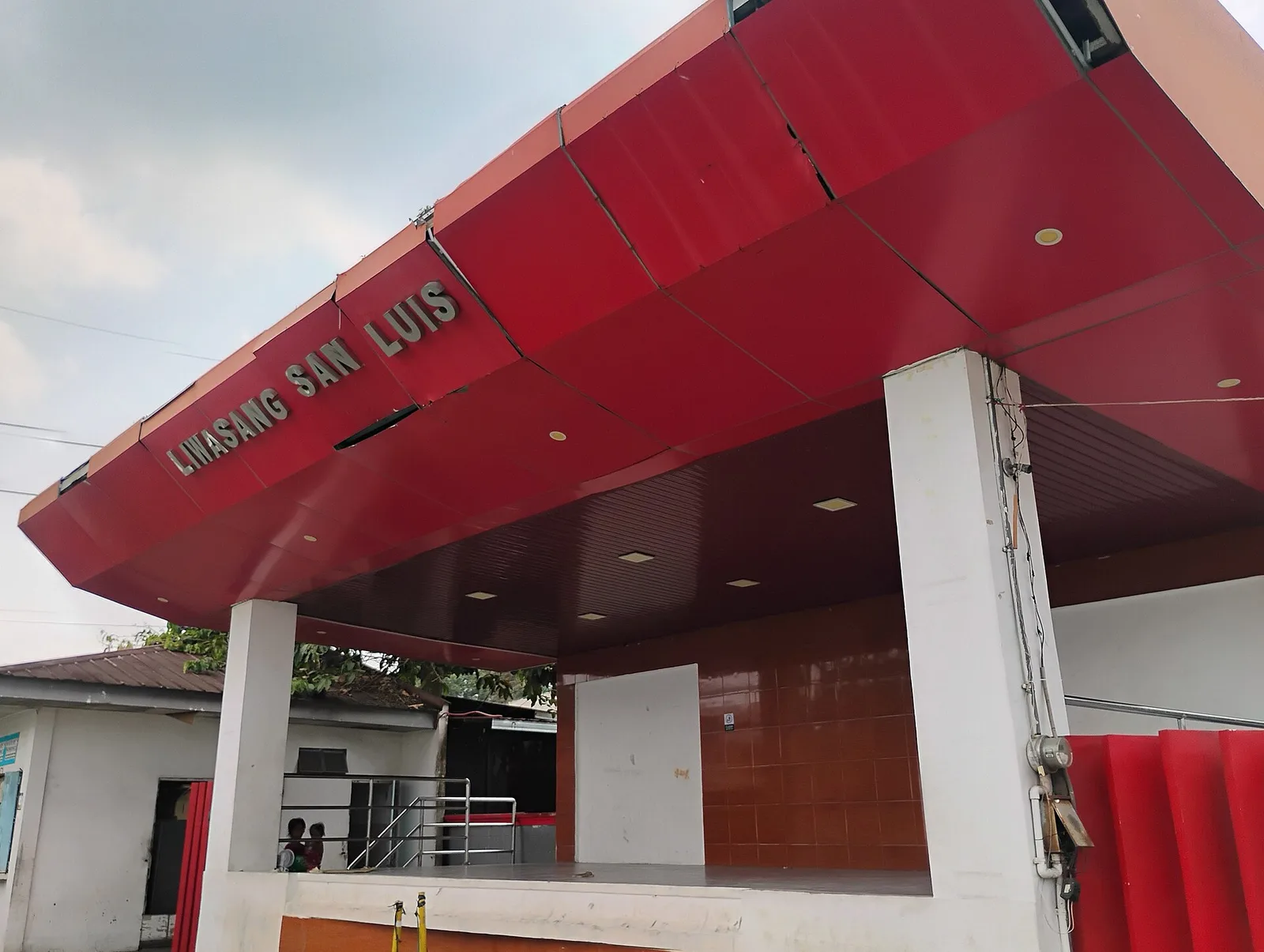
A 1-day plan built from the See, Do and Eat listings in Wikivoyage's Alaminos (Laguna) guide. The stops are in an order that keeps each day close together. Check the …
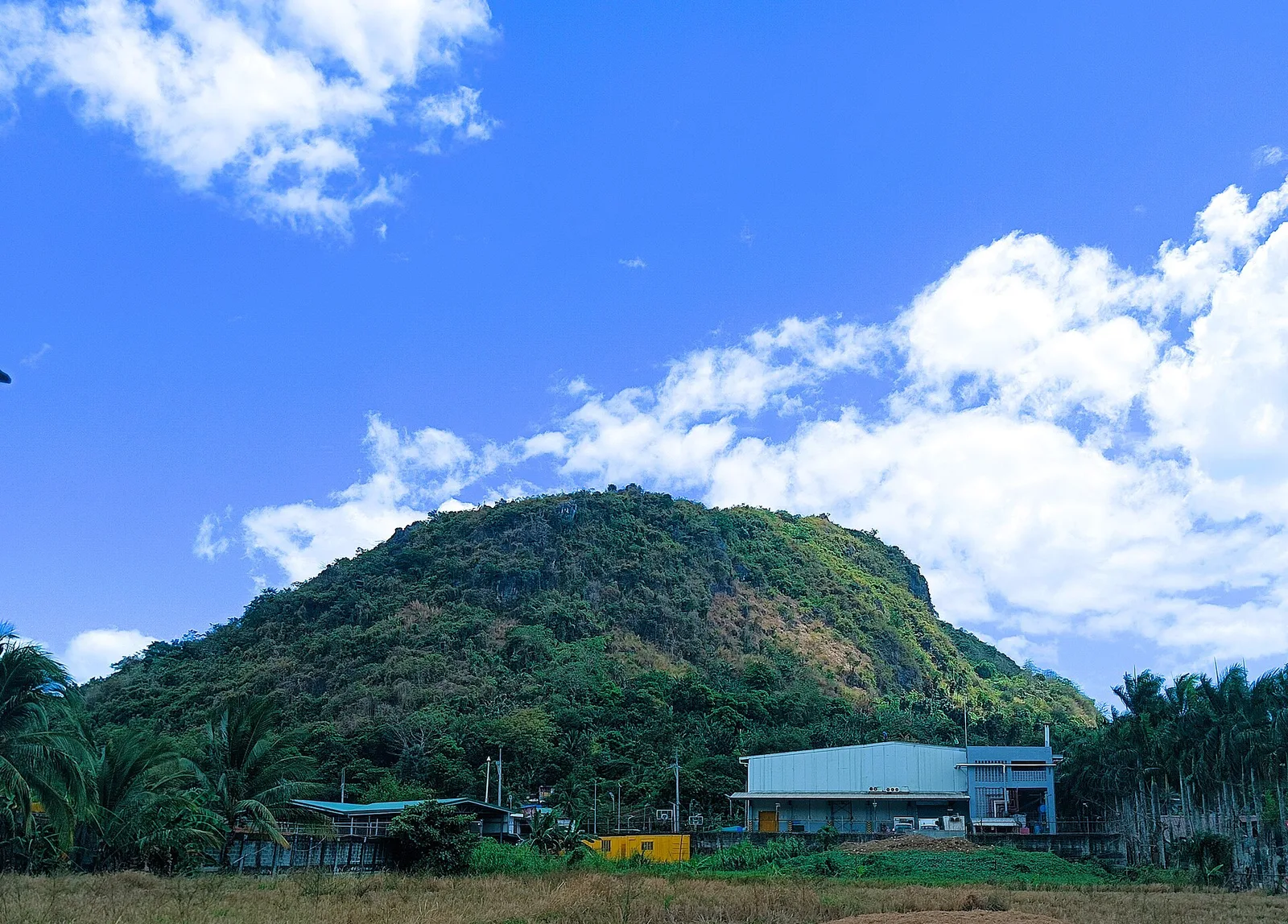
A limestone hill with a cross on its summit, known locally as Puting Bato, which means white rock. It is a popular spot for sunrise and sunset, and the top looks out over the other Antipolo hills. The limestone has …
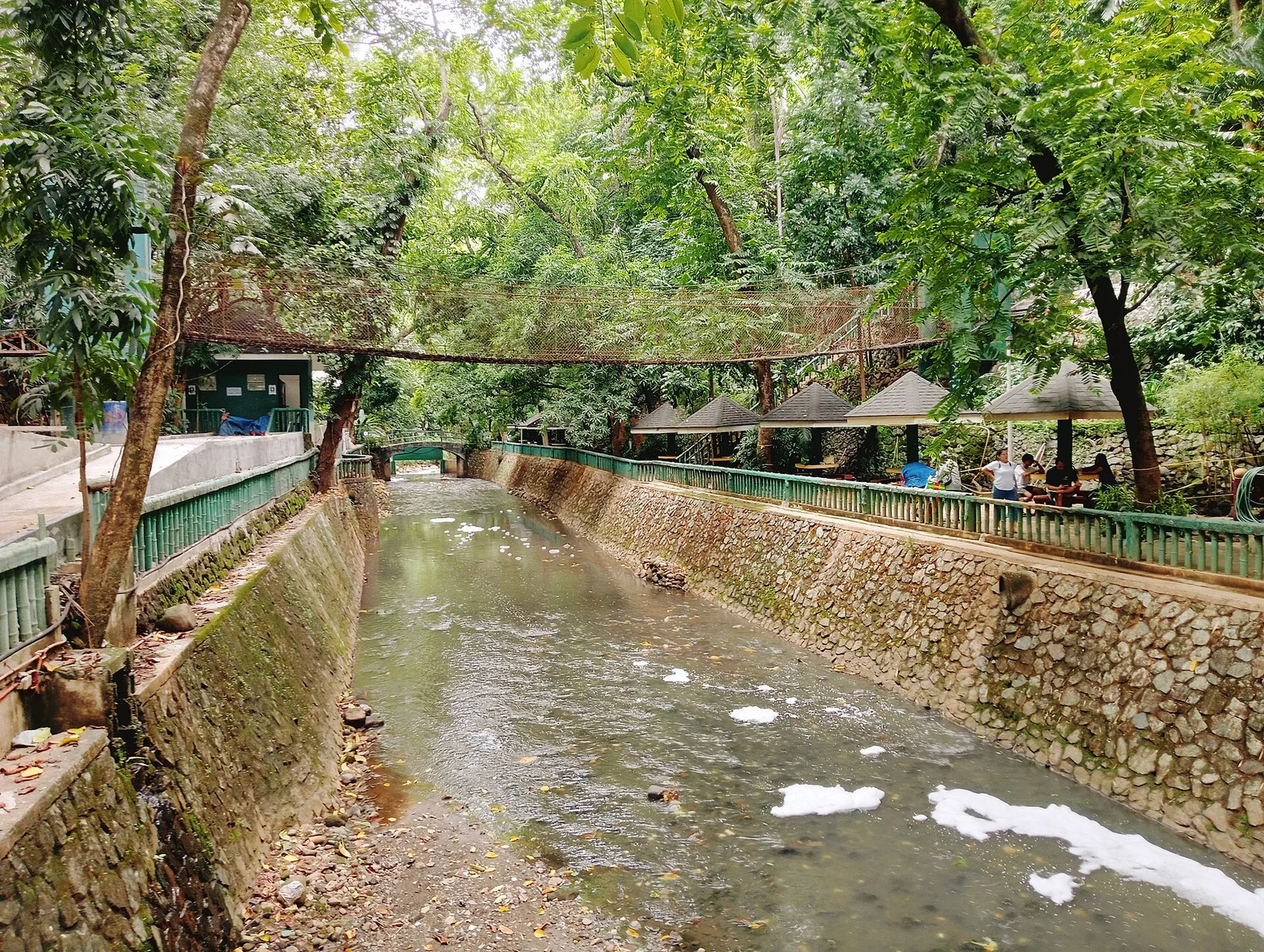
The city's waterfall, 21.5 metres high and 25.8 metres wide, set in a protected landscape of the same name. The name comes from a story of a church bell (taktak) that villagers threw (hinulog) into the falls because they found …
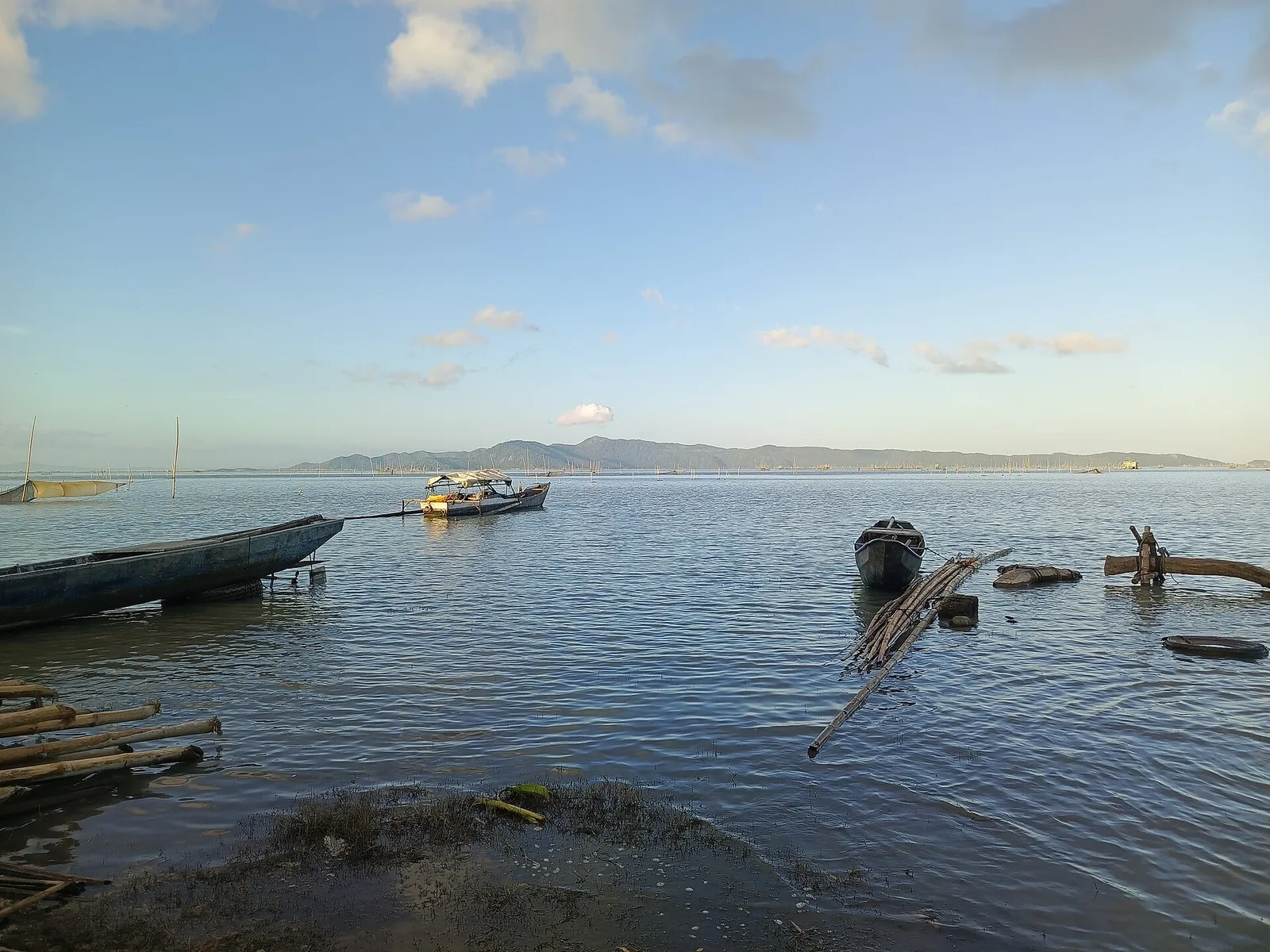
The largest lake island in Laguna de Bay, the largest lake in the country. The island is volcanic and forms the southwest rim of the Laguna Caldera. Volcanism after the caldera formed cut maars and craters into its southern end, …
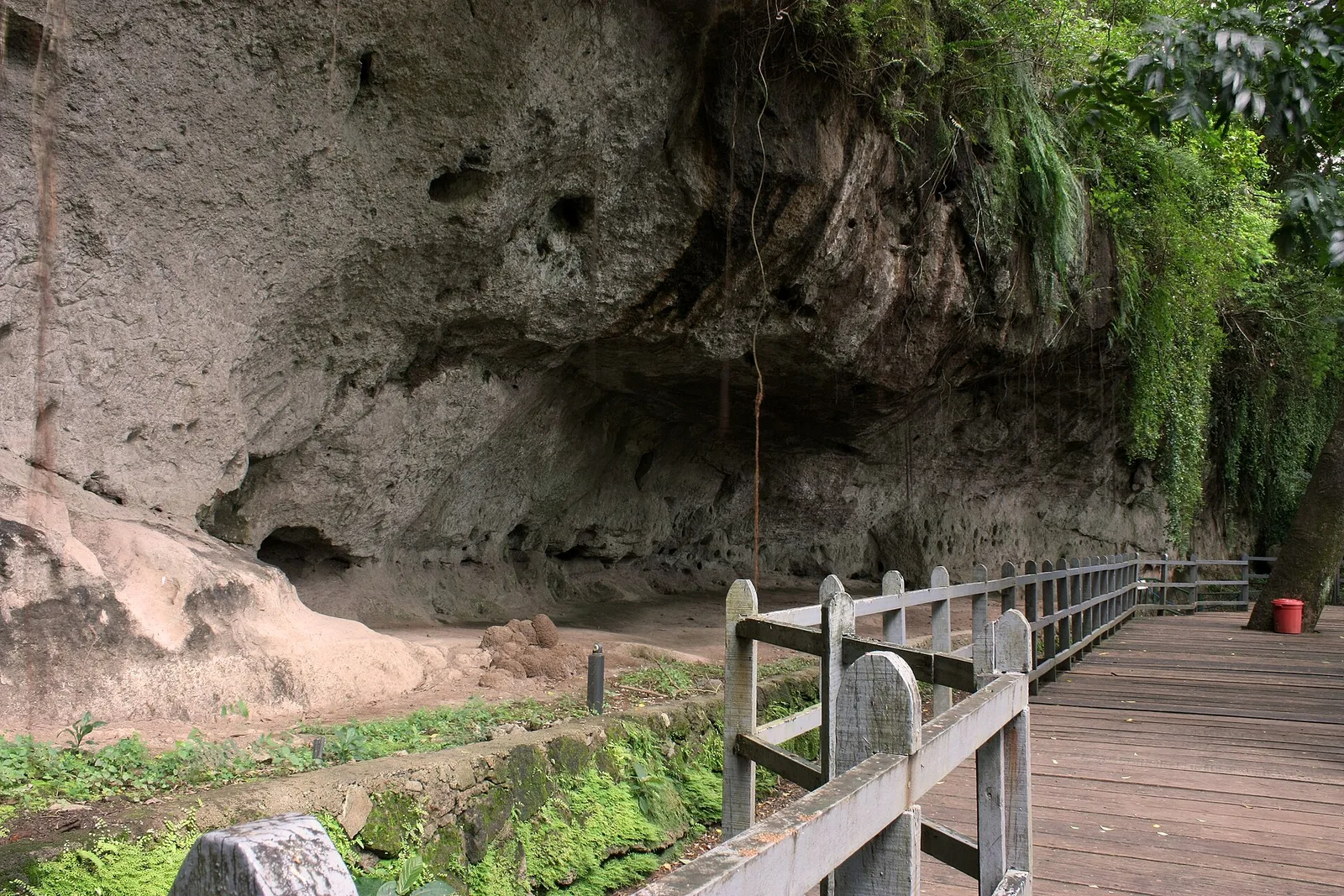
Carvings of 127 human and animal figures, cut into a rock wall on the boundary between Angono and Binangonan. They are the oldest known work of art in the country, probably carved in the Late Neolithic, before 2000 BC. The …
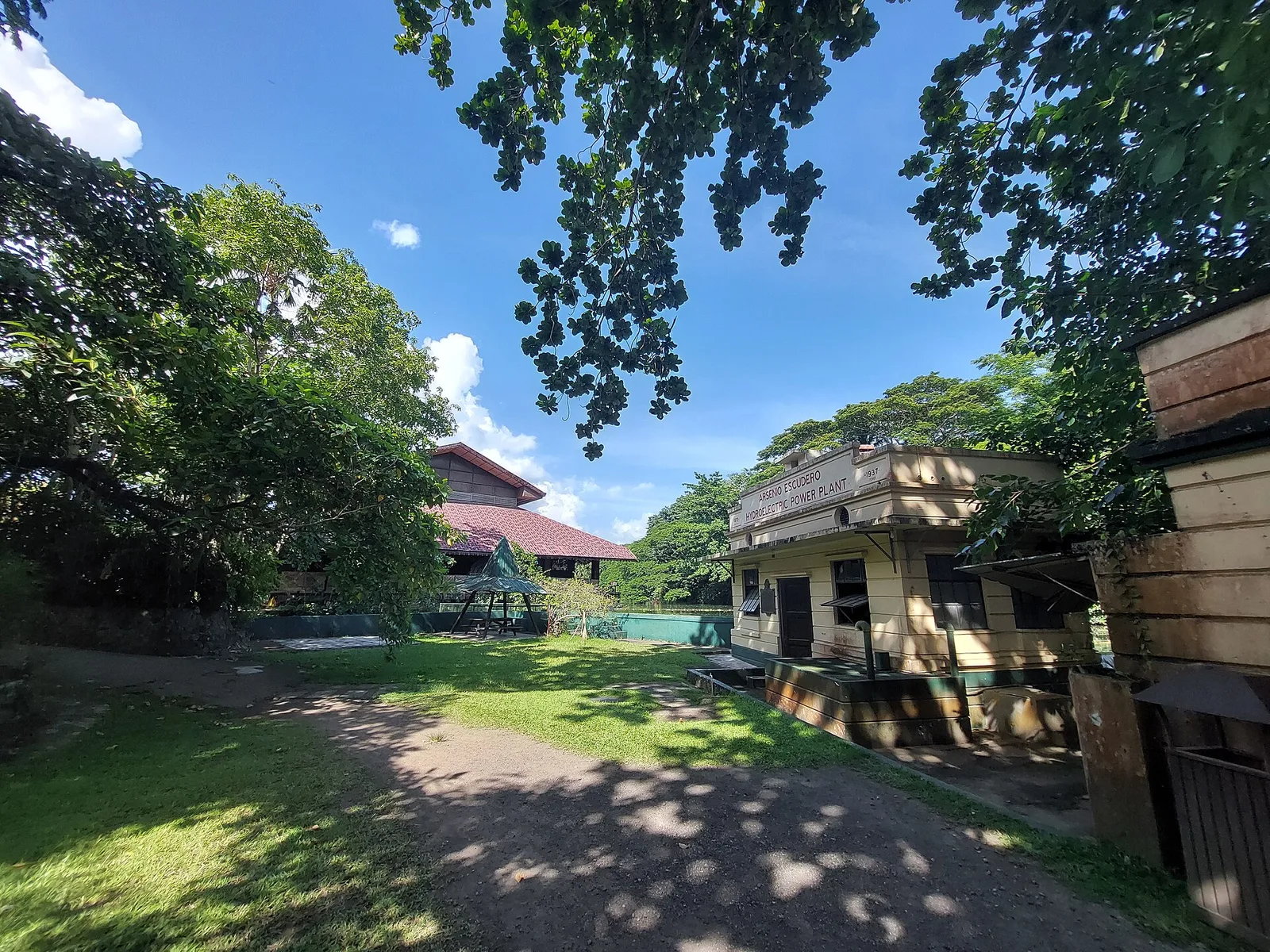
A working coconut plantation of 800 hectares that has taken guests since 1981. The estate runs village tours and a museum tour, and it serves meals and rents rooms. It lies in Tiaong, on the Quezon side of the provincial …
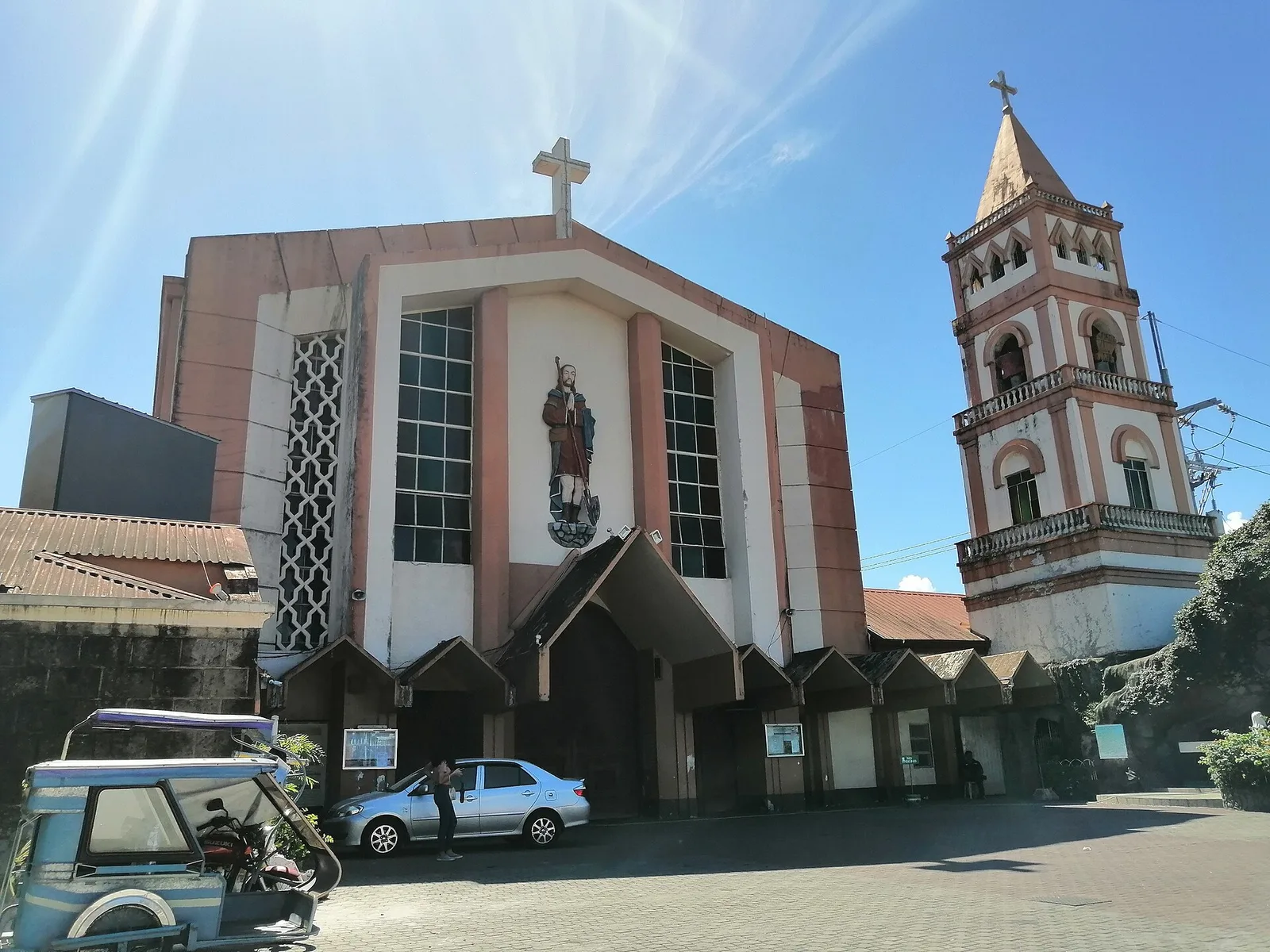
A parish church on the spot where the priests Alfonso de Alvarado and Diego Espinar raised a large wooden cross and said a thanksgiving Mass. Tradition holds that the people who gathered there were baptised, and that Biñan took its …
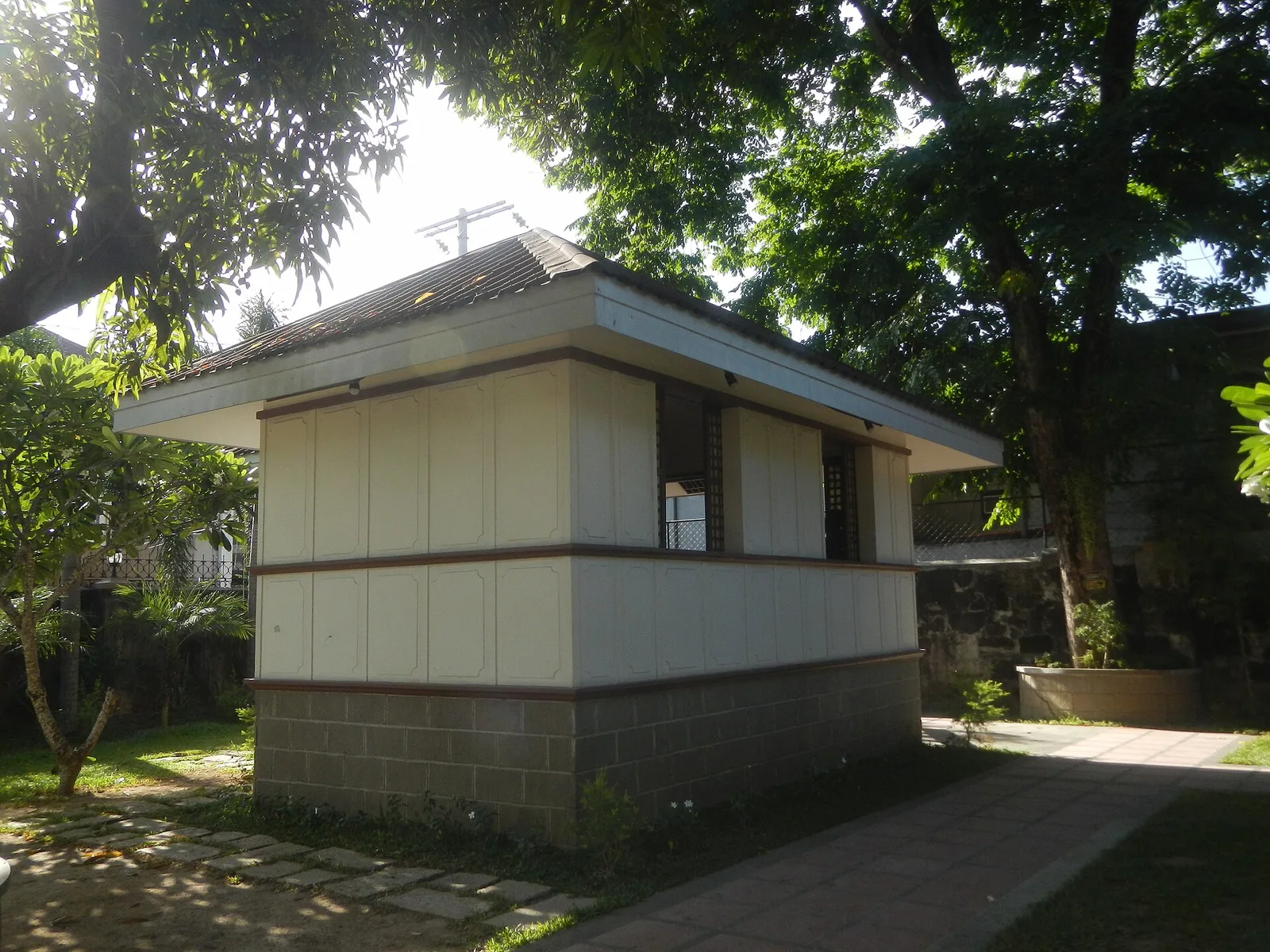
The schoolhouse where Jose Rizal had his first formal lessons, now a museum. Rizal came to Biñan as a child in June 1869 with his brother Paciano, and the two lodged at an aunt's house near the town proper. His …
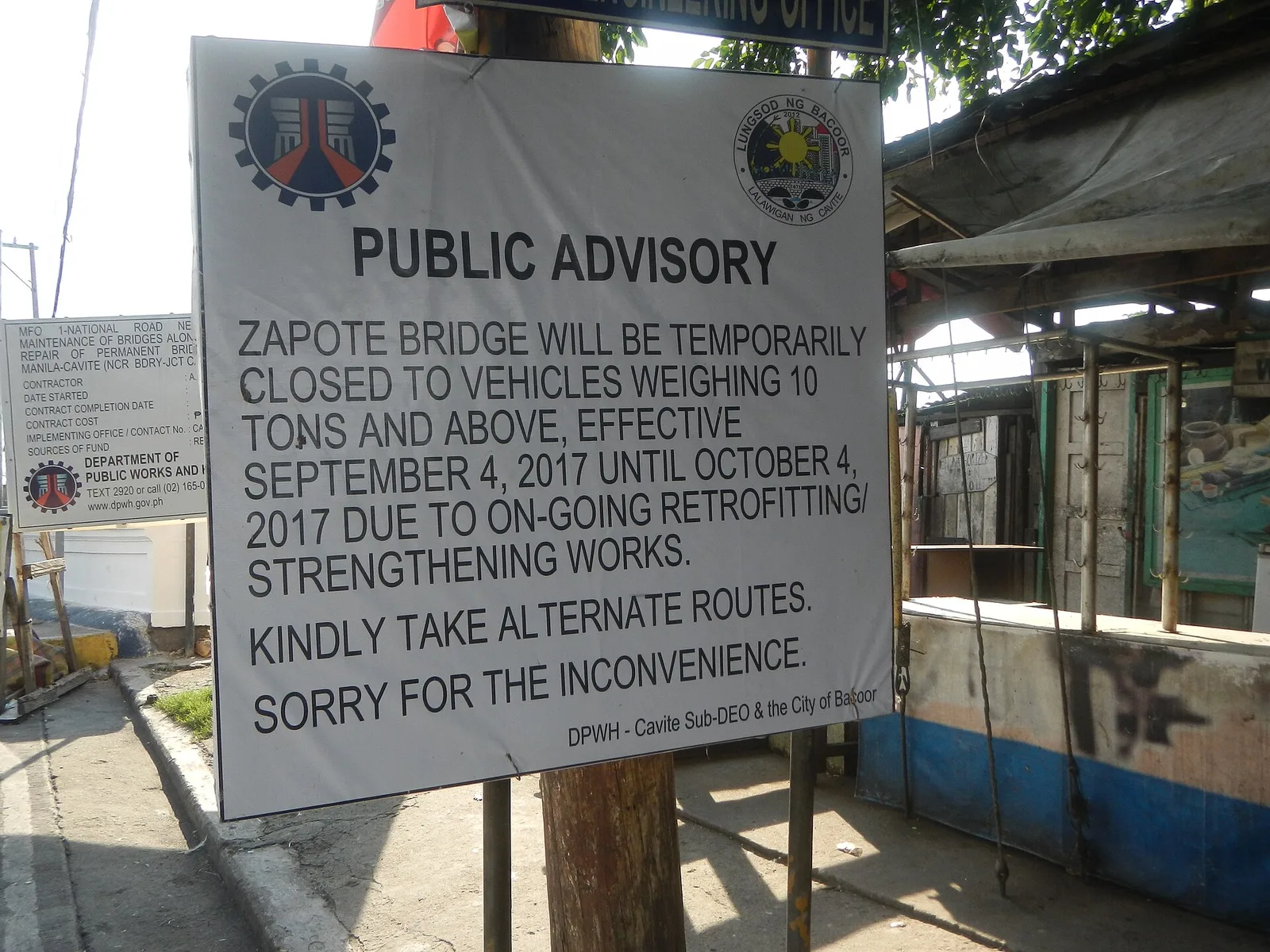
A stone arch footbridge over the Zapote River, on the line between Bacoor and Las Piñas in Metro Manila. Two battles were fought here: the Battle of Zapote Bridge in 1897, against the Spanish colonial government, and the Battle of …
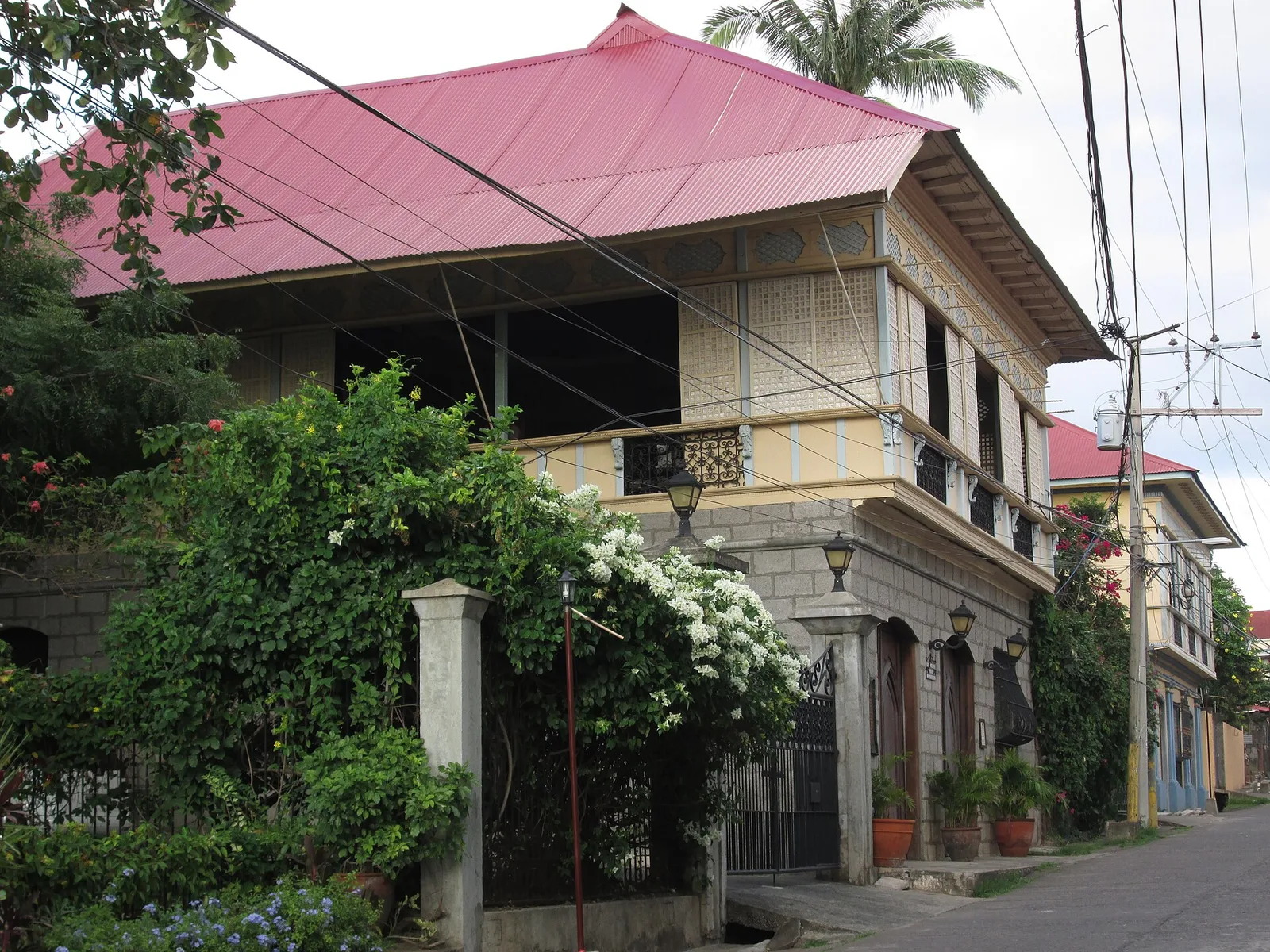
Ancestral houses kept as museums, including the home of Marcela Agoncillo, who sewed the first Philippine flag. Her grandfather built that house, one of the oldest in Taal, and her husband Felipe Agoncillo lived there after their marriage in 1889. …
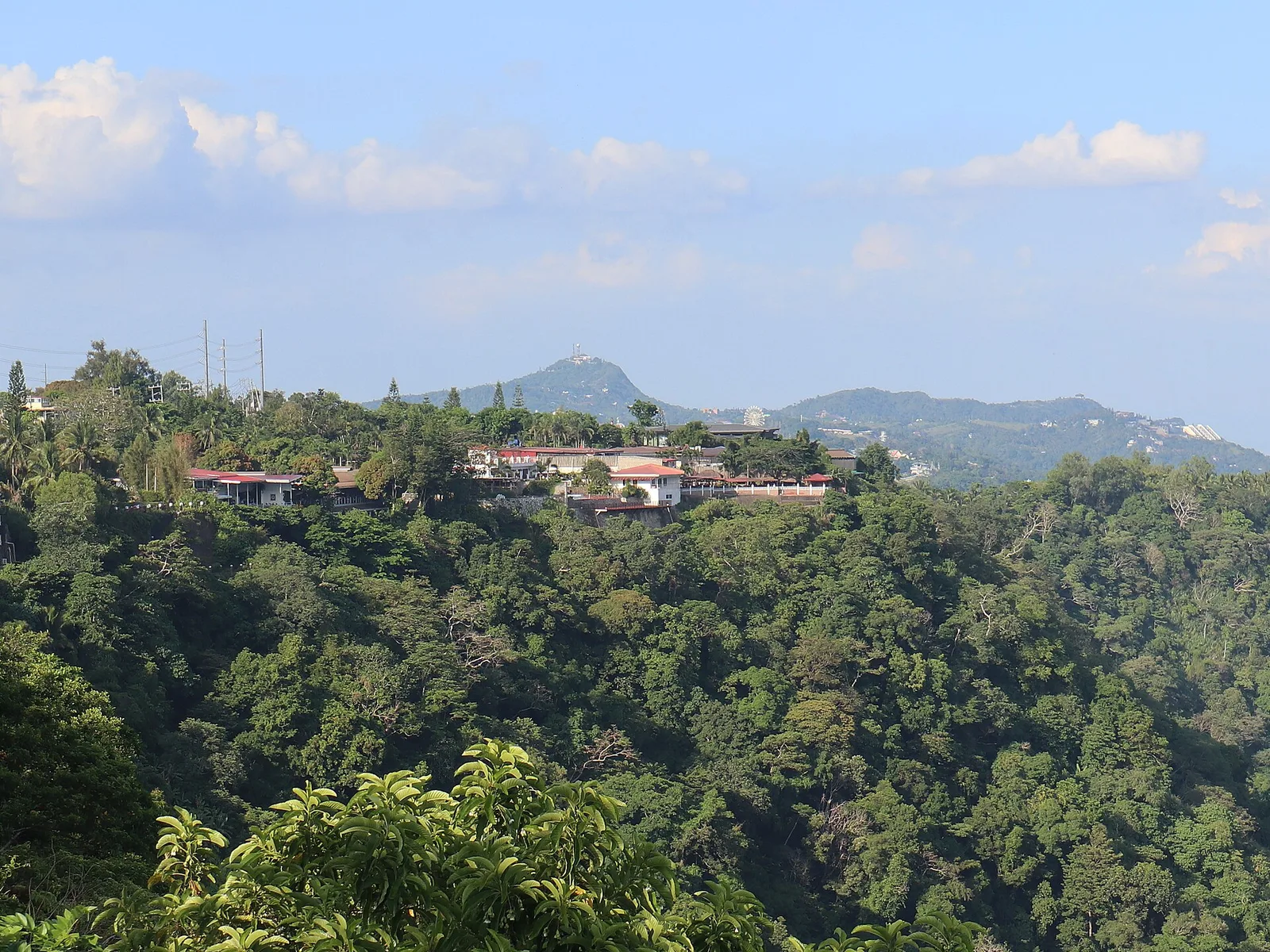
The road along the crest, with viewpoints looking down on Taal Lake and the volcano island. The ridge is the northern rim of the Taal Caldera, a collapsed bowl 25 by 30 kilometres wide that the lake now partly fills, …
The residence of local pottery artist Ugu Bigyan, which was opened to the public in 2000 as an arts space and workshop.
A volcanic crater lake west of downtown Tiaong. It was formed as part of the Laguna Volcanic Field and is an extension of the more famous Seven Lakes of neighboring San Pablo, but is less visited and has few tourist …