Lapu-Lapu Monument
Lapu-Lapu was a local hero whose forces killed Ferdinand Magellan during the Battle of Mactan in 1521. A small marker to Magellan is nearby.
Island group · 4 regions
Lapu-Lapu was a local hero whose forces killed Ferdinand Magellan during the Battle of Mactan in 1521. A small marker to Magellan is nearby.
Declared as the surfing capital of the Visayas in 2001, by President Gloria Macapagal-Arroyo. This is an ideal place for surfing during the months of September to December due to the presence of big waves by the northeast trade winds.
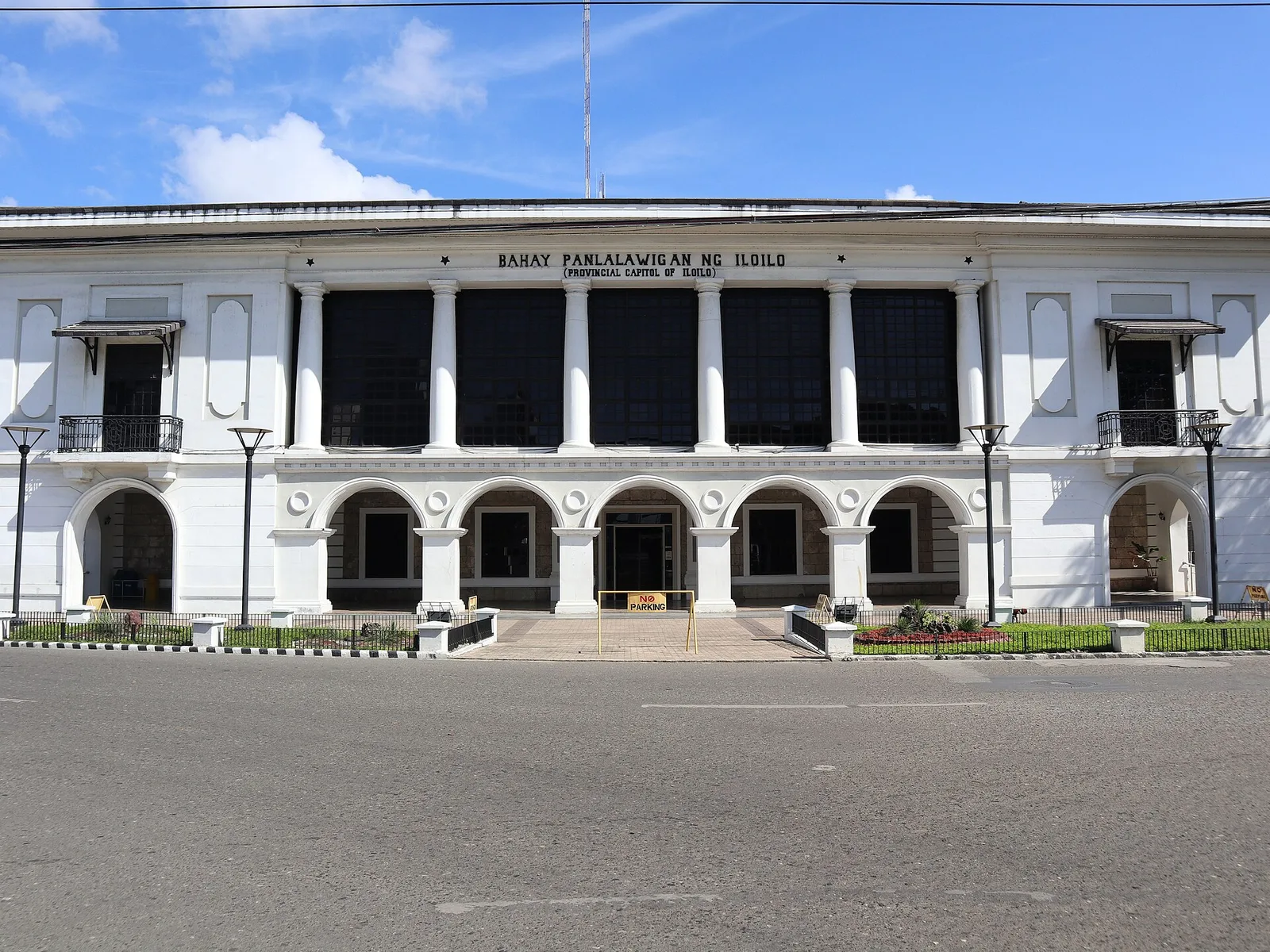
The building, formerly the seat of the provincial government of Iloilo, has undergone numerous renovations and additions since it became the seat of the civil government in 1901. It was used as a military garrison by Japanese Imperial Forces during …
From Guisi Beach, follow a trail 15 minutes uphill to the Guisi Lighthouse for a great view of the beach. At the top of the hill are the ruins of a Spanish-colonial outpost and the rotting remains of the metal …
If you want to learn more about the sweetest mangoes of Guimaras, go here. The ideal month to visit it towards the end of summer where the mangoes are ripe and they offer picking activities. The arrangement of the mangoes …
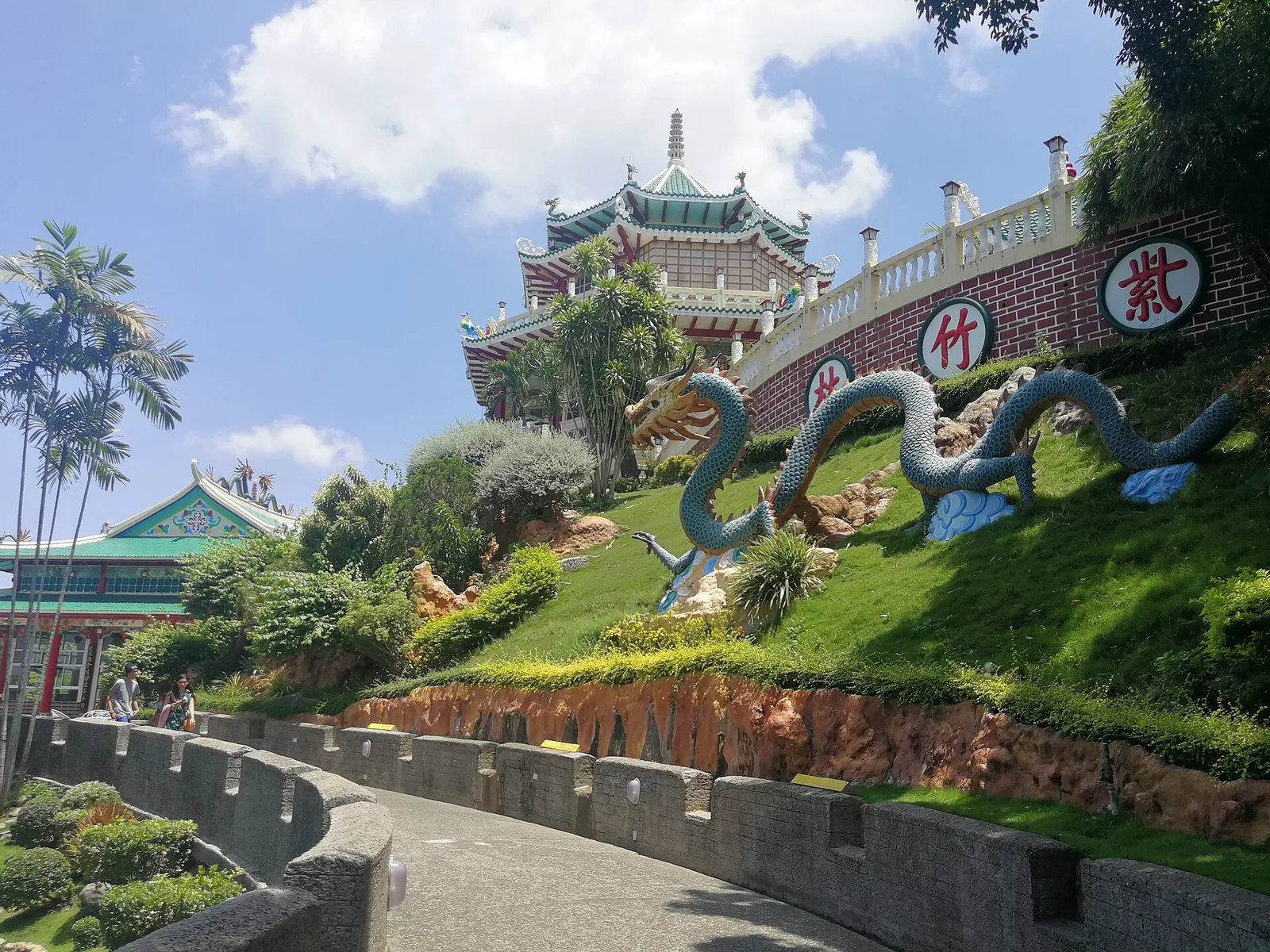
There are many people of Chinese ancestry in Cebu, and several Chinese temples; one is the Taoist Temple. From there you can see a nice view of the city because it is on a hill.
"Mapaso" literally means hot in Waray. Fresh crustaceans (pokot) abound. They are naturally pinkish resembling scalded shrimps due to the high temperature.
This Carmelite church and monastery is known for its quiet, contemplative atmosphere. Visitors may leave prayer requests, and the monastery also has a shop selling religious items and souvenirs.
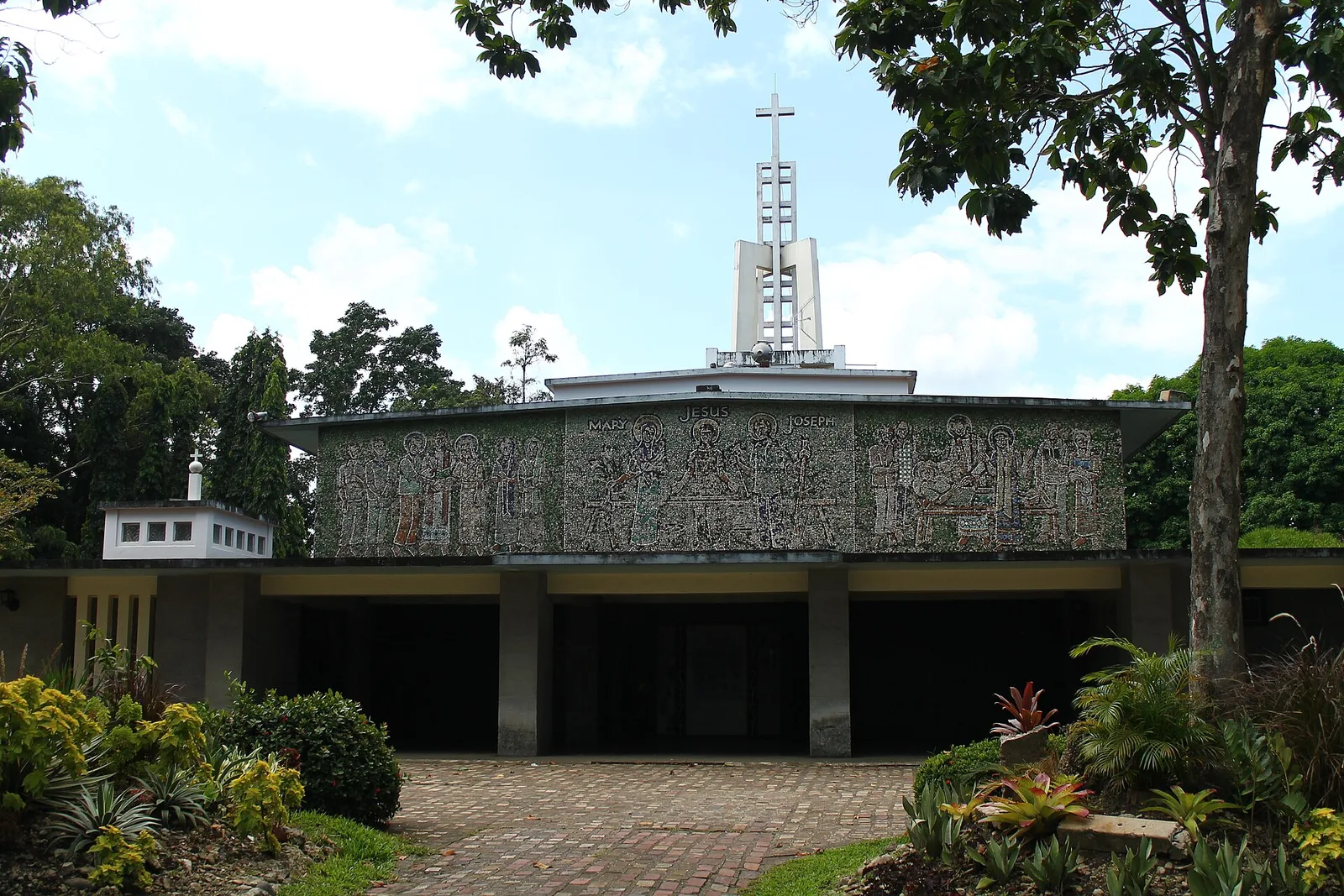
A Catholic church inside the residential complex of the Victorias Milling Company, known as the Angry Christ Church after its altar painting, which Alfonso Ossorio painted in strong colours. It counts as the first modern sacred building in the country …
A model farm set up in 1881 under a Spanish royal decree and opened on 8 July 1884. The government keeps a stock farm on the site, together with a research centre established by the Philippine Sugar Commission.
An old Spanish fort, built as a lookout post against Moro raids, which were frequent at the time. Himamaylan became the capital of Negros in 1795 and served as a garrison for the Spanish forces.
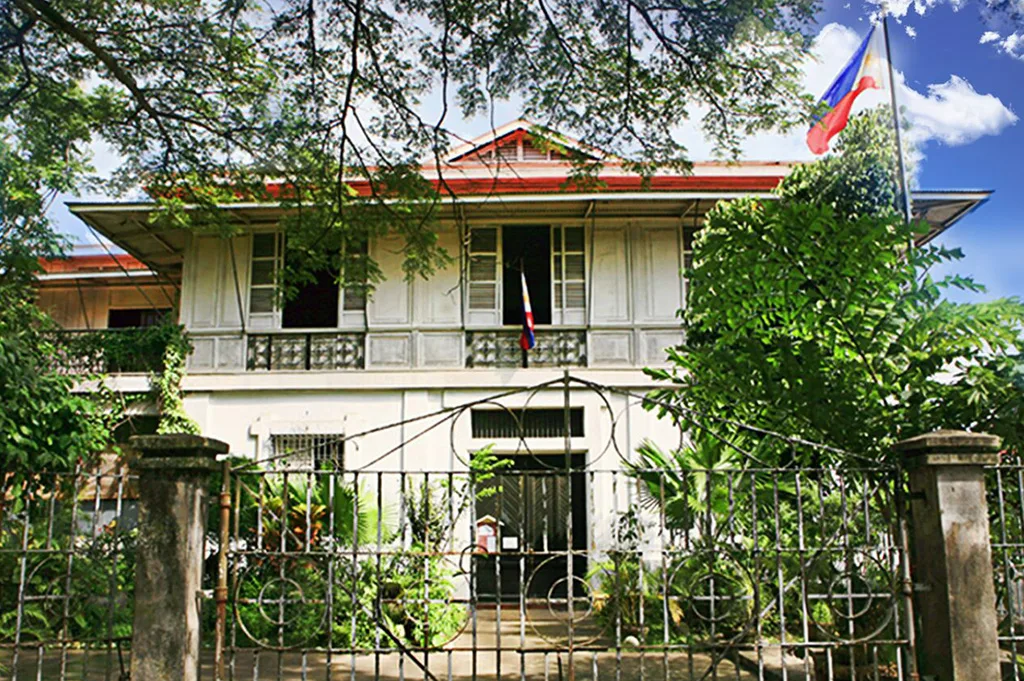
An old ancestral house in Bago City, Balay ni Tan Juan now operates as a museum. It stands as one of the buildings behind the city's description of itself as the Home of Historical and Natural Treasures. Bago promotes this …
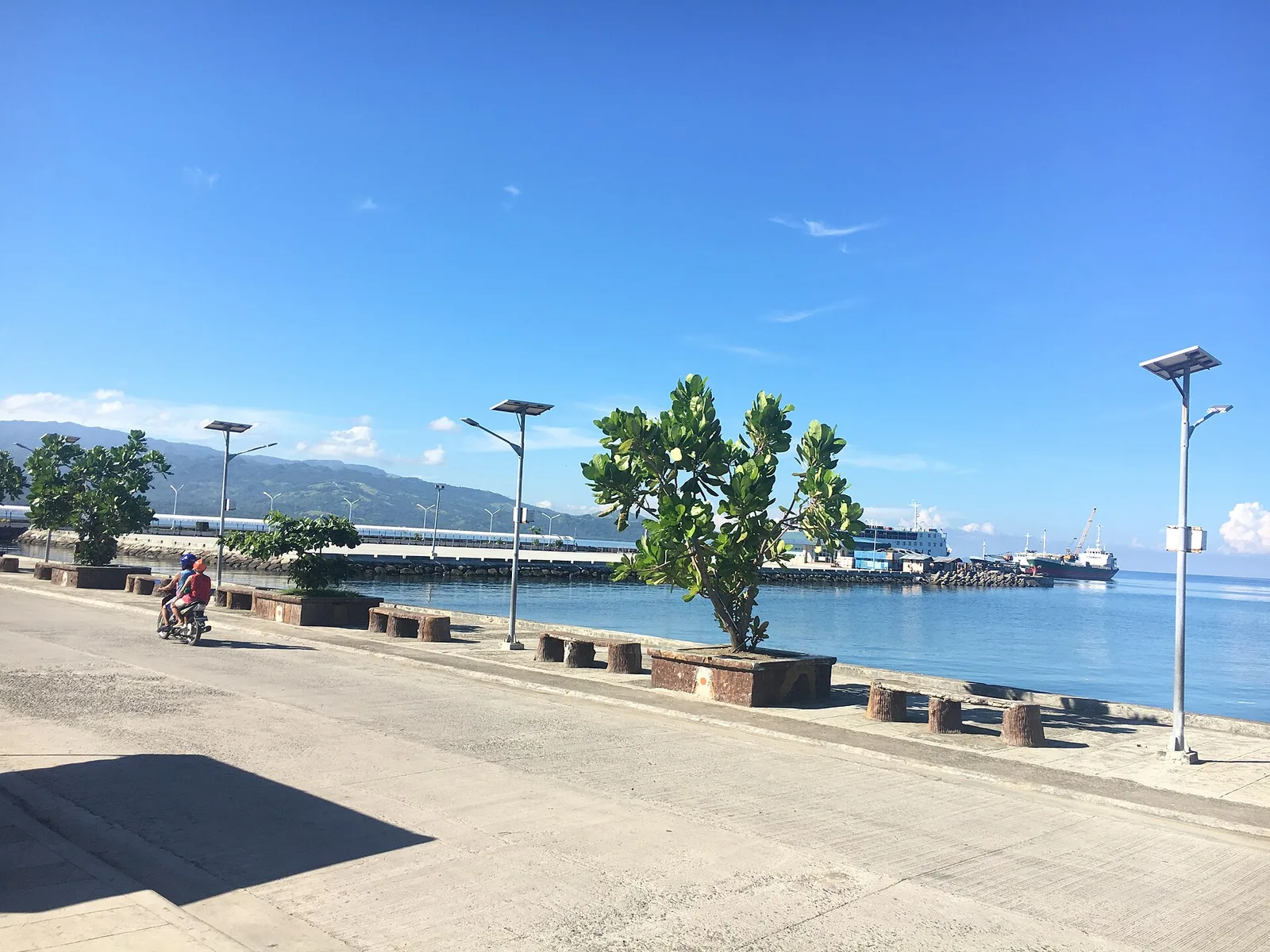
The seaside walk along the city front, the most visited spot in the city and busiest after dark. Baybay is the business and industry centre for the west coast of Leyte, and the restaurants, cafes and night spots that fill …
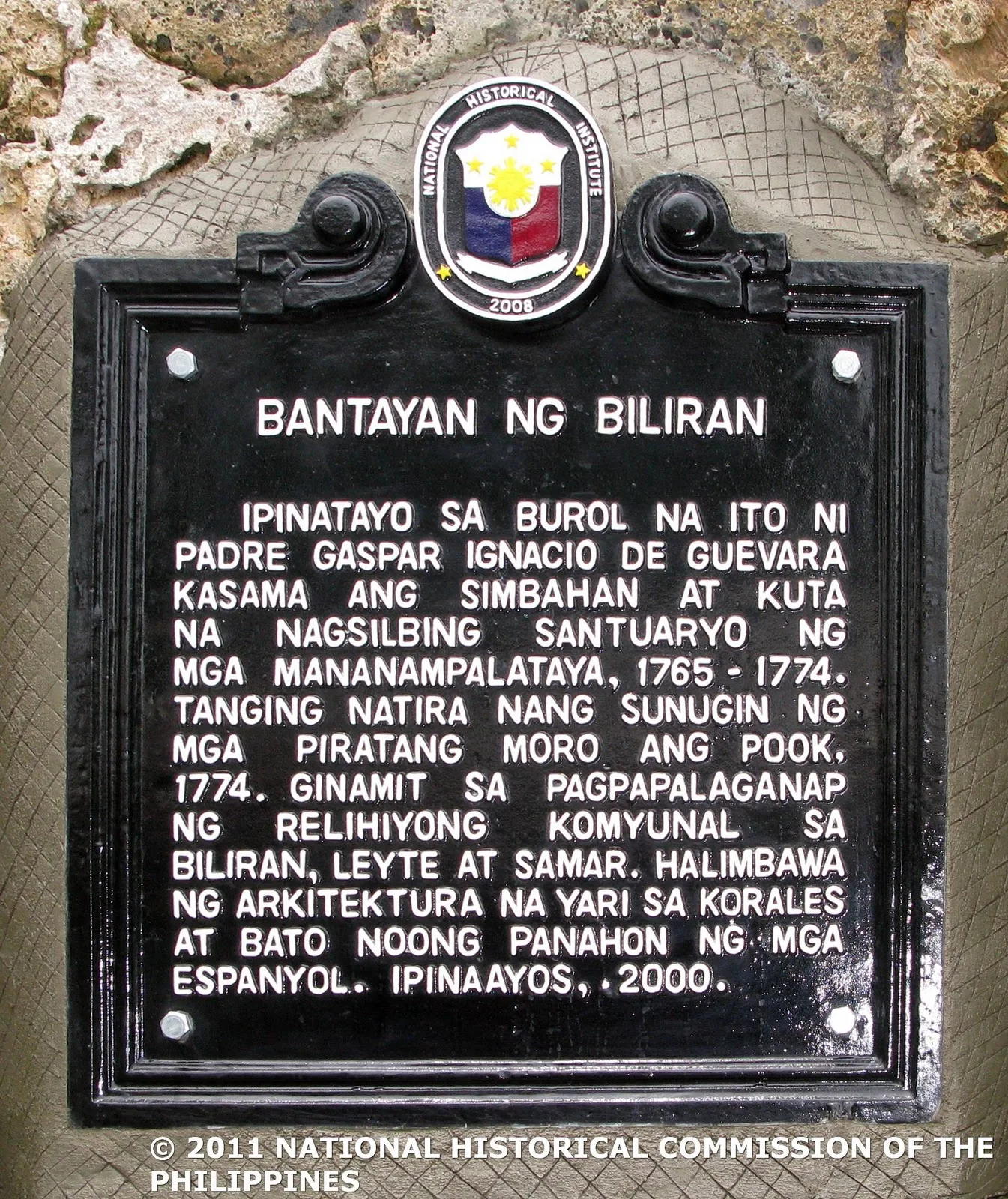
A coastal watchtower put up in 1765 to watch for Muslim raiding boats. The Filipino priest Gaspar Ignacio de Guevara started the work. In 1774 the raiders came anyway, attacked the settlement and burned it, tower included. The ruin was …
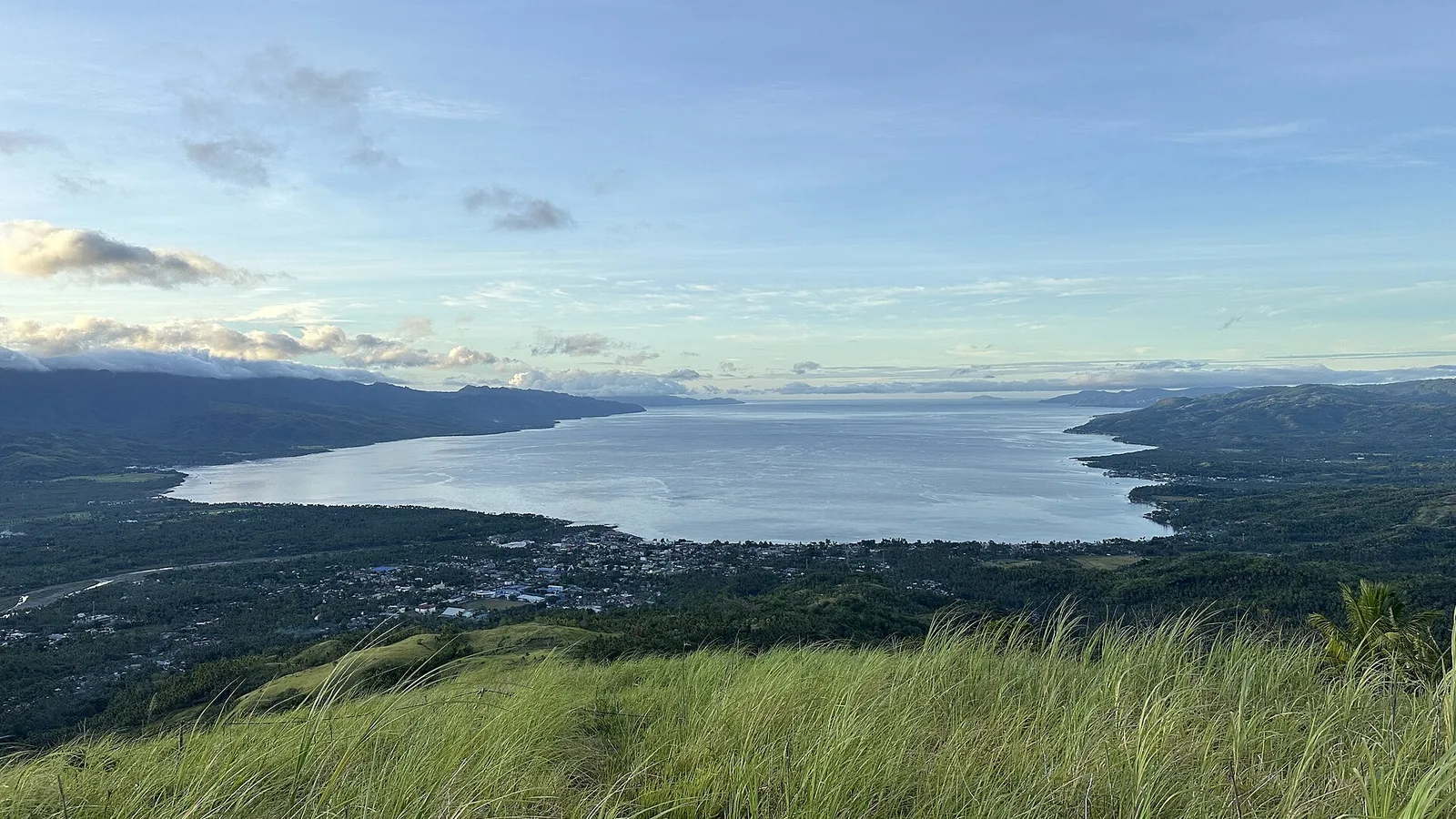
The province's diving water: a large bay off the Bohol Sea, with reefs that draw most of its foreign visitors. Dive sites run from just outside Maasin City all the way around the bay by way of Padre Burgos. The …
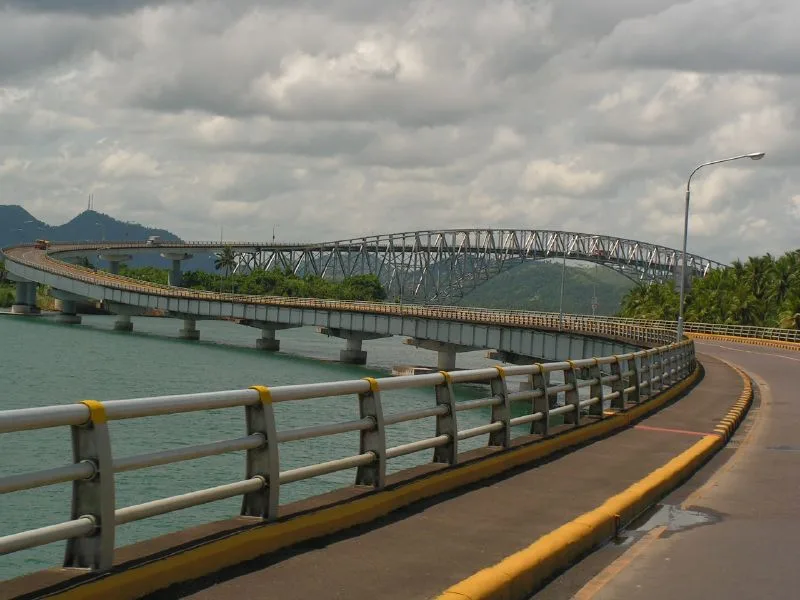
The road bridge between Samar and Leyte, 2.16 kilometres long across the San Juanico Strait. It carries the Pan-Philippine Highway from Santa Rita on the Samar side over to the city of Tacloban. Most of that length is a steel …
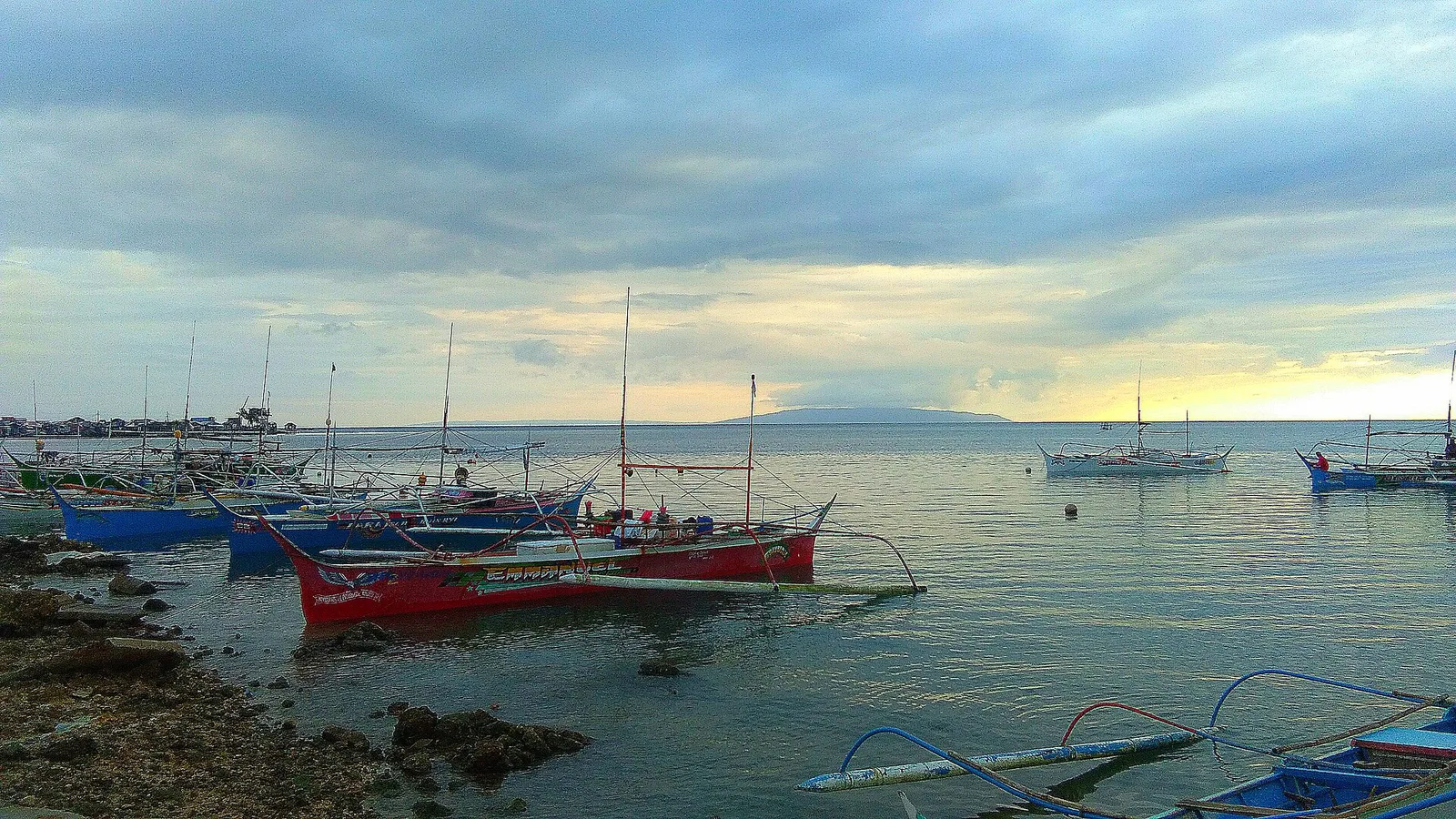
The island where Ferdinand Magellan's expedition anchored on 16 March 1521, during the voyage around the world. Magellan set foot here, and the island counts as one of the early points of contact between East and West in the Pacific. …