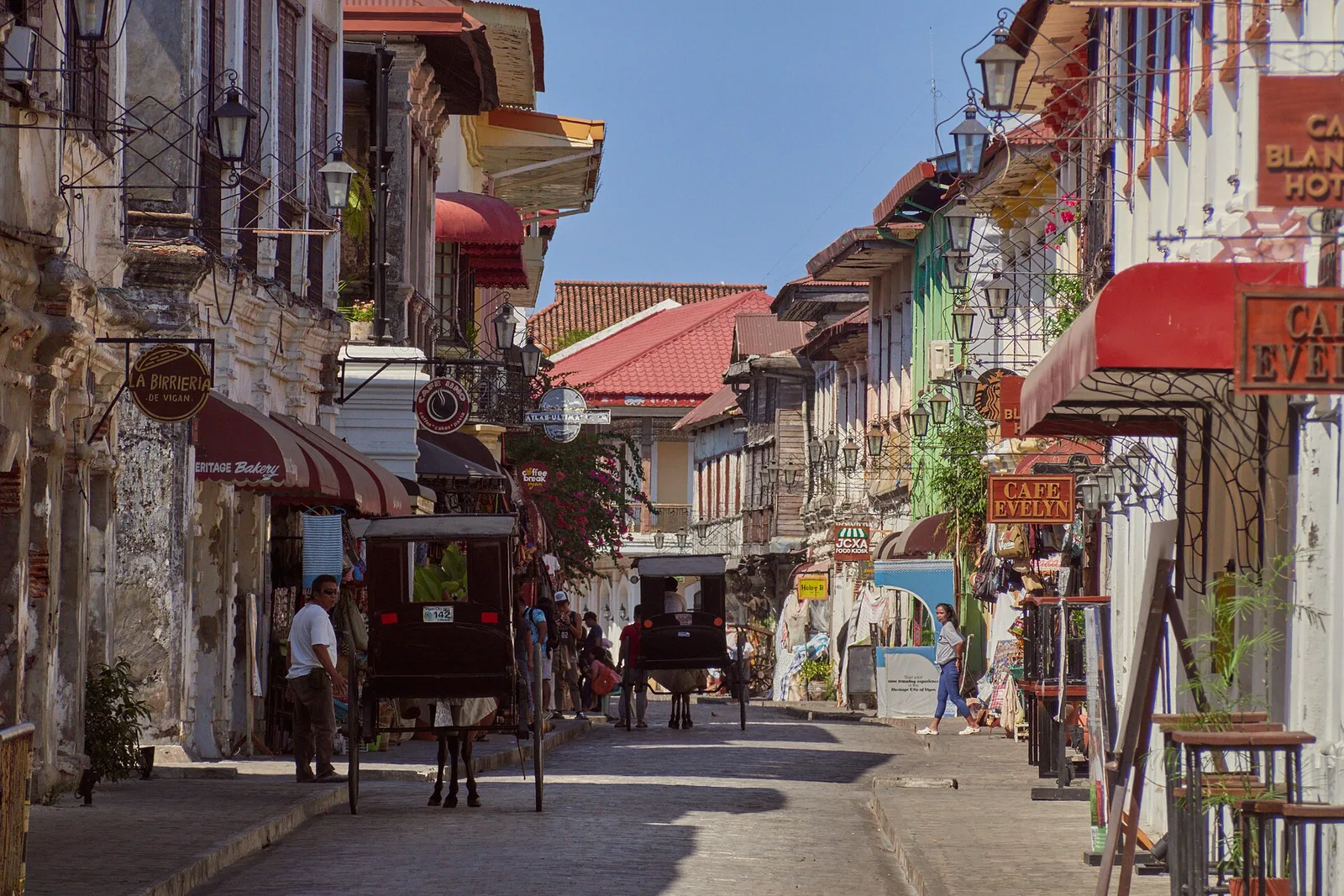
Calle Crisologo
The cobbled street of ancestral houses, closed to cars, best walked early in the morning or after dark. It runs through the Mestizo District and is the best known part of the old town: sett paving, and houses with brick …
Region in Luzon · 4 provinces and cities
The cobbled street of ancestral houses, closed to cars, best walked early in the morning or after dark. It runs through the Mestizo District and is the best known part of the old town: sett paving, and houses with brick …
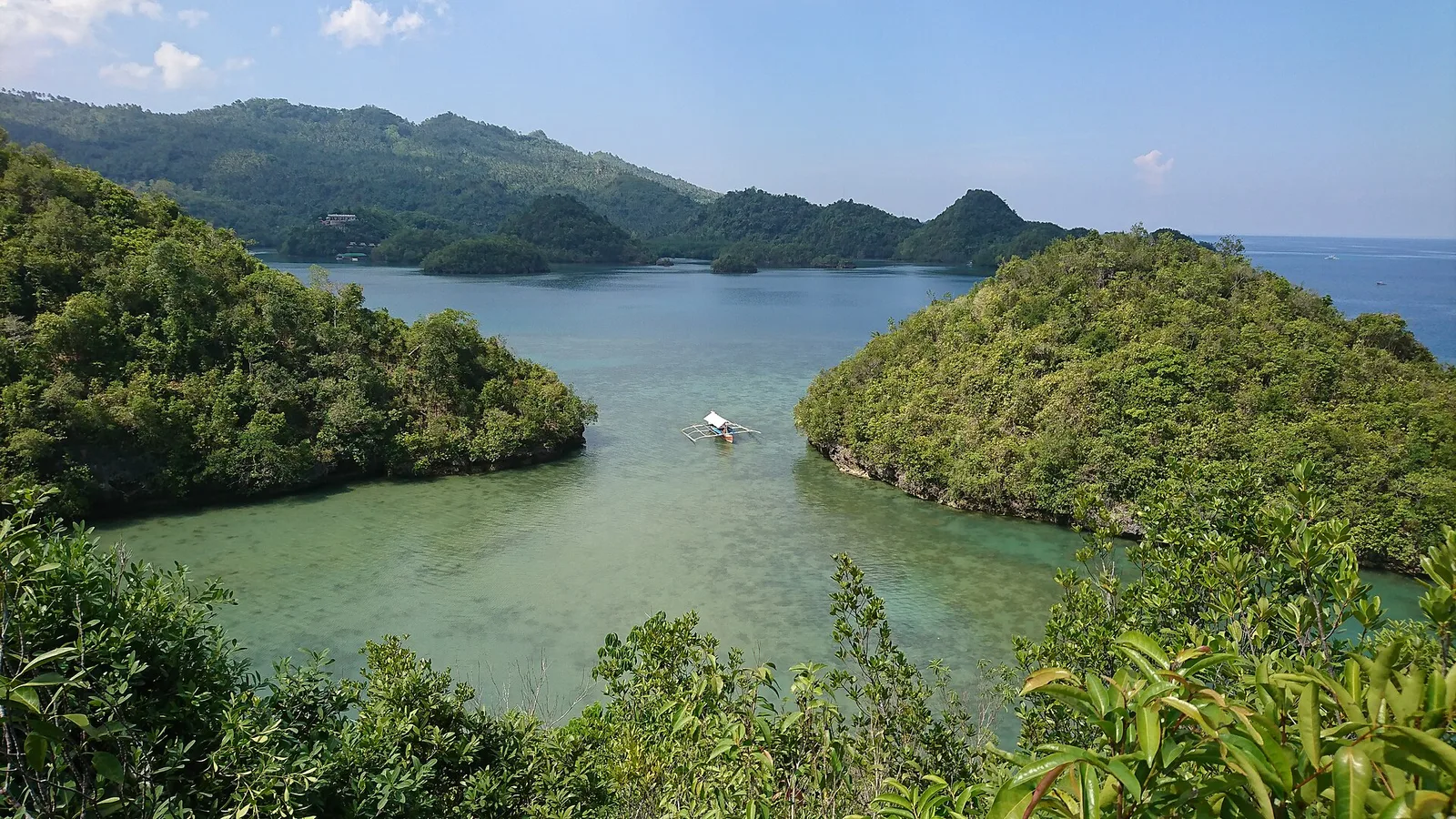
A group of islands in Lingayen Gulf off the coast of Barangay Lucap: 124 of them at low tide, and 123 when the tide is in. It was the first national park declared in the country and it covers 16.76 …
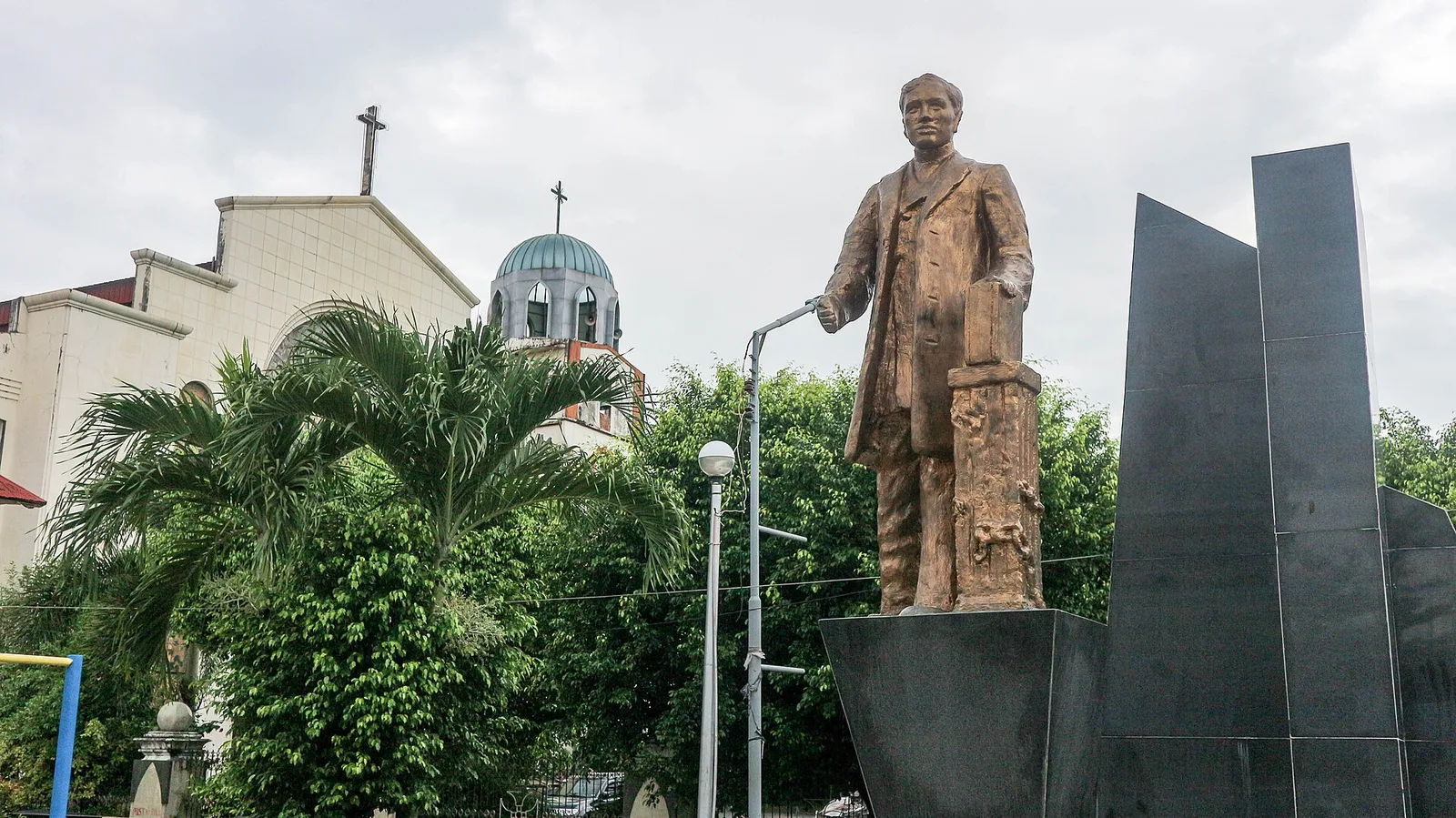
True to its name, the park contains a statue of the iconic Filipino freedom fighter.
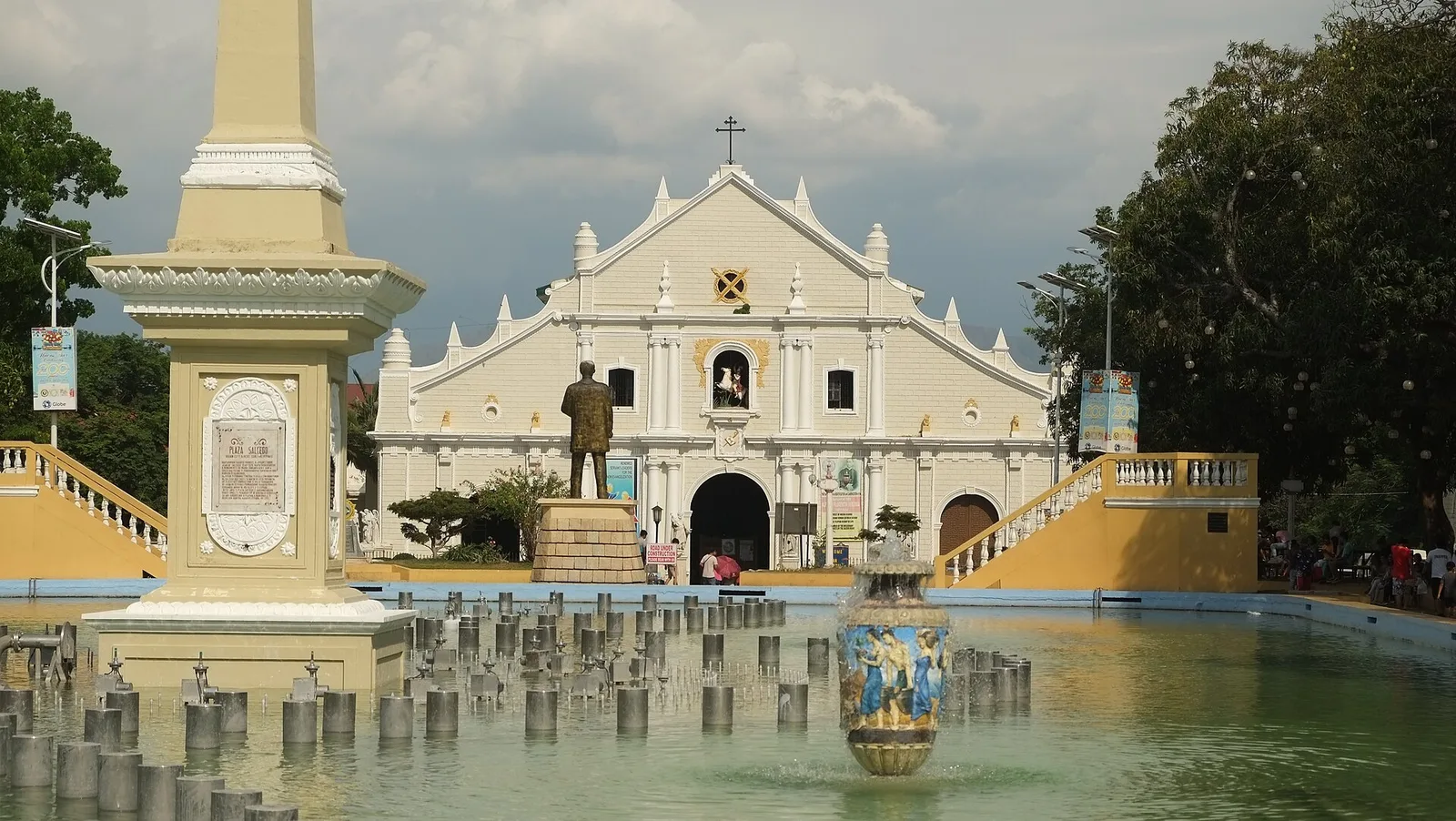
The 18th-century earthquake baroque cathedral on Plaza Salcedo, with a bell tower standing apart from the church. It holds the cathedra of the Archdiocese of Nueva Segovia, and it is part of what UNESCO listed in 1999 as the Historic …
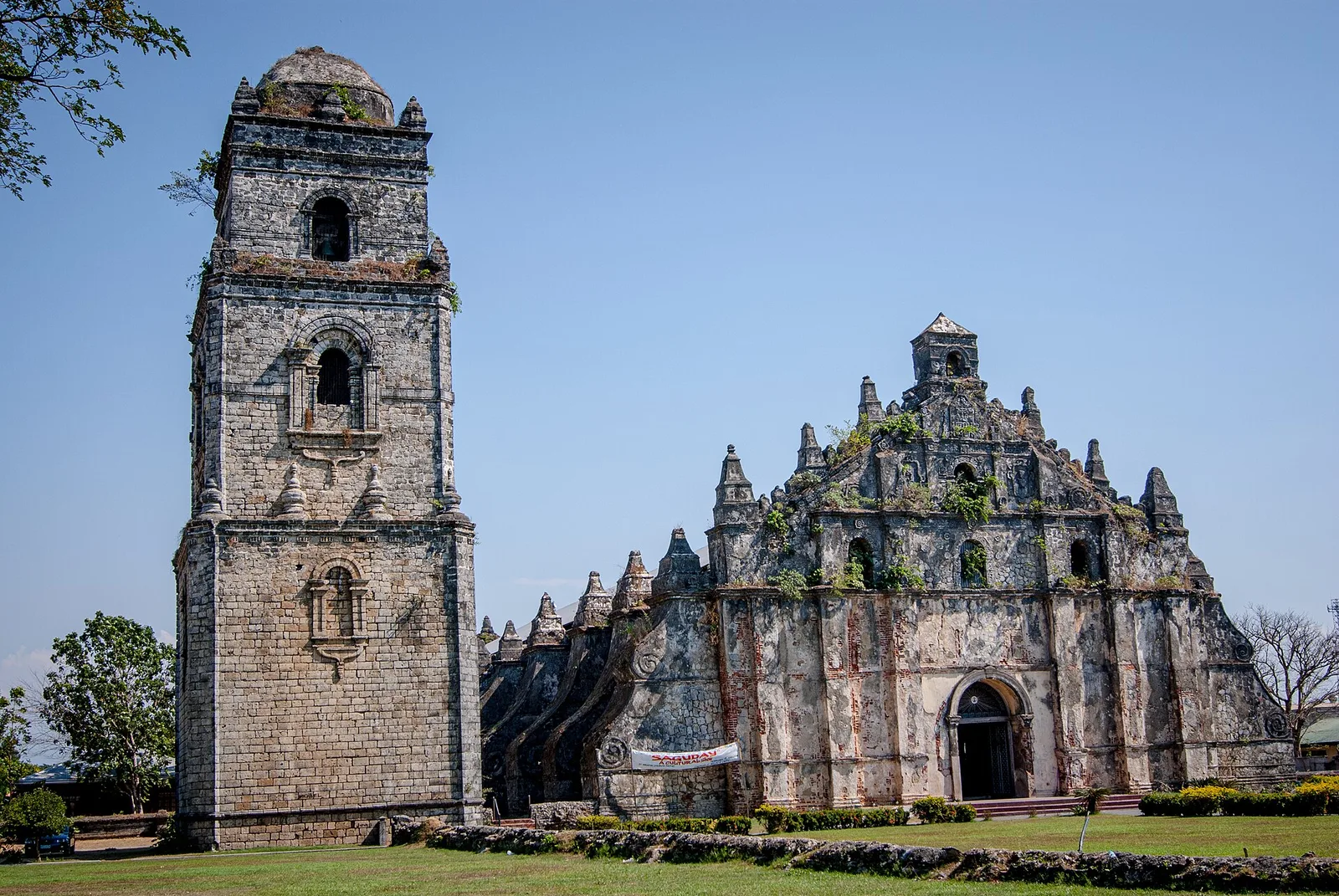
A Roman Catholic church of 1710, known for the enormous buttresses that run along its sides and its back. Its formal name is Saint Augustine Parish Church, and it stands in the town of Paoay under the Diocese of Laoag. …
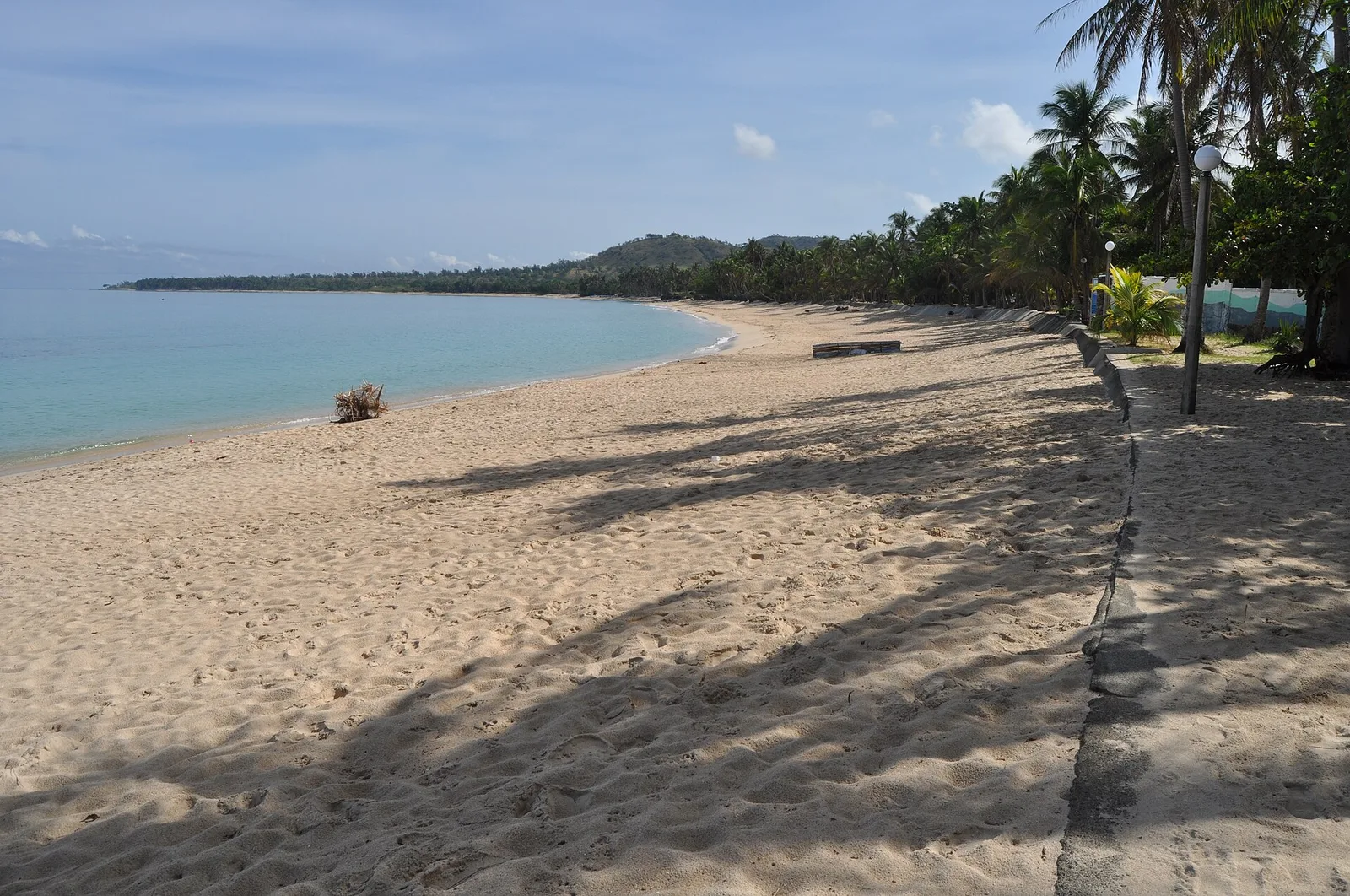
Heart-shaped cove popular with both national and international tourists, movie producers, and travel writers with its emerald water and breathtaking views.
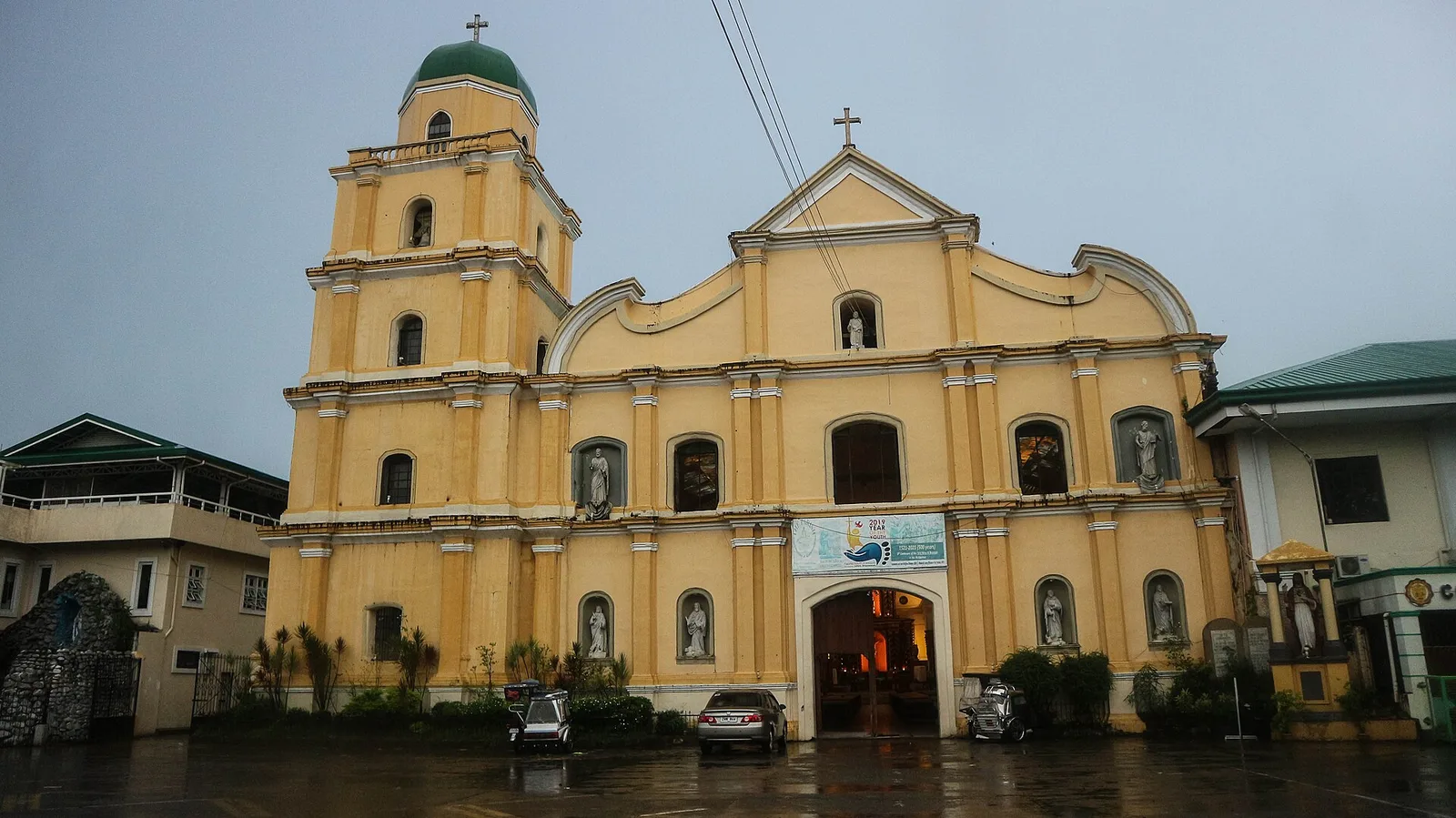
The seat of the Catholic Diocese of Alaminos since 1985, in Barangay Poblacion. It is dedicated to Saint Joseph the Patriarch. Fire destroyed two earlier churches on this site, the second one in 1834. Maestro Cenon, who also designed the …
The seat of the Diocese of Laoag, built in 1612 by Augustinian friars in place of a wooden chapel. The design is Italian Renaissance and the front is unusual: two storeys, with two pairs of columns on each side of …
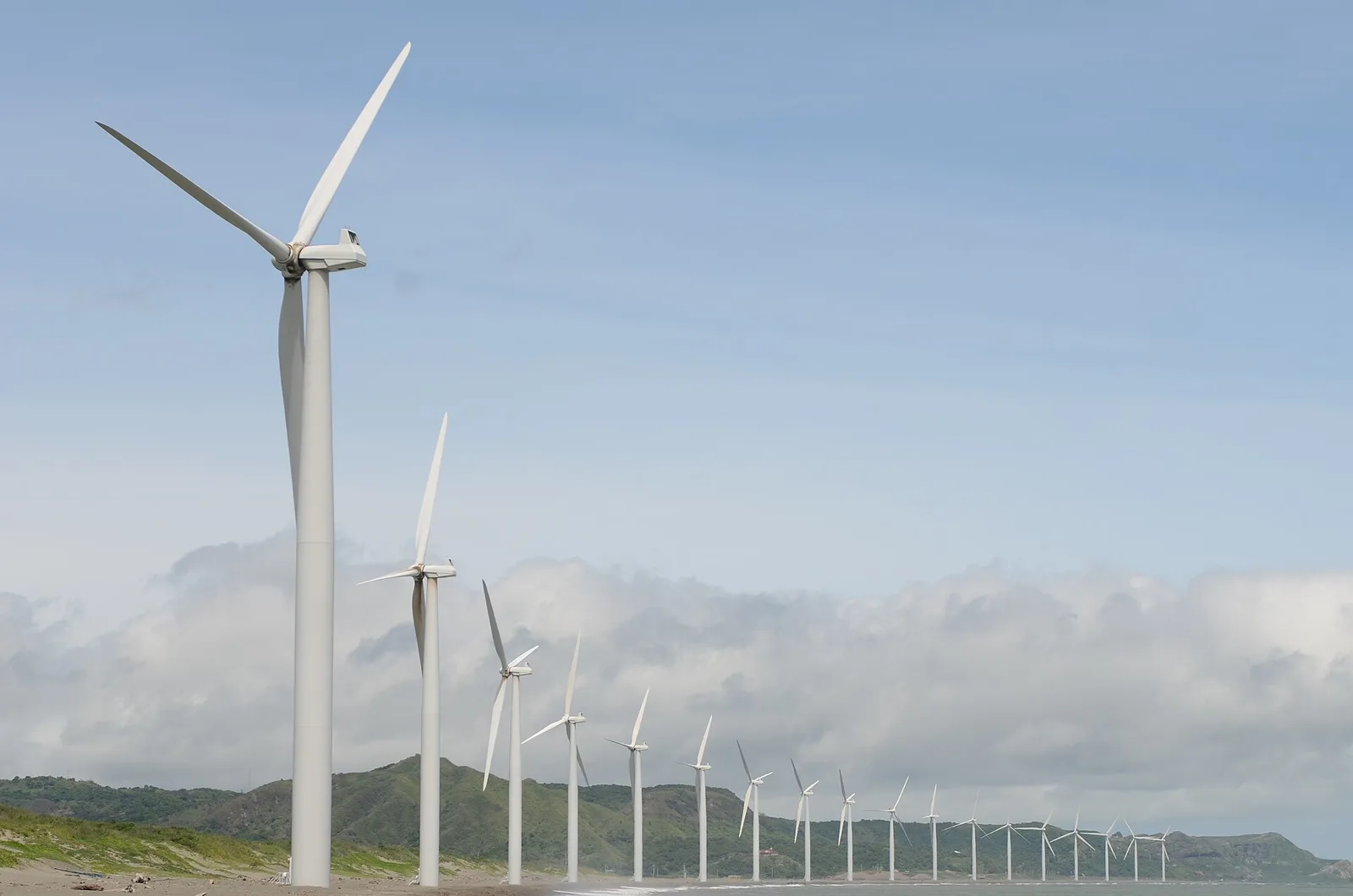
Constructed in 2003 and opened in 2005, this is the first wind farm in the Philippines. Even after the Burgos and Caparispisan wind farms were completed, the Bangui wind farms remain the main tourist attraction in its region.
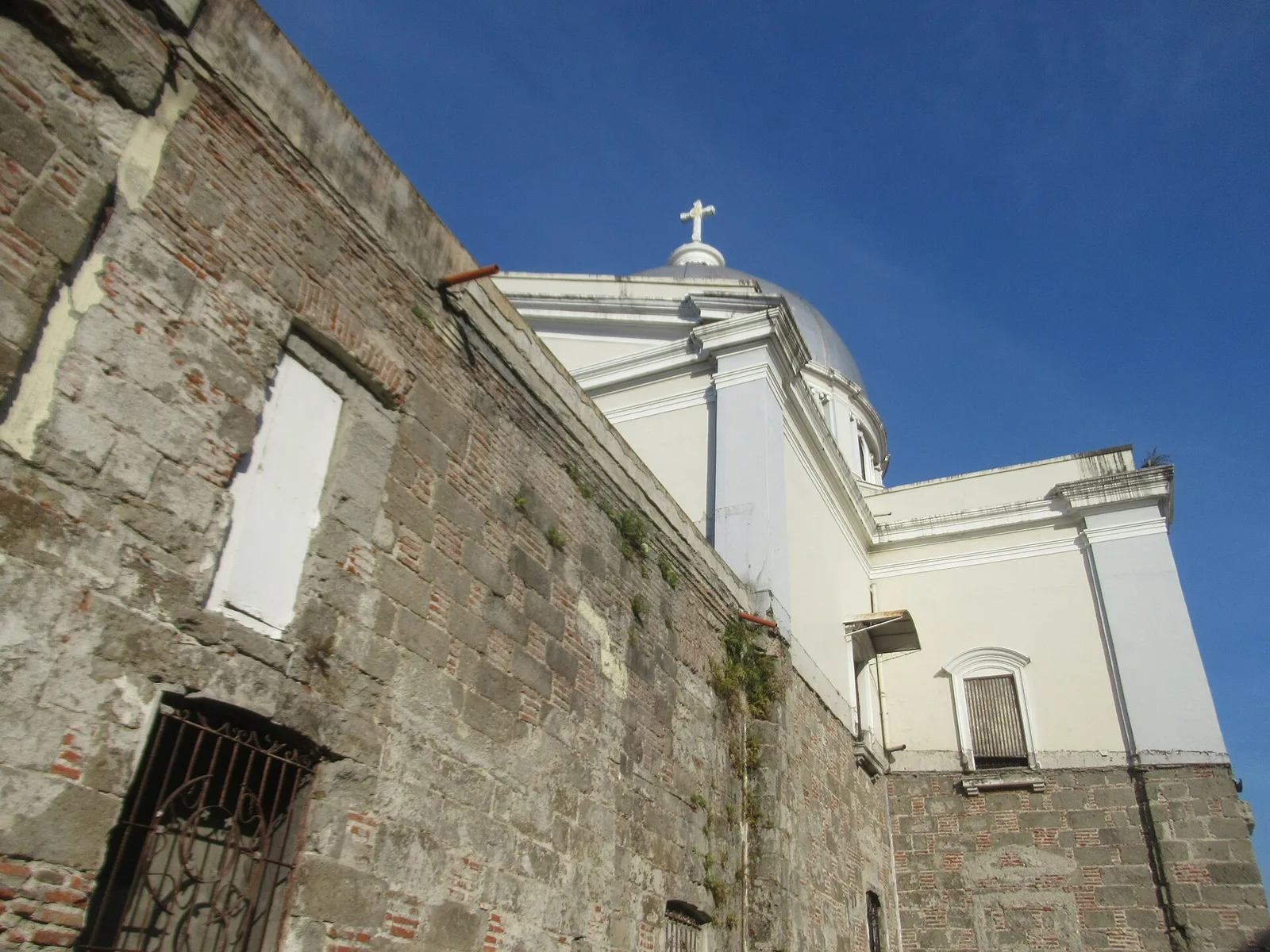
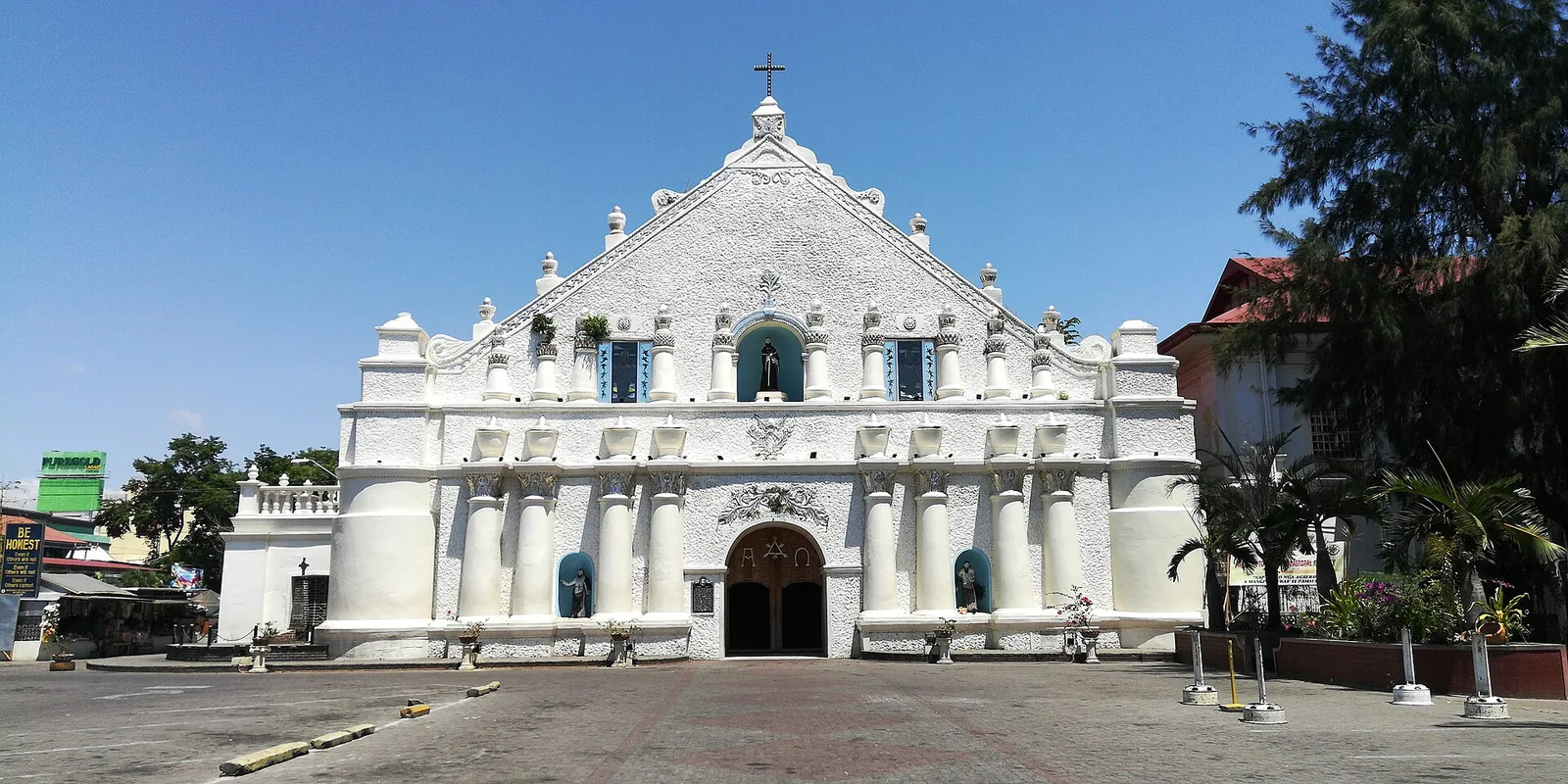
The seat of the Catholic Diocese of San Fernando de La Union, in Barangay II, the Poblacion. Its patron is Saint William the Hermit, who founded the Williamites, a branch of the Hermits of Saint Augustine. The town feast for …
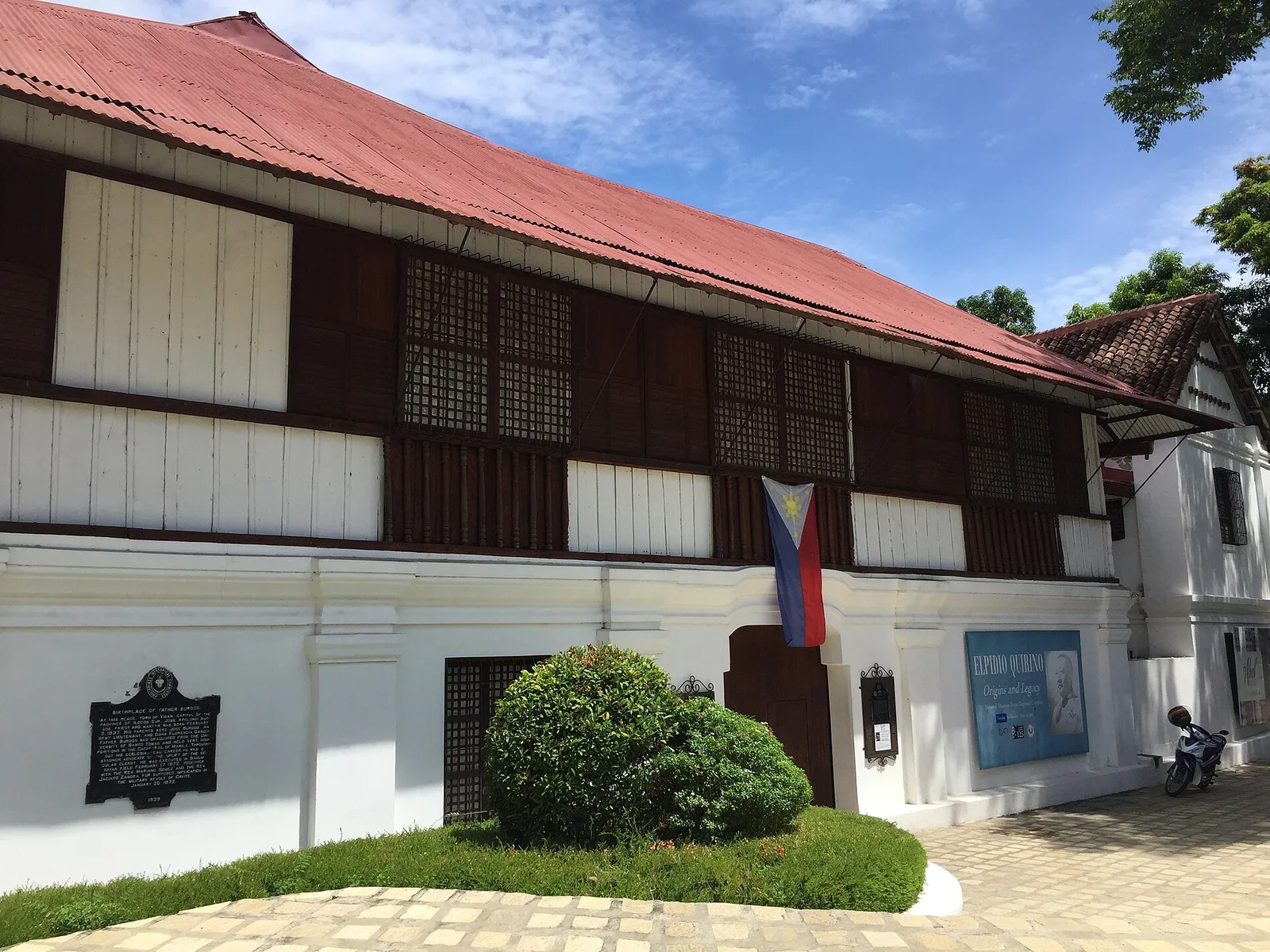
also known as the Ayala Museum, this showcases the memorabilia of martyred priest Jose Burgos. Behind the house is the national museum (formerly the Ilocos Sur Provincial Jail), housing other ethnic and Ilocano artifacts such as artifacts, weapons, kitchen utensils, …
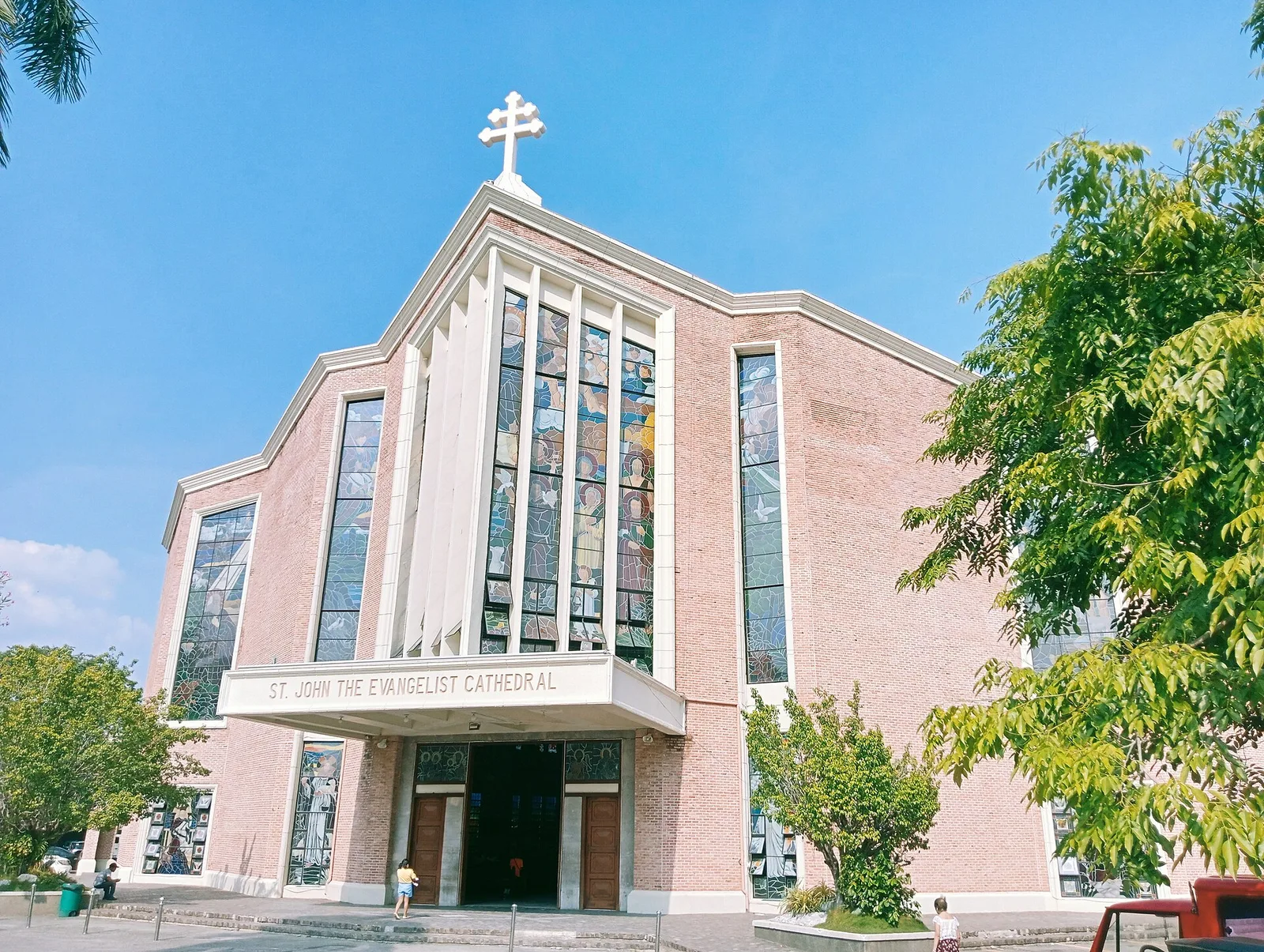
The seat of the Catholic Archdiocese of Lingayen-Dagupan, on Burgos Street in the city centre. It is dedicated to Saint John the Evangelist, and the National Historical Commission of the Philippines lists it among the heritage sites of the city. …
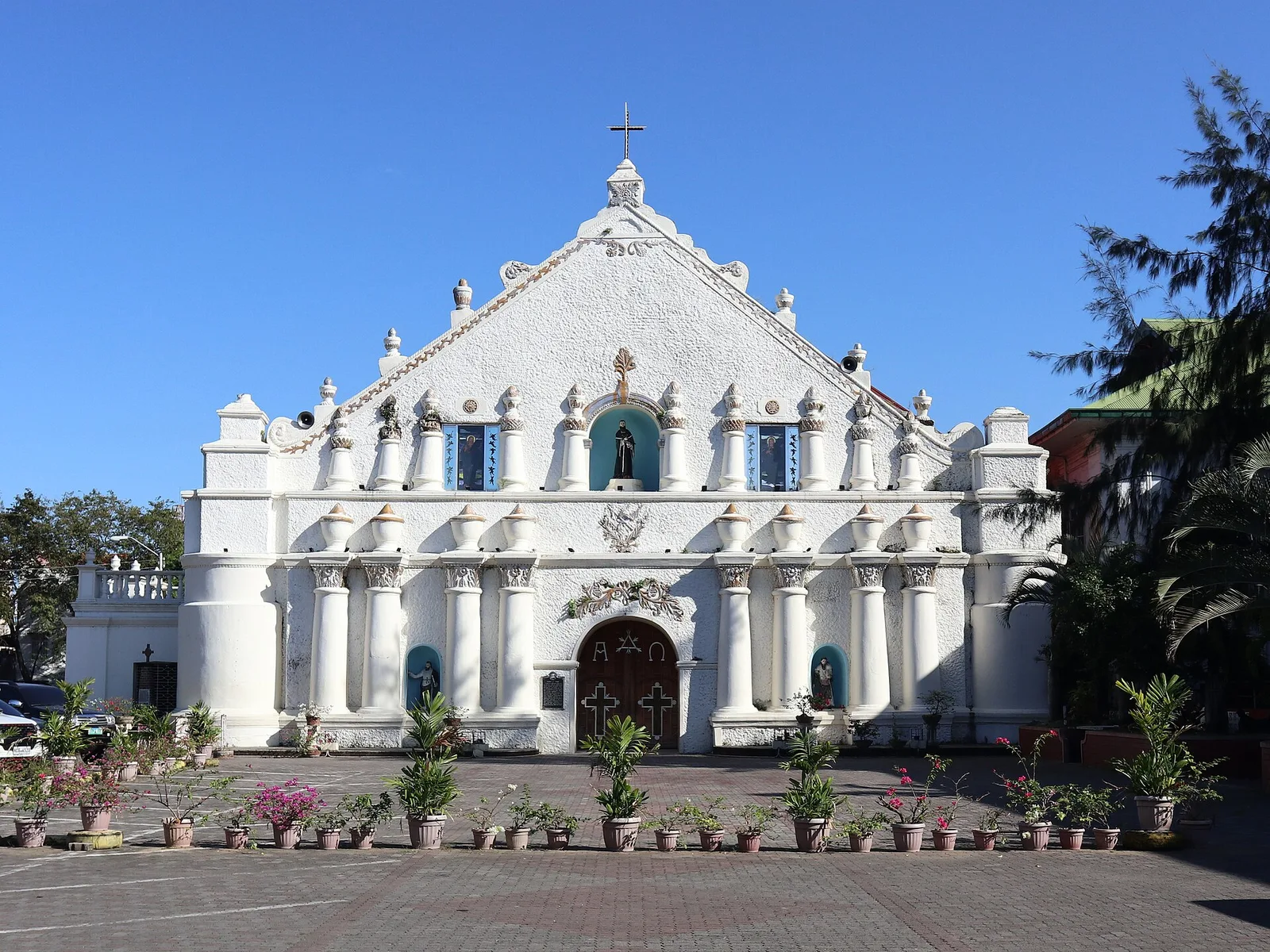
This 1612 church features Italian Renaissance styling, a stately façade and an adjacent, sinking bell tower.
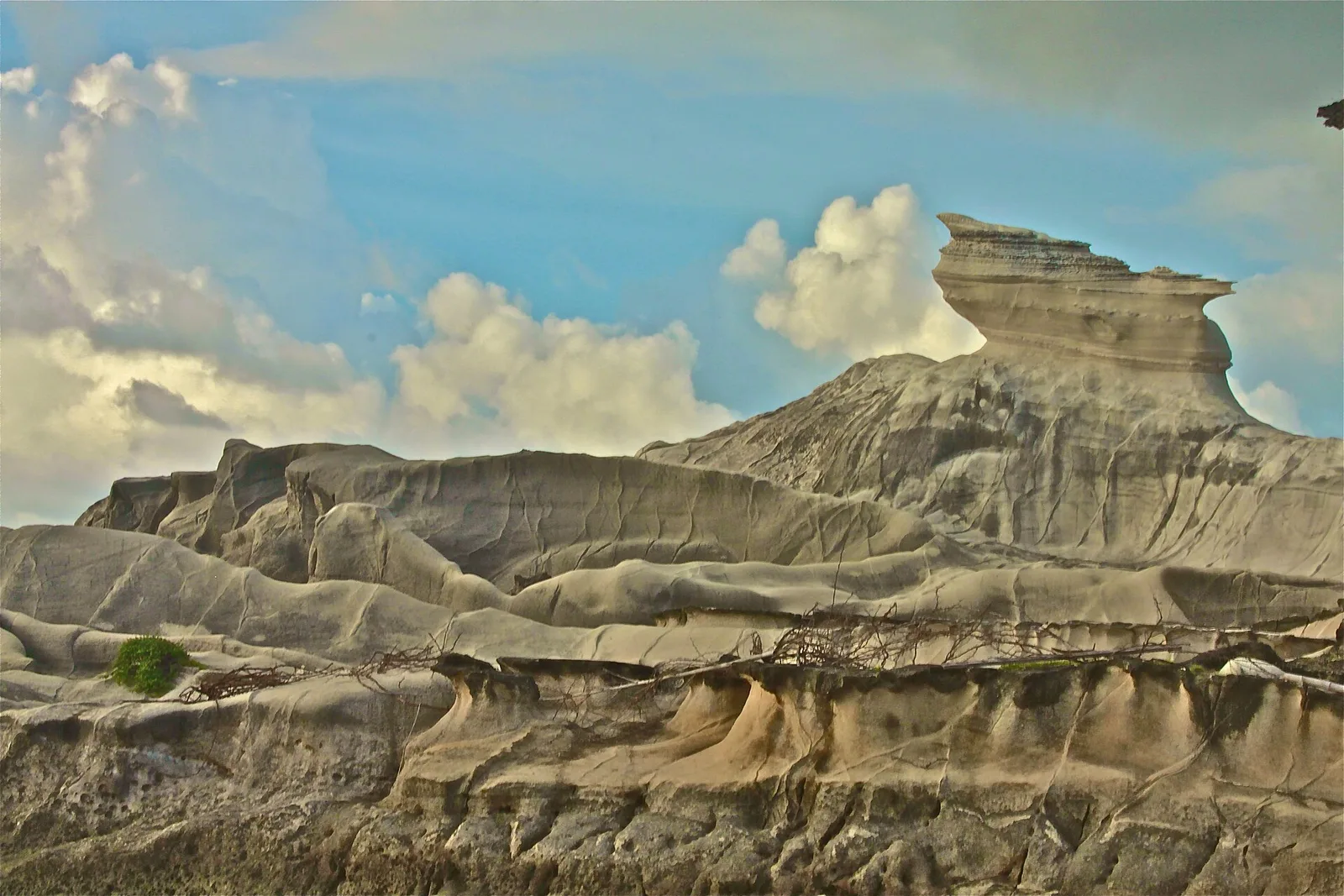
Rock formations created by forces of the ocean on the rocky coast of Burgos, located just a few minutes from the lighthouse
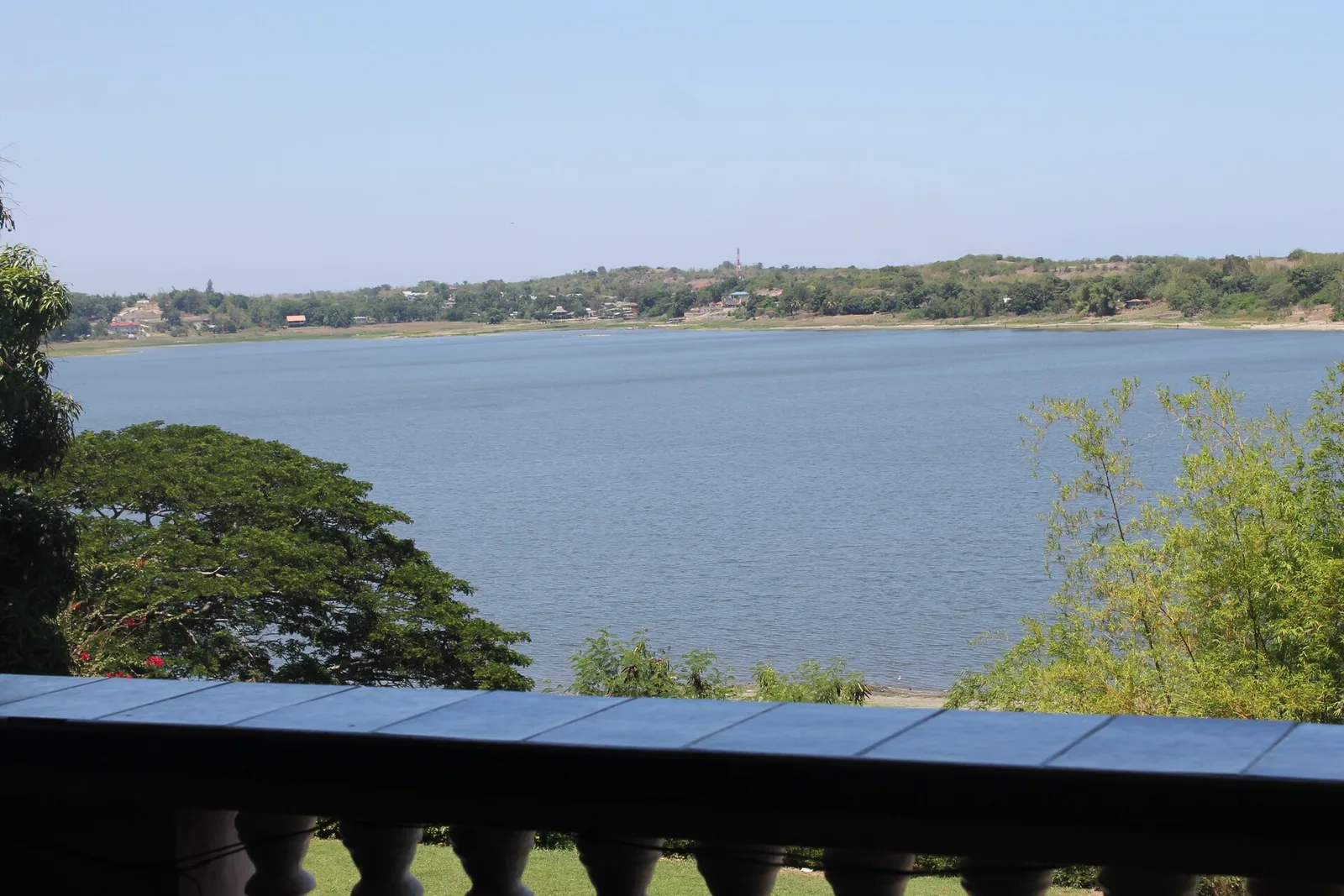
A natural lake with no connecting rivers said by folklore to be the site of a sunken community. It has been a national park since 1969.
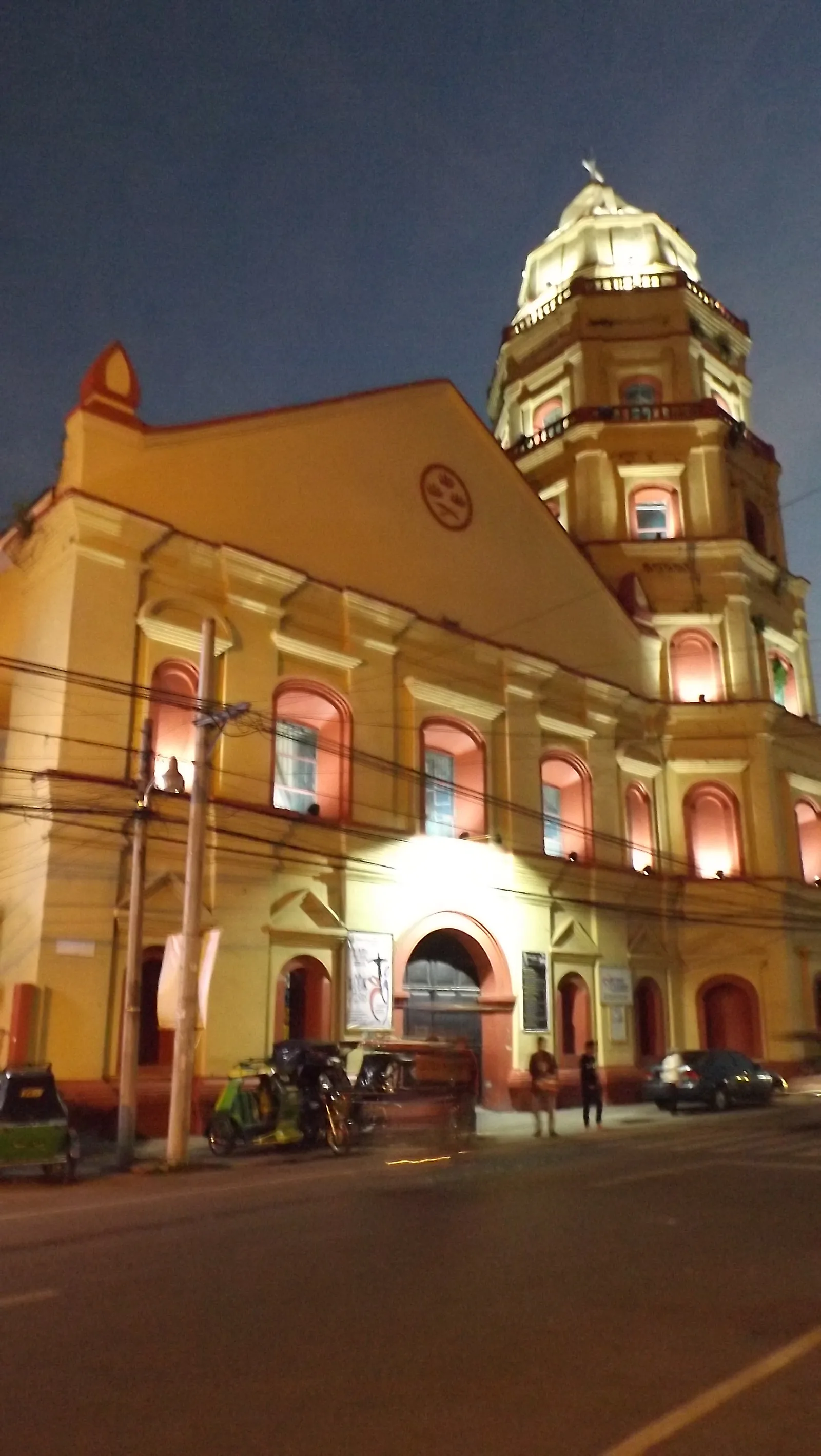
A Spanish-era church that serves as one of two seats of the Archdiocese of Lingayen-Dagupan,.
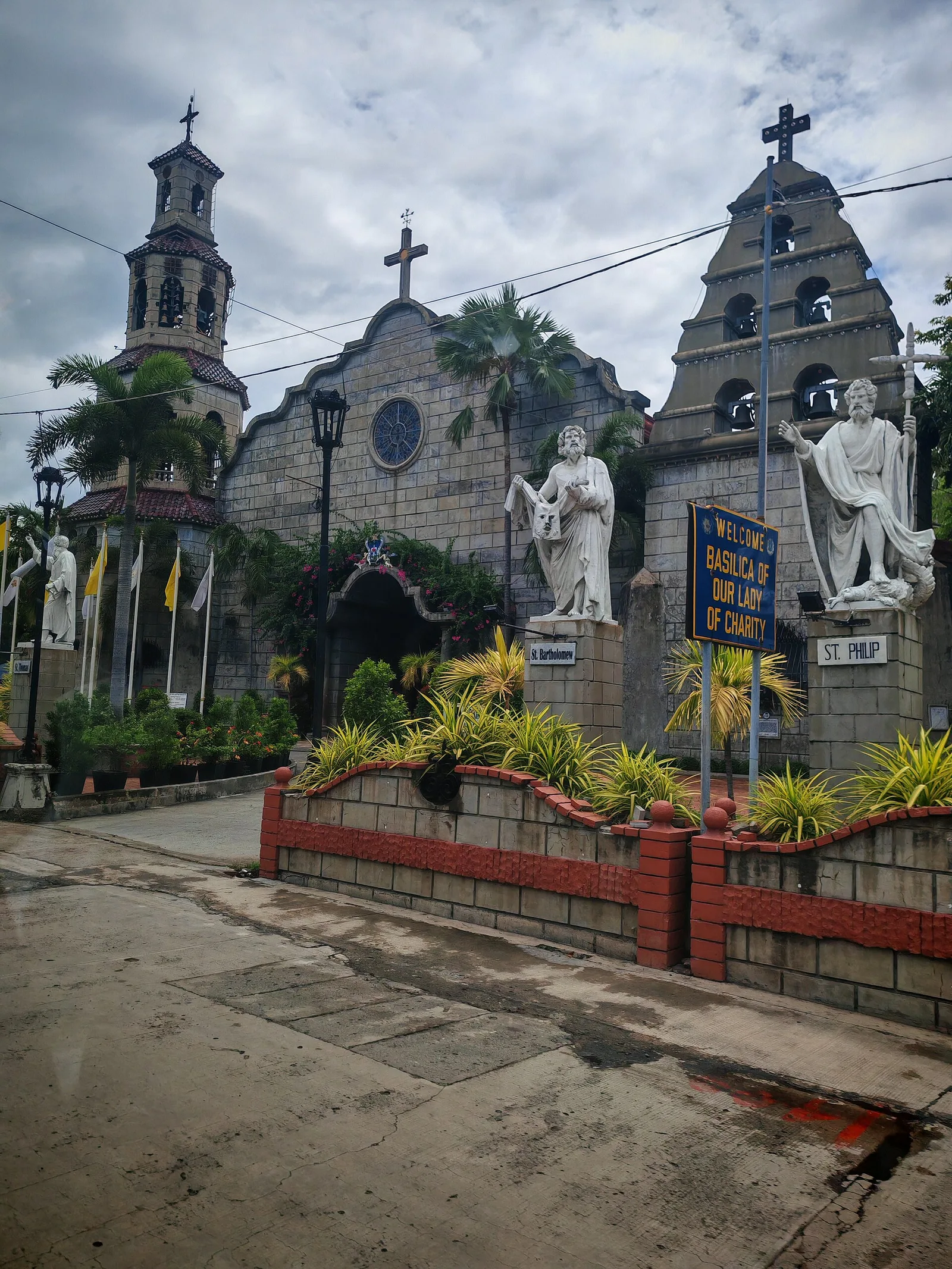
The town church of Agoo, dedicated to Our Lady of Charity and raised to a minor basilica by Pope John Paul II on 15 July 1982. It was called Santa Monica Church before that, and it is still the seat …
The first church was built in 1770, but it was rebuilt a few times after being burned to where current church dates to about 1893. Also try People's Park adjacent if you need to stretch your legs.
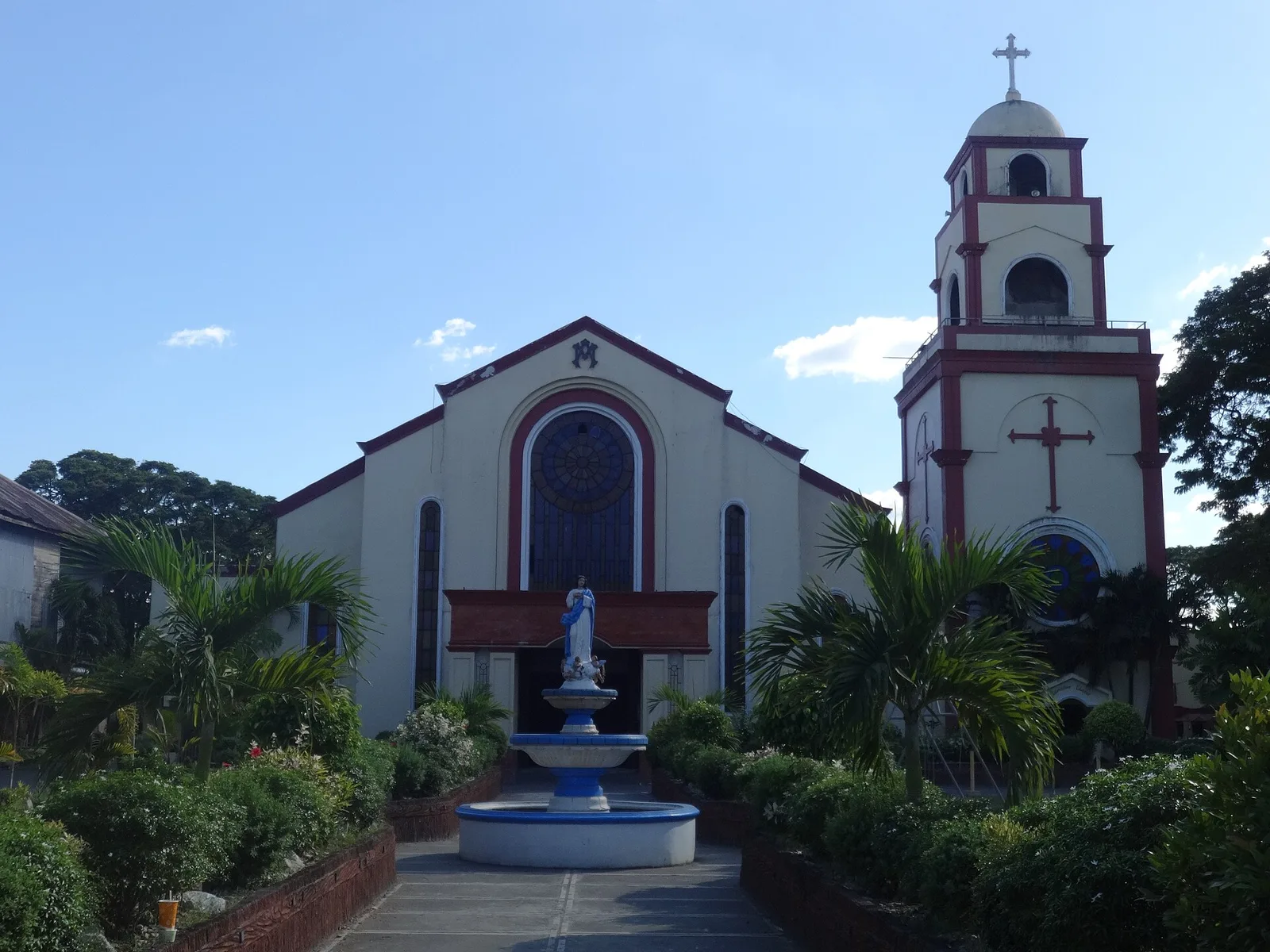
The seat of the Catholic Diocese of Urdaneta, in Barangay Poblacion. It is dedicated to Our Lady of the Immaculate Conception, who is also the city patron. Father Rafael Cano began the building on 4 March 1884, and it opened …
A stout, Spanish-era watchtower meant to guard against pirates and foreign invaders from the South China Sea. The site was declared a National Cultural Treasure by the Philippine government in 2015.
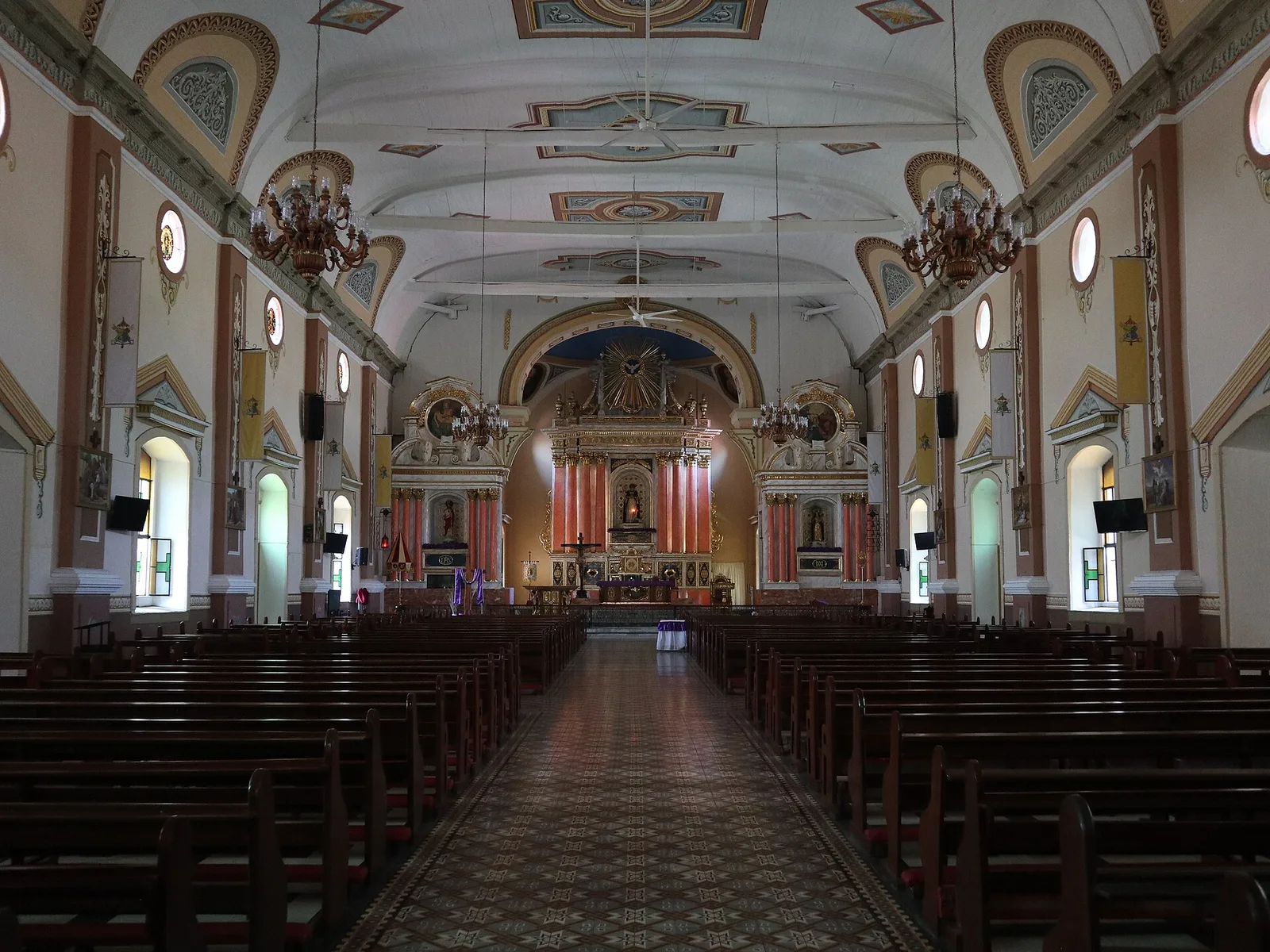
A minor basilica of brick, finished in 1773 under Father Cristobal Ausina. It was the largest Catholic church in the country in the late 18th century. The interior runs 89 metres to the chancel, almost 20 metres wide and 16.5 …
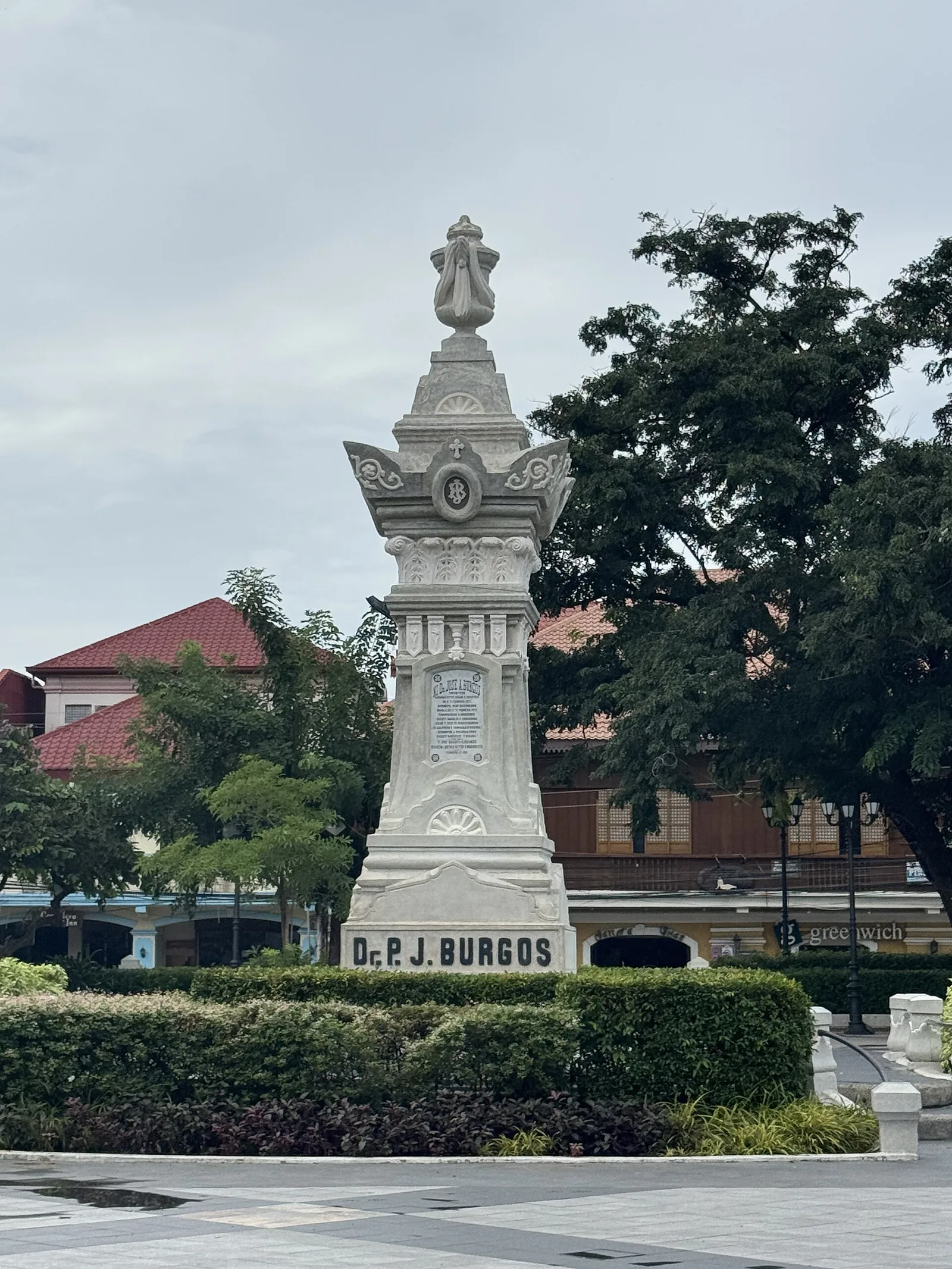
is a favorite hang out for locals and is also used for staging major public events. It has also food stalls selling local snacks, especially the empanada. It is next to Vigan Cathedral and dedicated to the memory of Father …
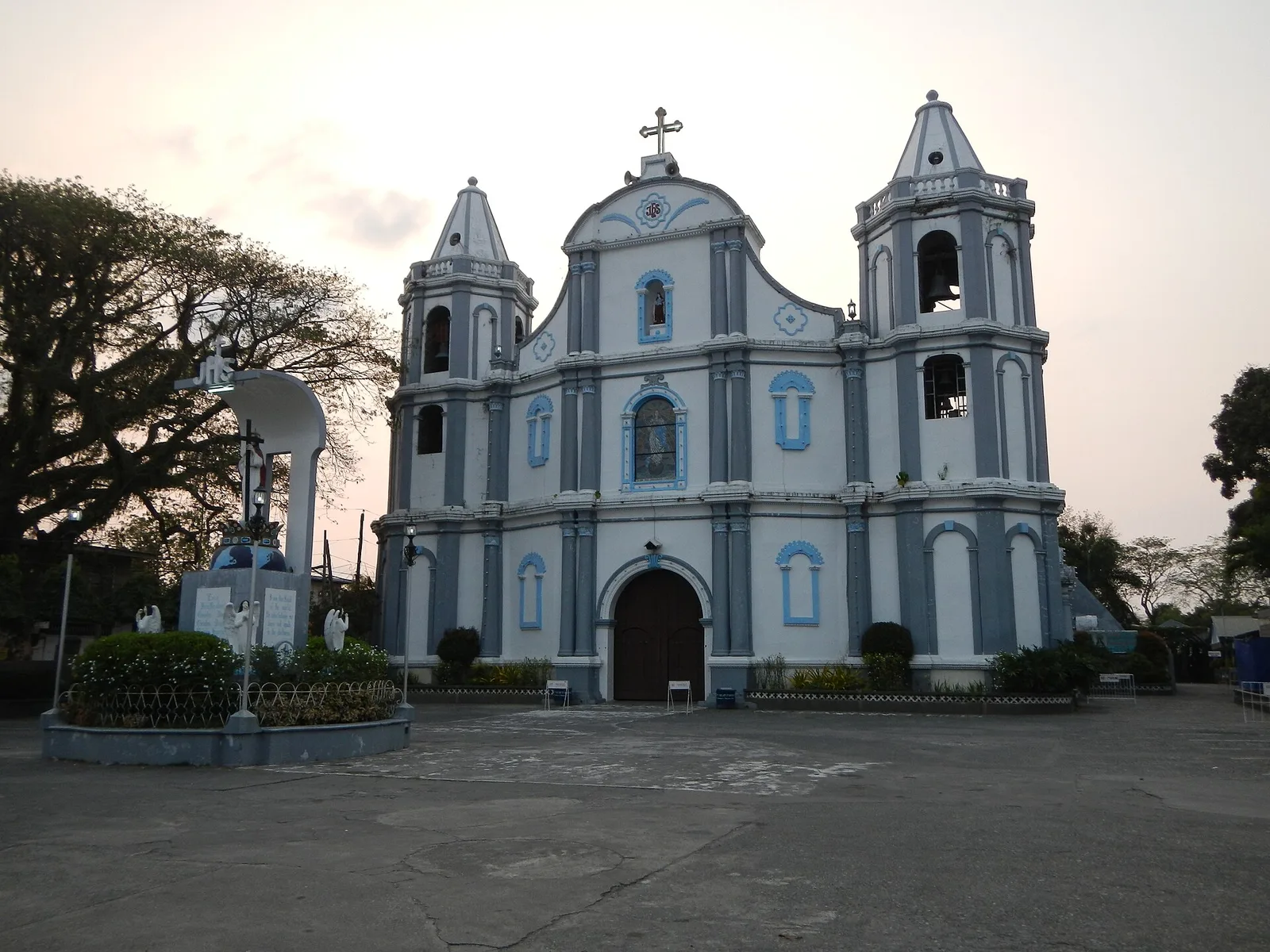
Luna's main Roman Catholic church, built in the Baroque style in 1690. It houses the venerated image of Our Lady of Namacpacan, a statue of the Virgin Mary that arrived in town when the ship transporting the image to its …
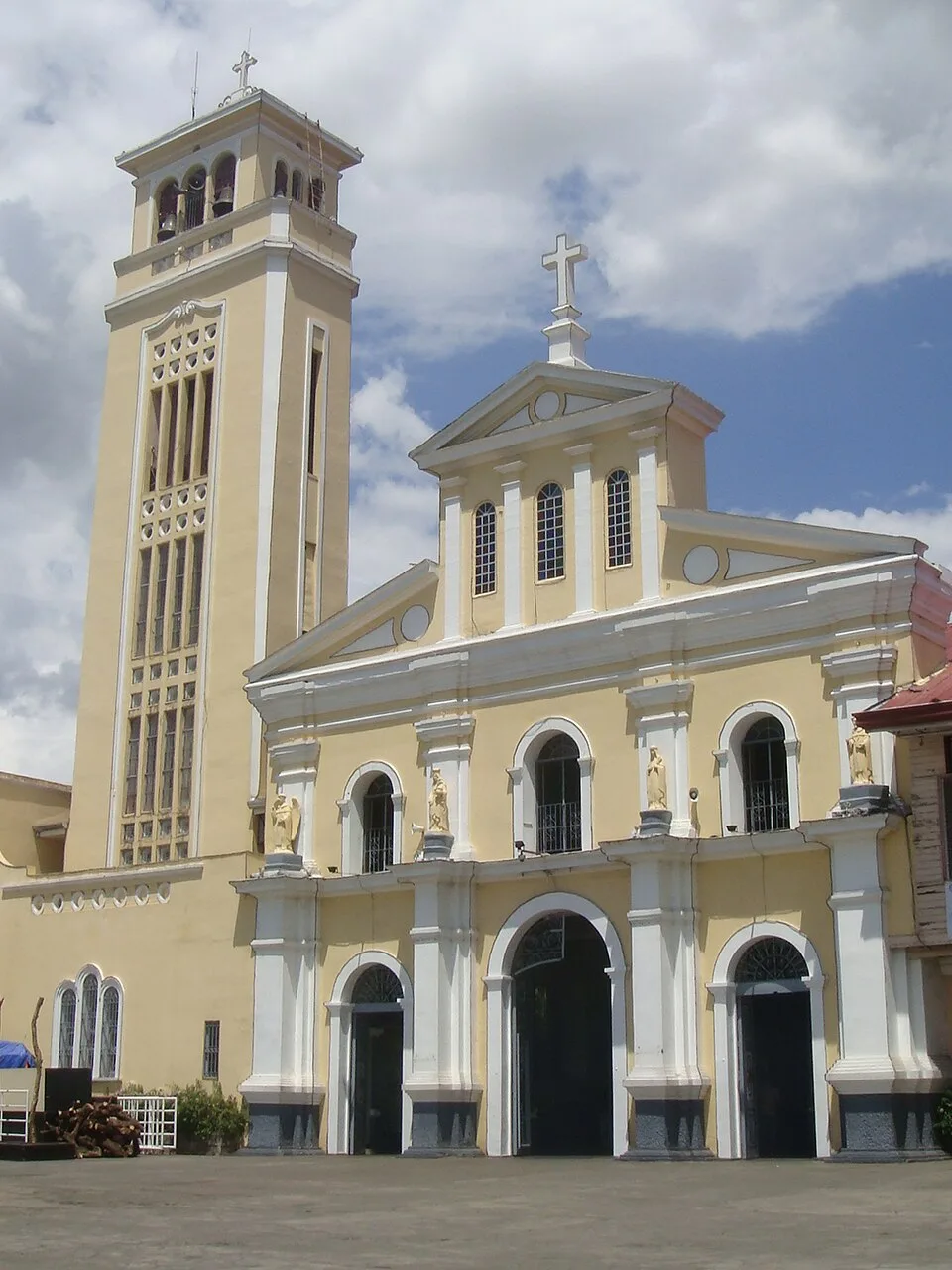
A pilgrimage church in the town of Manaoag, in the care of the Order of Preachers. Visitors come for the image of Our Lady of the Rosary, known here as Our Lady of Manaoag, and the church draws tourists as …

The Crisologo family house, kept as it was, with the car in which Congressman Floro Crisologo's family travelled.
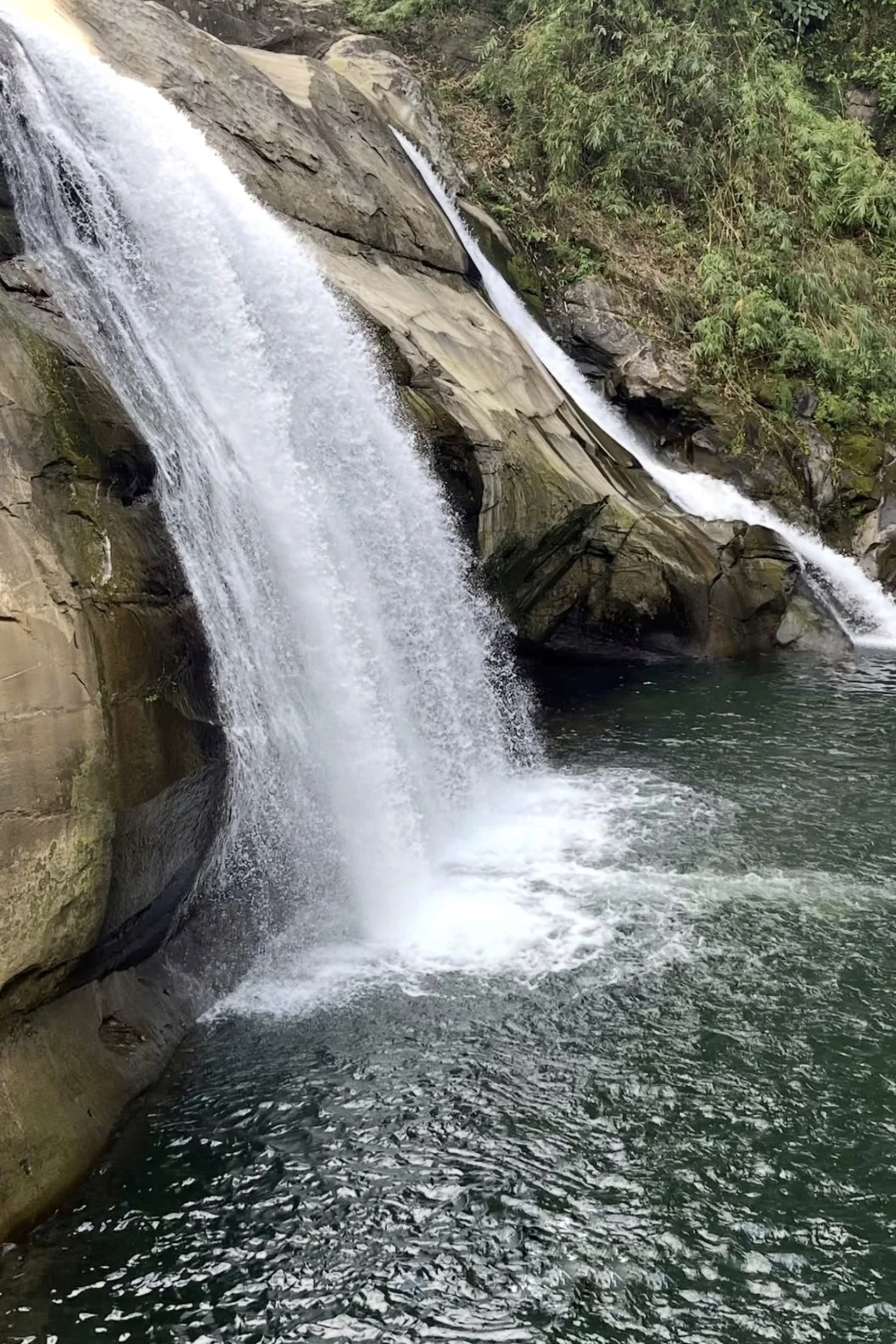
The town's main tourist attraction, it is a cascade along the upper reaches of the Baroro River at the boundary with the municipality of Bagulin. The waterfalls are commonly included in package tours from San Juan and a common itinerary …
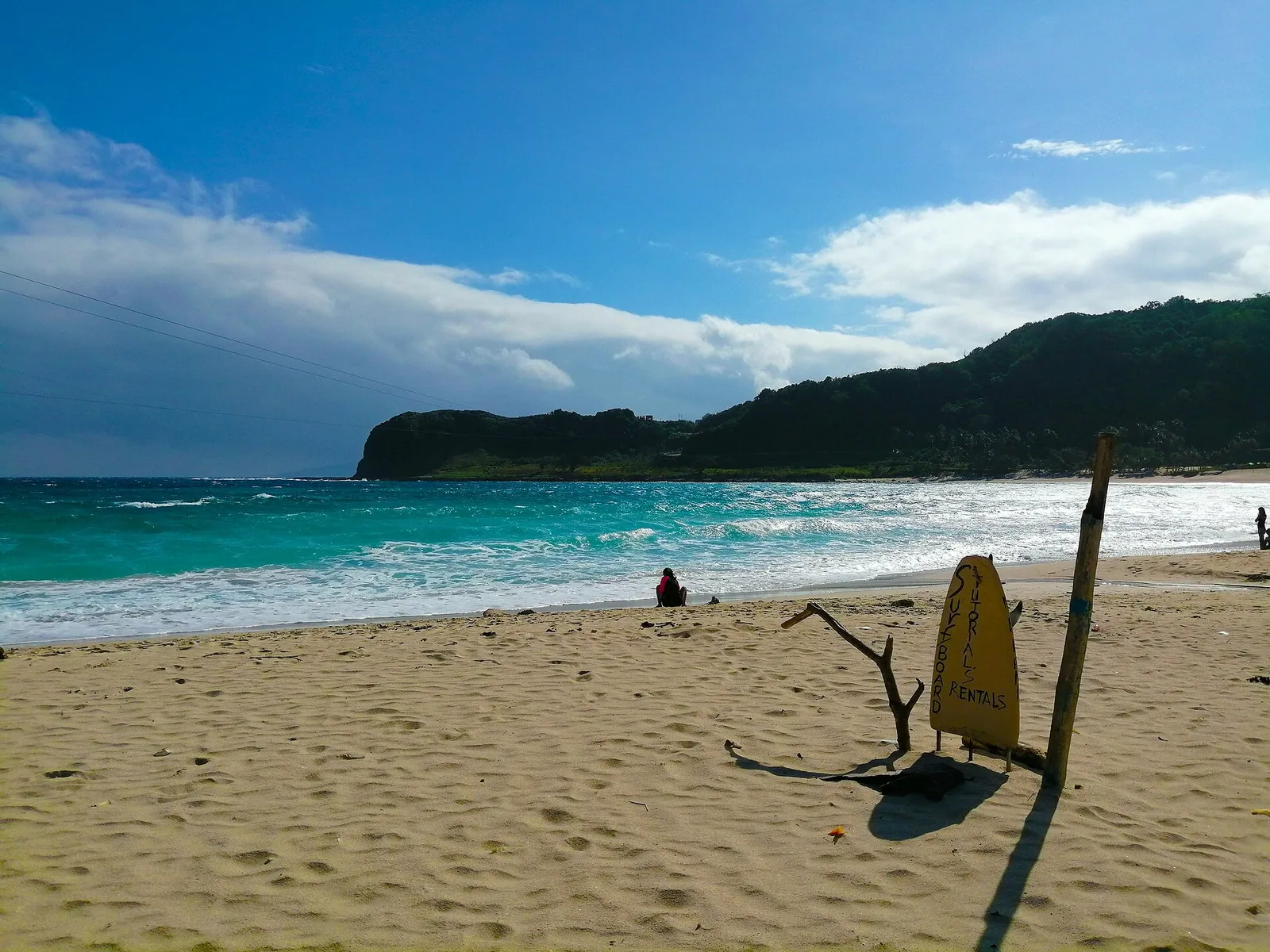
Half-moon bay tucked away below Maira-ira Point with Nacatnagan Cliff to the east and Dos Hermanos in the north. Here thick forest meets crystal blue waters and fine white sand.
The Cacupangan Cave System proudly features four kilometres of stalagmite and stalactites beautifully carved by nature for centuries. In order for visitors to enter the cave, they have to carefully trek through a rough road and avoid the slightly jagged …
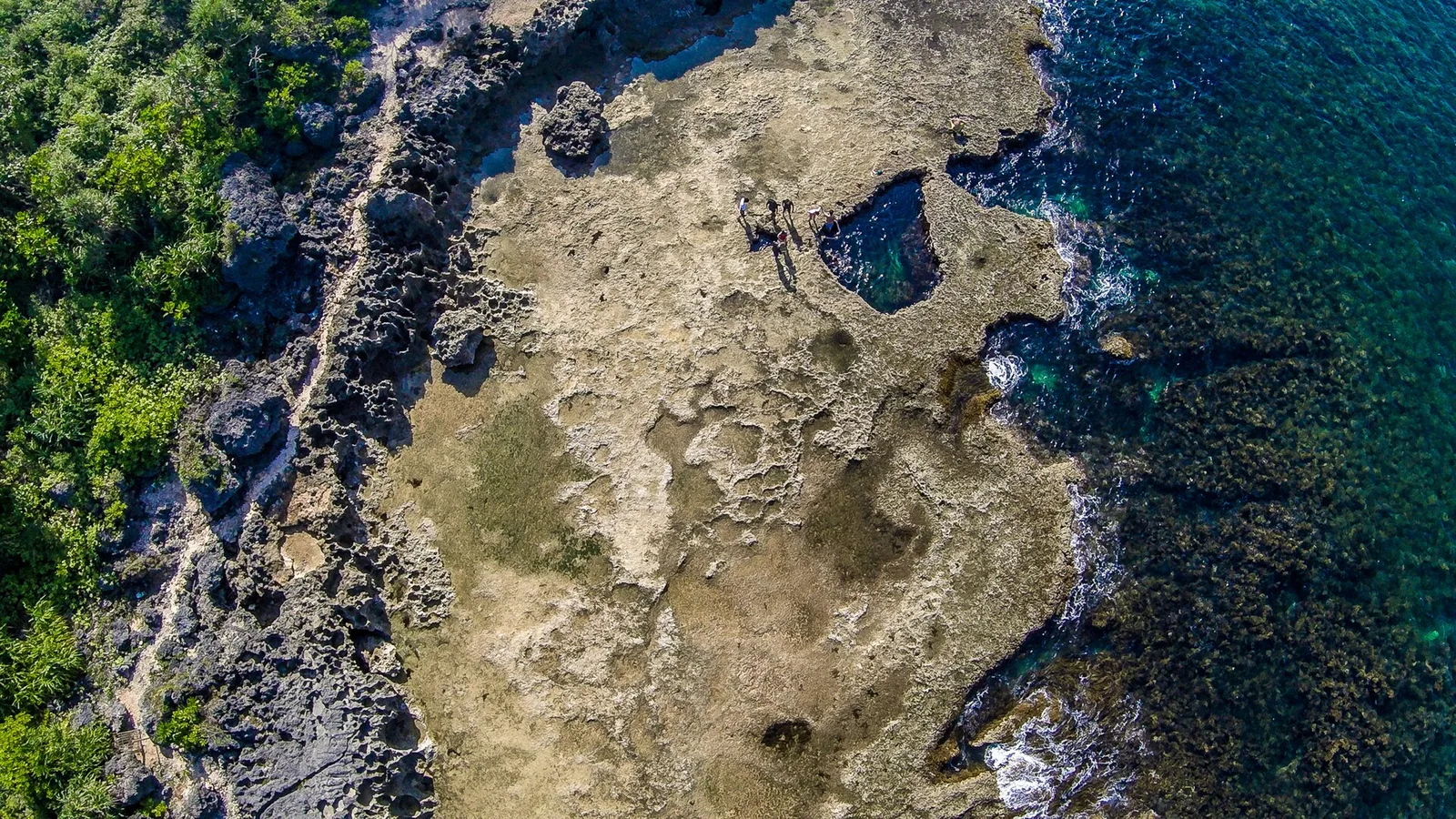
Perhaps the most well-known beach in Burgos, Cabongaoan Beach is pleasantly sandy, with little to no rocks prickling visitors’ feet as they pad about. The beach is also known to have tidal pools both shallow and deep, and a viewpoint …
A museum dedicated to President Marcos and his achievements, but avoids its excesses. It also used to house the president's preserved remains inside an airconditioned separate mausoleum building, although doubts persisted on whether the wax-looking cadaver on display was the …