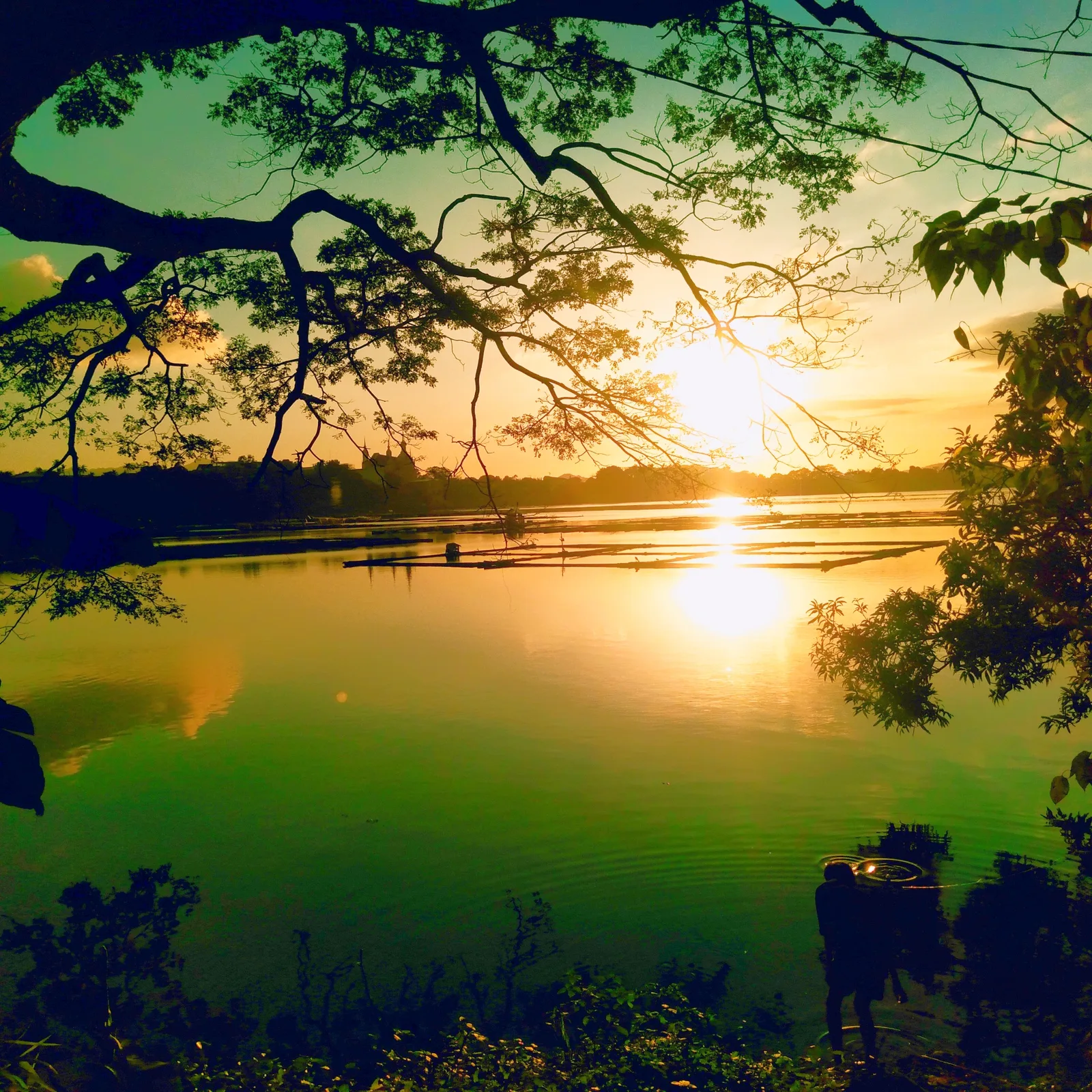
Lake Sampaloc
The largest of the seven crater lakes scattered around the city, and the easiest one to reach: it sits directly behind the city hall. Fishpens and small cottages on stilts stand in the water. A public playground was built on …
Island group · 8 regions
Showing 421 to 450 of 1,212
The largest of the seven crater lakes scattered around the city, and the easiest one to reach: it sits directly behind the city hall. Fishpens and small cottages on stilts stand in the water. A public playground was built on …
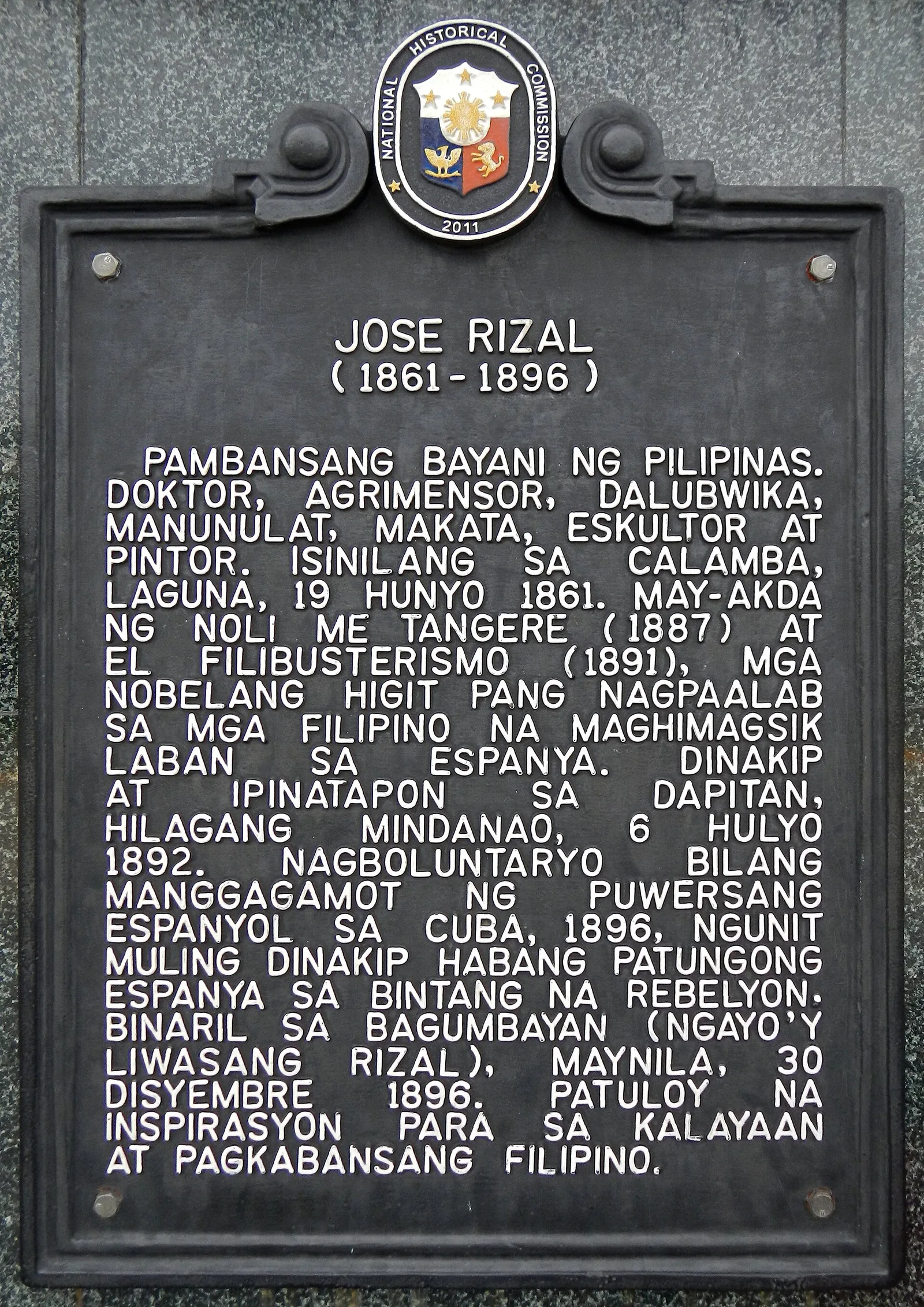
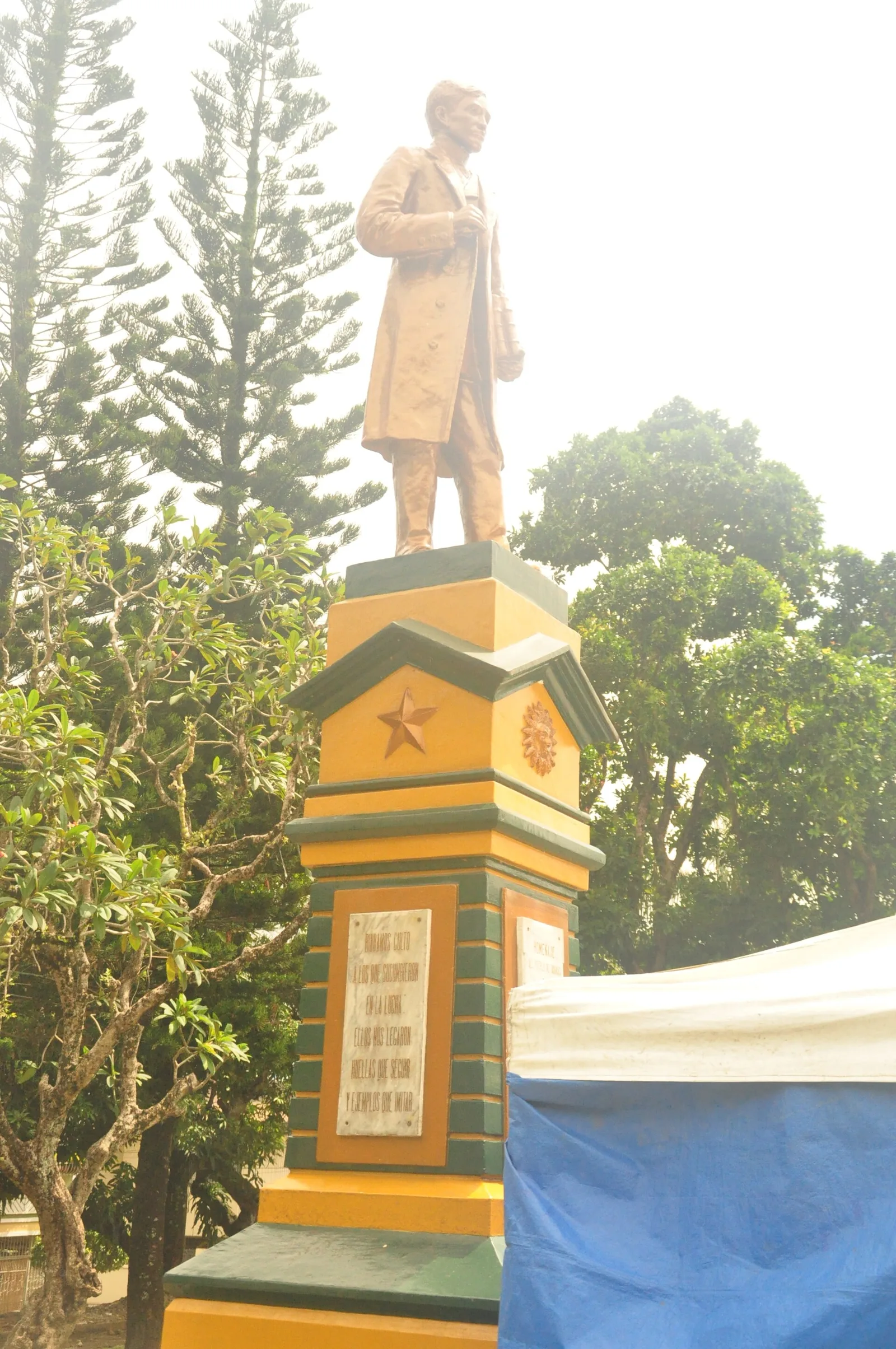
A statue of Jose Rizal 6.7 metres tall, at the centre of The Plaza, a park of 6.7 hectares across from the Calamba City Hall complex on Bacnotan Road. Jonas Roces sculpted it, and President Benigno Aquino III unveiled it …
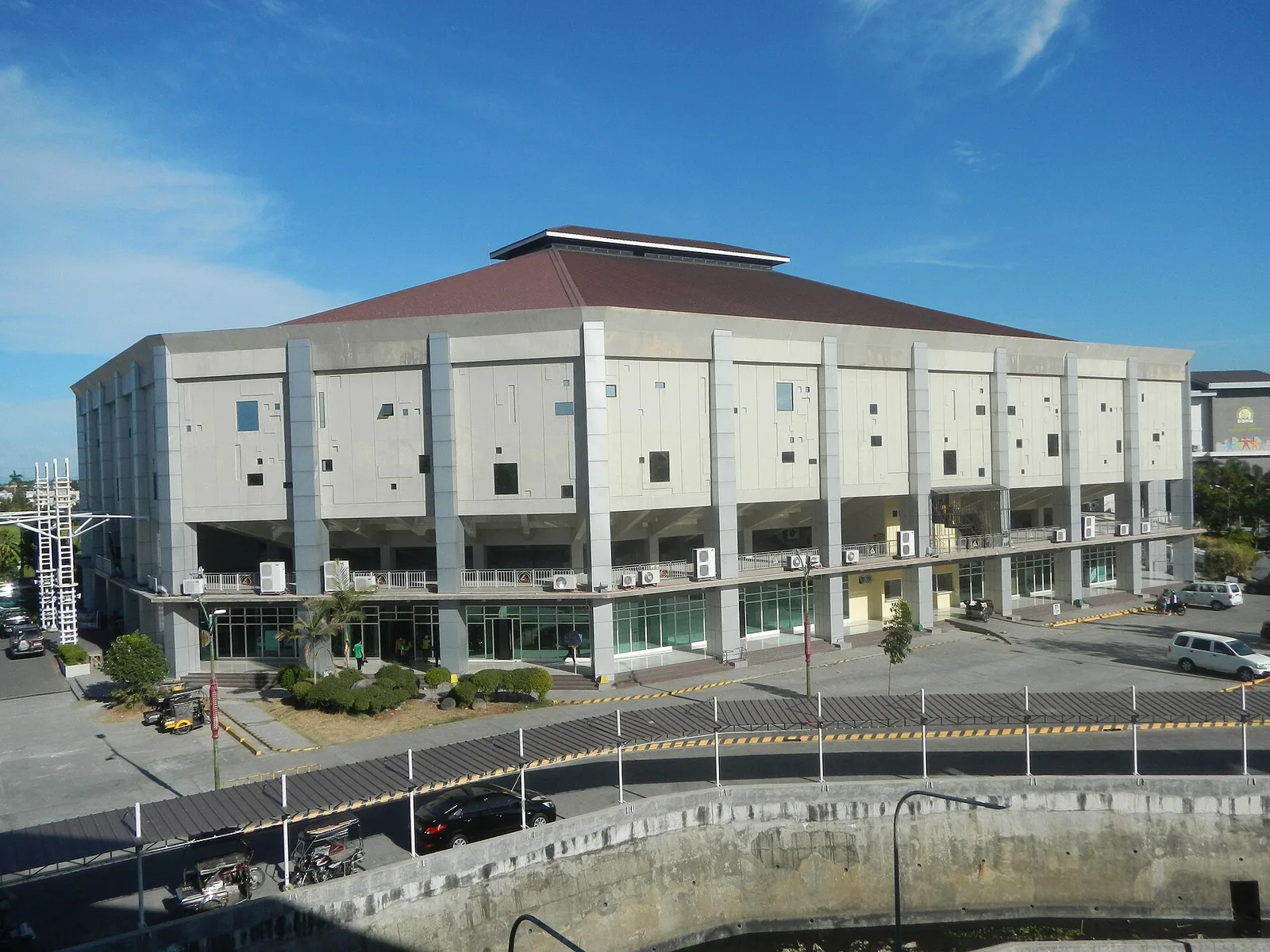
An indoor arena seating 6,500, home court of the Biñan Tatak Gel in the Maharlika Pilipinas Basketball League and the Pilipinas Super League. It has also hosted Philippine Basketball Association games, the defunct Philippine Super Liga and the 2019 Asia-Oceania …
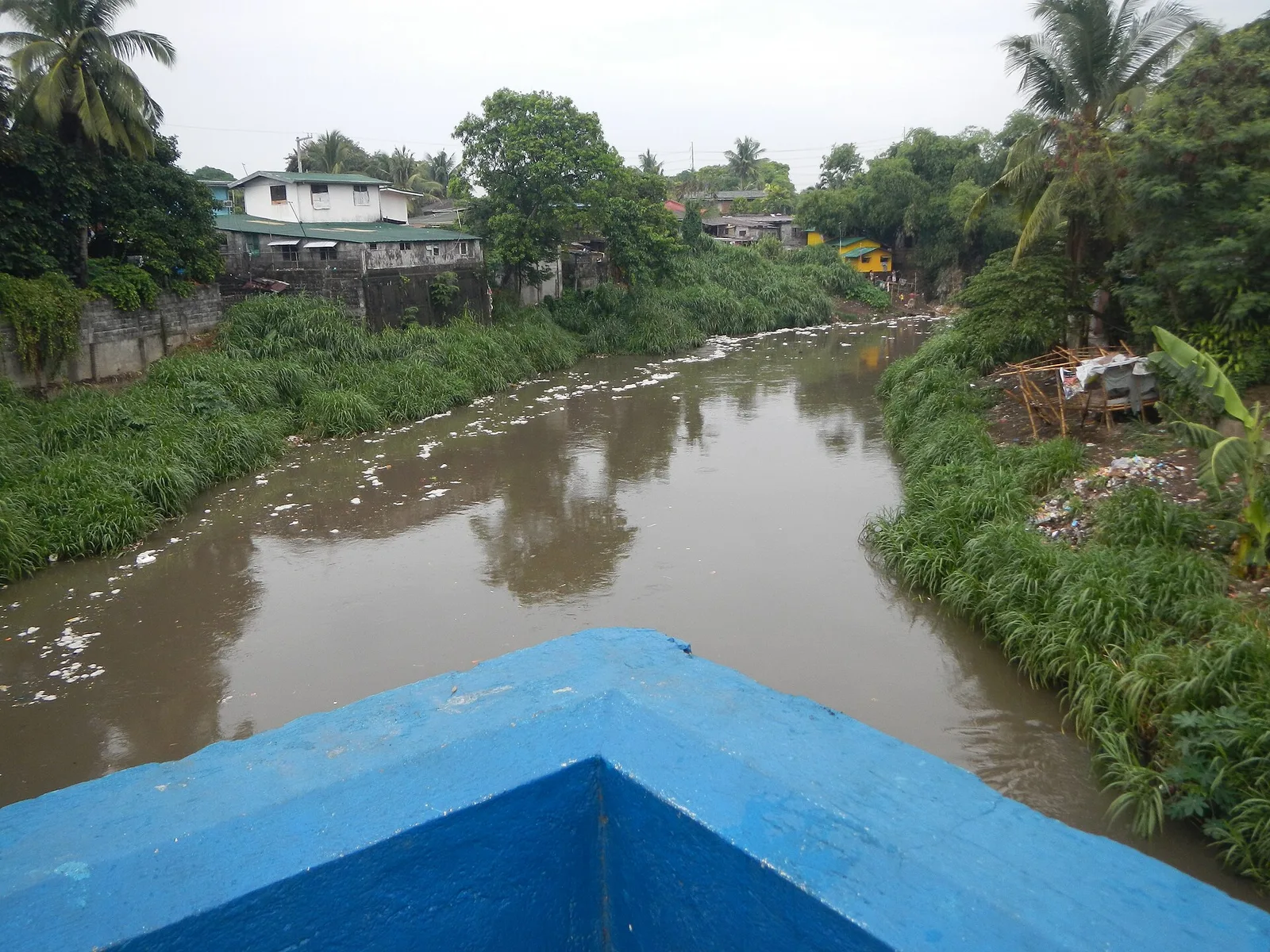
A two-span stone arch bridge finished in 1857, and the site of the Battle of Imus. Filipino revolutionaries fought the soldiers of the Spanish colonial government here on September 3, 1896, in an action also called the Battle of Imus …
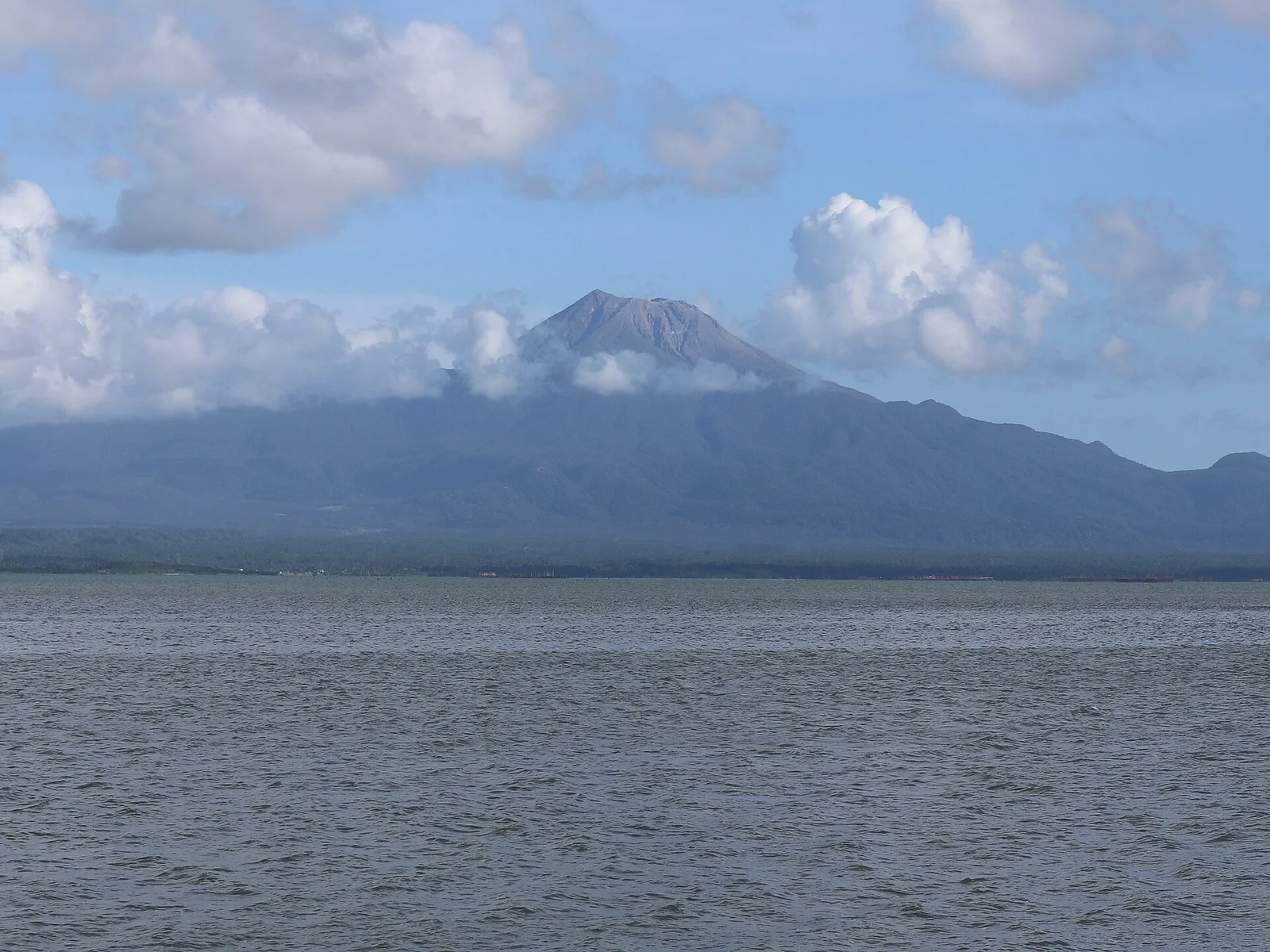
An active stratovolcano in southern Luzon, 1,535 metres high, with a permanent danger zone that keeps people 4 kilometres from the crater. The cone rises on the northeast rim of the Irosin caldera, which formed about 36,000 years ago, and …
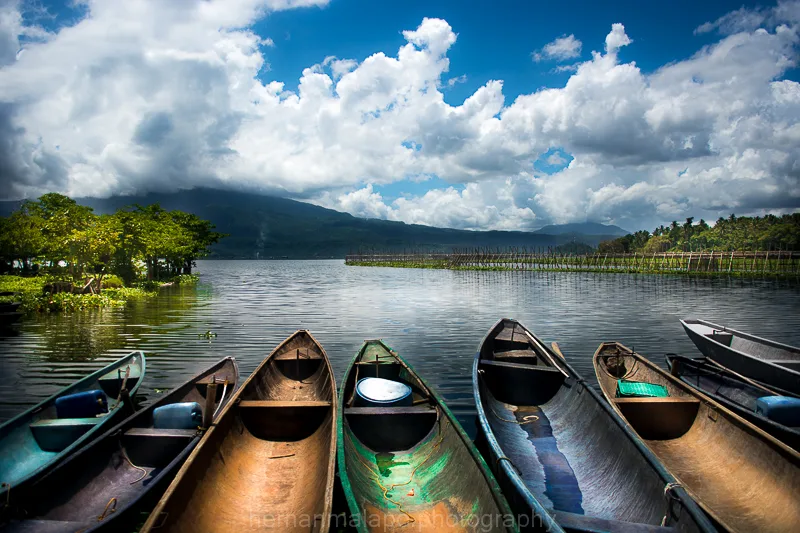
A lake of 18 square kilometres that holds the sinarapan, the world's smallest commercially harvested fish. It sits in the valley between two old volcanoes, Mount Asog and Mount Malinao, and averages 8 metres deep. An earthquake in 1641 dropped …
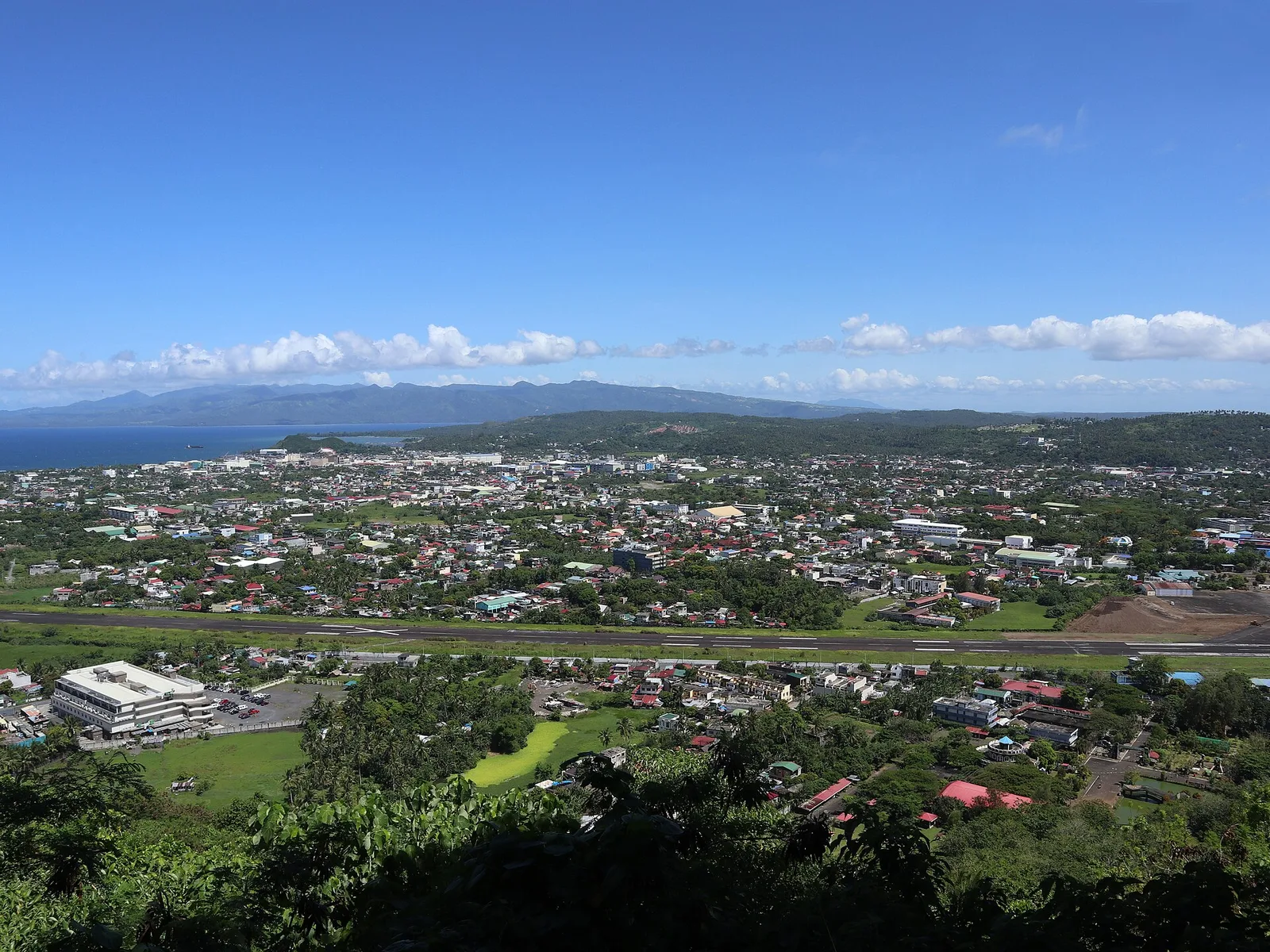
A hill above the city with a view of Mayon, the gulf and the airport, and a zipline down. The summit stands about 156 metres high, and it is the highest point in Legazpi after Mayon itself. The hill sits …
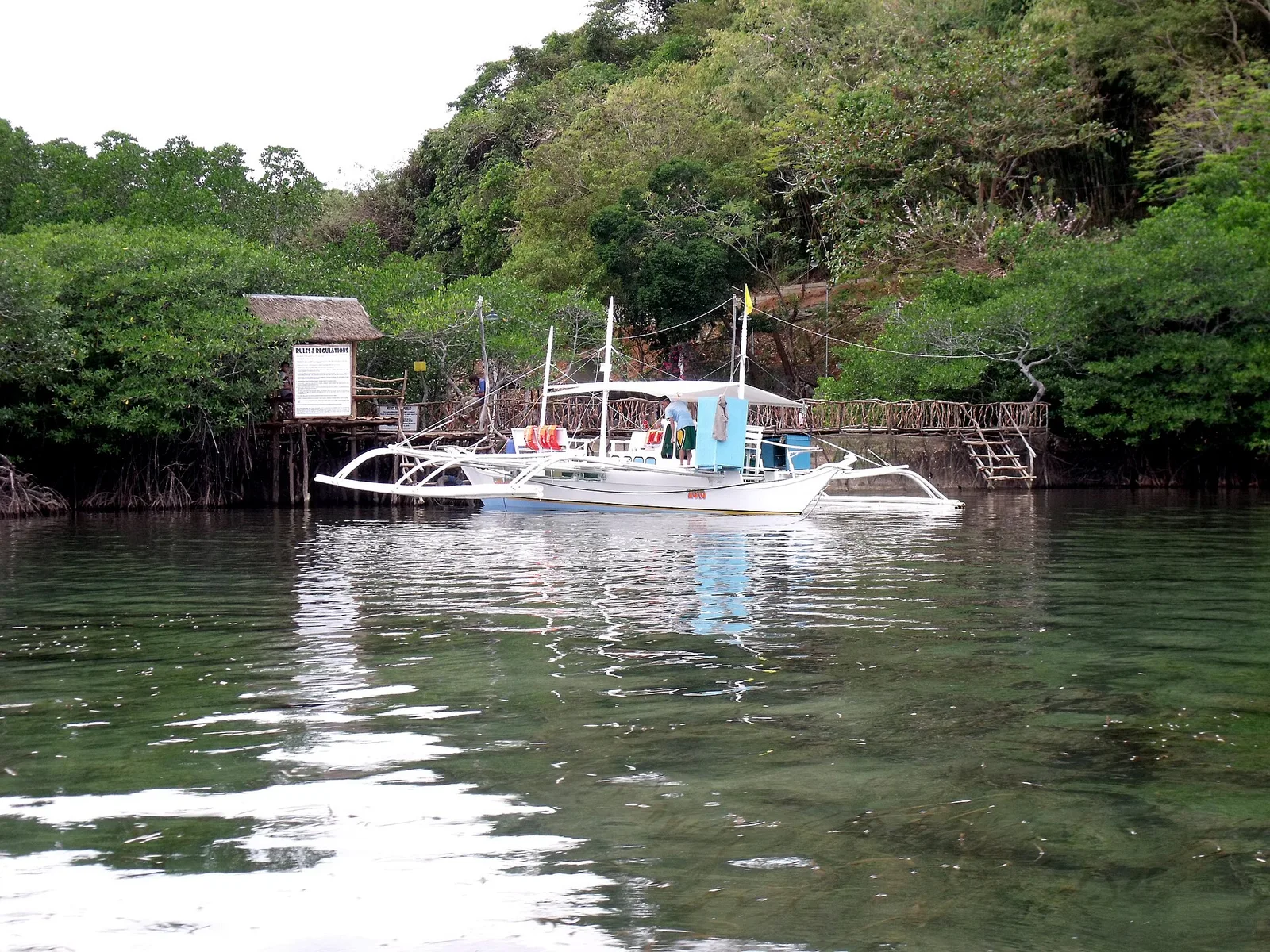
A saltwater hot spring by the mangroves, usually the last stop of the day.
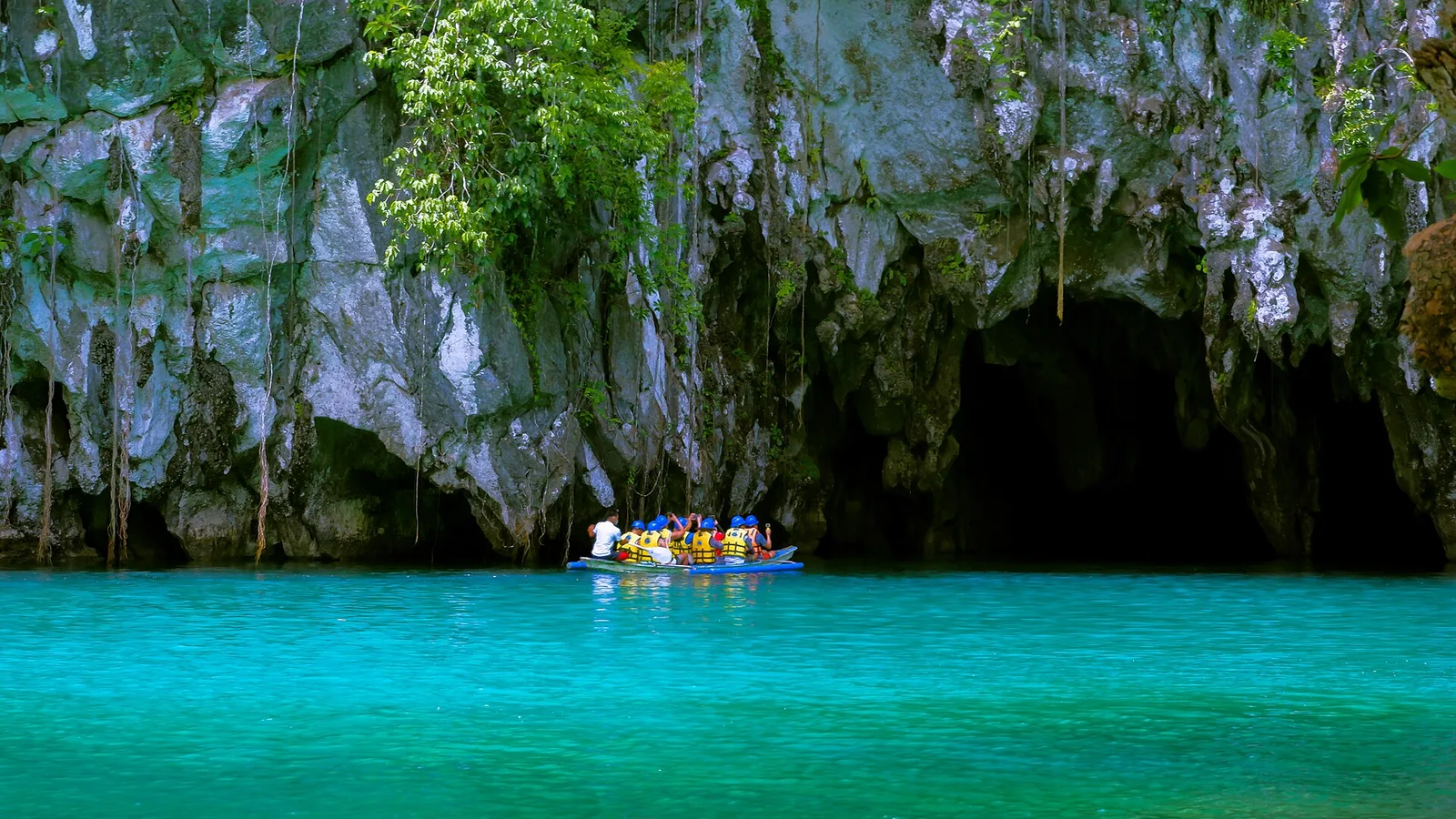
A navigable river running under a limestone mountain to the sea, entered by paddle boat. Permits are capped daily and booked ahead. The river lies in a national park in the Saint Paul Mountain Range, about 80 kilometres north of …
An observation post on the hilly boundary with Kalinga province that offers views of the surrounding Chico River valley.
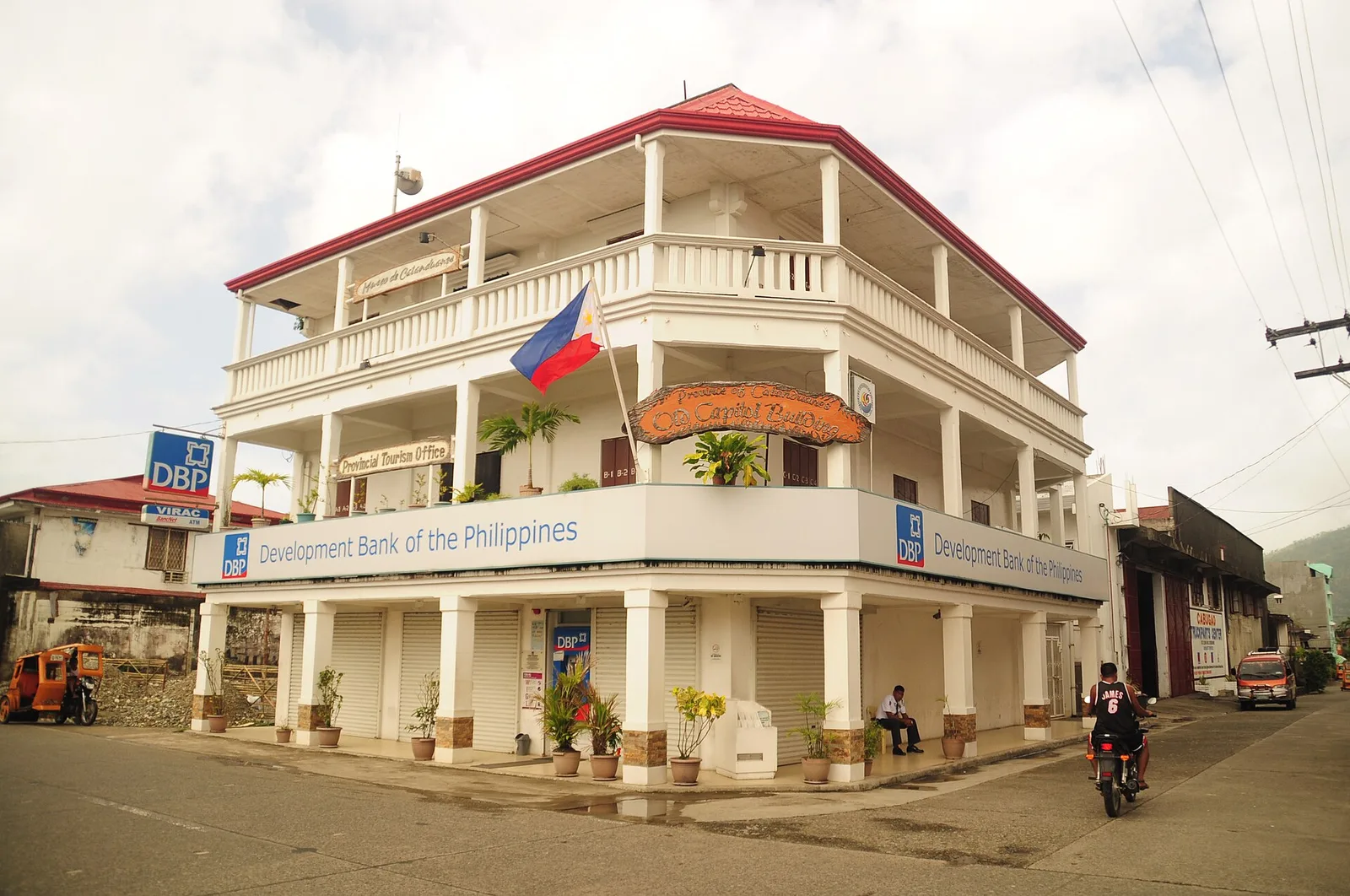
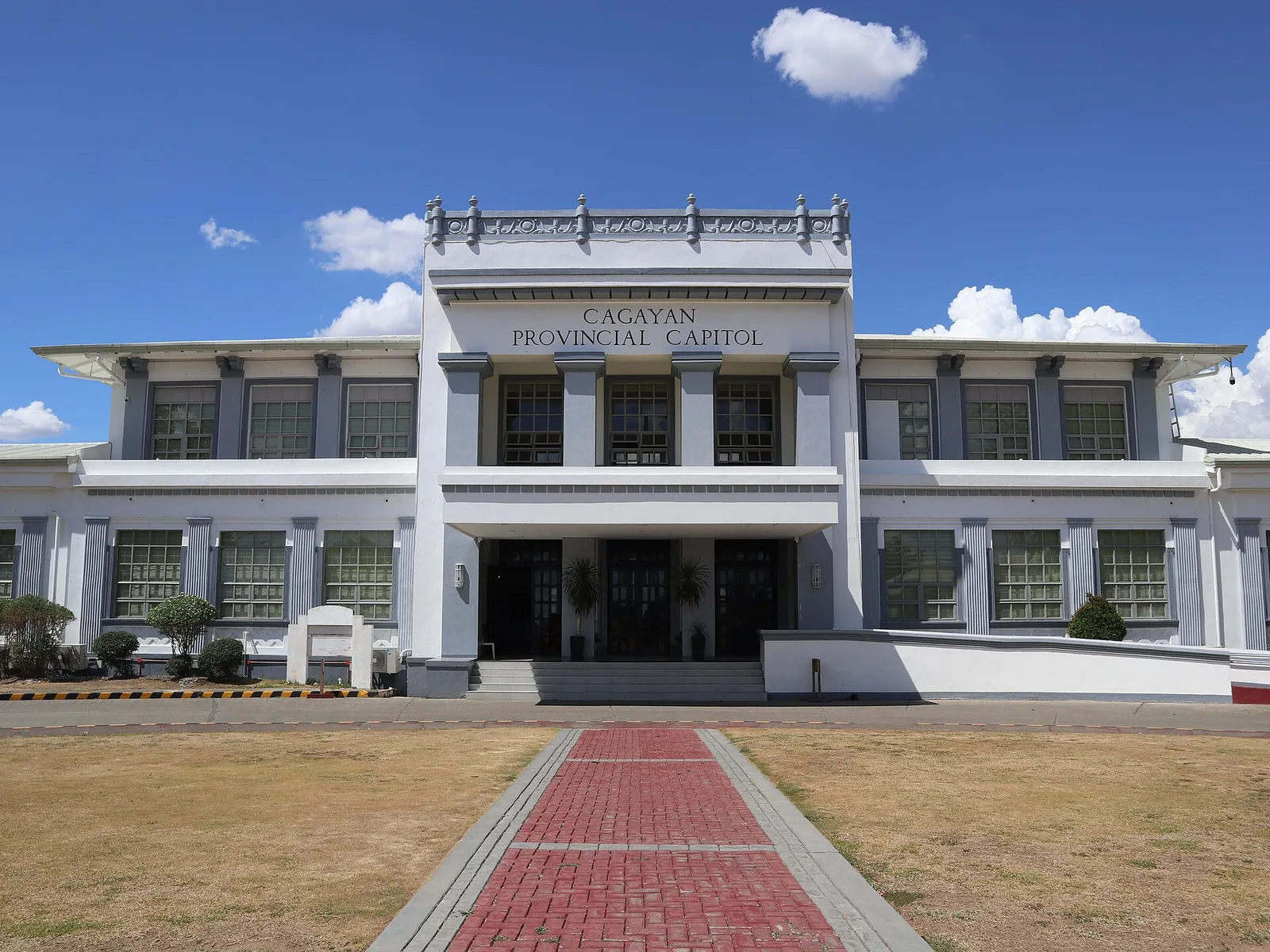
The headquarters of the provincial government of Cagayan, housed inside a sprawling gated complex.
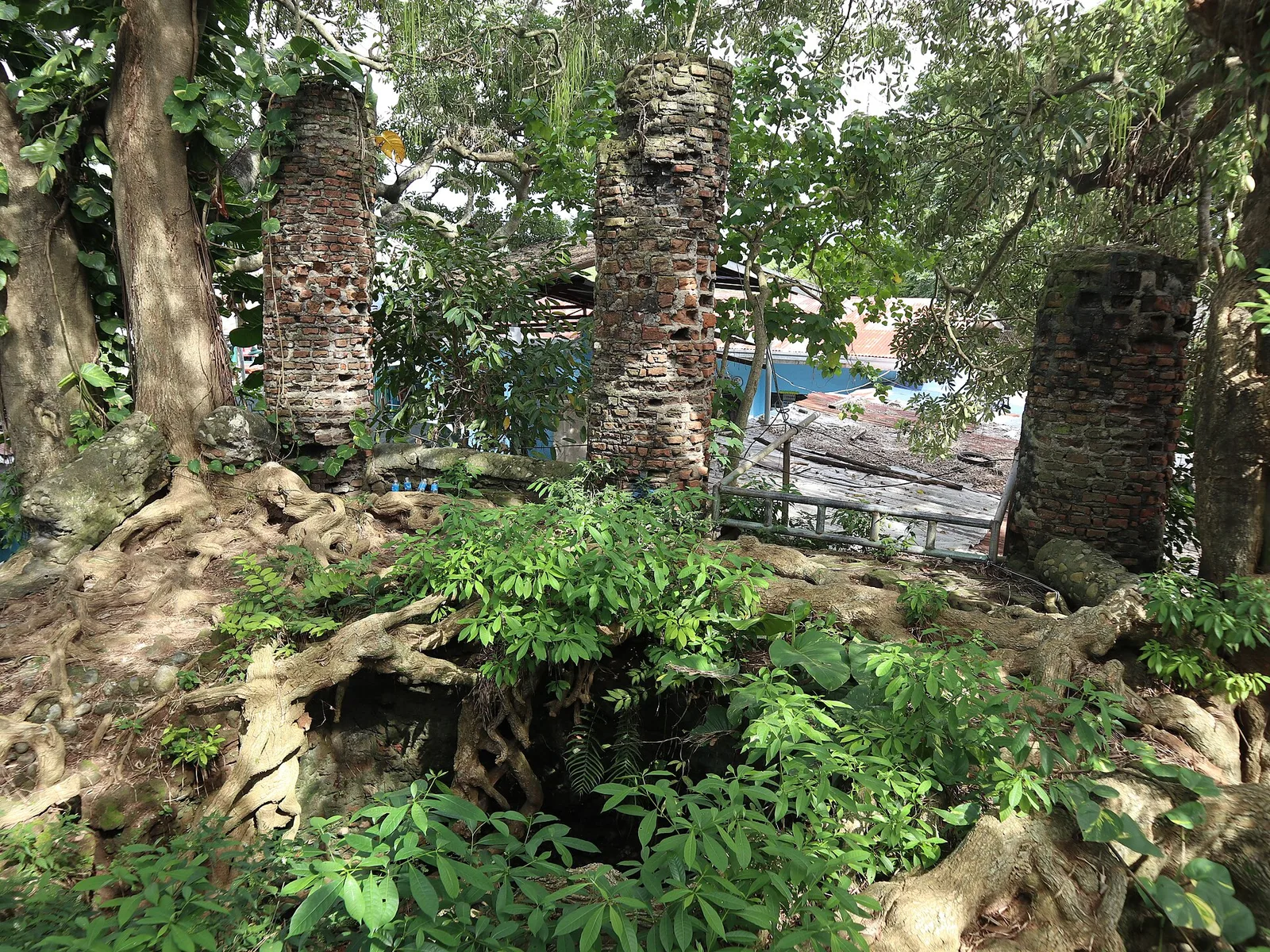
A Spanish-era brick kiln located at Barangay Bagumbayan. This was used to fire bricks to be used for various structures during the Spanish colonial era in Tuguegarao such as the Tuguegarao Cathedral and the San Jacinto chapel. It is found …
offers a wonderful glimpse into the Philippines' colonial past. The ancestral houses were mostly built by Chinese traders using a mixture of local, Asian and Spanish architectural styles. Movie fans recognize the streets from the movie Born on the Fourth …
A series of rolling foothills of the Cordillera Mountains that have become a popular hiking destination.
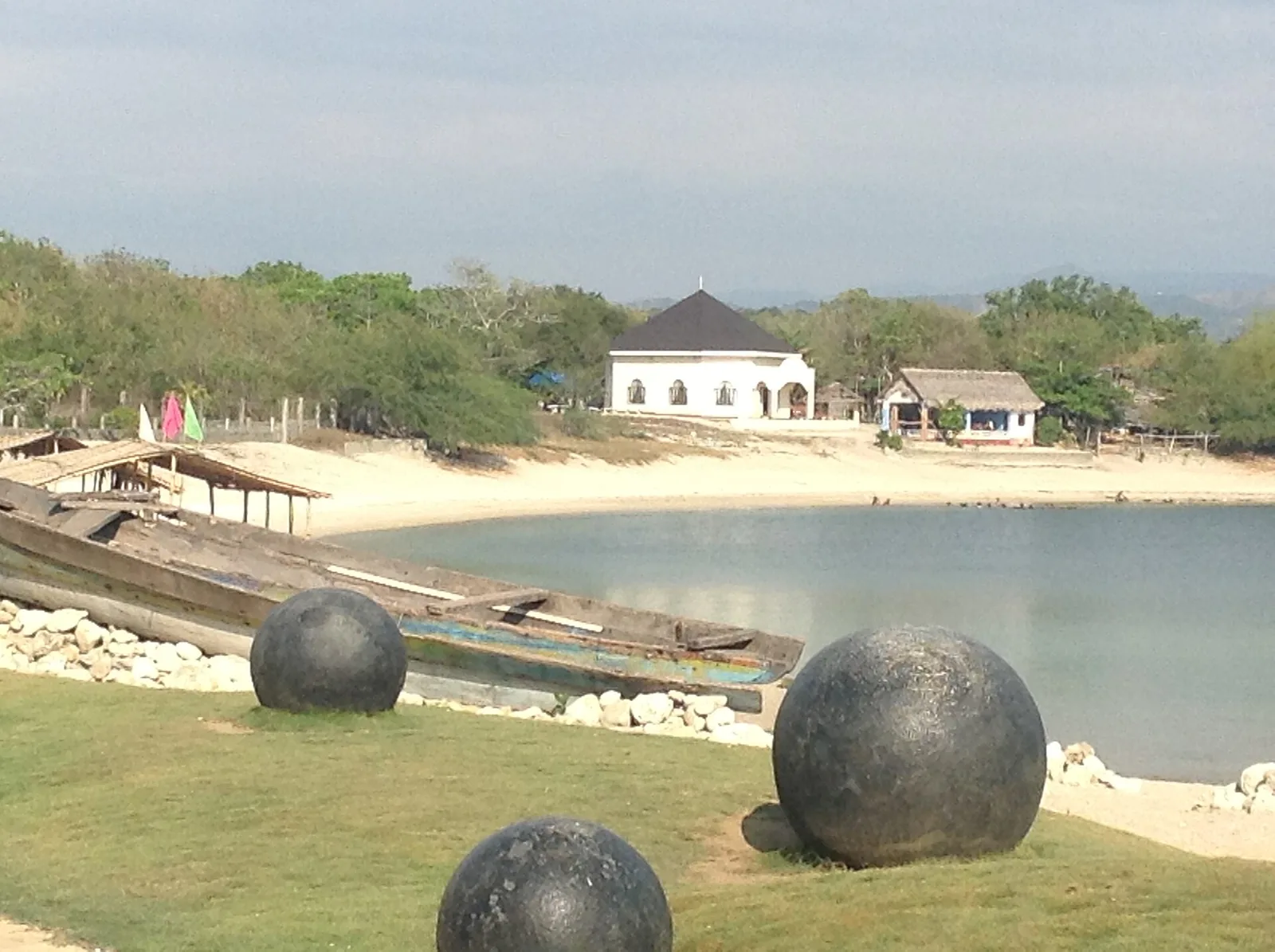
A chapel built by the cove where the Santo Cristo Milagroso was said to have washed up in 1620 from Japan, where it had been hidden away by Christians being persecuted by the Tokugawa Shogunate. At the same time, a …
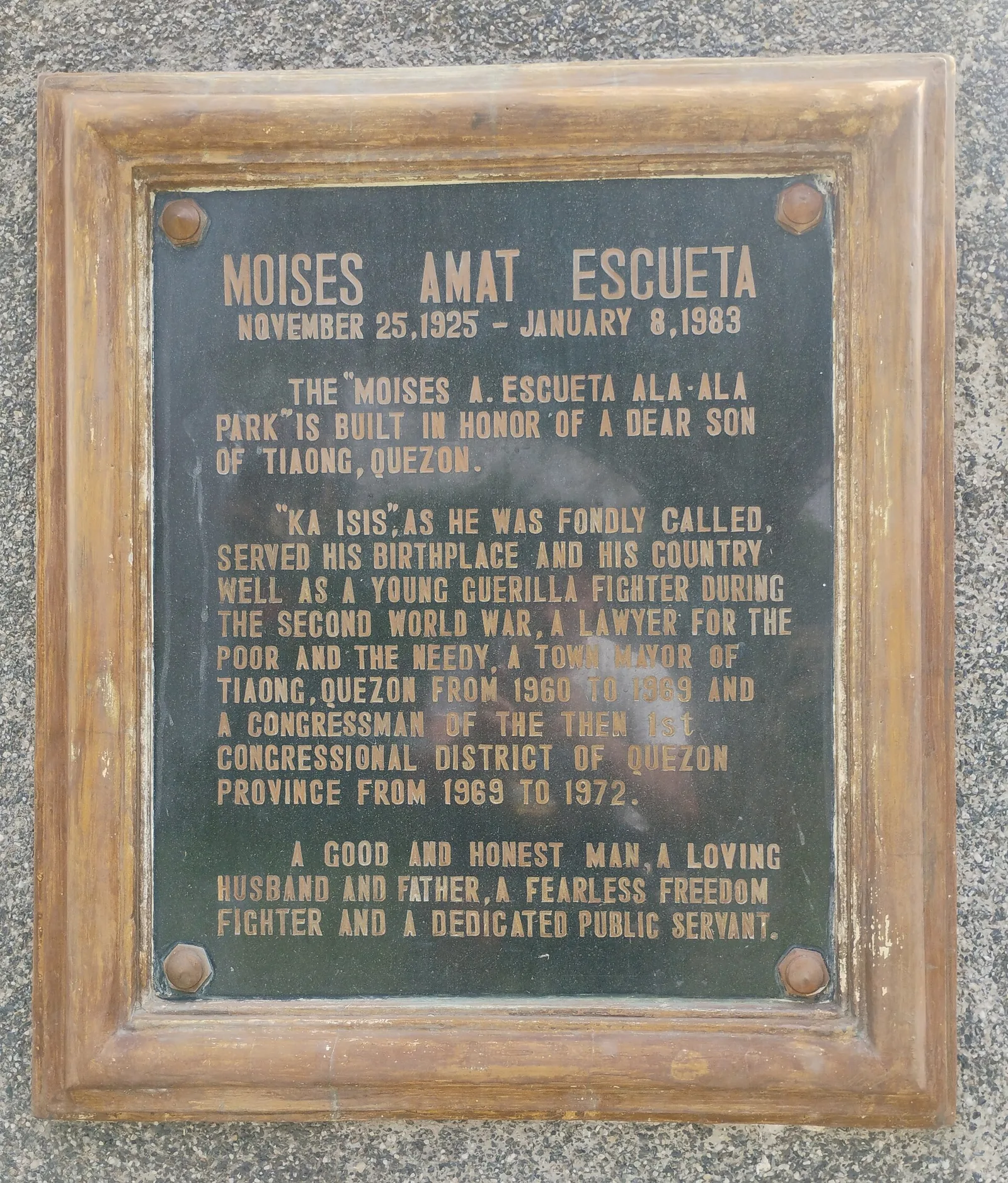
A small recreational space with civic monuments, including that of Ye Fei, a Filipino-Chinese mestizo who moved to China and rose to become a senior general and politician under the Communist regime.
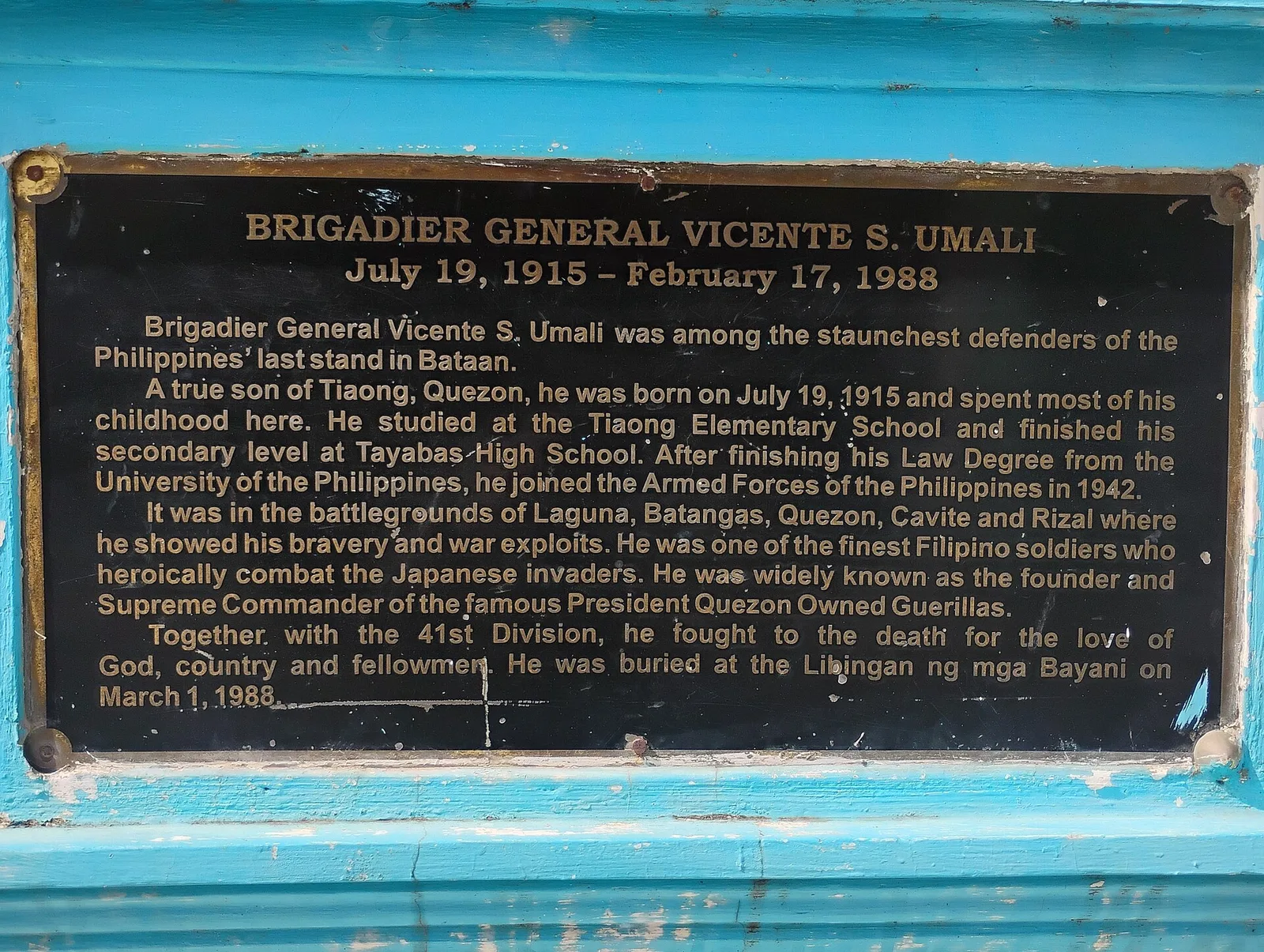
Tiaong's main Roman Catholic church, built during the Spanish era and extensively altered since then.
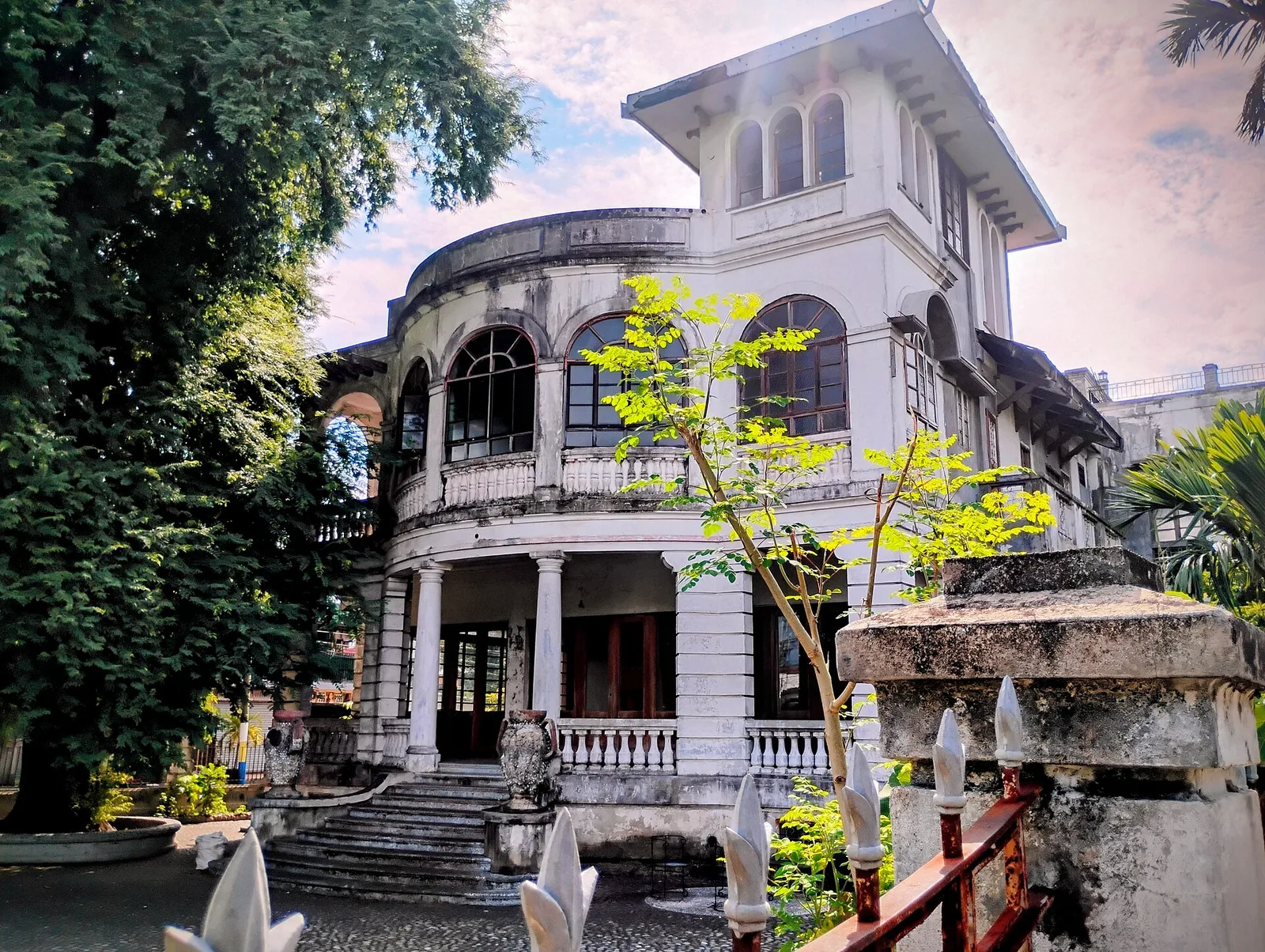
A 1920s Art Deco mansion built for one of Tiaong's leading families but later abandoned except by a few caretakers and subsequently rumored to be haunted. While prior permission is needed from the owners to enter, the low fences allow …
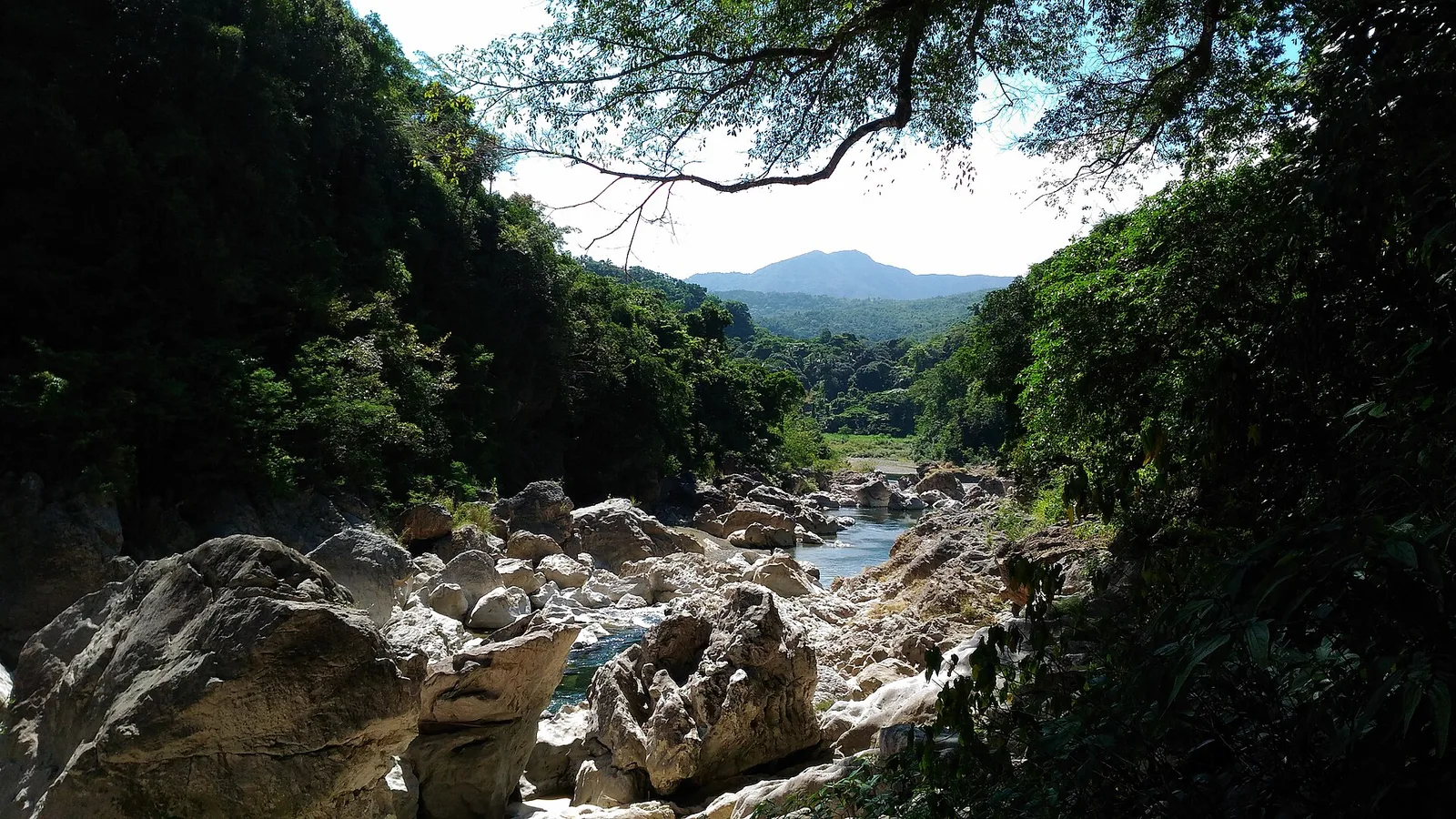
A series of white stone rapids and boulders along the Agos River.
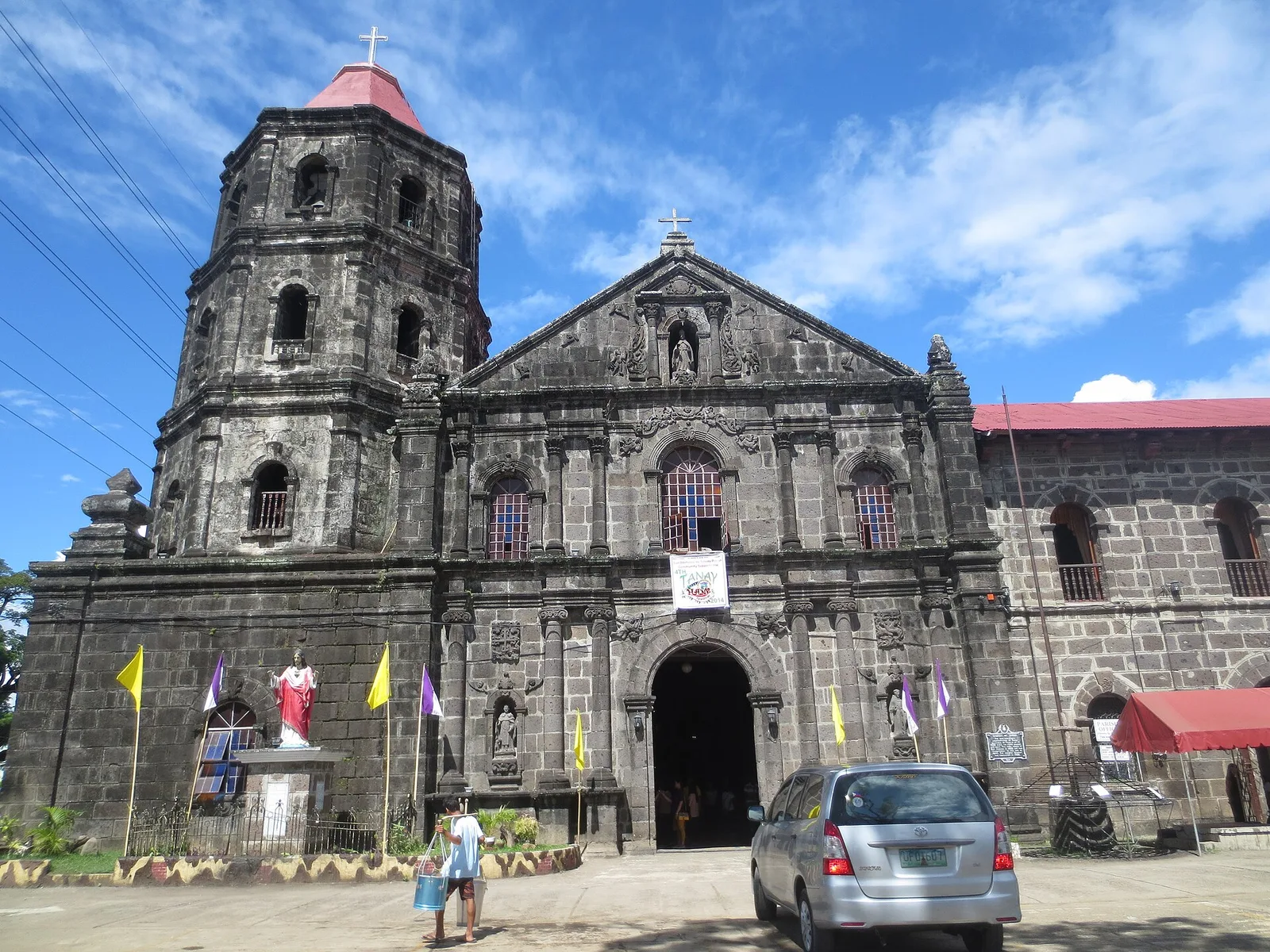
A Spanish-era Baroque church that is was designated in 2001 as a National Cultural Treasure Church by the NCCA due to the five rococo-influenced retablos and wood-carvings depicting the stations of the cross.
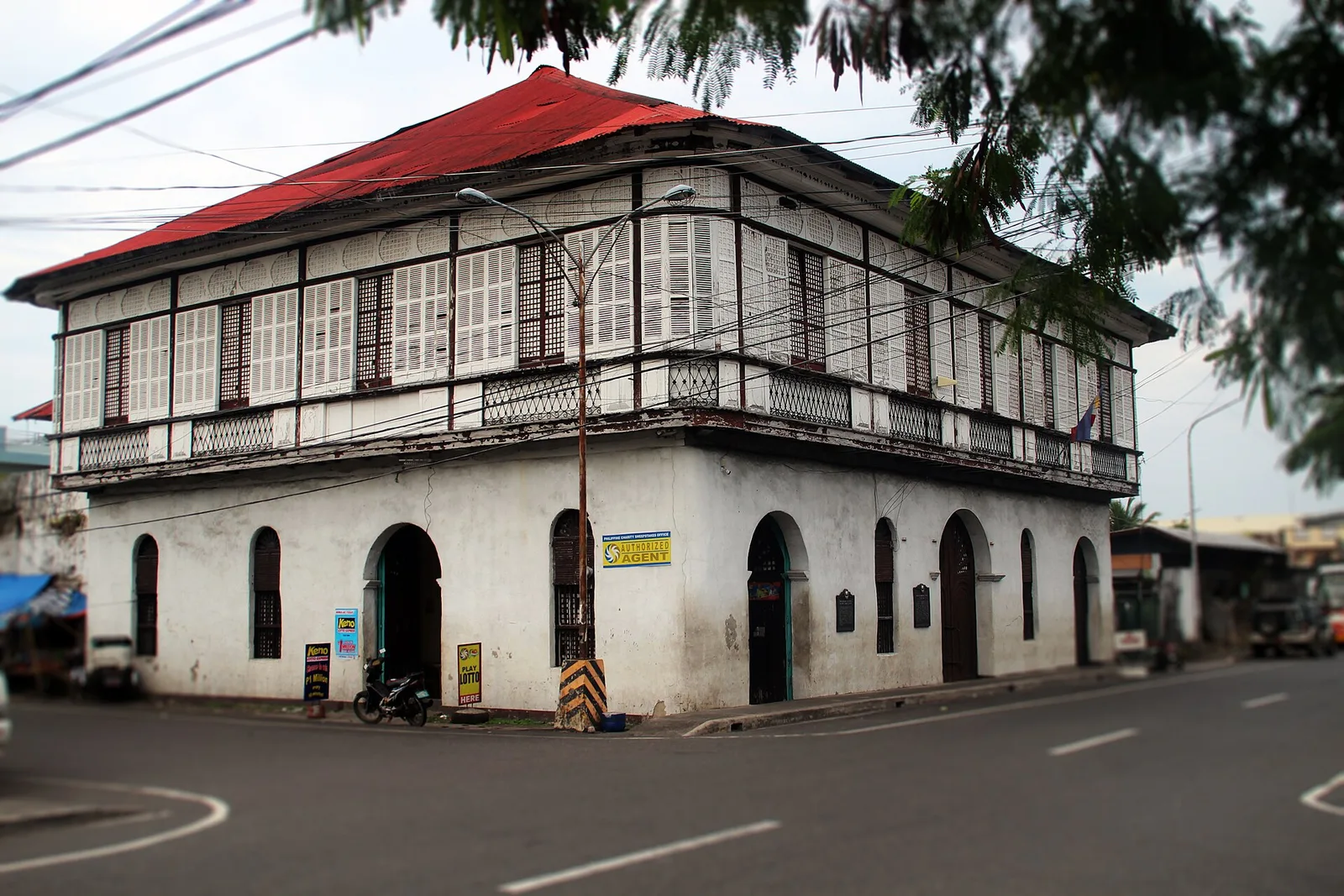
An old two-storey house that was once the residence of Angela Manalang Gloria, a poetess who was born in Guagua, Pampanga in 1907 and died in Tabaco in 1995.
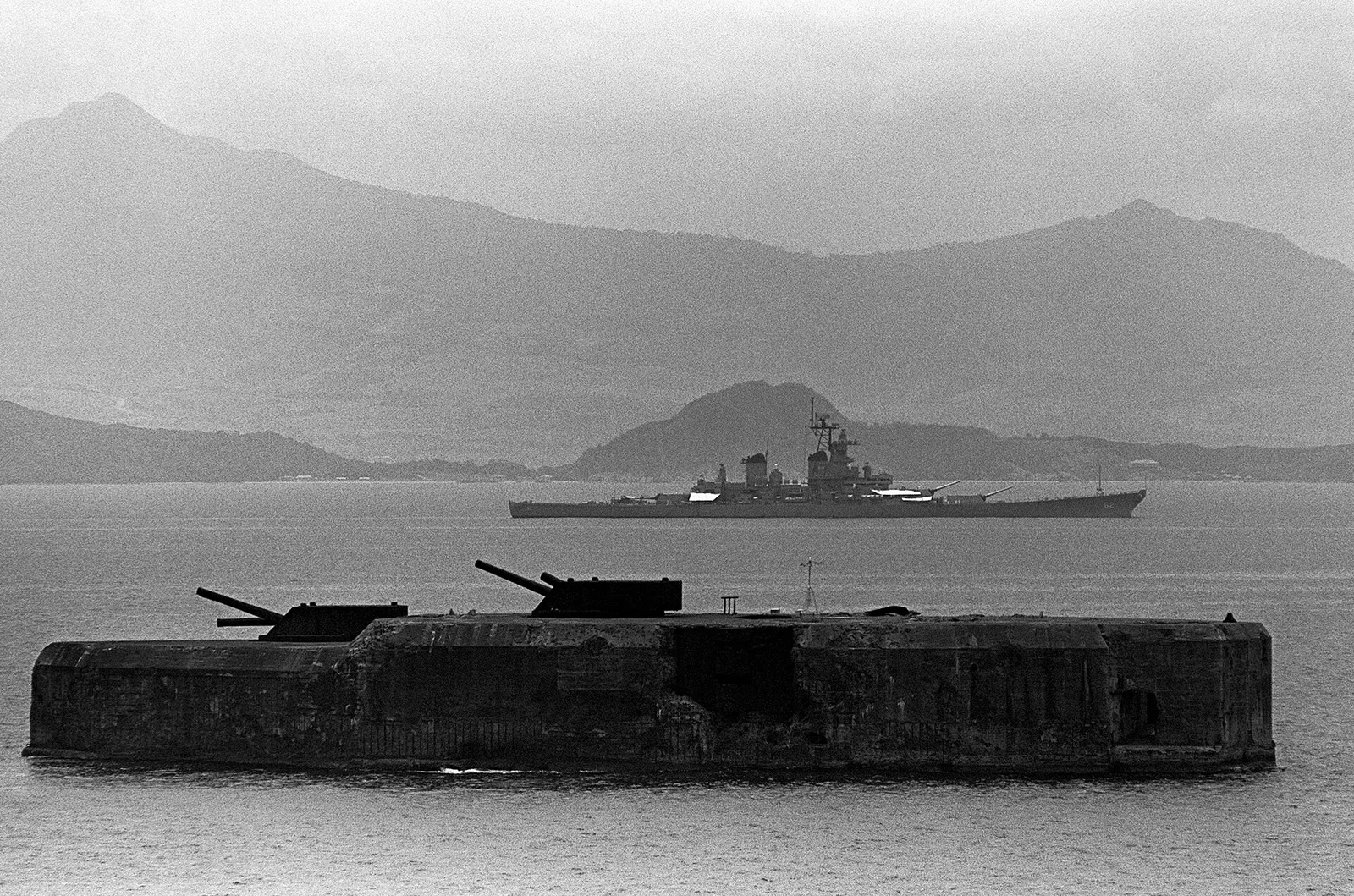
A heavily fortified sea fort, shaped like a battleship, built by the United States in 1909 as one of the harbor defenses at the wider South Channel entrance to the bay during the American colonial period. It was unique among …
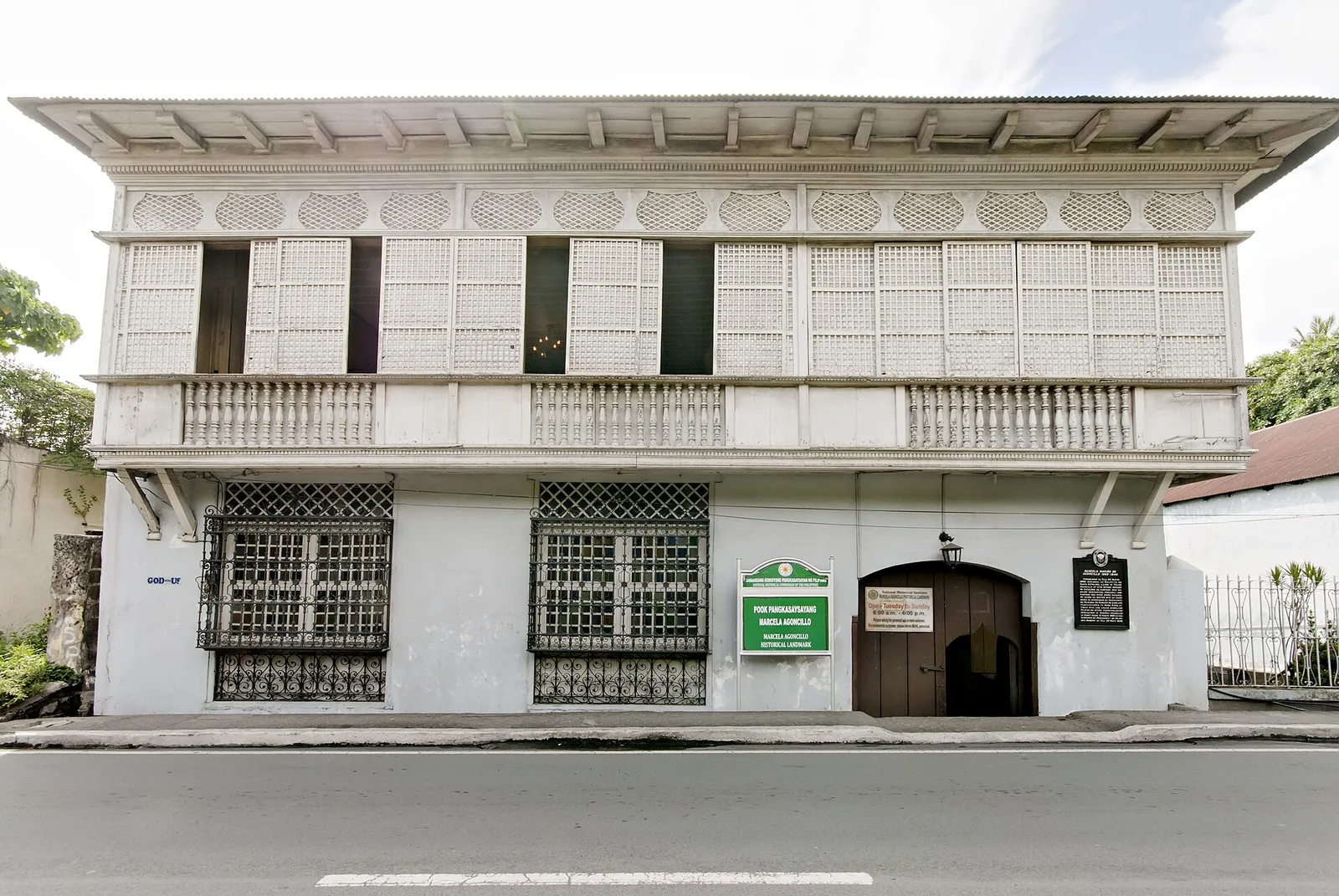
The birthplace of Marcela N. Agoncillo who was known as the maker of the first official Filipino Flag during the Philippine revolution against the Spanish authorities. The different flags of the revolution are also prominently displayed at the site. It …