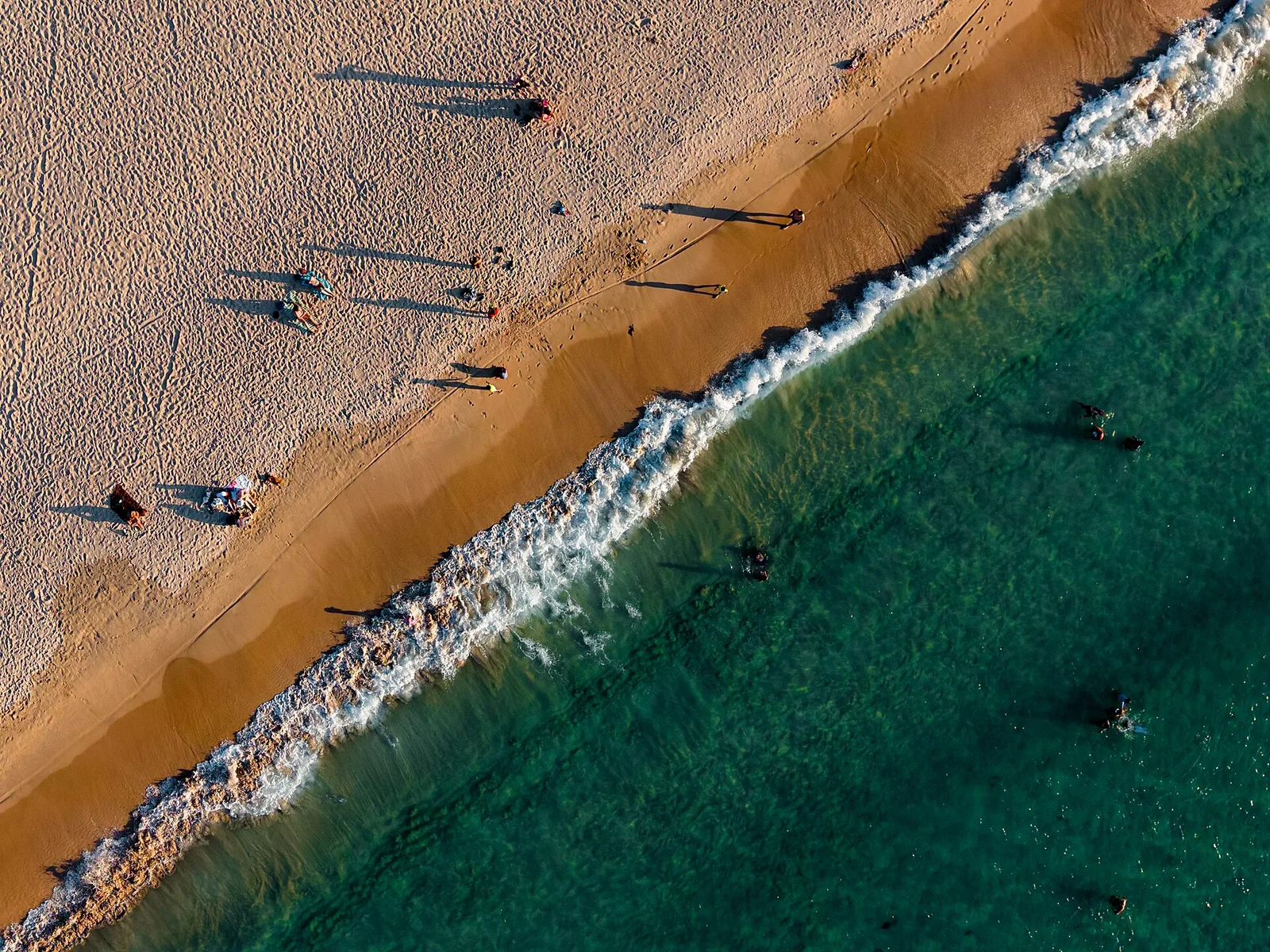
Nacpan Beach
A four-kilometre stretch of sand north of town, reached by tricycle or motorbike.
Island group · 8 regions
A four-kilometre stretch of sand north of town, reached by tricycle or motorbike.
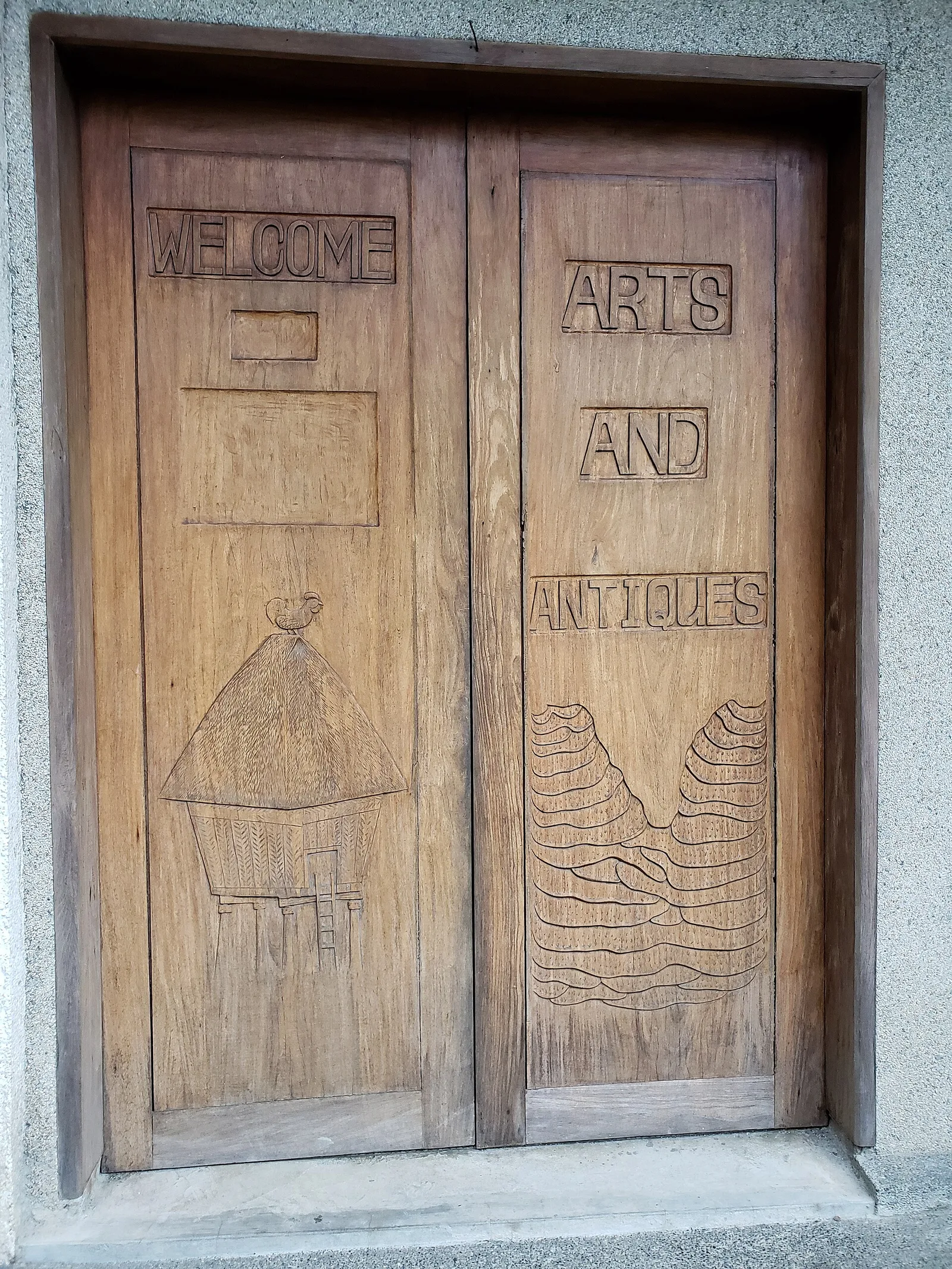
A small collection of Ifugao carvings, textiles and photographs from the Beyer family.
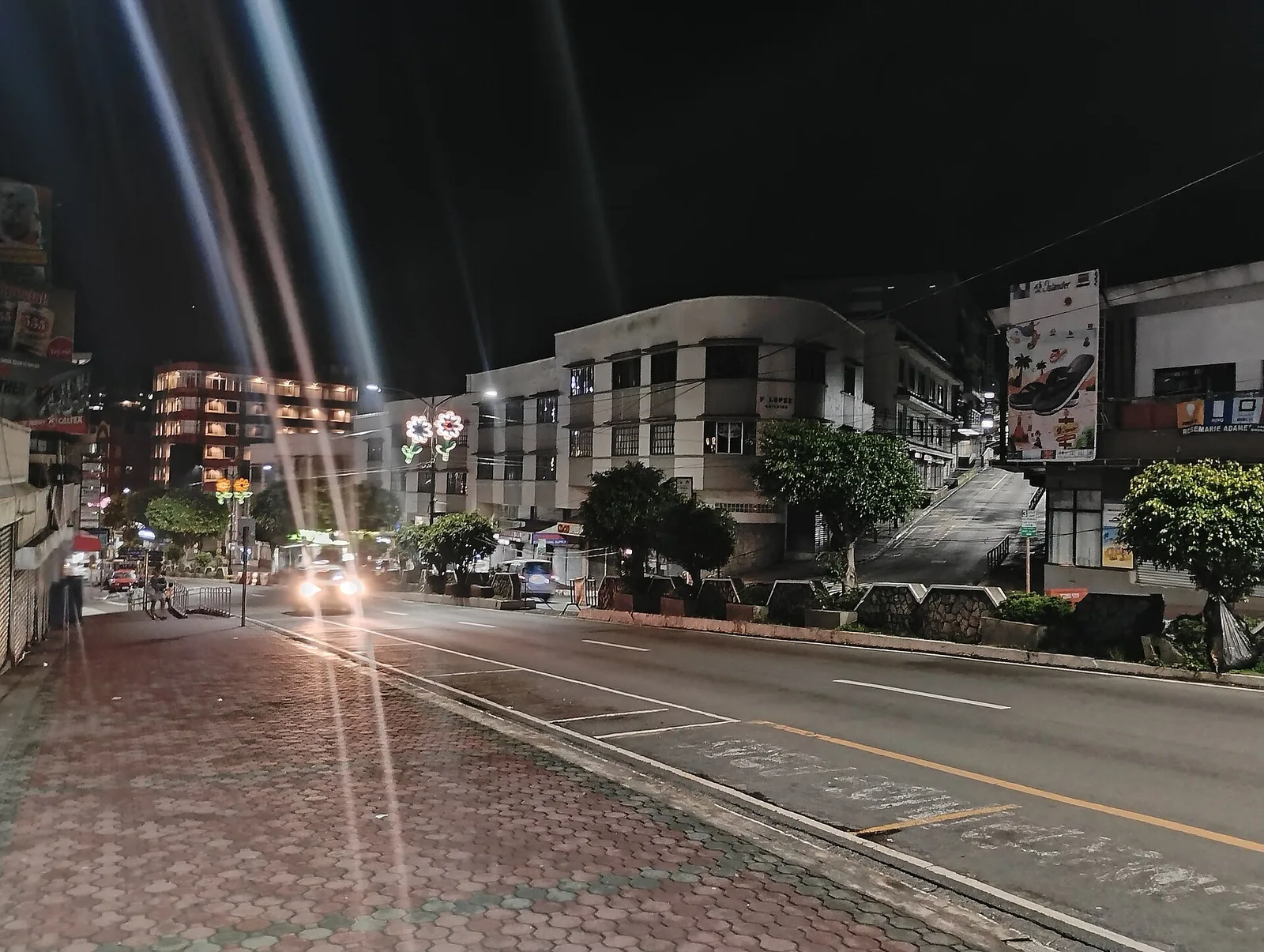
The main street, lined with bakeries and bookshops. It closes to cars on Sundays and fills with stalls and buskers. The road runs 1.7 kilometres through the middle of the city, six lanes wide, and on open days it carries …
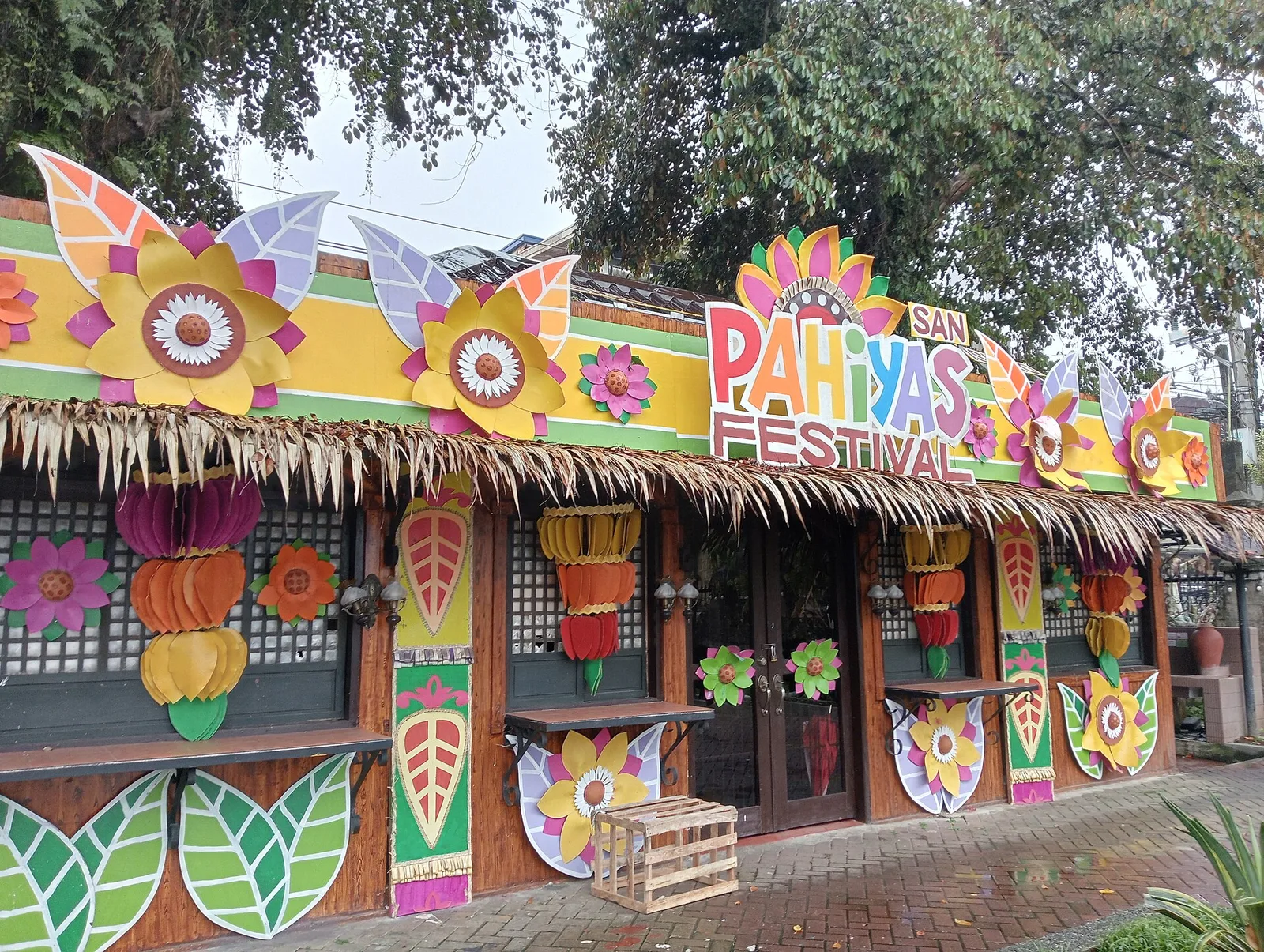
The harvest thanksgiving of Lucban: households cover the fronts of their houses with what they grew, from rice and squash to chayotes, radishes, tomatoes and sweet potatoes. The bright leaf shapes among them are kiping, ornaments made from ground rice flour and dyed in different colours. The town …
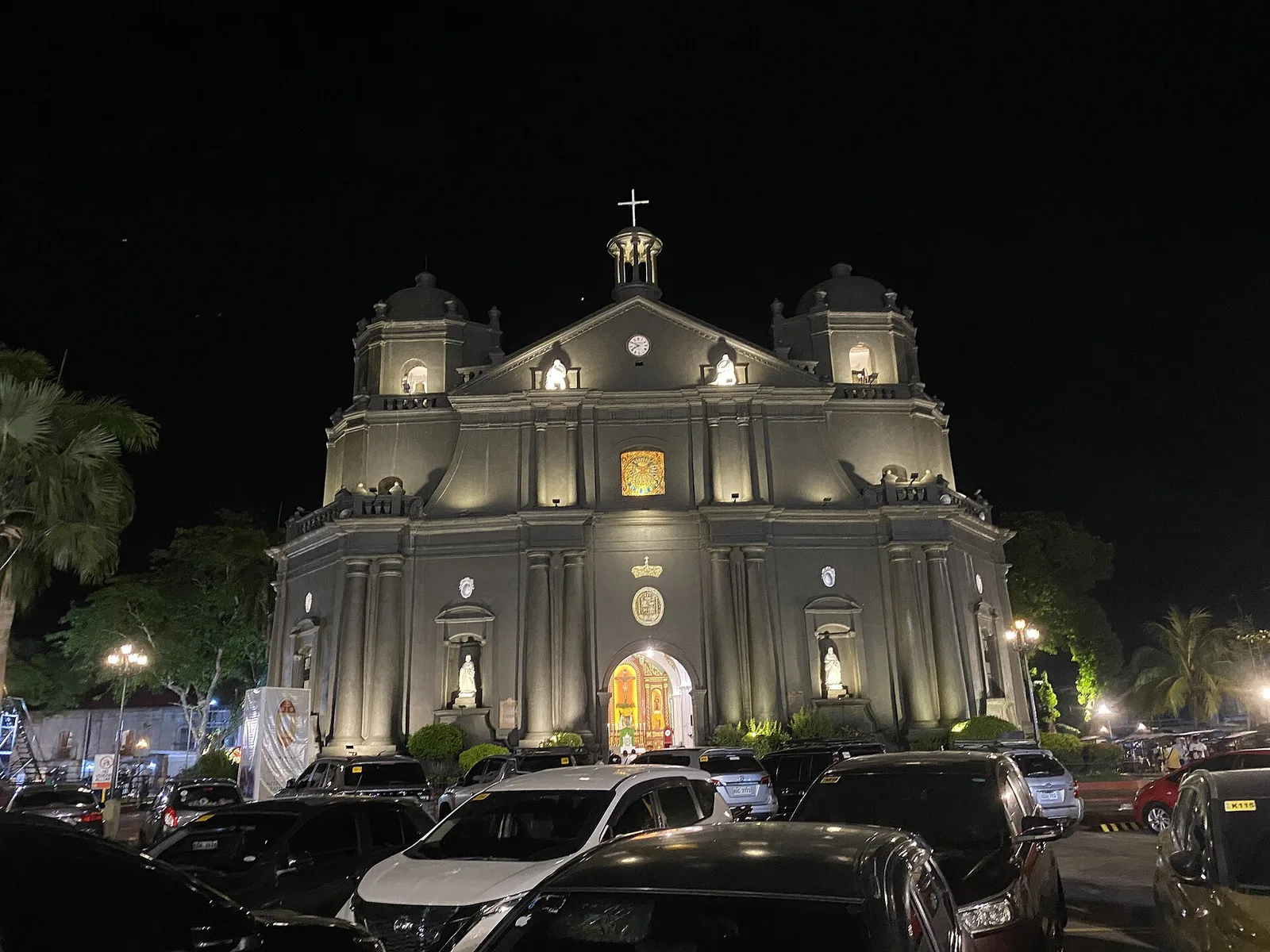
The seat of the Archdiocese of Caceres, dedicated to Saint John the Evangelist. The first church here followed the creation of the diocese of Nueva Caceres in 1595, and fire destroyed it in 1768. Work on the present building started …
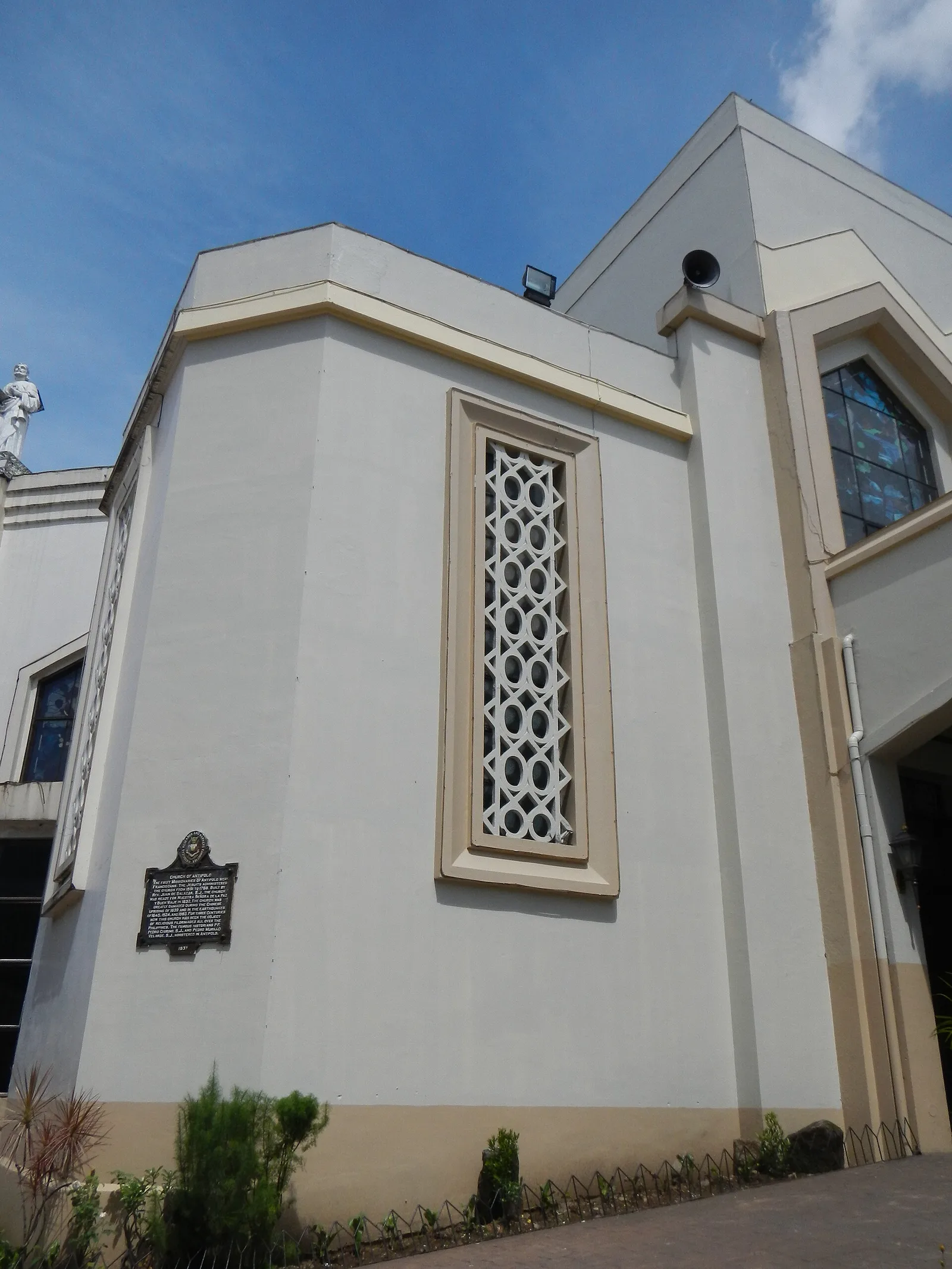
The seat of the Bishop of Antipolo and the shrine of a Black Madonna that draws millions of pilgrims each year. The image carries the title Our Lady of Peace and Good Voyage, and the church is also called the …
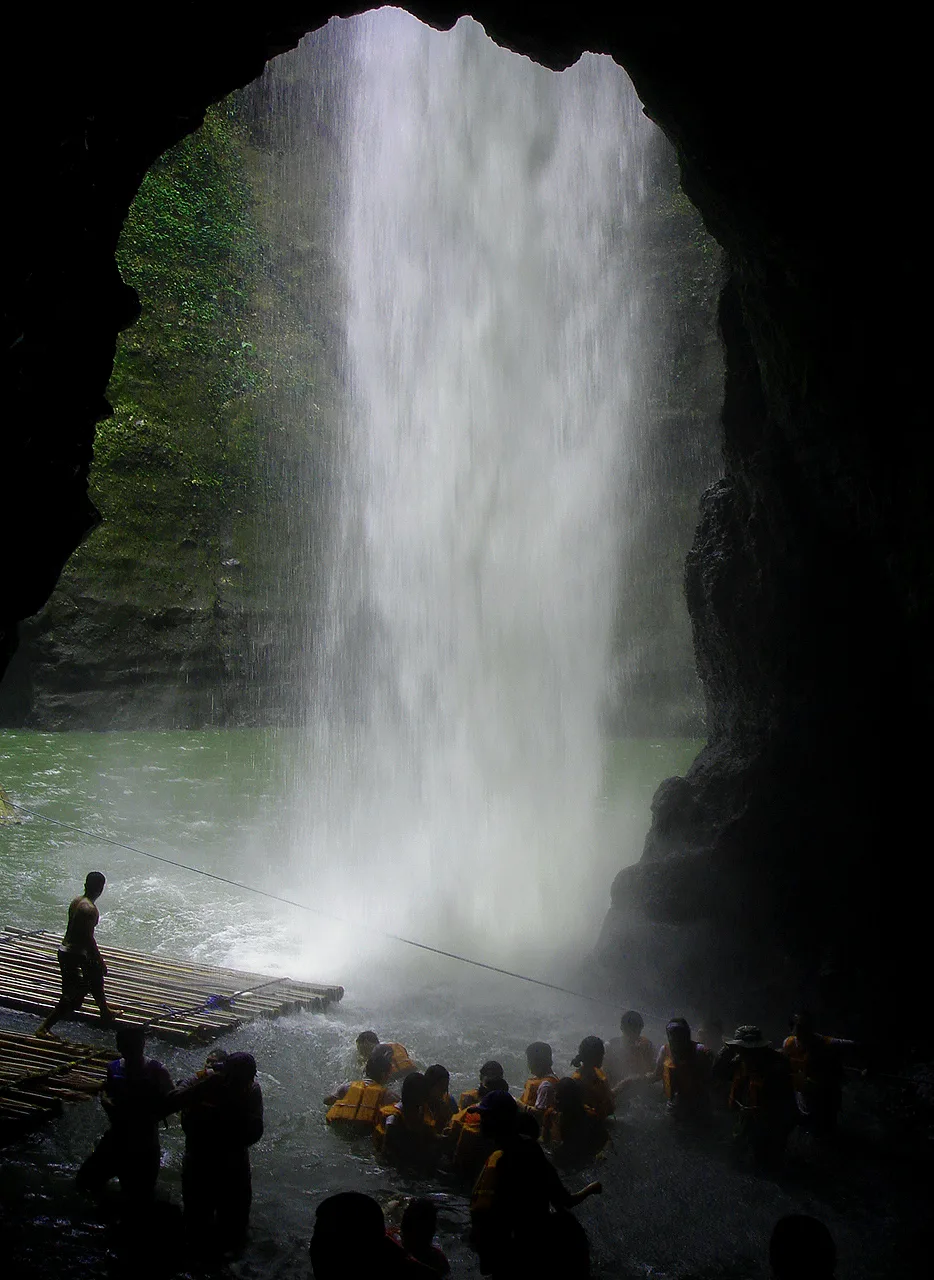
A three-drop waterfall, reached by a river trip on a dugout canoe that is known locally as "Shooting the Rapids". The trip starts at Pagsanjan, the town where the Balanac River and the Bumbungan River meet. That boat ride has …
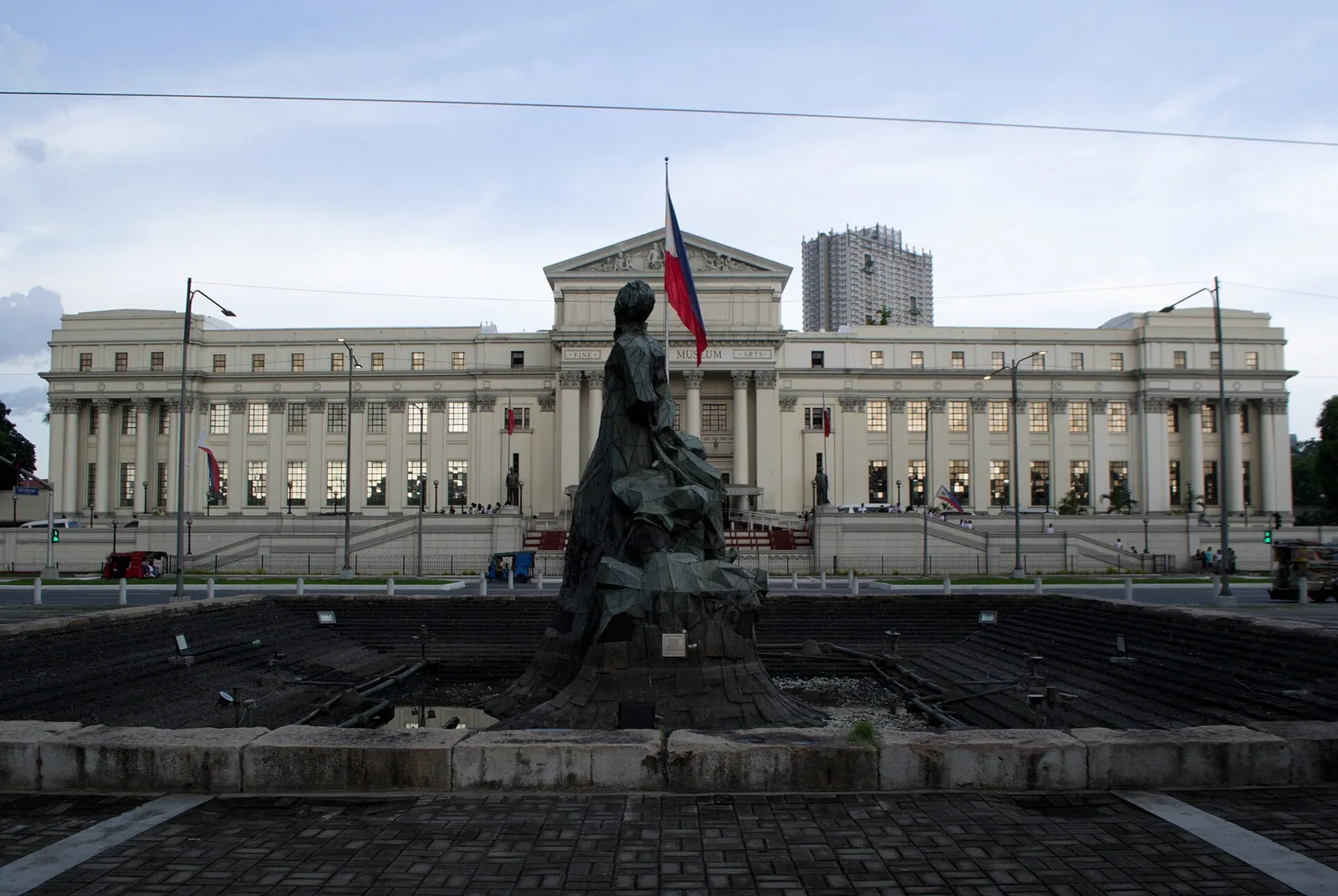
Free to enter, built as the old legislature, and home to Juan Luna's Spoliarium. The neoclassical building was finished in 1921 and held the Congress of the Philippines from 1926 to 1972 and the Senate from 1987 to 1997. It …
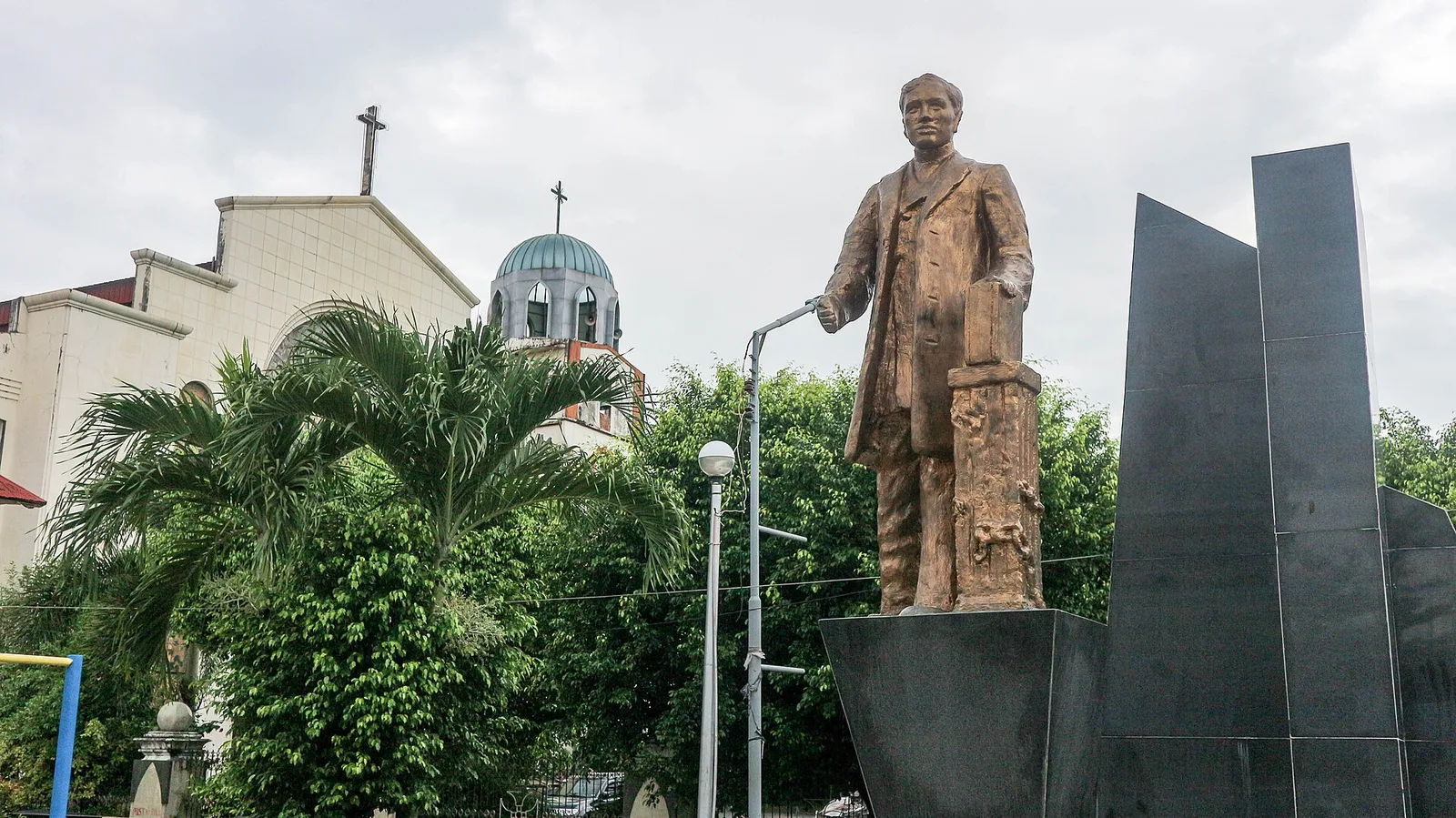
True to its name, the park contains a statue of the iconic Filipino freedom fighter.
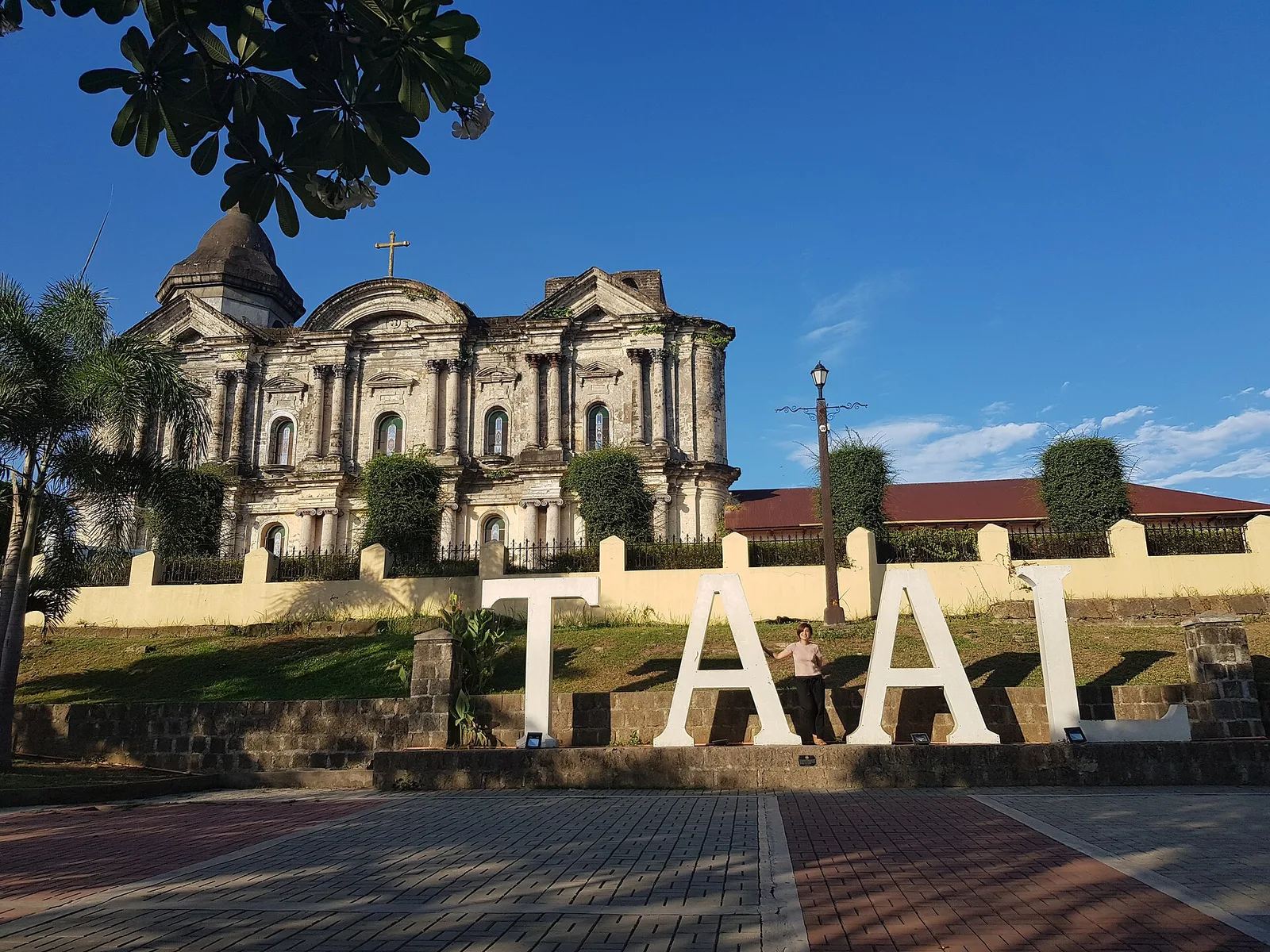
A vast 1856 church on the hill above the plaza, often called the largest Catholic church in Asia. It measures 88.6 metres long and 48 metres wide, and it is the largest Augustinian church. Saint Martin of Tours is the …
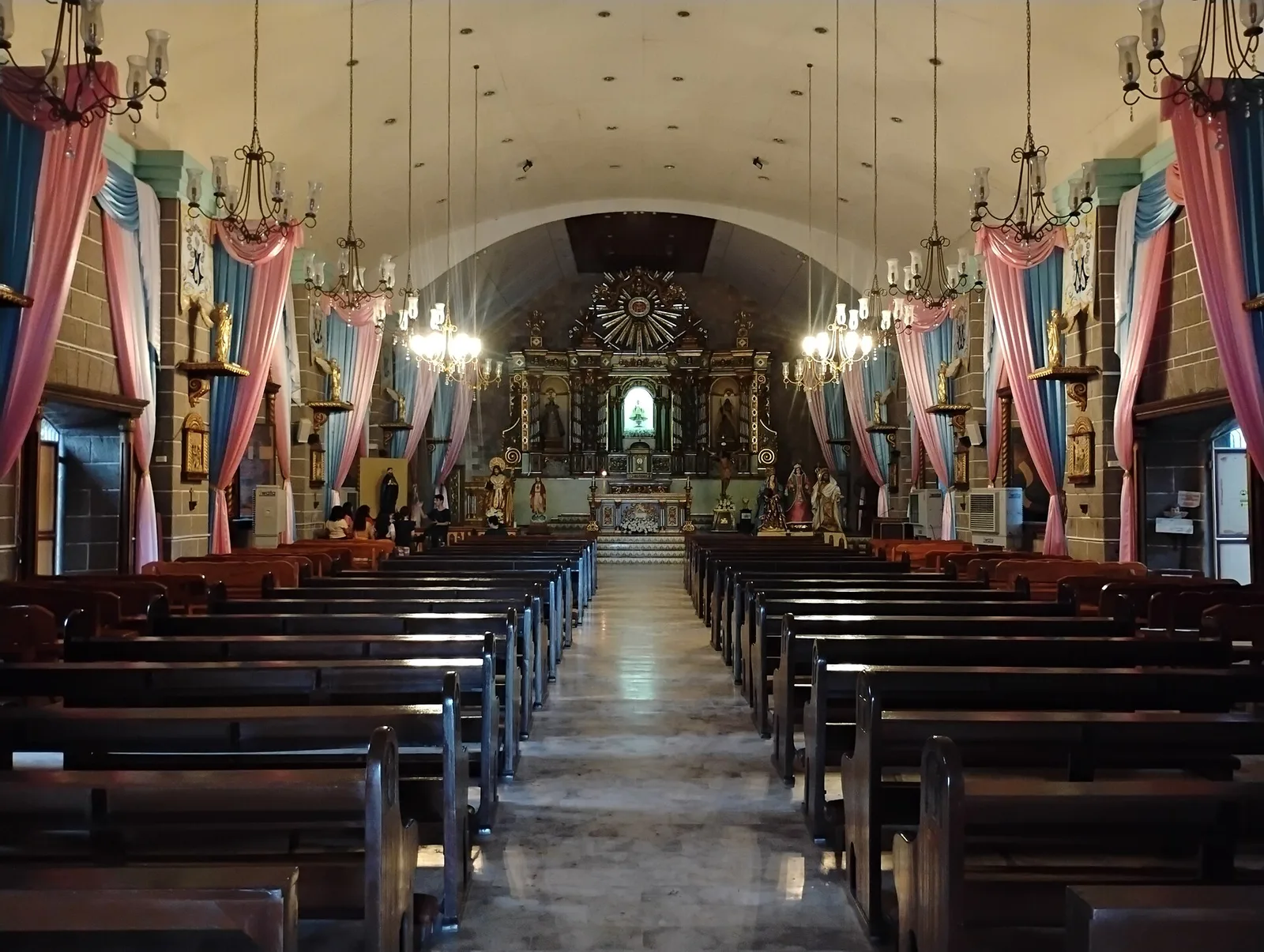
Ternate's main Roman Catholic church. It was built in the 19th century and houses a venerated image of the Christ Child.
A 3-day plan built from the See, Do and Eat listings in Wikivoyage's San Juan (Metro Manila) guide. The stops are in an order that keeps each day close together. …
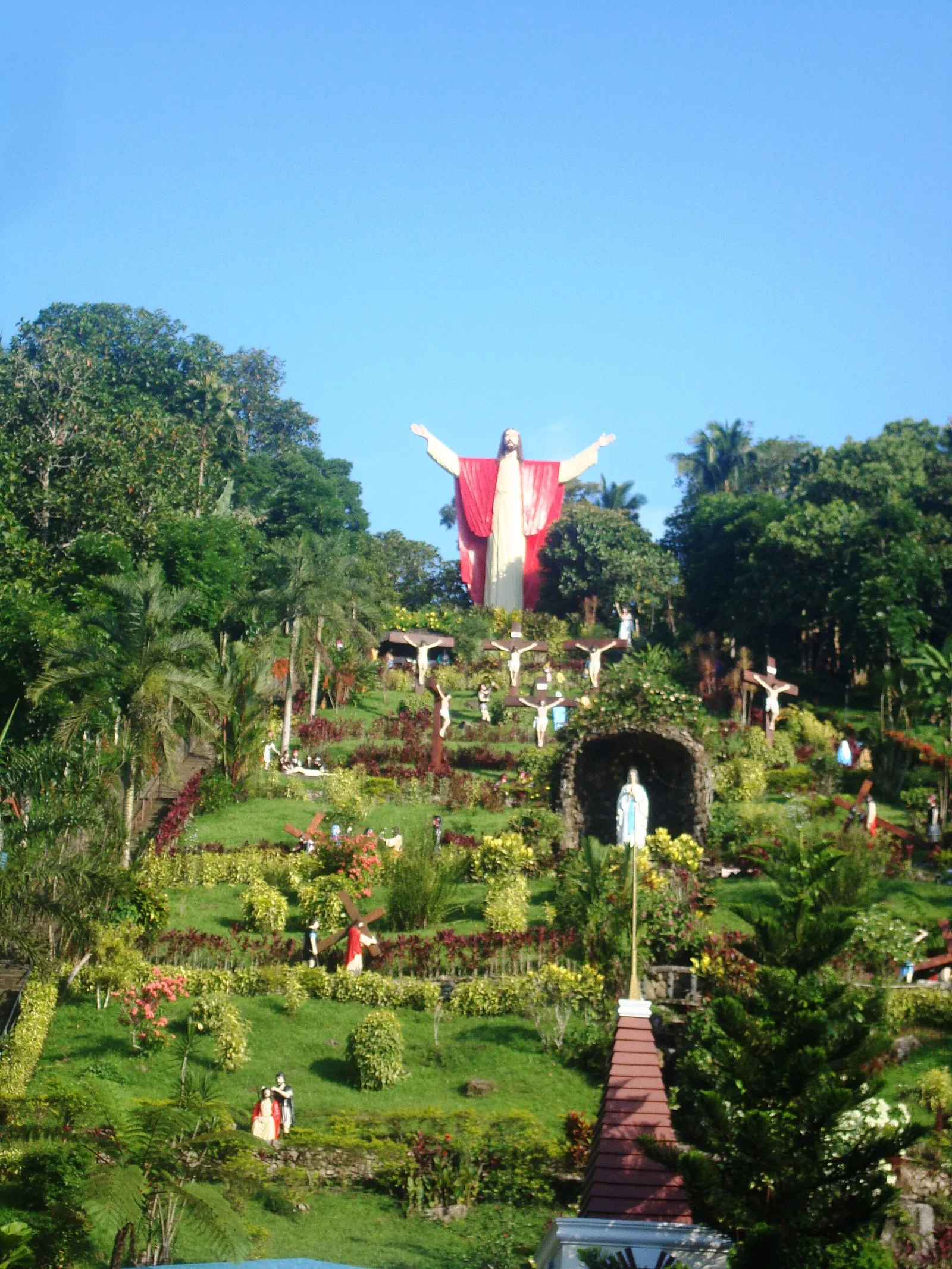
A 3-day plan built from the See, Do and Eat listings in Wikivoyage's Lucban guide. The stops are in an order that keeps each day close together. Check the hours …
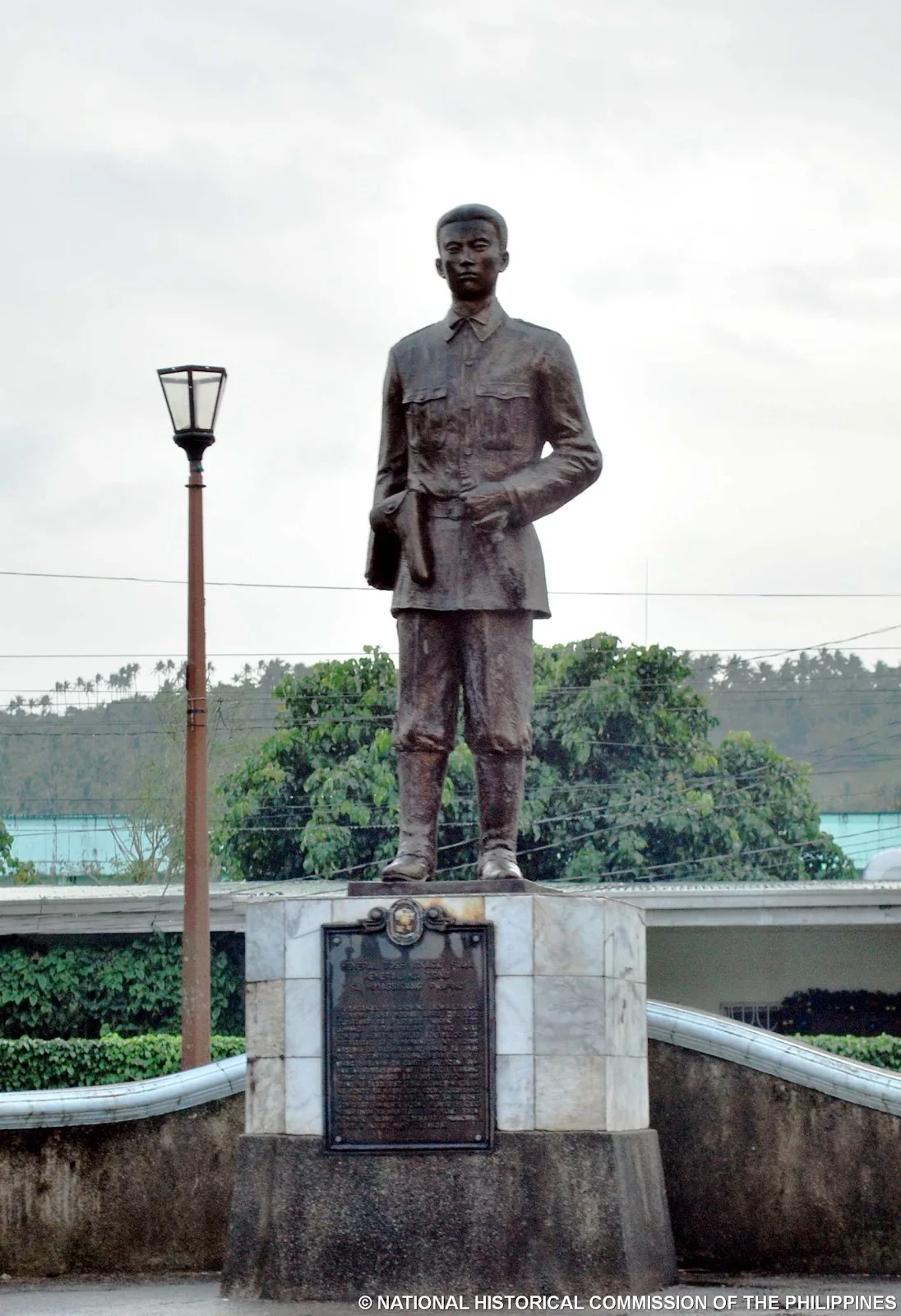
A 3-day plan built from the See, Do and Eat listings in Wikivoyage's Legazpi guide. The stops are in an order that keeps each day close together. Check the hours …
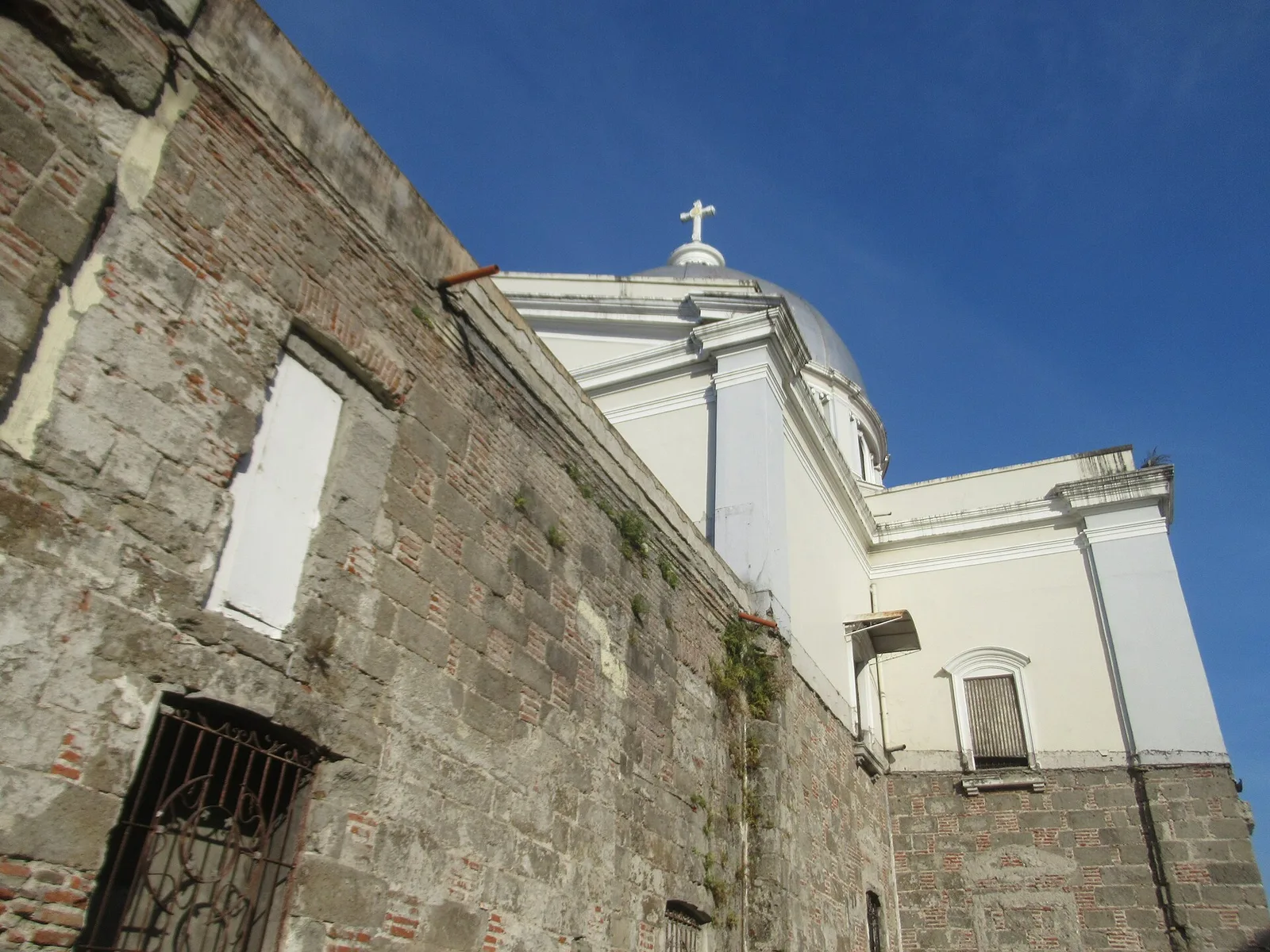
The seat of the Archdiocese of San Fernando, a neo-classical church in Barangay Santo Rosario. It carried the name Cathedral of Our Lady of the Assumption before it became the metropolitan cathedral. The church stands in the San Fernando Heritage …
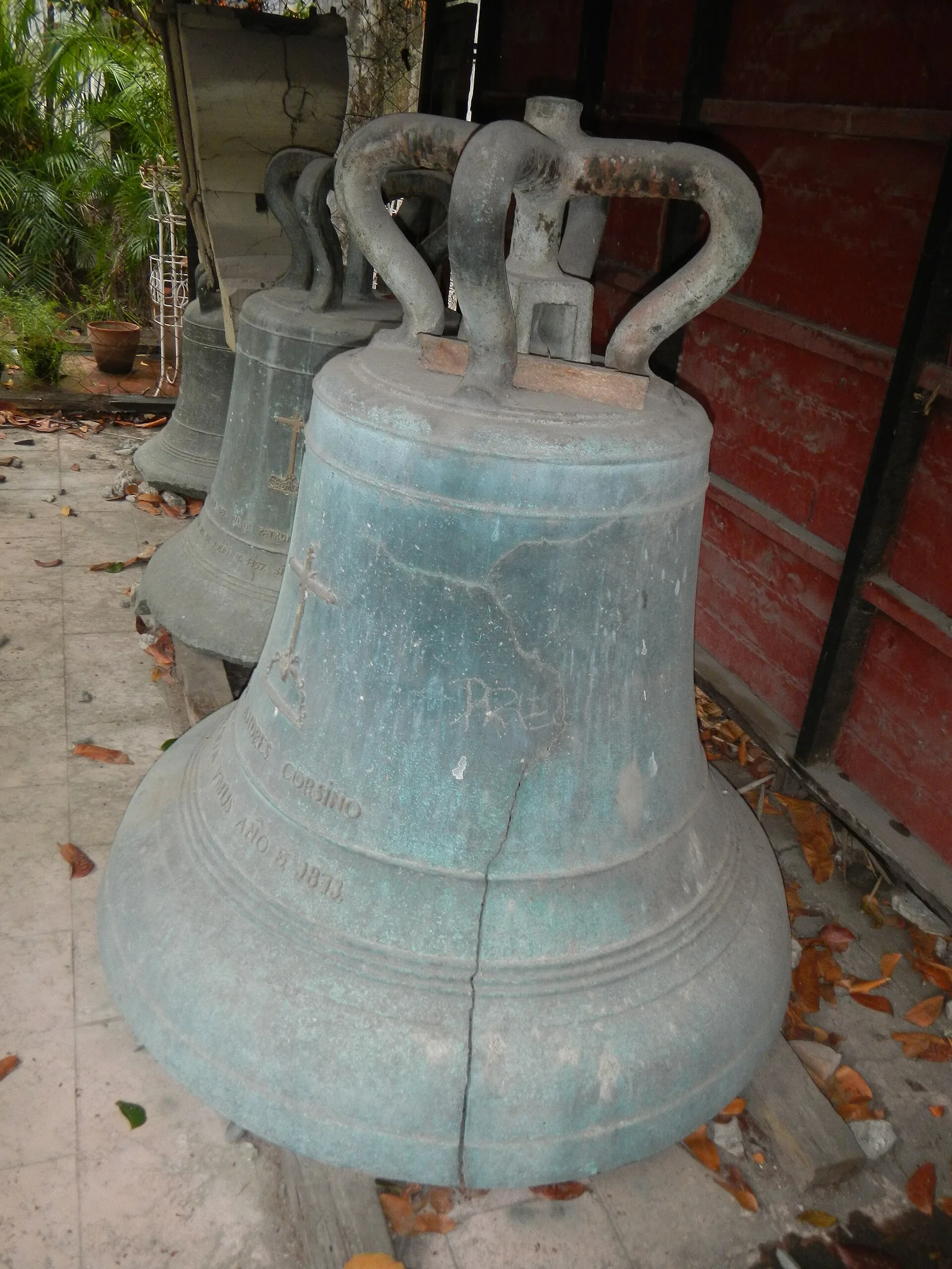
The seat of the bishop of Imus, whose diocese covers the whole province of Cavite. Inside is the crowned image of Our Lady of the Pillar, patroness of the diocese and of the province. Cardinal Luis Antonio Tagle crowned the …
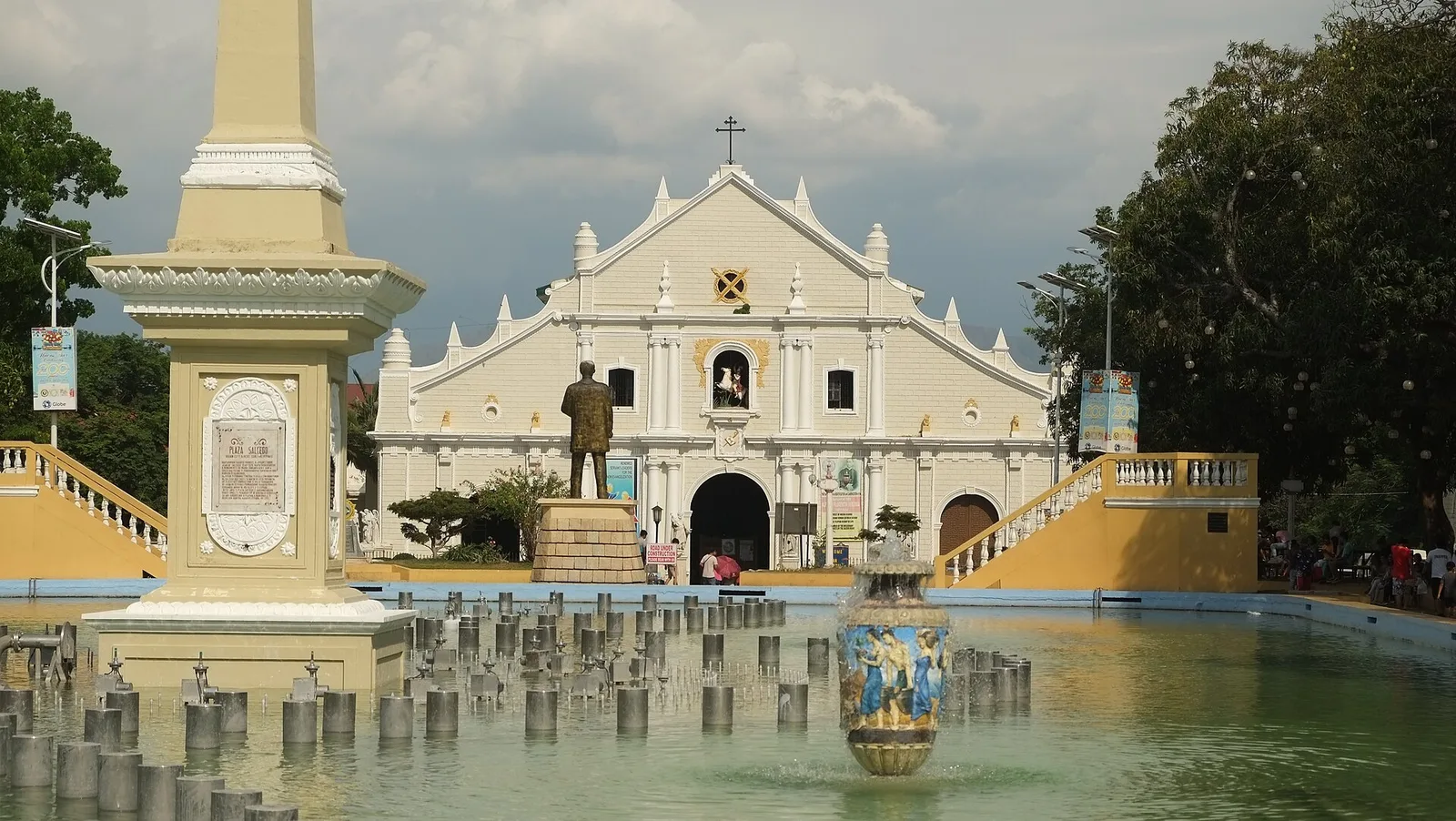
The 18th-century earthquake baroque cathedral on Plaza Salcedo, with a bell tower standing apart from the church. It holds the cathedra of the Archdiocese of Nueva Segovia, and it is part of what UNESCO listed in 1999 as the Historic …
Banaue Ethnic Village and Pine Forest Resort is on a six hectare lot in a pine forest above downtown Banaue. It has large grassy areas, picnic shelters, swimming pools, and a large function hall. This would be an ideal place …

The seat of the Diocese of Cabanatuan, on Del Pilar Street in Barangay General Luna. It briefly served as the headquarters of the Philippine Revolutionary Government in May 1899, when the First Philippine Republic moved to Cabanatuan. General Antonio Luna …
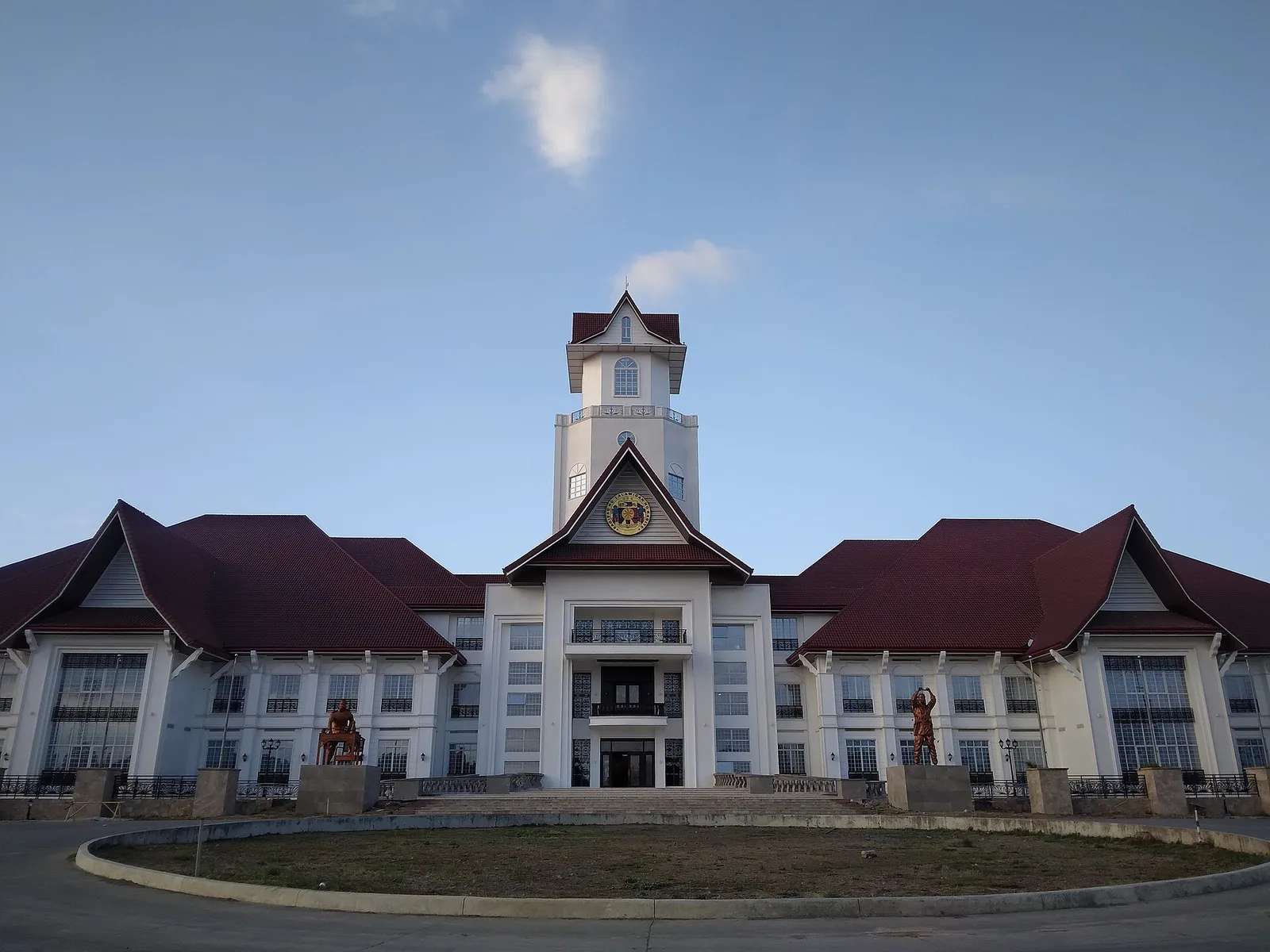
The city government broke ground in 2021 on this park, a 1.8 hectare site in Barangay Lapidario near the provincial capitol, now known as Trece Martires People's Park. It took over part of the role once played by the city's …
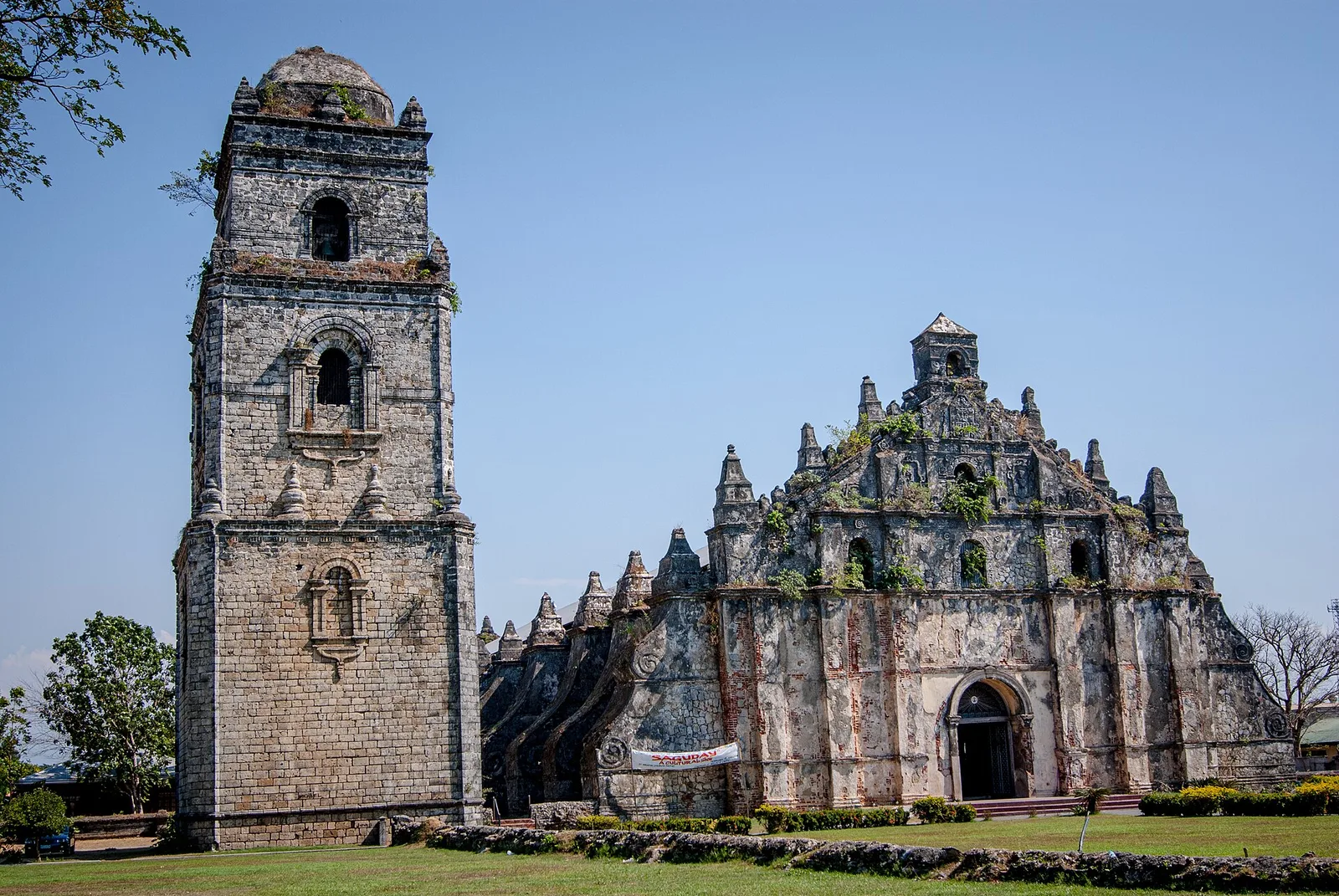
A Roman Catholic church of 1710, known for the enormous buttresses that run along its sides and its back. Its formal name is Saint Augustine Parish Church, and it stands in the town of Paoay under the Diocese of Laoag. …

The oldest stone church in the country, finished in 1607 and a UNESCO World Heritage Site, with a trompe l'oeil ceiling. It stands inside Intramuros and is in the care of the Order of Saint Augustine. UNESCO listed it in …
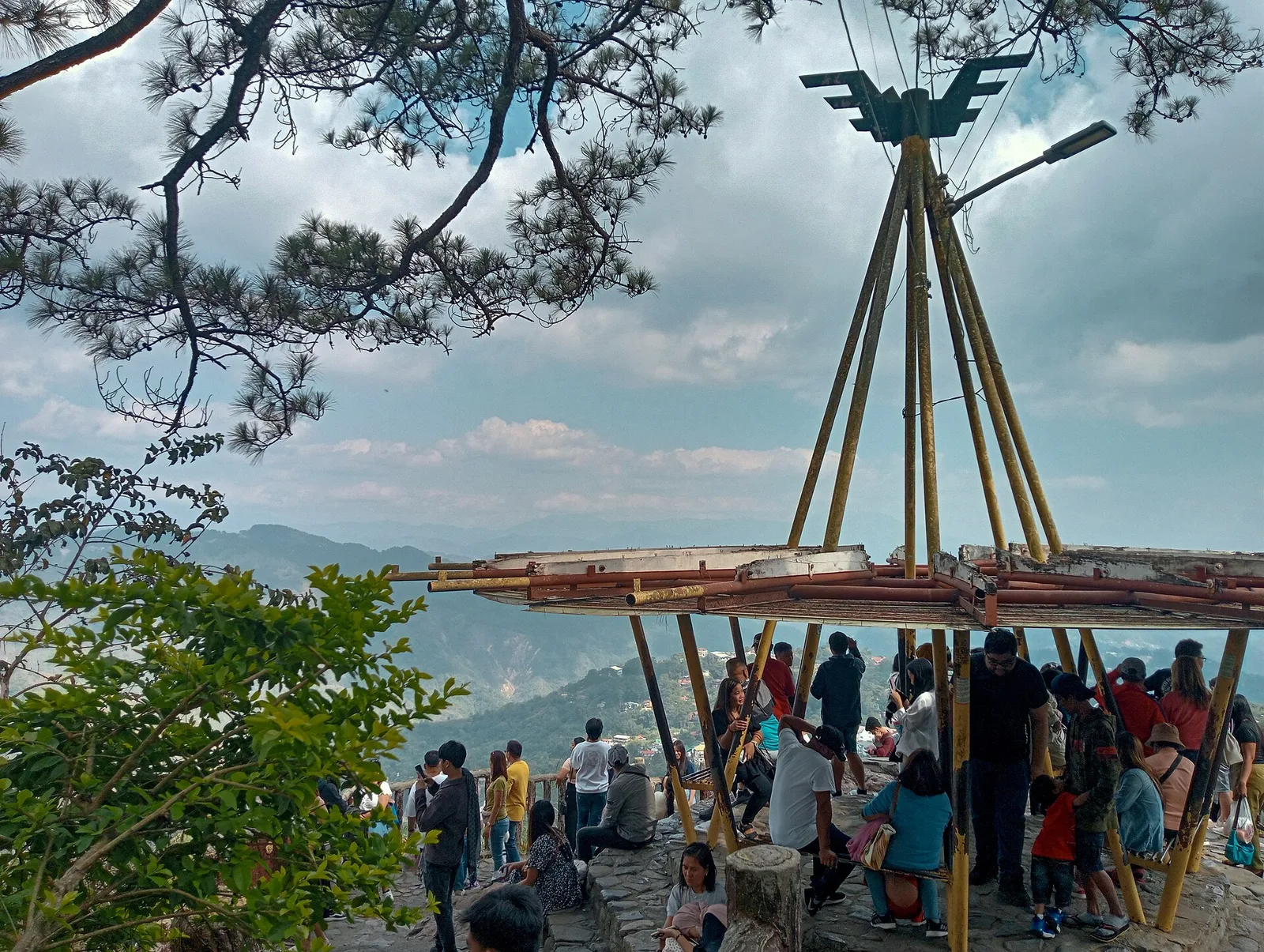
An overlook onto the old Benguet mining valley, ringed by stalls selling strawberry taho and knitted jackets. The park stands on a promontory 4 kilometres from downtown, on the northeastern edge of the city, and looks across to the mining …
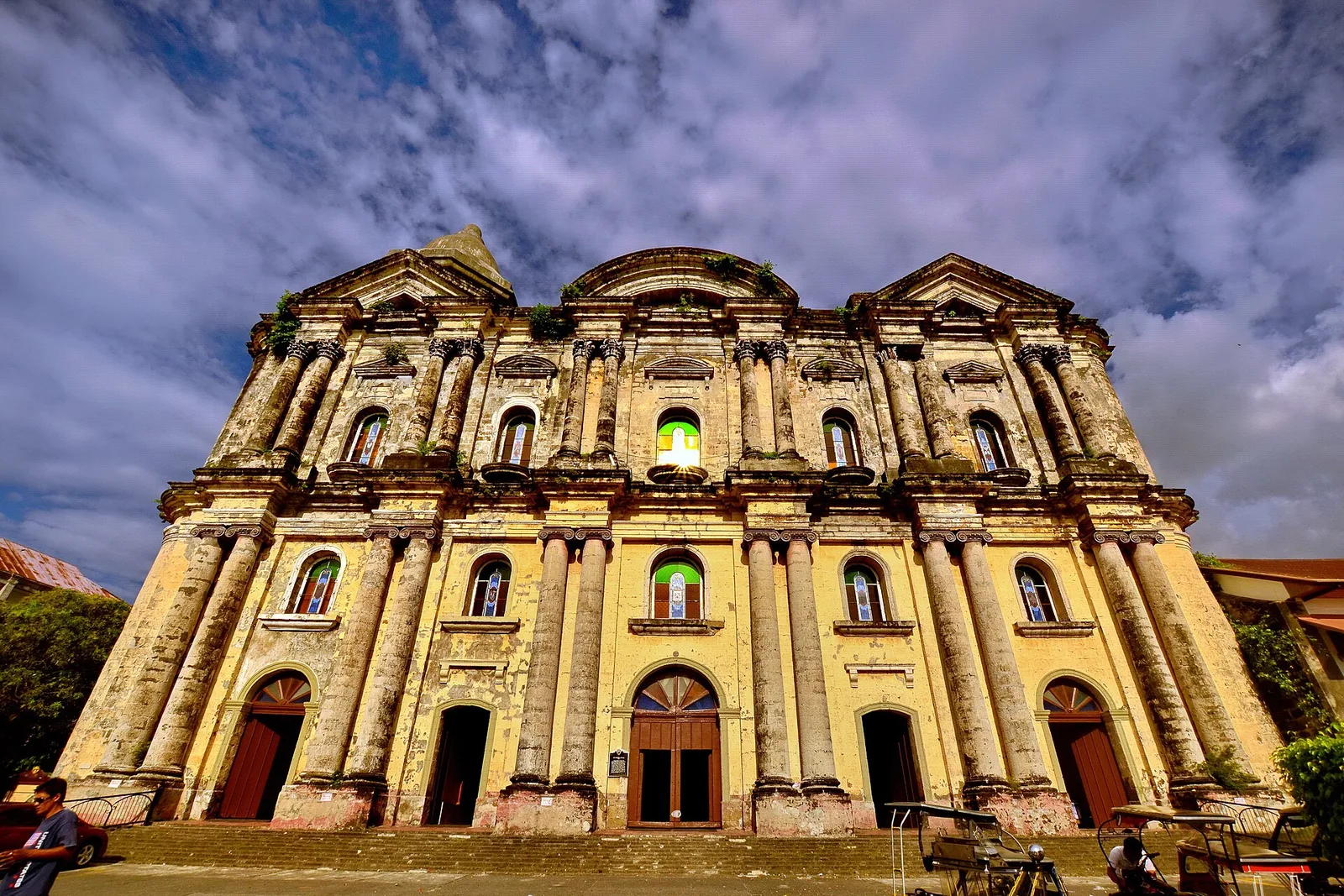
A fine old church built in Spanish times to replace the one in San Nicolas that was destroyed by a volcanic eruption. The front has a neoclassical facade with lots of columns; the back of the building has high windowless …
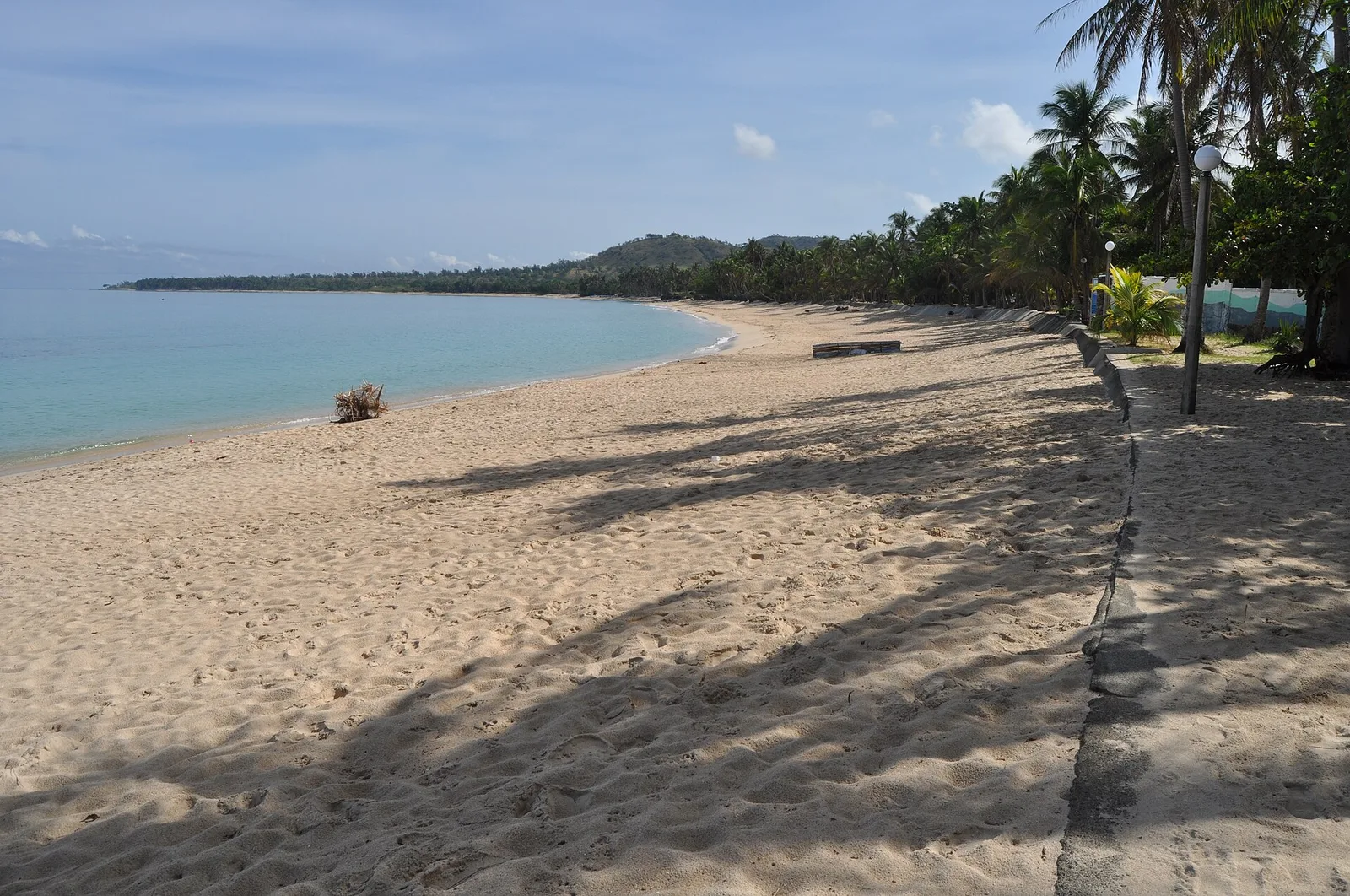
Heart-shaped cove popular with both national and international tourists, movie producers, and travel writers with its emerald water and breathtaking views.
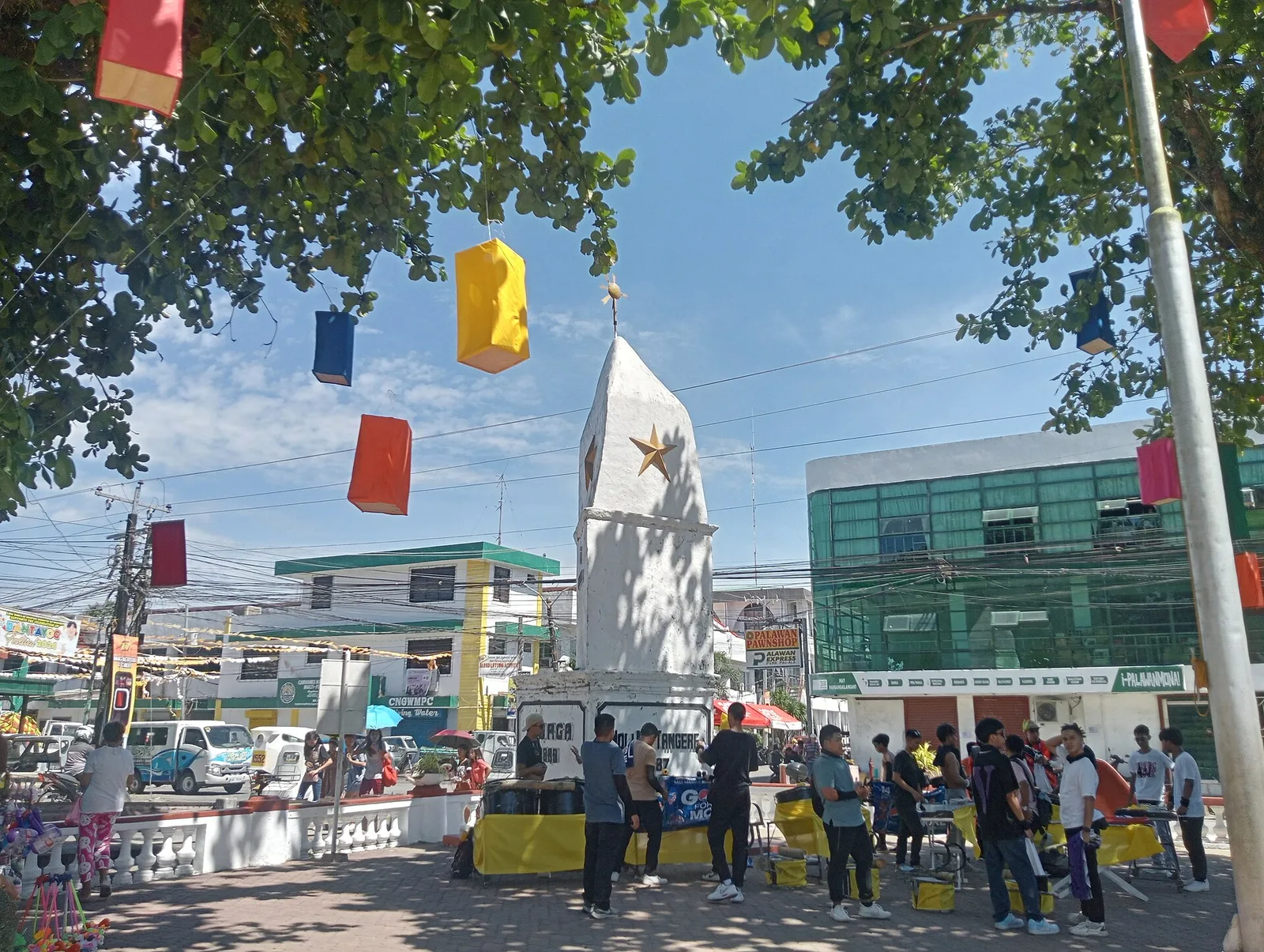
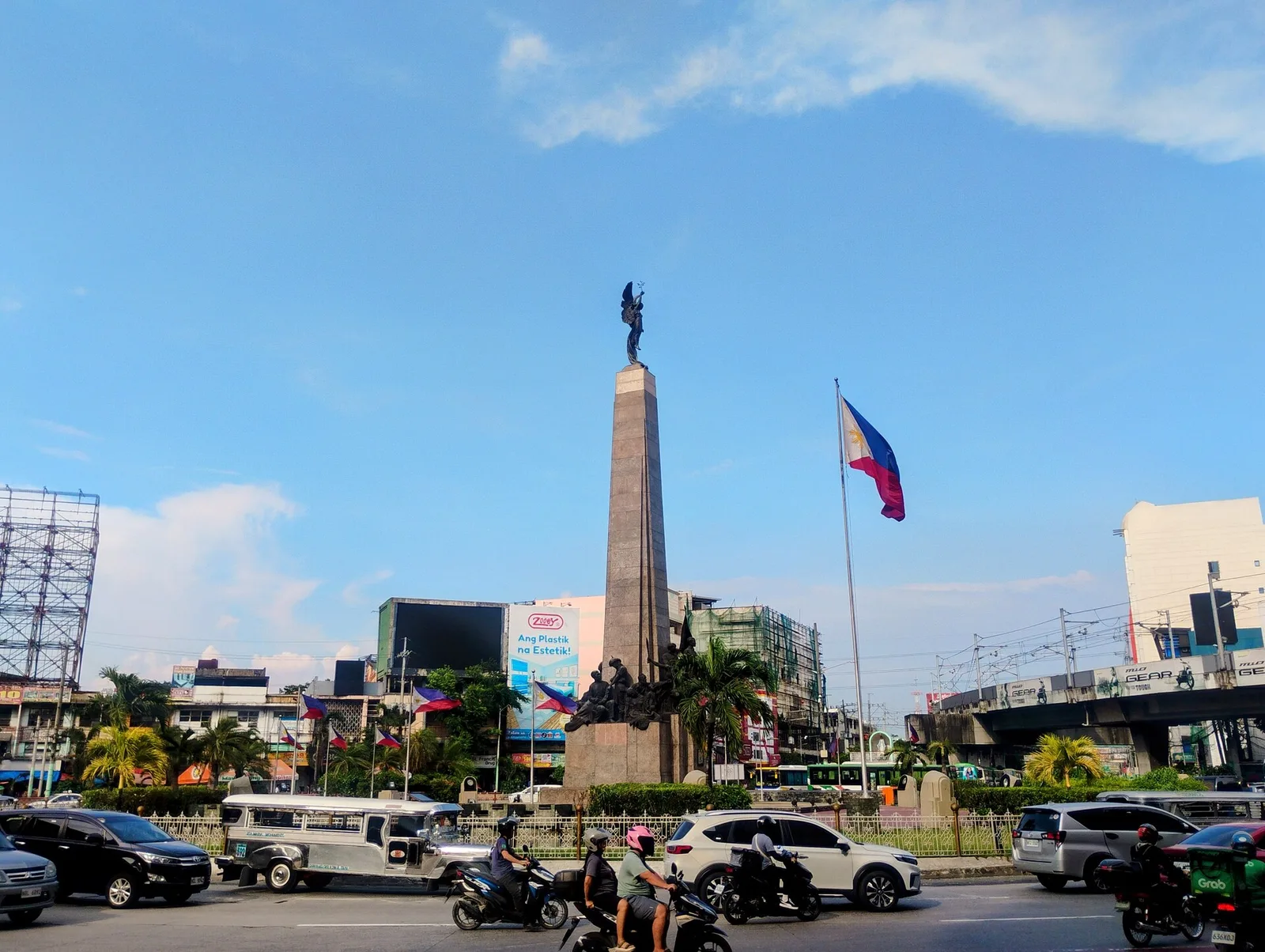
A 13.7-metre memorial to Andres Bonifacio, who founded the Katipunan and led the revolt against Spain. It stands on the roundabout where EDSA, MacArthur Highway, Samson Road and Rizal Avenue Extension meet, and the whole area around it is called …
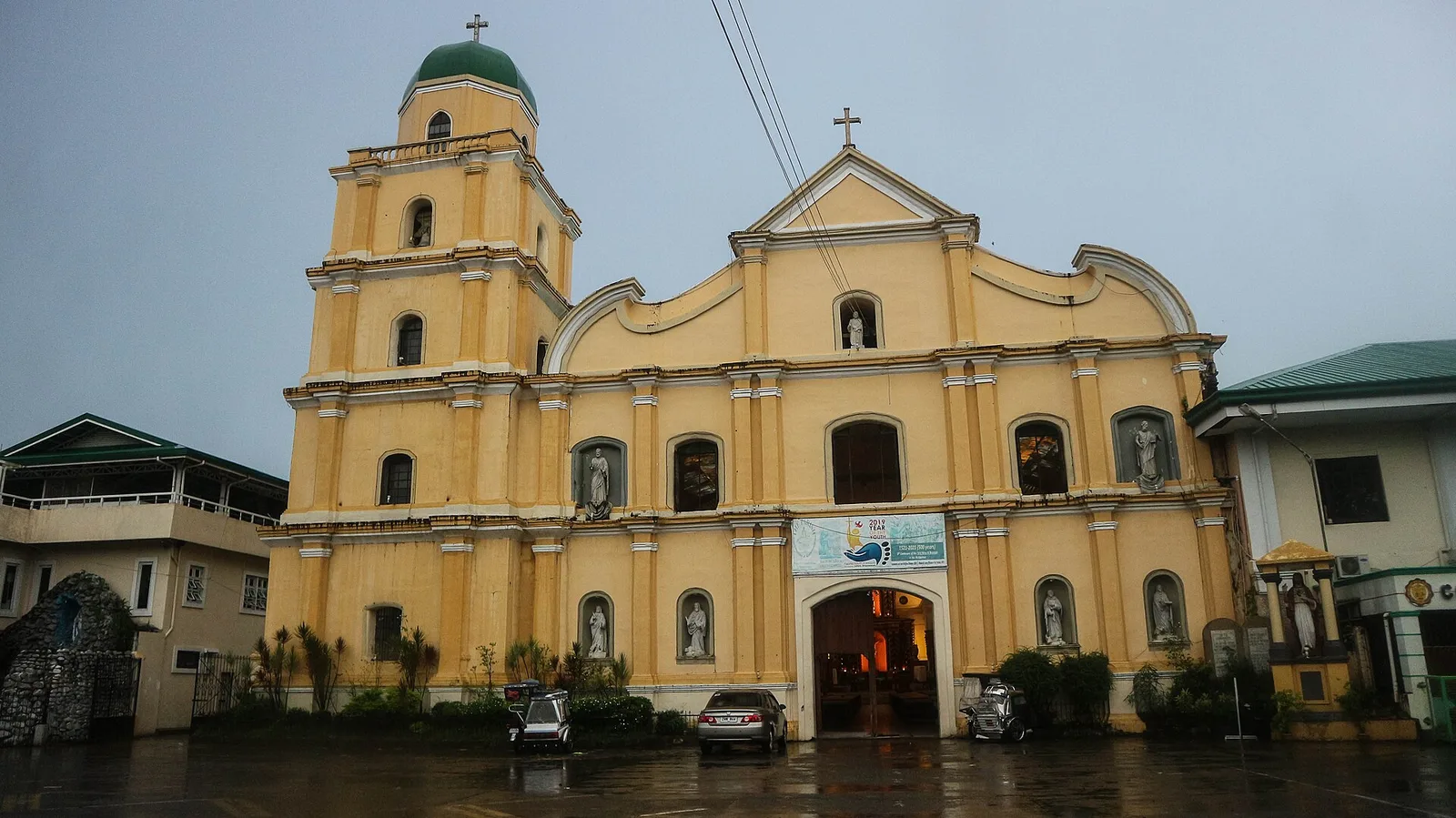
The seat of the Catholic Diocese of Alaminos since 1985, in Barangay Poblacion. It is dedicated to Saint Joseph the Patriarch. Fire destroyed two earlier churches on this site, the second one in 1834. Maestro Cenon, who also designed the …
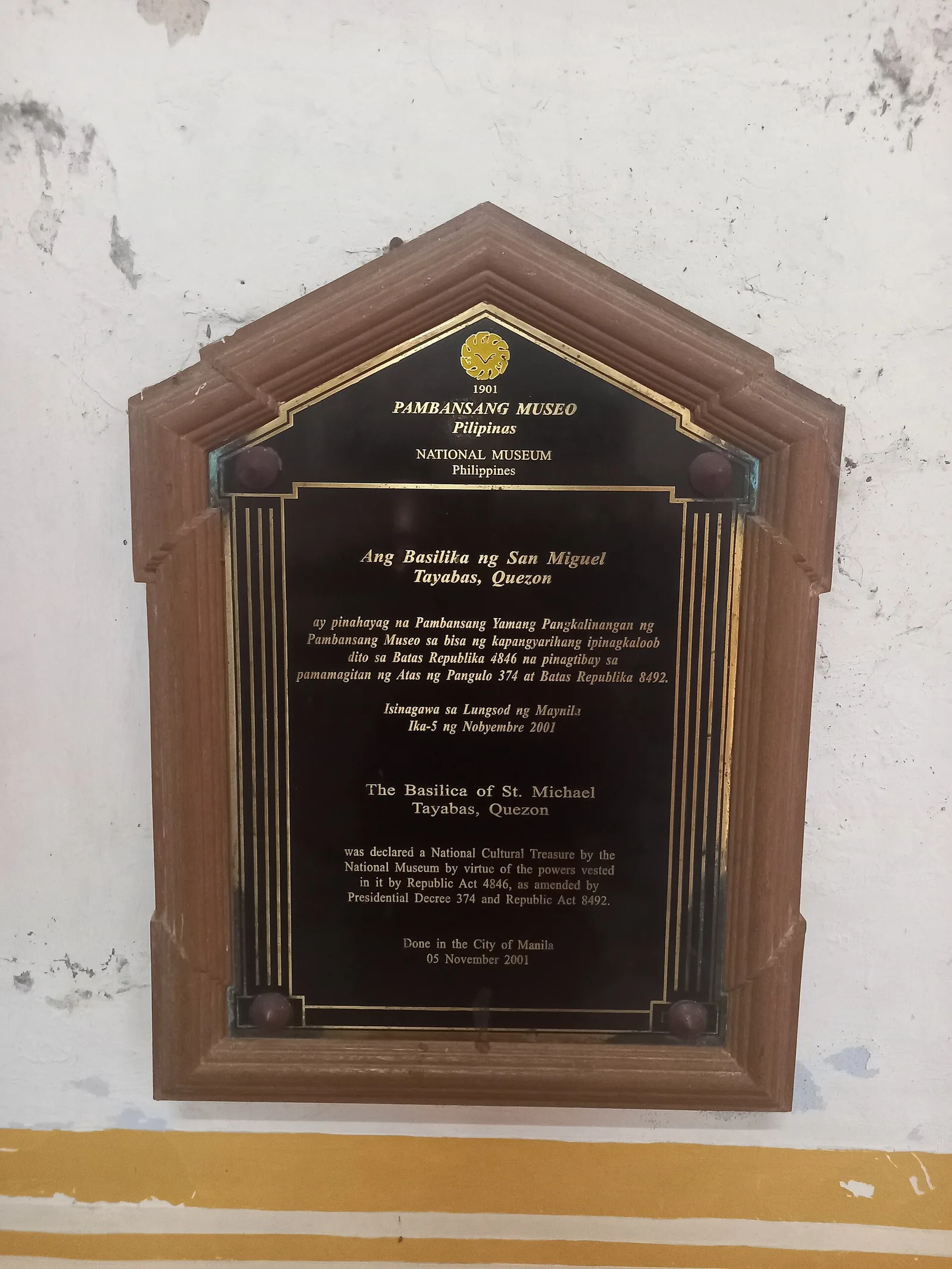
The largest church in Quezon, laid out in the shape of a key, which is why people call it Susi ng Tayabas, the Key of Tayabas. Its aisle runs 103 metres, one of the longest naves in any Spanish colonial …
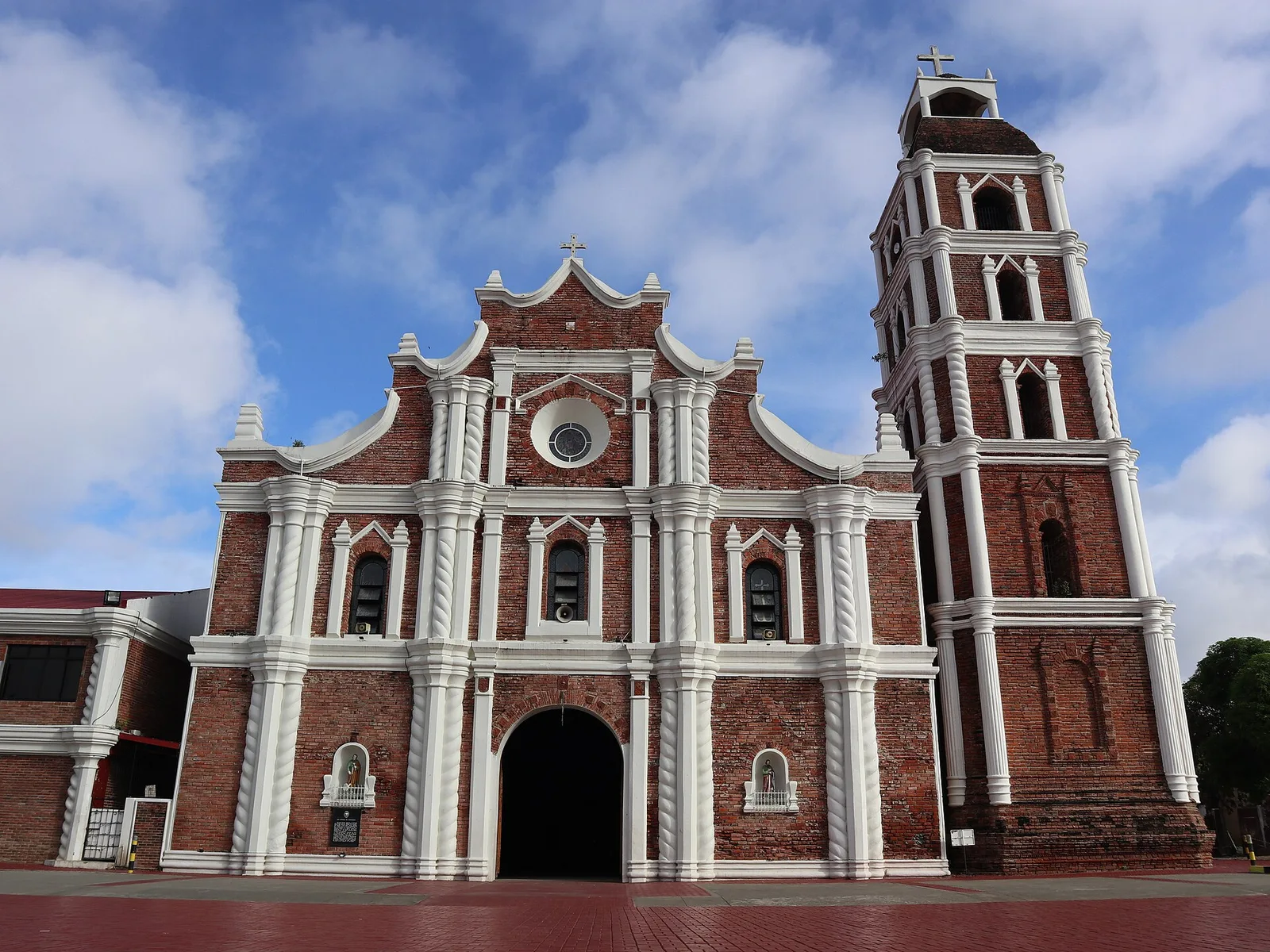
The seat of the Archdiocese of Tuguegarao. The church with the belfry is the biggest Spanish colonial church in Cagayan Valley built by the Dominicans. It was constructed from 1761 to 1767 under the supervision of Fr. Antonio Lobato, OP. …
