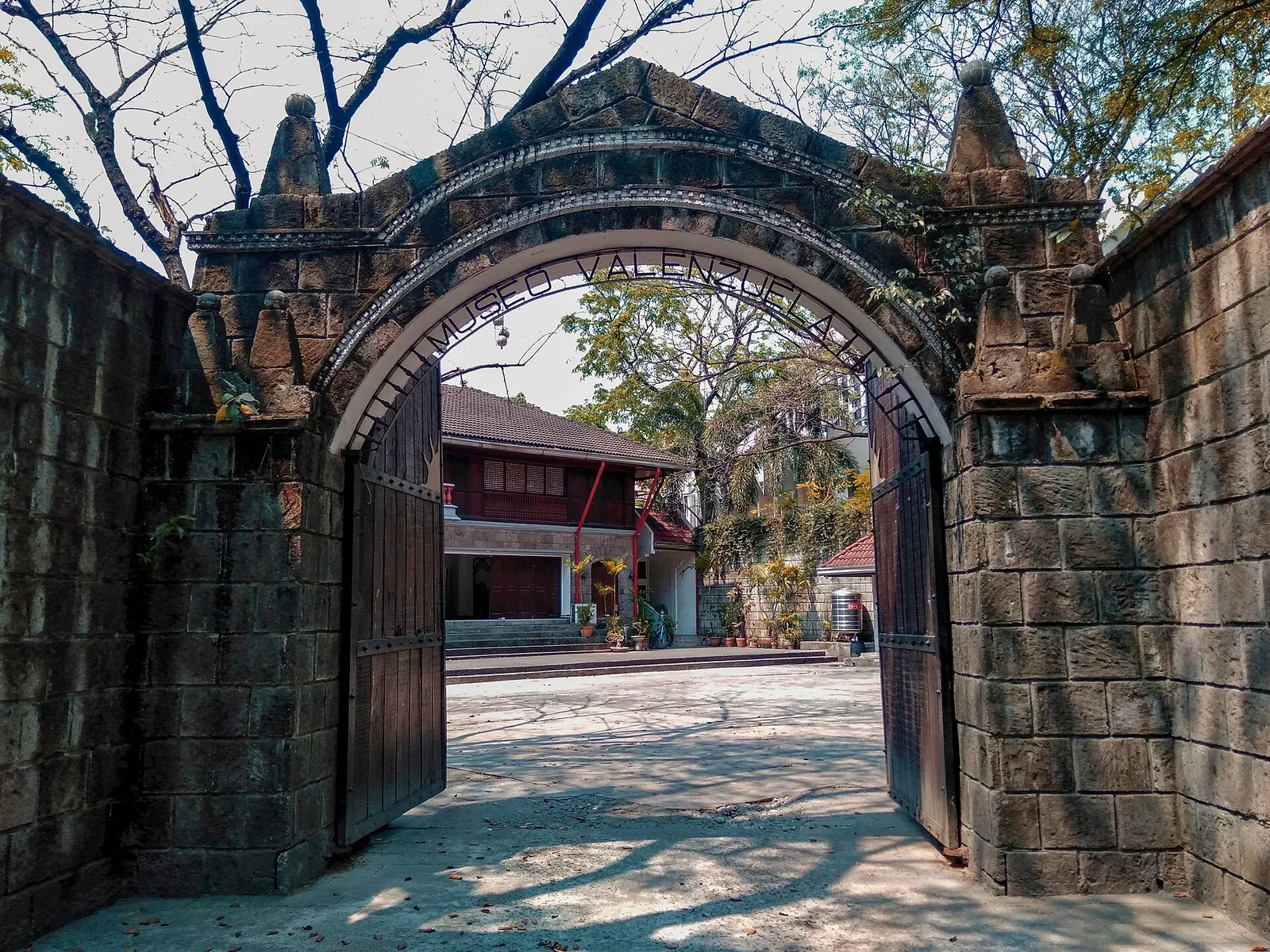
Hinulugang Taktak
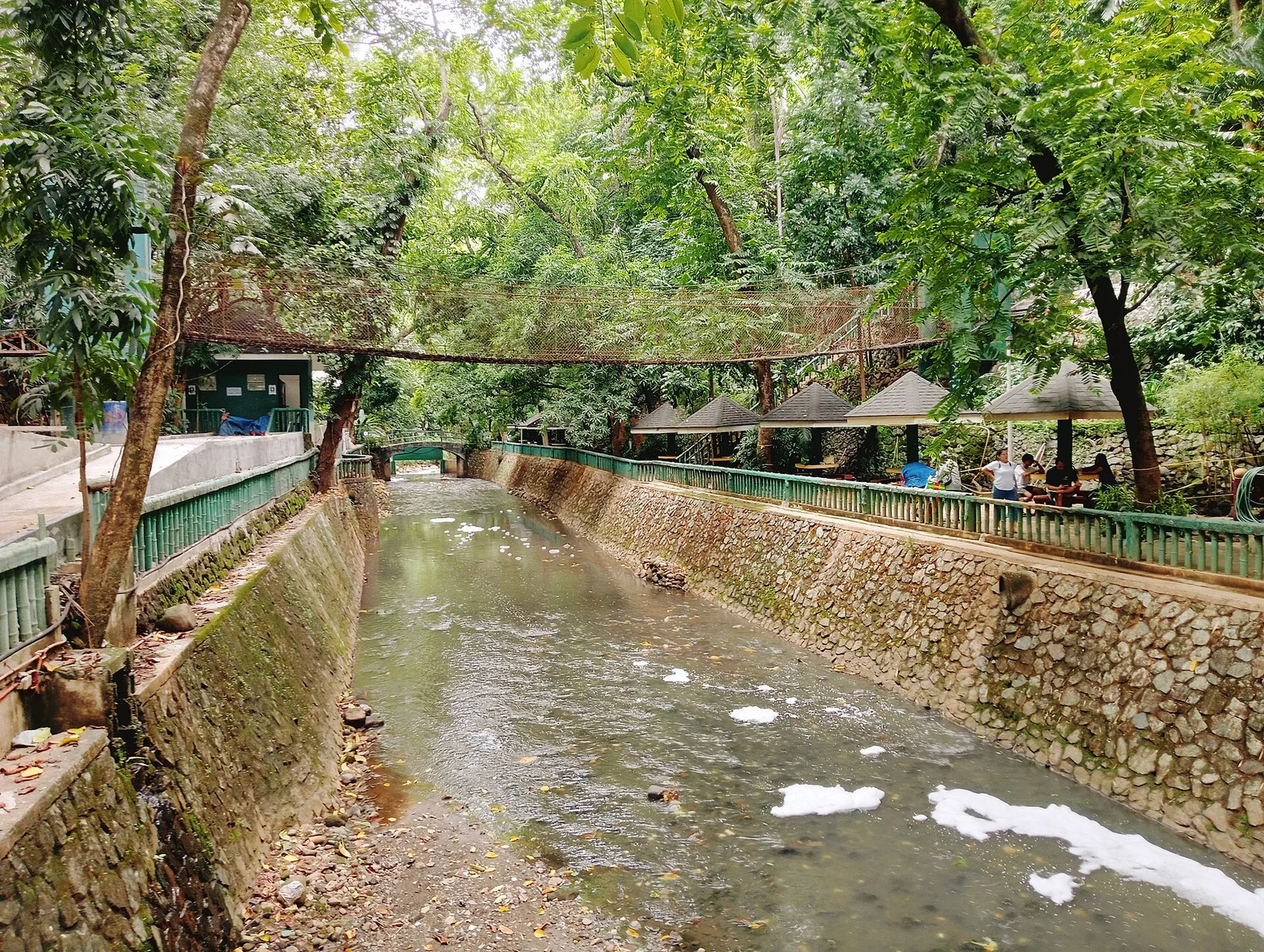
The city's waterfall, 21.5 metres high and 25.8 metres wide, set in a protected landscape of the same name. The name comes from a story of a church bell (taktak) that villagers threw (hinulog) into the falls because they found …
Island group · 8 regions
Showing 961 to 990 of 1,429
The city's waterfall, 21.5 metres high and 25.8 metres wide, set in a protected landscape of the same name. The name comes from a story of a church bell (taktak) that villagers threw (hinulog) into the falls because they found …
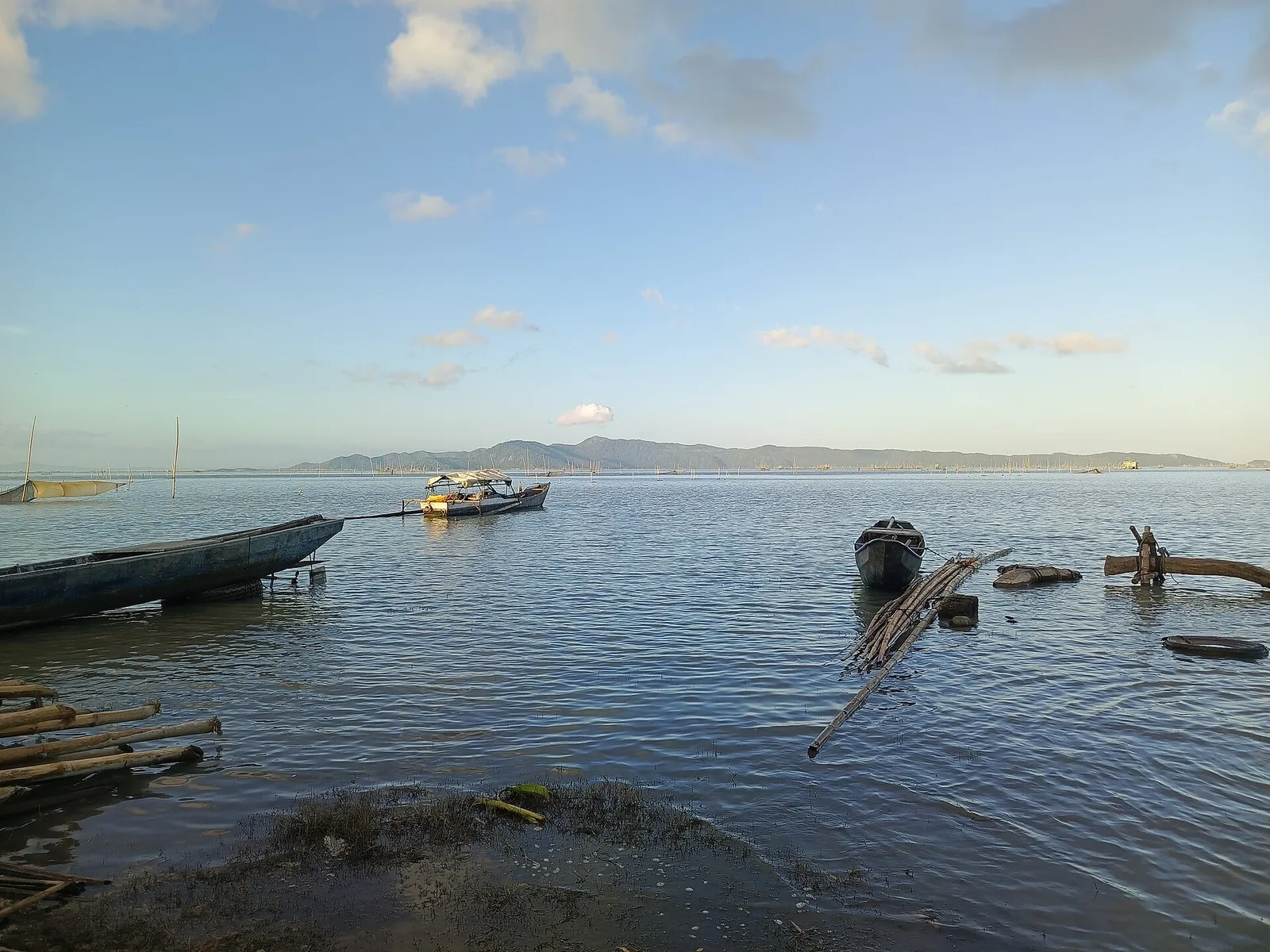
The largest lake island in Laguna de Bay, the largest lake in the country. The island is volcanic and forms the southwest rim of the Laguna Caldera. Volcanism after the caldera formed cut maars and craters into its southern end, …
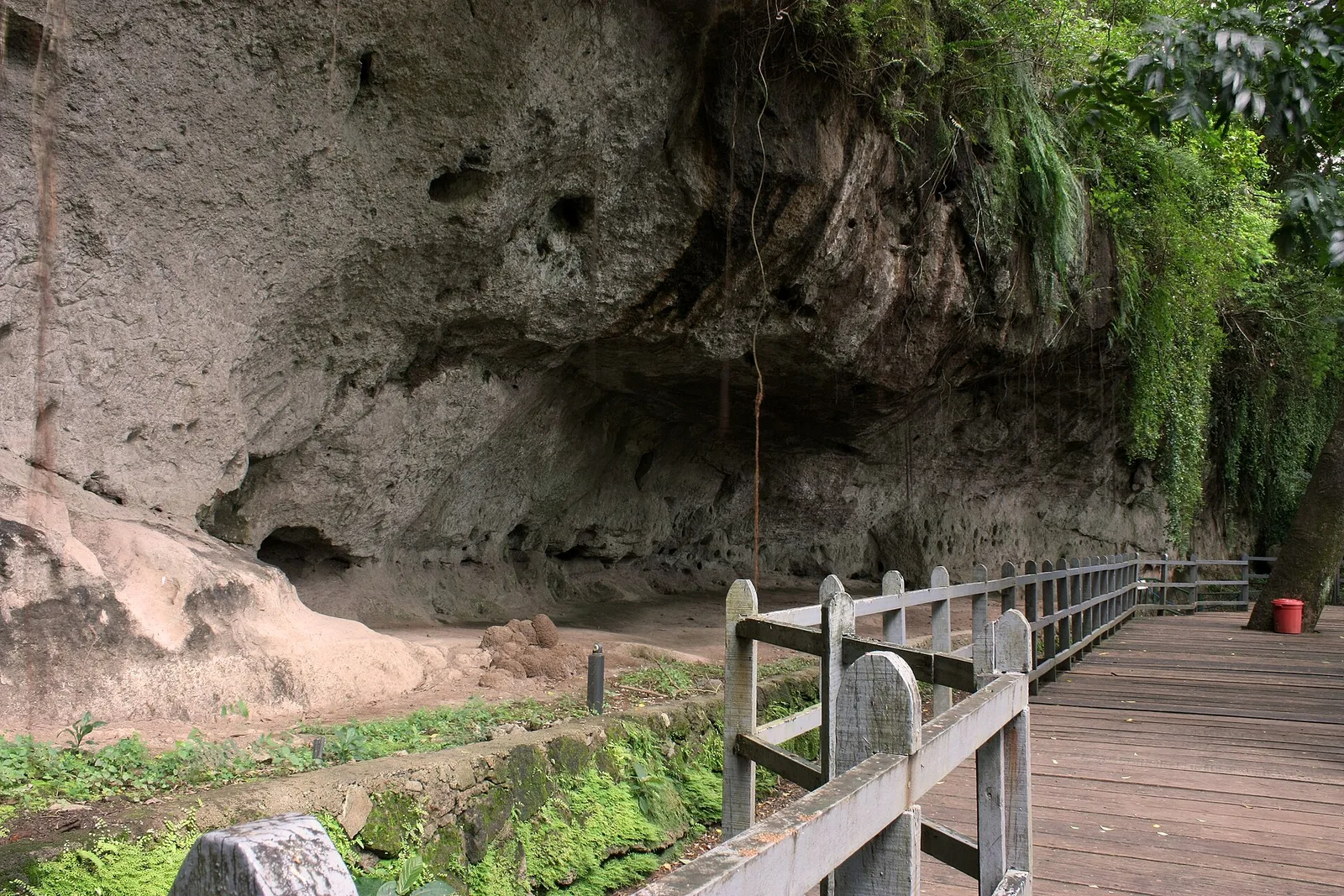
Carvings of 127 human and animal figures, cut into a rock wall on the boundary between Angono and Binangonan. They are the oldest known work of art in the country, probably carved in the Late Neolithic, before 2000 BC. The …
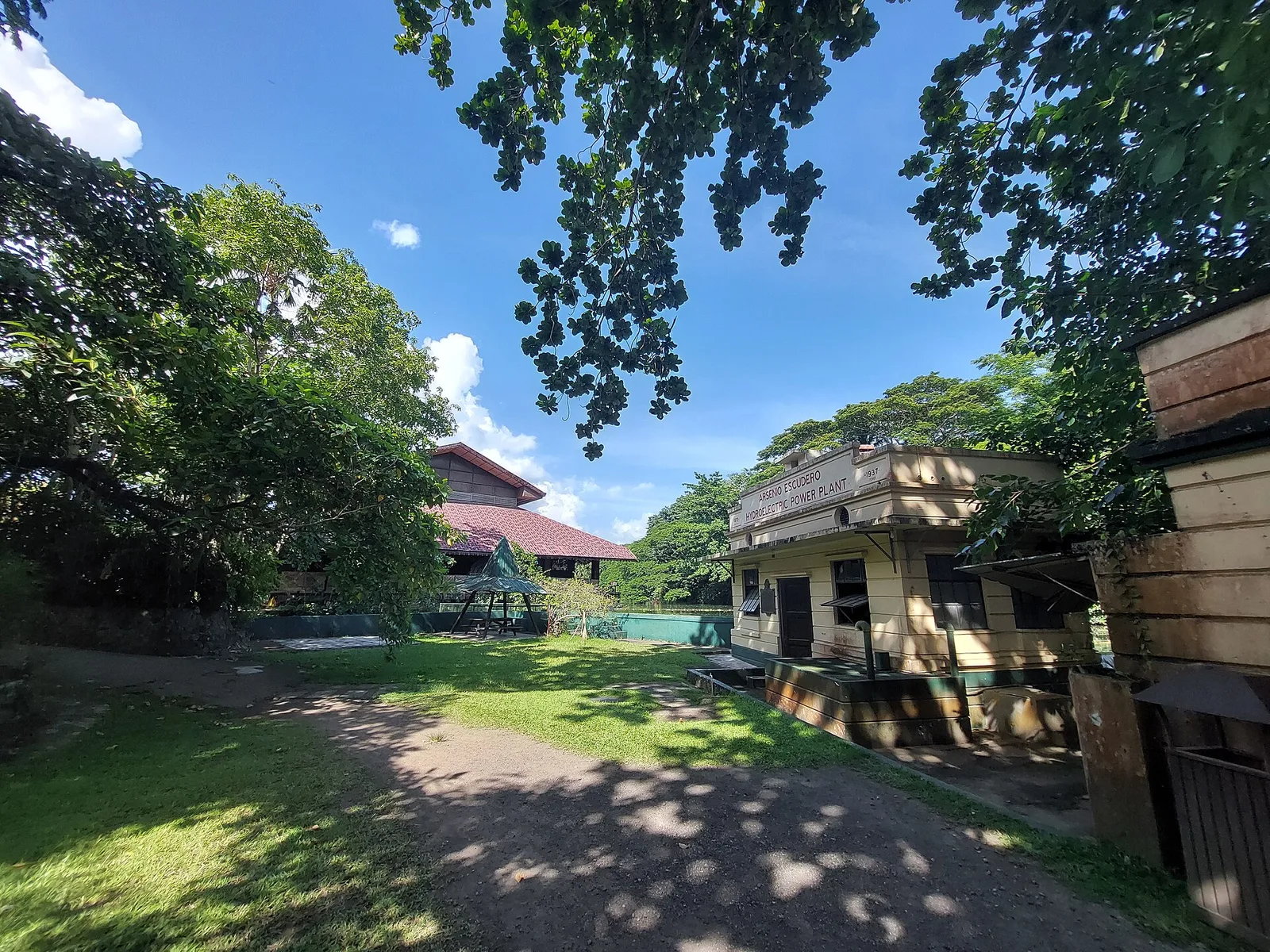
A working coconut plantation of 800 hectares that has taken guests since 1981. The estate runs village tours and a museum tour, and it serves meals and rents rooms. It lies in Tiaong, on the Quezon side of the provincial …
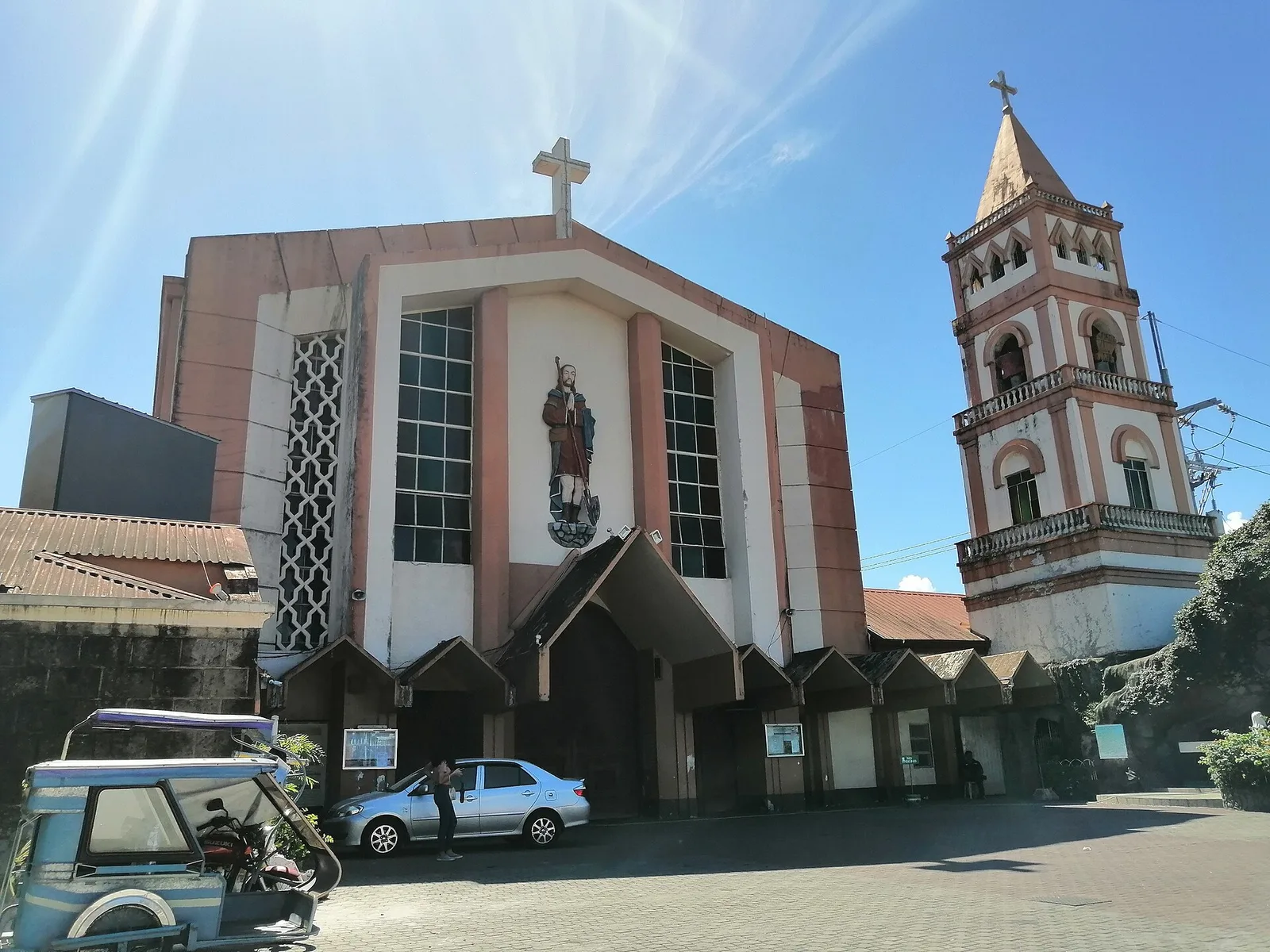
A parish church on the spot where the priests Alfonso de Alvarado and Diego Espinar raised a large wooden cross and said a thanksgiving Mass. Tradition holds that the people who gathered there were baptised, and that Biñan took its …
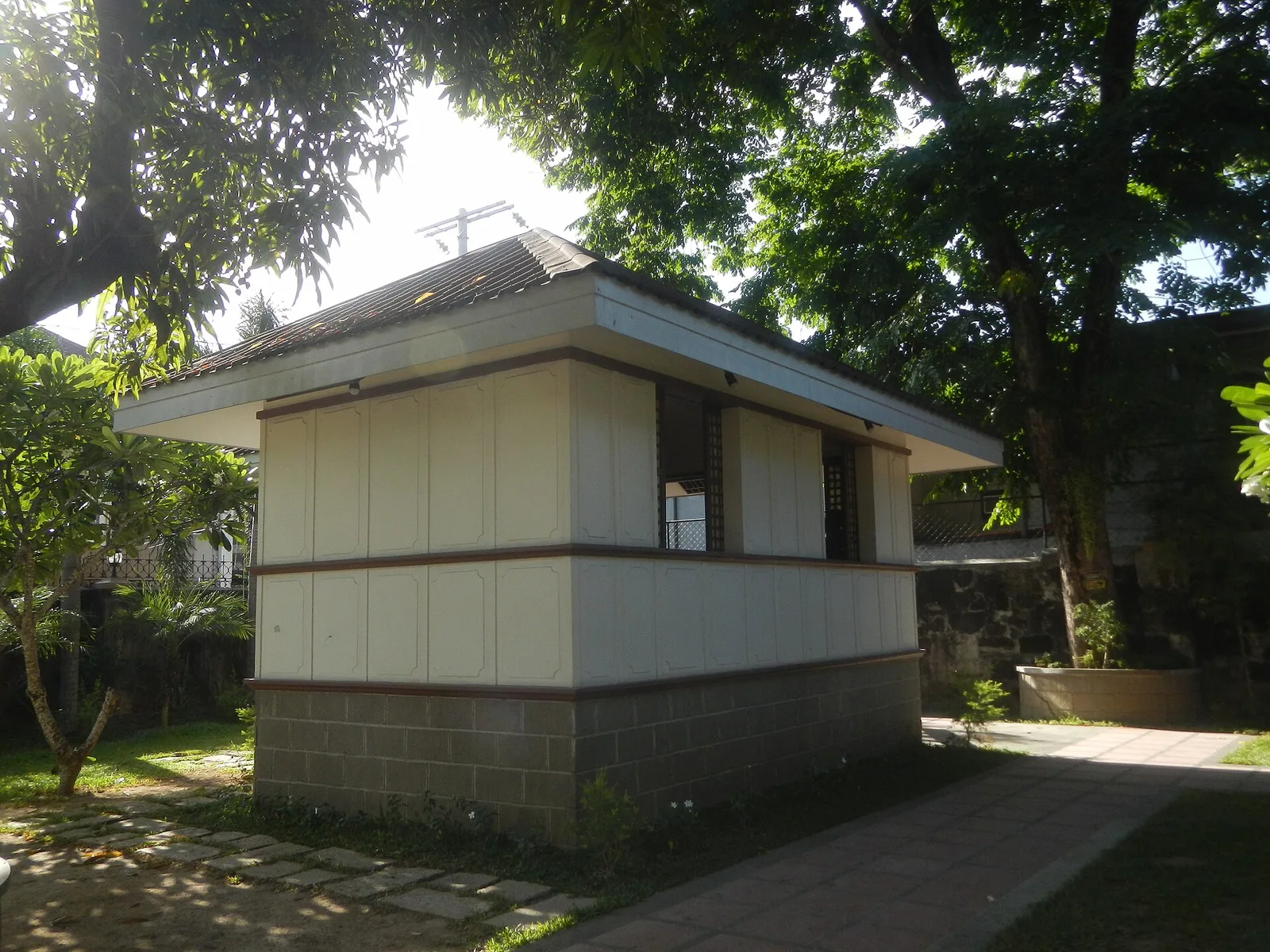
The schoolhouse where Jose Rizal had his first formal lessons, now a museum. Rizal came to Biñan as a child in June 1869 with his brother Paciano, and the two lodged at an aunt's house near the town proper. His …
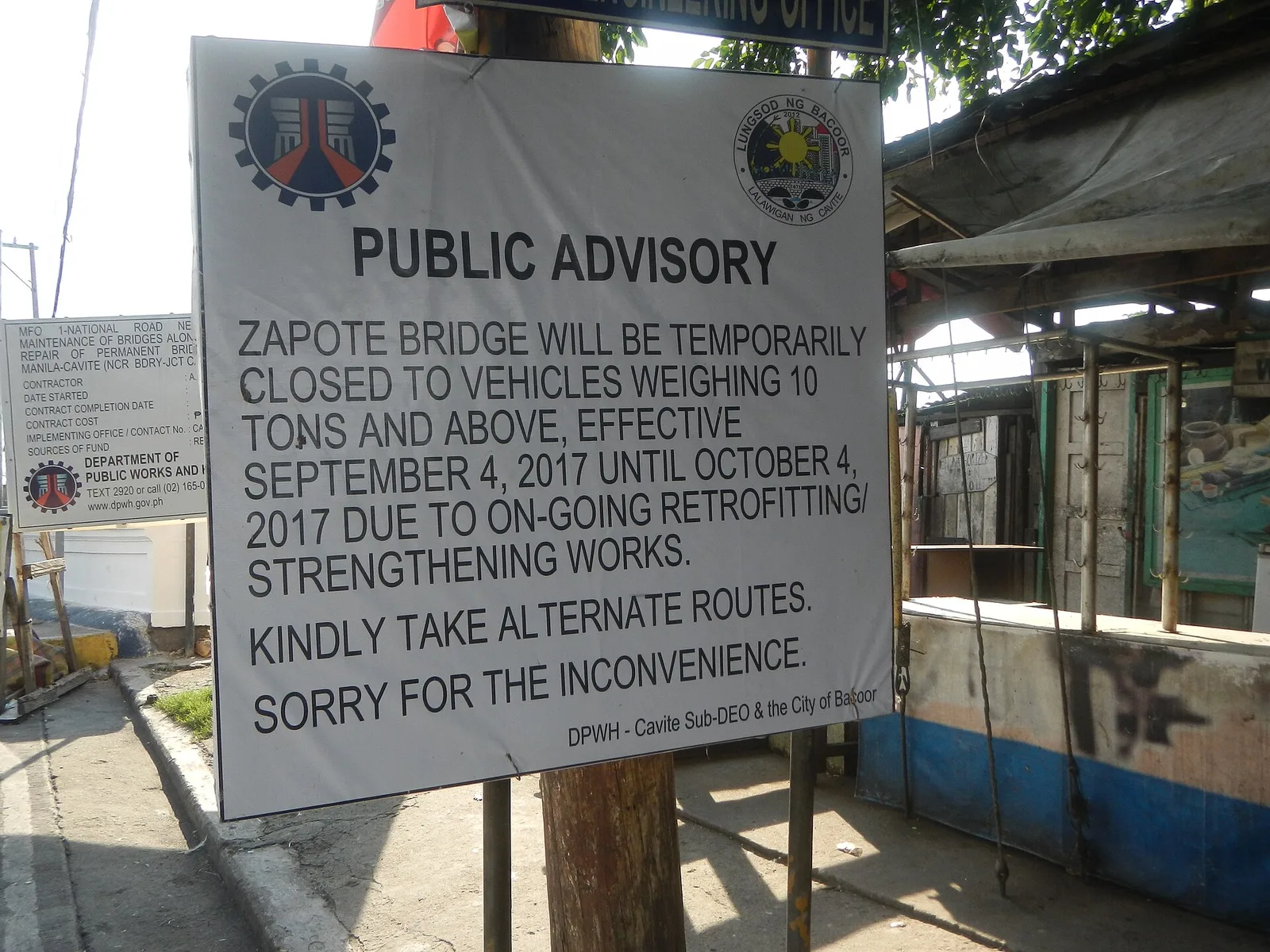
A stone arch footbridge over the Zapote River, on the line between Bacoor and Las Piñas in Metro Manila. Two battles were fought here: the Battle of Zapote Bridge in 1897, against the Spanish colonial government, and the Battle of …
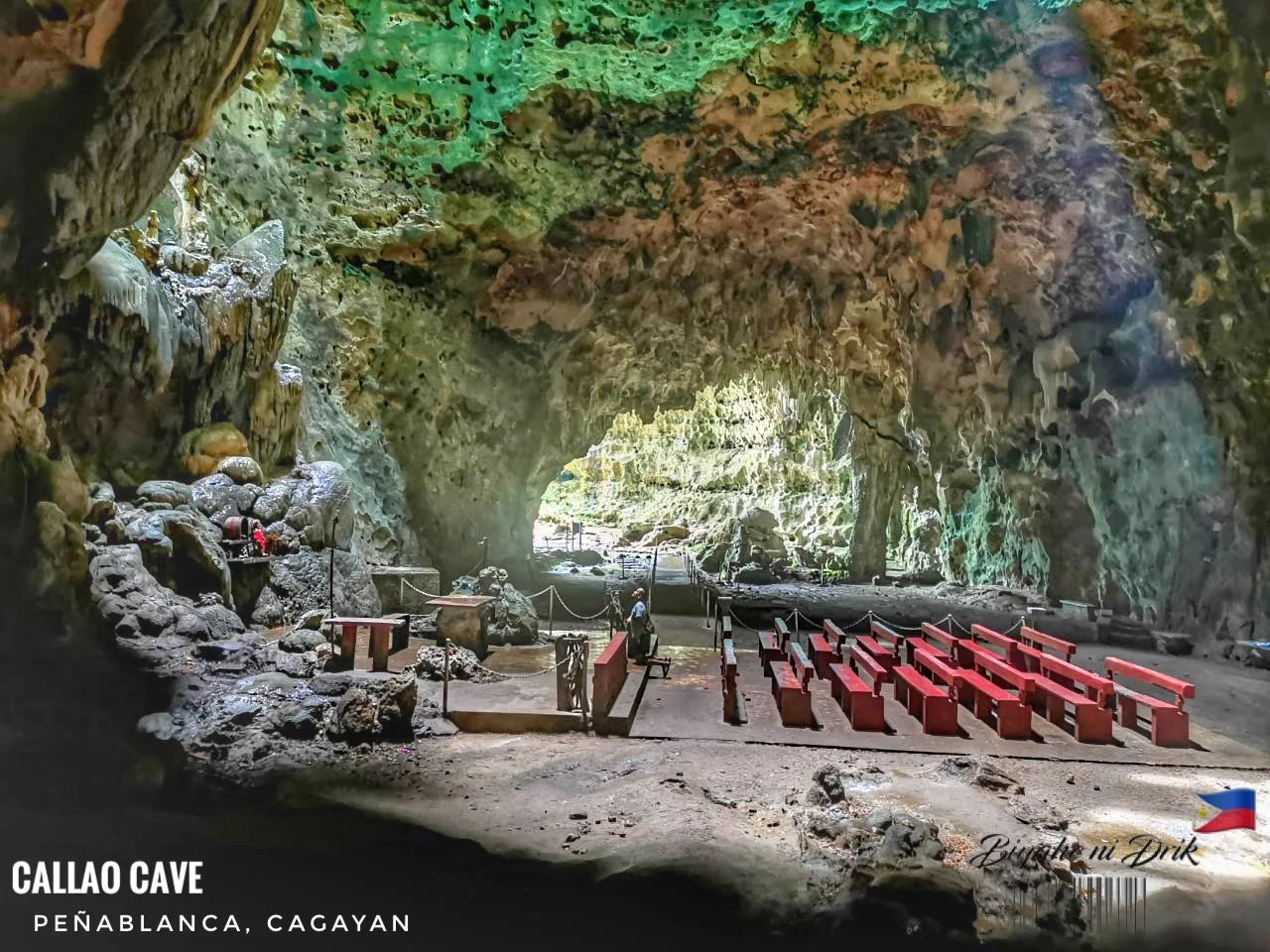
A limestone show cave of seven chambers, and the best known natural attraction in Cagayan. Bones found inside belong to Homo luzonensis, or Callao Man, an extinct human species confirmed in 2019 from Late Pleistocene fossils that a team led …
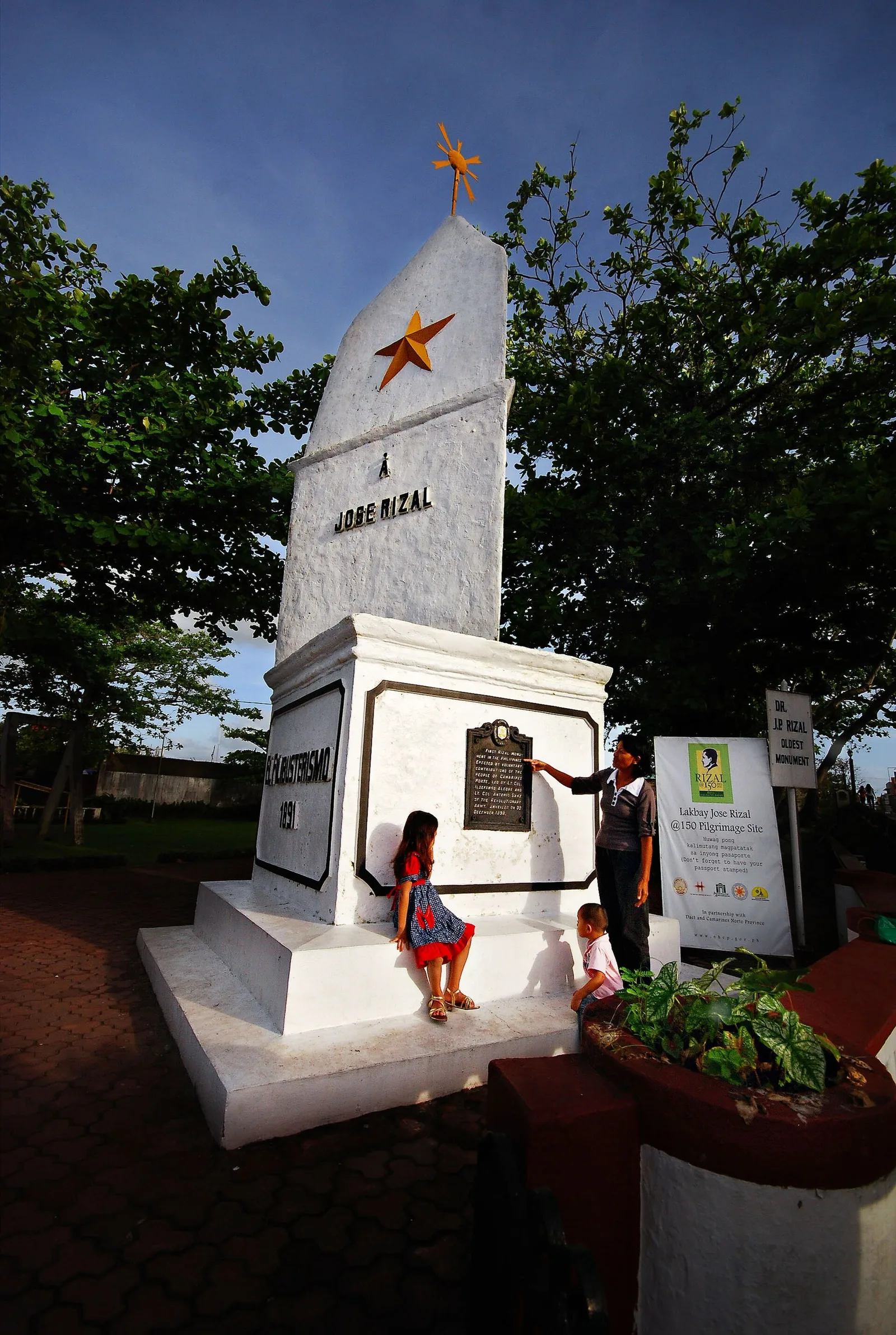
The first monument built to honour José Rizal, and the oldest one of its kind that survives in the country. It is a three-tiered stone pylon, a square base carrying a triangle in two stages. Lieutenant Colonel Antonio Sanz designed …
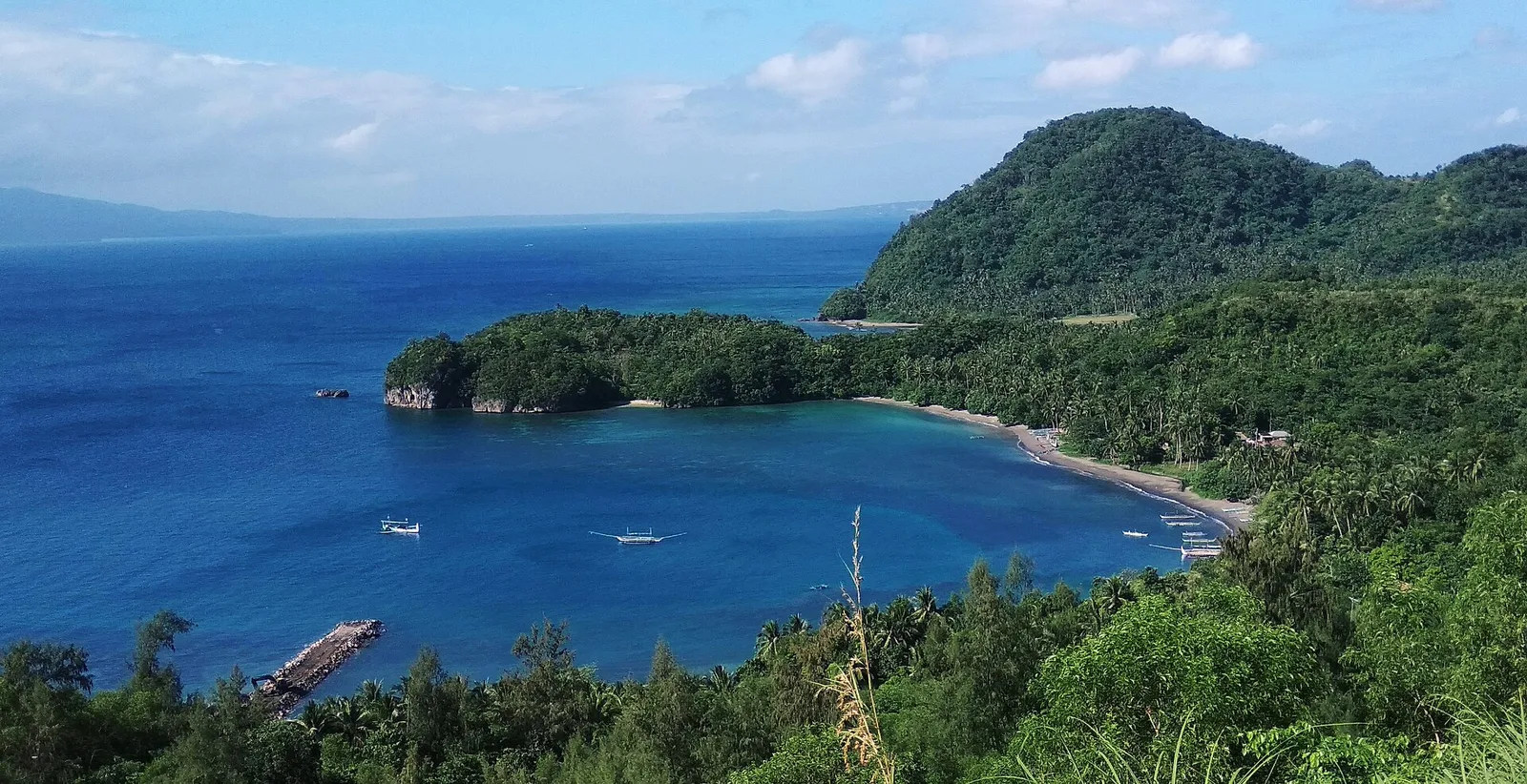
An island between San Miguel and Batan islands, known for eco-tourism and for Mataas cave, one of only two caves in Albay that are open to the public. Misibis Bay, a luxury resort, is on the island as well. Most …
Night bus in, jeep everywhere else.
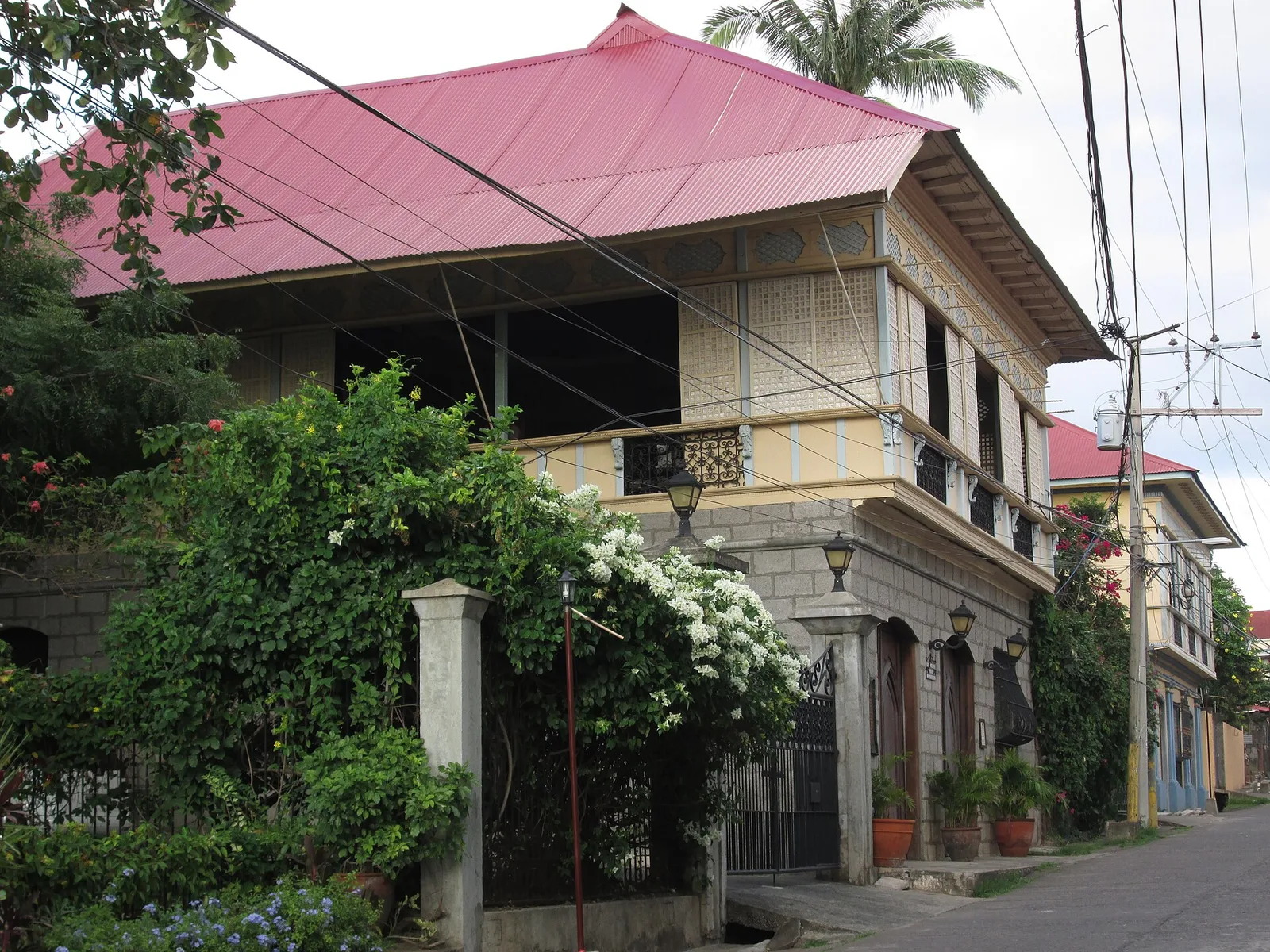
Ancestral houses kept as museums, including the home of Marcela Agoncillo, who sewed the first Philippine flag. Her grandfather built that house, one of the oldest in Taal, and her husband Felipe Agoncillo lived there after their marriage in 1889. …
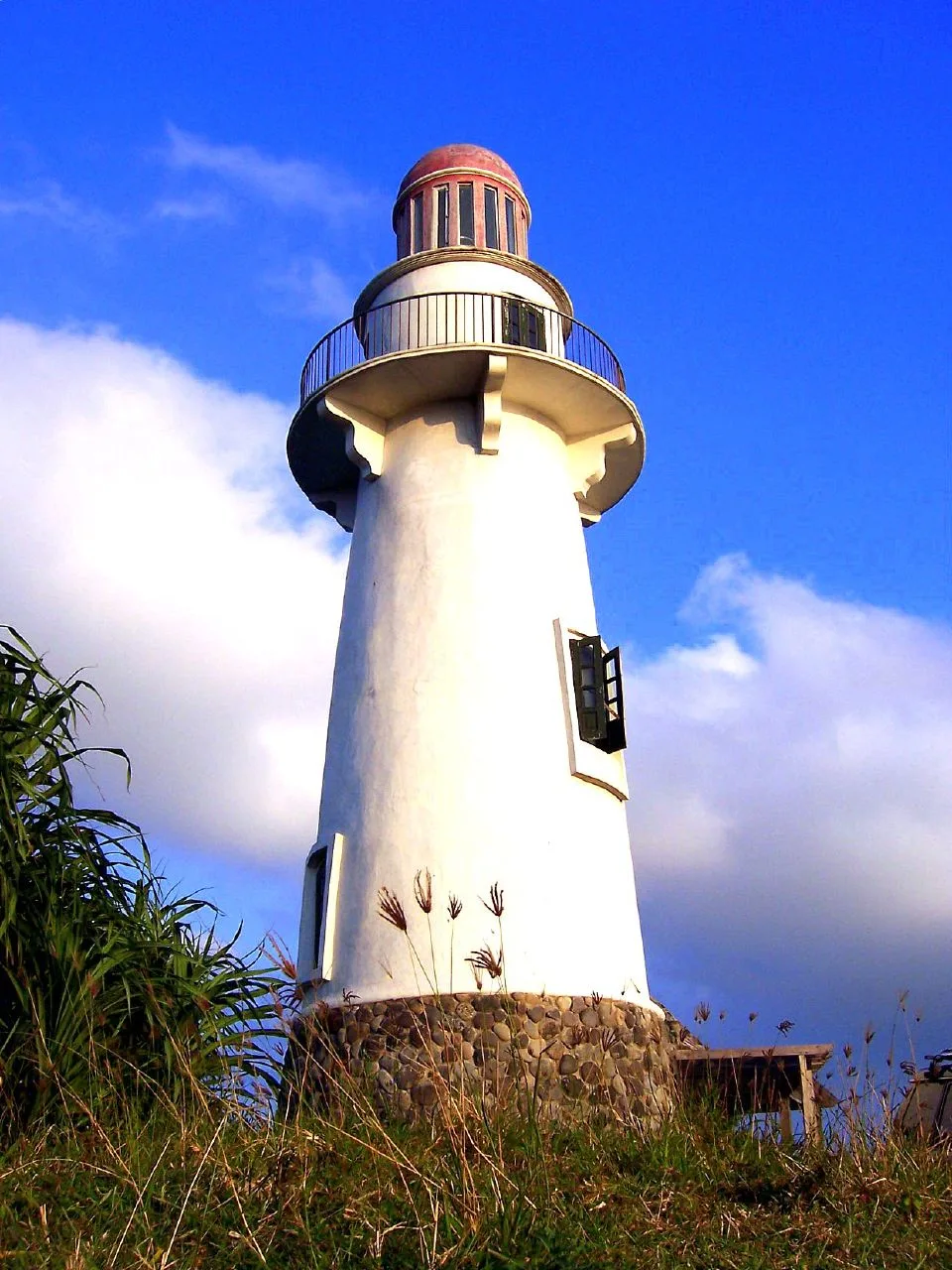
A six-storey lighthouse on Naidi Hill in Barangay San Antonio, with a deck over Basco and the open sea. You reach it on foot: the hike up from the Port of Basco is 1.2 kilometres. The deck is on the …
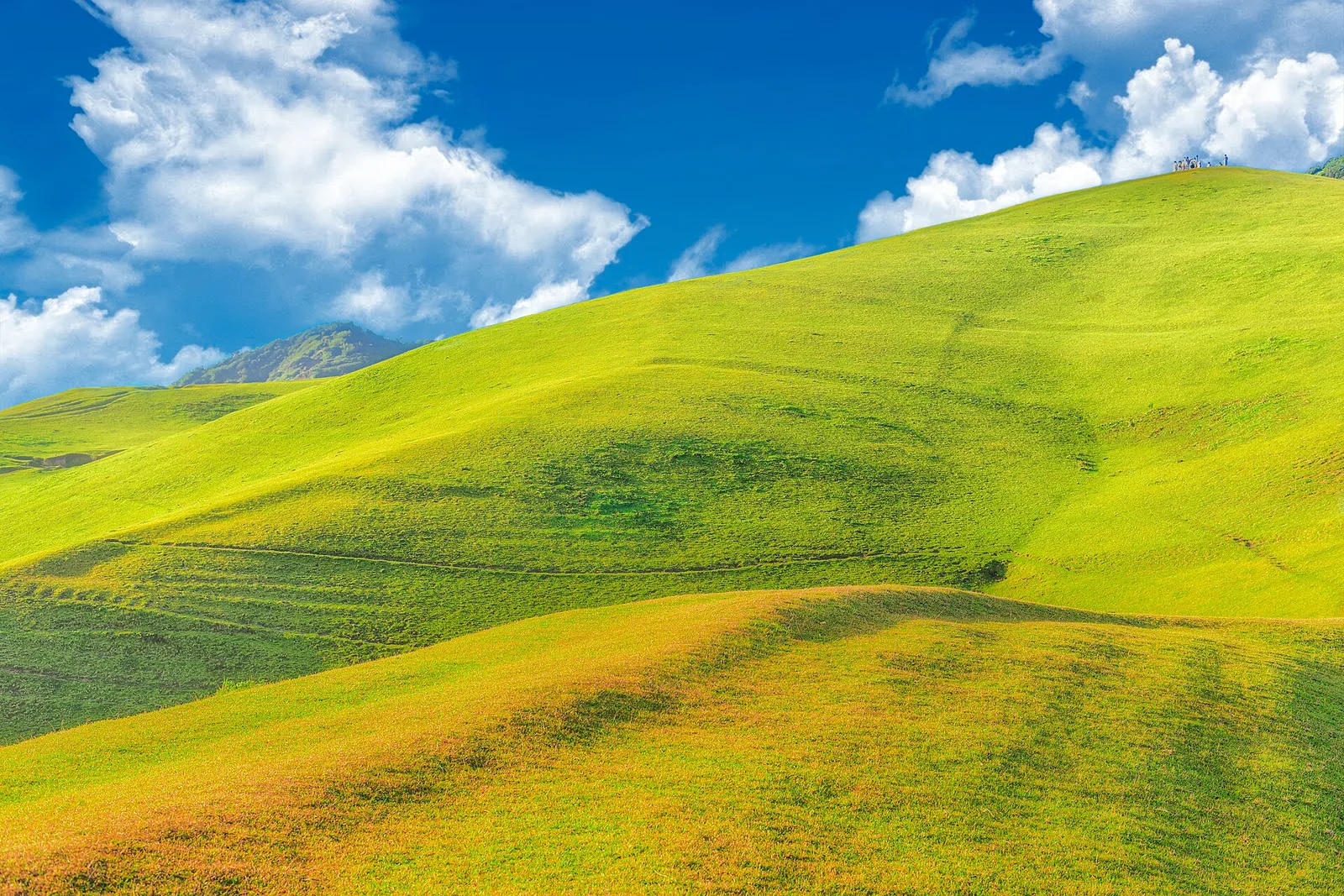
Open pasture on a headland above the sea, with cattle grazing and a view to Mount Iraya. It is also called Racuh a Payaman.
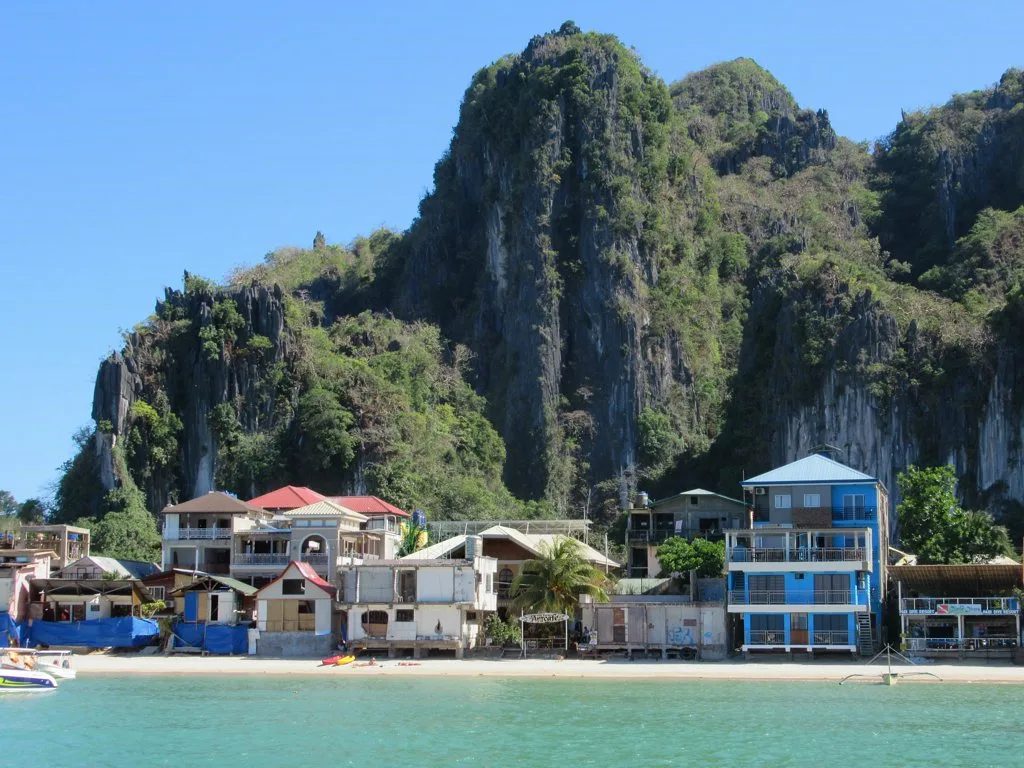
A sharp limestone climb above the town, done with a guide and gloves for the view over Bacuit Bay.
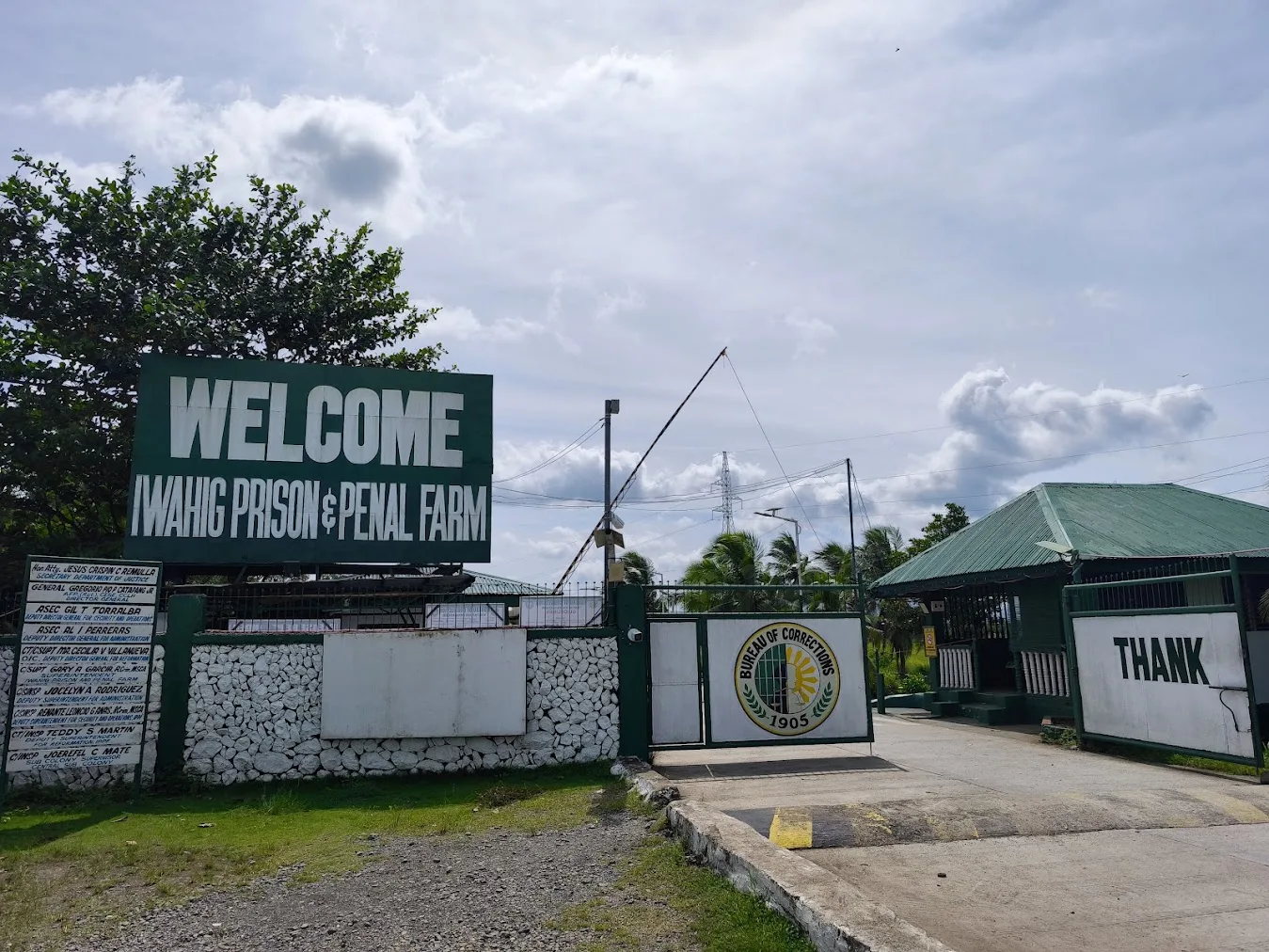
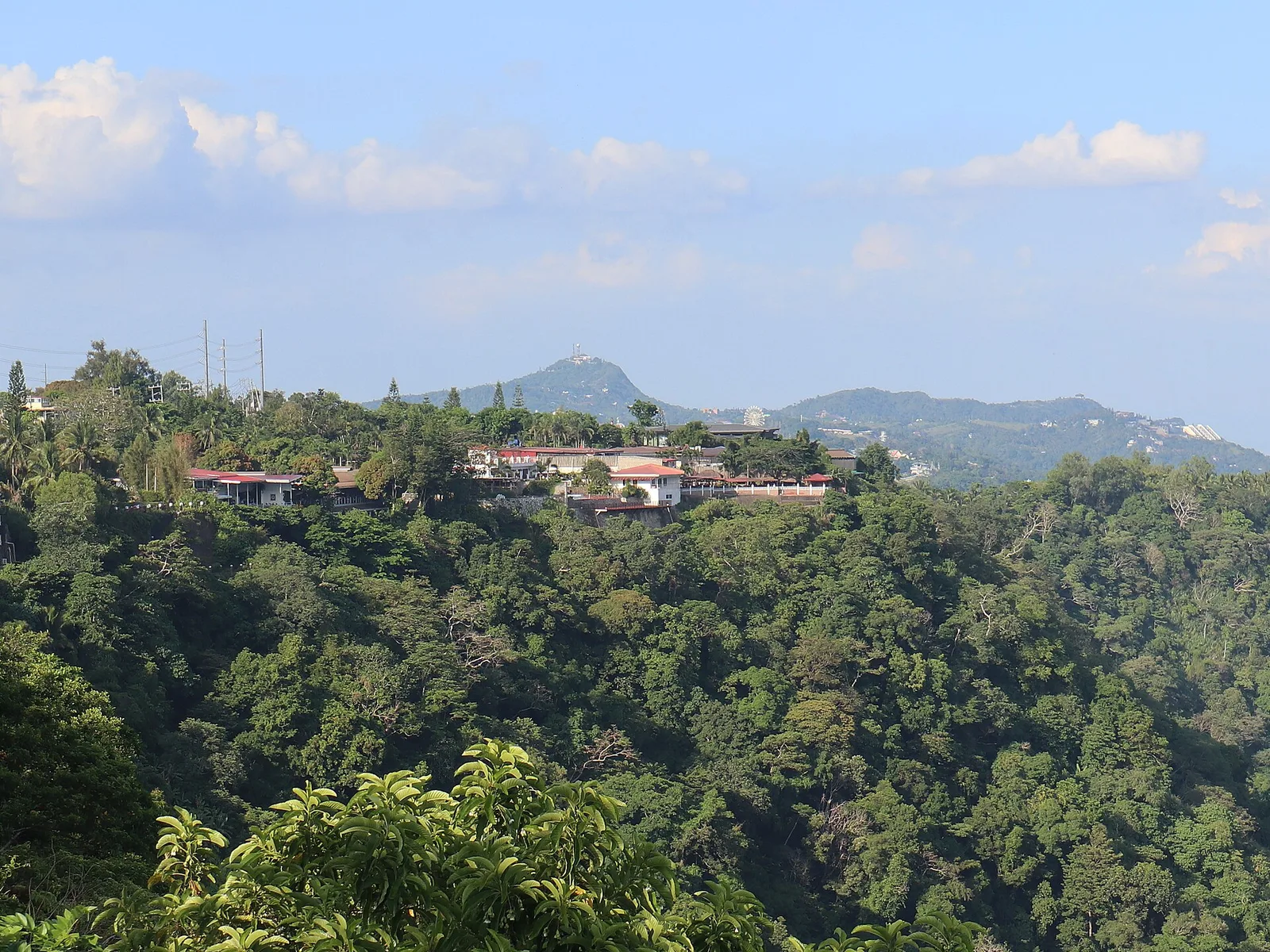
The road along the crest, with viewpoints looking down on Taal Lake and the volcano island. The ridge is the northern rim of the Taal Caldera, a collapsed bowl 25 by 30 kilometres wide that the lake now partly fills, …
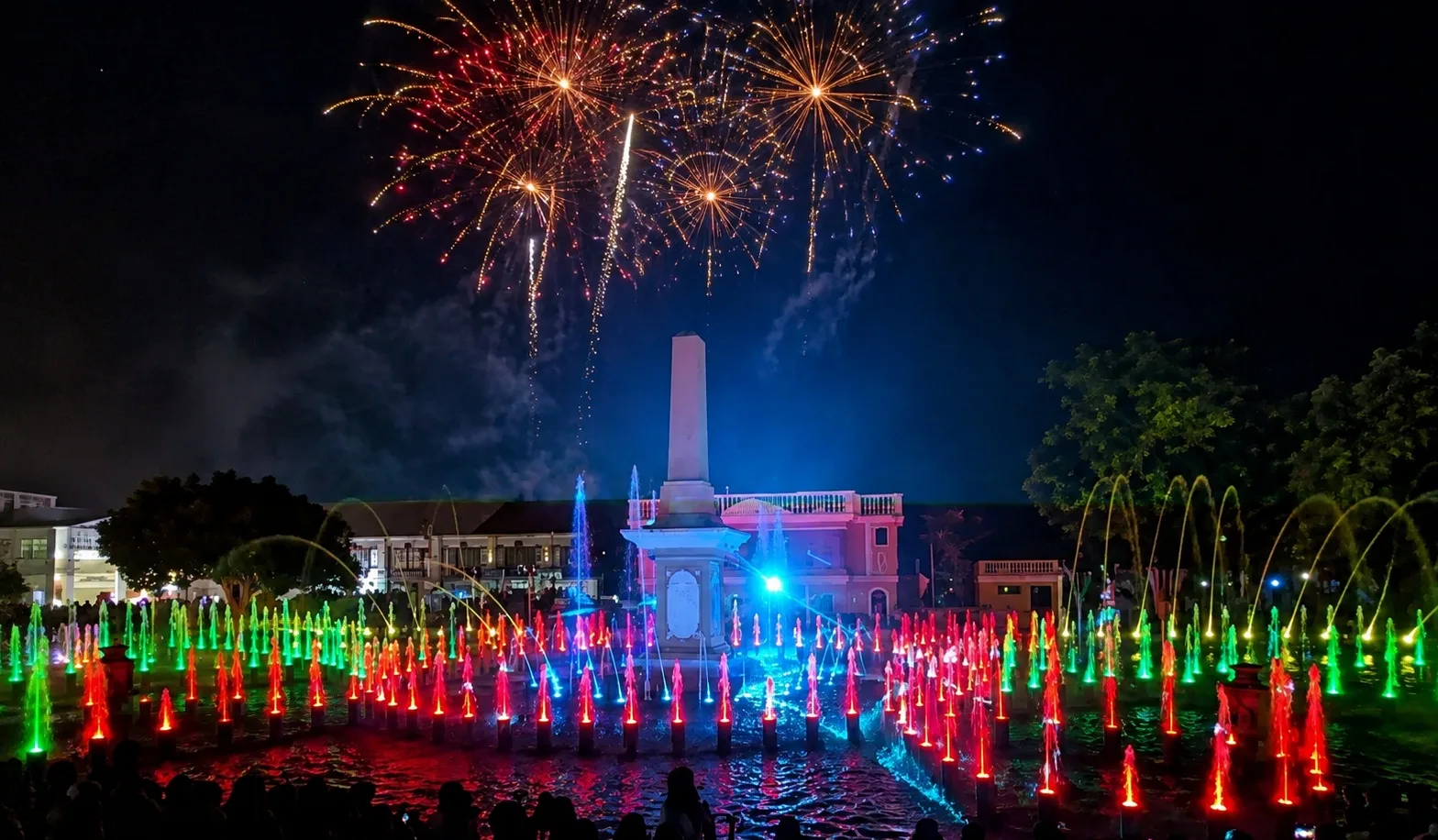
A free water and light show on the plaza in the evenings. The plaza is the longer arm of an L-shaped open space and is the town centre, named after the Spanish conquistador Juan de Salcedo. With Plaza Burgos it …
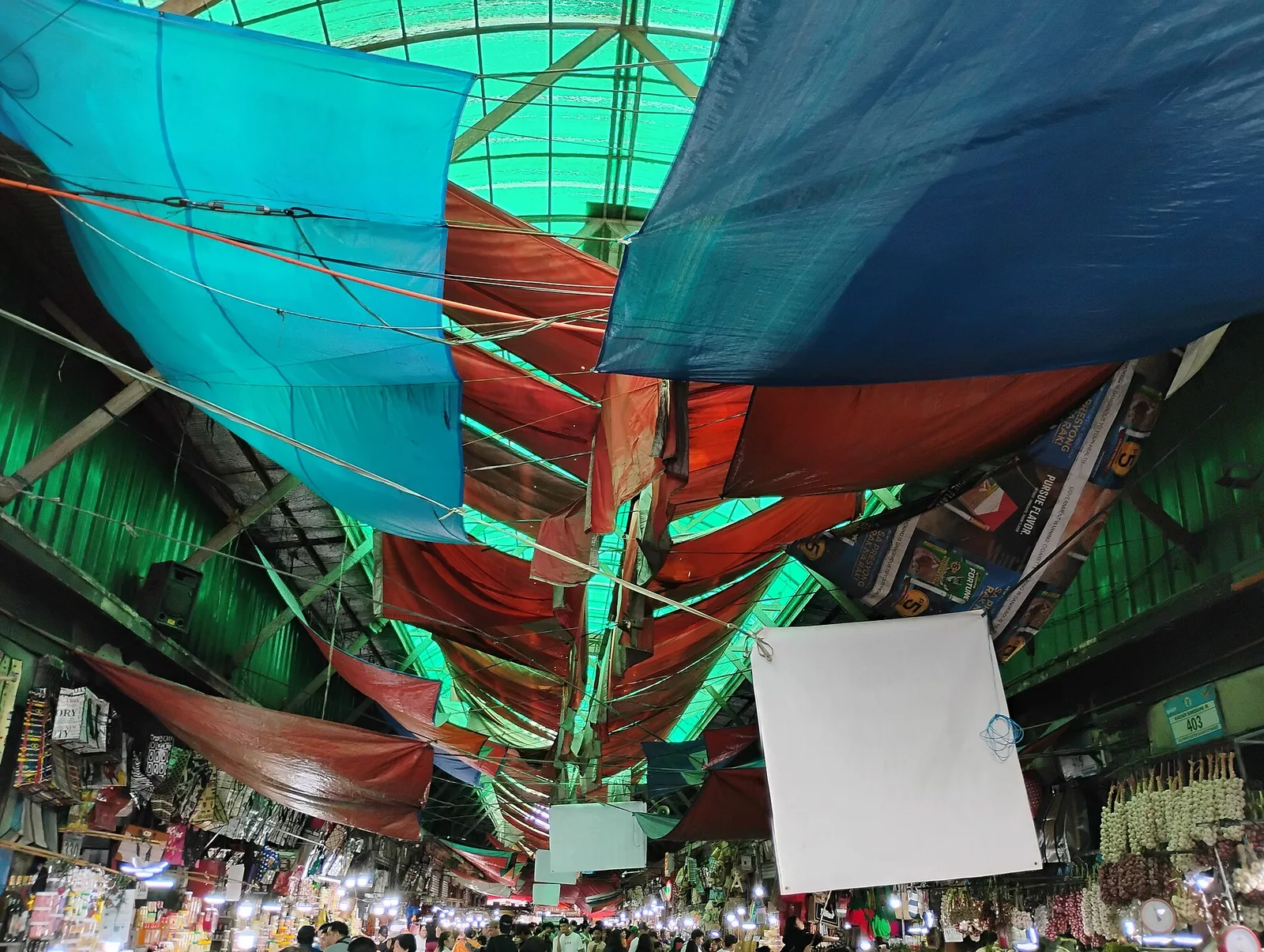
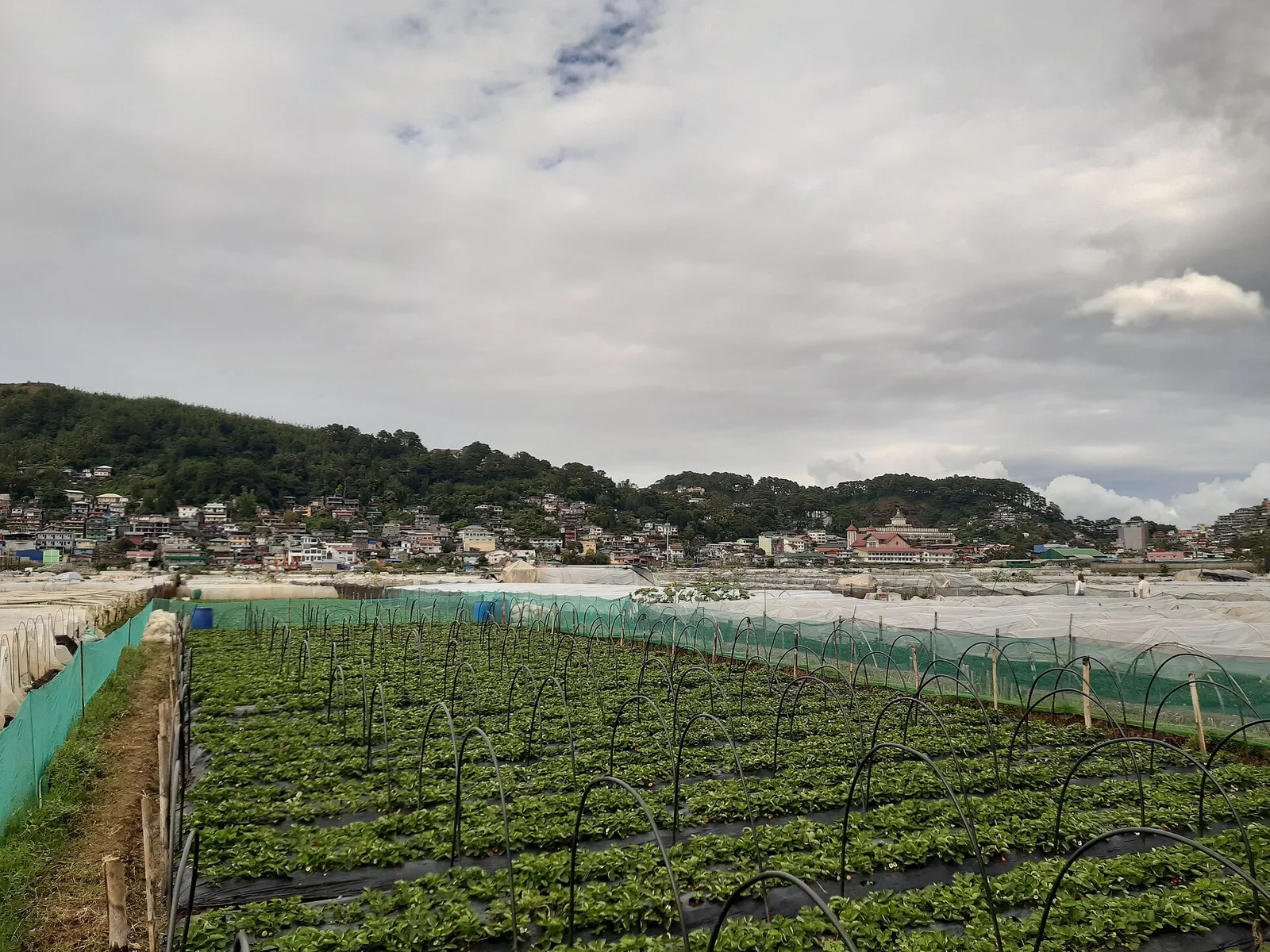
Where the highland vegetables, strawberry jam, peanut brittle and woven blankets are cheapest.

The city's day, kept on the feast of St John the Baptist, its patron. Manila was made a city on 24 June 1571. The day is a local holiday.
The colonial-era residence of the Mamba family, one of the leading political dynasties in Cagayan. The house was also used as the headquarters of the government of Free Cagayan during World War II, and afterwards became the administrative building of …
A sight at #25 Catanduanes Circumferential Road, Virac. Hours: Open 24 hours. Entry: Free.
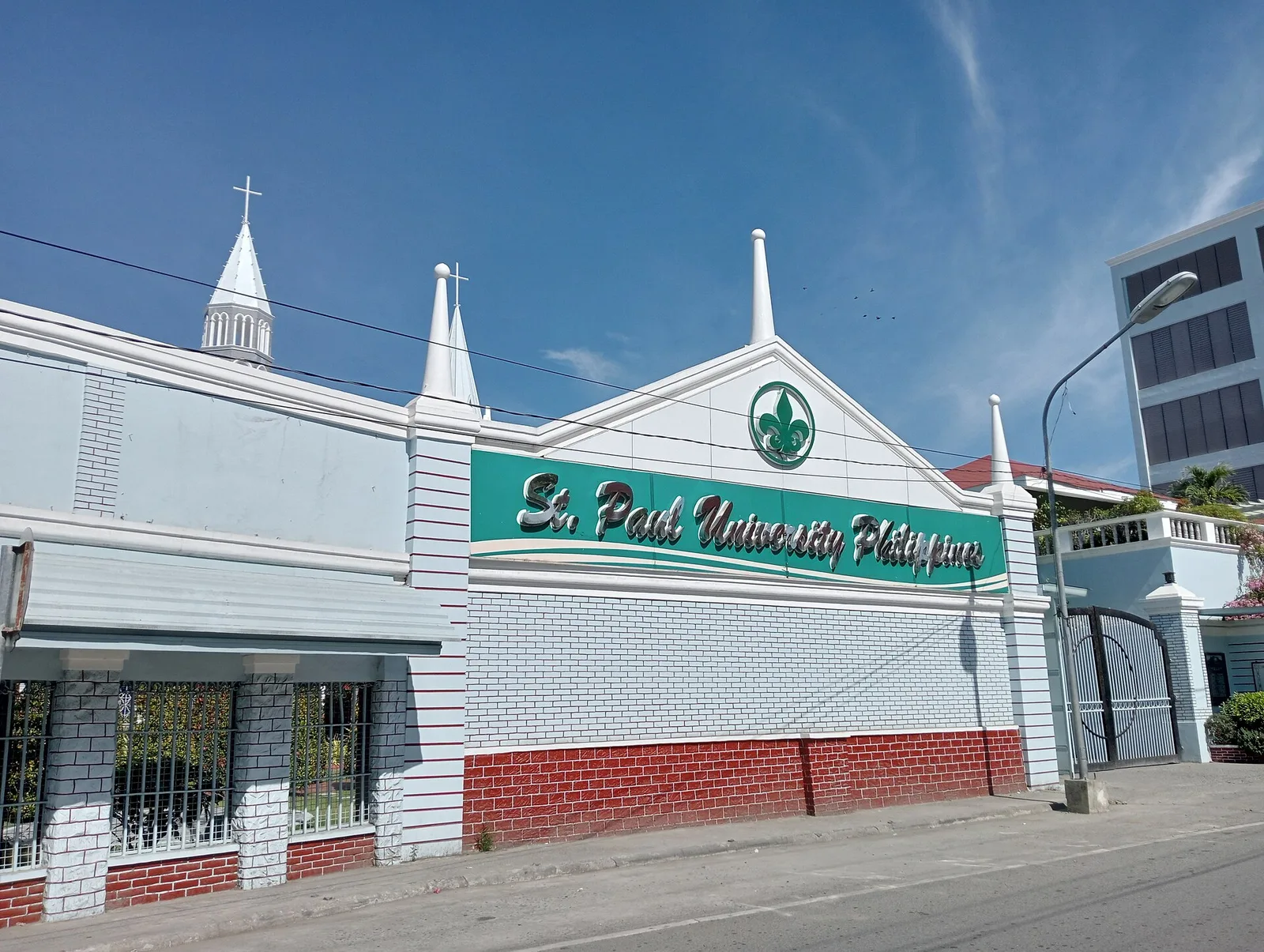
It was founded by the Sisters of St. Paul of Chartres in 1907, who came to Cagayan upon the invitation of Bishop Dennis Dougherty. The school had its operation in a Spanish Convento, adjoining the Cathedral of Tuguegarao. The institution …
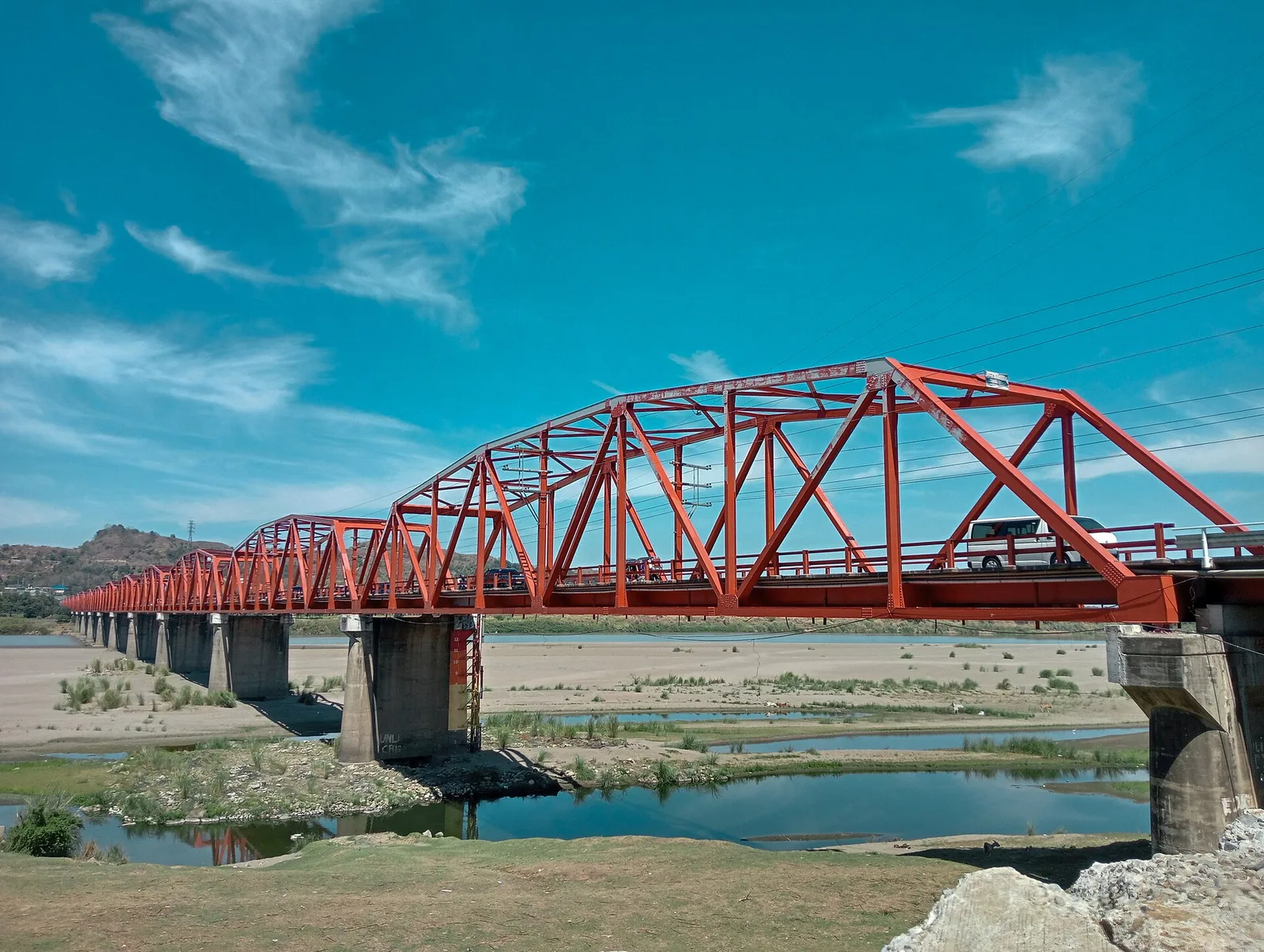
One of the longest bridges in the country at . It is from the city proper and offers an unobstructed view of the Cagayan River. It connects Tuguegarao with western Cagayan, Kalinga, Apayao and western Isabela.
Hot and cold pools in which to immerse yourself. Zip line. Hiking trails to nearby Mount Bulangao.