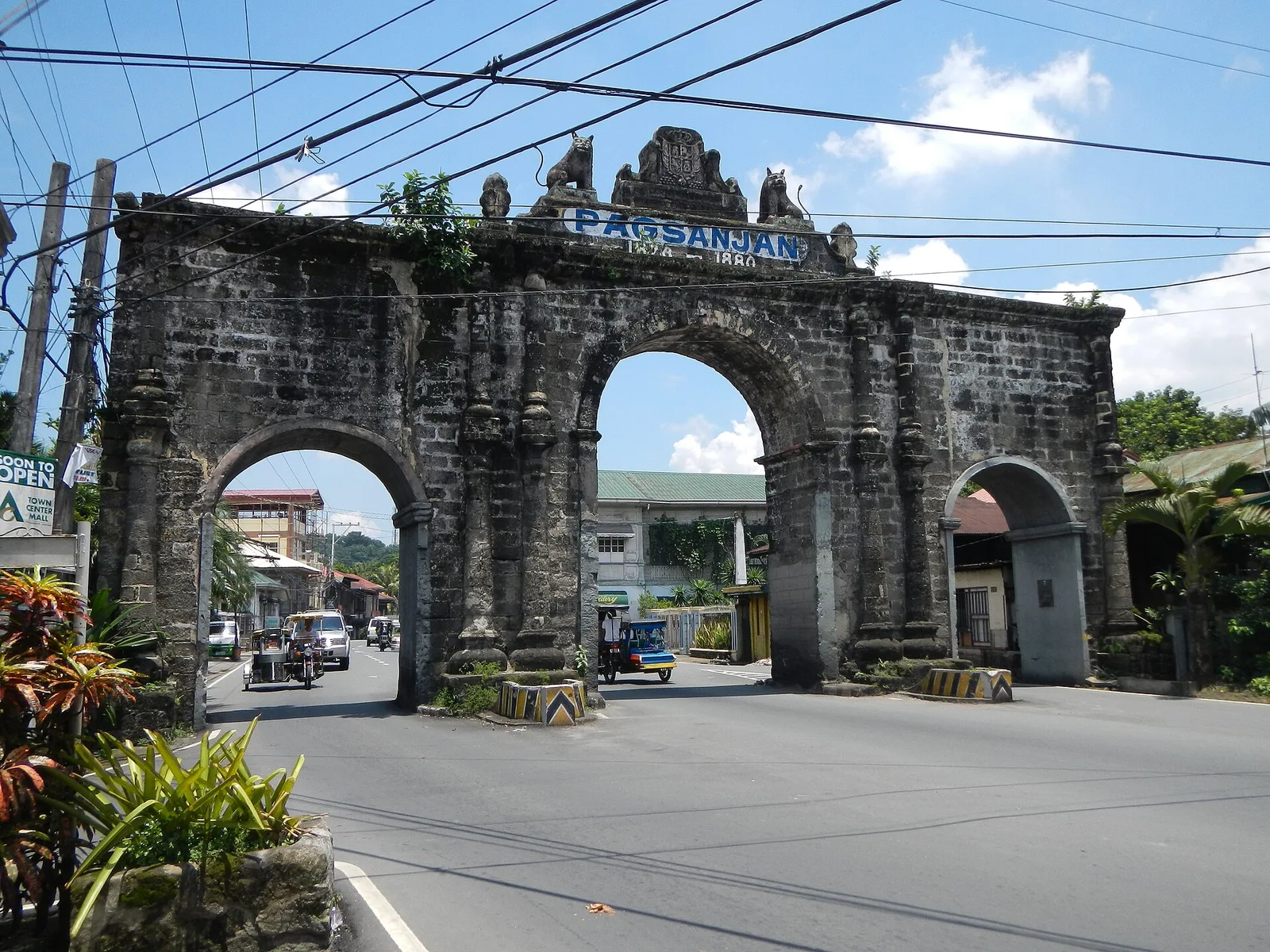
Pagsanjan Arch
One of the few-surviving town gates in the Philippines from the Spanish era, the three-portal structure is a designated National Cultural Treasure that sits directly on the highway from Santa Cruz.
Island group · 8 regions
One of the few-surviving town gates in the Philippines from the Spanish era, the three-portal structure is a designated National Cultural Treasure that sits directly on the highway from Santa Cruz.
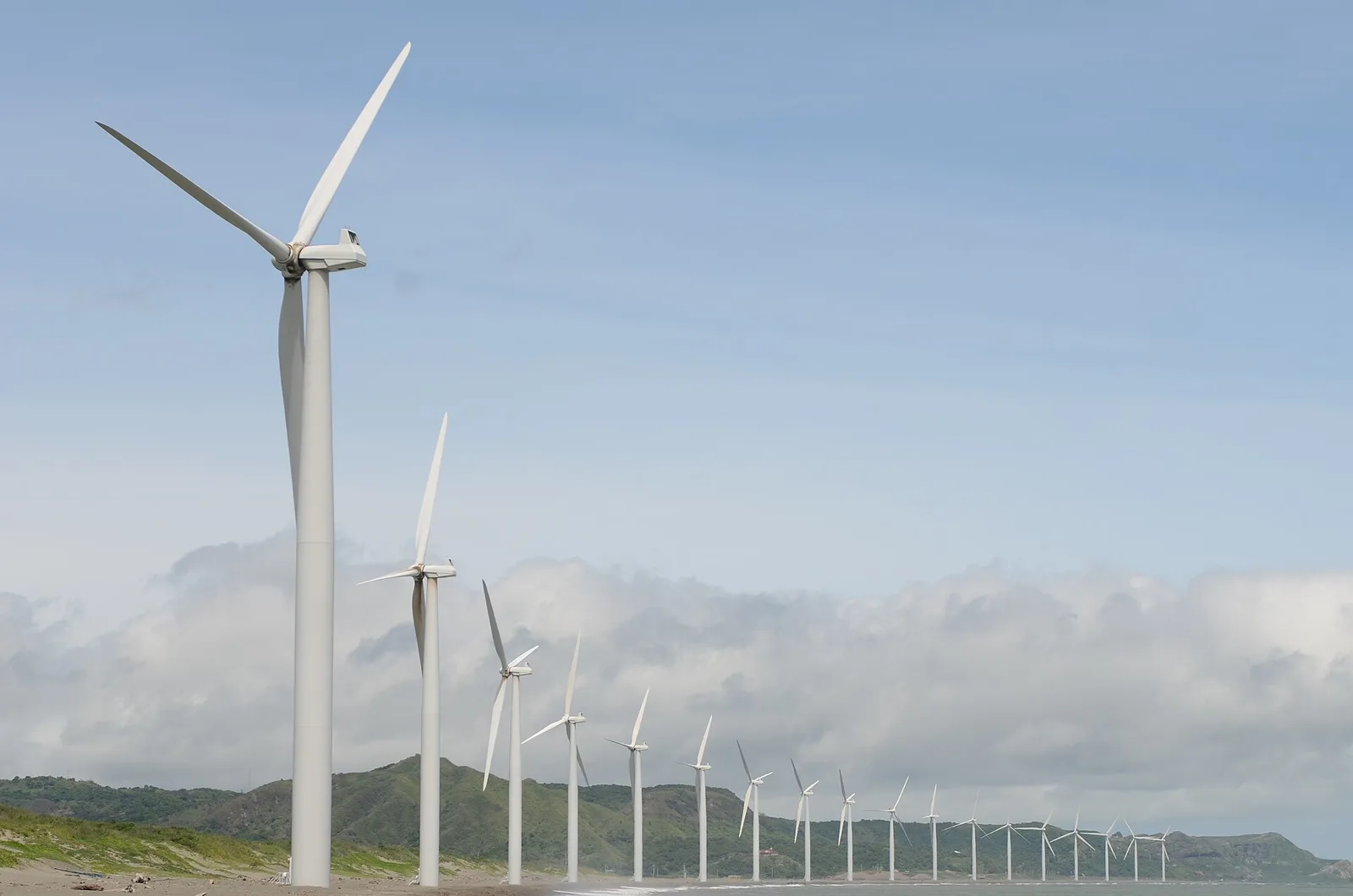
Constructed in 2003 and opened in 2005, this is the first wind farm in the Philippines. Even after the Burgos and Caparispisan wind farms were completed, the Bangui wind farms remain the main tourist attraction in its region.
Dry caving and underground river adventure experience. Short hike are expected. There are caves and rock formations. Life jackets, local guides and boatmen are available.
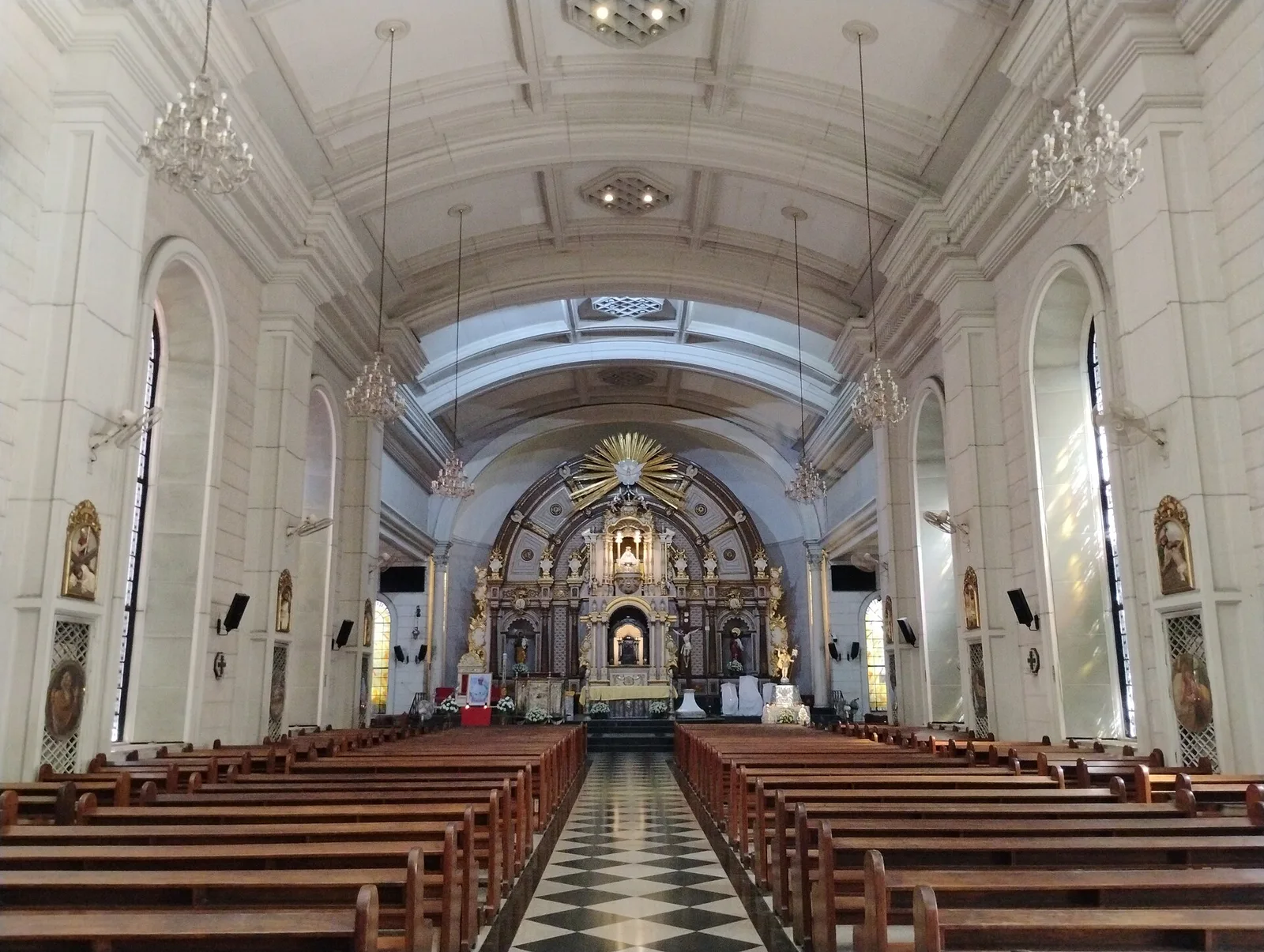
One of the oldest Catholic churches in the country, set up by the Spanish Augustinians on May 11, 1580. It is the seat of the Diocese of Parañaque, which covers Parañaque, Las Piñas and Muntinlupa, and it is also the …
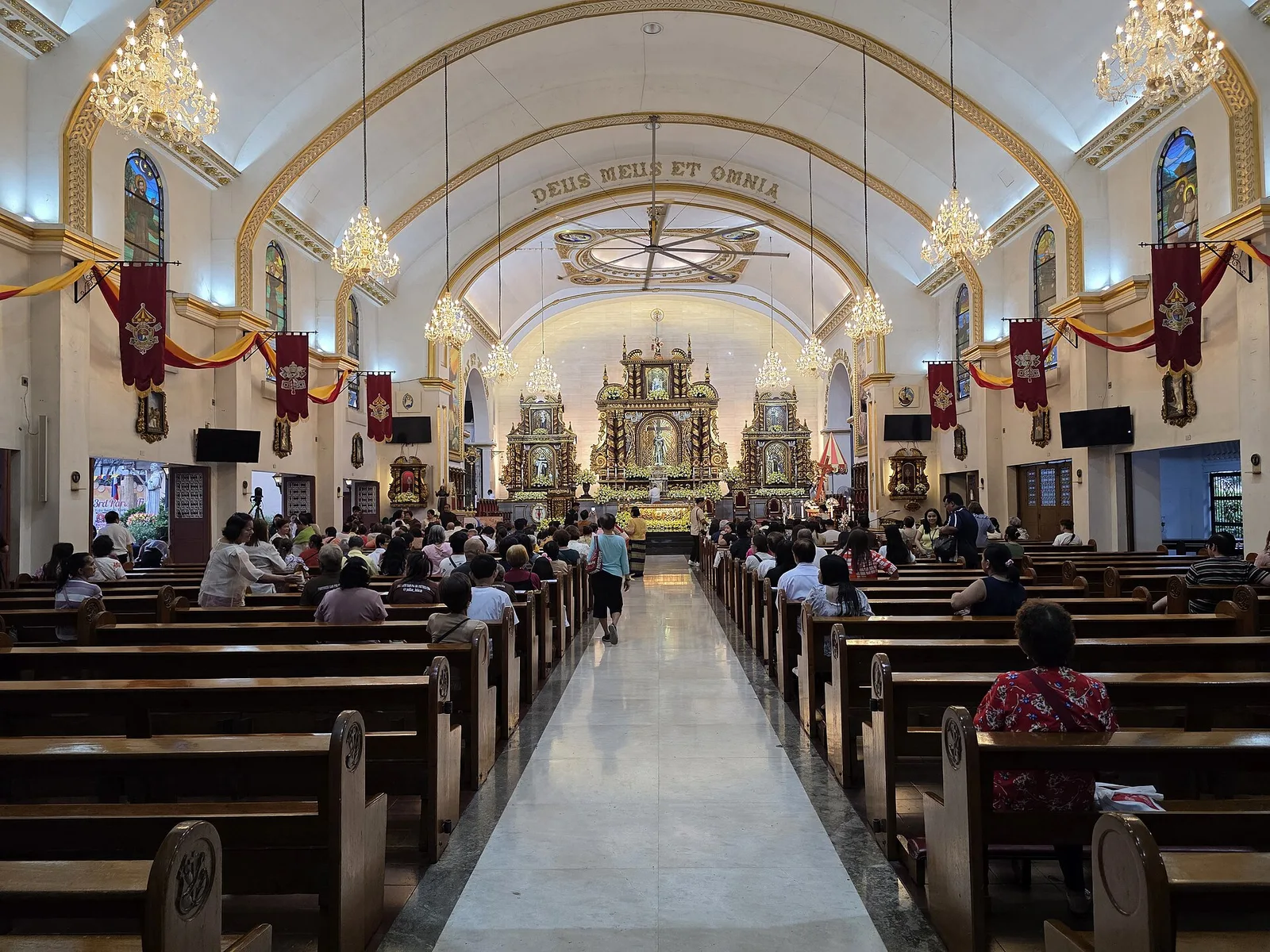
The oldest church in Quezon City, built in 1590, and one of the oldest in the country. It stands in the San Francisco del Monte district and carries the name of Pedro Bautista, the Spanish missionary from Ávila who founded …
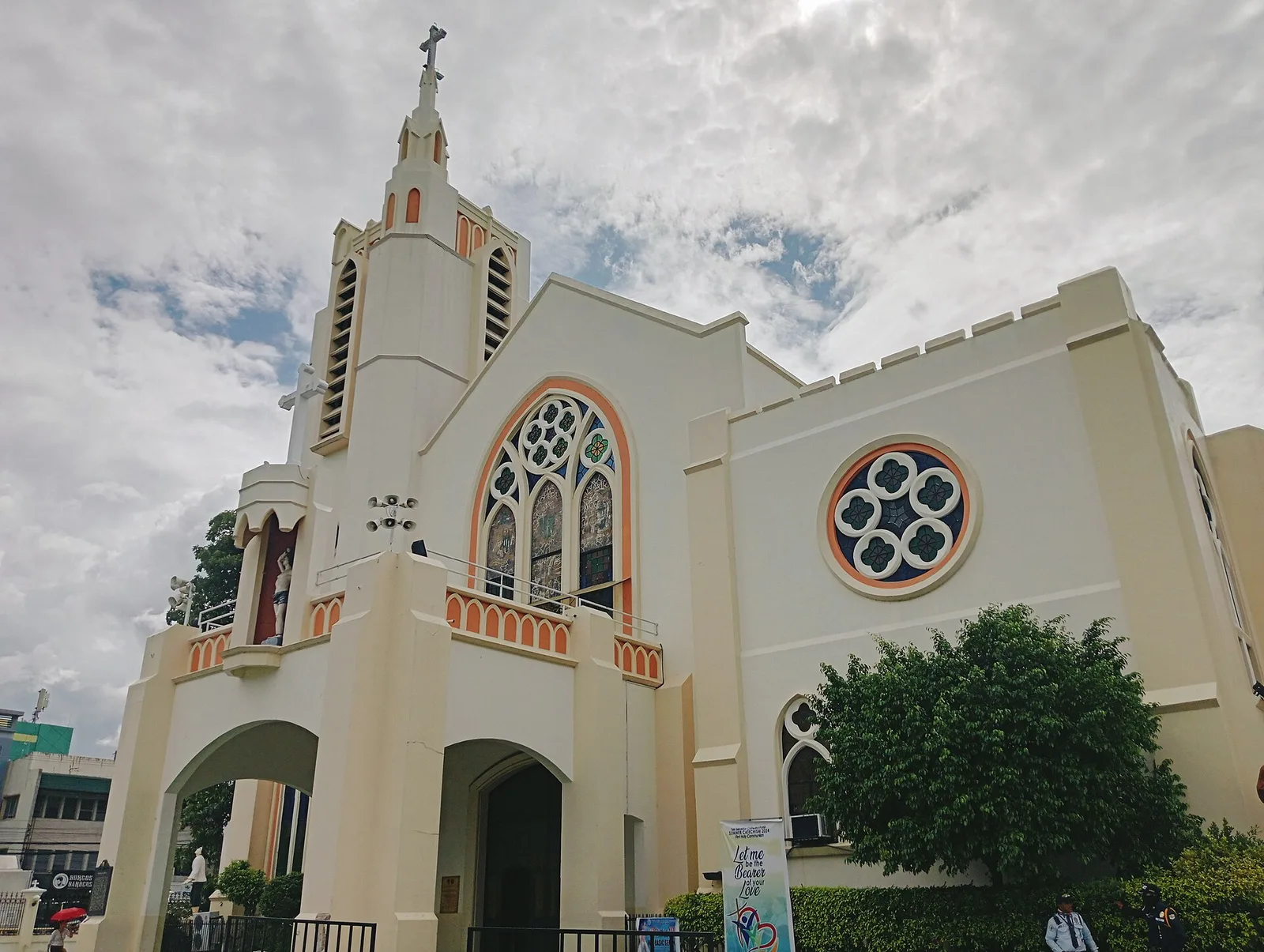
The seat of the Diocese of Tarlac, a neo-Gothic church in Barangay Mabini. It was dedicated to Saint Sebastian in 1686, and the building that stands today went up after the war. The stone and wood church before it, finished …
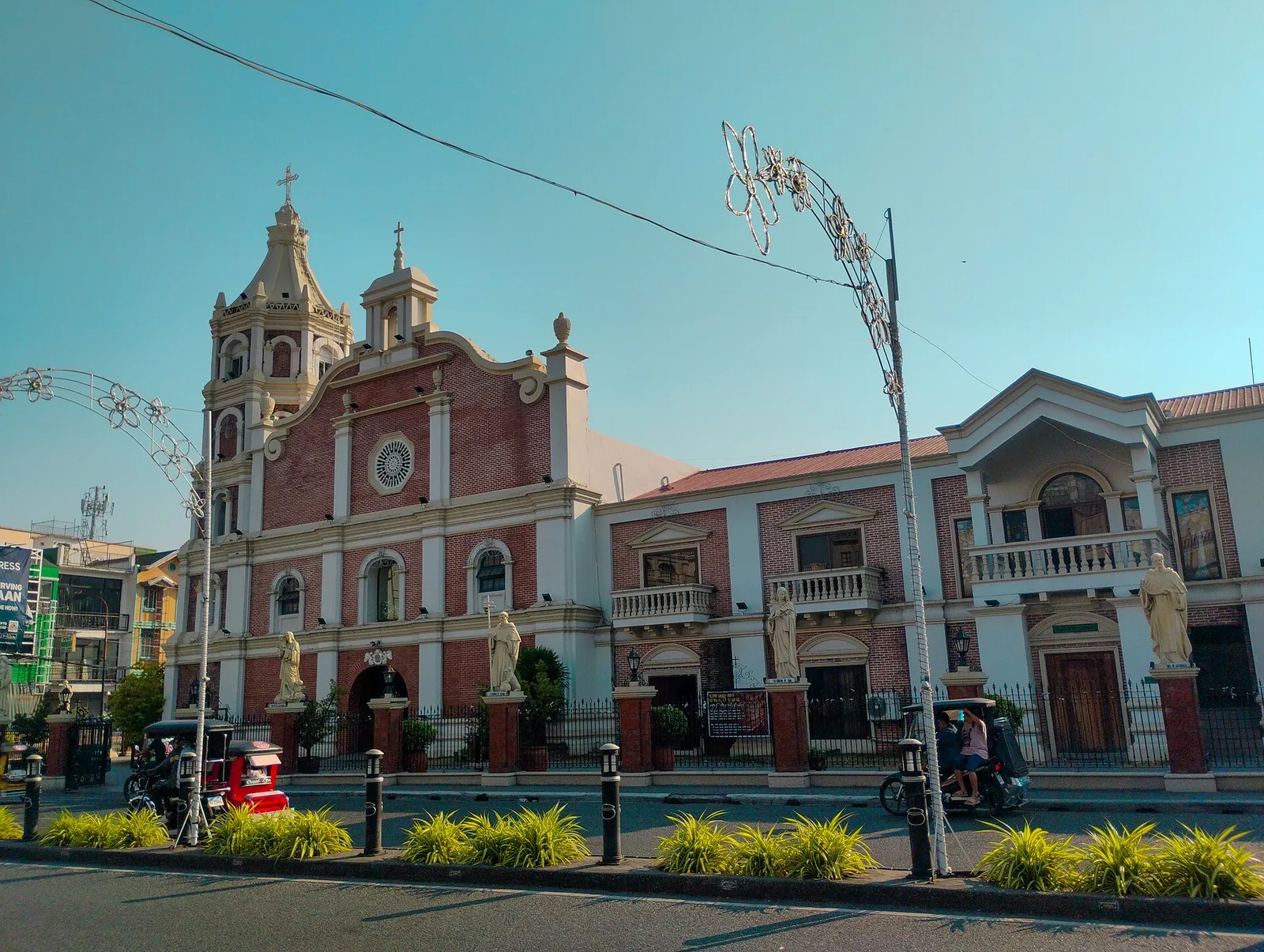
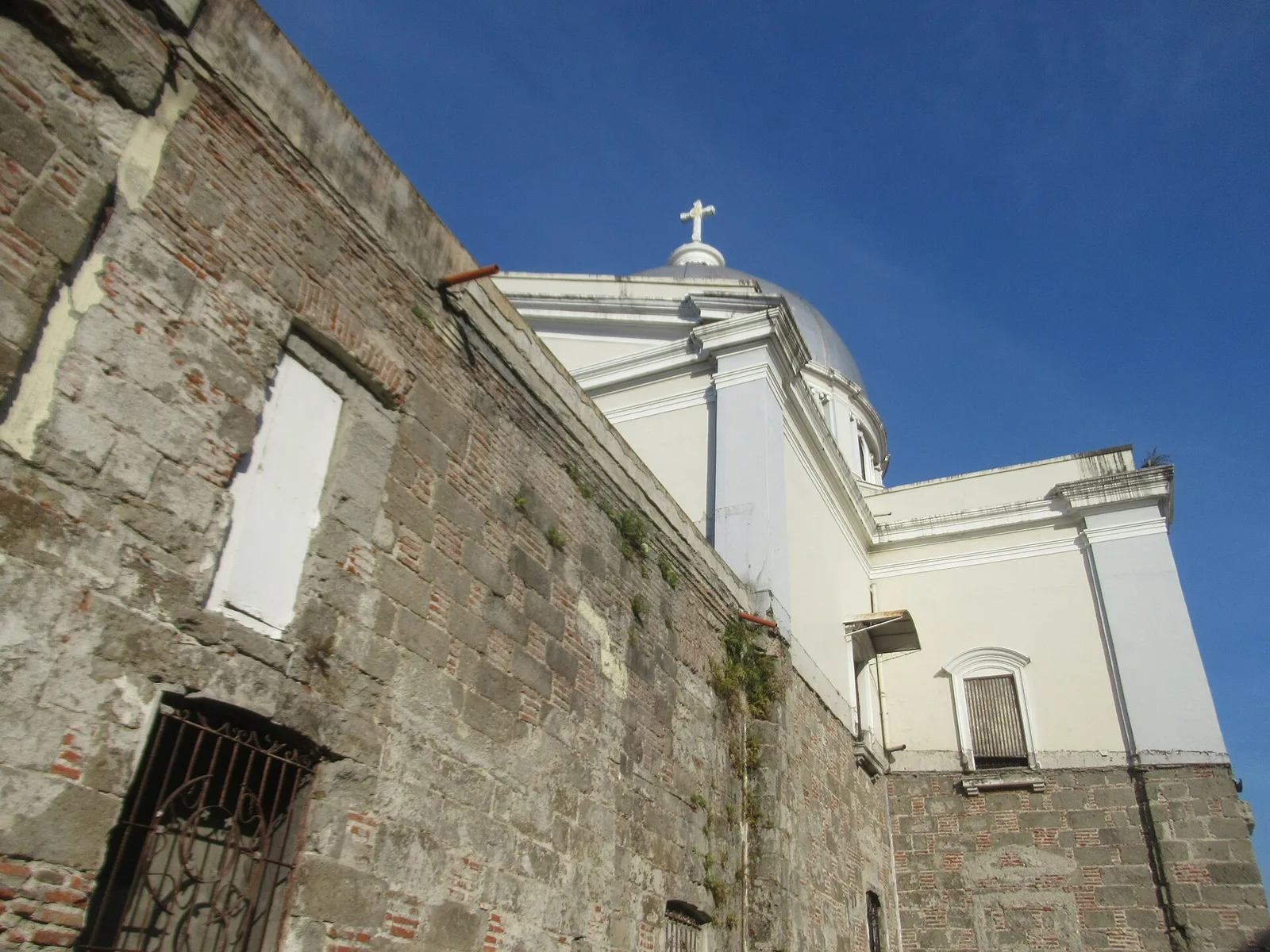
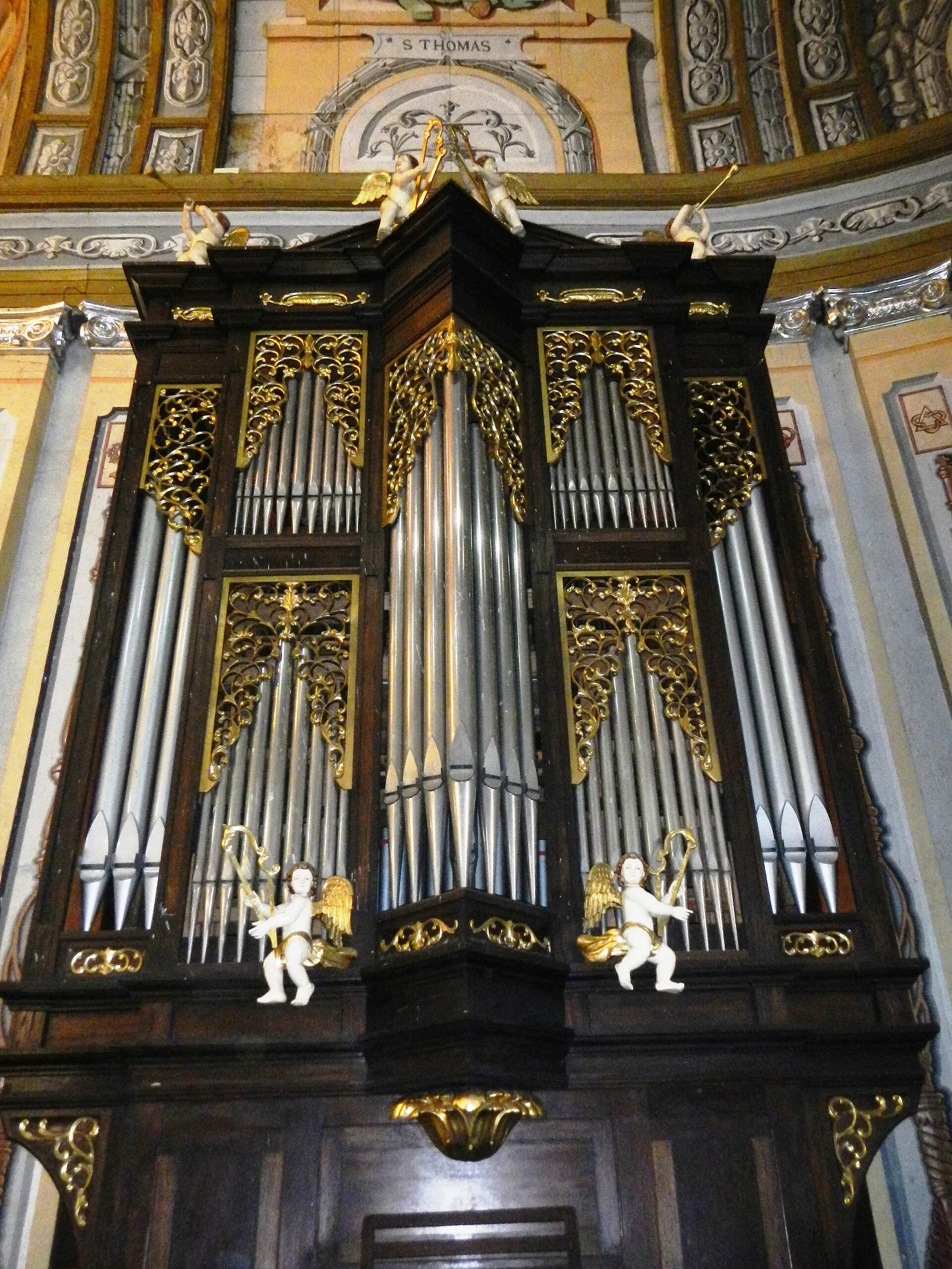
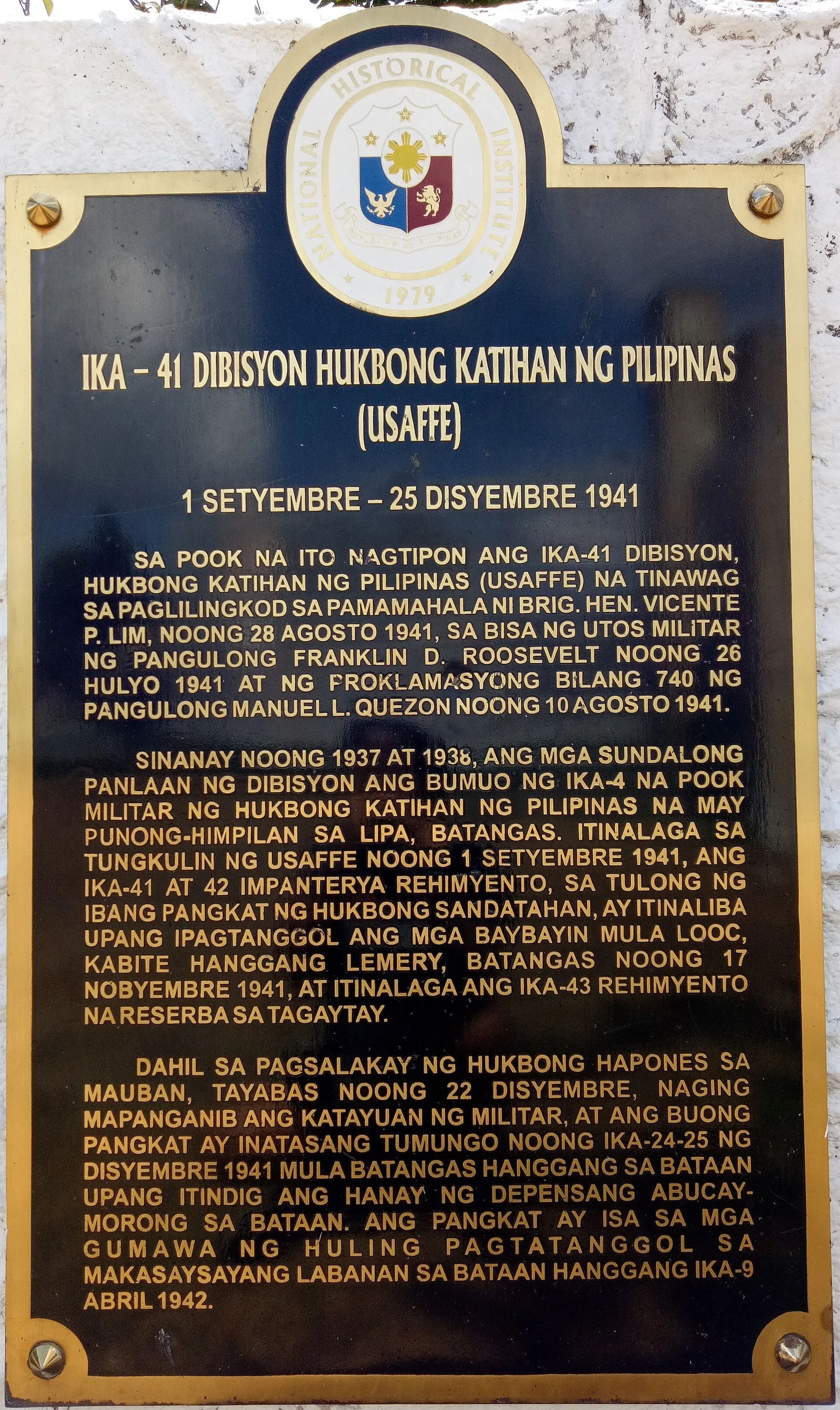
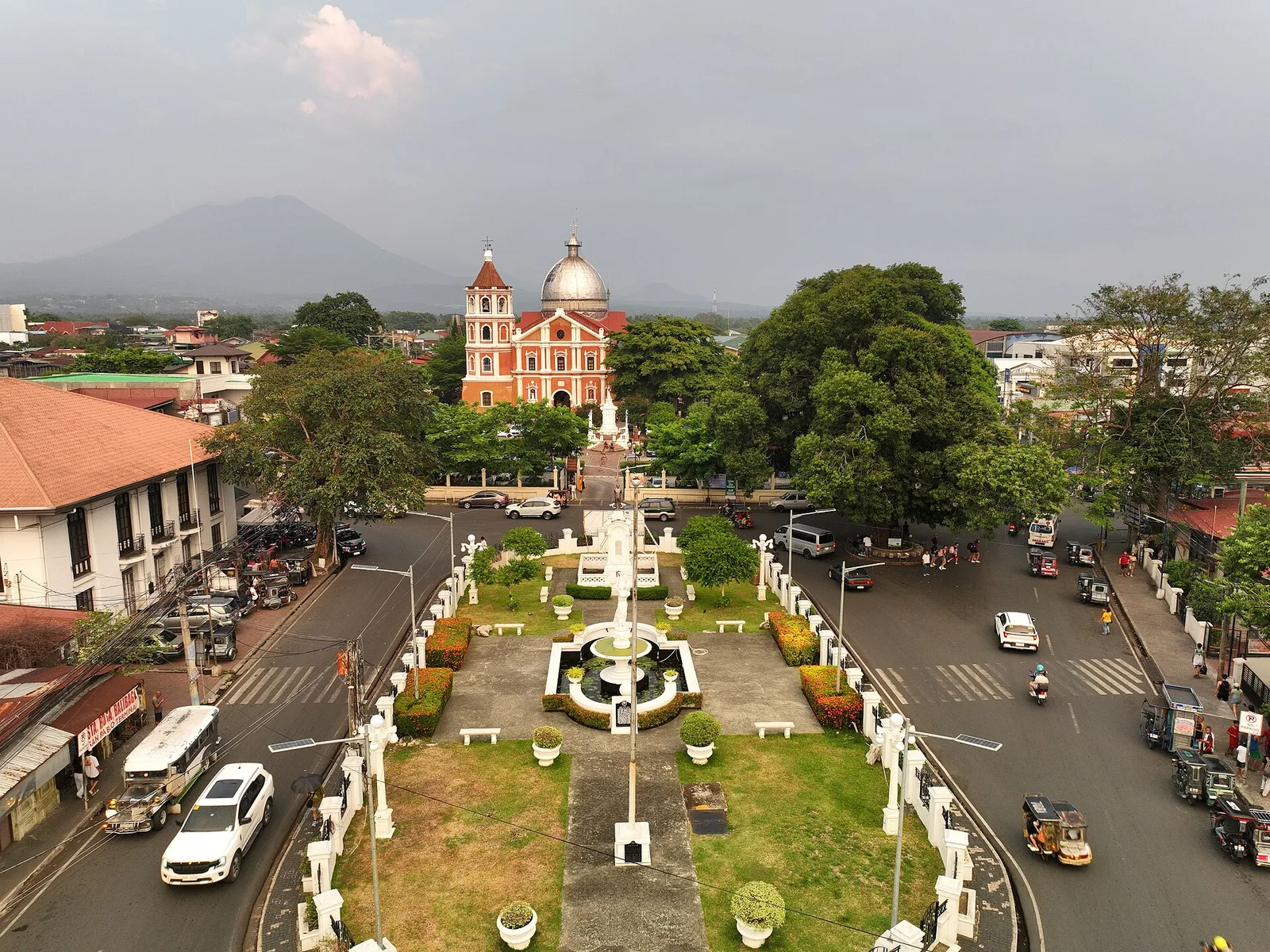
The seat of the Diocese of Balanga, which covers the whole province of Bataan. The Japanese Imperial Army used the church as an artillery position during the Second World War, and fired from here on the USAFFE forces at Mount …
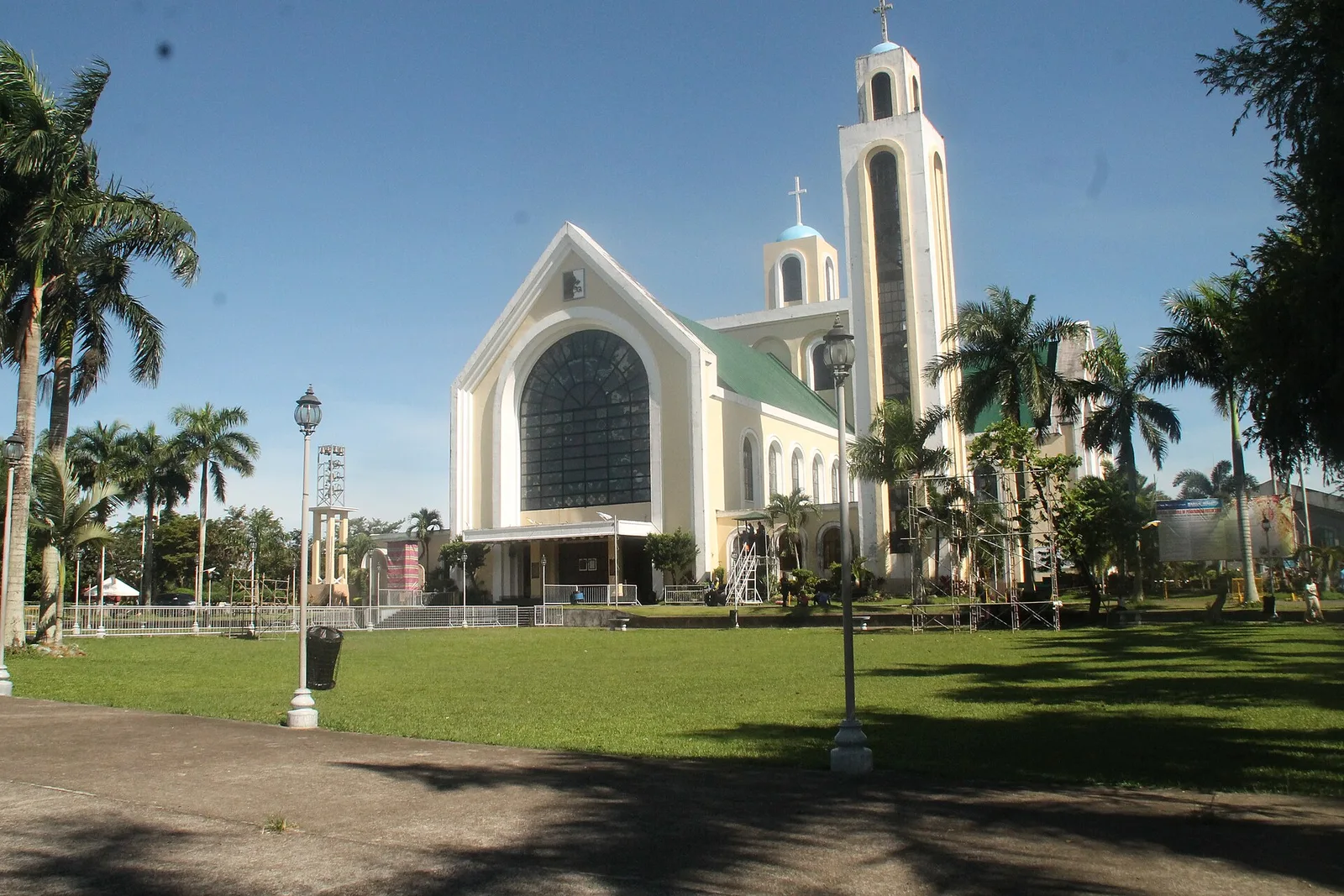
The church that holds the image of Our Lady of Peñafrancia, patroness of the Bicol Region. It is one of the largest Marian pilgrimage sites in Asia, and the only basilica in Bicol and in the Archdiocese of Caceres. It …
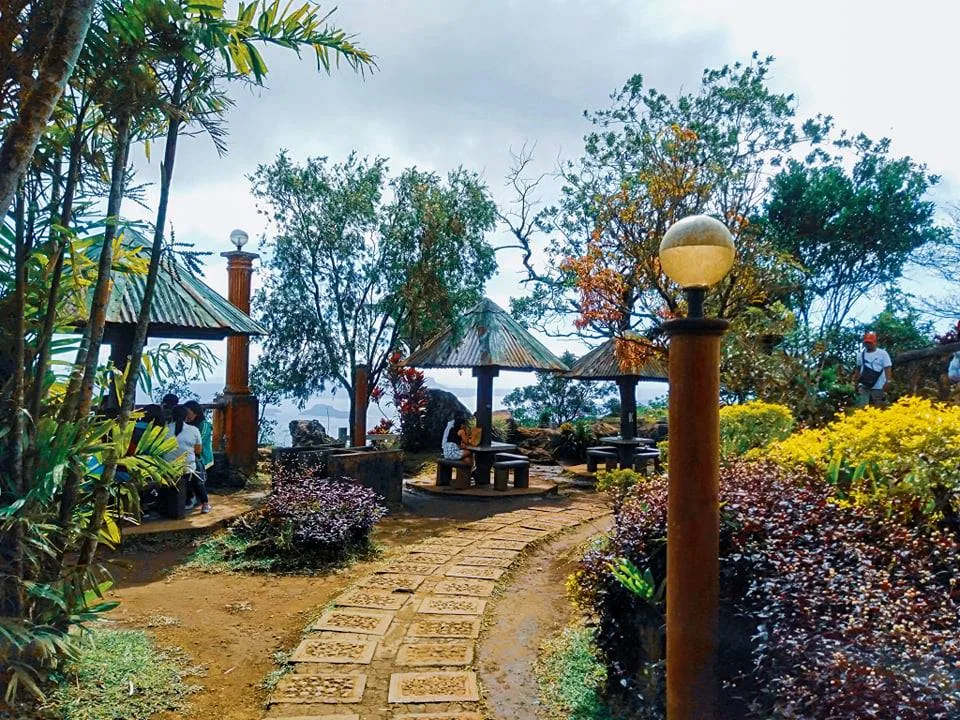
An unfinished mansion on the highest point, now a viewing deck with a view of the lake and, on clear days, Manila Bay. The Marcos government started the house for a state visit by the United States president Ronald Reagan, …
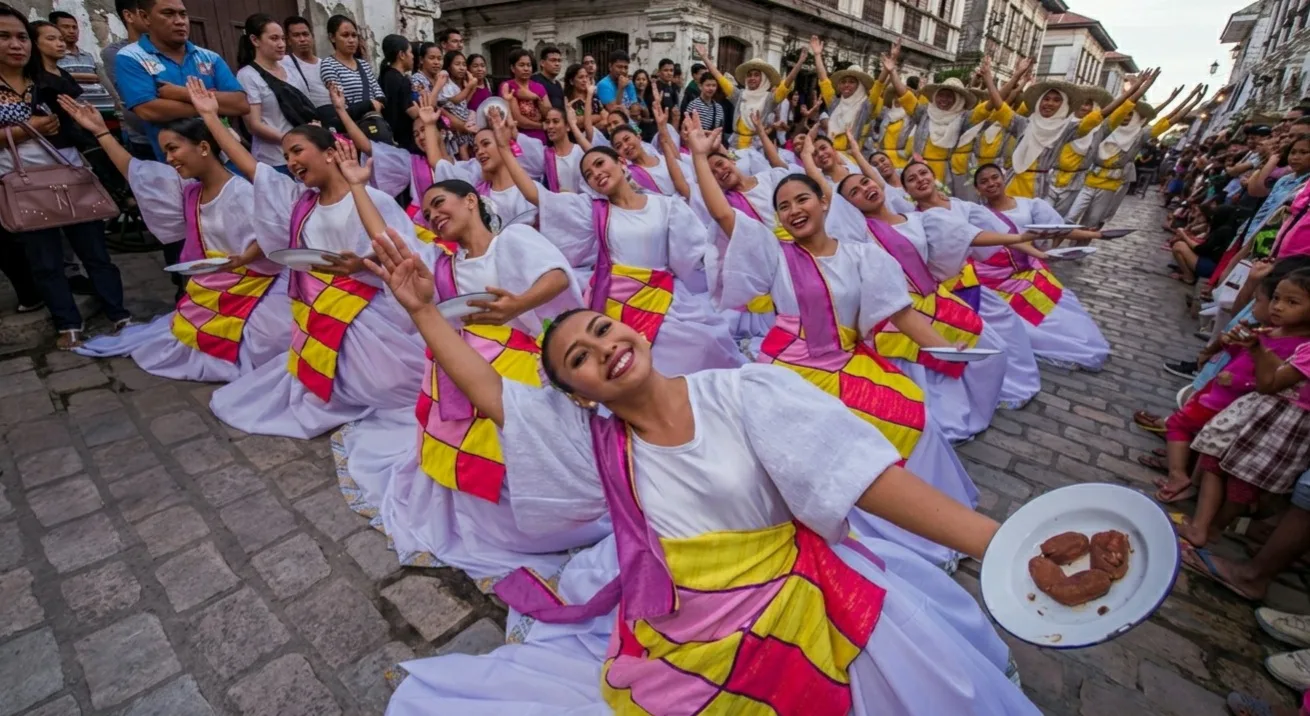
The city fiesta, with the sausage makers at the centre of it: longganisa cooked in the open on Plaza Burgos, a float parade and a street dance.
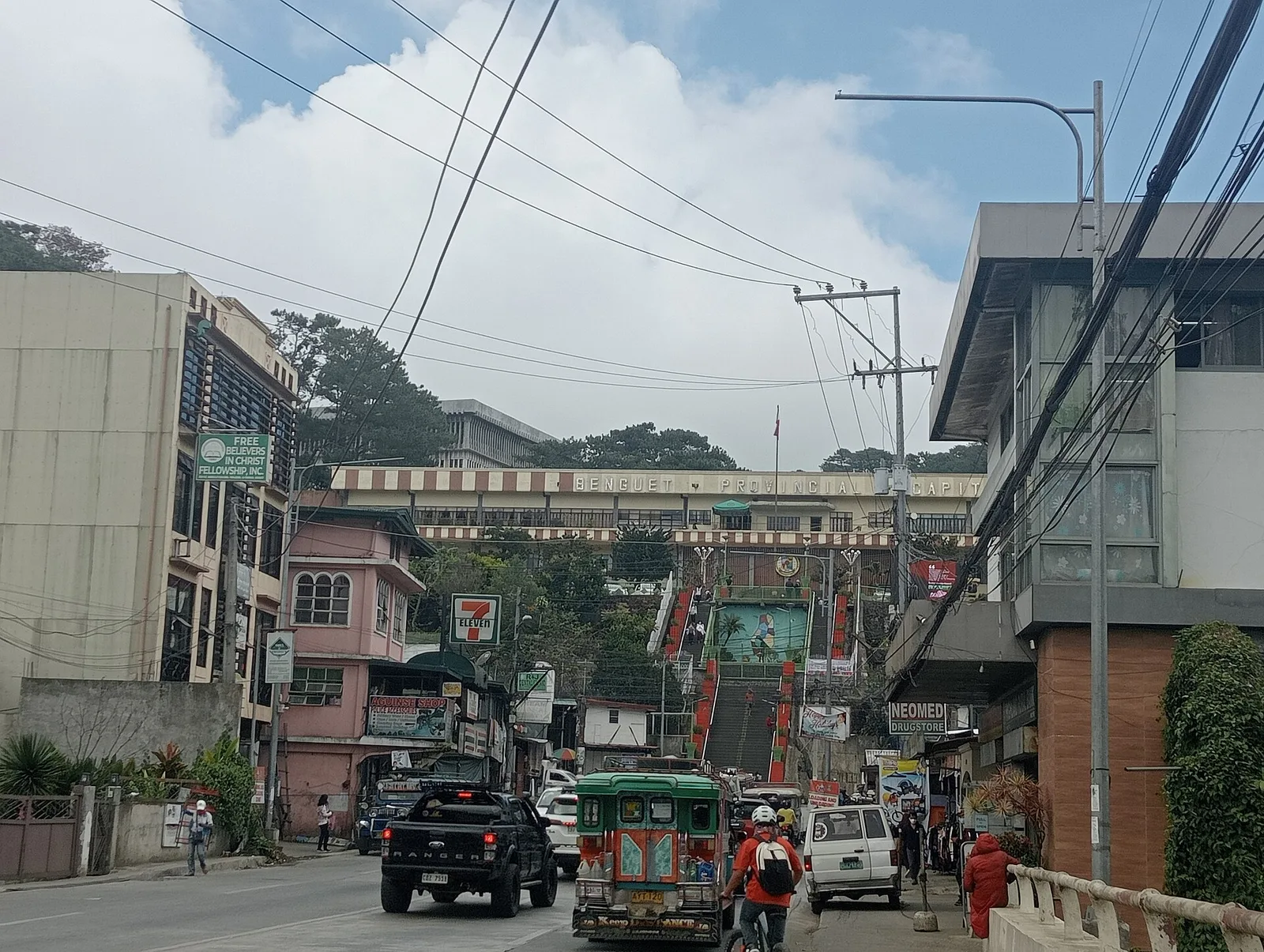
The province's founding anniversary, kept for the whole month: a trade fair of Benguet produce, rituals, and the grand cañao on 23 November, the day Benguet was founded in 1900.
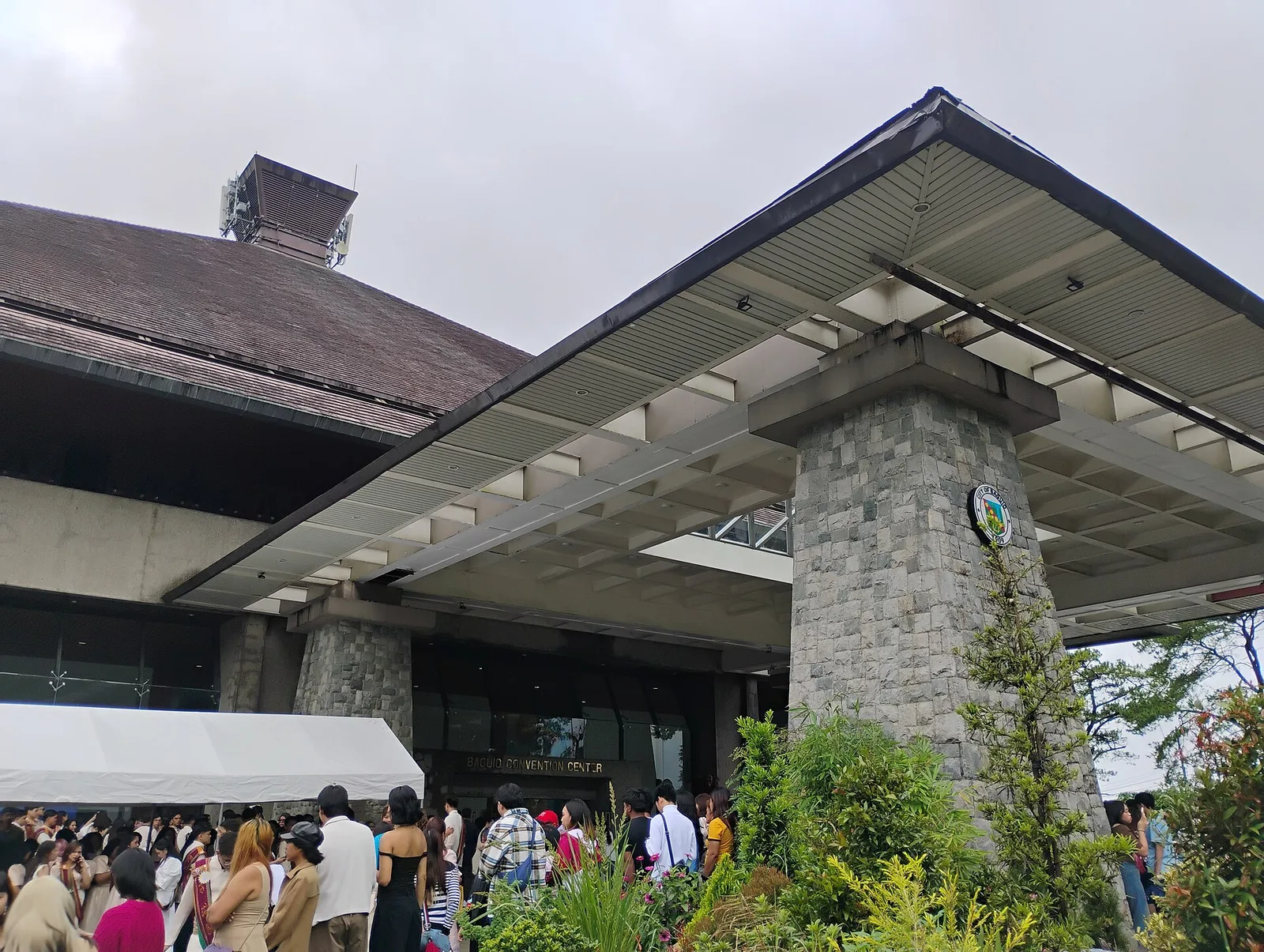
Baguio is a UNESCO Creative City for crafts and folk art. Ibagiw fills November with craft markets, workshops and shows from the city's weavers, carvers and painters.
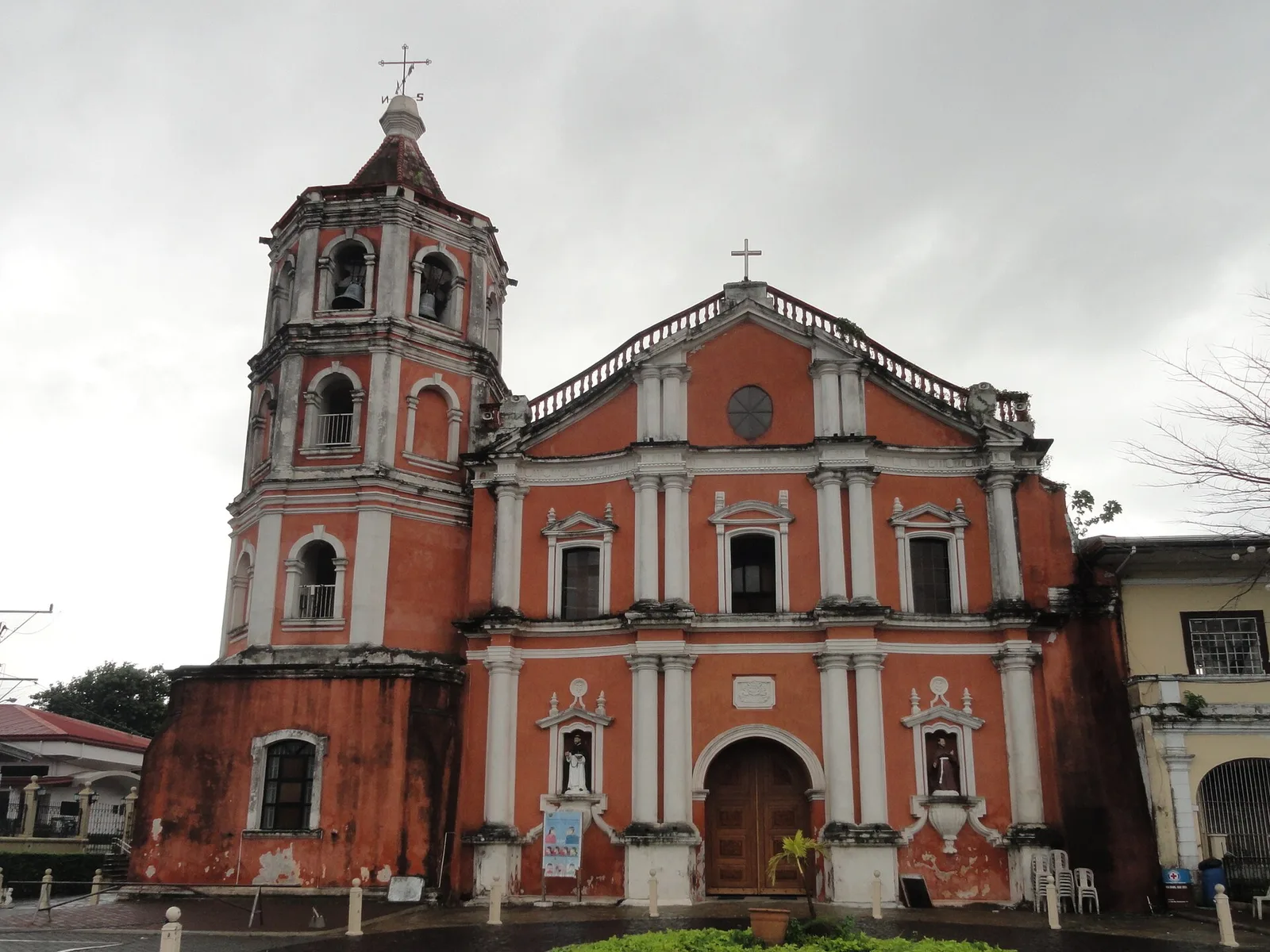
An adobe Romanesque Roman Catholic cathedral that forms the center of San Pablo and serves as the seat of the namesake Roman Catholic Diocese of San Pablo which oversees the entirety of Laguna. Built in 1714, it was damaged during …

Inevitably associated with the town, the volcano is the biggest draw in the area, particularly its crater lake and the lunar landscapes created along its gullies following the 1991 eruptions.
The seat of the Catholic Diocese of San Fernando de La Union, in Barangay II, the Poblacion. Its patron is Saint William the Hermit, who founded the Williamites, a branch of the Hermits of Saint Augustine. The town feast for …
The seat of the Archdiocese of Lipa, built in a Neo-Renaissance style on a Latin cross plan, with arches around the main hall and a large dome. An octagonal bell tower stands beside the front. It had five floors at …
An extensive cave complex in the Sierra Madre mountains
A 3-day plan built from the See, Do and Eat listings in Wikivoyage's Tagaytay guide. The stops are in an order that keeps each day close together. Check the hours …
The bishop's church for the Roman Catholic Diocese of San Pablo. Its patron is Saint Paul the First Hermit, and his feast falls on January 15. The present building was started in 1714 and finished in 1721, on foundations laid …
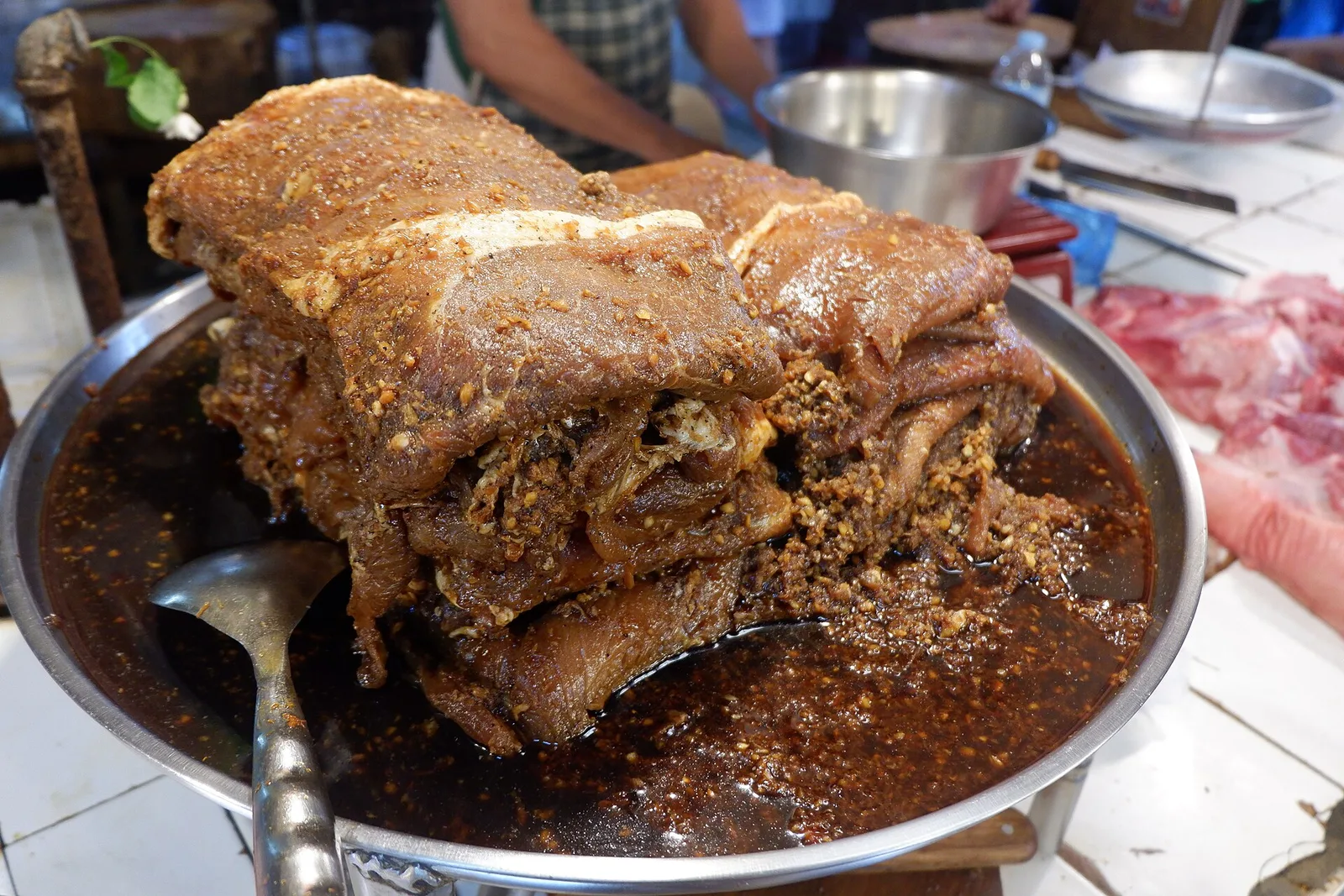
Where the embroidered barong, balisong knives and tapa are sold side by side. Taal is known as the balisong and barong tagalog capital of the Philippines.
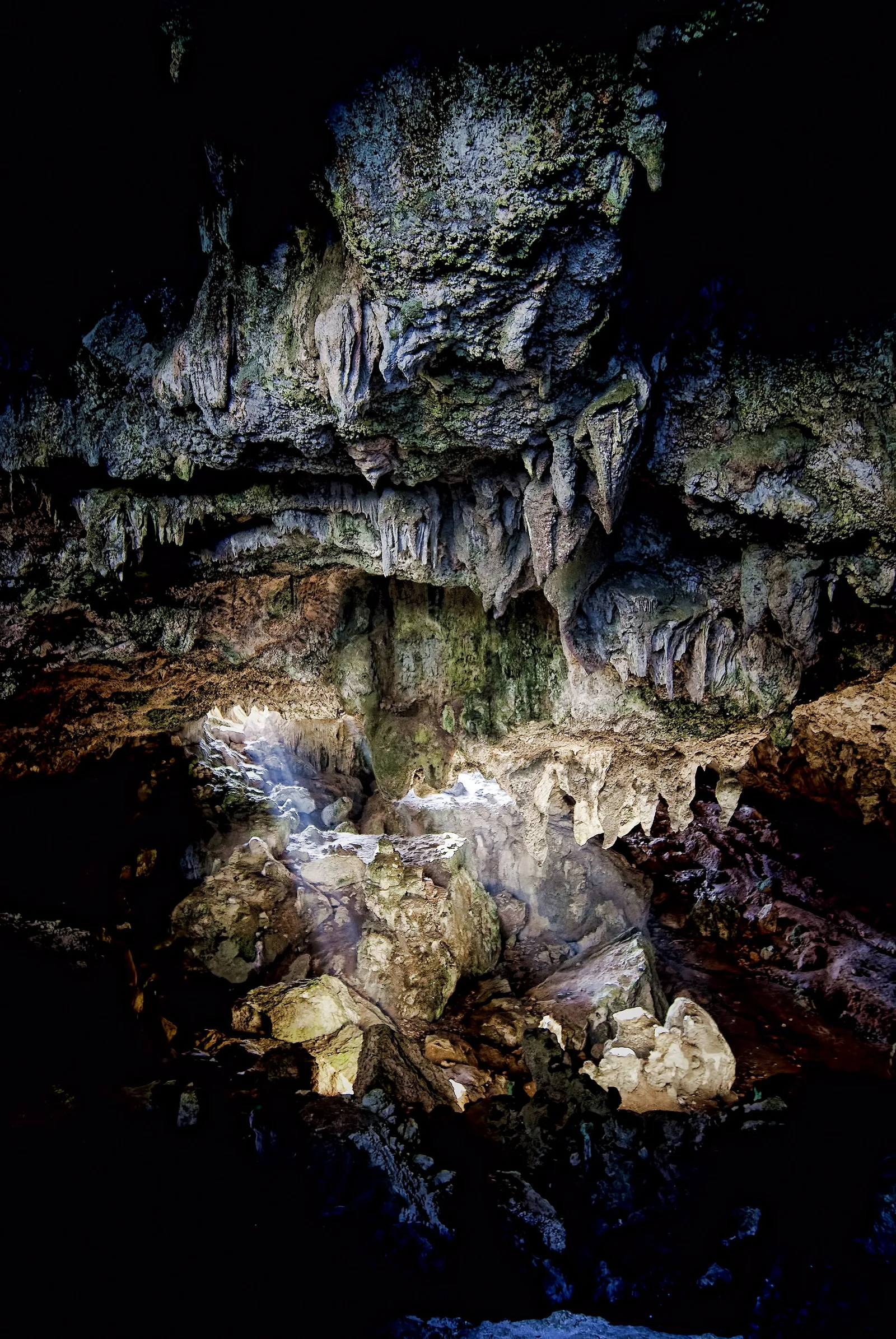
A cave that is also used as a burial site featuring hanging coffins, usually combined with a tour of Sumaguing Cave.
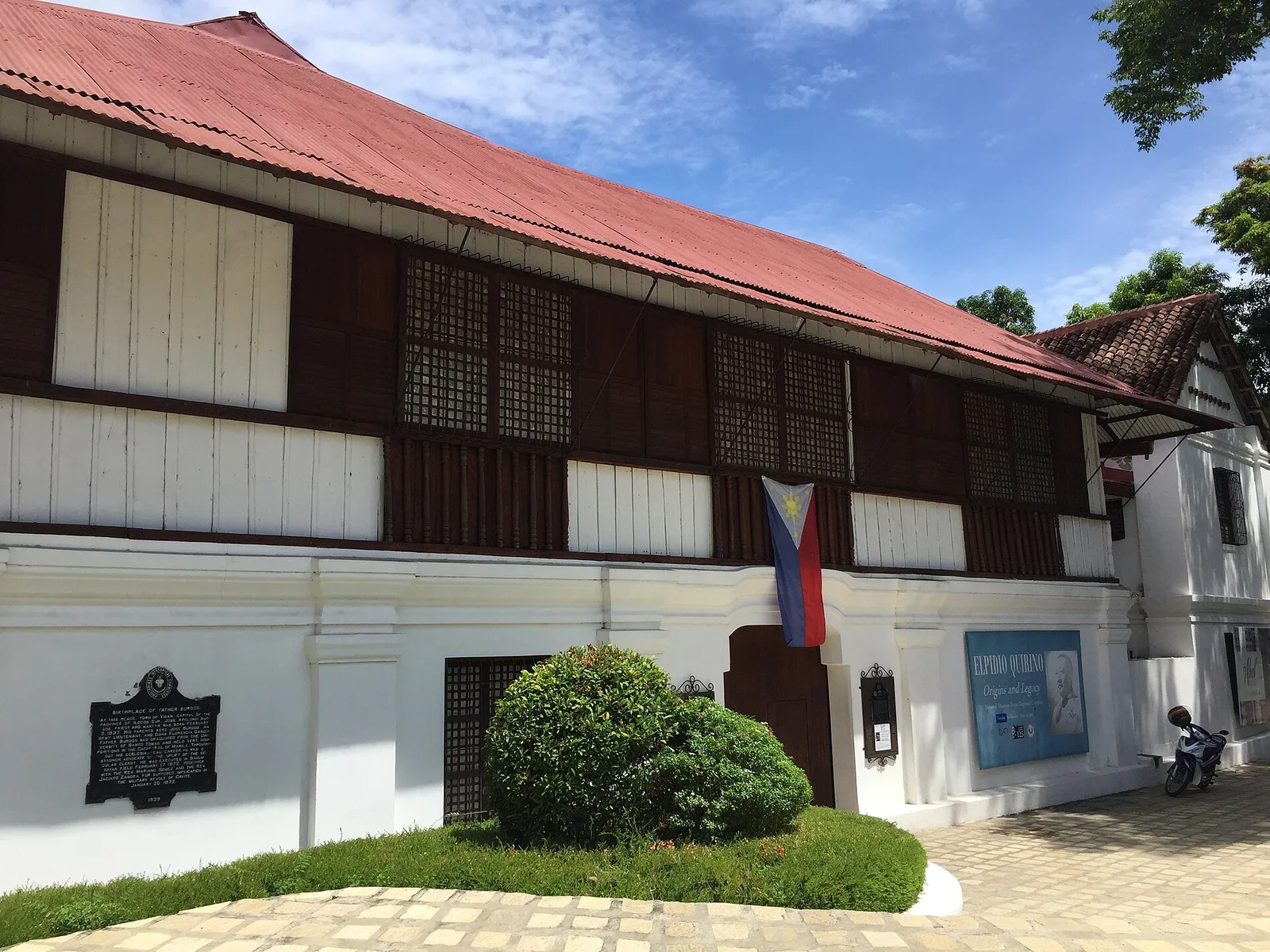
also known as the Ayala Museum, this showcases the memorabilia of martyred priest Jose Burgos. Behind the house is the national museum (formerly the Ilocos Sur Provincial Jail), housing other ethnic and Ilocano artifacts such as artifacts, weapons, kitchen utensils, …
The largest park in Gasan, this is where the town's annual passion play is staged every Black Saturday, as well as the Gasang-Gasang Street Dancing Festival every Easter Sunday. The Gasan Public Library is located inside the park.
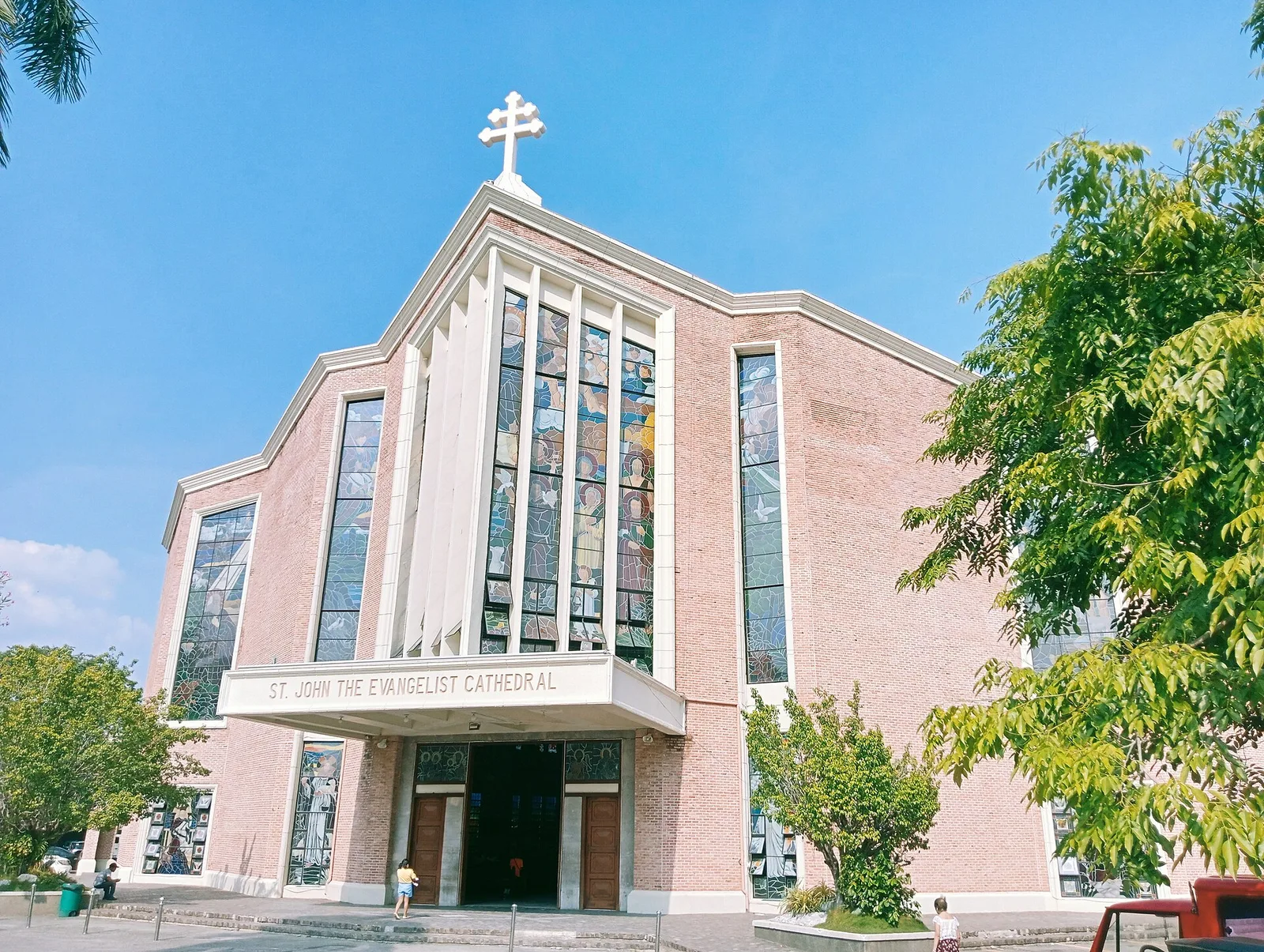
The seat of the Catholic Archdiocese of Lingayen-Dagupan, on Burgos Street in the city centre. It is dedicated to Saint John the Evangelist, and the National Historical Commission of the Philippines lists it among the heritage sites of the city. …
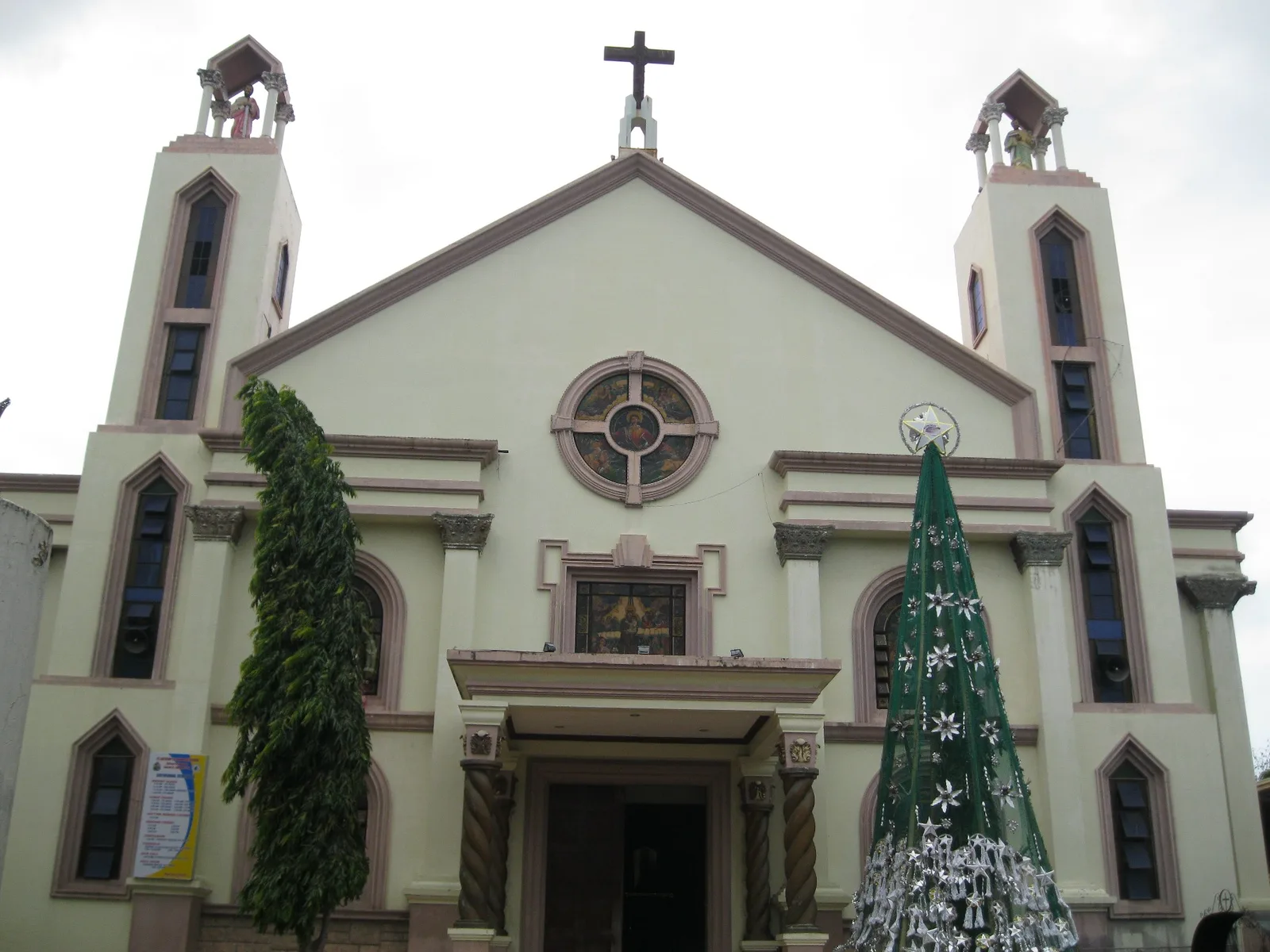
The seat of the Diocese of Masbate, dedicated to Saint Anthony of Padua and standing on Quezon Street. Spanish missionaries founded the parish in 1578. The parish passed to the Diocese of Nueva Caceres in 1595 and to the Diocese …
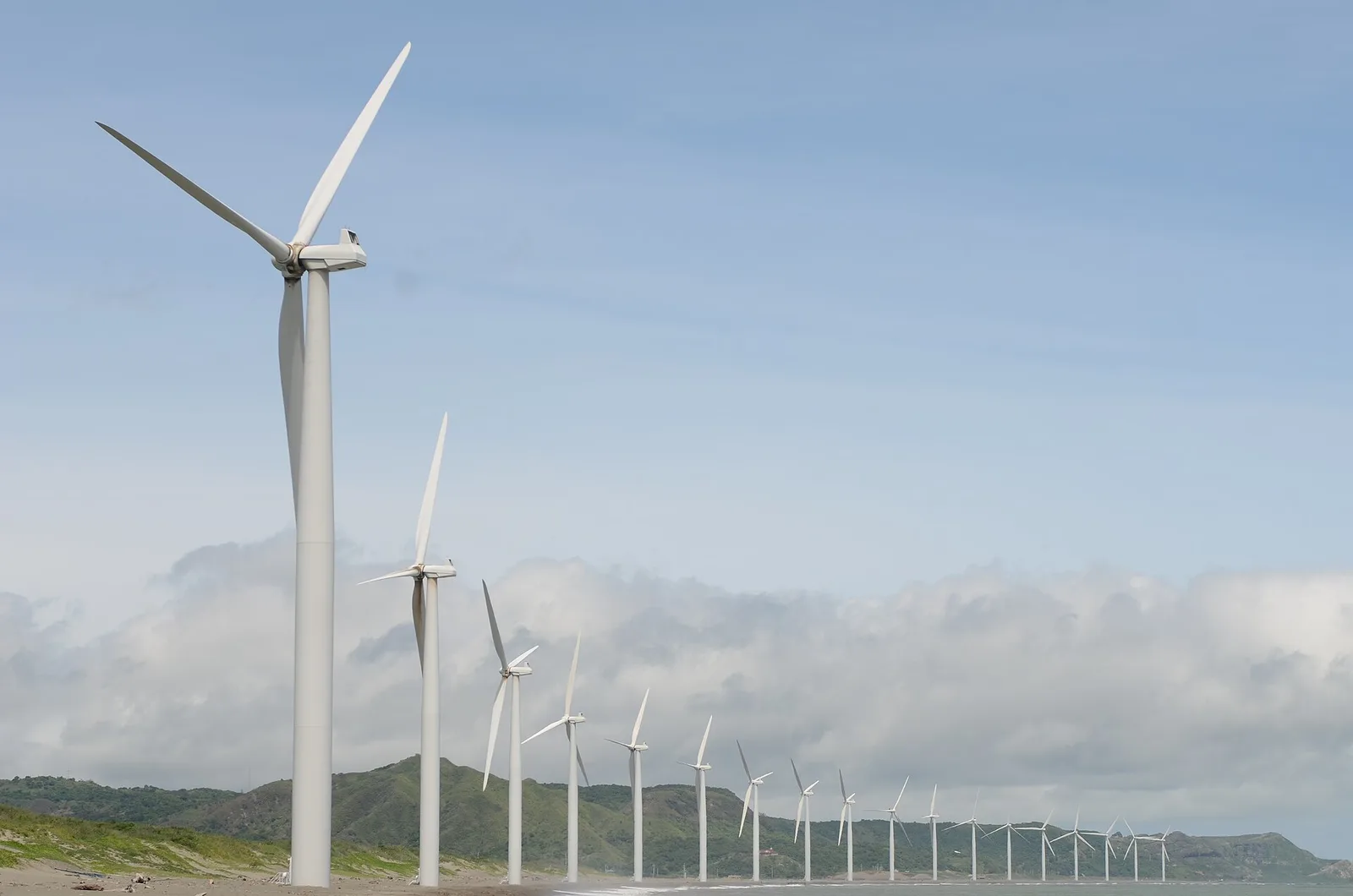
A 2-day plan built from the See, Do and Eat listings in Wikivoyage's Bangui (Ilocos Norte) guide. The stops are in an order that keeps each day close together. Check …


