Angono Forest Park
Angono Forest Park is a quiet, forested park to stretch your legs, feed ducks, and see wildlife.
Showing 1141 to 1170 of 1,893
Angono Forest Park is a quiet, forested park to stretch your legs, feed ducks, and see wildlife.
The Blanco Family Museum is a collection of art by prominent painter Jose Blanco, his wife, and their seven children.
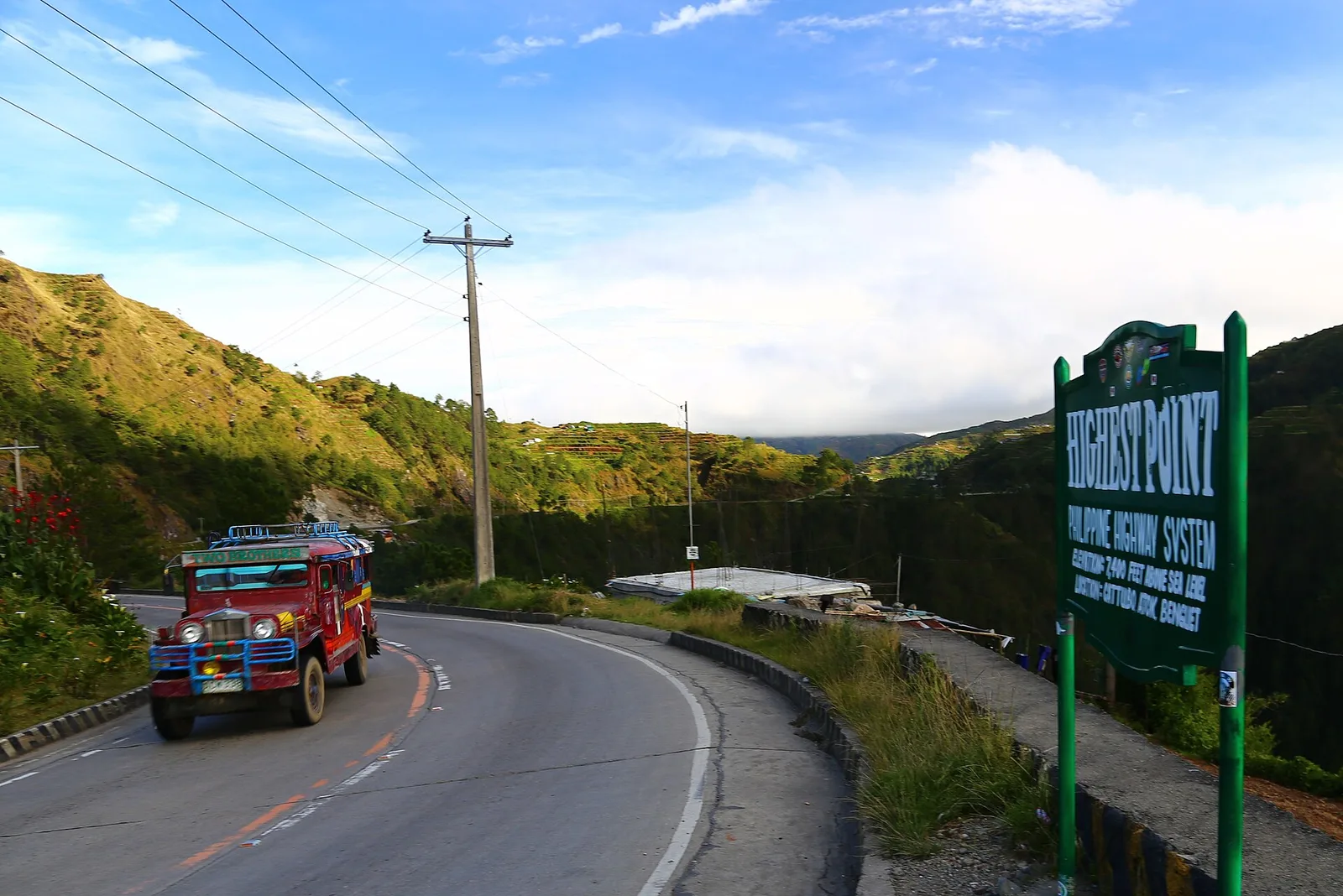
Located at above sea level, this attraction used to be the highest point in the Philippine Highway System until it was surpassed by another spot in Tinoc, Ifugao in 2019. The location also provides a view of the mountains of …
A geothermal hot spring next to a river can be reached via walking across rice terraces starting from Hungduan Elementary School. The road to the school however is not yet paved. Arrangements to visit will likely need to be made …
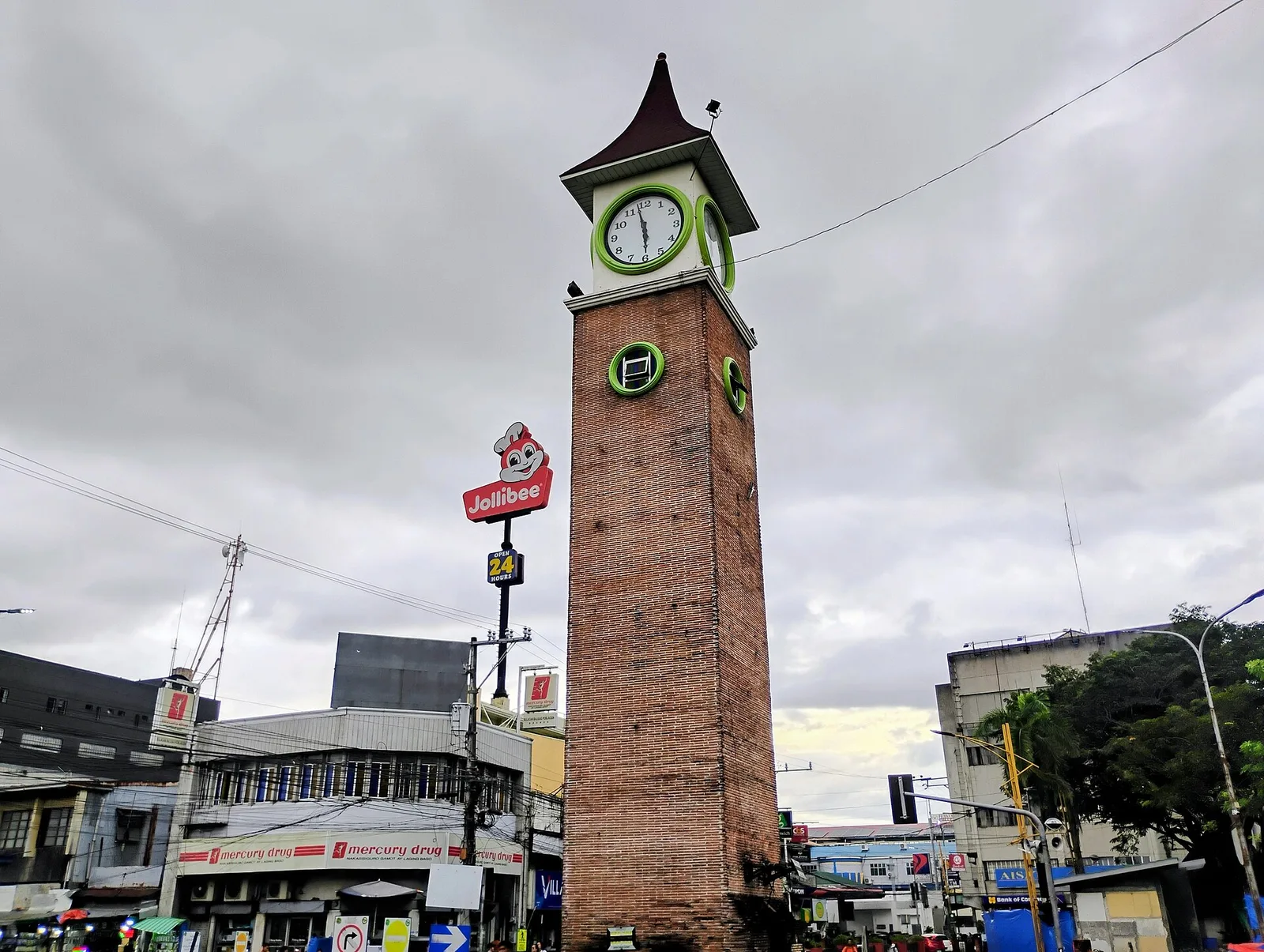
The first and only free-standing clock tower in Bulacan, also a local symbol and landmark. It is constructed in 1999 and inaugurated in 2000, during the 137th birthday anniversary of hero, Mariano Ponce.
Known for its chill atmosphere, this secluded, rocky beach is a popular destination for surfers.
Tromba Marina was the name given to the destructive tidal wave that struck Baler on December 27, 1735. This monstrous wave caught everyone off-guard when it arrived around 2:00 AM. The town was devastated in seconds and many lives were …
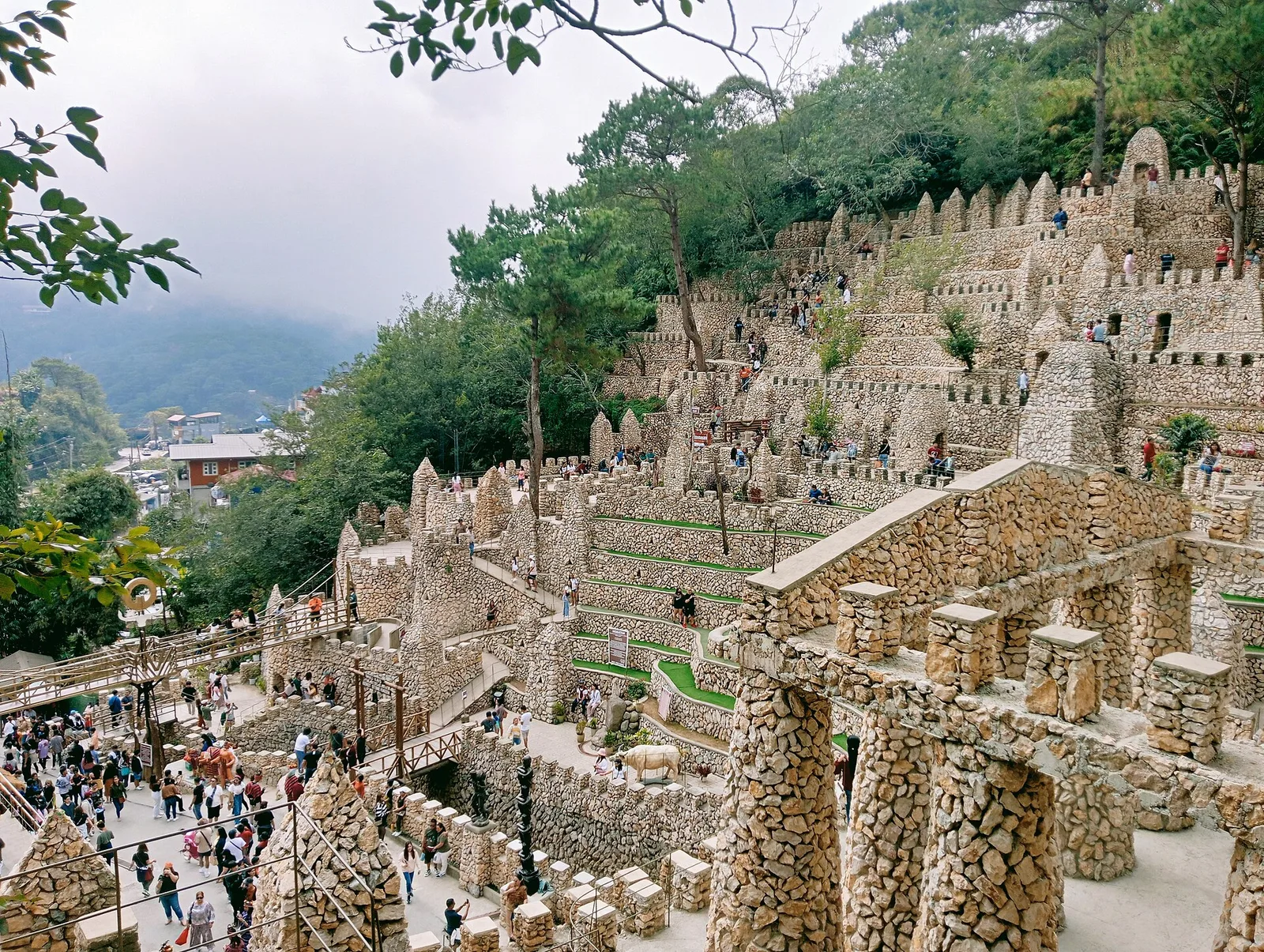
A contemporary stone attraction made through the traditional method of riprap and reinforced with concrete. Made from the concept of an Igorot child's fantasy of castles, the Igorot Stone Kingdom is meant to showcase Igorot culture and folklore.
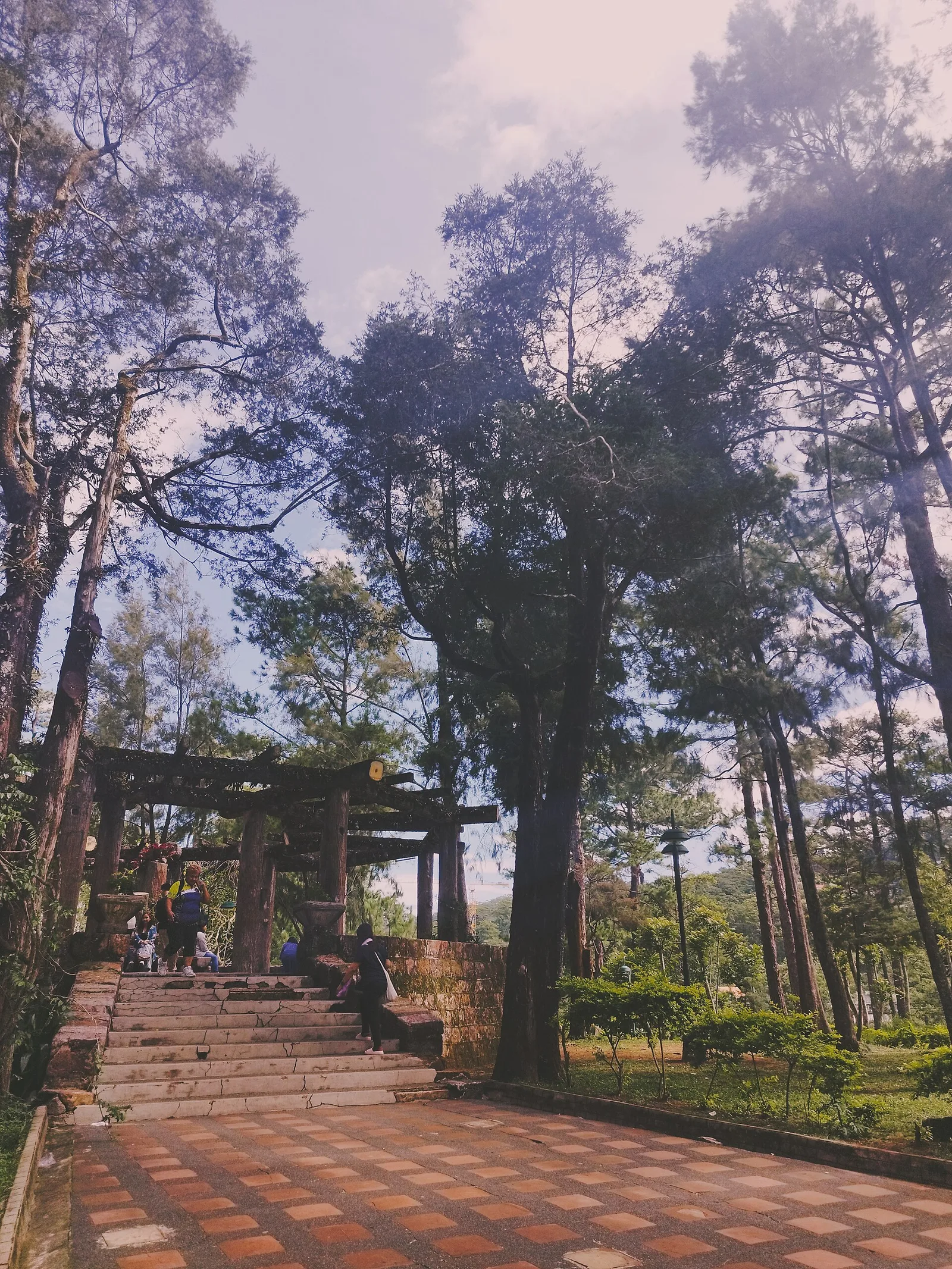
Tranquil natural area full of trees, where visitors can walk, jog or rent horses to ride.
Something to do at Aguinaldo corner Tirona Highways, Bacoor City. Hours: Open 24 hours.
The park surrounding the stadium is filled with eucalyptus trees.
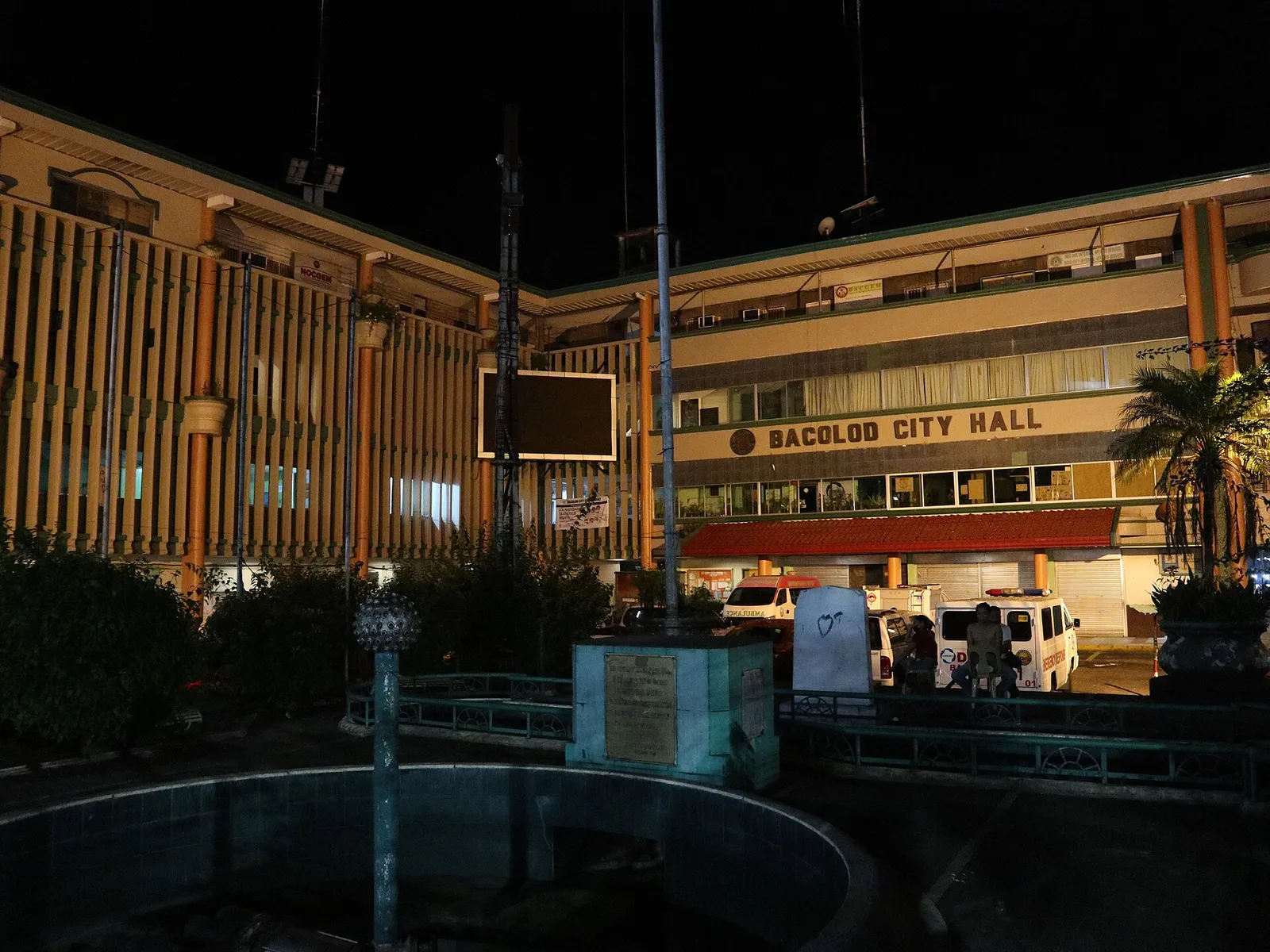
A modern civic building with a neoclassical-style facade, including prominent columns and a large fountain in front.
This church is notable for its European-inspired architecture, high ceilings, and tall spire, which give it a Gothic Revival look. It also has side chapels dedicated to the Sacred Heart of Jesus and the Virgin Mary.
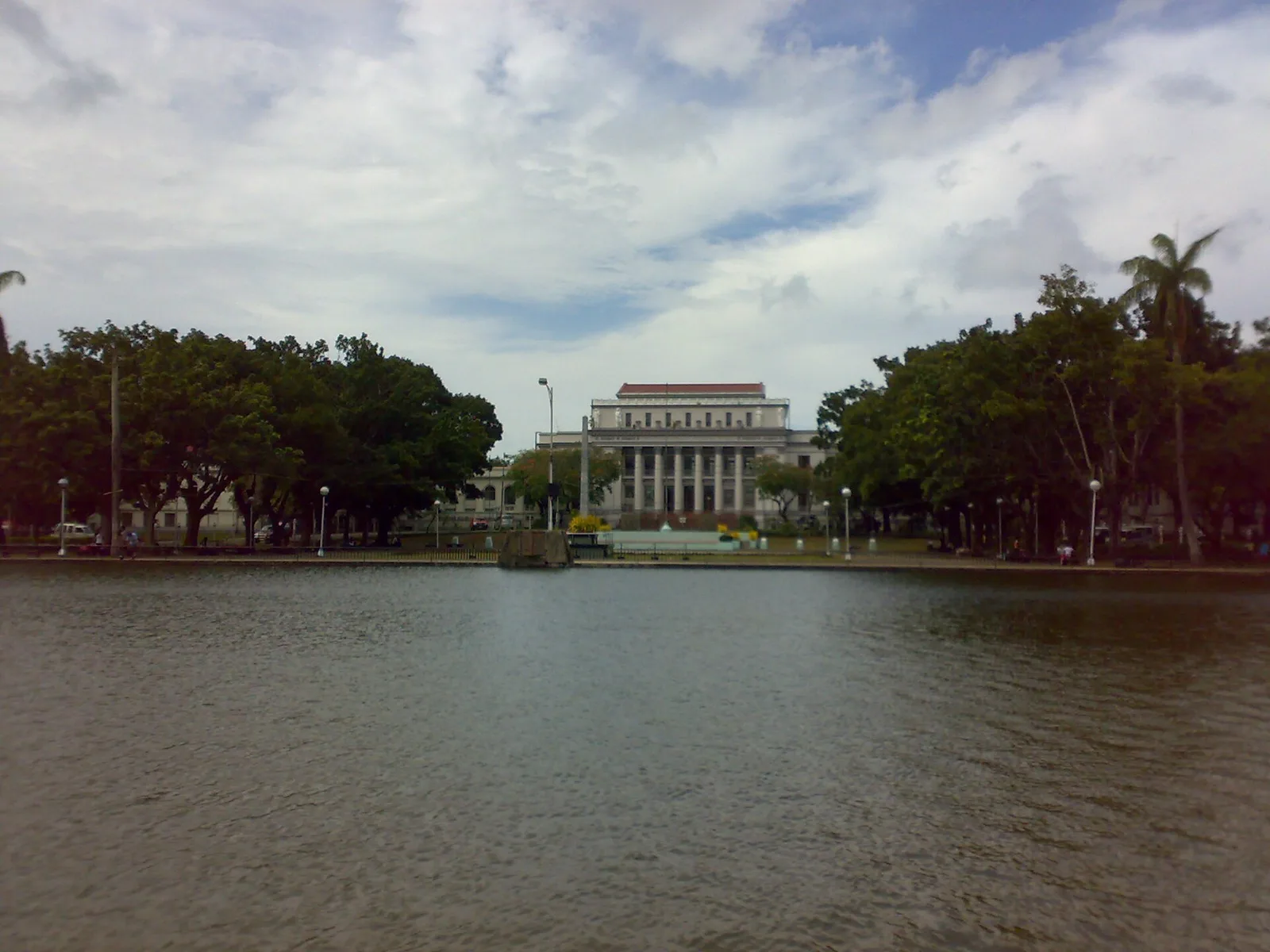
The official seat of the provincial government and perhaps the most impressive building in Bacolod City. It served as the headquarters of the Japanese Imperial Army during World War II. The Romanesque-style building stands in landscaped grounds with a park …
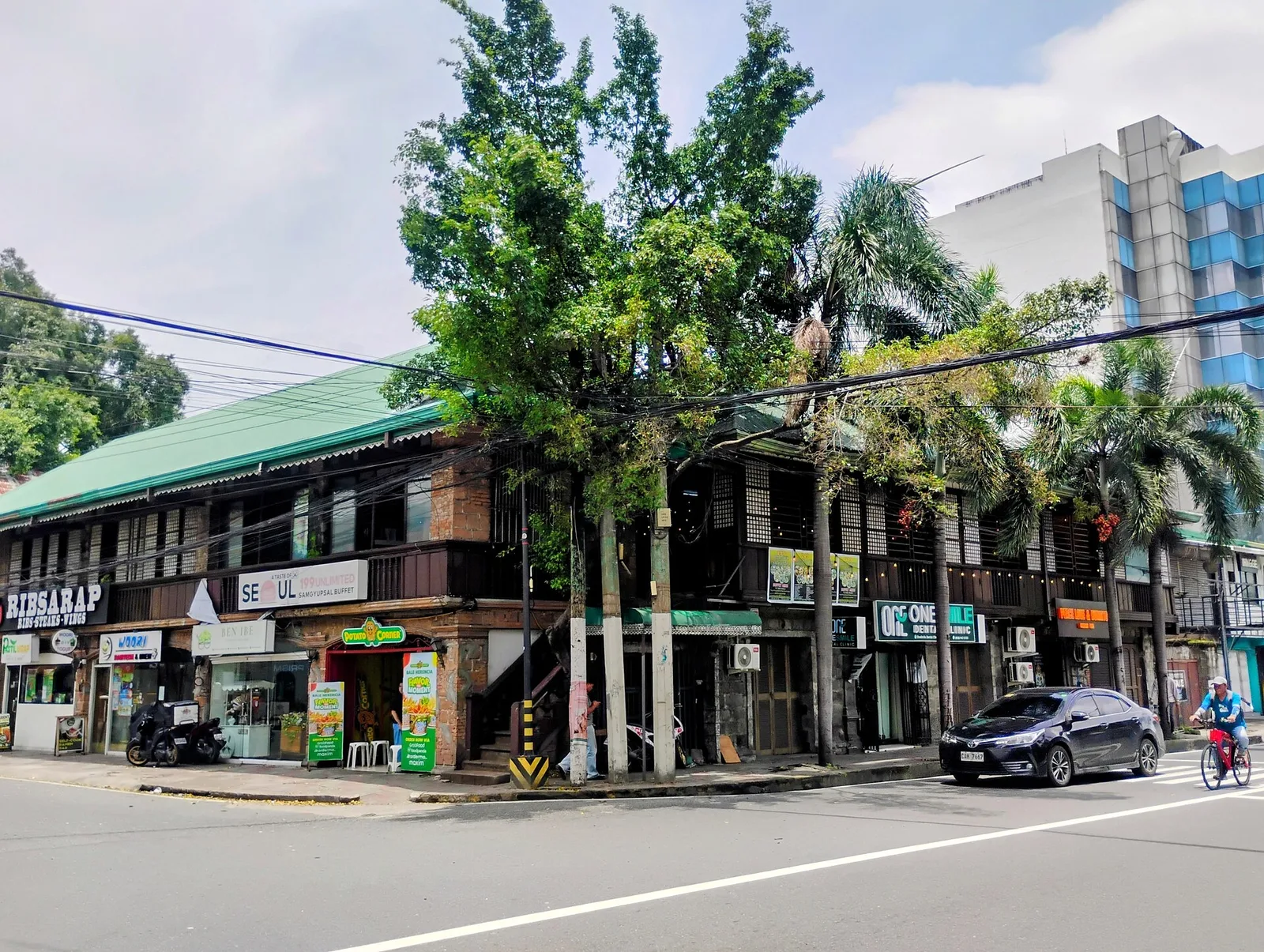
Built in 1860, it is a picturesque house with the unsavory reputation of having been built for the mistress of a parish priest. The current owners have leased the place to various restaurants, food stalls, and other businesses like salons …
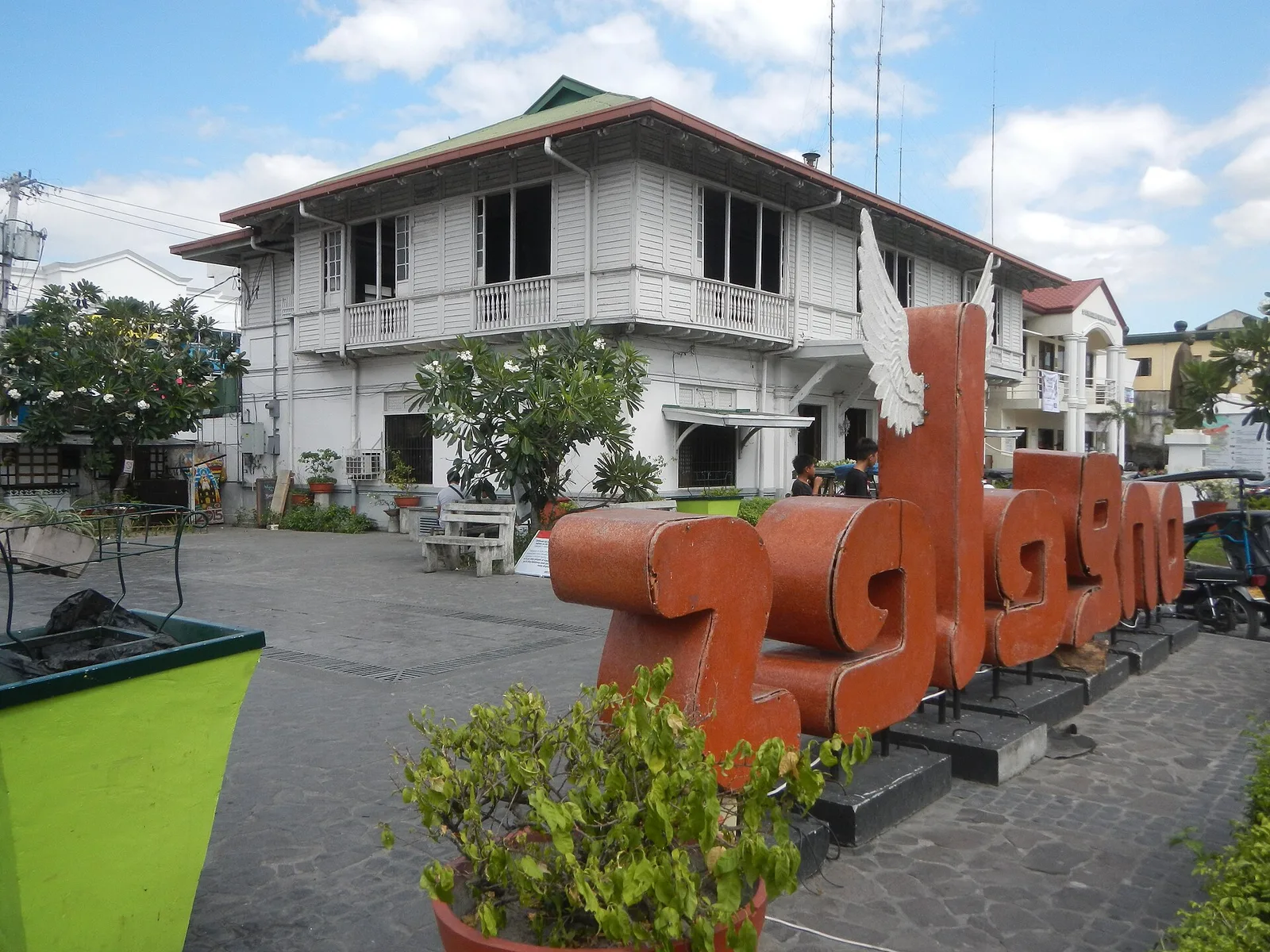
Housed in a vintage building located at the "Santo Rosario Historic District", this edifice was constructed in 1922 and served as the Town Hall until 1998. The museum has become the venue of the city's cultural activities be it from …
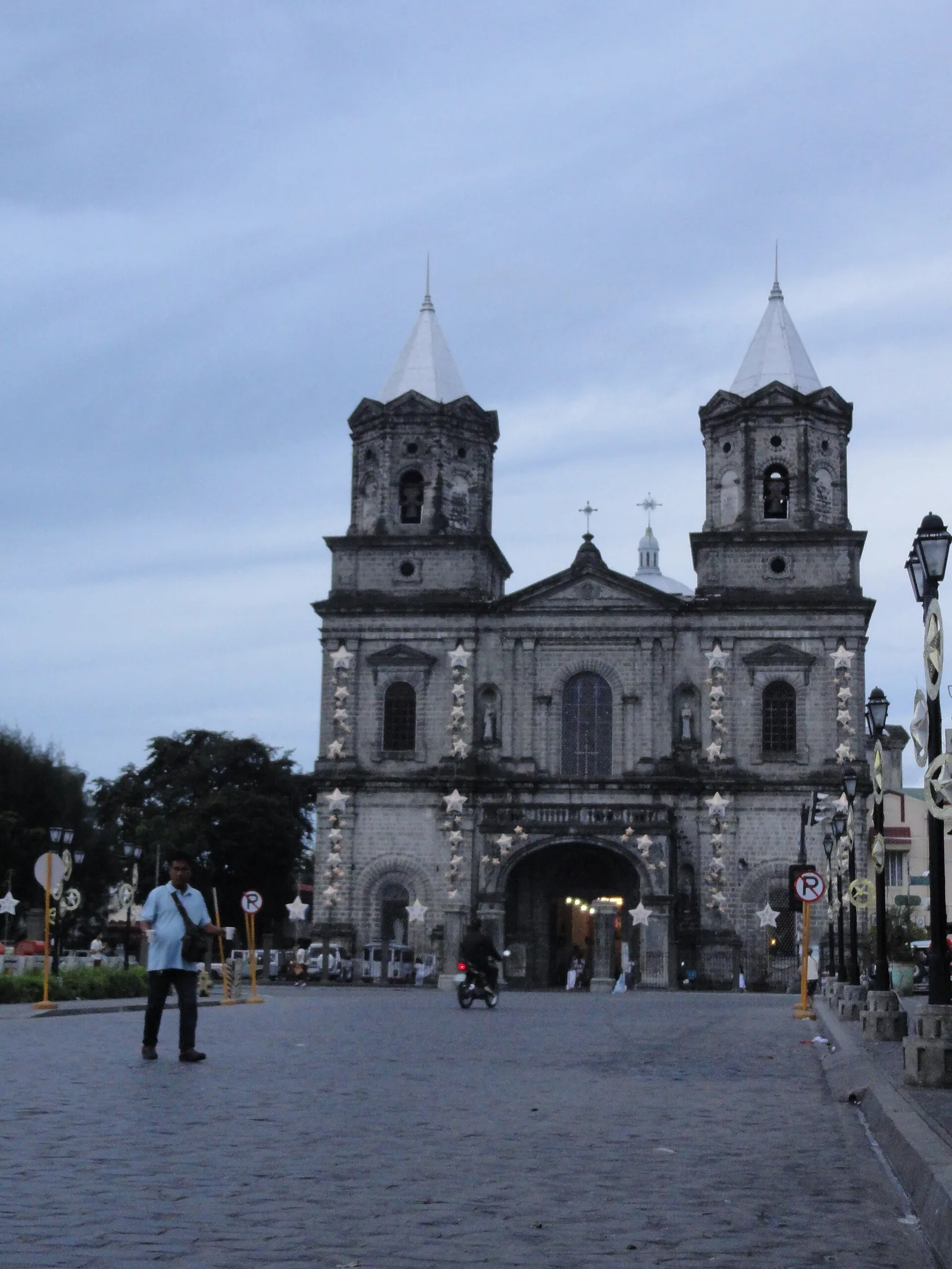
Colloquially called the "Big Church" in Kapampangan, it was constructed from 1877 to 1896 by the "Polo y Servicio" labor system, a kind of forced labor imposed on Filipino peasants by the Spanish colonial government. It was used as a …
Located at the heart of Santo Rosario, it is the oldest building in the city. It was built in 1824 by the city founder, Don Ángel Pantaleón de Miranda, and his wife, Doña Rosalia de Jesus, and was inherited by …
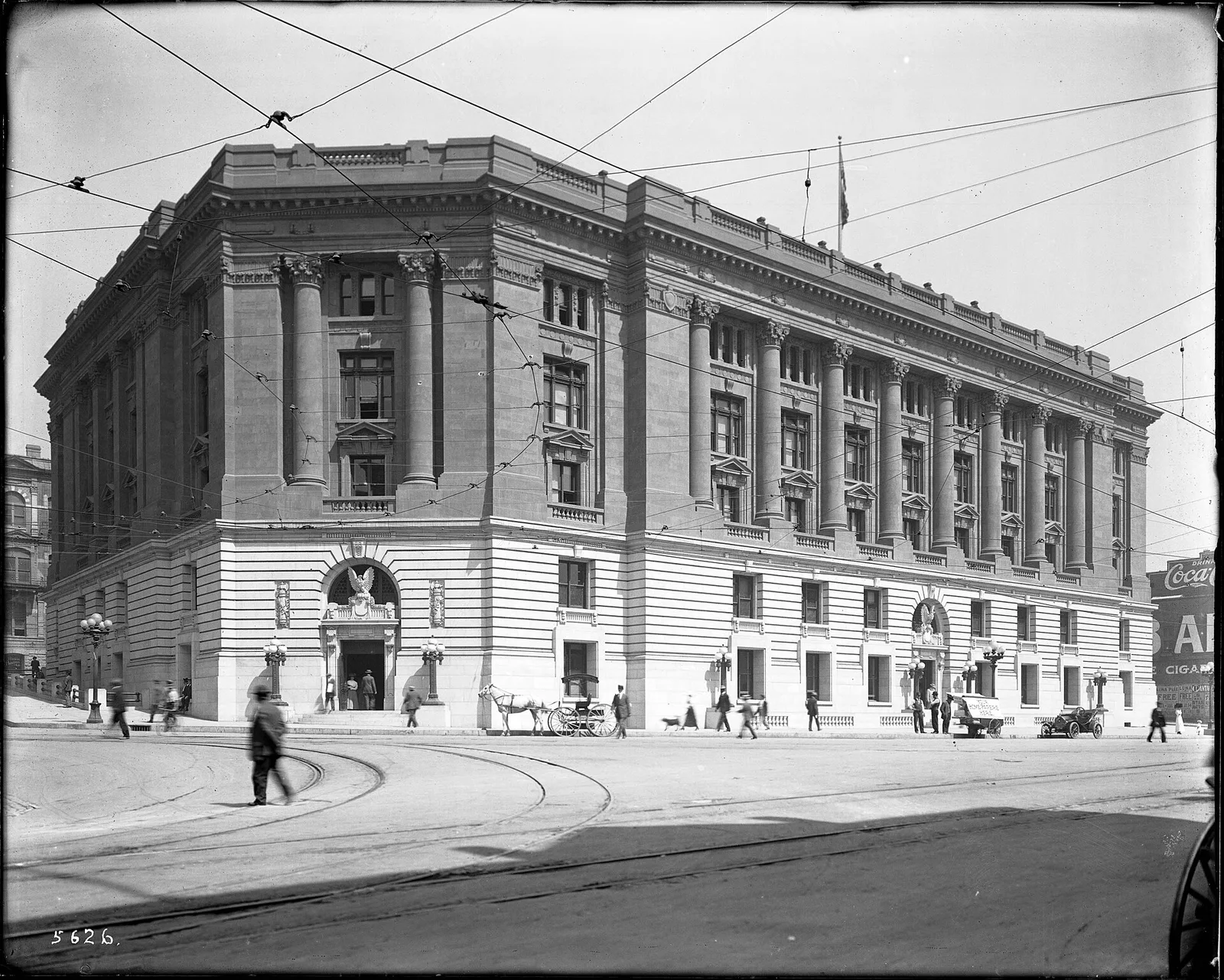
It is a building that was constructed in 1899 for the purpose of depositing religious statues and carriages of the Catholic Church, hence the name Deposito. It was also used as the headquarters of the 11th Film Exchange U.S. Army …
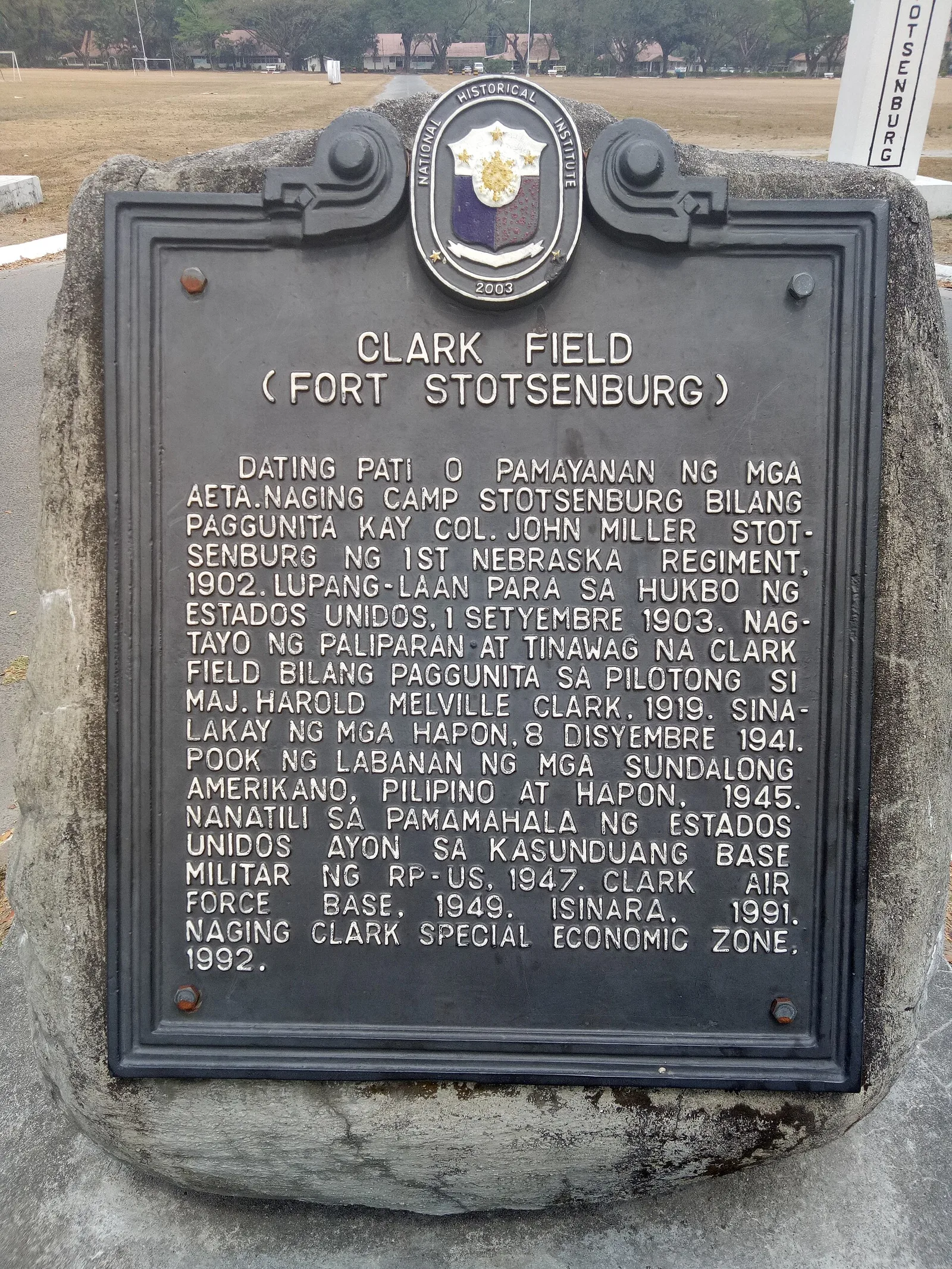
The former headquarters of American cavalry divisions sent to the Philippines during the Philippine-American War. Destroyed in World War II, only its gateposts remains.
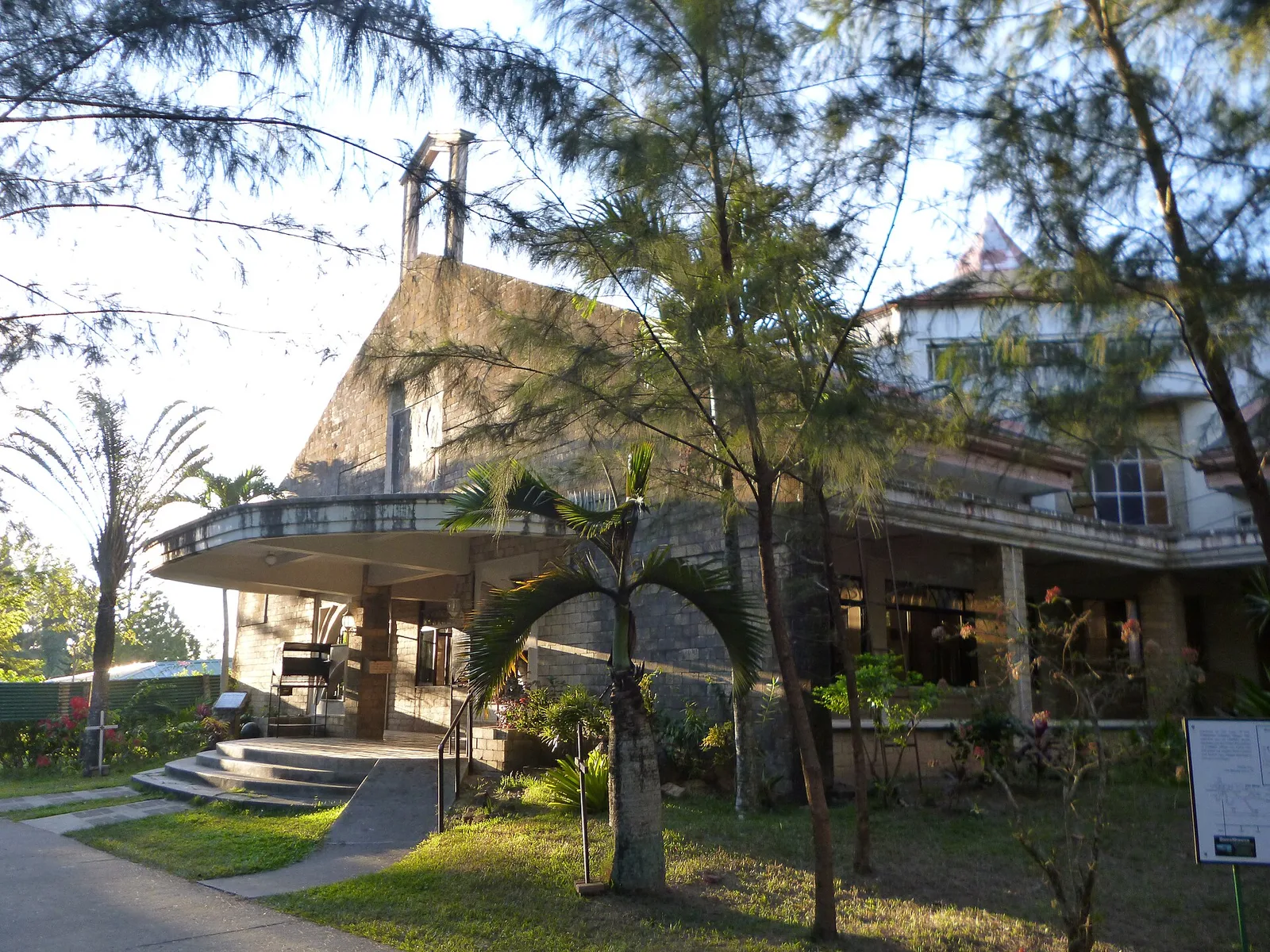
One of only two Trappist monasteries in the country, near the middle of the island. Trappists from the United States founded it on 31 August 1972. It became a priory in 1982 and an abbey in 1990, and Dom Kevin …
A green park in Barangay Tiza, in front of Capiz National High School, with pocket gardens and three monuments to the history and the cultures of Roxas City.
The highest peak in the whole Visayas at 2,465 metres, and the high point of Negros Island and of Negros Oriental. The city sits below it and takes its name from it. Kanlaon means the place of Laon, a pre-colonial …
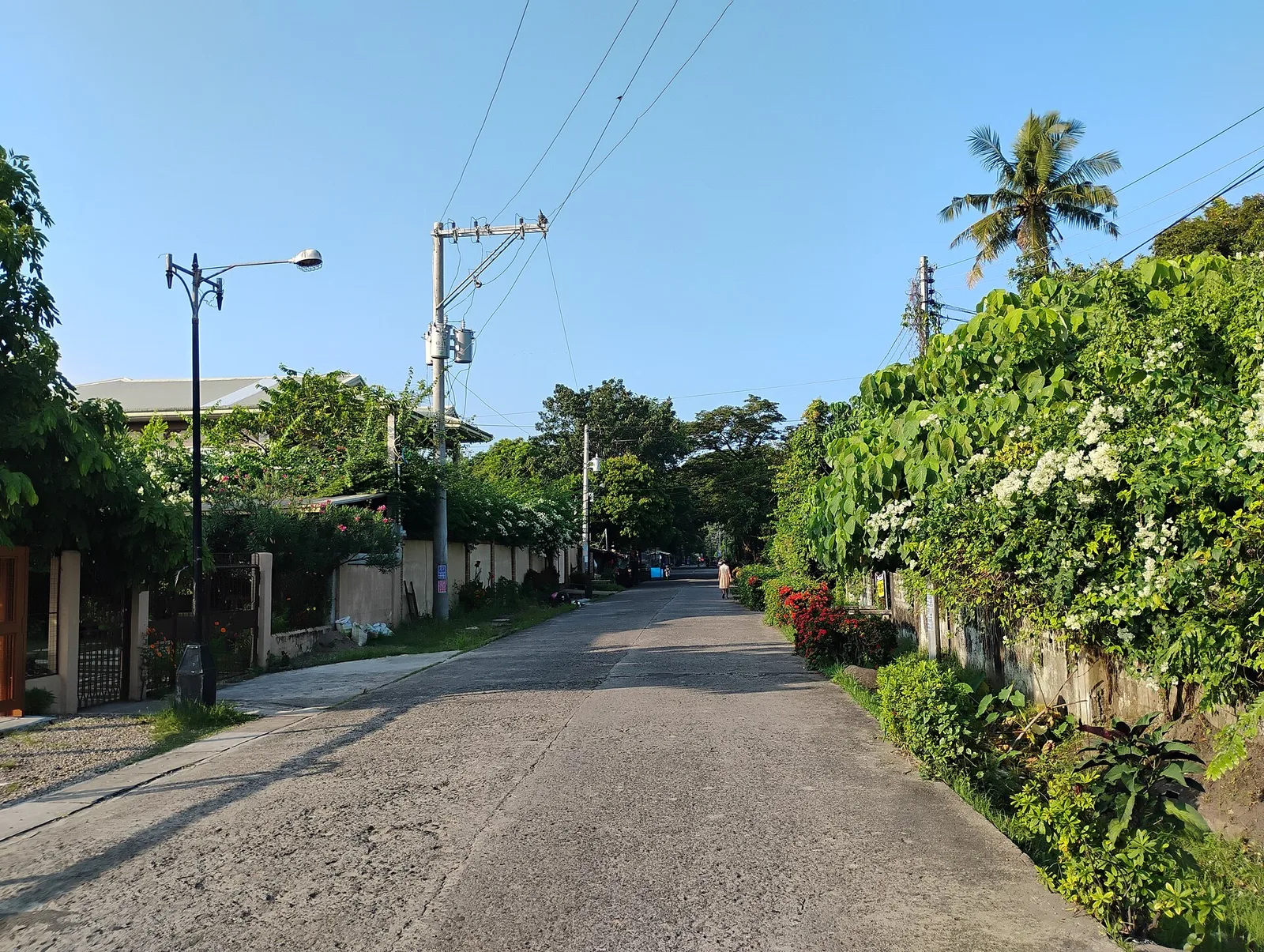
Negros Island's sugar planters rose up against Spanish rule on this day, starting in the town then called Minuluan, now Talisay. Negros Occidental marks Cinco de Noviembre every November 5 as a local holiday. On November 3, 1898, landowner Aniceto …
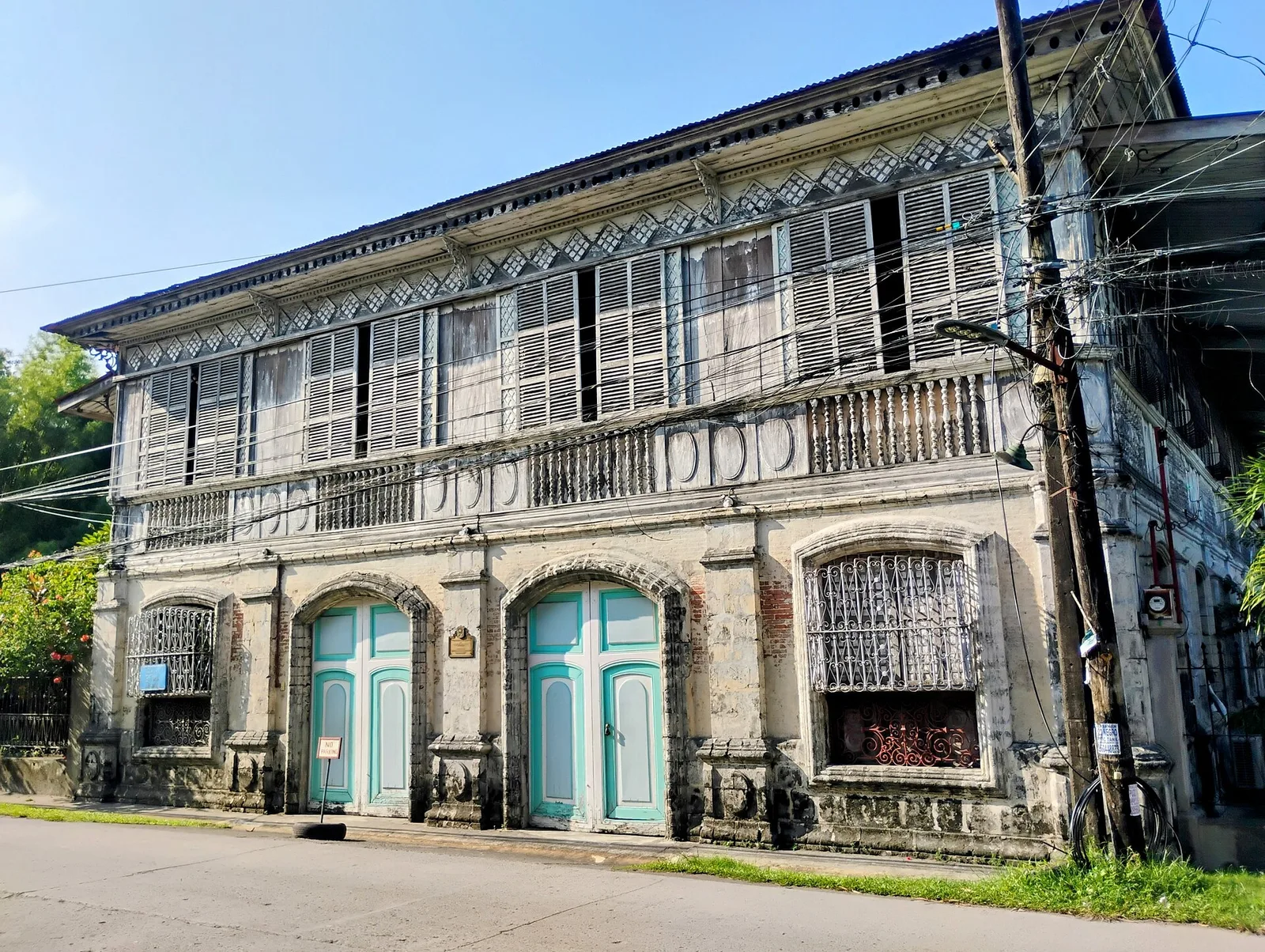
A house in the Spanish colonial bahay na bato style, built in 1872, with a ground floor of stone and an upper floor of wood. It belonged to the Lizares family and carries the name of its first owner, Enrica …
The Sagay Marine Reserve protects a set of coral reefs off the Negros Occidental coast, including Carbin Reef, Panal Reef and Macahulom Reef. Sagay City lists it as one of its main tourism attractions, along with nearby Molocaboc Island. The …
An old Catholic church on La Paz Street in the middle of the city, built in 1876 in the Spanish period. It is one of the very few churches in the region with a Romanesque design. It is built of …