
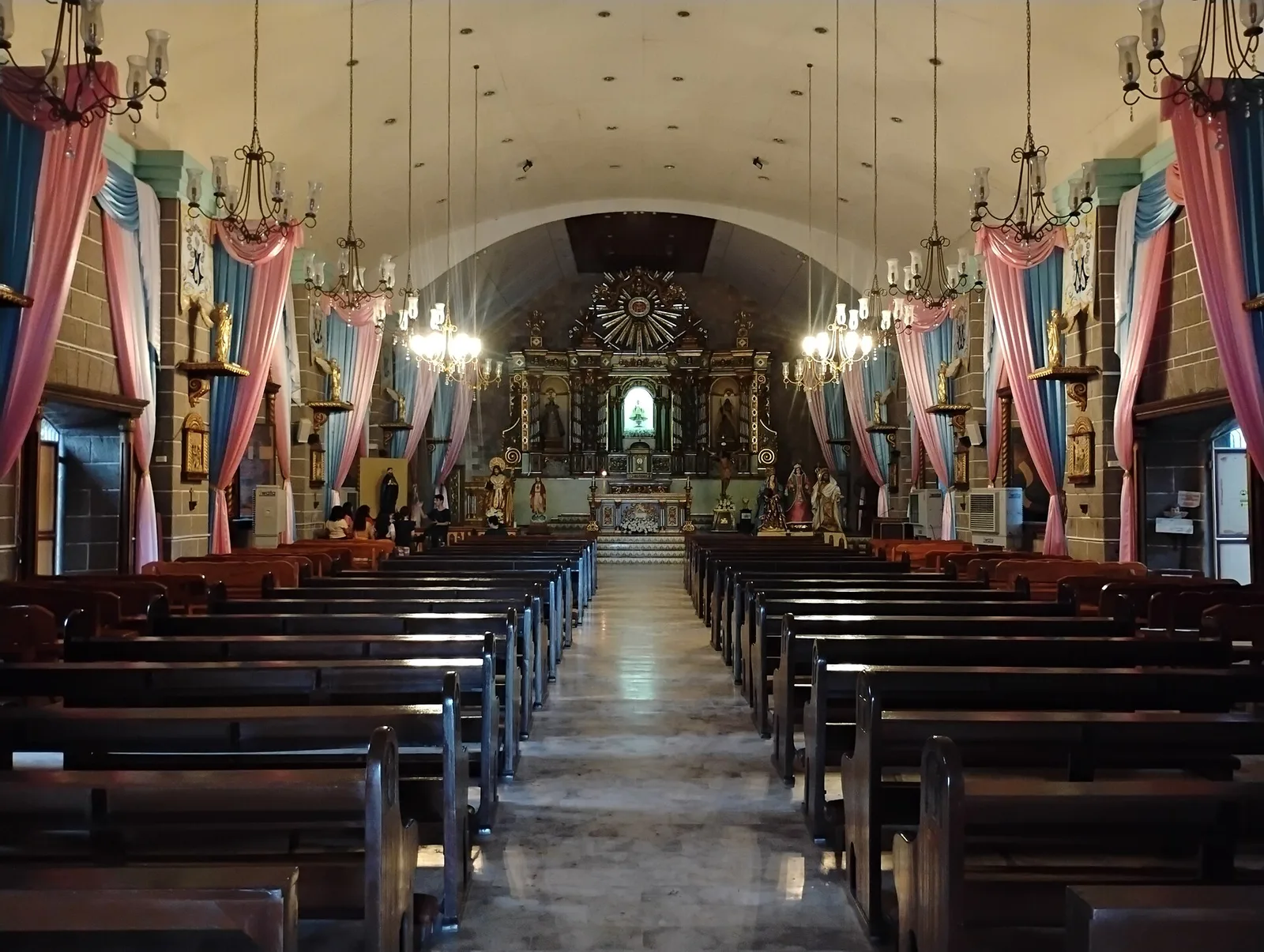
Santo Niño de Ternate Parish
Ternate's main Roman Catholic church. It was built in the 19th century and houses a venerated image of the Christ Child.
Ternate's main Roman Catholic church. It was built in the 19th century and houses a venerated image of the Christ Child.
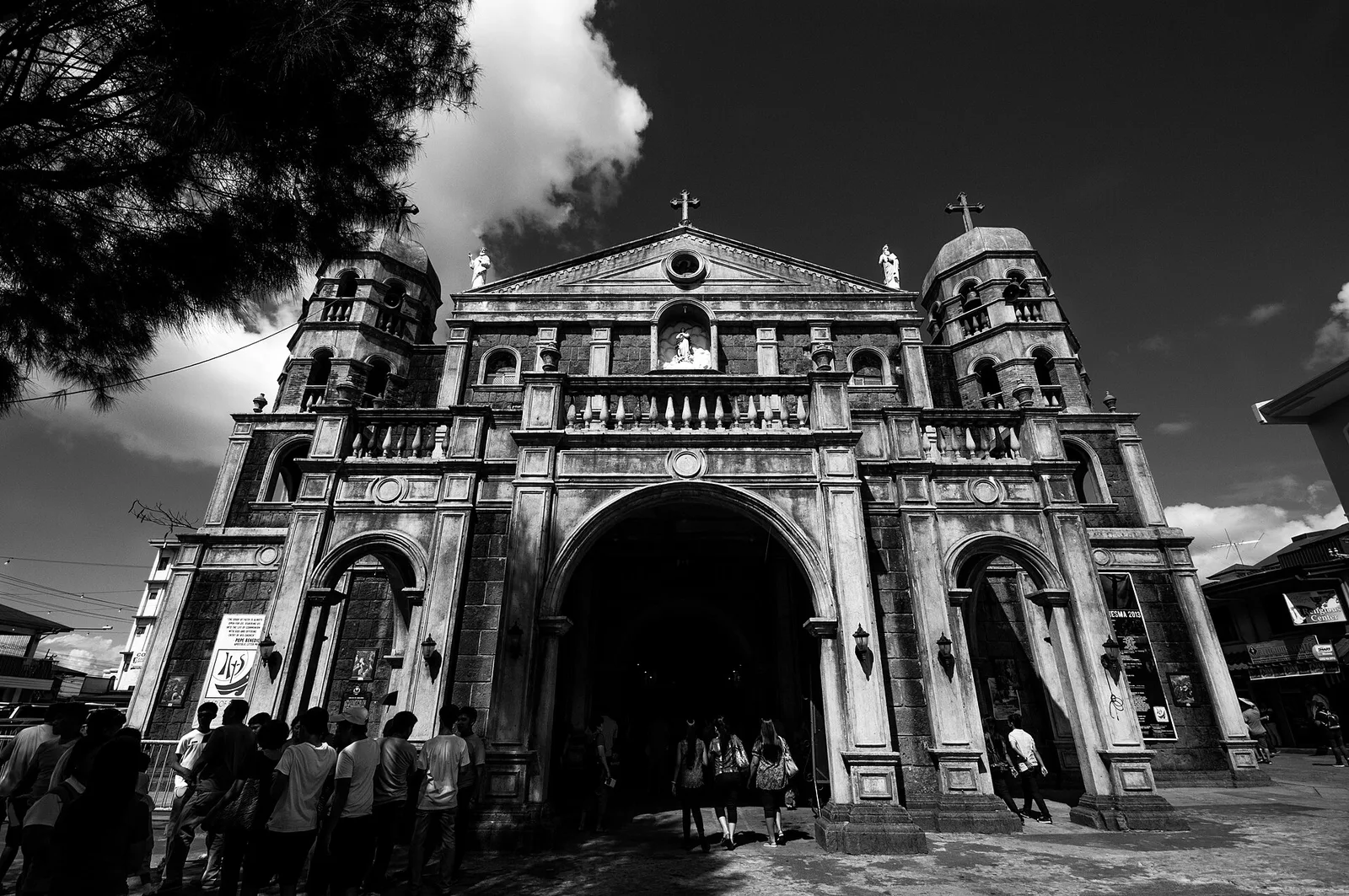
The seat of the bishop of Imus, whose diocese covers the whole province of Cavite. Inside is the crowned image of Our Lady of the Pillar, patroness of the diocese and of the province. Cardinal Luis Antonio Tagle crowned the …
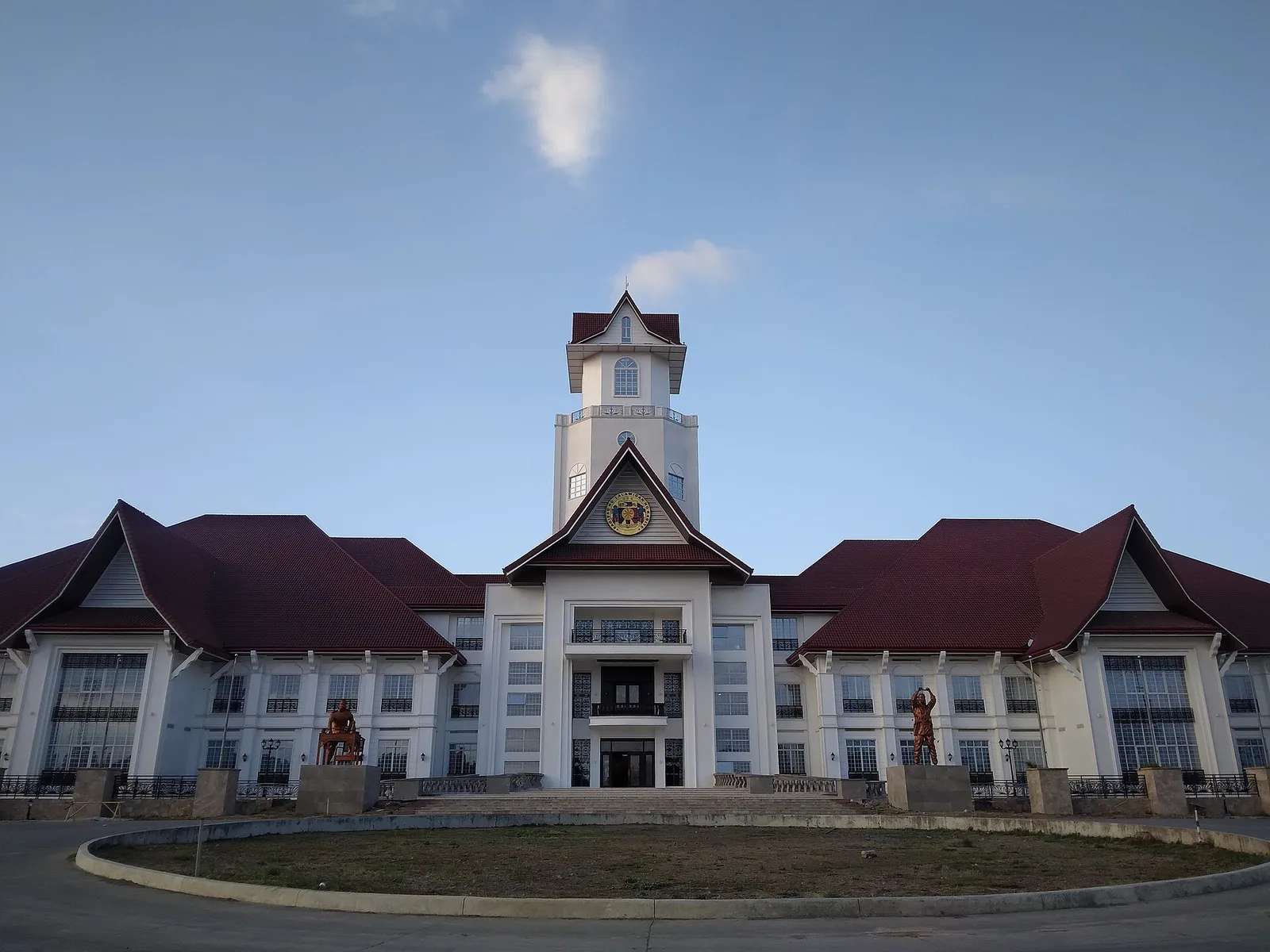
The city government broke ground in 2021 on this park, a 1.8 hectare site in Barangay Lapidario near the provincial capitol, now known as Trece Martires People's Park. It took over part of the role once played by the city's …
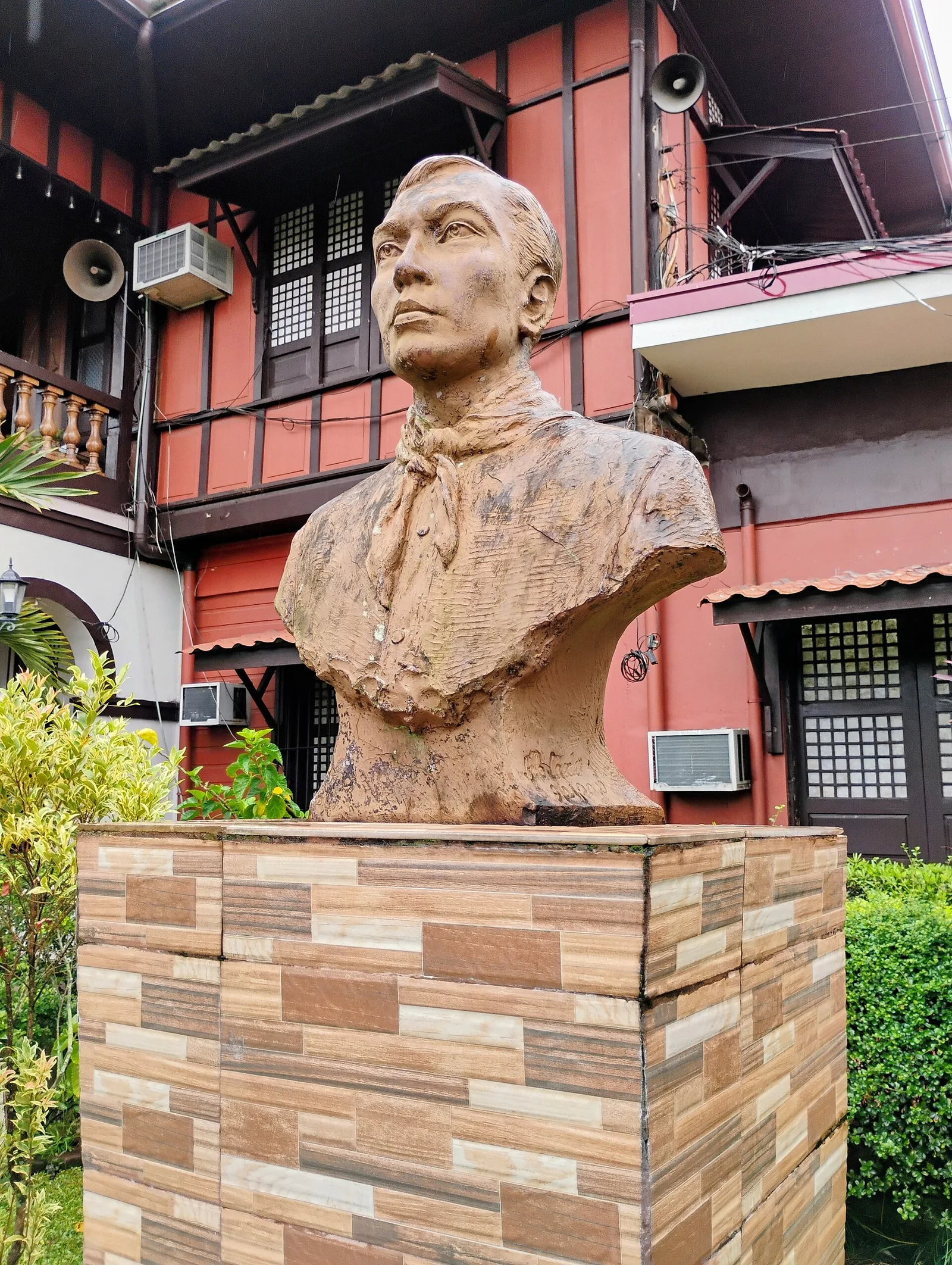
Andres Bonifacio went into hiding in Indang from the Magdalo faction of the Katipunan, but he was captured in 1897 at the barrio of Limbon following an encounter where his brother Ciriaco was killed and another brother, Procopio, was also …
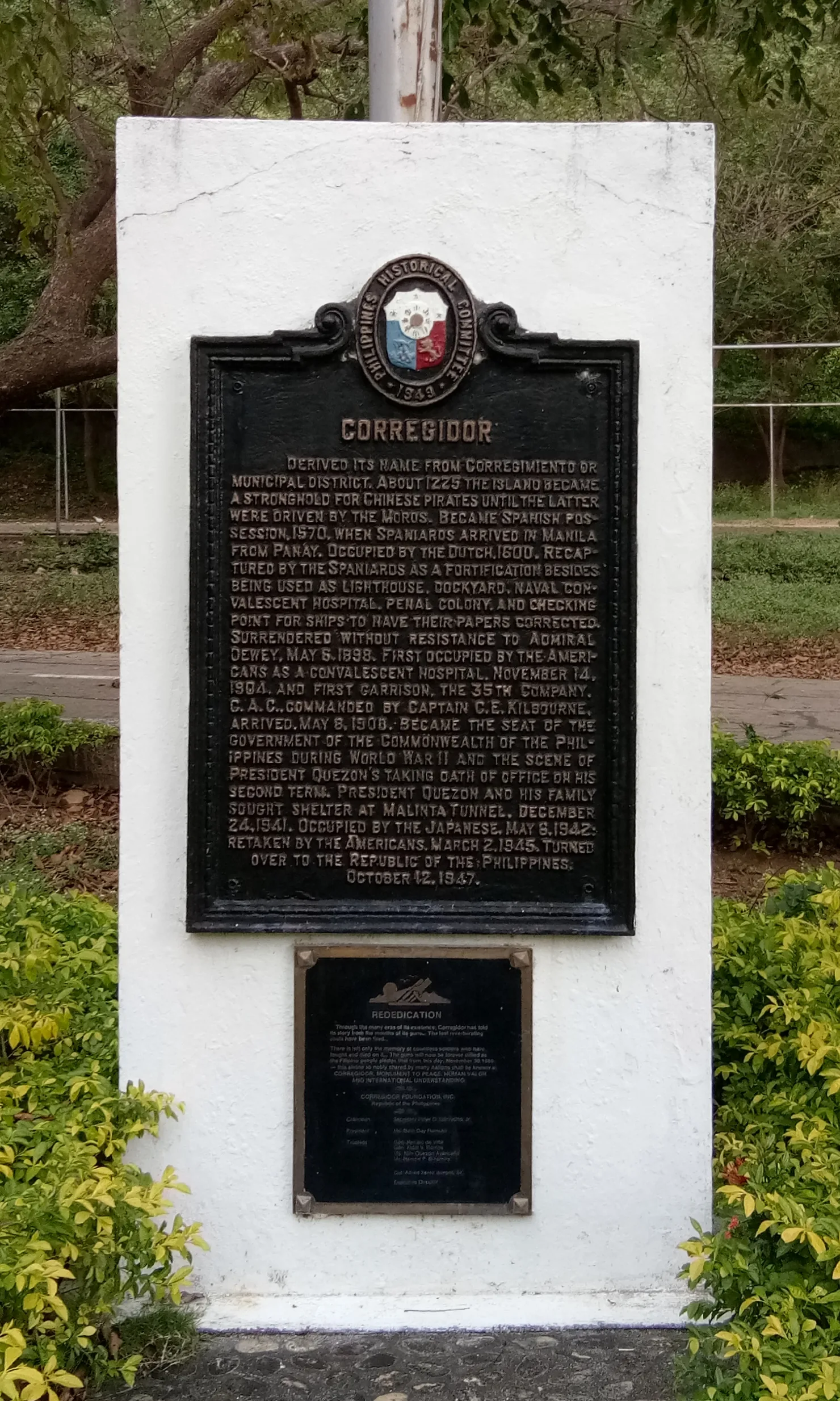
An island fort at the entrance of Manila Bay, 48 kilometres west of Manila. Coastal artillery batteries guarded the bay from here, and the island, fortified as Fort Mills, was the largest of four island forts that closed the entrance, …
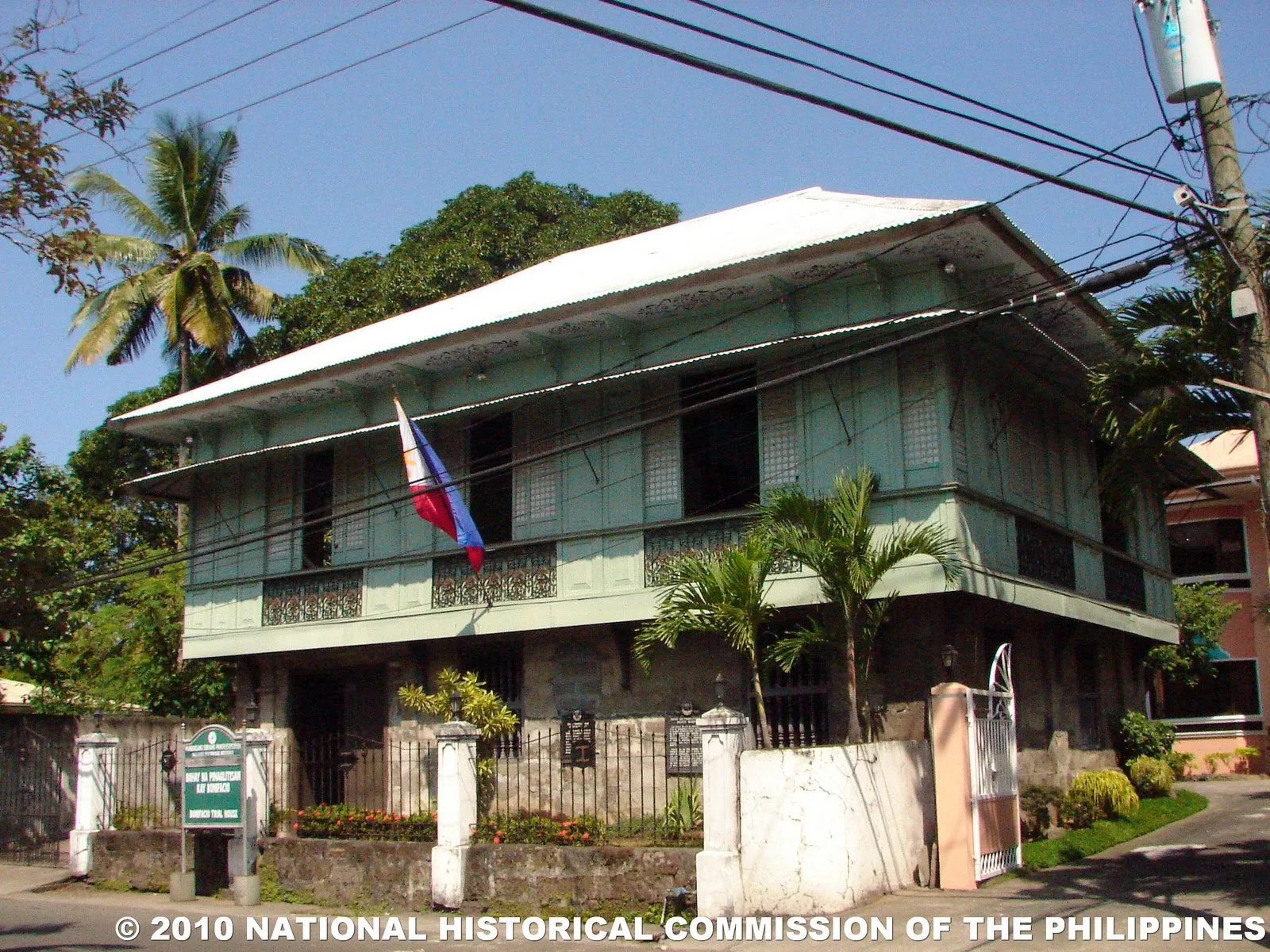
A Spanish-era heritage house that was converted into a makeshift courtroom for the kangaroo trial of Andres Bonifacio and his brother by his comrades following a political rivalry with Cavite's own Emilio Aguinaldo in 1897. It now houses a museum …
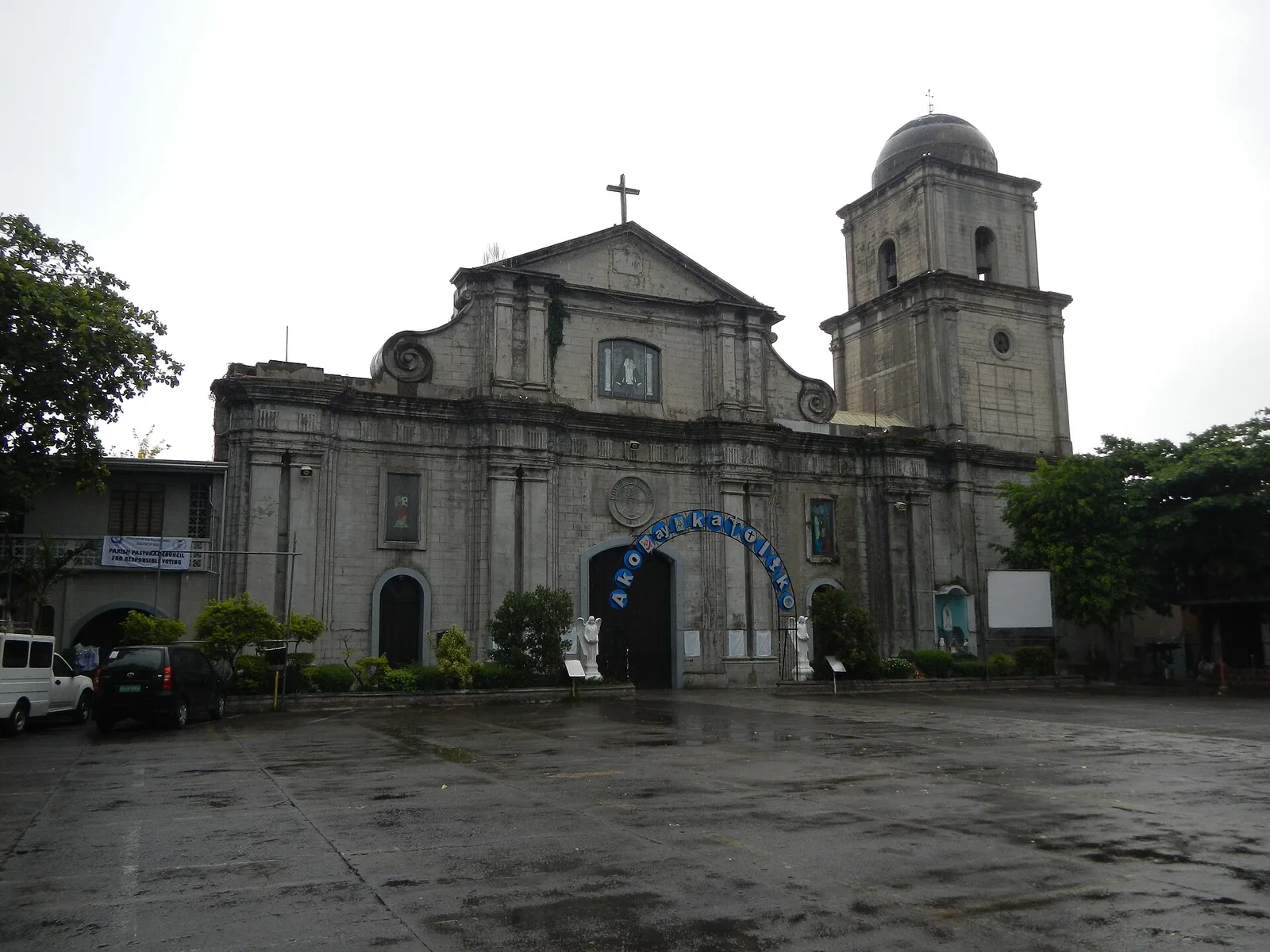
Built during the Spanish era, it is the headquarters of the Roman Catholic church in Cavite and houses a venerated image of the Virgin Mary that is regarded as the most sacred in Cavite. Around the plaza are a few …
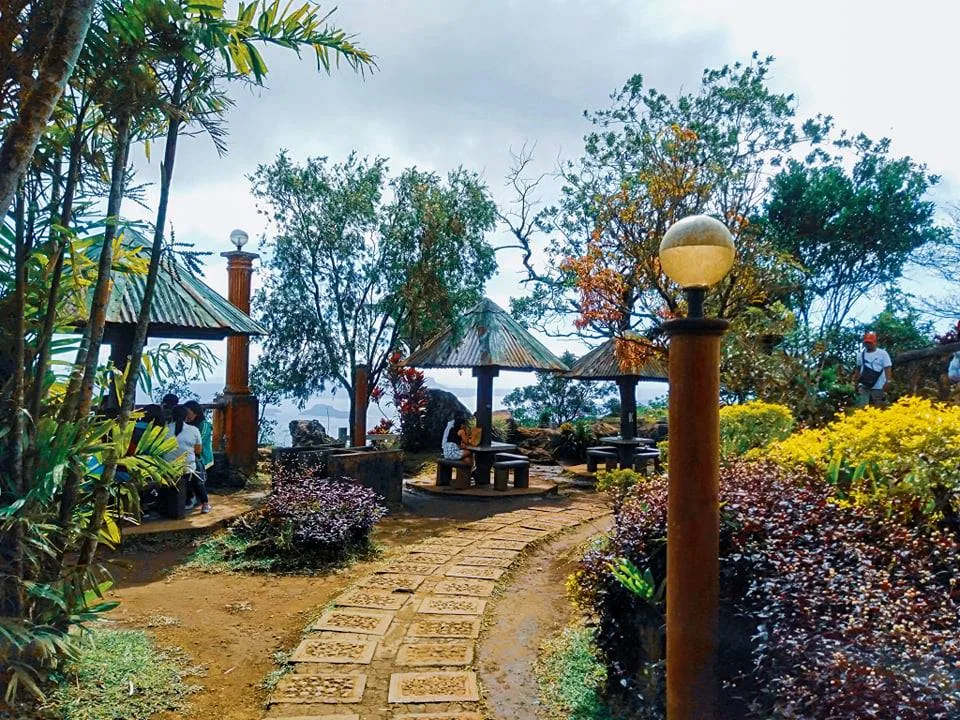
An unfinished mansion on the highest point, now a viewing deck with a view of the lake and, on clear days, Manila Bay. The Marcos government started the house for a state visit by the United States president Ronald Reagan, …
A 3-day plan built from the See, Do and Eat listings in Wikivoyage's Tagaytay guide. The stops are in an order that keeps each day close together. Check the hours …
The church that holds Our Lady of Solitude of Porta Vaga, an icon that appeared after an apparition of the Virgin Mary. It is a diocesan shrine under the Diocese of Imus, and most people call it San Roque Parish …
A 3-day plan built from the See, Do and Eat listings in Wikivoyage's Ternate (Cavite) guide. The stops are in an order that keeps each day close together. Check the …
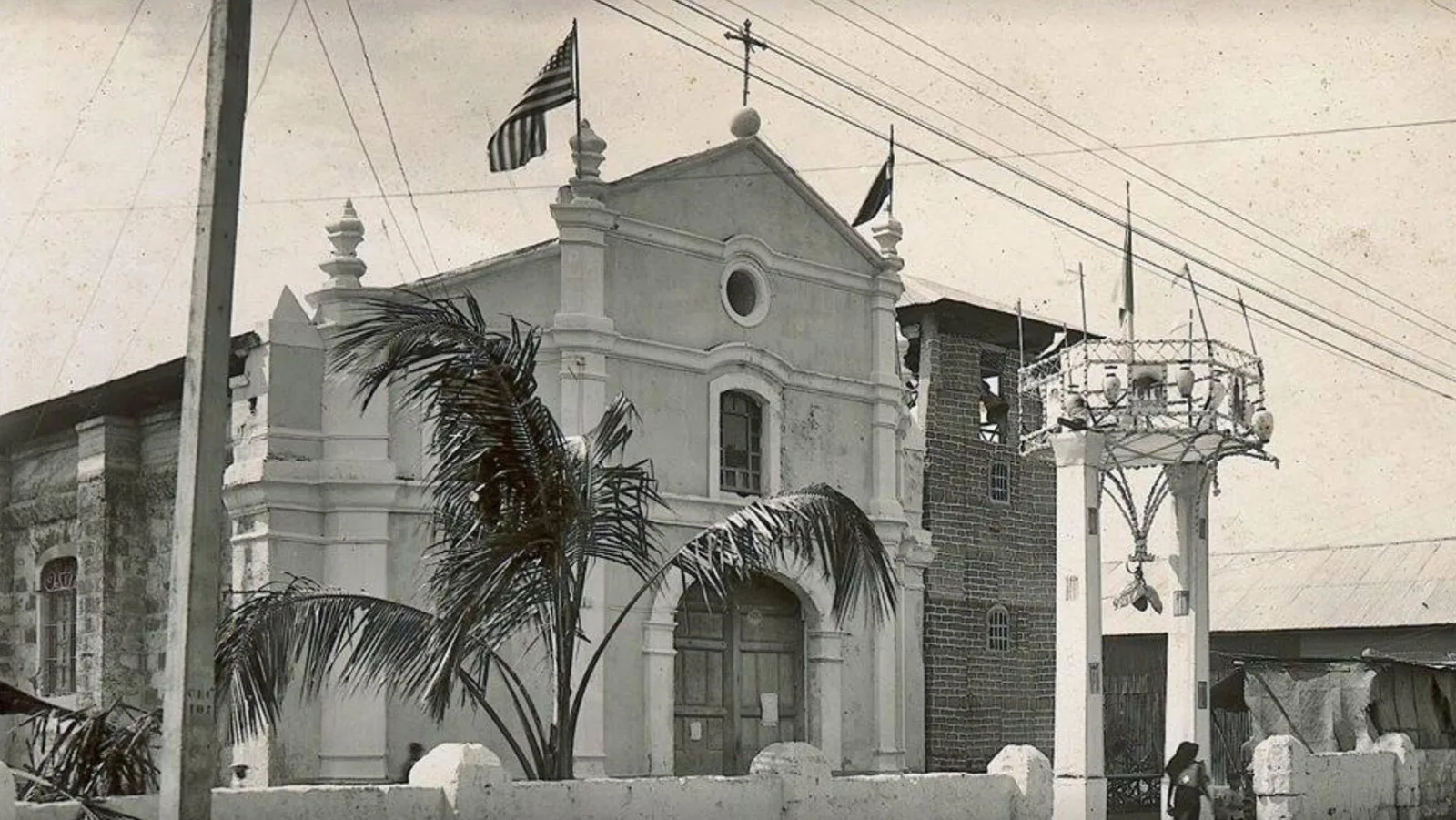
The first Roman Catholic church in the city, designated a National Historical Landmark by the Philippine government. Originally a chapel for the barrio of Tampus, it served as a Spanish outpost during the Philippine Revolution, and also a concentration camp …
A 3-day plan built from the See, Do and Eat listings in Wikivoyage's Cavite City guide. The stops are in an order that keeps each day close together. Check the …
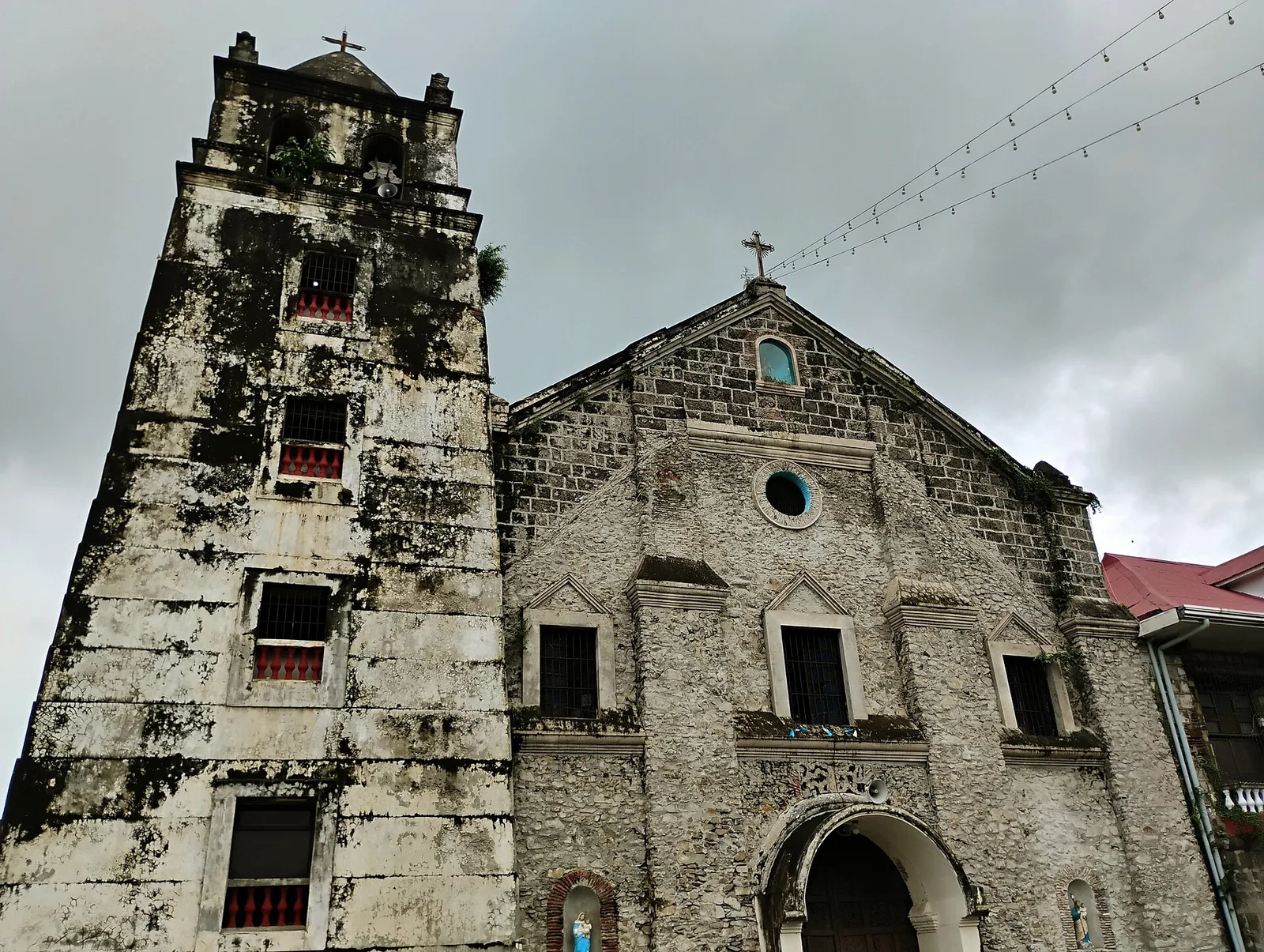
A Roman Catholic parish church that the National Museum declared a National Cultural Treasure. Its full name is Our Lady of the Assumption Parish Church, and it serves the town of Maragondon under the Diocese of Imus. Franciscans from Silang …
A 1-day plan built from the See, Do and Eat listings in Wikivoyage's Imus guide. The stops are in an order that keeps each day close together. Check the hours …
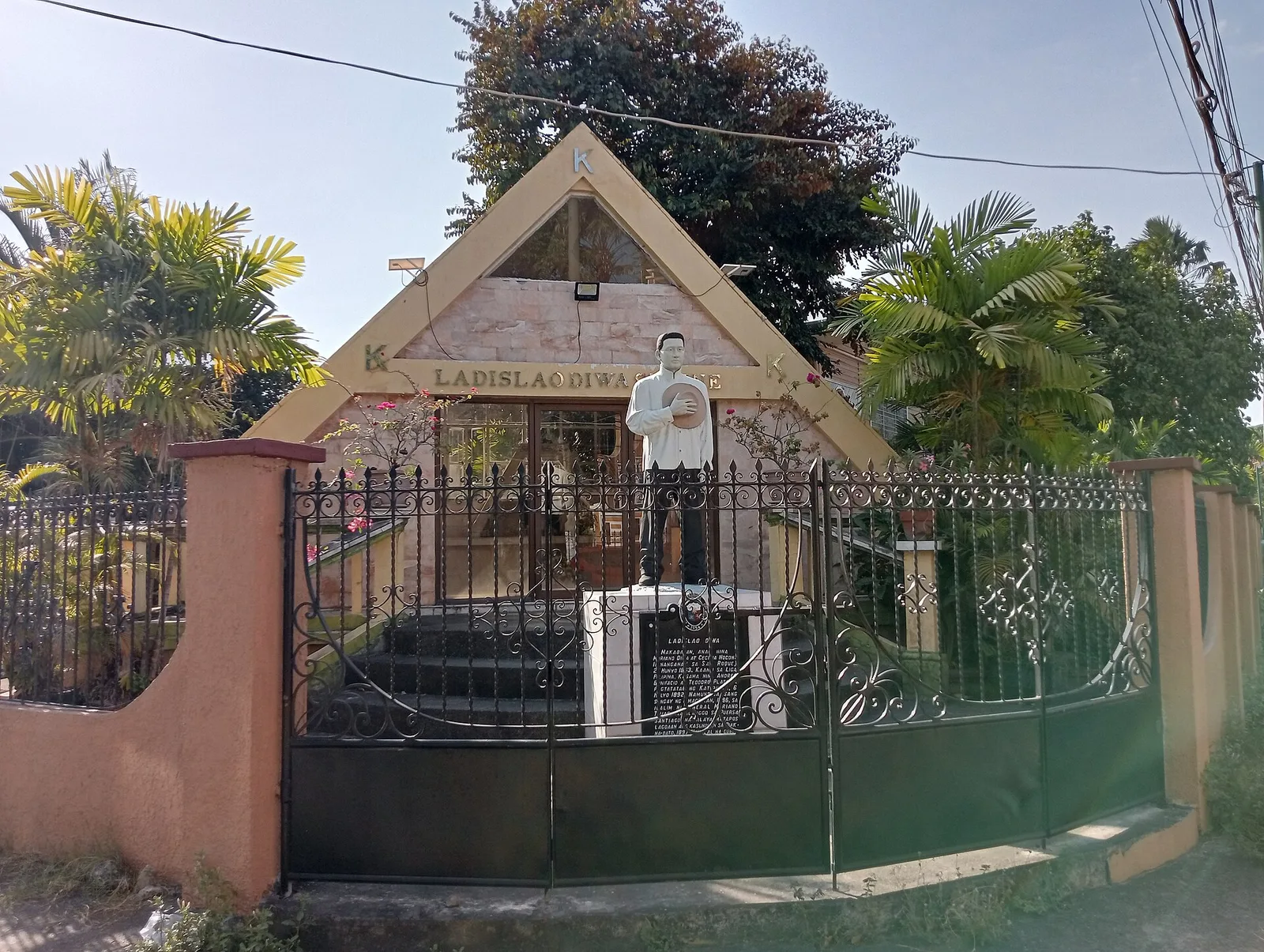
This shrine is a historical landmark dedicated to Ladislao Diwa, a pride of Cavite City. This is locked most of the time but you can still visit and look from outside of the gate. The landmark is Cafe Antix, just …
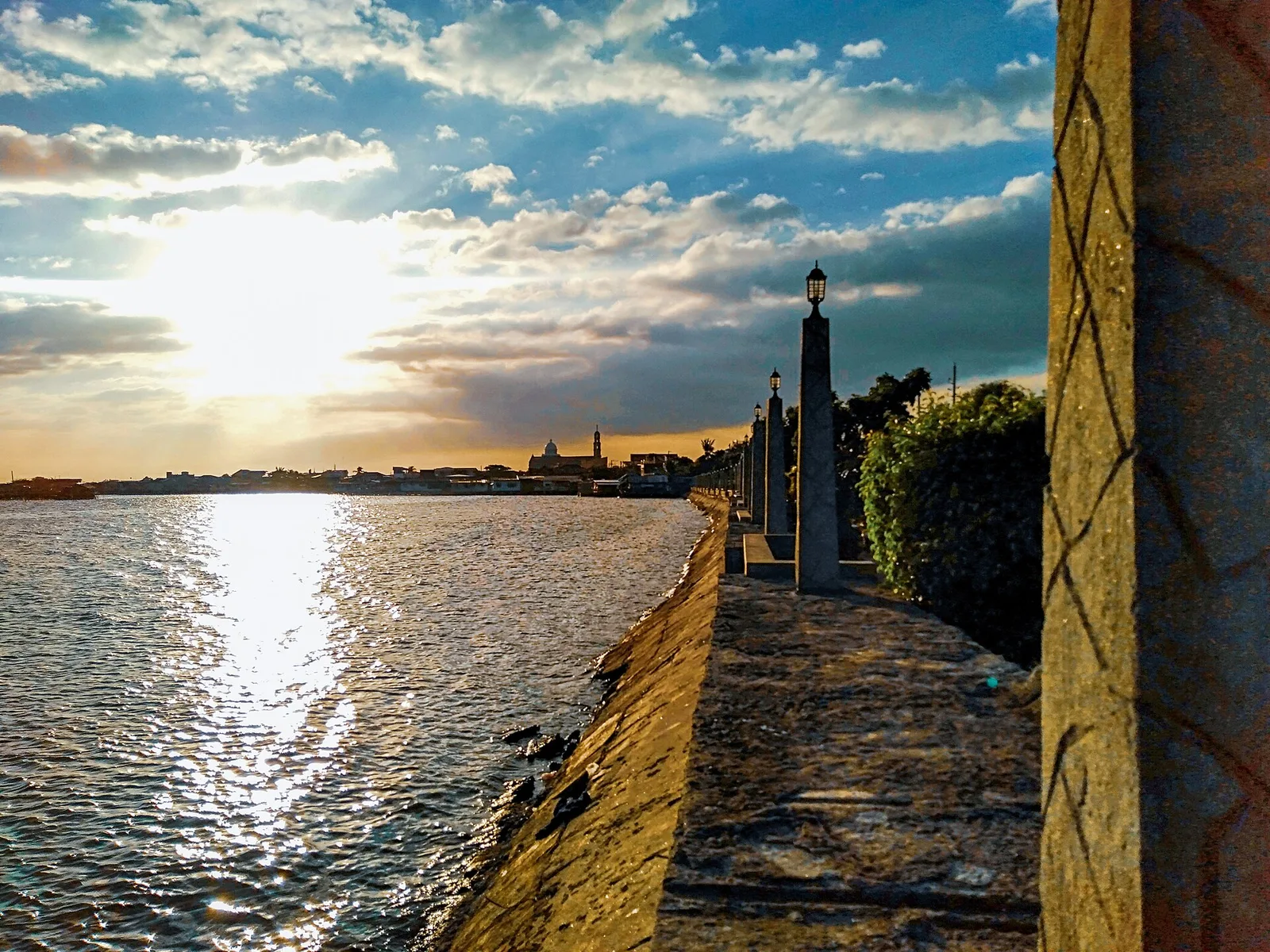
The park is located along the coast of Bacoor Bay and offers a stunning view of the sunset. The sea wall is decorated with colorful murals and sculptures that reflect the culture and history of the Filipino people. The park …
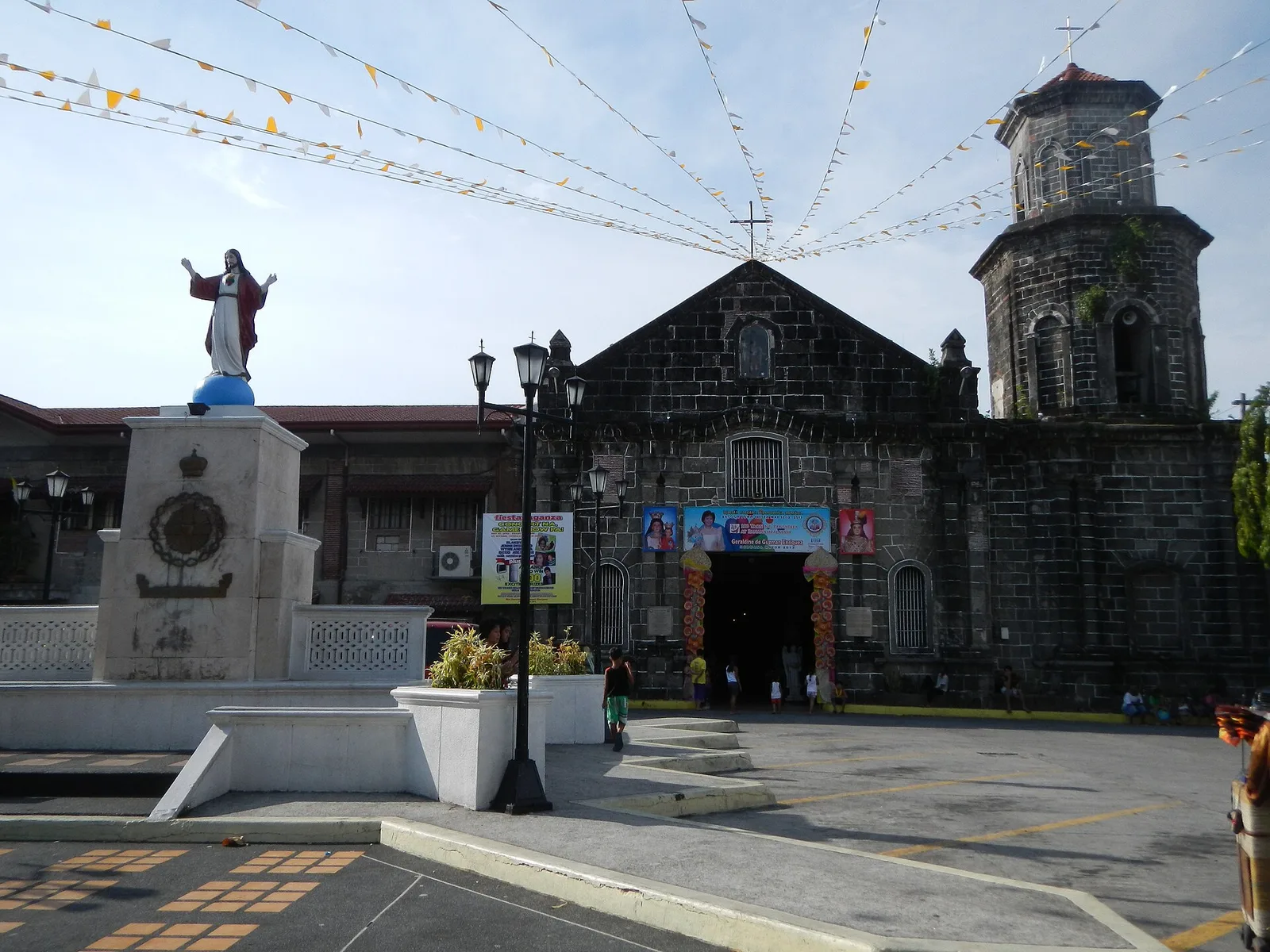
The Spanish-era church was first built in the 18th century, but had to be rebuilt several times due to wars and earthquakes. One of the Gomburza, Mariano Gomez, became one of its parish priests until he was arrested in 1872 …
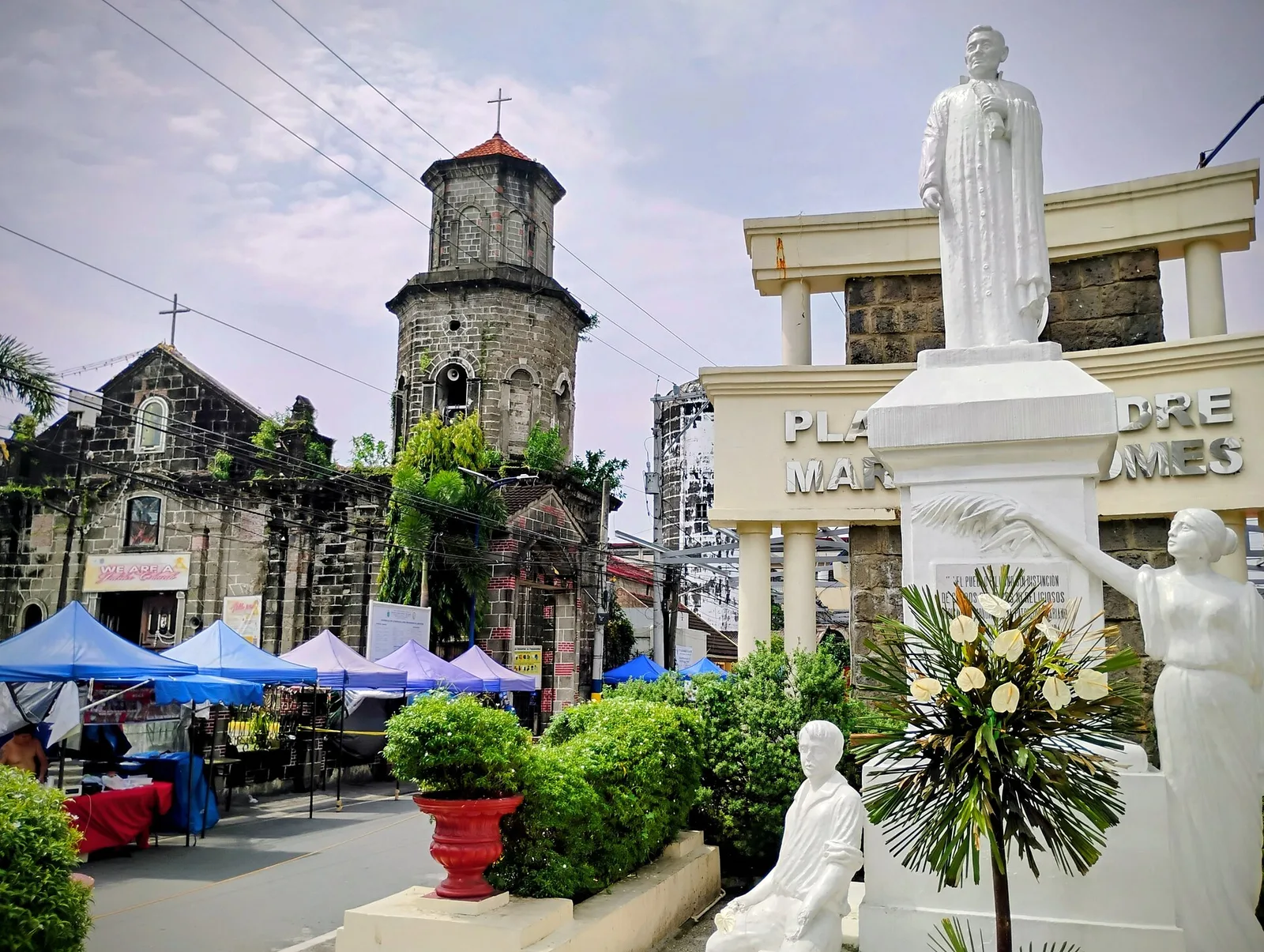
The public square beside Bacoor Church carries the name of Mariano Gomez, the parish priest of the town. Spanish authorities tied him to the Cavite Mutiny of 1872 and executed him at Bagumbayan with the two other priests known as …
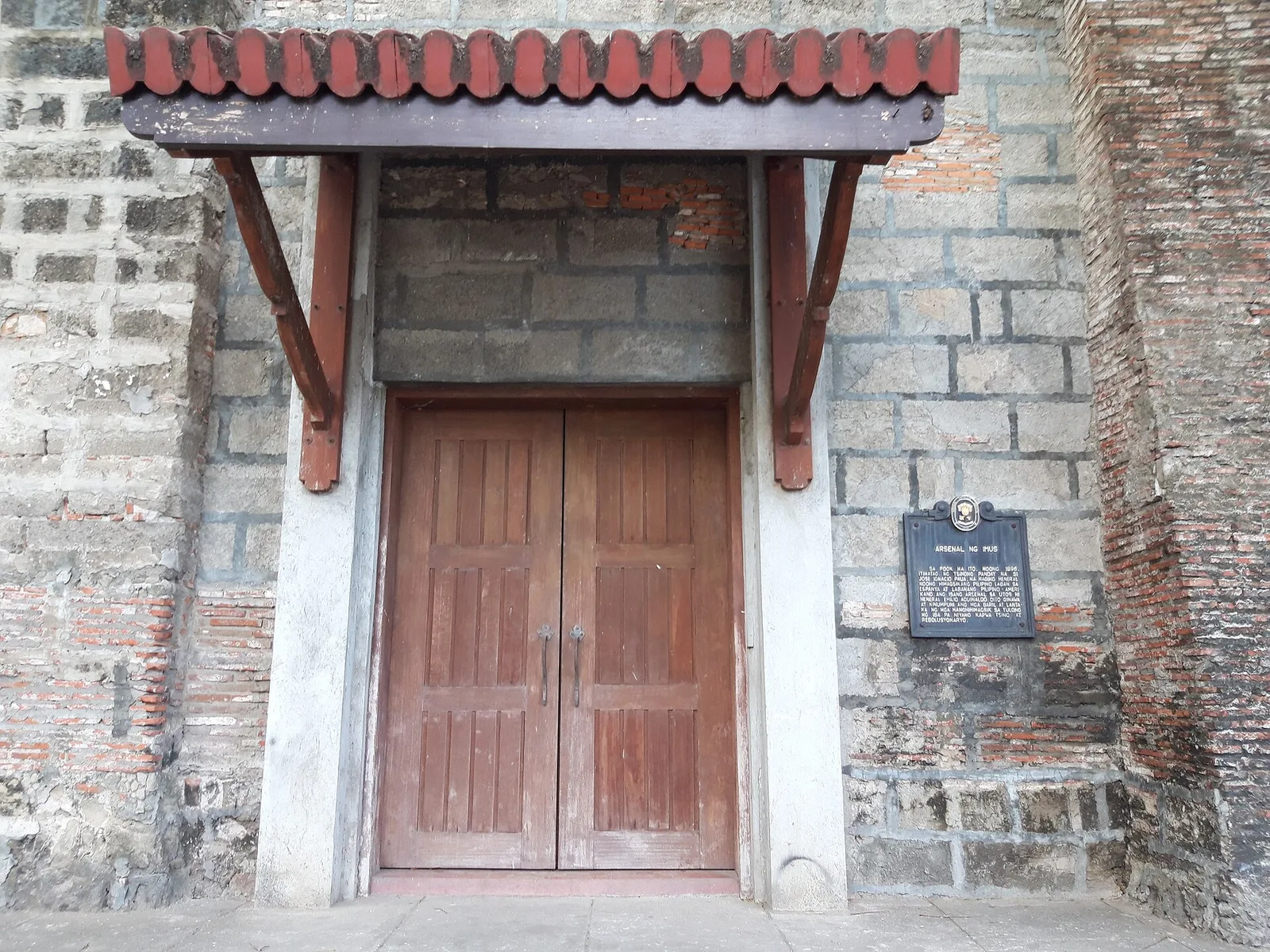
A museum of the part the city took in the revolution against Spain, which it presents with reenactments of scenes from it. Imus calls itself the Flag Capital of the Philippines because the first Philippine flag was flown here, at …
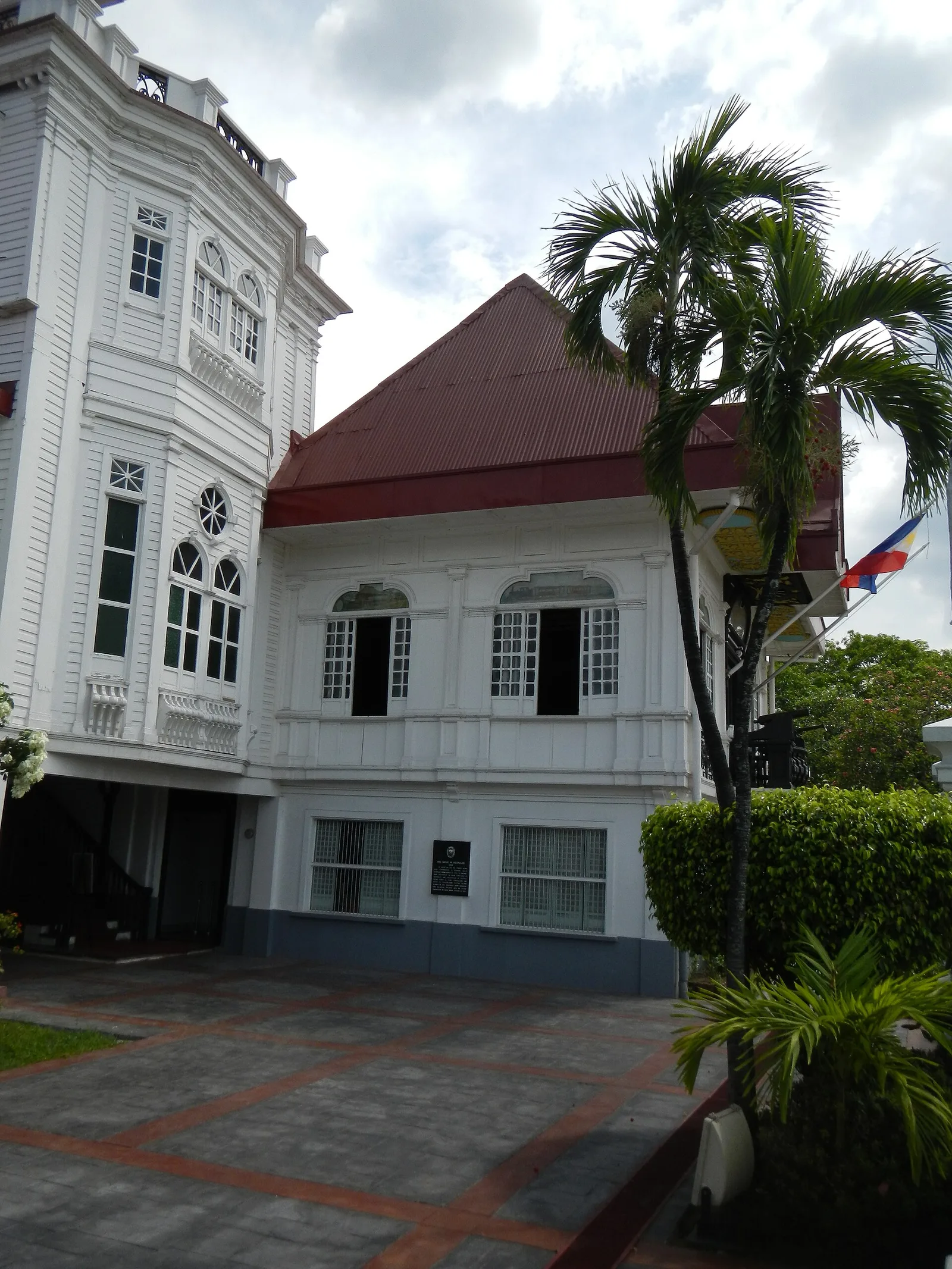
The house where the Philippines declared independence from Spain on June 12, 1898. It stands in Kawit and works today as a museum and a national shrine. Every June 12, on the holiday called Araw ng Kalayaan, top government officials …
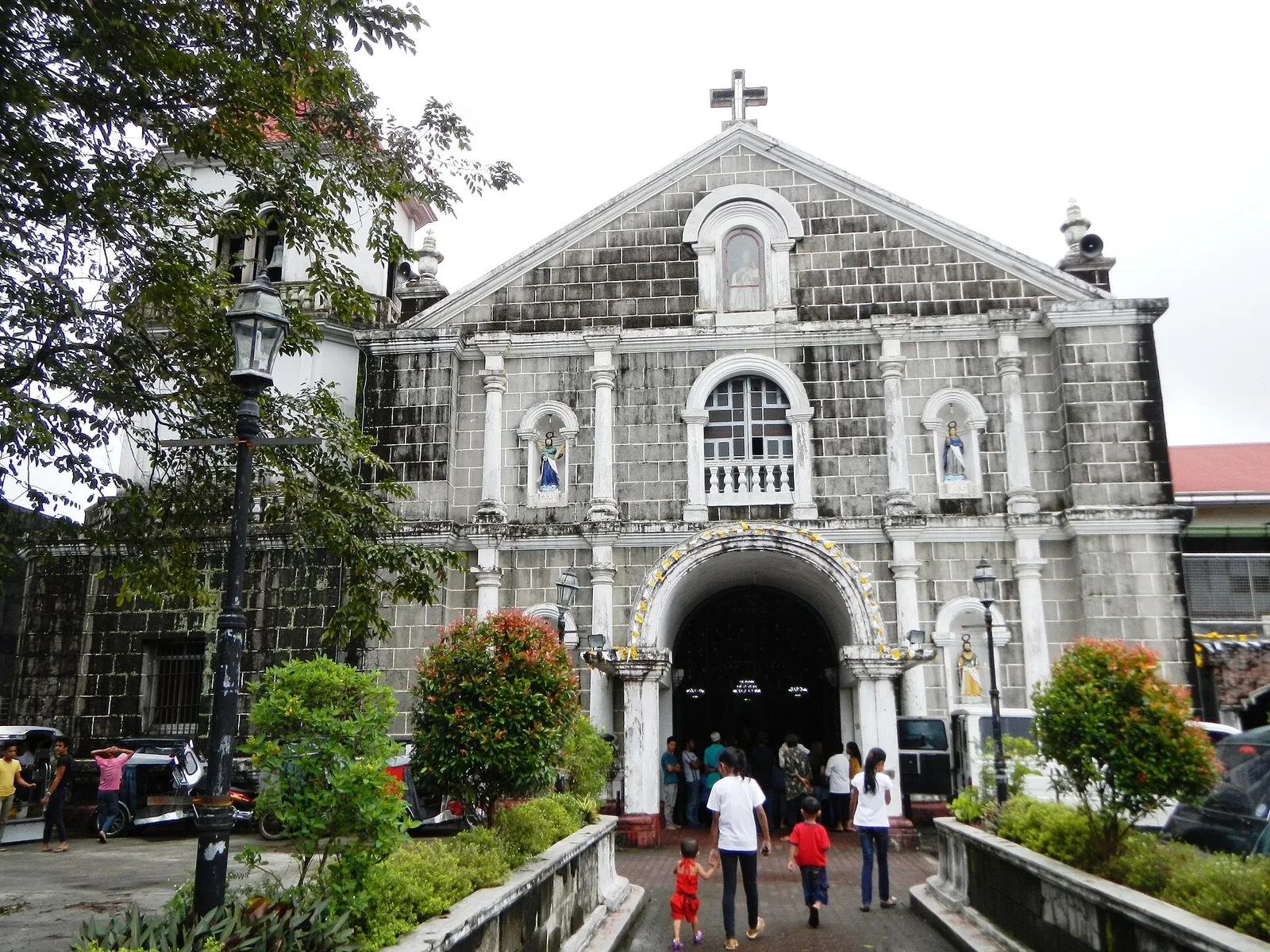
Indang's central parish church, dating back to 1625. It was originally a chapel, and the present Baroque church, which has galvanized iron roofing and exquisite ceiling and wall paintings, dates back to 1953, rebuilt from the original destroyed during the …
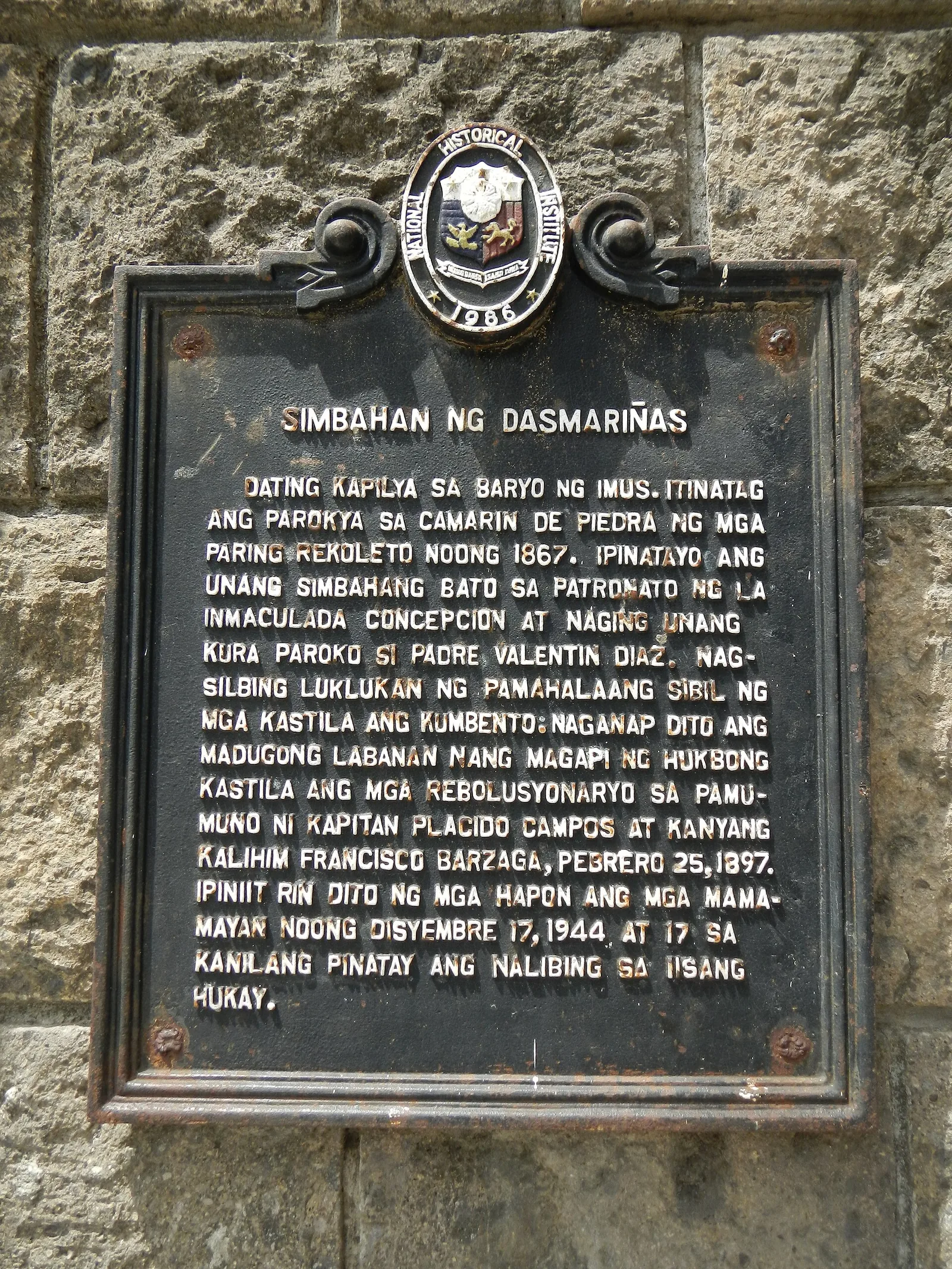
The first parish church of the city, built in stone soon after Dasmariñas became a separate parish in 1866. The church and its convent saw bloodshed during the Battle of Perez Dasmariñas, in the revolution against Spain. Queen Isabella II …
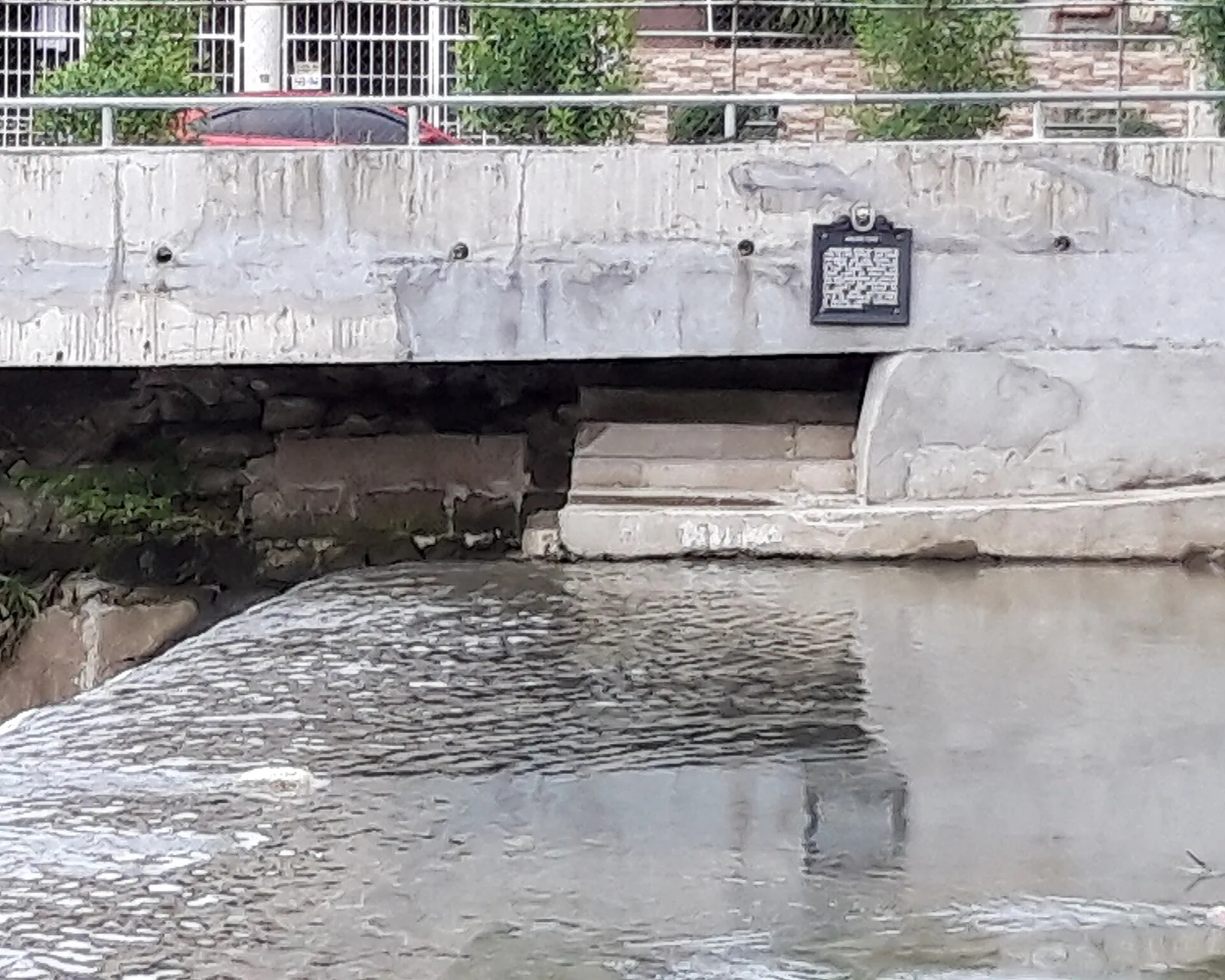
A gravity dam on the Zapote River, built by hand in the 19th century to water the rice fields of Bacoor and Las Piñas. It sits on the city boundary, between Barangay San Nicolas I in Bacoor and Barangay Talon …
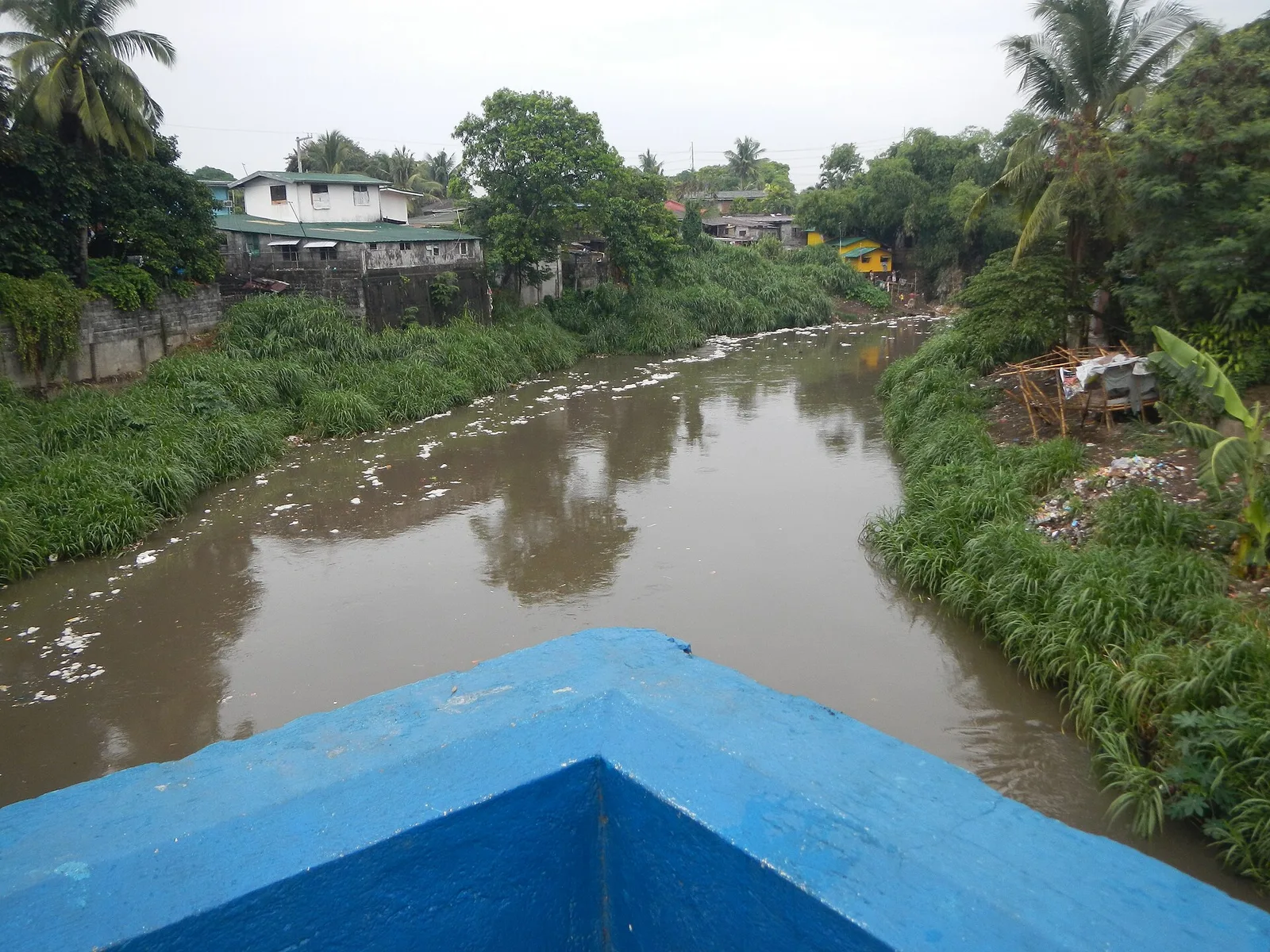
A two-span stone arch bridge finished in 1857, and the site of the Battle of Imus. Filipino revolutionaries fought the soldiers of the Spanish colonial government here on September 3, 1896, in an action also called the Battle of Imus …
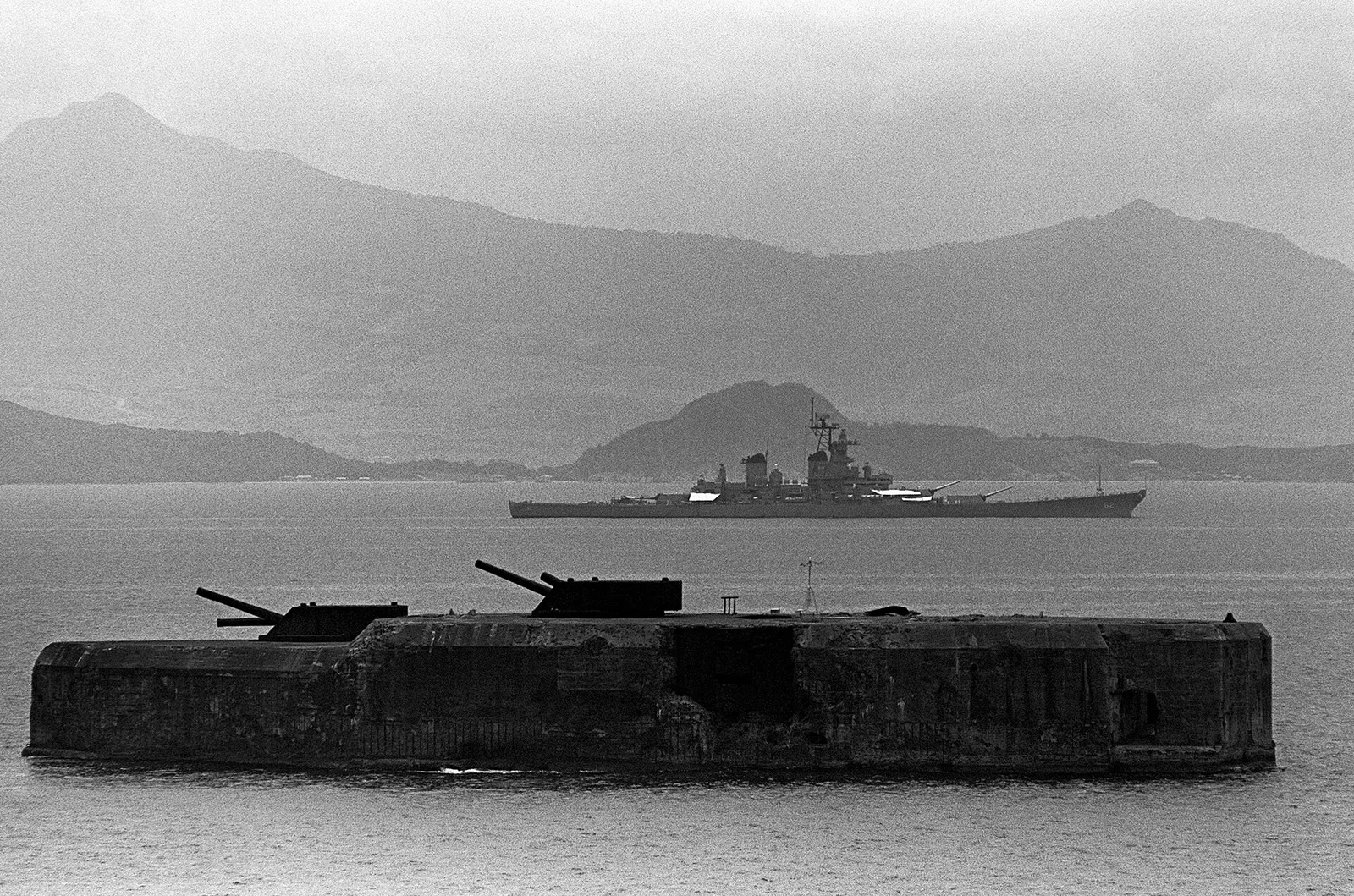
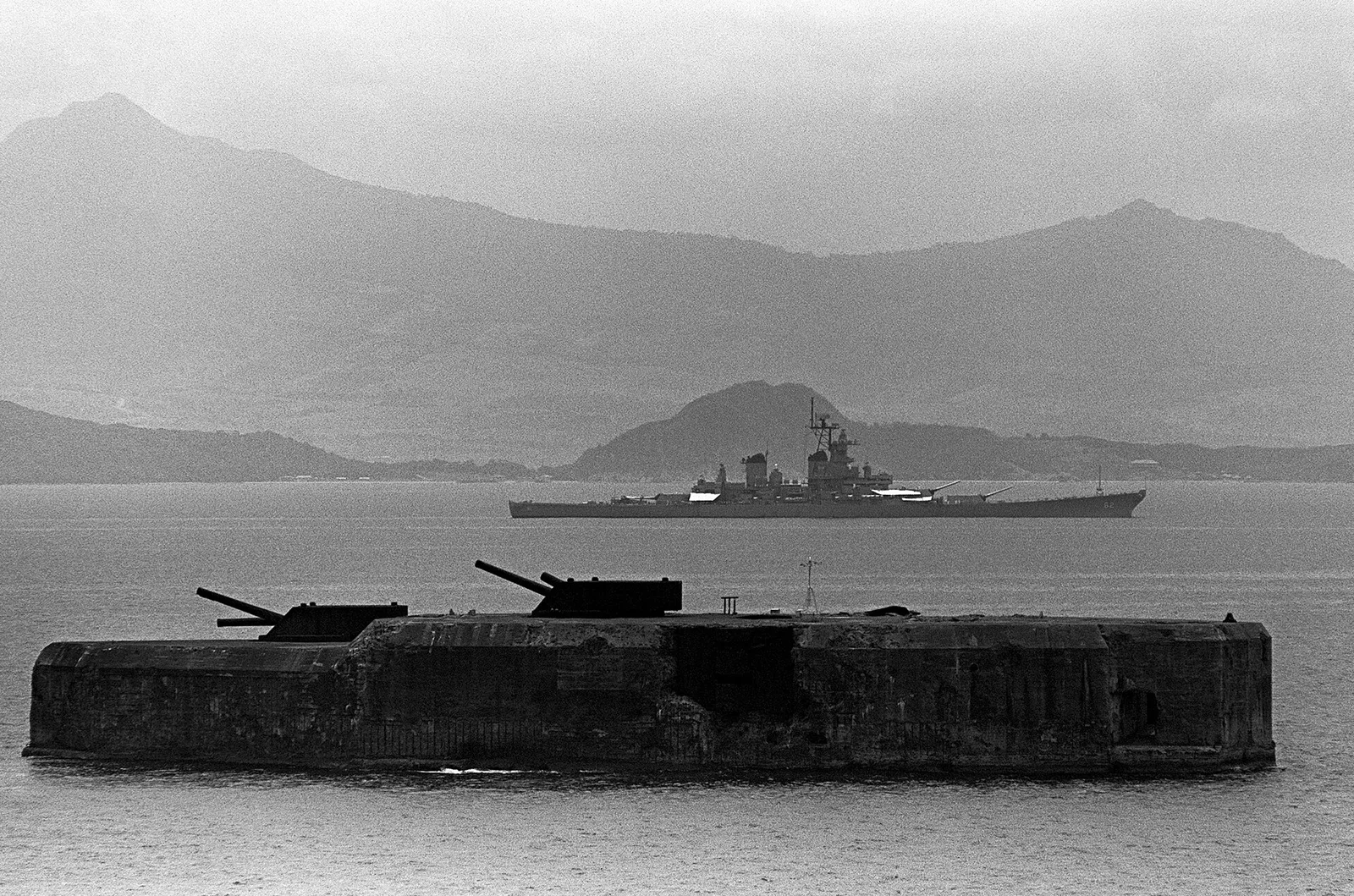
A heavily fortified sea fort, shaped like a battleship, built by the United States in 1909 as one of the harbor defenses at the wider South Channel entrance to the bay during the American colonial period. It was unique among …
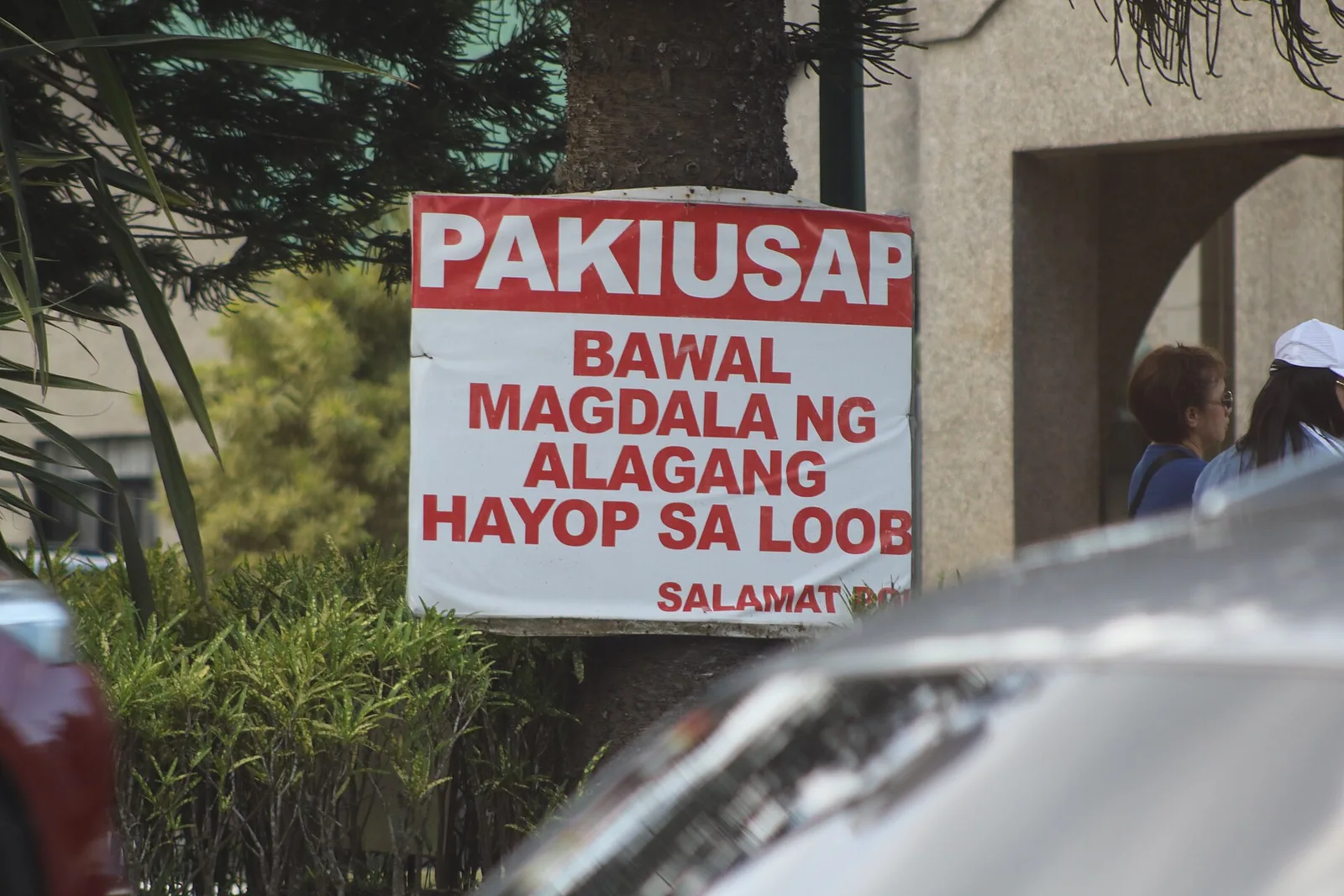
Behind the bars and glass of the Adoration Convent of Divine Mercy are those who answered the call to live in silence. Located at the Holy Spirit Drive in Barangay Maitin in the city, the convent often called the Pink …
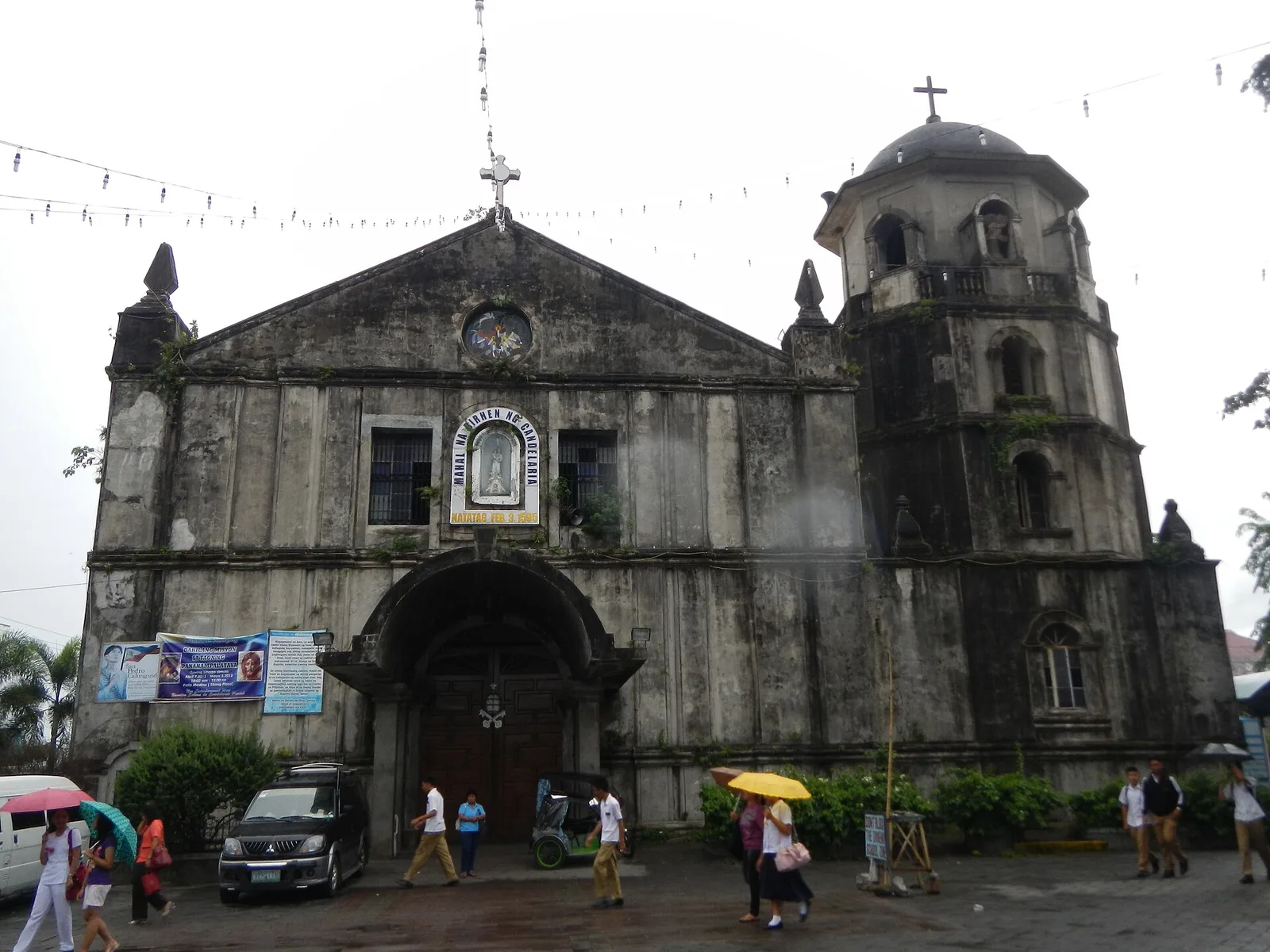
A typical Baroque church dedicated to the Virgin of Candelaria. The original parish church and its attached school was completed 1595 by the Franciscans, but were destroyed by fire in 1603. A new church was built in 1637-39, and dedicated …
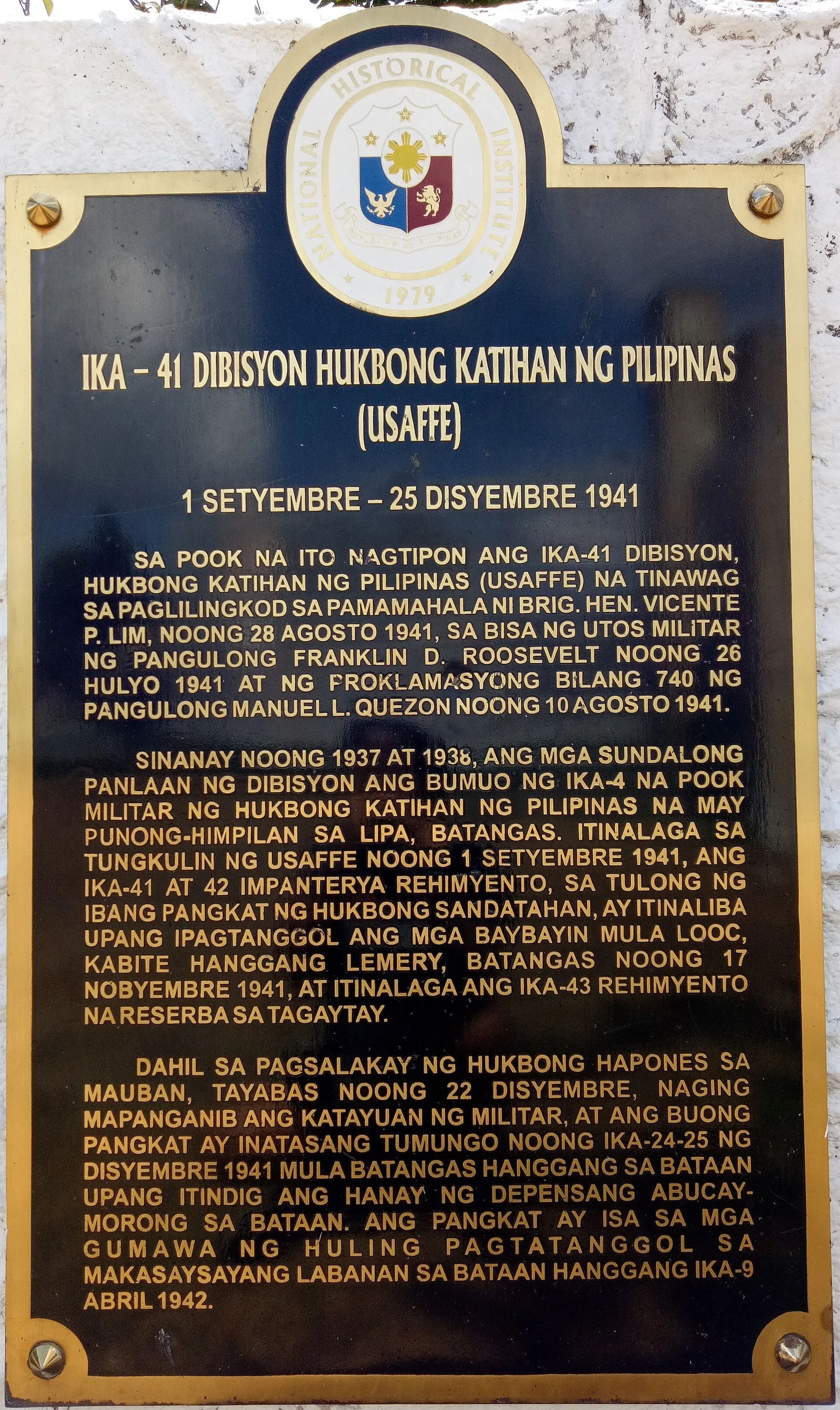
This church, built in 1937, is on the site of a chapel that was destroyed during the Philippine revolution.
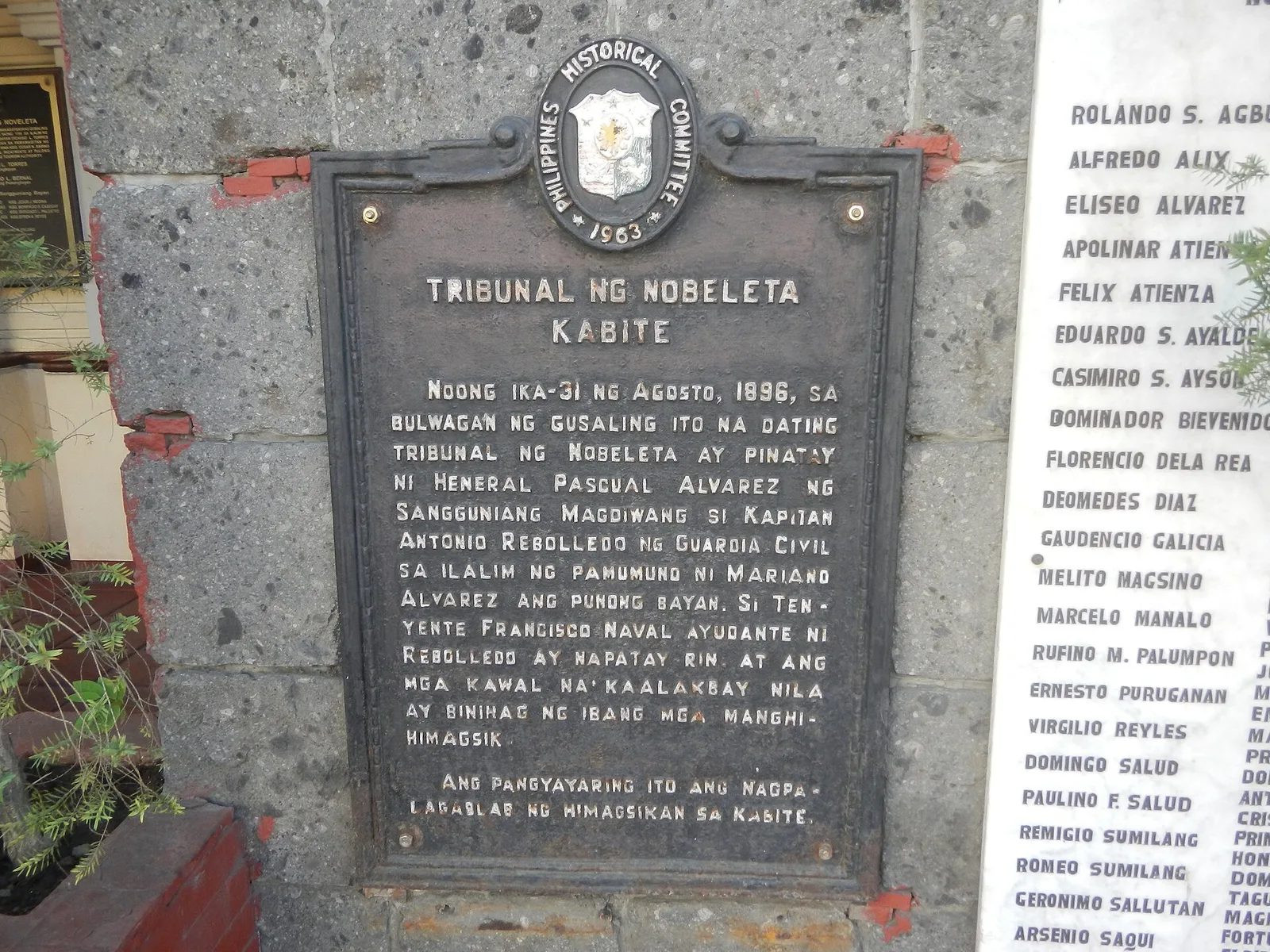
The old town hall of Noveleta, it once housed the eponymous Noveleta Tribunal of the Magdiwang faction of the Katipunan.