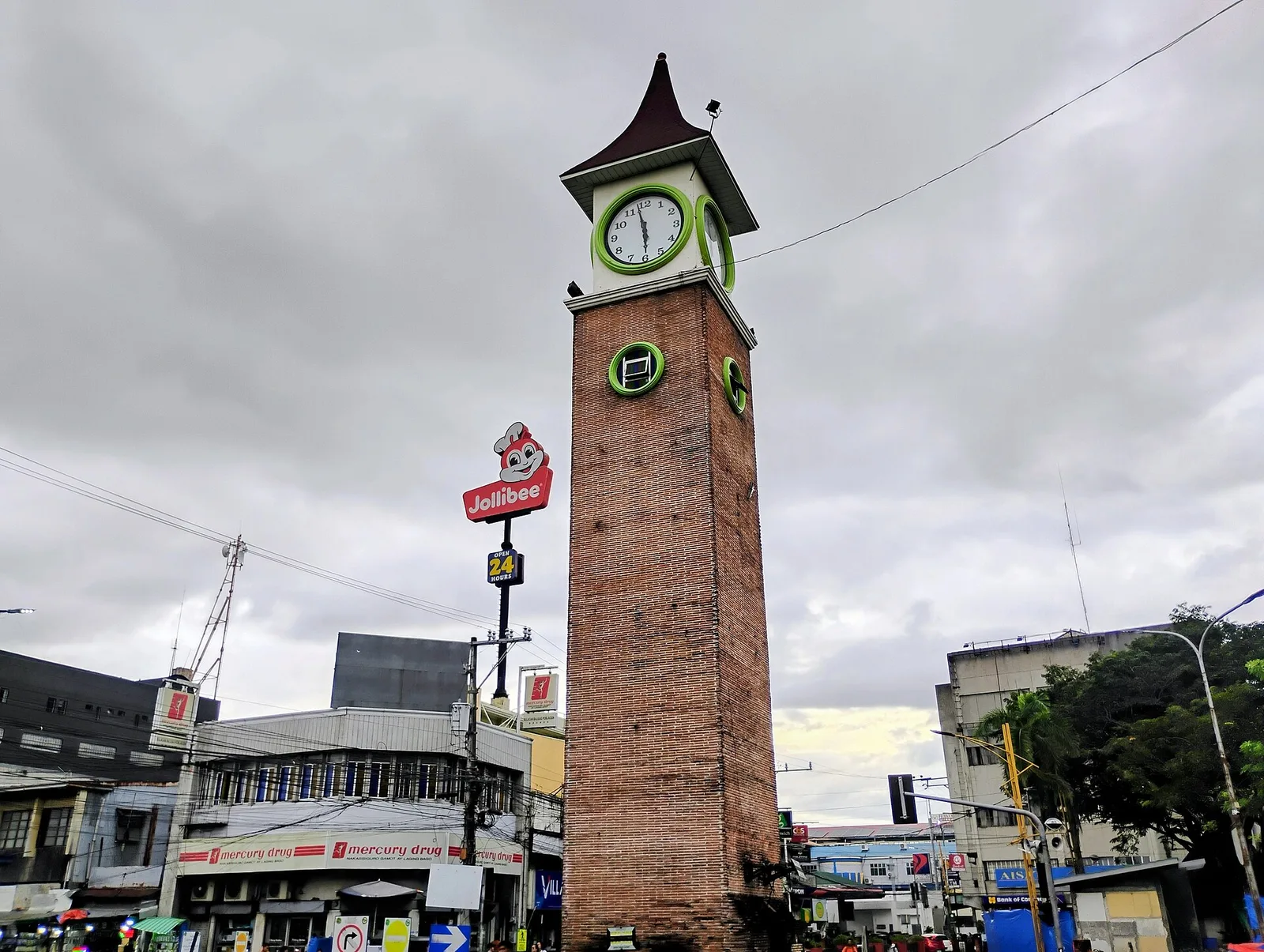
Baliwag Clock Tower
The first and only free-standing clock tower in Bulacan, also a local symbol and landmark. It is constructed in 1999 and inaugurated in 2000, during the 137th birthday anniversary of hero, Mariano Ponce.
Region in Luzon · 9 provinces and cities
Showing 151 to 180 of 262
The first and only free-standing clock tower in Bulacan, also a local symbol and landmark. It is constructed in 1999 and inaugurated in 2000, during the 137th birthday anniversary of hero, Mariano Ponce.
Known for its chill atmosphere, this secluded, rocky beach is a popular destination for surfers.
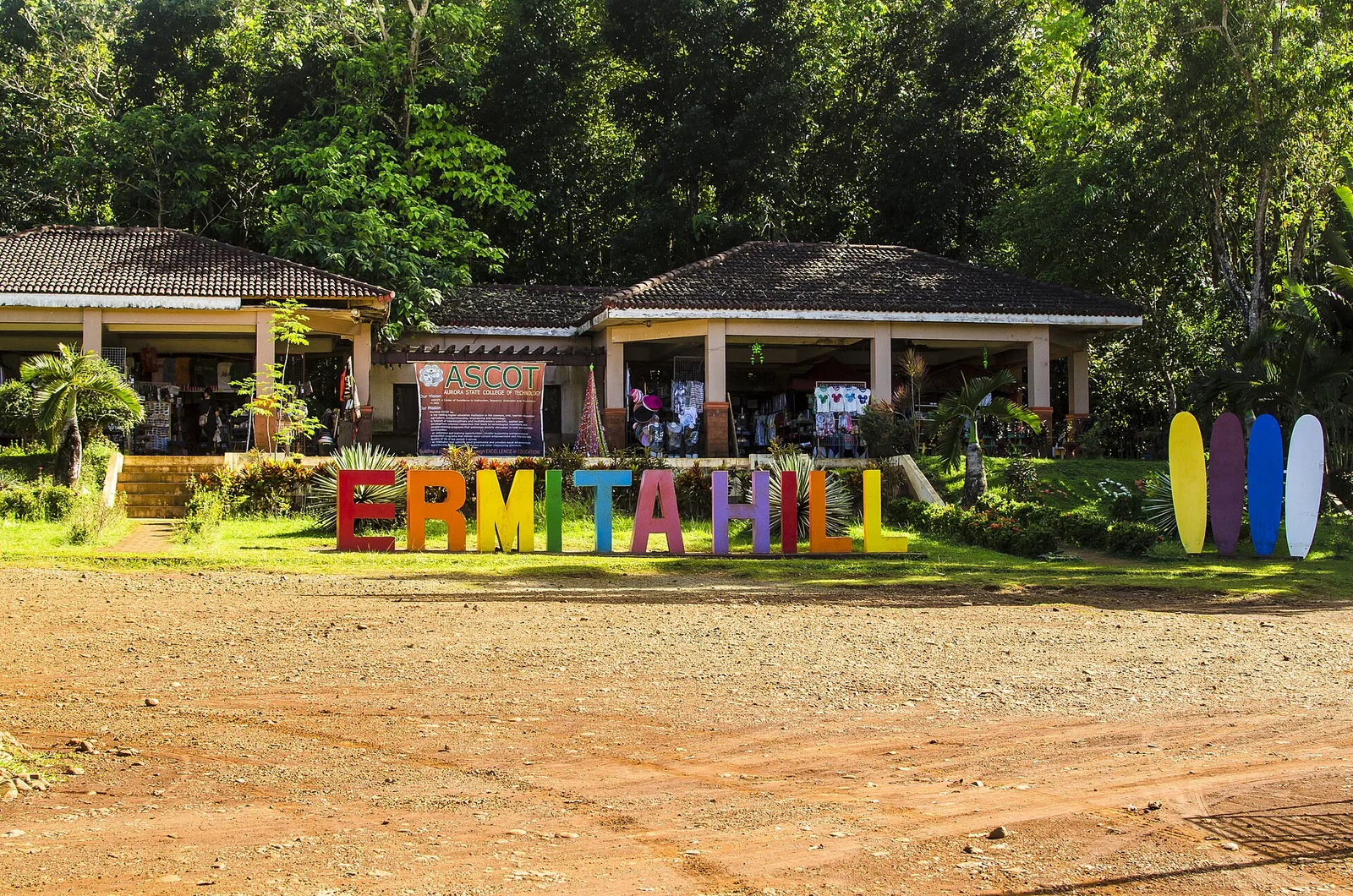
Tromba Marina was the name given to the destructive tidal wave that struck Baler on December 27, 1735. This monstrous wave caught everyone off-guard when it arrived around 2:00 AM. The town was devastated in seconds and many lives were …
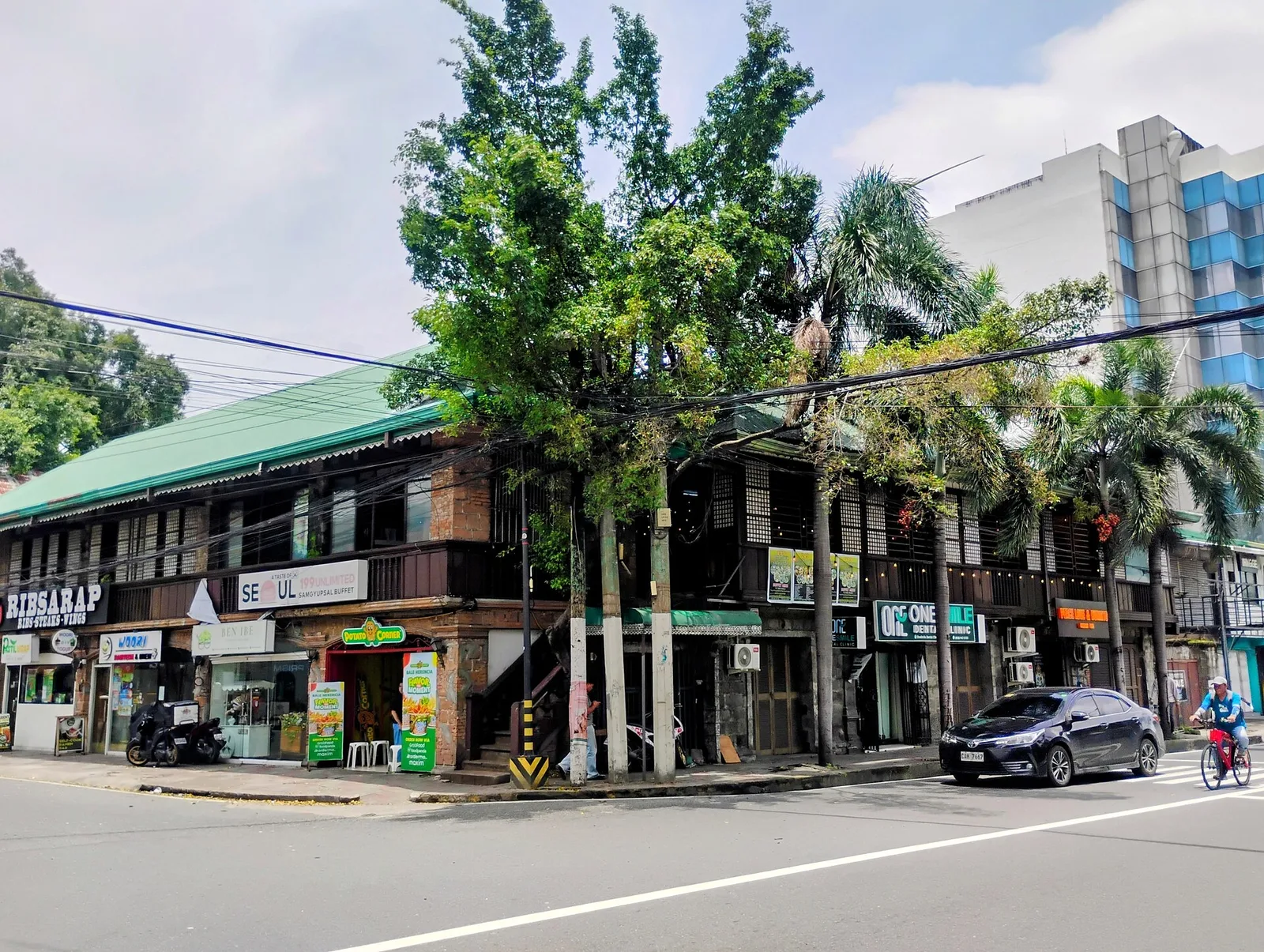
Built in 1860, it is a picturesque house with the unsavory reputation of having been built for the mistress of a parish priest. The current owners have leased the place to various restaurants, food stalls, and other businesses like salons …
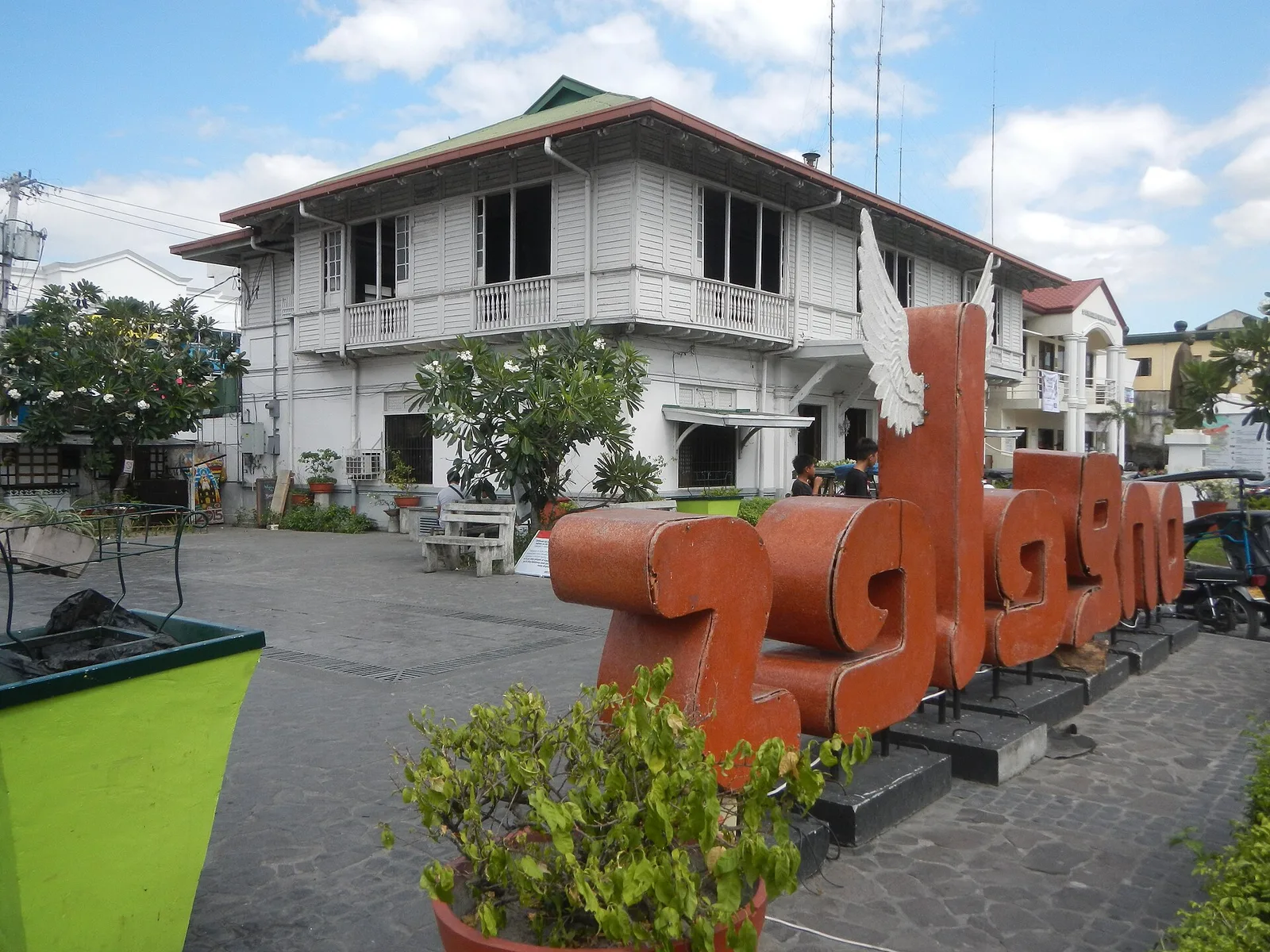
Housed in a vintage building located at the "Santo Rosario Historic District", this edifice was constructed in 1922 and served as the Town Hall until 1998. The museum has become the venue of the city's cultural activities be it from …
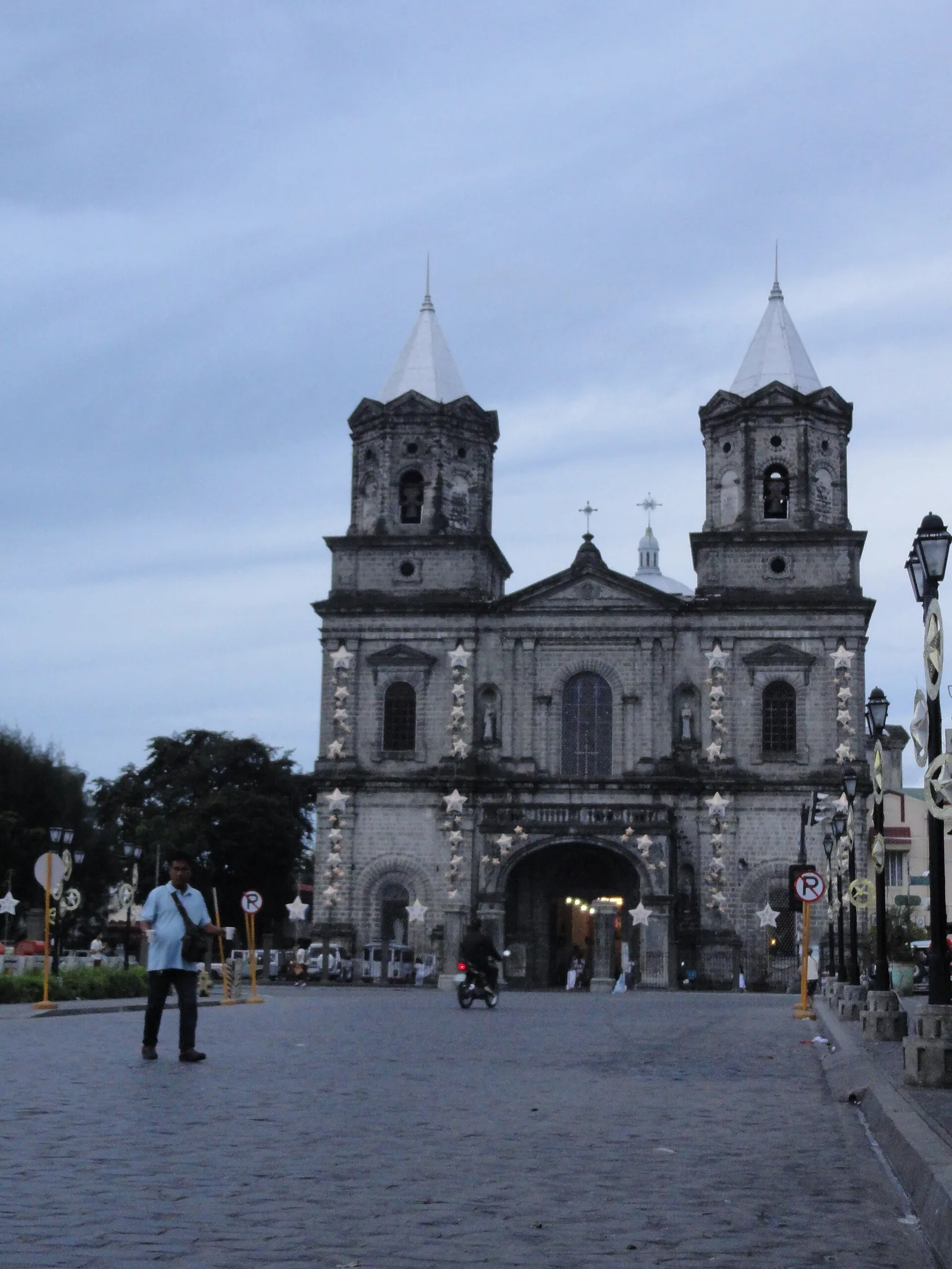
Colloquially called the "Big Church" in Kapampangan, it was constructed from 1877 to 1896 by the "Polo y Servicio" labor system, a kind of forced labor imposed on Filipino peasants by the Spanish colonial government. It was used as a …
Located at the heart of Santo Rosario, it is the oldest building in the city. It was built in 1824 by the city founder, Don Ángel Pantaleón de Miranda, and his wife, Doña Rosalia de Jesus, and was inherited by …
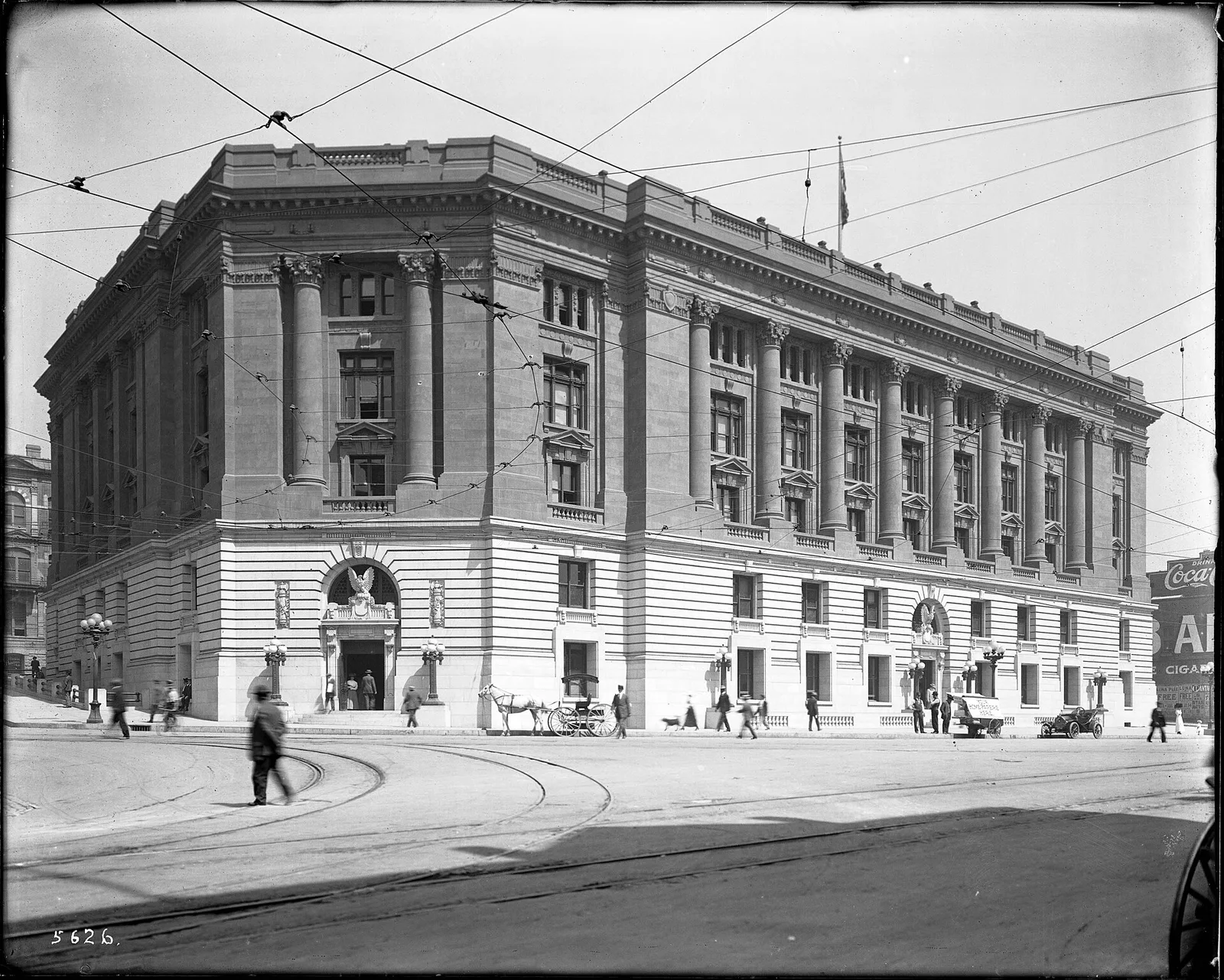
It is a building that was constructed in 1899 for the purpose of depositing religious statues and carriages of the Catholic Church, hence the name Deposito. It was also used as the headquarters of the 11th Film Exchange U.S. Army …
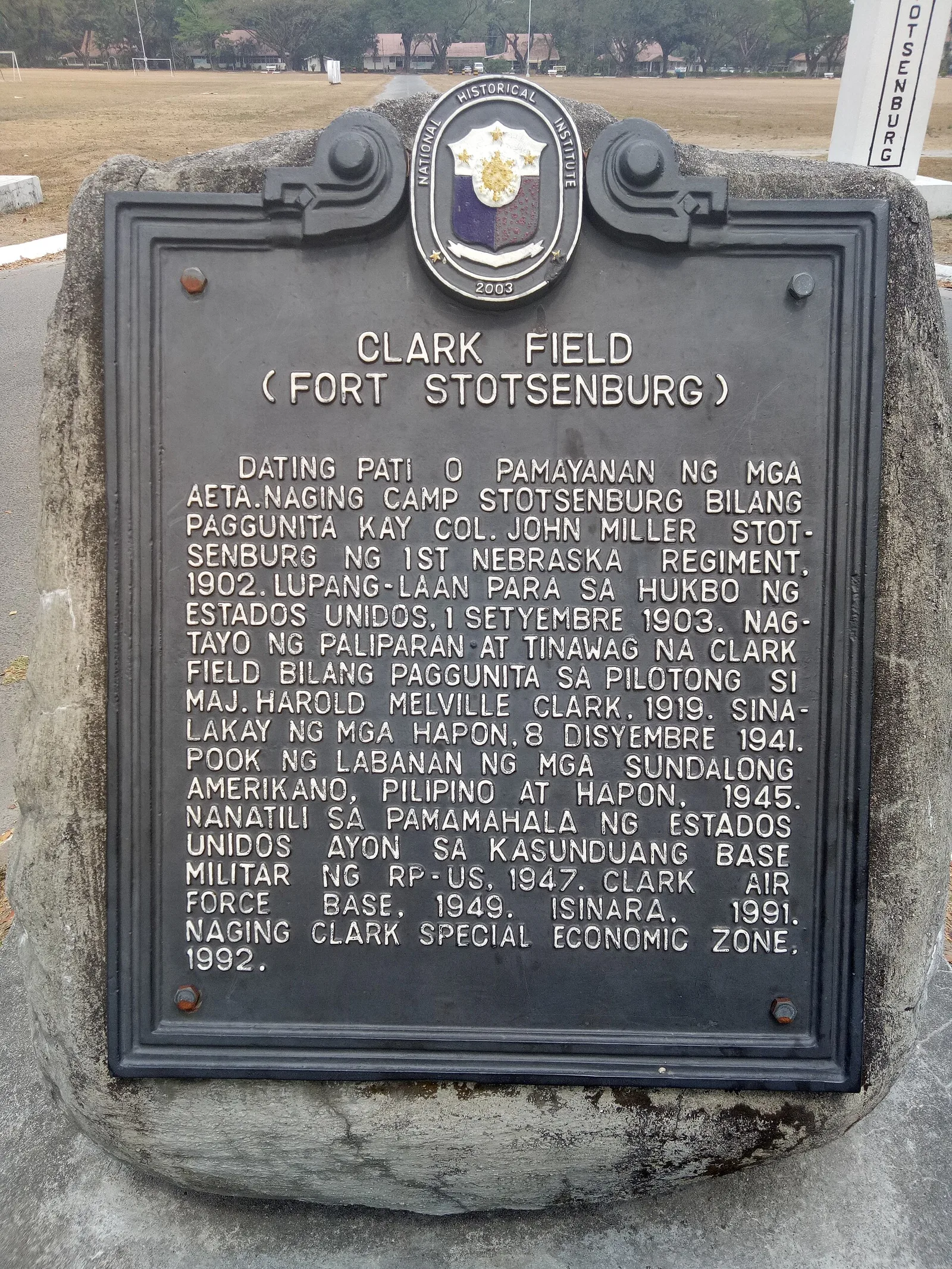
The former headquarters of American cavalry divisions sent to the Philippines during the Philippine-American War. Destroyed in World War II, only its gateposts remains.
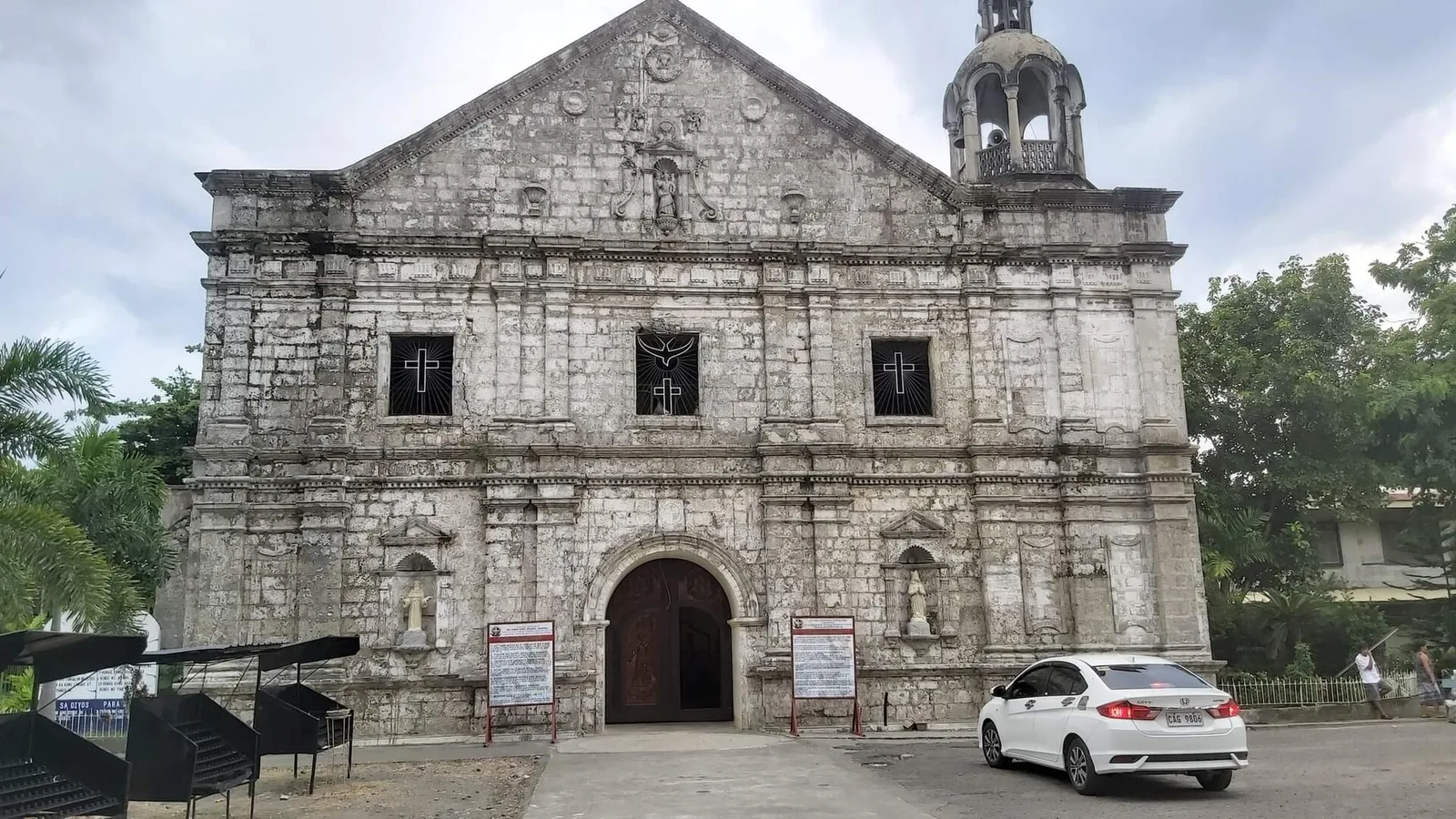
A Baroque church built from coral instead of adobe, which is unusual among the Spanish-era churches of Central Luzon. It dates from the 18th century, stands in barangay South Poblacion and is dedicated to Saint Andrew the Apostle. The facade …
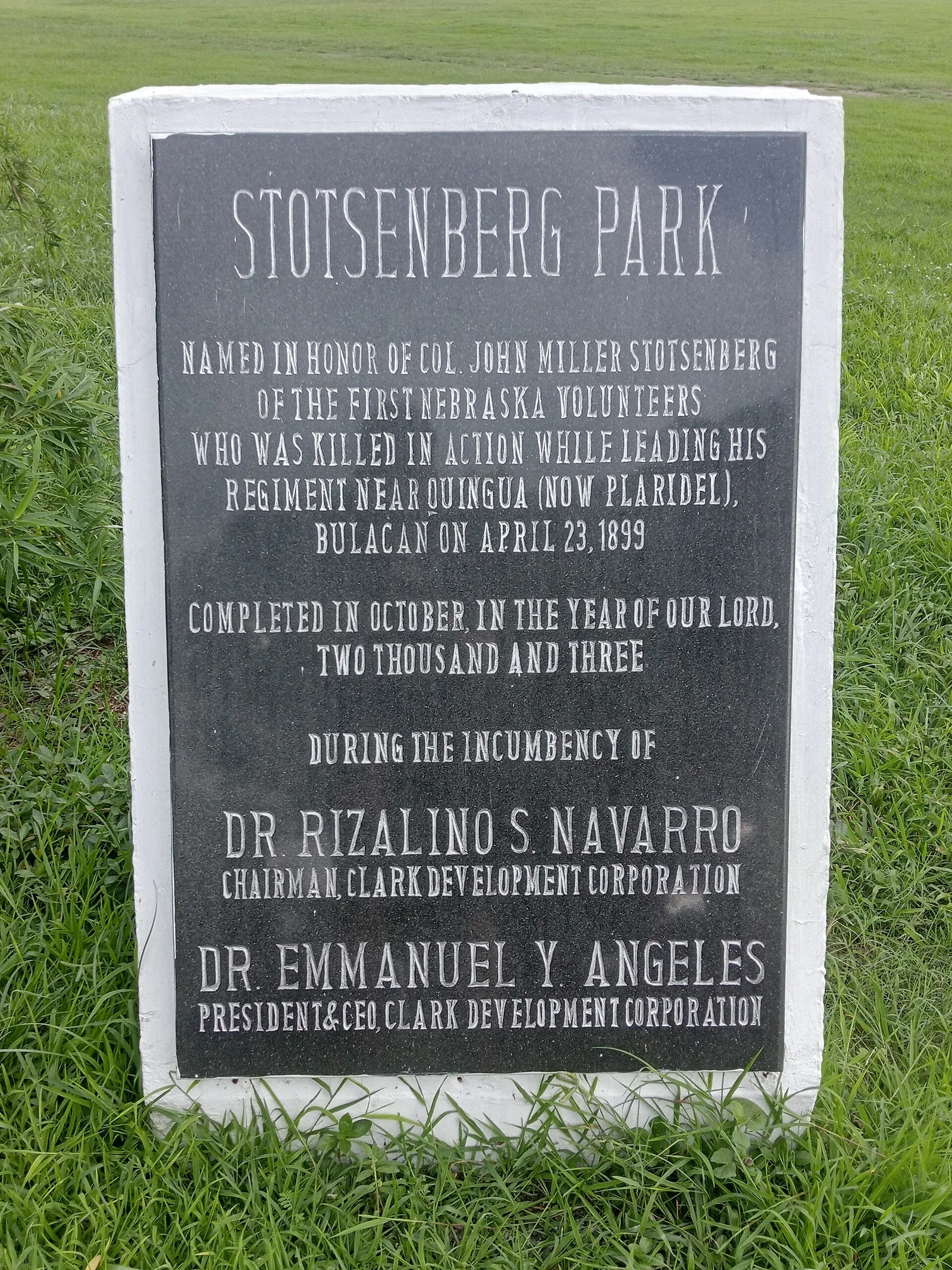
This urban park in Mabalacat City takes its name from the former Fort Stotsenburg. The fort's own barangay joined the city in 1948, adding to a place whose Kapampangan name comes from the balakat tree that once grew here in …
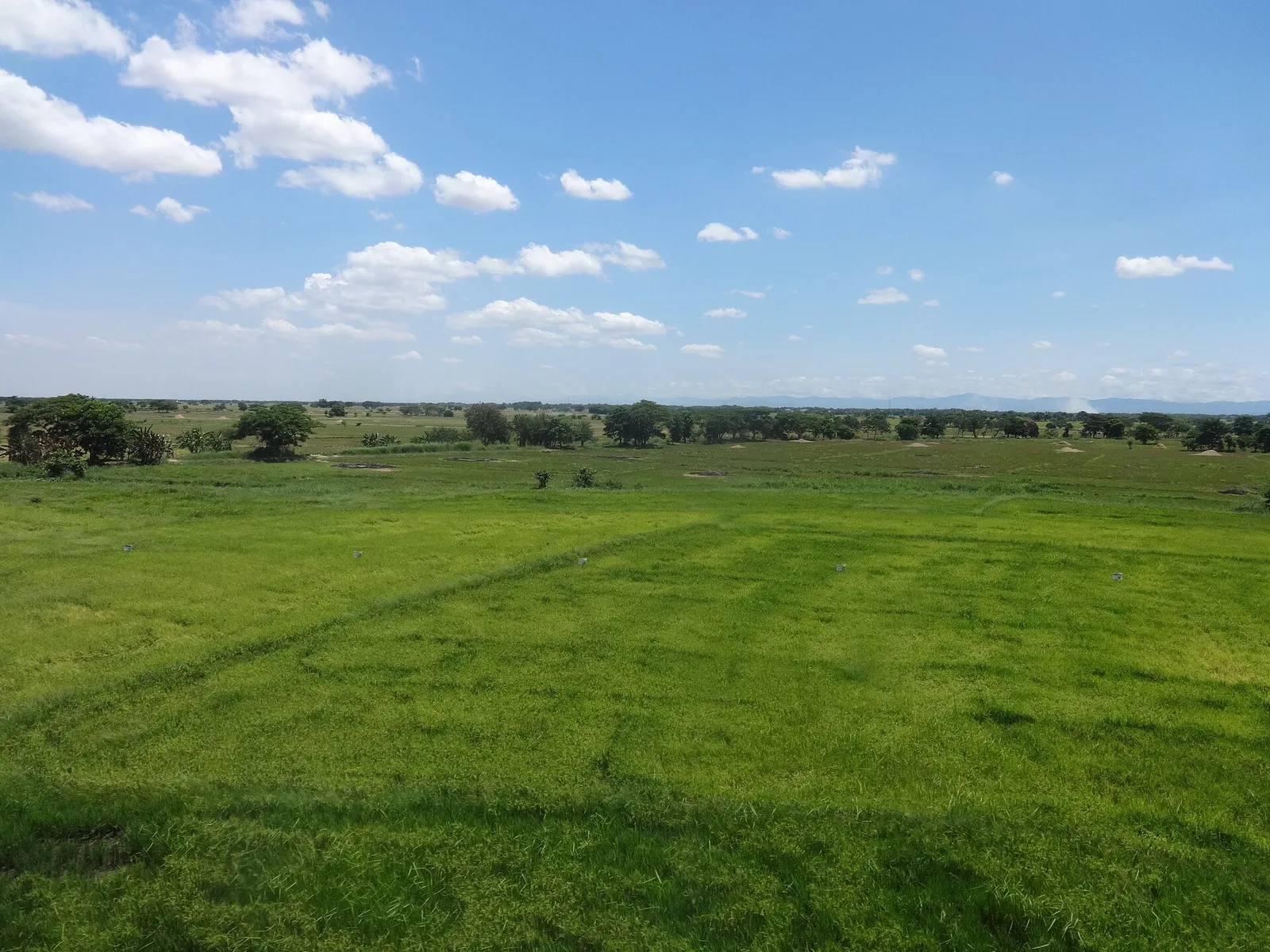
A wetland of about 32,000 hectares of freshwater ponds, marshes and seasonally flooded grassland, 60 kilometres northeast of Manila. The whole area goes under water in the wet season, and it works as a flood basin for five smaller rivers …
Another chapel serves residents of Palayan City, about 14 kilometers from Cabanatuan and some 130 kilometers from Manila. The city houses Nueva Ecija's provincial capitol, convention center, and sports center, and San Isidro Labrador Chapel is one of several small …
This chapel serves Catholics in Palayan City, the capital of Nueva Ecija since 1965. Congress created the city as one of the country's seven planned cities, and Divine Mercy Chapel is one of its neighborhood places of worship.
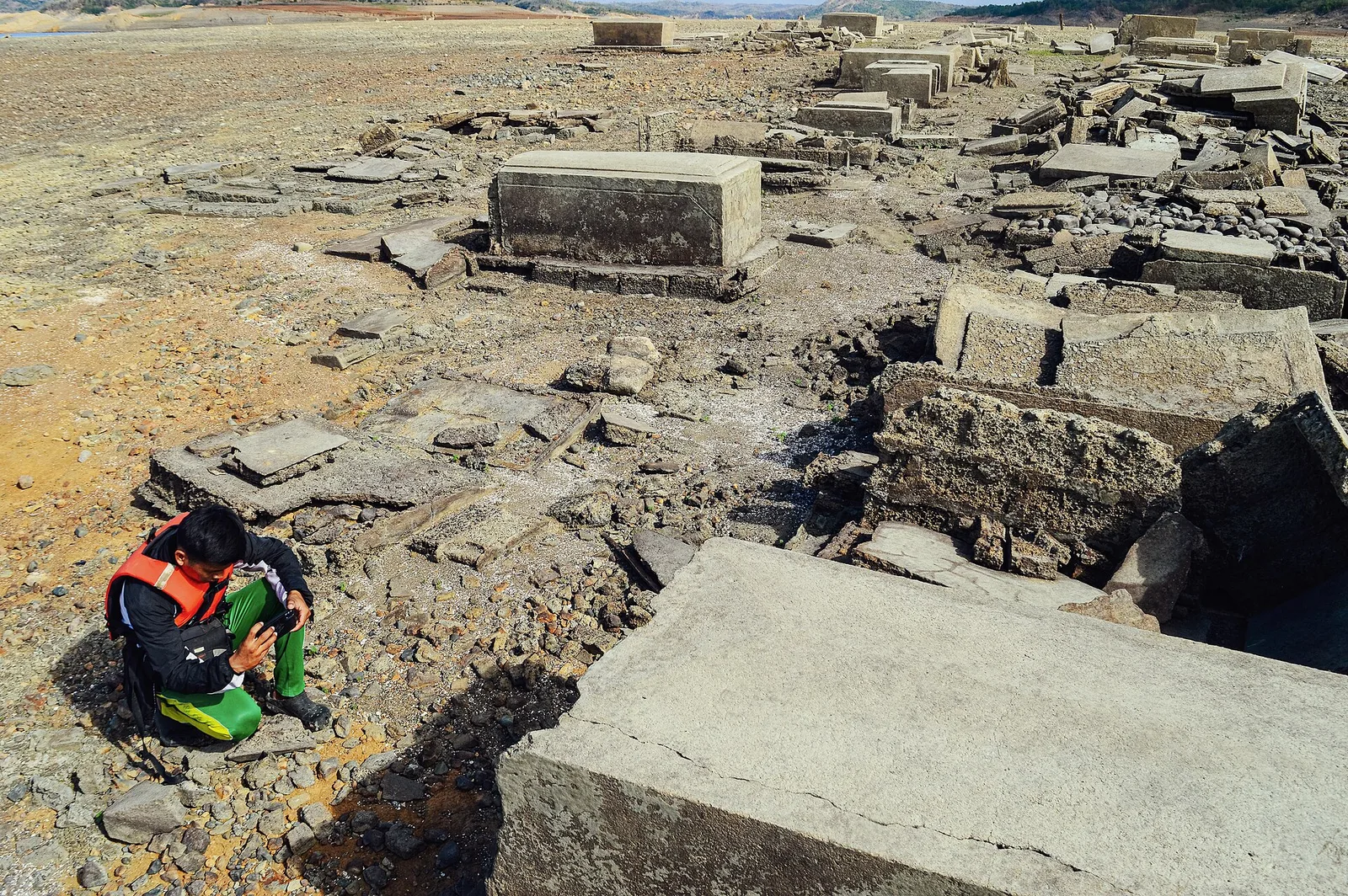
The submerged remains of the old town of Pantabangan, which was flooded on purpose in the 1970s to fill the reservoir behind Pantabangan Dam. The settlement was established in 1645 and stood for nearly 300 years before it went under. …
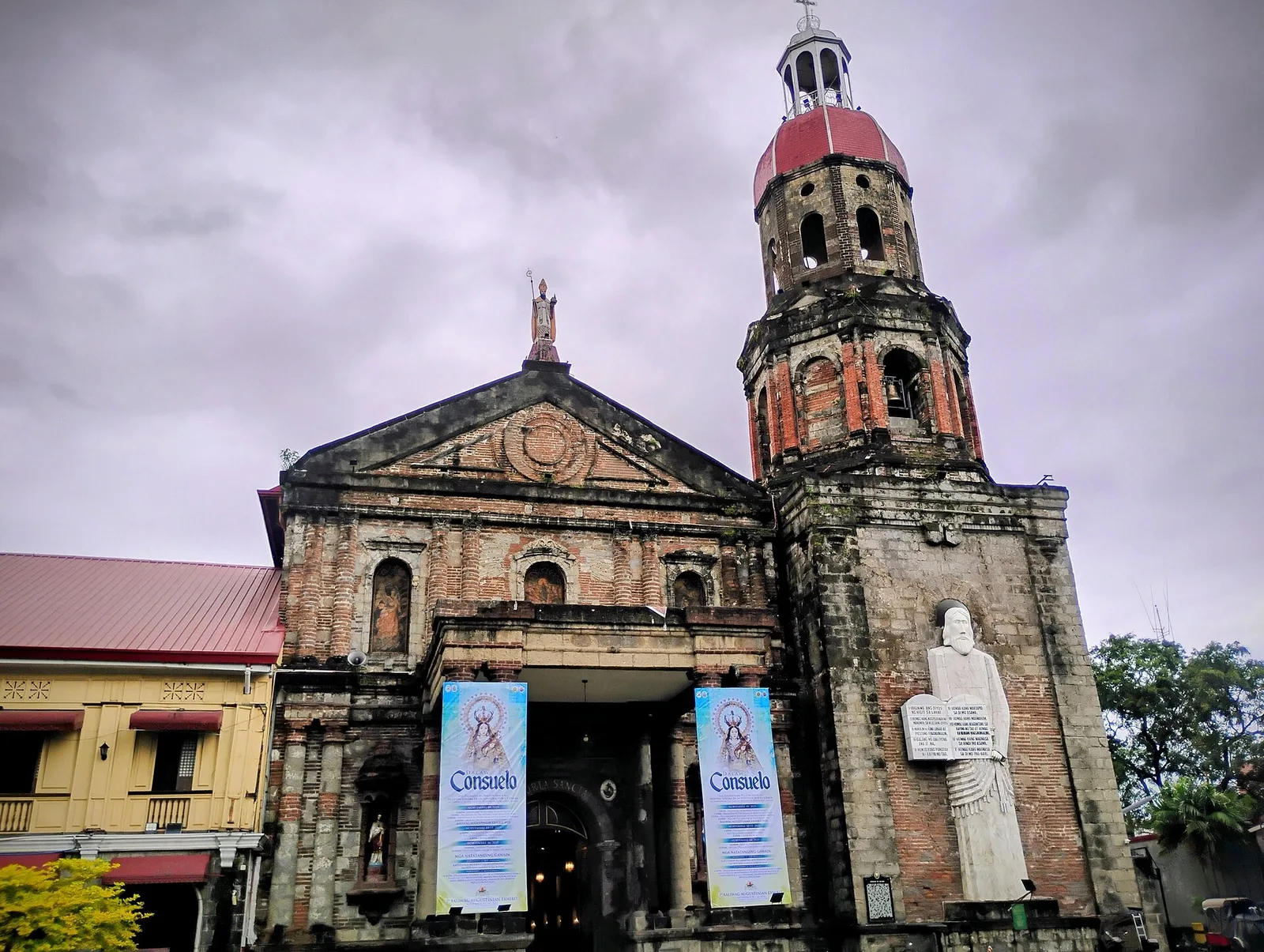
The city's main Catholic church, at Plaza Naning in the town centre. The Augustinians set up the parish in 1733, and the National Commission for Culture and the Arts declared the building an important cultural property in 2026. The Good …
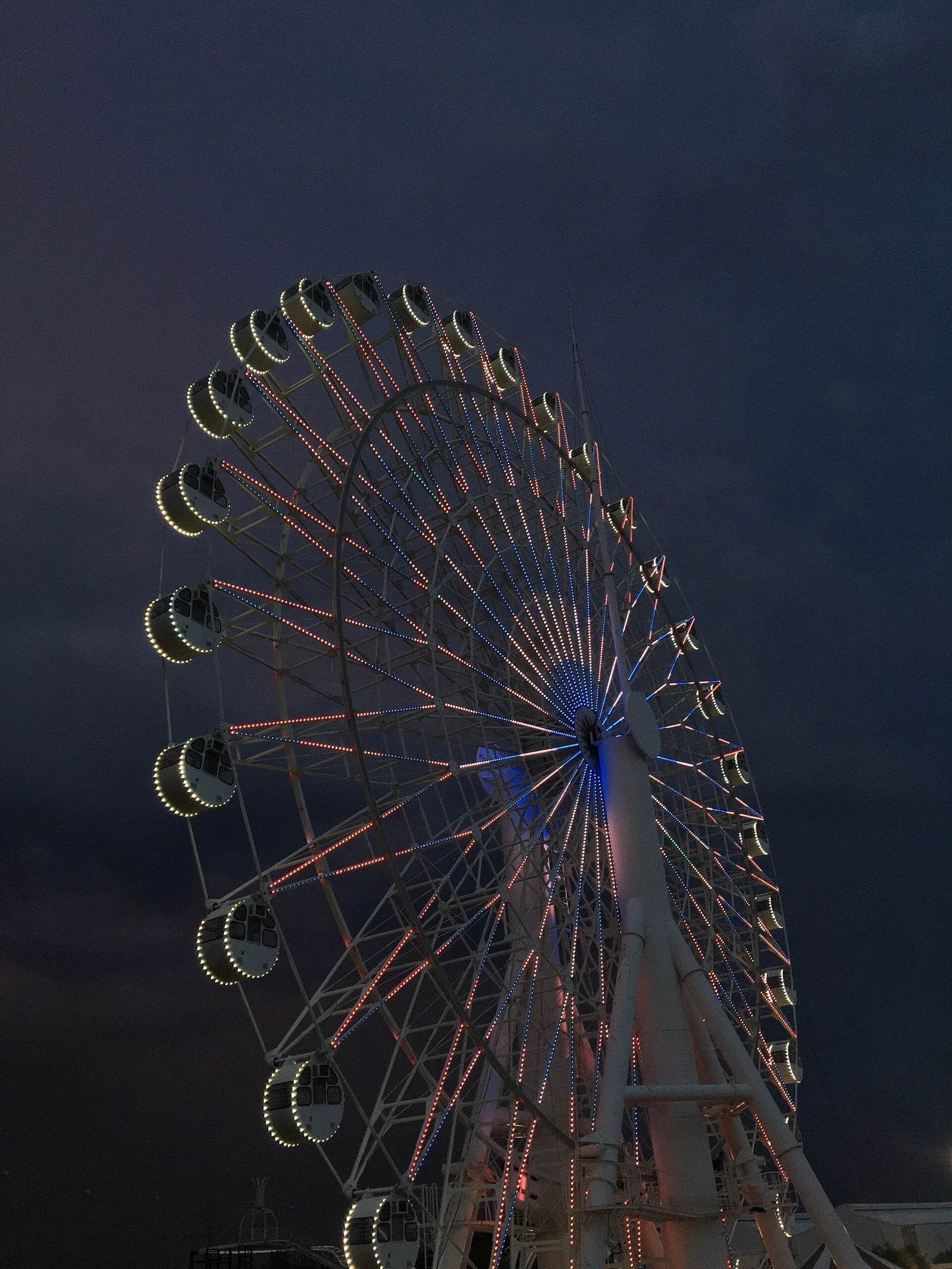
A Ferris wheel 65 metres high, the tallest in the country, and 50 metres across. It stands at Sky Ranch Pampanga, beside SM City Pampanga.
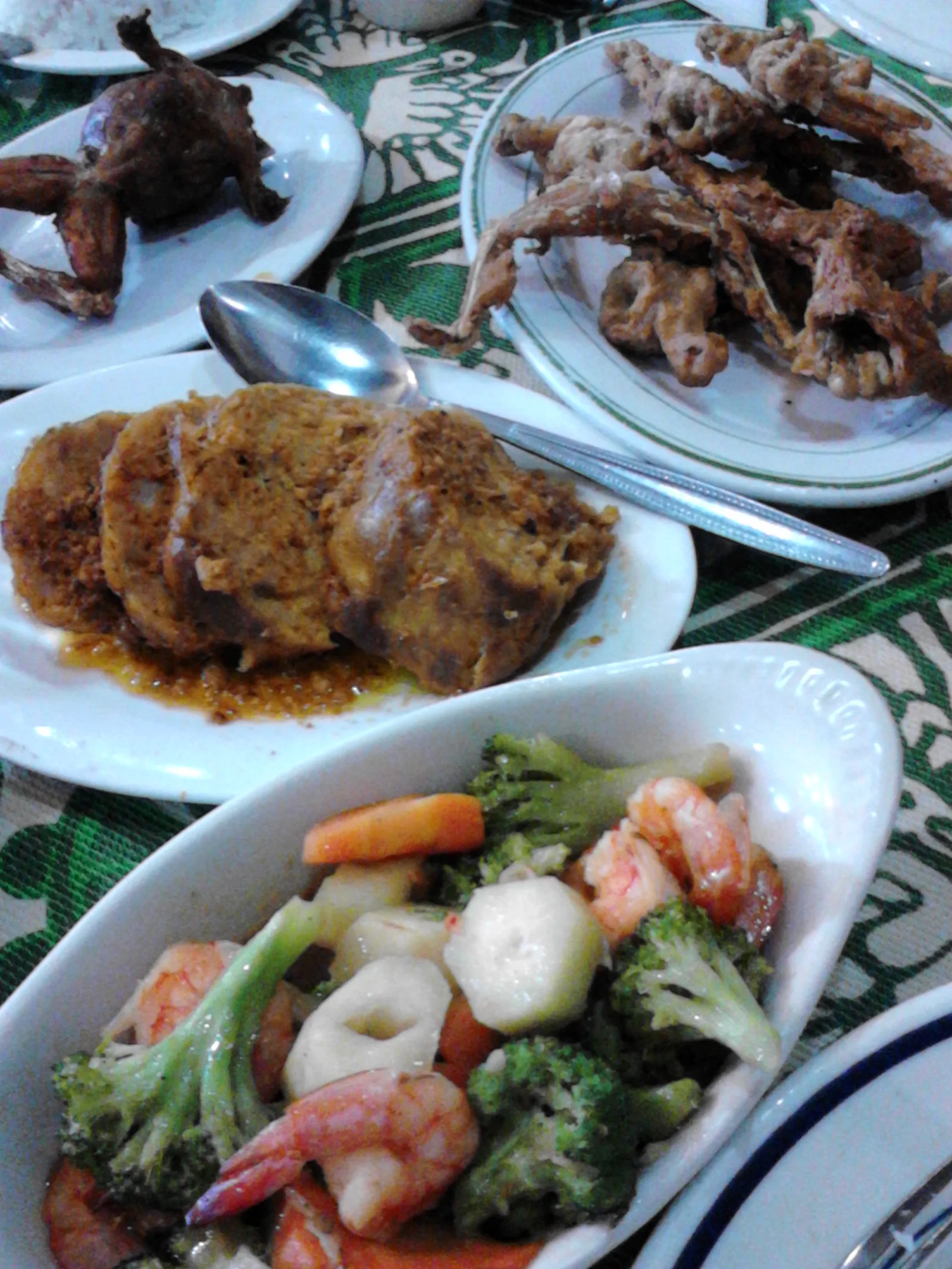
One of the oldest restaurants in Pampanga, on MacArthur Highway in Barangay Del Pilar. The Jorolan family built it in 1946. It serves the Kapampangan dishes that made its name: betute (stuffed frogs), kamaru (crickets) and pindang damulag (carabao meat). …
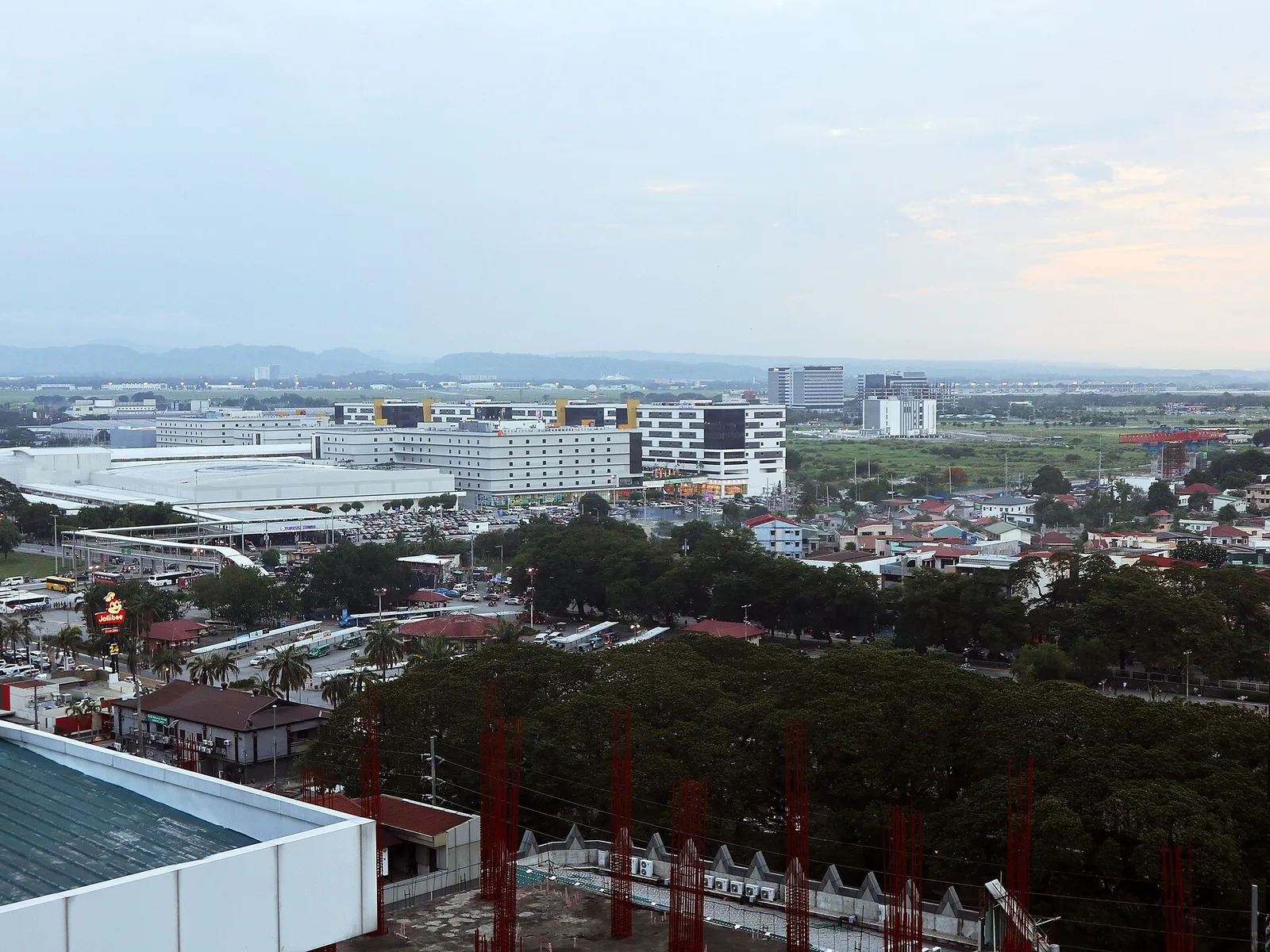
A large freeport of hotels, casinos, golf courses and resorts, most of it inside Mabalacat and the rest in neighbouring Angeles, where the main gate is. It was Clark Air Base until 1991, when the United States Air Force left. …
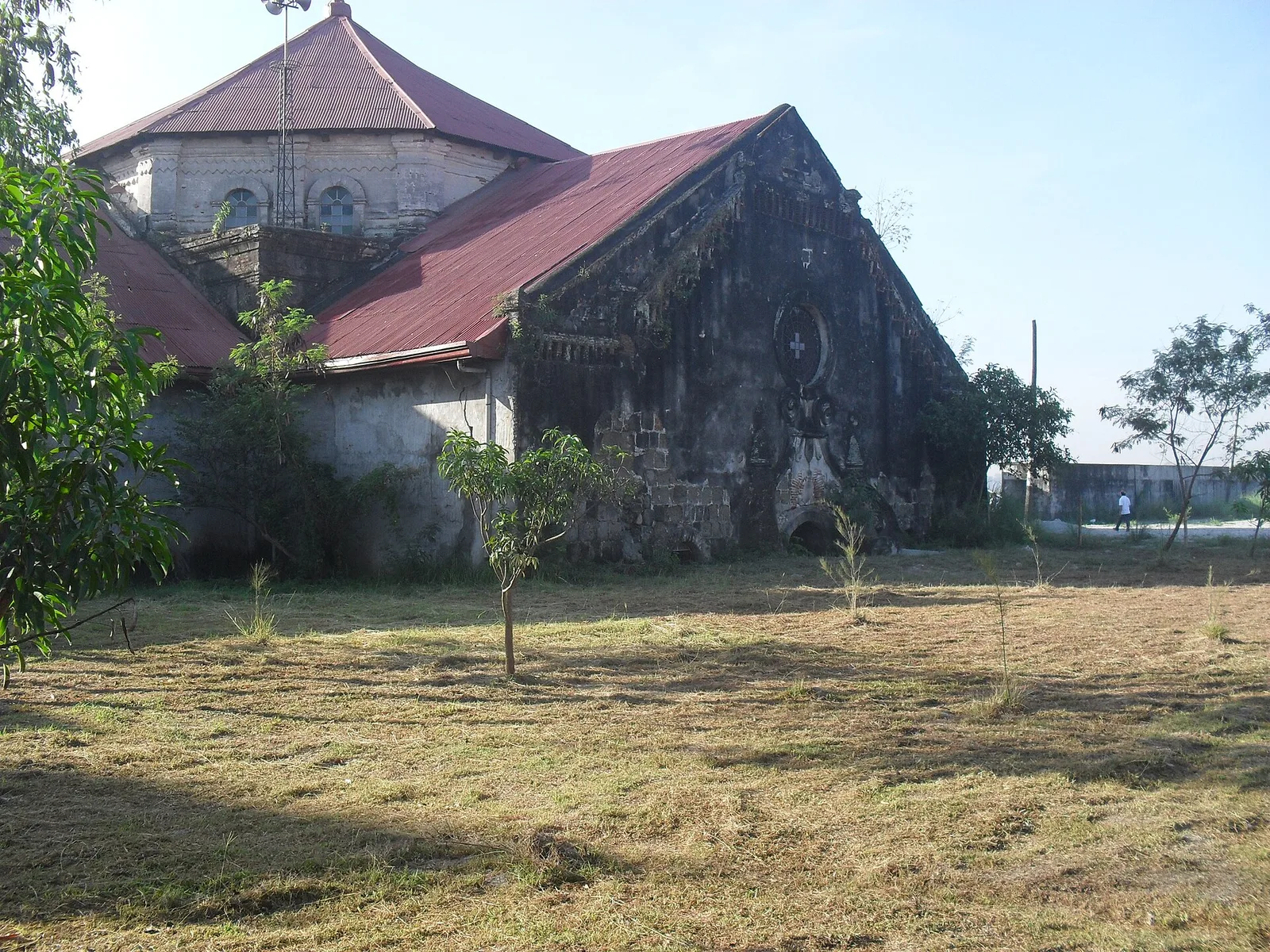
A church that stands half buried in volcanic mud. On September 3, 1995 lahar from the 1991 eruption of Mount Pinatubo filled the building to half of its 12 metres of height, and more than 50,000 people of the town …
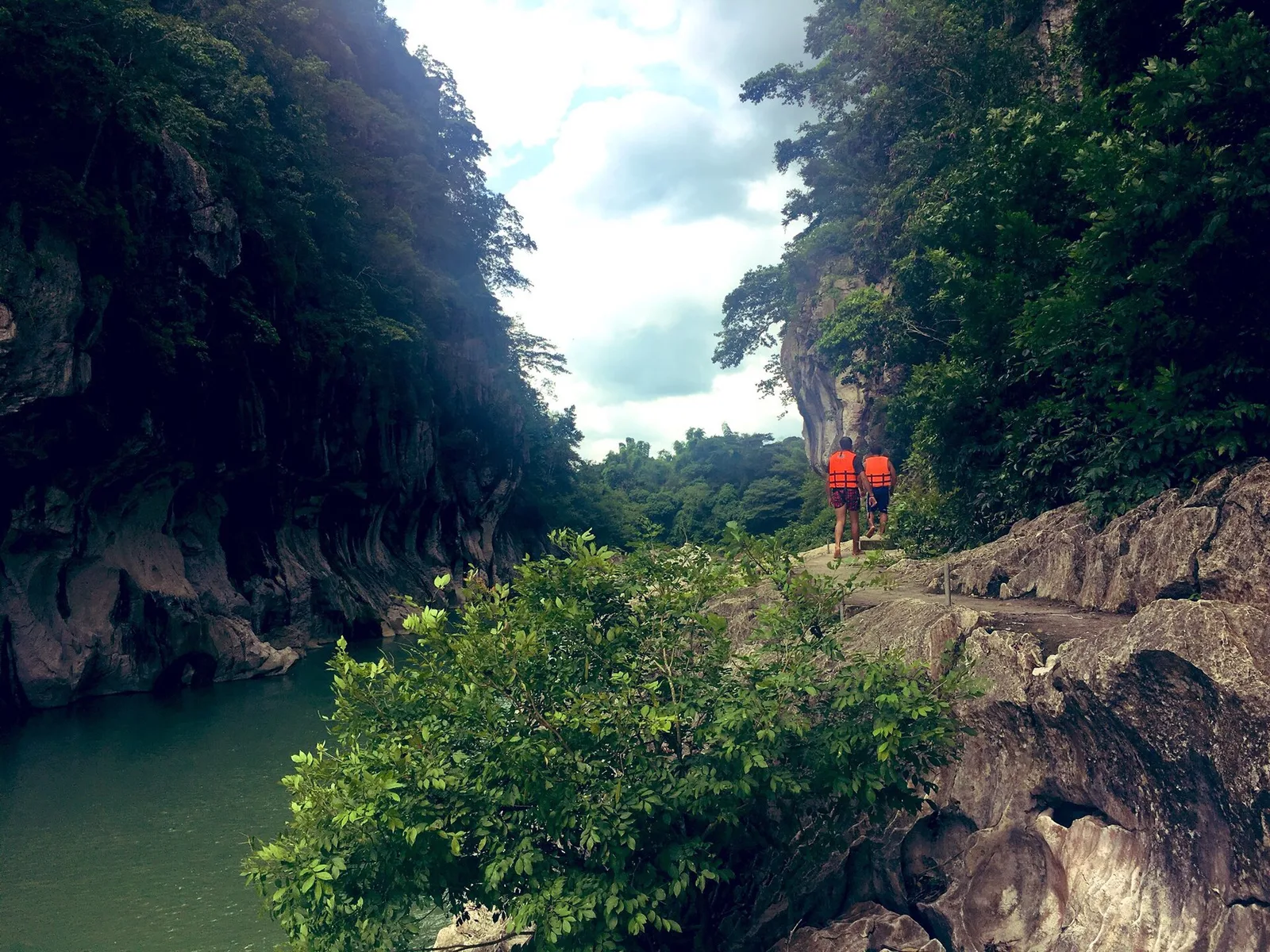
A stretch of the Peñaranda River walled by limestone up to 16 metres high, in the foothills of the Sierra Madre. The park covers 2,018 hectares in General Tinio, next to the boundary with Doña Remedios Trinidad in Bulacan, and …
An indoor arena that seats 55,000, the second largest in the world after the KJC King Dome in Davao City. The Iglesia ni Cristo built it for its centennial in 2014, and New Era University owns it. It stands in …
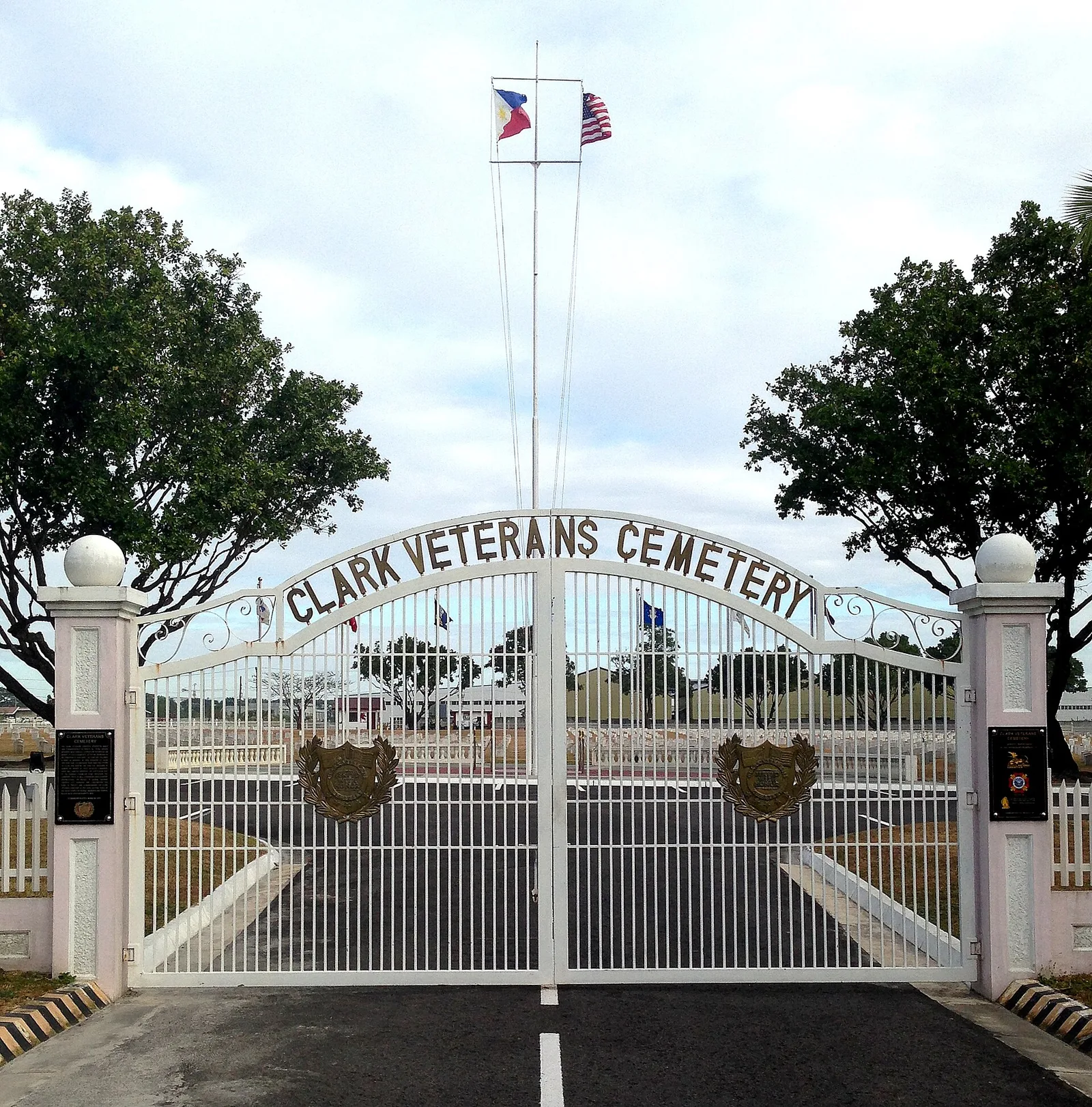
A military cemetery inside the Clark Freeport Zone, with the graves of thousands of American veterans and Filipino Scouts of the United States Army. The men buried here died on military bases in the Philippines or in conflicts other than …
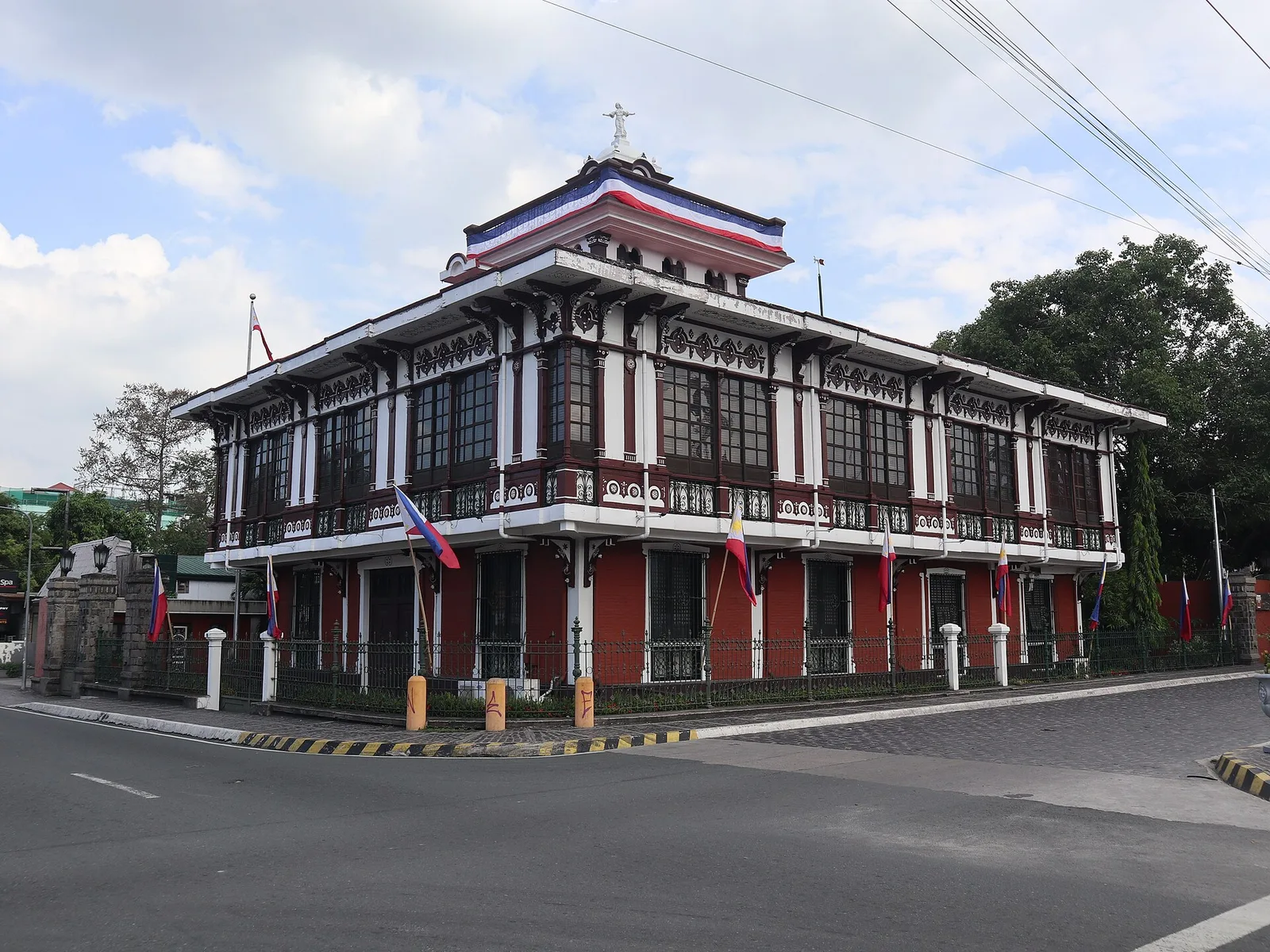
A heritage house from the 1880s, built by the Pamintuan family and kept as a museum of history and social studies. Aguinaldo waved the Philippine flag from the second-floor balcony here on 12 June 1899, the first anniversary of the …
A sight at Sitio Mabagliw, Tarlac City. Hours: Open 24 hours.
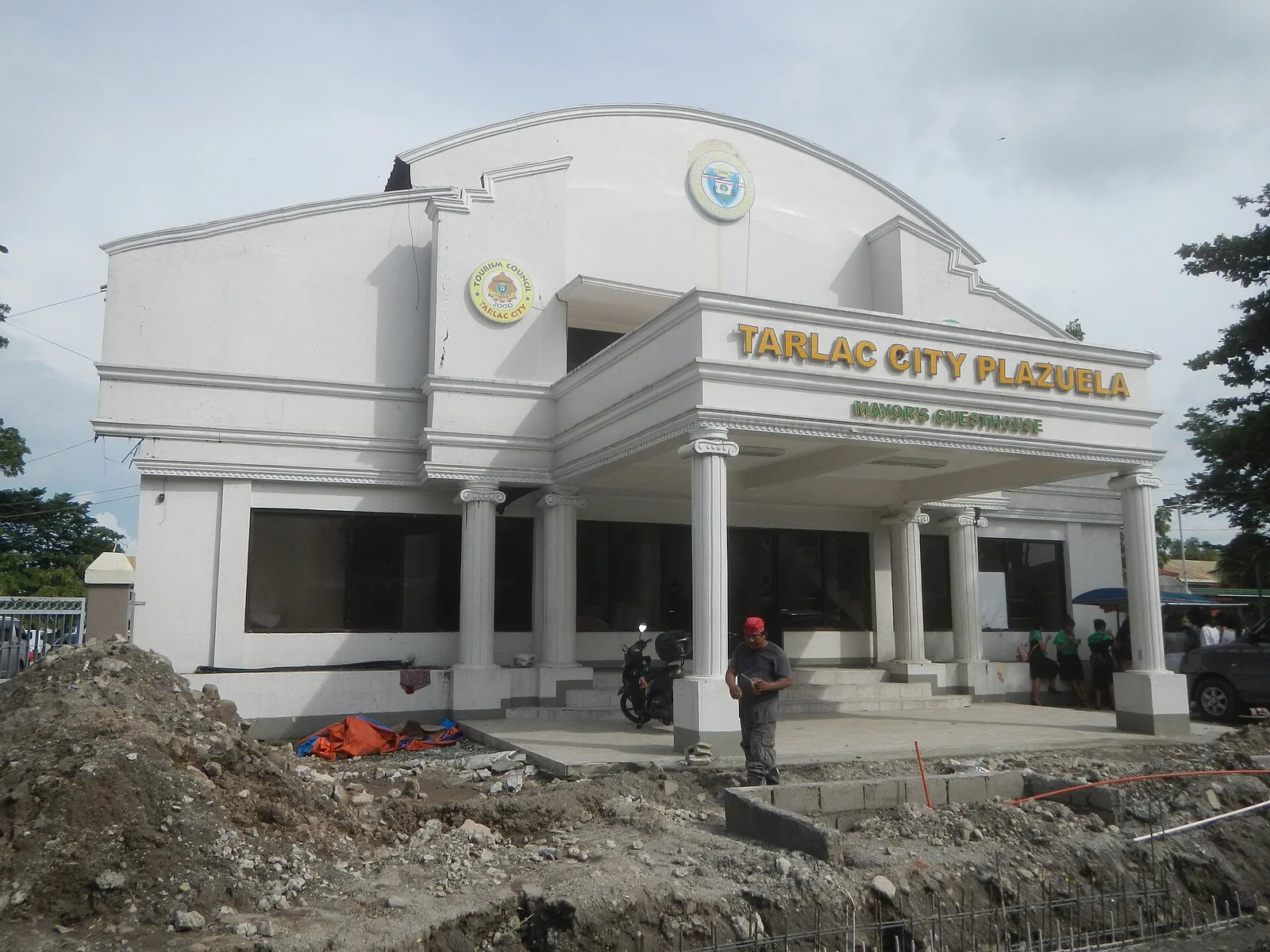
The work they made in the plaza was exquisite. If you're in Tarlac City, try to stop by as admission is free and you'll be glad you did, especially the kids.
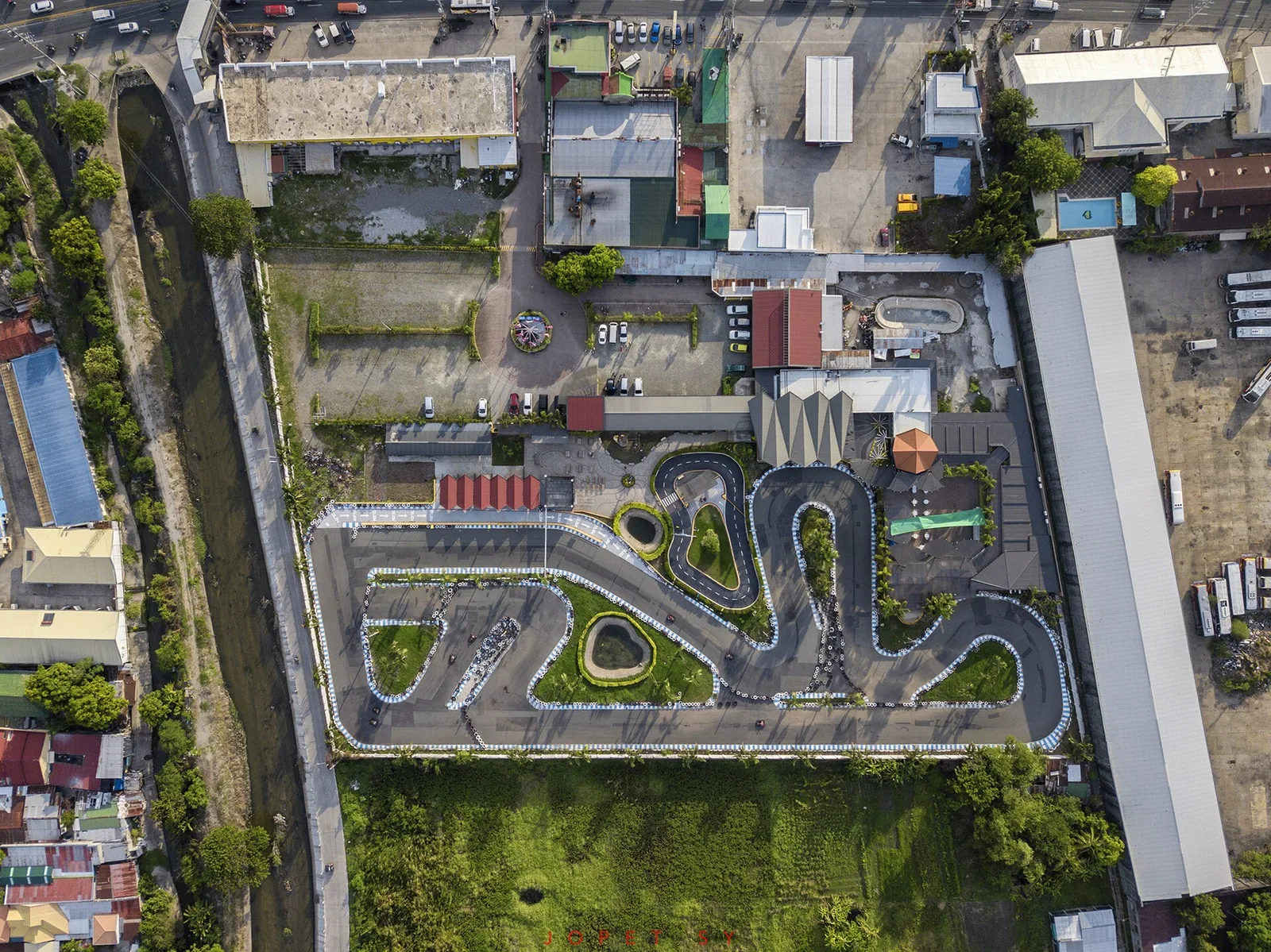
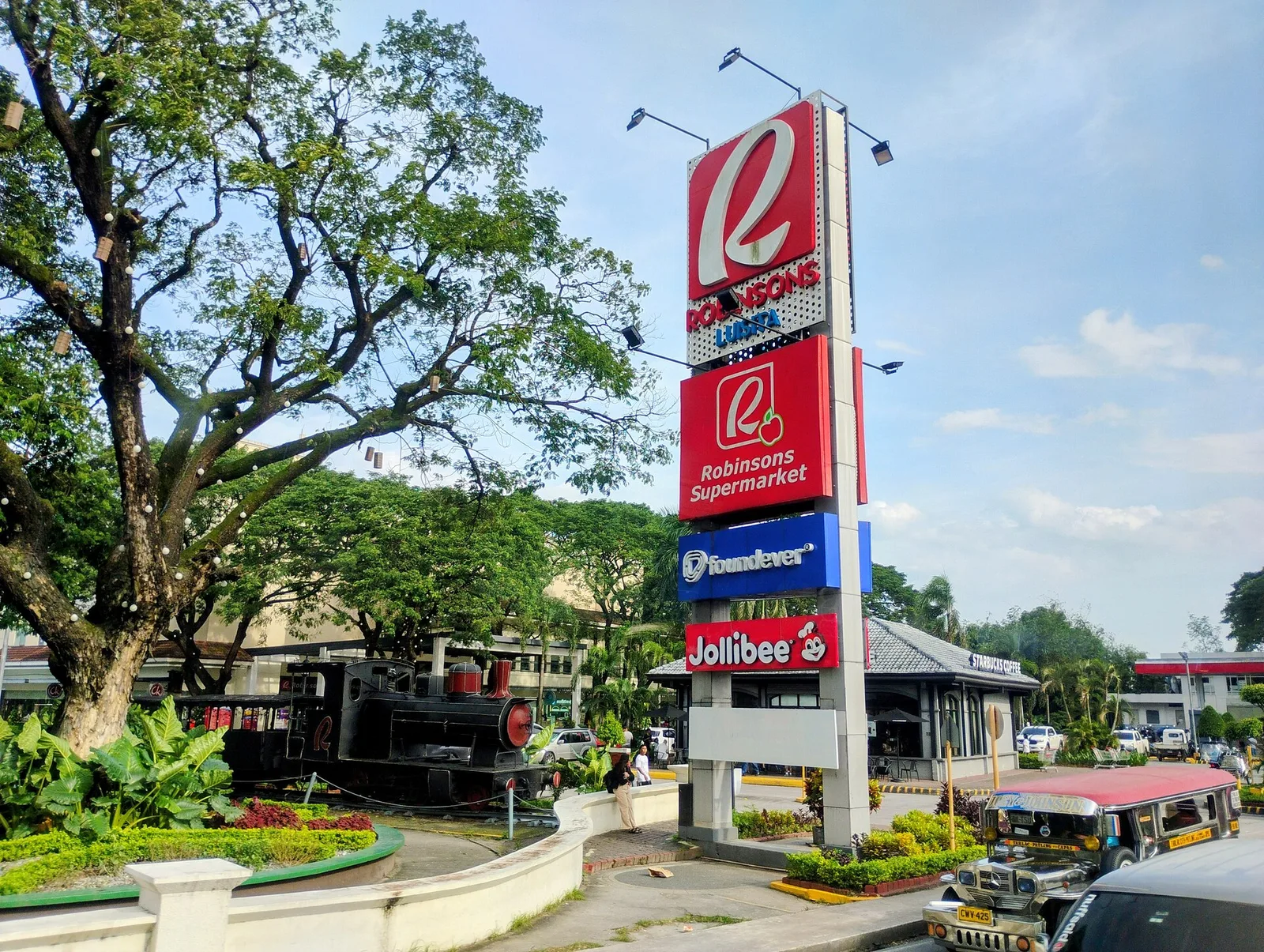
A sugarcane plantation that is the center of landmark decisions on land reform in the Philippines. Straddling the boundaries of the nearby municipalities of La Paz and Concepcion, It used to be a Spanish-owned tobacco plantation until it was turned …
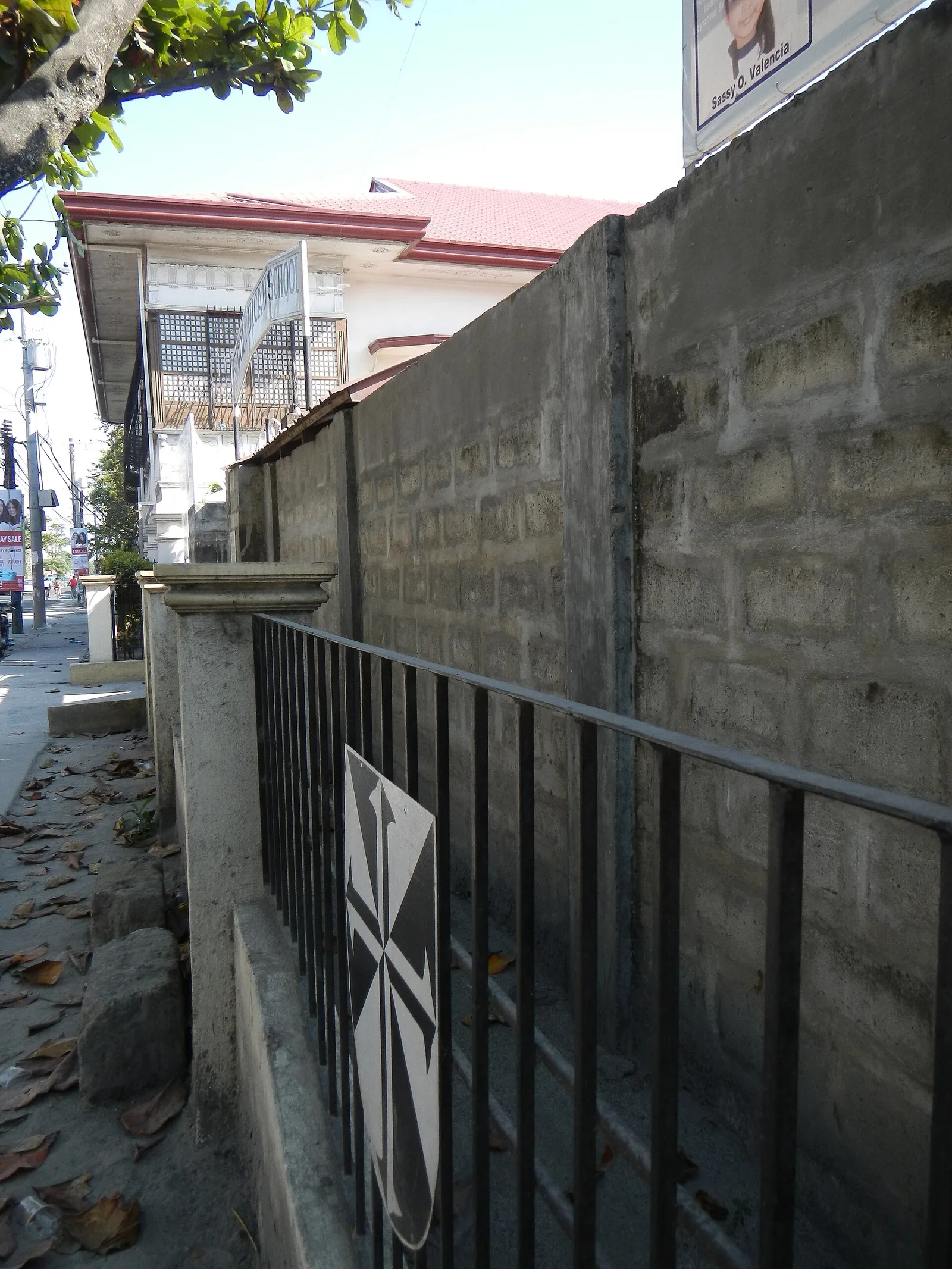
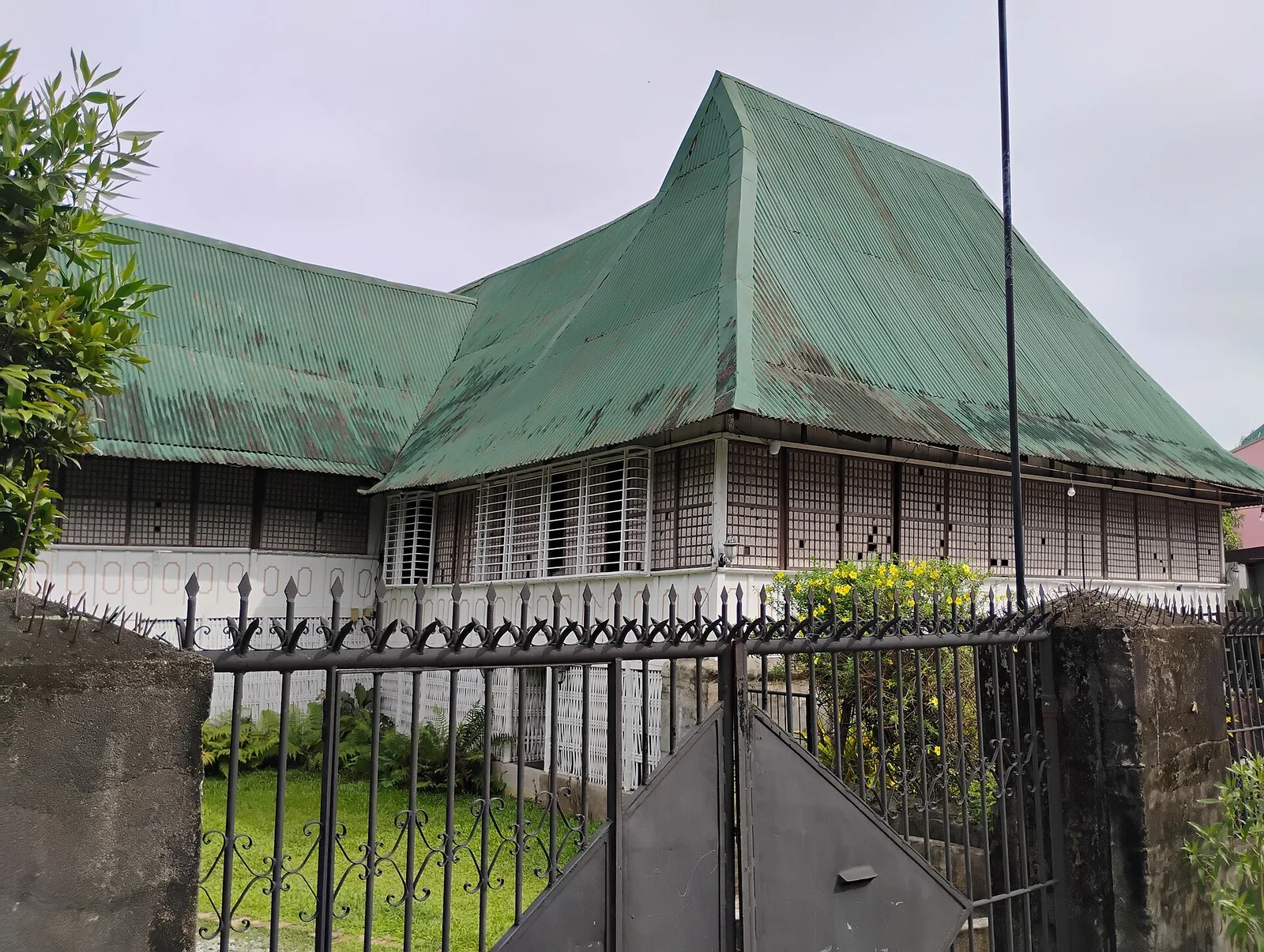
The well-preserved ancestral residence of one of Santa Rita's most prominent families, built in 1841. The owners offer pre-arranged heritage lunches/dinners and tours with a minimum of 10 people needed for a visit.