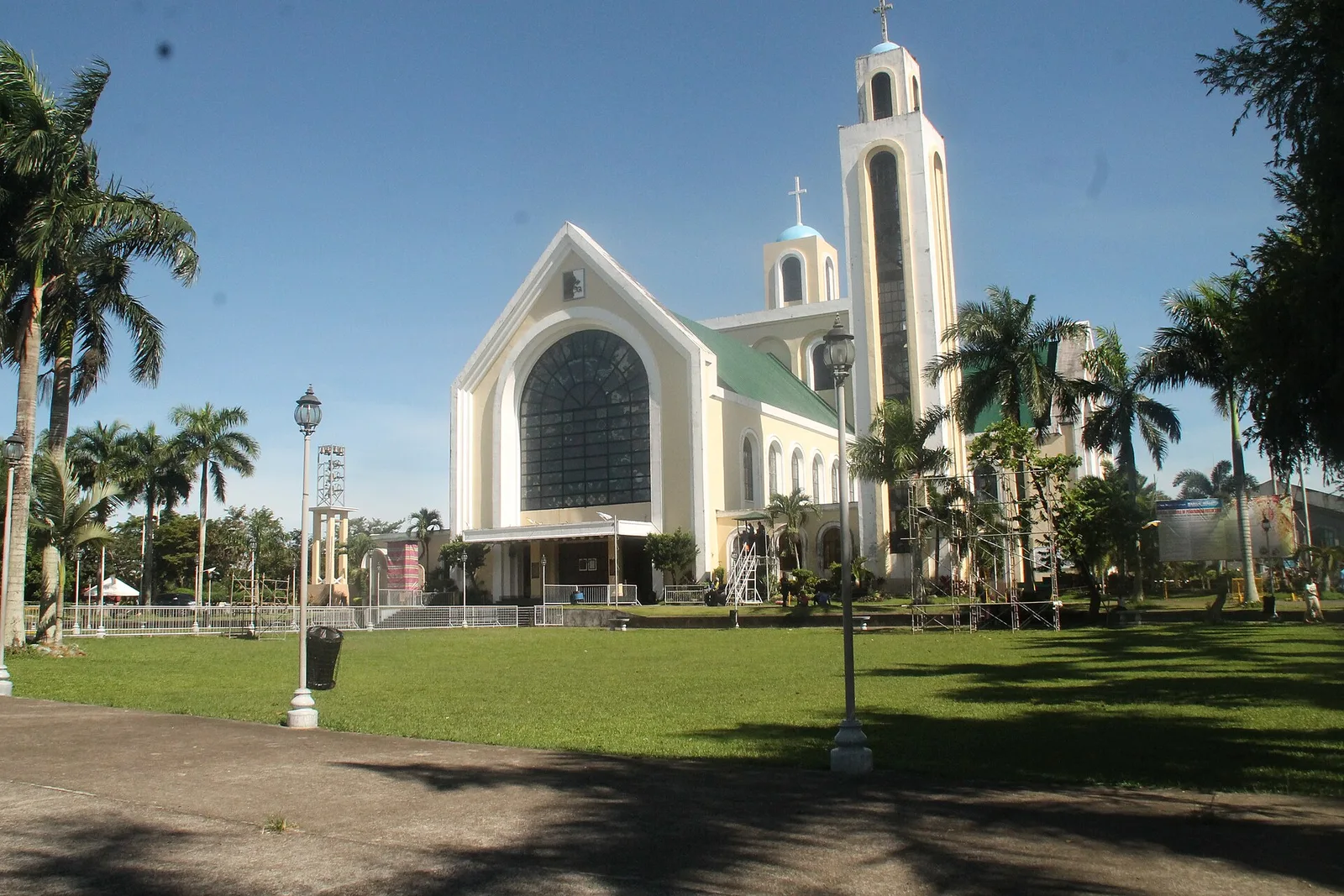
Peñafrancia Basilica
The church that holds the image of Our Lady of Peñafrancia, patroness of the Bicol Region. It is one of the largest Marian pilgrimage sites in Asia, and the only basilica in Bicol and in the Archdiocese of Caceres. It …
Showing 151 to 180 of 1,893
The church that holds the image of Our Lady of Peñafrancia, patroness of the Bicol Region. It is one of the largest Marian pilgrimage sites in Asia, and the only basilica in Bicol and in the Archdiocese of Caceres. It …
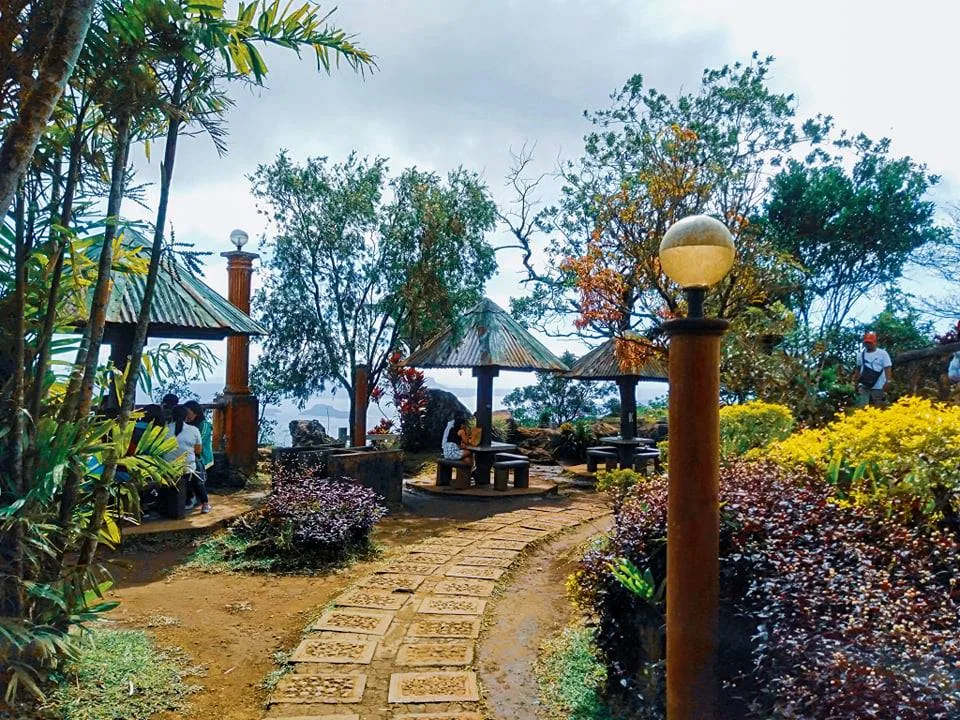
An unfinished mansion on the highest point, now a viewing deck with a view of the lake and, on clear days, Manila Bay. The Marcos government started the house for a state visit by the United States president Ronald Reagan, …
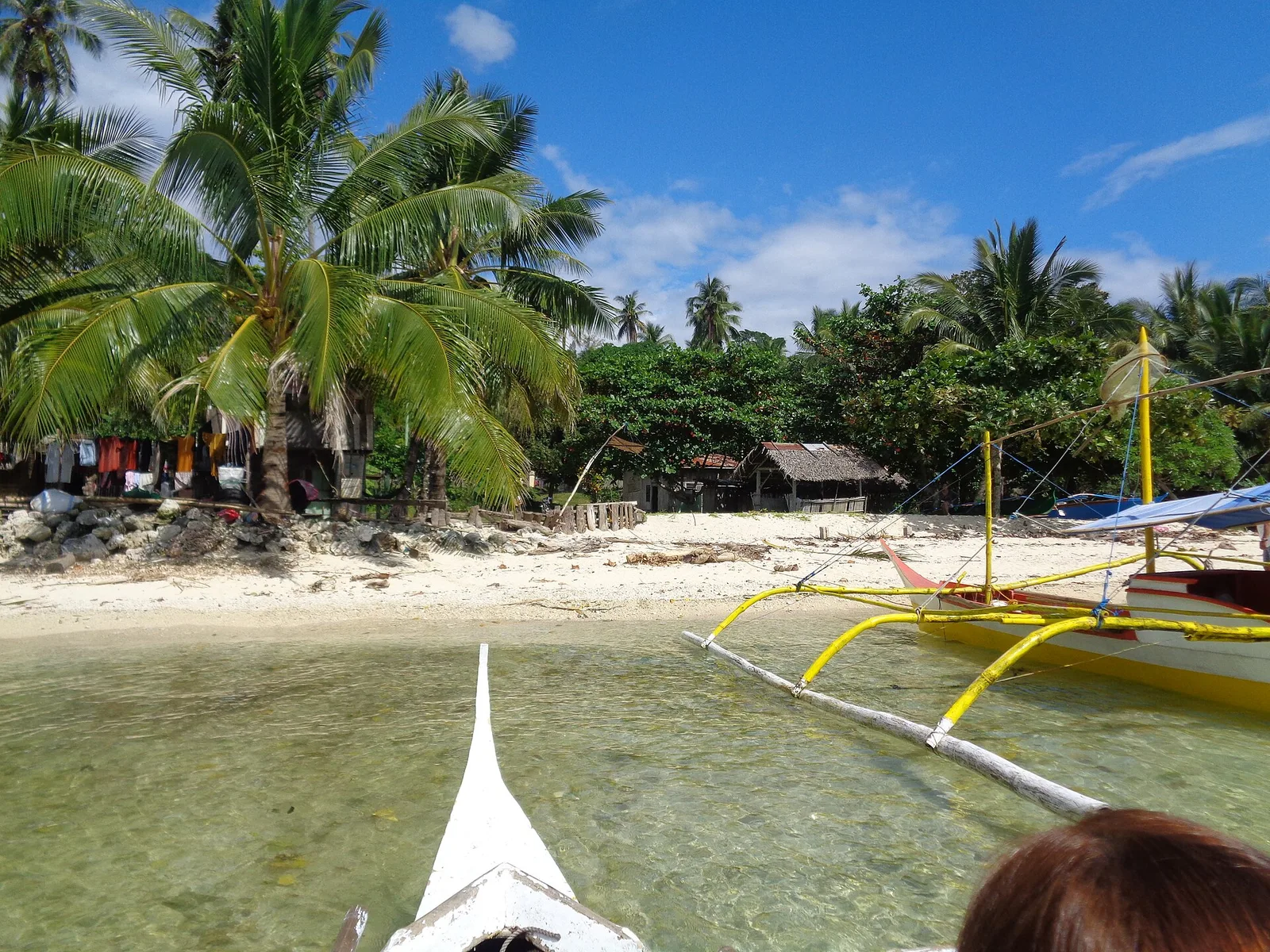
A short ferry across the gulf for beaches, a bat cave and resorts. The island is a city in its own right and part of Metro Davao, and it lies immediately off the Davao City coast in Davao Gulf.
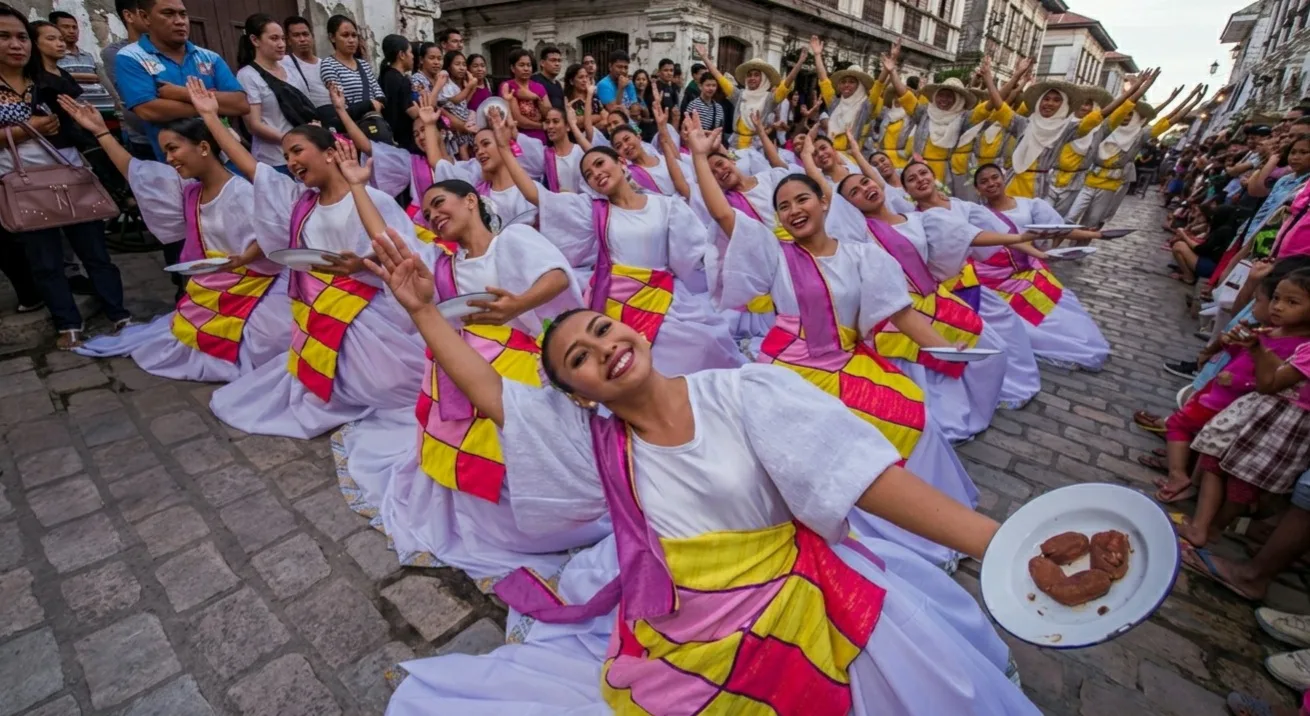
The city fiesta, with the sausage makers at the centre of it: longganisa cooked in the open on Plaza Burgos, a float parade and a street dance.
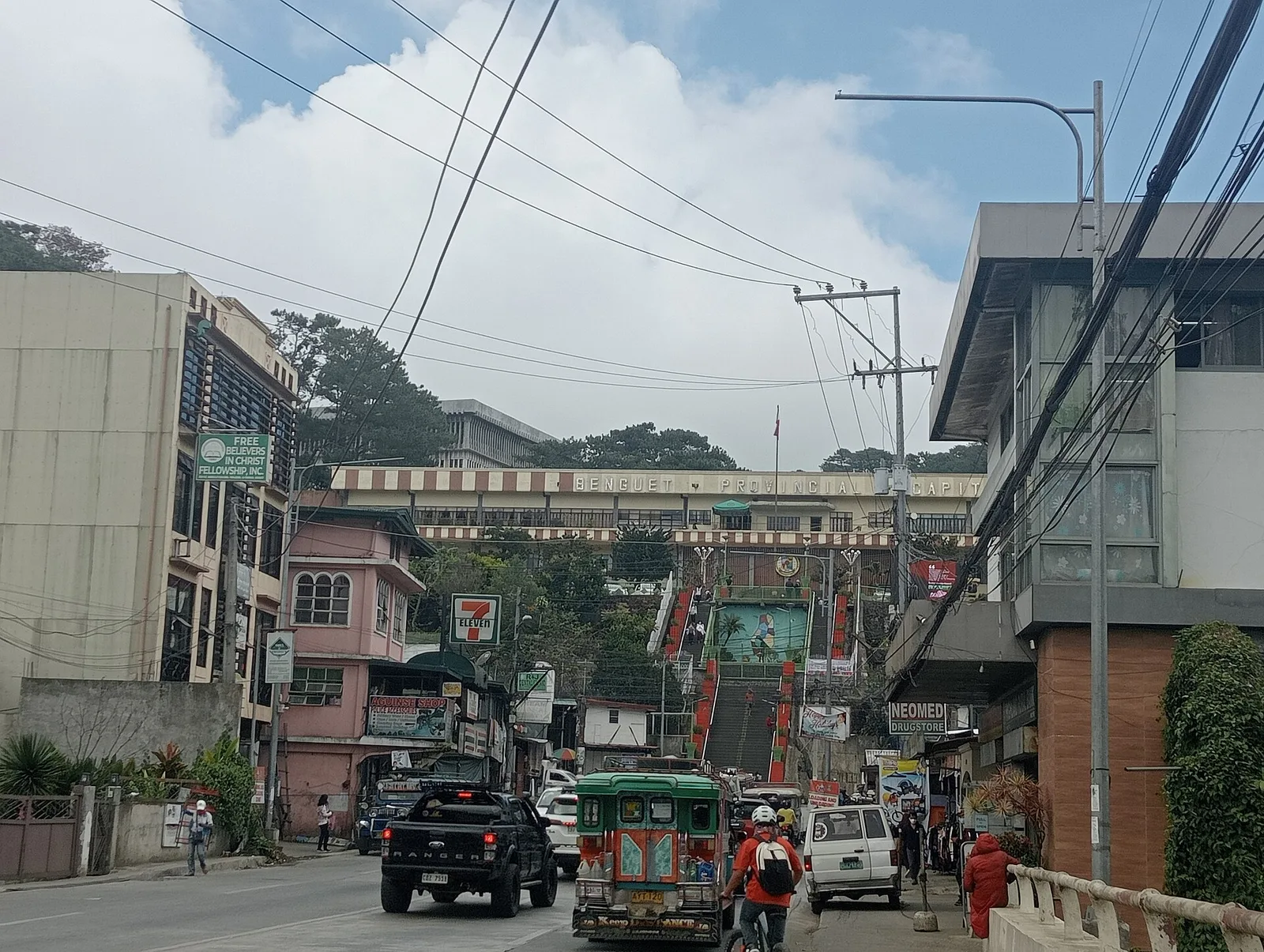
The province's founding anniversary, kept for the whole month: a trade fair of Benguet produce, rituals, and the grand cañao on 23 November, the day Benguet was founded in 1900.
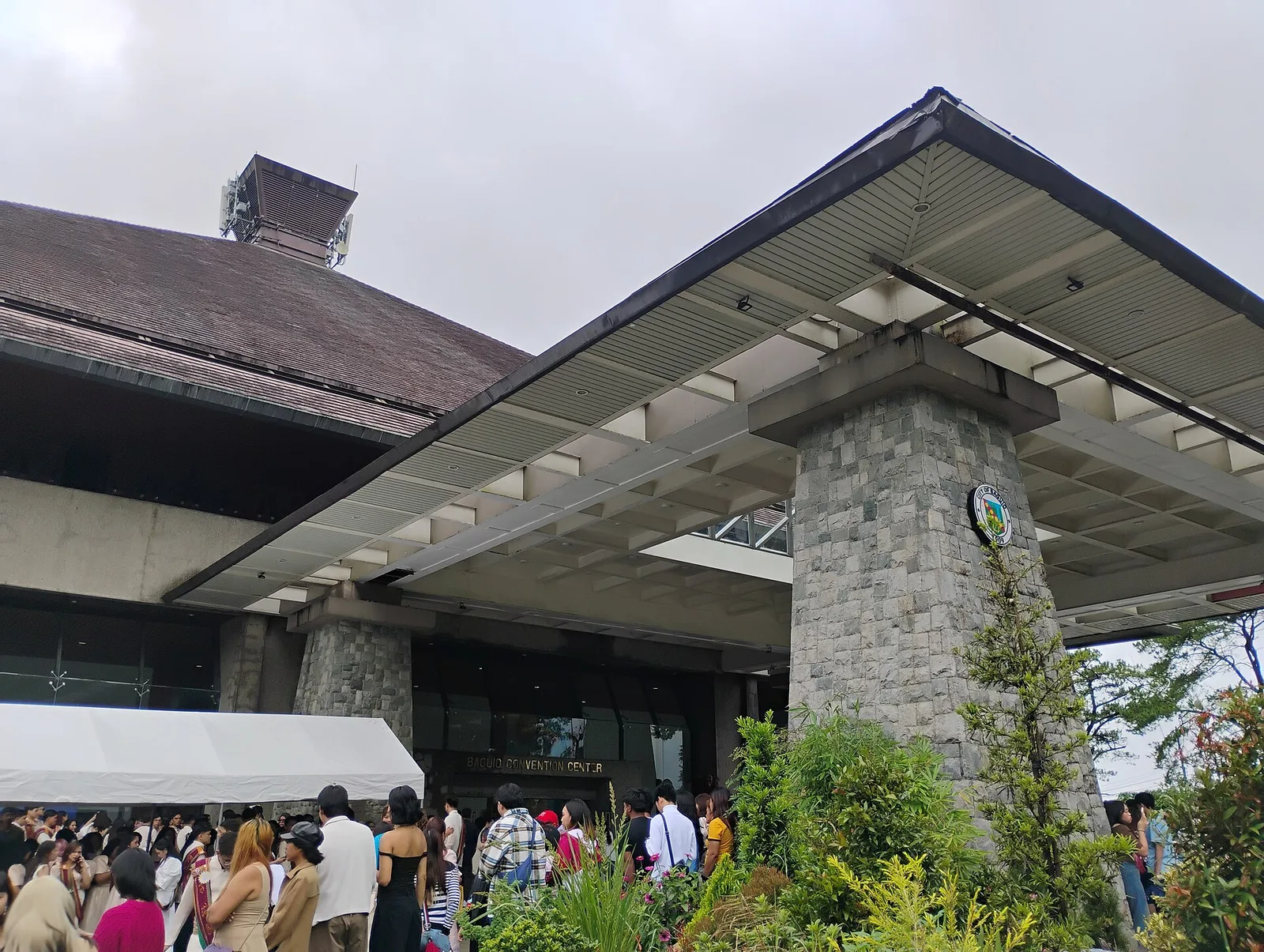
Baguio is a UNESCO Creative City for crafts and folk art. Ibagiw fills November with craft markets, workshops and shows from the city's weavers, carvers and painters.
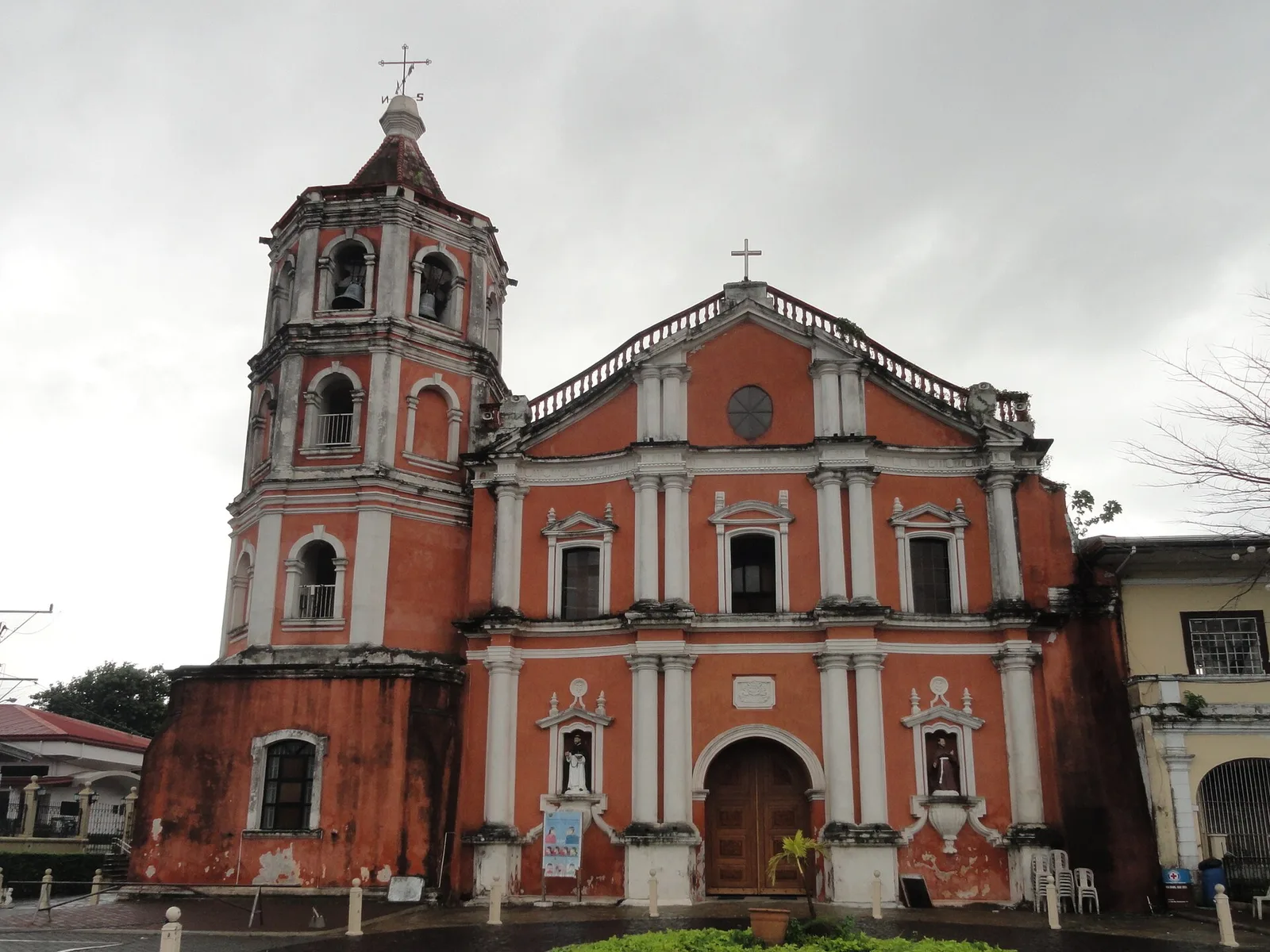
An adobe Romanesque Roman Catholic cathedral that forms the center of San Pablo and serves as the seat of the namesake Roman Catholic Diocese of San Pablo which oversees the entirety of Laguna. Built in 1714, it was damaged during …

Inevitably associated with the town, the volcano is the biggest draw in the area, particularly its crater lake and the lunar landscapes created along its gullies following the 1991 eruptions.
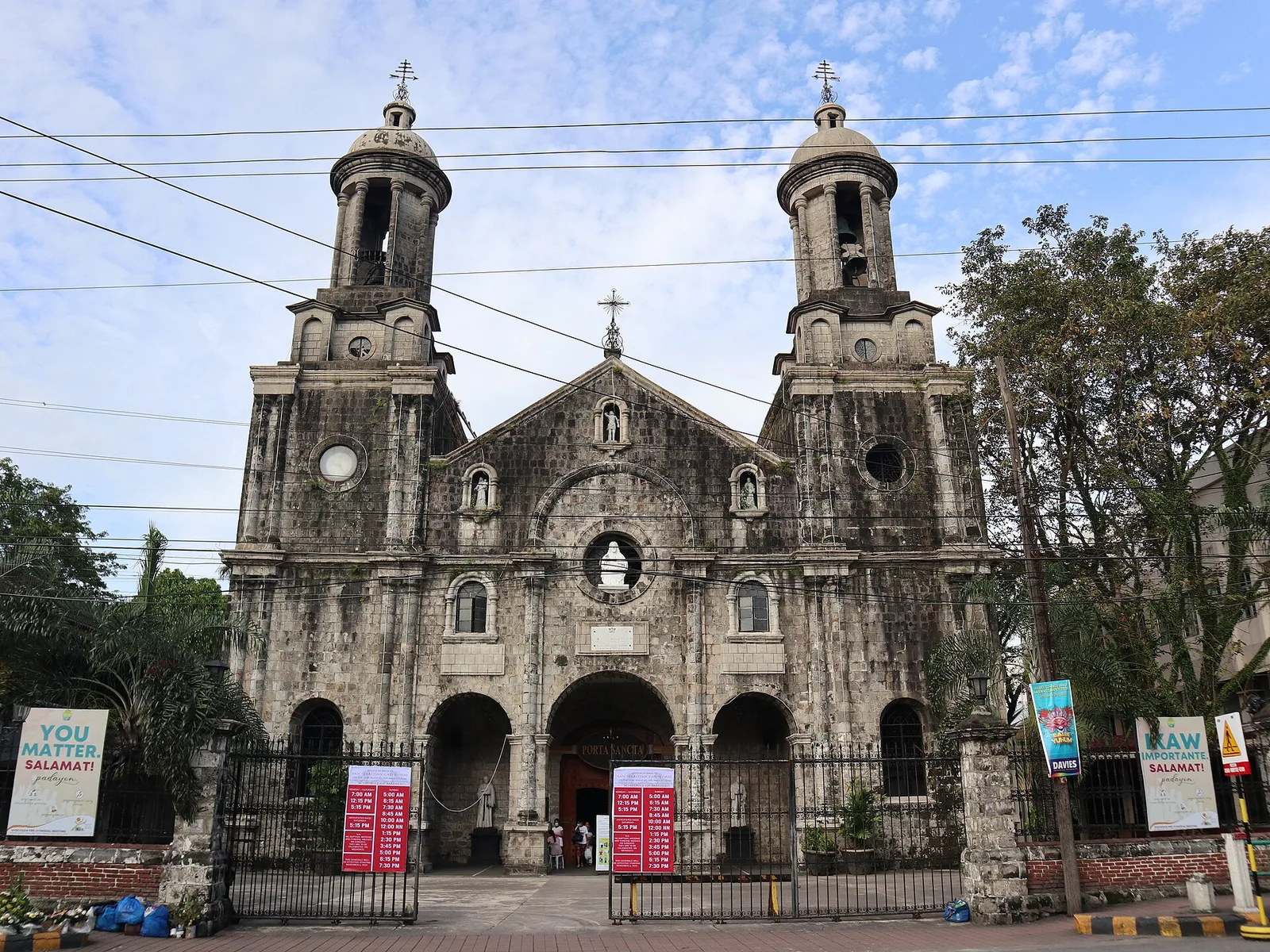
Bacolod’s main Catholic church, begun in the late 19th century and completed in 1894. Built of coral stone and later covered with cement, it is one of the city’s key landmarks. The cathedral is also known for its Centennial Bells …
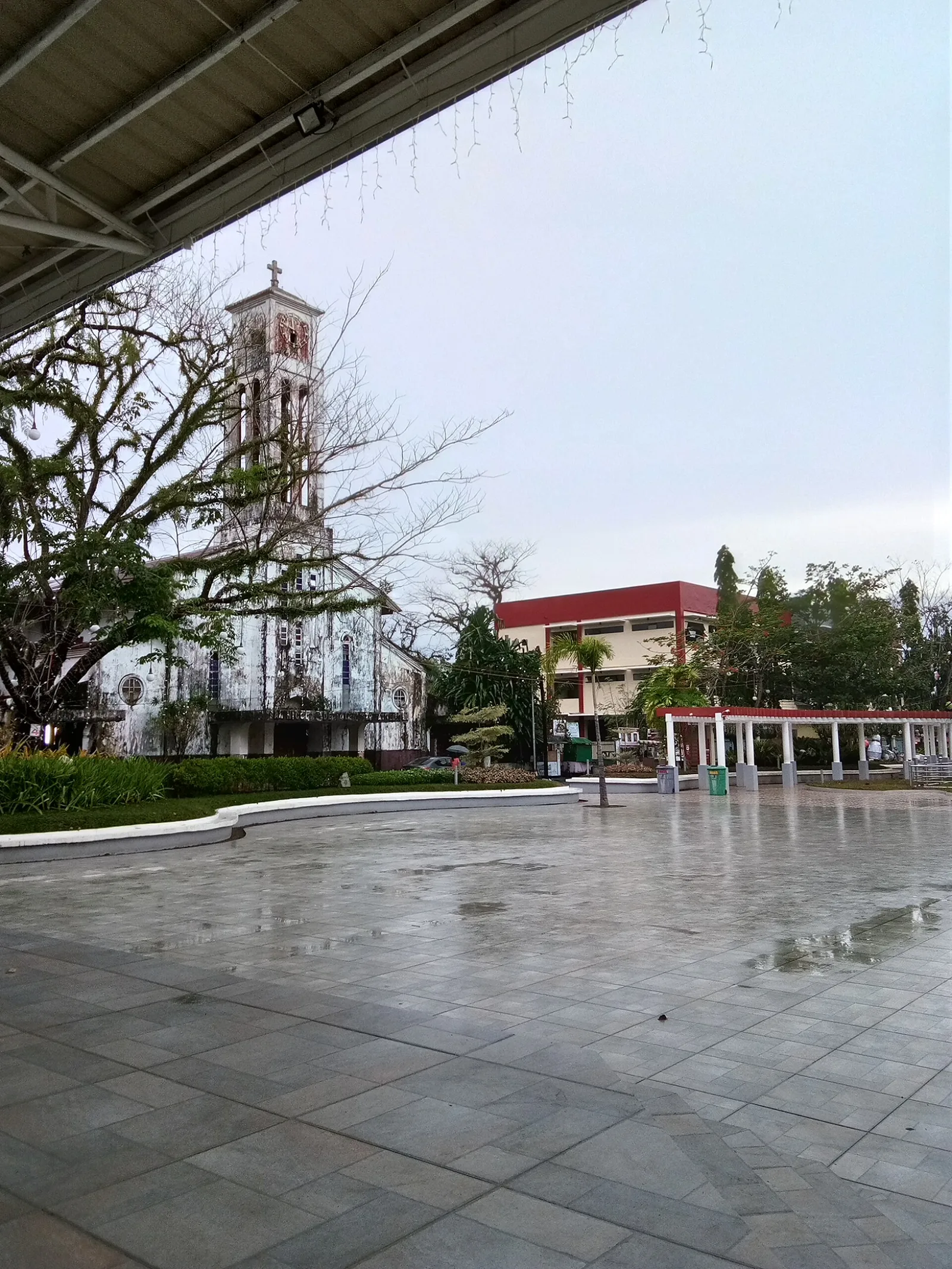
The city's cathedral, named for San Nicolas de Tolentino, the patron saint of Tandag. A novena runs here for nine days from September 1 up to his feast on September 10, and the church hands out a bread called Pan …
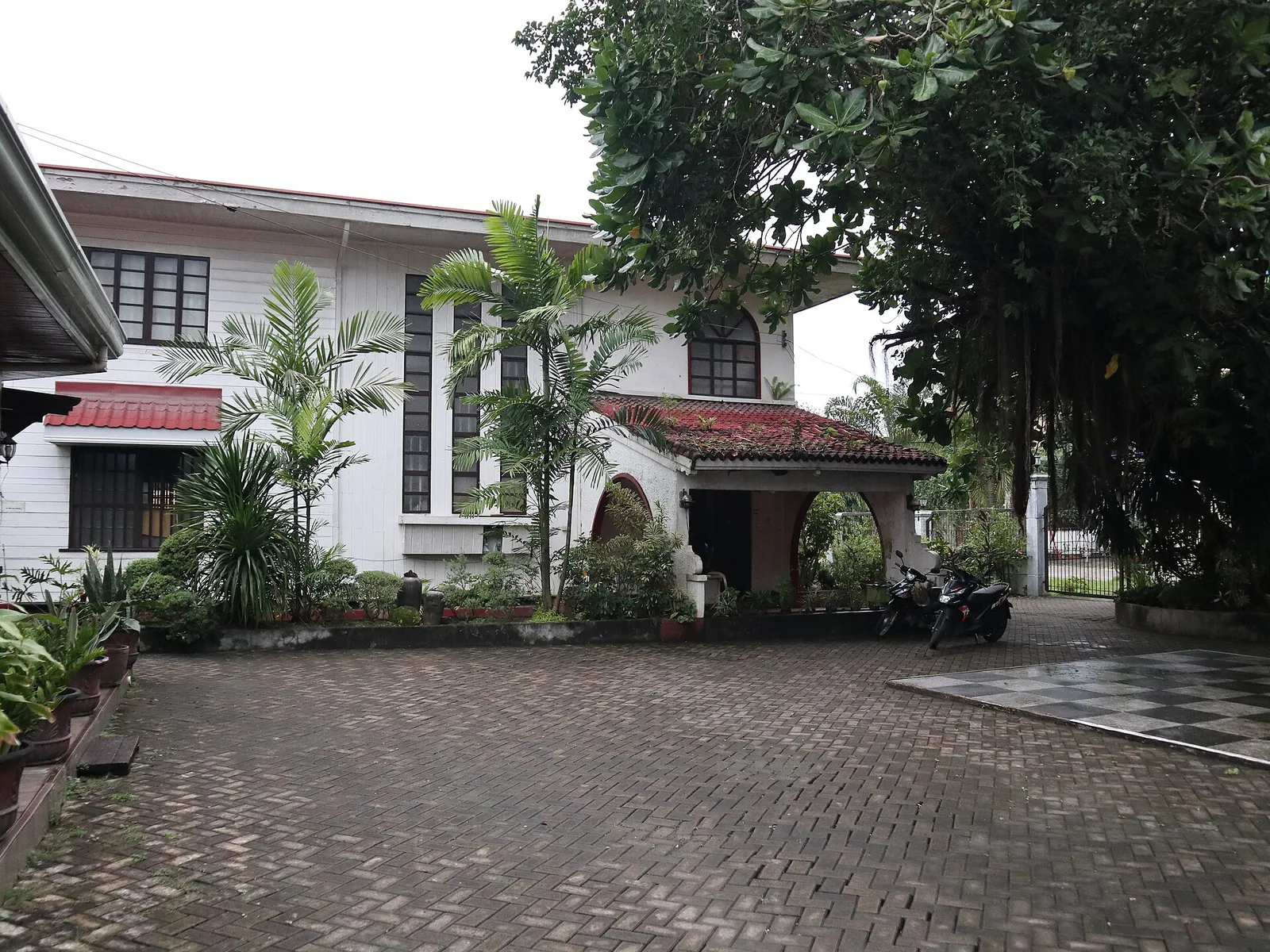
A 2-day plan built from the See, Do and Eat listings in Wikivoyage's Tagbilaran guide. The stops are in an order that keeps each day close together. Check the hours …
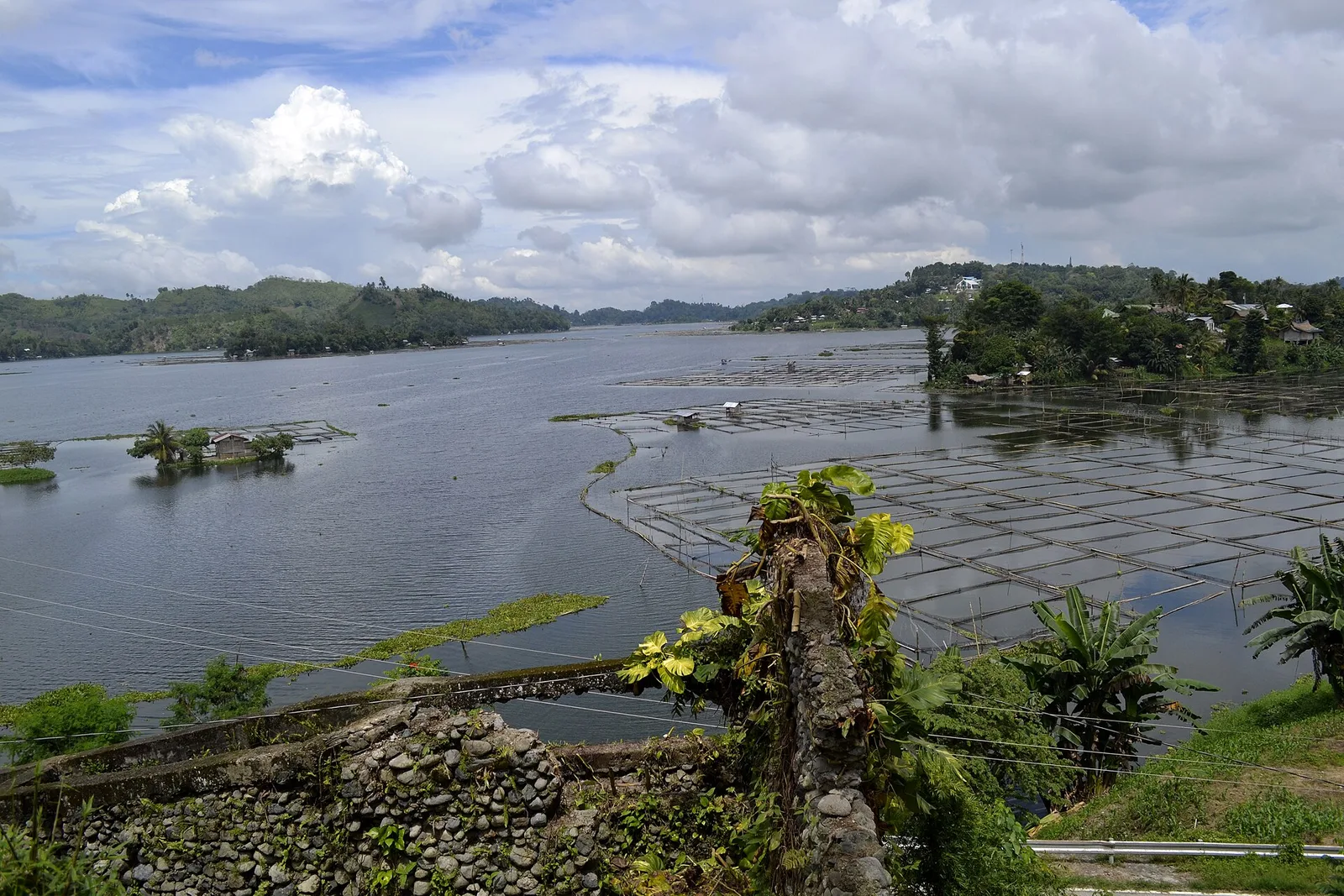
A lake of 361.124 hectares at about 1,000 metres, ringed by hills and rainforest in the Alah Valley near Surallah. Tilapia grow in floating cages across the water, and egrets, herons, kingfishers and Philippine cockatoos live around the shores. The …
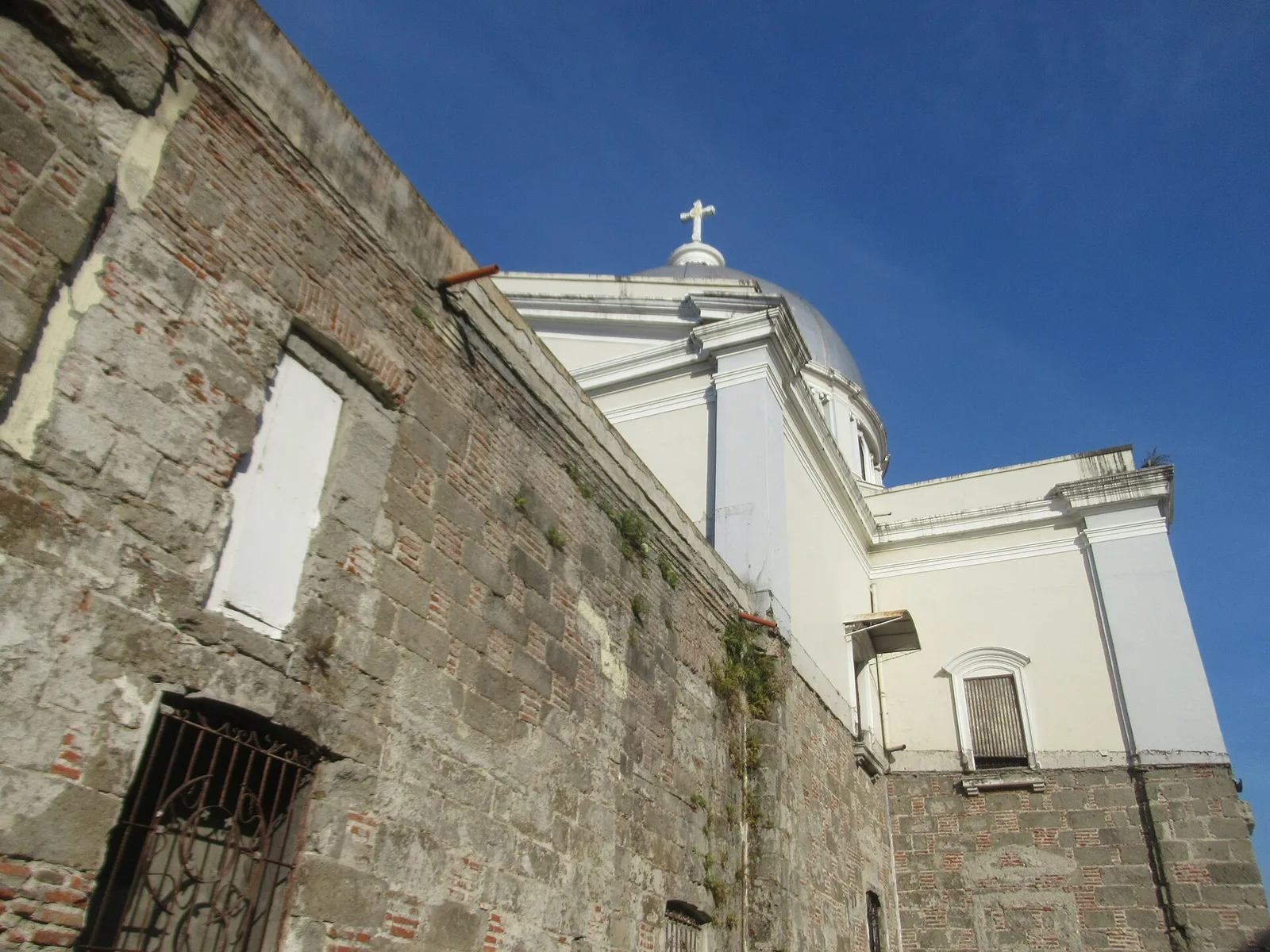
The seat of the Catholic Diocese of San Fernando de La Union, in Barangay II, the Poblacion. Its patron is Saint William the Hermit, who founded the Williamites, a branch of the Hermits of Saint Augustine. The town feast for …
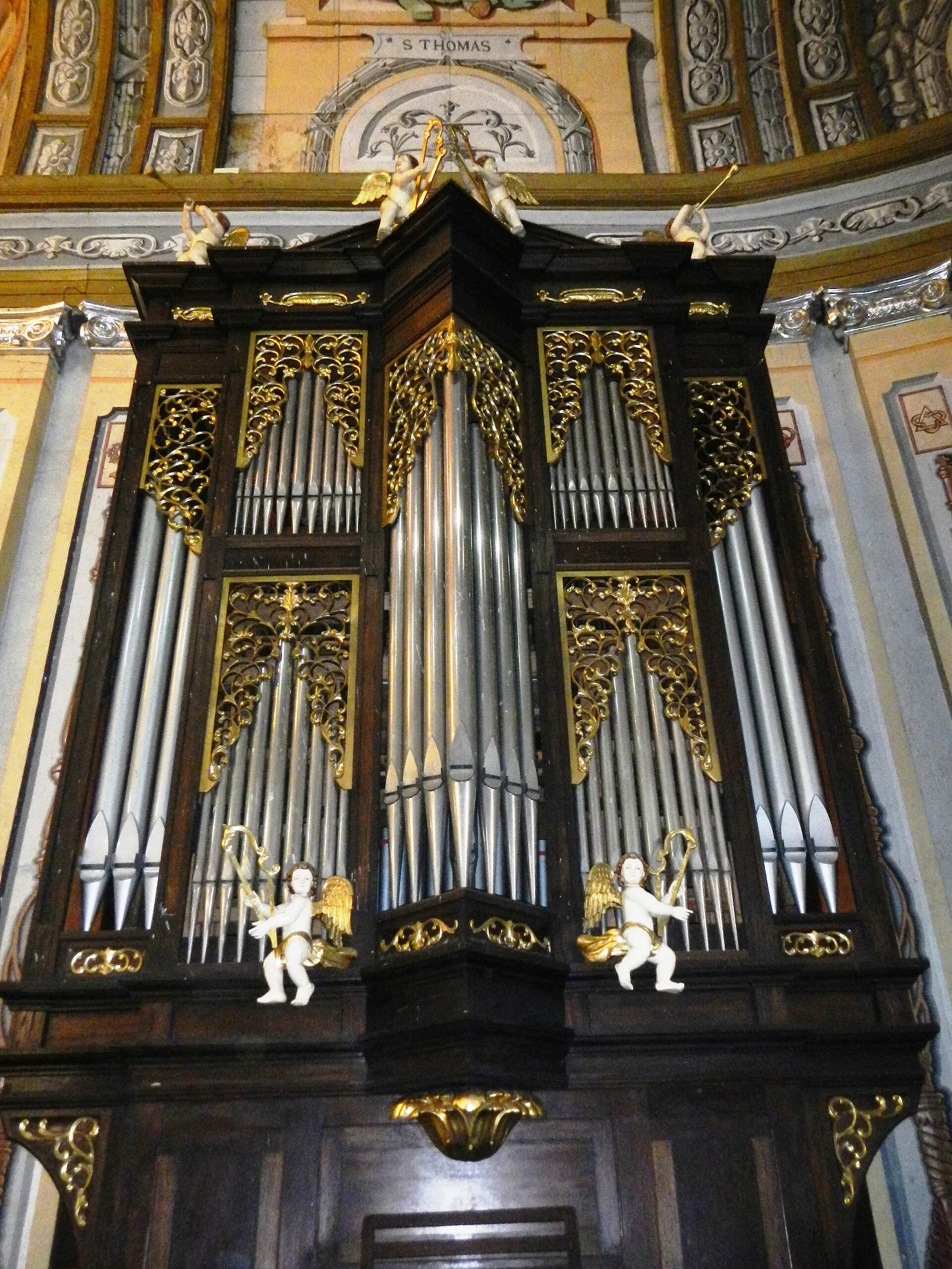
The seat of the Archdiocese of Lipa, built in a Neo-Renaissance style on a Latin cross plan, with arches around the main hall and a large dome. An octagonal bell tower stands beside the front. It had five floors at …
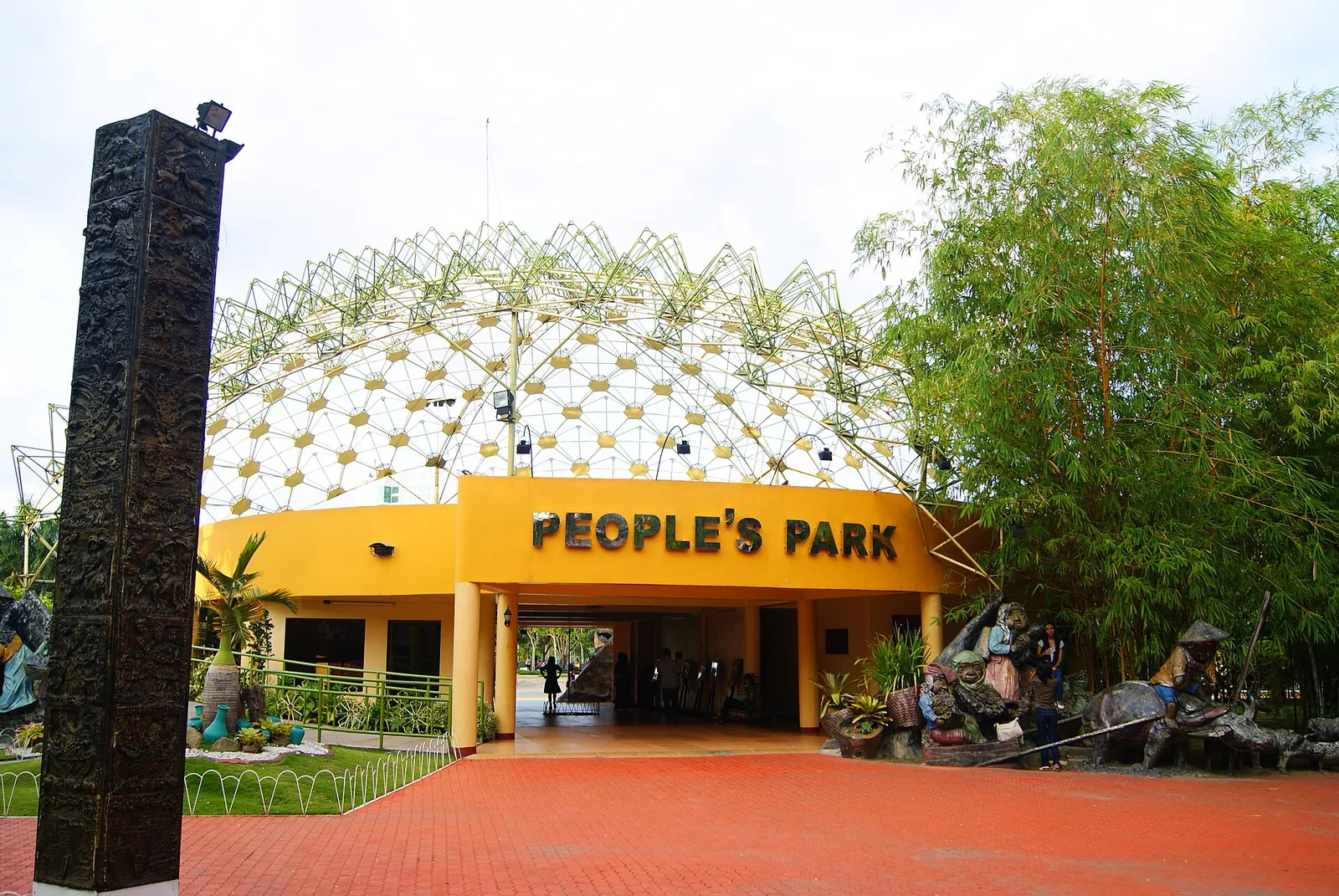
A city park of sculptures of Mindanao's indigenous peoples, with a dancing fountain in the evening. It sits in the centre of the city. The park covers 4 hectares, laid out on the old city playground and opened in December …
An extensive cave complex in the Sierra Madre mountains
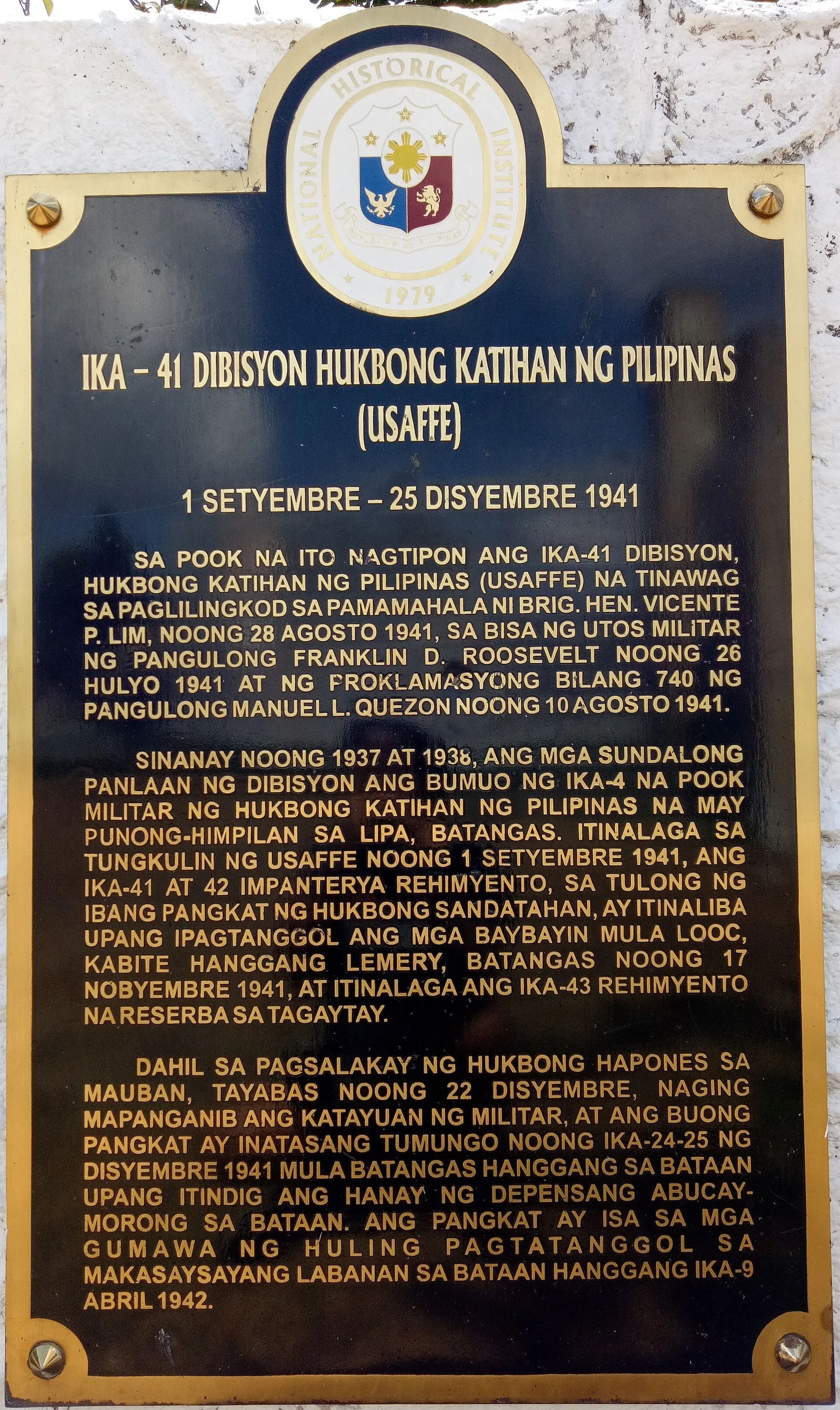
A 3-day plan built from the See, Do and Eat listings in Wikivoyage's Tagaytay guide. The stops are in an order that keeps each day close together. Check the hours …
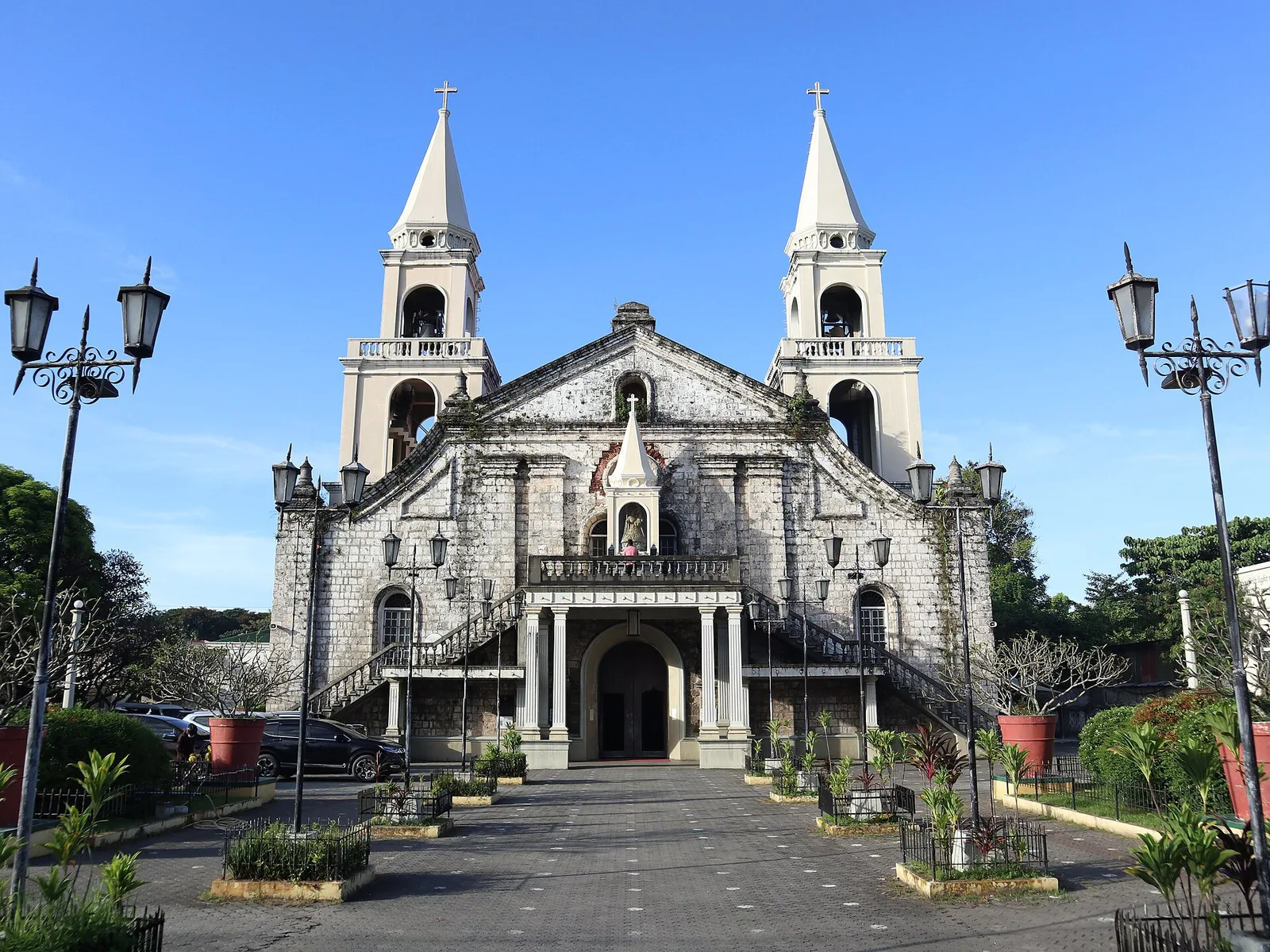
A 3-day plan built from the See, Do and Eat listings in Wikivoyage's Iloilo City guide. The stops are in an order that keeps each day close together. Check the …
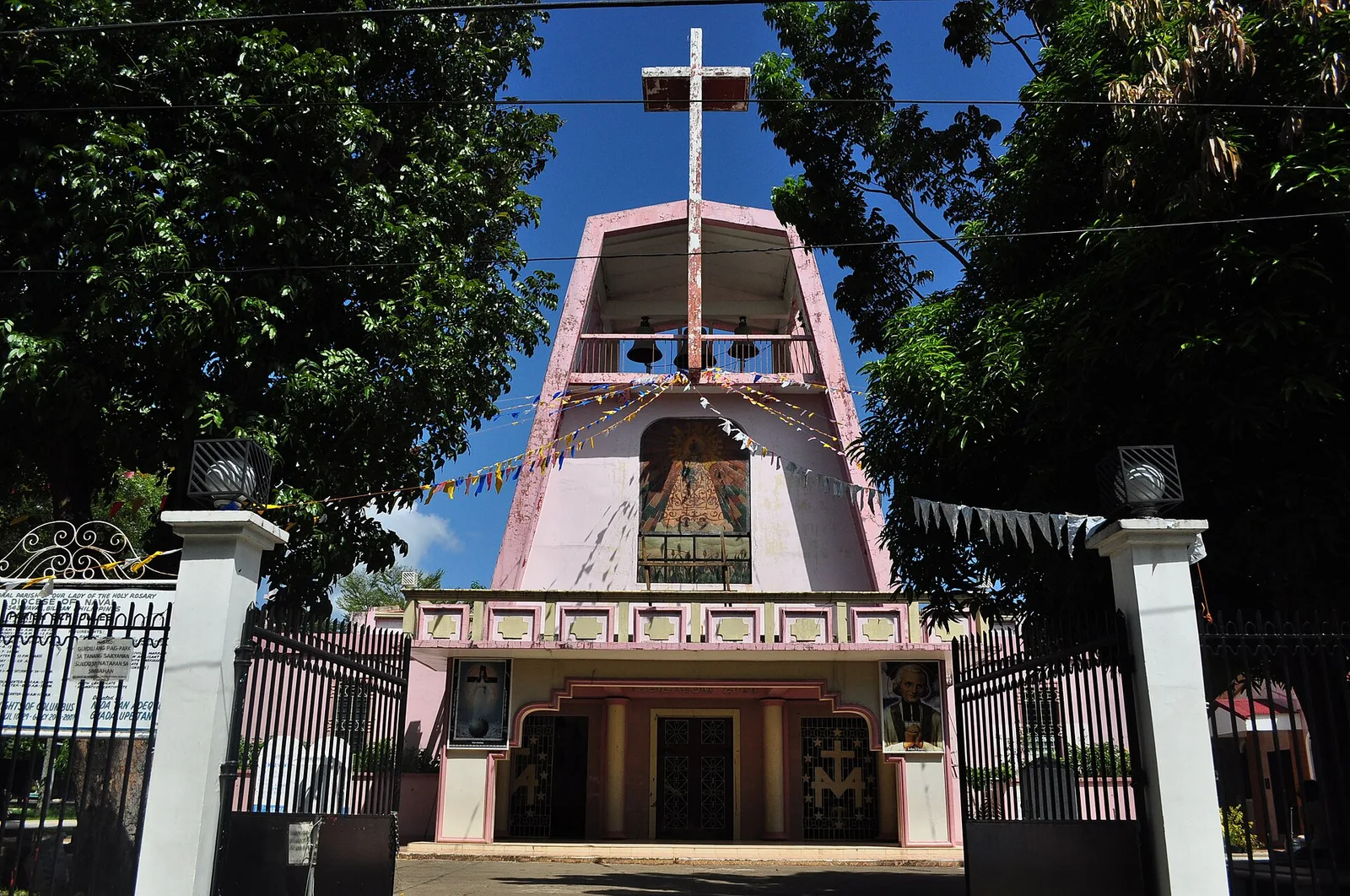
The seat of the Diocese of Naval, and a church of the 20th century rather than the Spanish period. Its full name is Our Lady of the Most Holy Rosary Cathedral. The parish began in 1860 under the name Bagasumbul. …
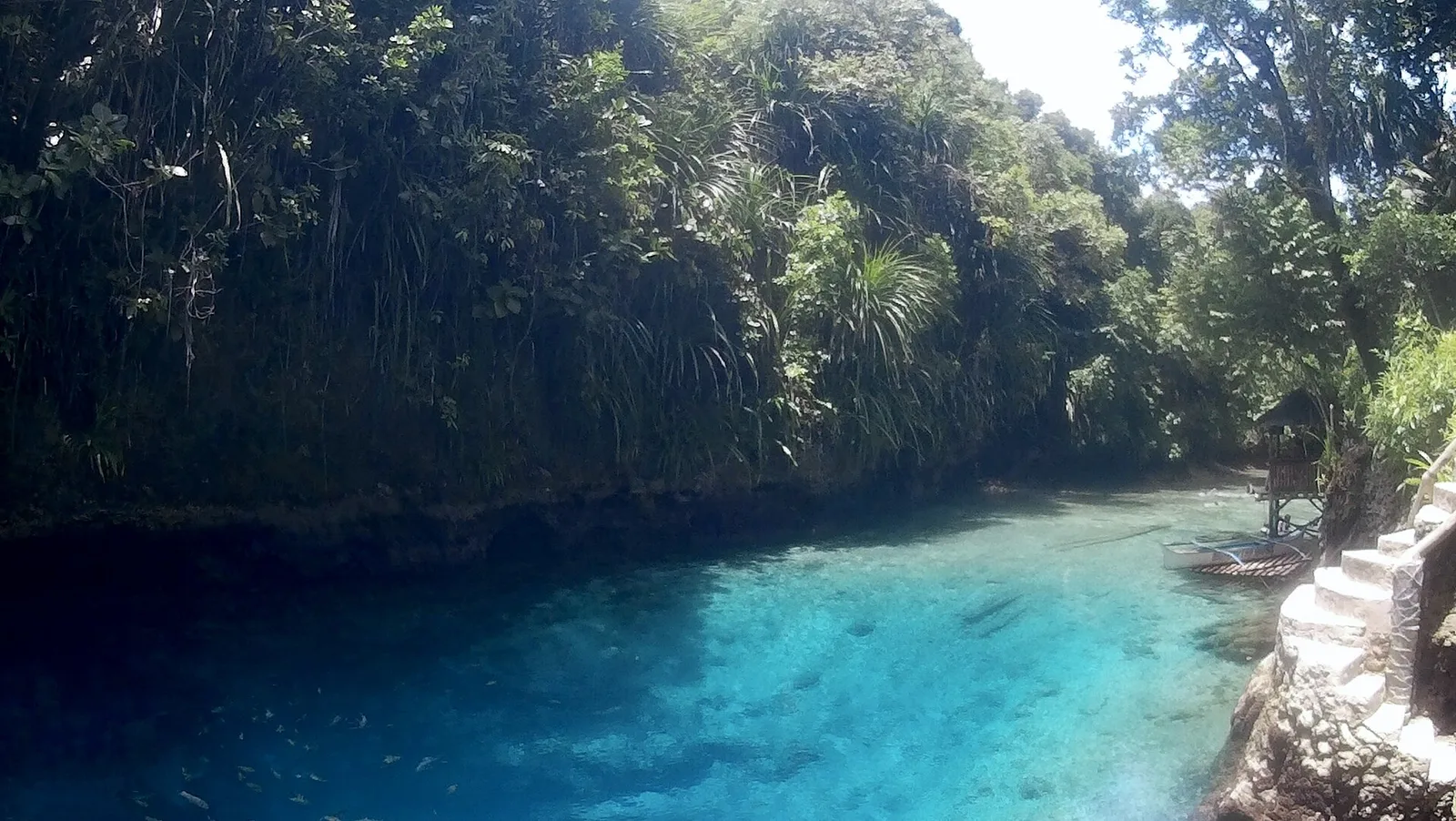
An underground river that surfaces as a pool of clear blue water, at Barangay Talisay in Hinatuan. Filipino and foreign visitors both know it, and it is the town's main draw. Cave divers have gone 82 metres down into the …
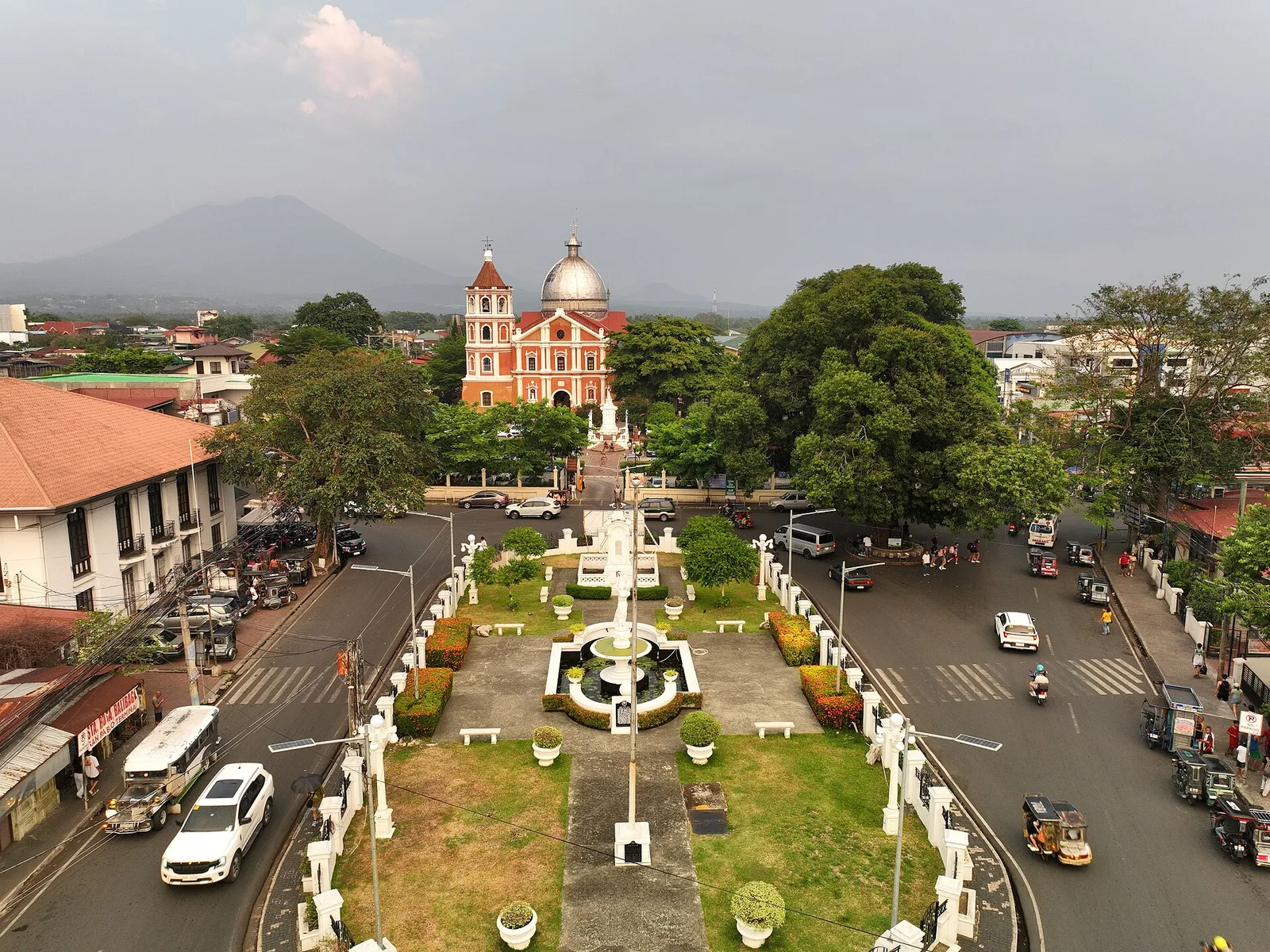
The bishop's church for the Roman Catholic Diocese of San Pablo. Its patron is Saint Paul the First Hermit, and his feast falls on January 15. The present building was started in 1714 and finished in 1721, on foundations laid …
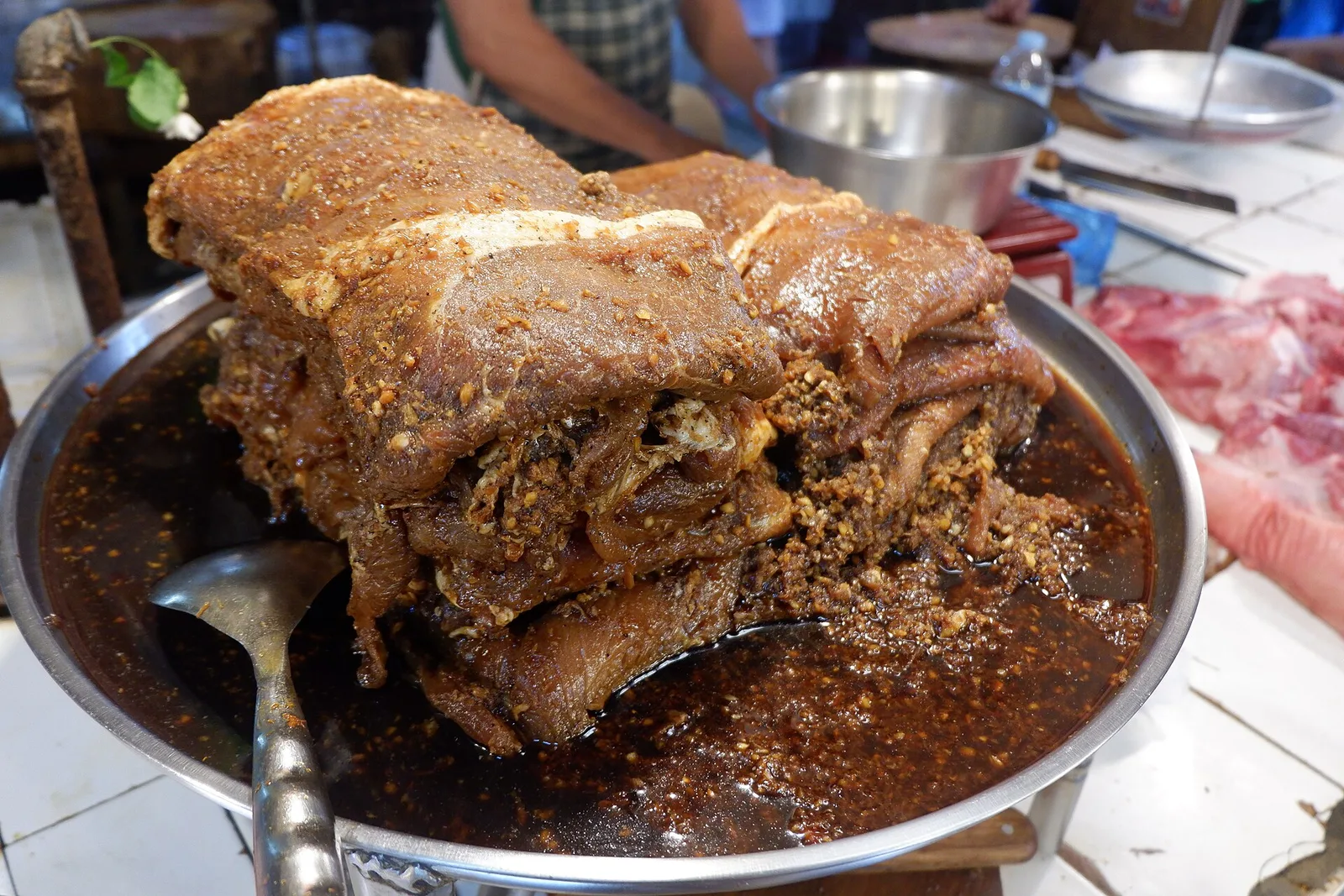
Where the embroidered barong, balisong knives and tapa are sold side by side. Taal is known as the balisong and barong tagalog capital of the Philippines.
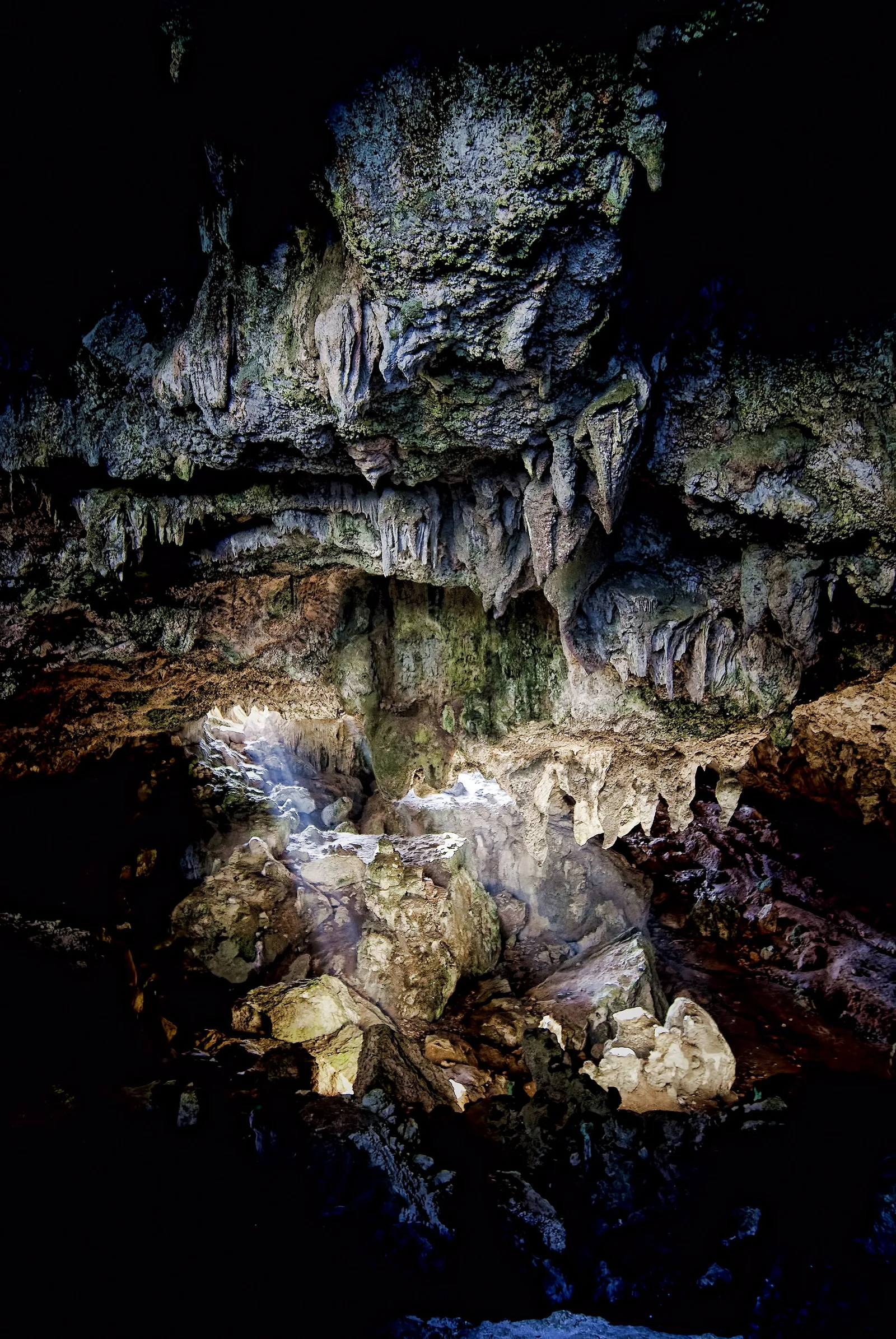
A cave that is also used as a burial site featuring hanging coffins, usually combined with a tour of Sumaguing Cave.
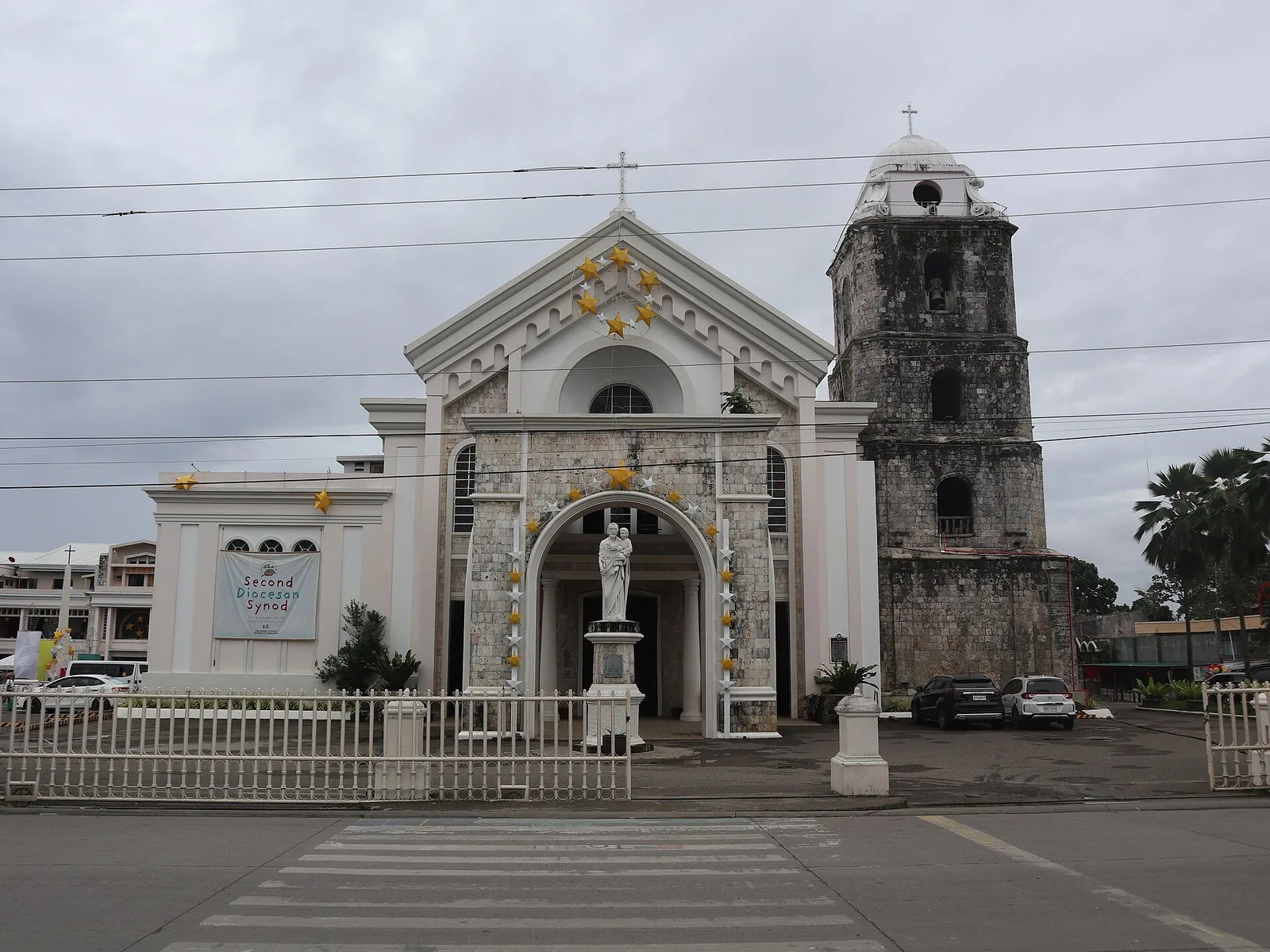
The seat of the Diocese of Tagbilaran, which covers the western half of Bohol. Jesuit missionaries founded the parish in 1595, one of six in Bohol, and the Augustinian Recollects took it over in 1768. Fire destroyed the first church …
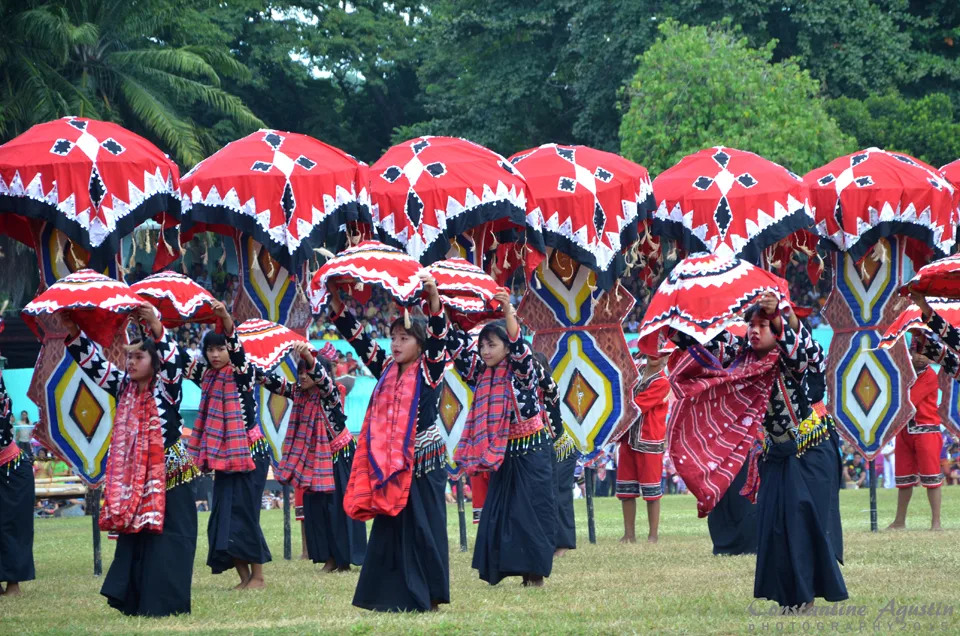
The festival of the whole province, named after t'nalak, a cloth the T'boli weave from abaca fibre. T'boli women called dreamweavers make it, and they say the patterns come to them in dreams sent by Fu Dalu, the goddess of abaca. The festival marks what the B'laan, the …
Photo: Constantine Agustin · Wikimedia Commons, CC BY-SA 2.0
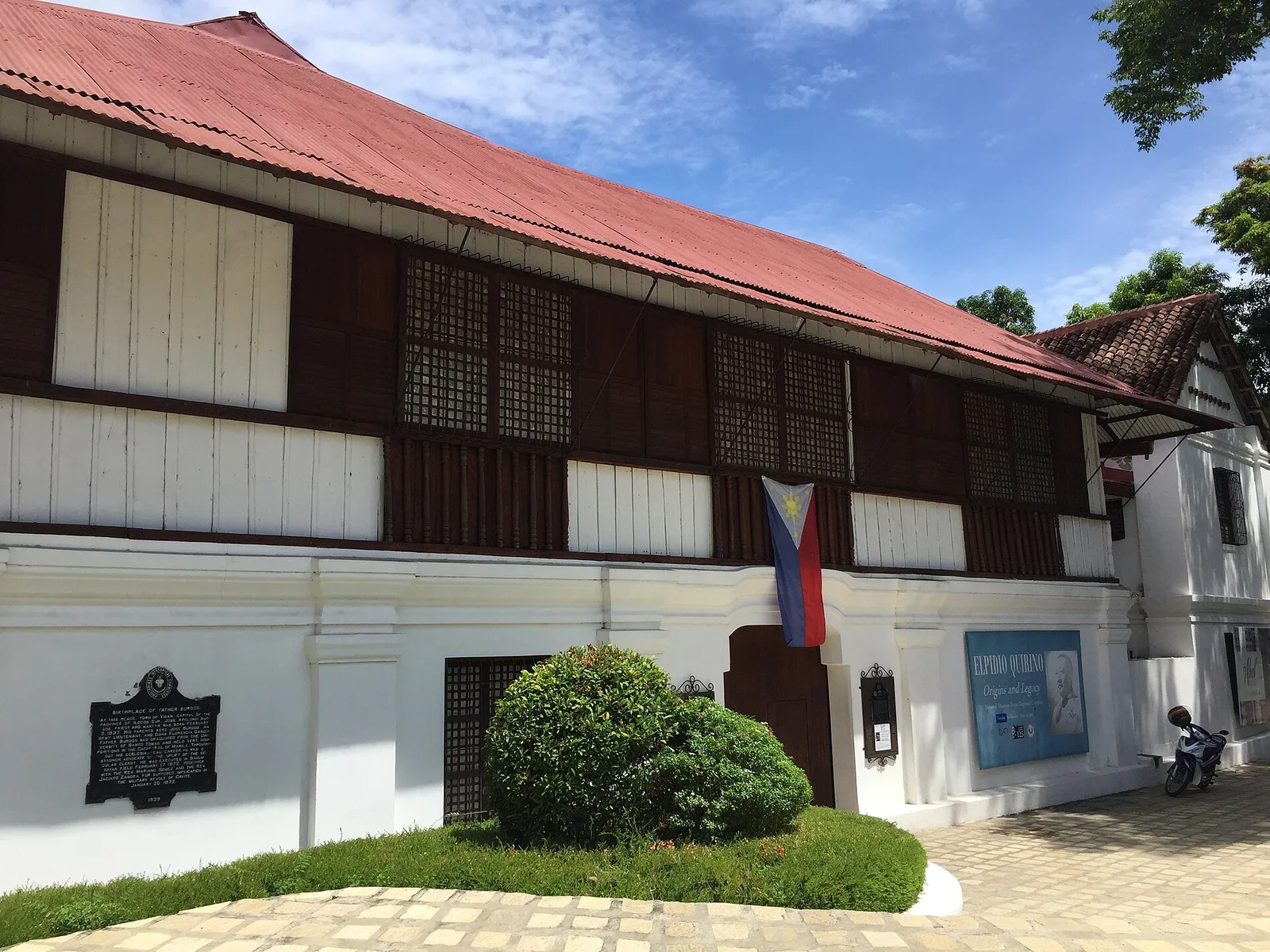
also known as the Ayala Museum, this showcases the memorabilia of martyred priest Jose Burgos. Behind the house is the national museum (formerly the Ilocos Sur Provincial Jail), housing other ethnic and Ilocano artifacts such as artifacts, weapons, kitchen utensils, …
The seat of the Diocese of Tagbilaran, it is one of the six original churches of Bohol established by the Jesuits in 1595. The current church structure however dates back to the mid-1800s, after the original church burned down.


