Bukagan Hill
Four large church bells stand at the top of a hill in Barangay Malaubang. Bishop-Prelate Patrick Cronin bought them for the Metropolitan Cathedral of the Immaculate Conception, but at 7 tons they were too heavy and too large for its …
Island group · 6 regions
Showing 121 to 150 of 186
Four large church bells stand at the top of a hill in Barangay Malaubang. Bishop-Prelate Patrick Cronin bought them for the Metropolitan Cathedral of the Immaculate Conception, but at 7 tons they were too heavy and too large for its …
A small freshwater crater lake on Mount Leonard, a stratovolcano also known as Leonard Kniaseff. The mountain stands in the Leonard Mountain Range, 60 kilometres northeast of Davao City. The lake fills a caldera left when one of the biggest …
A rock formation in Cortes holding three lagoons. The name comes from laswit, the local word for splash: when the water is high, above all in the Amihan season, the waves hit the rocks and fall back over them like …
A wooded hill at a bend in the Masao River, above Butuan Bay and the ground where ancient Butuan stood. Many hold it to be the place where Magellan and his men said the first Catholic Mass on Philippine soil …
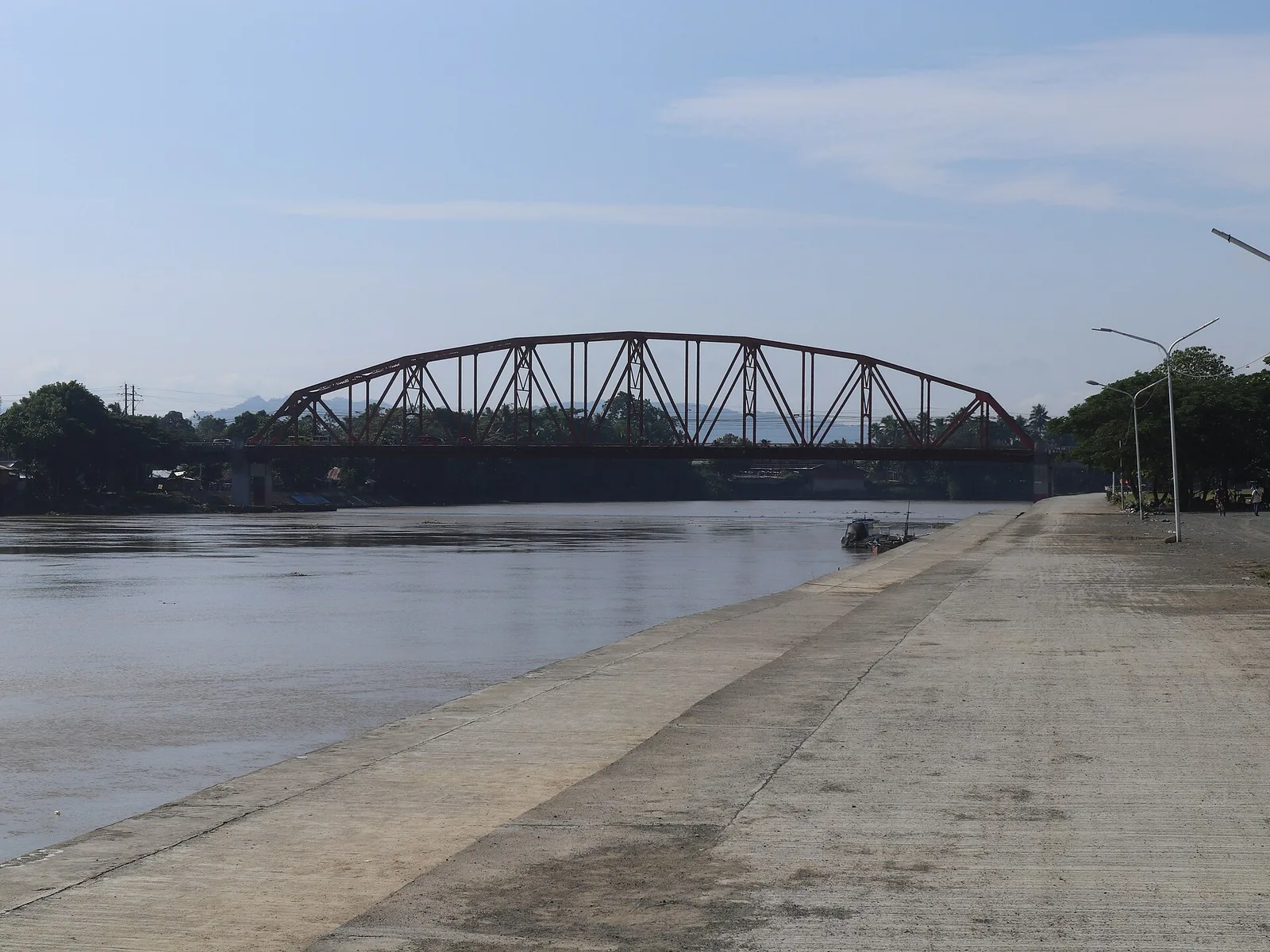
The widest and most navigable river in Mindanao. People who live along its banks honour their patroness Senora Santa Ana (Saint Anne) every last Sunday of July, in the Abayan festival. The old Ramon Magsaysay Bridge crosses the river in …
A hill in sight of the city proper, walked up by families during Holy Week for penance and devotion. Climbers use it at other times of the year, and the top gives a wide view of Agusan del Norte and …
A group of 43 caves at Barangay Vinapor, one of the places people go to in Carmen. The town is also a diving stop, with sites at the Punta Diwata Reefs and the Balete Wall. Barangay Vinapor holds two resorts …
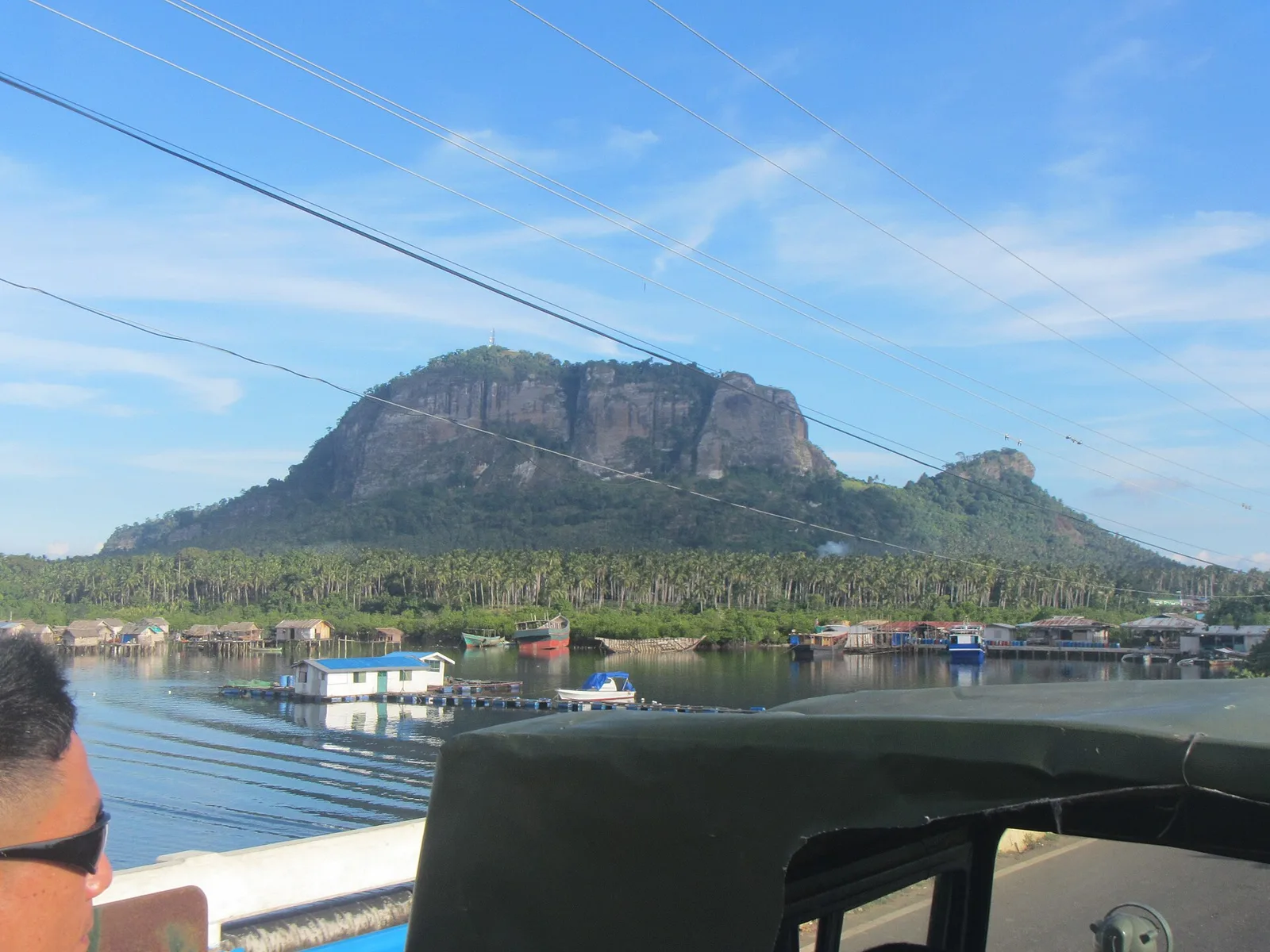
The southernmost peak in the Philippines: six limestone pillars that stand as its six summits. Local people call it Bud Bongao and hold it sacred. Two Islamic preachers who followed Karim ul-Makhdum are believed to lie under the Tampat Rocks, …
A mosque with a pink facade, which is why most people call it the Pink Mosque. It stands in the town of Datu Saudi Ampatuan. Then-Mayor Samsudin Dimaukom paid for the building and put it on his family's land. Christian …
A mountain above Barangay Kusiong, green because grass covers most of it. The hike from the foot to the summit takes two hours.
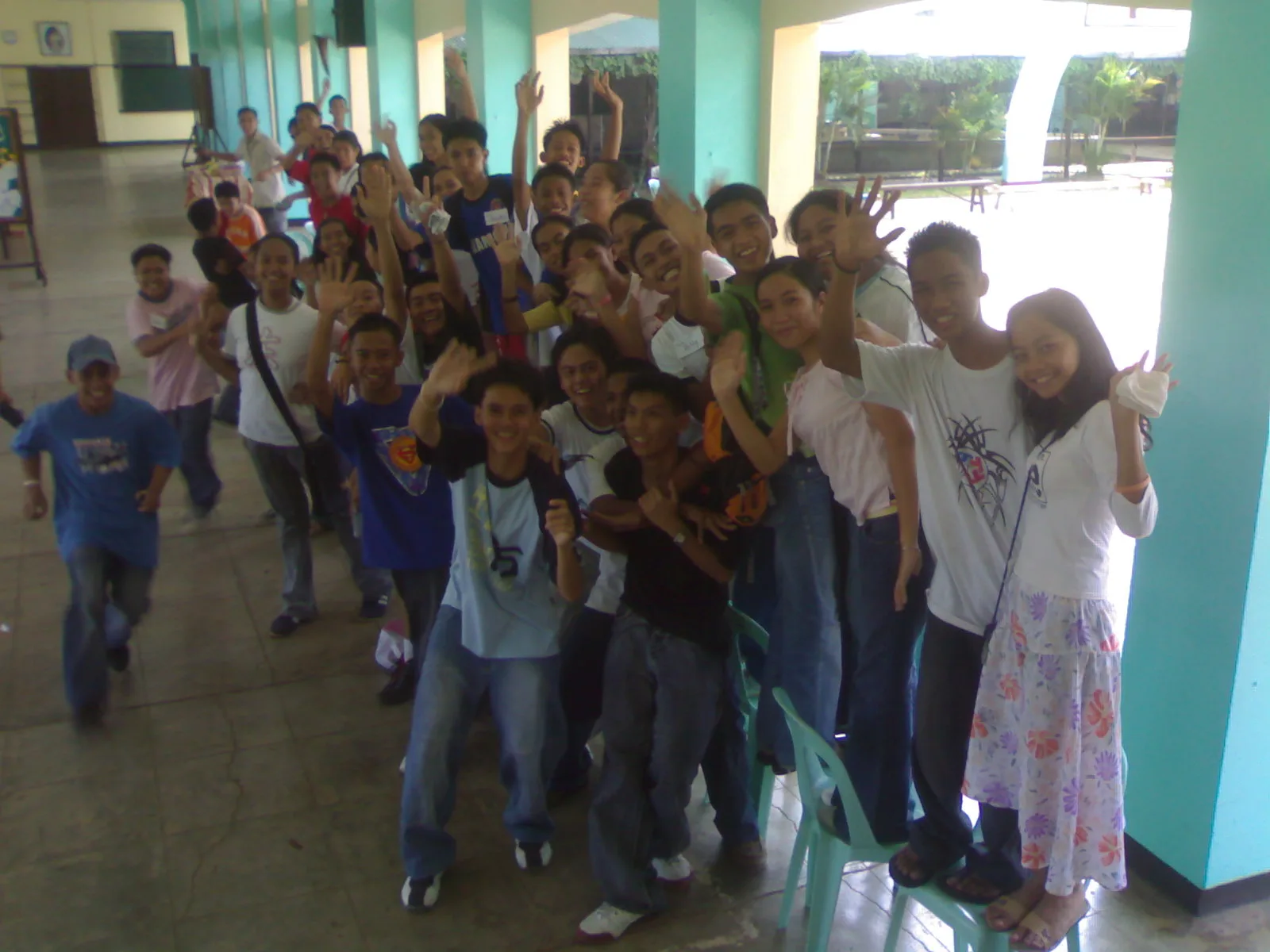
A town museum about the Lami-lamihan festival, the celebration that gave the city its name. Lami-Lamihan means merrymaking and conference together. When Spanish explorers asked the Yakan what the place was called, the Yakan thought they were asking about the …
The palm-lined road across the island, and the deck looking over a million coconut trees.
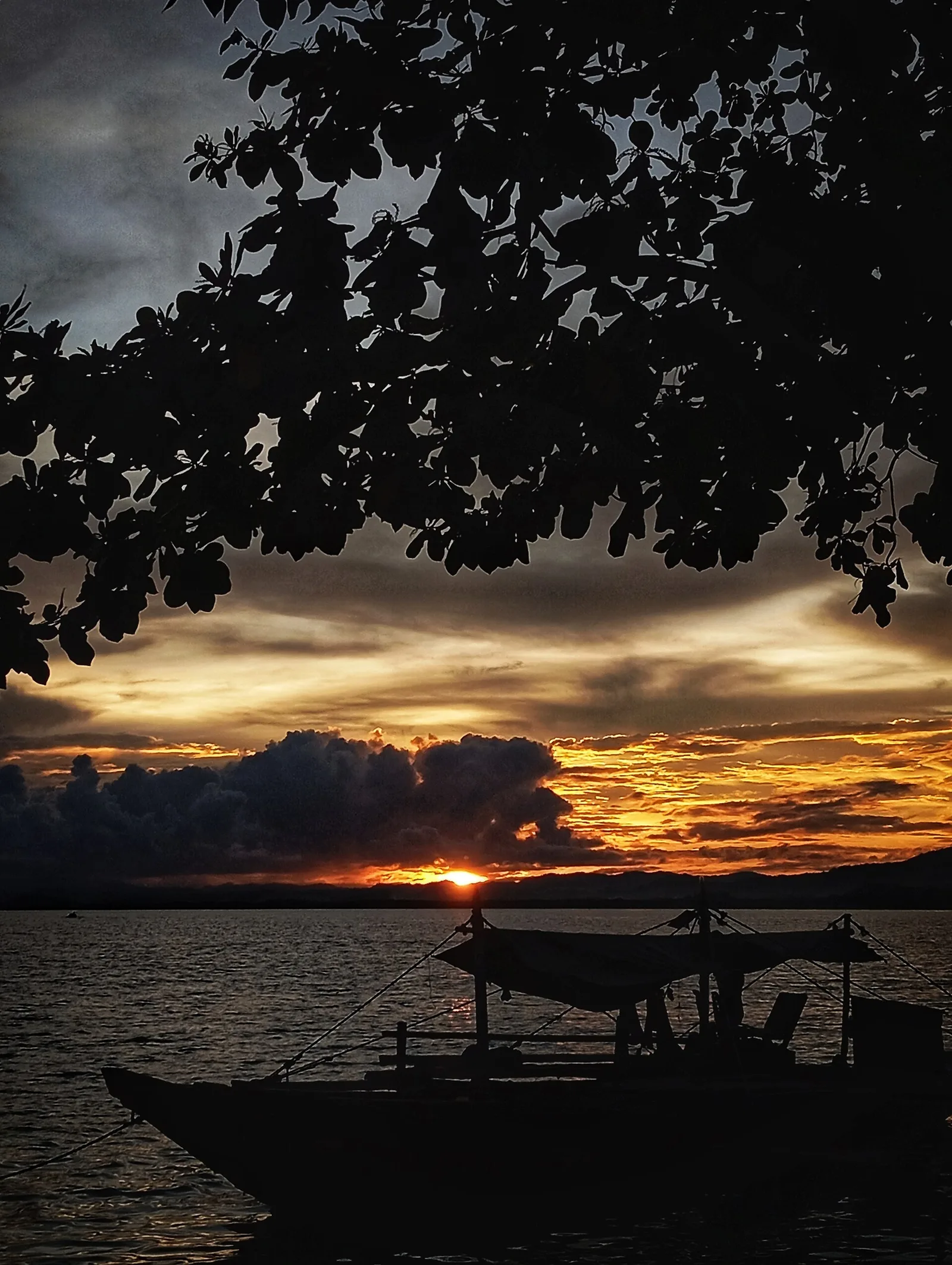
An island with white sand beaches off Ipil, the capital and largest town of the province.
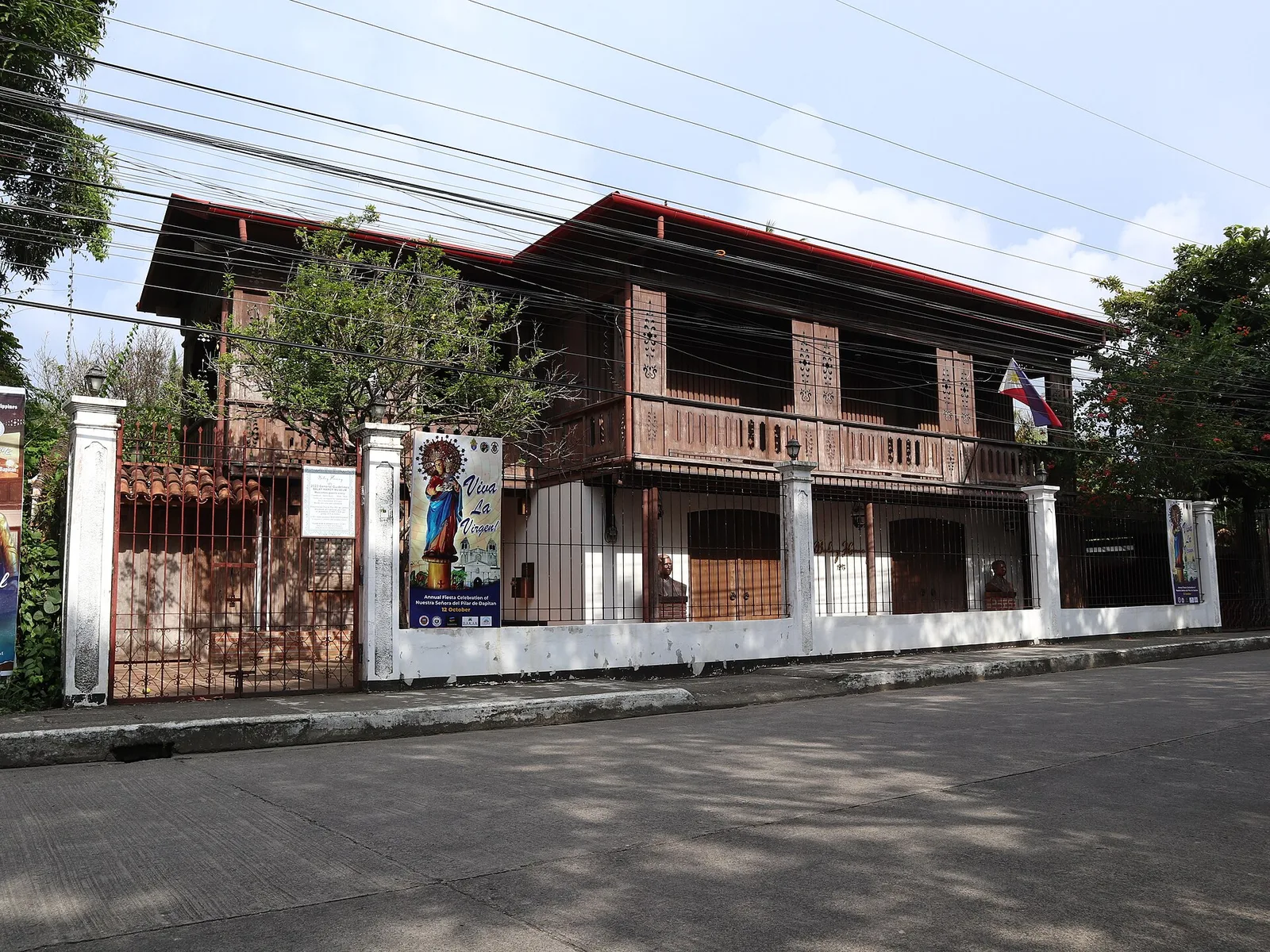
An ancestral house in Dapitan that now works as a heritage museum, known as the Balay Hamoy Museum. The display covers the exile of Jose Rizal in the town, from 1892 to 1896. Mariano Hamoy built the house in 1893. …
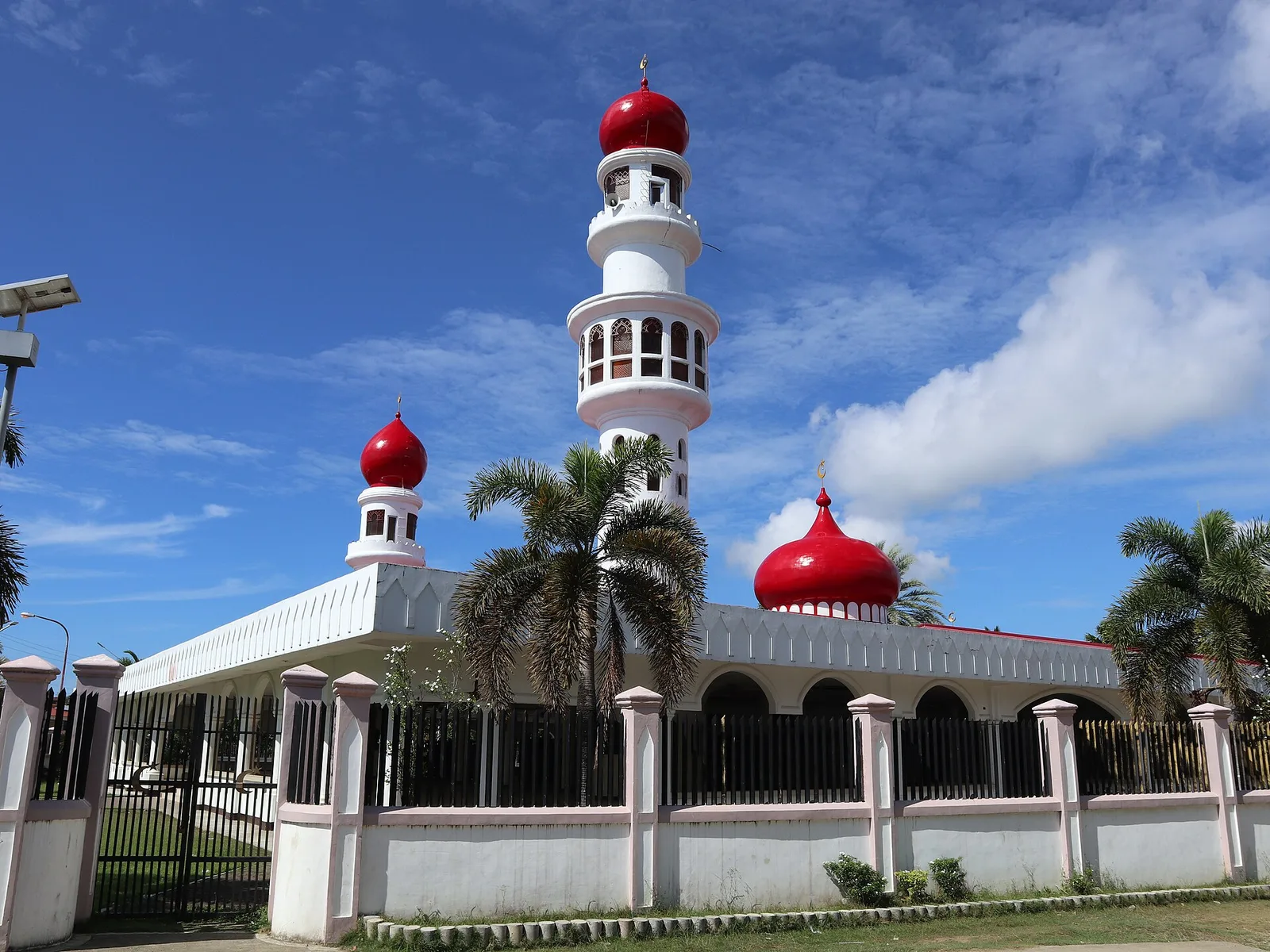
The oldest mosque in the Zamboanga Peninsula, built by Hadji Abdullah Maas Nuno in 1885. In Tausug it is the Masjid sin Taluksangay. The village of Taluksangay around it was the first centre of Islamic teaching in the peninsula, and …
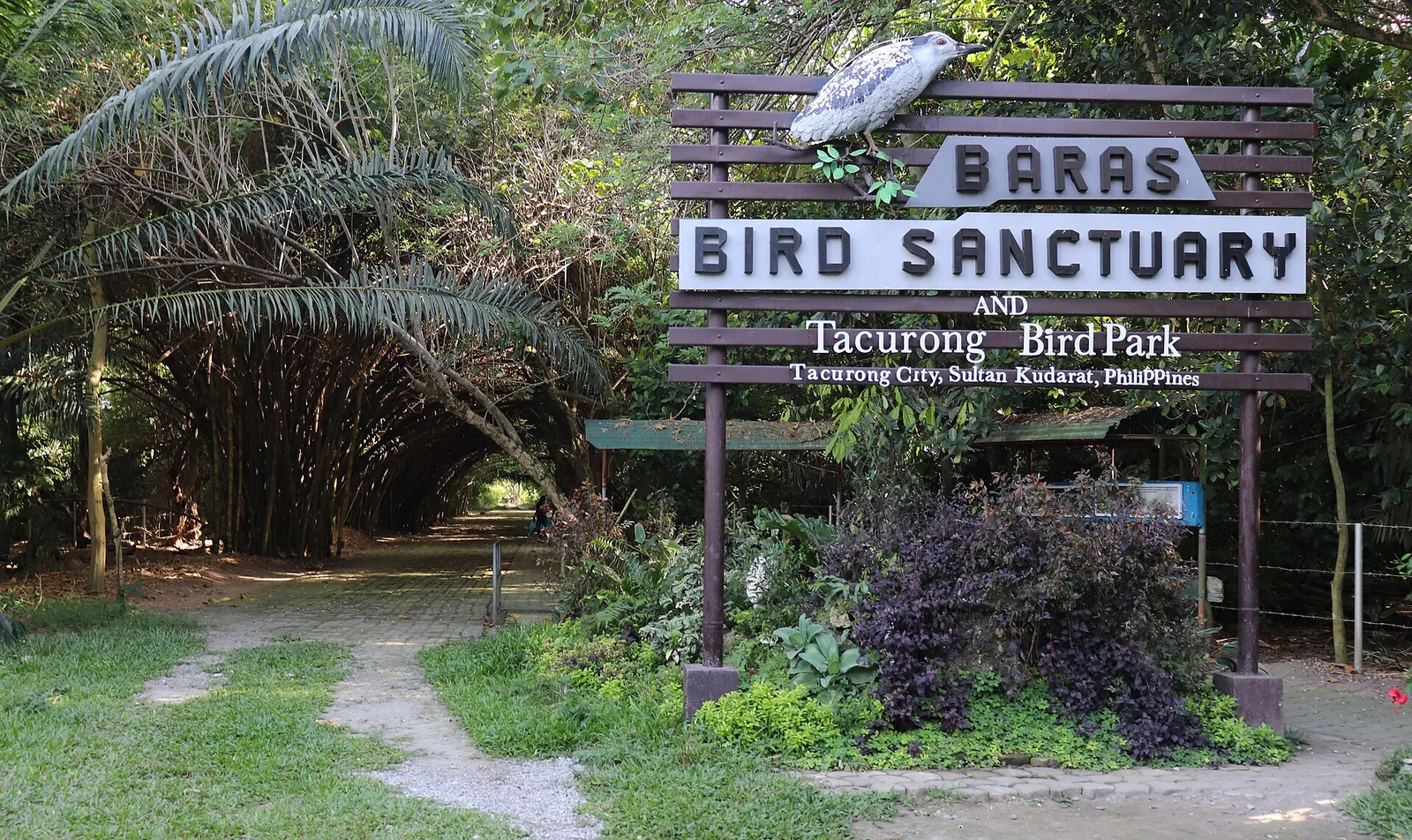
A 2.5 hectare sanctuary where egrets and herons nest. The city holds the Sultan Kudarat Bird Festival there, and the eighth one ran on 10 and 11 May 2024.
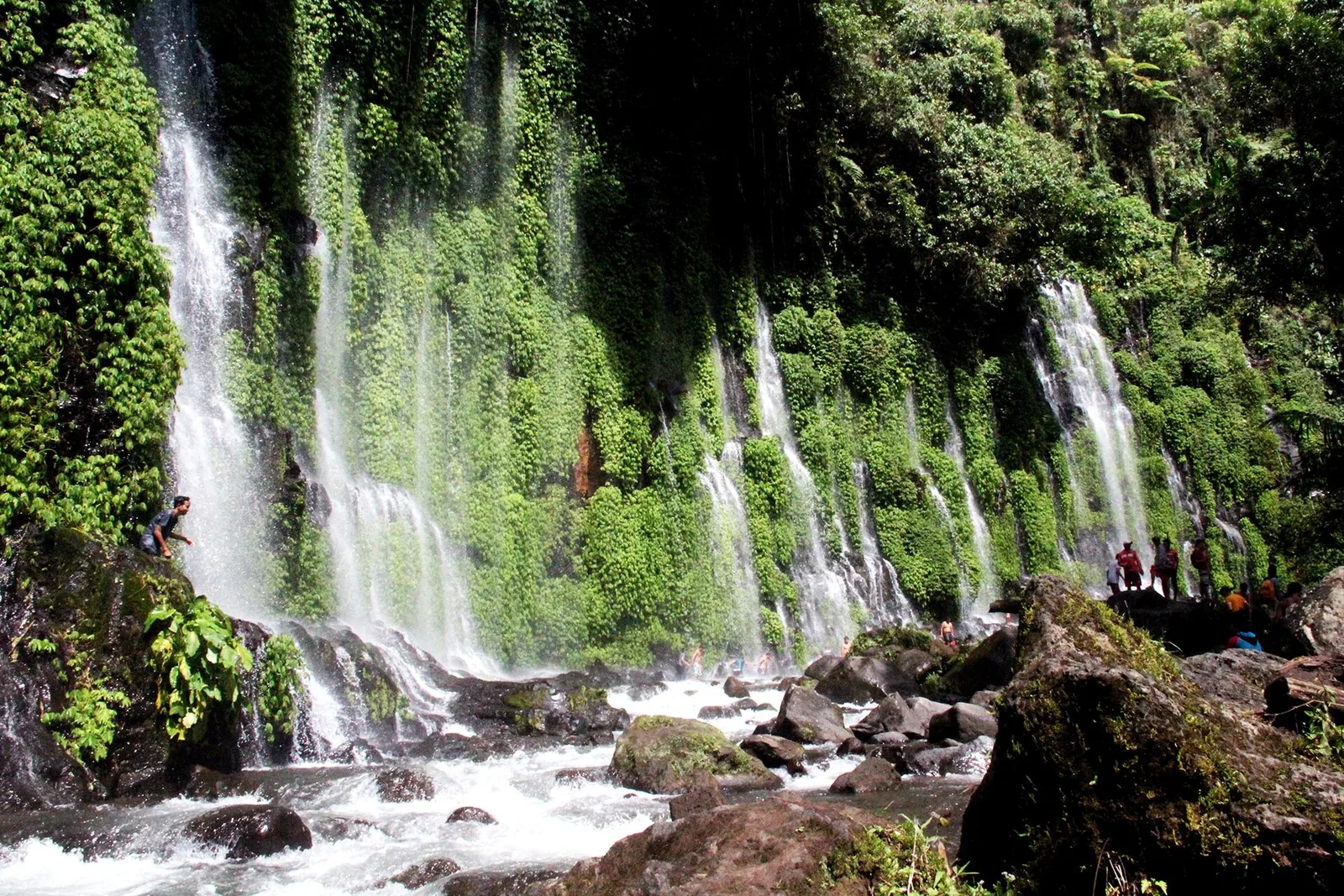
A waterfall with no river above it: the water comes out of crevices in a cliff 60 metres high, and the source is thought to be an underground river. Ferns and moss cover most of the rock. The pool at …
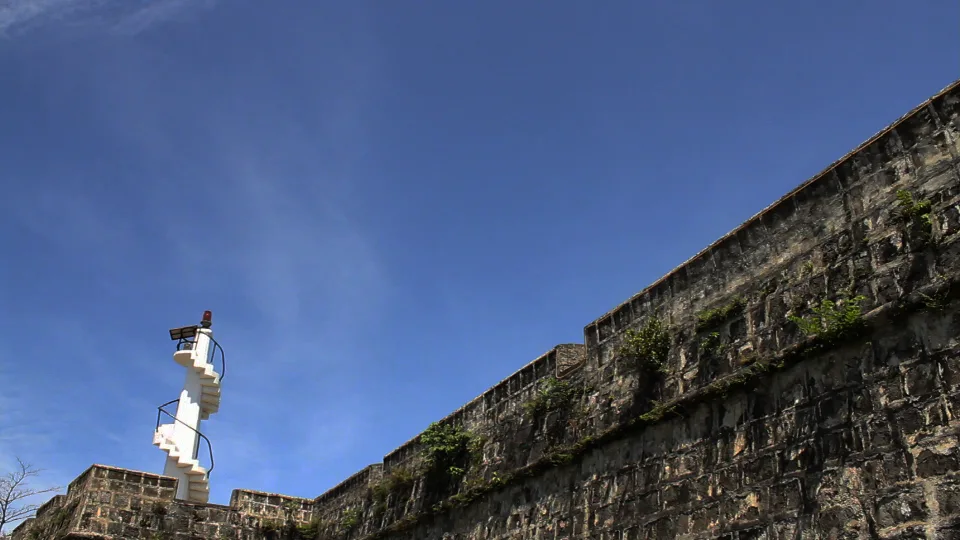
A stone fort from 1756, built by Father José Ducos to hold the coast against pirates who carried people off as slaves, and known locally as the Cotta. It is square, with four bastions and one side facing Panguil Bay, …
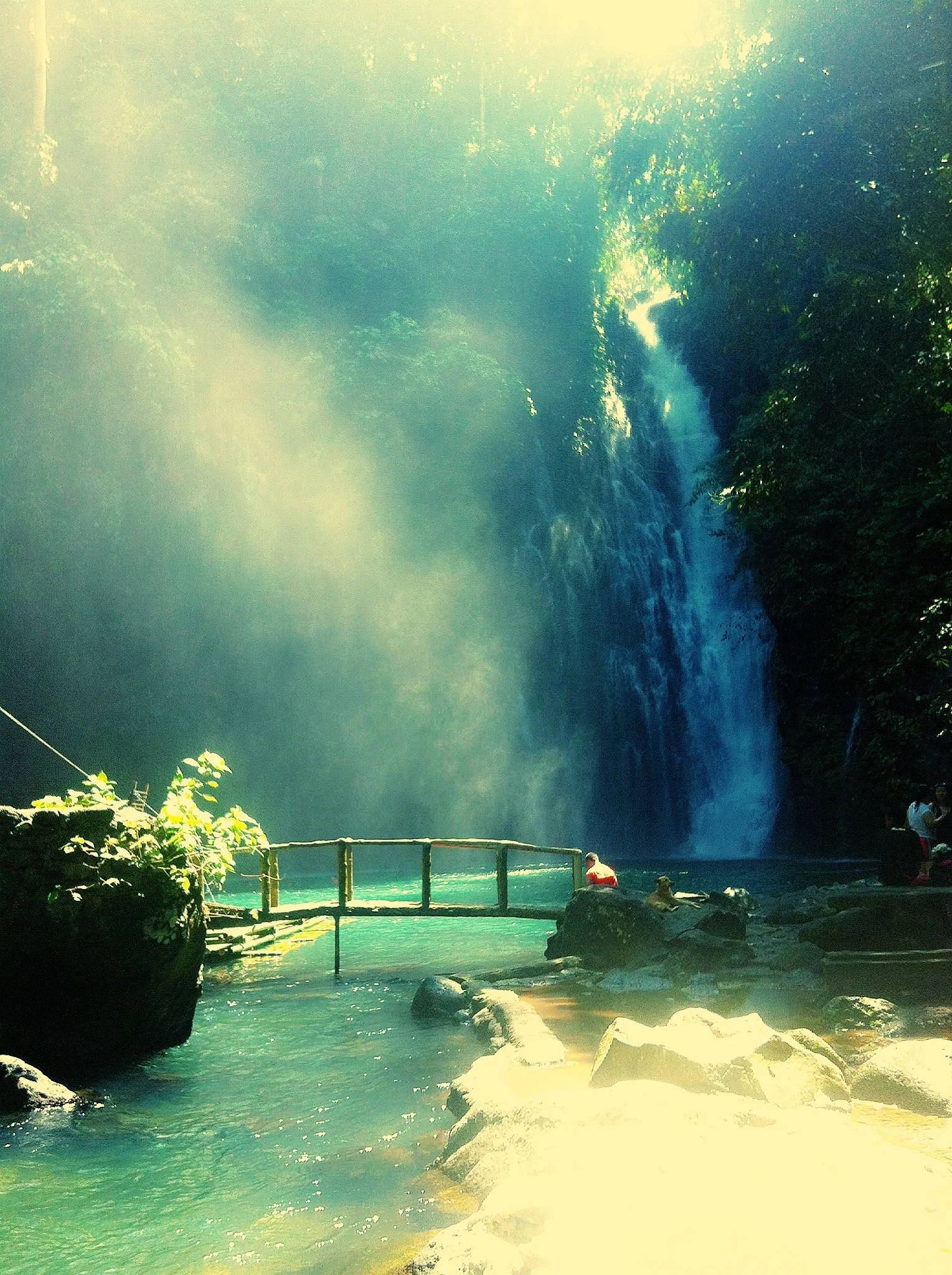
The main tourist attraction of the province: a waterfall on the Agus River at the village of Robocon, and one of the two outlets of Lake Lanao. Tinago means hidden, and the falls stand hidden in a deep ravine. The …
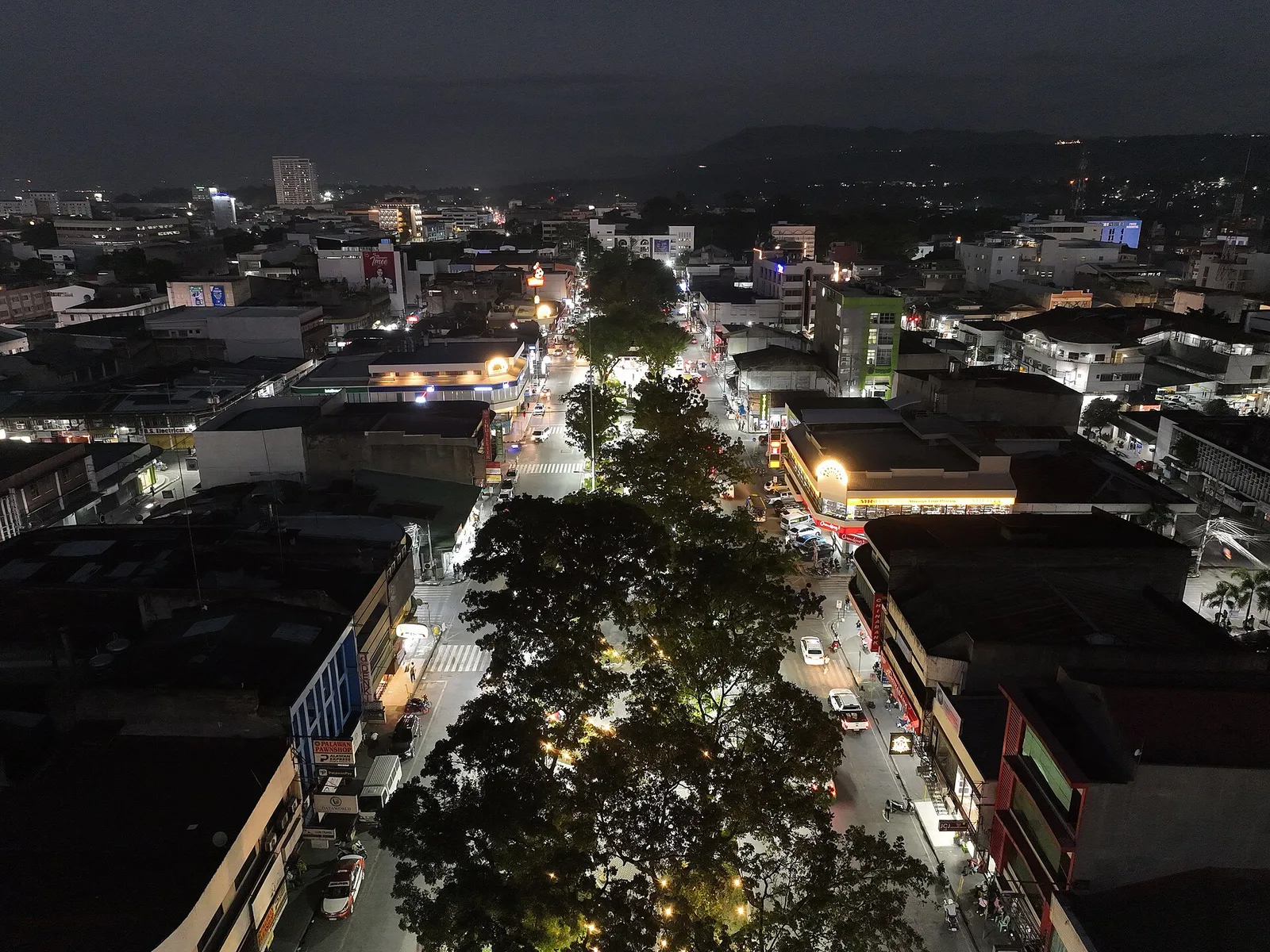
The city's central park, also called the Golden Friendship Park: six island sections of trees and benches between two tree-lined streets, by the Cagayan River. It began in the town centre in the early 20th century as a fire break …
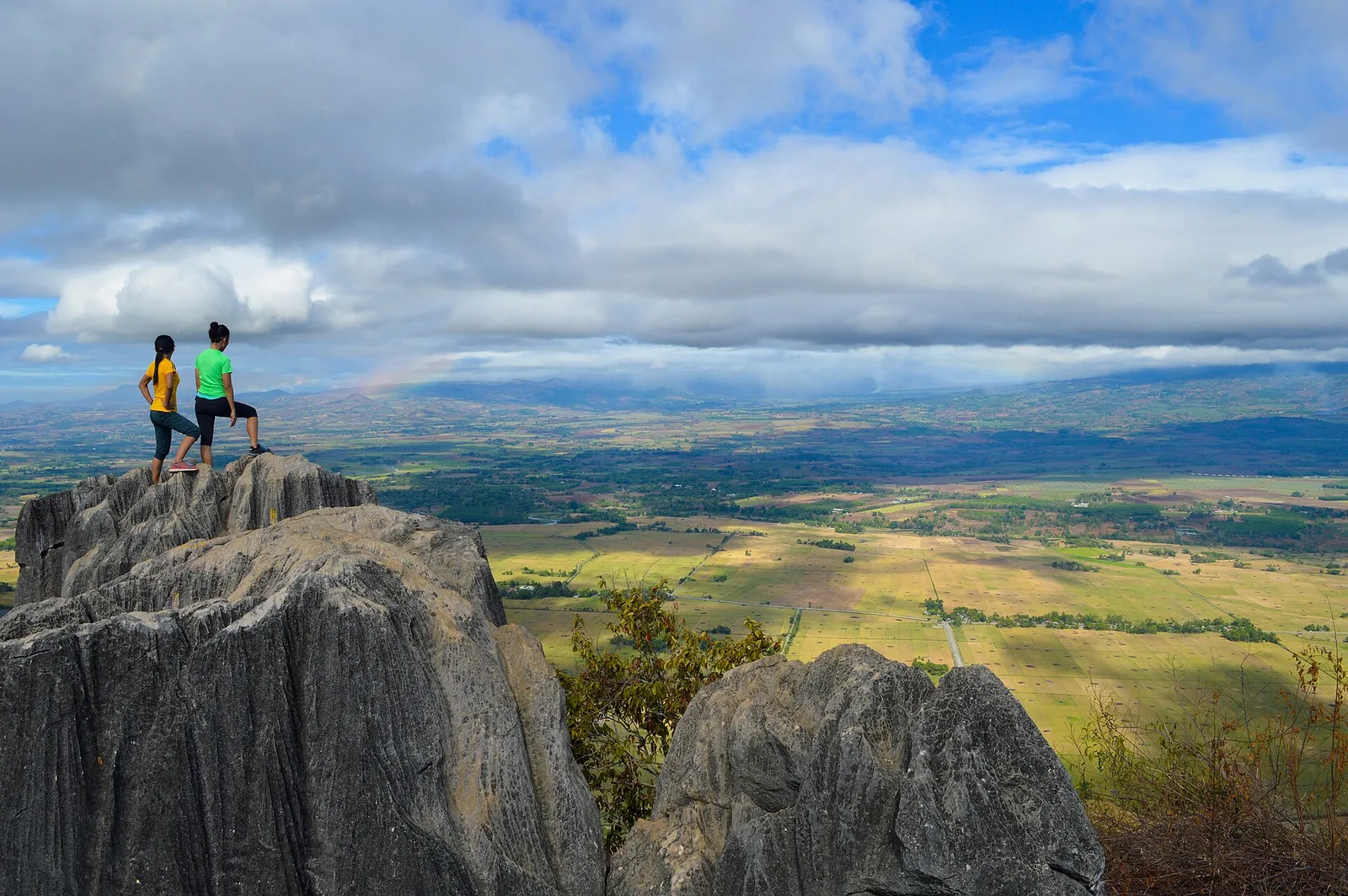
A mountain of rock formations and caves, 18 kilometres south of the city proper in Barangay Managok. It is known as an evacuation area in the Second World War. Trekkers and climbers go up for the view from the top, …
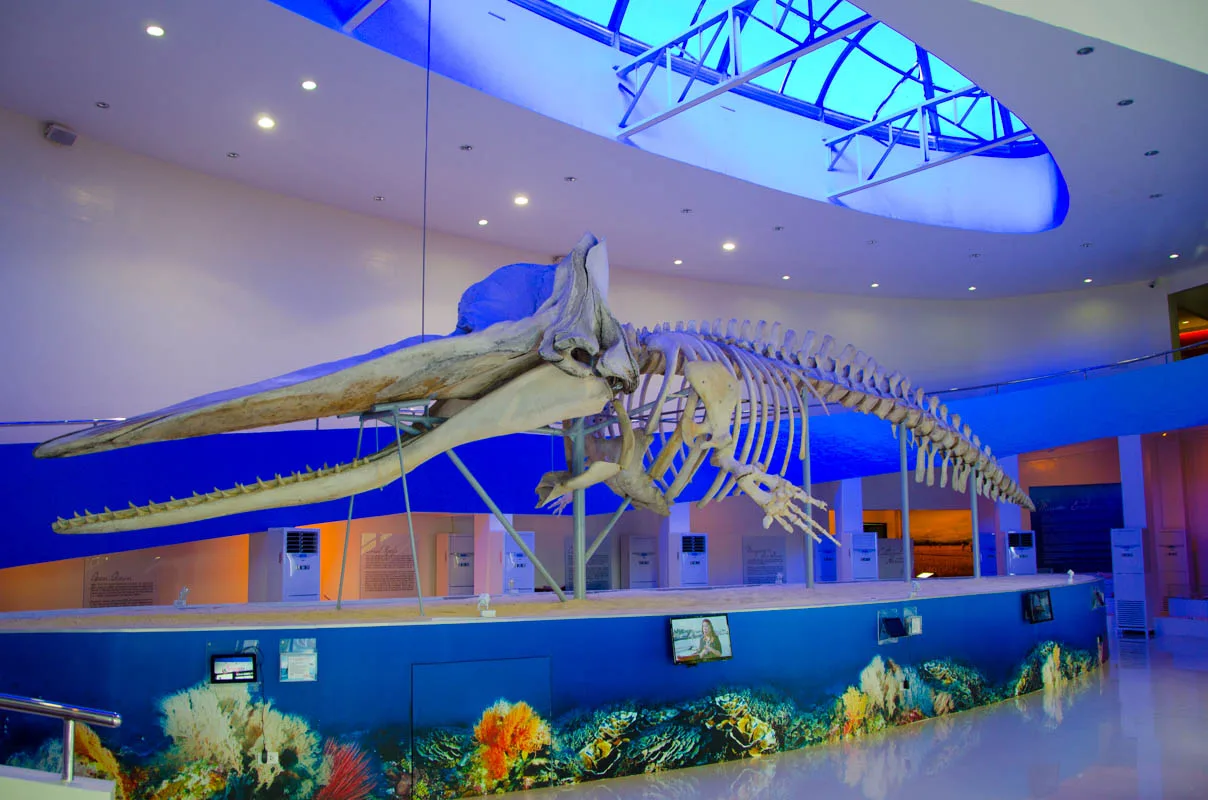
The provincial museum of Davao Oriental, with exhibits about the province. Its full name is the Subangan Davao Oriental Provincial Museum. The centrepiece is Davor, the skeleton of a sperm whale 16.15 metres long that beached in Governor Generoso. It …
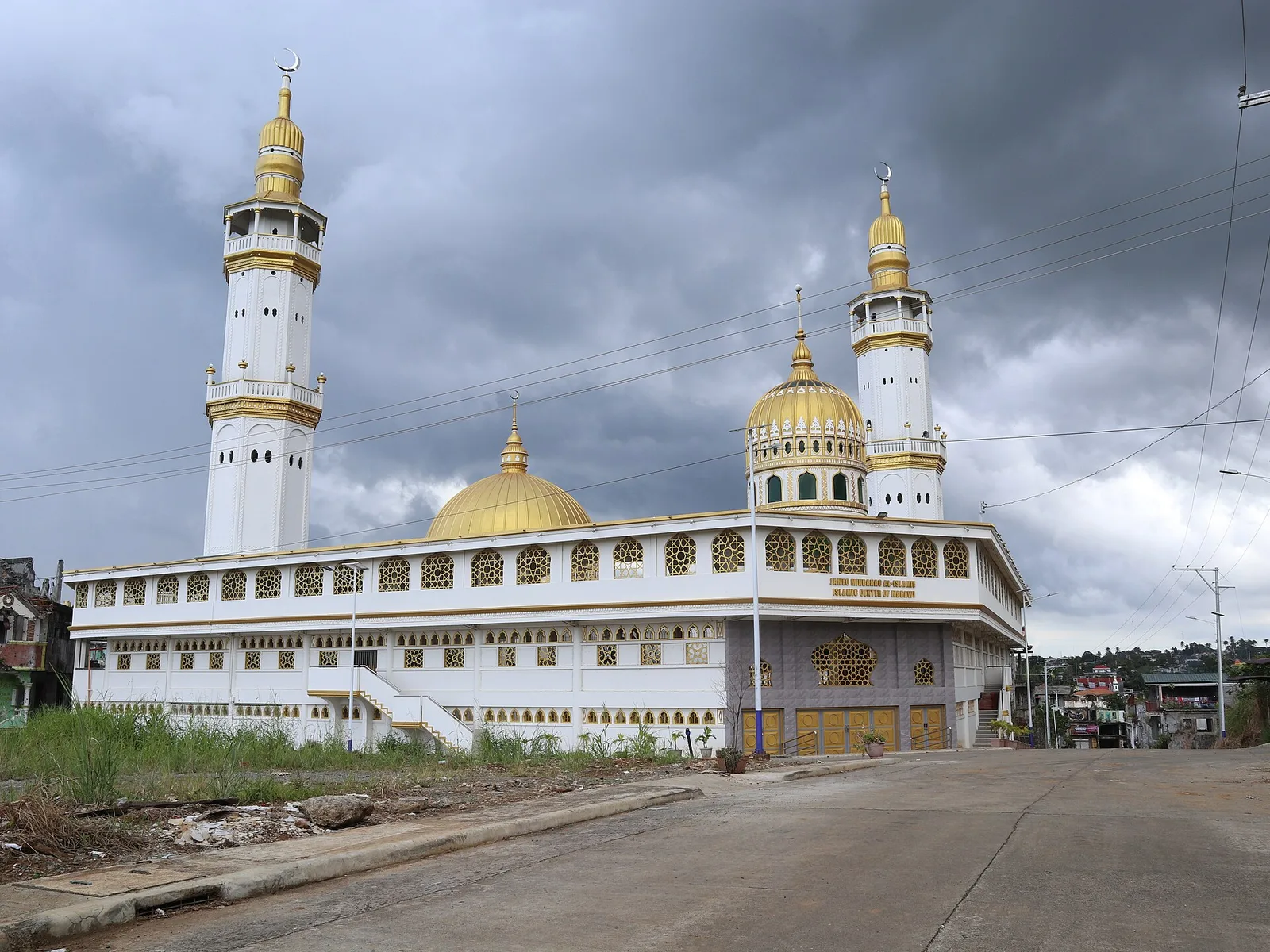
The city's grand mosque, also called the Islamic Center of Marawi, and the biggest Islamic place of worship in the country: it holds 20,000 worshippers. It stands in Pangarungan Village. The site's landowner, Datu Pangarungan Disalongan, led the first phase …
Also known as the Western Mindanao State University (WMSU) Social Hall, the building was built during the American Era and was the center of education for most of Mindanao. It houses the College of Education of WMSU and is also …
A sight at Cannery Rd., Brgy. Cannery Site, Polomolok.
Locally known as the Cotta Shrine. A shrine dedicated to Our Lady of the Immaculate Conception and of the Triumph of the Cross of Panguil Bay, locally known as the Birhen sa Cotta. The shrine is located at the south …
The biggest mosque in the city. It is noted for following a color scheme of green, the traditional color in Islam and is associated by the Quran to the state of living of those in Paradise and its architectural details …