Intramuros
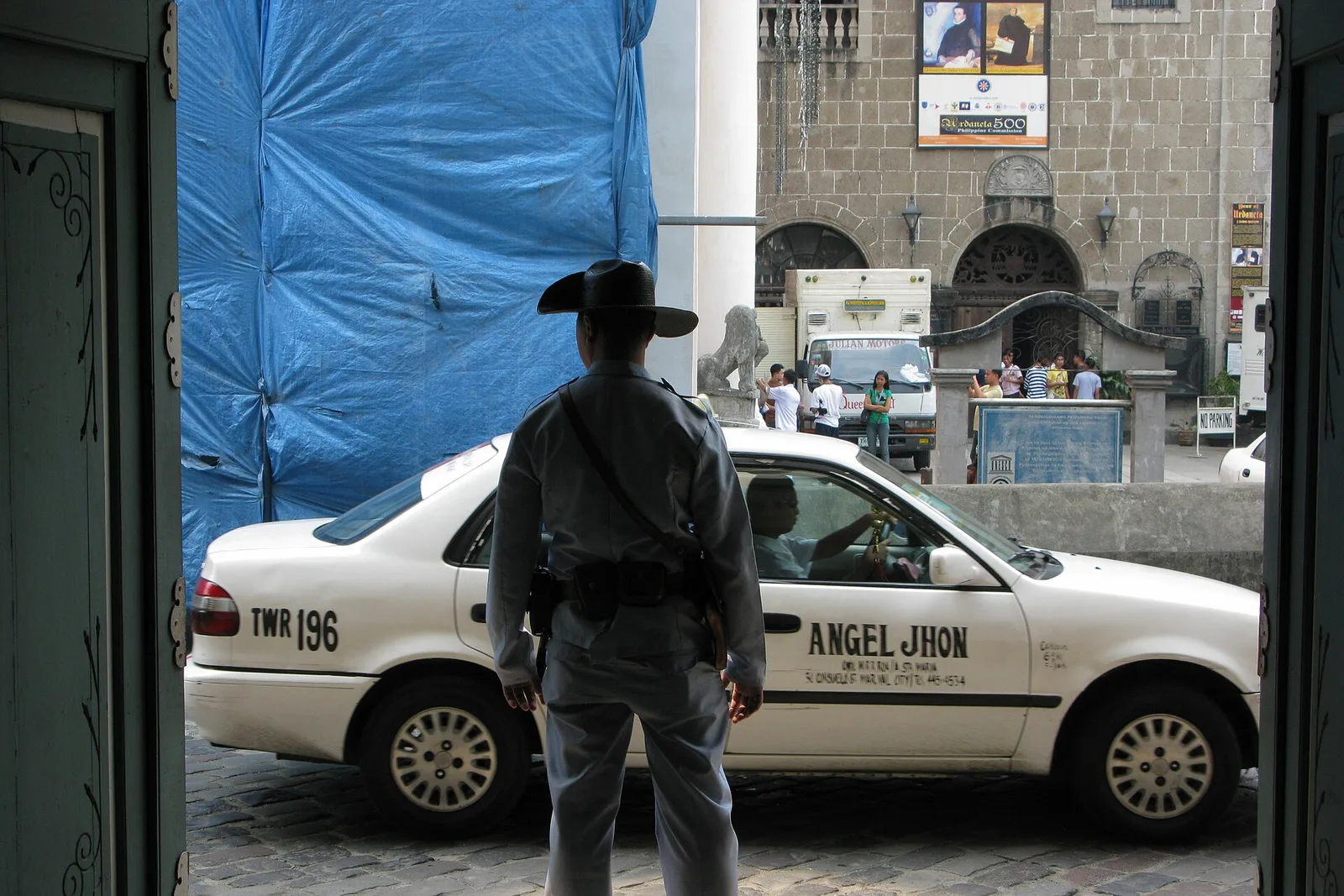
The walled Spanish city of 1571, with Fort Santiago, San Agustin Church and a walk along the ramparts. The district covers 0.67 square kilometres and is enclosed on every side by its fortifications. It was the seat of the Spanish …
Island group · 8 regions
The walled Spanish city of 1571, with Fort Santiago, San Agustin Church and a walk along the ramparts. The district covers 0.67 square kilometres and is enclosed on every side by its fortifications. It was the seat of the Spanish …
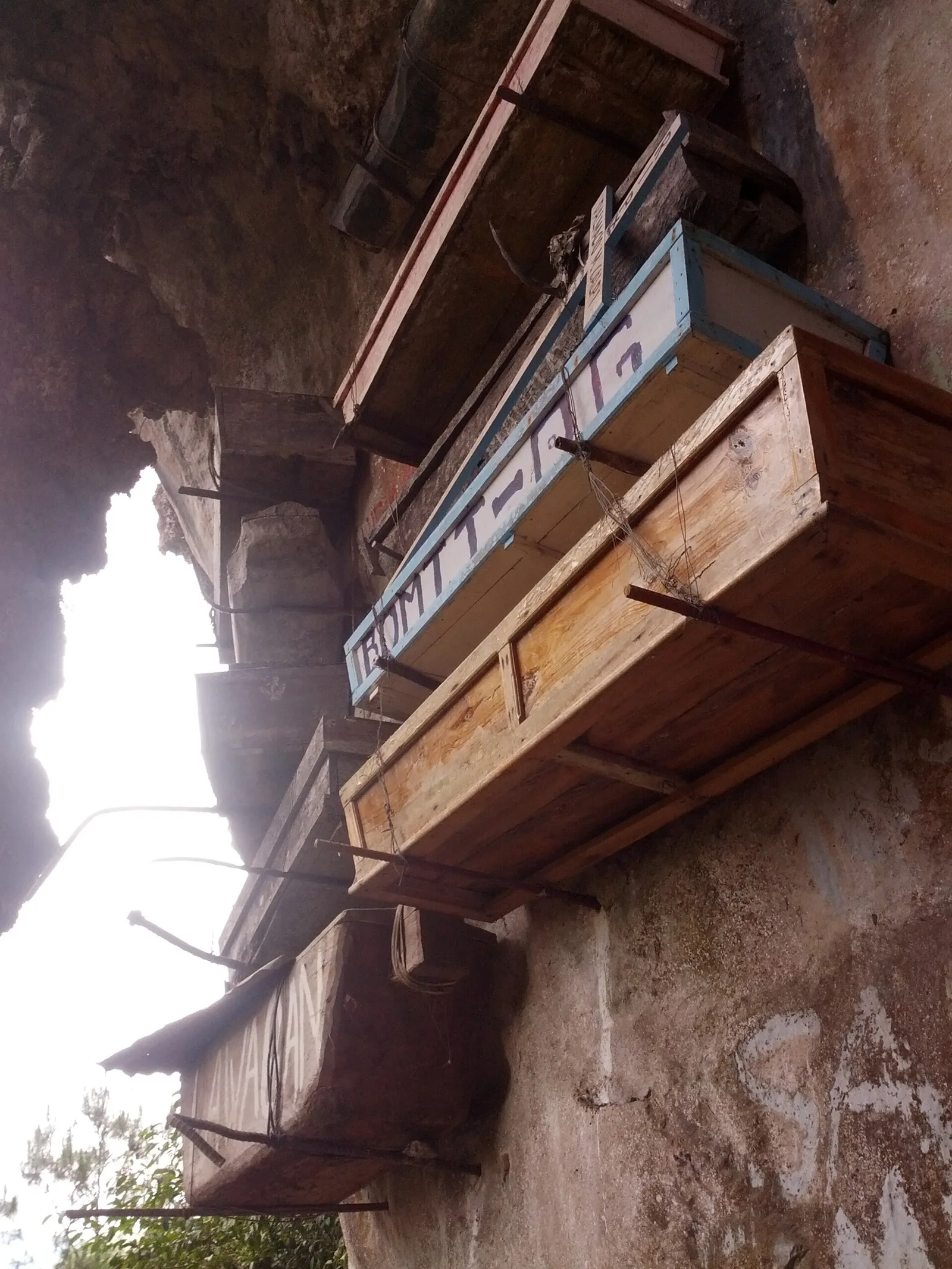
Coffins fixed to the cliff face, an Igorot burial practice still used occasionally. Visited with a local guide. People have been buried this way around Sagada for more than 2,000 years. The old carve their own coffin out of a …
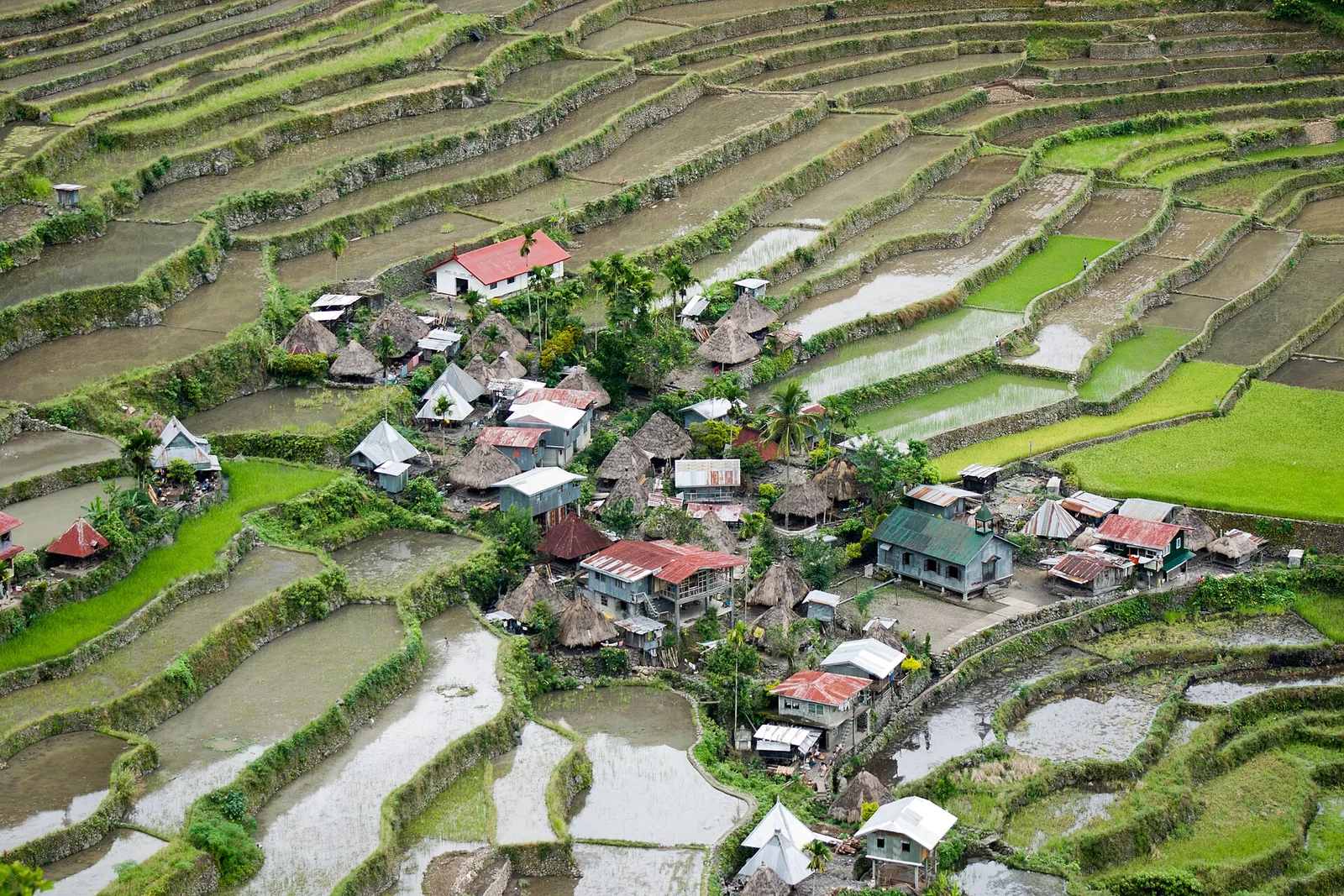
An amphitheatre of stone-walled terraces, part of the UNESCO listing, reached by a hike from the saddle. Batad and Bangaan are the two clusters in Banaue that the World Heritage inscription covers. People here call the Ifugao terraces the Eighth …
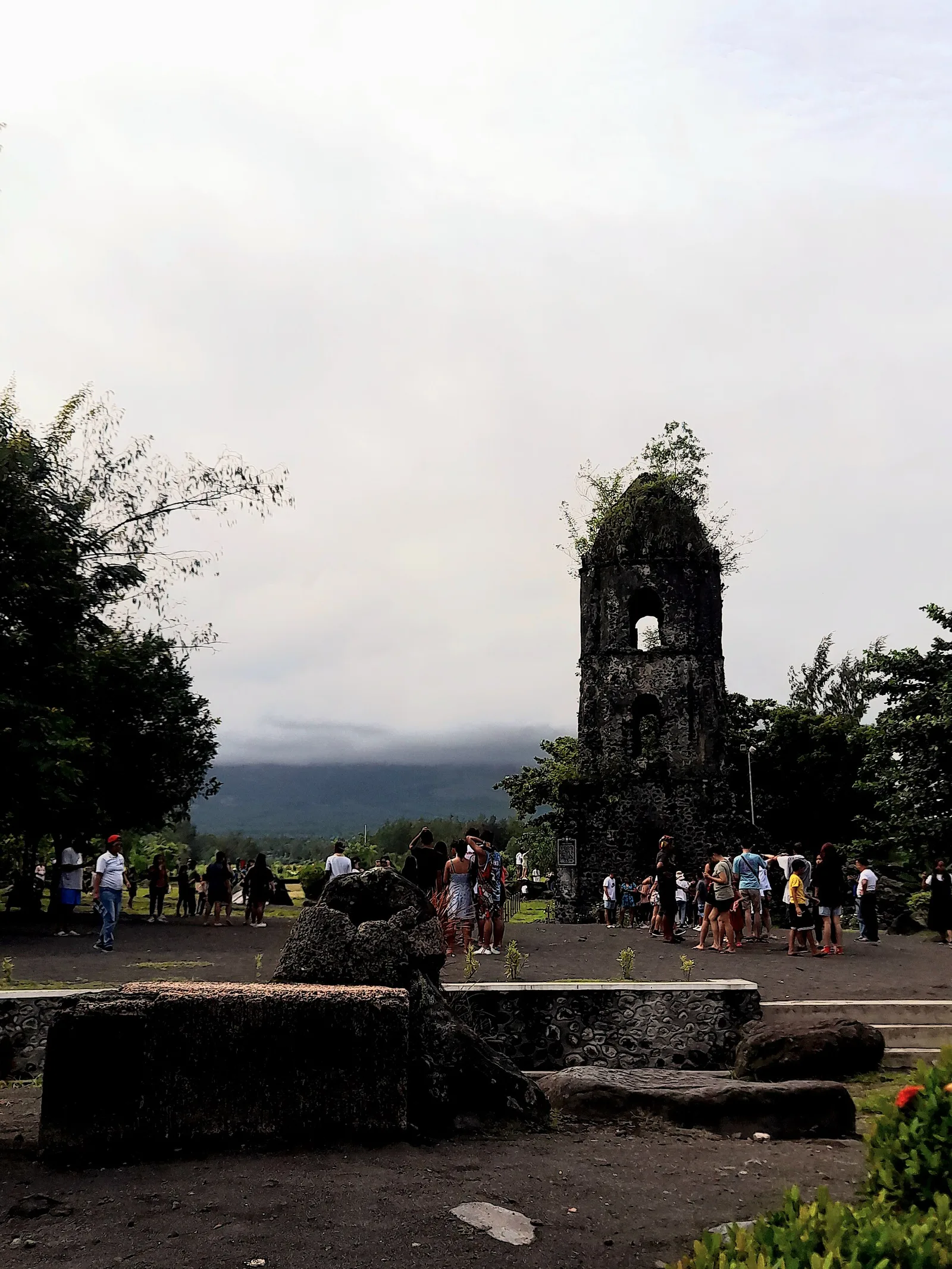
The bell tower left standing after the 1814 eruption buried the church, and the classic view of Mayon behind it. The Franciscans built the first church here in 1587, in the town of Cagsawa. Dutch pirates burned it in 1636, …
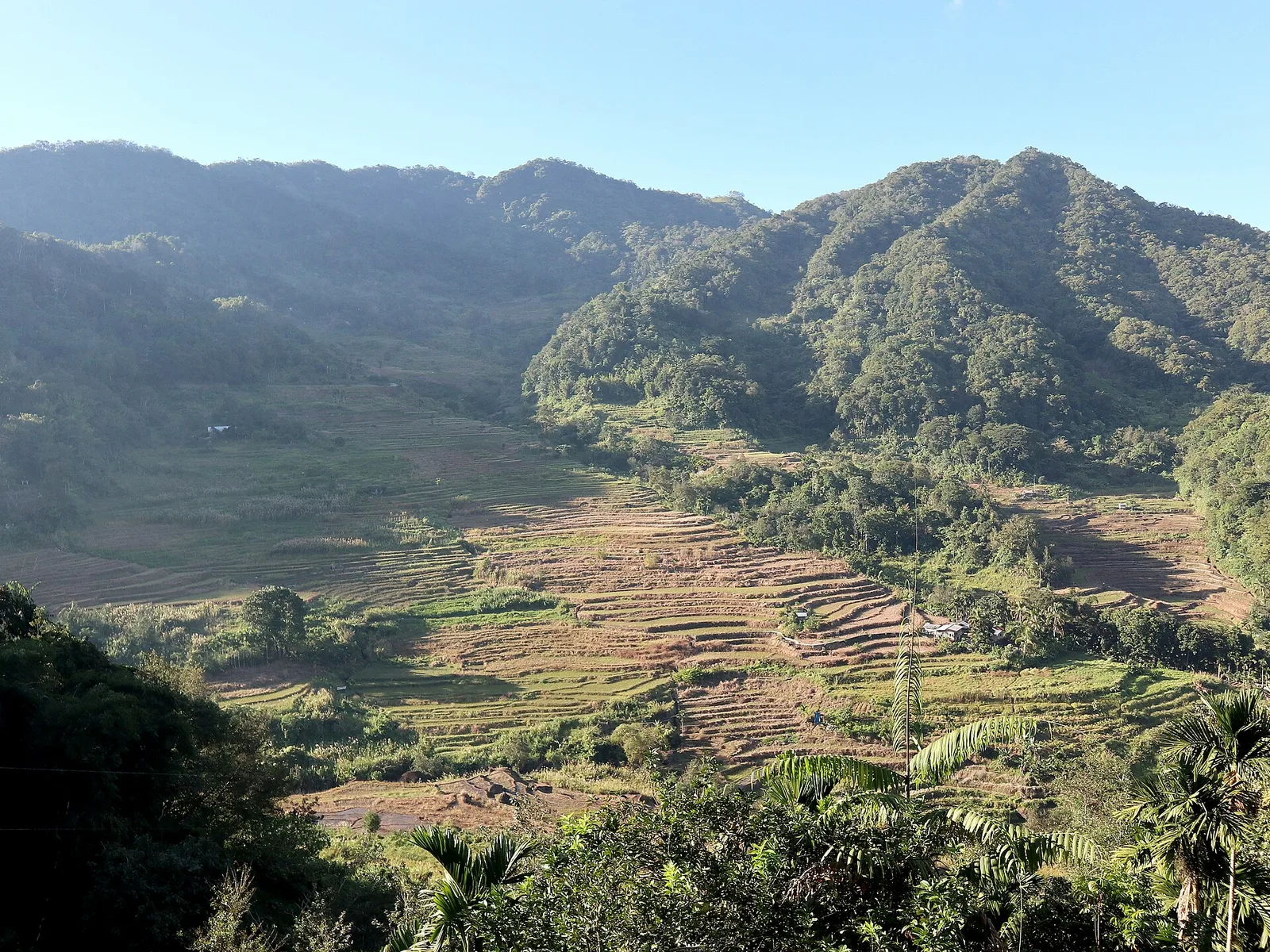
A cluster of rice terraces at Kiangan, on the UNESCO World Heritage list. The fields climb in rows up a valley that a river cuts in two, which sets this cluster apart from the others in the province. Rice is …
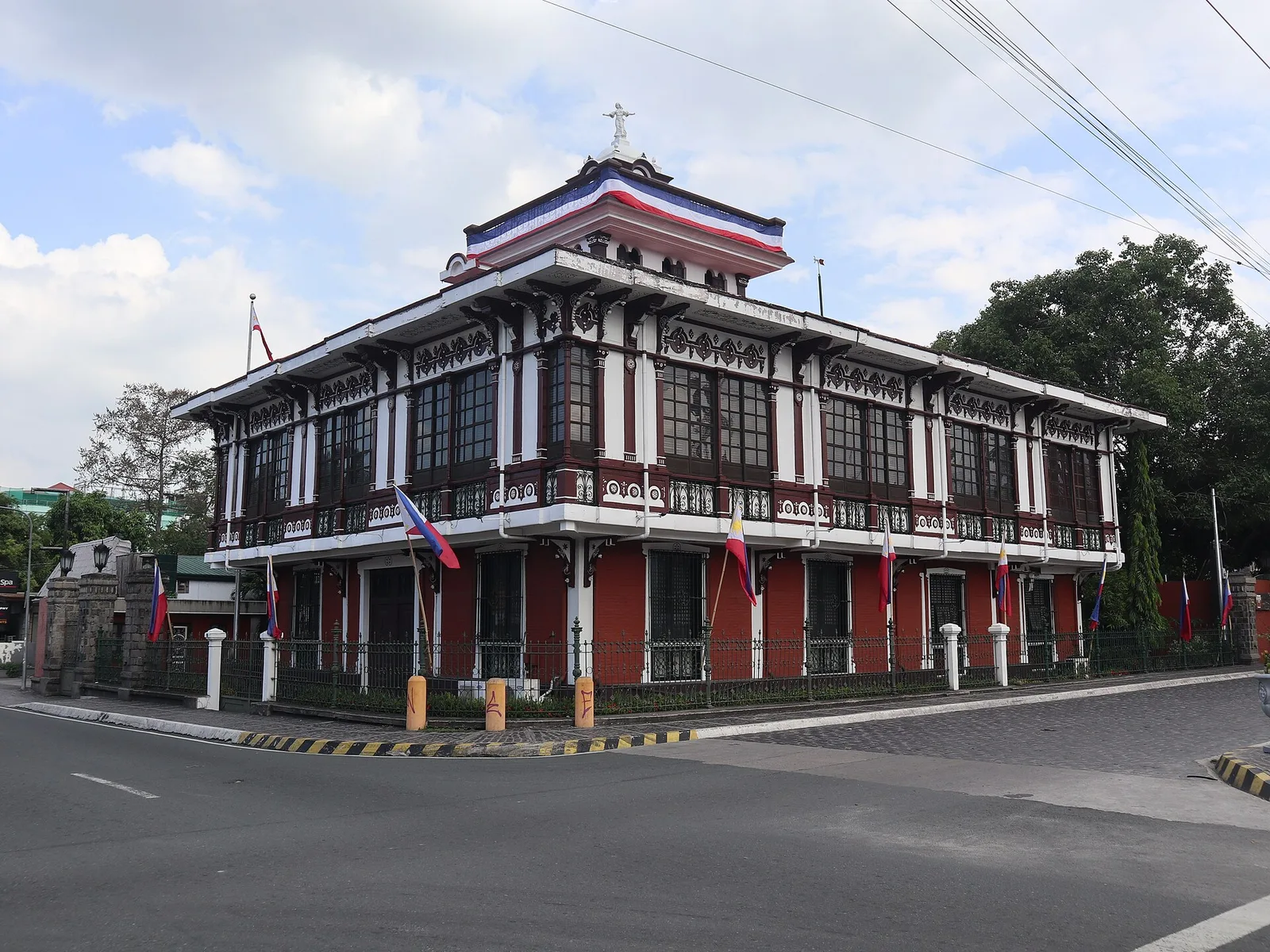
A heritage house from the 1880s, built by the Pamintuan family and kept as a museum of history and social studies. Aguinaldo waved the Philippine flag from the second-floor balcony here on 12 June 1899, the first anniversary of the …
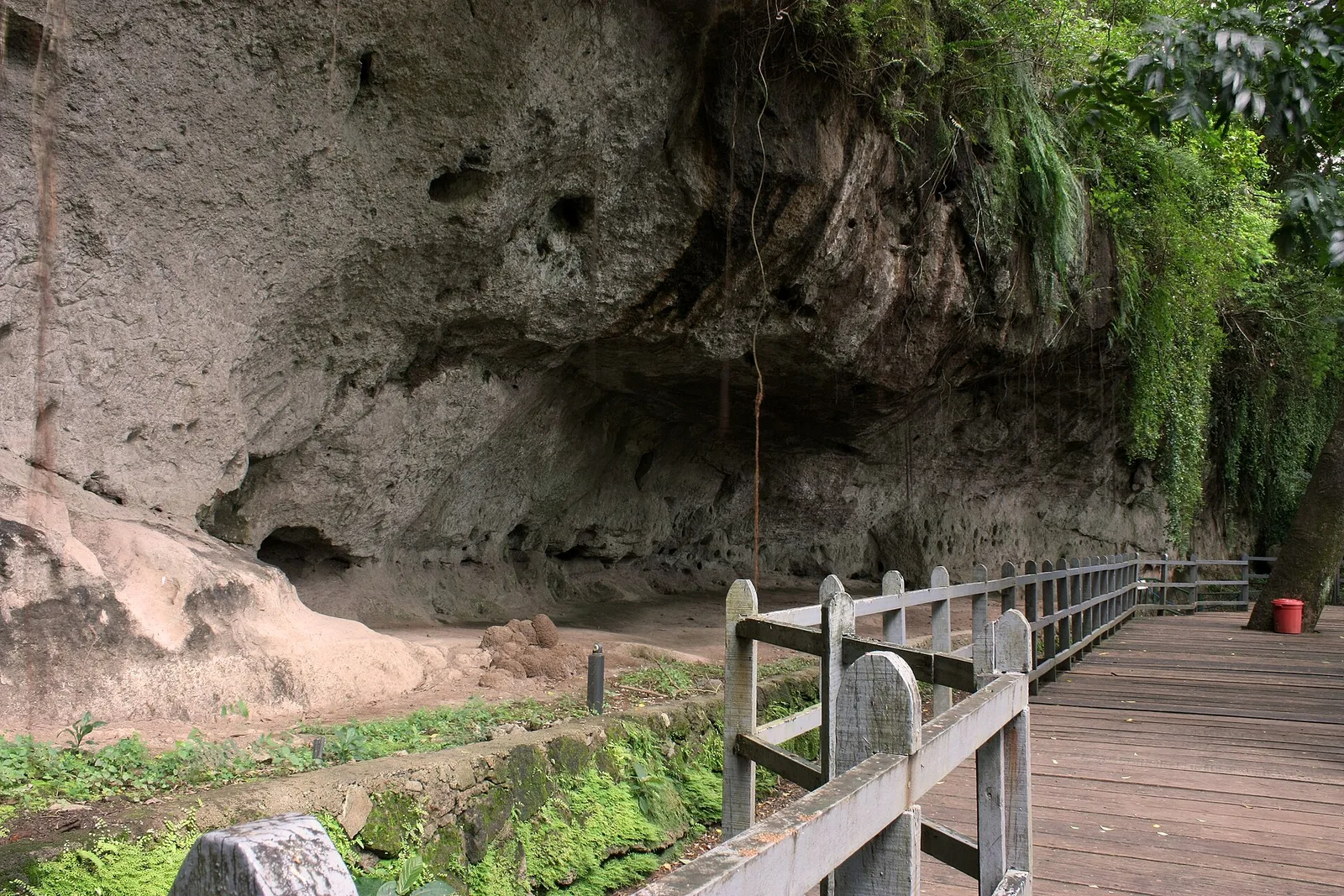
Carvings of 127 human and animal figures, cut into a rock wall on the boundary between Angono and Binangonan. They are the oldest known work of art in the country, probably carved in the Late Neolithic, before 2000 BC. The …
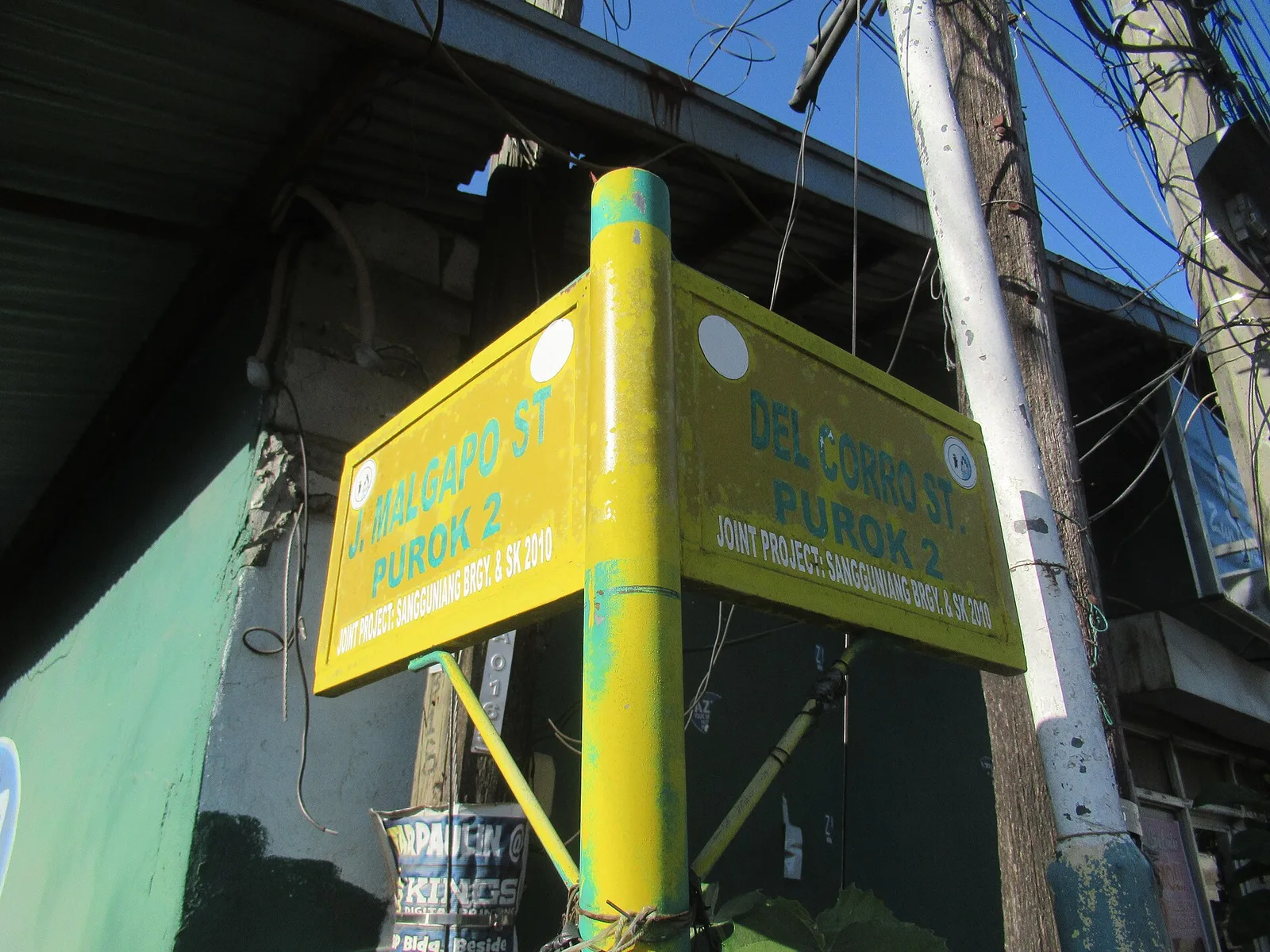
A recreation of the heritage houses of Vigan, built as a visitor site and known here as Little Vigan.
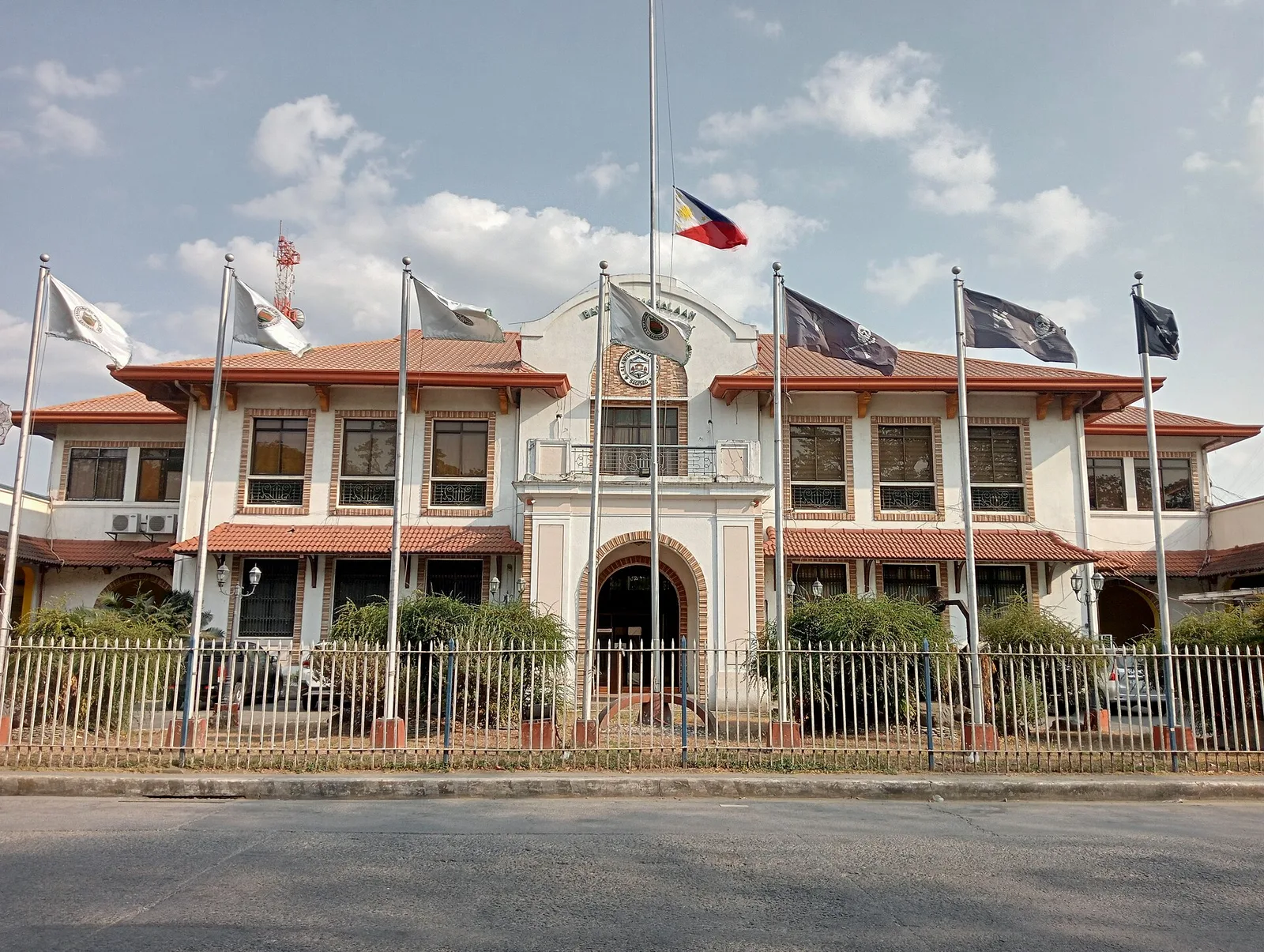
A neoclassical government building of 1912, set in park-like grounds of the American colonial period. The American architect William E. Parsons designed it, the same architect behind the Manila Hotel and the Gabaldon school buildings. Later work renovated and enlarged …
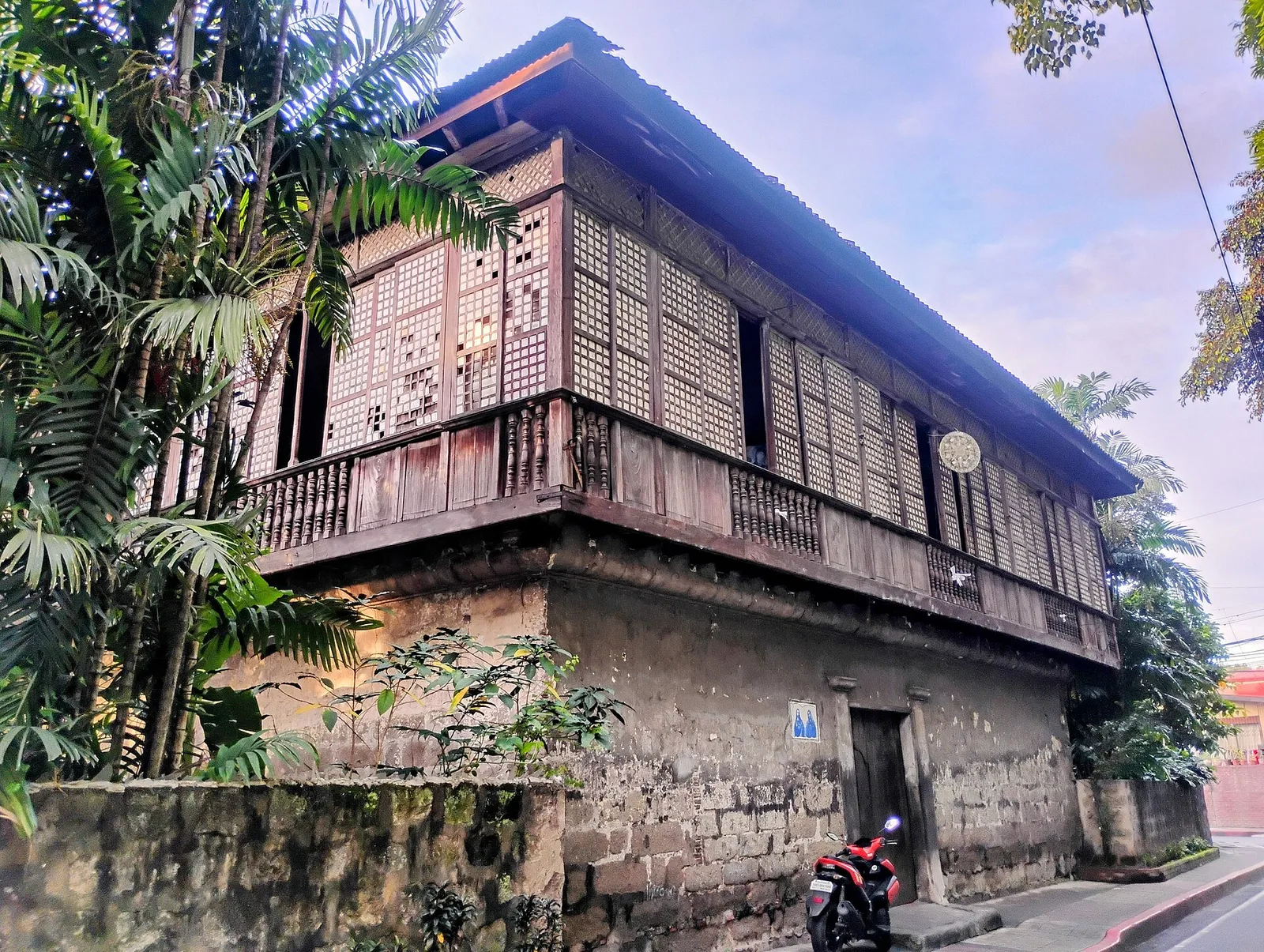
The oldest building still standing in Pasig, a historic house whose name means house of clay tiles. Don Cecilio Tech y Cabrera built it in 1846 and it came through the Second World War. Under martial law it was known …
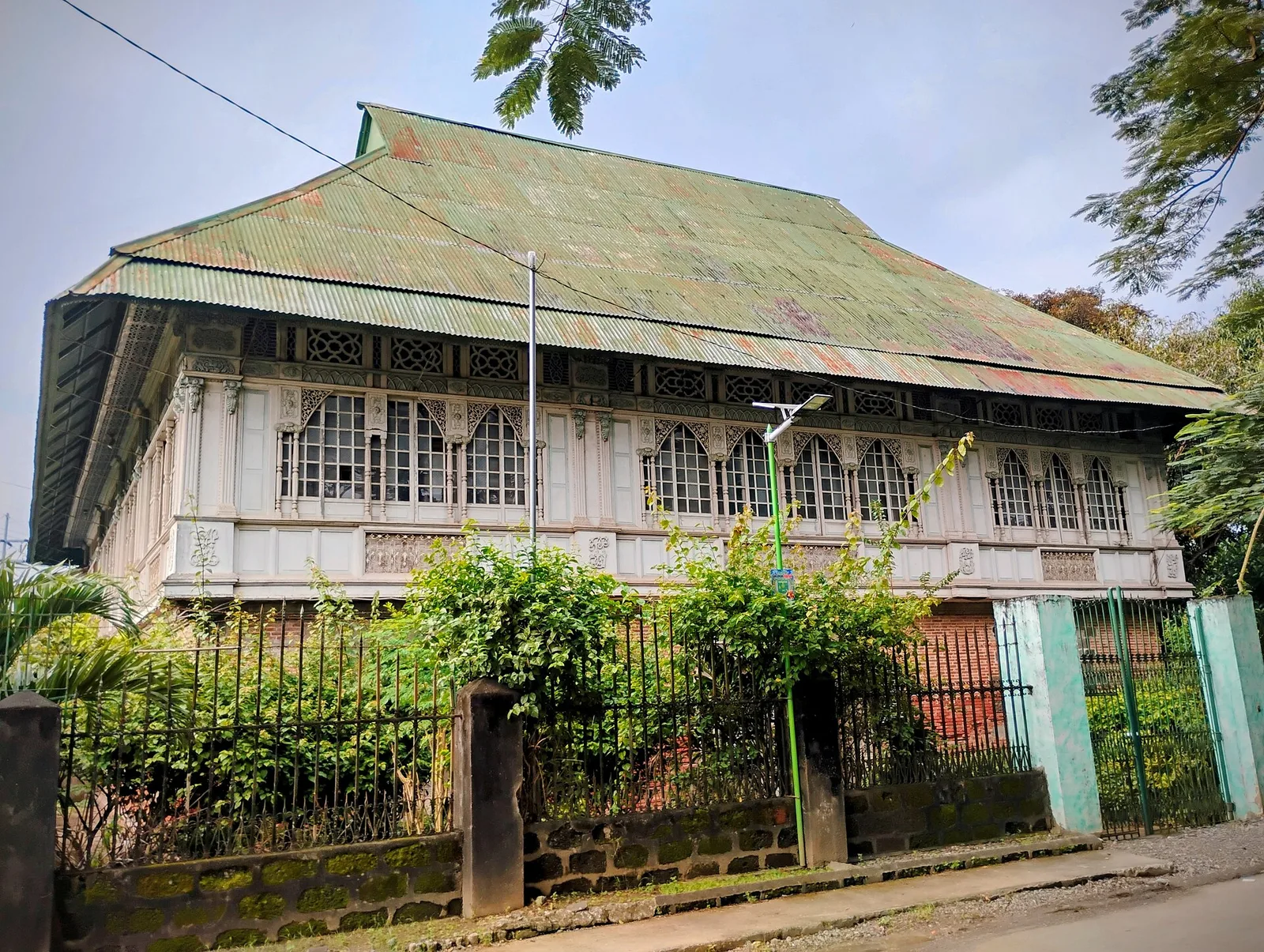
An ancestral house close to the Pampanga River that served as the headquarters of the First Philippine Republic in 1899. Aguinaldo proclaimed San Isidro the capital of the country on 29 March that year and used this house, owned by …
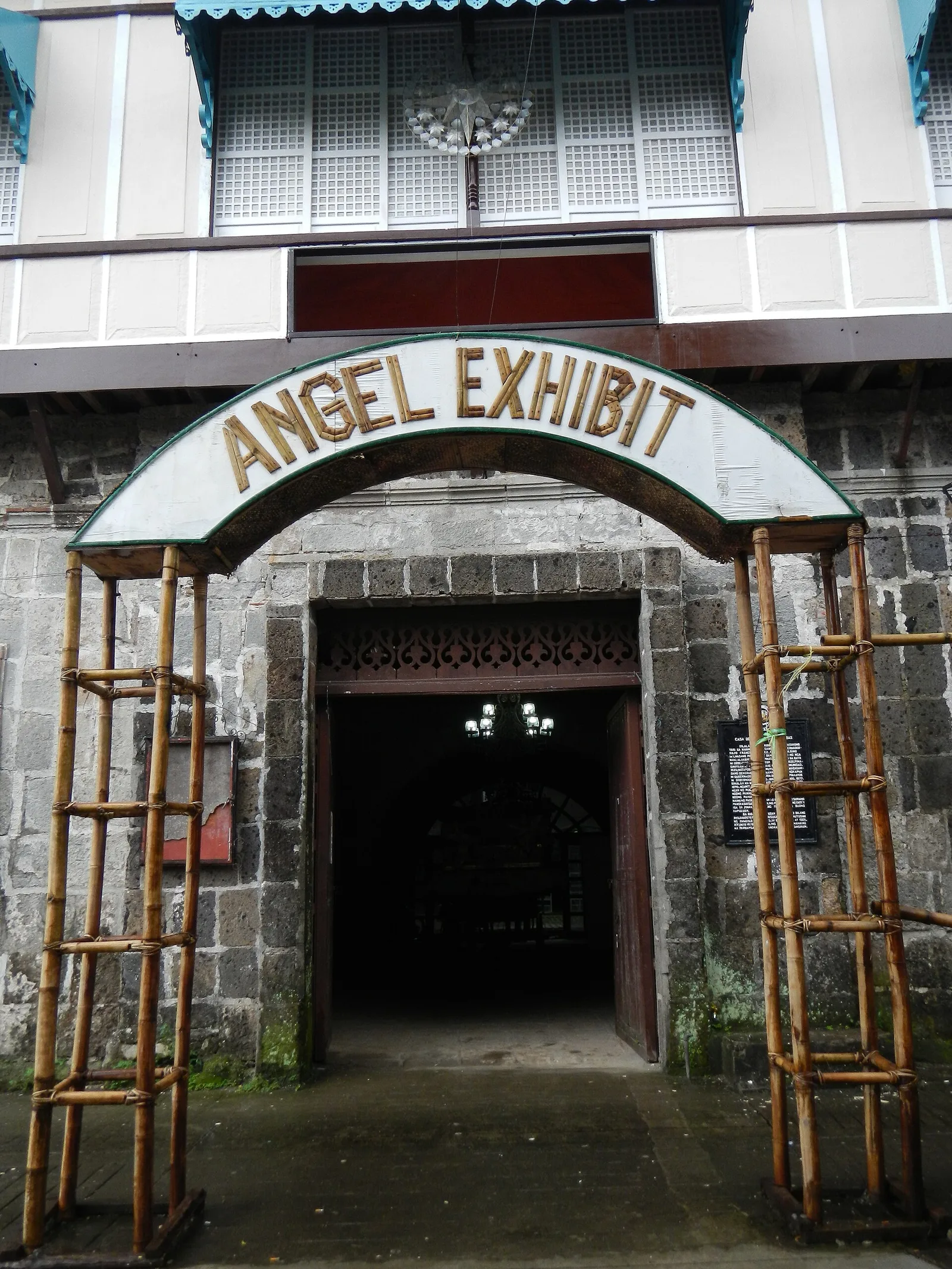
A guesthouse built in 1831 for visiting Spanish officials, which later held the town prison and the tribunal. Apolinario Dela Cruz, known as Hermano Pule, was tried in this building and sentenced to death in 1841. Fire destroyed it in …
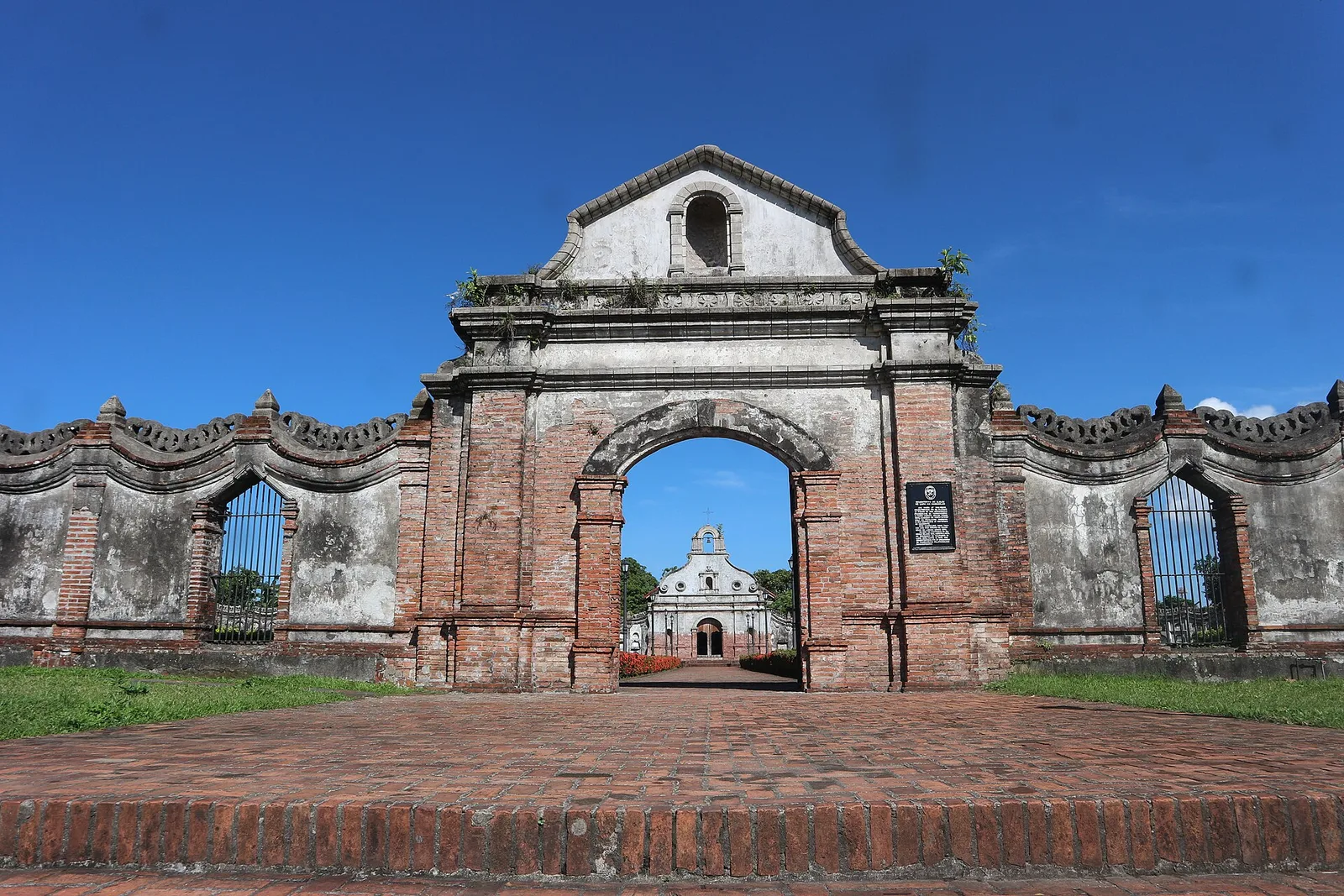
Spanish-era Catholic burial ground with a crypt below it, built in 1845 under the Franciscan priest Vicente Velloc. The crypt was meant for Spanish Franciscan friars, for leading townspeople and for members of elite Catholic families. It is the only …