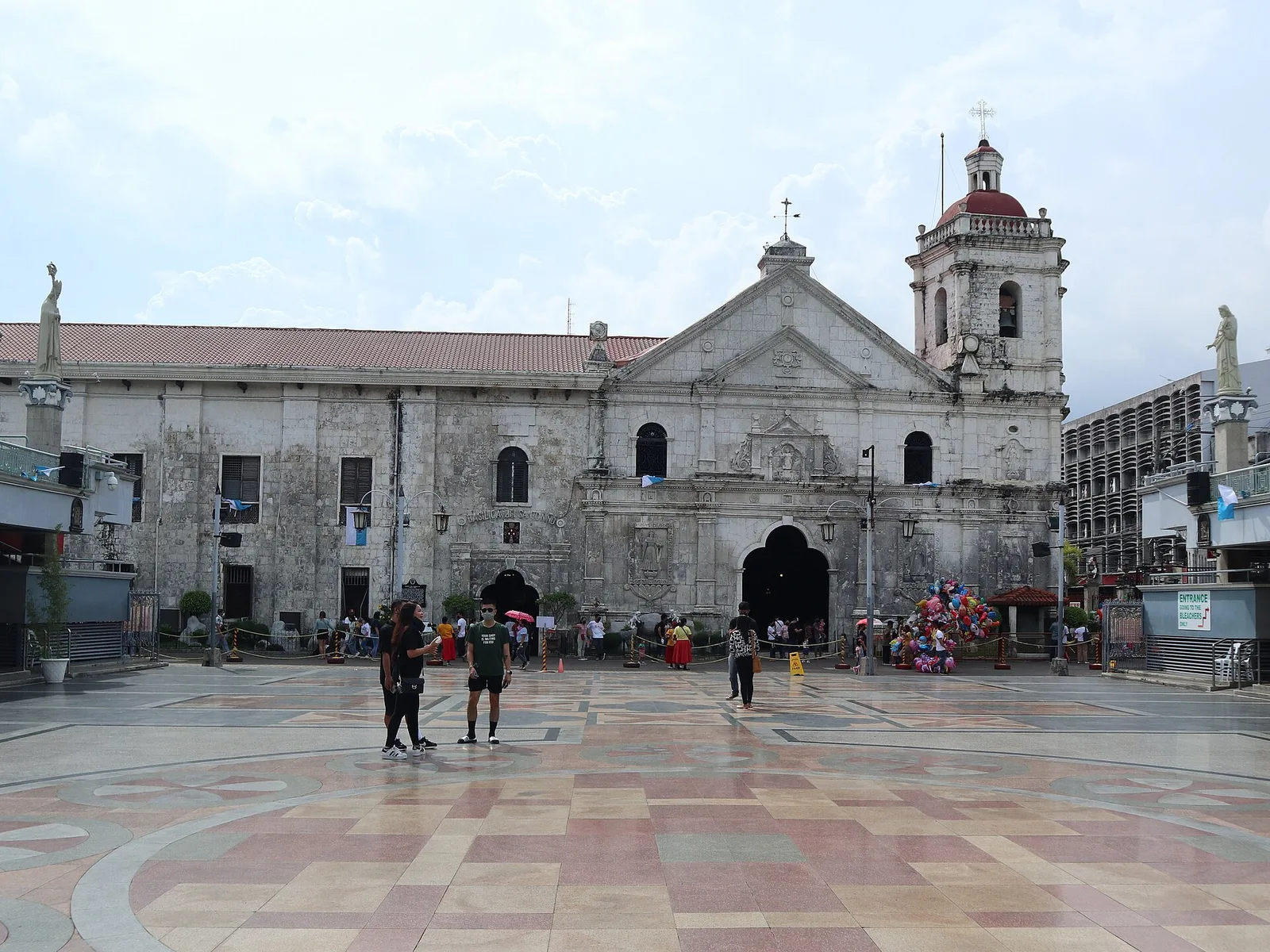
Basilica Minore del Santo Niño
Home of the Santo Niño image that Magellan gave to the chief consort of Rajah Humabon at their baptism in 1521, and the focus of the Sinulog every January. Augustinian friars founded the church in 1565 and it is the …
Island group · 4 regions
Home of the Santo Niño image that Magellan gave to the chief consort of Rajah Humabon at their baptism in 1521, and the focus of the Sinulog every January. Augustinian friars founded the church in 1565 and it is the …
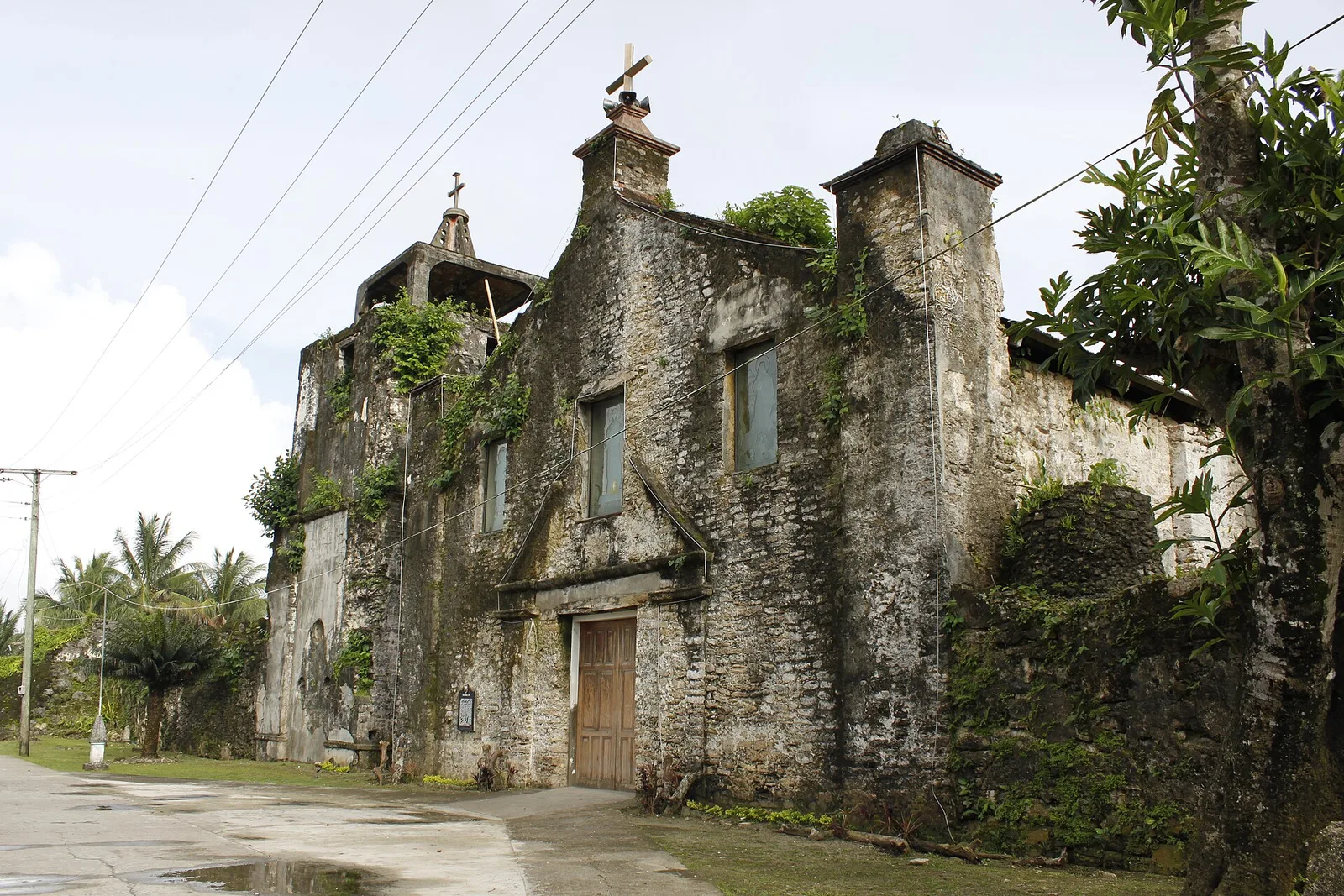
A fortress church on Capul Island, also called Fuerza de Capul. The Jesuits set it up as a mission station in 1596 under the name of Saint Ignatius of Loyola, and the National Museum of the Philippines has declared it …
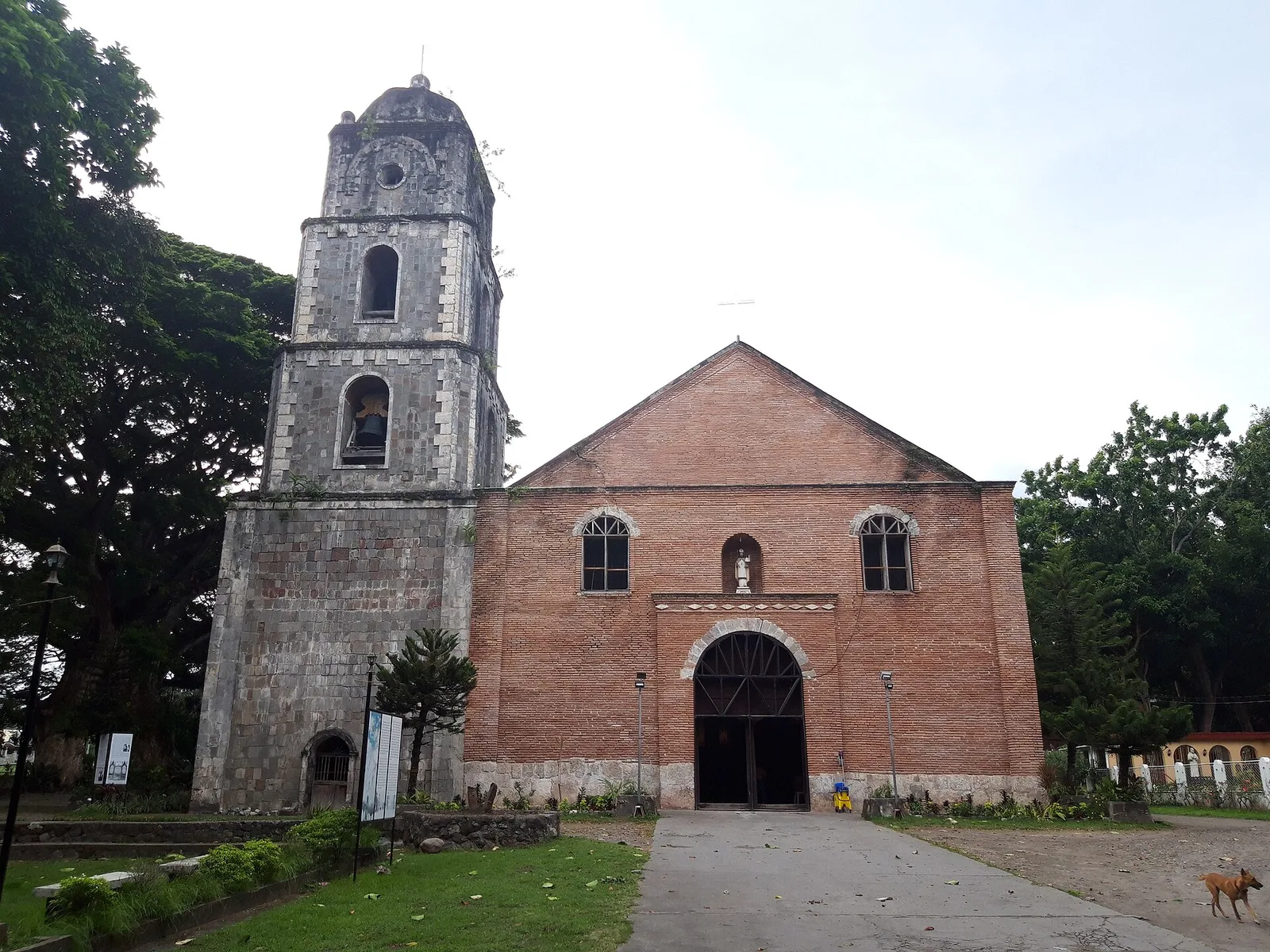
A parish church built partly of brick, a break from the coral stone used for most Spanish-period churches. The Augustinian Recollects built it in 1865 and placed it under Saint Augustine of Hippo. The belfry has a caracol stairway, and …
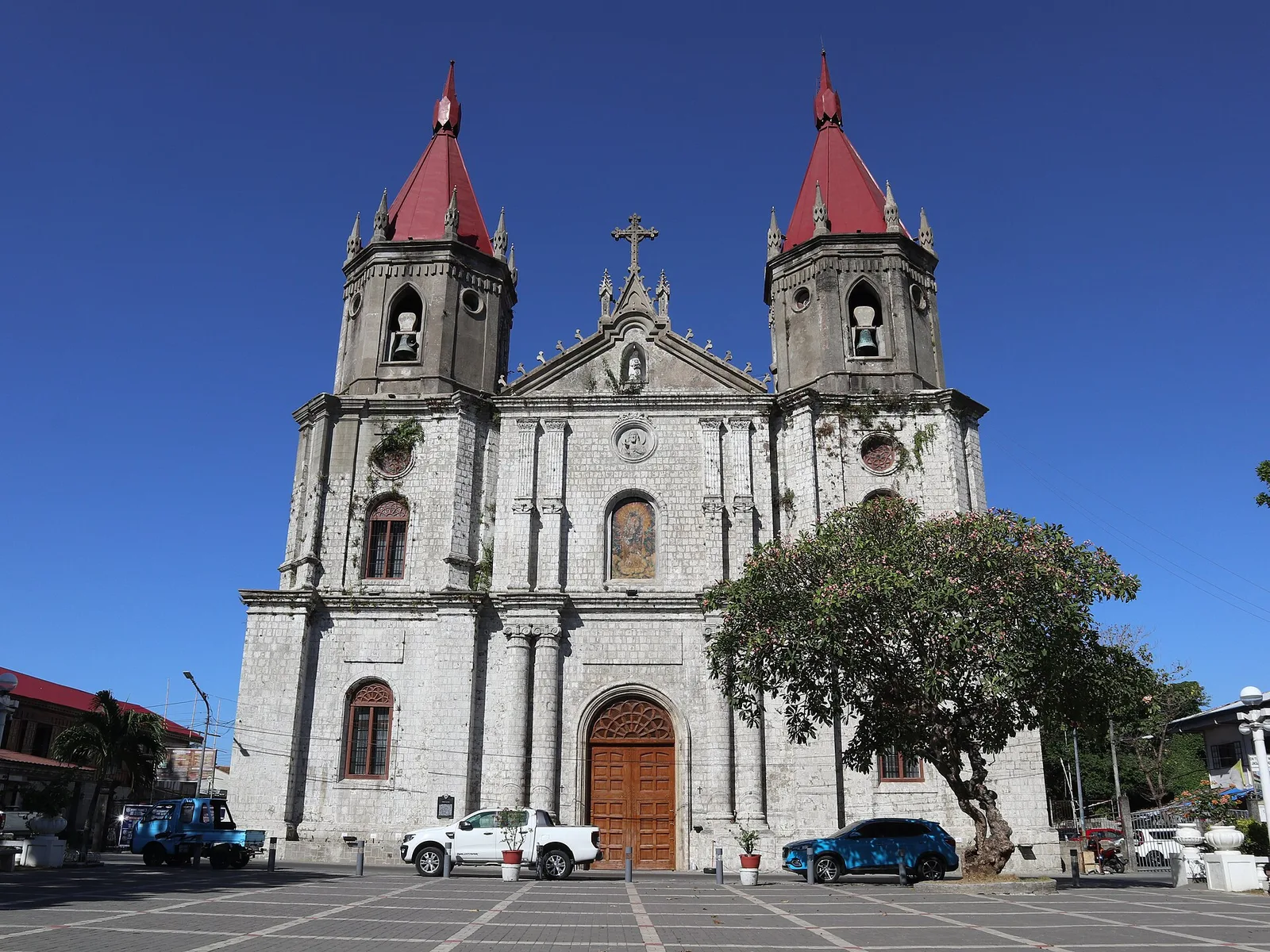
A gothic-revival church in coral stone whose nave is lined with sixteen statues of women saints. Its formal name is Santa Ana Parish Church, and people call it the women's church because every image inside is female, Saint Anne among …
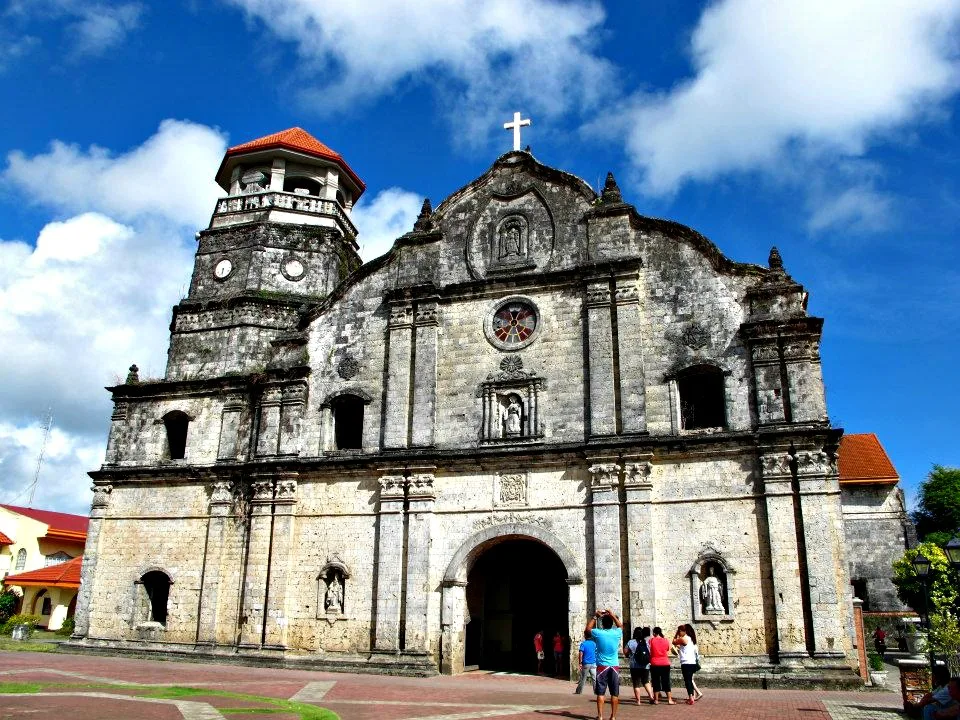
A coral block church at Panay that holds the largest church bell in the country. Juan Reina cast the bell in about 1884 out of sacks of coin the townspeople gave, and it weighs more than 10 tonnes. The church …
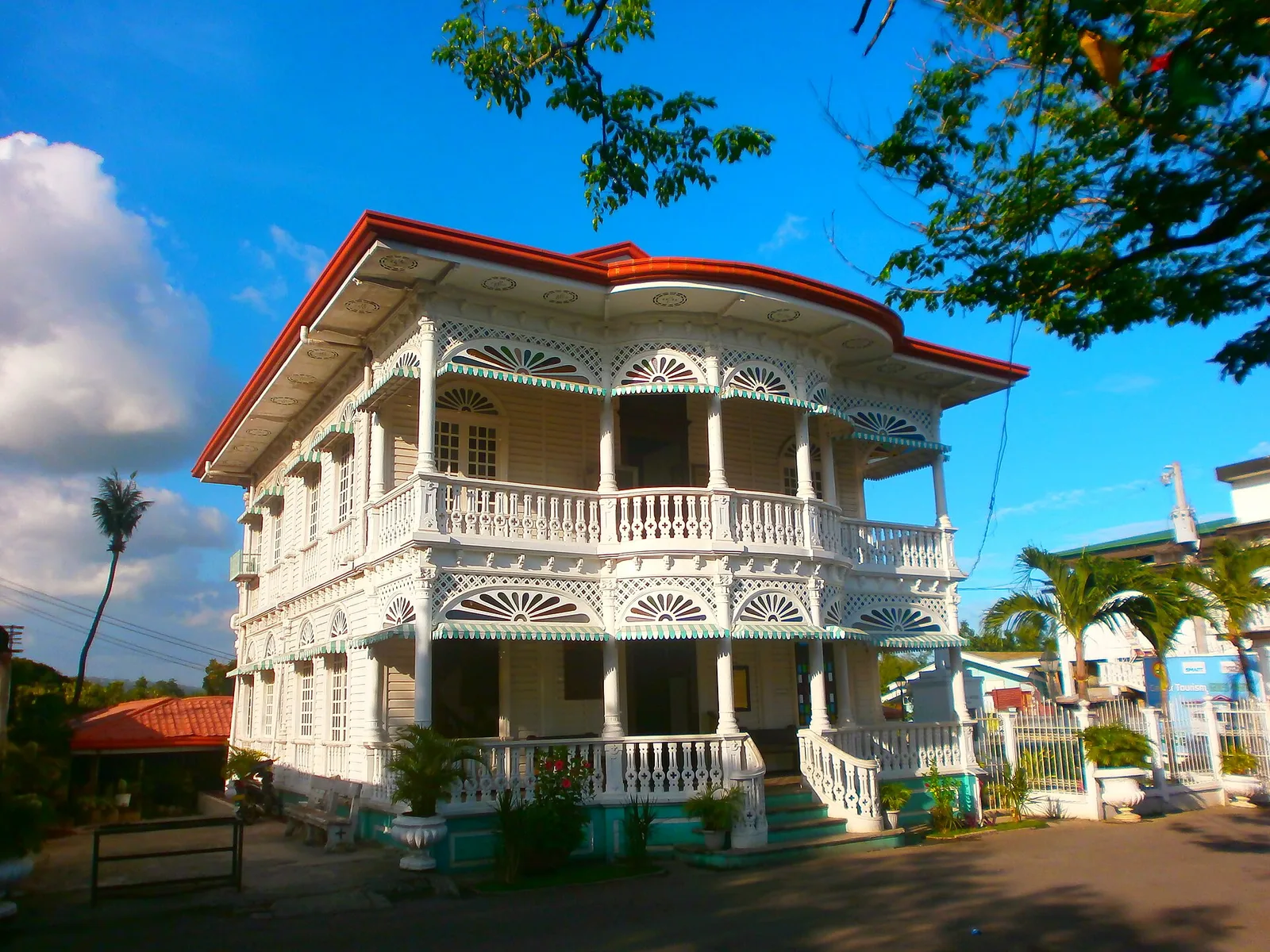
The church that dominates the town plaza, dedicated to Saint Catherine of Alexandria. Several heritage structures stand in the same complex, among them old houses with their own architectural details. The town keeps the Kabkaban Festival for the same saint …
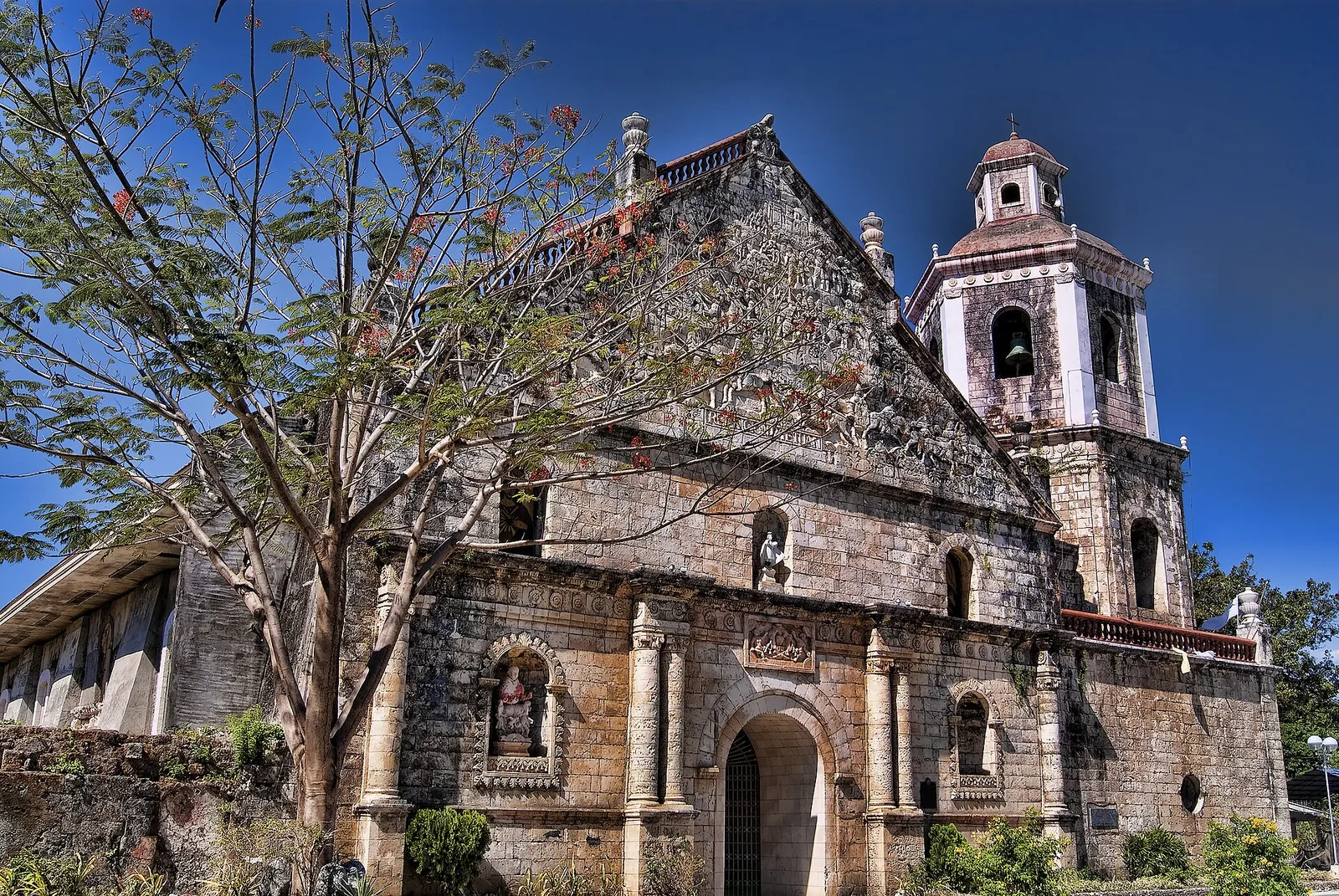
A church in southern Iloilo whose stone pediment shows a battle: the Spanish victory over the Moors at Tetouan. The Augustinians completed it in 1869. Inside are three retablos carved from limestone, which once carried paint. Next to the church …
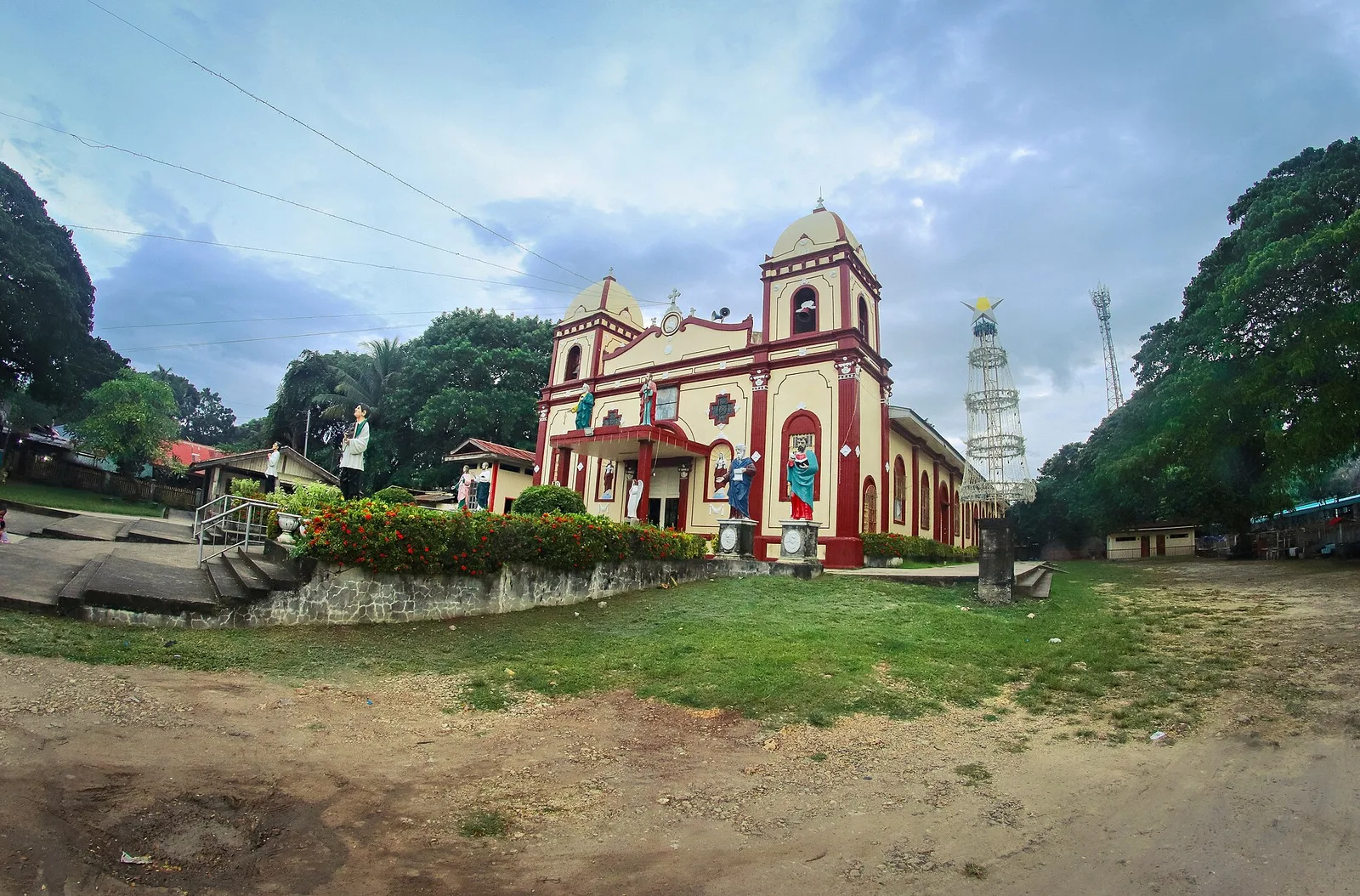
A Catholic church at Vito, also called the Vito Church. The feast of its patron, Saint Vincent Ferrer, falls on 1 and 2 May.
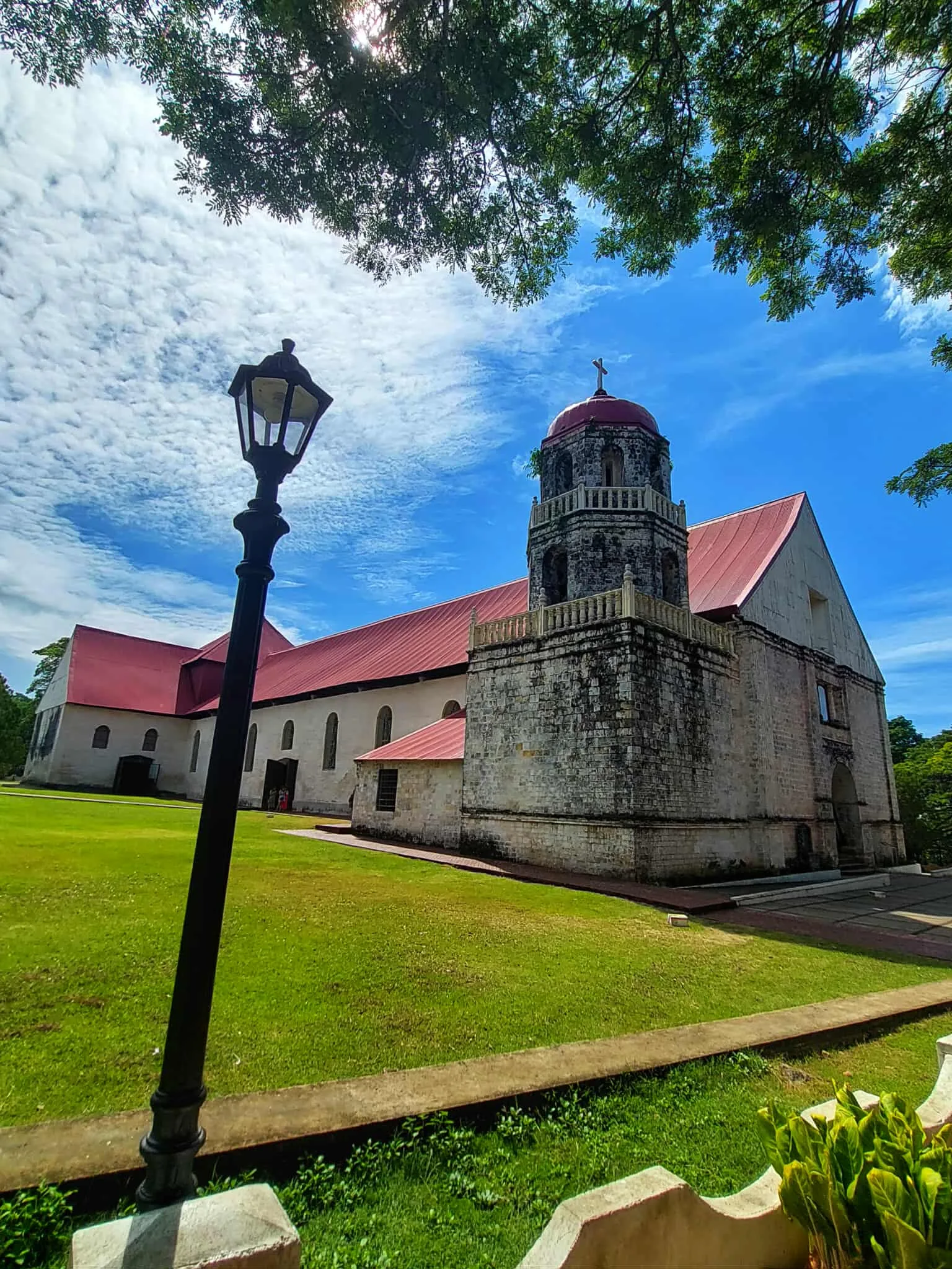
A parish church known for the very large convent beside it. It became an independent parish in 1857 under Saint Isidore the Laborer, and still carries his Spanish name, San Isidro Labrador. The National Museum of the Philippines has declared …
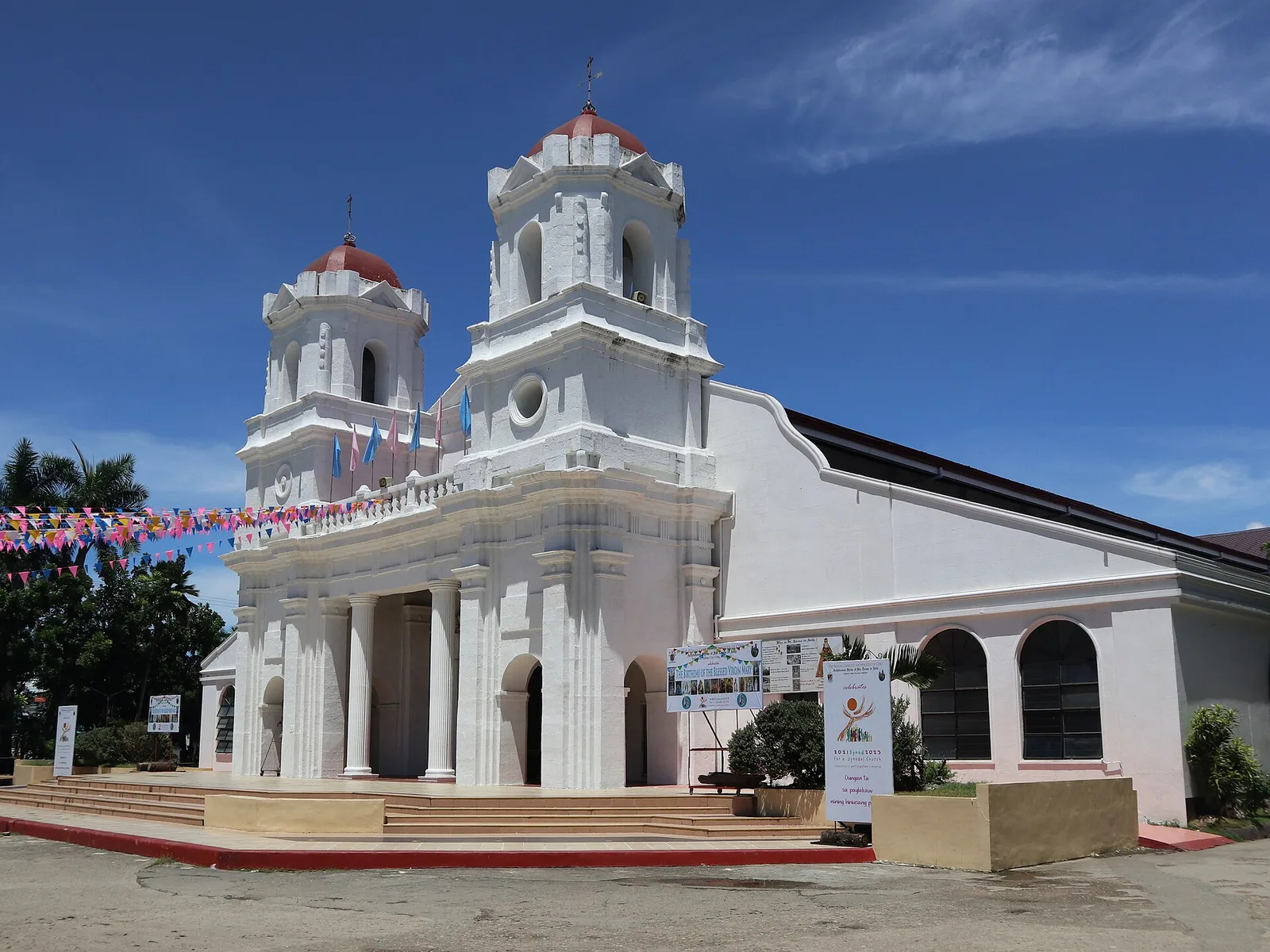
The town church, built from 1836 to 1848 in a classical Graeco-Roman style. Two bell towers stand on its facade, joined by a porch on two columns. The walls are coral stone. Inside are five gilded altars and a large …
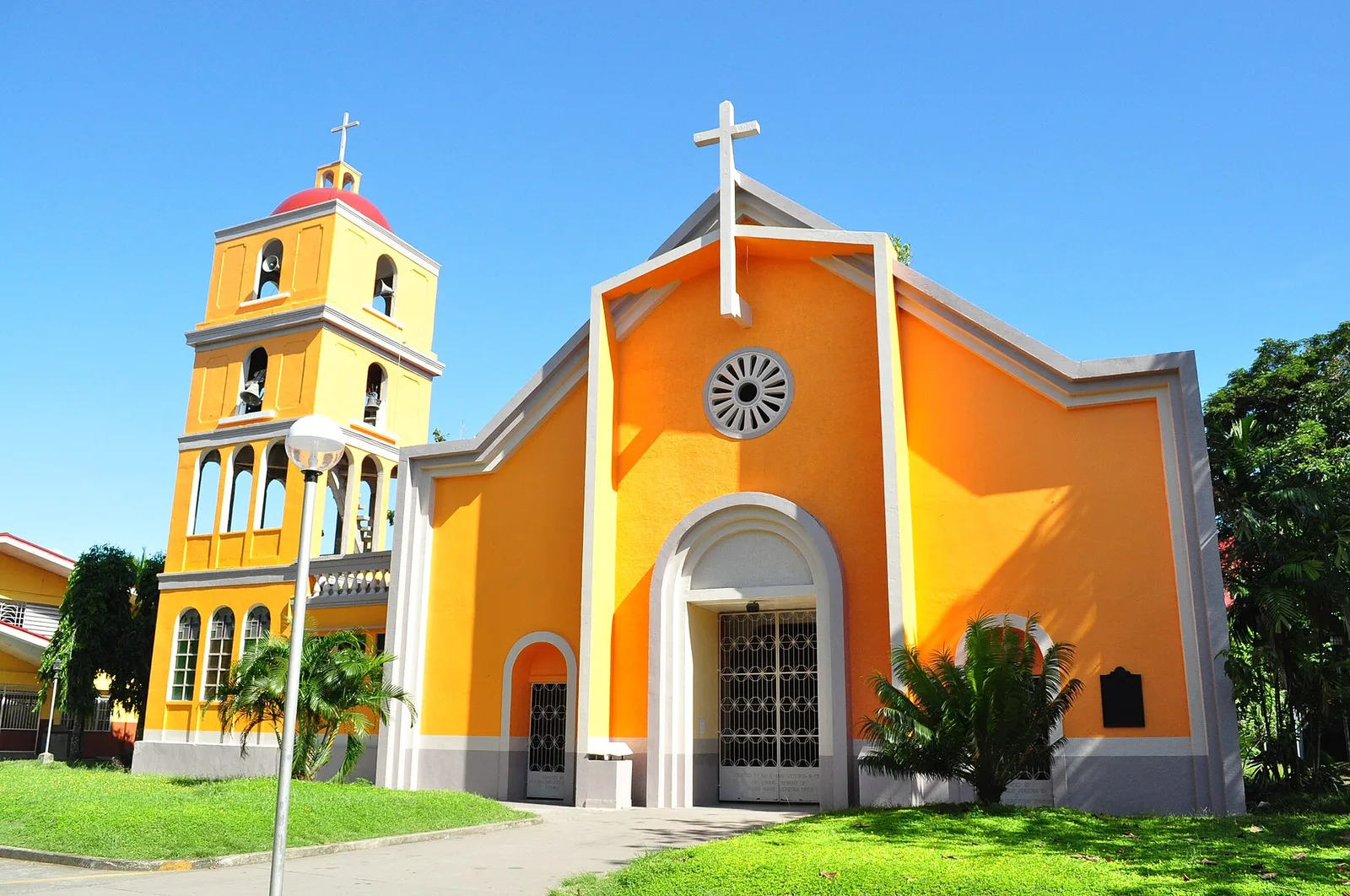
A parish church first built in 1704 and named for the Assumption of Our Lady. In 1860 it was enlarged with a transept and ringed with a wall and watchtowers, as a defence against pirates. It came through the tidal …
An old Catholic church on La Paz Street in the middle of the city, built in 1876 in the Spanish period. It is one of the very few churches in the region with a Romanesque design. It is built of …
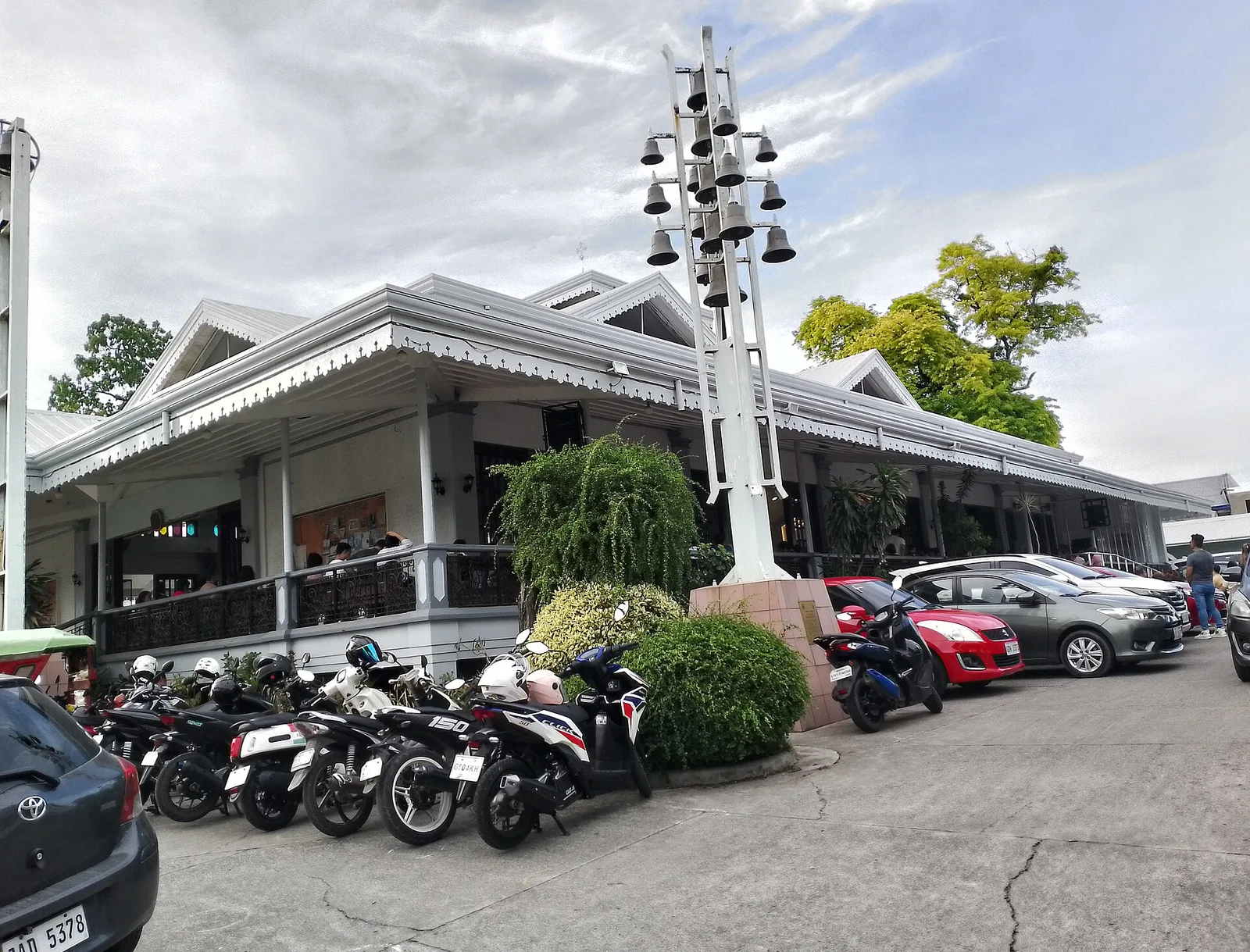
A Catholic parish church at the centre of the city, and the National Shrine of Saint Joseph. It belongs to the Archdiocese of Cebu, and its parish covers the barangays of Guizo, Centro, Looc, Cambaro and Mantuyong.
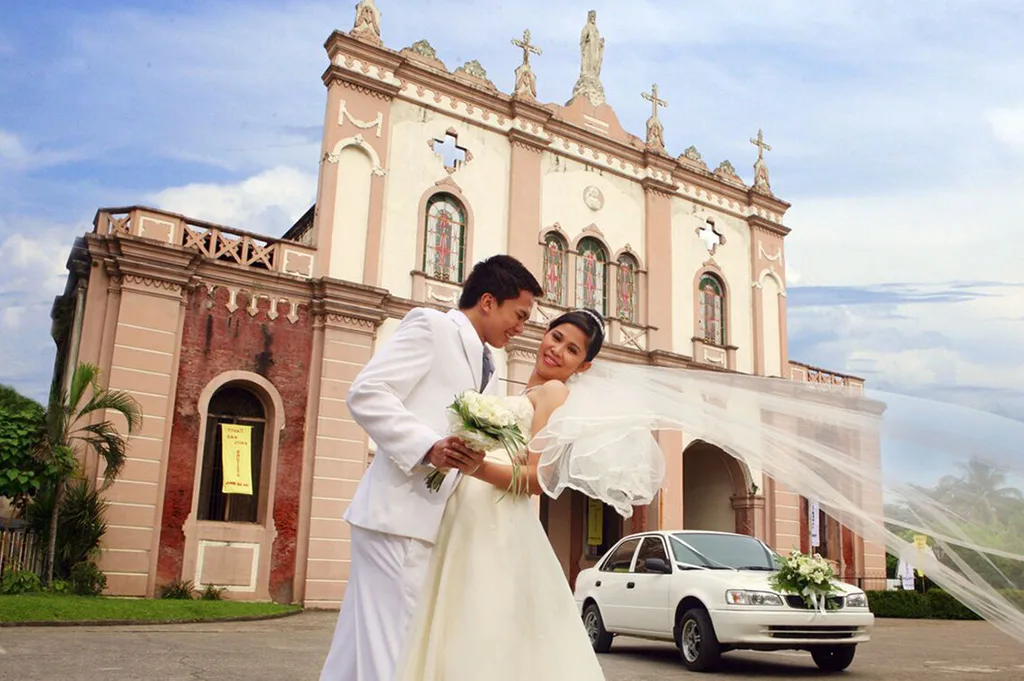
The city's Catholic parish church, named for Saint John the Baptist. An Augustinian priest, Gerónimo Marín, celebrated the saint's feast in the settlement in the 1570s, and the people later accepted him as the patron saint of the place. His …
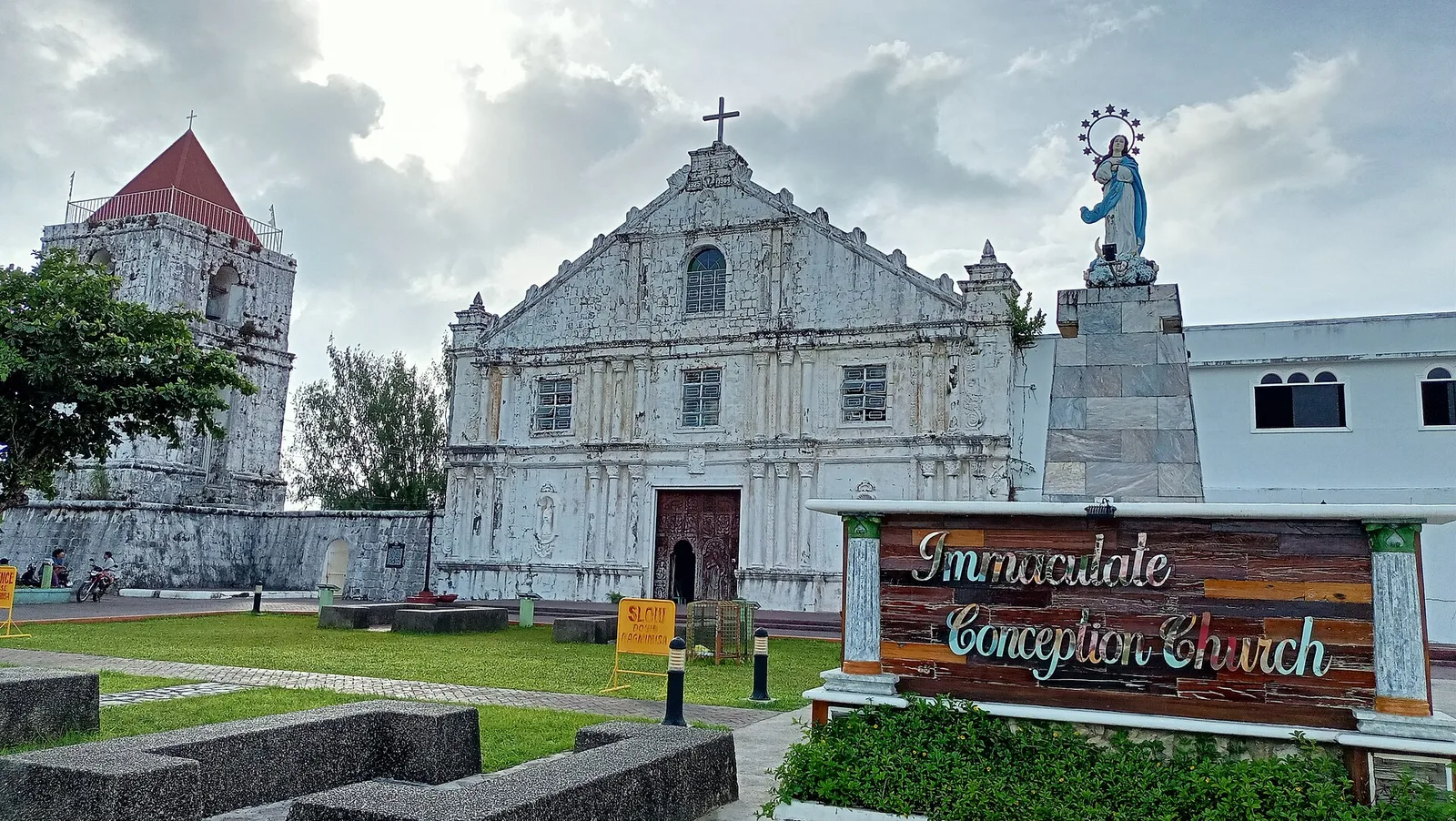
An 18th-century church that the National Museum of the Philippines lists as a National Cultural Treasure. Its full name is Immaculate Conception Parish Church. It was nominated for the UNESCO World Heritage list under two headings, the Baroque Churches of …
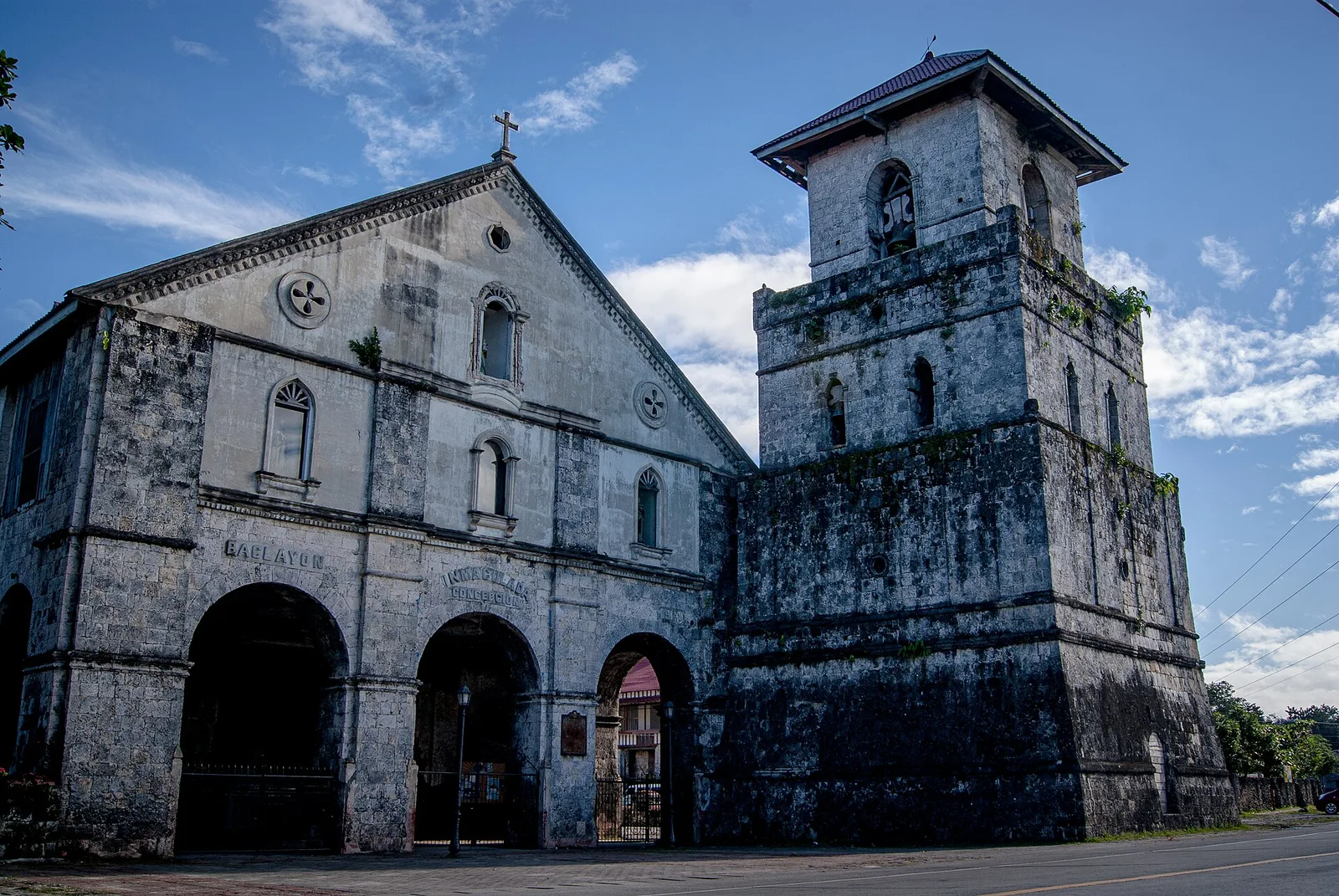
One of the oldest stone churches in the country, rebuilt after the 2013 earthquake, with a small museum. Jesuits founded Baclayon in 1596 as the first Christian settlement in Bohol, and the coral stone church that stands now was finished …
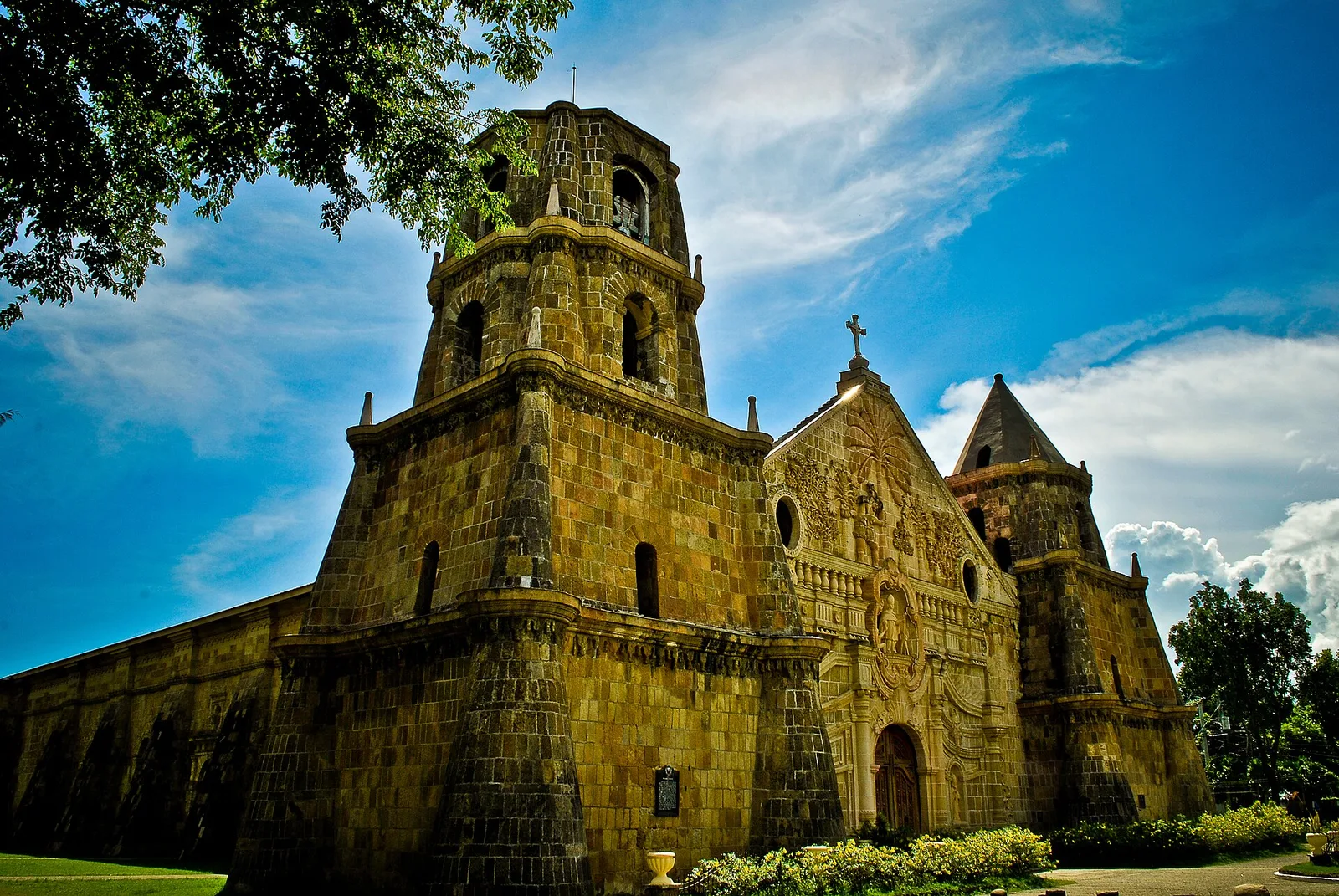
A fortress church an hour south, a UNESCO World Heritage Site, with a facade carved with a coconut tree and Saint Christopher.
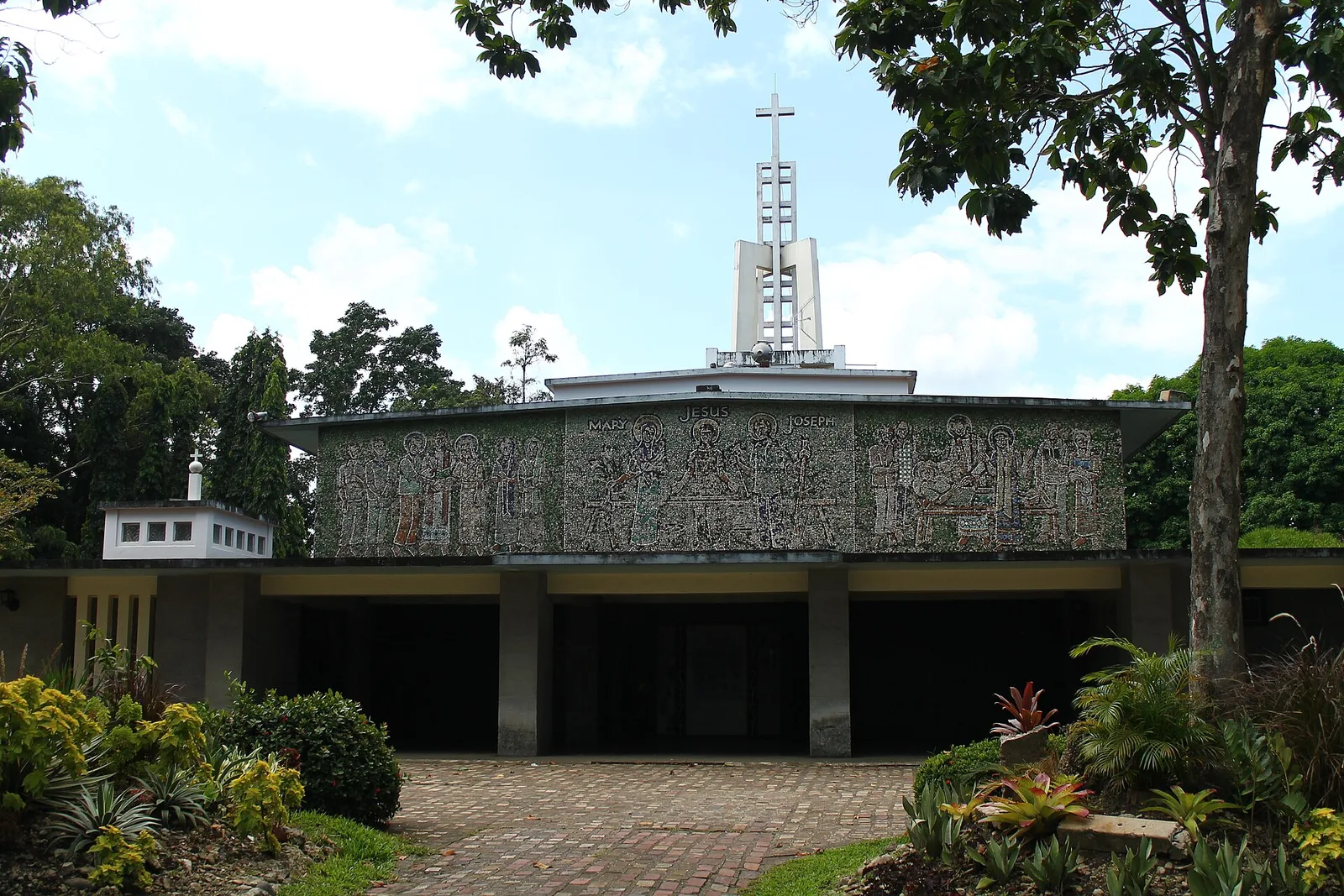
A Catholic church inside the residential complex of the Victorias Milling Company, known as the Angry Christ Church after its altar painting, which Alfonso Ossorio painted in strong colours. It counts as the first modern sacred building in the country …