Travel and Eat

Volcano Albay, Region V (Bicol Region) by an editor

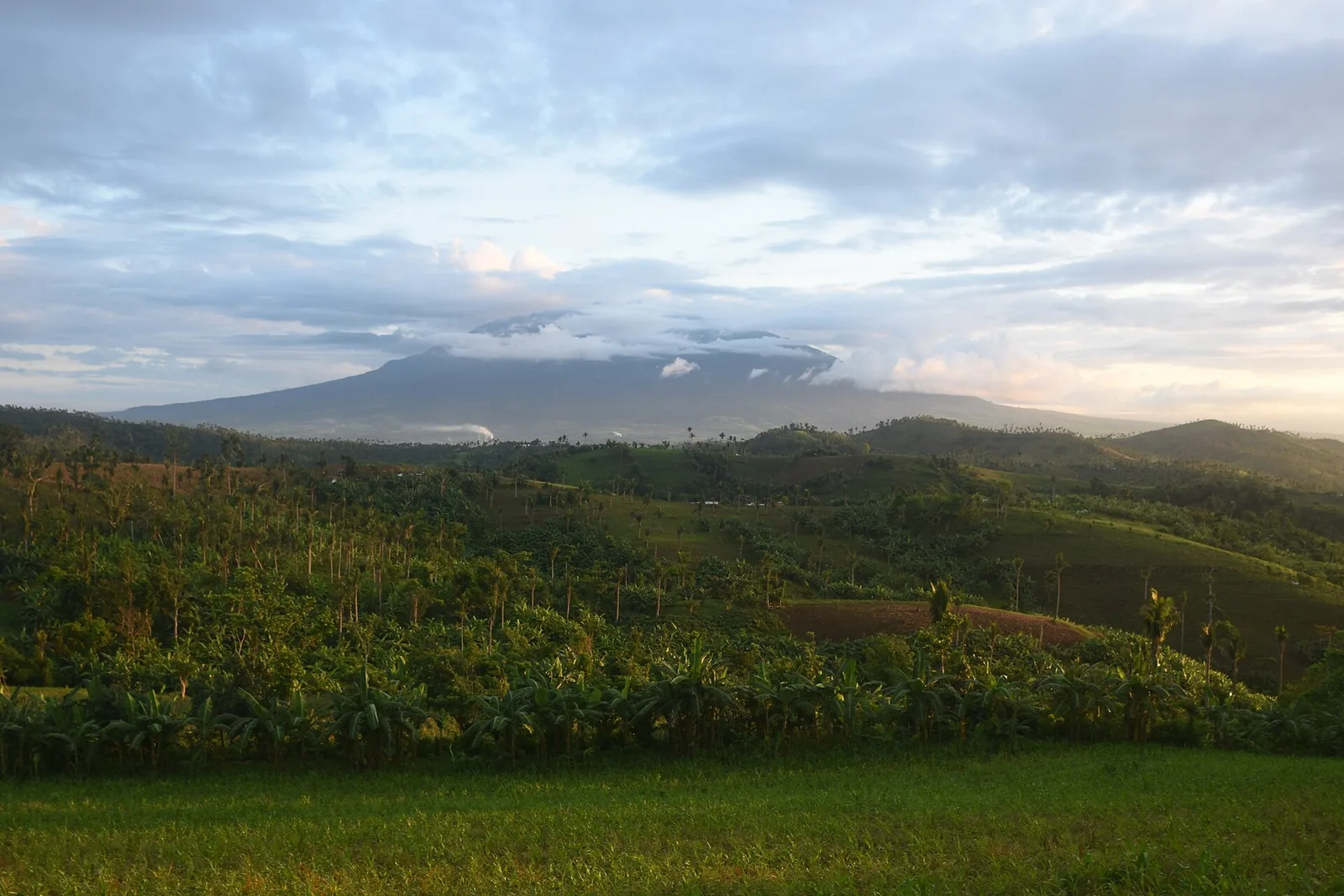
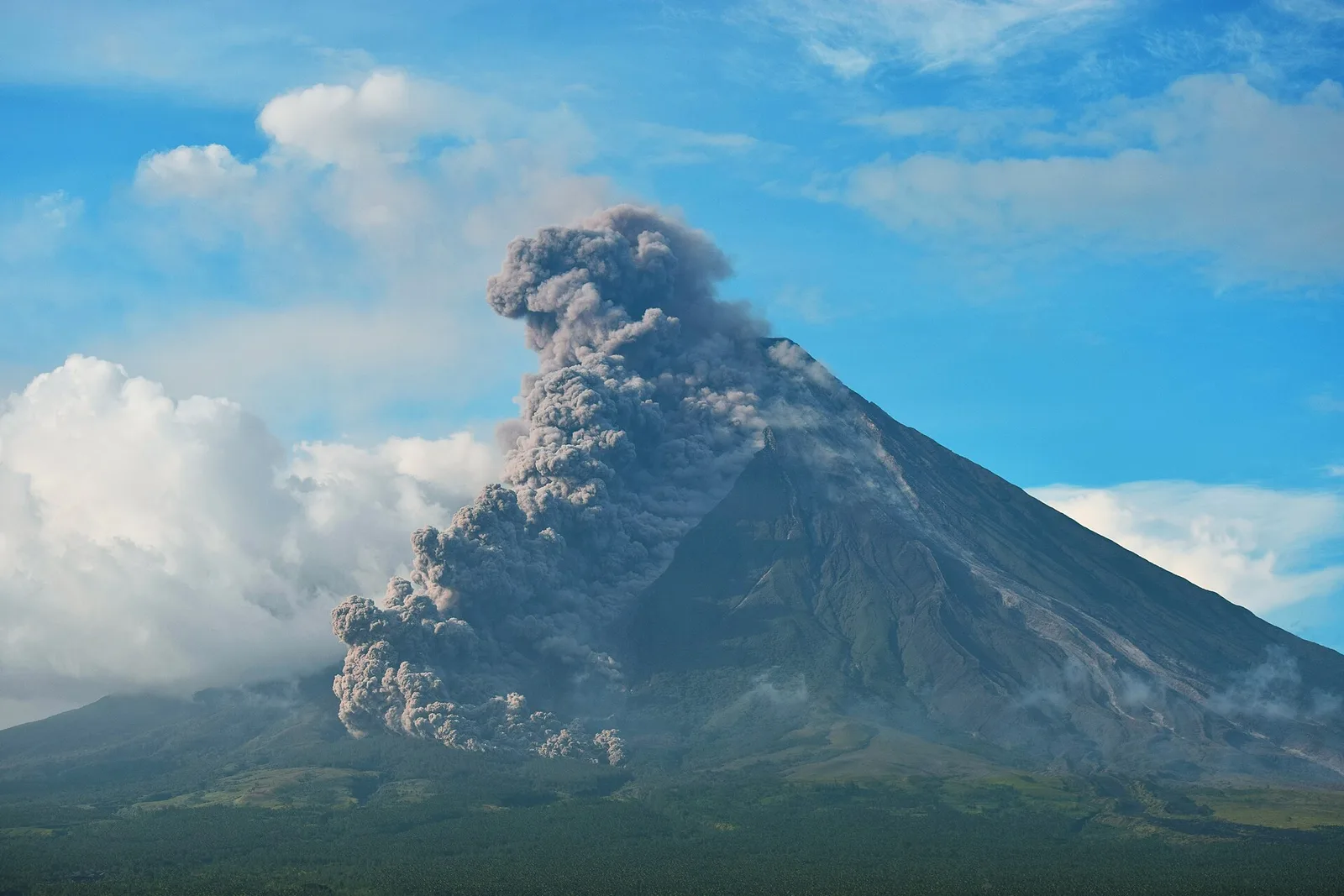
Mayon Volcano

The most active volcano in the country, a stratovolcano with a symmetric cone. Philippine mythology holds it sacred. The volcano and the land around it became the first national park in the nation on July 20, 1938, and were reclassified …
58 hearts
Volcano Batangas, Region IV-A (CALABARZON) by an editor

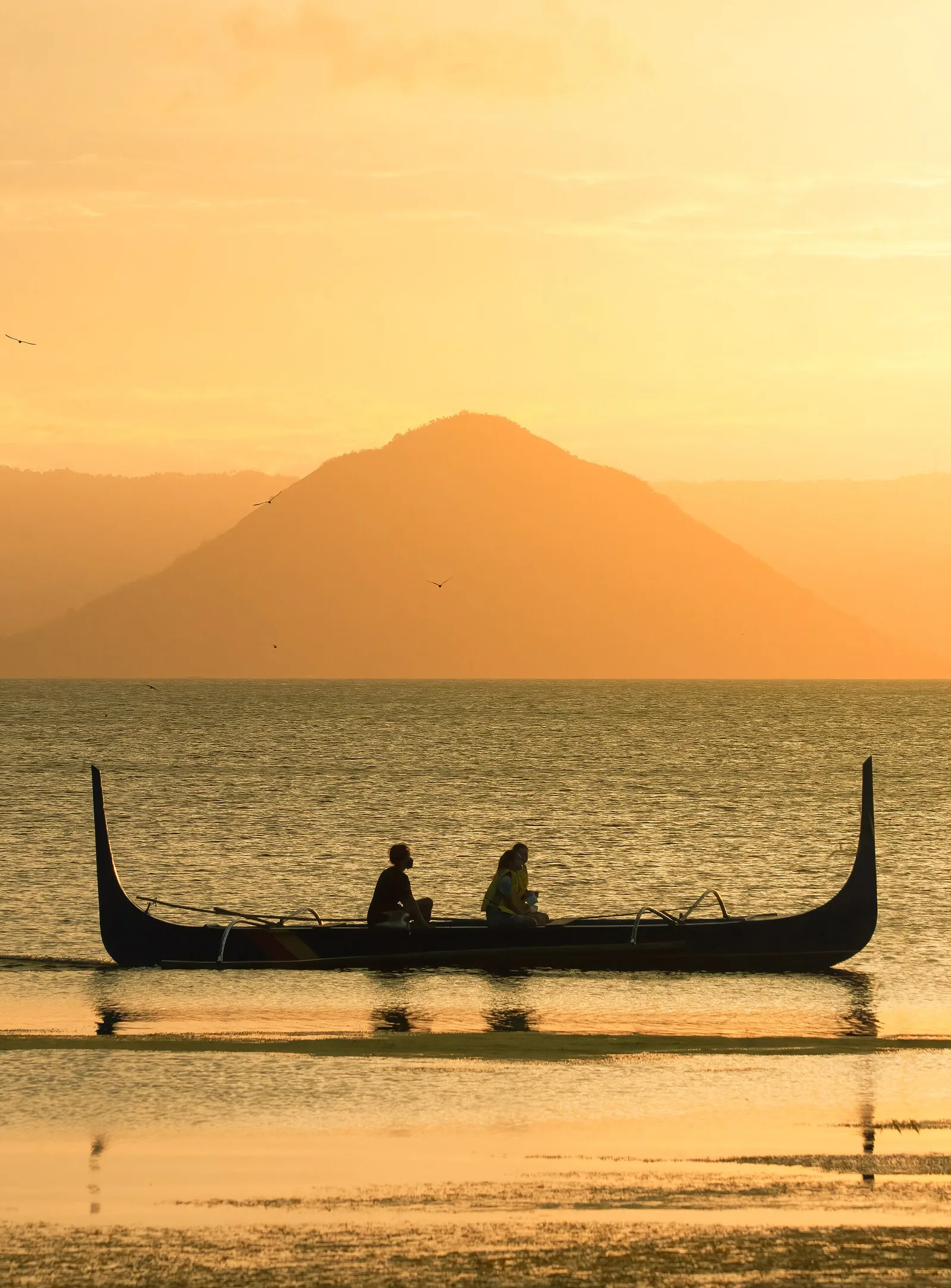
Taal Volcano

A large caldera filled by Taal Lake, and the second most active volcano in the country, with 39 confirmed historical eruptions. The eruptions centre on Volcano Island, near the middle of the lake. The caldera itself formed between about 670,000 …

54 hearts
Volcano Zambales, Region III (Central Luzon) by an editor

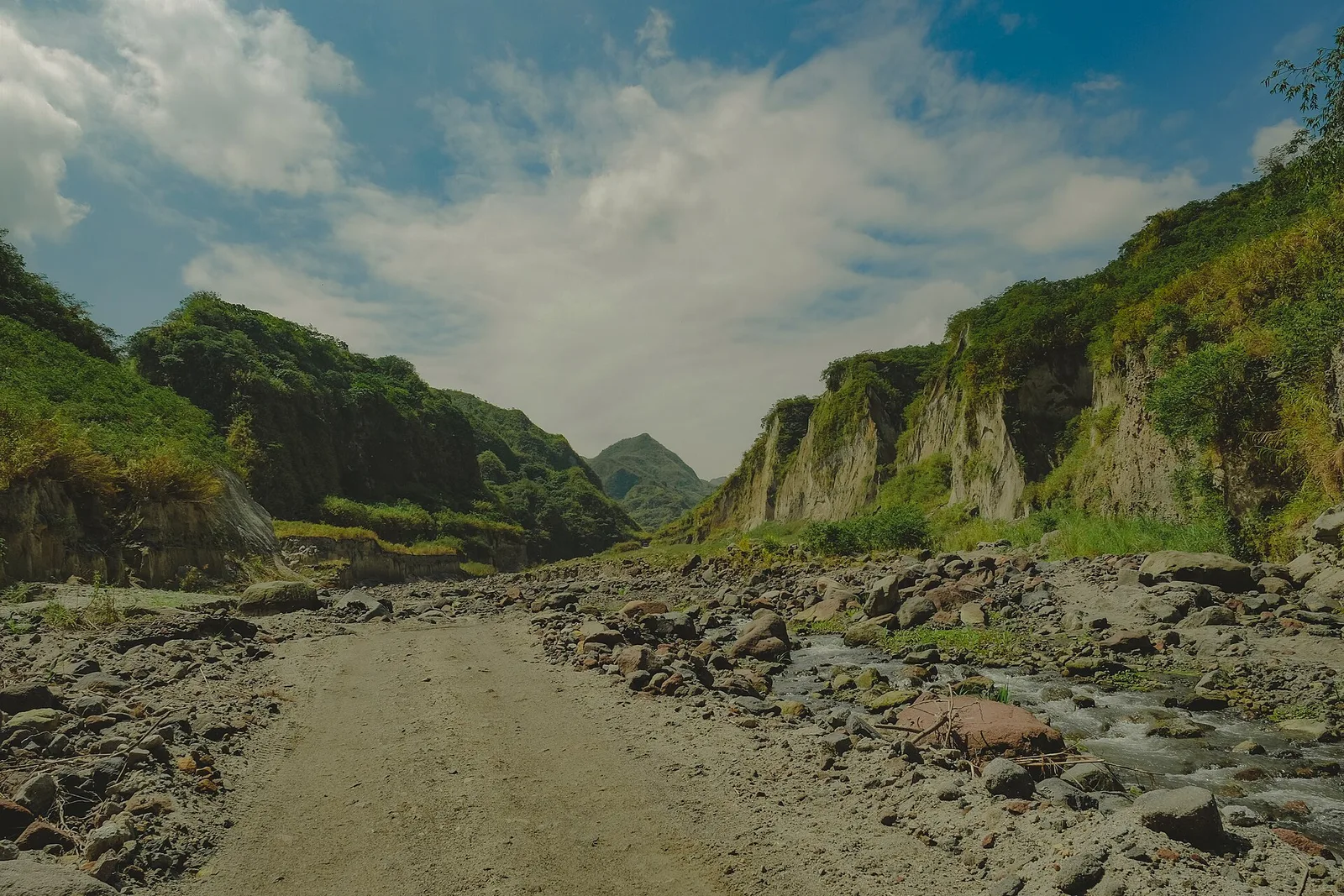
Mount Pinatubo

An active volcano at the point where Zambales, Tarlac and Pampanga meet, known for its eruption of June 15, 1991. That eruption was the second largest on land in the 20th century, after Novarupta in Alaska in 1912. Typhoon Yunya …

22 hearts
Volcano Camarines Sur, Region V (Bicol Region) by an editor

Mount Isarog

An active volcano of 2,000 metres above sea level, standing alone on the isthmus between Lagonoy Gulf and San Miguel Bay. It still has fumaroles and hot springs, and hiking trails lead up it. The crater at the top is …

7 hearts
no photo
Volcano South Cotabato, Region XII (SOCCSKSARGEN) by an editor

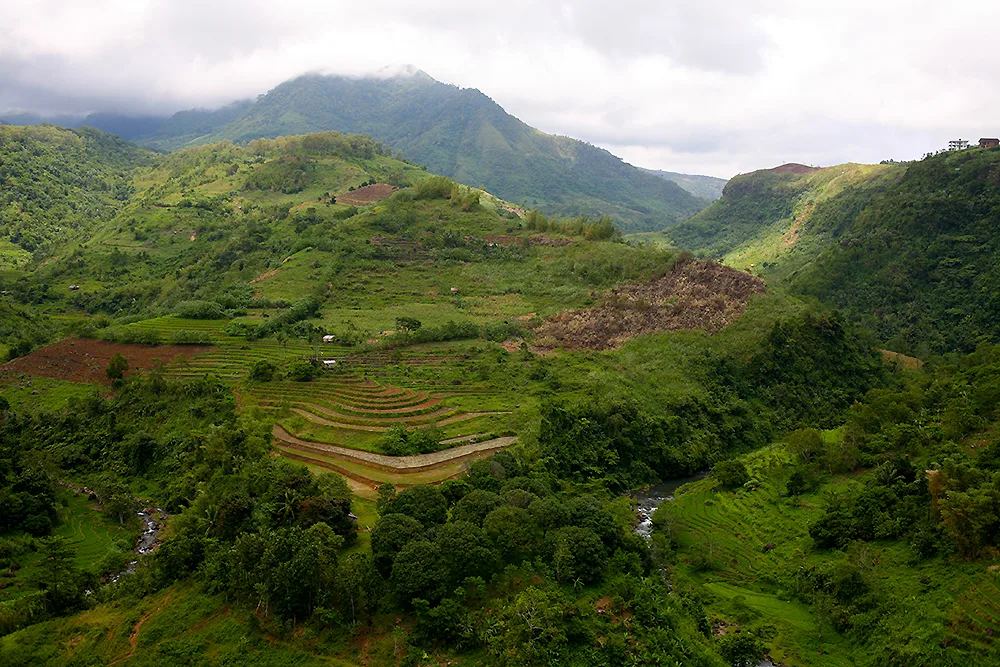
Mount Melibengoy

An active volcano in the highlands of T'Boli, with a lake in its crater called Lake Holon. It stands 30 kilometres west of General Santos and 44 kilometres south of Koronadal. The mountain was once called Parker, after an American …

4 hearts
Volcano Iriga City, Camarines Sur by an editor

Mount Iriga

A dormant volcano that stands over the city, known also as Mount Asog after a Negrito chieftain, and in older records as Sumagang, the mountain of the rising sun. It erupted on 4 January 1641 and opened a deep gully …

4 hearts
Volcano Biliran, Region VIII (Eastern Visayas) by an editor

Mount Biliran

An active volcano that formed the island the whole province stands on. It is a complex volcano of the solfataric type. The only known historical activity was a phreatic eruption at a thermal area on 26 September 1939, which left …

3 hearts
Volcano Camiguin, Region X (Northern Mindanao) by an editor

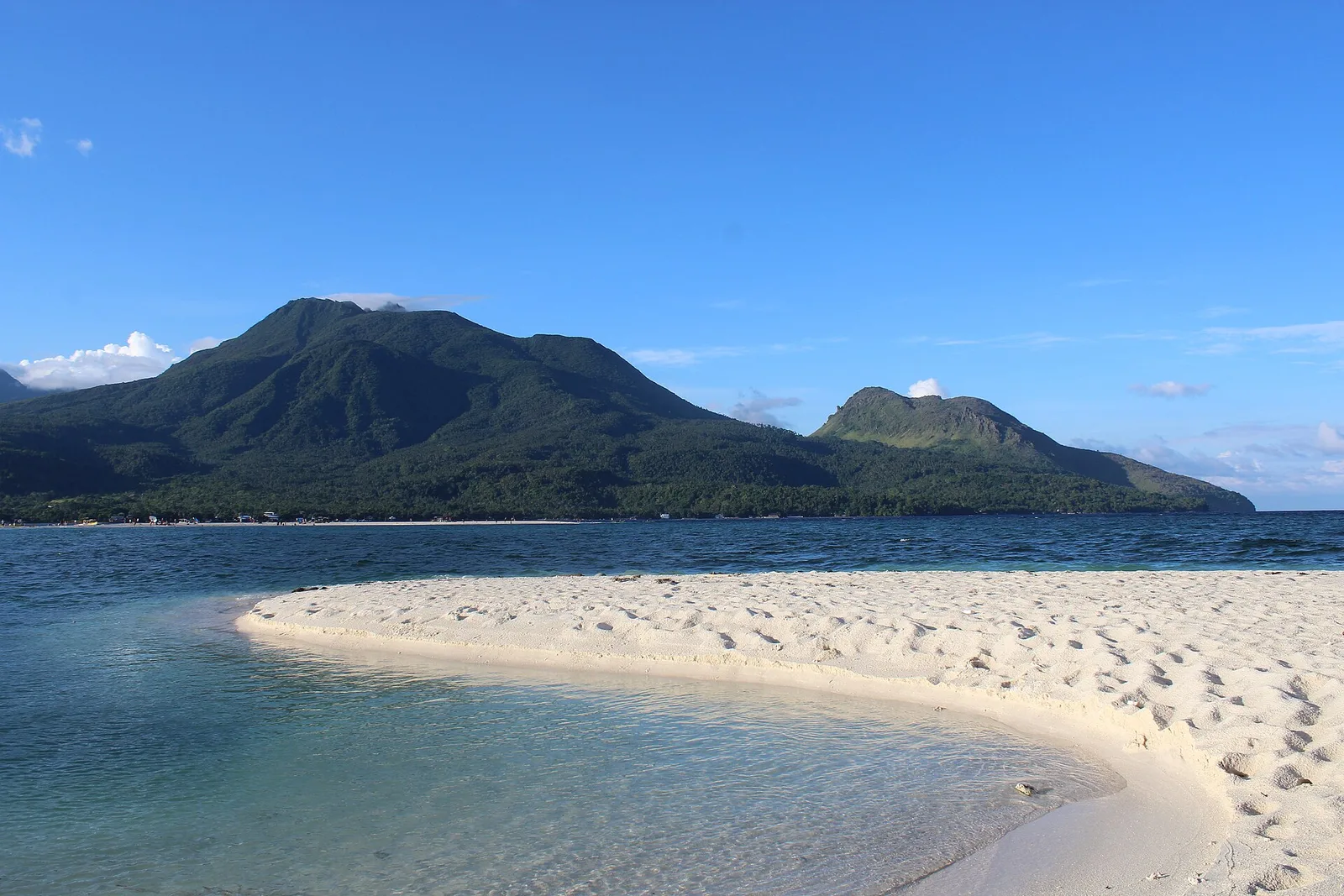
Mount Hibok-Hibok

One of the country's active volcanoes, a stratovolcano 1,332 metres high on the Pacific ring of fire, also known as Catarman Volcano. It has six hot springs and three craters. The eruption of 4 December 1951 destroyed nearly 19 square …

3 hearts
Volcano Marinduque, MIMAROPA Region by an editor

Mount Malindig

The highest peak on Marinduque at 1,157 metres, and the most popular climb on the island. The volcano has three peaks and counts as potentially active, in part because of the solfataric springs of Malbog. The trek is rated easy …

3 hearts
Volcano Negros Occidental, Negros Island Region (NIR) by an editor

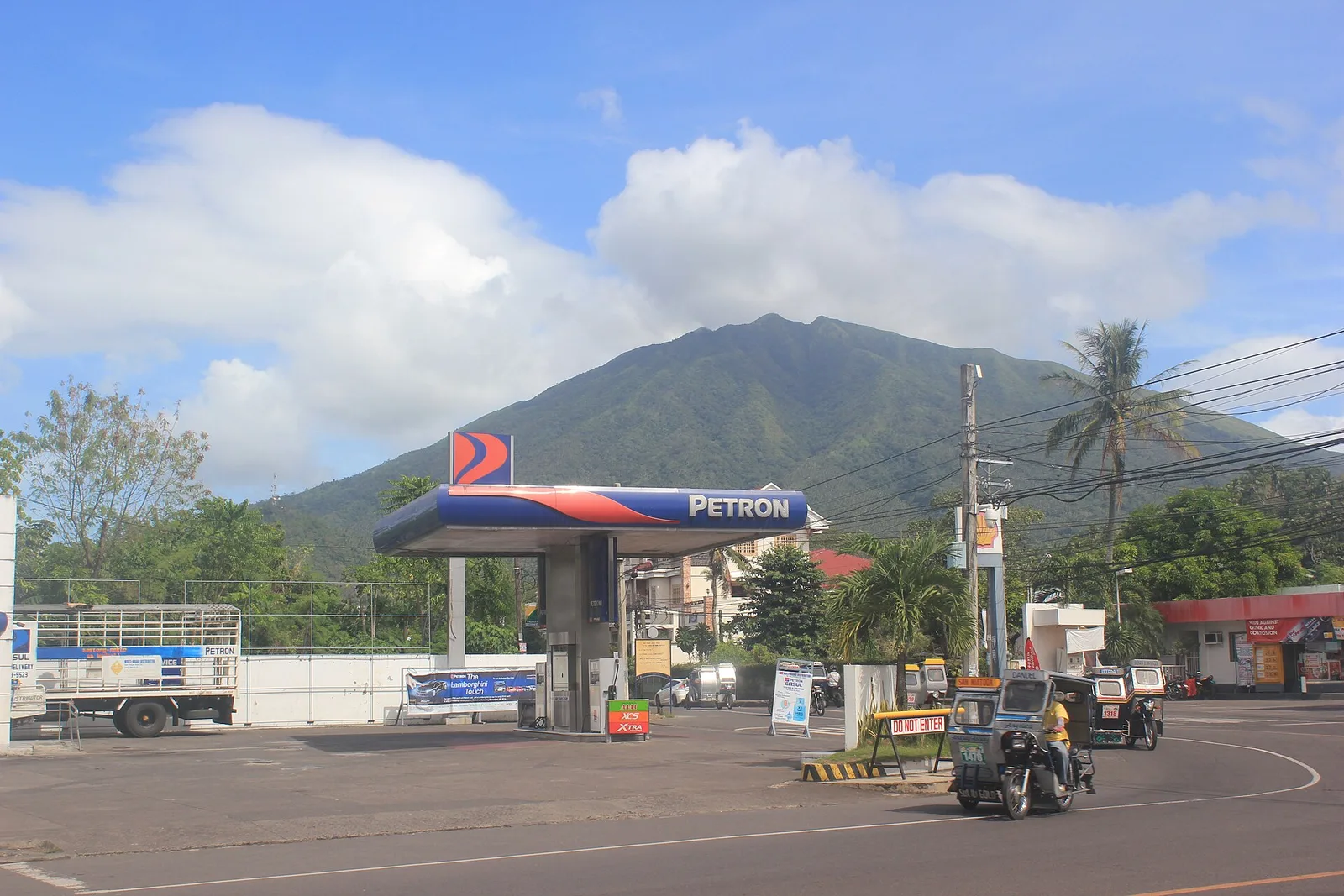
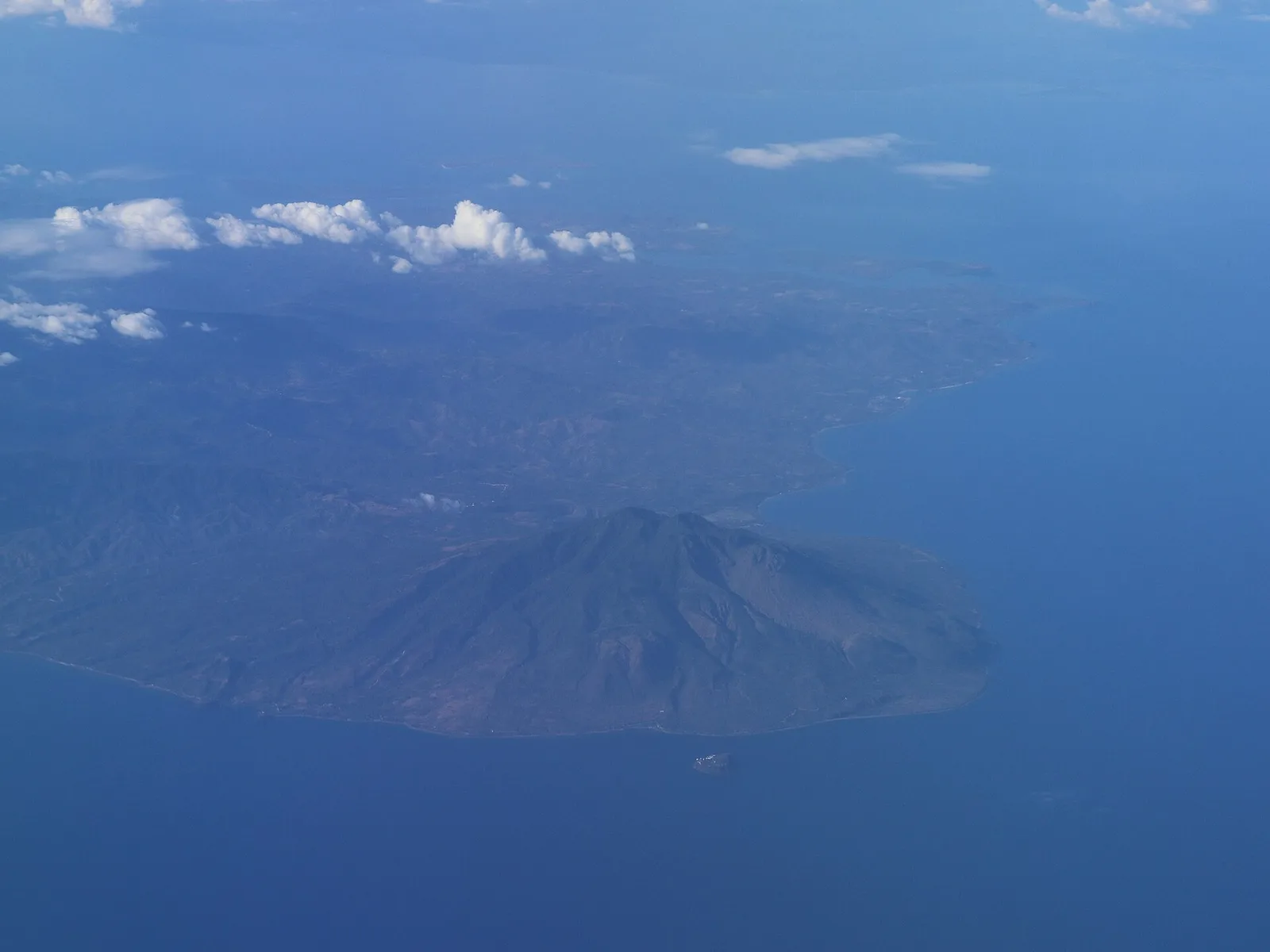
Kanlaon

An active volcano and the highest mountain on Negros at 2,465 metres. It is also the highest peak in the Visayas, and it ranks as the 42nd-highest peak of an island in the world. The cone is an andesitic stratovolcano …

2 hearts
Volcano Sulu, Region IX (Zamboanga Peninsula) by an editor

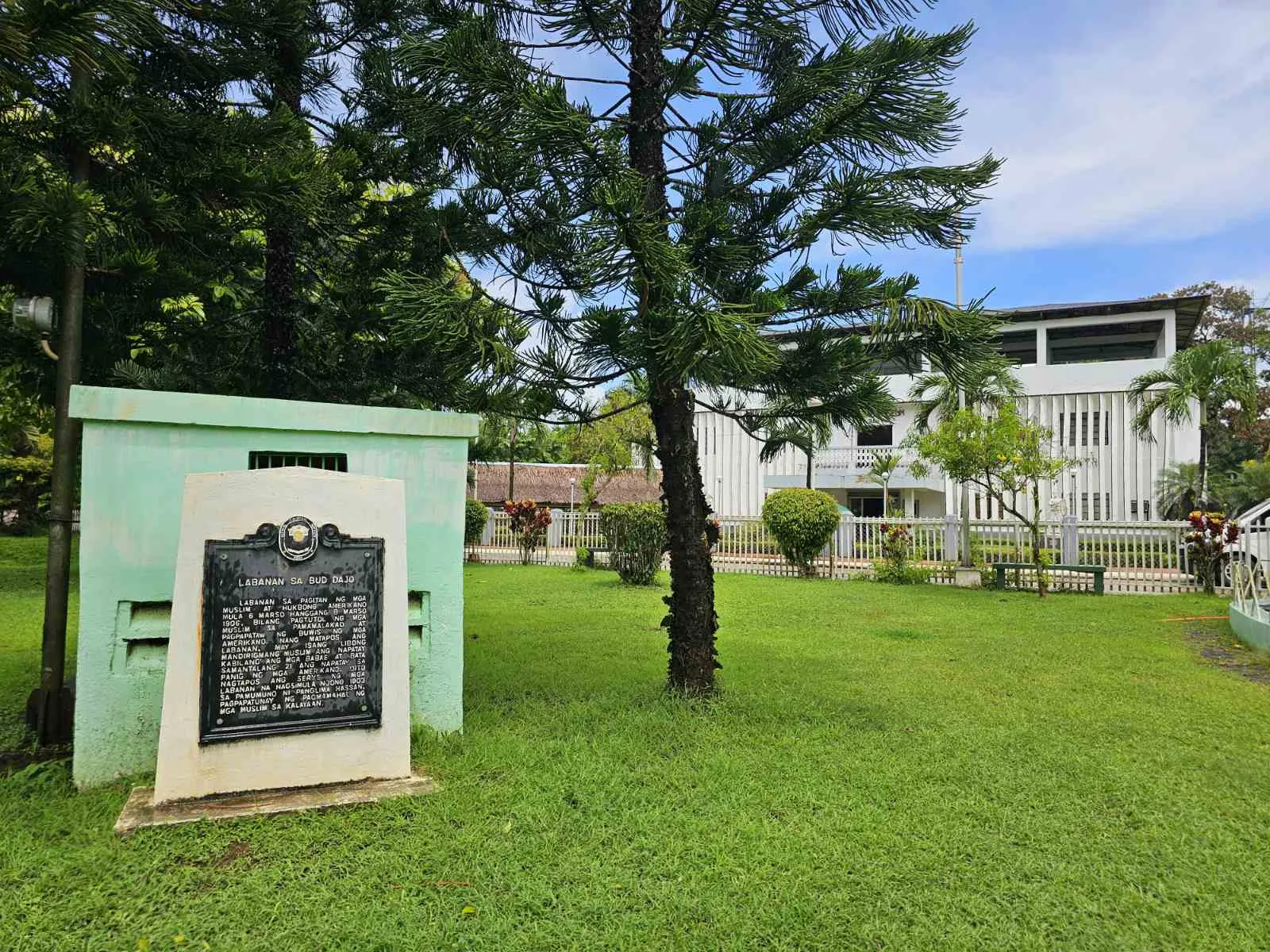
Bud Dajo

A cinder cone on the island of Jolo and the second highest point in Sulu, at more than 600 metres. The volcano is extinct and belongs to the Jolo Volcanic Group. It is a sacred mountain for the Tausug people …

2 hearts
Volcano Sorsogon, Region V (Bicol Region) by an editor

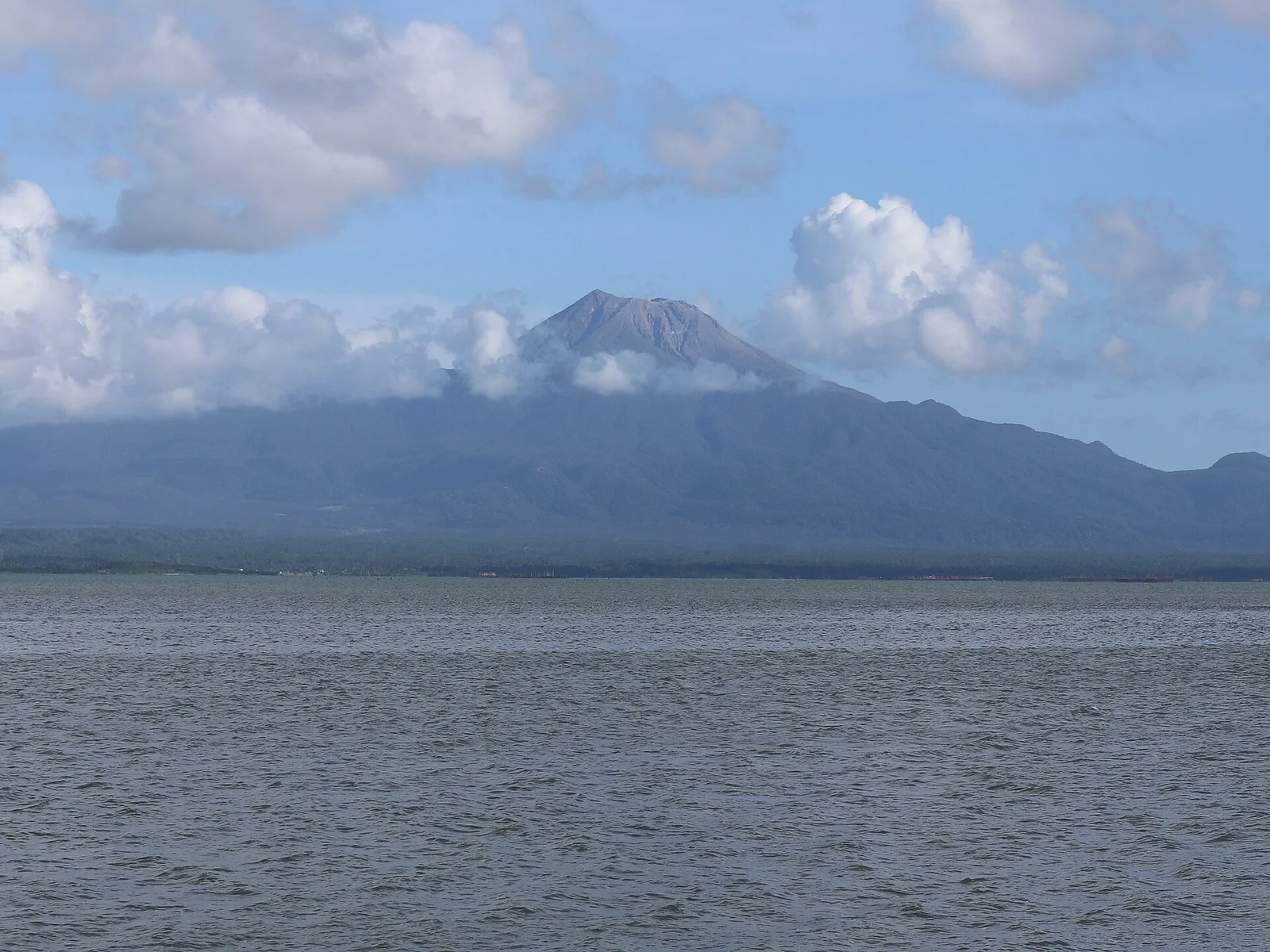
Mount Bulusan

An active stratovolcano in southern Luzon, 1,535 metres high, with a permanent danger zone that keeps people 4 kilometres from the crater. The cone rises on the northeast rim of the Irosin caldera, which formed about 36,000 years ago, and …

2 hearts
no photo
Volcano Canlaon City, Negros Oriental by an editor

Mount Kanlaon

The highest peak in the whole Visayas at 2,465 metres, and the high point of Negros Island and of Negros Oriental. The city sits below it and takes its name from it. Kanlaon means the place of Laon, a pre-colonial …

1 hearts

Coming up

  1. Dec8Feast of Our Lady of CaysasayTaal
Filters

Filters

Clear all

Before you go

  1. Check the opening hours and the fee on the page.
  2. Bring cash: many gates and boats do not take cards.
  3. Take your trash with you.