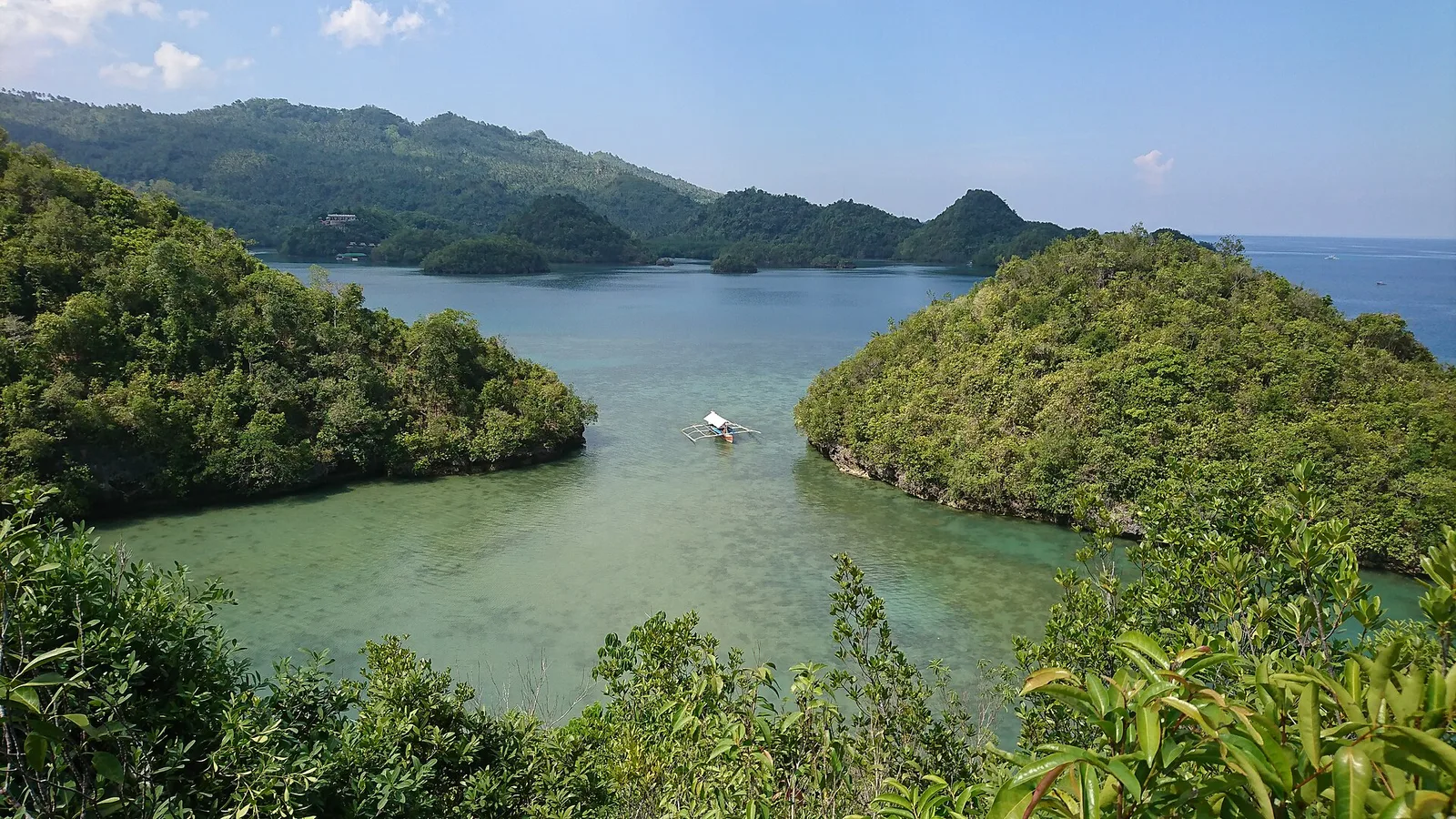
Hundred Islands National Park
A group of islands in Lingayen Gulf off the coast of Barangay Lucap: 124 of them at low tide, and 123 when the tide is in. It was the first national park declared in the country and it covers 16.76 …
A group of islands in Lingayen Gulf off the coast of Barangay Lucap: 124 of them at low tide, and 123 when the tide is in. It was the first national park declared in the country and it covers 16.76 …
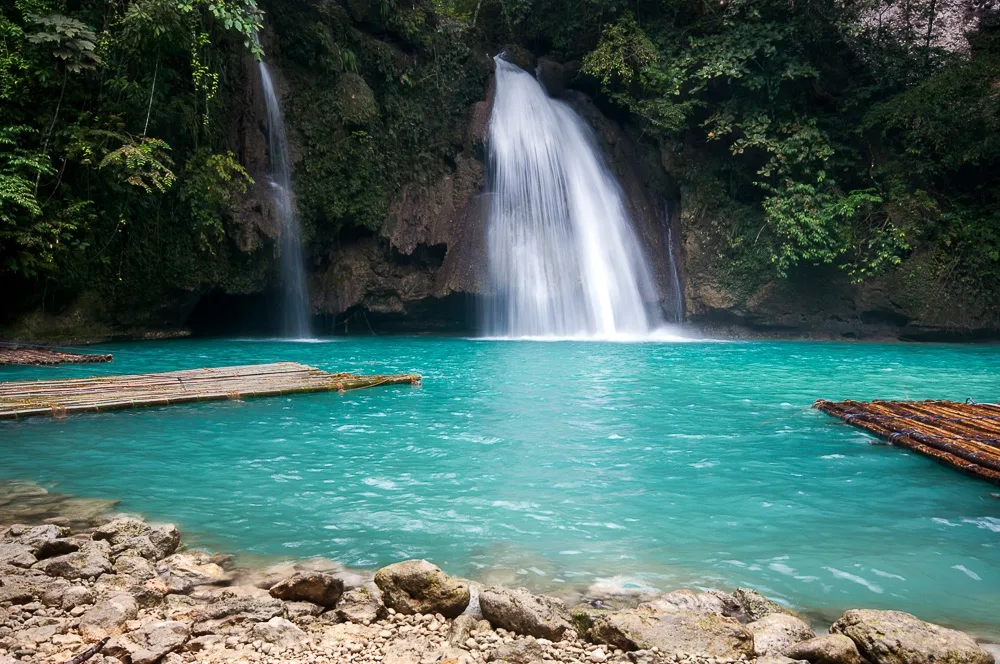
The Kawasan water falls (a three step waterfall) is located in the rain forest approximately 20 km south of Moalboal (past Badian). If you take the bus from in front of the public market in Moalboal (near 360 Pharmacy), you can …
A planetarium and geology museum in barangay Buang, 854 metres above sea level at the foot of Mayon and inside the volcano's permanent danger zone of 6 kilometres. The single-storey building holds a library, a virtual room, a mini-museum and …
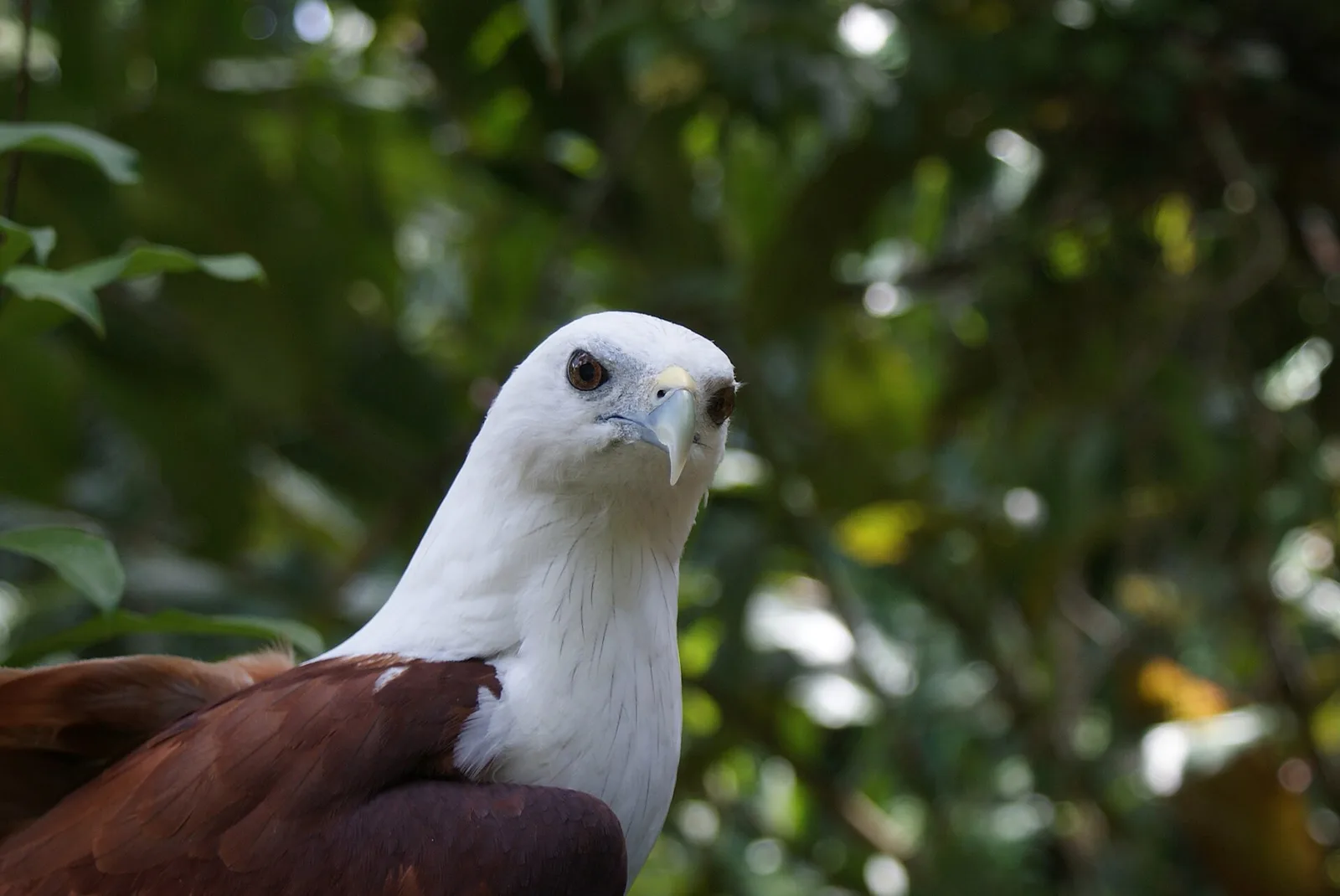
A conservation centre in Malagos breeding the Philippine eagle, of which only a few hundred pairs remain. The bird is the national bird of the Philippines and is considered the largest living eagle by length and wing area, 86 to …
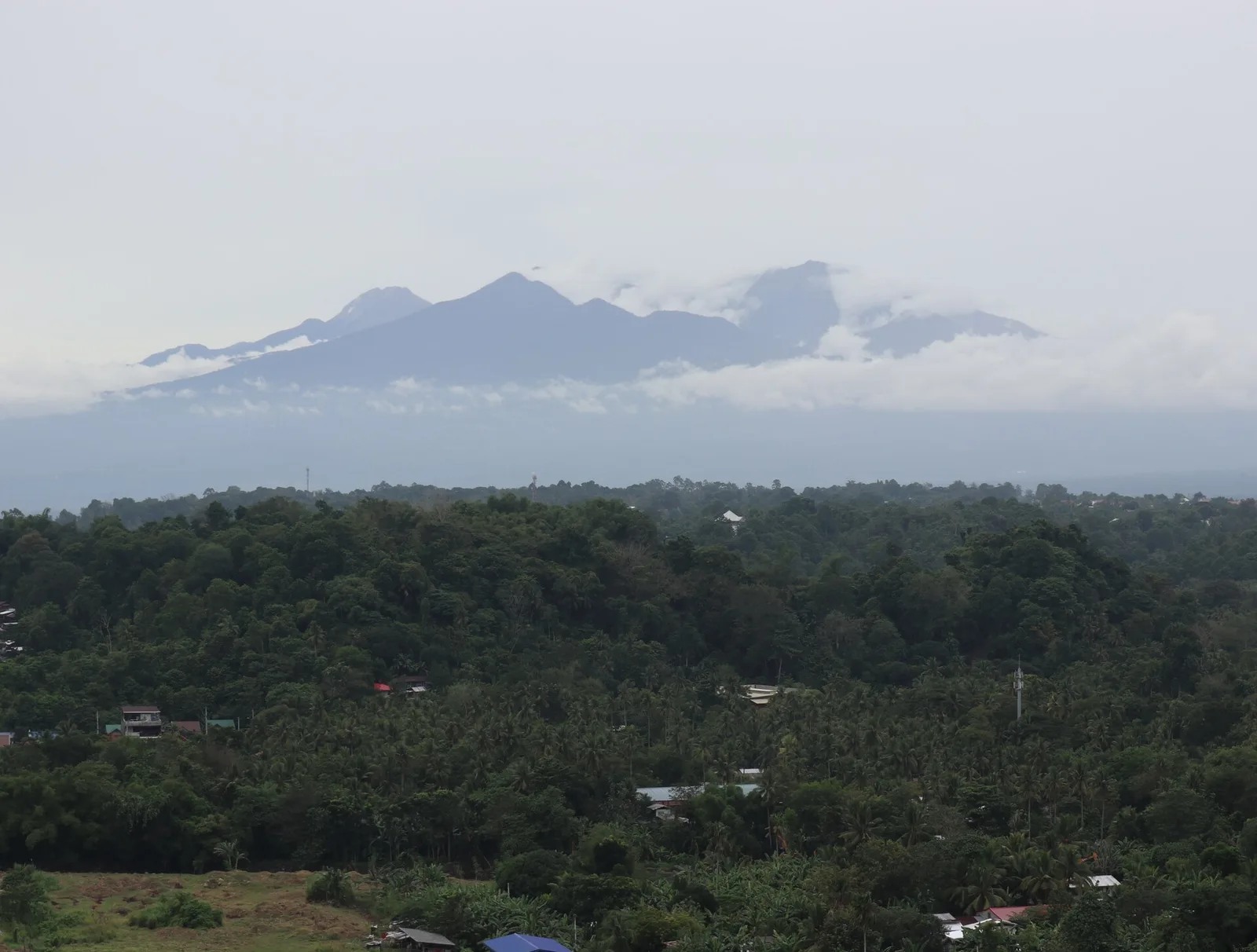
The country's highest peak at 2,954 metres, climbed over three to four days with a permit and a guide. It is a large dormant stratovolcano in the Apo-Talomo Mountain Range, standing where Davao City, Davao del Sur and Cotabato meet. …
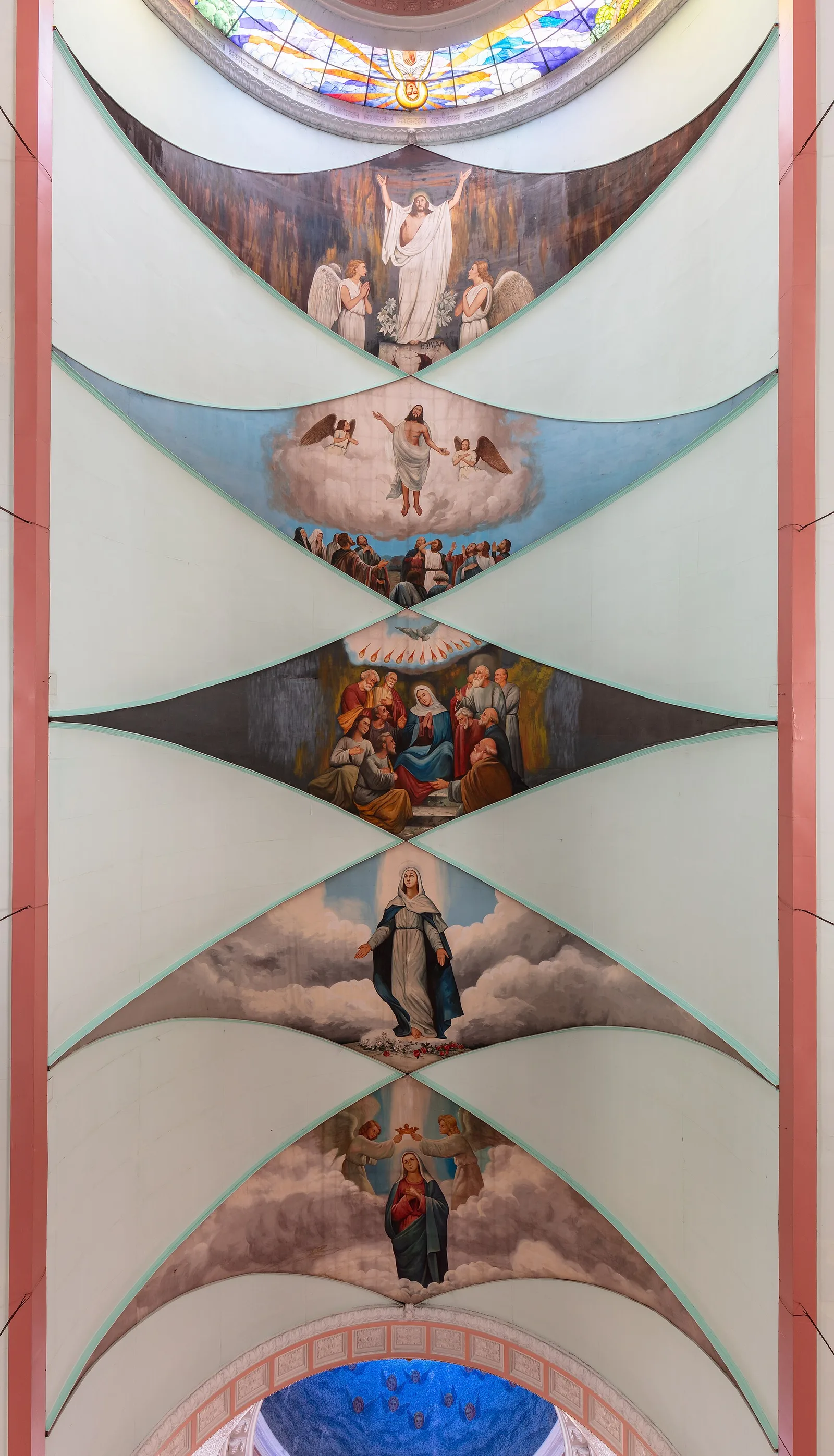
The oldest Chinatown in the world, best walked at lunchtime for dumplings, noodles and hopia. The Spaniards laid it out in 1594 across the Pasig River from Intramuros, as a settlement for Catholic Chinese that the colonial government could keep …
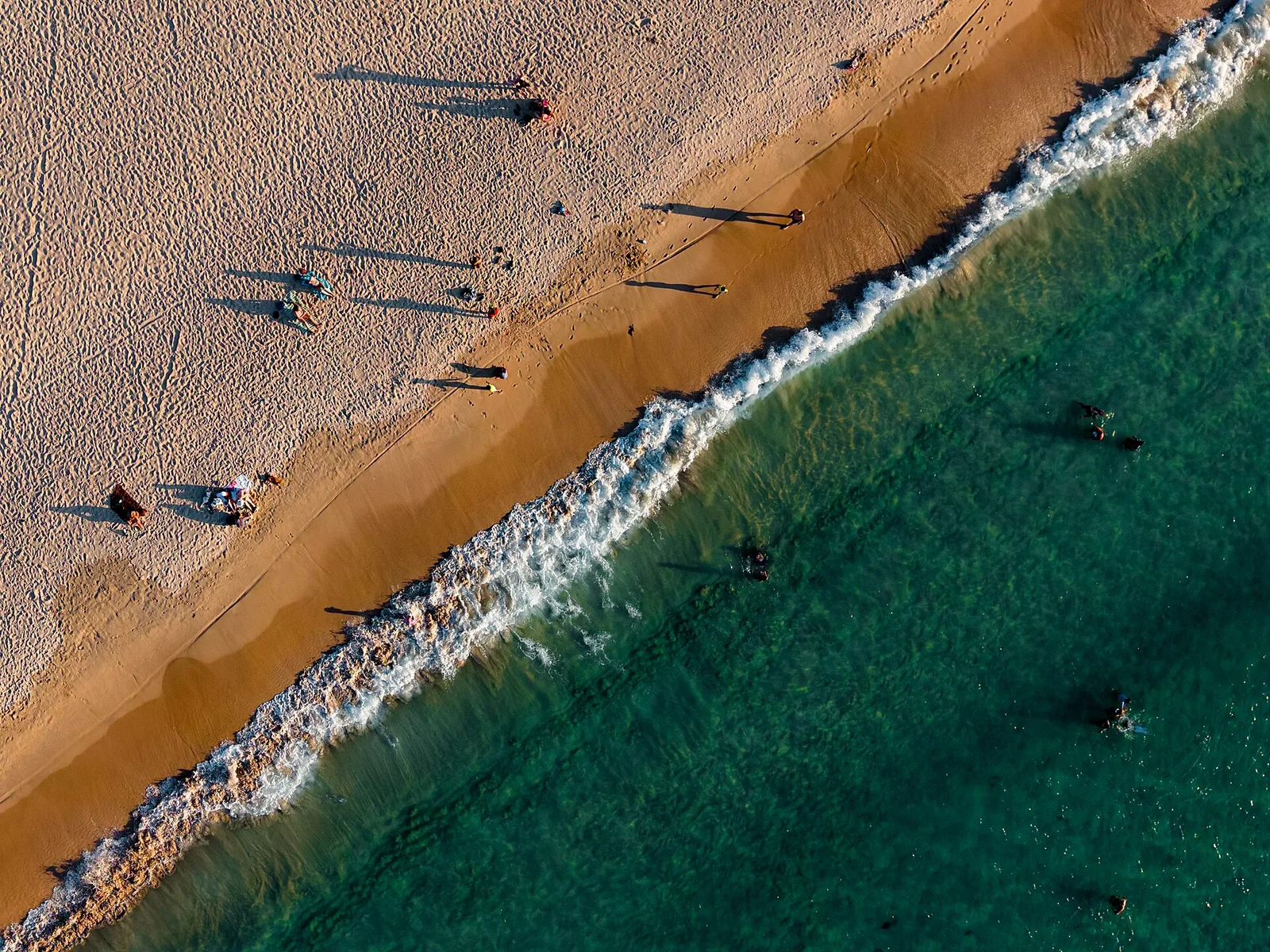
A four-kilometre stretch of sand north of town, reached by tricycle or motorbike.
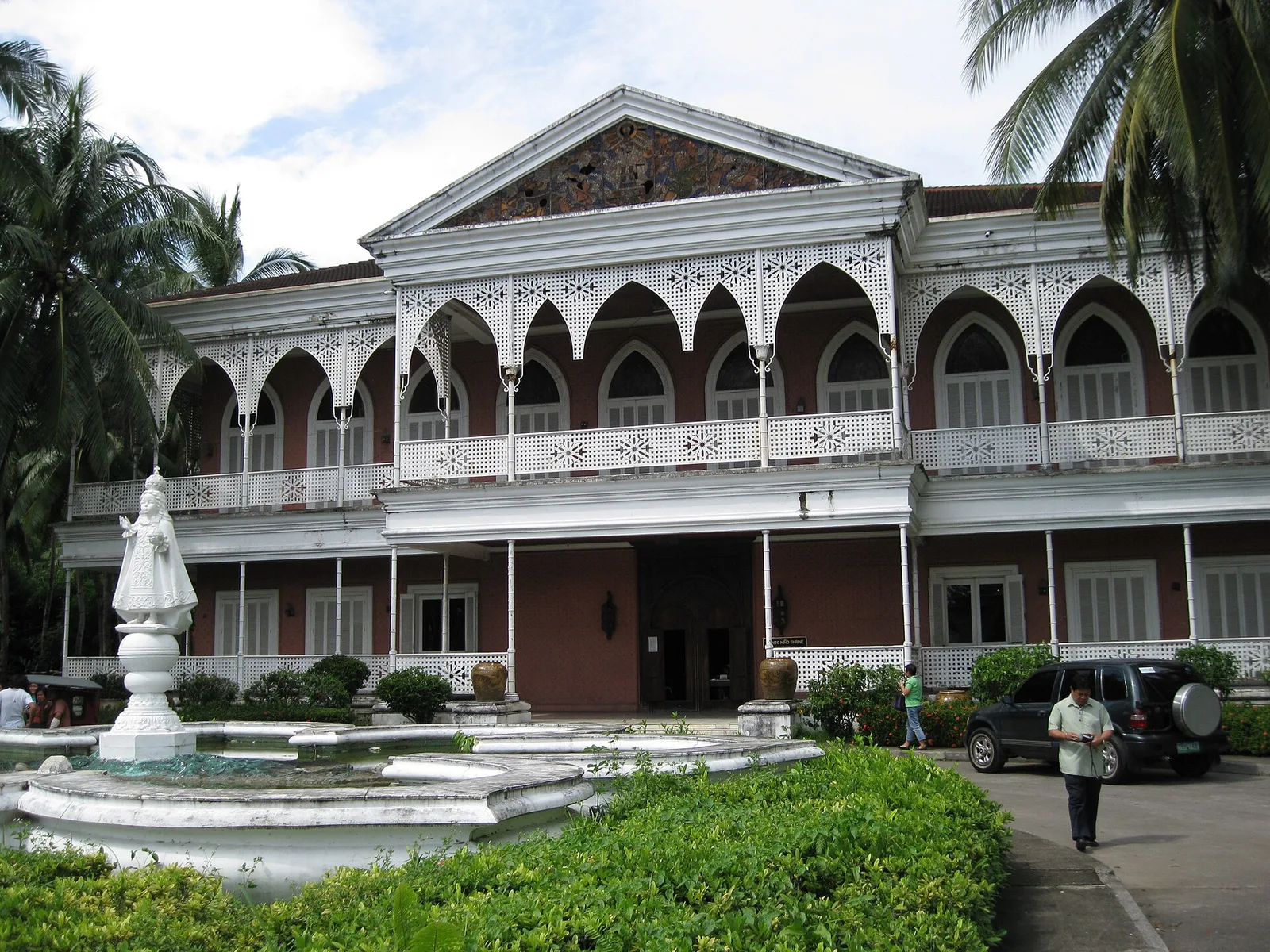
A former Marcos family house, now a museum of Imelda Marcos's collection and of objects tied to the Santo Niño, the patron saint of the city. Imelda Marcos had it built between 1979 and 1981, one of 20 presidential palaces …
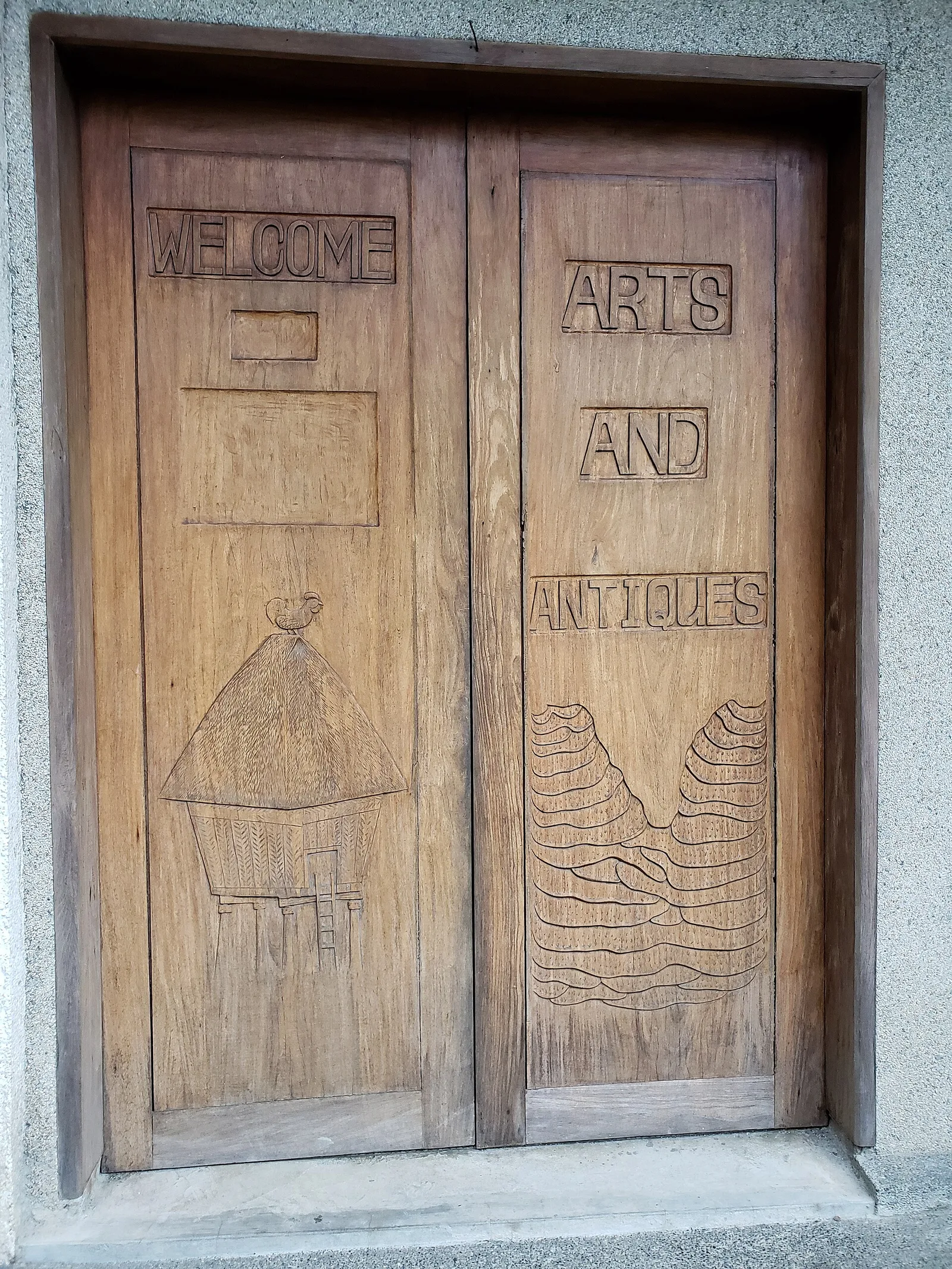
A small collection of Ifugao carvings, textiles and photographs from the Beyer family.
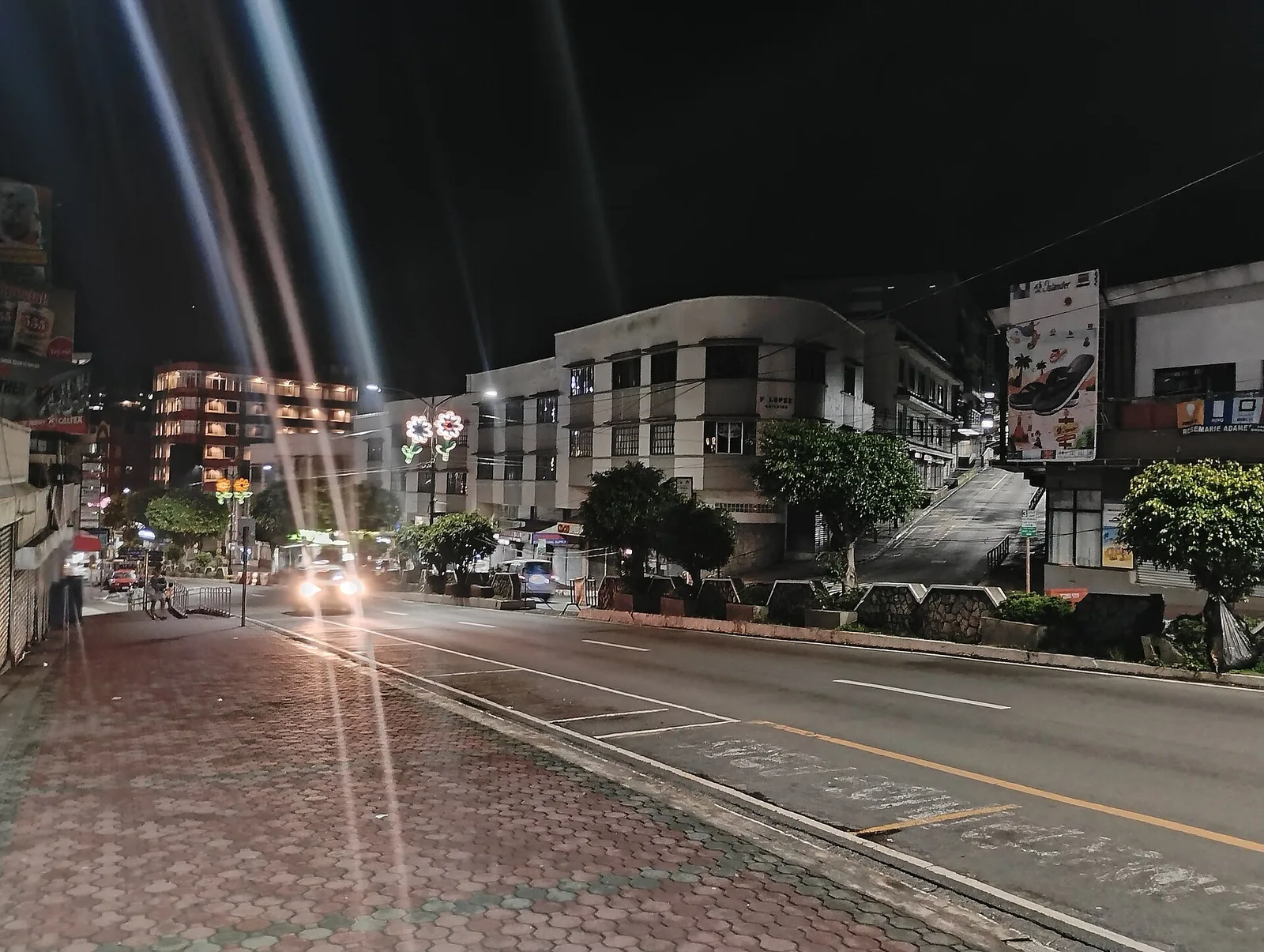
The main street, lined with bakeries and bookshops. It closes to cars on Sundays and fills with stalls and buskers. The road runs 1.7 kilometres through the middle of the city, six lanes wide, and on open days it carries …
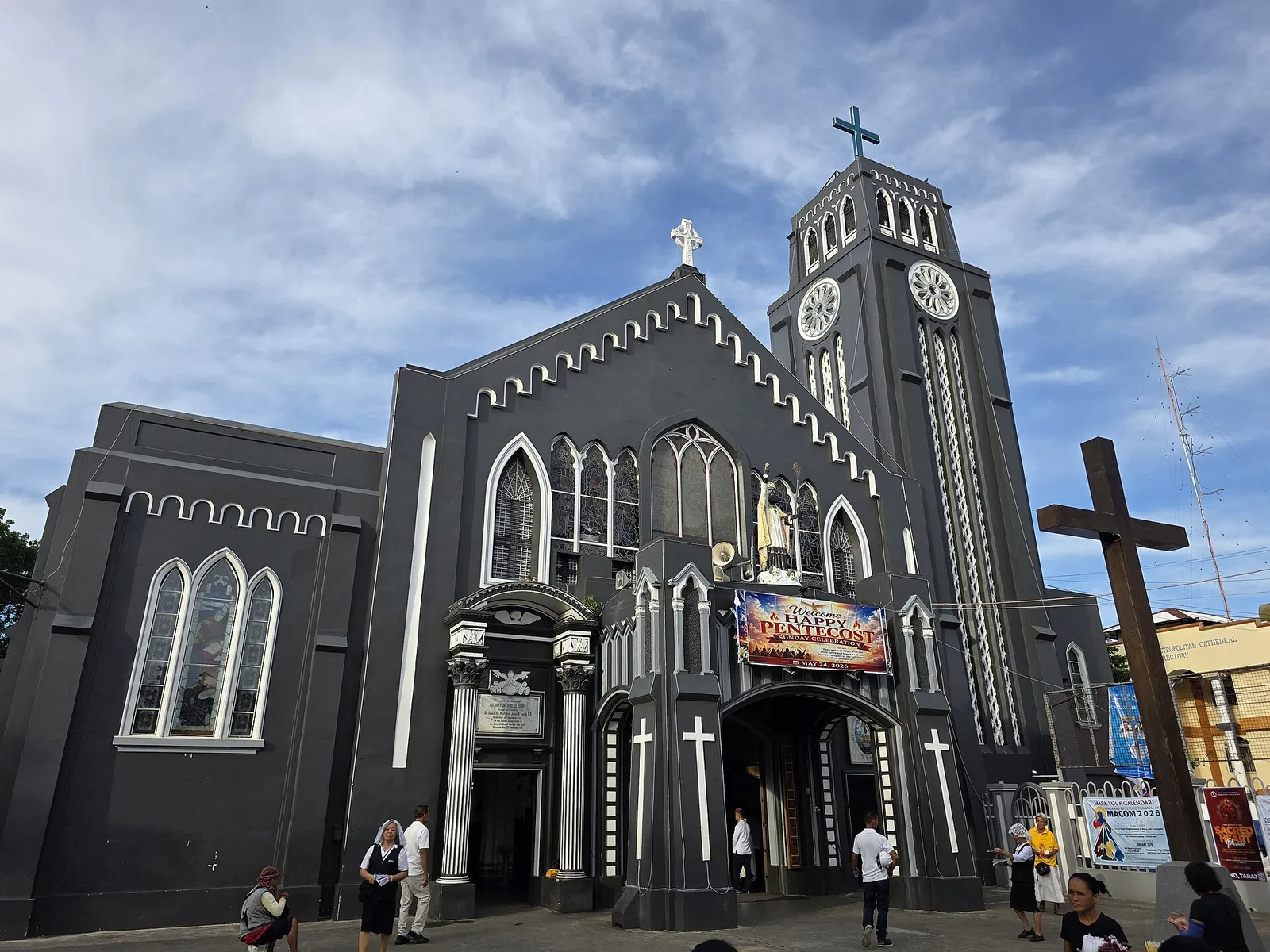
The seat of the Roman Catholic Archdiocese of Cagayan de Oro, dedicated to Saint Augustine, Bishop of Hippo. Augustine is also the city's patron saint, and each barangay in the city keeps its own fiesta as well, for its own …
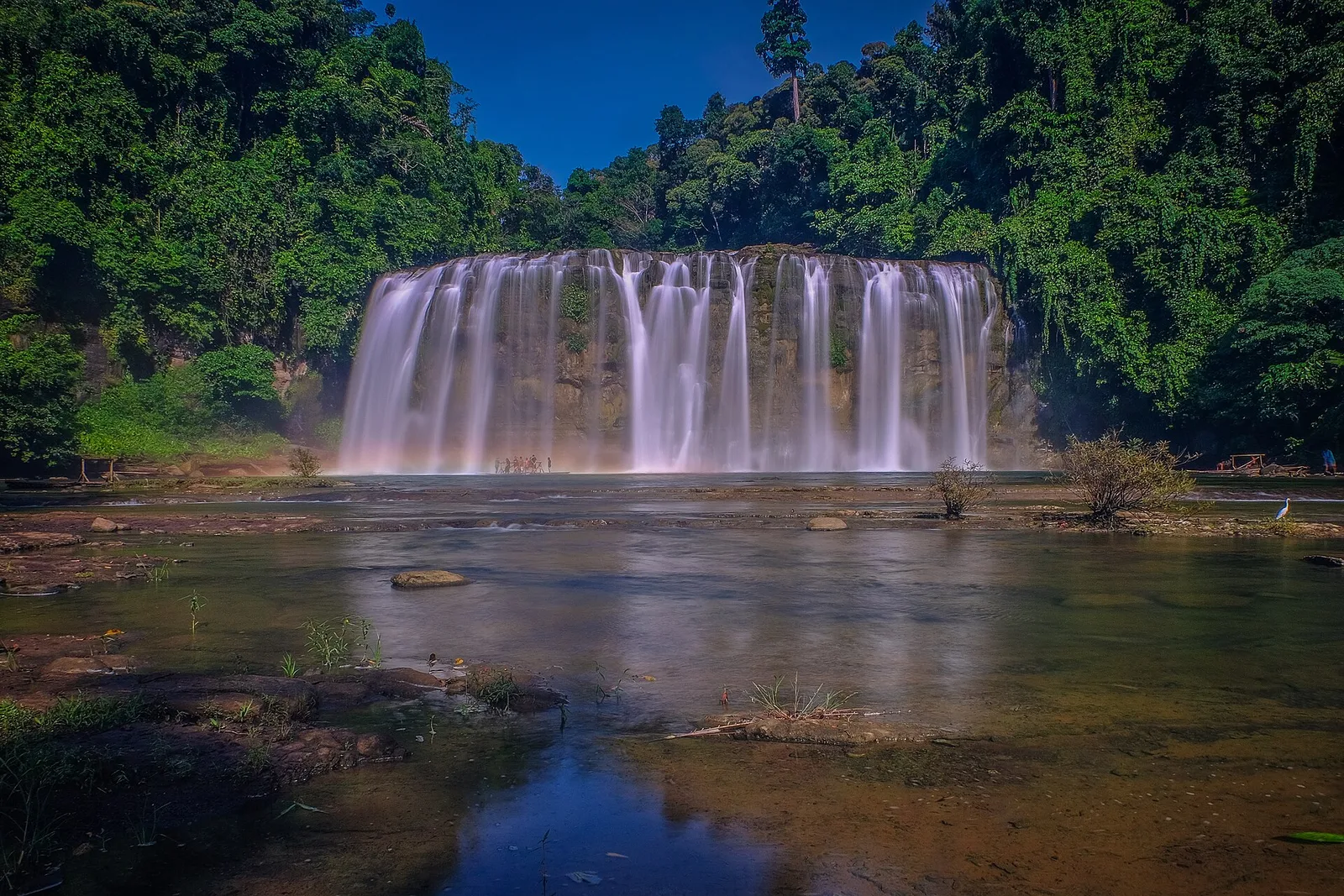
A white curtain of water 95 metres wide and 55 metres high, falling in three levels with a fourth tier out of sight. It is said to be the widest waterfall in the country, and people call it the little …
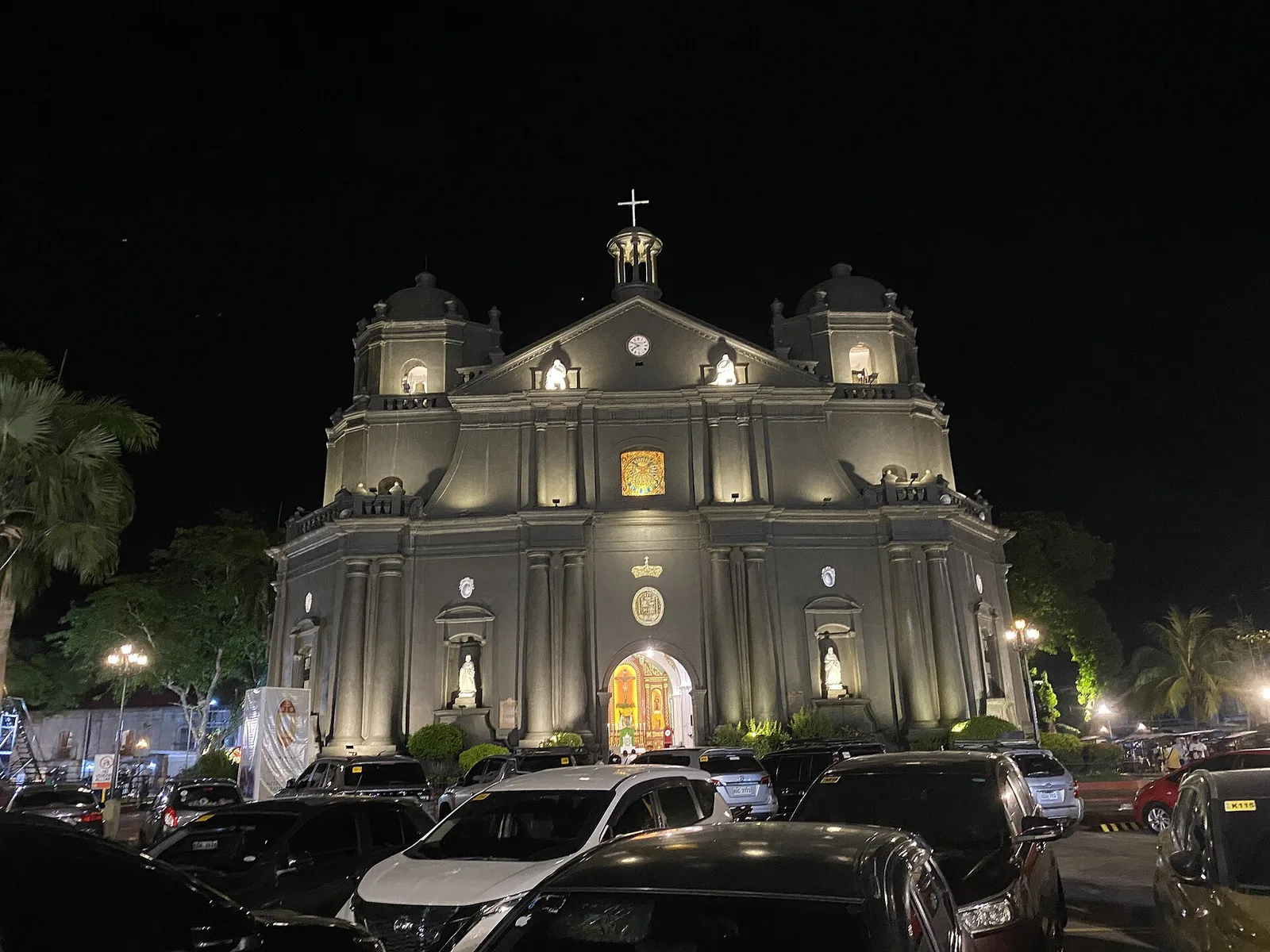
The seat of the Archdiocese of Caceres, dedicated to Saint John the Evangelist. The first church here followed the creation of the diocese of Nueva Caceres in 1595, and fire destroyed it in 1768. Work on the present building started …
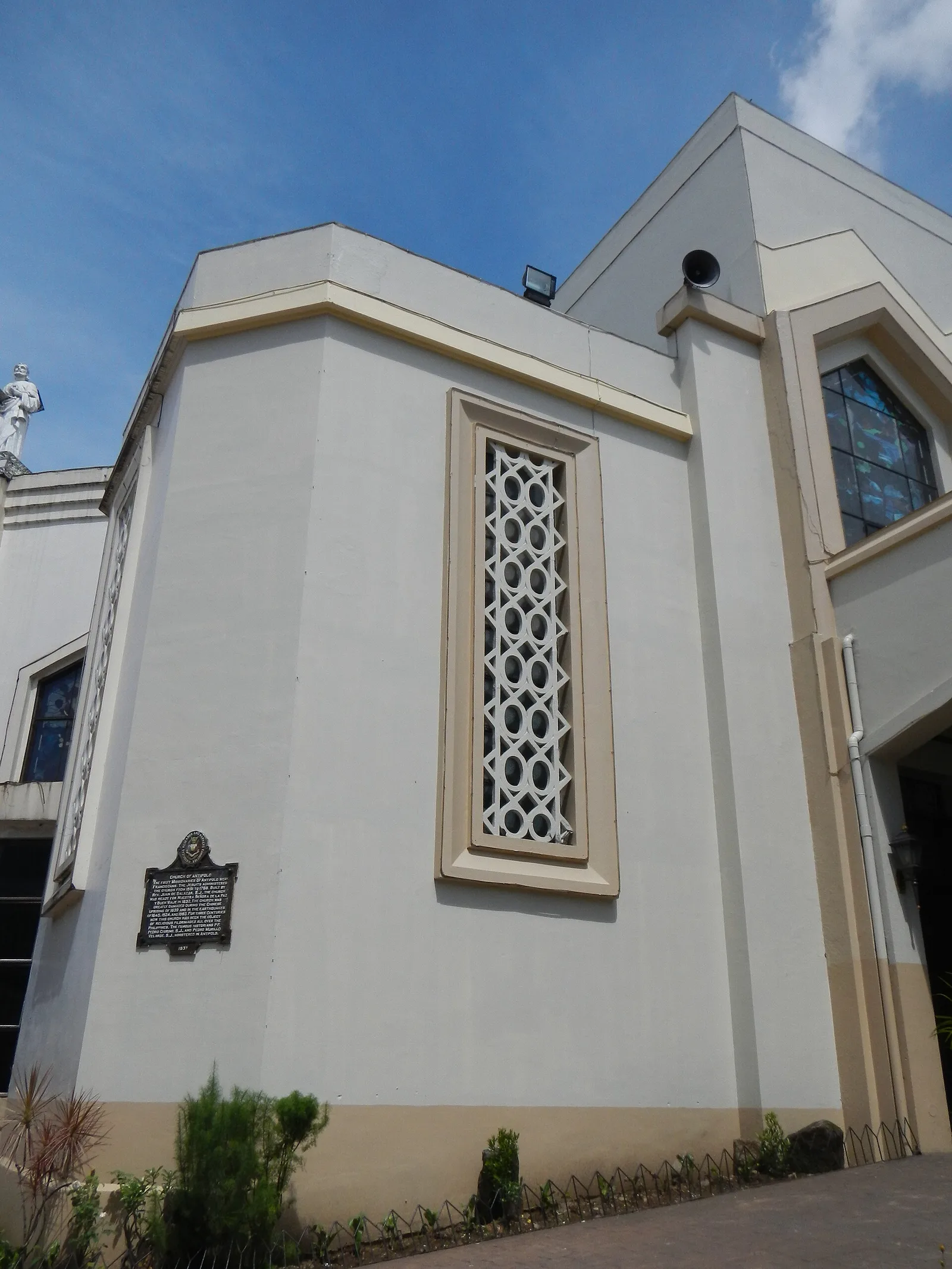
The seat of the Bishop of Antipolo and the shrine of a Black Madonna that draws millions of pilgrims each year. The image carries the title Our Lady of Peace and Good Voyage, and the church is also called the …
The town's shrine to the first Catholic Mass in Mindanao, said here on April 8, 1521 by local account, at Poblacion beside the municipal hall. People here also believe Magellan and his men raised the cross now kept in Cebu …
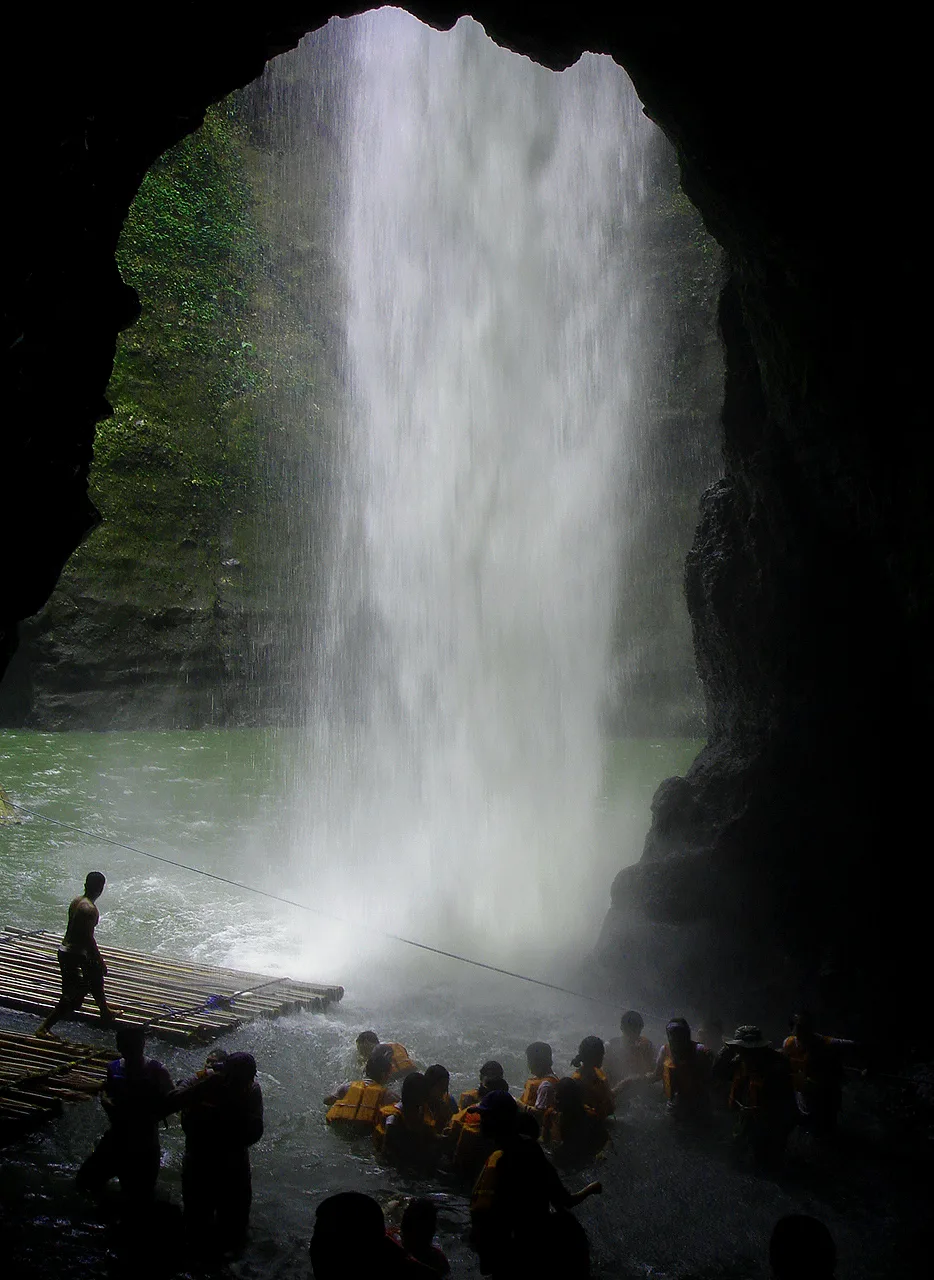
A three-drop waterfall, reached by a river trip on a dugout canoe that is known locally as "Shooting the Rapids". The trip starts at Pagsanjan, the town where the Balanac River and the Bumbungan River meet. That boat ride has …
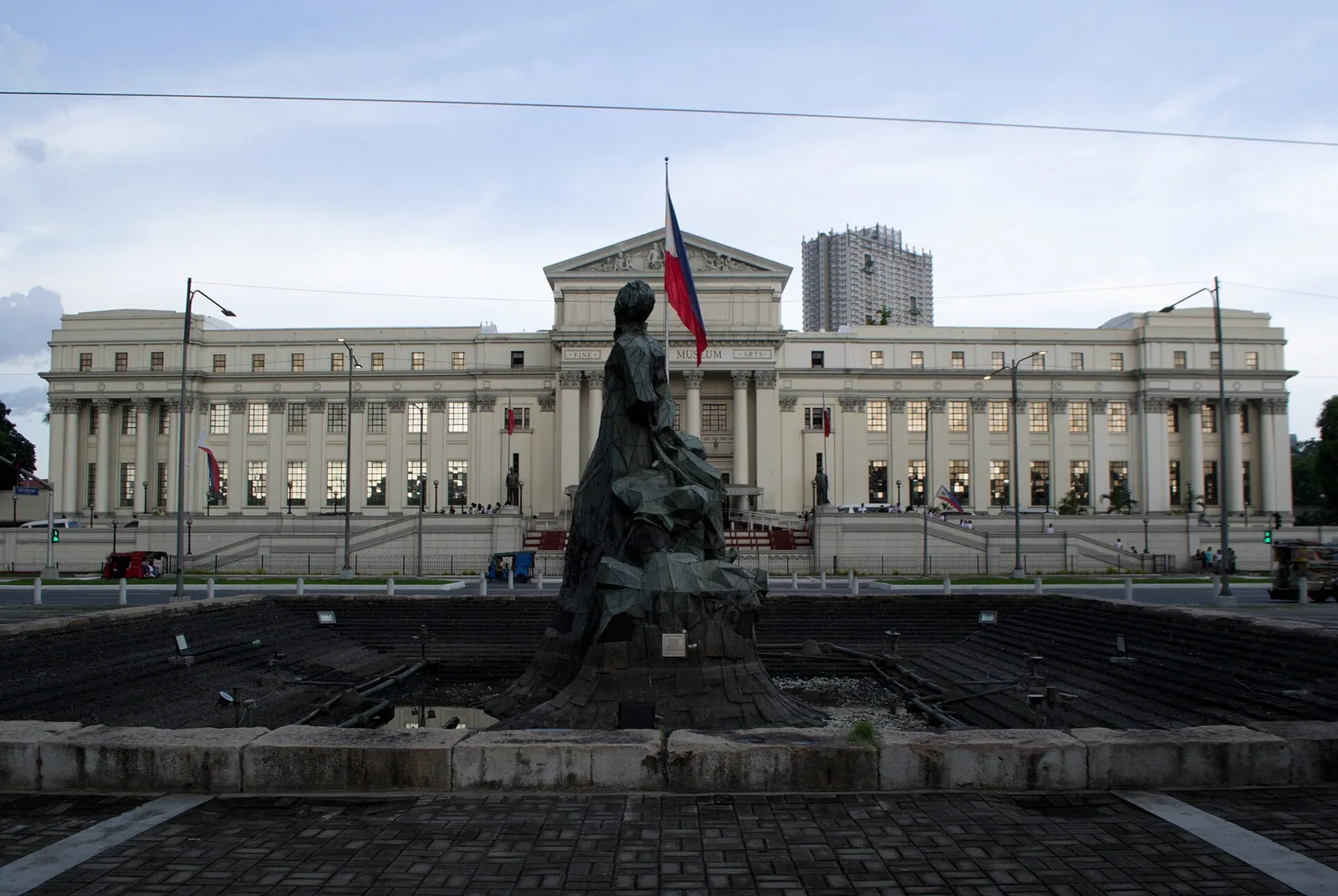
Free to enter, built as the old legislature, and home to Juan Luna's Spoliarium. The neoclassical building was finished in 1921 and held the Congress of the Philippines from 1926 to 1972 and the Senate from 1987 to 1997. It …
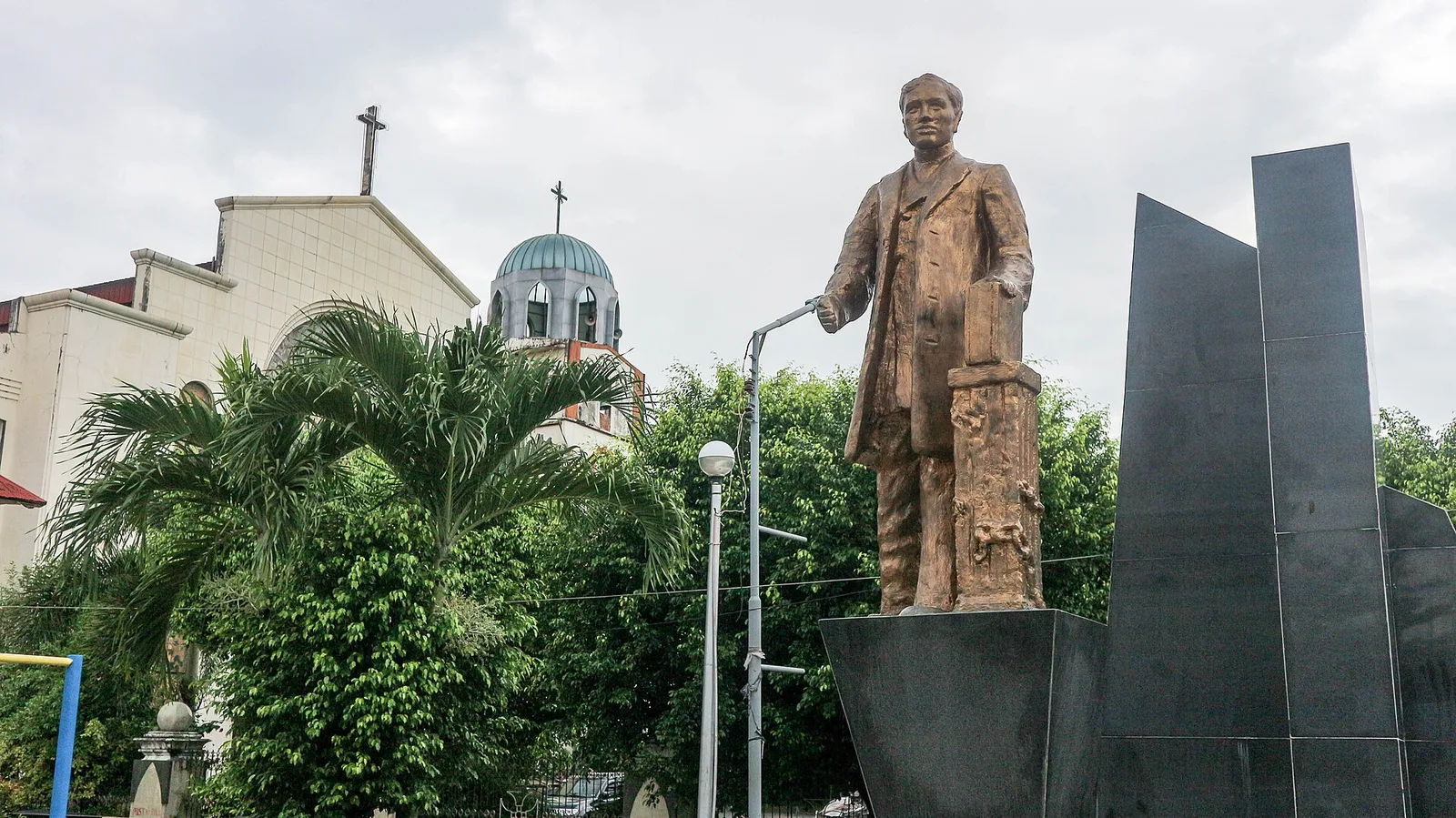
True to its name, the park contains a statue of the iconic Filipino freedom fighter.
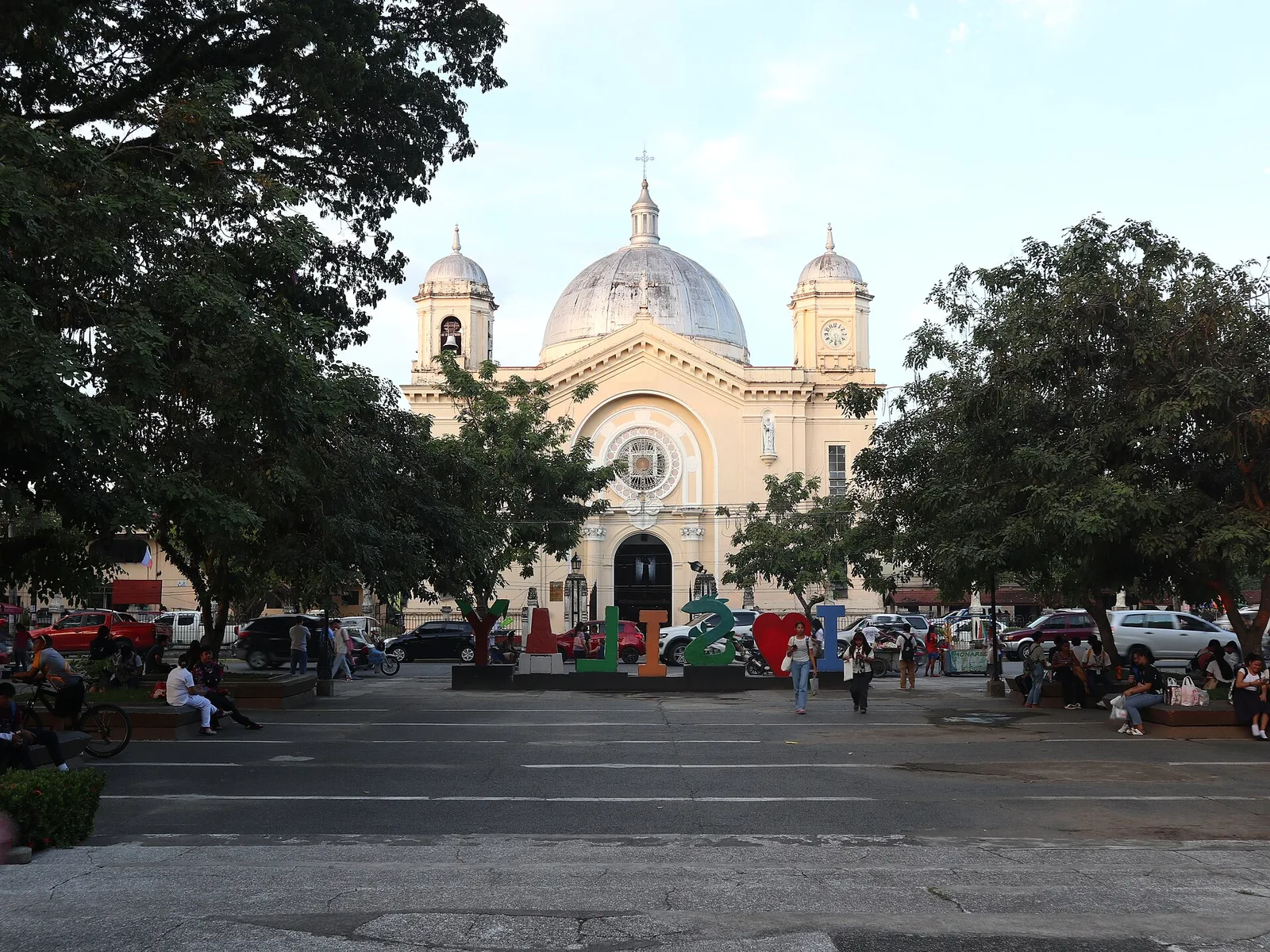
An early 20th-century Catholic church, and the only church in Negros Occidental with a dome. It is also the only pro-cathedral in the country, under the Diocese of Bacolod, and it stood in for the Bacolod cathedral during repairs. Work …
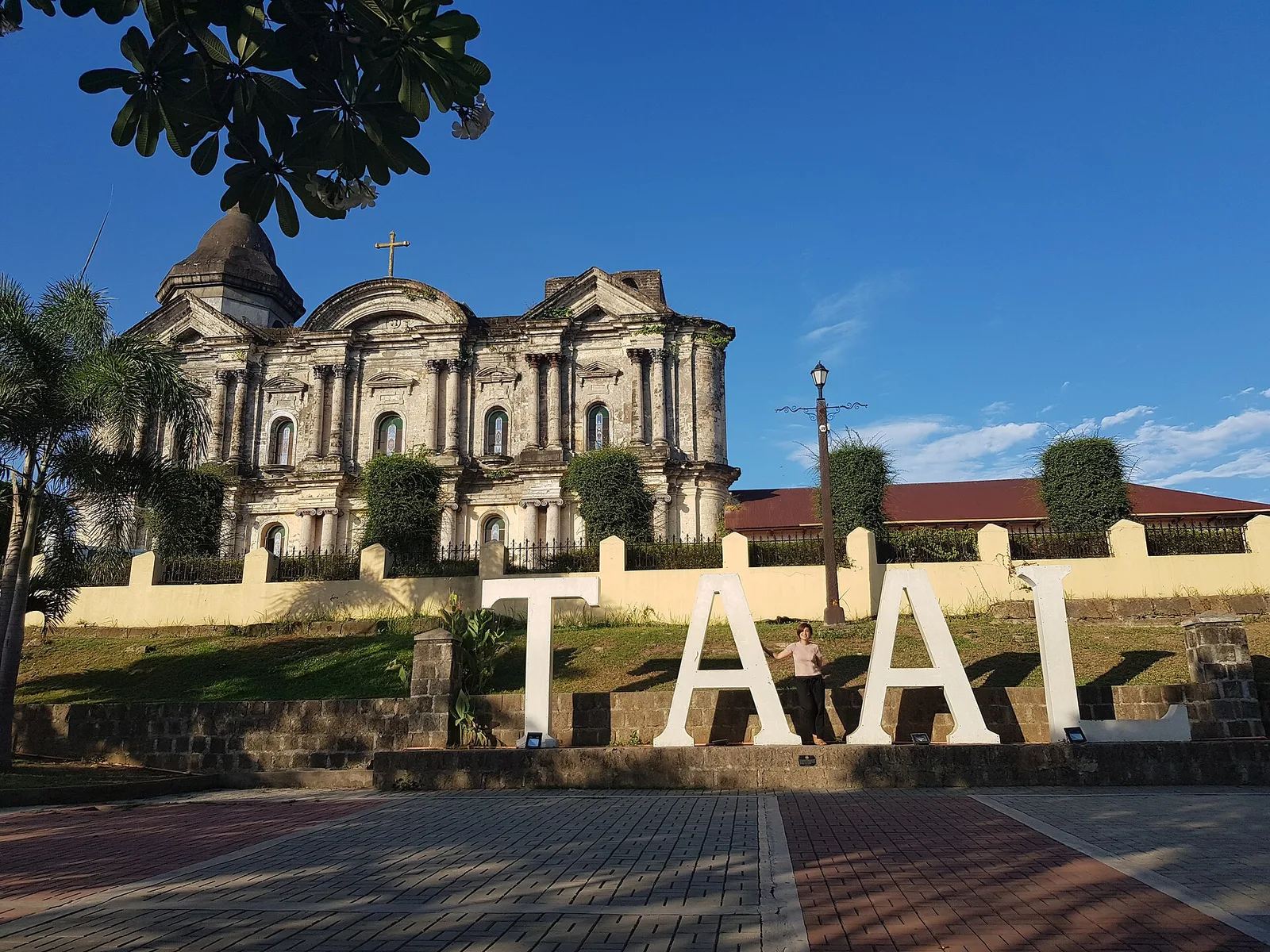
A vast 1856 church on the hill above the plaza, often called the largest Catholic church in Asia. It measures 88.6 metres long and 48 metres wide, and it is the largest Augustinian church. Saint Martin of Tours is the …
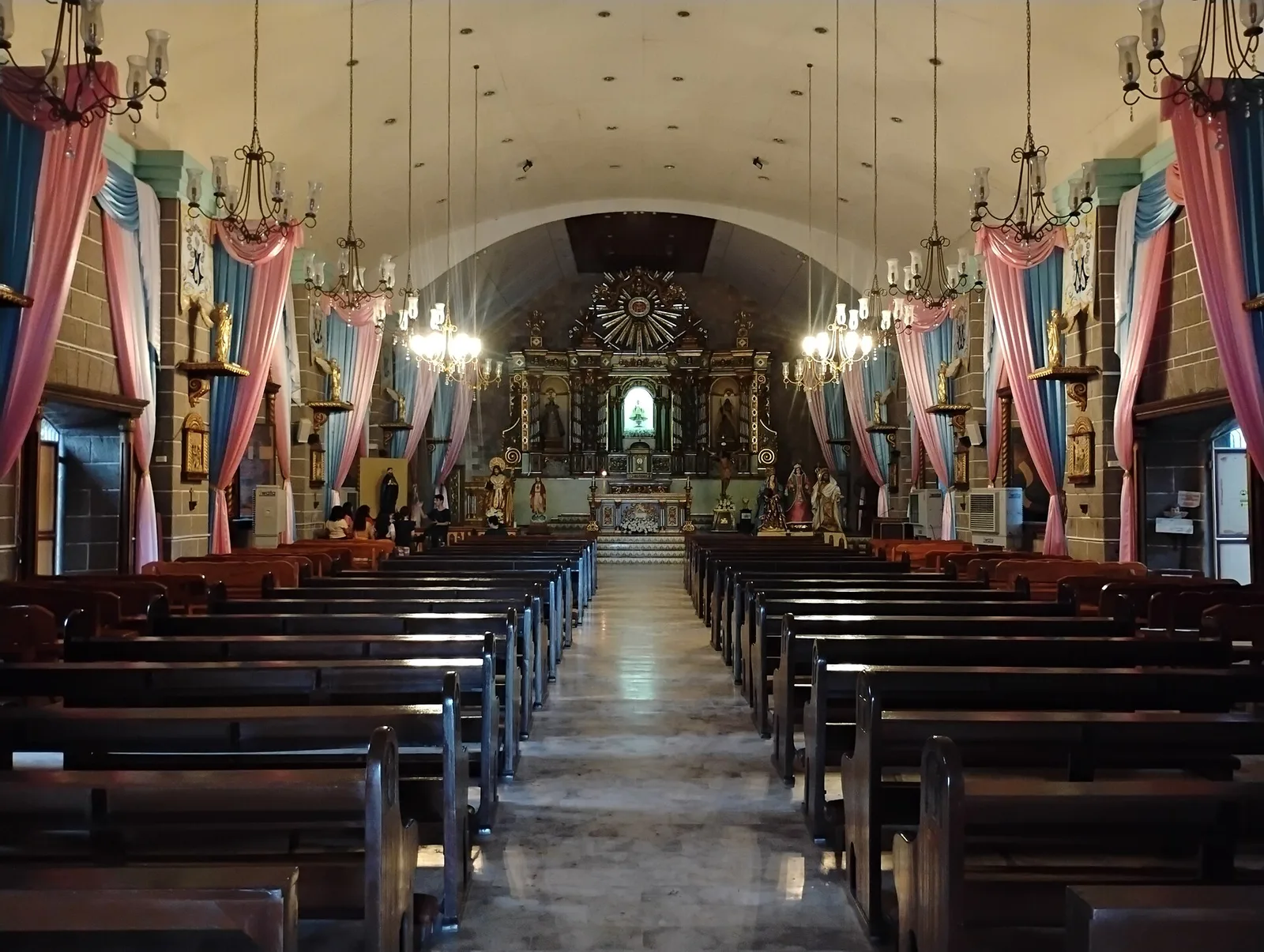
Ternate's main Roman Catholic church. It was built in the 19th century and houses a venerated image of the Christ Child.
Every year on March 31, the city celebrates Mazaua Discovery Day to commemorate a historic milestone, the 1st Easter Mass on Philippines' soil on 1521, celebrated by Ferdinand Magellan. No matter what, Butuanons proclaim with pride that such historic event …
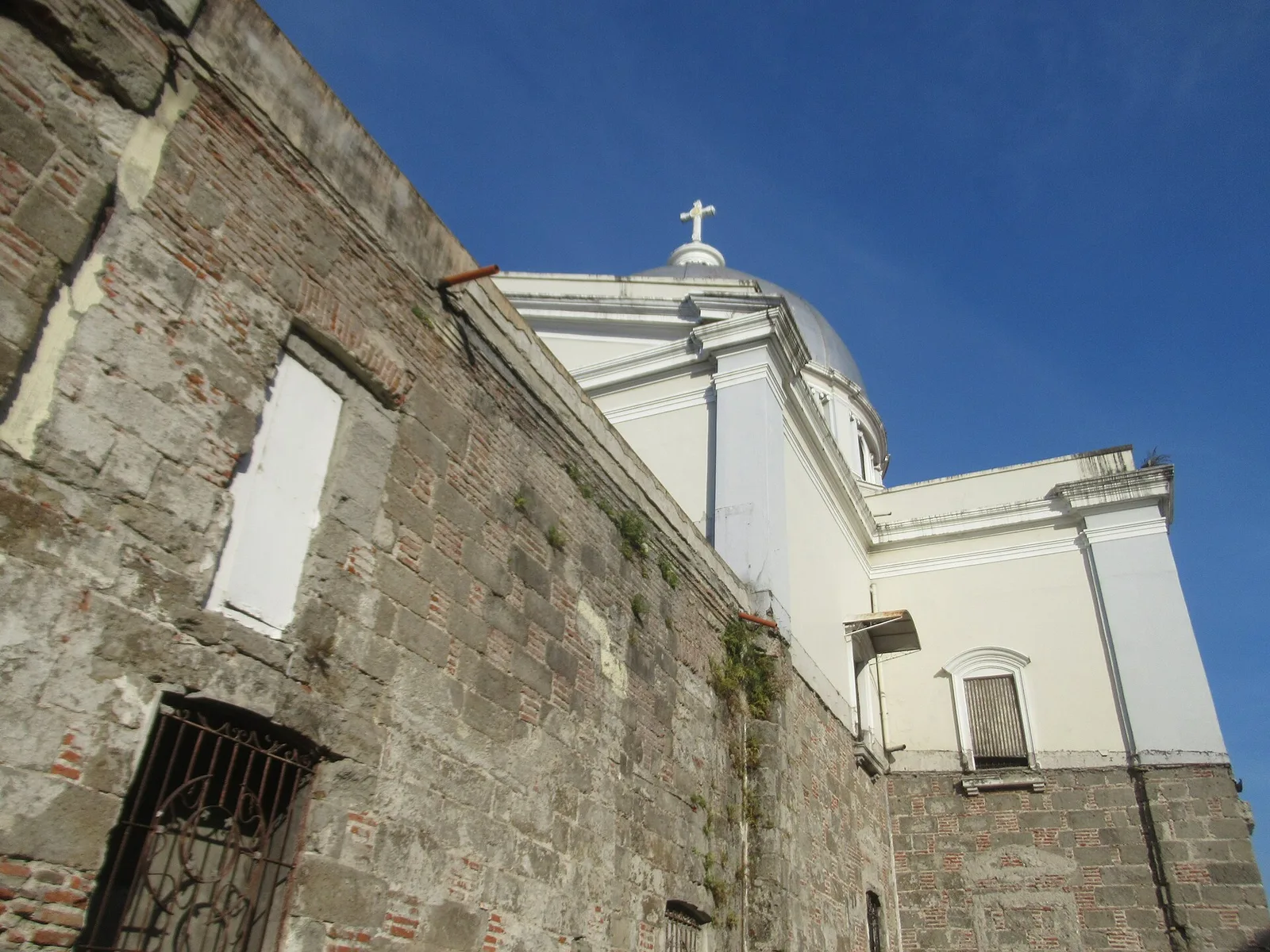
The seat of the Archdiocese of San Fernando, a neo-classical church in Barangay Santo Rosario. It carried the name Cathedral of Our Lady of the Assumption before it became the metropolitan cathedral. The church stands in the San Fernando Heritage …
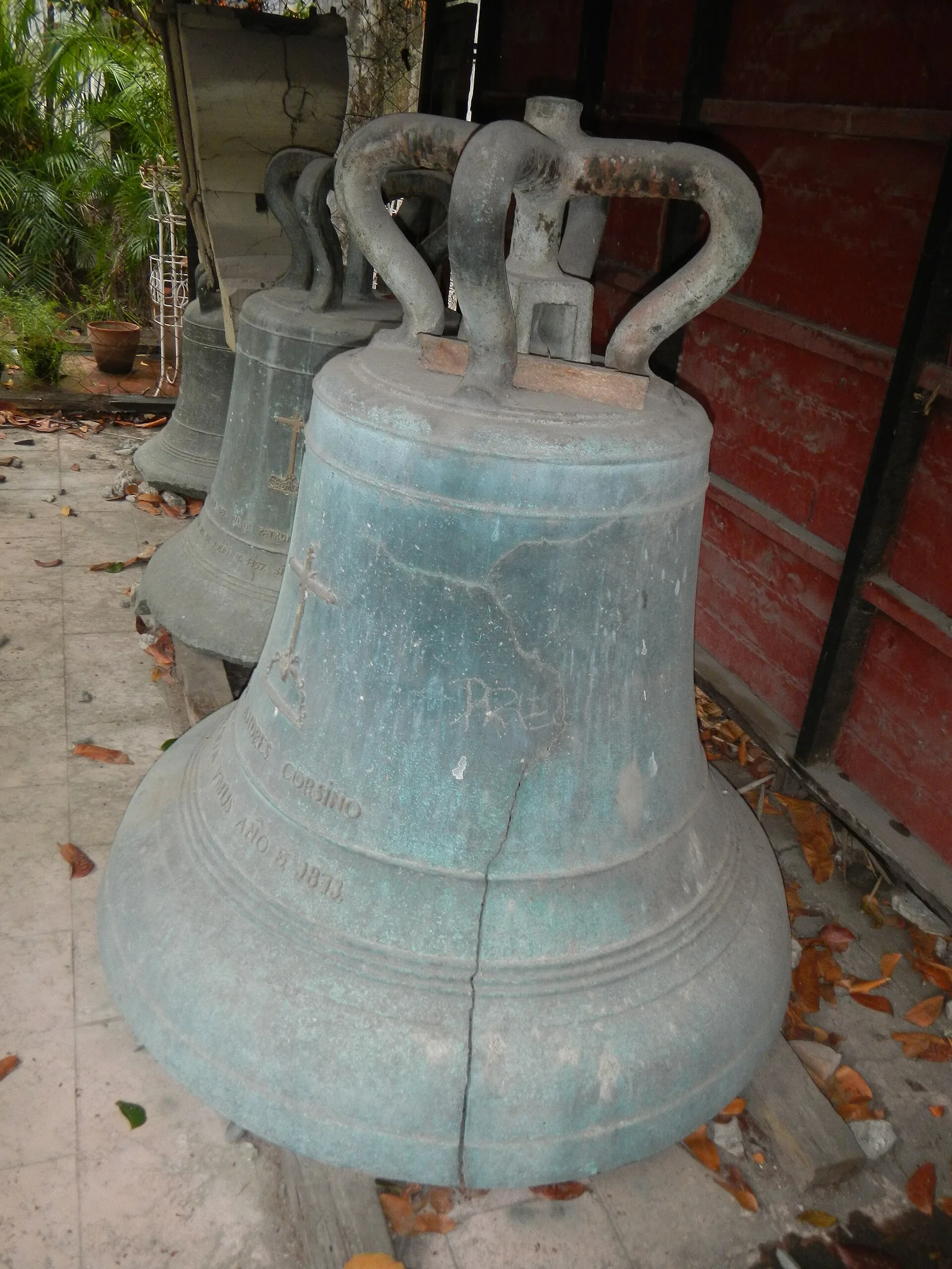
The seat of the bishop of Imus, whose diocese covers the whole province of Cavite. Inside is the crowned image of Our Lady of the Pillar, patroness of the diocese and of the province. Cardinal Luis Antonio Tagle crowned the …
A shrine dedicated to the Black Nazarene located in the heart of the city. The Minor Basilica of the Black Nazarene in Quiapo Church decided to move the replica statue of the Black Nazarene to Nazareno Parish Church, so that …
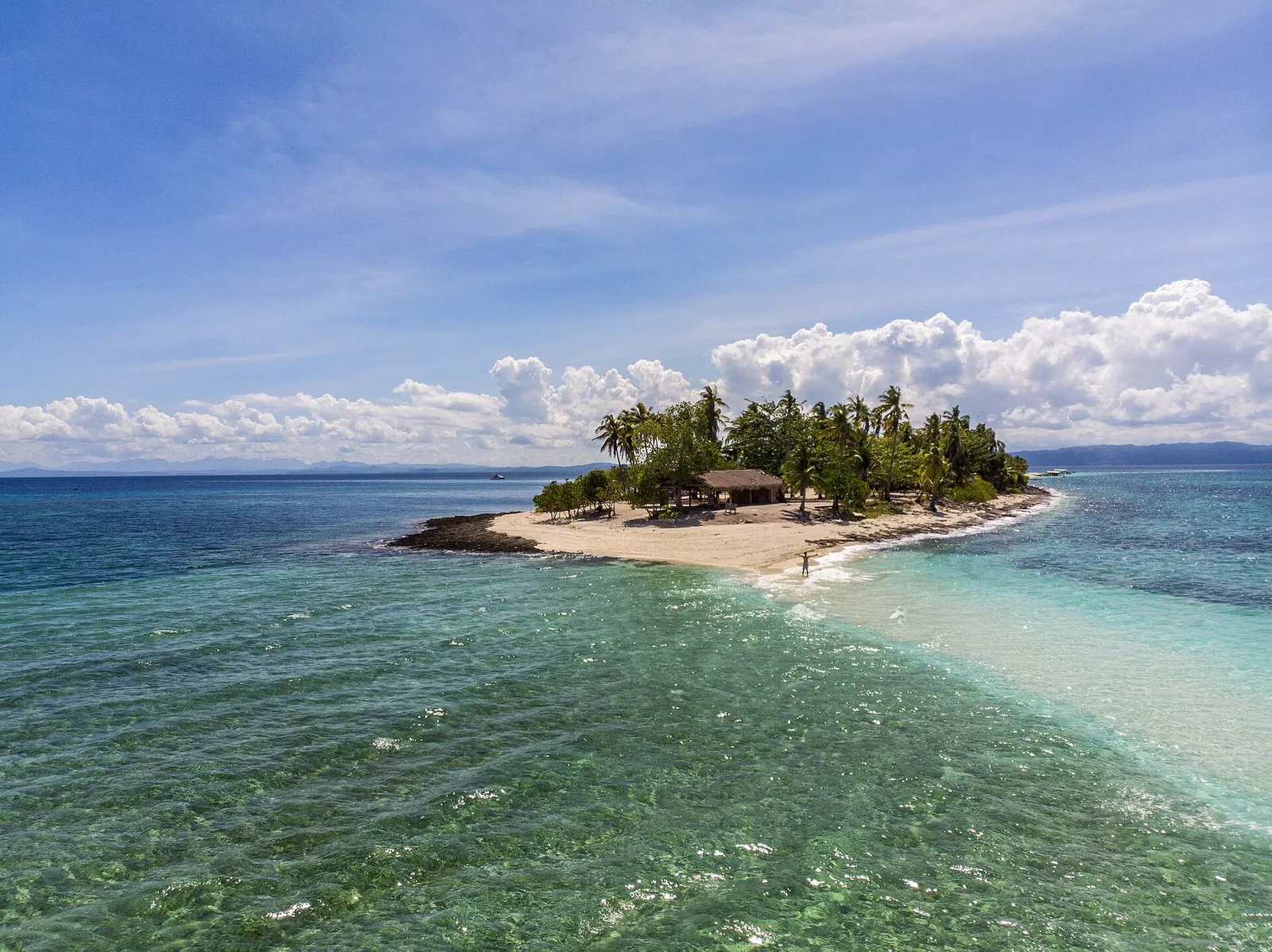
A sandbar island in the sea between Leyte and Cebu, 10 kilometres west of the town of Palompon, which owns and runs it. The name comes from langgam, the local word for bird: when the sandbar forms it is said …
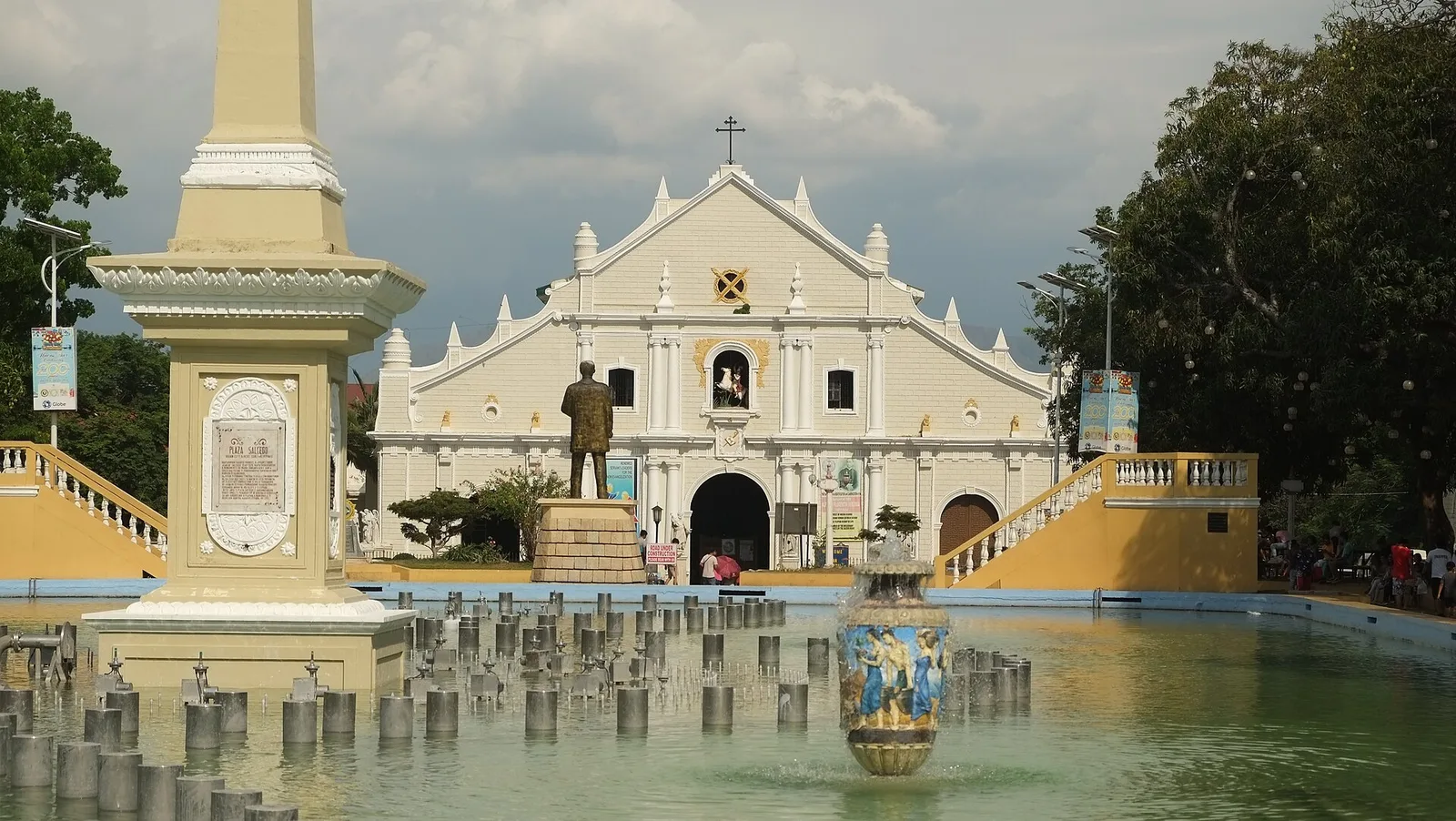
The 18th-century earthquake baroque cathedral on Plaza Salcedo, with a bell tower standing apart from the church. It holds the cathedra of the Archdiocese of Nueva Segovia, and it is part of what UNESCO listed in 1999 as the Historic …
Banaue Ethnic Village and Pine Forest Resort is on a six hectare lot in a pine forest above downtown Banaue. It has large grassy areas, picnic shelters, swimming pools, and a large function hall. This would be an ideal place …

The seat of the Diocese of Cabanatuan, on Del Pilar Street in Barangay General Luna. It briefly served as the headquarters of the Philippine Revolutionary Government in May 1899, when the First Philippine Republic moved to Cabanatuan. General Antonio Luna …
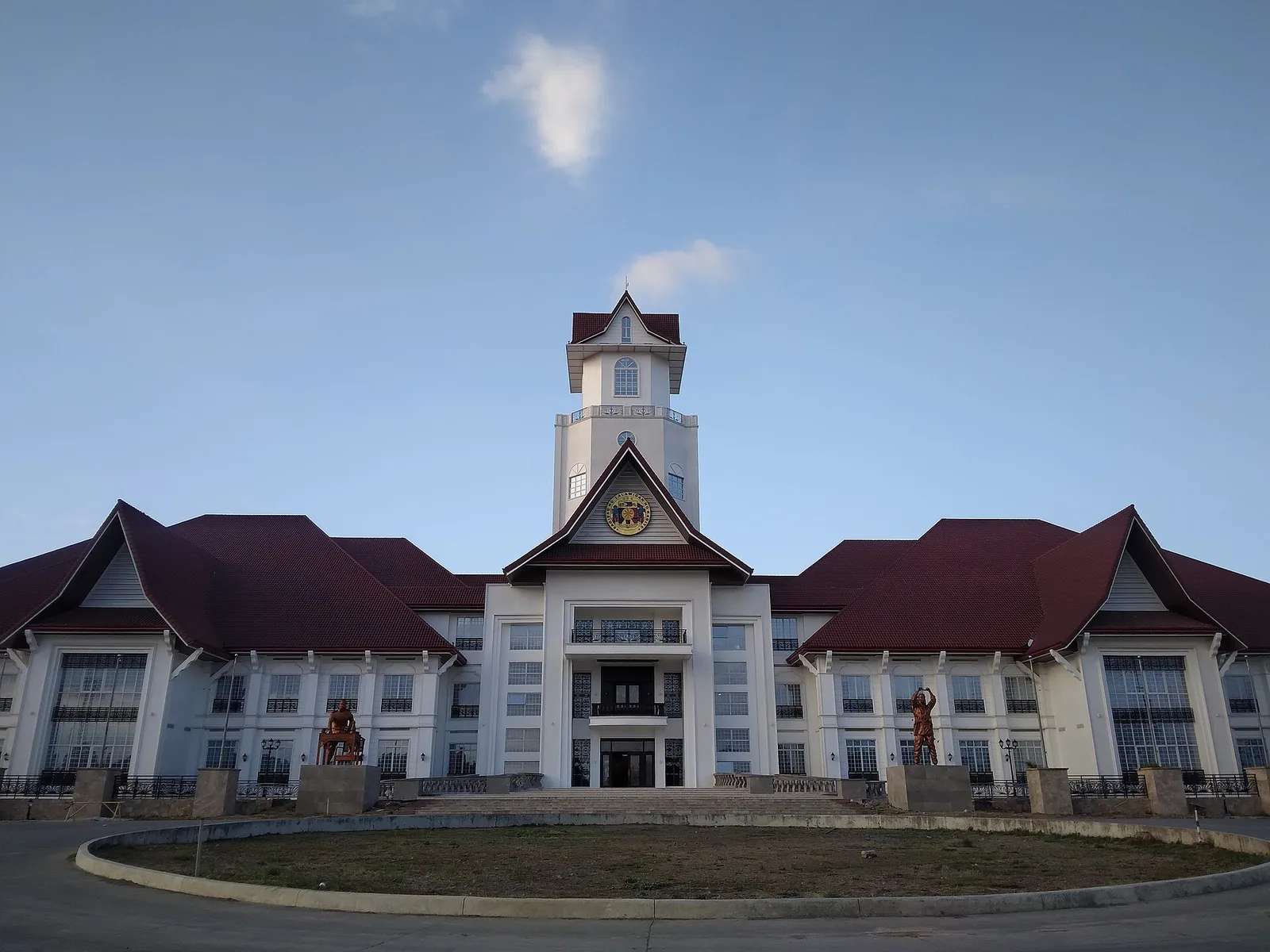
The city government broke ground in 2021 on this park, a 1.8 hectare site in Barangay Lapidario near the provincial capitol, now known as Trece Martires People's Park. It took over part of the role once played by the city's …