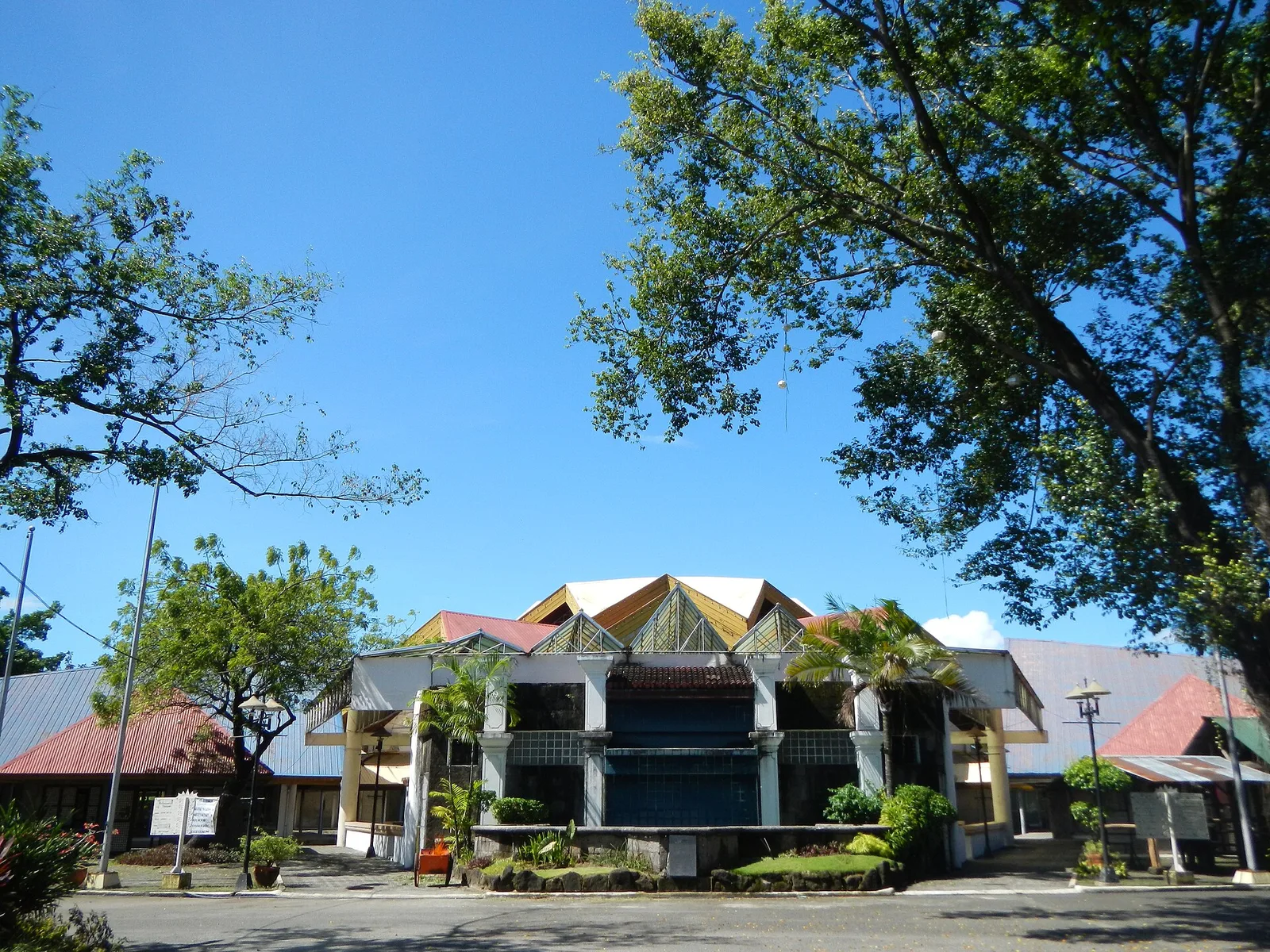
A 3-day plan built from the See, Do and Eat listings in Wikivoyage's San Fernando (Pampanga) guide. The stops are in an order that keeps each day close together. Check …
Showing 721 to 750 of 1,893
A 3-day plan built from the See, Do and Eat listings in Wikivoyage's San Fernando (Pampanga) guide. The stops are in an order that keeps each day close together. Check …
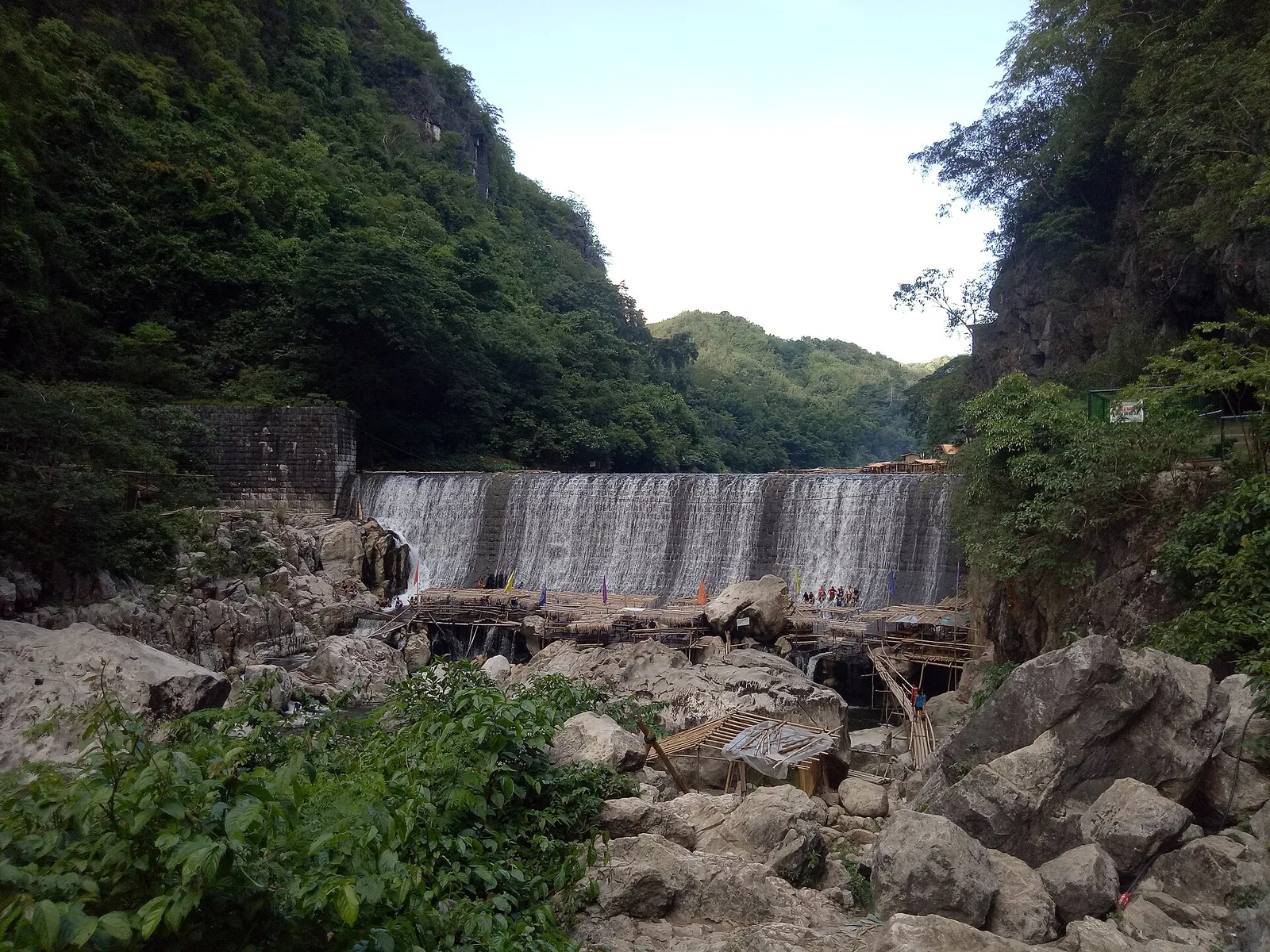
A 3-day plan built from the See, Do and Eat listings in Wikivoyage's Rodriguez guide. The stops are in an order that keeps each day close together. Check the hours …
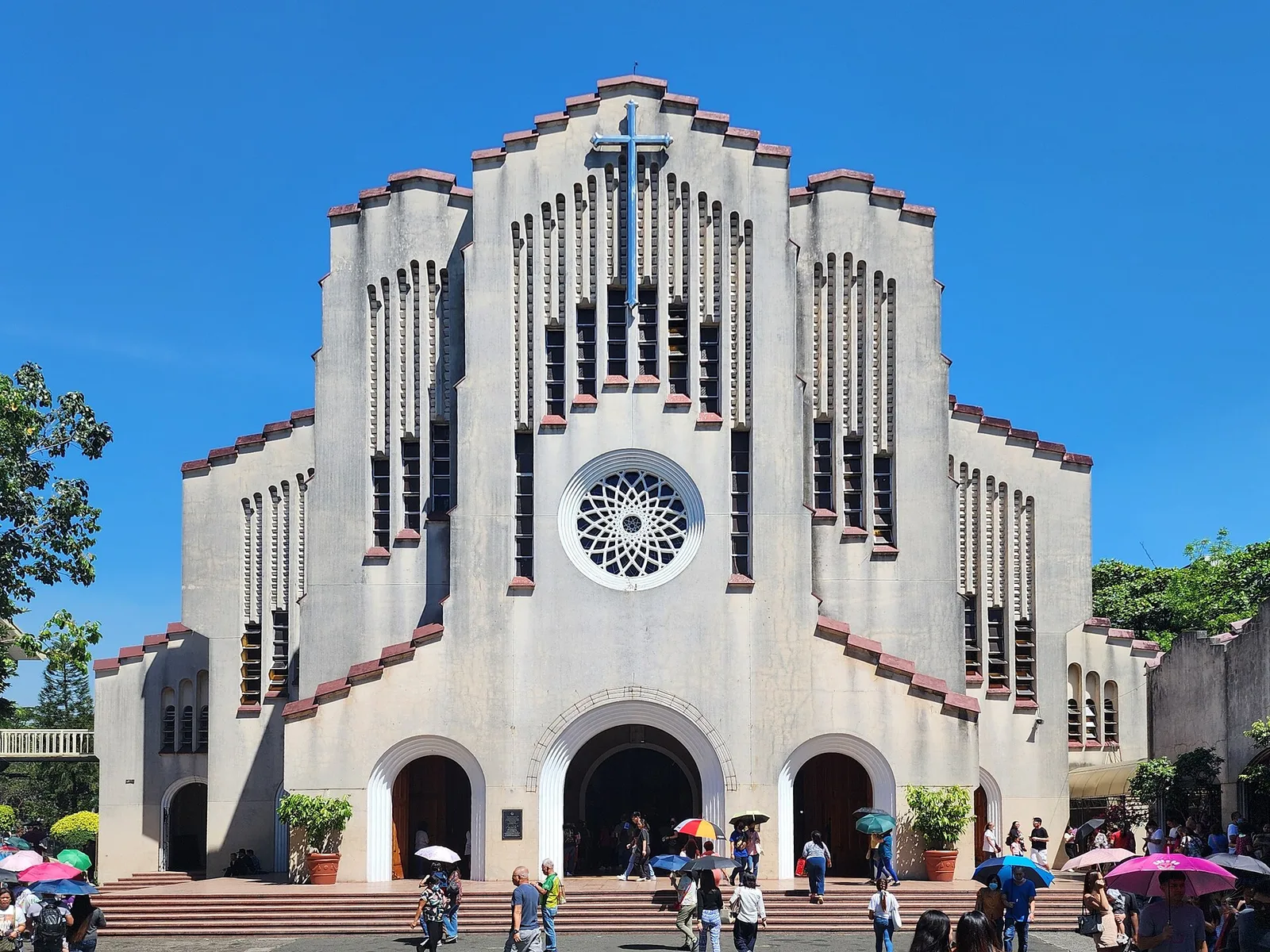
A 2-day plan built from the See, Do and Eat listings in Wikivoyage's Parañaque guide. The stops are in an order that keeps each day close together. Check the hours …
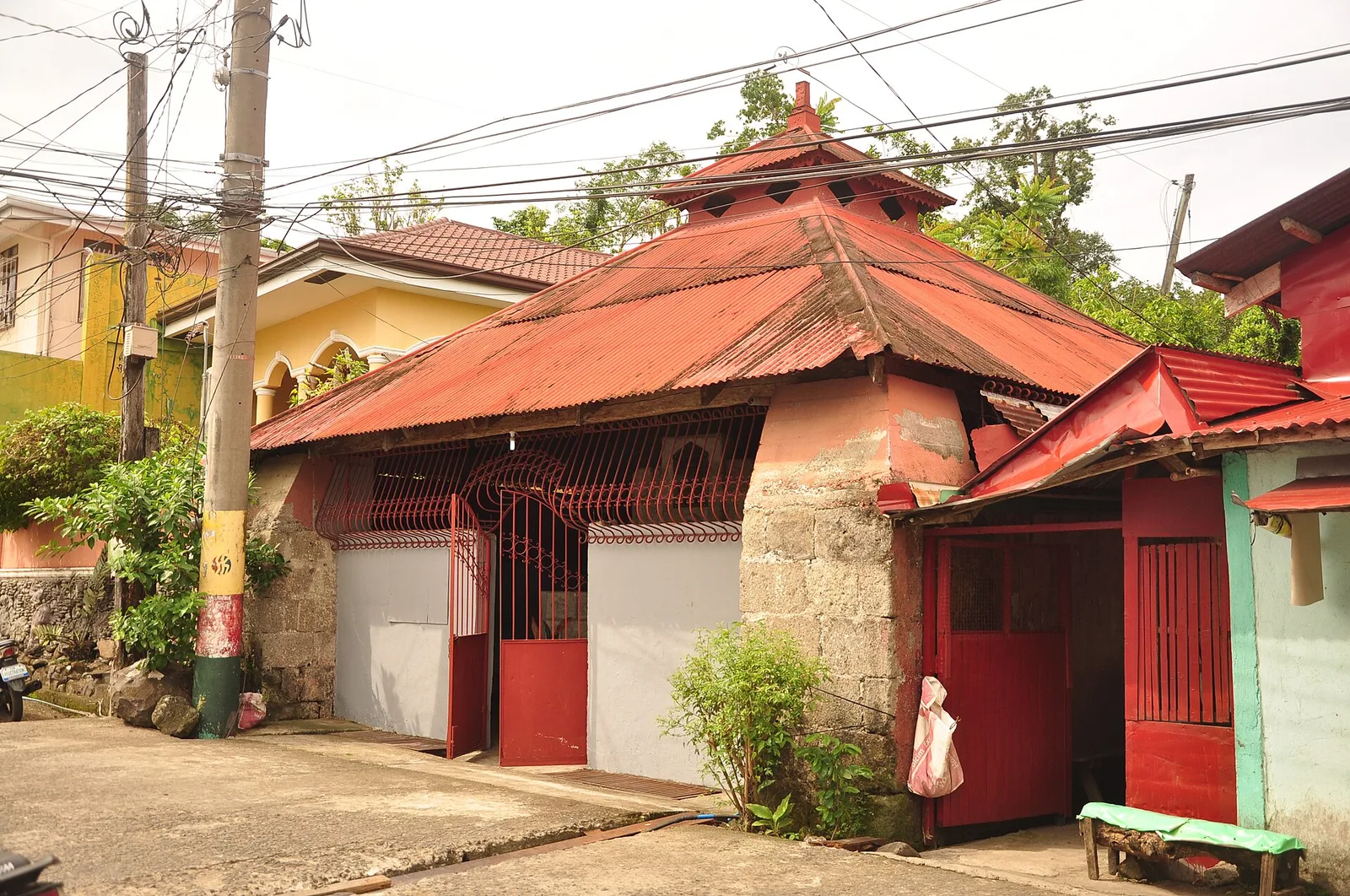
A 3-day plan built from the See, Do and Eat listings in Wikivoyage's Mauban guide. The stops are in an order that keeps each day close together. Check the hours …
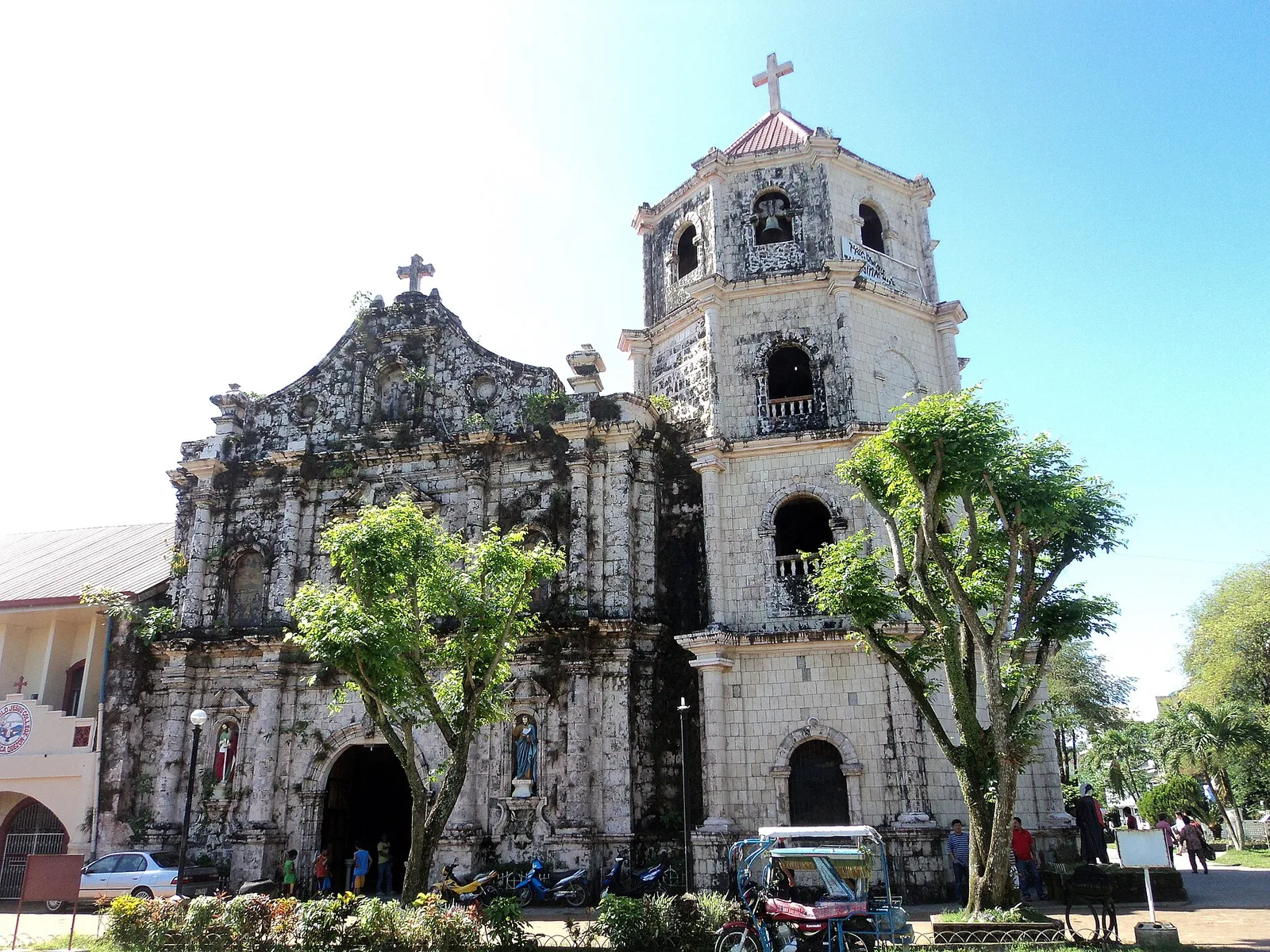
A 3-day plan built from the See, Do and Eat listings in Wikivoyage's Gumaca guide. The stops are in an order that keeps each day close together. Check the hours …
A 2-day plan built from the See, Do and Eat listings in Wikivoyage's Gapan guide. The stops are in an order that keeps each day close together. Check the hours …
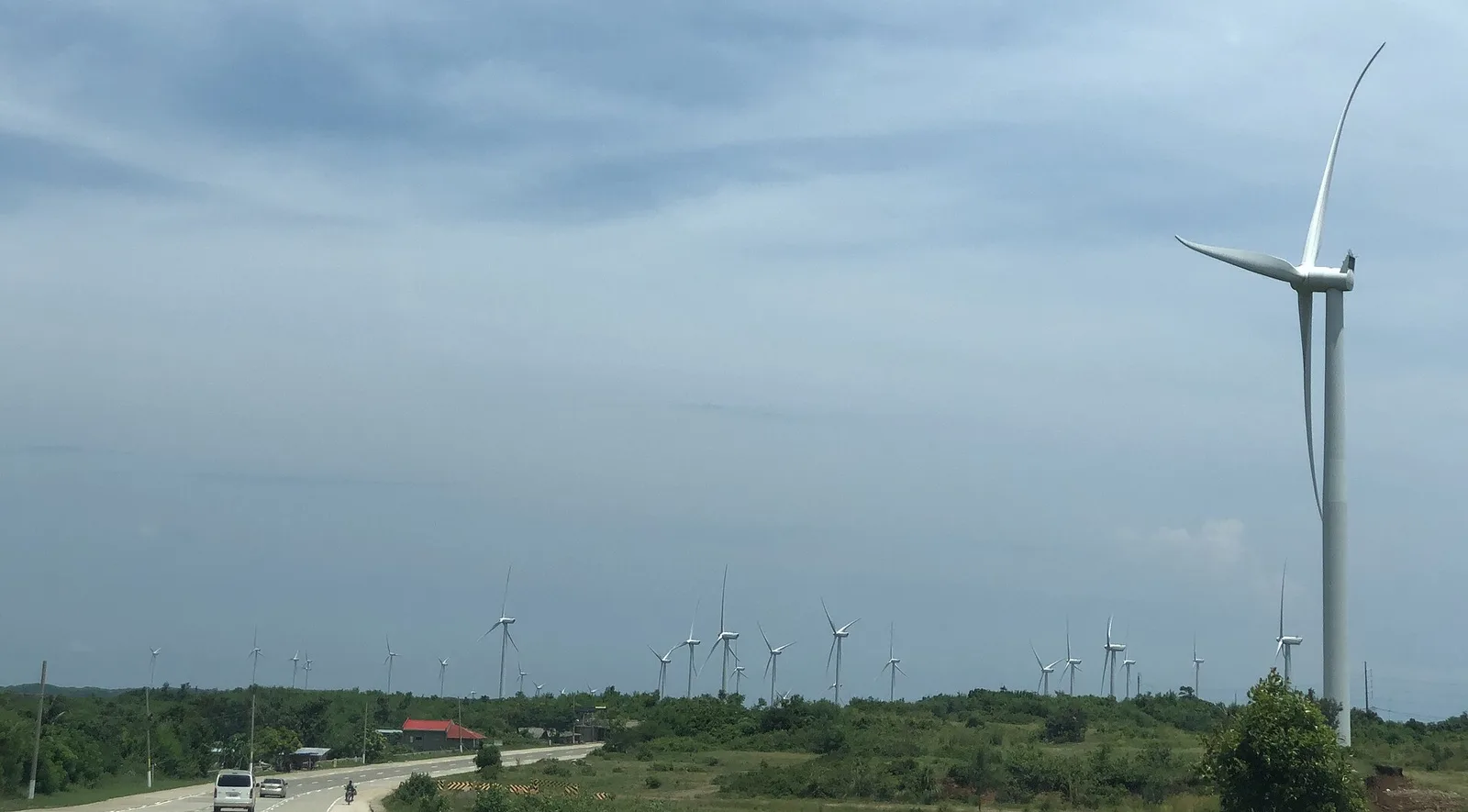
A 2-day plan built from the See, Do and Eat listings in Wikivoyage's Burgos (Ilocos Norte) guide. The stops are in an order that keeps each day close together. Check …
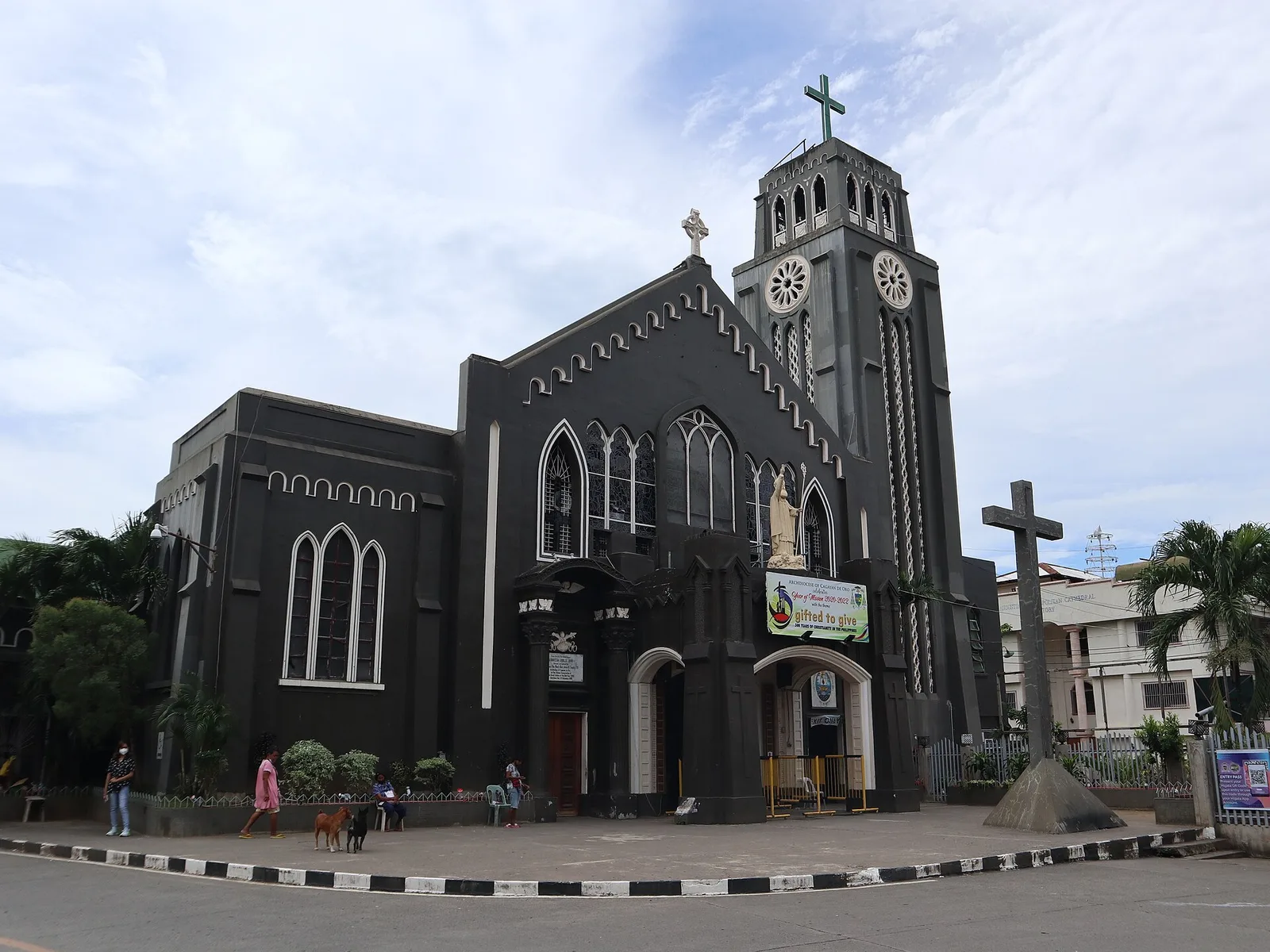
A 3-day plan built from the See, Do and Eat listings in Wikivoyage's Cagayan de Oro guide. The stops are in an order that keeps each day close together. Check …
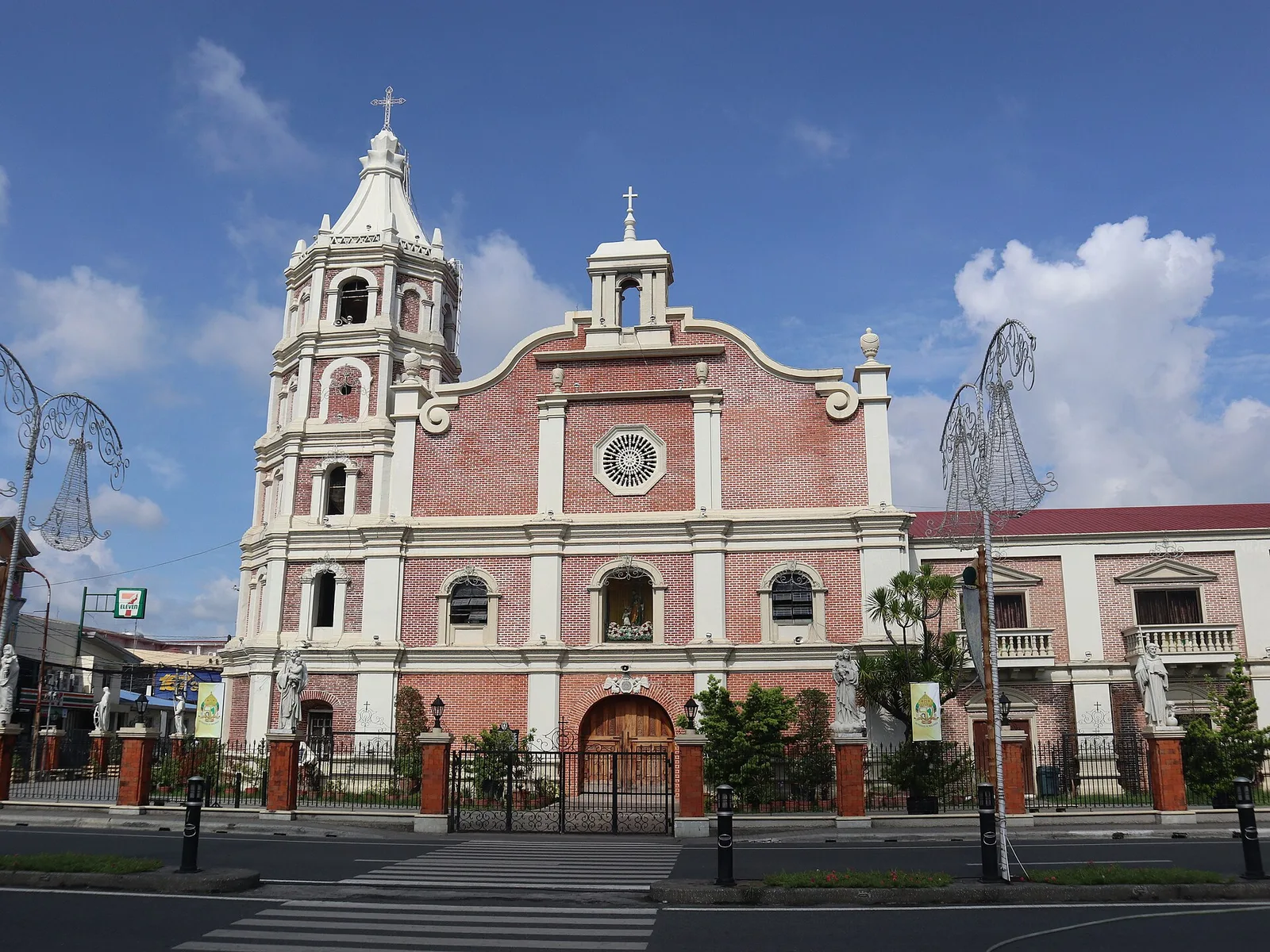
A 3-day plan built from the See, Do and Eat listings in Wikivoyage's Balanga (Bataan) guide. The stops are in an order that keeps each day close together. Check the …
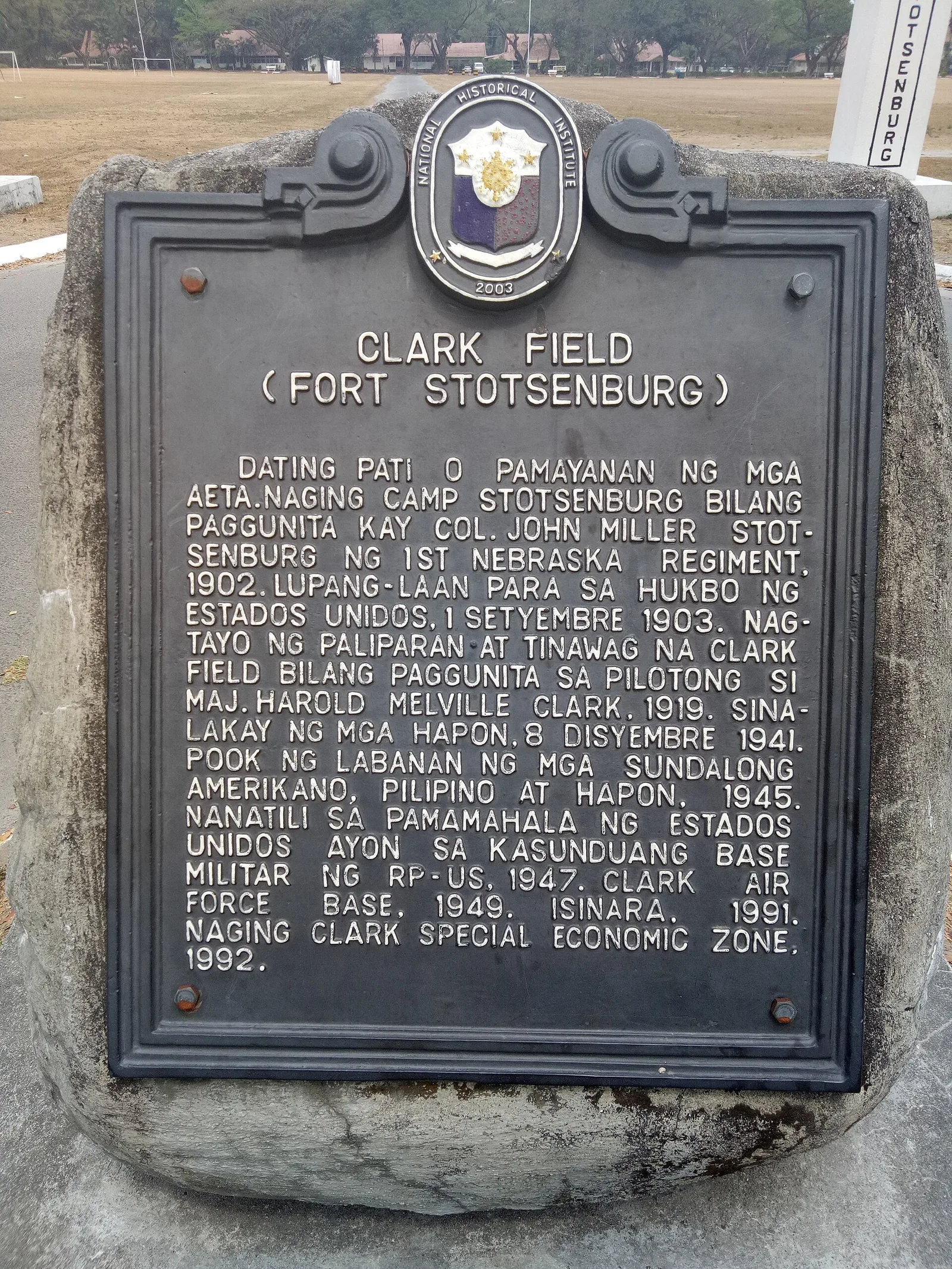
A 3-day plan built from the See, Do and Eat listings in Wikivoyage's Angeles guide. The stops are in an order that keeps each day close together. Check the hours …
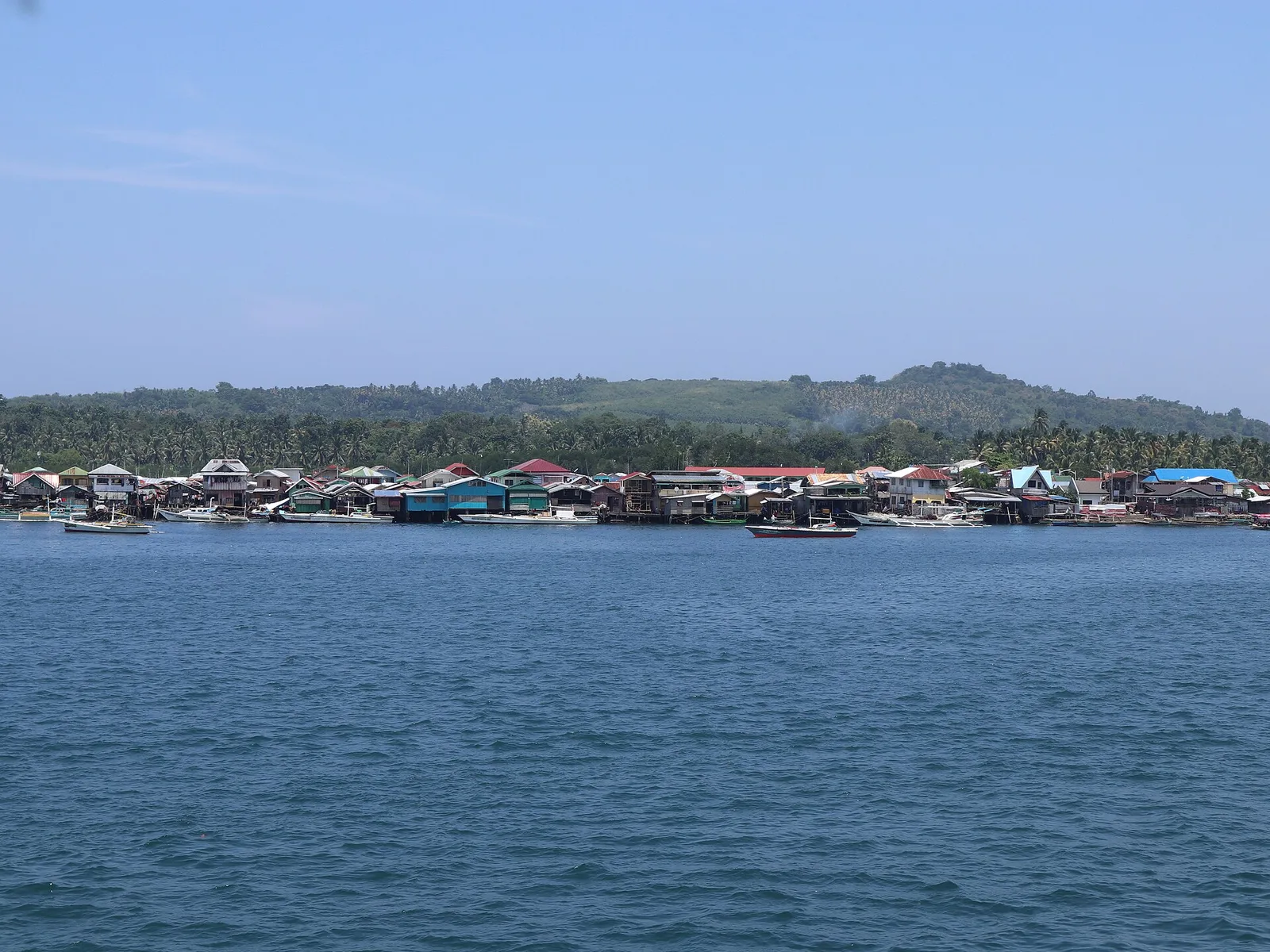
Off the coast of Isabela City lies Malamawi Island, in the province of Basilan.
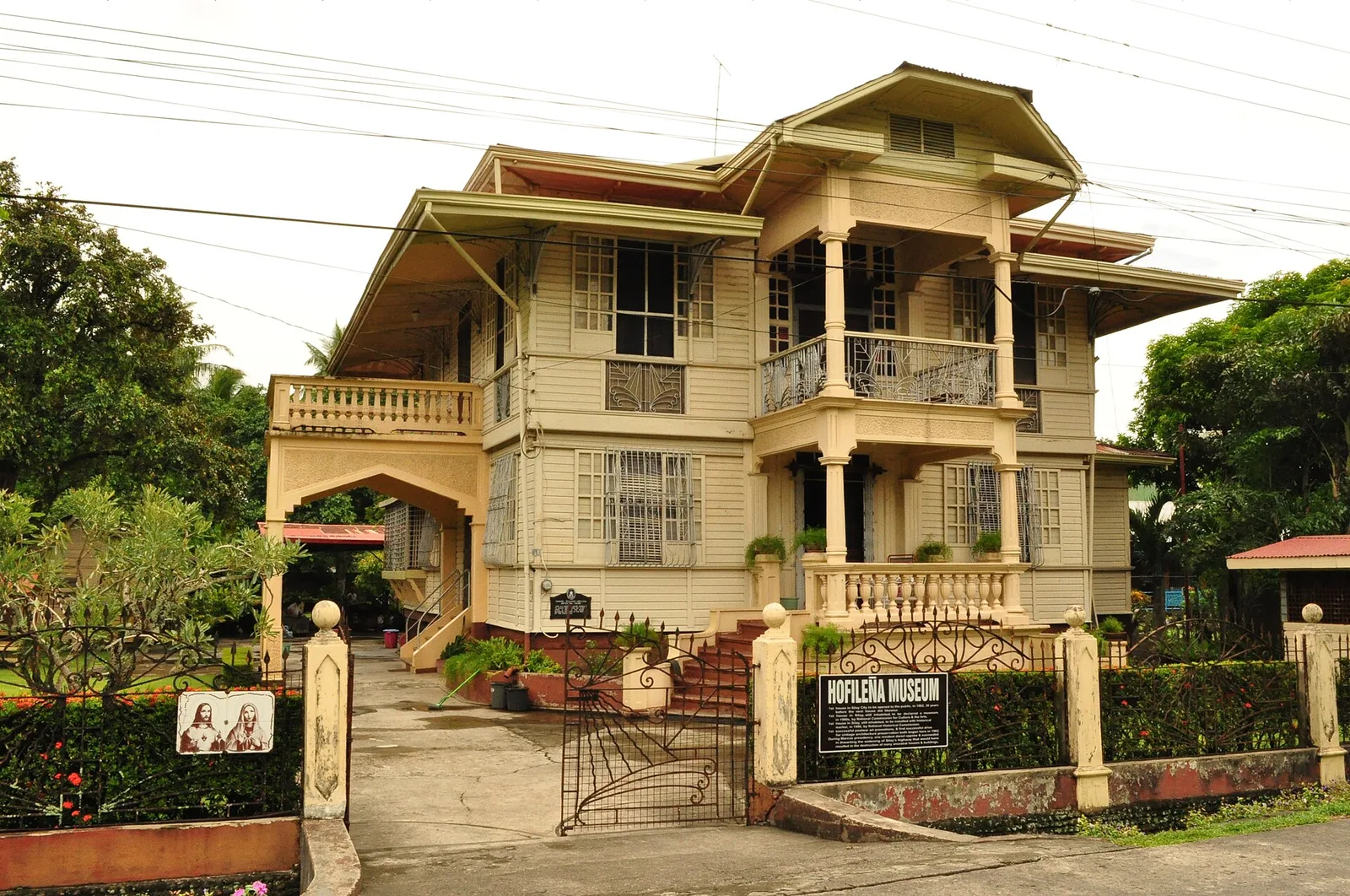
A family home on Cinco de Noviembre Street, built by Manuel Severino Hofileña for his wife Gilda Ledesma Hojilla, a former Miss Silay, and for their nine children. Ramon Hofileña, one of the children, lived here until recently and took …
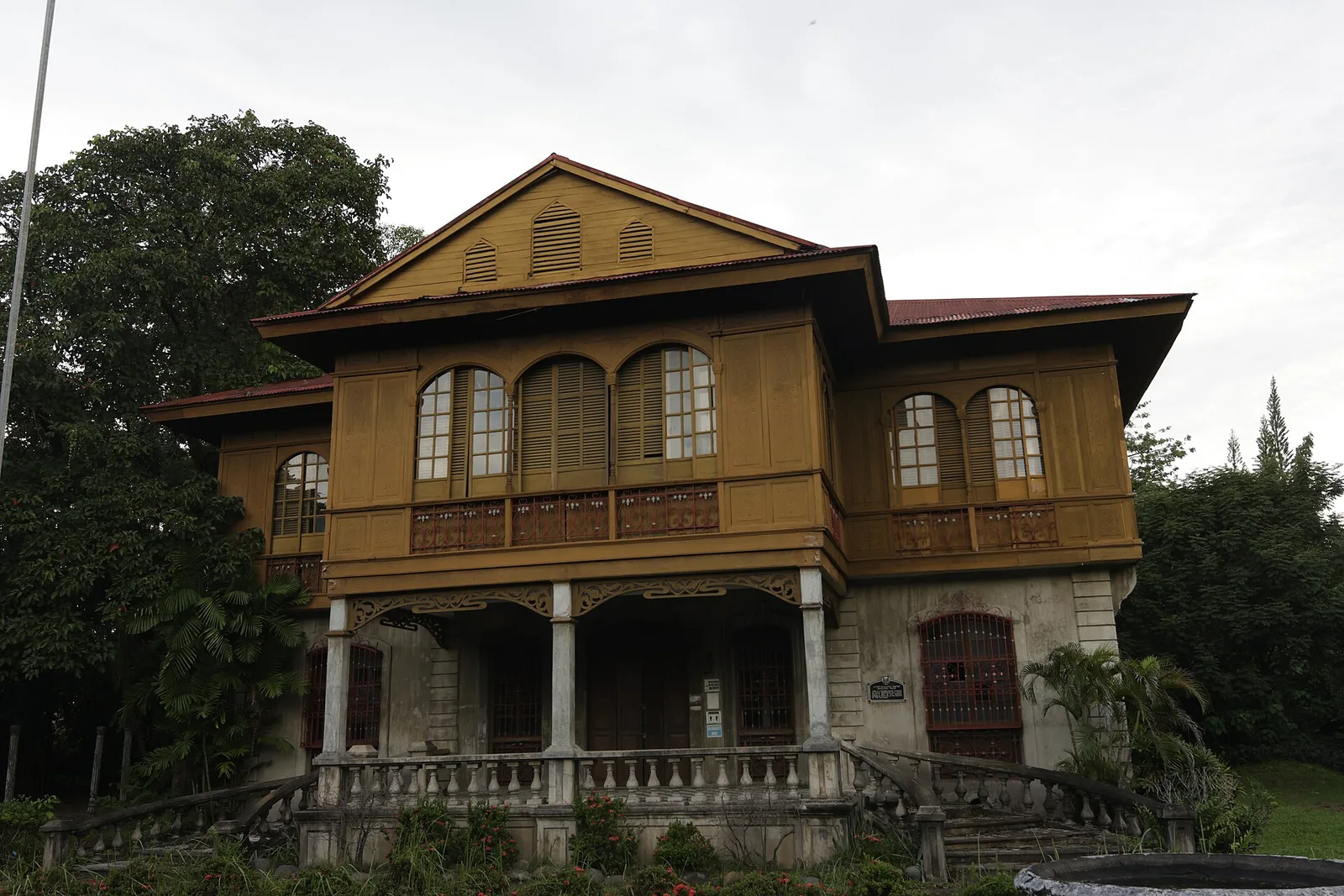
A museum in the mansion of Victor Fernandez Gaston, son of the first Negrense sugar baron, Yves Leopold Germain Gaston. It shows how a sugar baron lived in the late 19th century. It was the first museum in the province …
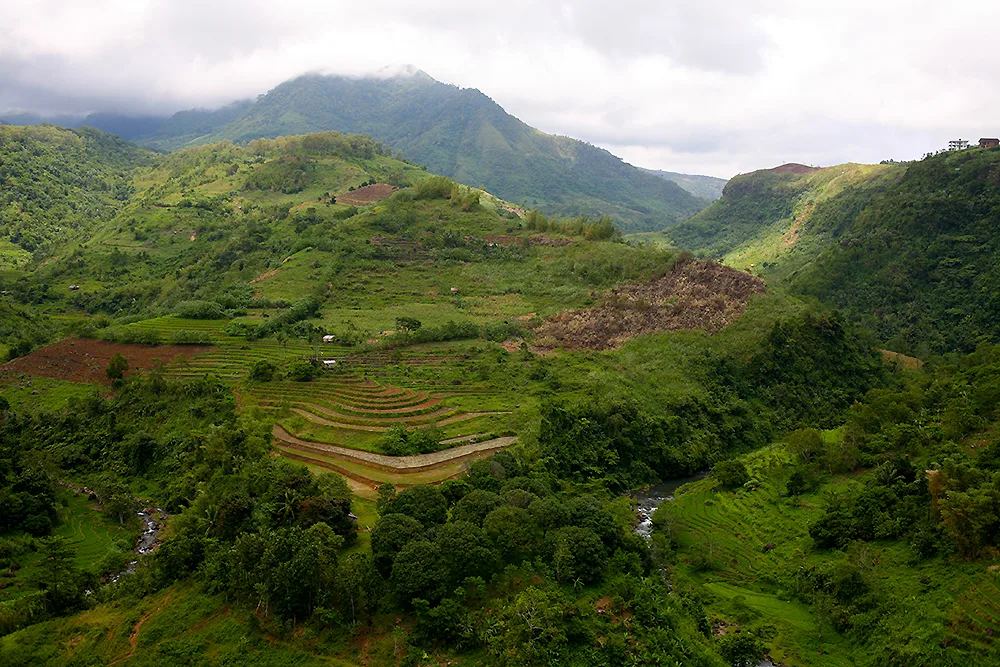
An active volcano and the highest mountain on Negros at 2,465 metres. It is also the highest peak in the Visayas, and it ranks as the 42nd-highest peak of an island in the world. The cone is an andesitic stratovolcano …
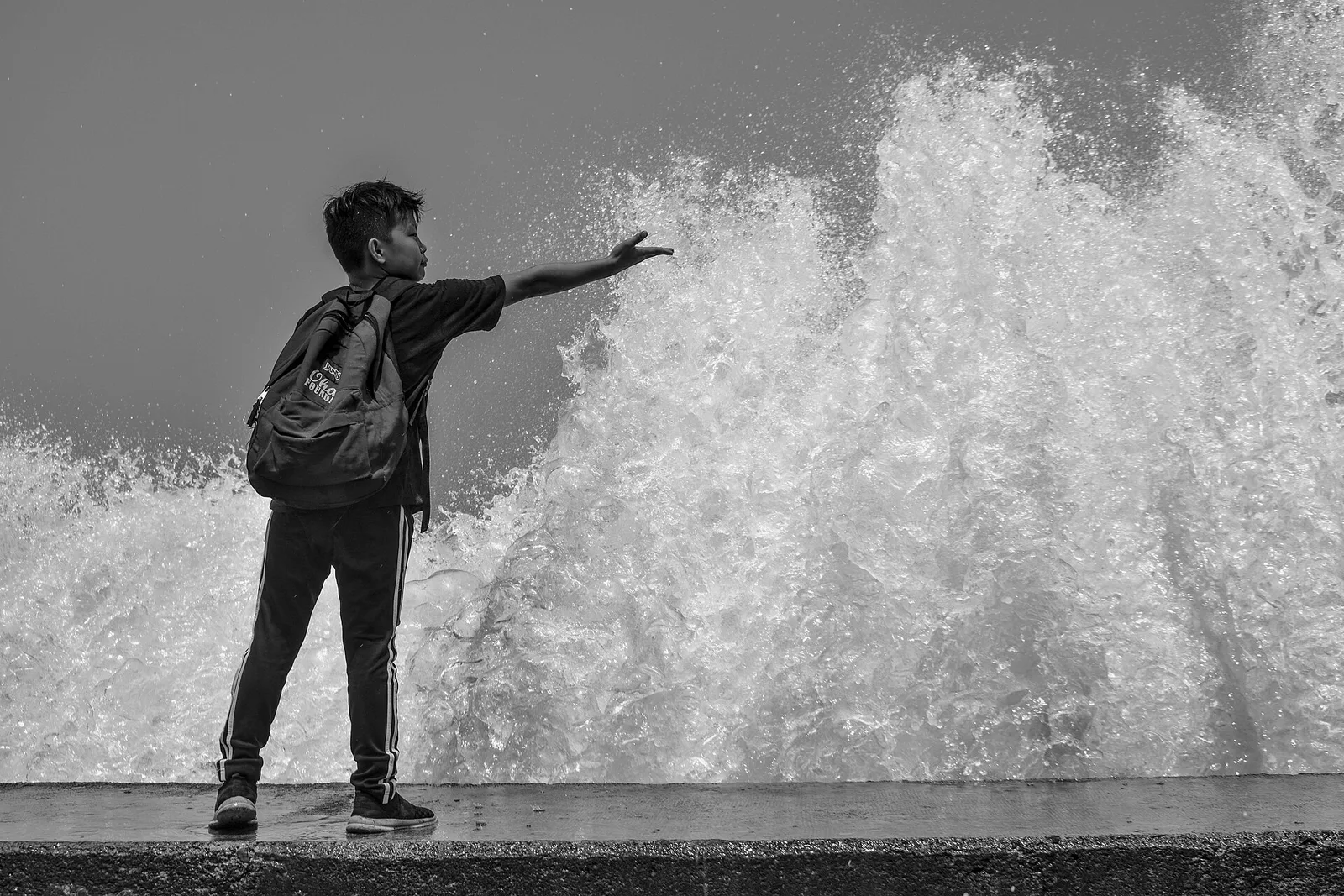
A seafront walk of 3.6 kilometres, from Barangay Central to Barangay Miputak and on to the city port at Barangay Galas. Its official name is the Foreshore Development and Wellness Center. Along it are basketball courts, a playground, restaurants and …
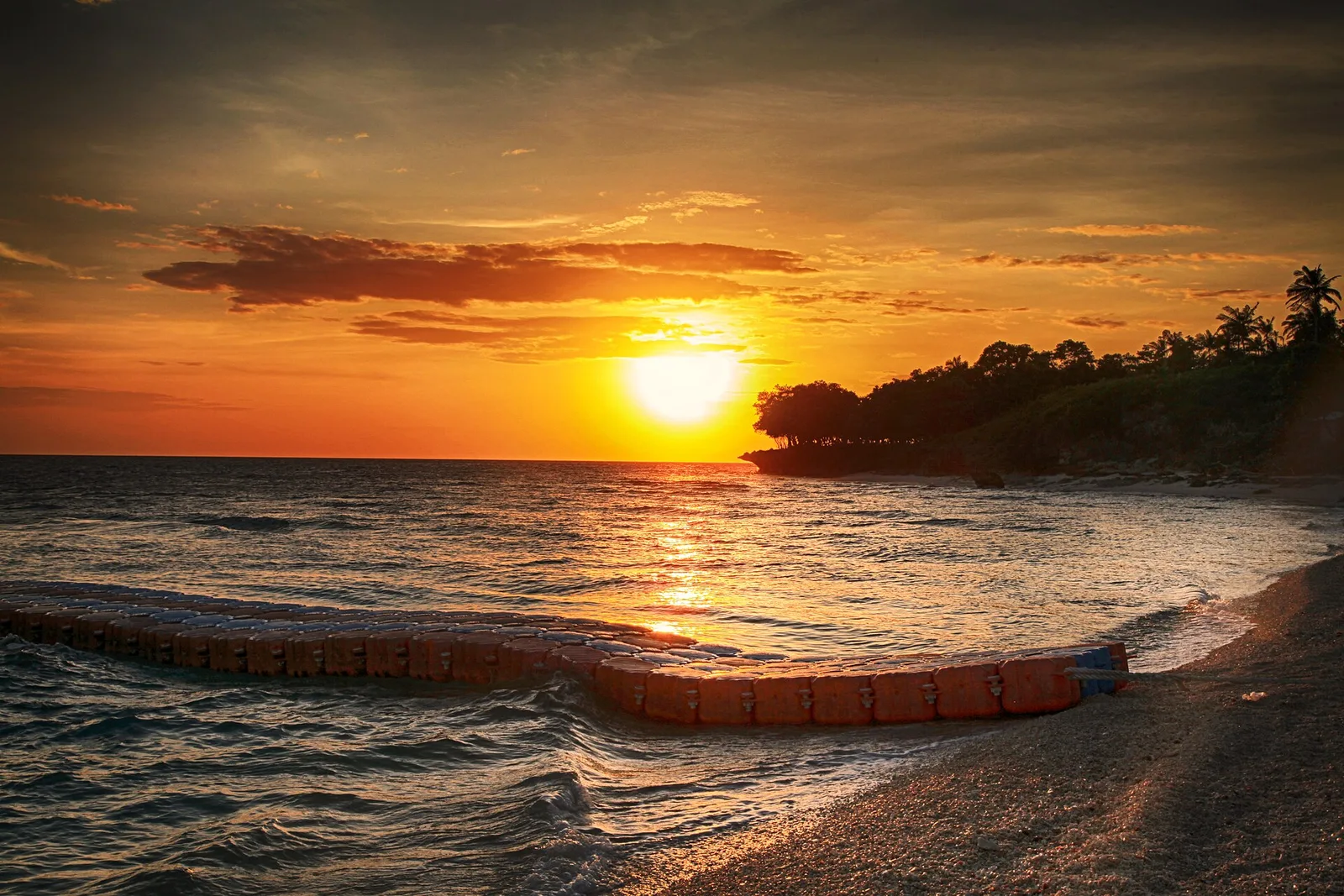
An island barangay of Dapitan with white sand beaches and coral reefs, kept as a marine sanctuary. The island has no water source, so carry your own. Few people live there, and most of them sell fish to visitors.
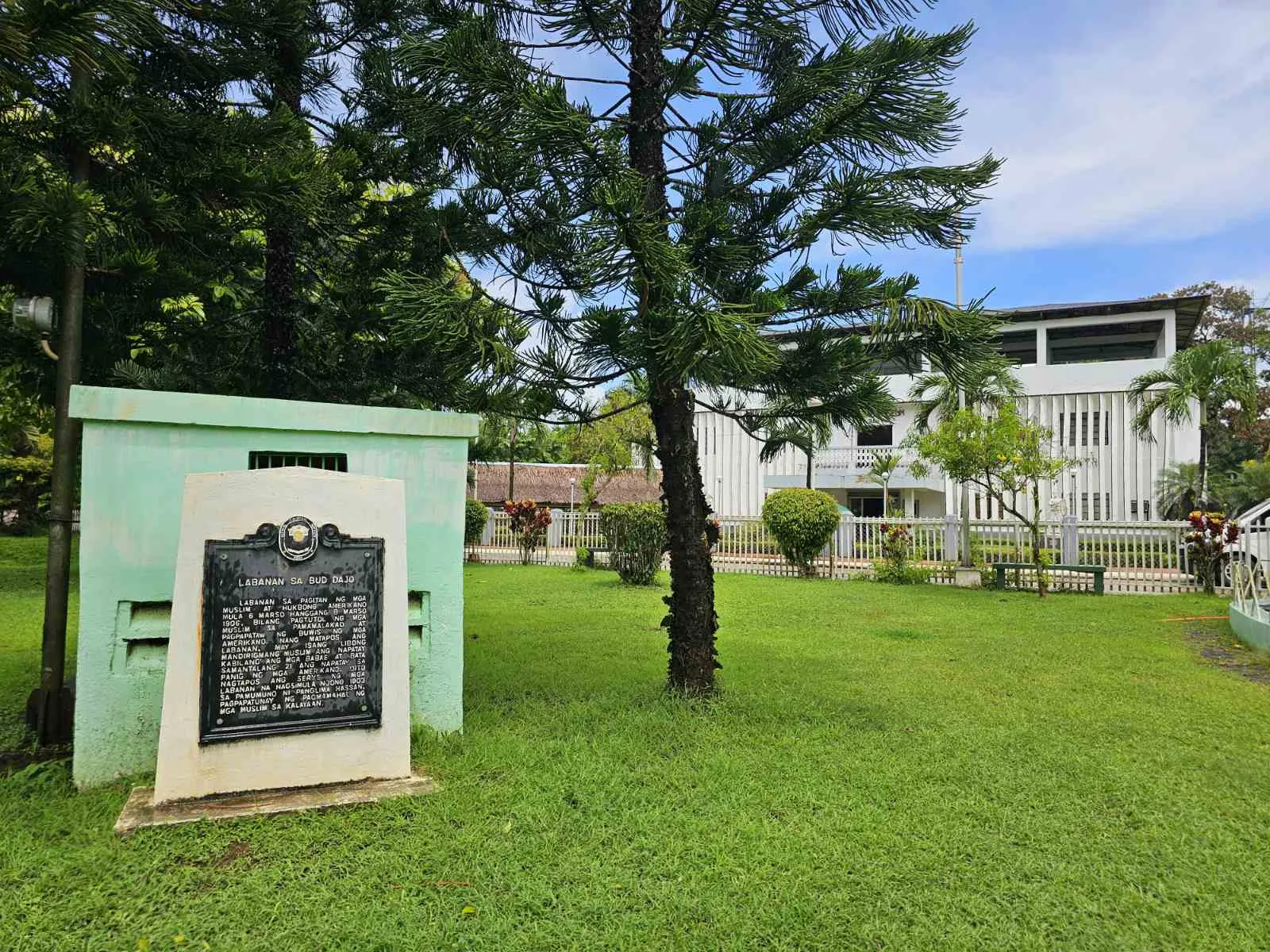
A cinder cone on the island of Jolo and the second highest point in Sulu, at more than 600 metres. The volcano is extinct and belongs to the Jolo Volcanic Group. It is a sacred mountain for the Tausug people …
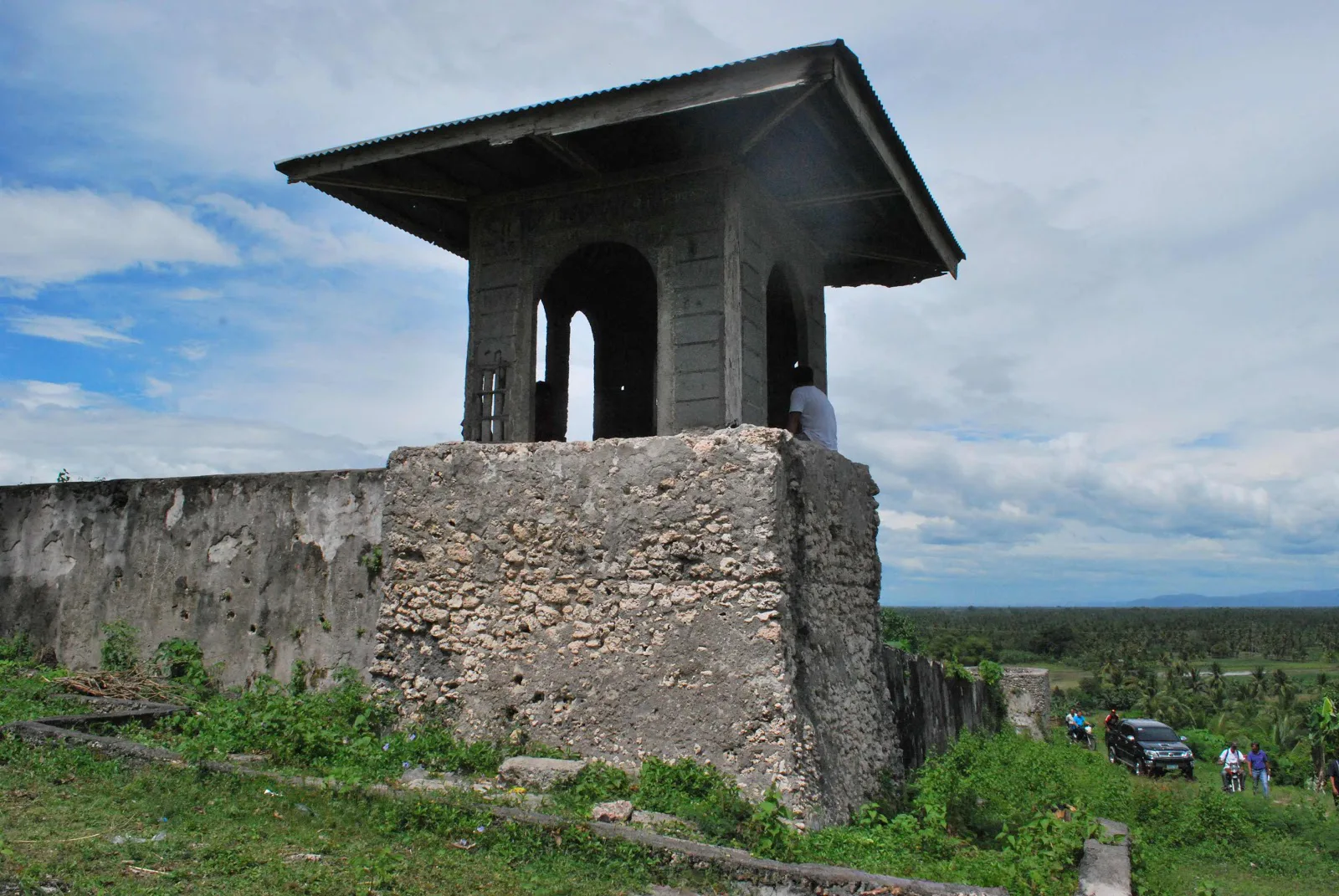
Two Spanish gun towers and a rubble wall 38 metres a side, on a hill behind the municipal hall of Pikit, facing the National Highway. The Spanish built the fort in 1893 as they pushed into what remained of the …
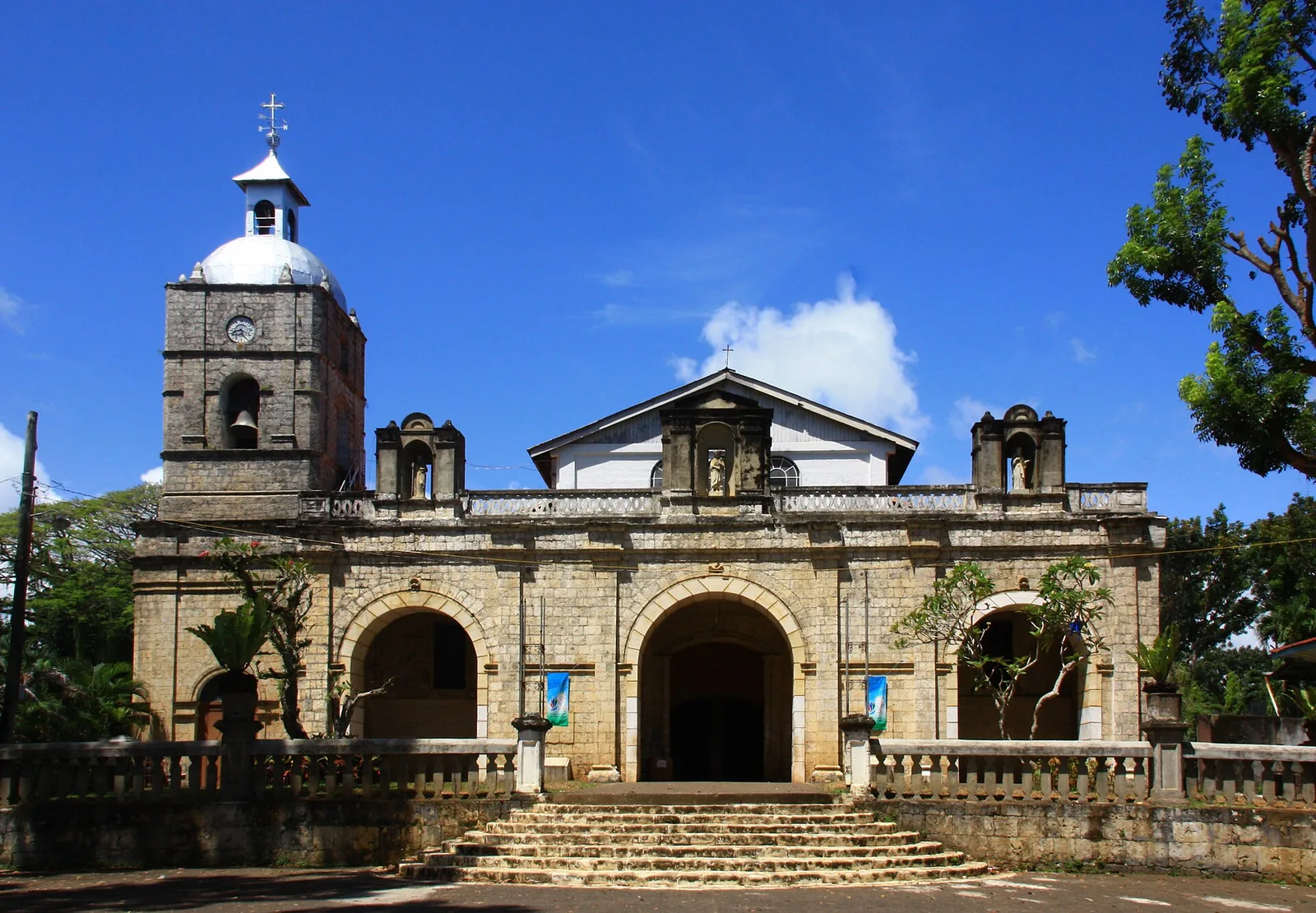
A Baroque church of the late 19th century, declared a National Cultural Treasure in 2001. It stands at Barangay Nacional and serves the parish of Saint John the Baptist, under the Archdiocese of Ozamis. The town around it is one …
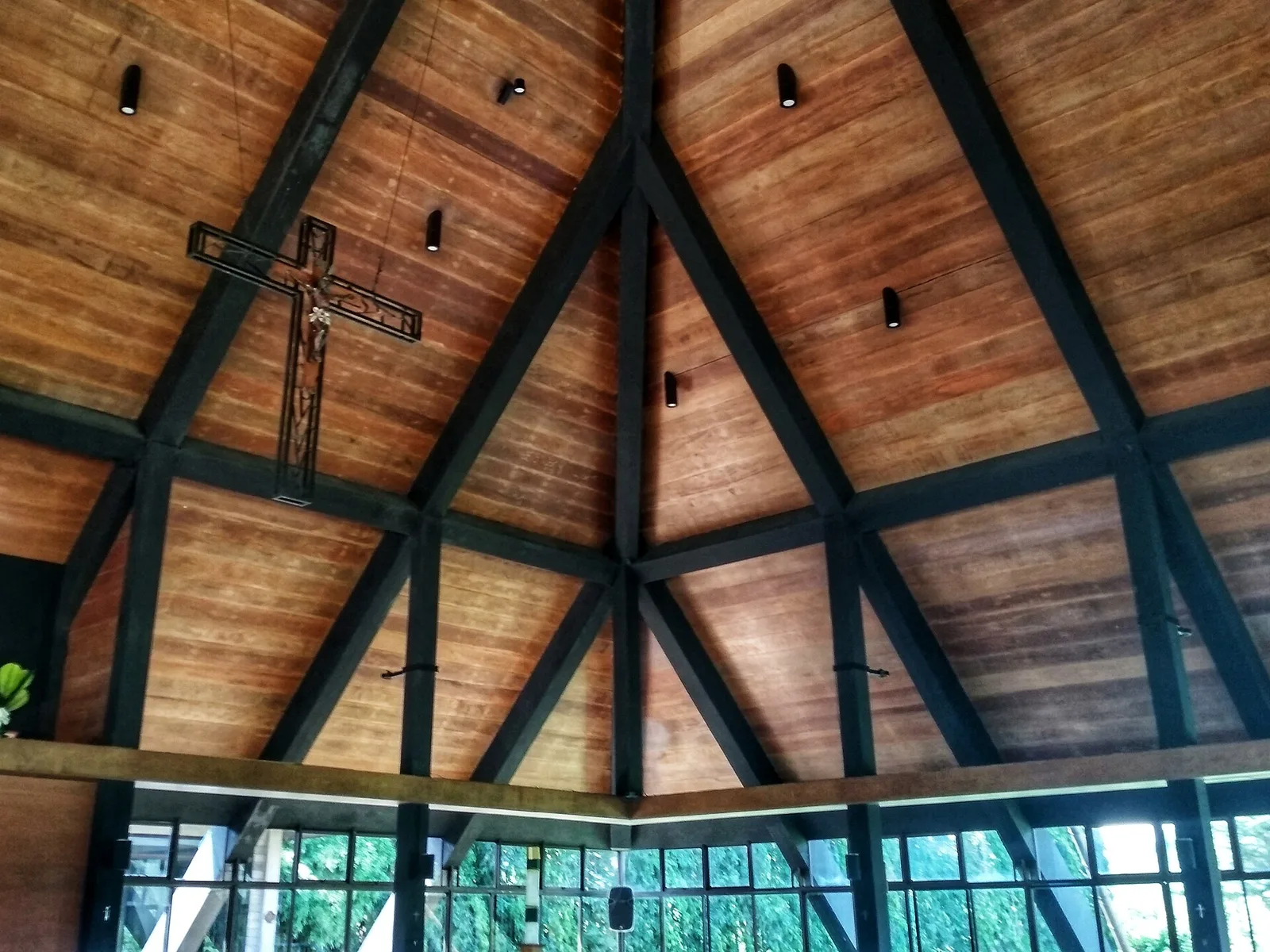
A Benedictine monastery on San Jose hill, built of heavy lime blocks to a design by Leandro Locsin, National Artist for architecture. The first Filipino abbot, Father Eduardo Africa, and the Malaybalay bishop of the time, Gaudencio Rosales, inaugurated it …
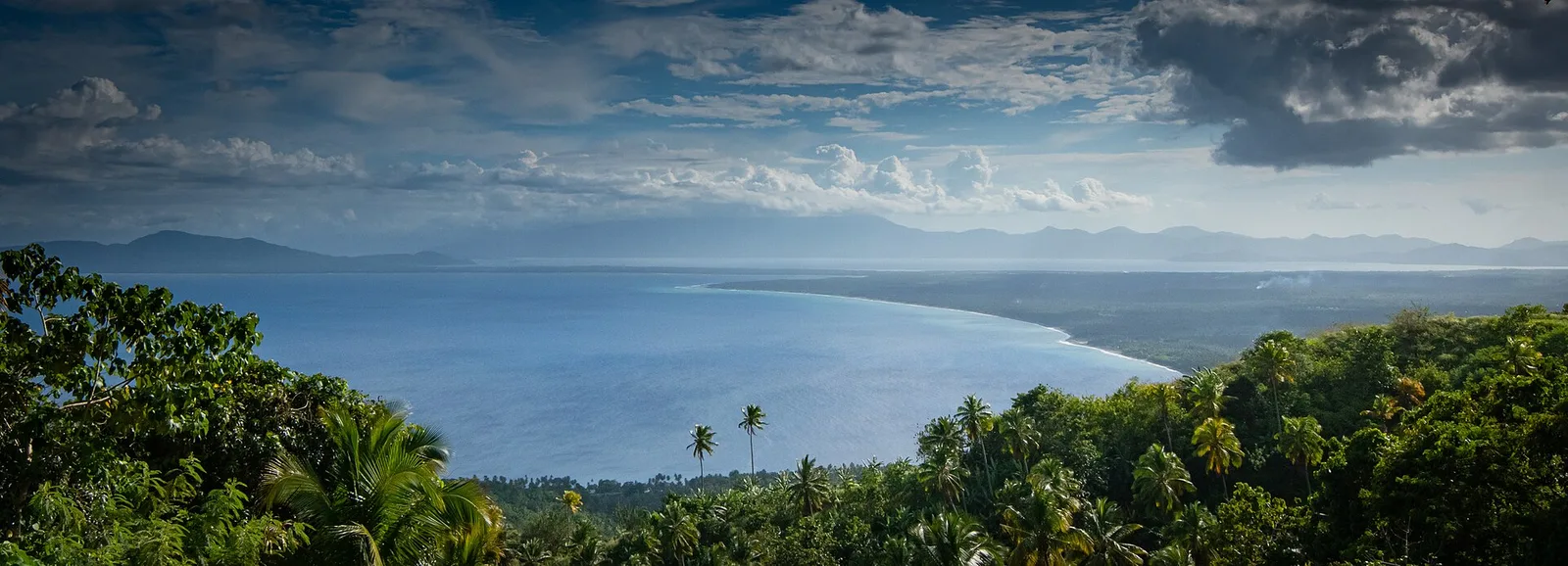
A mountain of 1,620 metres with a pygmy forest of century-old trees growing in ultramafic soil, and the first UNESCO World Heritage Site in Mindanao. The range covers 6,834 hectares. It became a national park and wildlife sanctuary in 2003 …
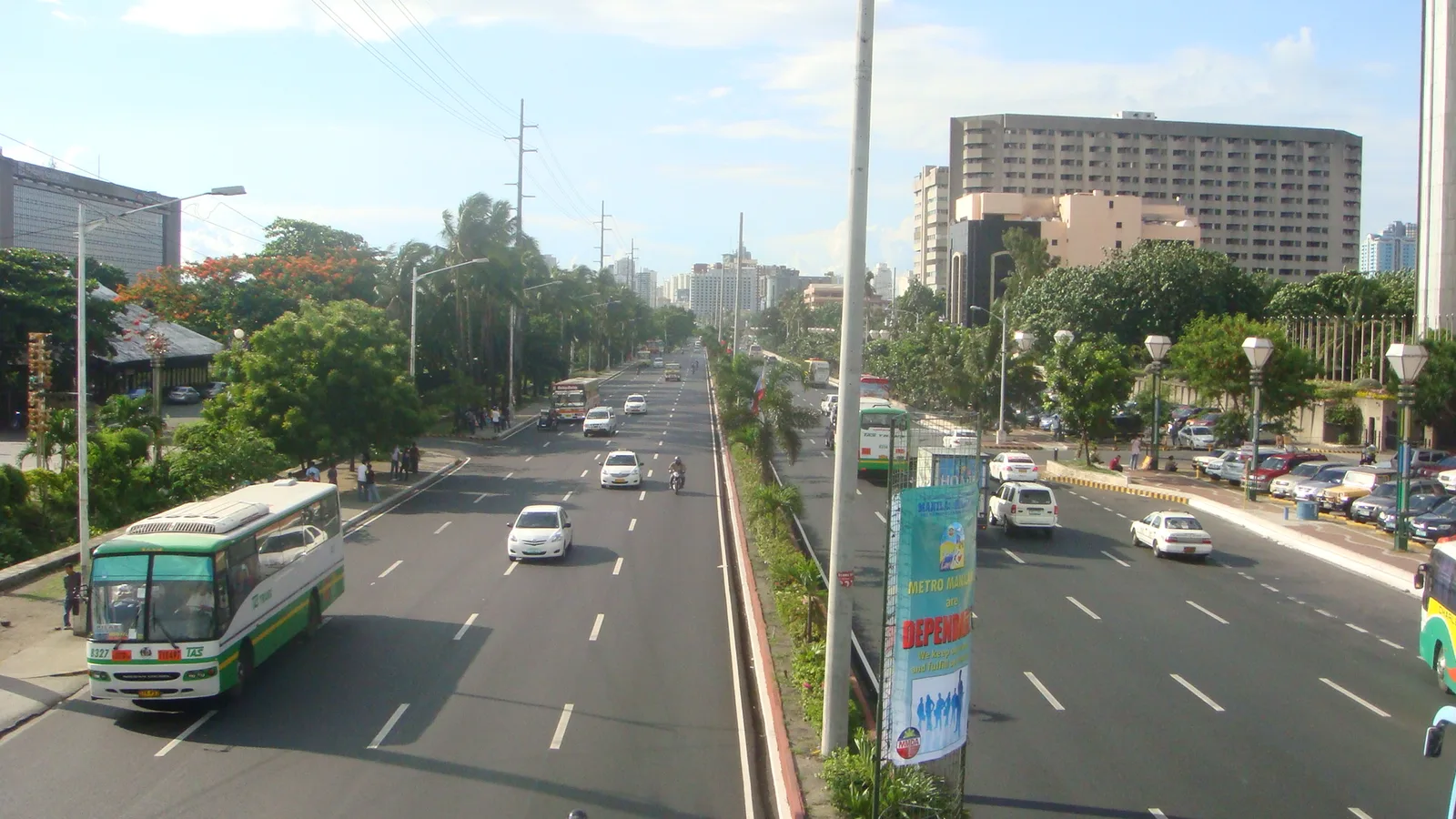
A waterfront road along Manila Bay, known for its sunsets and its long line of coconut trees. Hotels, restaurants, parks, offices and a yacht club face the water from it. The eight-lane road curves south from Luneta in Manila to …
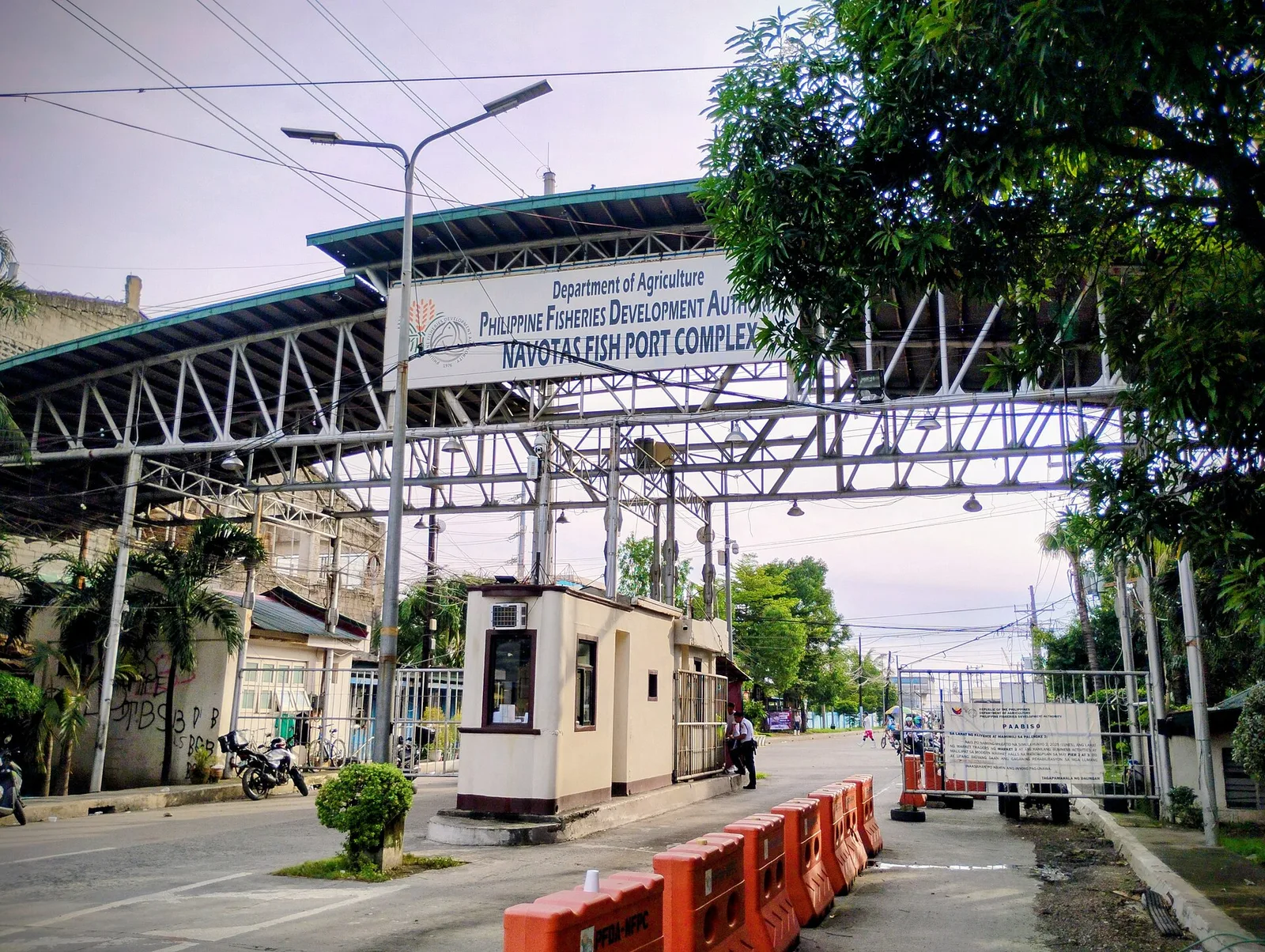
The premier fish centre of the country, and the reason Navotas is called the Fishing Capital of the Philippines. It is the third largest fish port in Asia and the largest in Southeast Asia. North Bay Boulevard, a road of …
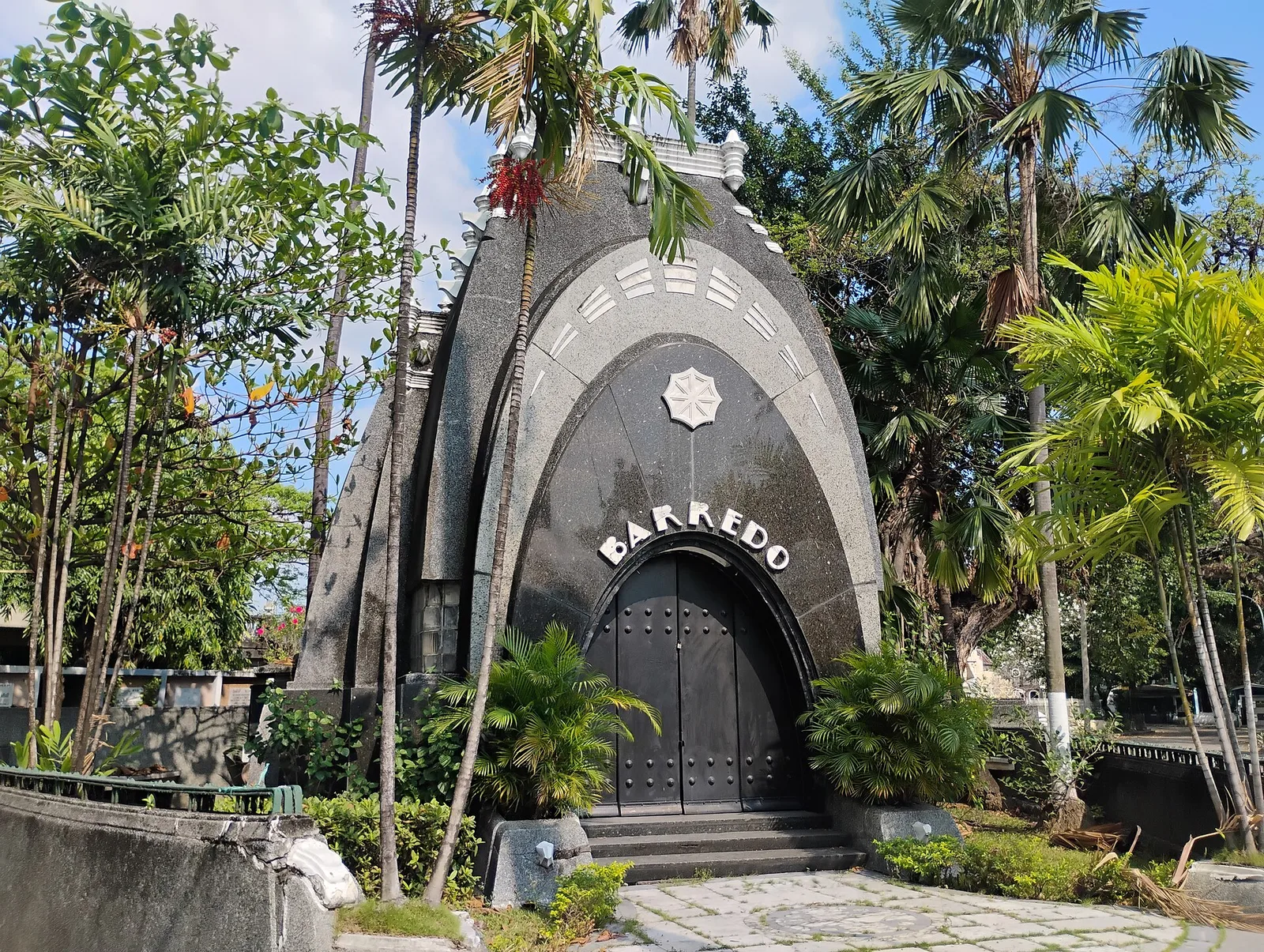
The oldest cemetery in Manila, opened in 1884 as a Catholic burial ground and lying mostly inside Caloocan, with its southern part across the line in the city of Manila. The city government counts it among its sites of historical …
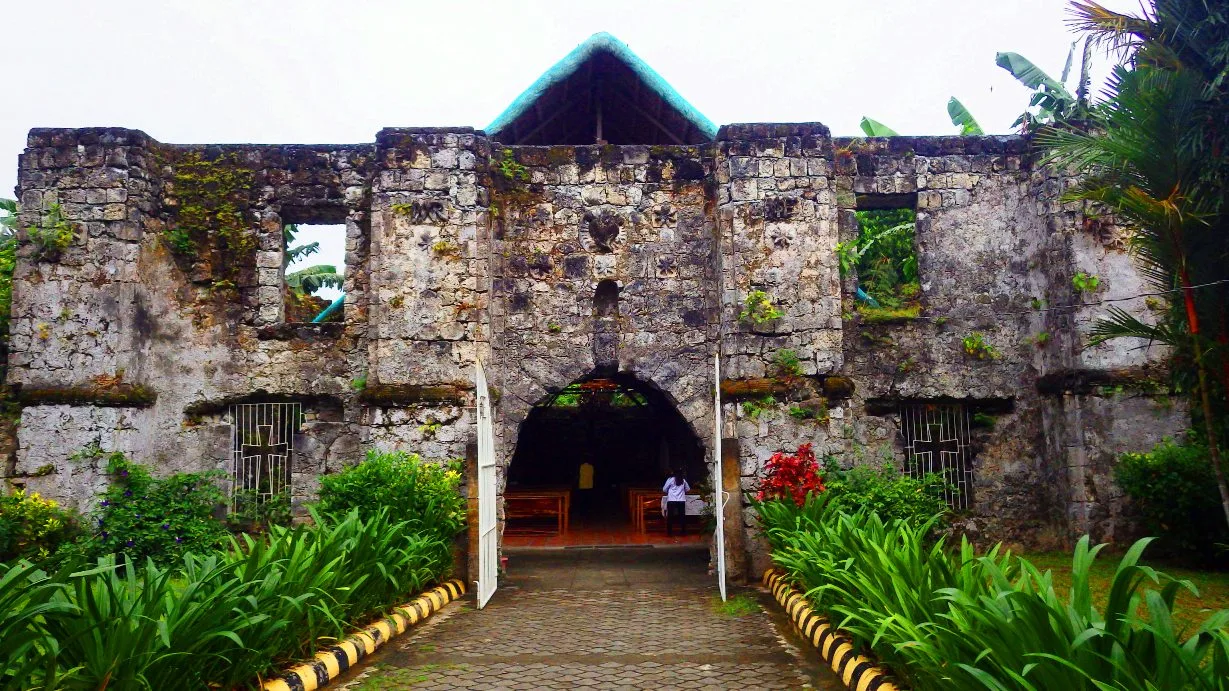
A ruined Roman Catholic church with a small chapel standing inside its massive walls, which is why people call it a church within a church. The local name, Simbahang Bato, means stone church. It is also known as Bancuro Church, …
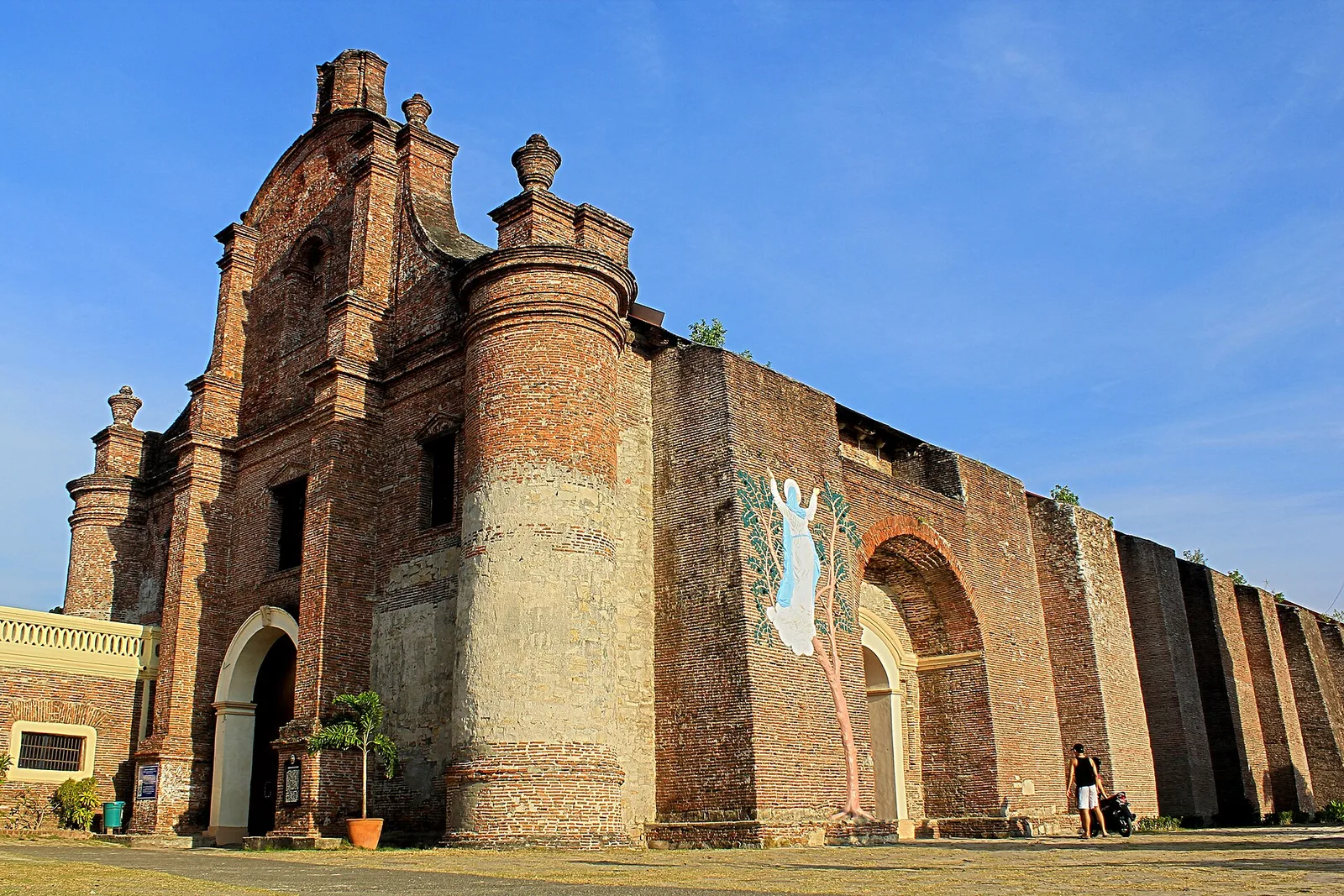
A brick church on a hill above the town, listed by UNESCO on December 11, 1993 as one of the four Baroque Churches of the Philippines. It was built to work as a fort as well as a church, and …
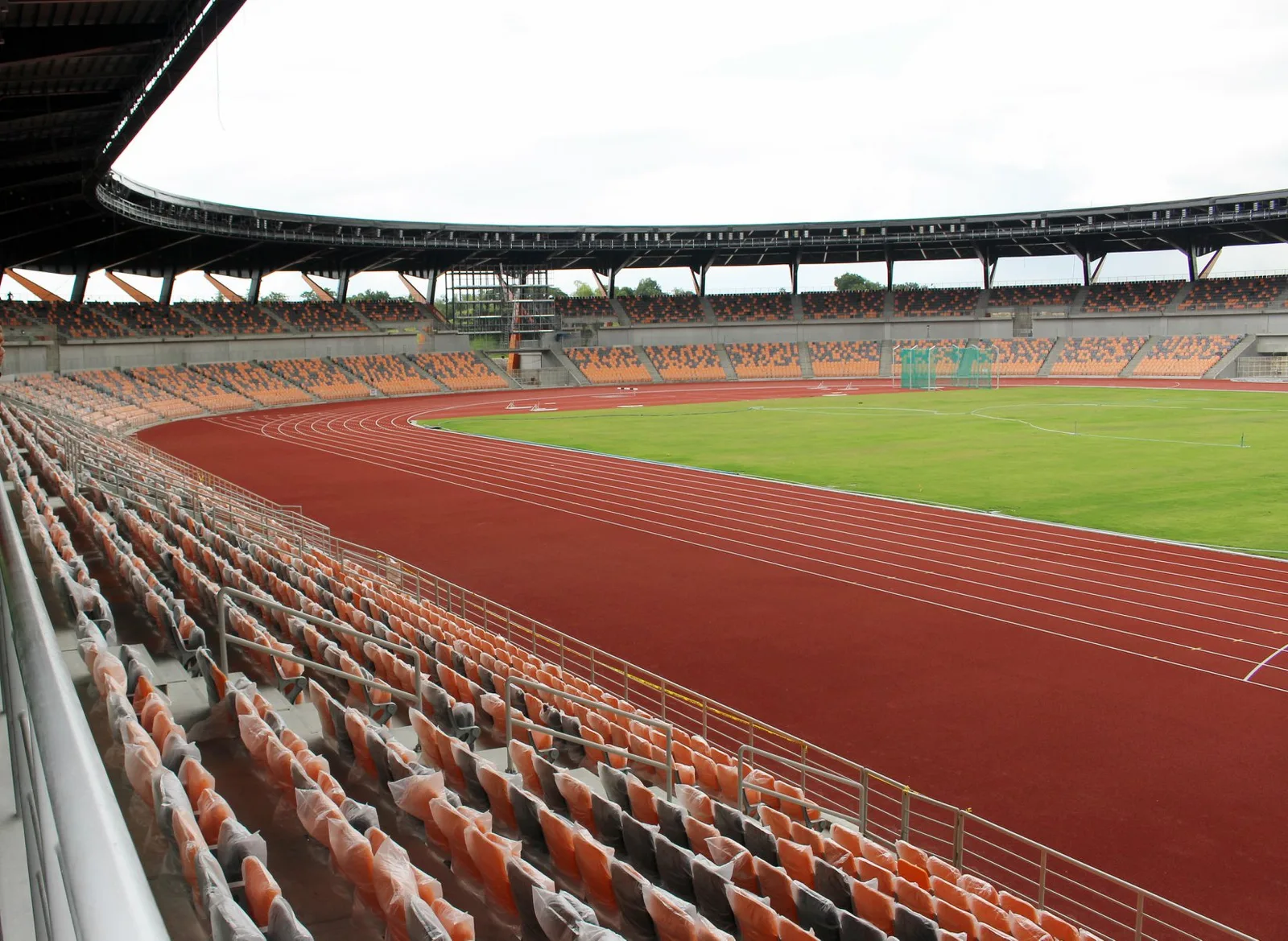
The main venue of the New Clark City Sports Hub, in the government complex at Capas. It held the athletics events and the closing ceremony of the 2019 Southeast Asian Games. The posts and the facade are made of lahar, …
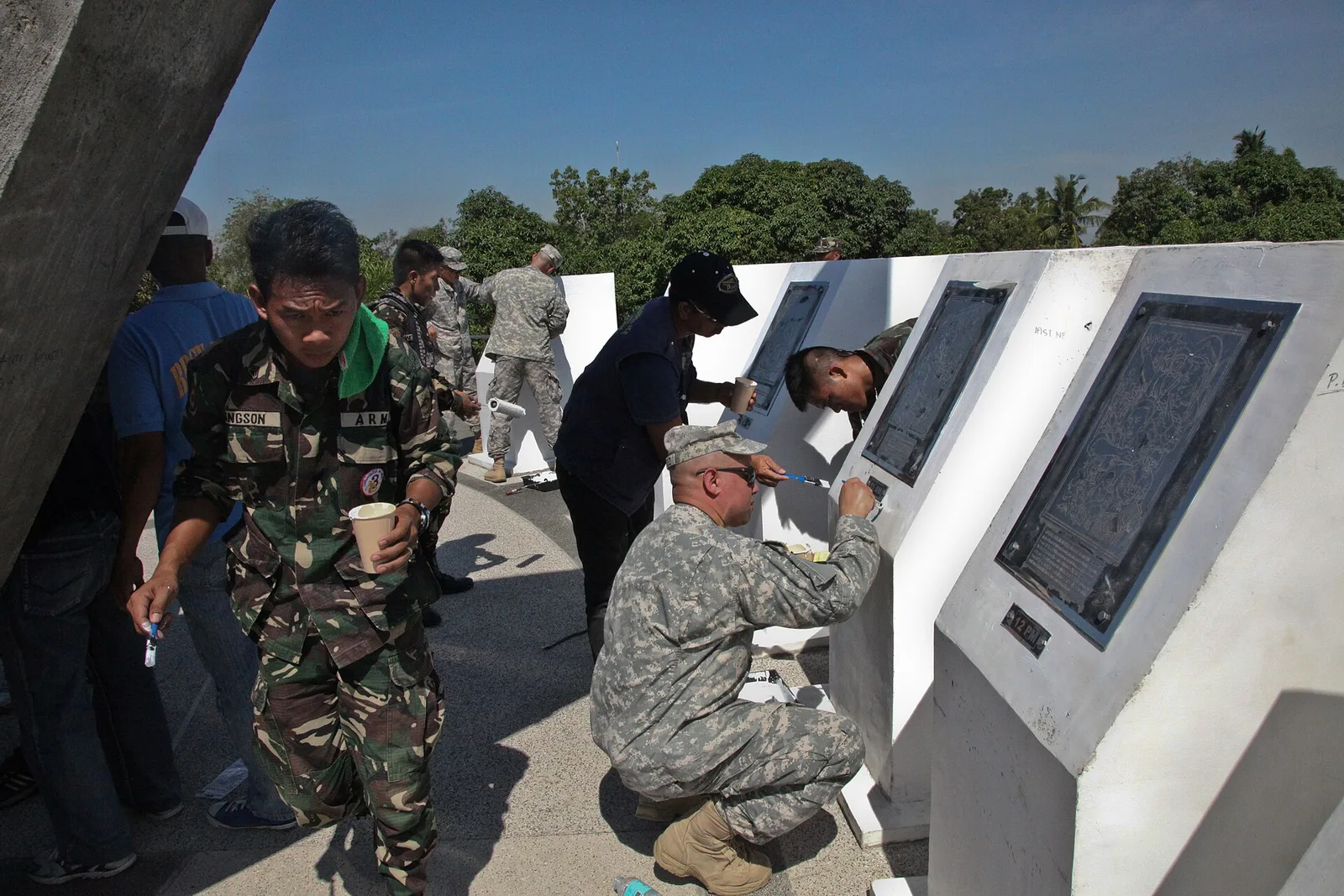
A memorial on the site of Camp Pangatian, a military training camp of twenty years that the Japanese army turned into a prison camp for Allied captives. In January 1945 American forces and Filipino guerrillas raided the camp and freed …
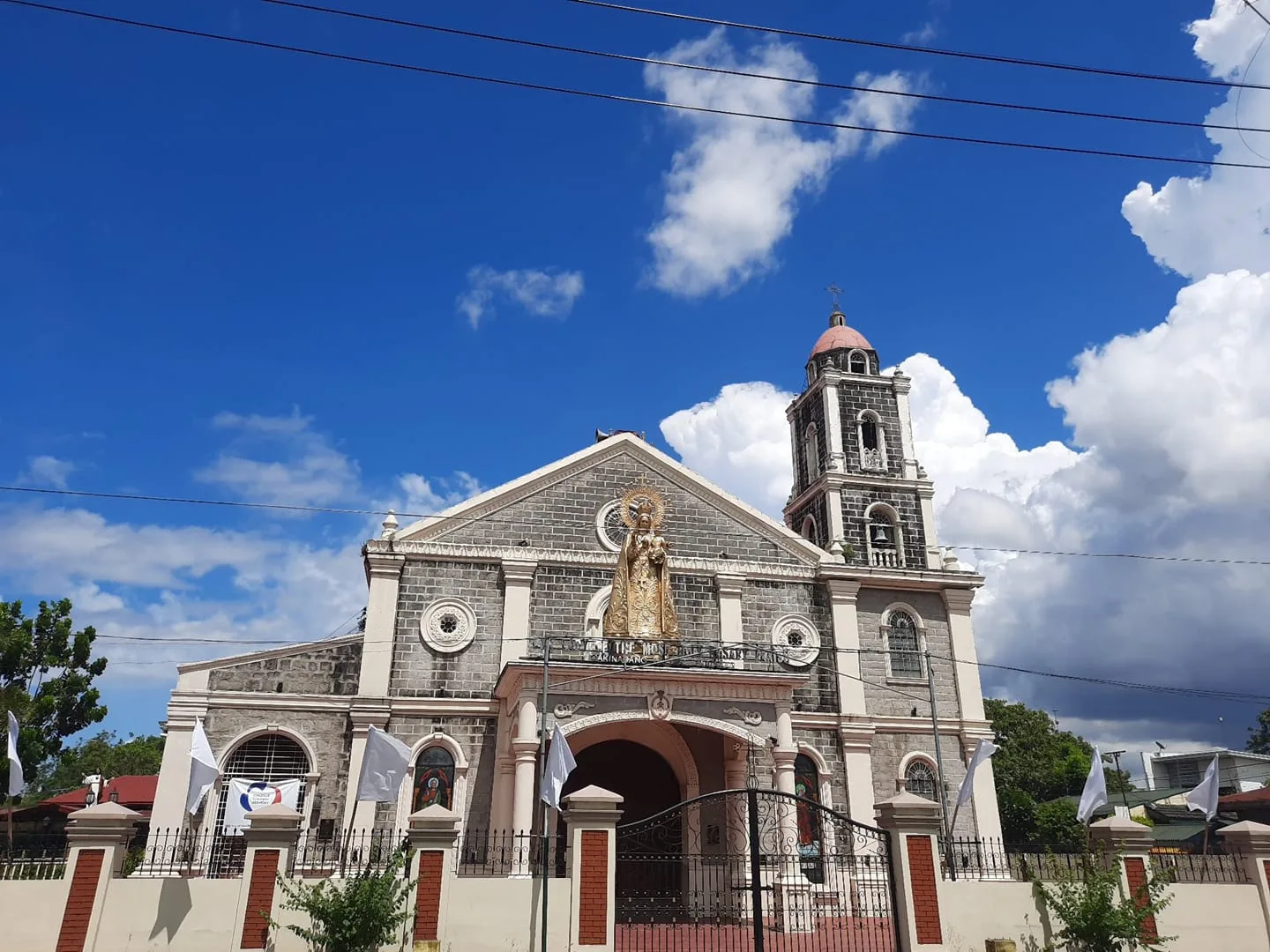
A Marian parish church in Barangay Makinabang, known locally as Bisitang Pula. Its feast day is 7 October, and the procession that goes with it is one of the largest in the city.
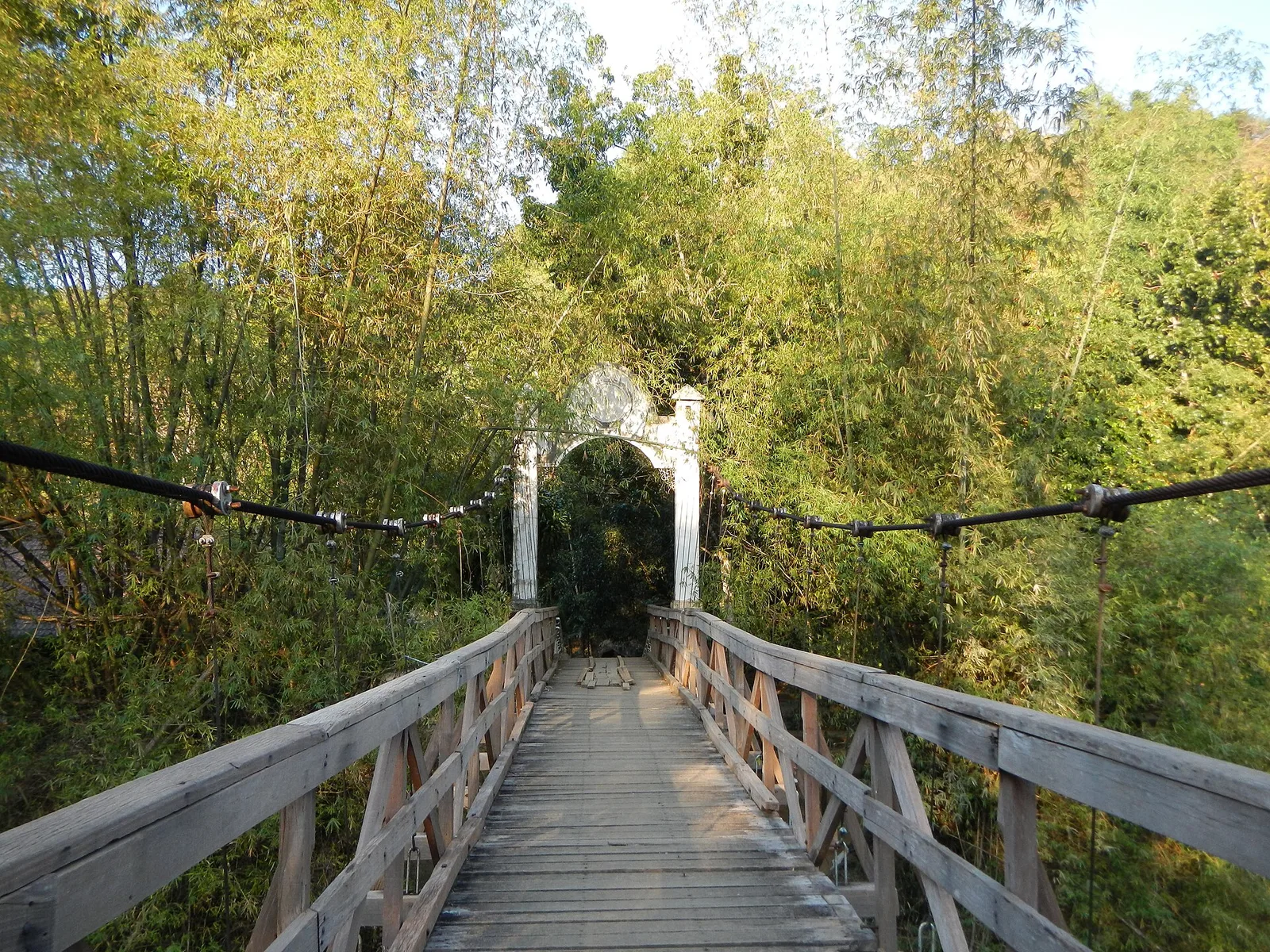
A park of caves, rivers and trails in the hills of San Miguel, 80 kilometres northeast of Manila. The park is the site of the Republic of Biak-na-Bato, and President Manuel L. Quezon made it a national park in 1937 …