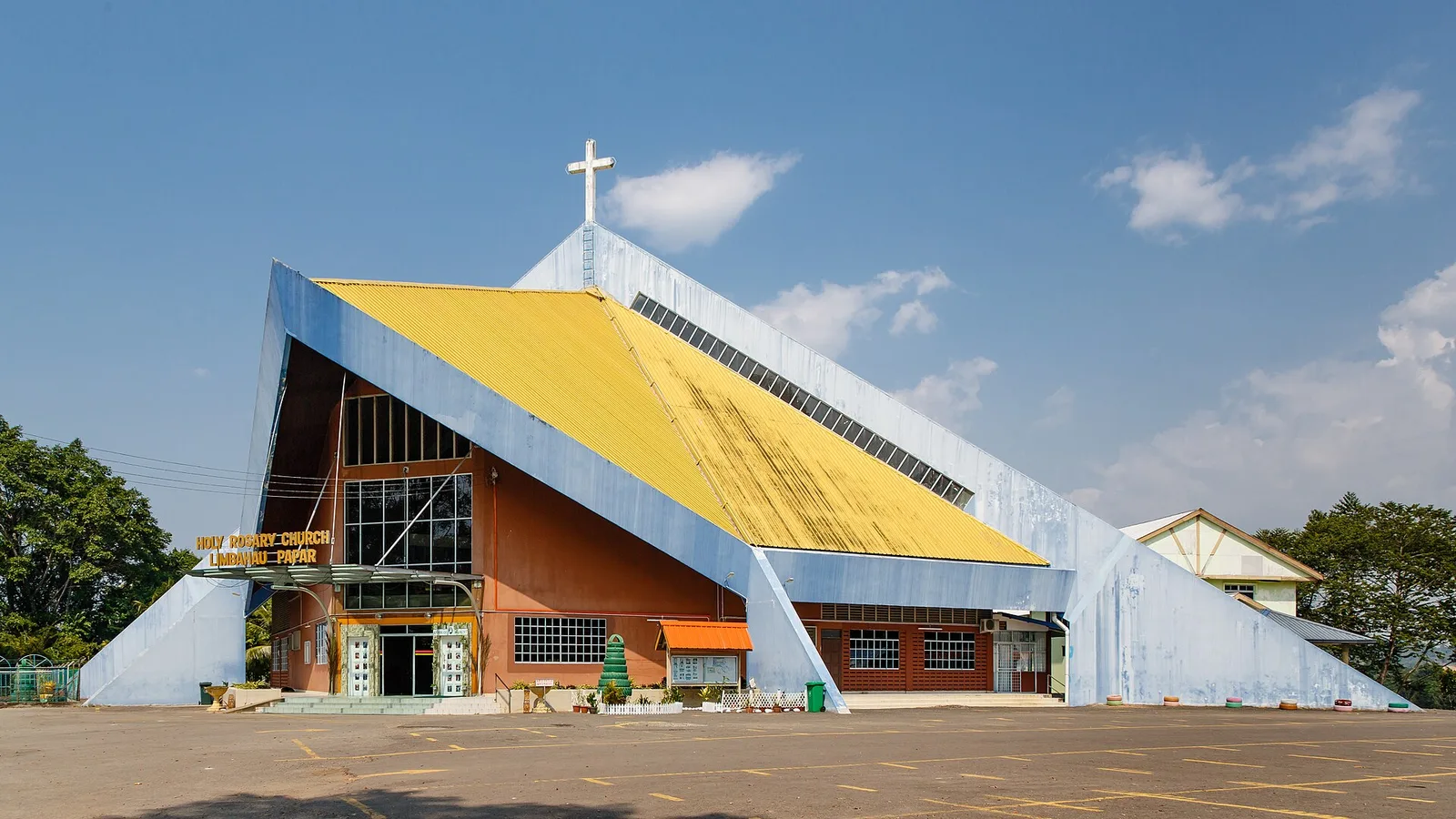
Holy Rosary Church
A Catholic church known in Kapampangan as Pisamban Maragul, the big church. Men built it with unpaid labour under the polo y servicio system from 1877 to 1896, the dome went up in 1891, and the work was finished in …
Showing 751 to 780 of 1,893
A Catholic church known in Kapampangan as Pisamban Maragul, the big church. Men built it with unpaid labour under the polo y servicio system from 1877 to 1896, the dome went up in 1891, and the work was finished in …
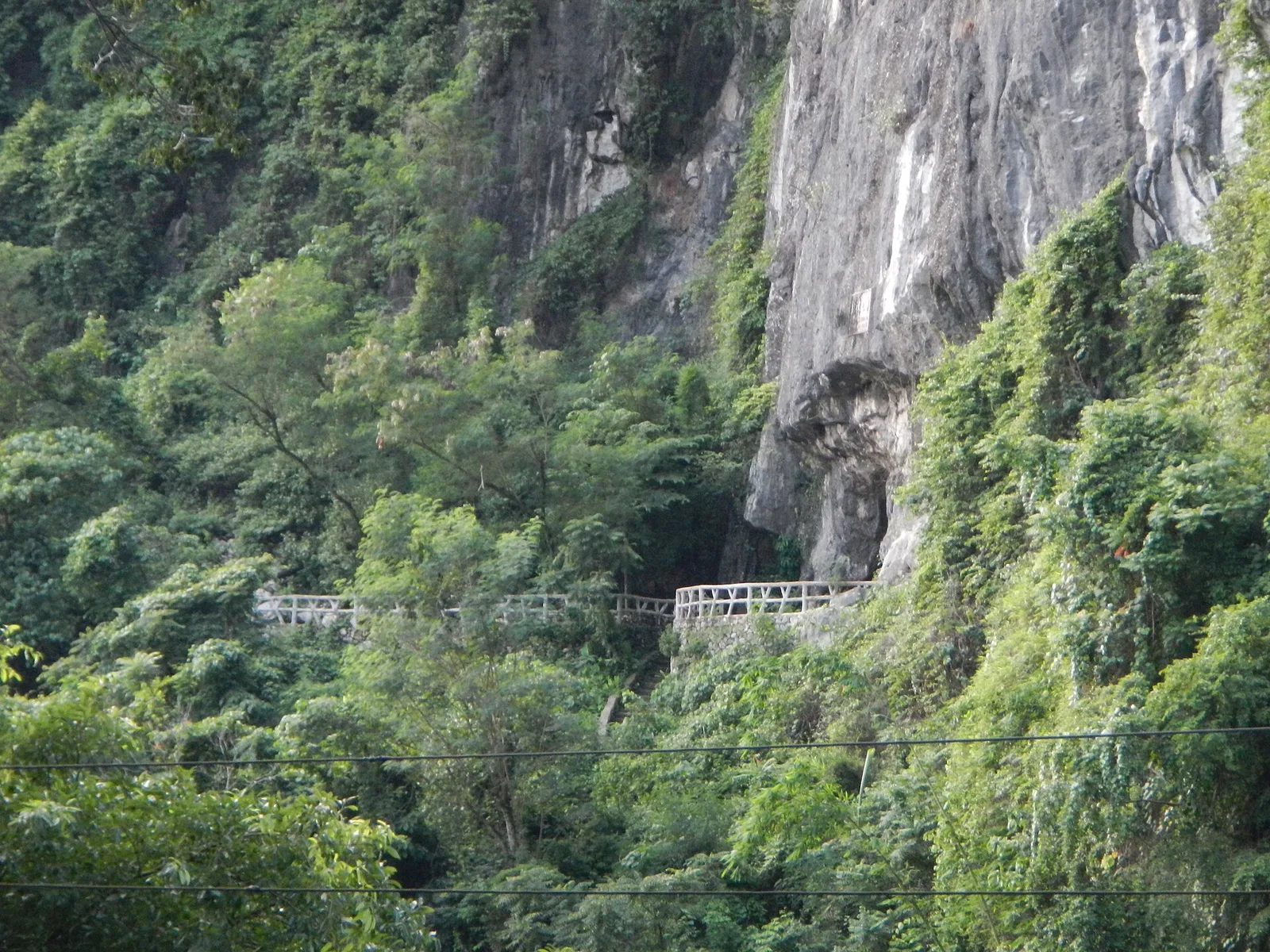
A limestone cave in the foothills of the Sierra Madre, near Wawa Dam in the municipality of Rodriguez. Andres Bonifacio and eight other katipuneros declared independence from the Spanish Empire inside it on April 12, 1895, and the walls still …
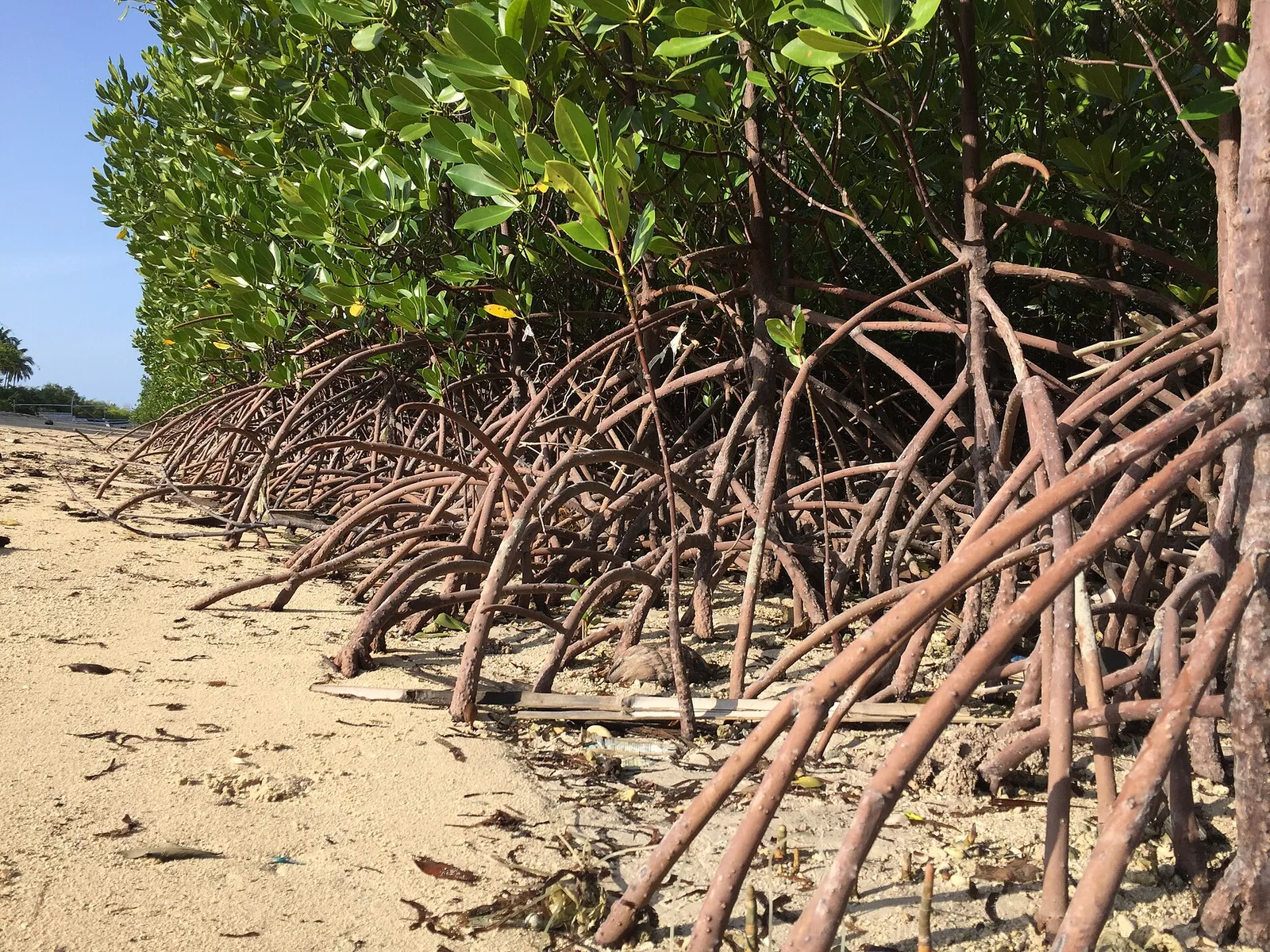
An island in Ragay Gulf, off the southeast coast of the Bondoc Peninsula, with white sand beaches, mangrove forest and coral reefs. Birdlife here is rich. The island and the water around it form the Alibijaban Protected Landscape and Seascape, …
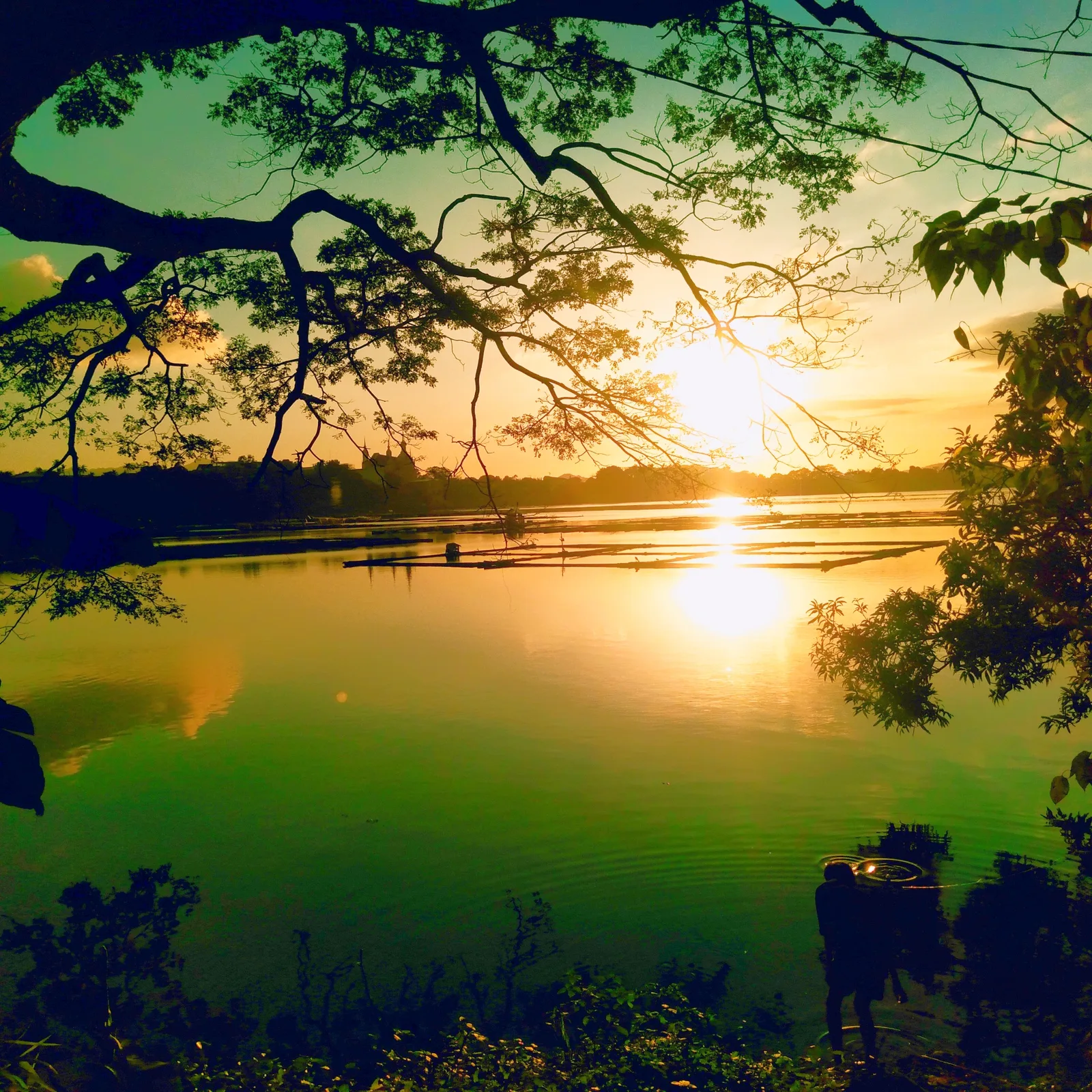
The largest of the seven crater lakes scattered around the city, and the easiest one to reach: it sits directly behind the city hall. Fishpens and small cottages on stilts stand in the water. A public playground was built on …
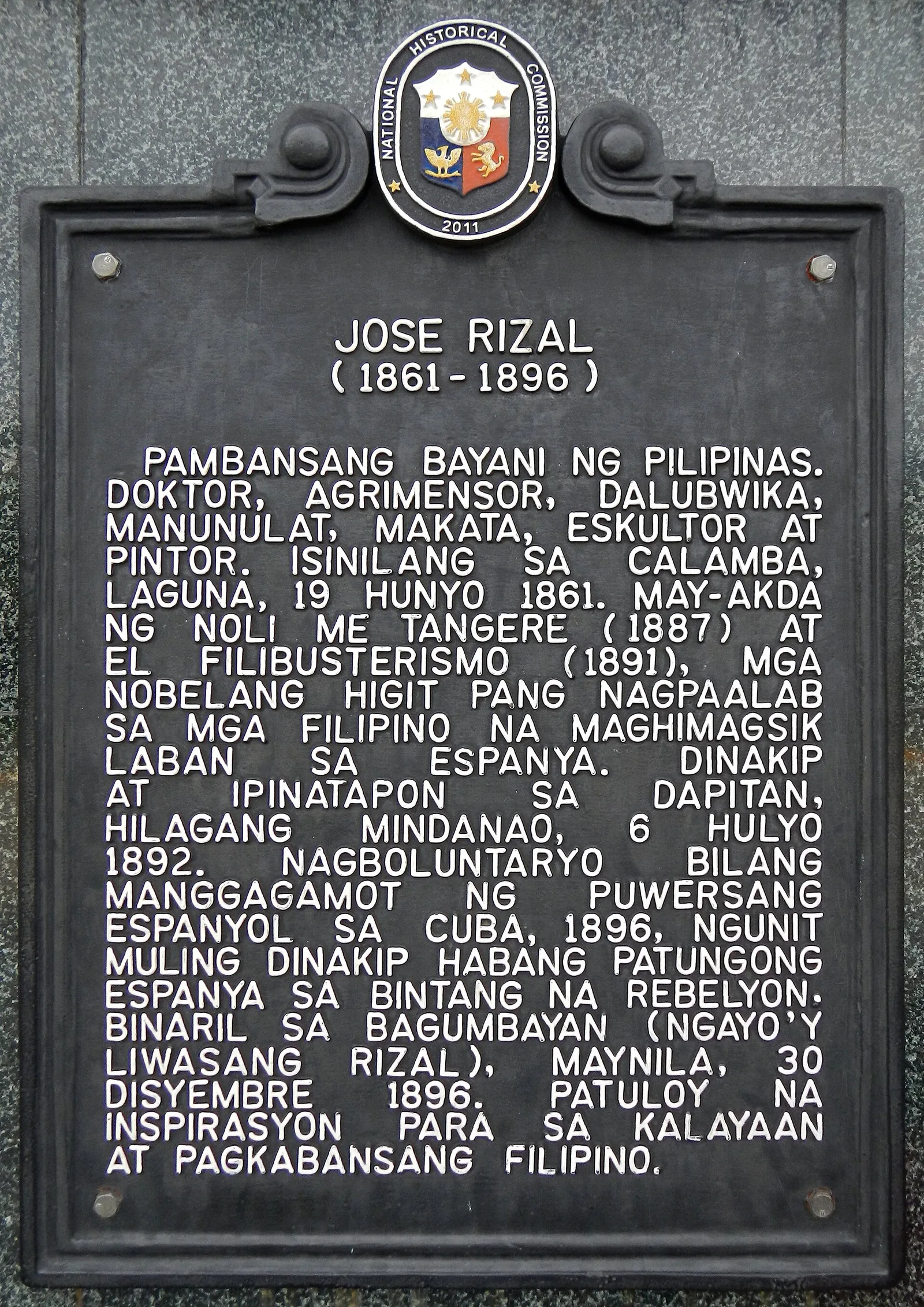
A statue of Jose Rizal 6.7 metres tall, at the centre of The Plaza, a park of 6.7 hectares across from the Calamba City Hall complex on Bacnotan Road. Jonas Roces sculpted it, and President Benigno Aquino III unveiled it …
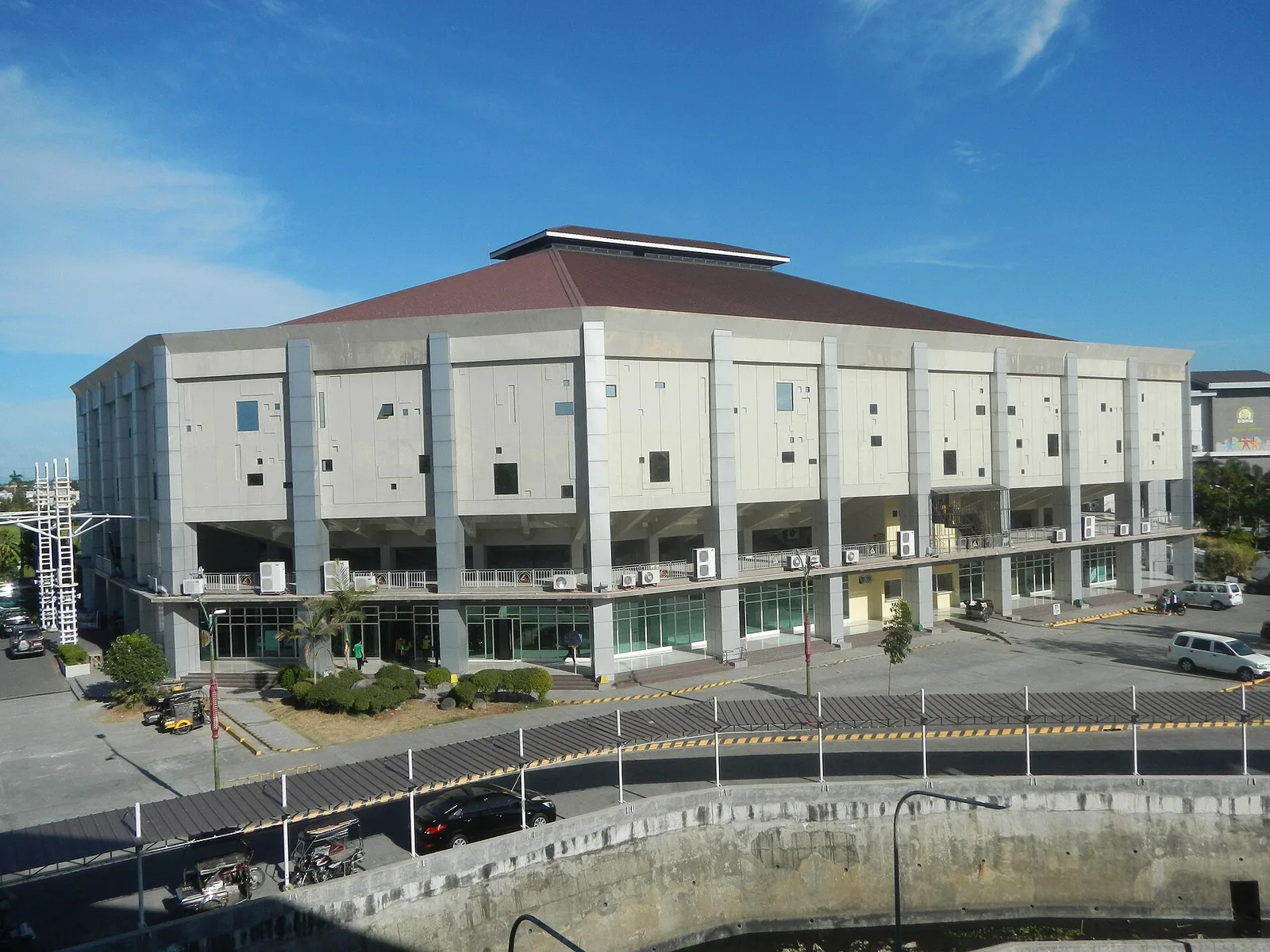
An indoor arena seating 6,500, home court of the Biñan Tatak Gel in the Maharlika Pilipinas Basketball League and the Pilipinas Super League. It has also hosted Philippine Basketball Association games, the defunct Philippine Super Liga and the 2019 Asia-Oceania …
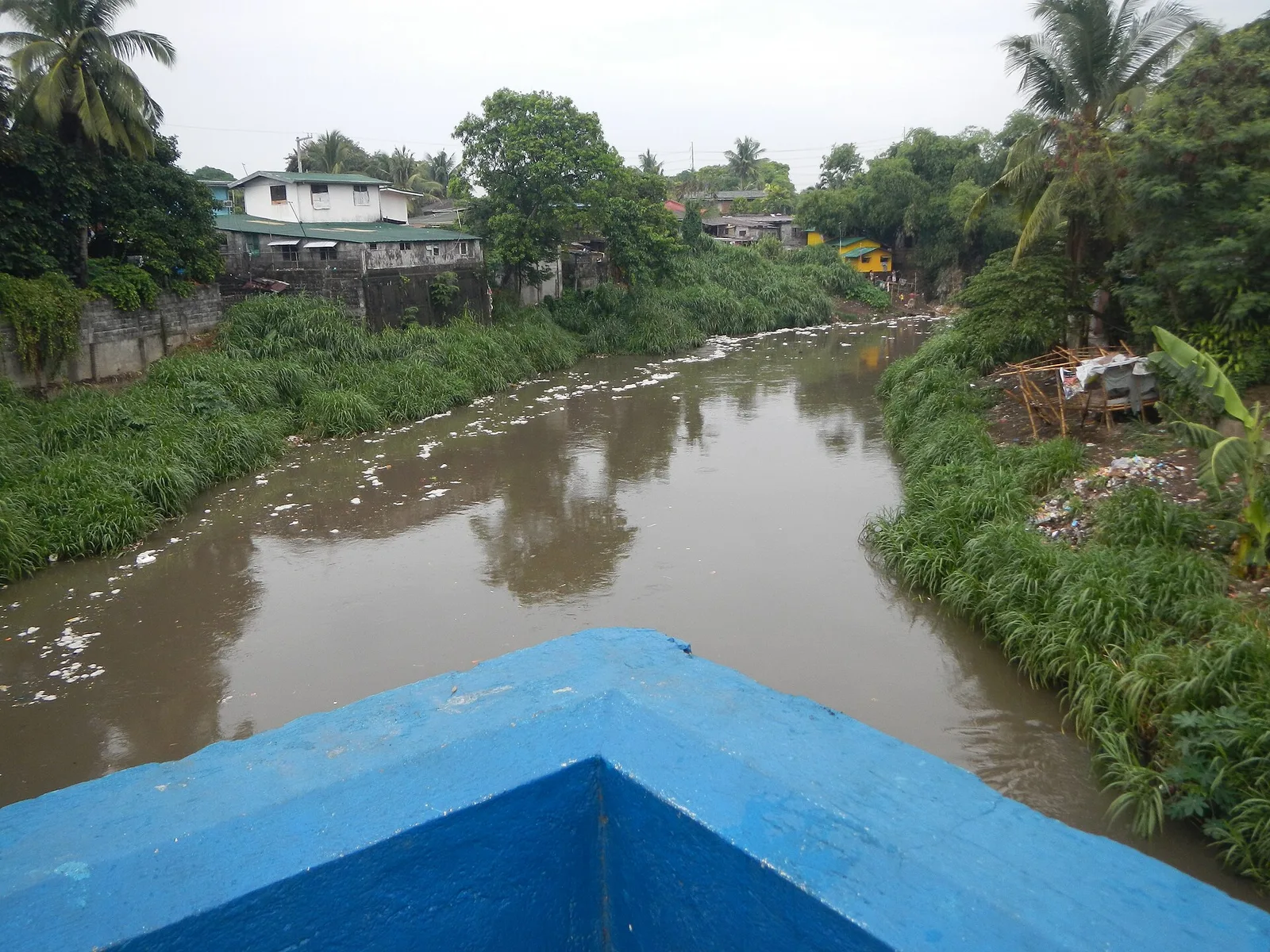
A two-span stone arch bridge finished in 1857, and the site of the Battle of Imus. Filipino revolutionaries fought the soldiers of the Spanish colonial government here on September 3, 1896, in an action also called the Battle of Imus …
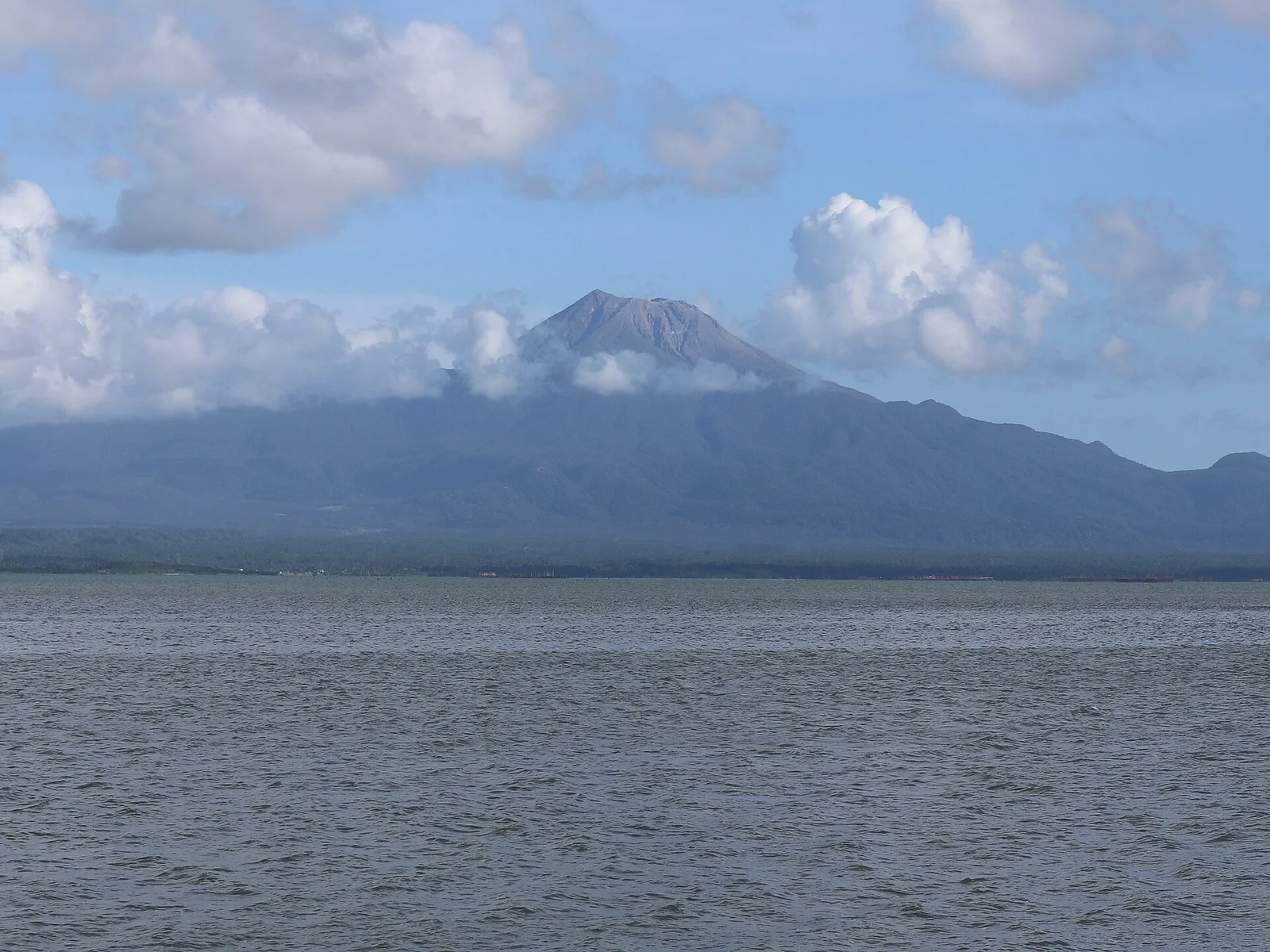
An active stratovolcano in southern Luzon, 1,535 metres high, with a permanent danger zone that keeps people 4 kilometres from the crater. The cone rises on the northeast rim of the Irosin caldera, which formed about 36,000 years ago, and …
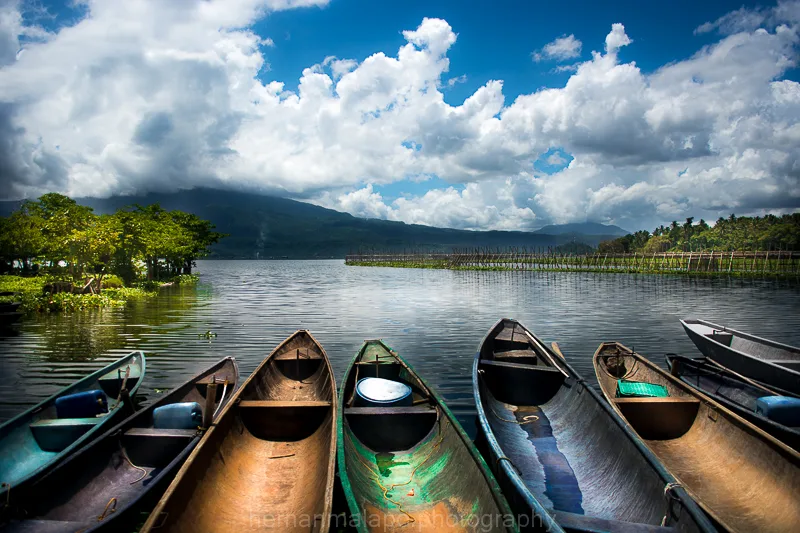
A lake of 18 square kilometres that holds the sinarapan, the world's smallest commercially harvested fish. It sits in the valley between two old volcanoes, Mount Asog and Mount Malinao, and averages 8 metres deep. An earthquake in 1641 dropped …
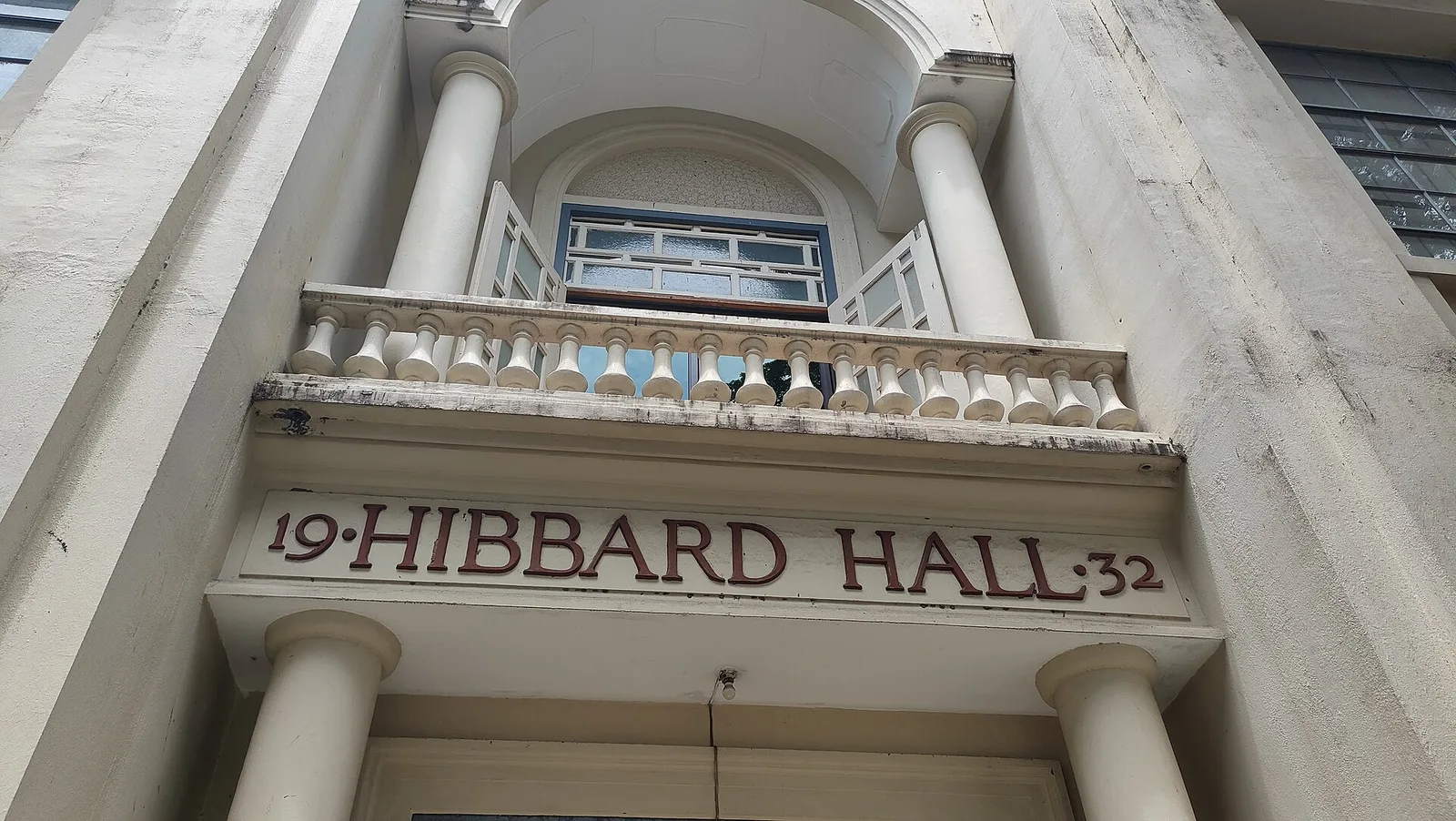
The oldest American-founded university in Asia, with an acacia-lined campus and an anthropology museum. The Presbyterian Board of Foreign Missions opened it in 1901 as Silliman Institute, an elementary school for boys. It carries the name of Horace Brinsmade Silliman, …
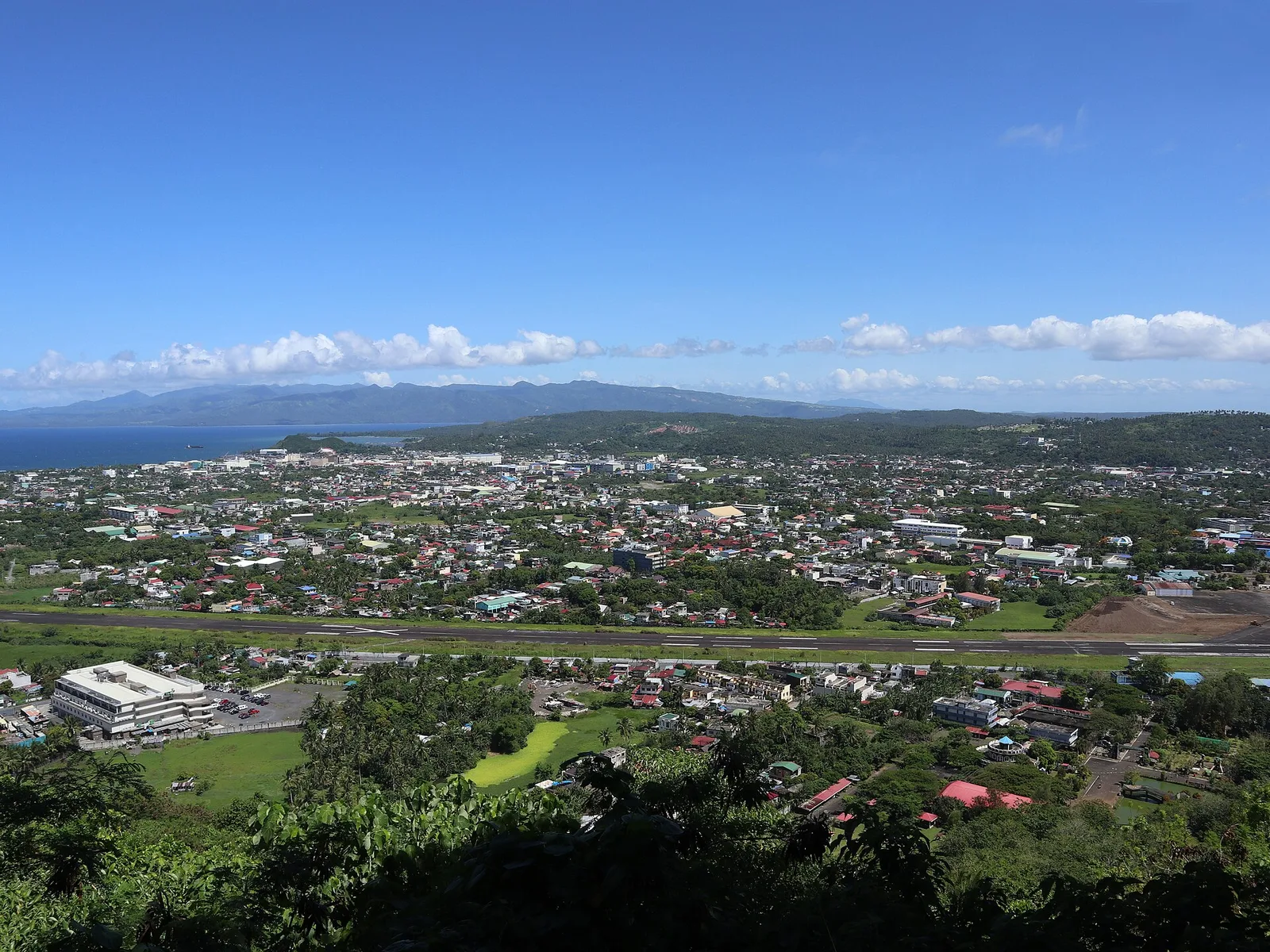
A hill above the city with a view of Mayon, the gulf and the airport, and a zipline down. The summit stands about 156 metres high, and it is the highest point in Legazpi after Mayon itself. The hill sits …
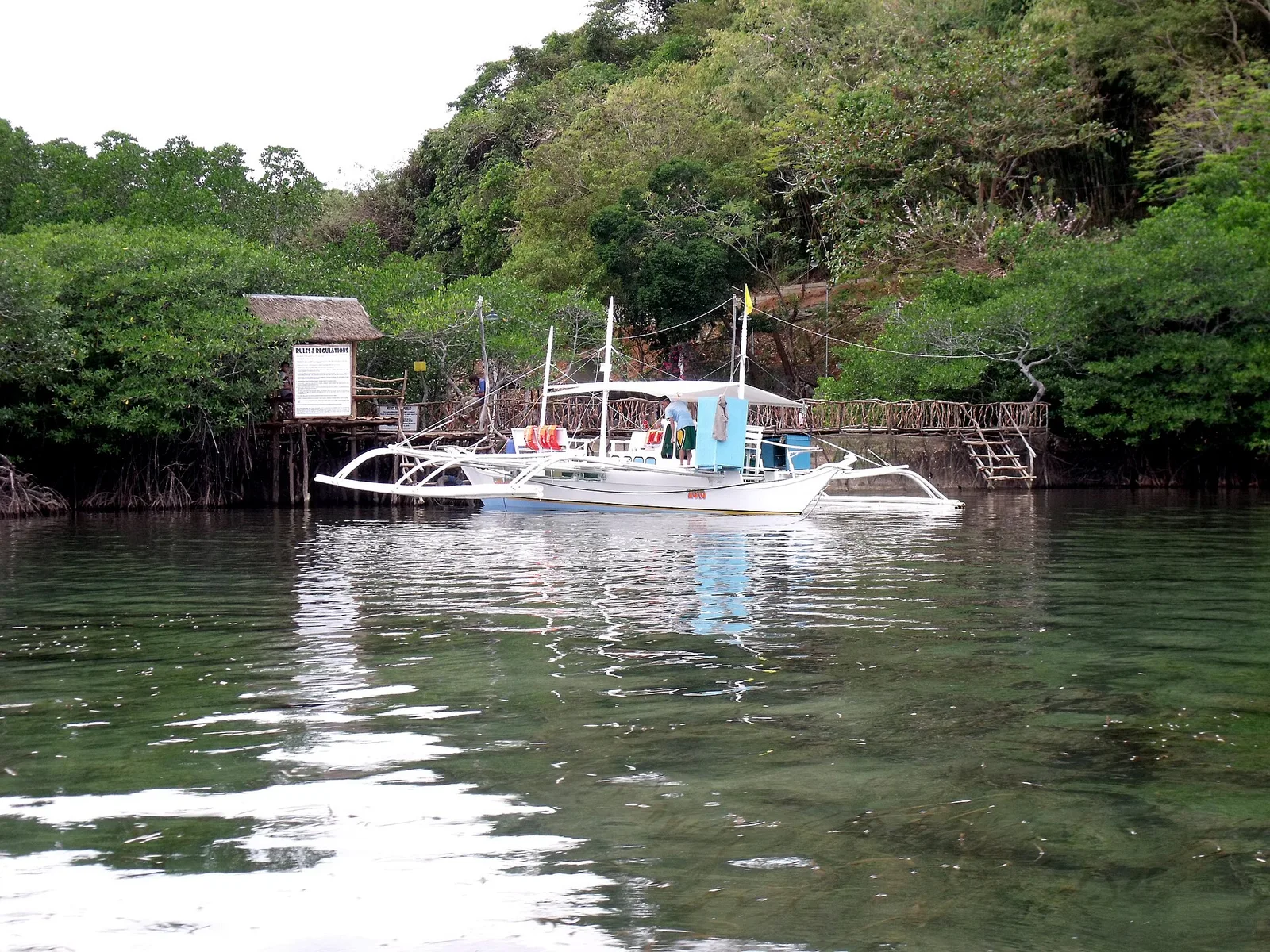
A saltwater hot spring by the mangroves, usually the last stop of the day.
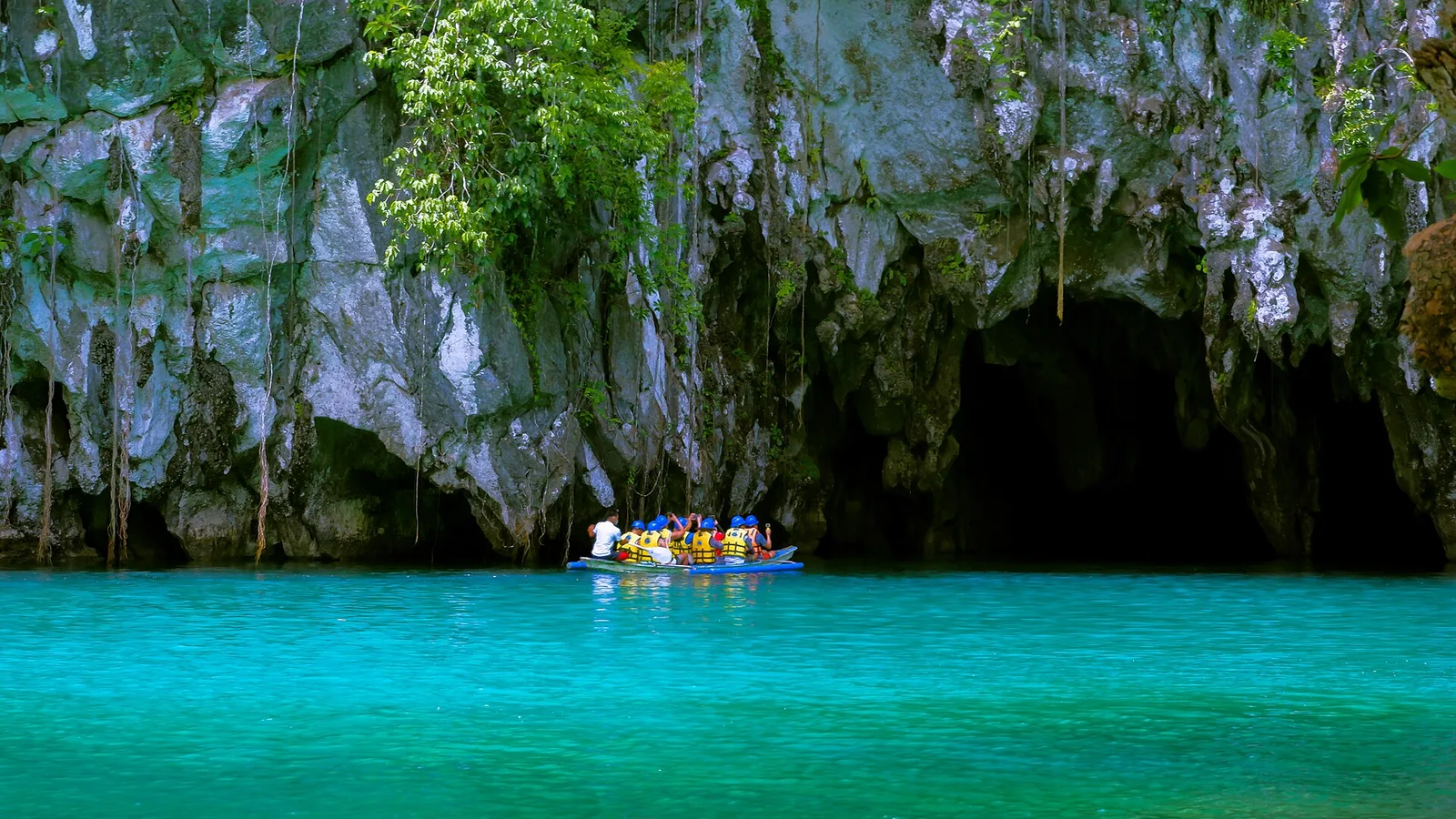
A navigable river running under a limestone mountain to the sea, entered by paddle boat. Permits are capped daily and booked ahead. The river lies in a national park in the Saint Paul Mountain Range, about 80 kilometres north of …
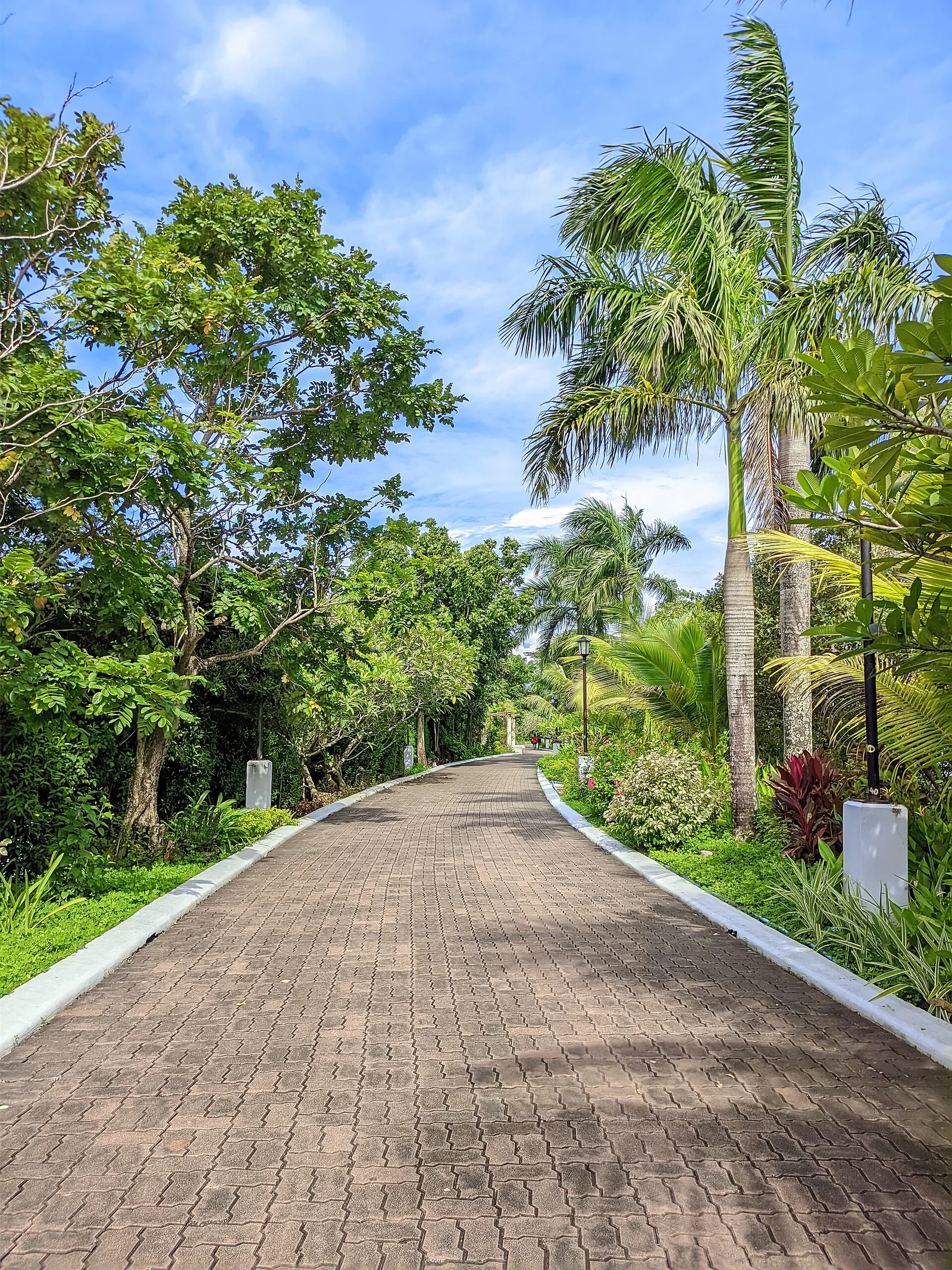
A long riverside walk, busy at sunset with runners and food stalls. It runs 9.29 kilometres along both banks of the Iloilo River, from Carpenter Bridge in Mandurriao and Molo to Drilon Bridge in the City Proper and Lapuz, which …
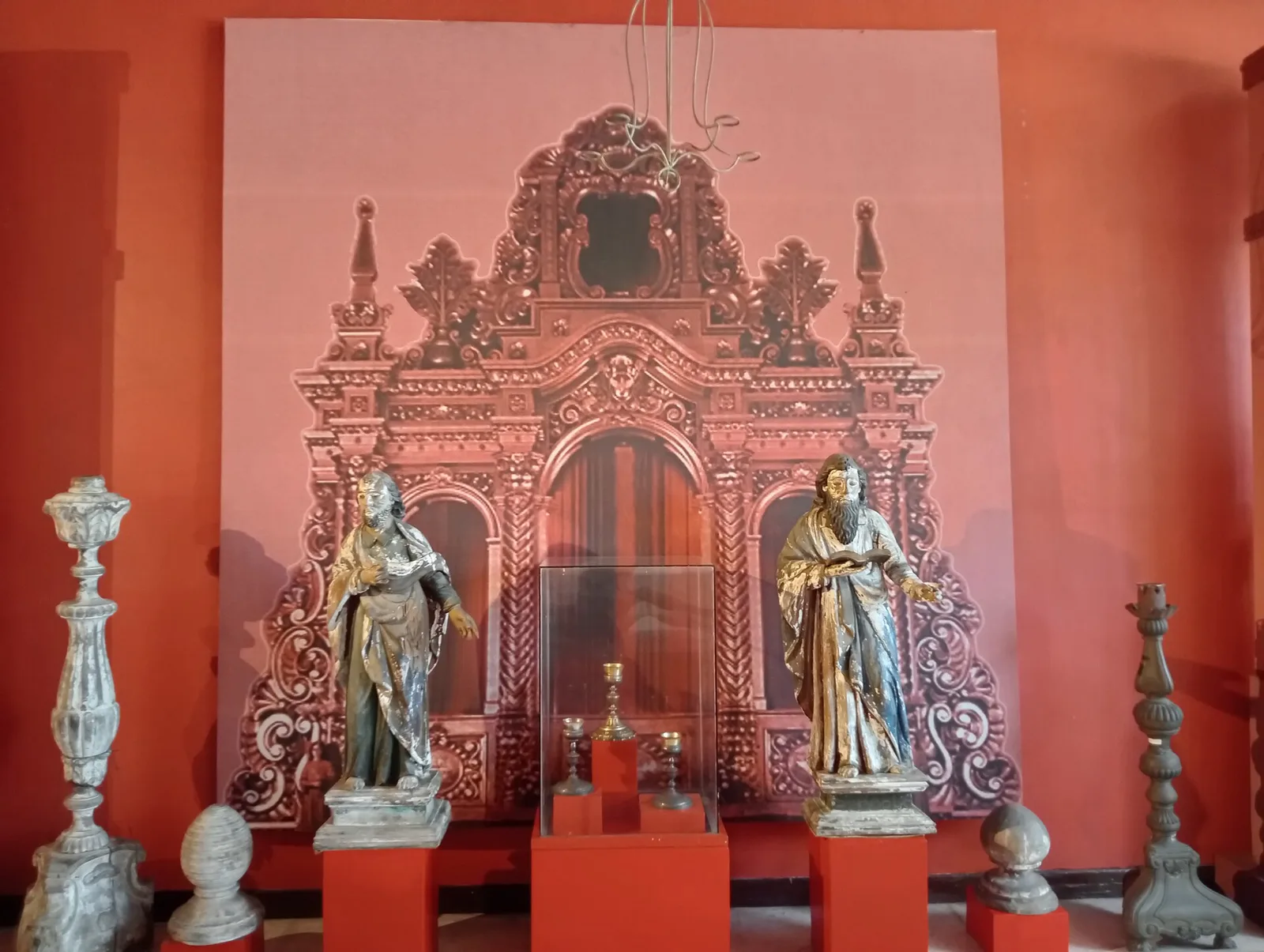
The regional museum, covering prehistoric burial goods through the sugar boom, and the first government-sponsored museum in the country outside Metro Manila. It stands near the Iloilo Provincial Capitol, in a building from 1971 by the architect Sergio Penasales. The …
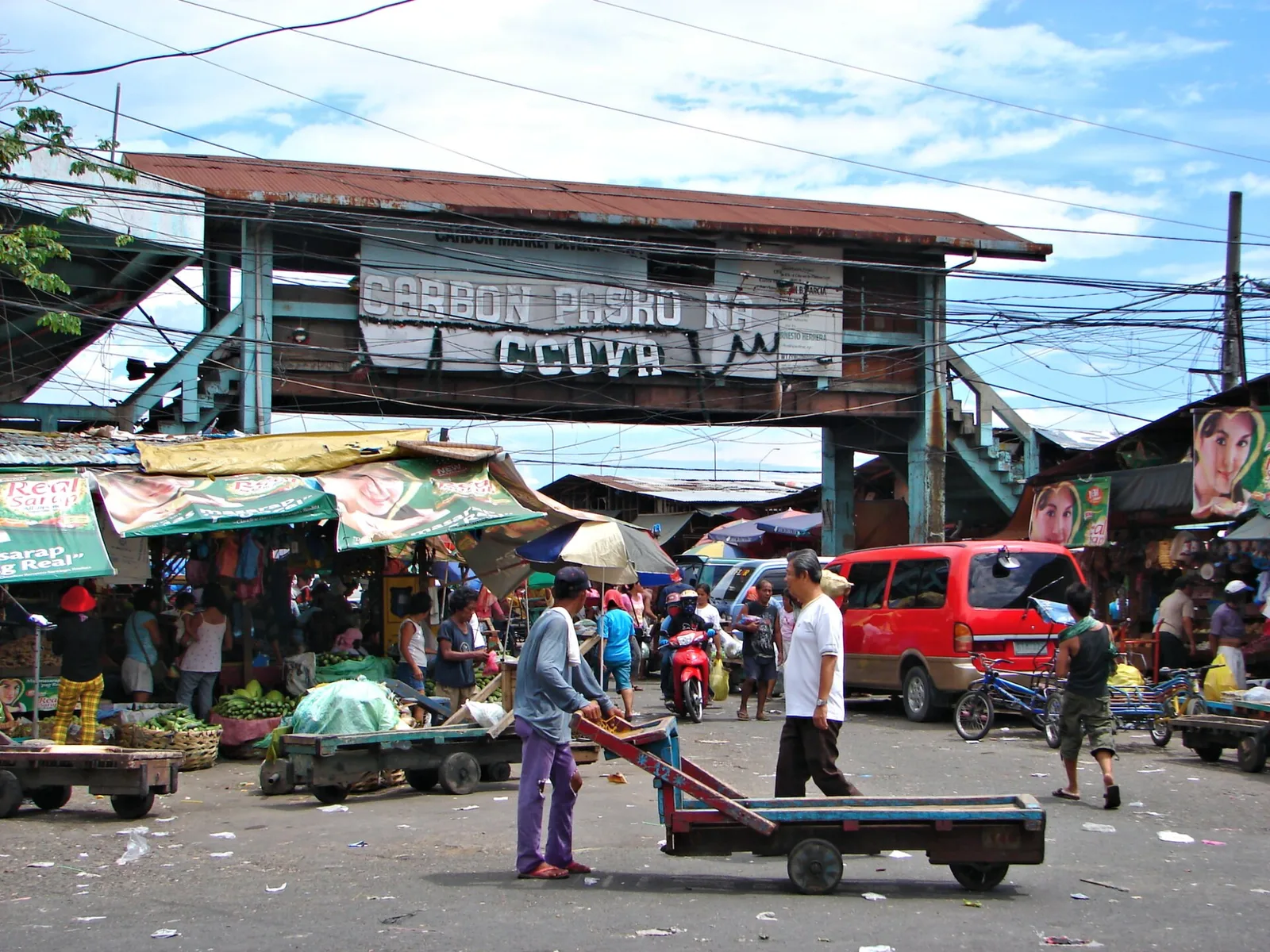
The city's oldest and largest public market, busiest before dawn. About 6,000 vendors work in it. The dry stalls sell clothing, kitchenware and handicrafts, and the wet stalls sell fruit, vegetables and meat. Roving vendors and cooked-food stalls fill the …
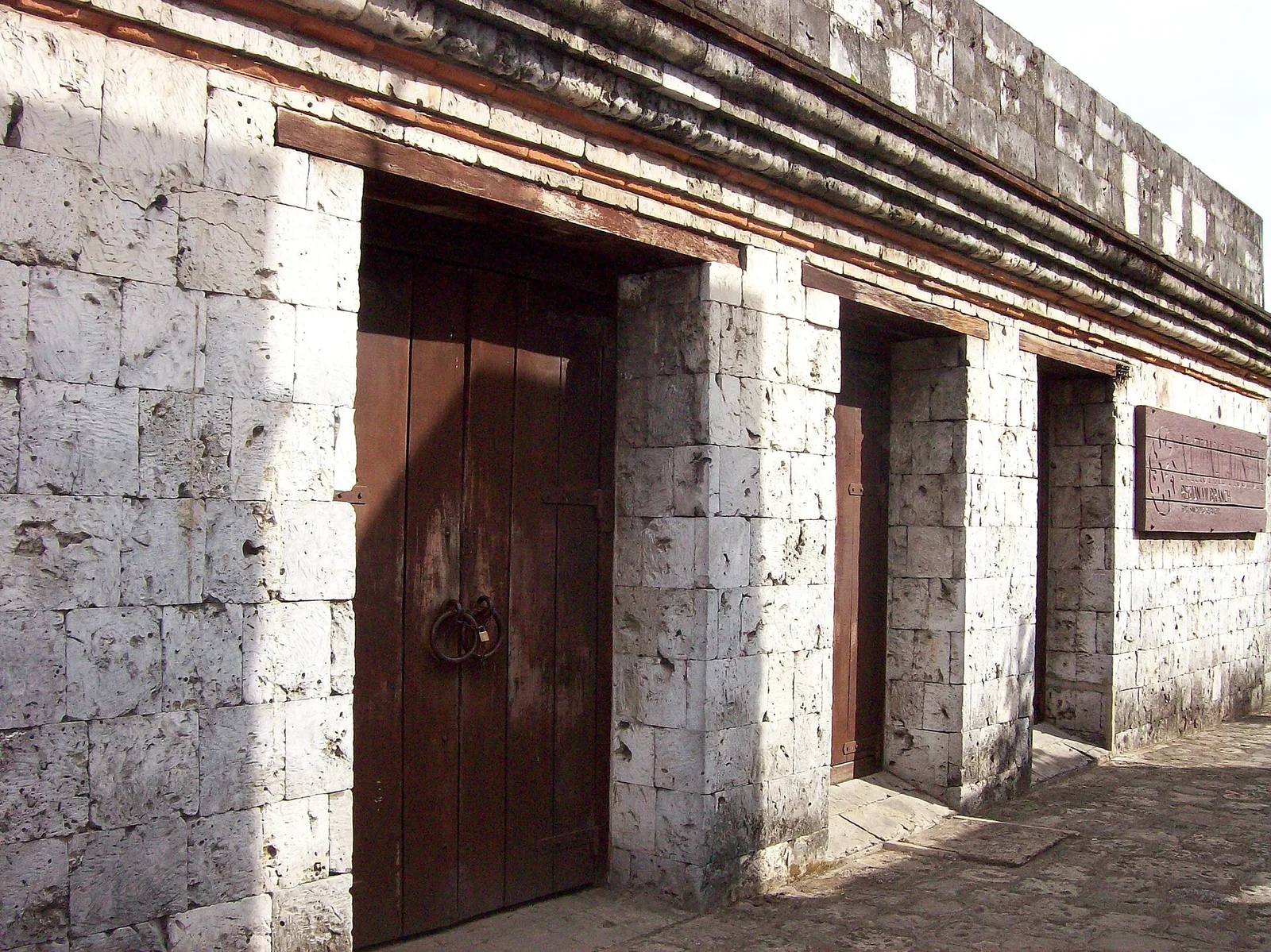
The oldest and smallest Spanish fort in the country, now a walled garden by the pier. Legazpi's men built the first fort here of wood soon after they landed, and it became the core of the first Spanish settlement in …
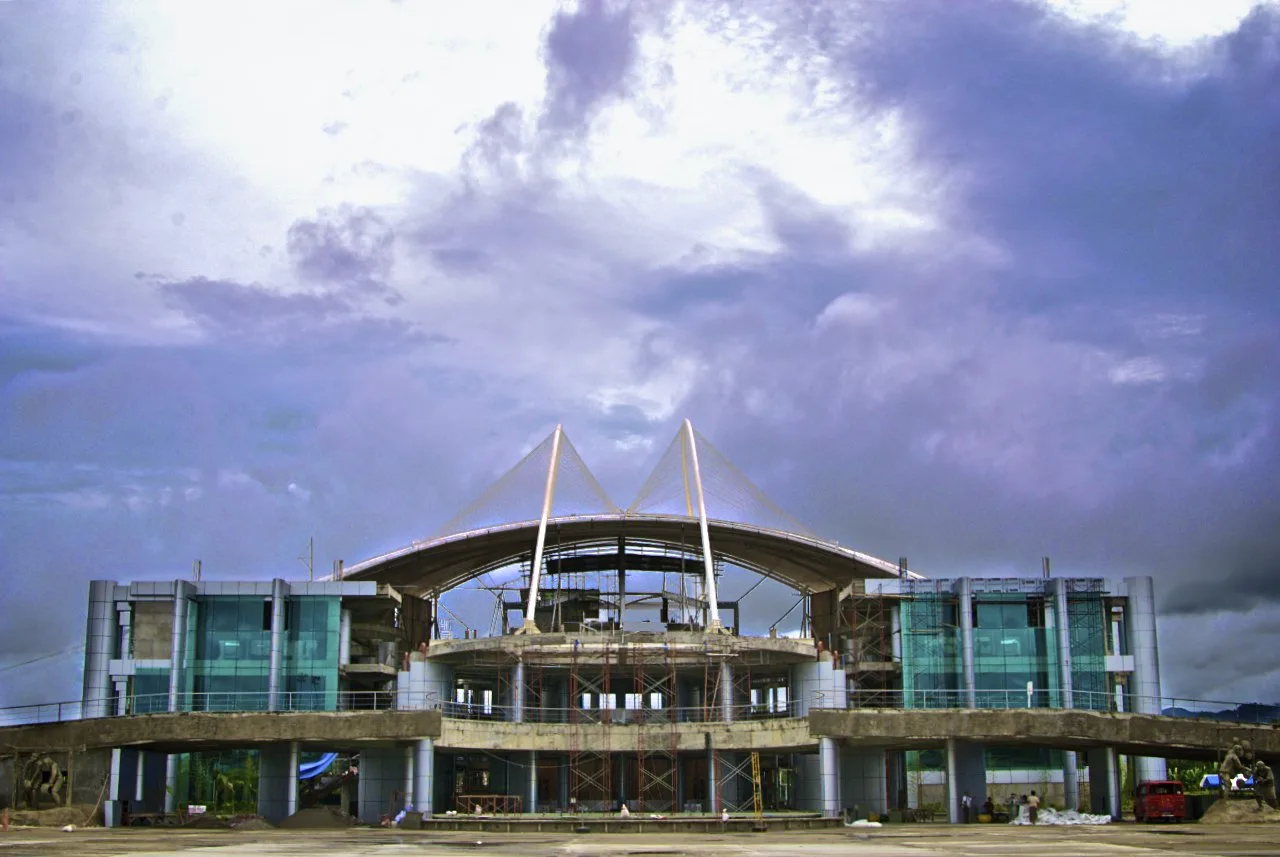
Tagum puts on a 30-minute fireworks show every New Year's Eve, drawing visitors from nearby Davao City for the turn of the year. The display takes place in Briz District and is visible from Poblacion, Magdum, Visayan Village, and Canocotan. The city government bans all other fireworks within …
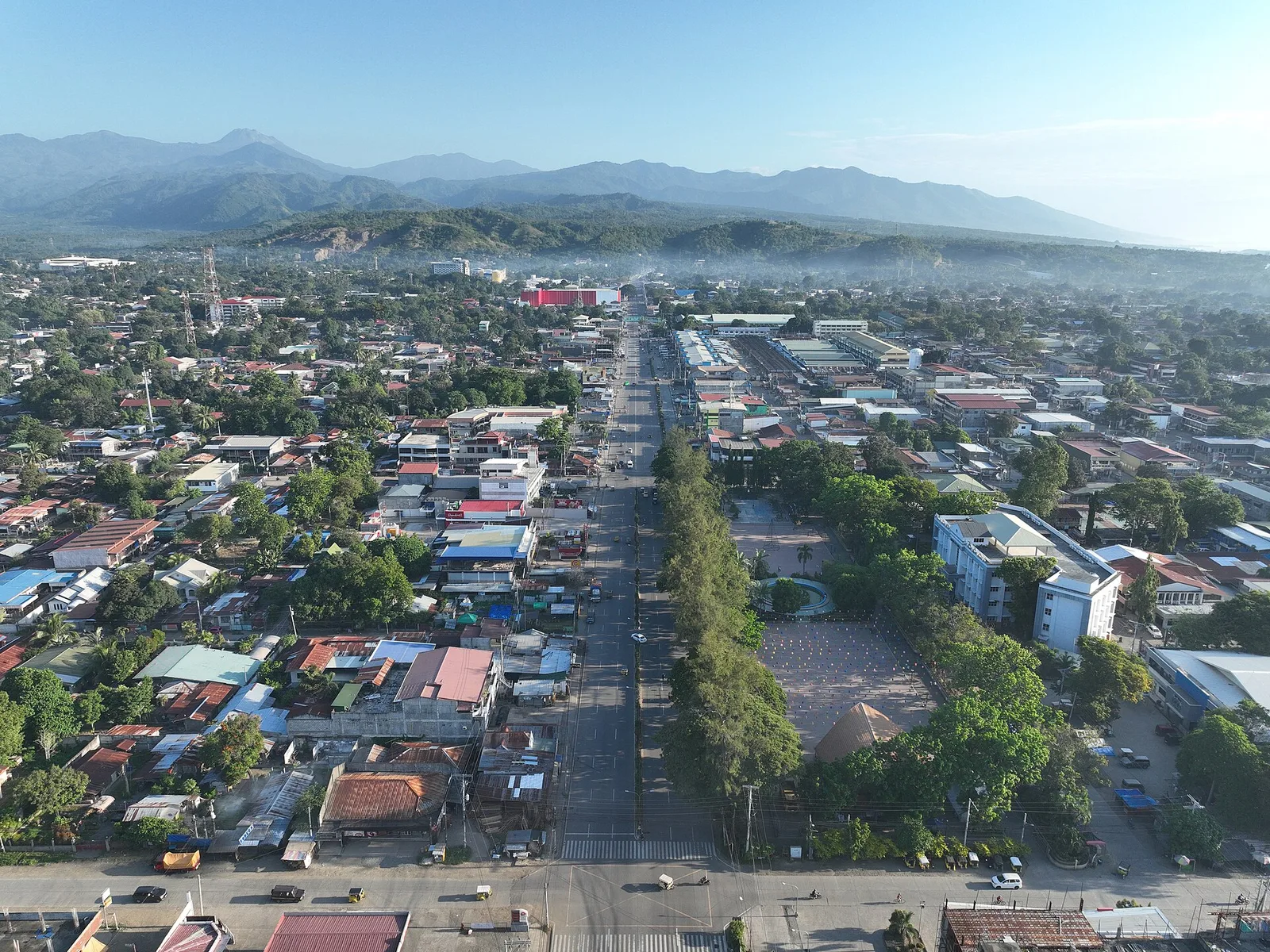
Every January 15, Sinulog sa Digos brings the city's own version of Cebu's Sinulog celebration to its streets, as part of the year's round of fiestas.
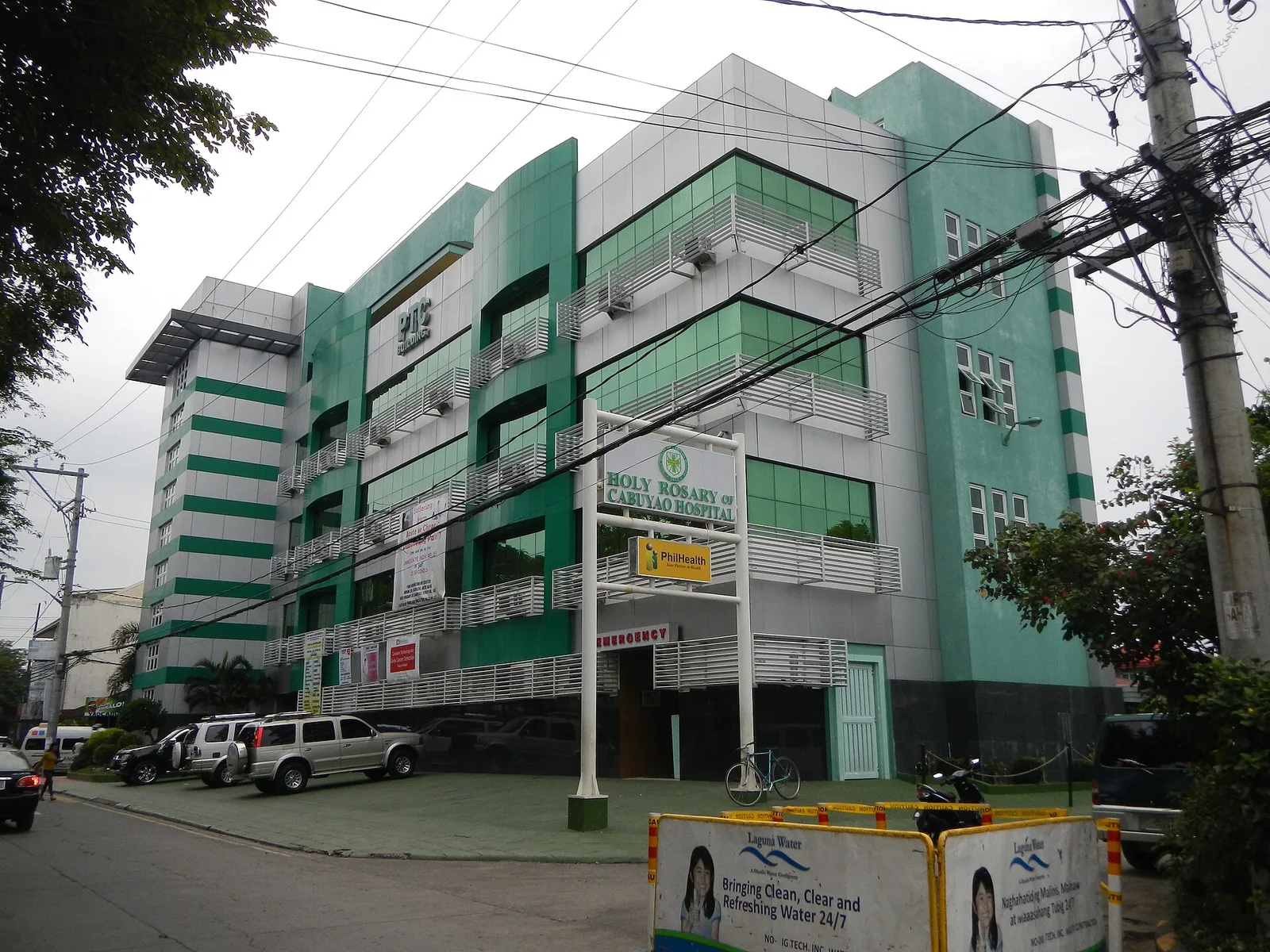
The city's feast of the Child Jesus, held on the third Sunday of January. A Mass at Cabuyao Church starts the day, then every Santo Niño image in the city goes on parade through the city proper. The Alimagno family began the celebration in 1981 to give thanks …
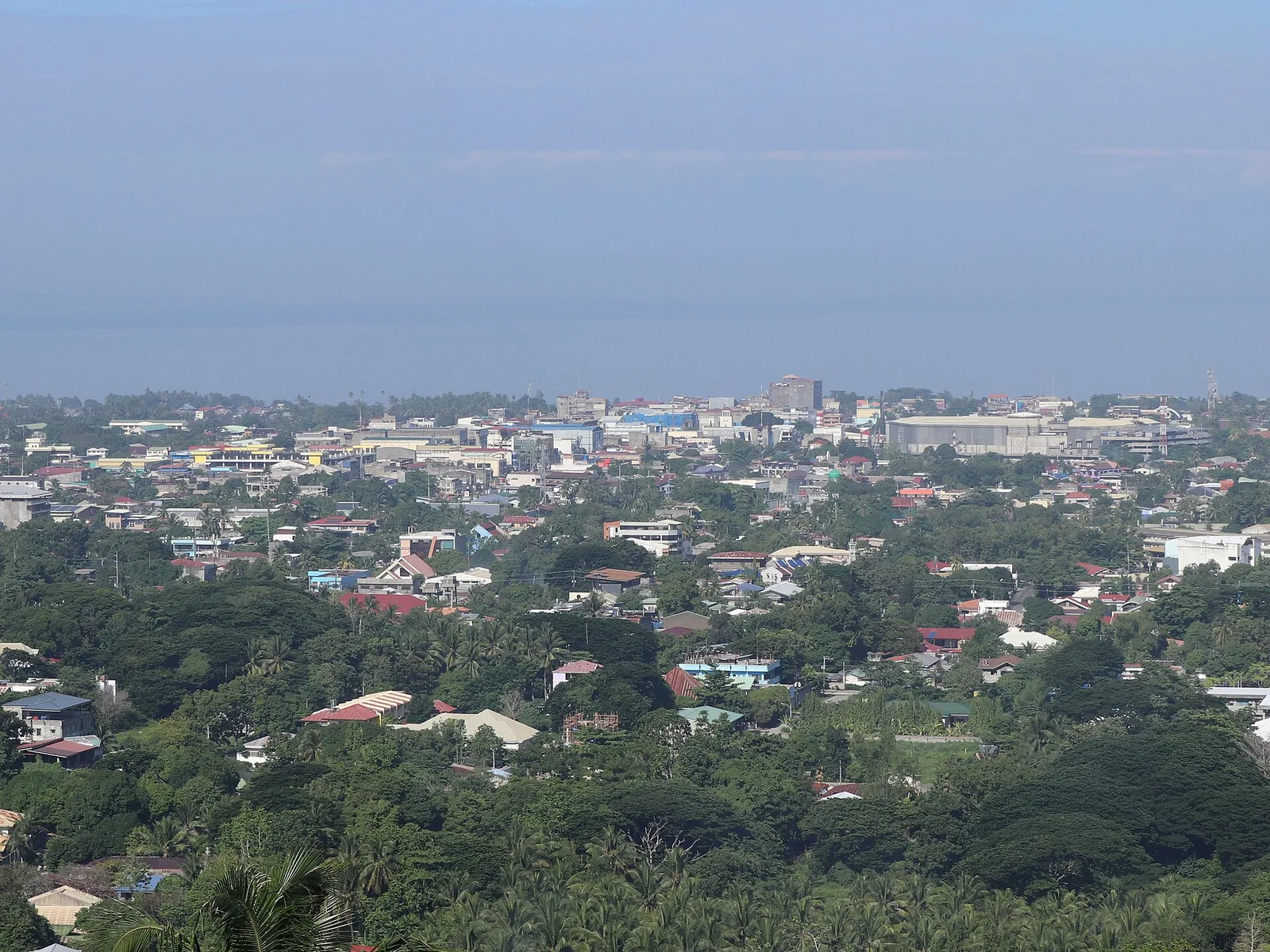
An image of Saint Michael the archangel that wears a Native American headdress, a practice taken from the Aztec and the Inca, when he goes into battle against Satan. The animist Lumad, the Muslim Moro and the Christian Visayan, Chavacano and Latino people who live together in the …
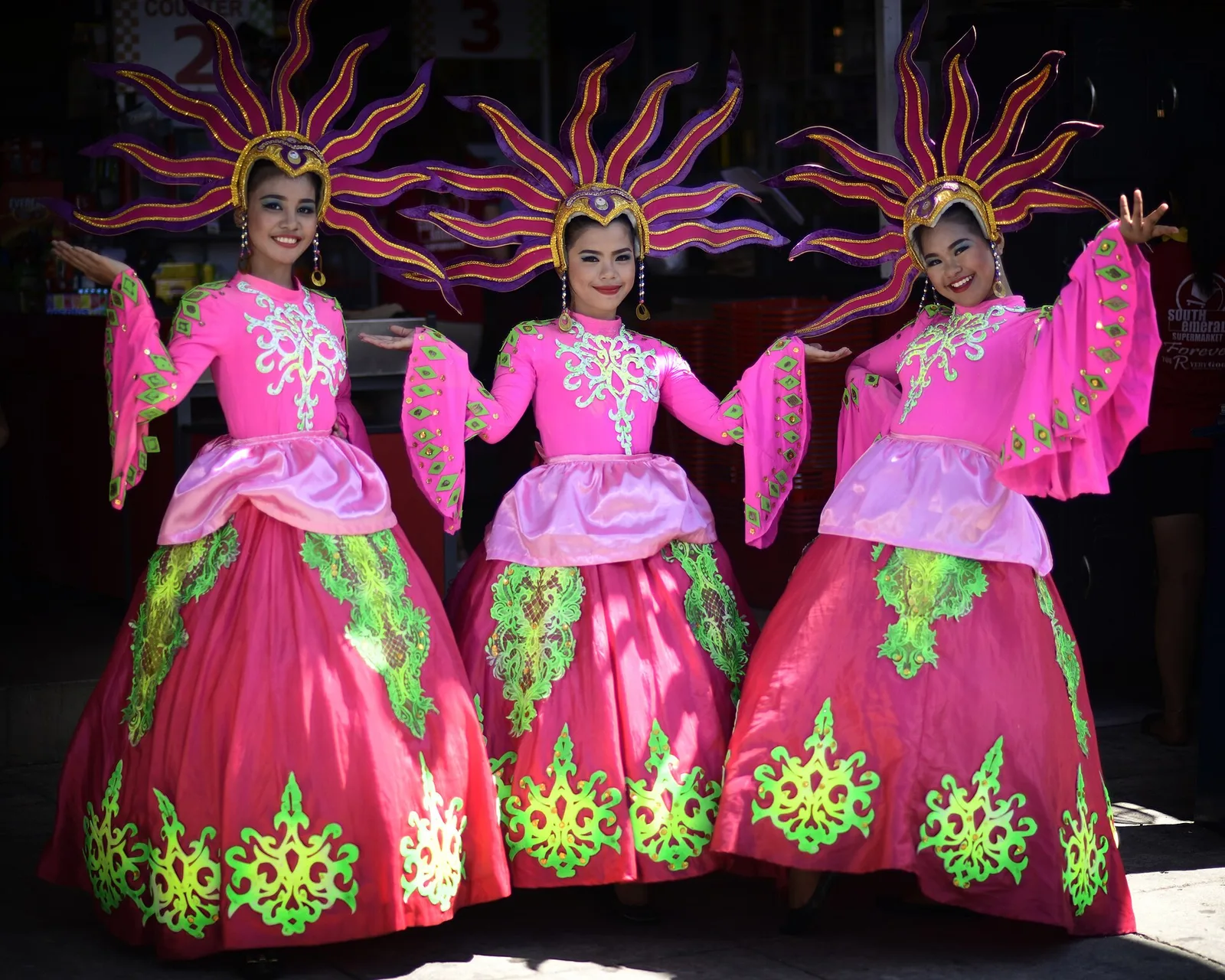
The city's yearly festival, run by the city government, with live music, food, dancing and other leisure events. It began in 1987 and has been held every year since. The Grand Parade is the main day: floats built by the businesses and groups that join, street dancing, marching …
Photo: Ranieljosecastaneda · Wikimedia Commons, CC BY-SA 4.0
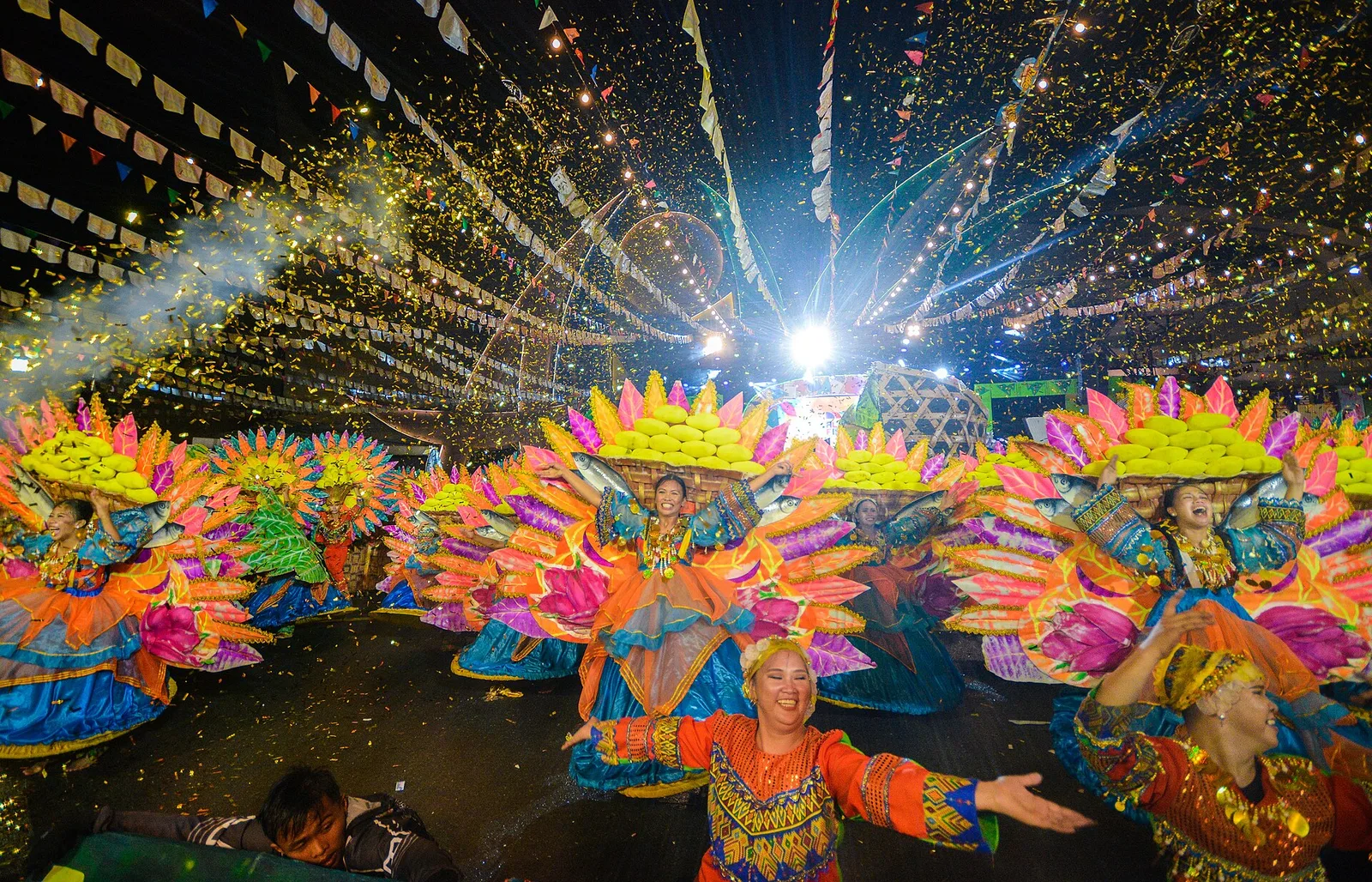
The island's mango festival, and the reason most visitors come in May. It runs the whole month, and it first ran on 22 May 1993, the day Guimaras marks its founding as a province. Locals wear mango-inspired costumes and build mango-themed floats for a parade that makes its …
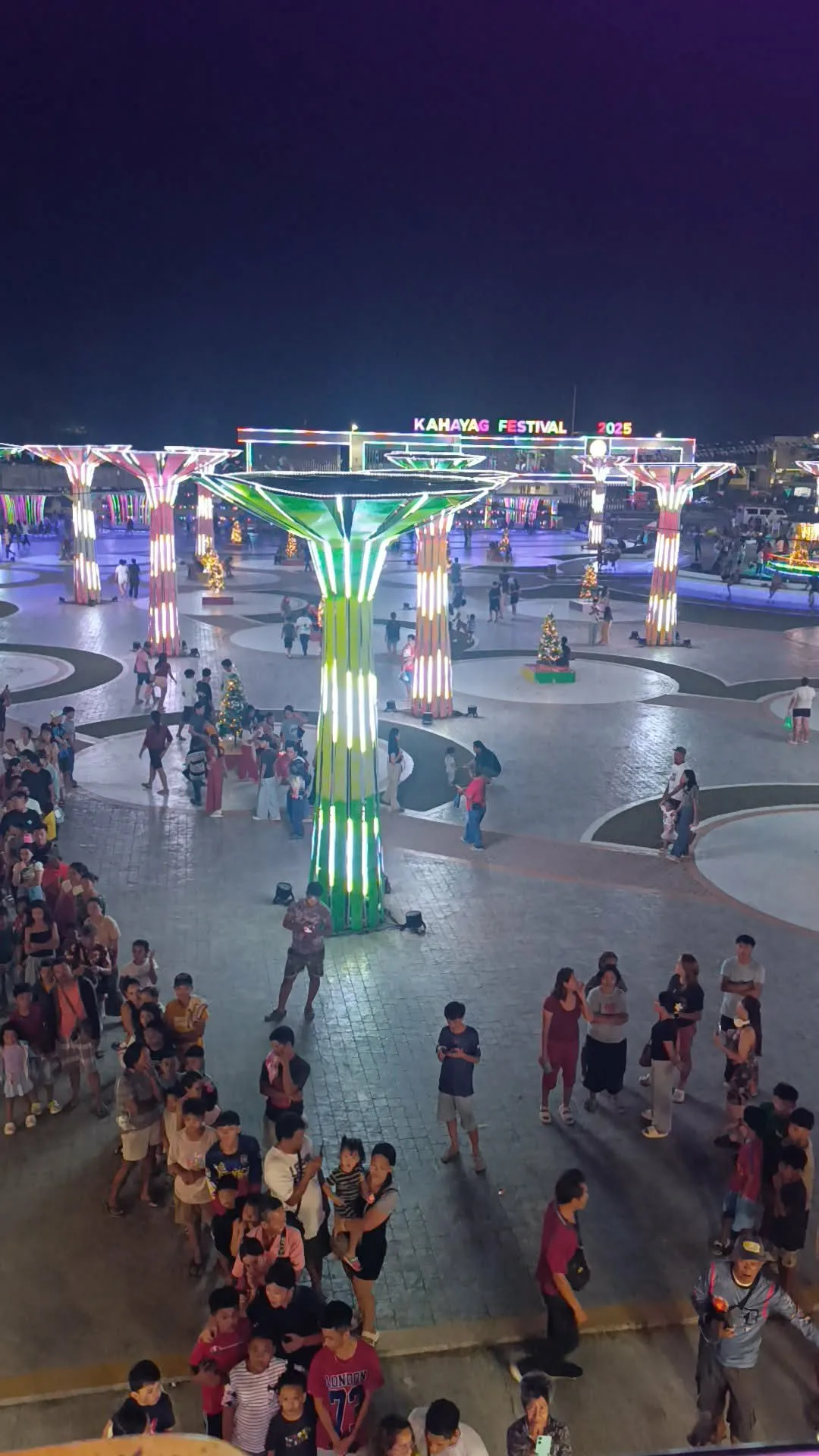
The town's Christmas festival: streets and public places are lit up to open the season, and there is a fireworks display. Kahayag means light, which the town takes to stand for hope, joy and solidarity through Advent.
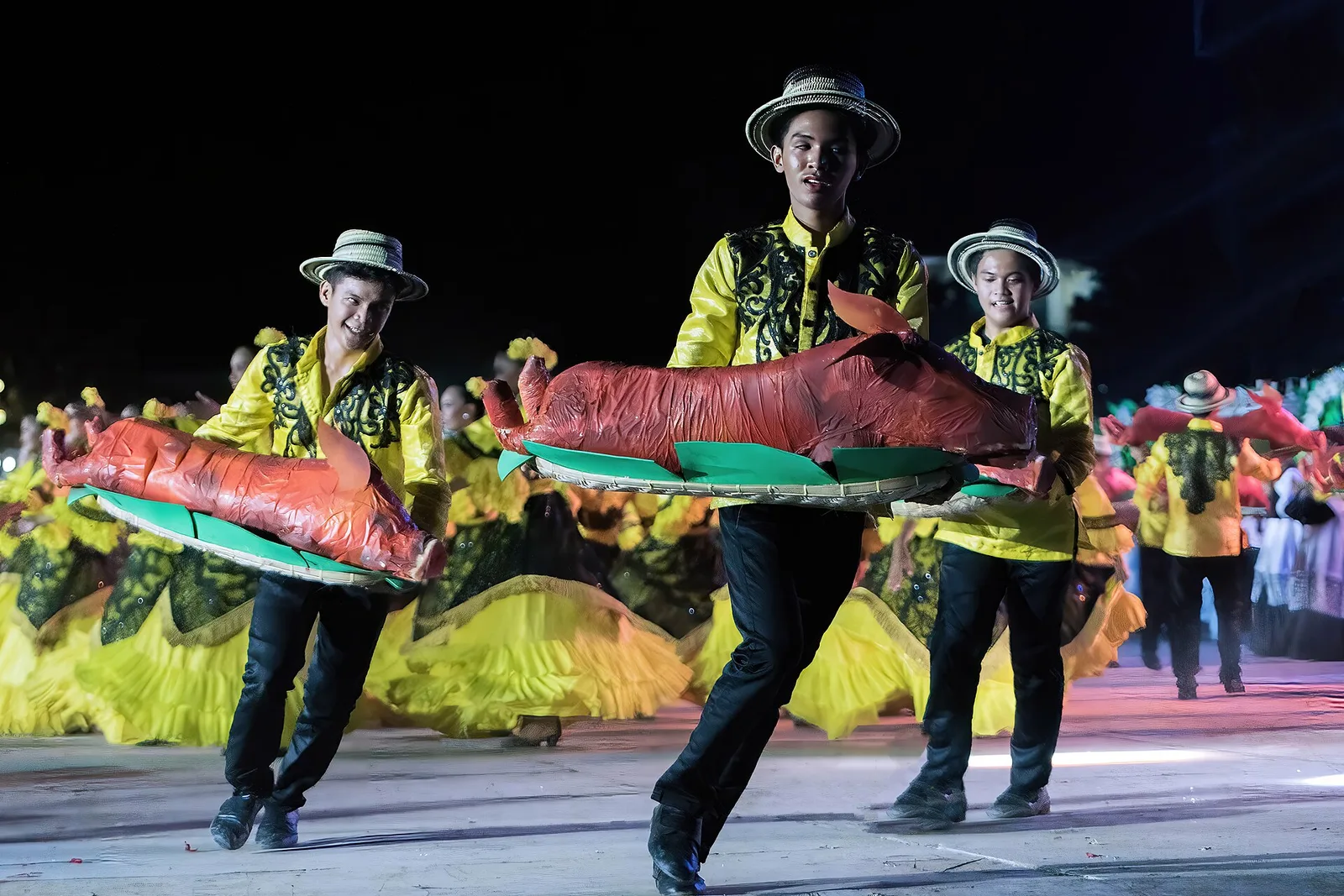
A festival of roast pig, held on October 15 for Saint Teresa of Avila, the patron saint of the city. Talisay is called the Lechon Capital of Cebu, and its lechon goes by the local name inasal. Carcar is the other town in the province known for it. …
Photo: Francisco M. Pajares, Jr. · Wikimedia Commons, CC BY-SA 4.0
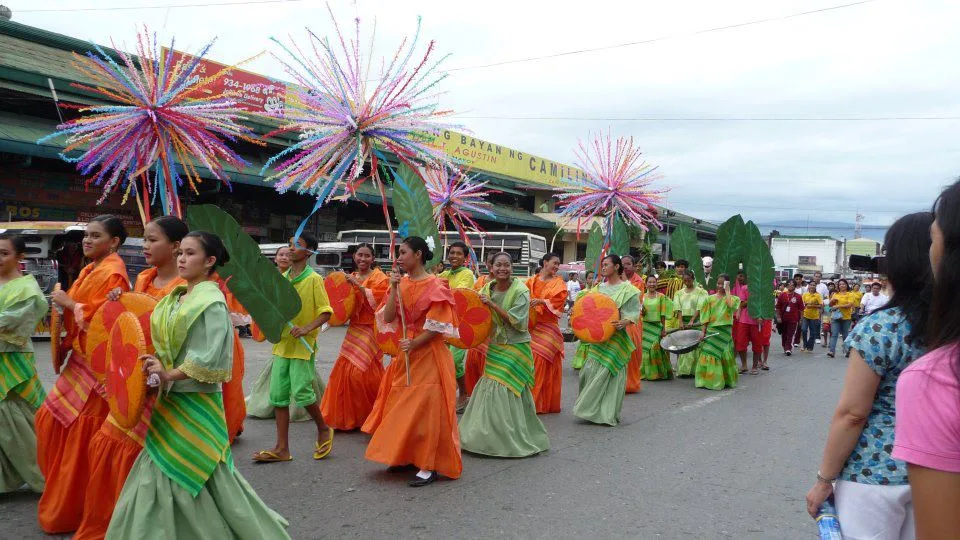
A harvest and pork festival in the town of Camiling, held in the last week of October, just before All Saints' Day. It gives thanks for the crop and for the year's meat, above all the chicharon that Ilocanos call bagnet. The other food of the week is …
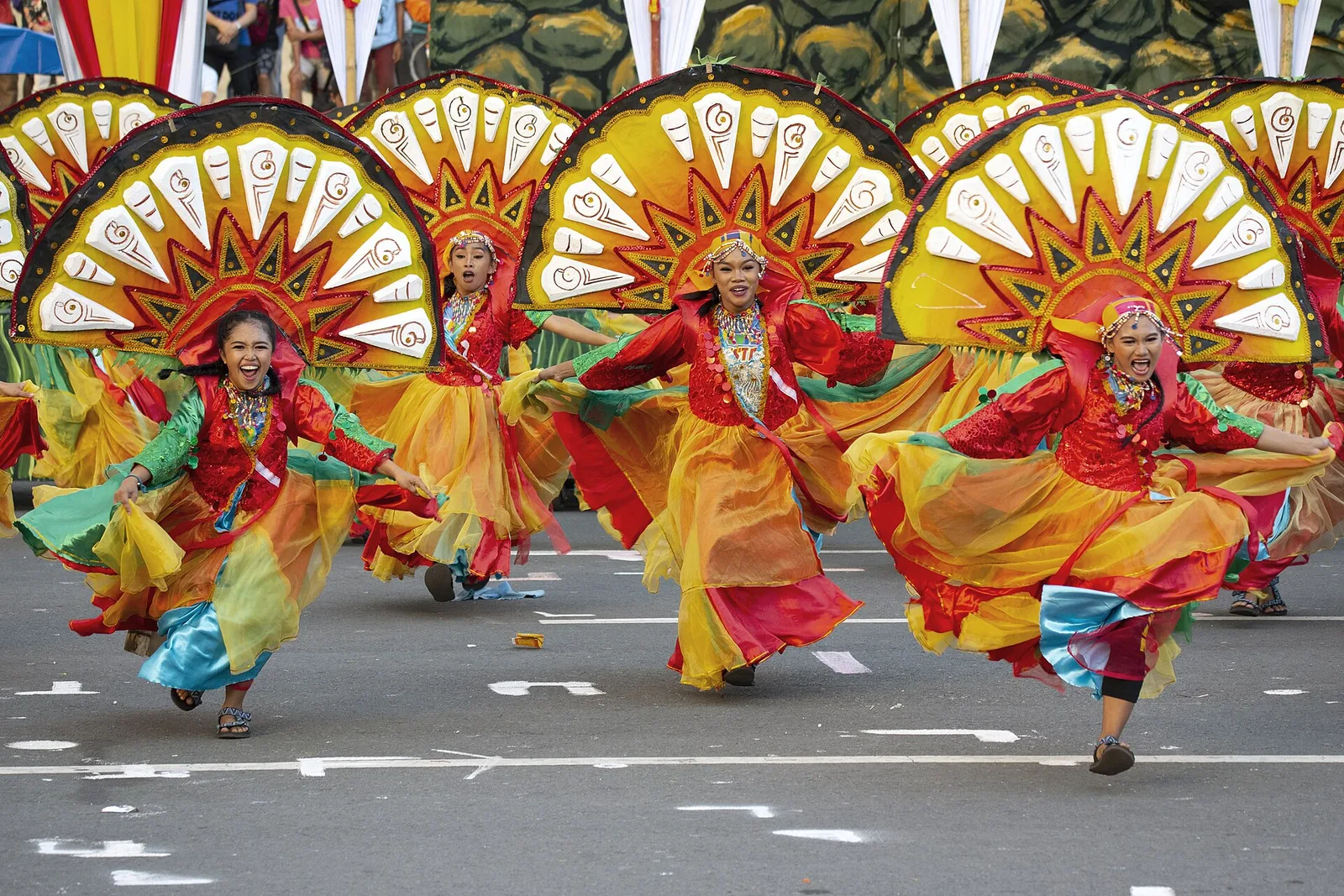
A week-long festival at San Jose with street parades, beach shows, plaza concerts, a beauty contest and a trade fair. Governor Evelio Javier started it in 1974. Binirayan comes from biray, the Kinaray-a word for sailboat, and the festival recalls the legend of the ten Bornean datus who …
Photo: Ranieljosecastaneda · Wikimedia Commons, CC BY-SA 4.0
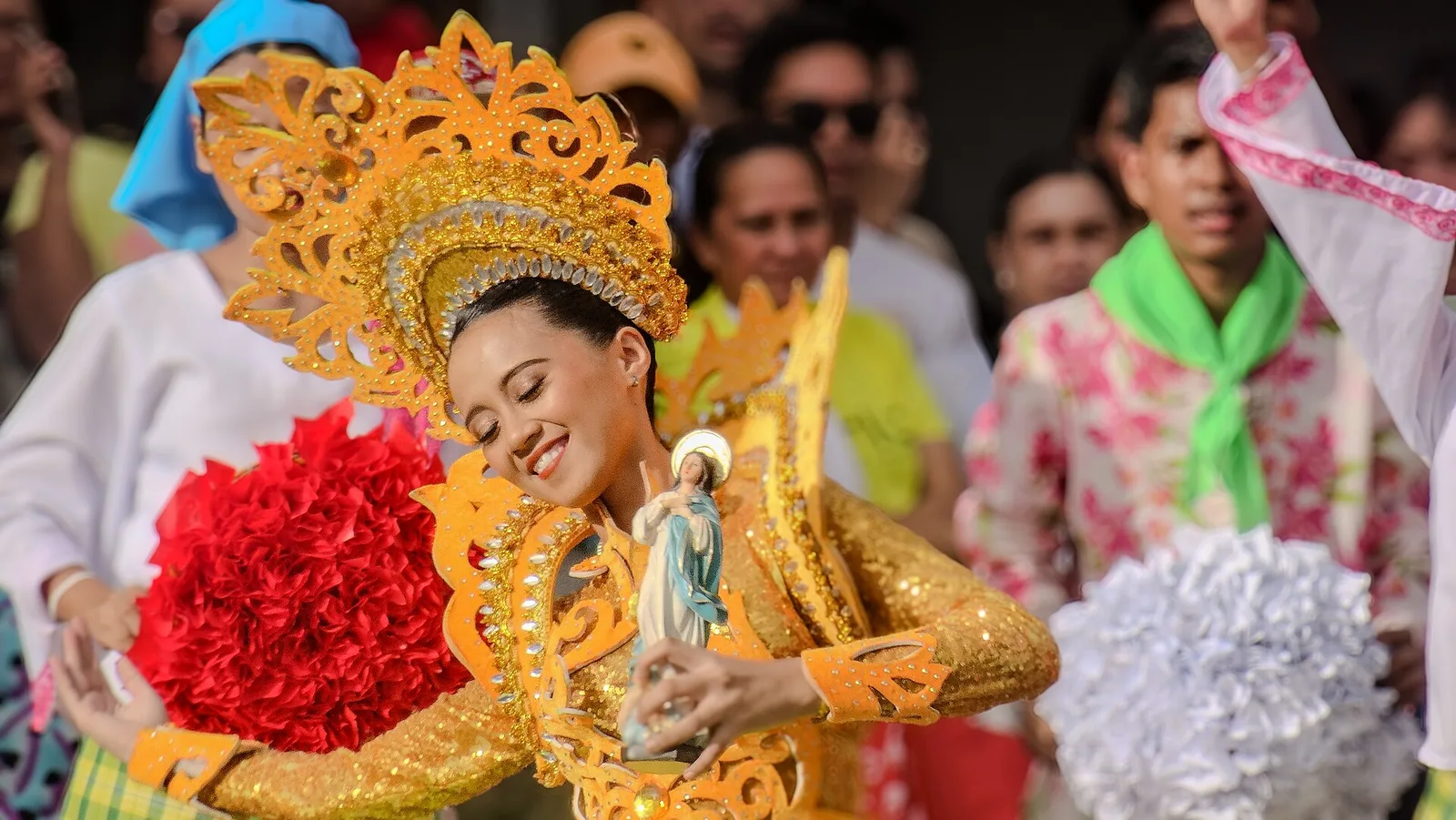
The city-wide festival, held every 27 December for the patroness of Baybay, Our Lady of the Immaculate Conception. It sets out the history of the city and the two trades most Baybayanons live by, fishing and farming.
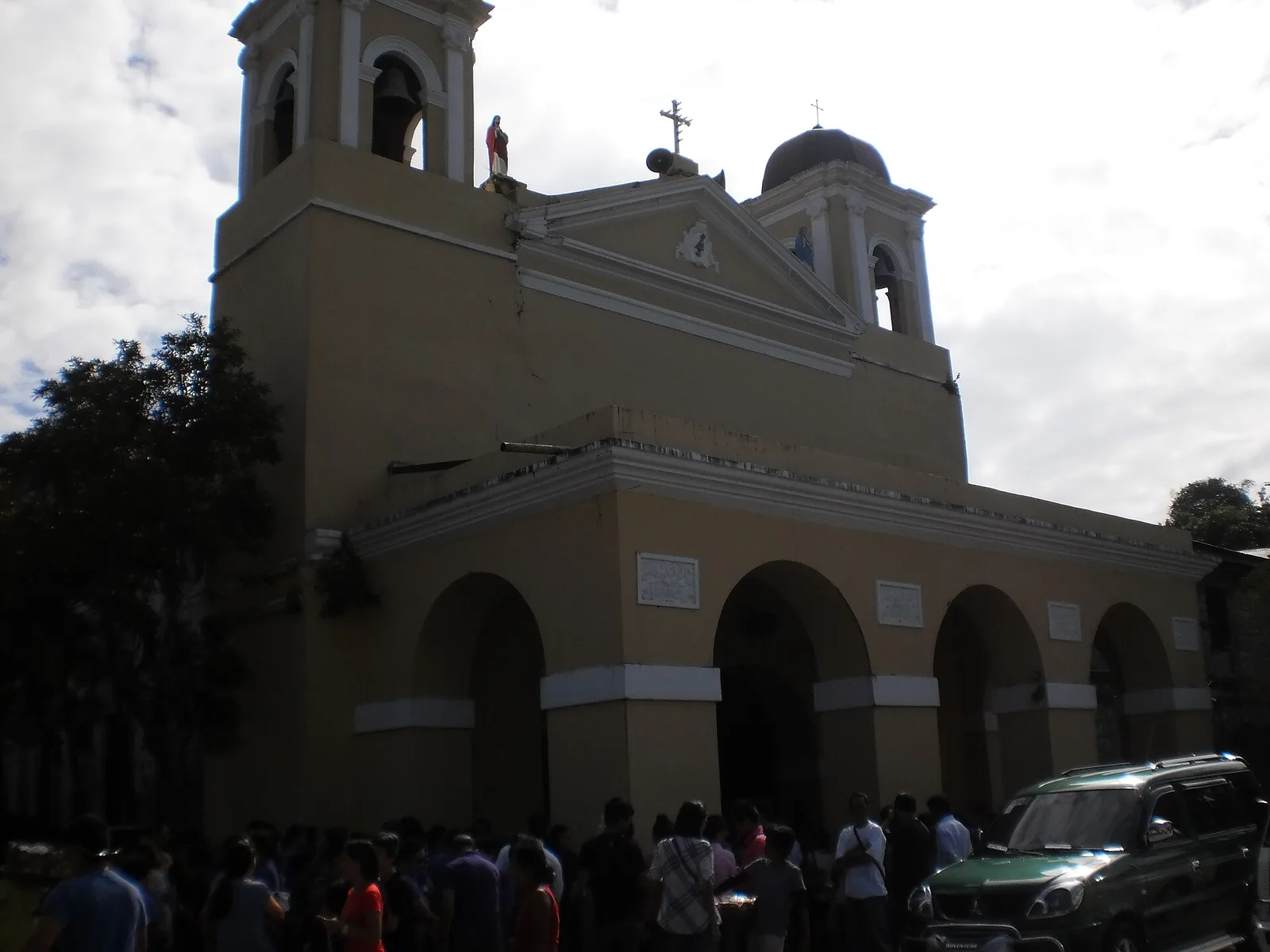
Two days for the image found in the Pansipit River in 1603. A procession goes from the shrine down to the river, a fluvial procession follows, and the town walks the image back up to the basilica.
Photo: Carl Flores Trinidad · Wikimedia Commons, CC BY-SA 3.0
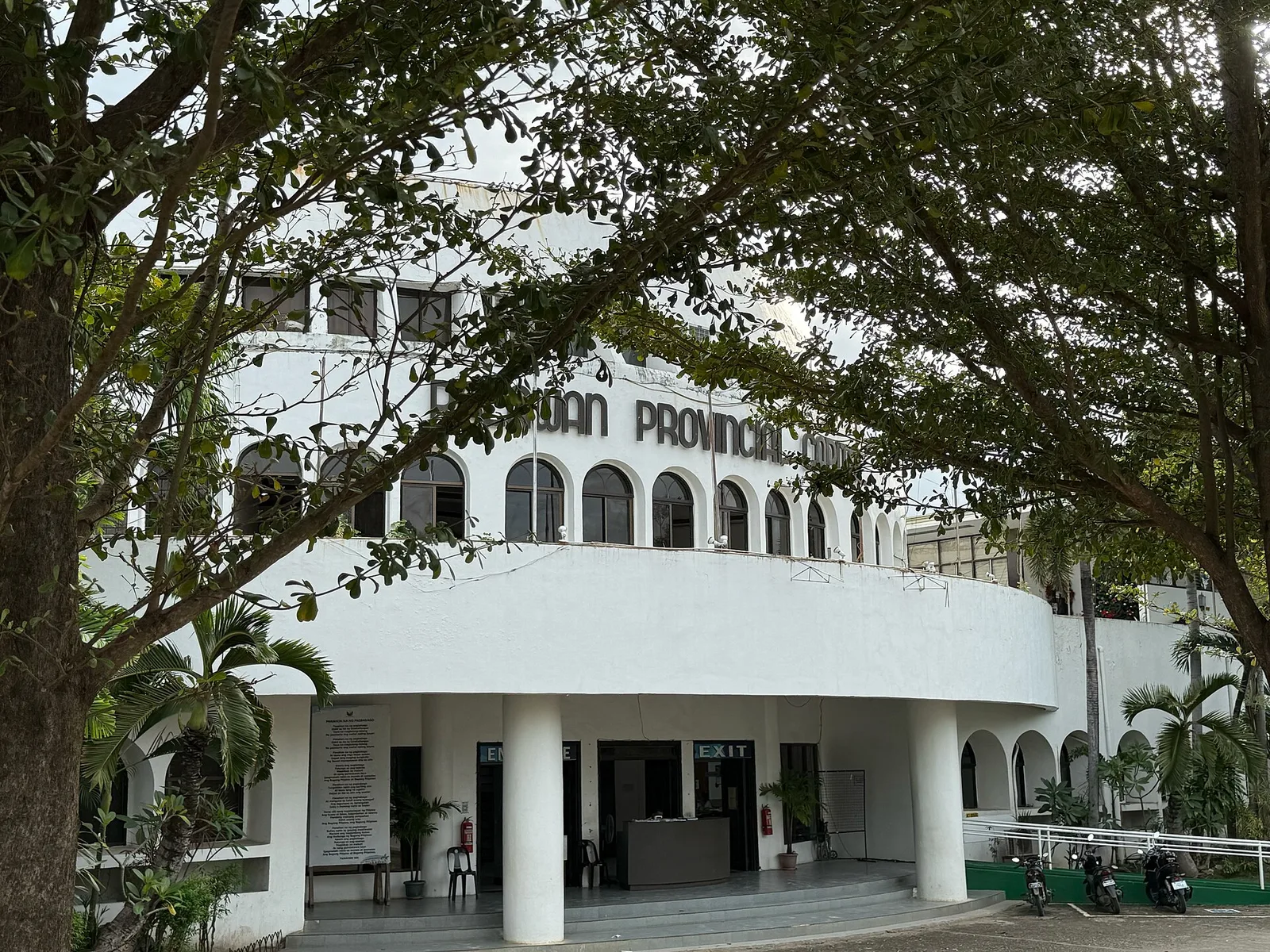
The province's festival, held in its capital: every town of Palawan sets up a booth at the capitol. The grand parade ran on 12 June and the festival closed on 23 June.


