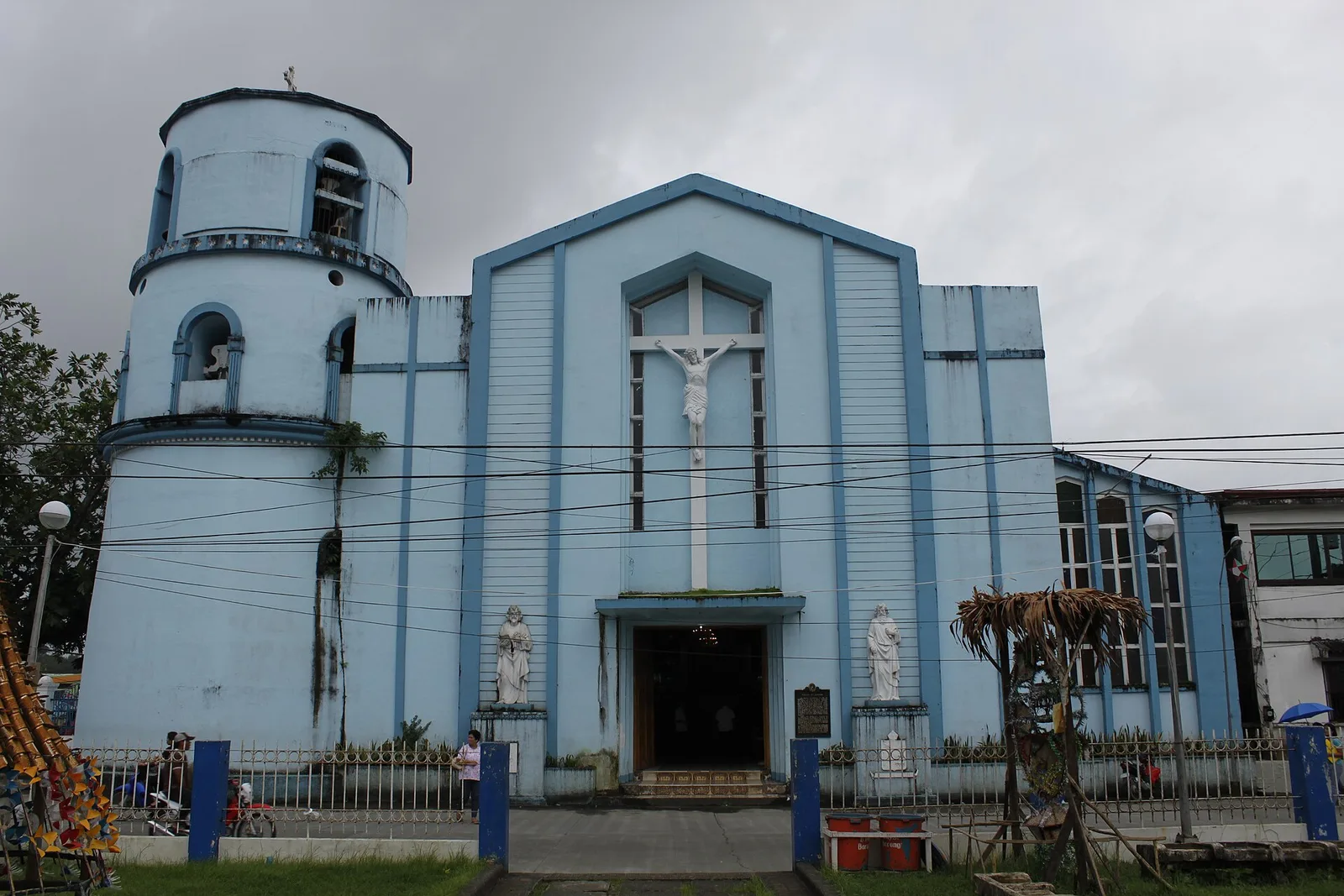
Borongan Cathedral
The cathedral of Borongan, formally the Cathedral Parish of the Nativity of Our Lady, and the seat of the diocese. The round bell tower is the only part of the old church that is left. Father Juan Navarette added it …
Showing 241 to 270 of 1,893
The cathedral of Borongan, formally the Cathedral Parish of the Nativity of Our Lady, and the seat of the diocese. The round bell tower is the only part of the old church that is left. Father Juan Navarette added it …
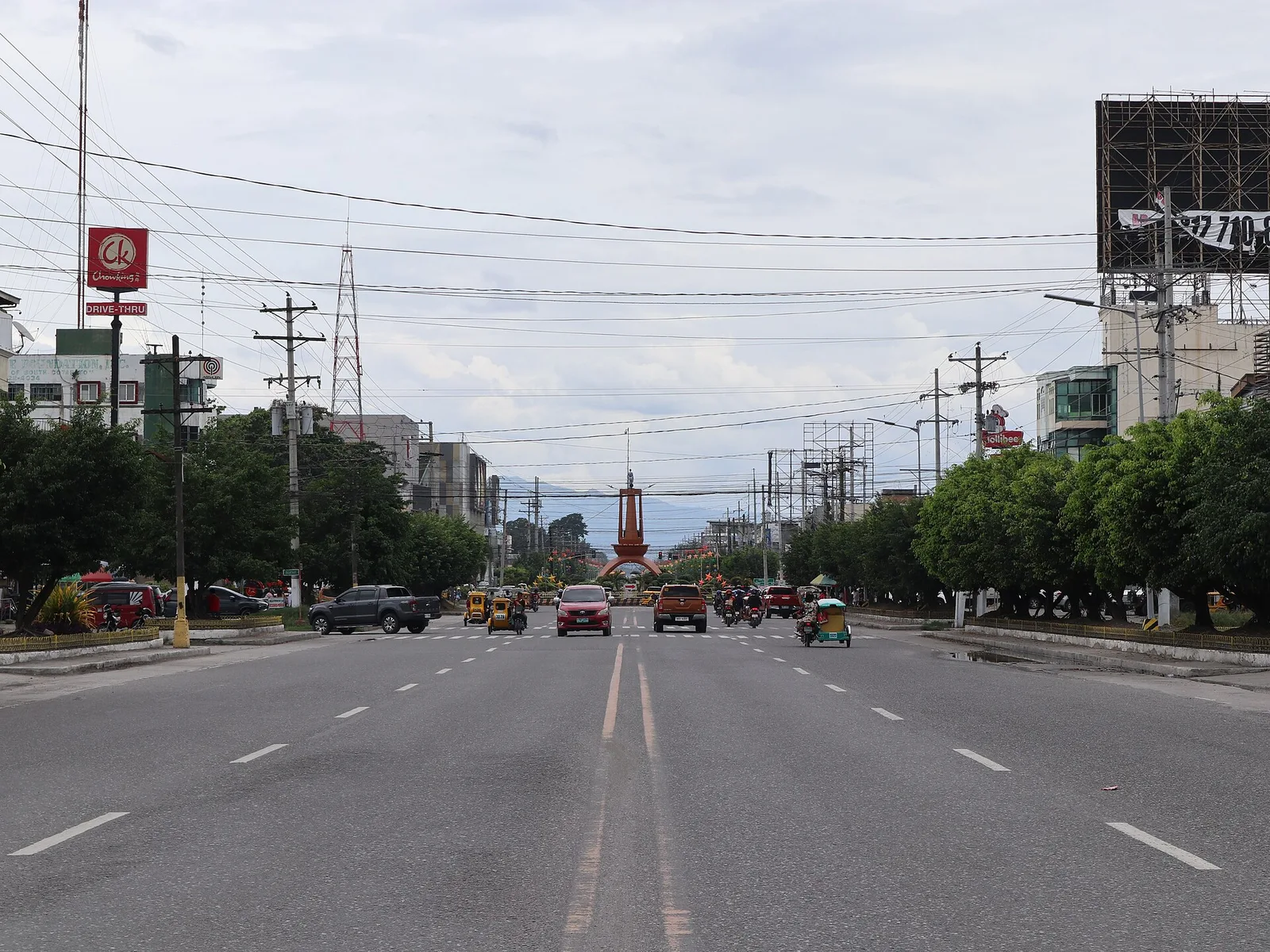
South Cotabato's provincial capital is home to Koronadal Cathedral, a Roman Catholic cathedral serving the city. Koronadal became the province's capital after Christian settlers moved into the Koronadal Valley during the resettlement programs of the 1930s to 1950s, on land …
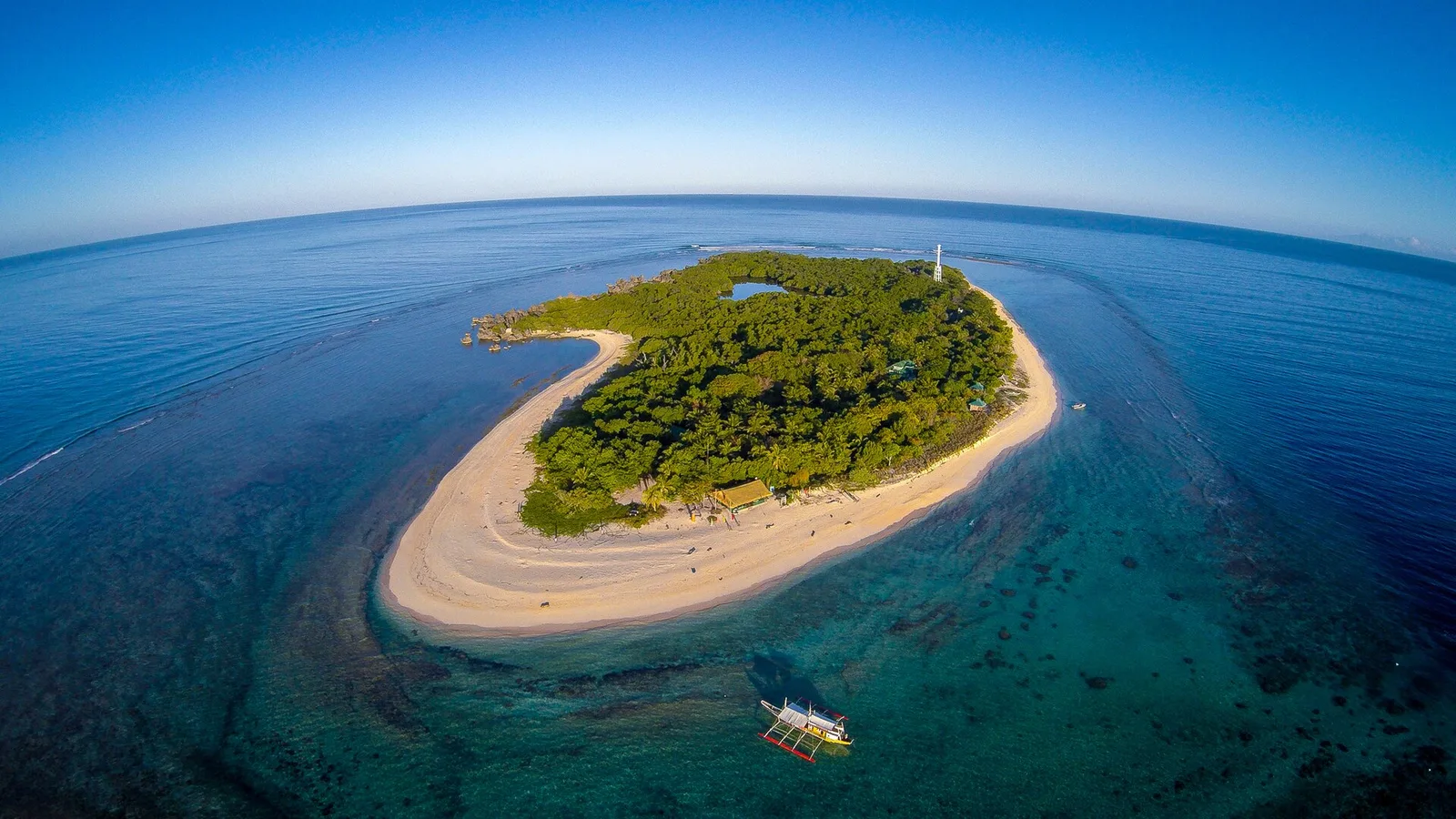
A coral reef park in the middle of the Mindoro Strait, west of the province. The shallow reefs there are dangerous to shipping, so a light station went up on Bajo Apo Island inside the park to warn ships off …
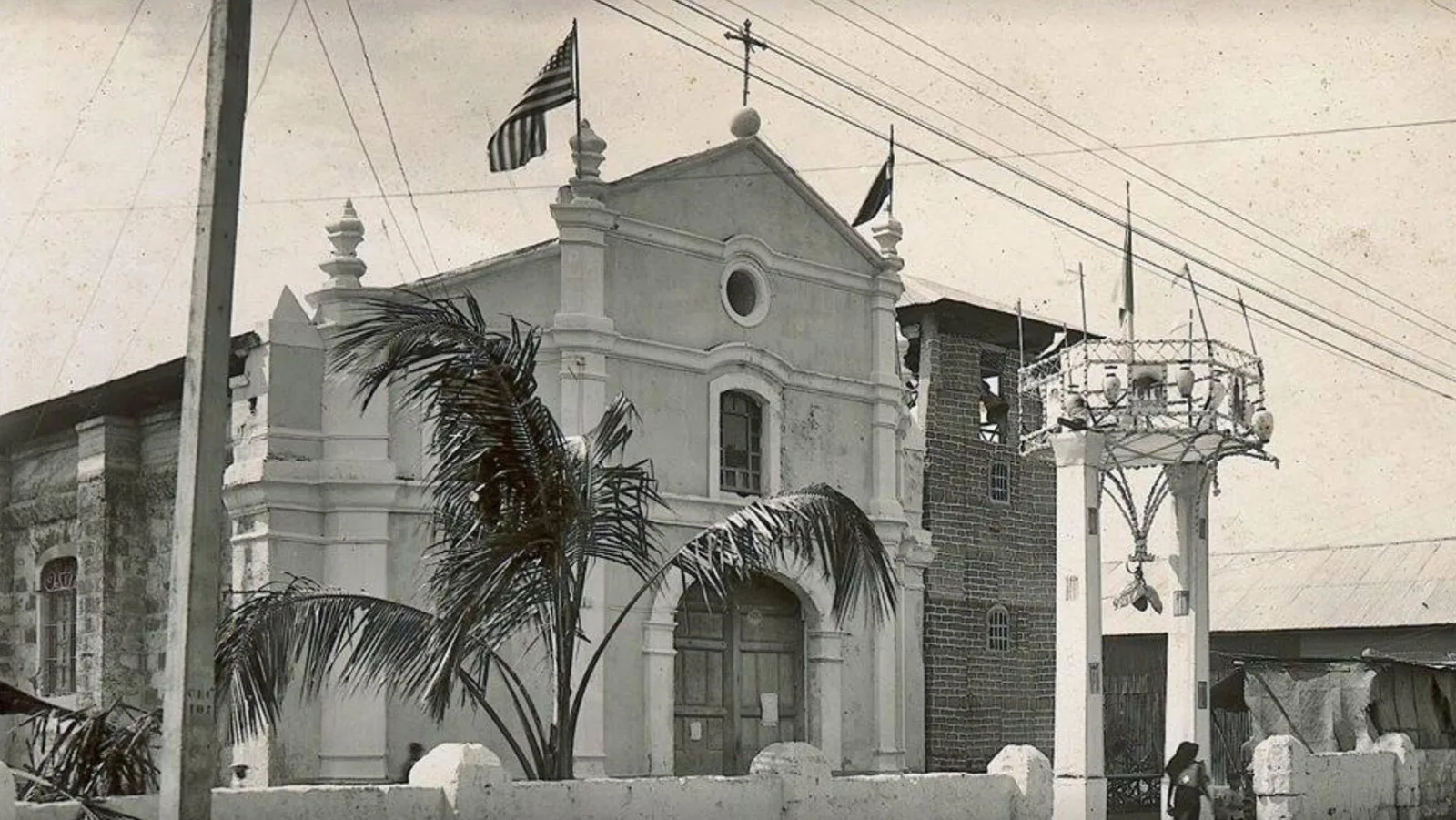
The church that holds Our Lady of Solitude of Porta Vaga, an icon that appeared after an apparition of the Virgin Mary. It is a diocesan shrine under the Diocese of Imus, and most people call it San Roque Parish …
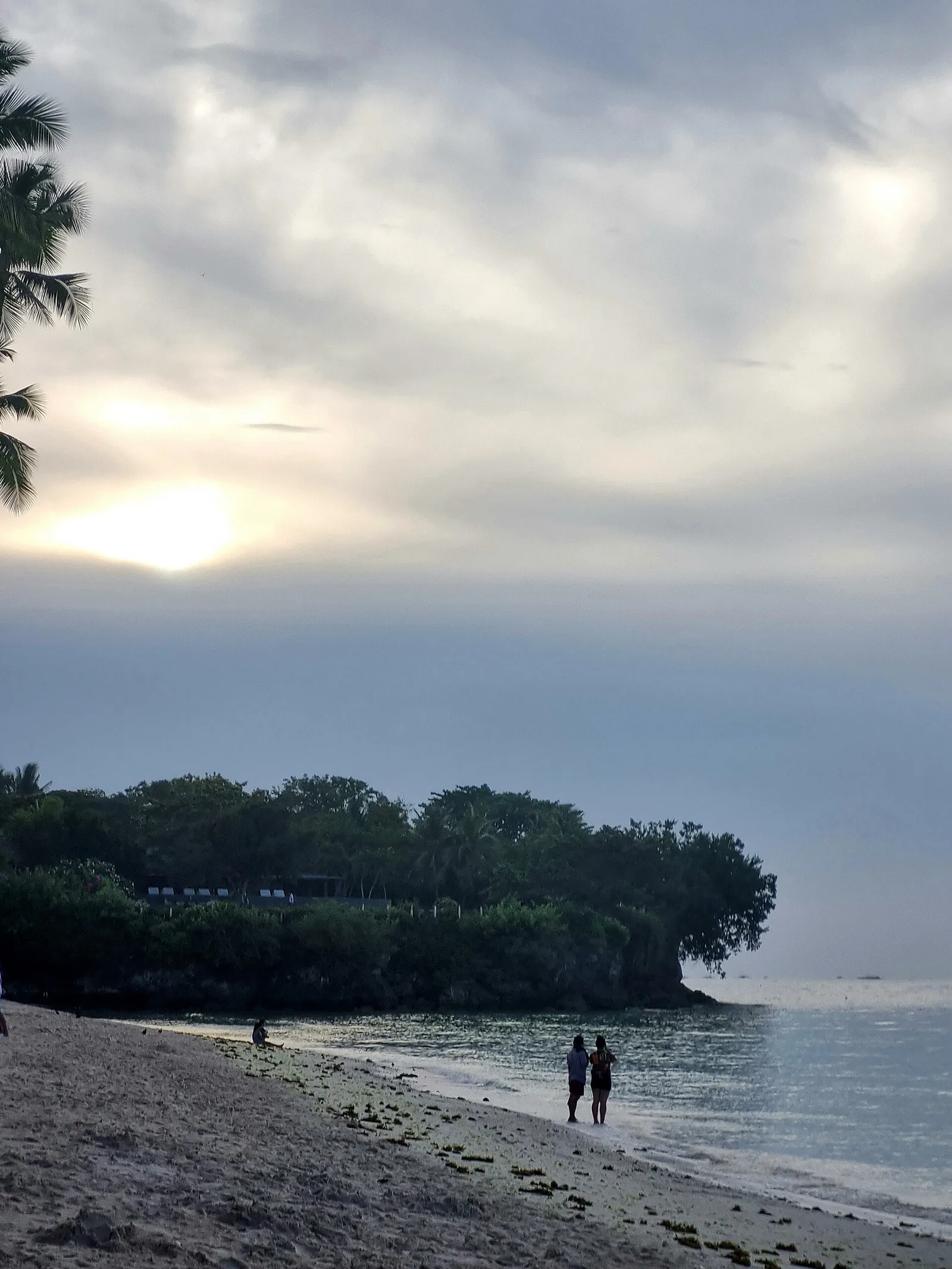
Alona and the quieter coves, and the dive sites off Balicasag with turtles and a wall. Alona Beach runs for about 1 kilometre at the south-west tip of Panglao, with white sand, rocky cliffs and a line of shops and …
The only rodeo show in Asia, held every April with ten competitive events. The one it is known for is the figure of eight, where the cowboy crisscrosses around a group of barrels. Women compete as well, in calf wrestling, calf lassoing and carambola.
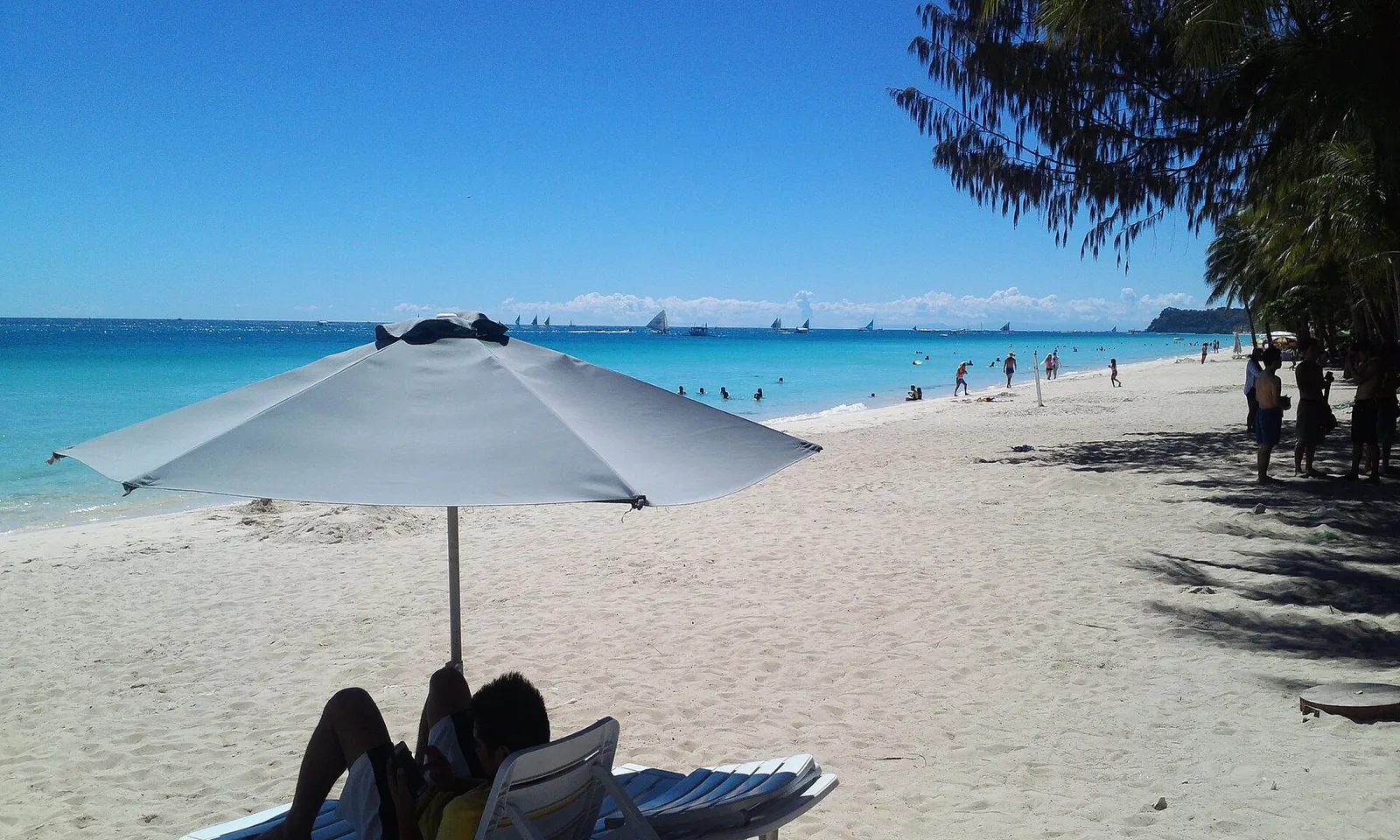
The island's week of beach sport and music, the successor to LaBoracay. Clean-ups and sustainability run beside the races, the beach games and the sunset sets.
The regional branch of the National Museum of the Philippines system, featuring artefacts on Cordilleran natural history, art, ethnography and culture.
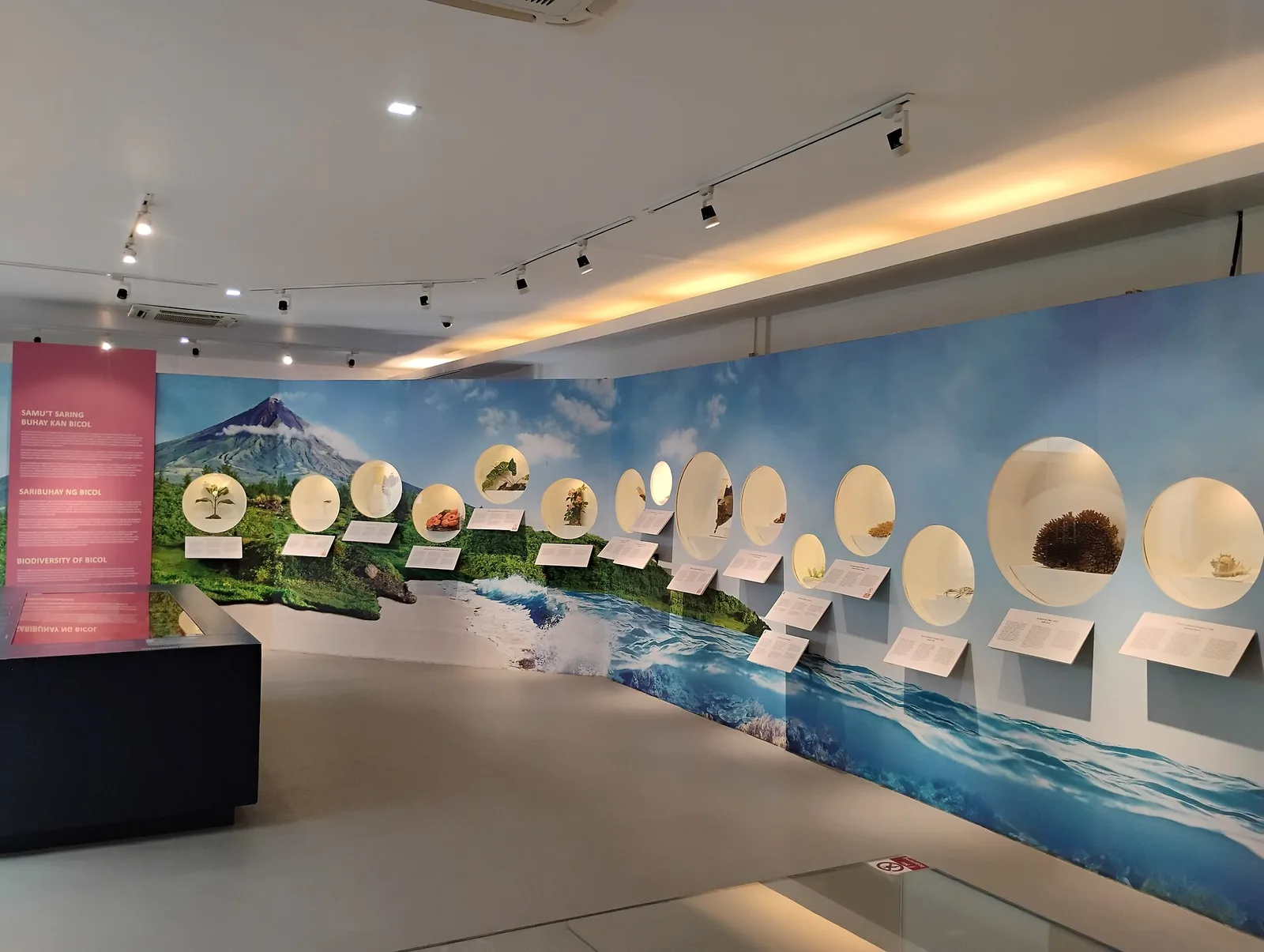
The regional branch of the National Museum of the Philippines system, featuring artefacts on Bicol's natural history, art, ethnography and culture.
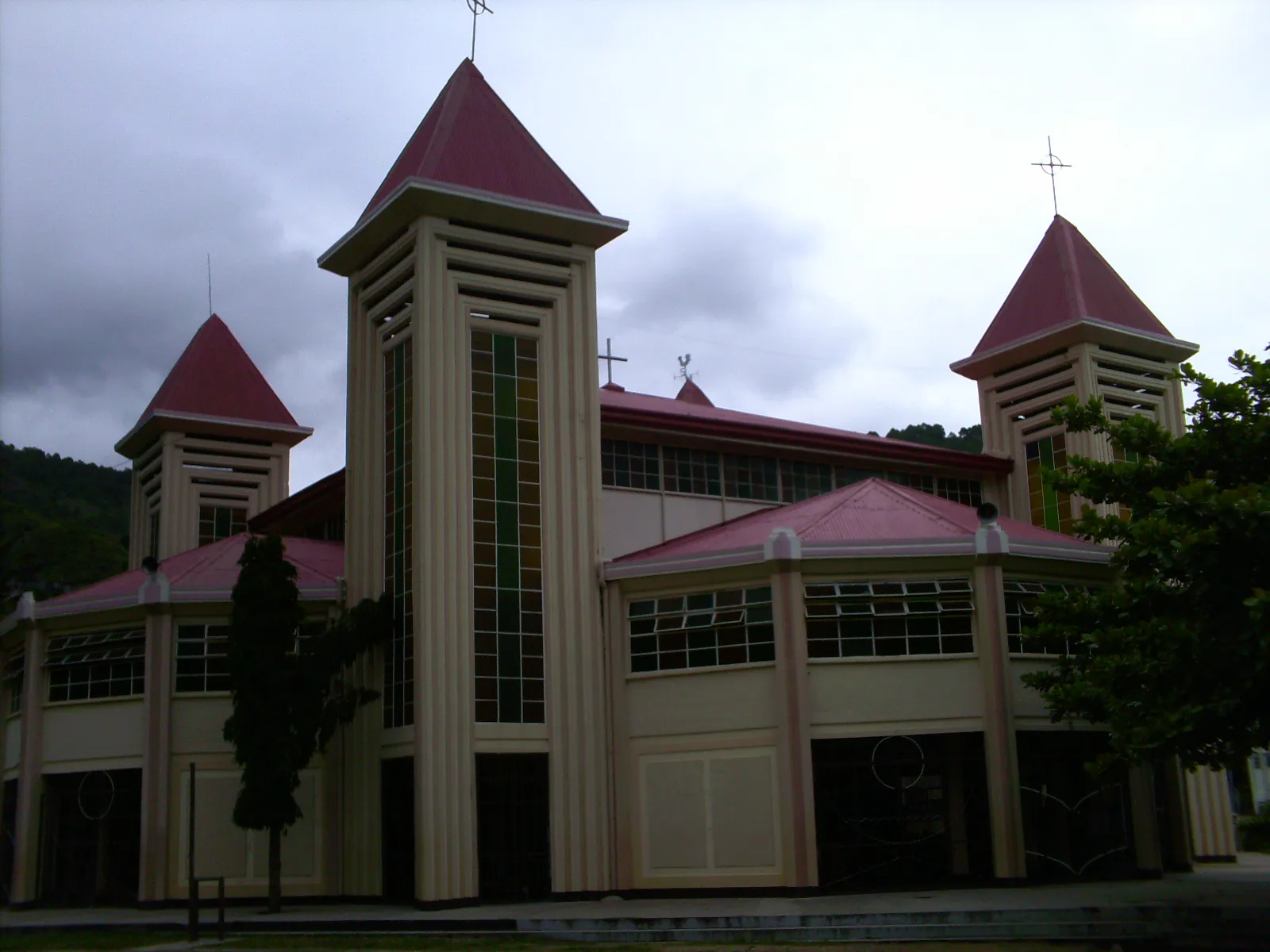
The seat of the Roman Catholic church in Mountain Province, built in an octagonal layout with multiple towers.
The first church was built in 1770, but it was rebuilt a few times after being burned to where current church dates to about 1893. Also try People's Park adjacent if you need to stretch your legs.
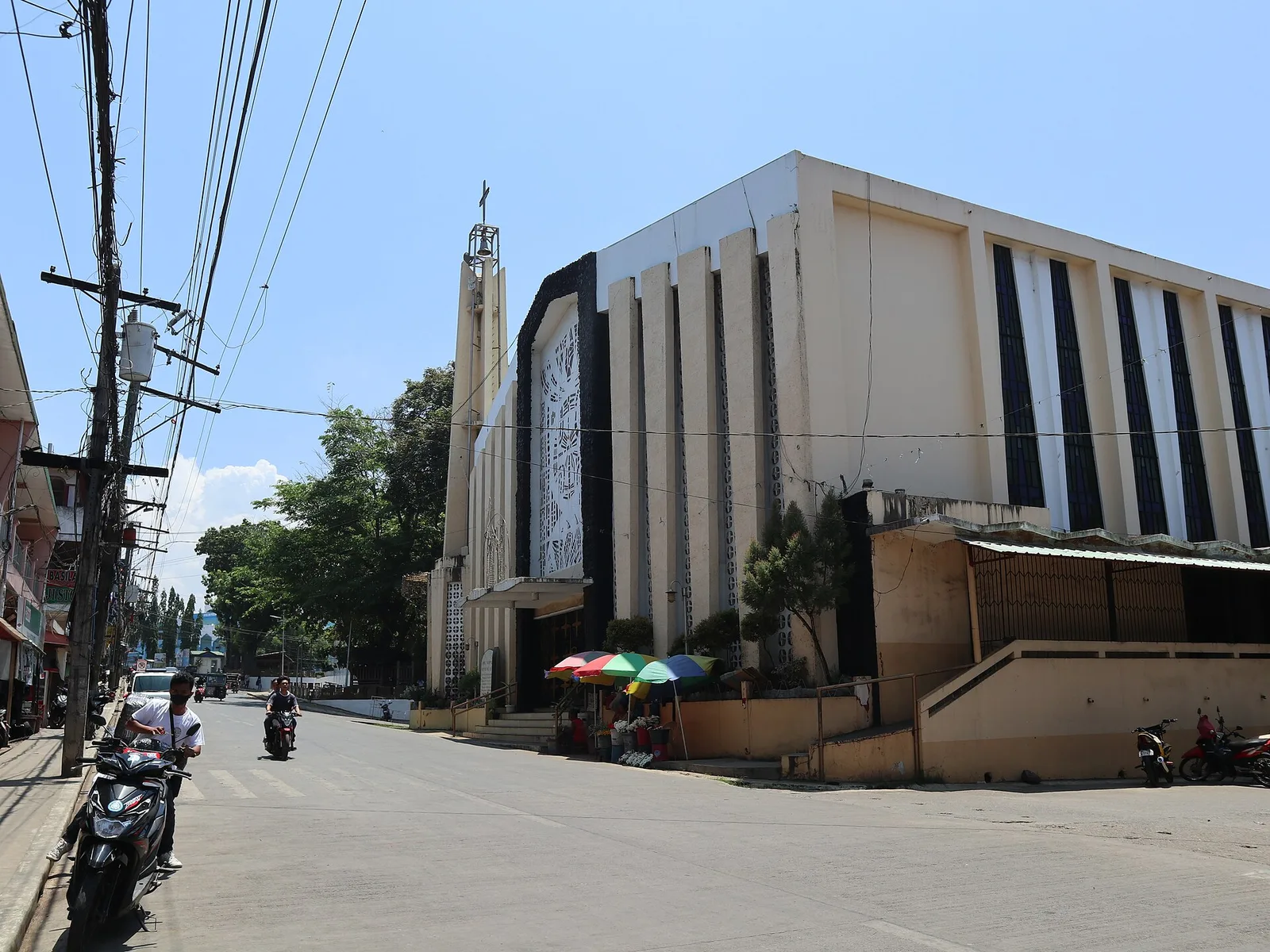
A 20th-century Roman Catholic cathedral, dedicated to Saint Elizabeth of Portugal and also called Santa Isabel Cathedral. It stands in Barangay Seaside Poblacion and is the seat of the Territorial Prelature of Isabela. A fire destroyed the old wooden church …
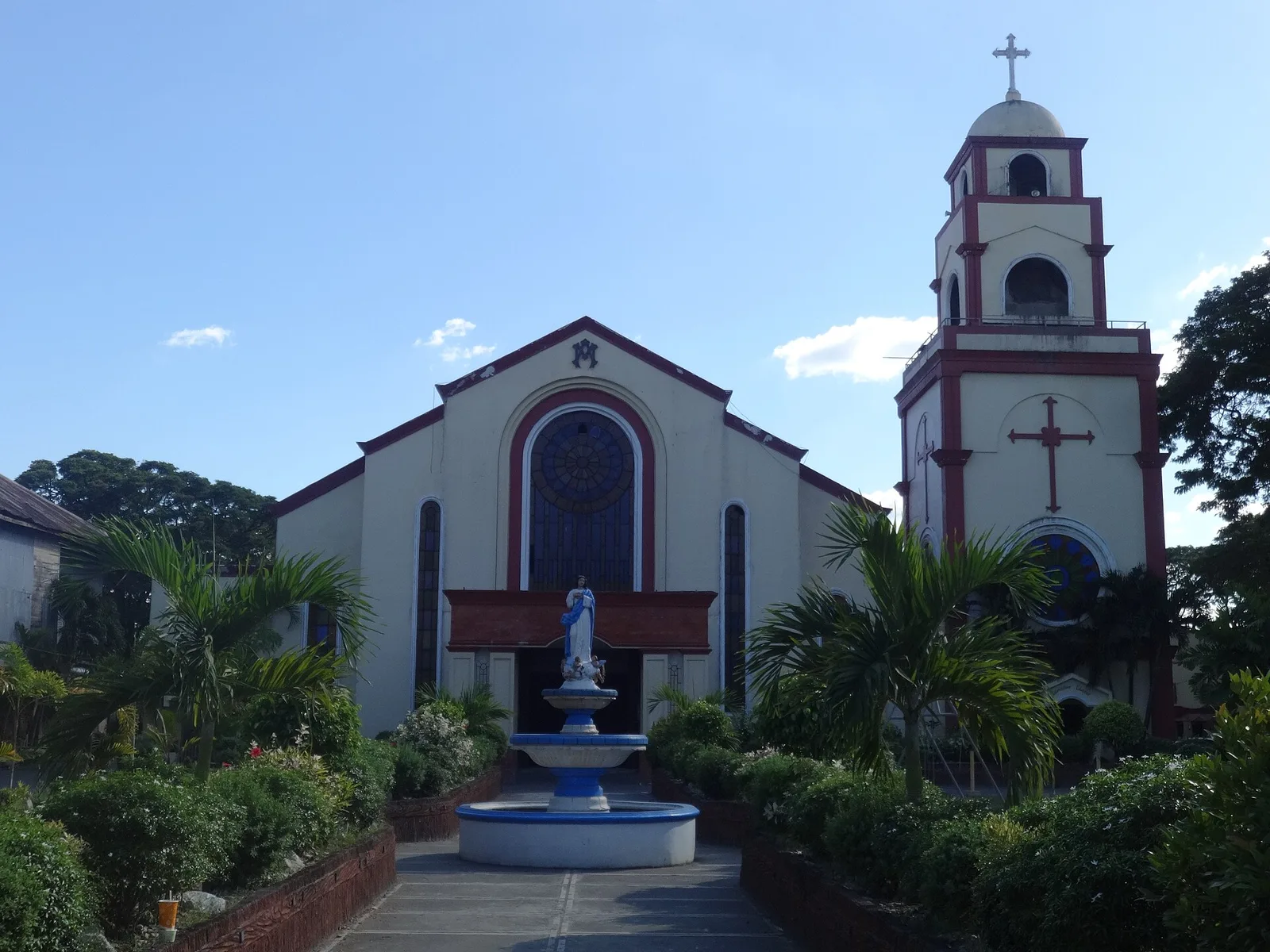
The seat of the Catholic Diocese of Urdaneta, in Barangay Poblacion. It is dedicated to Our Lady of the Immaculate Conception, who is also the city patron. Father Rafael Cano began the building on 4 March 1884, and it opened …
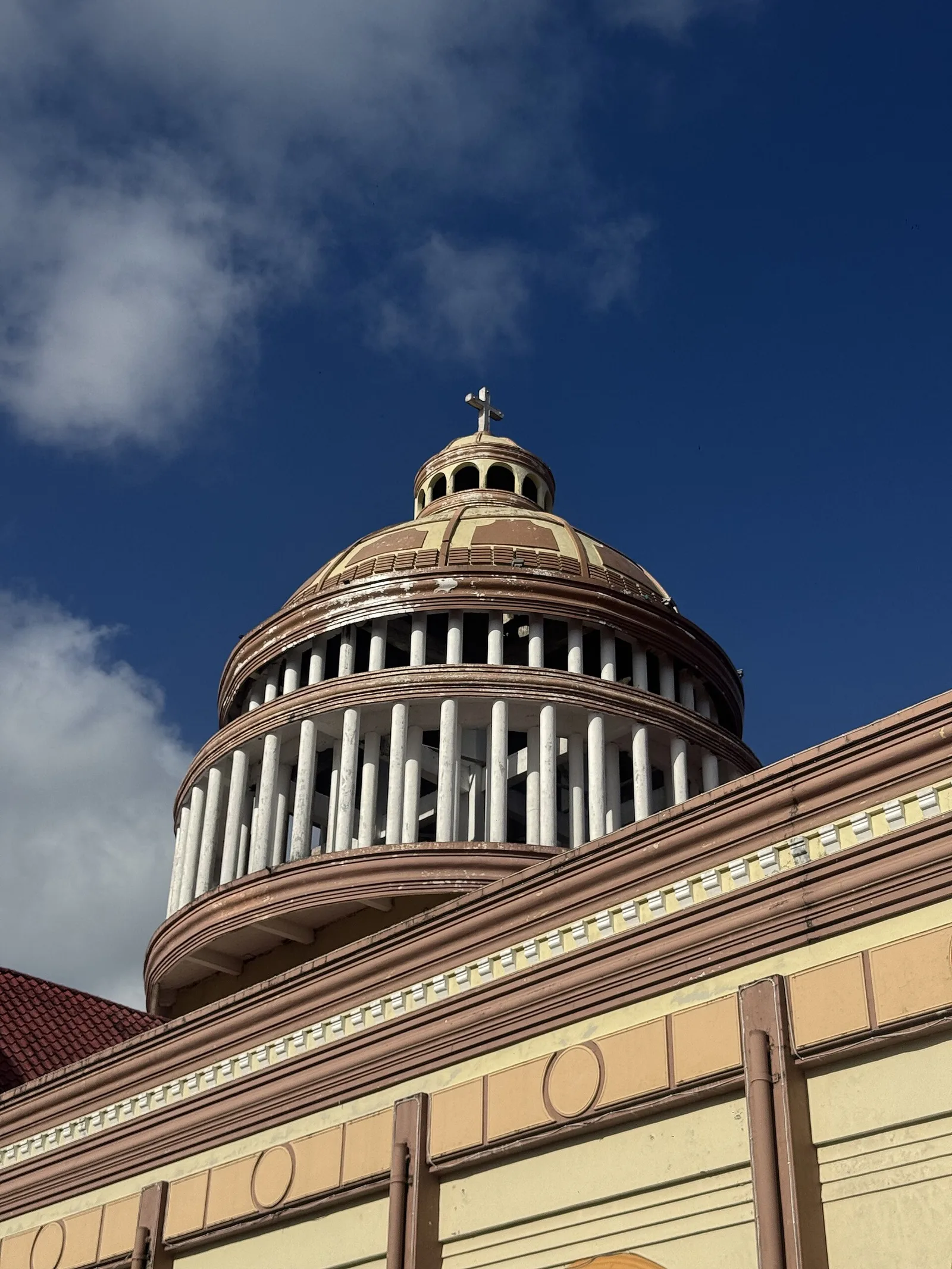
The city's Roman Catholic cathedral, in the city centre and facing Sorsogon Bay. It is the seat of the Diocese of Sorsogon, and its formal name, the Saints Peter and Paul Parish Cathedral, comes from its two patron saints. Sorsogon …
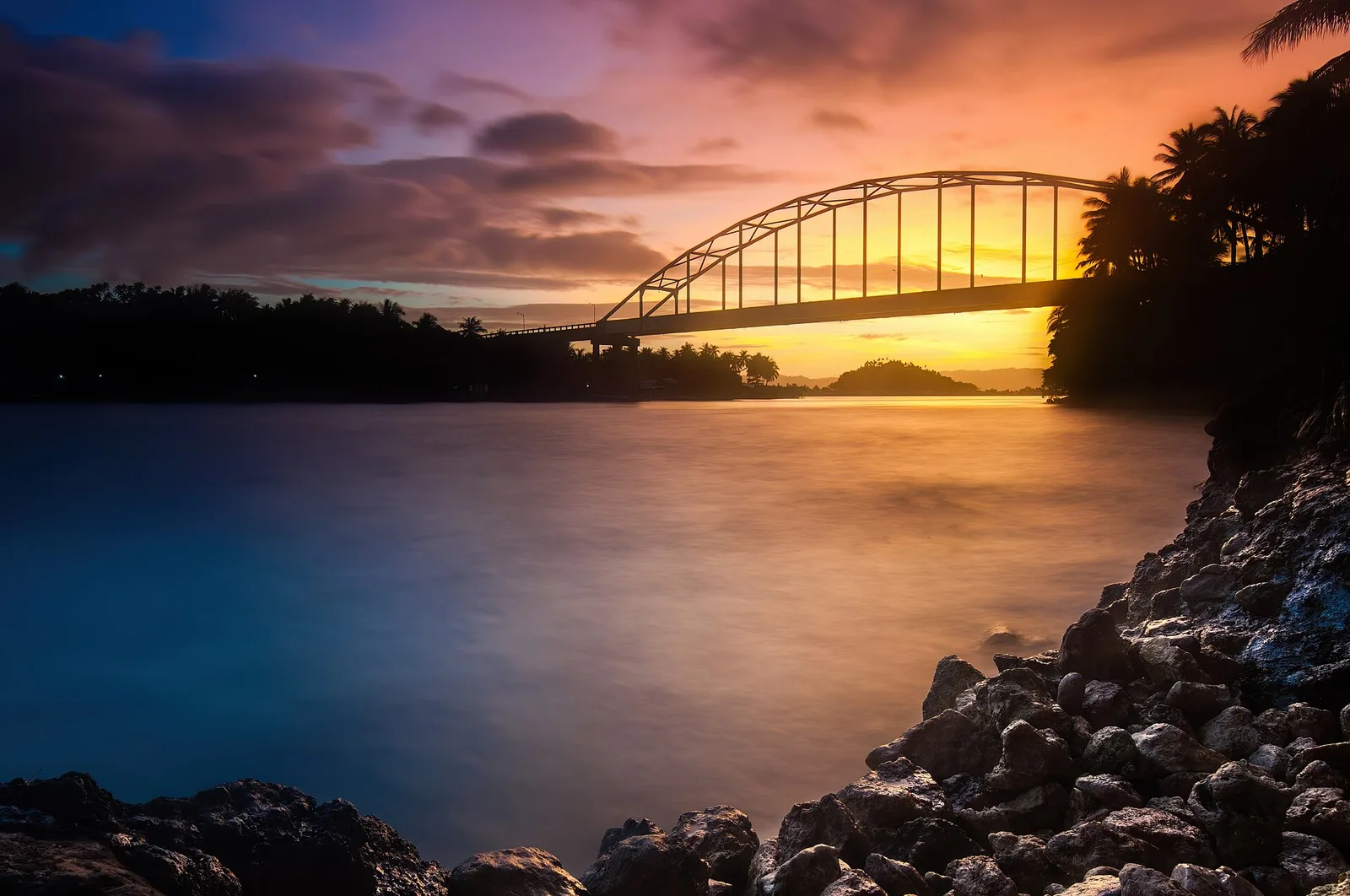
An island about 30 kilometres long at the south end of Leyte, linked to the main island by the Wawa Bridge. Four towns share it: Liloan, San Francisco, Pintuyan and San Ricardo. Liloan is the largest, and people live from …
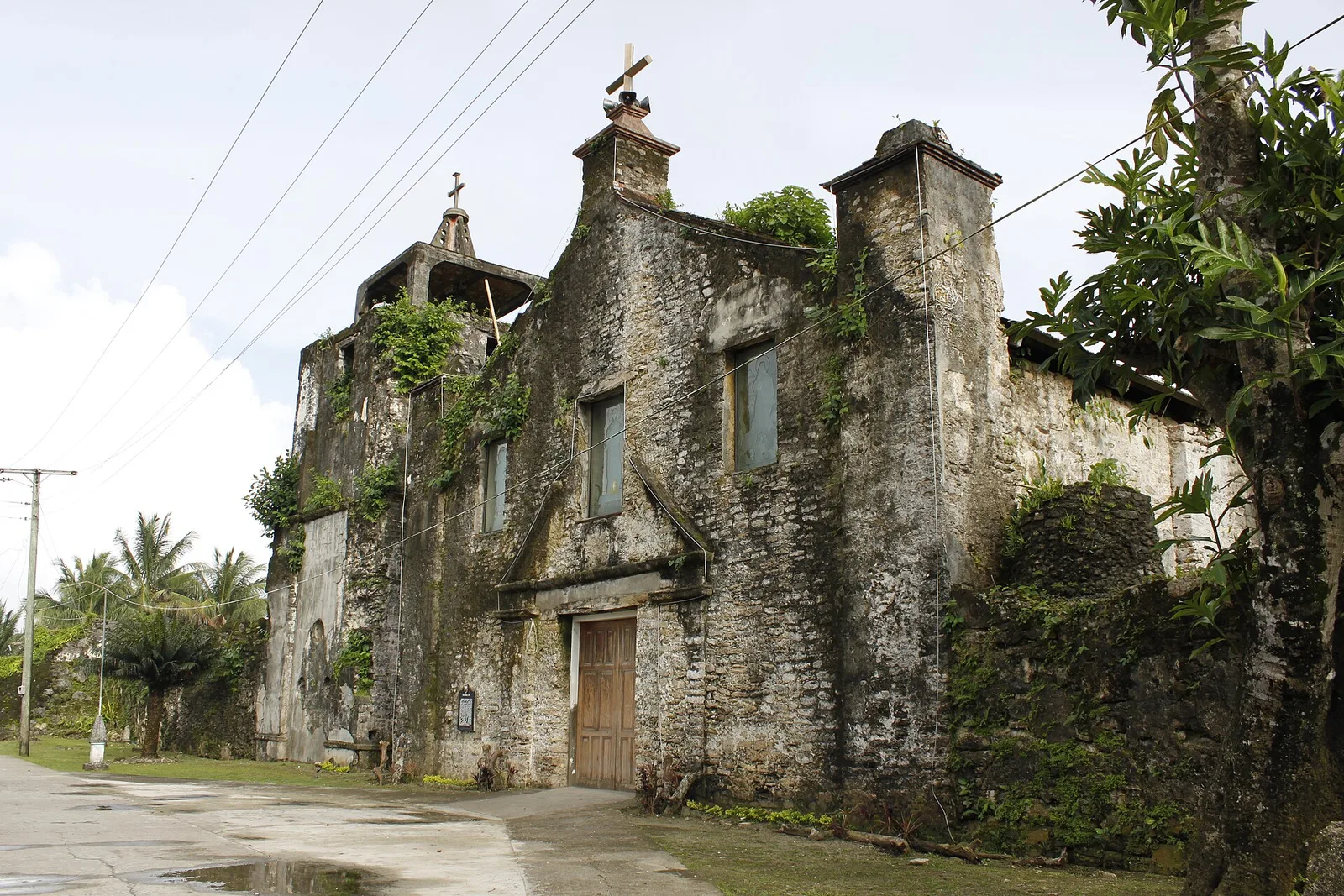
A fortress church on Capul Island, also called Fuerza de Capul. The Jesuits set it up as a mission station in 1596 under the name of Saint Ignatius of Loyola, and the National Museum of the Philippines has declared it …
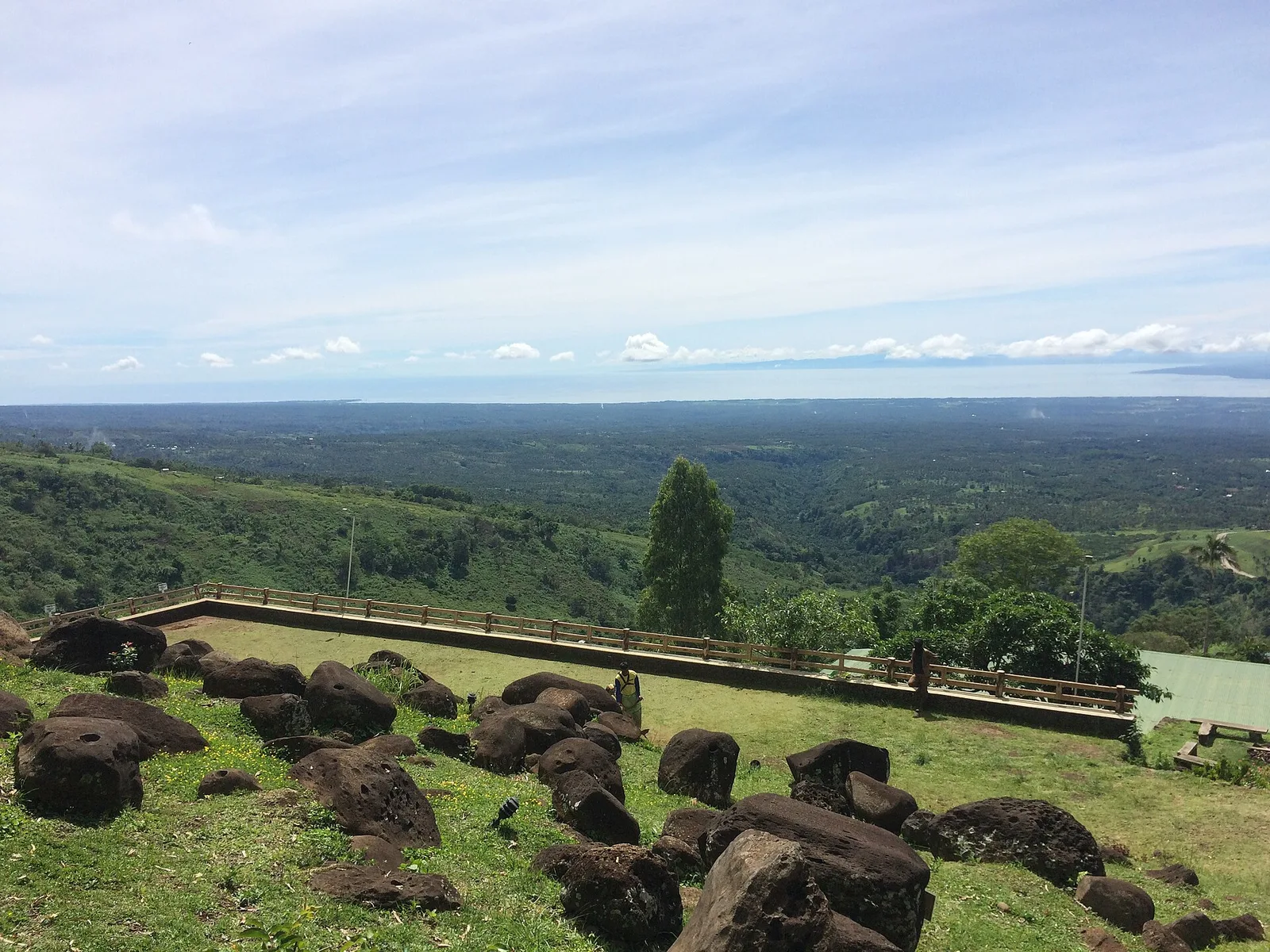
A nature park on the slopes of Mount Malindang, 850 metres above sea level and on the outskirts of the city. It has a stone chapel, an organic herbal garden and an agricultural learning institute, and the view takes in …
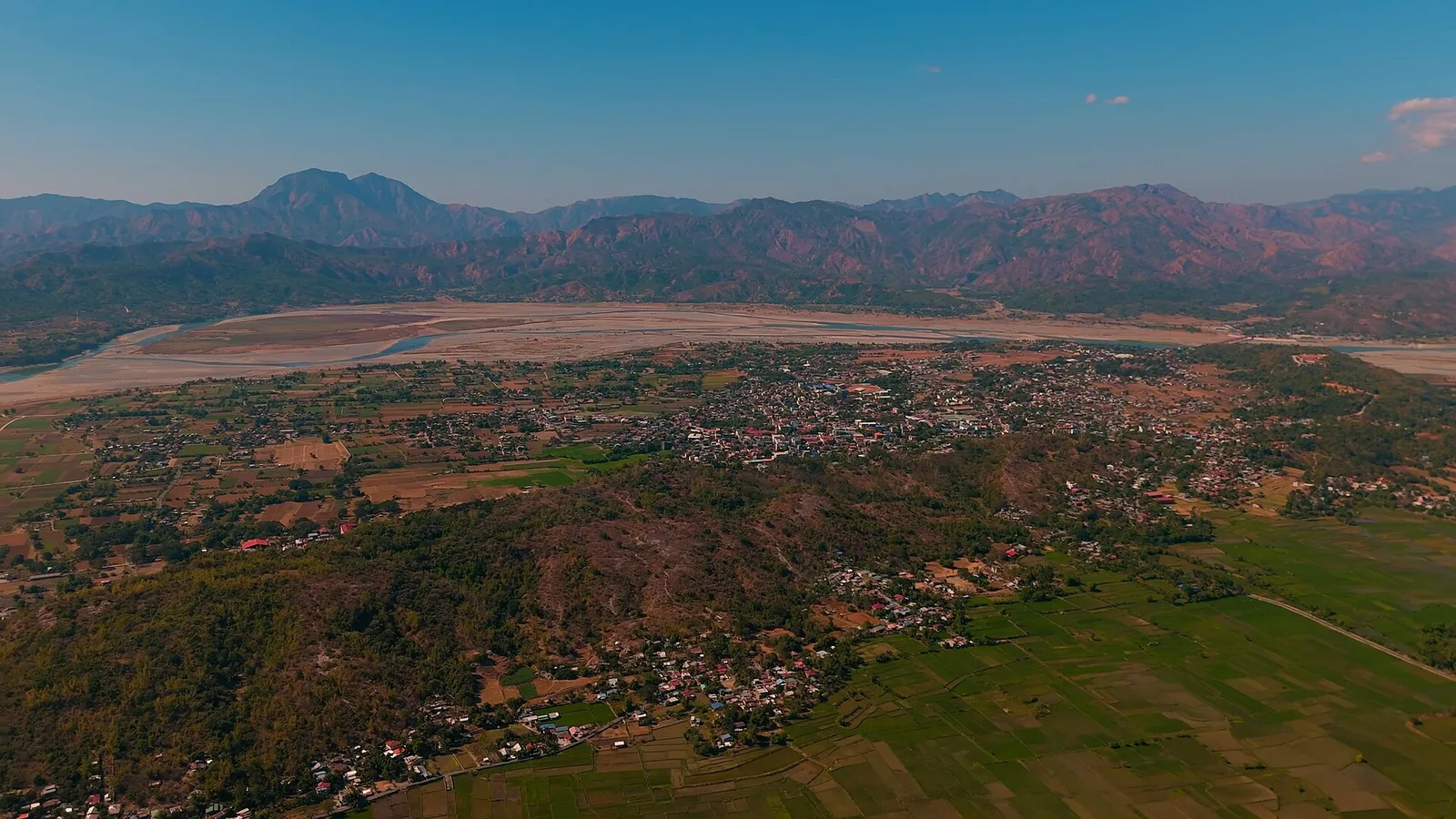
The hill above Bangued, a protected park of 57 hectares climbed by a winding road or on foot by concrete stairways. From Victoria Park at the summit you look down on the town and along the whole Abra River valley, …
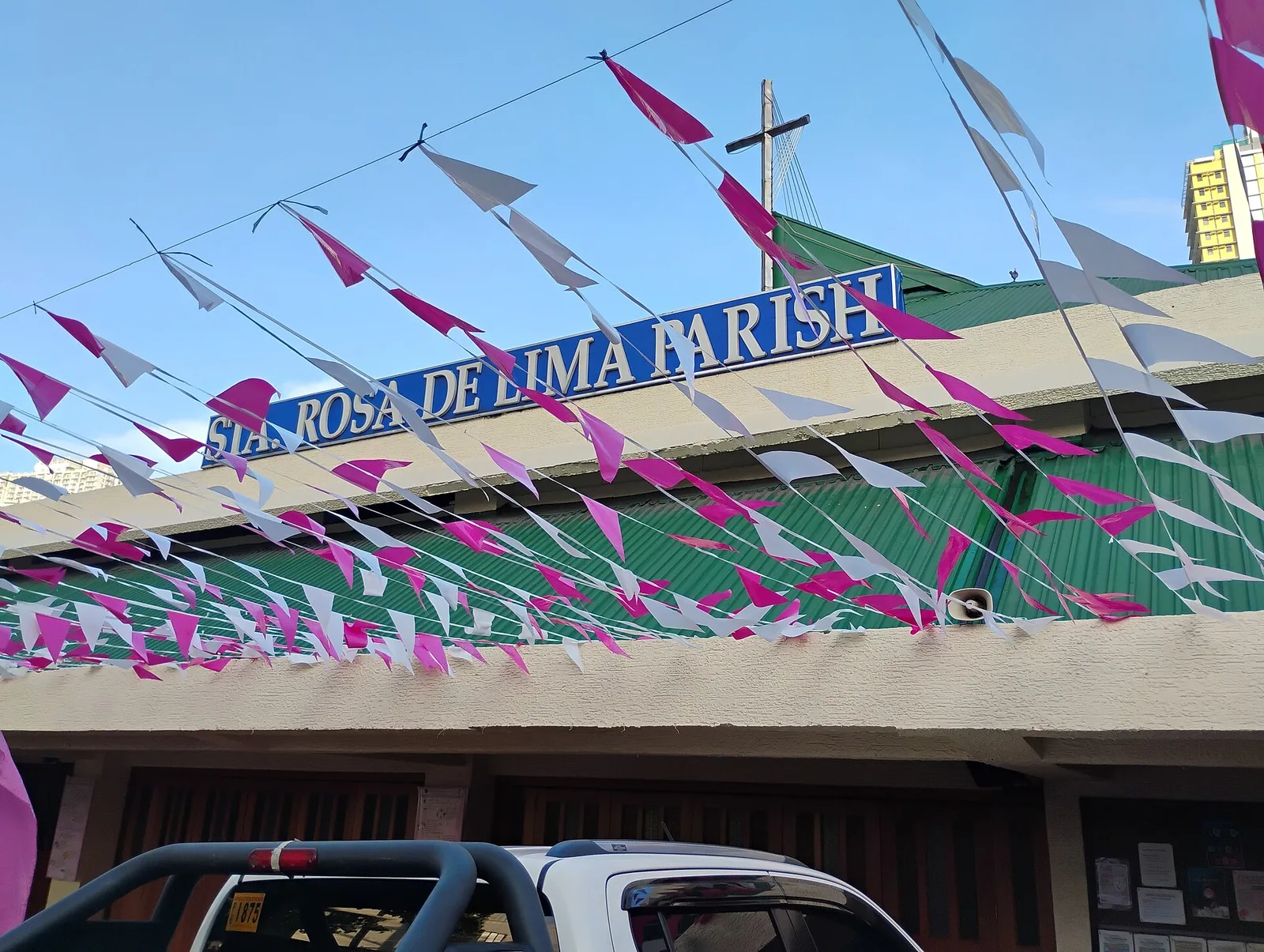
The city's parish church, established in 1792, the same year Santa Rosa became a town in its own right. It is the second oldest parish in the country named for Saint Rose of Lima, who is also the patron of …
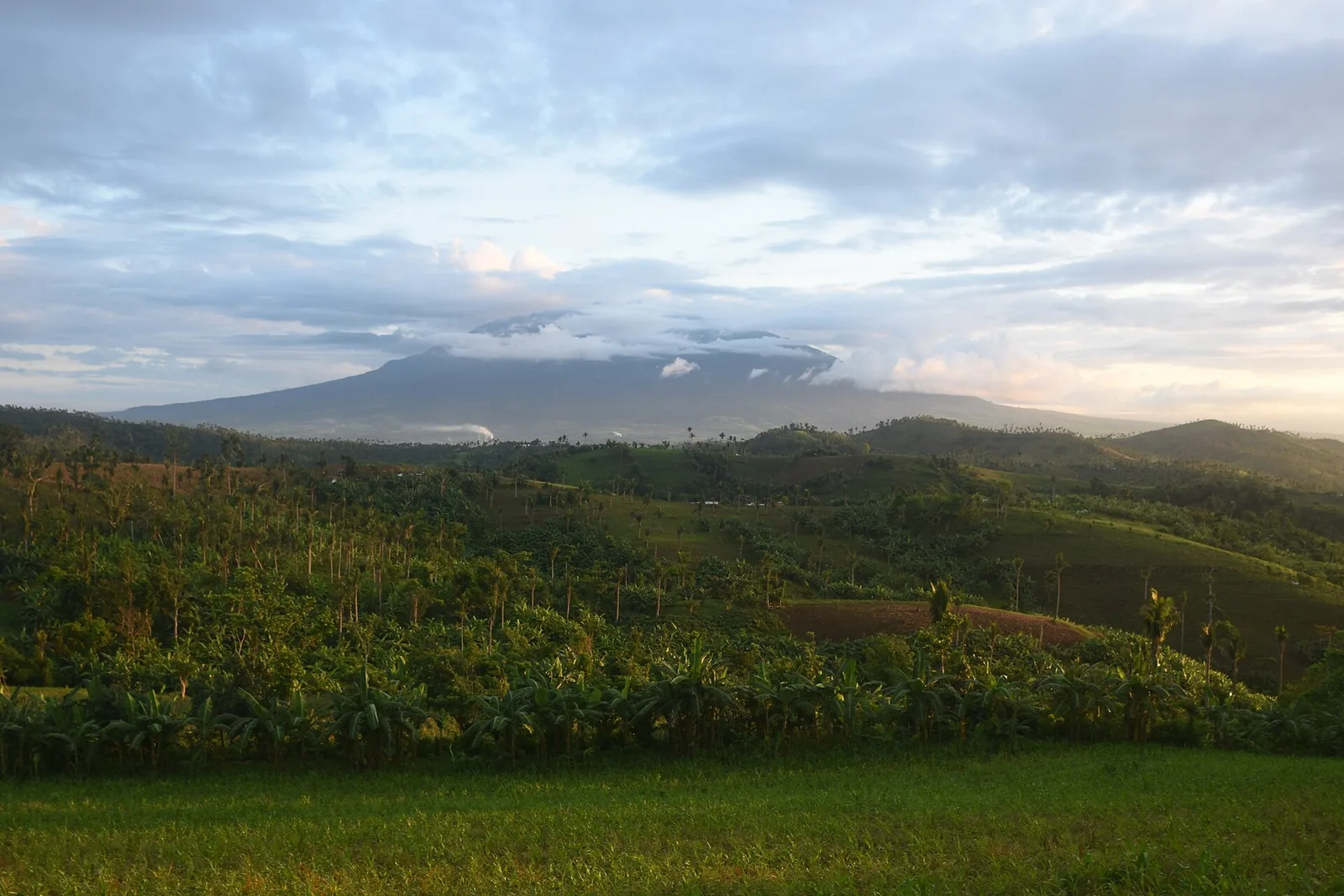
An active volcano of 2,000 metres above sea level, standing alone on the isthmus between Lagonoy Gulf and San Miguel Bay. It still has fumaroles and hot springs, and hiking trails lead up it. The crater at the top is …
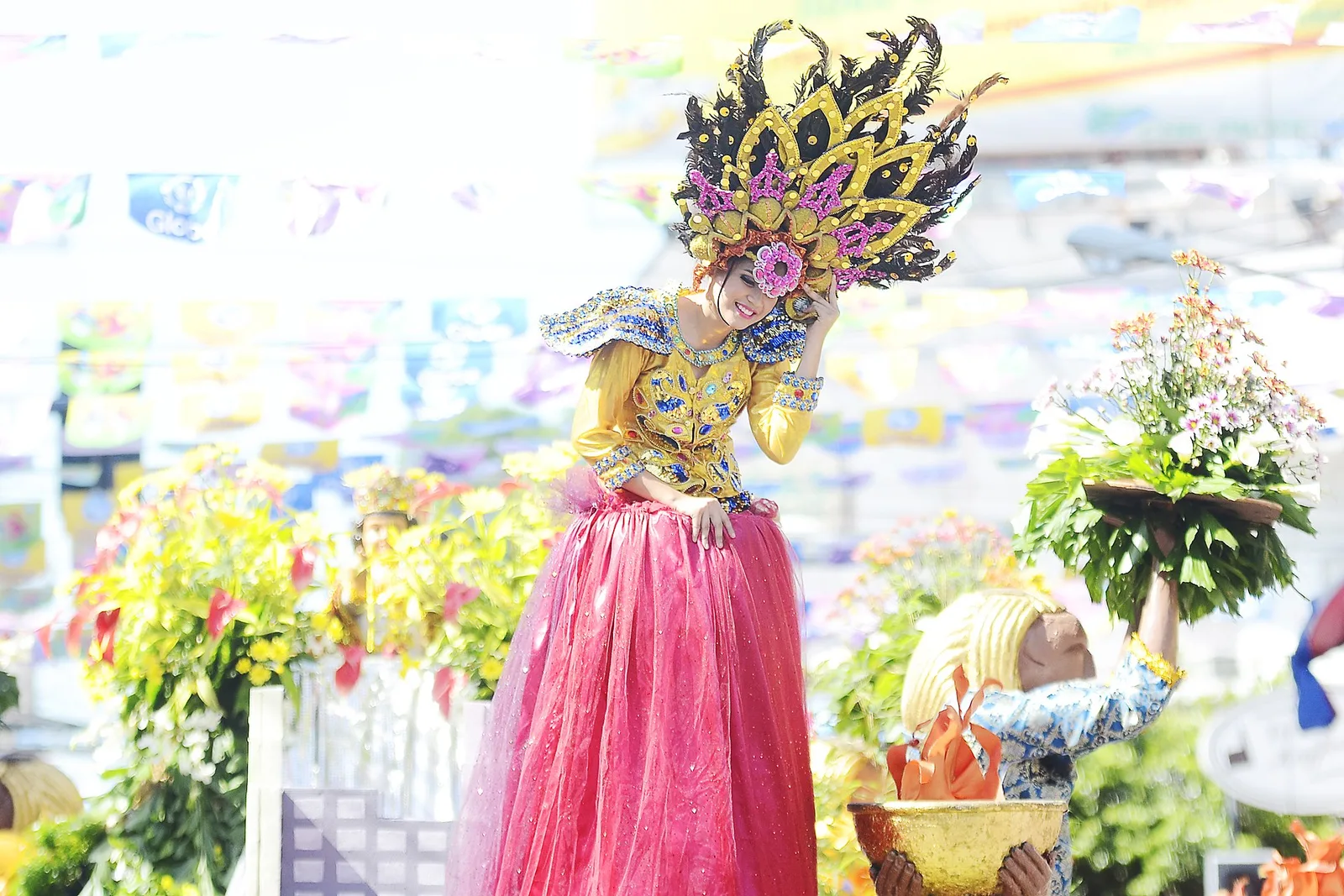
A week of city-wide celebration each August for the patron saint, Saint Augustine. It was formerly called the Kagay-an Festival. Its parts include the Kahimunan Trade Fair of farm produce and other native products from the city and province, the Higalas Parade of floats, and Kumbira, a culinary …
A stout, Spanish-era watchtower meant to guard against pirates and foreign invaders from the South China Sea. The site was declared a National Cultural Treasure by the Philippine government in 2015.
Houses a statue of Andres Bonifacio. It is also a common site for demonstrations.
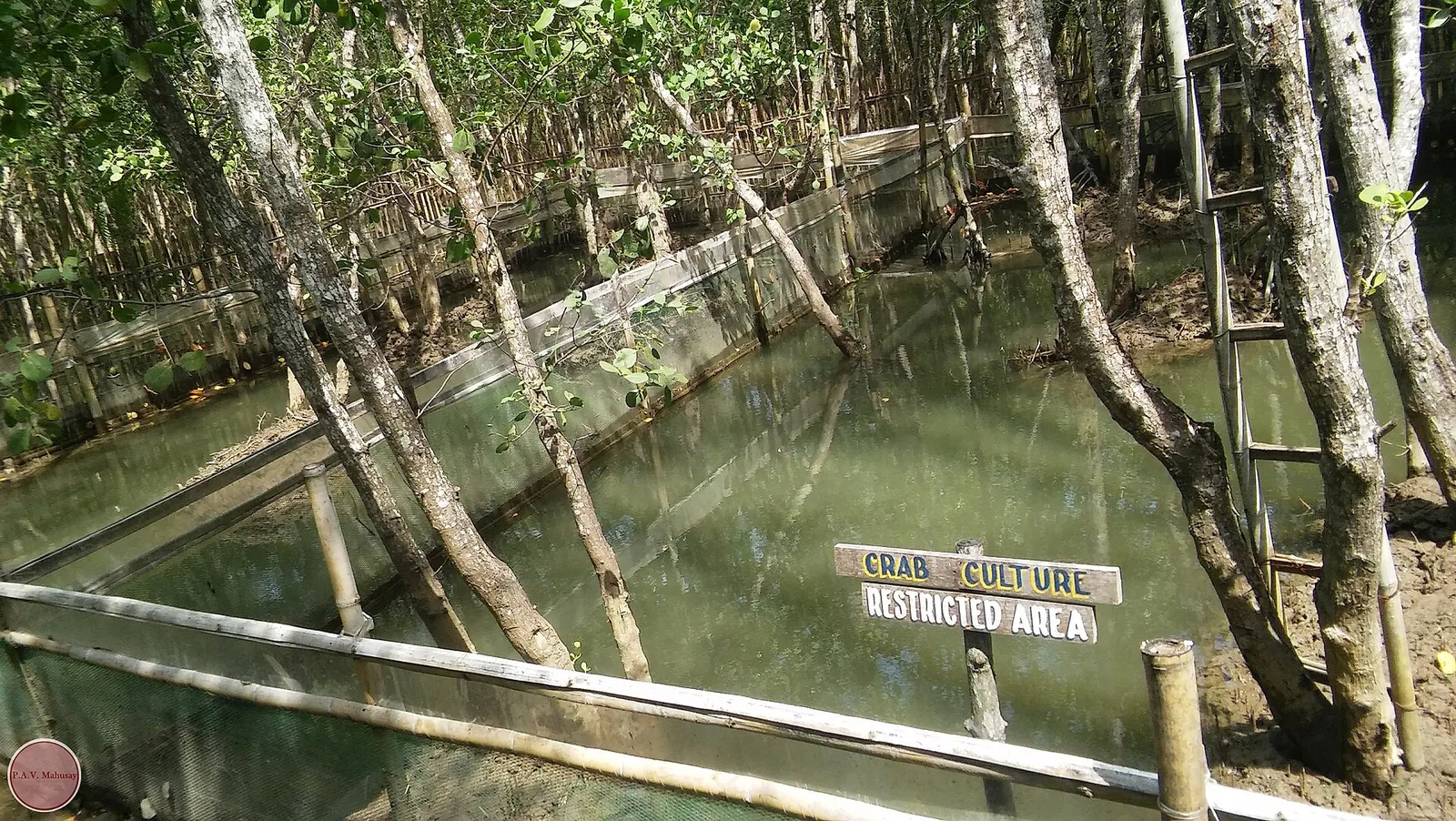
One of the most successful mangrove reforestation projects in the country.
Provincially-maintained park, with wide grassy spaces and mini-amphitheatre
Perfect place to learn the warm and thriving culture of Marinduque. It is a must visit.
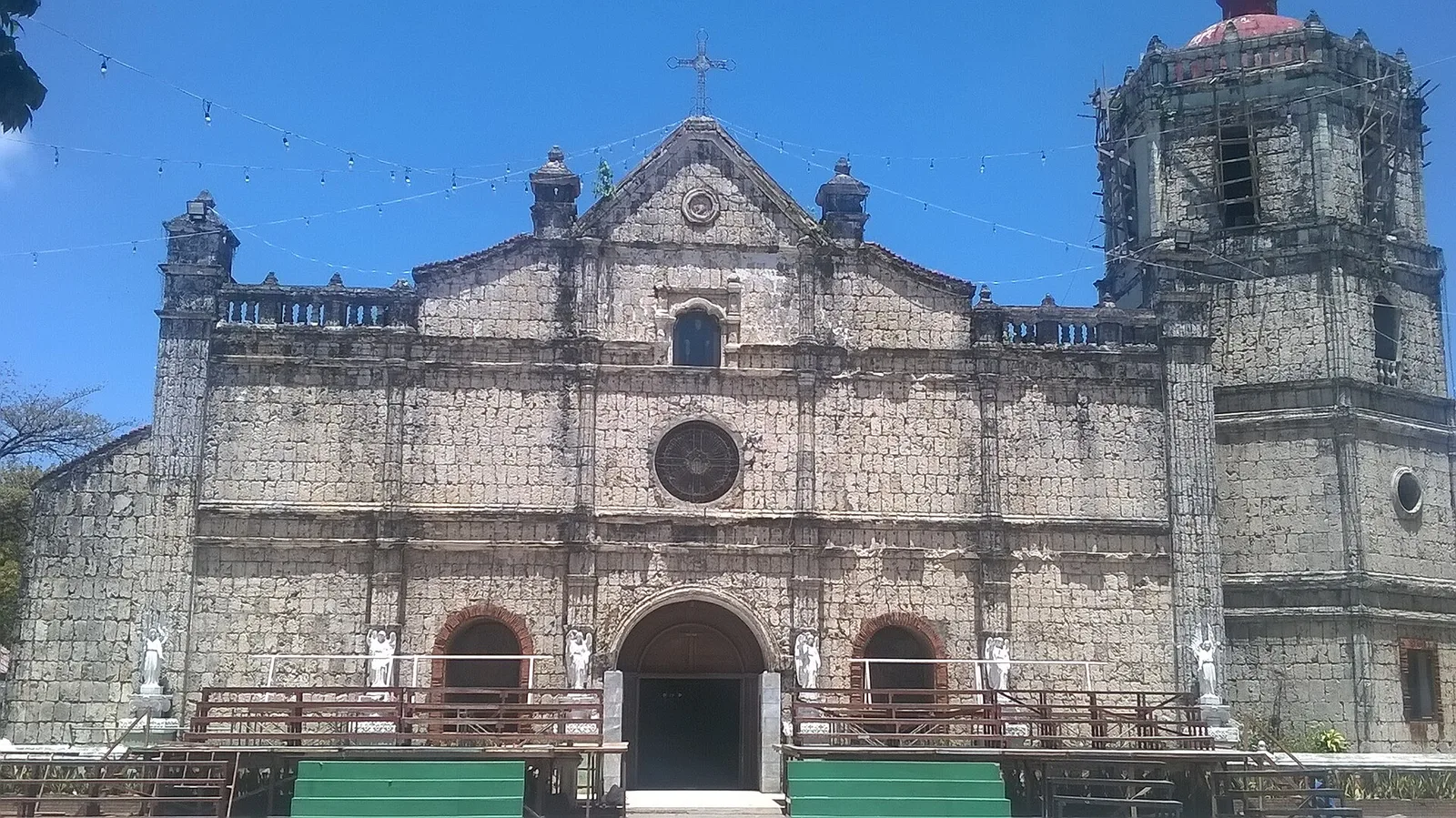
A Roman Catholic parish church in Danao City, Santo Tomas de Villanueva Parish Church serves the city's Catholic community. Danao's history records a Roman Catholic church completed in 1847, built along with the presidencia, the convento and streets such as …
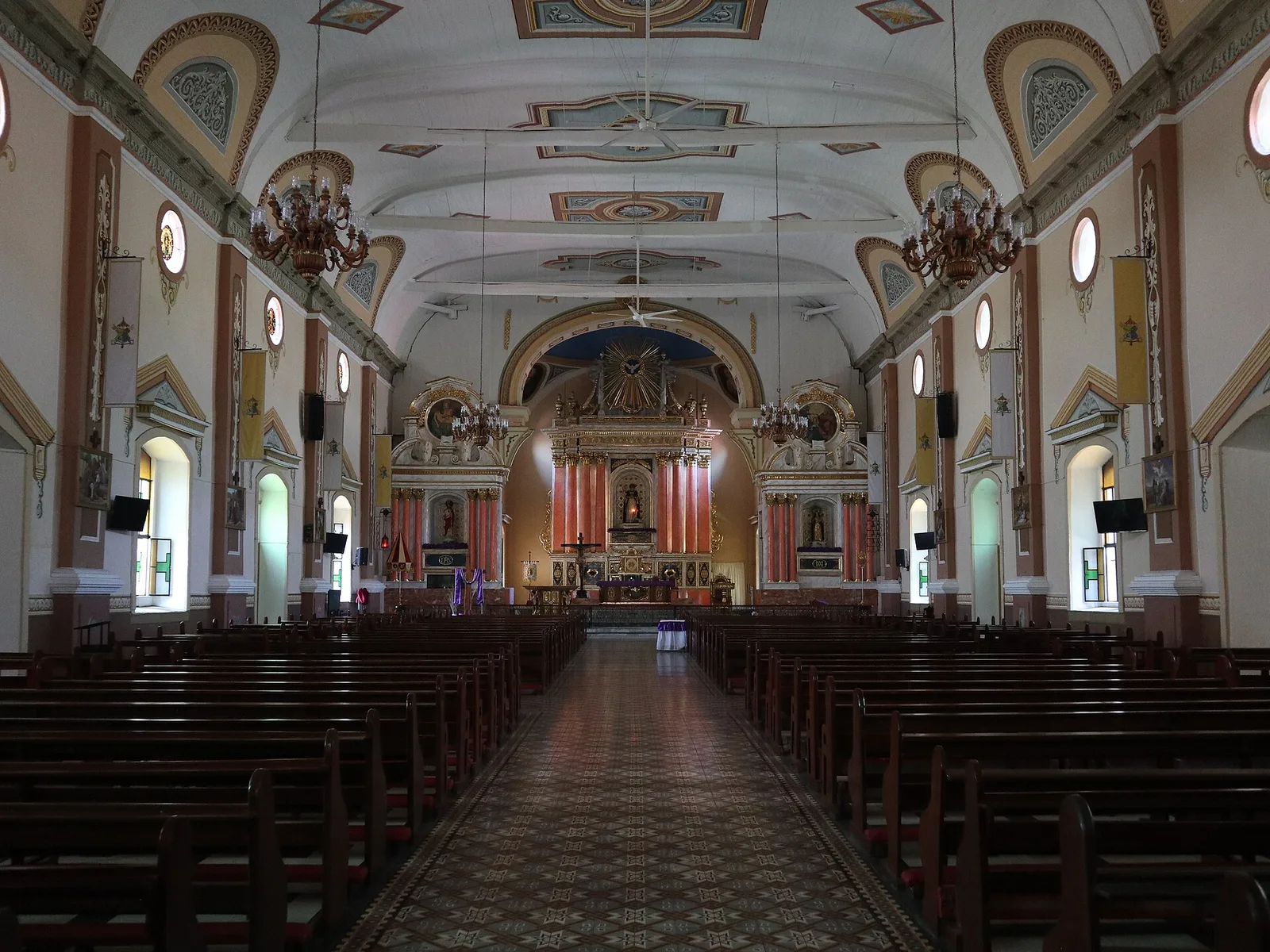
A minor basilica of brick, finished in 1773 under Father Cristobal Ausina. It was the largest Catholic church in the country in the late 18th century. The interior runs 89 metres to the chancel, almost 20 metres wide and 16.5 …
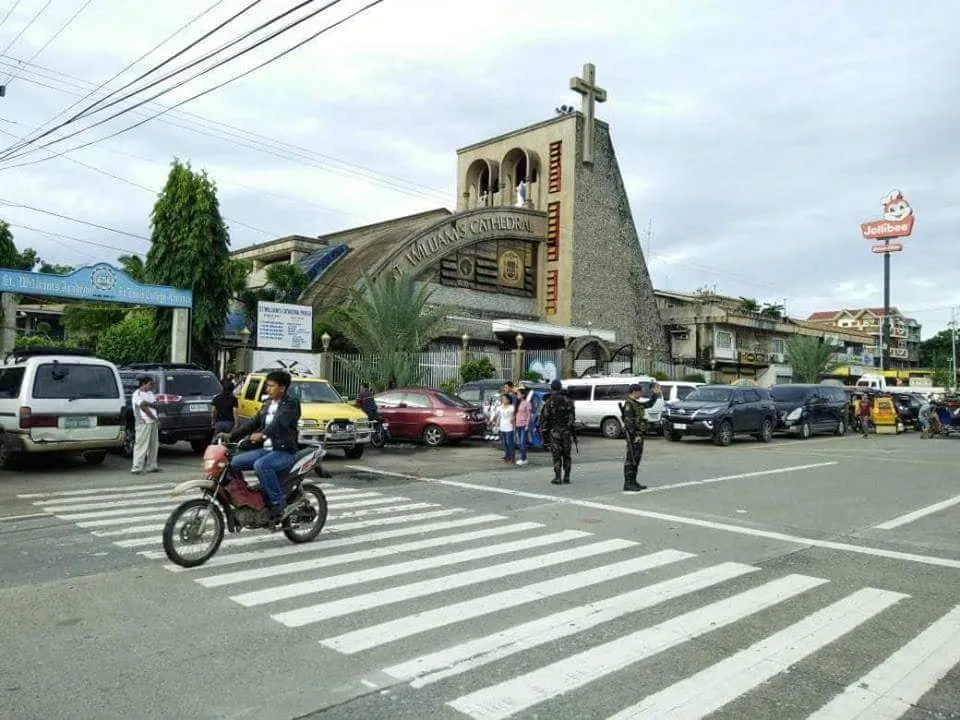
This Roman Catholic cathedral, Tabuk Cathedral, serves the city of Tabuk, the capital of Kalinga province in the Cordillera Administrative Region.
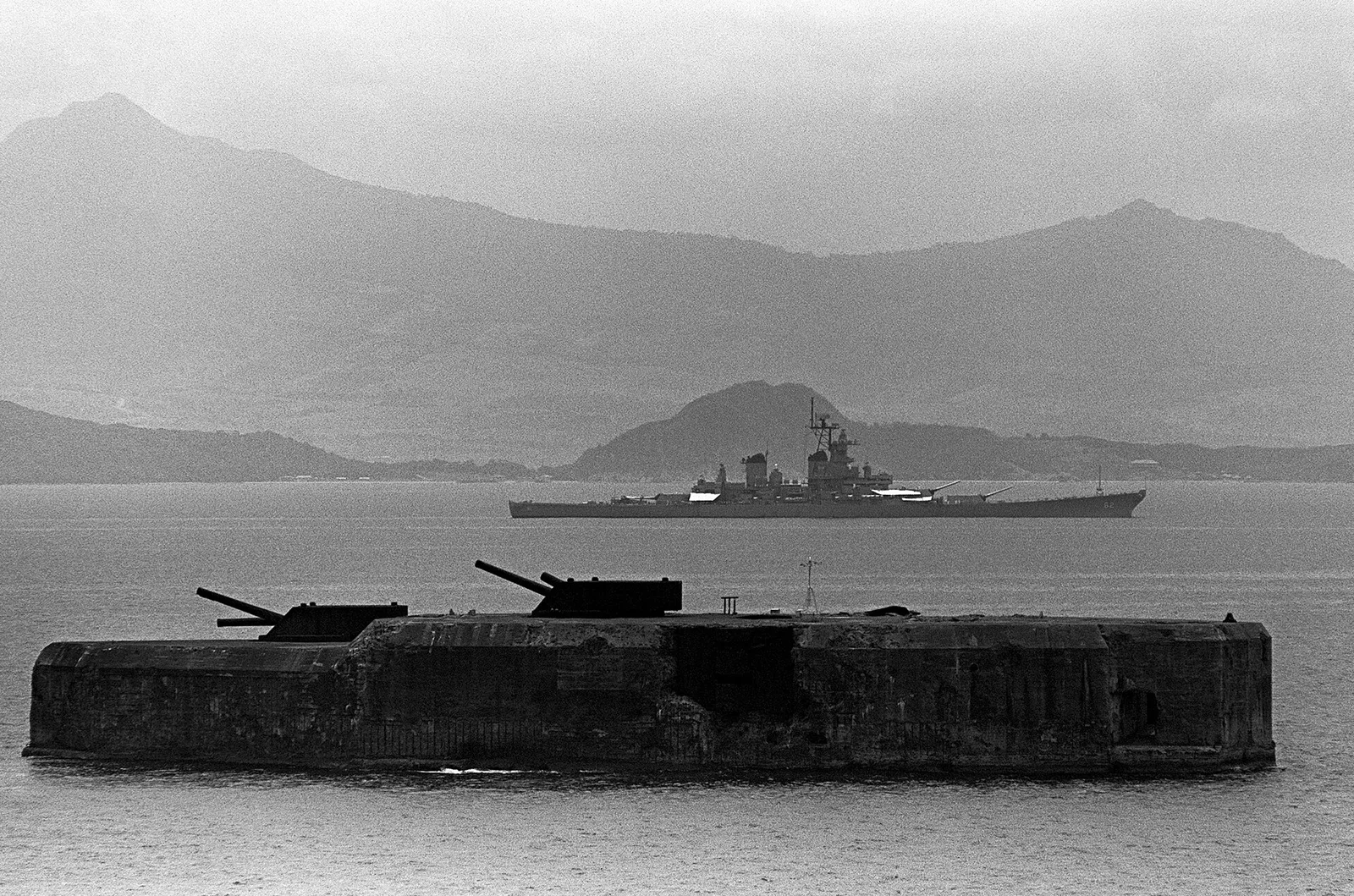
A 3-day plan built from the See, Do and Eat listings in Wikivoyage's Ternate (Cavite) guide. The stops are in an order that keeps each day close together. Check the …


