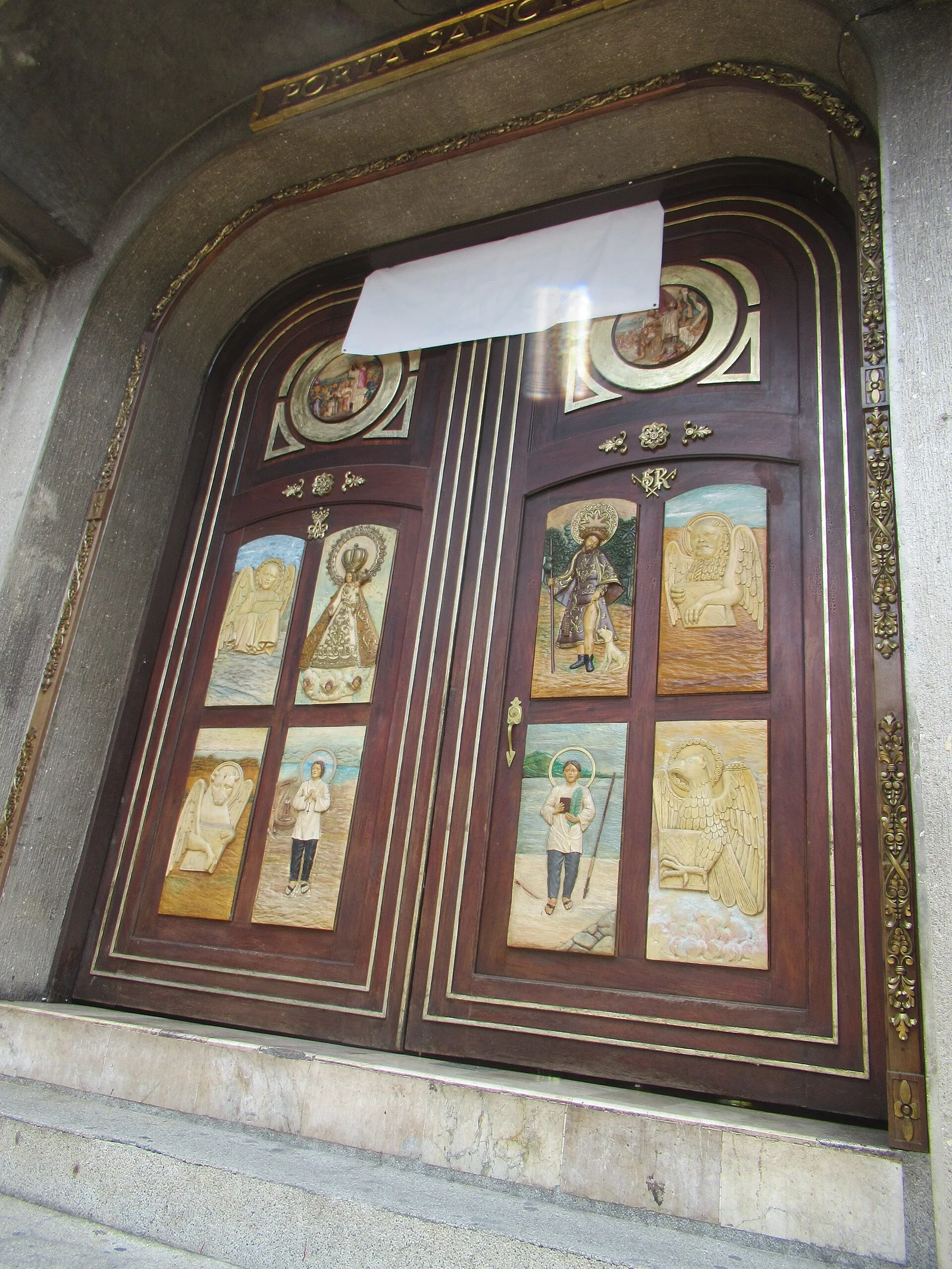
Caloocan Cathedral
The seat of the Roman Catholic Diocese of Kalookan, dedicated to Saint Roch, who is known here as San Roque. It stands near the corner of 10th Avenue and A. Mabini Street in Poblacion, a short walk from the old …
The seat of the Roman Catholic Diocese of Kalookan, dedicated to Saint Roch, who is known here as San Roque. It stands near the corner of 10th Avenue and A. Mabini Street in Poblacion, a short walk from the old …
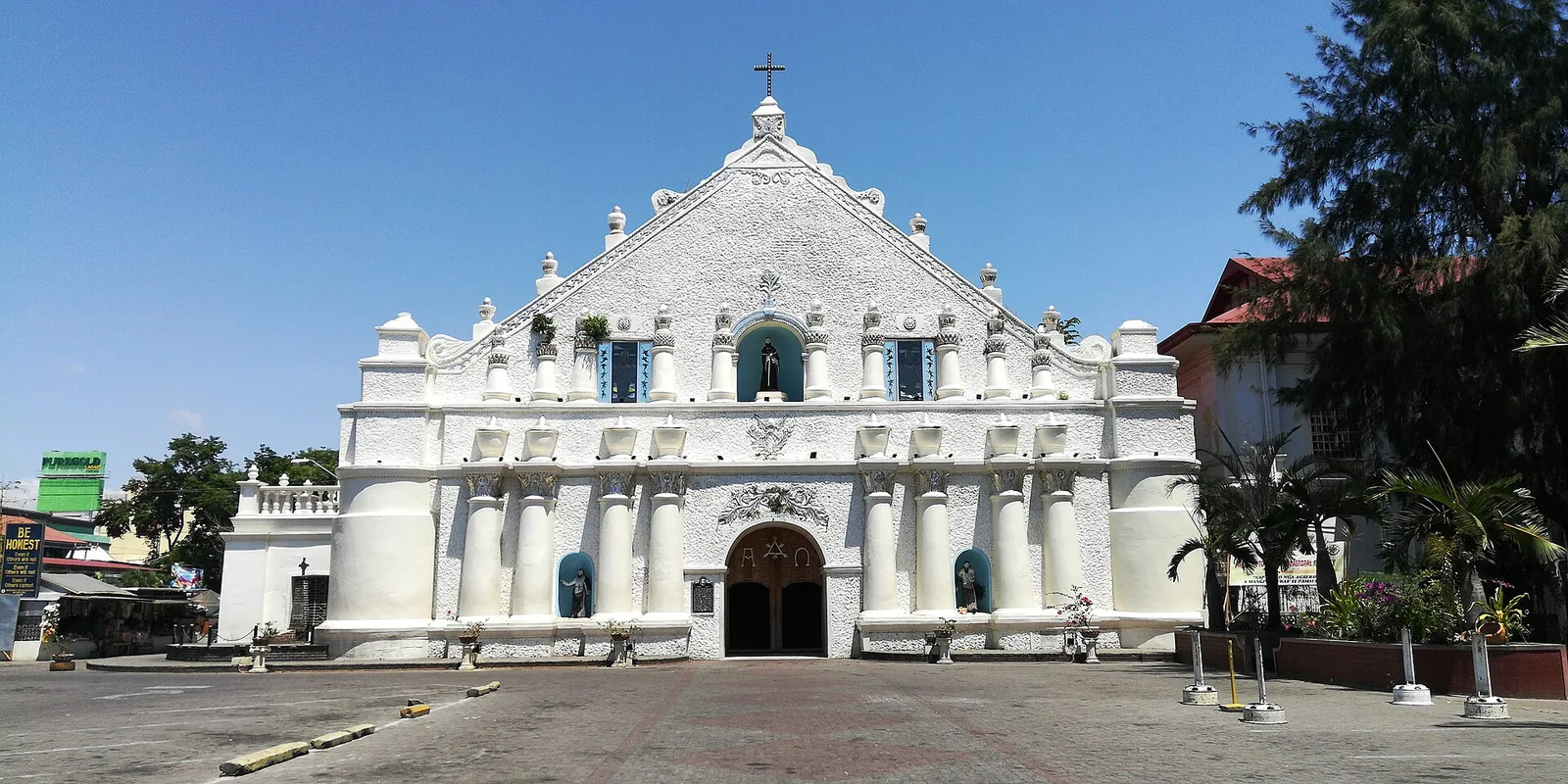
The seat of the Diocese of Laoag, built in 1612 by Augustinian friars in place of a wooden chapel. The design is Italian Renaissance and the front is unusual: two storeys, with two pairs of columns on each side of …
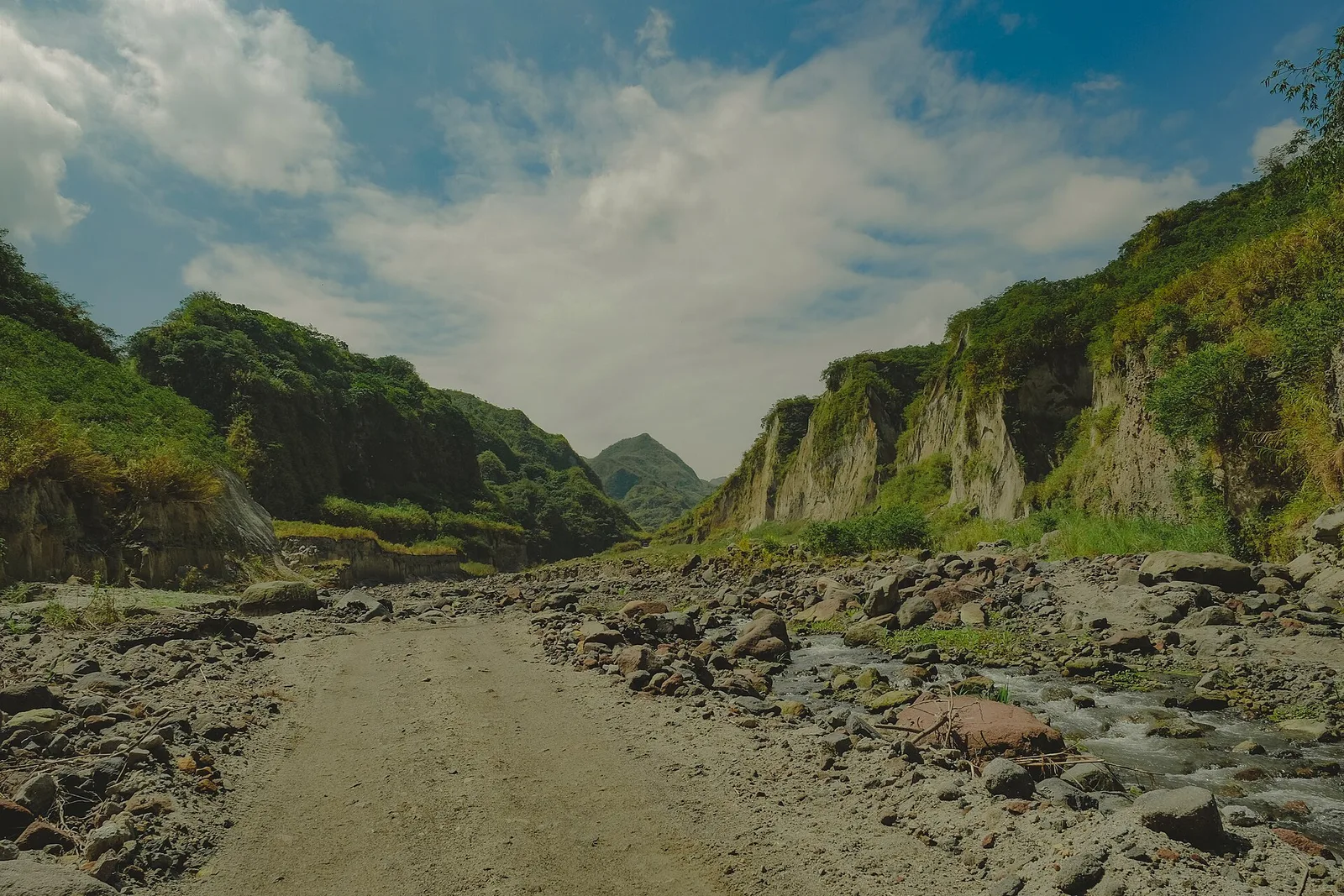
An active volcano at the point where Zambales, Tarlac and Pampanga meet, known for its eruption of June 15, 1991. That eruption was the second largest on land in the 20th century, after Novarupta in Alaska in 1912. Typhoon Yunya …
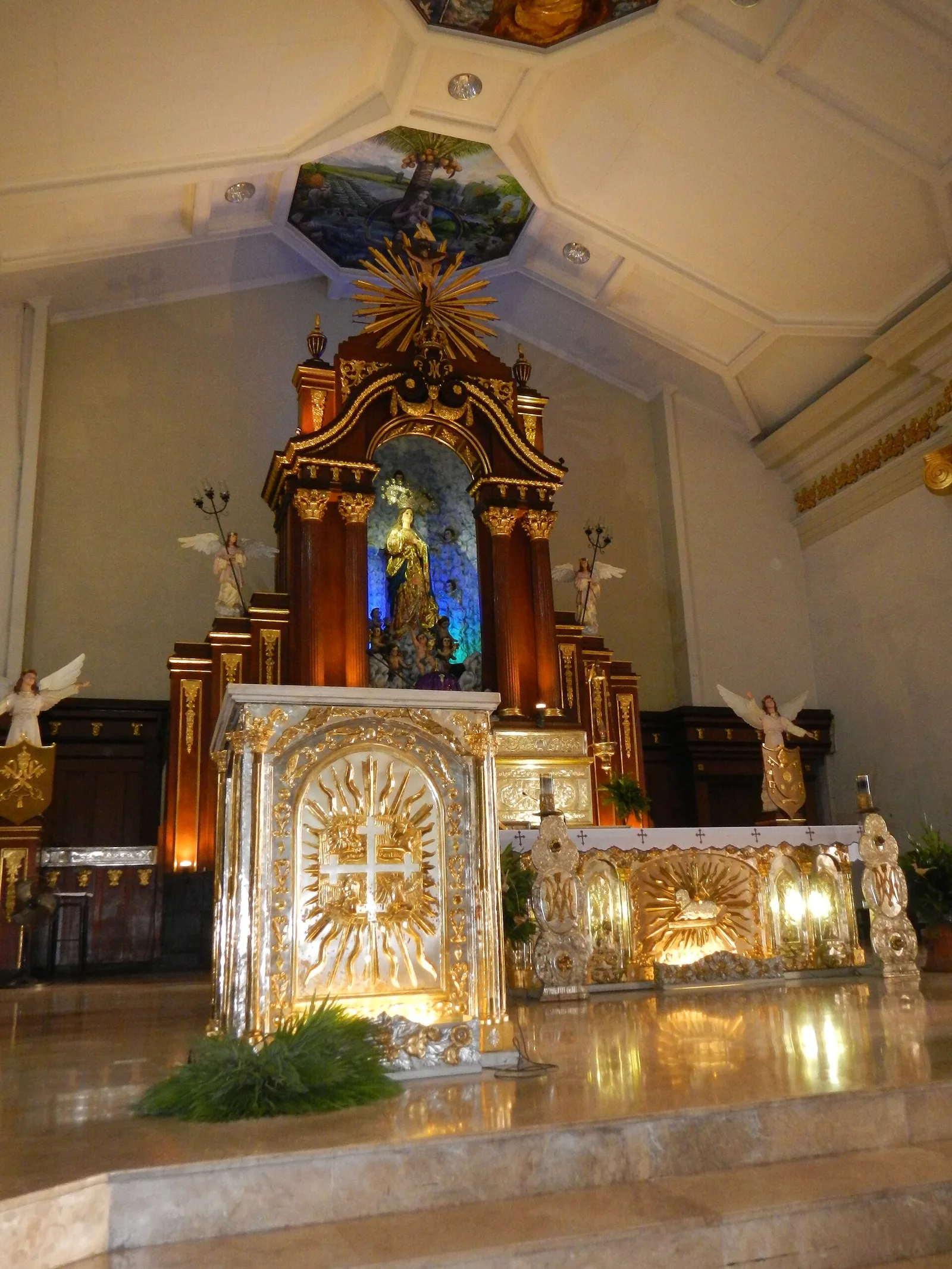
The seat of the Bishop of Malolos, and the Presidential Palace of the First Philippine Republic. Aguinaldo took over the convent in September 1898 and ordered General Antonio Luna to burn the complex in March 1899 as the American army …
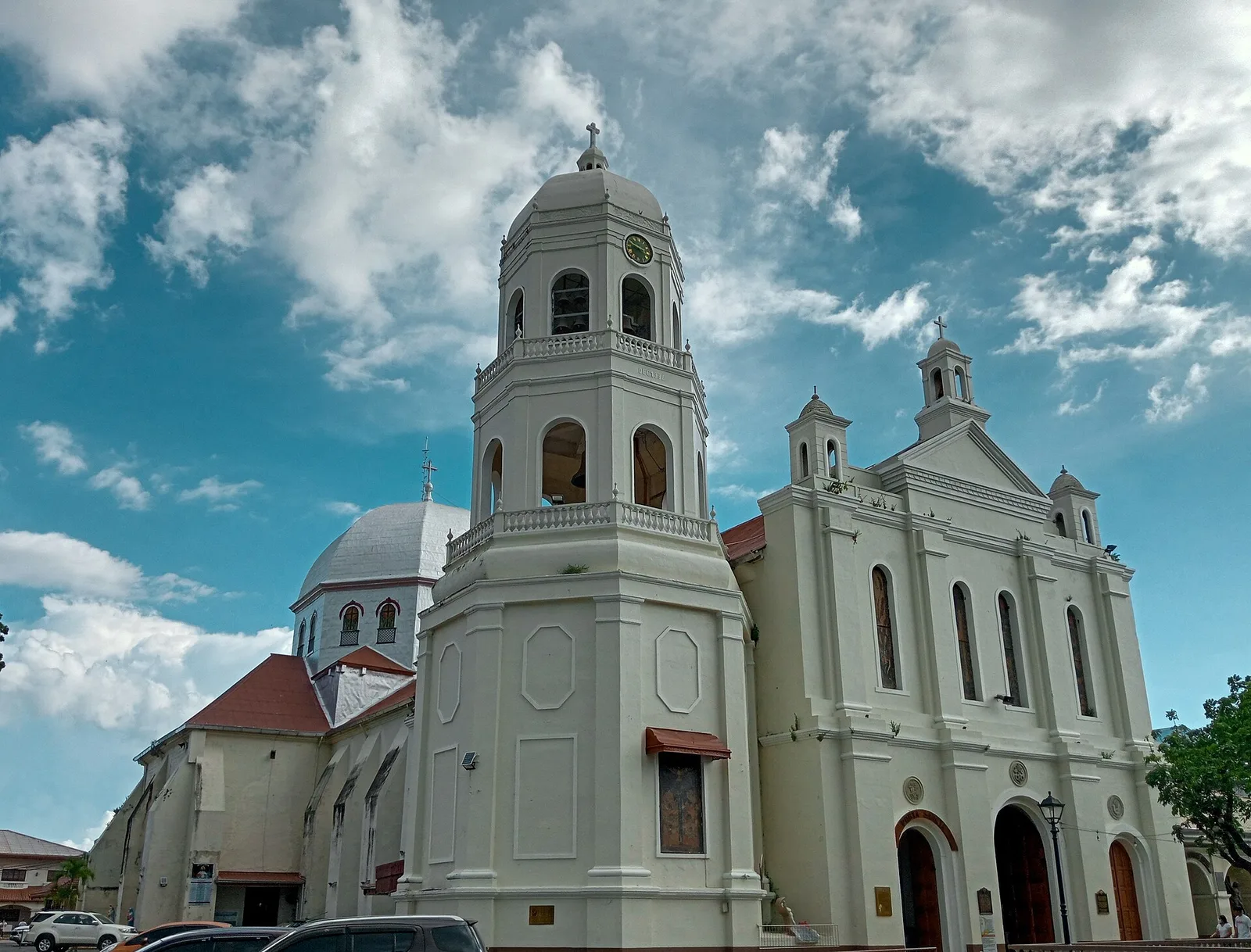
The city's main Catholic church, one of the oldest churches in Batangas, and an independent parish since 1614. It carries a second title, the Archdiocesan Shrine of Santo Niño de Batangan, and it belongs to the Archdiocese of Lipa. Pedro …
Built from the remains of the original parish church after the earthquake of 1955. This cathedral was designed by National Artist for Architecture, Leandro Locsin. His simple style of squares, circles, and half circles are evident throughout the external and …
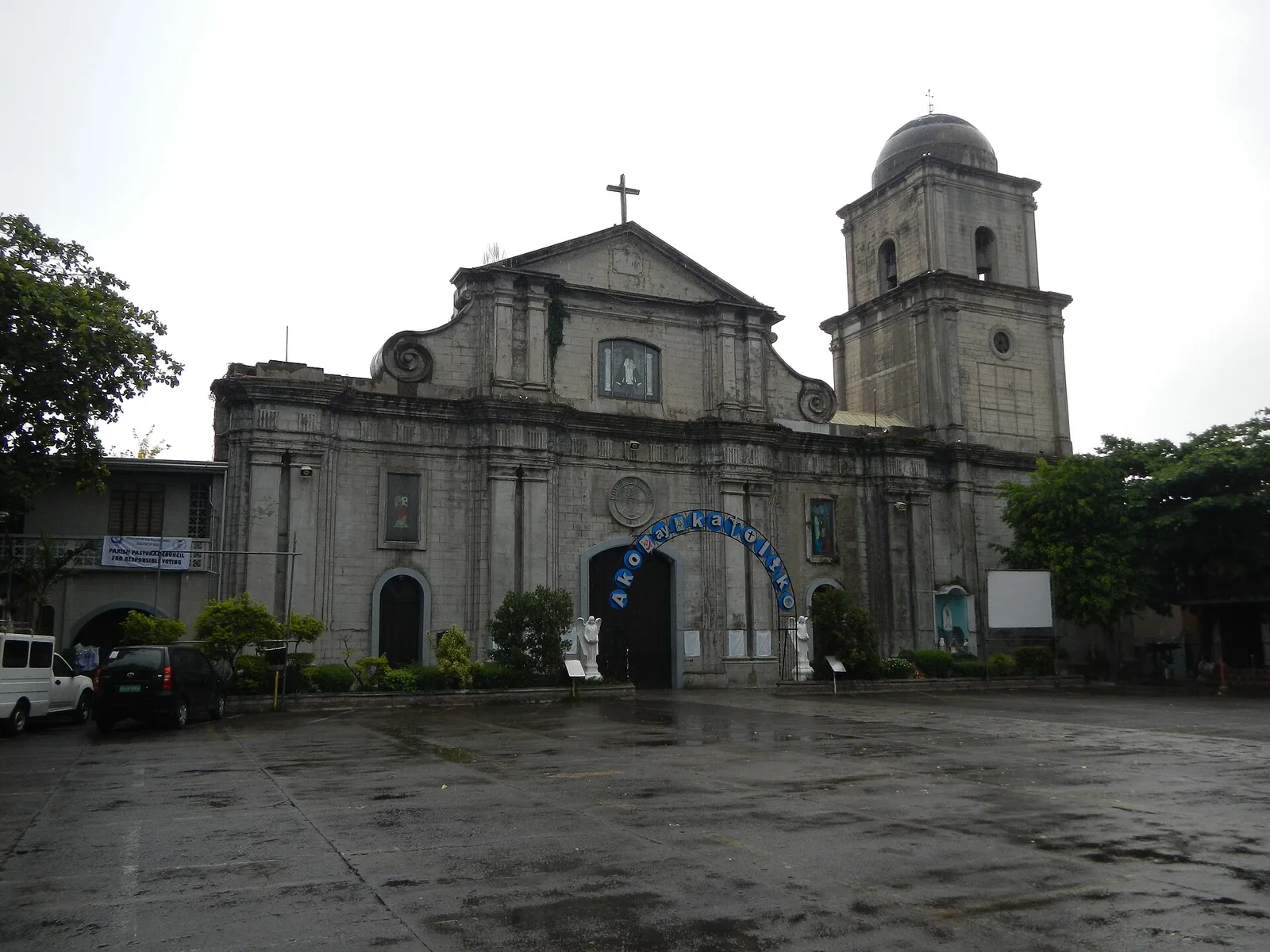
Built during the Spanish era, it is the headquarters of the Roman Catholic church in Cavite and houses a venerated image of the Virgin Mary that is regarded as the most sacred in Cavite. Around the plaza are a few …
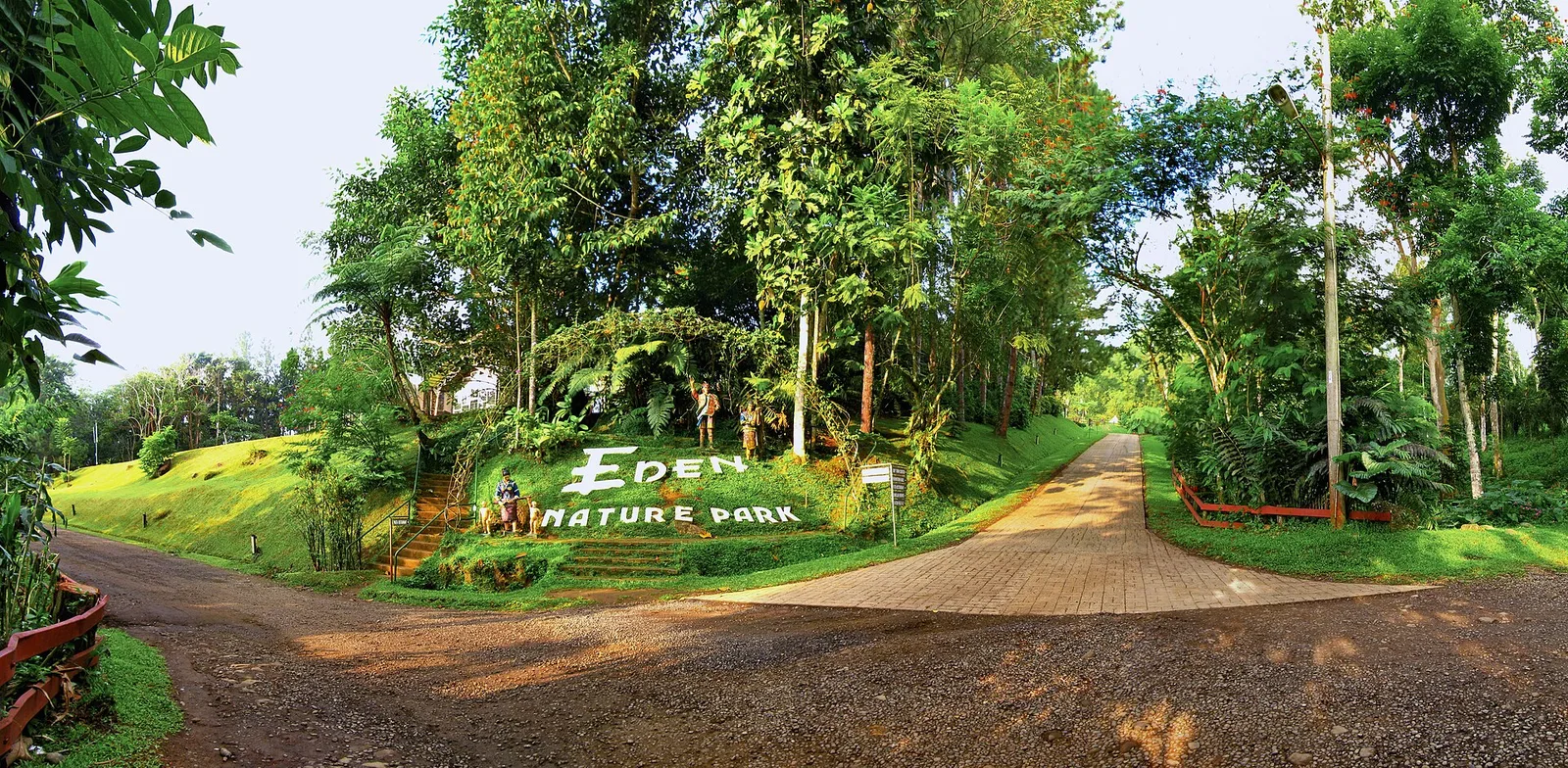
About 50 km from Davao, Eden Nature Park is close to the town of Toril. It's in the mountains so it's cooler than Davao City. It has nice walks, restaurants, horse riding and a Sky-Rider thing and lots more. It's …
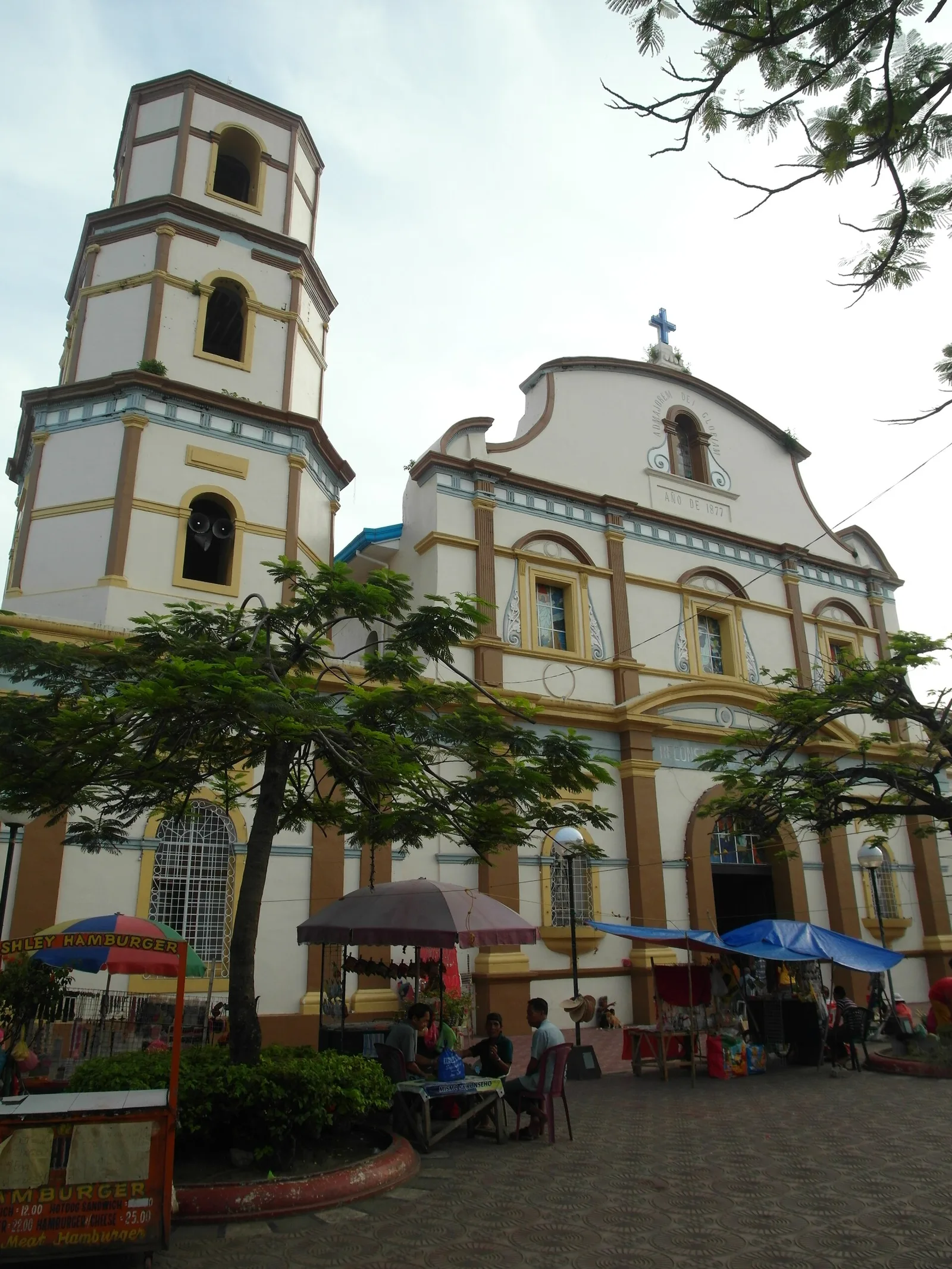
A cathedral on the plaza in the historic centre, the seat of the Archdiocese of Capiz and the Archdiocesan Shrine of the Immaculate Conception. It faces the Panay River and the Capiz Bridge. Augustinian missionaries founded the parish in 1707, …
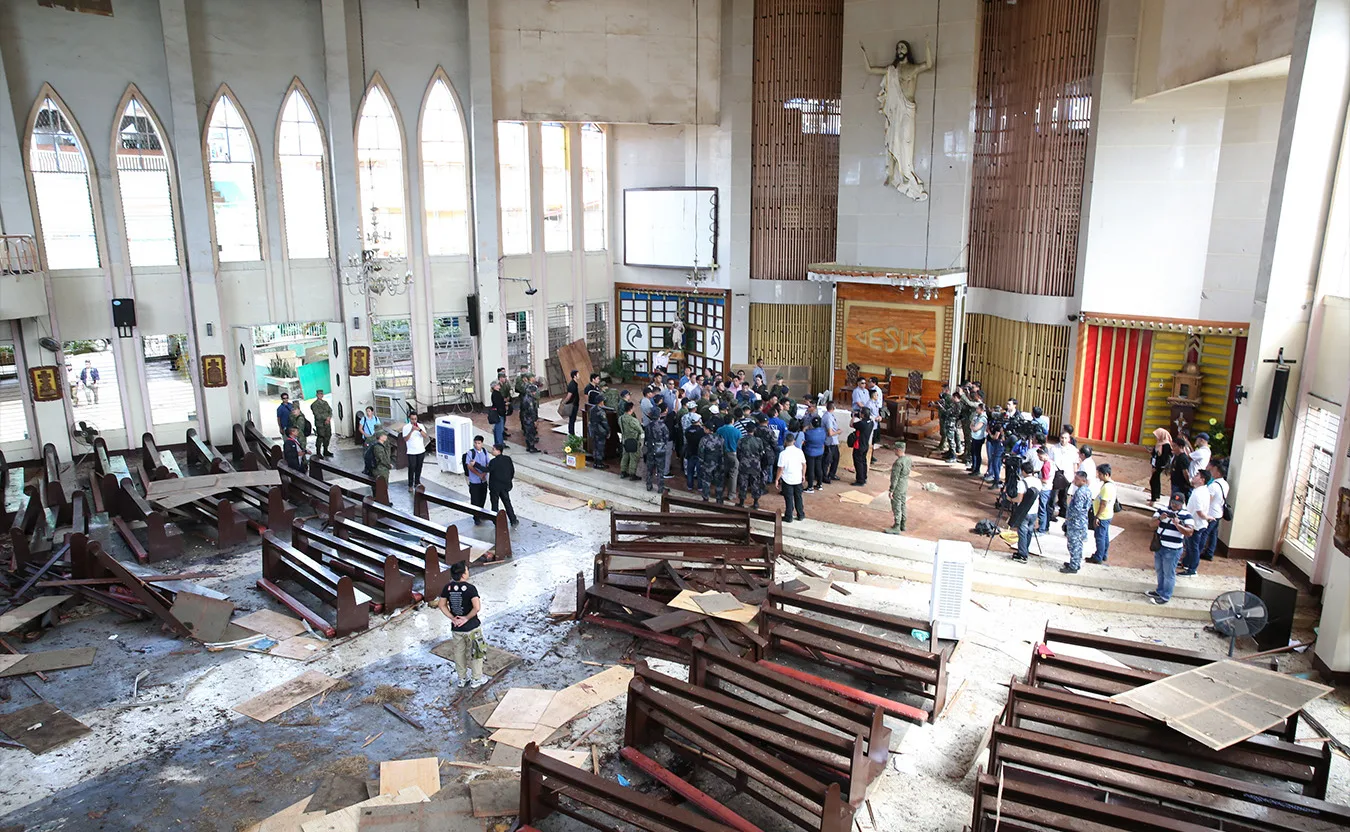
The Roman Catholic cathedral of the provincial capital, dedicated to the Virgin Mary under the title Our Lady of Mount Carmel. It is the seat of the Apostolic Vicariate of Jolo. The town stands on the volcanic island of the …
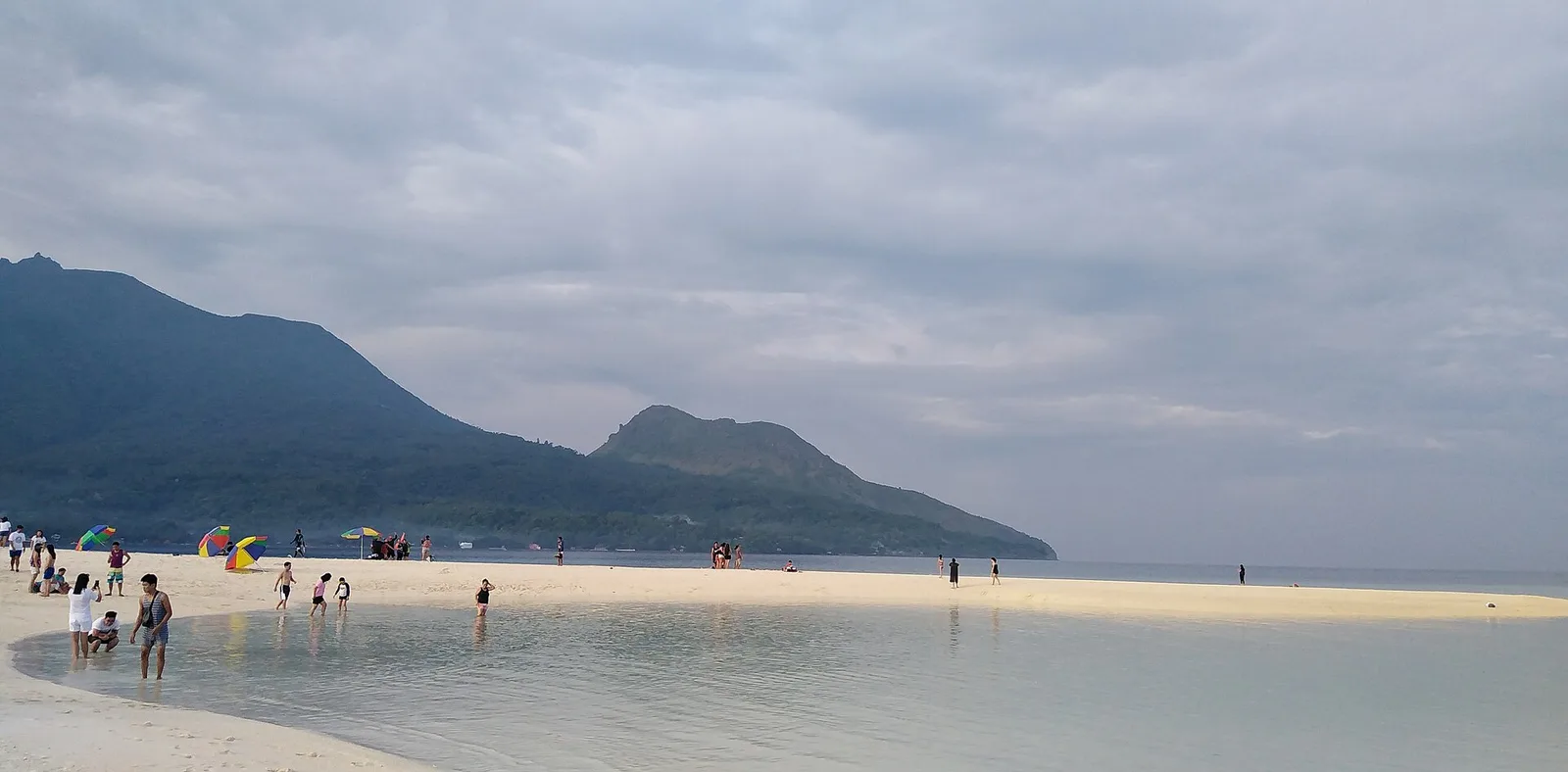
An uninhabited sandbar of white sand, 1.4 kilometres off the northern shore of Mambajao. It is roughly horseshoe shaped, but the tides keep changing its size and its form. There are no trees and no shelter of any kind on …
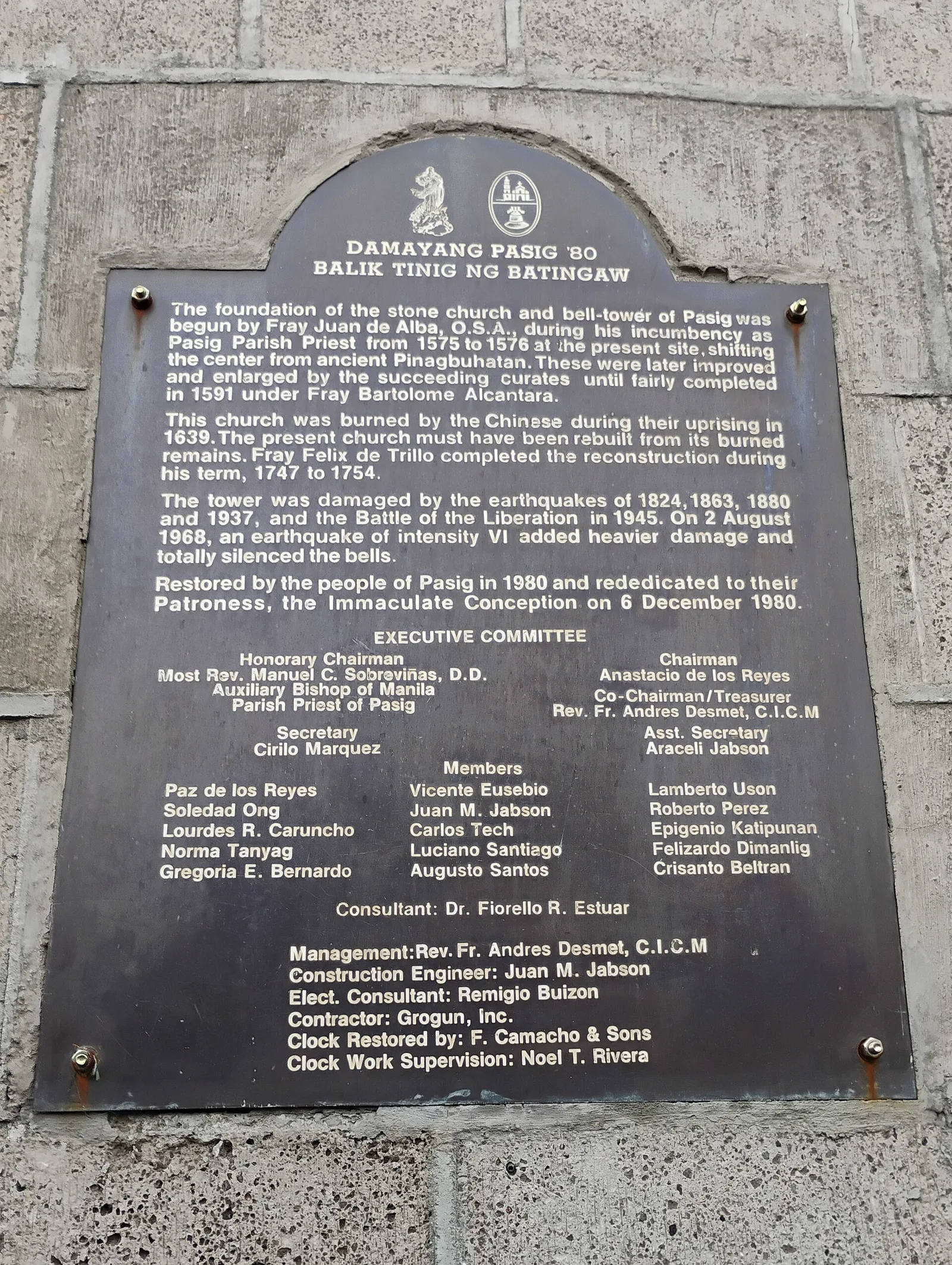
The seat of the bishop of Pasig and one of the oldest structures in the city, on Plaza Rizal in Barangay Malinao. Augustinian missionaries founded the parish on July 2, 1573, the day the town itself was founded. It was …
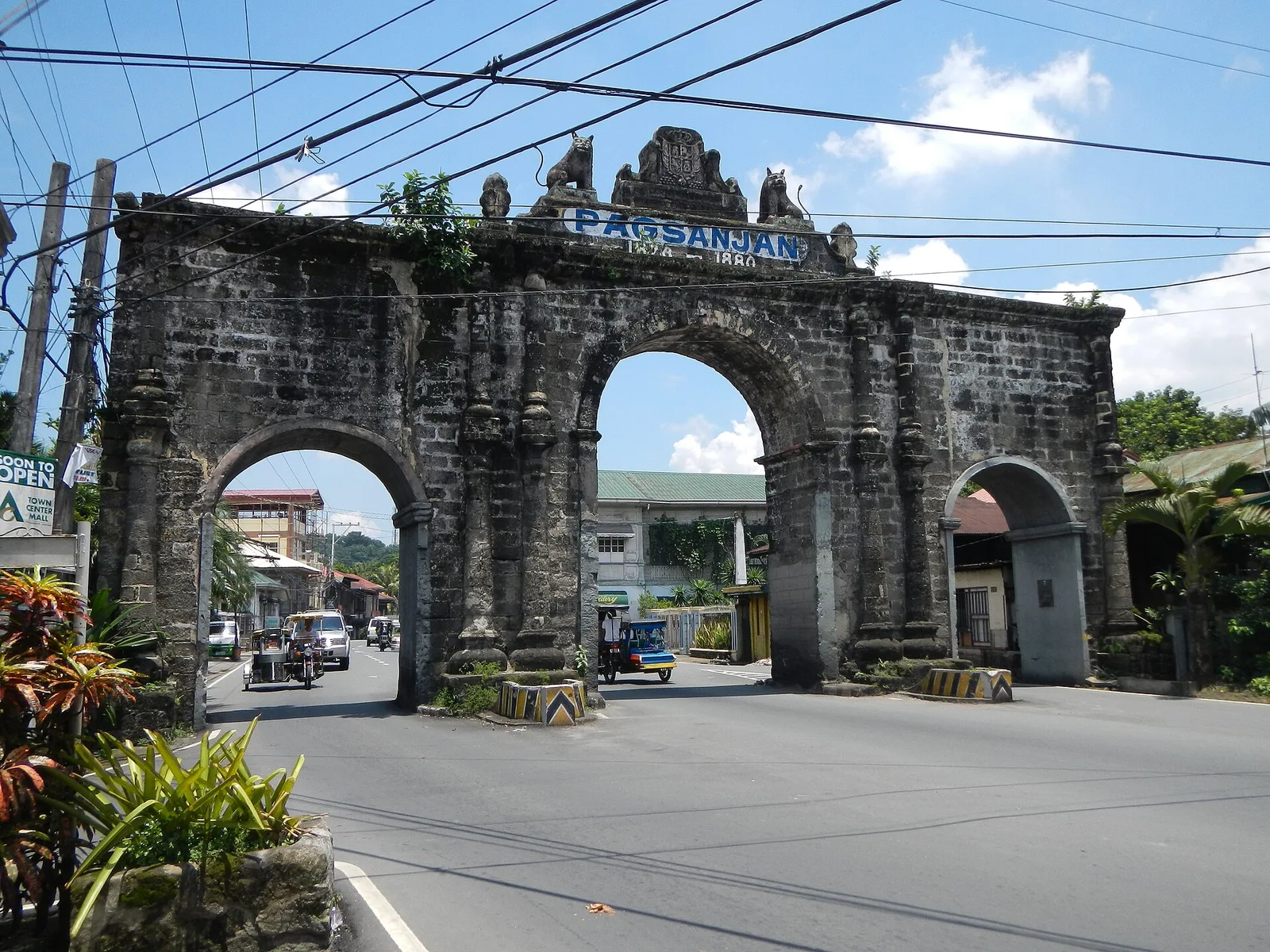
One of the few-surviving town gates in the Philippines from the Spanish era, the three-portal structure is a designated National Cultural Treasure that sits directly on the highway from Santa Cruz.
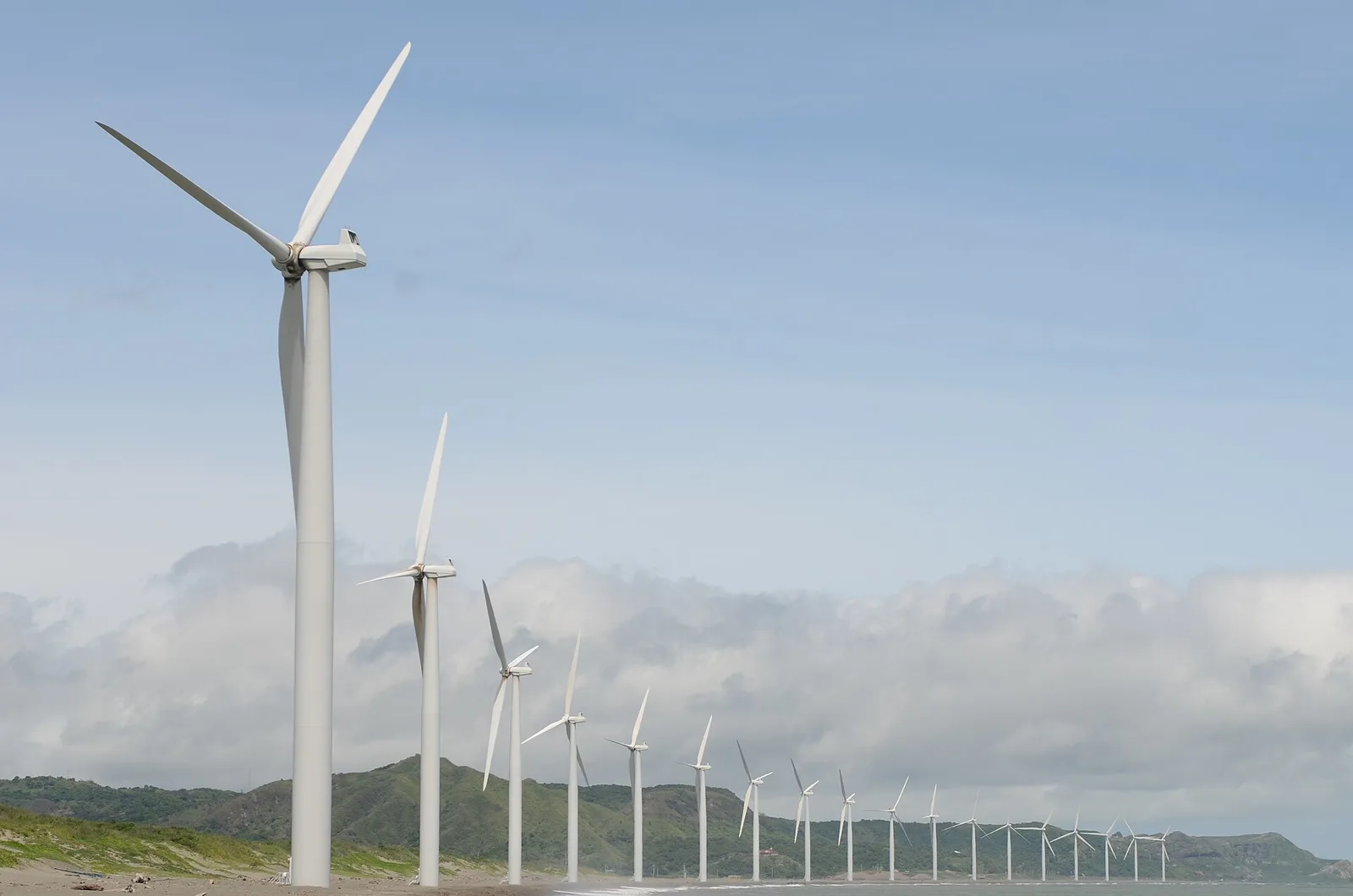
Constructed in 2003 and opened in 2005, this is the first wind farm in the Philippines. Even after the Burgos and Caparispisan wind farms were completed, the Bangui wind farms remain the main tourist attraction in its region.
Founded in 1810 as a parish at the present day Universidad de Zamboanga campus, the Cathedral is the seat of the Roman Catholic Archdiocese of Zamboanga (created in 1910 as diocese and elevated in 1958 as an archdiocese). It is …
Dry caving and underground river adventure experience. Short hike are expected. There are caves and rock formations. Life jackets, local guides and boatmen are available.
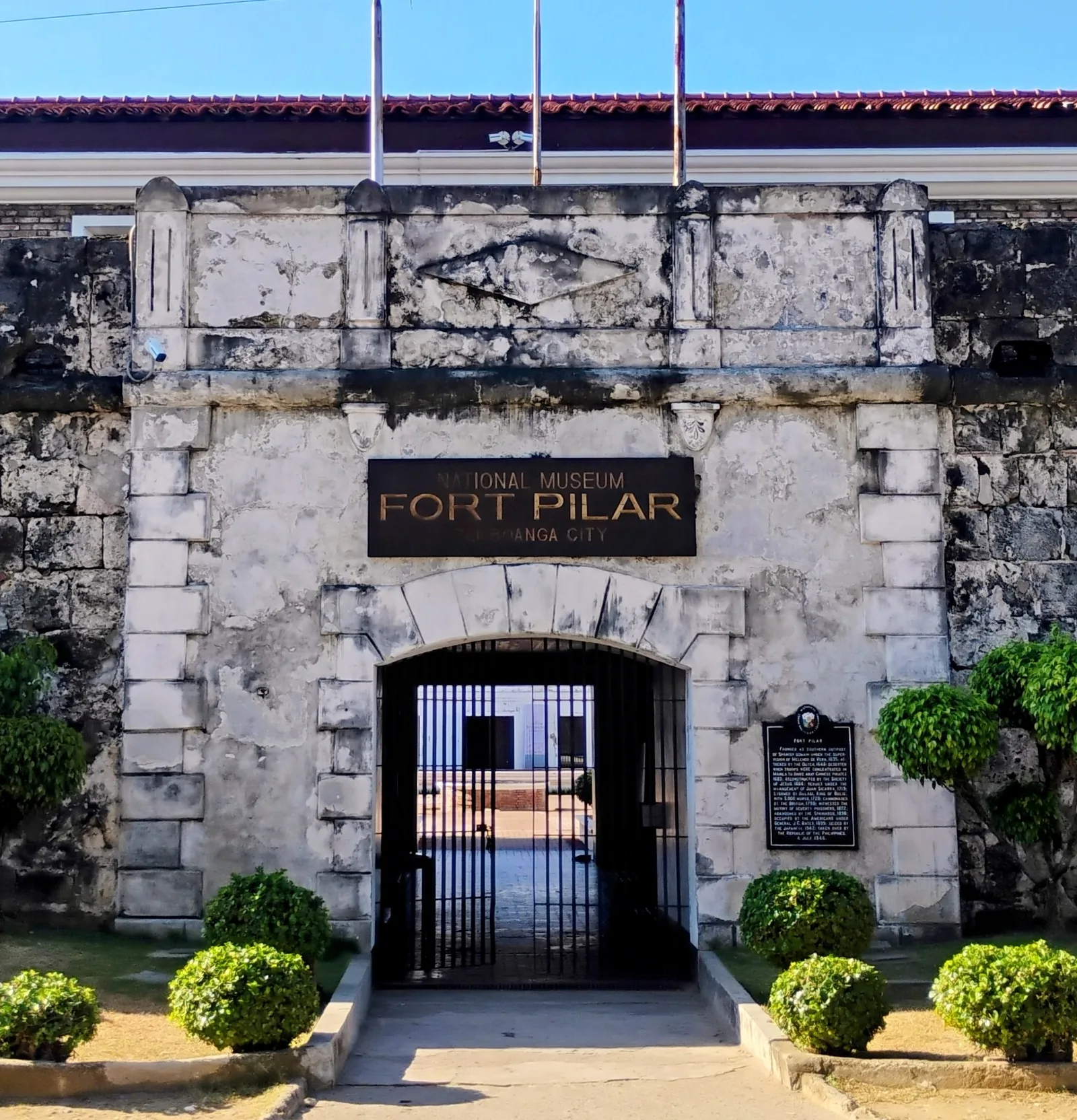
A 17th-century fortress built by the Spanish colonial government, and now a regional museum of the National Museum of the Philippines. It is a major landmark of the city. The Jesuit priest-engineer Melchor de Vera laid the cornerstone on 23 …
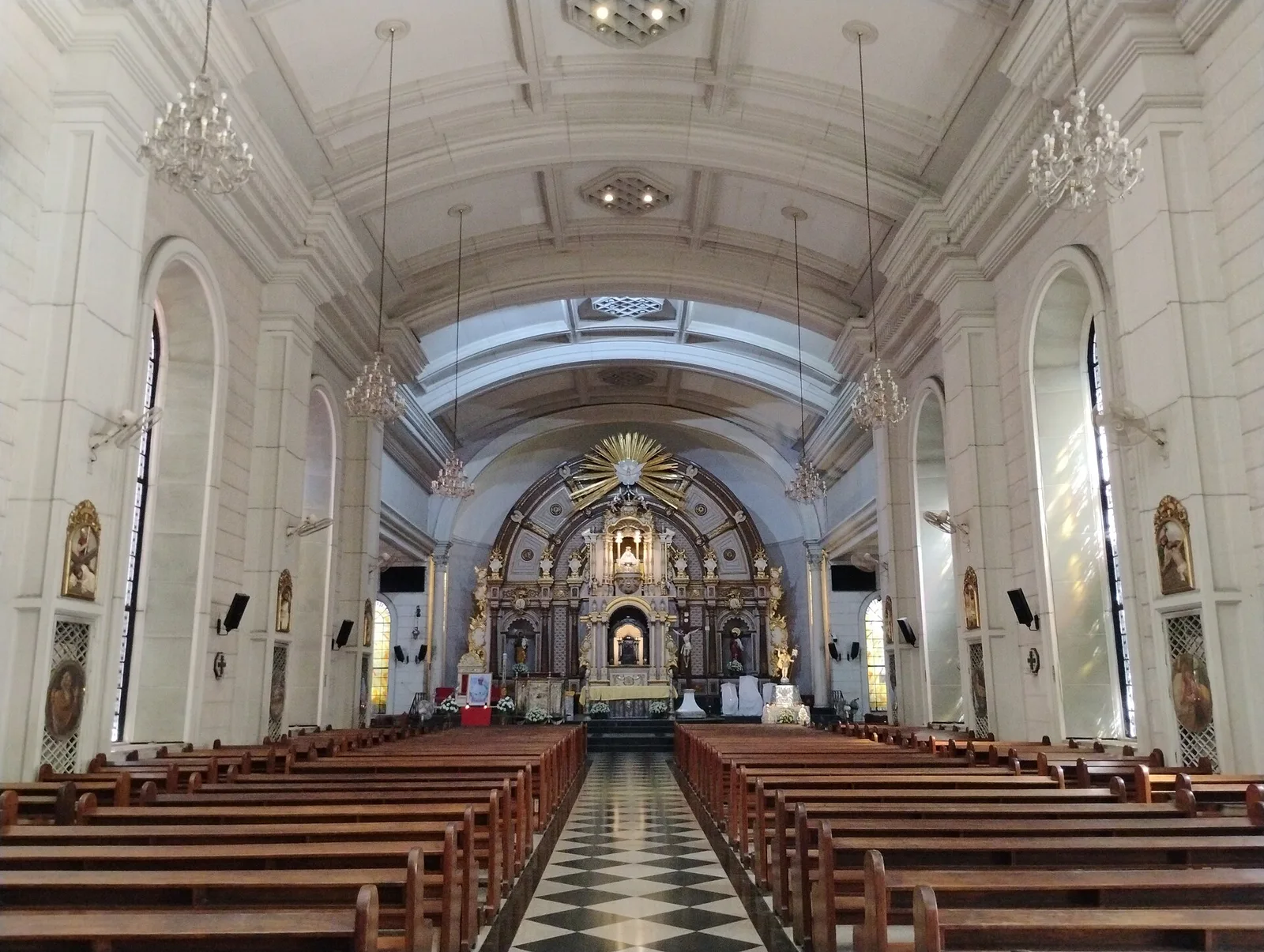
One of the oldest Catholic churches in the country, set up by the Spanish Augustinians on May 11, 1580. It is the seat of the Diocese of Parañaque, which covers Parañaque, Las Piñas and Muntinlupa, and it is also the …

About 7 km north of Panagsama you'll find White Beach or Basdako, meaning 'Big Sand', a nice white sandy beach lined with a beautiful coral reef about 30 m out. Pack your mask and snorkel. White Beach is a popular spot …
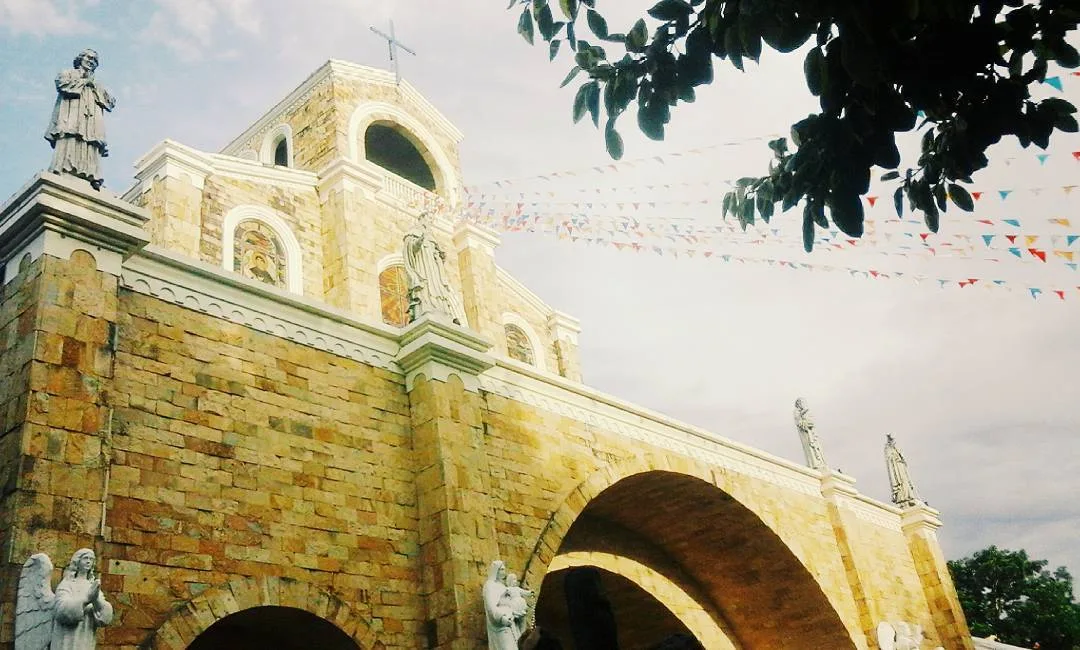
It's the seat of the Roman Catholic Diocese of Dipolog. Constructed by the Spanish friars of Dipolog on April 15, 1894, records show that the original altar was designed by Dr. Jose Rizal, the sketch of the altar was inspired …
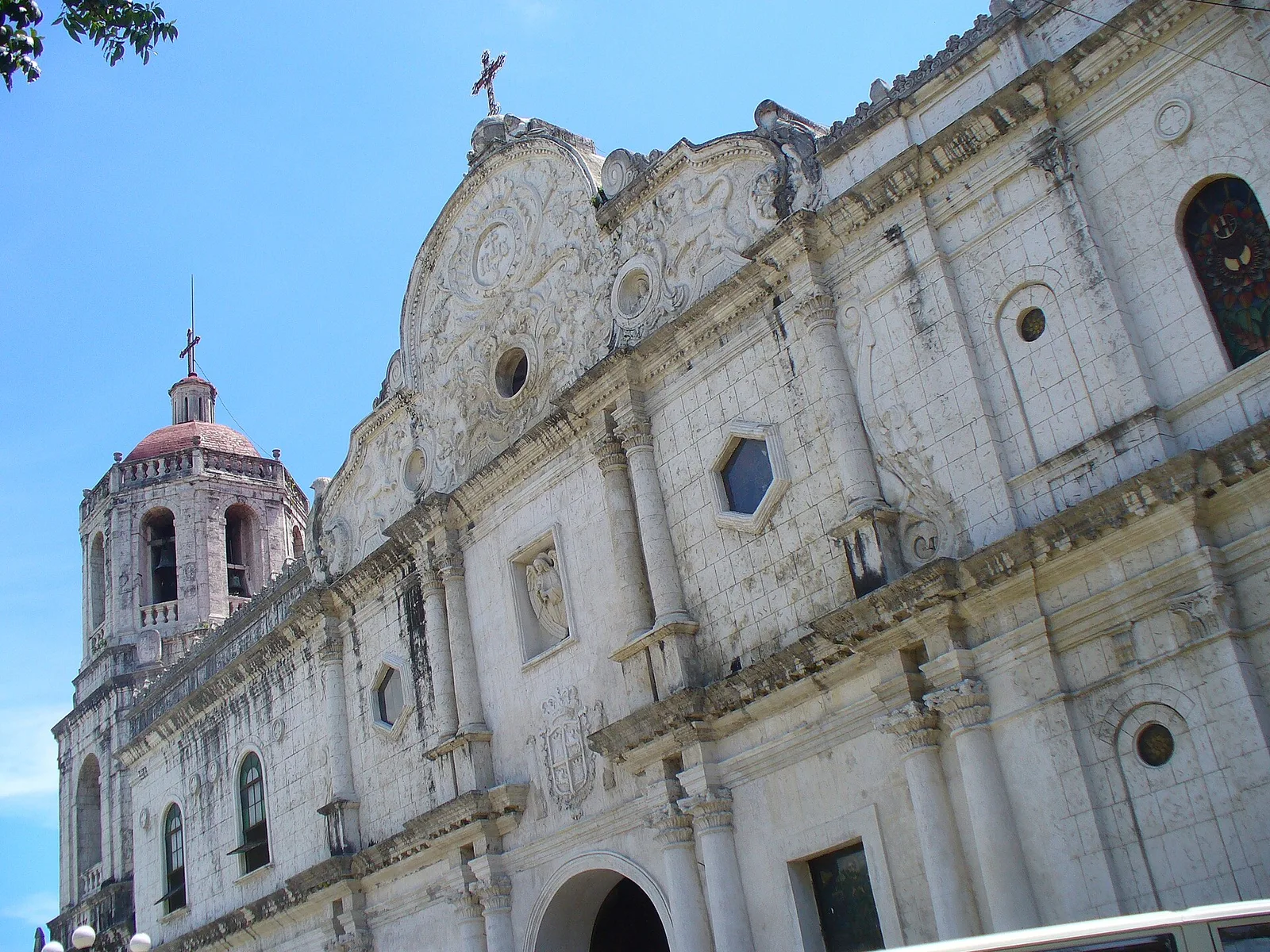
A church built in 1565 by the first Spanish missionaries in Cebu, seat of an Archbishop who has subordinate Bishops in many cities of the Visayas. It was mostly destroyed during World War II and had been rebuilt a bit …
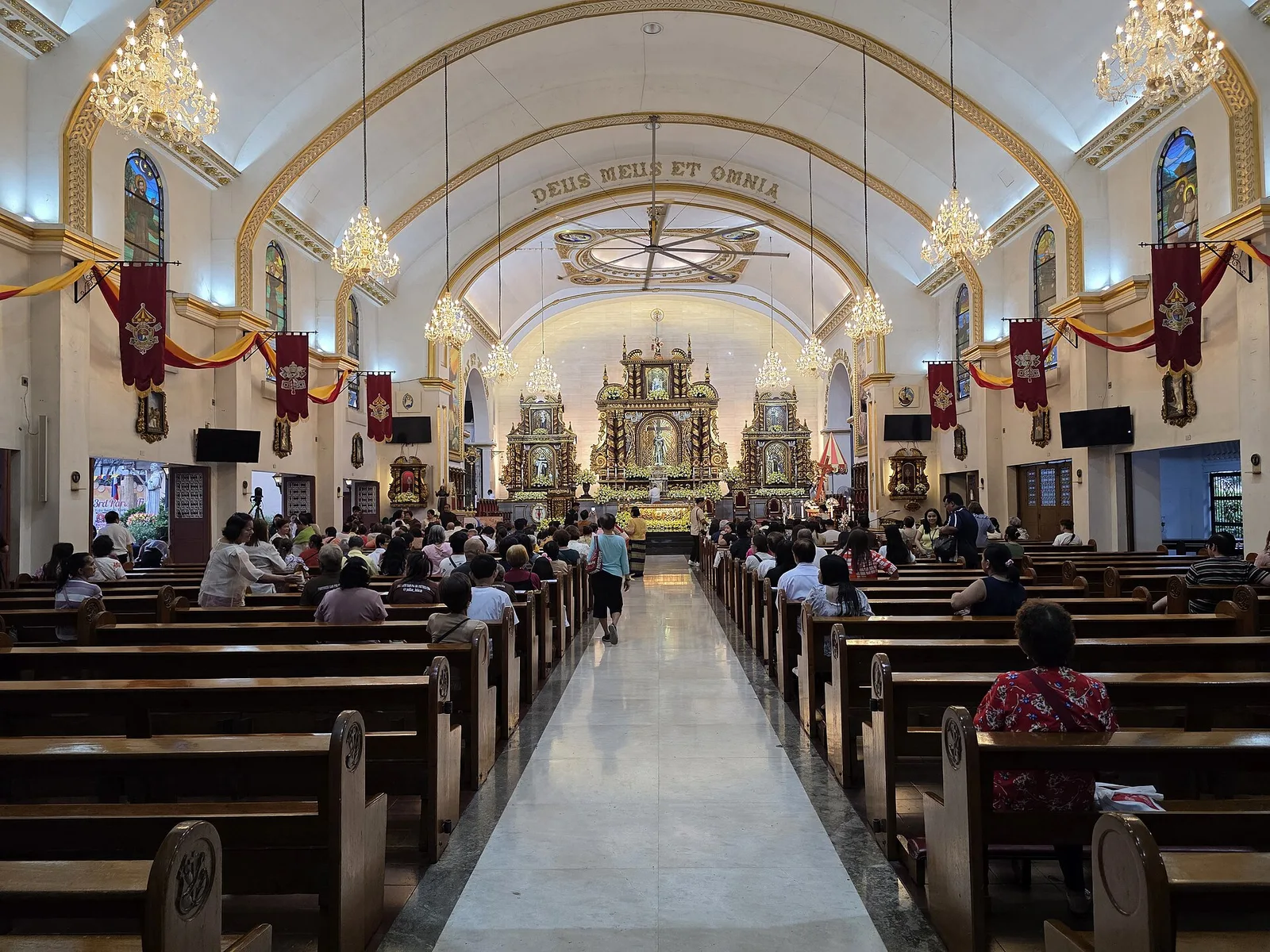
The oldest church in Quezon City, built in 1590, and one of the oldest in the country. It stands in the San Francisco del Monte district and carries the name of Pedro Bautista, the Spanish missionary from Ávila who founded …
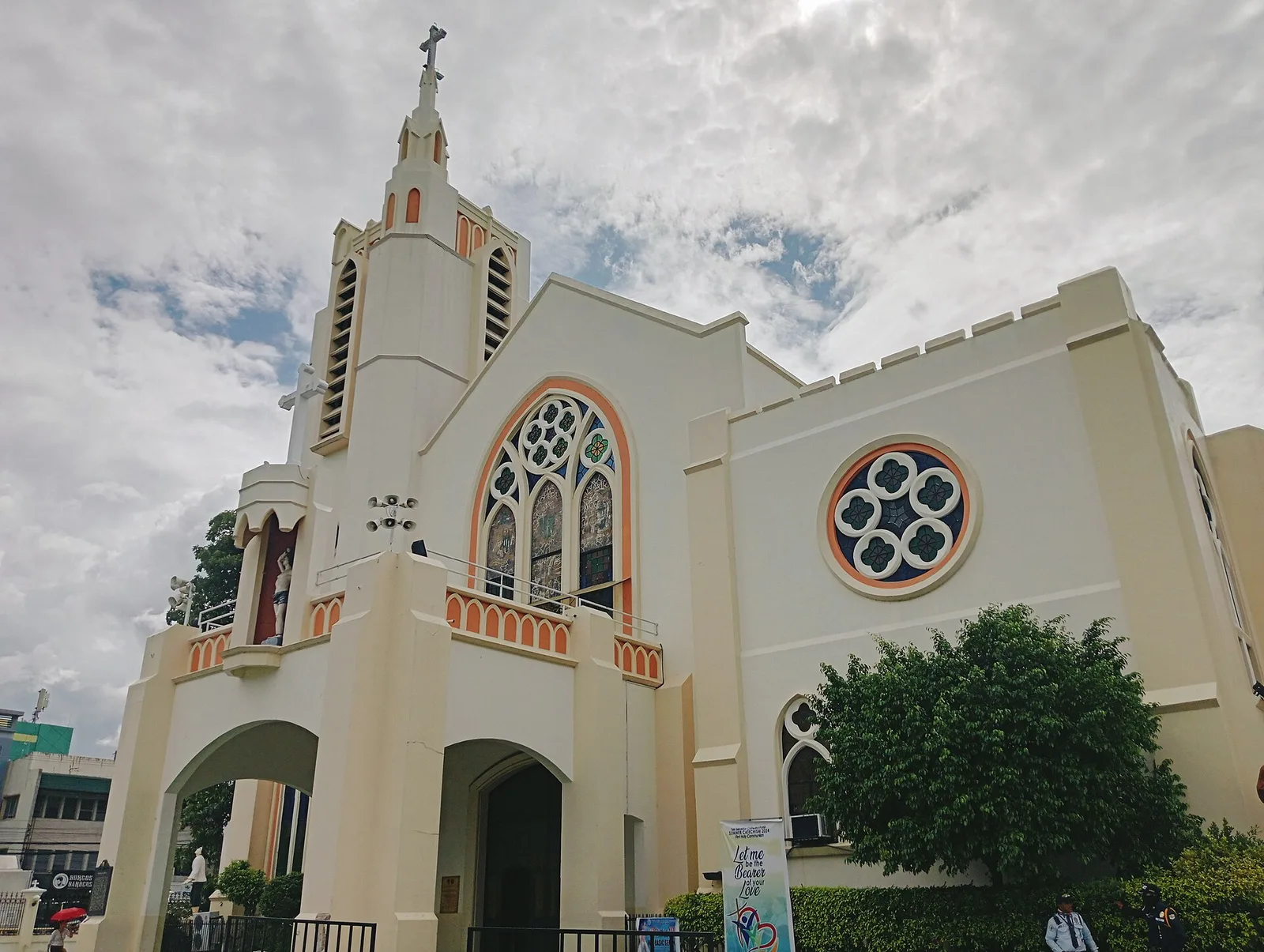
The seat of the Diocese of Tarlac, a neo-Gothic church in Barangay Mabini. It was dedicated to Saint Sebastian in 1686, and the building that stands today went up after the war. The stone and wood church before it, finished …
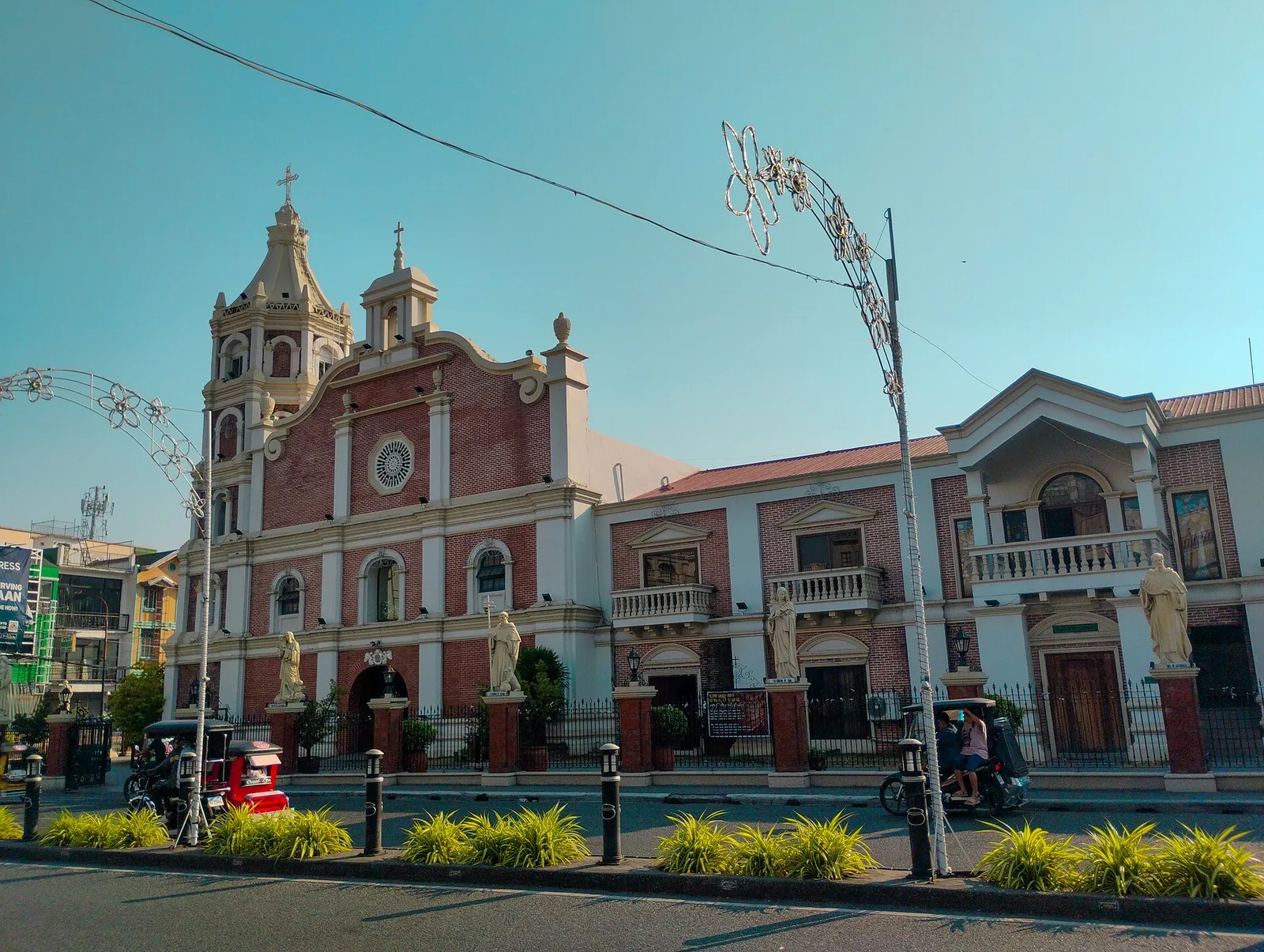
The seat of the Diocese of Balanga, which covers the whole province of Bataan. The Japanese Imperial Army used the church as an artillery position during the Second World War, and fired from here on the USAFFE forces at Mount …
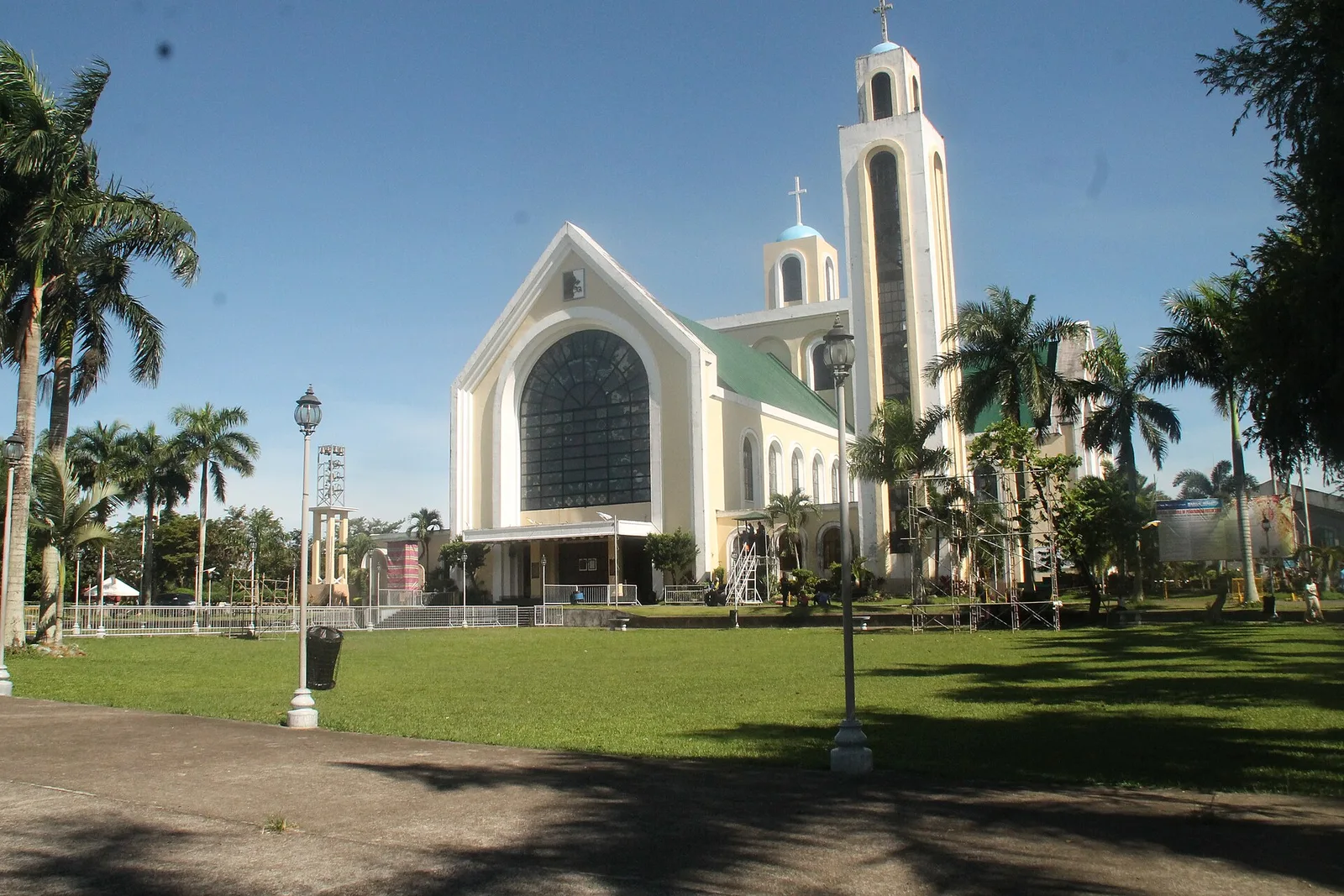
The church that holds the image of Our Lady of Peñafrancia, patroness of the Bicol Region. It is one of the largest Marian pilgrimage sites in Asia, and the only basilica in Bicol and in the Archdiocese of Caceres. It …
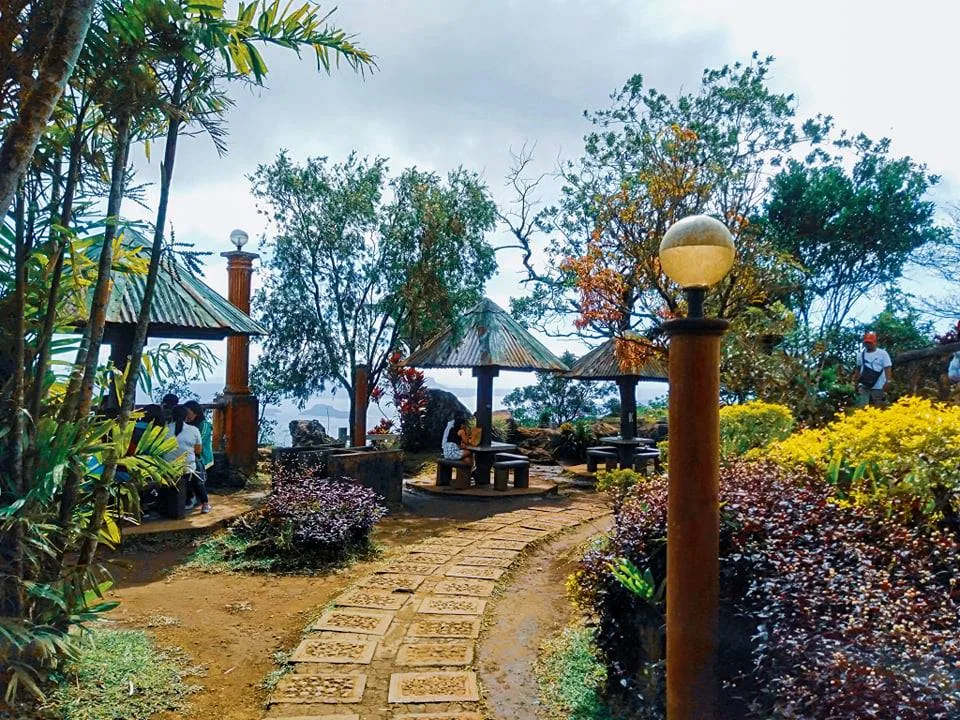
An unfinished mansion on the highest point, now a viewing deck with a view of the lake and, on clear days, Manila Bay. The Marcos government started the house for a state visit by the United States president Ronald Reagan, …
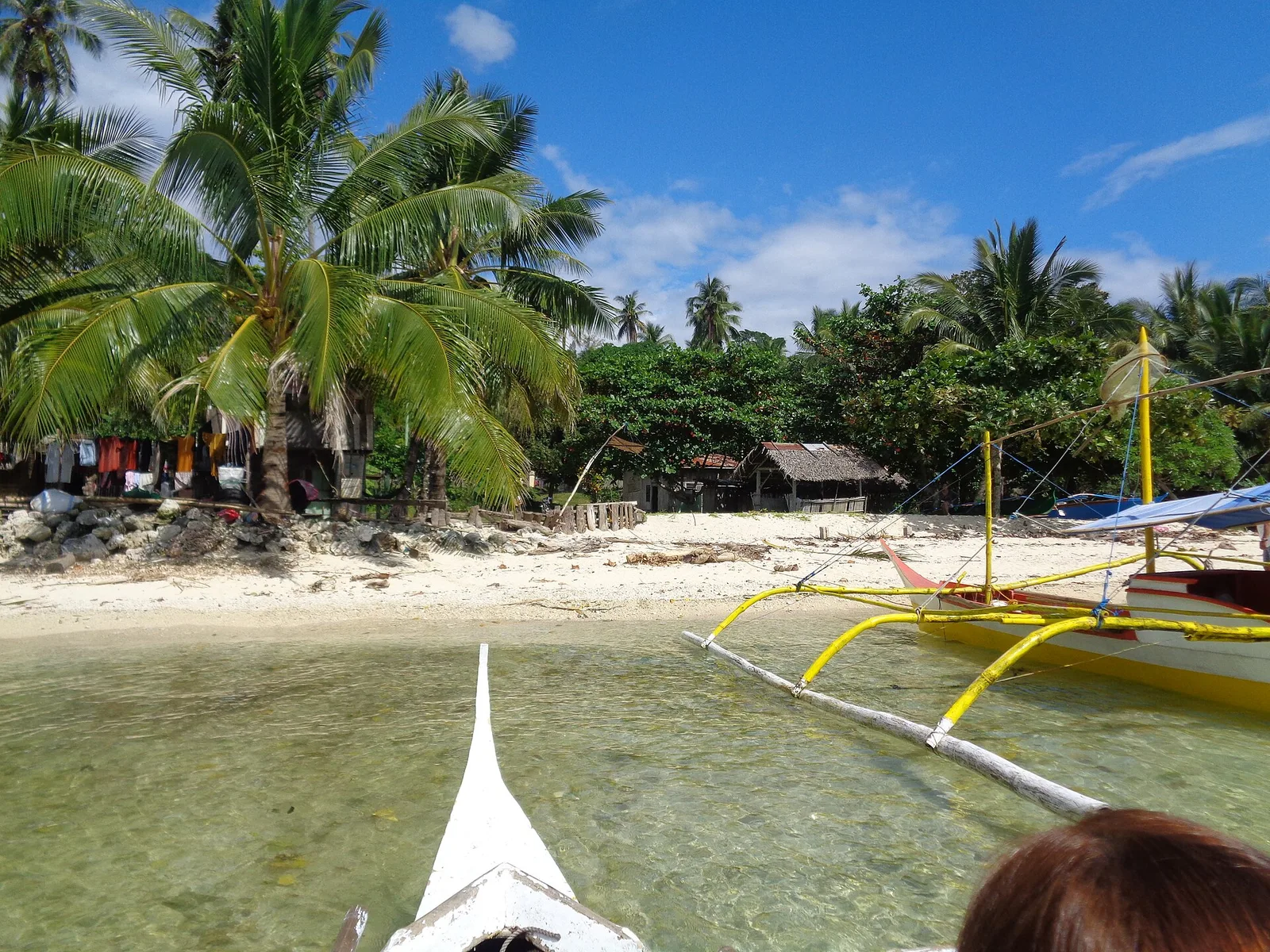
A short ferry across the gulf for beaches, a bat cave and resorts. The island is a city in its own right and part of Metro Davao, and it lies immediately off the Davao City coast in Davao Gulf.
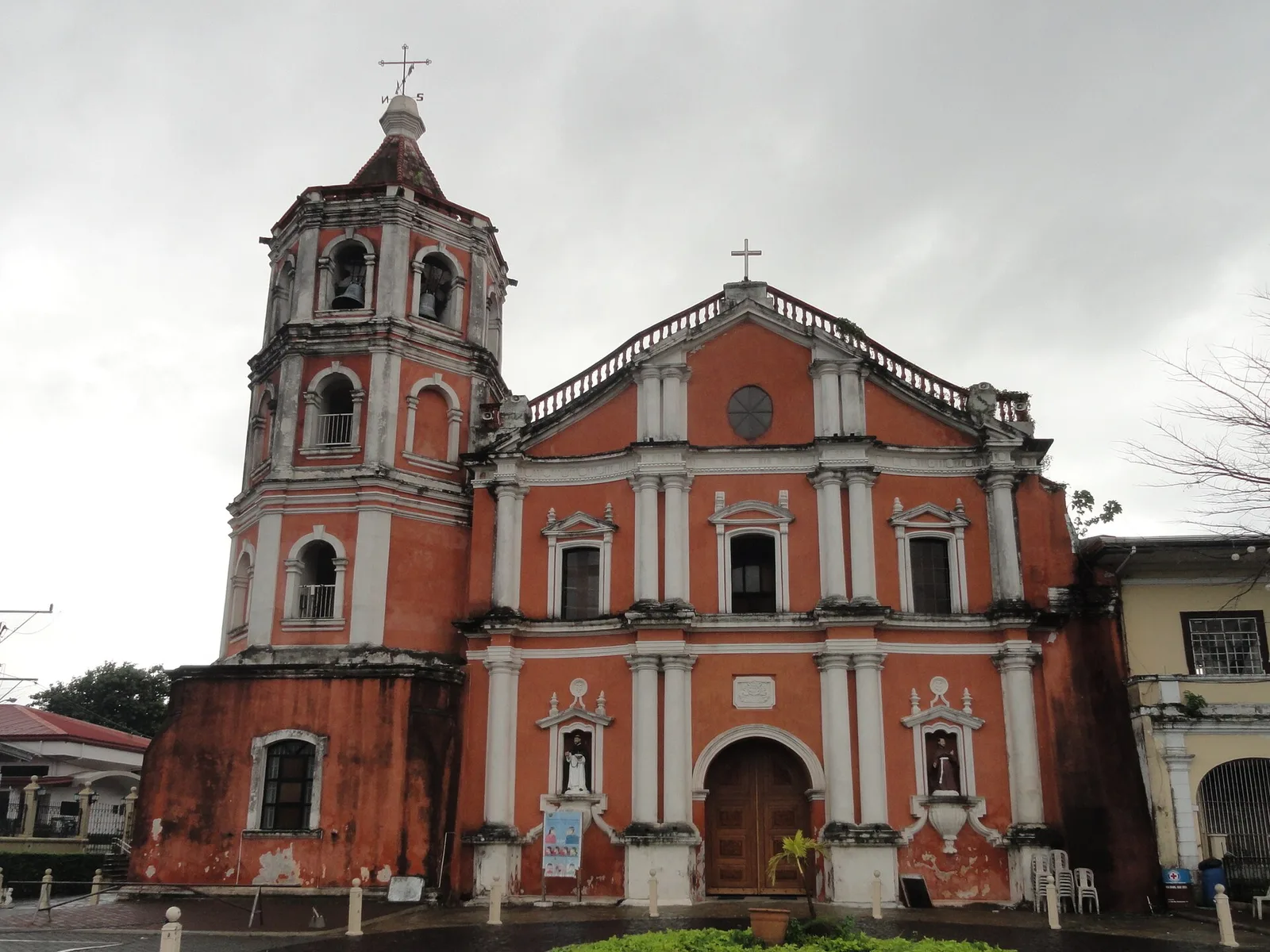
An adobe Romanesque Roman Catholic cathedral that forms the center of San Pablo and serves as the seat of the namesake Roman Catholic Diocese of San Pablo which oversees the entirety of Laguna. Built in 1714, it was damaged during …

Inevitably associated with the town, the volcano is the biggest draw in the area, particularly its crater lake and the lunar landscapes created along its gullies following the 1991 eruptions.